




Intel Core i3-380M vs Intel Core i3-1115G4 vs Intel Core i7-1185G7
Intel Core i3-380M
► remove from comparison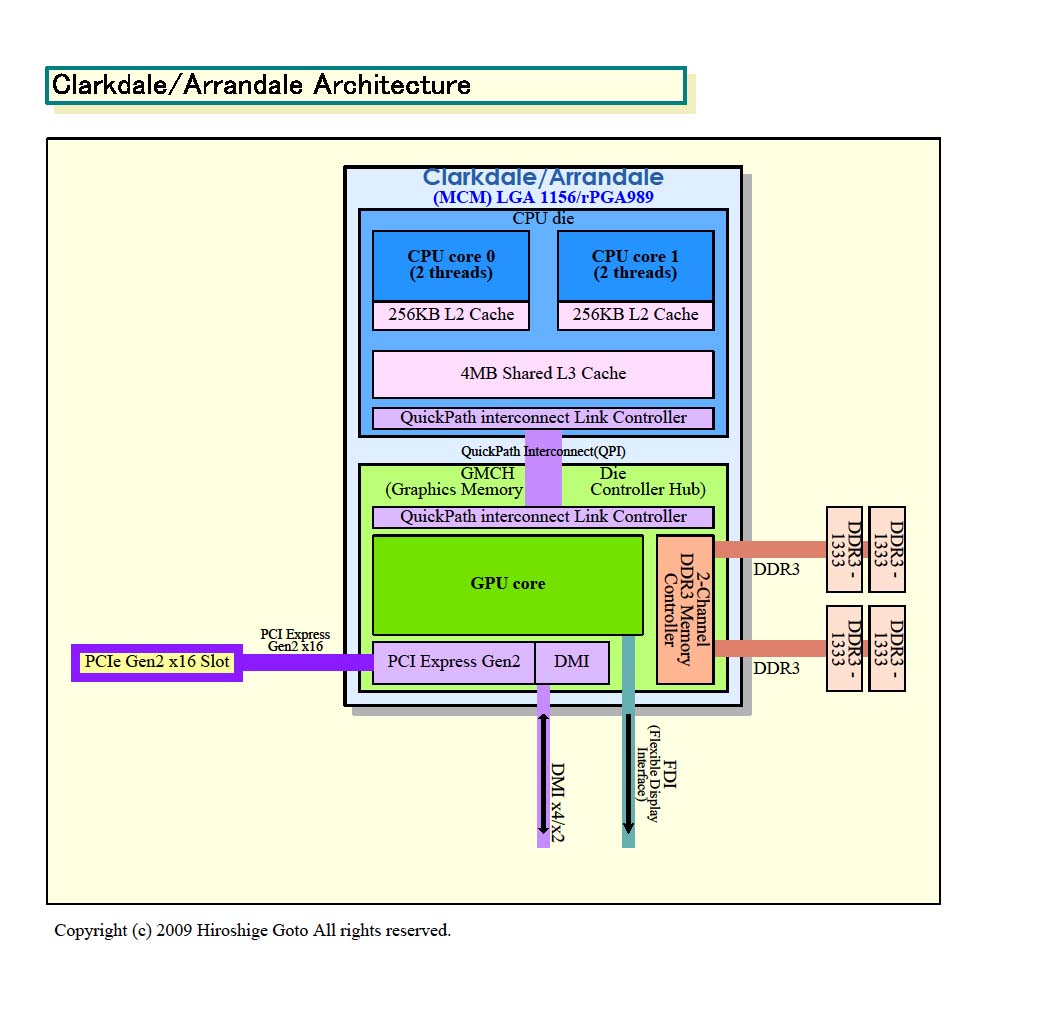
The Intel Core i3-380M is a middle class dual core CPU for laptops and clocks with 2.53 GHz. The difference to the Core i5 and i7 series is the lacking TurboBoost overclocking, and the missing AES, VT-d and Trusted Execution functions. Each core is based on the Nehalem (Westmere) micro-architecture. Hyperthreading enables the Dual Core CPU to handle 4 threads at once (for a better usage of the pipeline). It is part of the Arrandale refresh and successor to the 2.4 GHz i3-370M.
A feature of the new Core i3-380M is the integrated graphics card called GMA HD and the memory controller. Both are on a separate die that is still manufactured in 45nm whereas the CPU die is already manufactured in the new 32nm process.
The performance of the Core i3-380M should be at a level of a 2.6-2.7 GHz Core 2 Duo (upper class CPUs in the last year). This is mainly due to the efficient HyperThreading function and the integrated memory controller. In single threaded applications it should be at least as fast, as a similar clocked Core 2 Duo.
The integrated Intel Graphics Media Accelerator HD (GMA HD) graphics card is known to be clocked up to 500-667 MHz (due to Turbo Boost) and should be clearly faster than the old GMA 4500MHD. The Core i5 and i7 models should still be a bit faster because of the higher max. clock speed of the GPU. The performance of the graphics in 3D should be on par with a Radeon HD 4200 but the driver support is usually worse.
The power consumption of 35 Watt TDP (max.) counts for the whole package and therefore it is clearly better than the 35 Watt TDP of the Core 2 Duo T-series (CPU alone).
Intel Core i3-1115G4
► remove from comparison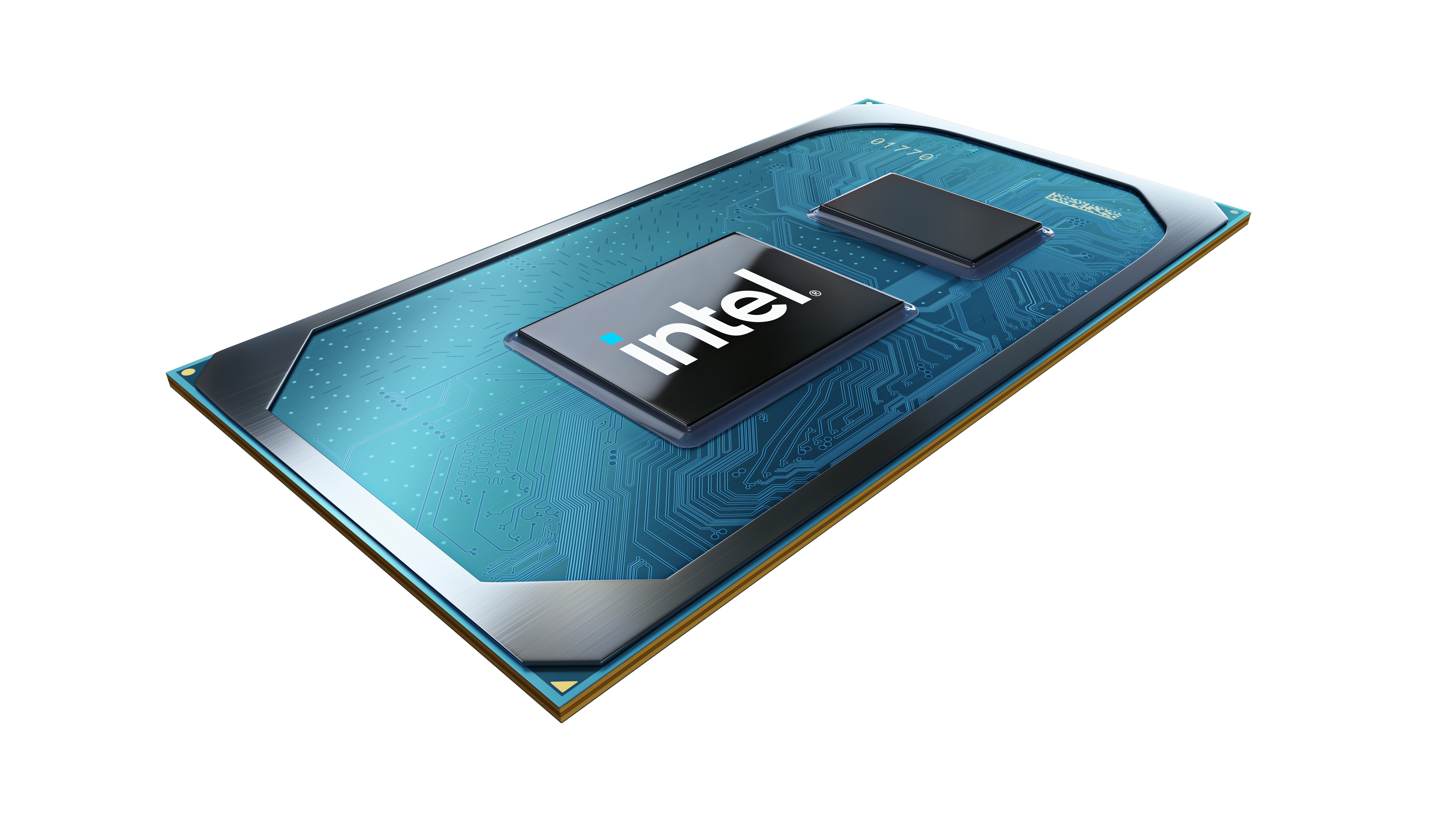
The Intel Core i3-1115G4 is a dual-core SoC for laptops and Ultrabooks based on the Tiger Lake-U generation (UP3) that was launched in September 2020. It integrates two Willow Cove processor cores (4 threads thanks to HyperThreading). Each core can clock from 3 GHz (base speed) to 4.1 GHz (single- and dual-core boost). The faster Core i5 and i7 models offer more cores and are therefore significantly faster.
Another novelty is the integrated Xe graphics card based on the completely new Gen 12 architecture. In the i3-1115G4 Intel is naming the GPU UHD Graphics and offers only 48 of the 96 EUs clocked at 400 - 1250 MHz. GPU and CPU can together use the 6 MB of L3 cache.
Furthermore, Tiger Lake SoCs add PCIe 4 support (four lanes), AI hardware acceleration, and the partial integration of Thunderbolt 4 / USB 4 and WiFi 6 in the chip.
The chip is produced on the second-gen 10 nm Intel SuperFin process that should be comparable to the 7 nm TSMC process (e.g. Ryzen 4000 series).
Performance
Multi-thread peformance is most comparable to what the Intel Core i5-8250U and the AMD Ryzen 5 3450U deliver. This makes the i3 a more than decent option for day-to-day tasks; that said, any workload of the more taxing kind (such as exporting a high-bitrate, hour long UHD video) will be enough to bring the i3 to its knees.
Thanks to its decent cooling solution and a long-term CPU power limit of 25 W, the ThinkPad L15 G2-20X4S0KU00 is one of the fastest laptops powered by the 1115G4 we know of. It can be more than 20% faster in CPU-bound workloads than the slowest system featuring the same chip in our database, as of August 2023.
Power consumption
This Core i3 series chip has a default TDP of 12 W to 28 W, the expectation being that laptop makers will go for a higher value in exchange for higher performance. Either way, that's a tad too high to allow for passively cooled laptops, tablets, mini-PCs.
The Core i3-1115G4 is built with Intel's third-gen 10 nm process marketed as SuperFin for decent, as of mid 2022, energy efficiency.
Intel Core i7-1185G7
► remove from comparisonThe Intel Core i7-1185G7 is a power-efficient quad-core SoC for laptops and Ultrabooks based on the Tiger Lake-U generation (UP3) that was introduced September 2020. It integrates four Willow Cove processor cores (8 threads thanks to Hyper-Threading). Each core can clock from 1.2 GHz (12 W base clock speed), 3 GHz (28 W base clock speed) to 4.8 GHz (single-core boost). All cores at once can clock at up to 4.3 GHz. At the time of announcement, the i7-1185G7 is the fastest model of the line-up. Since early 2021, the i7-1185G7 supports management features like vPro.
Another novelty is the integrated Iris Xe iGPU based on the completely new Gen 12 architecture. It should offer a significantly higher performance compared to the older Iris Plus G7 (Ice Lake). In the i7-1185G7 it uses 96 EUs and clocks between 400 - 1,350 MHz. The GPU and CPU can together use the 12 MB of L3 cache.
Furthermore, Tiger Lake SoCs add PCIe 4 support (four lanes), AI hardware acceleration, and the partial integration of Thunderbolt 4/USB 4 and Wi-Fi 6 in the chip.
Performance
The average 1185G7 in our database is just as fast as AMD's hexa-core Ryzen 5 4500U, as far as multi-thread benchmark scores are concerned. While the i7 is not the fastest Tiger Lake chip by any stretch of imagination, it's more than usable for your productivity and creative apps, with a bit of gaming possible as well.
Thanks to its decent cooling solution and a long-term CPU power limit of 55 W, the Stealth 15M A11SEK is among the fastest laptops powered by the 1185G7 that we know of. It can be almost twice as fast in CPU-bound workloads as the slowest system featuring the same chip in our database, as of August 2023.
Power consumption
This little Core i7 here has a default TDP of 12 W to 28 W, the expectation being that laptop manufacturers will go for a higher value in exchange for higher performance. Either way, that's a tad too high to allow for passively cooled designs.
The chip is manufactured on Intel's third-gen 10 nm process marketed as SuperFin for average, as of late 2022, energy efficiency.
| Model | Intel Core i3-380M | Intel Core i3-1115G4 | Intel Core i7-1185G7 | ||||||||||||||||||||||||||||||||||||||||||||||||||||||||||||||||||||||||||||||||||||||||||||
| Codename | Arrandale | Tiger Lake-UP3 | Tiger Lake-UP3 | ||||||||||||||||||||||||||||||||||||||||||||||||||||||||||||||||||||||||||||||||||||||||||||
| Series | Intel Core i3 | Intel Tiger Lake | Intel Tiger Lake | ||||||||||||||||||||||||||||||||||||||||||||||||||||||||||||||||||||||||||||||||||||||||||||
| Series: Tiger Lake Tiger Lake-UP3 |
|
|
| ||||||||||||||||||||||||||||||||||||||||||||||||||||||||||||||||||||||||||||||||||||||||||||
| Clock | 2533 MHz | 3000 - 4100 MHz | 3000 - 4800 MHz | ||||||||||||||||||||||||||||||||||||||||||||||||||||||||||||||||||||||||||||||||||||||||||||
| FSB | 2500 | ||||||||||||||||||||||||||||||||||||||||||||||||||||||||||||||||||||||||||||||||||||||||||||||
| L2 Cache | 512 KB | 2.5 MB | 5 MB | ||||||||||||||||||||||||||||||||||||||||||||||||||||||||||||||||||||||||||||||||||||||||||||
| L3 Cache | 3 MB | 6 MB | 12 MB | ||||||||||||||||||||||||||||||||||||||||||||||||||||||||||||||||||||||||||||||||||||||||||||
| Cores / Threads | 2 / 4 | 2 / 4 | 4 / 8 | ||||||||||||||||||||||||||||||||||||||||||||||||||||||||||||||||||||||||||||||||||||||||||||
| TDP | 35 Watt | 28 Watt | 28 Watt | ||||||||||||||||||||||||||||||||||||||||||||||||||||||||||||||||||||||||||||||||||||||||||||
| Transistors | 382+177 Million | ||||||||||||||||||||||||||||||||||||||||||||||||||||||||||||||||||||||||||||||||||||||||||||||
| Technology | 32 nm | 10 nm | 10 nm | ||||||||||||||||||||||||||||||||||||||||||||||||||||||||||||||||||||||||||||||||||||||||||||
| Die Size | 81+114 mm2 | ||||||||||||||||||||||||||||||||||||||||||||||||||||||||||||||||||||||||||||||||||||||||||||||
| max. Temp. | 105 °C | 100 °C | 100 °C | ||||||||||||||||||||||||||||||||||||||||||||||||||||||||||||||||||||||||||||||||||||||||||||
| Socket | BGA1288, PGA988 | BGA1449 | BGA1449 | ||||||||||||||||||||||||||||||||||||||||||||||||||||||||||||||||||||||||||||||||||||||||||||
| Features | Hyper Threading, Enhanced Speedstep, integrierte GMA HD 500-667MHz, | DDR4-3200/LPDDR4x-3733 RAM, PCIe 4, 4 GT/s bus, DL Boost, GNA, MMX, SSE, SSE2, SSE3, SSSE3, SSE4.1, SSE4.2, AVX, AVX2, AVX-512, BMI2, ABM, FMA, ADX, VMX, SMEP, SMAP, EIST, TM1, TM2, HT, Turbo, SST, AES-NI, RDRAND, RDSEED, SHA | DDR4-3200/LPDDR4x-4266 RAM, PCIe 4, 4 GT/s bus, DL Boost, GNA, MMX, SSE, SSE2, SSE3, SSSE3, SSE4.1, SSE4.2, AVX, AVX2, AVX-512, BMI2, ABM, FMA, ADX, VMX, SMX, SMEP, SMAP, EIST, TM1, TM2, HT, Turbo, SST, AES-NI, RDRAND, RDSEED, SHA, TME | ||||||||||||||||||||||||||||||||||||||||||||||||||||||||||||||||||||||||||||||||||||||||||||
| Architecture | x86 | x86 | x86 | ||||||||||||||||||||||||||||||||||||||||||||||||||||||||||||||||||||||||||||||||||||||||||||
| Announced | |||||||||||||||||||||||||||||||||||||||||||||||||||||||||||||||||||||||||||||||||||||||||||||||
| Manufacturer | ark.intel.com | ark.intel.com | ark.intel.com | ||||||||||||||||||||||||||||||||||||||||||||||||||||||||||||||||||||||||||||||||||||||||||||
| L1 Cache | 160 KB | 320 KB | |||||||||||||||||||||||||||||||||||||||||||||||||||||||||||||||||||||||||||||||||||||||||||||
| iGPU | Intel UHD Graphics Xe G4 48EUs (400 - 1250 MHz) | Intel Iris Xe Graphics G7 96EUs (400 - 1350 MHz) |
Benchmarks

Average Benchmarks Intel Core i3-380M → 100% n=10
Average Benchmarks Intel Core i3-1115G4 → 221% n=10
Average Benchmarks Intel Core i7-1185G7 → 331% n=10
 - Average benchmark values for this graphics card
* Smaller numbers mean a higher performance
1 This benchmark is not used for the average calculation


