




Smartphones entering laptop territory in future? Xiaomi 17 Ultra in review

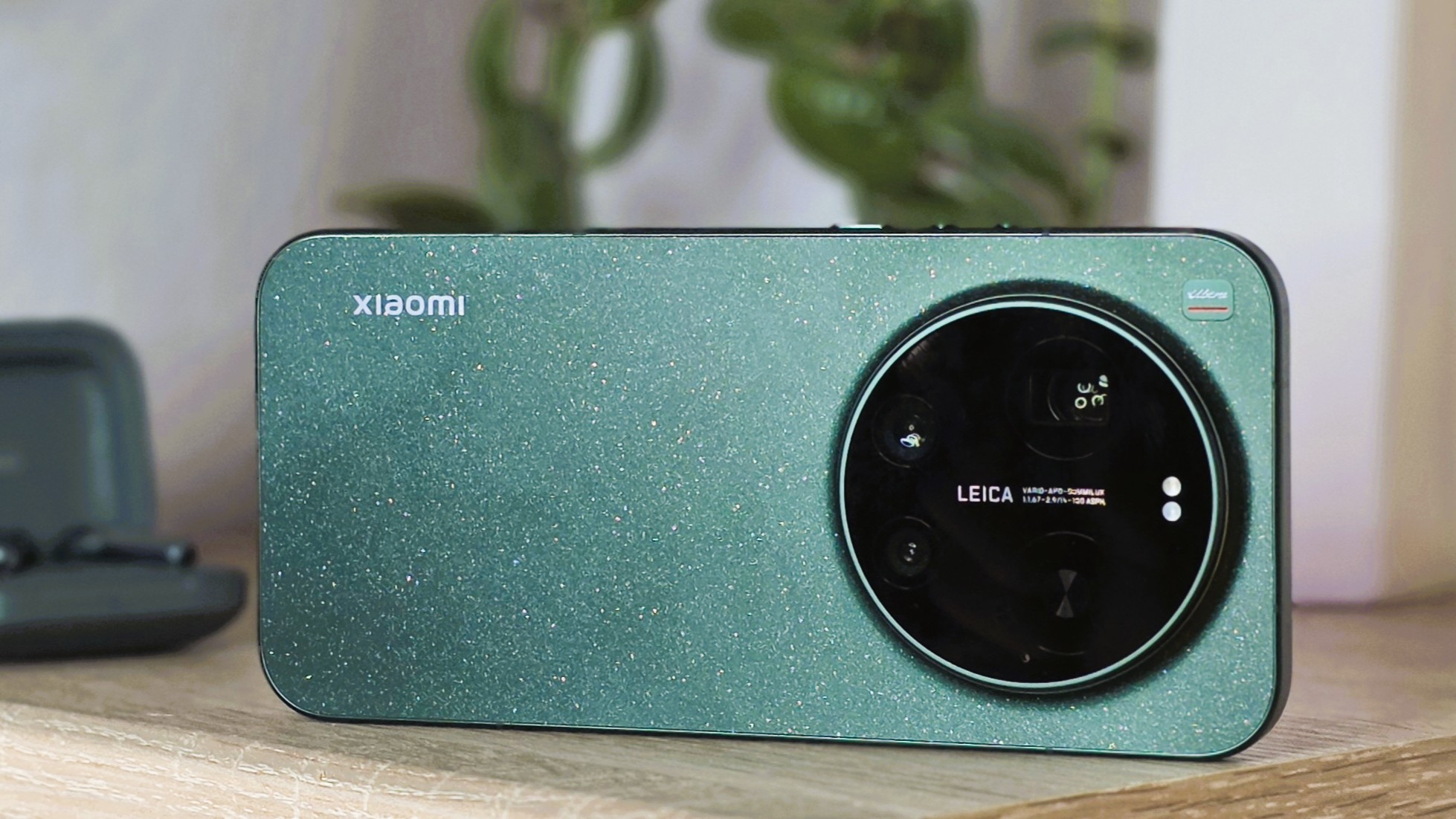
A higher TDP limit for notebooks usually means higher performance with more waste heat. Although two laptops with the same CPU are available on the market, the performance offered can be very different. Our review of the Xiaomi 17 Ultra which is equipped with the current flagship SoC from Qualcomm, suggests that this could become a reality for smartphones as well.
In addition to the current flagship from Xiaomi (prices start at 860 euros), we also recently reviewed the Pro Max model. Both Xiaomi phones use the same chipset - the Snapdragon 8 Elite Gen 5 - and have similar dimensions. Anyone who now assumes that the differences in performance between the Xiaomi 17 Ultra and Xiaomi 17 Pro Max are only marginal, our detailed reviews will prove you wrong.
Snapdragon 8 Elite Gen 5 in the smartphones with big differences
In our reviews, we usally take a closer look at the performance with various benchmarks. We use the Geekbench benchmark to check CPU performance. Here, the Ultra model performs better than the Pro Max model. If we put this in context of our power consumption measurements, the differences in performance can be explained by the higher consumption of the Xiaomi 17 Ultra.
Here, the current flagship phone consumes almost twice as much power as its sister model. Apparently, only the Ultra model is allowed to exploit the full potential of the SoC. You can read more about the performance differences within our benchmark results here.
Power consumption: Geekbench (150 cd/m²)
Power consumption: GFXbench (150 cd/m²)
The performance differences are even more apparent in the graphics benchmarks. The GPU of the Ultra model is much more powerful in the GFXBench than the integrated Adreno 840 of the Xiaomi 17 Pro Max. Here, we recognize large differences in power consumption in our GFXBench consumption data as well. While the Xiaomi 17 Ultra requires an average of 15 watts, its sister model only consumes 9 watts.
You can see the surprisingly large differences between the GPU units of the Xiaomi phones here.
Source(s)
review of the Xiaomi 17 Ultra
 Add as a preferred source on Google


