




Image quality of Xiaomi 17 Ultra puts Samsung Galaxy S25 Ultra's camera to shame
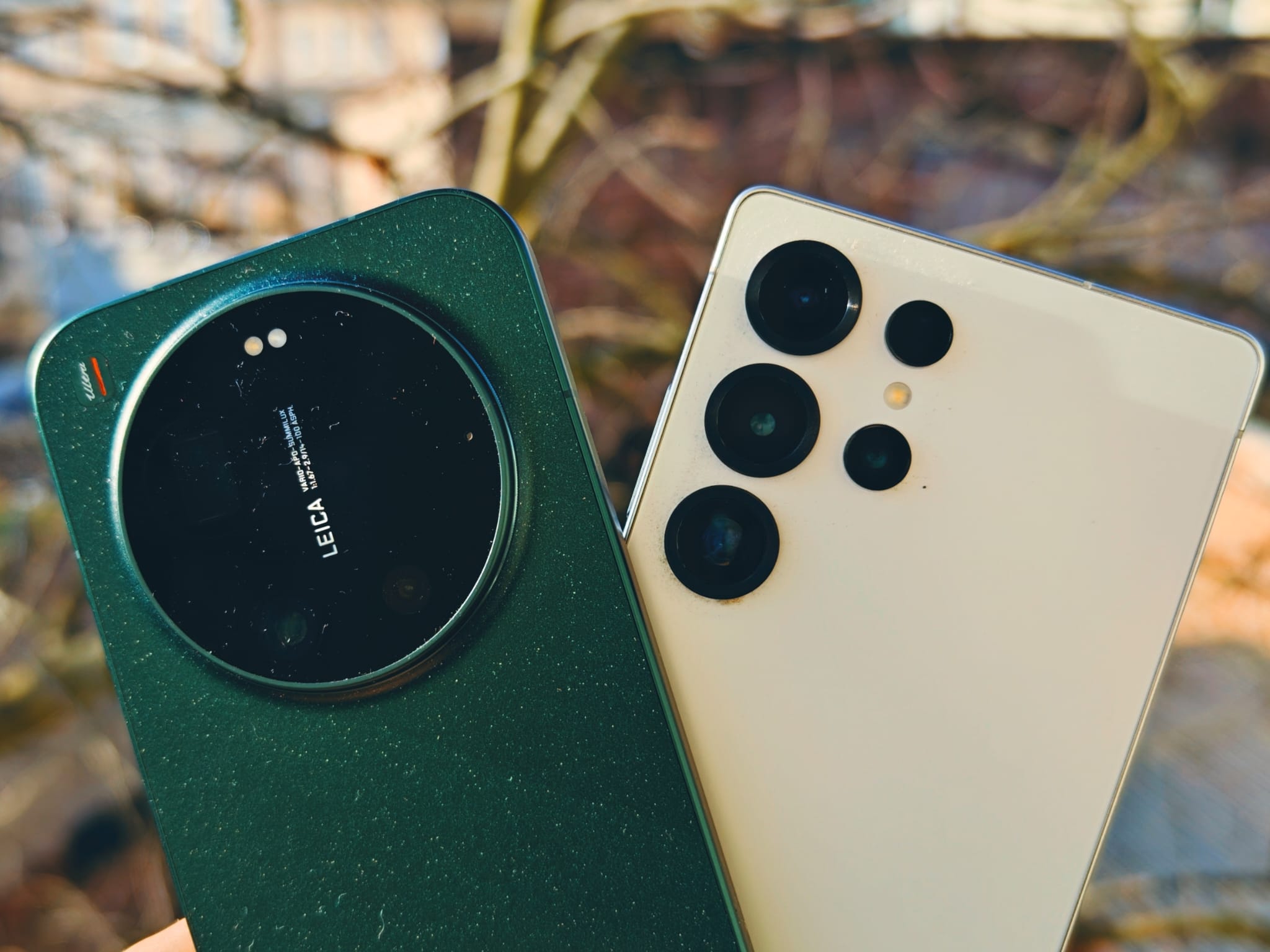
One of the most important features of a flagship smartphone is undoubtedly the photo quality of the built-in cameras. Even in 2026, this will remain a key factor for buying a high-priced smartphone. Even the Chinese version of the Xiaomi 17 Ultra starts at around 850 euros and is therefore no bargain.
To get the best out of the images, Xiaomi uses a 1-inch sensor from Omnivision (OV50X) in its new flagship phone, which is equipped with LOFIC technology for better dynamic range.
To get a better idea of the quality, we take a Samsung Galaxy S25 Ultra and compare the photos with the Xiaomi flagship. With its 200 MPix sensor, Samsung's current best phone takes a different approach in terms of the number of megapixels or the size of the image sensor for the main camera.
Xiaomi 17 Ultra has significantly better dynamics and more quality in low light
While the Galaxy S25 Ultra can keep up in terms of image quality in very good lighting conditions, our basement photo reveals clear differences in quality. The dynamic range of the Xiaomi 17 Ultra, in particular, is in a different league in this comparison and comes much closer to what we perceived with the human eye.
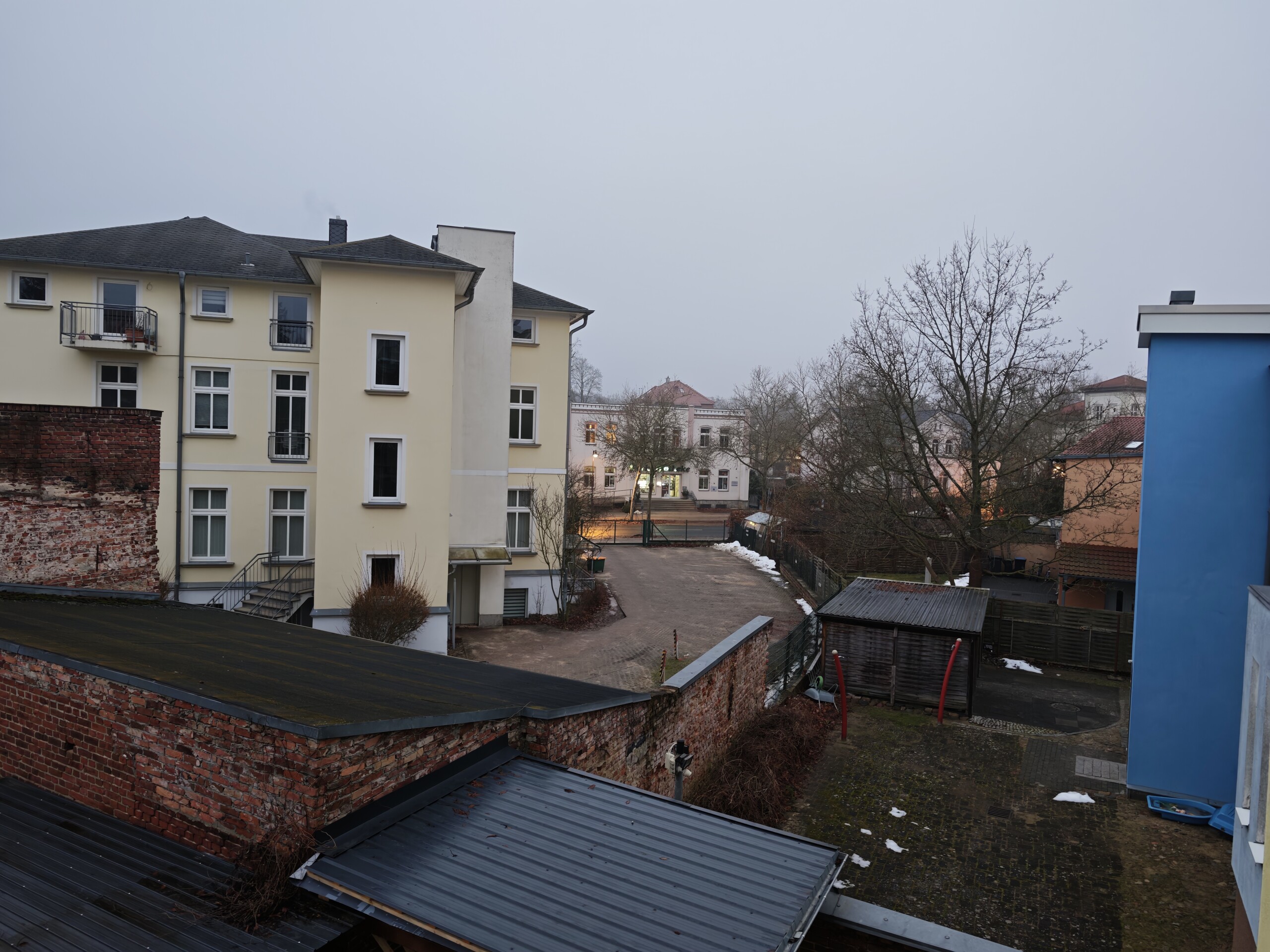
Even at dusk, the main camera of the Samsung flagship captures our subject much softer than the Xiaomi 17 Ultra. The 1-inch sensor of the Leica camera also offers more details - not only in shadow areas.
The difference in class becomes even clearer at night. For our low light shot, the Xiaomi flagship delivers a well‑balanced image with plenty of detail, without blowing out the lights inside the houses. The Galaxy S25 Ultra, on the other hand, produces a very different result — noticeably grainy and with a lot of noise in the subject.









Source(s)
review of the Xiaomi 17 Ultra
 Add as a preferred source on Google


