




Will we still need a flagship phone for high‑quality video in 2026? Xiaomi 17T in review
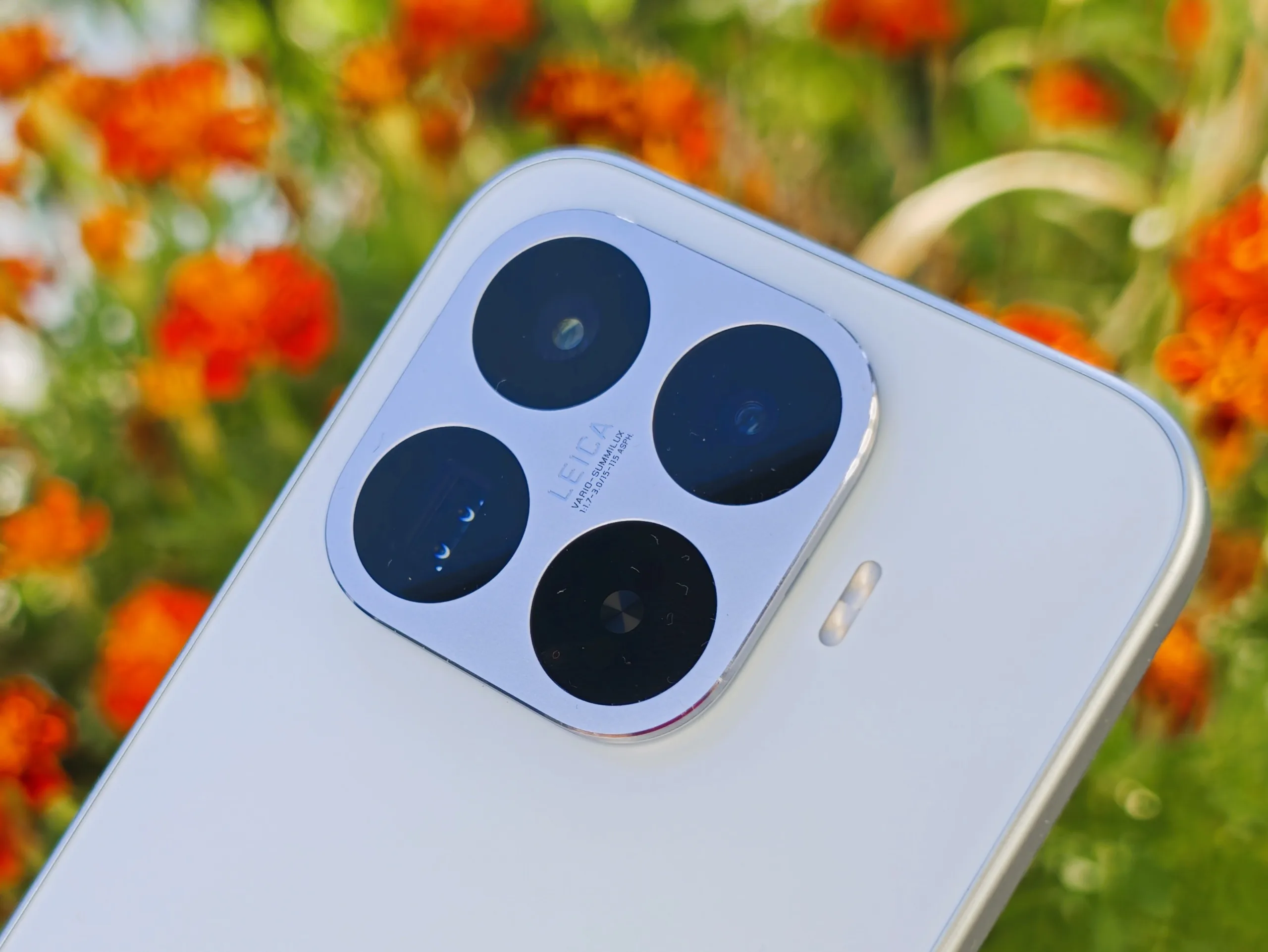
The Xiaomi 17T impresses in our review with truly strong photo quality for the mid-range segment (prices start around $700, available on Amazon.com). But video is becoming increasingly important even outside the high-end smartphone segment. To assess this, we compare the Xiaomi 17T’s video output directly with the Oppo Find X9 Ultra to better evaluate its stabilization and focusing capabilities.
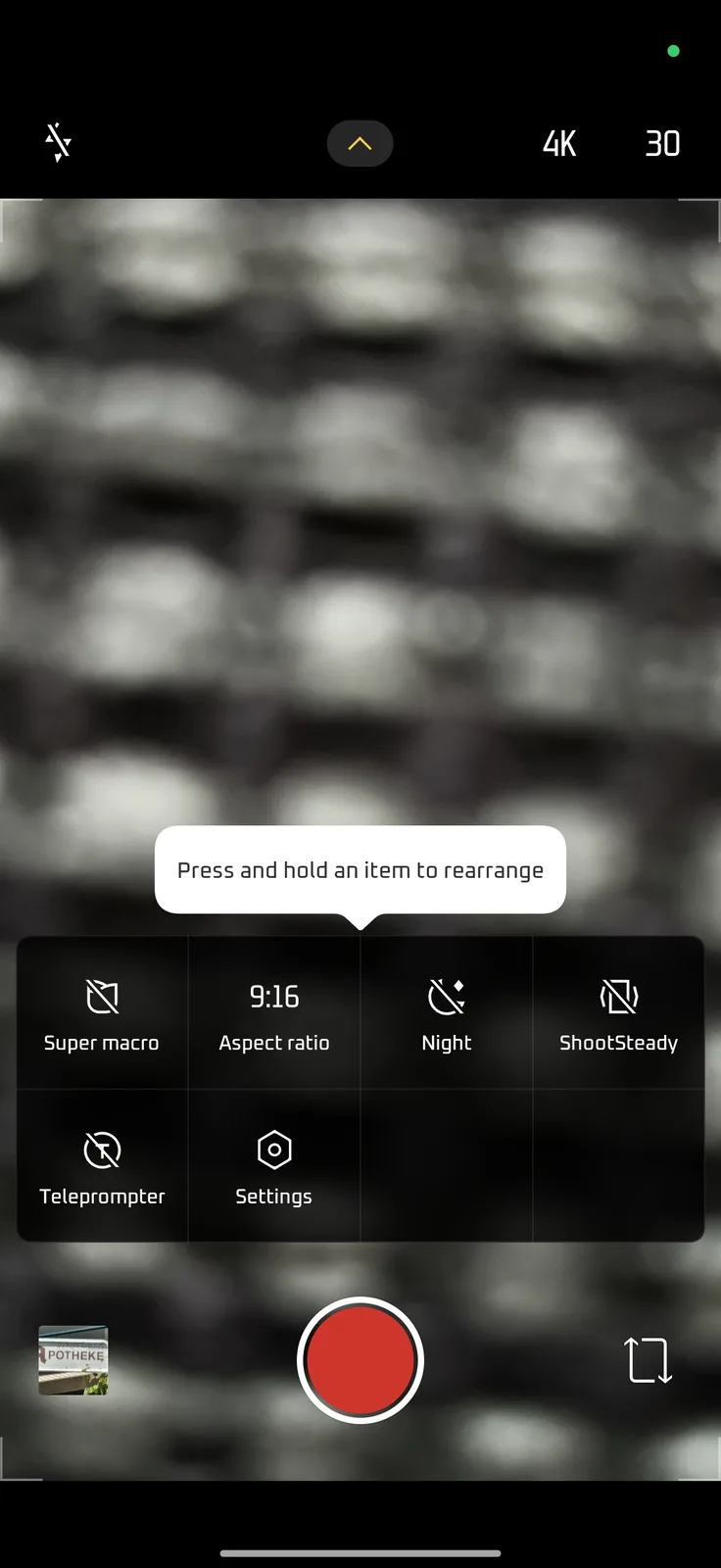
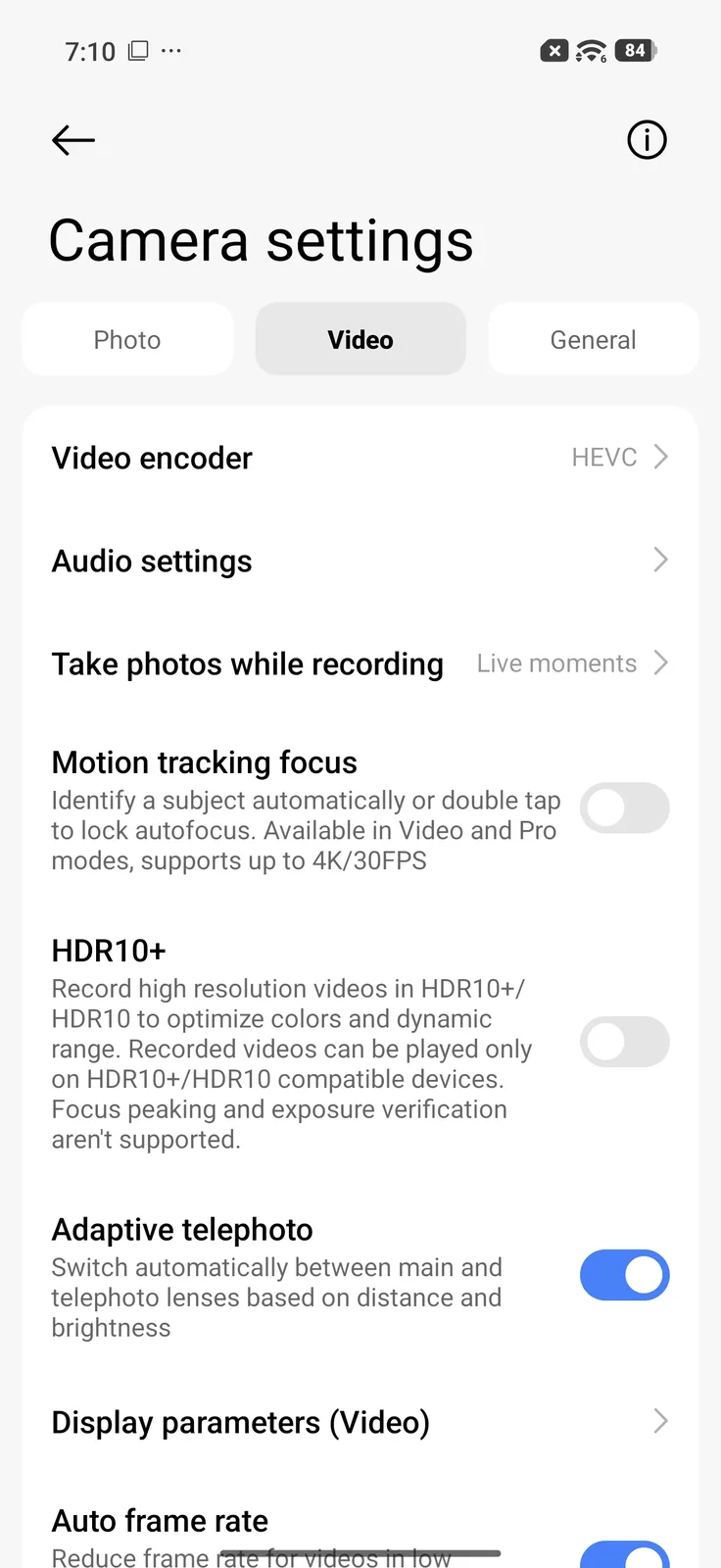
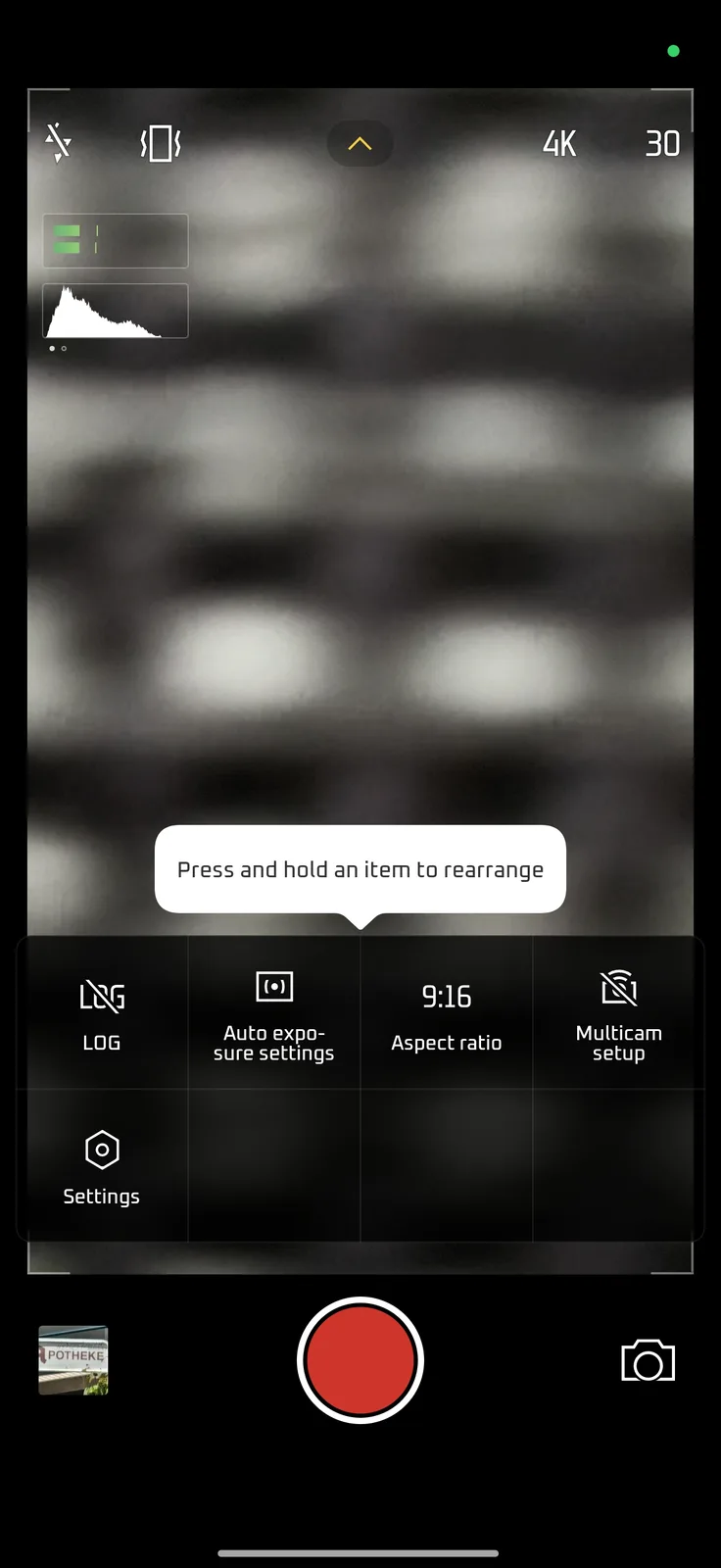
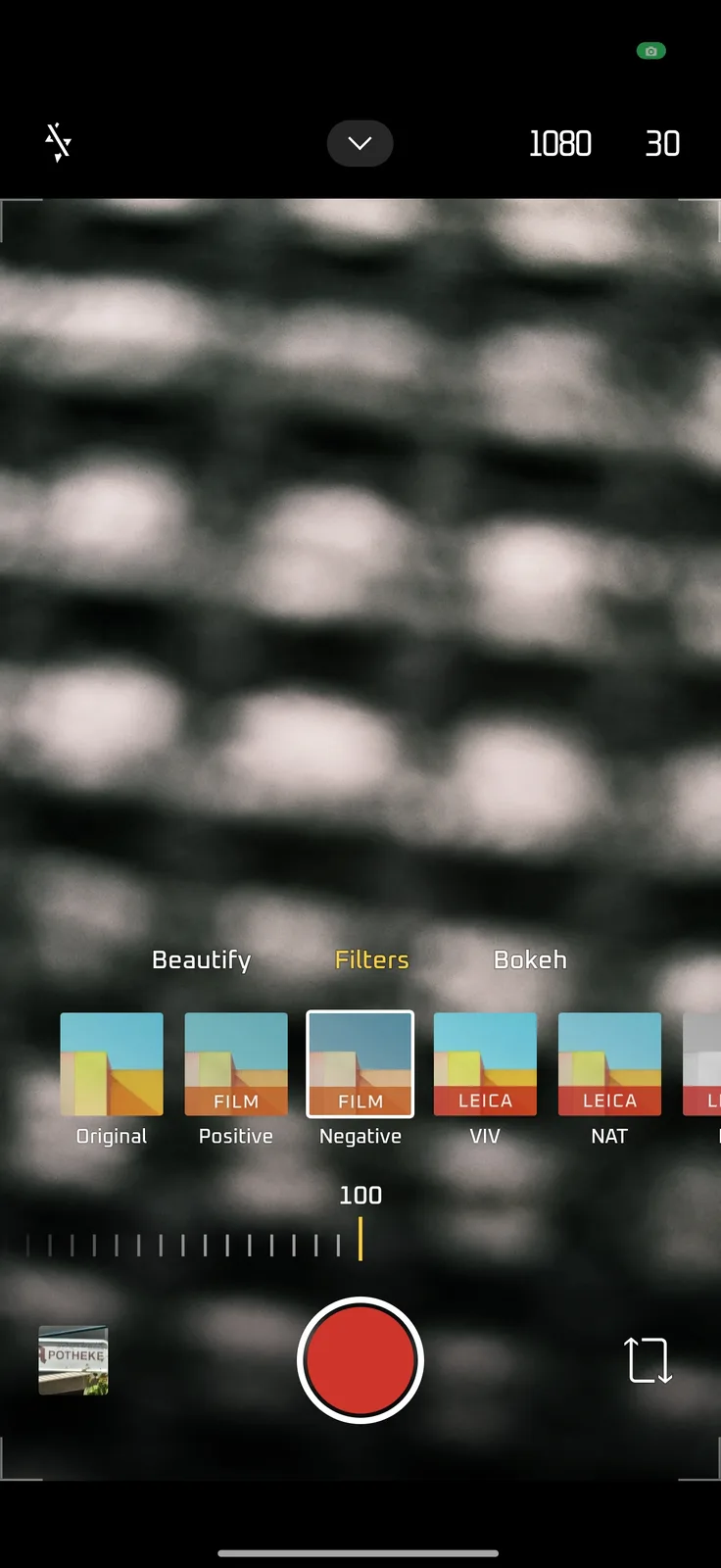
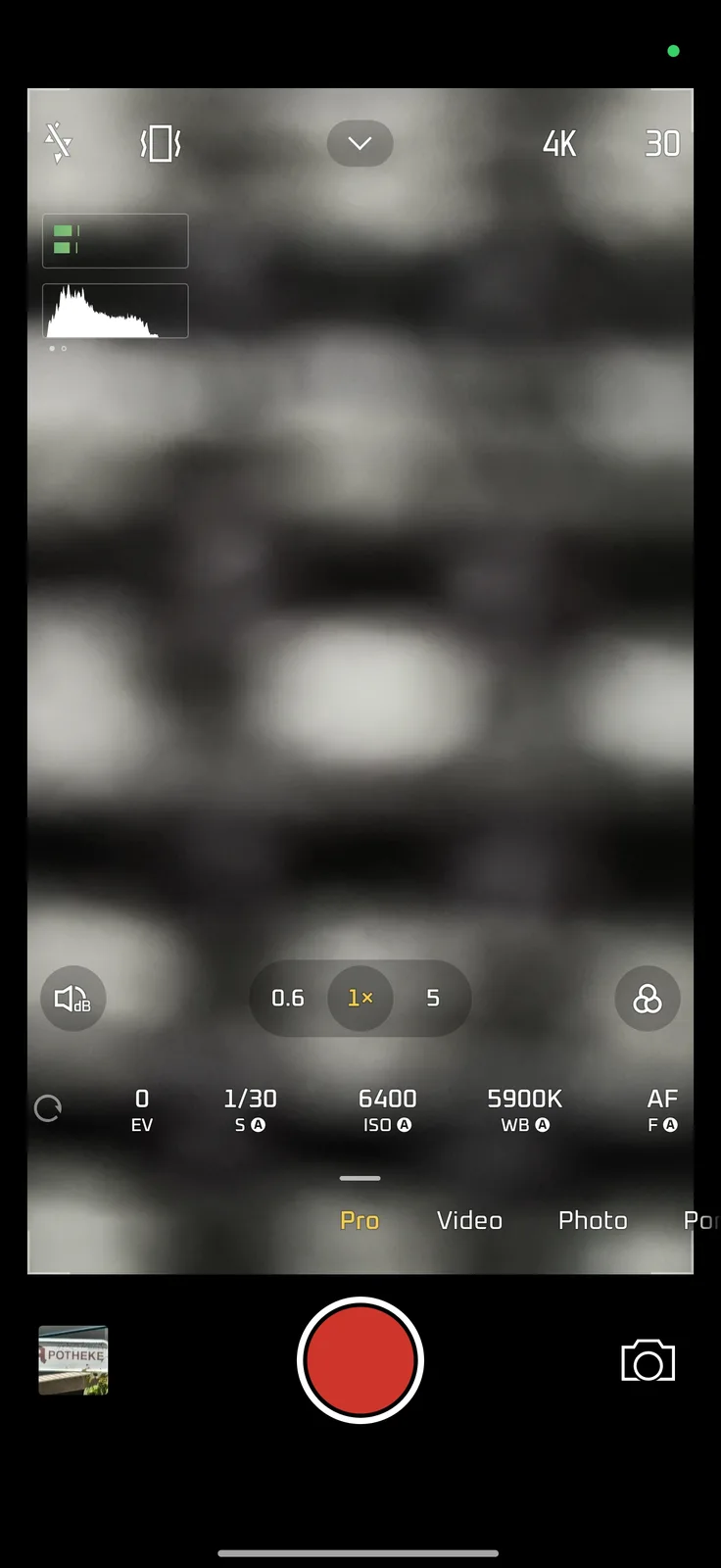
The Xiaomi 17T’s main camera uses a 1/1.55-inch Light Fusion 800 sensor and combines its 50-megapixel resolution with a fast f/1.7 Summilux lens. In addition to 4K HDR10+ recording at 30 or 60 fps, this setup also supports log video recording at up to 60 frames per second. However, unlike the top-tier camera models, this mid-range Xiaomi device does not support 120 fps or 8K video recording.
Are you interested in more information about the Xiaomi 17T’s battery life, display measurements, or benchmark results? Then check out our review. With prices now dropping well below MSRP, Xiaomi’s mid-range models offer an attractive price-to-performance ratio.
Videos shot with the Xiaomi 17T are less effectively stabilized than those shot with competing flagship models

We’re examining the image quality and stabilization (OIS + EIS) of the Xiaomi 17T while moving and during rapid subject changes. We’re using the 4K30 option with HDR10. For additional context, we’re also comparing its main camera with that of the current Oppo flagship.
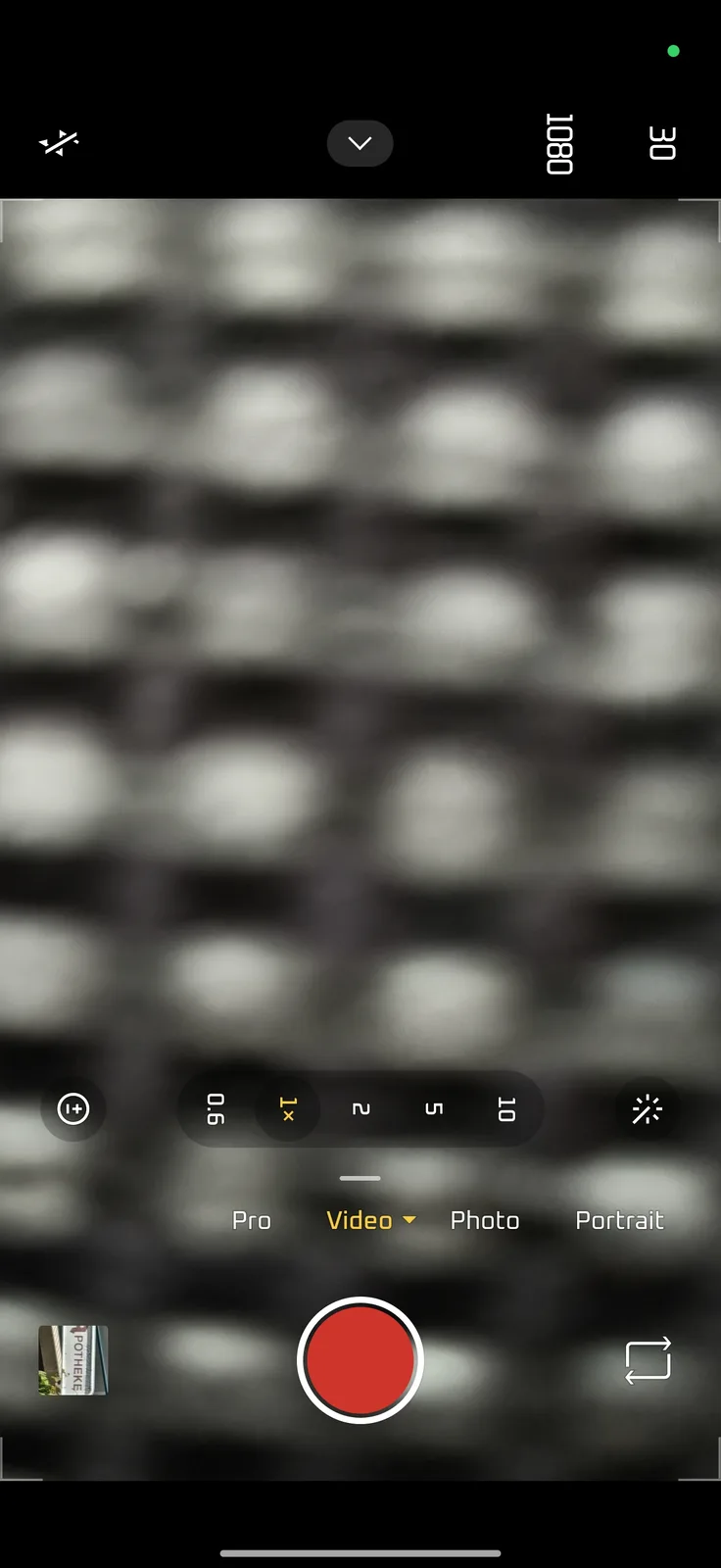
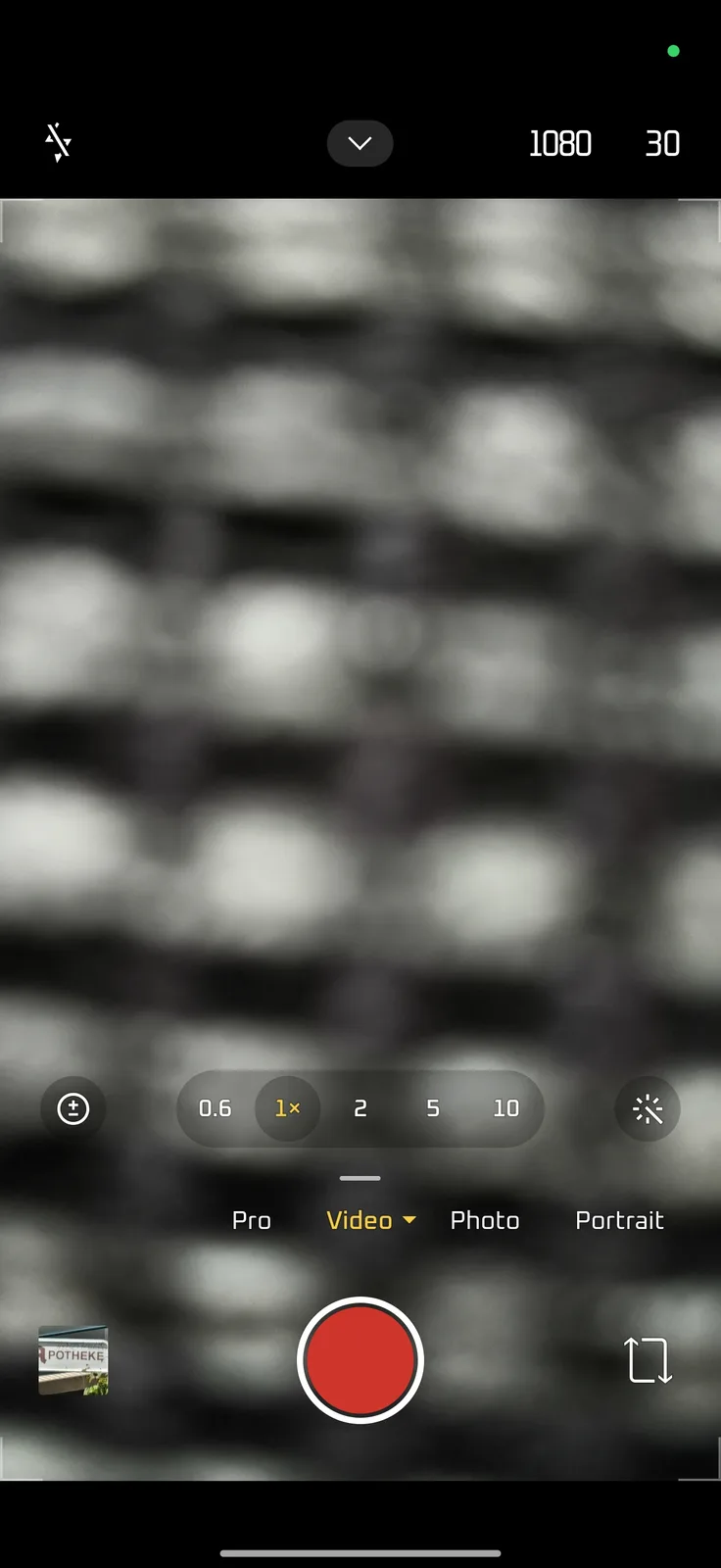
In our test footage, we use zoom levels of 0.6x, 1x, 2x, 5x, and 10x. The videos without digital zoom (1x and 5x) are particularly sharp and offer attractive color reproduction. However, we’re less impressed by the inconsistent colors across the lenses.
Image stabilization with the main camera is largely successful. While some smearing is visible during minor shakes, the focusing remains noticeably less “wobbly” during fast movements than on the Find X9 Ultra. In rapid subject changes, both smartphones refocus very quickly.
Source(s)
 Add as a preferred source on Google


