Notebookcheck Logo
Under review: Xiaomi 17 Max.

Affordable Leica phone with a huge battery takes on the top tier – Xiaomi 17 Max Smartphone Review

Endless battery power.

For anyone looking for a phone with cutting-edge features at an affordable price and who isn’t afraid to import from China, the Xiaomi 17 Max with its 8,000-mAh battery is an interesting choice. We’ll take a look at what the phone can do and what limitations come with importing it.
Florian Schmitt 👁 (translated by Florian Schmitt) Published 🇩🇪
5G Android ARM Smartphone

Verdict on the Xiaomi 17 Max

The Xiaomi 17 Max is an interesting addition to the already exceptional Xiaomi 17 series: It offers a larger screen, greater battery capacity, and even better cameras than the Xiaomi 17. Since it’s imported from China, you can get it at a very affordable price, but you’ll have to put up with drawbacks such as a lack of eSIM support, no Android Auto, and English as the only western language for the user interface.

The Xiaomi 17 Max is a very high-quality phone with virtually invisible display bezels, a great camera system optimized by Leica, good zoom capabilities, and a battery life that easily outshines most other top-tier phones.

Download your licensed rating image as SVG / PNG

You’ll need to account for a bit more weight, though, and the AMOLED display with PWM flickering could be a problem for sensitive users.

Overall, however, the Xiaomi 17 Max is a great smartphone at a very reasonable price if you’re looking for a large screen, plenty of power, and long battery life.

Pros

+ relatively cheap
+ high-quality workmanship
+ huge 120 Hz AMOLED
+ extremely long battery runtimes
+ powerful Snapdragon processor
+ flexible Leica cameras
+ fast WiFi7
+ very good mobile coverage

Cons

- only avaiable as China import
- no eSIM support
- no Android Auto
- English as only Western language
- annoying PWM flickering
- high weight
- heat and throttling
- unclear update situation

Price and availability

Test unit provided by TradingShenzhen

The Xiaomi 17 Max is currently only available as a Chinese import; for example, starting at around US$ 770 at TradingShenzhen.

The device is not expected to be officially released outside of China.

Amazon Logo
  • $822.00
    XIAOMI 17T PRO Ai 5G (Compatible with Tmobile Mint Tello & Global) (512GB + 12GB) NFC Global ROM Unlocked 50MP Triple Pro Leica Cam eSIM 6.83" 144Mhz Model 2602EPTC0G Liberado (Black)
  • $1,540.00
    XIAOMI 17 Ultra Ai 5G (Compatible with Tmobile Mint Tello & Global) (512GB + 16GB) NFC Global ROM Unlocked 200MP Triple Pro Leica Cam eSIM 6.9" 144Mhz Model 25128PNA1C Liberado (Black)
  • $969.99
    XIAOMI 17 5G Ai (Compatible with Tmobile Mint Tello Boost & Global) (512GB + 12GB) 50MP Triple Pro Leica Camera 6.3" Dual Sim NFC Model 25113PN0EG (Ice Blue)

Specifications

Xiaomi 17 Max (17 Series)
Processor
Qualcomm Snapdragon 8 Elite Gen 5 8c/8t, 2 x 4.6 GHz Qualcomm Oryon Gen 3 Prime, 6 x 3.6 GHz Qualcomm Oryon Gen 3 Performance, Oryon v3
Graphics adapter
Memory
16 GB 
Display
6.90 inch 19.5:9, 2608 x 1200 pixel 416 PPI, capacitive touchscreen, AMOLED, glossy: yes, HDR, 120 Hz
Storage
512 GB UFS 4.1 Flash, 512 GB 
, 508 GB free
Connections
1 USB 3.0 / 3.1 Gen1, USB-C Power Delivery (PD), Audio Connections: audio via USB-C, 1 Fingerprint Reader, NFC, Brightness Sensor, Sensors: accelerometer, proximity, gyro, compass, barometer
Networking
802.11 a/​b/​g/​n/​ac/​ax/​be (a/b/g/n = Wi-Fi 4/ac = Wi-Fi 5/ax = Wi-Fi 6/ Wi-Fi 6E 6 GHz be = Wi-Fi 7), Bluetooth 6.0, 5G:n1 / n2 / n3 / n5 / n7/ n8 / n12 / n18 / n20 / n25 / n26 / n28 / n38 / n40 / n41 / n48 / n66 / n77 / n78 / n80 / n81 / n83 / n84 / n89 ; 4G:FDD-LTE:B1 / B2 /B3 / B4 / B5 / B7 / B8 / B12 / B17 / B18 / B19 / B20 / B25/ B26 / B28 / B66 TDD-LTE:B34 / B38 / B39 / B40 / B41 / B42 / B48; 3G:WCDMA:B1 / B2 / B4 / B5 / B6 / B8 / B19; 2G: GSM:B2 / B3 / B5 / B, Dual SIM, LTE, 5G, GPS
Size
height x width x depth (in mm): 8.2 x 162.9 x 77.6 ( = 0.32 x 6.41 x 3.06 in)
Battery
8000 mAh Silicon-Carbon, 100 Watt wired charging, 50 Watt wireless charging, 22.5 Watt wired reverse charging
Charging
wireless charging, fast charging / Quickcharge
Operating System
Android 16
Camera
Primary Camera: 200 MPix f/1.65, OIS (camera 1); 50 MP ultrawide f/2.4; 50 MP tele, f/2.4, OIS, 3x optical zoom
Secondary Camera: 32 MPix f/2.2
Additional features
Speakers: stereo speakers (hybrid), silicone bumper, charger, USB cable, SIM tool, 12 Months Warranty, IP68/IP69 certified, fanless, waterproof
Weight
225 g ( = 7.94 oz / 0.5 pounds)
Price
730 Euro
Note: The manufacturer may use components from different suppliers including display panels, drives or memory sticks with similar specifications.


Case and features – Very high quality

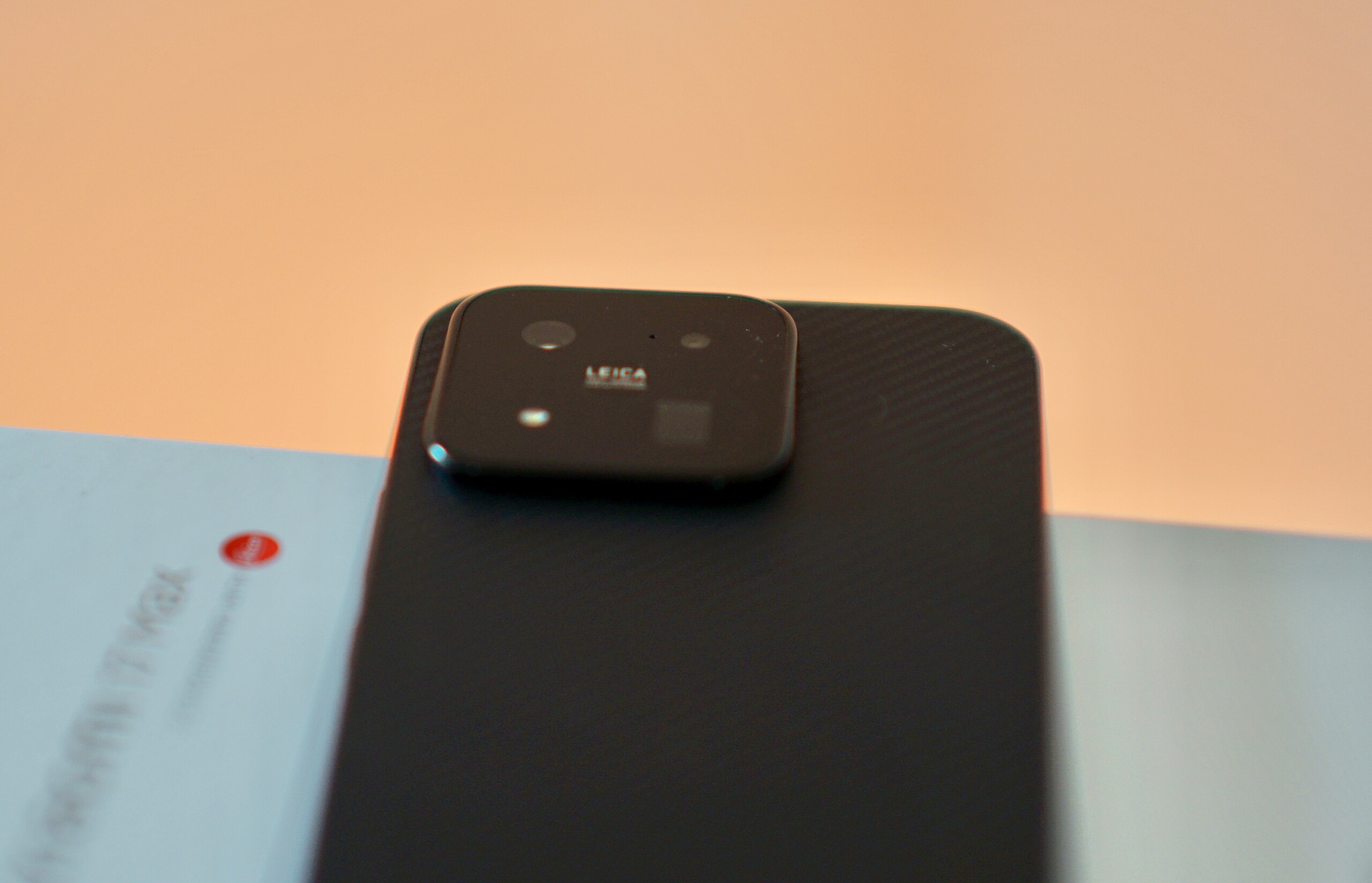
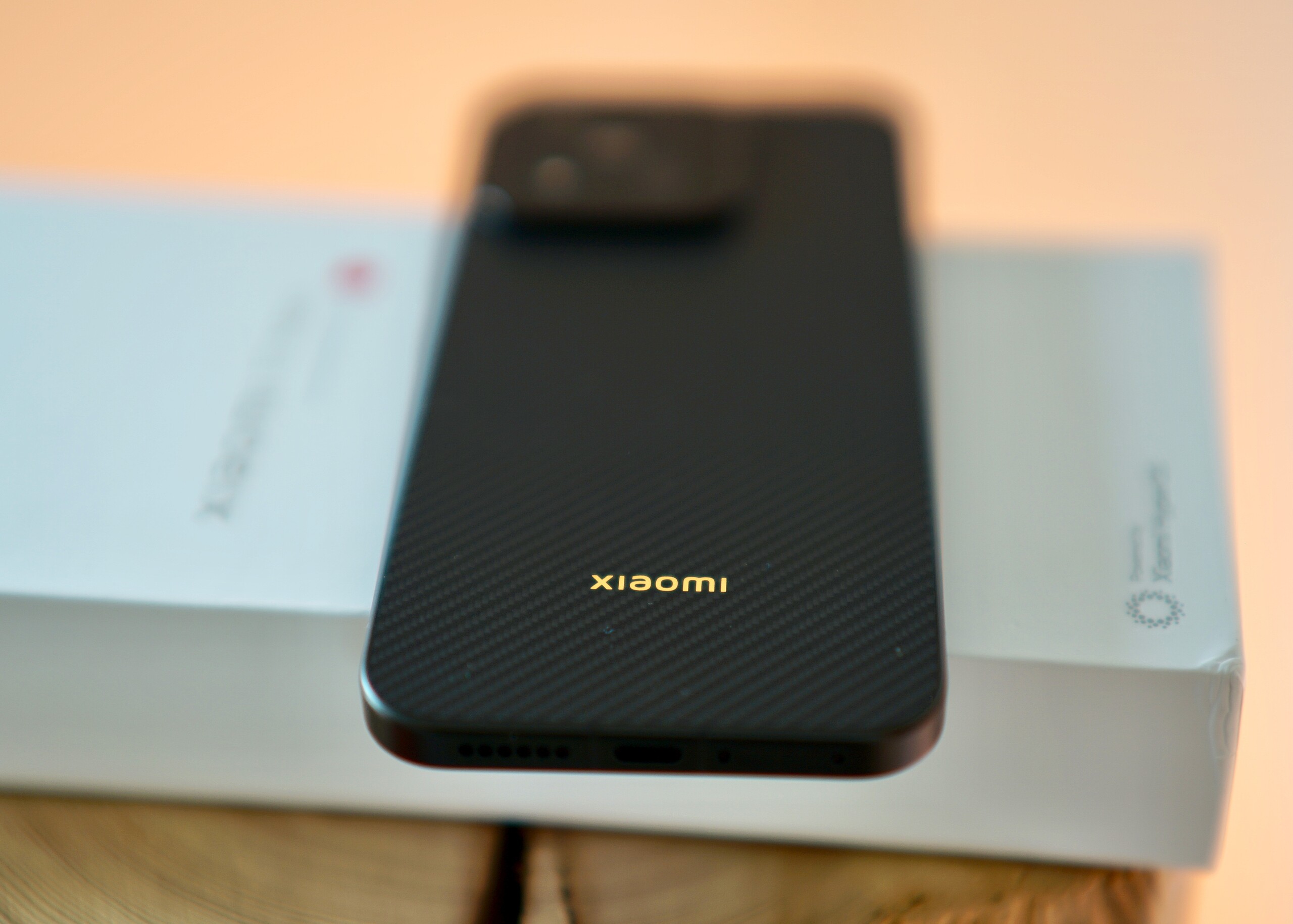
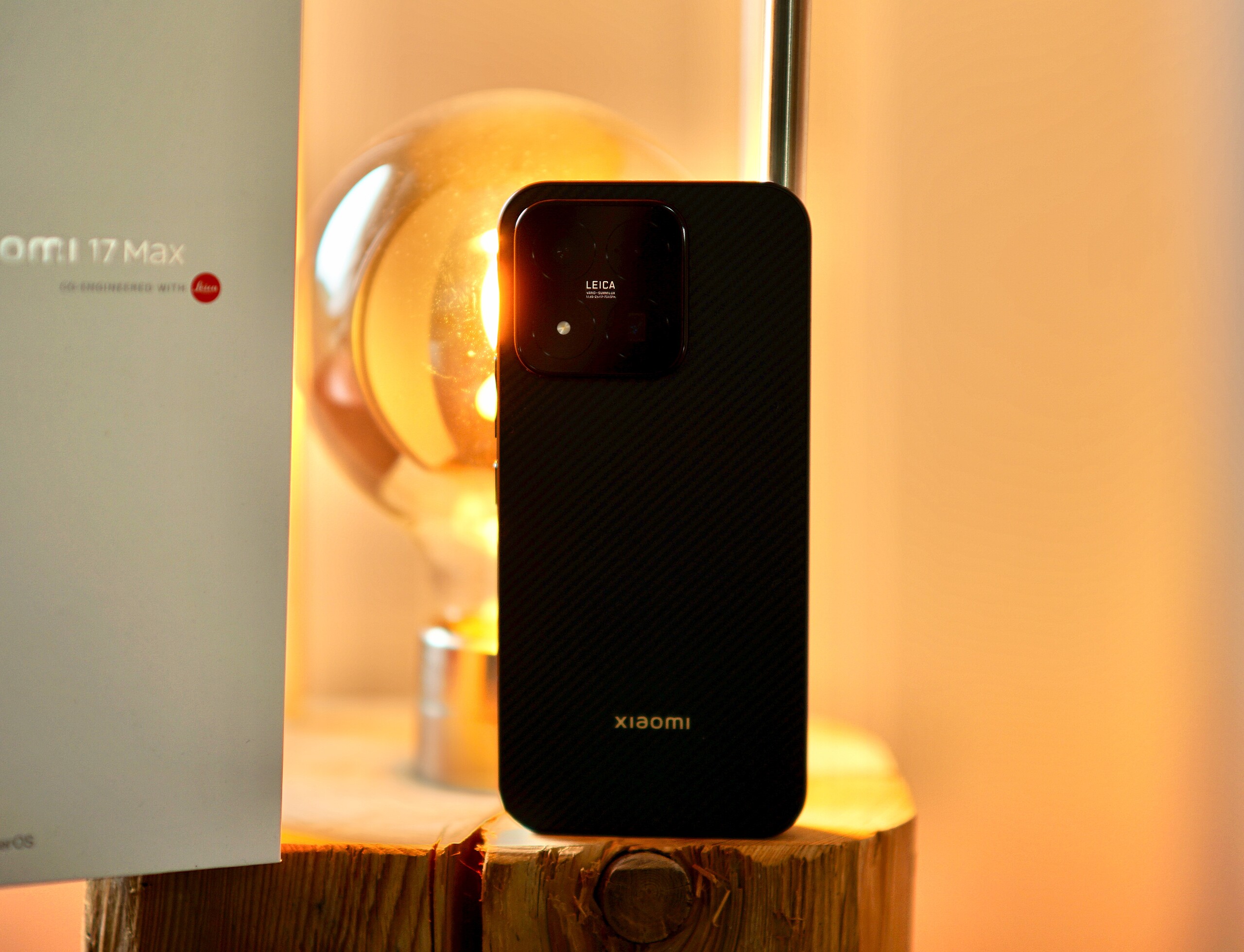
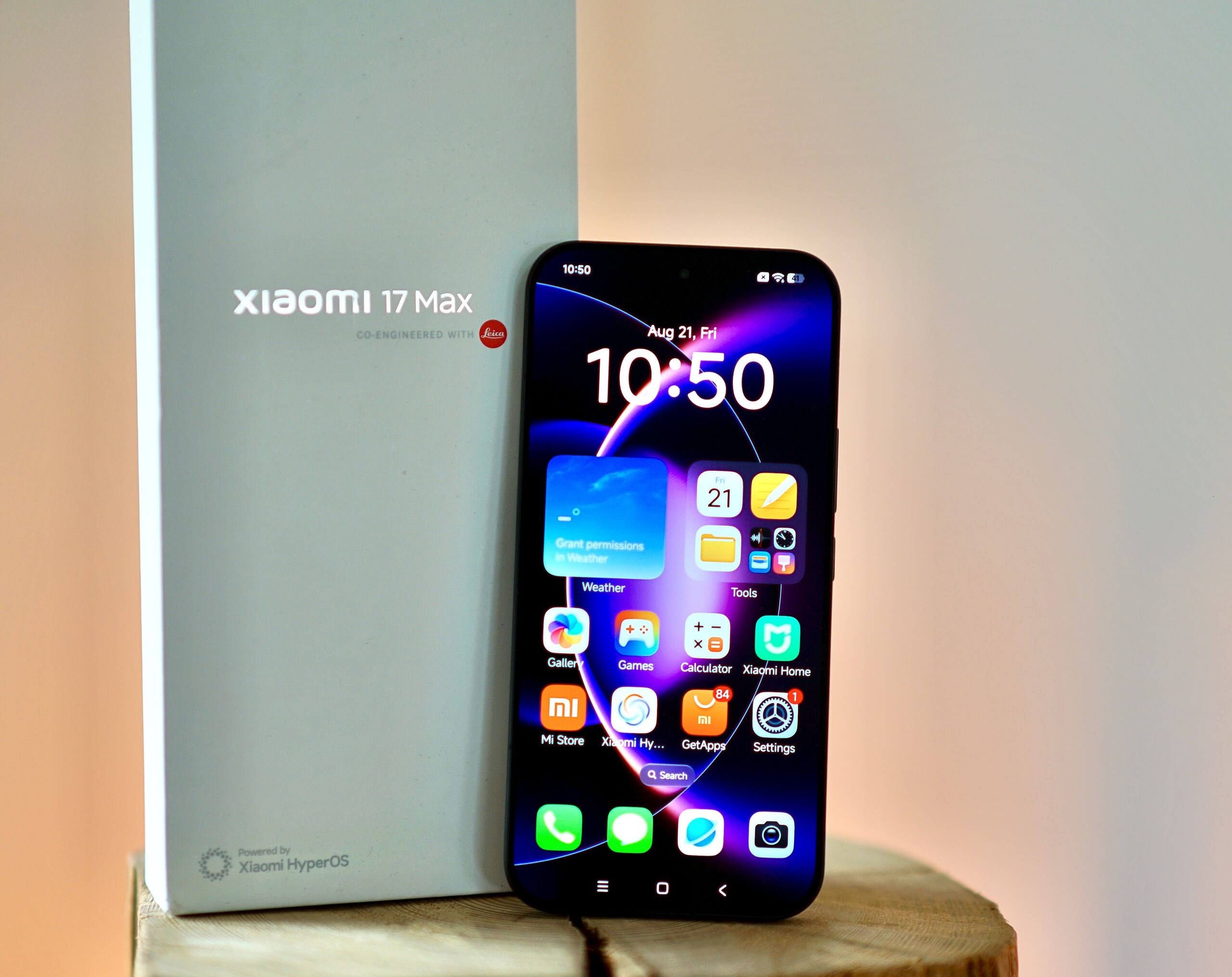
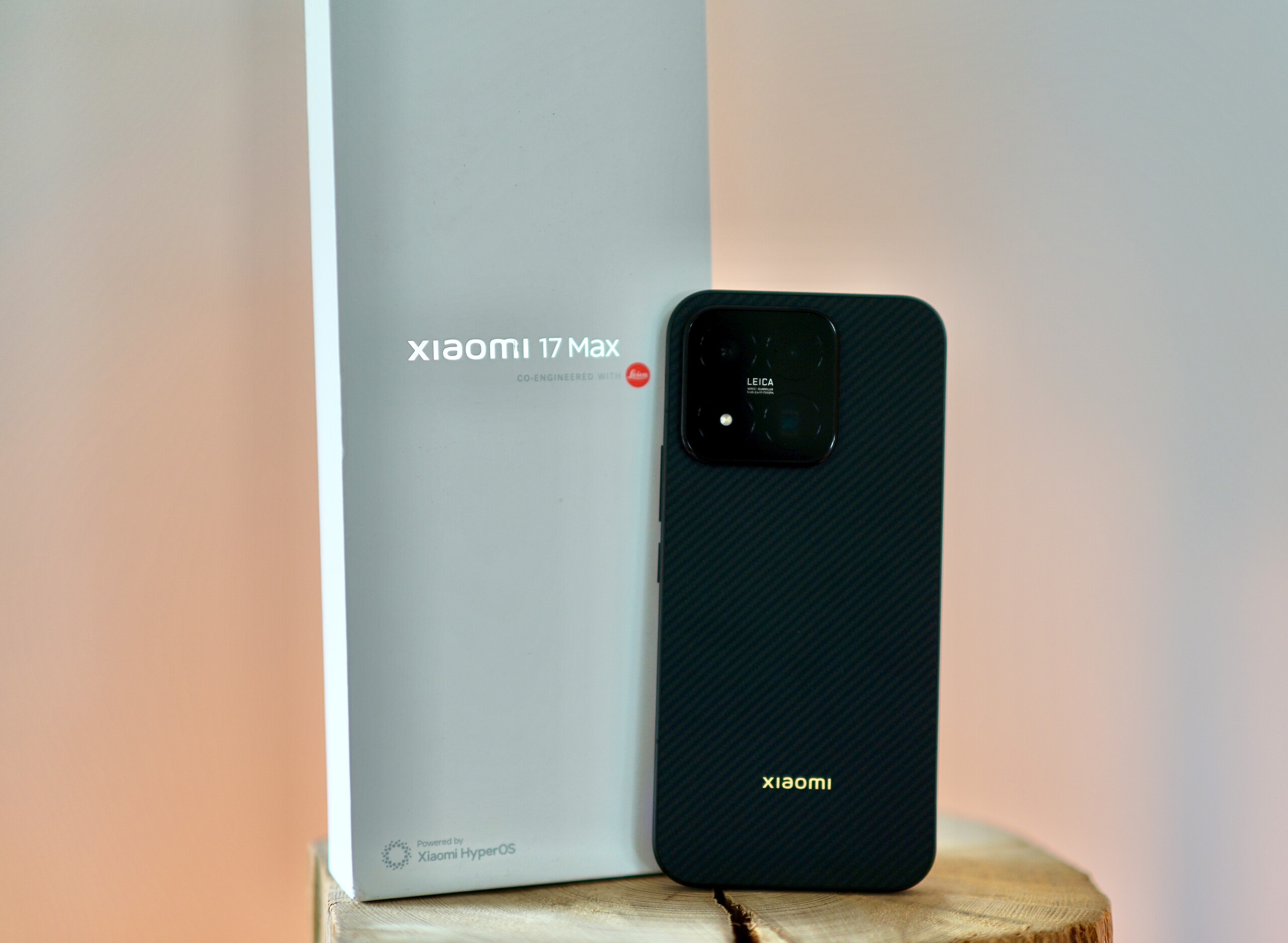
The Xiaomi 17 Max is available in three different colors: white, black with a carbon-fiber effect, and light blue. The back of each model is made of glass, and the color-matched frame is made of aluminum.

The build quality is top-notch; the phone feels very high-end, and the transitions between materials are very precise. The bezels around the front screen are barely noticeable, giving the phone a very modern look.

You can choose between 12 GB of RAM and 256 GB of storage or 16 GB of RAM and 512 GB of storage; the price difference is about 100 euros. Unfortunately, there’s no eSIM support, and unlike the Xiaomi 17, there’s no infrared sensor either.
Xiaomi 17 Max Review

Size comparison

163.4 mm / 6.43 in 78 mm / 3.07 in 8.8 mm / 0.3465 in 233 g0.514 lbs163.6 mm / 6.44 in 78.1 mm / 3.07 in 7.9 mm / 0.311 in 214 g0.4718 lbs162.9 mm / 6.41 in 77.6 mm / 3.06 in 8.2 mm / 0.3228 in 225 g0.496 lbs161.4 mm / 6.35 in 76.7 mm / 3.02 in 8.2 mm / 0.3228 in 215 g0.474 lbs151.1 mm / 5.95 in 71.8 mm / 2.83 in 8.1 mm / 0.3189 in 191 g0.4211 lbs148 mm / 5.83 in 105 mm / 4.13 in 1 mm / 0.03937 in 1.5 g0.00331 lbs

Communication and operation – Reliable mobile communications

Thanks to WiFi 7 support, very fast transmission rates are possible over Wi-Fi; in our test with the Asus RT-BE96U reference router, we measured speeds of up to 3,200 Mbit/s. That’s more than enough for a gigabit Internet connection and delivers good data rates even on fast home networks.

It supports all the 5G and 4G frequencies you need, so you can use the Xiaomi 17 Max for mobile internet worldwide. Reception was very good during our tests, even in challenging situations.

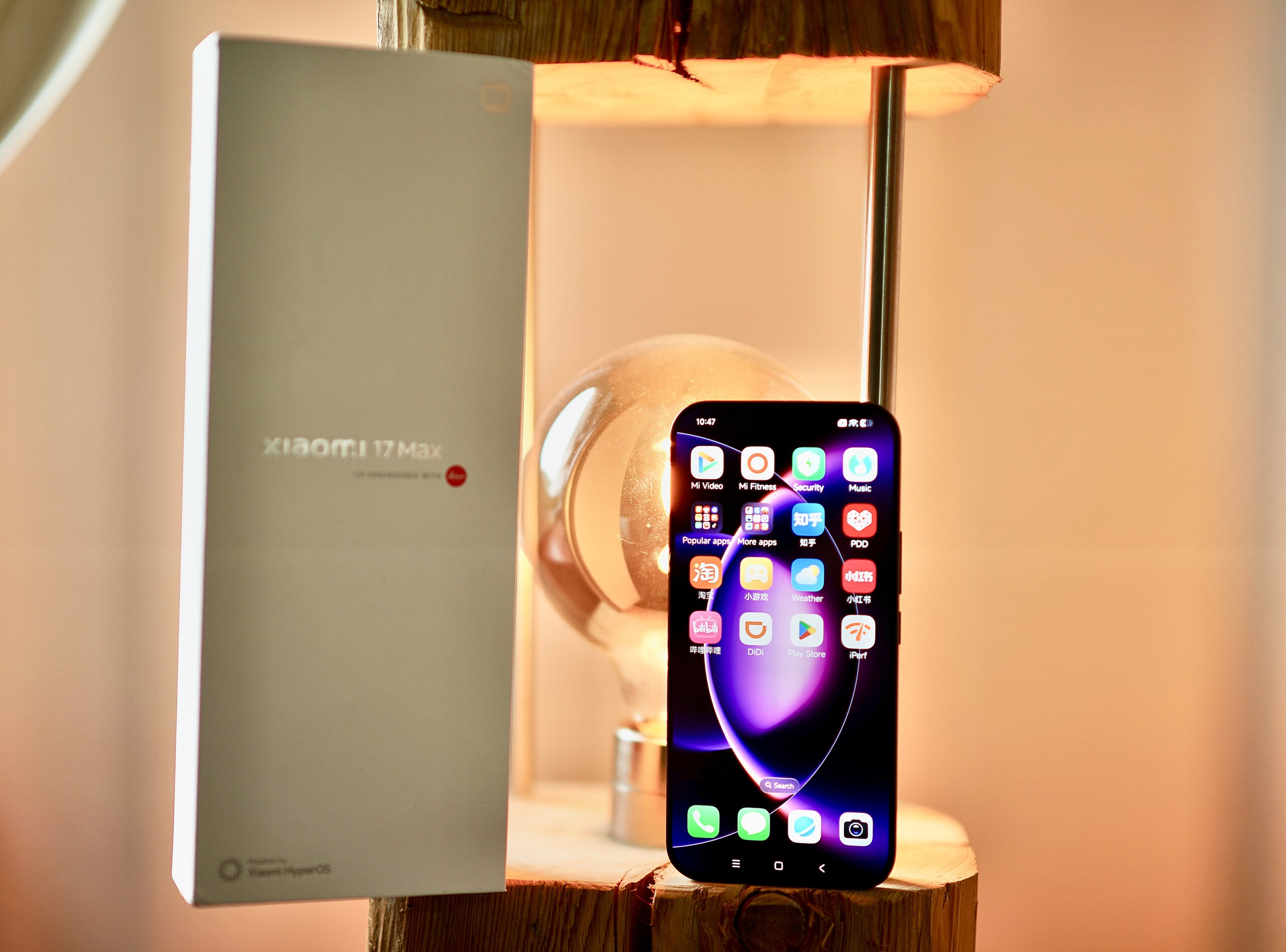
The 120-Hz display allows for precise control right up to the corners and responds very quickly to input. The ultrasonic fingerprint sensor is built into the display. It’s well-positioned and, after a one-time setup, works very quickly. 2D facial recognition via the front camera is also available and works just as reliably.

Networking
Xiaomi 17 Max
802.11 a/​b/​g/​n/​ac/​ax/​be
iperf3 transmit Wi-Fi6/7 RT-BE96U
2070 (min: 1714) MBit/s ∼98%
iperf3 receive Wi-Fi6/7 RT-BE96U
3123 (min: 2549) MBit/s ∼100%
Xiaomi 17
 
iperf3 transmit AXE11000 6GHz
1086 (min: 1009) MBit/s ∼59%
iperf3 receive AXE11000 6GHz
1262 (min: 1051) MBit/s ∼78%
Samsung Galaxy S26 Ultra
802.11 a/​b/​g/​n/​ac/​ax/​be
iperf3 transmit AXE11000
946 (min: 475) MBit/s ∼99%
iperf3 receive AXE11000
927 (min: 879) MBit/s ∼89%
iperf3 transmit AXE11000 6GHz
1844 (min: 911) MBit/s ∼100%
iperf3 receive AXE11000 6GHz
1619 (min: 1324) MBit/s ∼100%
iperf3 transmit Wi-Fi6/7 RT-BE96U
2017 (min: 1945) MBit/s ∼95%
iperf3 receive Wi-Fi6/7 RT-BE96U
2173 (min: 1784) MBit/s ∼70%
OnePlus 15
802.11 a/​b/​g/​n/​ac/​ax/​be
iperf3 transmit AXE11000 6GHz
536 (min: 375) MBit/s ∼29%
iperf3 receive AXE11000 6GHz
1401 (min: 1217) MBit/s ∼87%
Apple iPhone 17 Pro Max
802.11 a/​b/​g/​n/​ac/​ax/​be
iperf3 transmit AXE11000
910 (min: 769) MBit/s ∼95%
iperf3 receive AXE11000
459 (min: 411) MBit/s ∼44%
iperf3 transmit AXE11000 6GHz
1375 (min: 1300) MBit/s ∼75%
iperf3 receive AXE11000 6GHz
1180 (min: 1117) MBit/s ∼73%
Average 802.11 a/​b/​g/​n/​ac/​ax/​be
 
iperf3 transmit AXE11000
956 (min: 595) MBit/s ∼100%
iperf3 receive AXE11000
1040 (min: 459) MBit/s ∼100%
iperf3 transmit AXE11000 6GHz
1289 (min: 508) MBit/s ∼70%
iperf3 receive AXE11000 6GHz
1495 (min: 719) MBit/s ∼92%
iperf3 transmit Wi-Fi6/7 RT-BE96U
2118 (min: 370) MBit/s ∼100%
iperf3 receive Wi-Fi6/7 RT-BE96U
2438 (min: 407) MBit/s ∼78%
Average of class Smartphone
 
iperf3 transmit AXE11000
682 (min: 52.5) MBit/s ∼71%
iperf3 receive AXE11000
721 (min: 52.2) MBit/s ∼69%
iperf3 transmit AXE11000 6GHz
1279 (min: 287) MBit/s ∼69%
iperf3 receive AXE11000 6GHz
1396 (min: 339) MBit/s ∼86%
iperf3 transmit Wi-Fi6/7 RT-BE96U
1846 (min: 327) MBit/s ∼87%
iperf3 receive Wi-Fi6/7 RT-BE96U
2087 (min: 328) MBit/s ∼67%
010020030040050060070080090010001100120013001400150016001700180019002000210022002300240025002600270028002900300031003200Tooltip
Xiaomi 17 Max; iperf3 transmit Wi-Fi6/7 RT-BE96U: Ø2070 (1714-2272) MBit/s
Xiaomi 17 Max; iperf3 receive Wi-Fi6/7 RT-BE96U: Ø3123 (2549-3279) MBit/s

Software and sustainability – Unclear updates

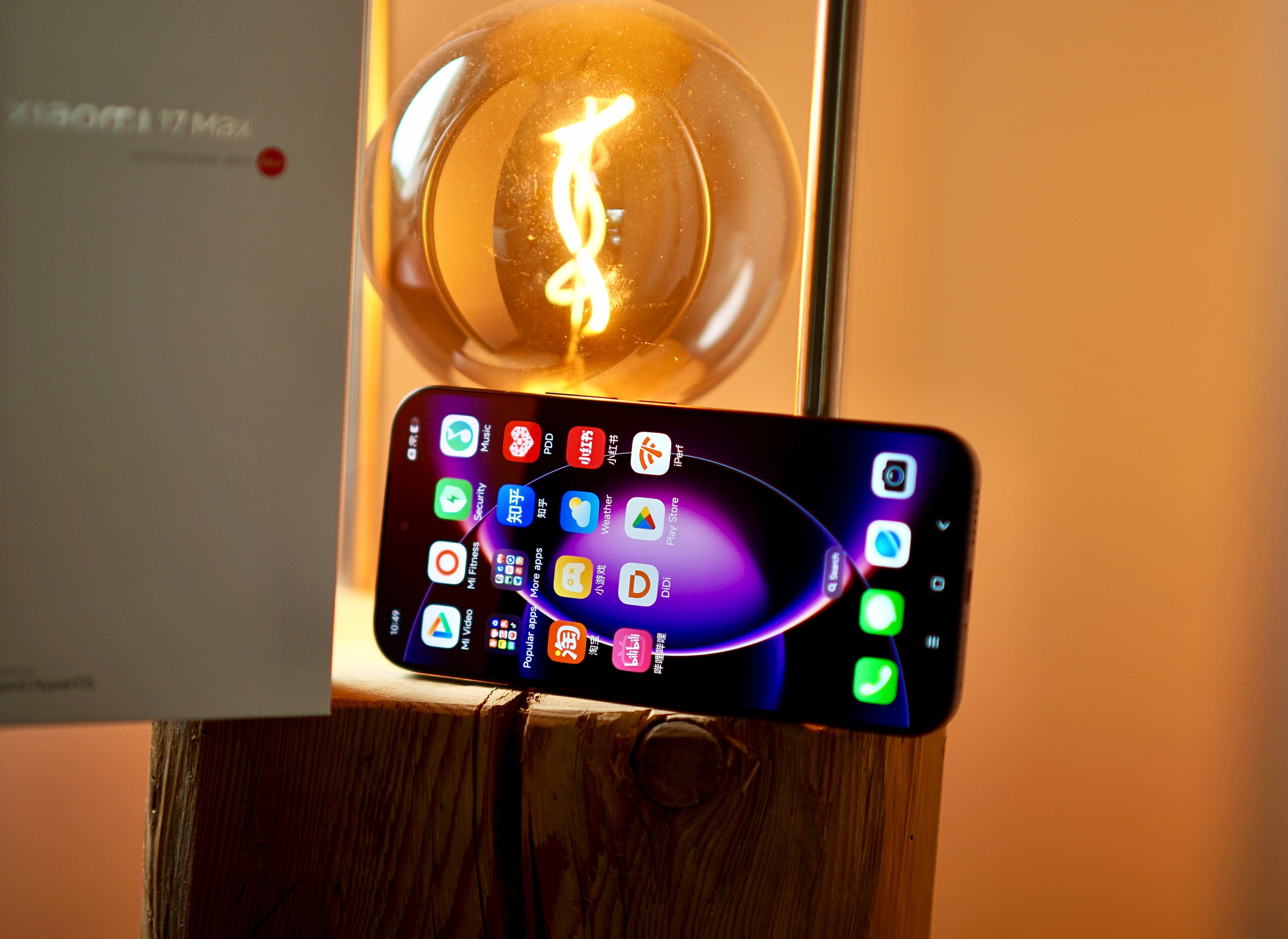
Android 16 comes preinstalled, running on top is HyperOS 3, Xiaomi’s in-house user interface, which does many things differently from stock Android. Aside from English, no other Western languages are available, but the Google Play Store can be installed quite easily.

Xiaomi has not officially stated how long updates will be provided. Based on experience with earlier models, we expect security updates for about 4 to 5 years.

The packaging is largely plastic-free, but otherwise there is no information regarding sustainability.

Cameras – 200-megapixel main camera

Front-facing camera photo

With a 200-megapixel camera, the Xiaomi 17 Max even outshines the Xiaomi 17 Pro Max in terms of pixel count. The main camera, featuring Leica branding, takes beautiful photos that are also very precise in their details.

It’s joined by a 50-megapixel telephoto camera with a 3x optical zoom. It produces good images at up to 10x magnification; beyond that, the AI optimization becomes very noticeable.

There’s also a 50-megapixel wide-angle camera on board; it actually takes quite nice snapshots that retain a fair amount of detail.

On the front, there’s a 32-megapixel camera for selfies. These also turn out very well.

Image comparison

Choose a scene and navigate within the first image. One click changes the position on touchscreens. One click on the zoomed-in image opens the original in a new window. The first image shows the scaled photograph of the test device.

PlantSurroundingLow LightUltra wide angle

orginal image
click to load images
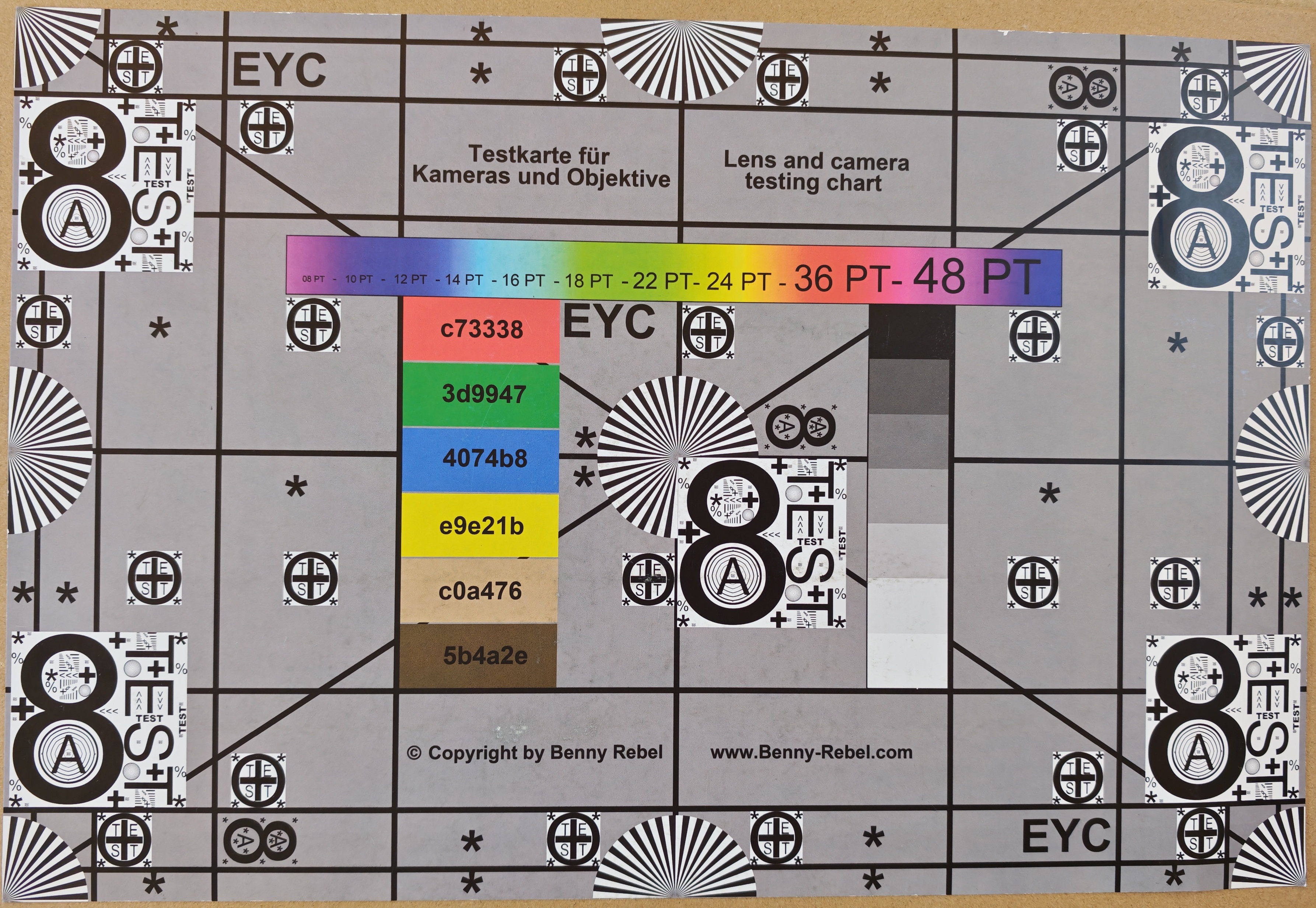
ColorChecker
22.3 ∆E
9.1 ∆E
15.2 ∆E
19.2 ∆E
12.9 ∆E
5.7 ∆E
10.9 ∆E
17.1 ∆E
15.5 ∆E
12.3 ∆E
8.5 ∆E
6.3 ∆E
12.7 ∆E
13.4 ∆E
19.3 ∆E
2.4 ∆E
14.4 ∆E
13.8 ∆E
6.5 ∆E
4.9 ∆E
9.9 ∆E
14.8 ∆E
8.3 ∆E
4.3 ∆E
ColorChecker Xiaomi 17 Max: 11.65 ∆E min: 2.41 - max: 22.31 ∆E
ColorChecker
8.2 ∆E
8.8 ∆E
13.2 ∆E
9.8 ∆E
14.9 ∆E
8.7 ∆E
9.4 ∆E
6.7 ∆E
15.9 ∆E
10.3 ∆E
7 ∆E
3.7 ∆E
6.2 ∆E
7.1 ∆E
5.4 ∆E
3.6 ∆E
12.9 ∆E
3.9 ∆E
16.5 ∆E
14.3 ∆E
14 ∆E
12.1 ∆E
12.5 ∆E
11.4 ∆E
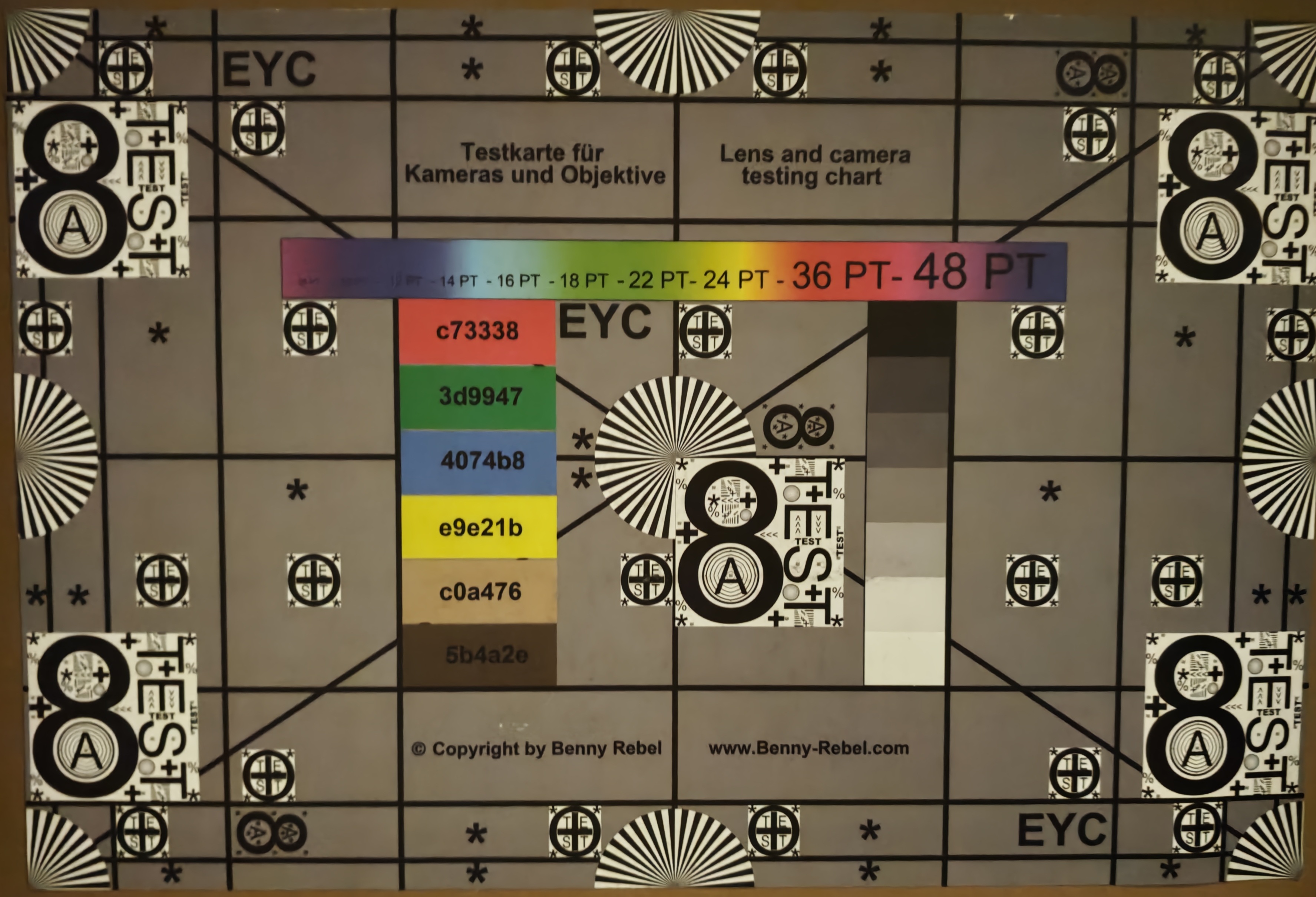
ColorChecker Xiaomi 17 Max: 9.86 ∆E min: 3.59 - max: 16.45 ∆E

Display – Very bright OLED

The 6.9-inch AMOLED screen with a refresh rate of up to 120 Hz offers over 1,000 nits of brightness in everyday use and can become significantly brighter when displaying smaller areas or HDR content. It displays good image quality, even though the resolution isn’t quite as high as on other high-end phones.

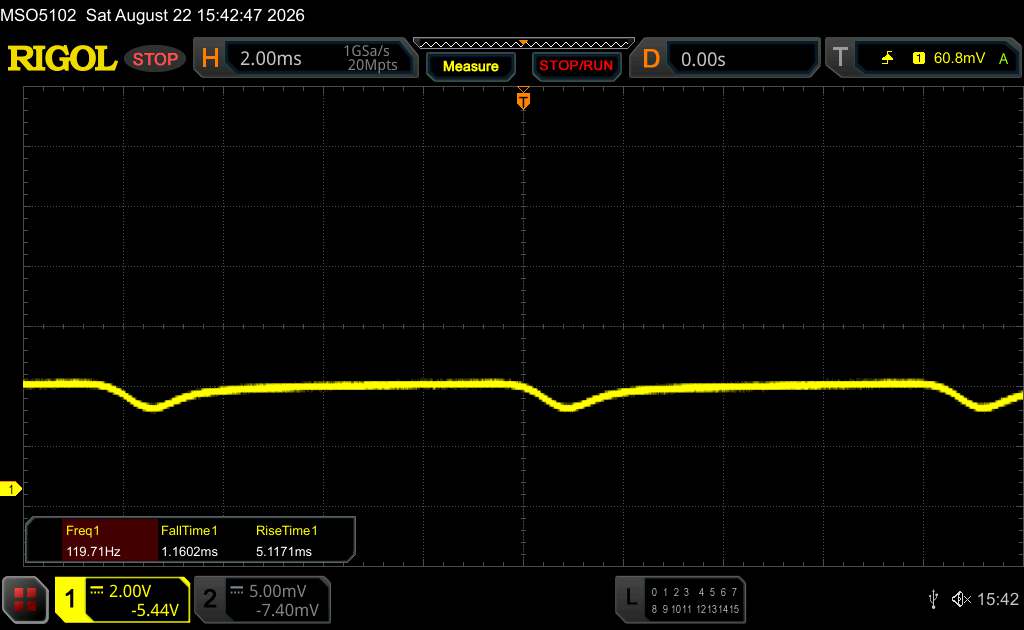
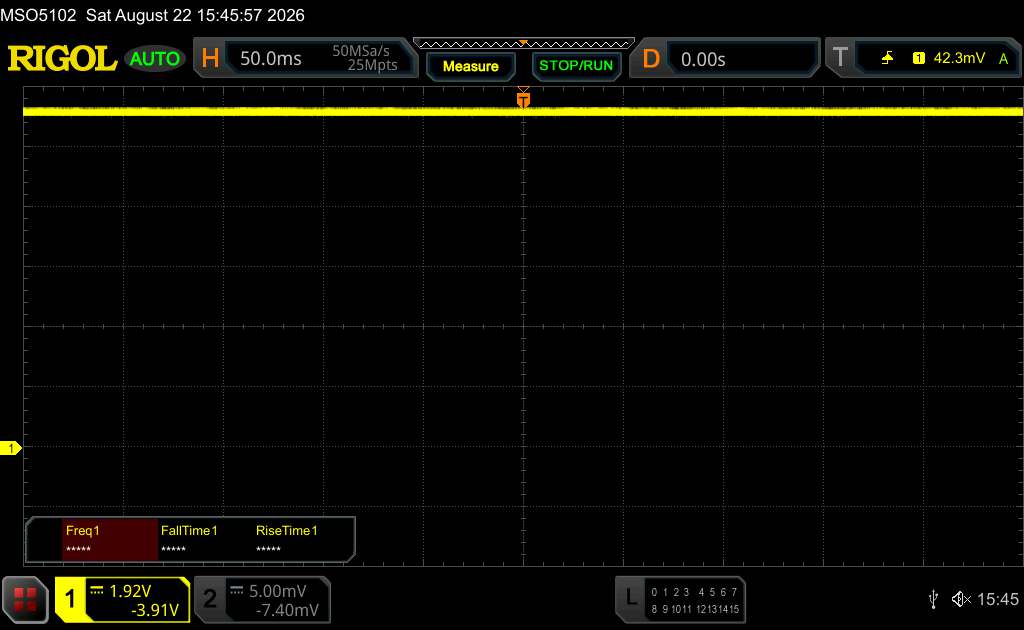
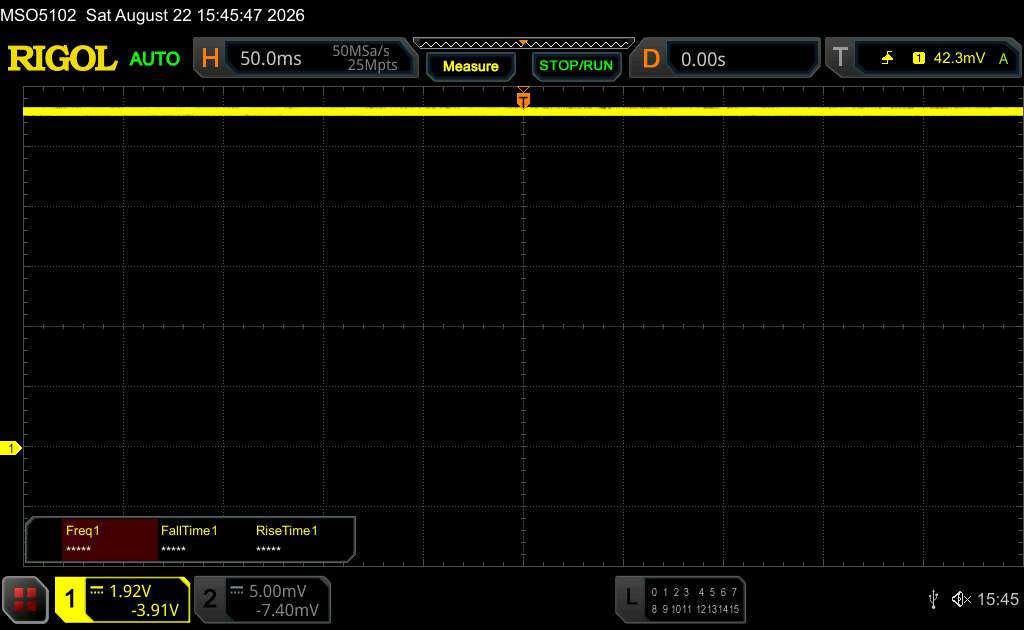
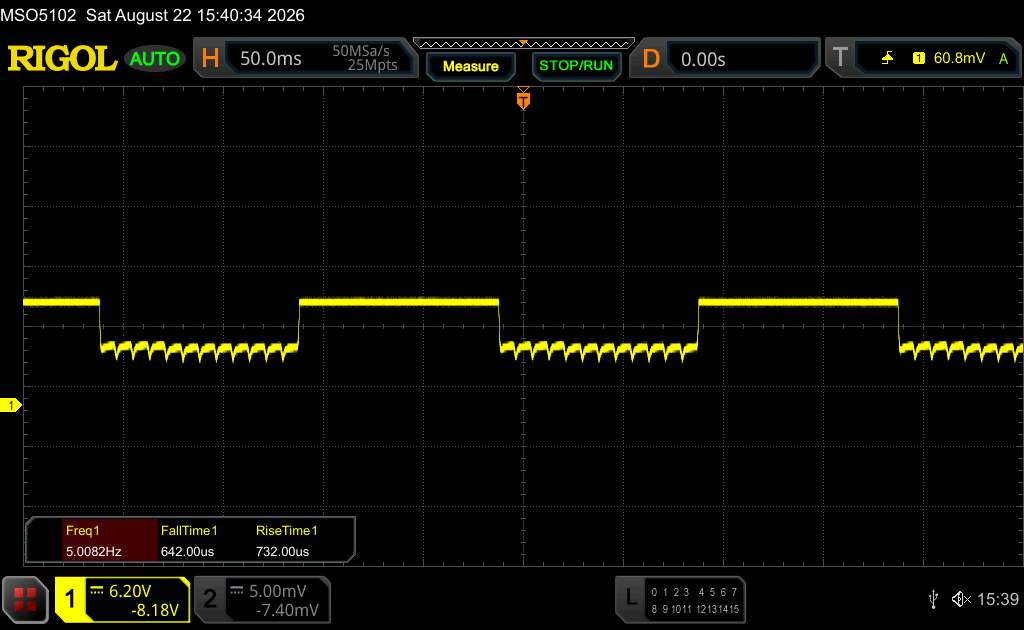
You’ll have to live with PWM flickering for brightness adjustment on this phone, so people who are sensitive to it should try out the screen before buying.

1055
cd/m²
Distribution of brightness
tested with X-Rite i1Pro 3
Maximum: 1055 cd/m² (Nits) Minimum: 1.3 cd/m²
Center on Battery: 1055 cd/m²
Contrast: ∞:1 (Black: 0 cd/m²)
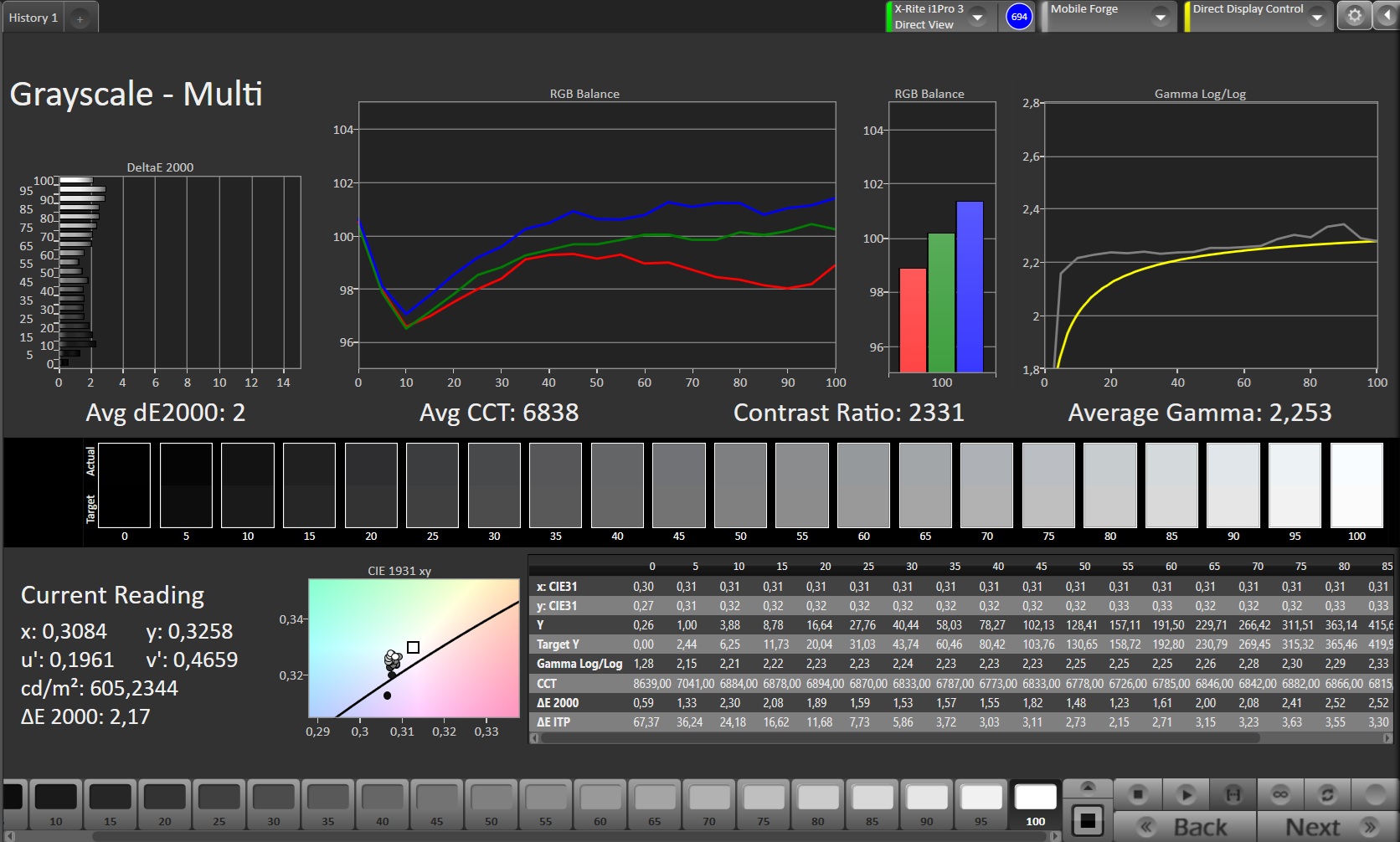
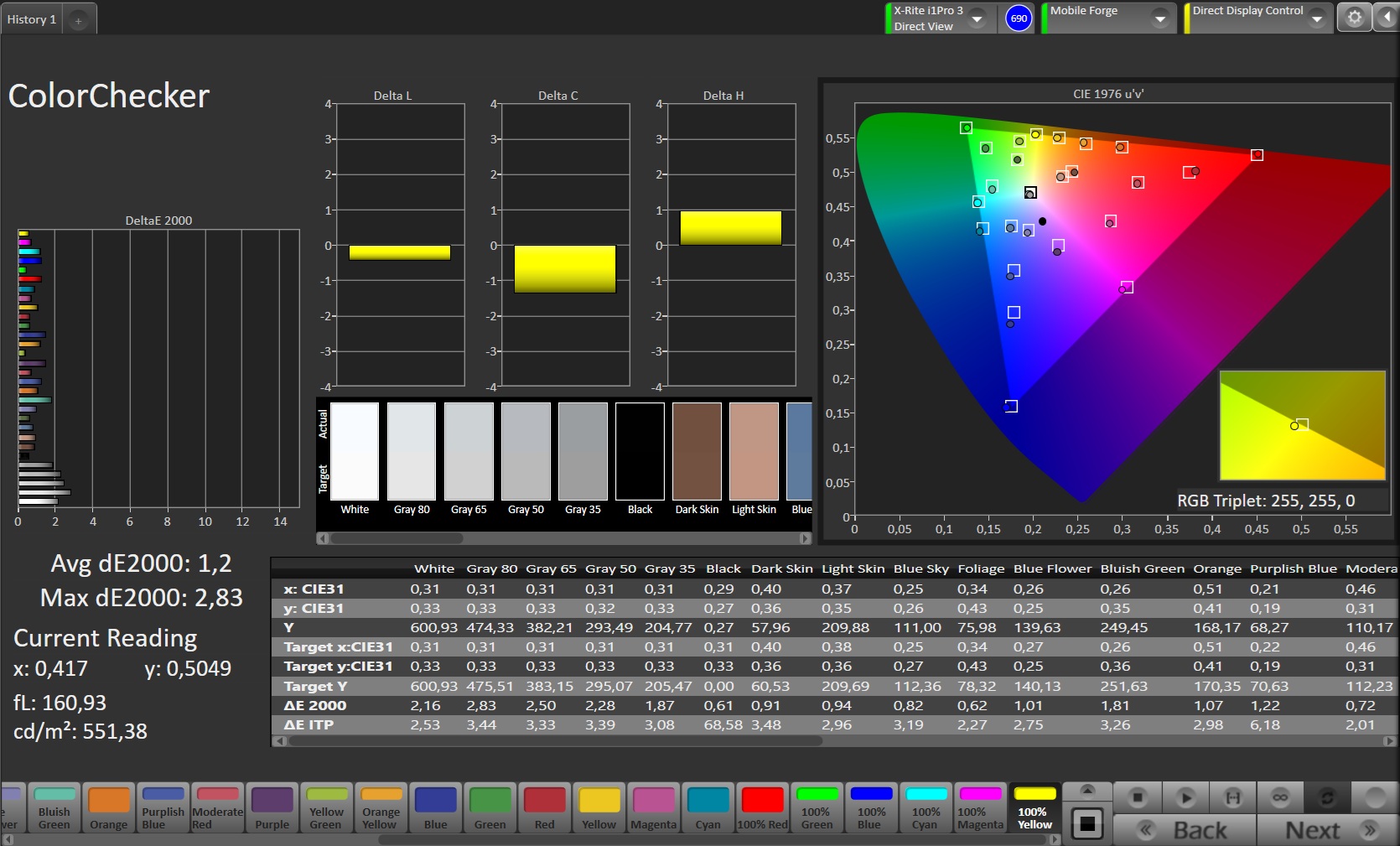
ΔE ColorChecker Calman: 1.2 | ∀{0.5-29.43 Ø4.7}
ΔE Greyscale Calman: 2 | ∀{0.09-98 Ø4.95}
99.8% sRGB (Calman 2D)
Gamma: 2.253
CCT: 6838 K
Xiaomi 17 Max
AMOLED, 2608x1200, 6.9"
Xiaomi 17
LTPO AMOLED , 2656x1220, 6.3"
Samsung Galaxy S26 Ultra
Dynamic AMOLED 2X, 3120x1440, 6.9"
OnePlus 15
AMOLED, 2772x1272, 6.8"
Apple iPhone 17 Pro Max
OLED, 2868x1320, 6.9"
Display
-5%
APL18 Peak Brightness (cd/m²)
2987
2713
-9%
HDR Peak Brightness (cd/m²)
3002
2975
-1%
Response Times
15%
1%
-93%
14%
Response Time Grey 50% / Grey 80% * (ms)
1.4 ?(0.7, 0.7)
0.4 ?(0.2, 0.2)
71%
0.84 ?(0.451, 0.3885)
40%
3 ?(1.6, 1.4)
-114%
0.6 ?(0.3, 0.3)
57%
Response Time Black / White * (ms)
1.3 ?(0.6, 0.7)
0.6 ?(0.3, 0.3)
54%
1.25 ?(0.5915, 0.6615)
4%
2.8 ?(1.5, 1.3)
-115%
0.6 ?(0.3, 0.3)
54%
PWM Frequency (Hz)
119.7
120
240
120
240
PWM Amplitude * (%)
10
18
-80%
13.99
-40%
15
-50%
17
-70%
Screen
-19%
-25%
4%
-4%
Brightness middle (cd/m²)
1055
1030
-2%
1339
27%
1114
6%
1054
0%
Black Level * (cd/m²)
Colorchecker dE 2000 *
1.2
1.44
-20%
2.5
-108%
1.33
-11%
1.57
-31%
Colorchecker dE 2000 max. *
2.83
3.68
-30%
3.8
-34%
2.42
14%
2.8
1%
Greyscale dE 2000 *
2
2.5
-25%
1.7
15%
1.9
5%
1.7
15%
Gamma
2.253 98%
2.274 97%
2.05 107%
2.273 97%
2.32 95%
CCT
6838 95%
6868 95%
6498 100%
6708 97%
6993 93%
Brightness (cd/m²)
1021
1381
1109
1059
Brightness Distribution (%)
98
94
97
93
Total Average (Program / Settings)
-2% / -5%
-10% / -12%
-45% / -38%
5% / 4%

* ... smaller is better

Screen Flickering / PWM (Pulse-Width Modulation)

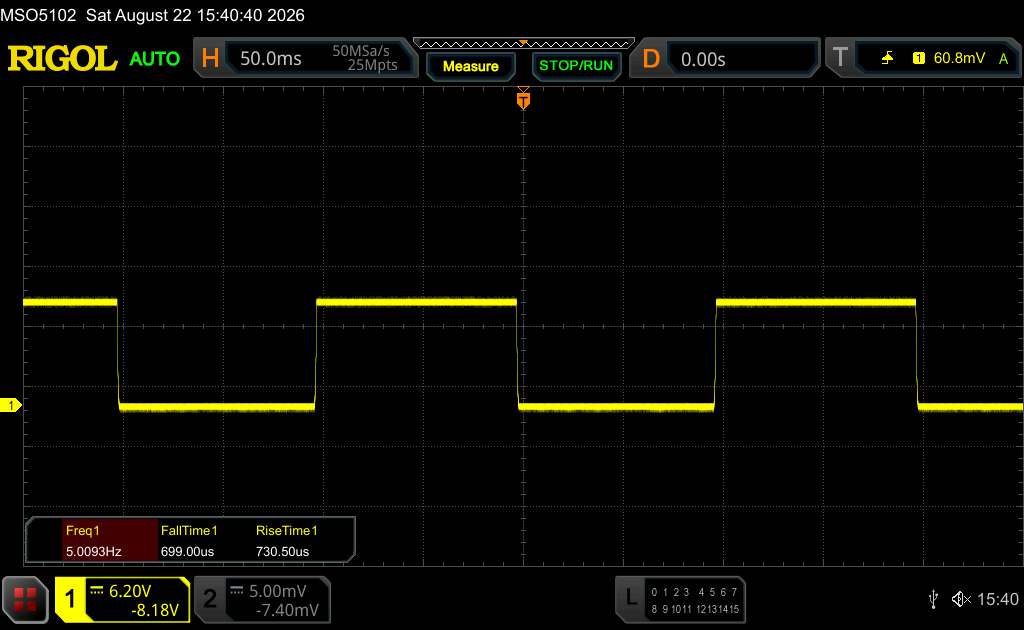
To dim the screen, some notebooks will simply cycle the backlight on and off in rapid succession - a method called Pulse Width Modulation (PWM) . This cycling frequency should ideally be undetectable to the human eye. If said frequency is too low, users with sensitive eyes may experience strain or headaches or even notice the flickering altogether.
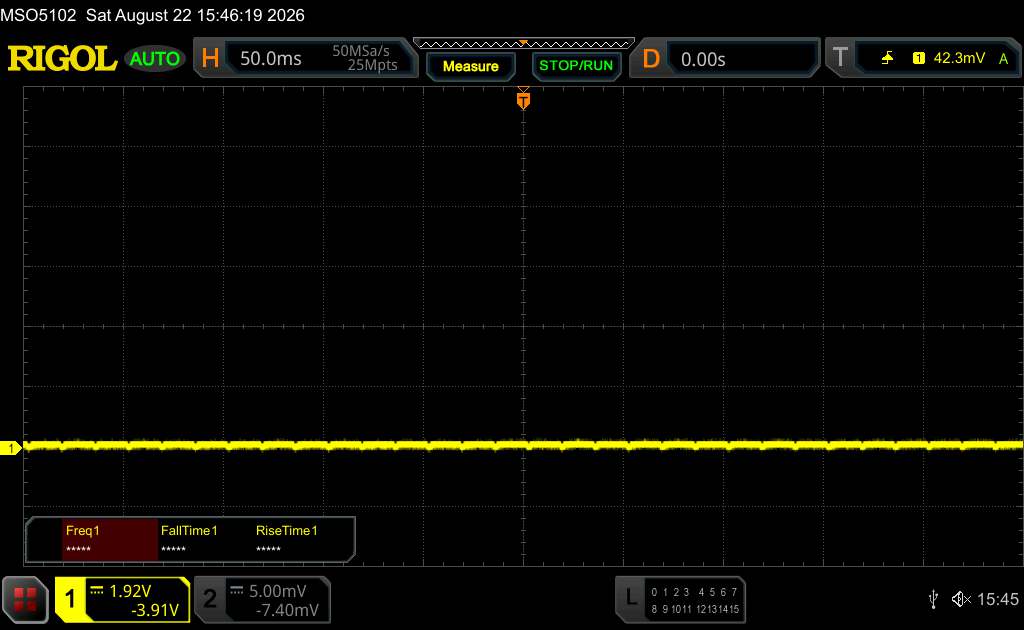
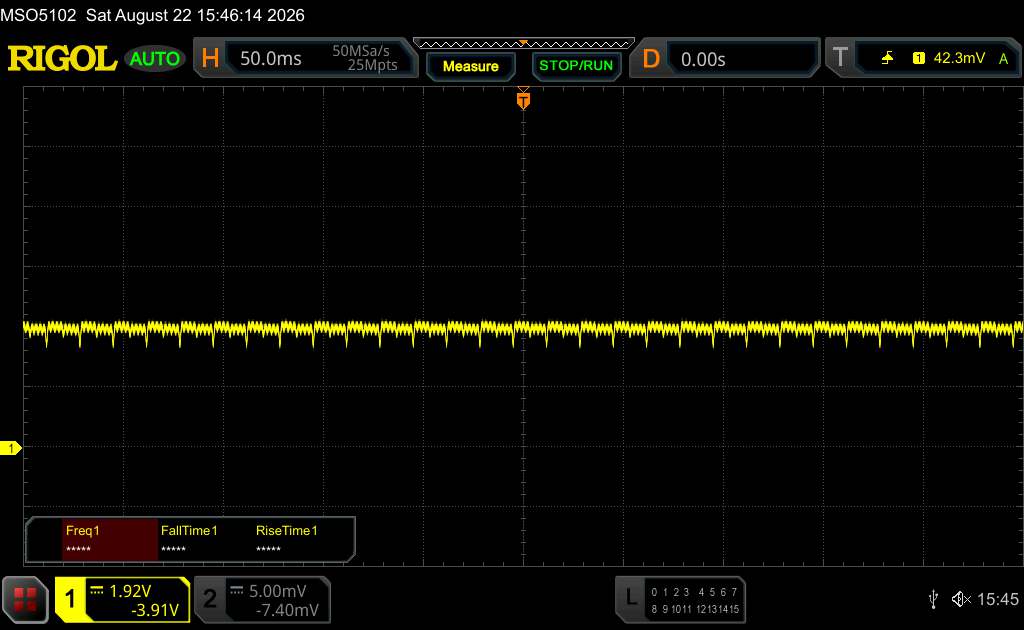
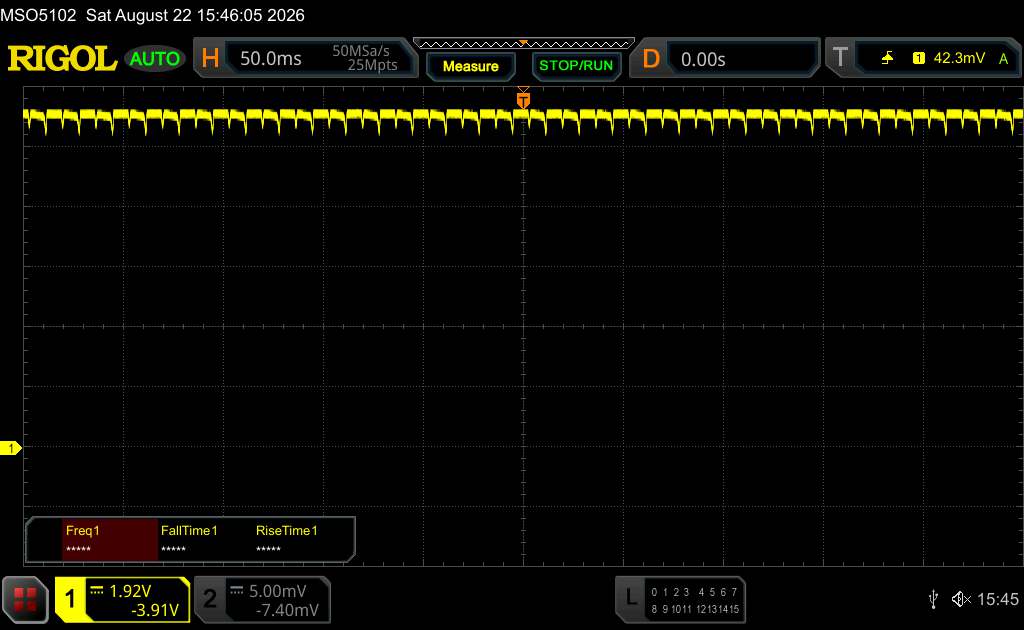
Screen flickering / PWM detected 119.7 Hz
Amplitude: 10 %

The display backlight flickers at 119.7 Hz (worst case, e.g., utilizing PWM) .

The frequency of 119.7 Hz is very low, so the flickering may cause eyestrain and headaches after extended use.

In comparison: 52 % of all tested devices do not use PWM to dim the display. If PWM was detected, an average of 7680 (minimum: 5 - maximum: 343500) Hz was measured.

minimum brightness
minimum brightness
25% brightness
25% brightness
50% brightness
50% brightness
75% brightness
75% brightness
100% brightness
100% brightness

Measurement series with a fixed zoom level and different brightness settings (Although the amplitude curve at minimum brightness appears flat, this is due to the scaling. The info box shows a magnified version of the amplitude at minimum brightness.) 
CalMAN Color Accuracy
CalMAN Grayscale
CalMAN Grayscale

Display Response Times

Display response times show how fast the screen is able to change from one color to the next. Slow response times can lead to afterimages and can cause moving objects to appear blurry (ghosting). Gamers of fast-paced 3D titles should pay special attention to fast response times.
       Response Time Black to White
1.3 ms ... rise ↗ and fall ↘ combined↗ 0.6 ms rise
↘ 0.7 ms fall
The screen shows very fast response rates in our tests and should be very well suited for fast-paced gaming.
In comparison, all tested devices range from 0.1 (minimum) to 240 (maximum) ms. » 8 % of all devices are better.
This means that the measured response time is better than the average of all tested devices (19.7 ms).
       Response Time 50% Grey to 80% Grey
1.4 ms ... rise ↗ and fall ↘ combined↗ 0.7 ms rise
↘ 0.7 ms fall
The screen shows very fast response rates in our tests and should be very well suited for fast-paced gaming.
In comparison, all tested devices range from 0.13 (minimum) to 636 (maximum) ms. » 7 % of all devices are better.
This means that the measured response time is better than the average of all tested devices (30.8 ms).

Performance, emissions, and battery life—Hardly anything can match its endurance

The Qualcomm Snapdragon 8 Elite Gen 5 is one of the fastest smartphone SoCs currently available and, as a result, achieves high scores in our benchmarks. Absolutely smooth performance is guaranteed in almost all situations.

However, the phone can get quite hot under prolonged load and also throttles significantly in the 3DMark stress tests.

The speaker on the bottom edge is supported by the earpiece, enabling stereo effects. The sound can sometimes feature slightly deeper mids and is well-suited for pop music. However, the speakers don’t get very loud.

Bluetooth 6.0 is available for wireless audio transmission and supports a wide range of current audio codecs.

The 8,000-mAh battery is the Xiaomi 17 Max’s standout feature; it offers more capacity than any other devices in the series. So it’s no wonder that the smartphone achieved impressive battery life of over 33 hours in our Wi-Fi test. Hardly any other top-tier phone can keep up with that.

Geekbench 6.7
Single-Core
Apple iPhone 17 Pro Max
Apple A19 Pro, A19 Pro 6-Core GPU, 12288
3883 Points +8%
Samsung Galaxy S26 Ultra
Qualcomm Snapdragon 8 Elite Gen 5 for Galaxy, Adreno 840, 12288
3759 Points +4%
Xiaomi 17
Qualcomm Snapdragon 8 Elite Gen 5, Adreno 840, 12288
3662 Points +2%
Average Qualcomm Snapdragon 8 Elite Gen 5
  (3462 - 3831, n=23)
3629 Points +1%
Xiaomi 17 Max
Qualcomm Snapdragon 8 Elite Gen 5, Adreno 840, 16384
3599 Points
OnePlus 15
Qualcomm Snapdragon 8 Elite Gen 5, Adreno 840, 16384
3498 Points -3%
Average of class Smartphone
  (196 - 3883, n=191, last 2 years)
1899 Points -47%
Multi-Core
Samsung Galaxy S26 Ultra
Qualcomm Snapdragon 8 Elite Gen 5 for Galaxy, Adreno 840, 12288
11337 Points +3%
Xiaomi 17 Max
Qualcomm Snapdragon 8 Elite Gen 5, Adreno 840, 16384
10975 Points
Average Qualcomm Snapdragon 8 Elite Gen 5
  (9631 - 12383, n=23)
10941 Points 0%
Xiaomi 17
Qualcomm Snapdragon 8 Elite Gen 5, Adreno 840, 12288
10842 Points -1%
OnePlus 15
Qualcomm Snapdragon 8 Elite Gen 5, Adreno 840, 16384
10645 Points -3%
Apple iPhone 17 Pro Max
Apple A19 Pro, A19 Pro 6-Core GPU, 12288
10017 Points -9%
Average of class Smartphone
  (830 - 11811, n=191, last 2 years)
5664 Points -48%
3DMark
Wild Life Unlimited Score
Samsung Galaxy S26 Ultra
Qualcomm Snapdragon 8 Elite Gen 5 for Galaxy, Adreno 840, 12288
30624 Points +19%
Average Qualcomm Snapdragon 8 Elite Gen 5
  (20274 - 30892, n=22)
27955 Points +9%
Apple iPhone 17 Pro Max
Apple A19 Pro, A19 Pro 6-Core GPU, 12288
26375 Points +3%
OnePlus 15
Qualcomm Snapdragon 8 Elite Gen 5, Adreno 840, 16384
25885 Points +1%
Xiaomi 17 Max
Qualcomm Snapdragon 8 Elite Gen 5, Adreno 840, 16384
25664 Points
Xiaomi 17
Qualcomm Snapdragon 8 Elite Gen 5, Adreno 840, 12288
25598 Points 0%
Average of class Smartphone
  (271 - 30892, n=175, last 2 years)
12831 Points -50%
Wild Life Extreme
Samsung Galaxy S26 Ultra
Qualcomm Snapdragon 8 Elite Gen 5 for Galaxy, Adreno 840, 12288
7735 Points +22%
Average Qualcomm Snapdragon 8 Elite Gen 5
  (6289 - 8329, n=23)
7221 Points +14%
OnePlus 15
Qualcomm Snapdragon 8 Elite Gen 5, Adreno 840, 16384
6969 Points +10%
Xiaomi 17 Max
Qualcomm Snapdragon 8 Elite Gen 5, Adreno 840, 16384
6344 Points
Xiaomi 17
Qualcomm Snapdragon 8 Elite Gen 5, Adreno 840, 12288
6311 Points -1%
Apple iPhone 17 Pro Max
Apple A19 Pro, A19 Pro 6-Core GPU, 12288
6033 Points -5%
Average of class Smartphone
  (61 - 8263, n=175, last 2 years)
3353 Points -47%
Wild Life Extreme Unlimited
Samsung Galaxy S26 Ultra
Qualcomm Snapdragon 8 Elite Gen 5 for Galaxy, Adreno 840, 12288
8053 Points +27%
Average Qualcomm Snapdragon 8 Elite Gen 5
  (6168 - 8271, n=22)
7143 Points +13%
OnePlus 15
Qualcomm Snapdragon 8 Elite Gen 5, Adreno 840, 16384
6985 Points +10%
Xiaomi 17 Max
Qualcomm Snapdragon 8 Elite Gen 5, Adreno 840, 16384
6329 Points
Xiaomi 17
Qualcomm Snapdragon 8 Elite Gen 5, Adreno 840, 12288
6321 Points 0%
Apple iPhone 17 Pro Max
Apple A19 Pro, A19 Pro 6-Core GPU, 12288
5959 Points -6%
Average of class Smartphone
  (62 - 8271, n=174, last 2 years)
3345 Points -47%
GFXBench
on screen Aztec Ruins Normal Tier Onscreen
Samsung Galaxy S26 Ultra
Qualcomm Snapdragon 8 Elite Gen 5 for Galaxy, Adreno 840, 12288
120 fps 0%
Xiaomi 17
Qualcomm Snapdragon 8 Elite Gen 5, Adreno 840, 12288
120 fps 0%
Xiaomi 17 Max
Qualcomm Snapdragon 8 Elite Gen 5, Adreno 840, 16384
120 fps
Average Qualcomm Snapdragon 8 Elite Gen 5
  (60 - 301, n=22)
105.8 fps -12%
Average of class Smartphone
  (6.2 - 166, n=187, last 2 years)
62.1 fps -48%
Apple iPhone 17 Pro Max
Apple A19 Pro, A19 Pro 6-Core GPU, 12288
60 fps -50%
OnePlus 15
Qualcomm Snapdragon 8 Elite Gen 5, Adreno 840, 16384
60 fps -50%
1920x1080 Aztec Ruins Normal Tier Offscreen
Samsung Galaxy S26 Ultra
Qualcomm Snapdragon 8 Elite Gen 5 for Galaxy, Adreno 840, 12288
355 fps +25%
Average Qualcomm Snapdragon 8 Elite Gen 5
  (92 - 378, n=23)
290 fps +2%
Xiaomi 17 Max
Qualcomm Snapdragon 8 Elite Gen 5, Adreno 840, 16384
284 fps
Xiaomi 17
Qualcomm Snapdragon 8 Elite Gen 5, Adreno 840, 12288
281 fps -1%
Apple iPhone 17 Pro Max
Apple A19 Pro, A19 Pro 6-Core GPU, 12288
247 fps -13%
OnePlus 15
Qualcomm Snapdragon 8 Elite Gen 5, Adreno 840, 16384
233 fps -18%
Average of class Smartphone
  (3.4 - 378, n=186, last 2 years)
132.8 fps -53%
on screen Aztec Ruins High Tier Onscreen
Xiaomi 17
Qualcomm Snapdragon 8 Elite Gen 5, Adreno 840, 12288
120 fps 0%
Xiaomi 17 Max
Qualcomm Snapdragon 8 Elite Gen 5, Adreno 840, 16384
120 fps
Samsung Galaxy S26 Ultra
Qualcomm Snapdragon 8 Elite Gen 5 for Galaxy, Adreno 840, 12288
109 fps -9%
Average Qualcomm Snapdragon 8 Elite Gen 5
  (58 - 120, n=22)
94.8 fps -21%
Apple iPhone 17 Pro Max
Apple A19 Pro, A19 Pro 6-Core GPU, 12288
60 fps -50%
OnePlus 15
Qualcomm Snapdragon 8 Elite Gen 5, Adreno 840, 16384
60 fps -50%
Average of class Smartphone
  (3.7 - 144, n=188, last 2 years)
51 fps -57%
2560x1440 Aztec Ruins High Tier Offscreen
Samsung Galaxy S26 Ultra
Qualcomm Snapdragon 8 Elite Gen 5 for Galaxy, Adreno 840, 12288
127 fps +20%
Average Qualcomm Snapdragon 8 Elite Gen 5
  (65 - 145, n=23)
119.8 fps +13%
Xiaomi 17
Qualcomm Snapdragon 8 Elite Gen 5, Adreno 840, 12288
108 fps +2%
Xiaomi 17 Max
Qualcomm Snapdragon 8 Elite Gen 5, Adreno 840, 16384
106 fps
OnePlus 15
Qualcomm Snapdragon 8 Elite Gen 5, Adreno 840, 16384
92 fps -13%
Apple iPhone 17 Pro Max
Apple A19 Pro, A19 Pro 6-Core GPU, 12288
86 fps -19%
Average of class Smartphone
  (1.2 - 151, n=186, last 2 years)
51.6 fps -51%
3840x2160 4K Aztec Ruins High Tier Offscreen
Samsung Galaxy S26 Ultra
Qualcomm Snapdragon 8 Elite Gen 5 for Galaxy, Adreno 840, 12288
59 fps +26%
Average Qualcomm Snapdragon 8 Elite Gen 5
  (35 - 62, n=22)
51.8 fps +10%
Xiaomi 17
Qualcomm Snapdragon 8 Elite Gen 5, Adreno 840, 12288
49 fps +4%
Xiaomi 17 Max
Qualcomm Snapdragon 8 Elite Gen 5, Adreno 840, 16384
47 fps
OnePlus 15
Qualcomm Snapdragon 8 Elite Gen 5, Adreno 840, 16384
44 fps -6%
Apple iPhone 17 Pro Max
Apple A19 Pro, A19 Pro 6-Core GPU, 12288
36.4 fps -23%
Average of class Smartphone
  (0.54 - 63, n=186, last 2 years)
23.6 fps -50%
Geekbench AI
Single Precision NPU 1.7
Apple iPhone 17 Pro Max
Apple A19 Pro, A19 Pro 6-Core GPU, 12288
5155 Points +584%
Xiaomi 17 Max
Qualcomm Snapdragon 8 Elite Gen 5, Adreno 840, 16384
754 Points
Samsung Galaxy S26 Ultra
Qualcomm Snapdragon 8 Elite Gen 5 for Galaxy, Adreno 840, 12288
704 Points -7%
Xiaomi 17
Qualcomm Snapdragon 8 Elite Gen 5, Adreno 840, 12288
698 Points -7%
Average of class Smartphone
  (80 - 5210, n=125, last 2 years)
660 Points -12%
OnePlus 15
Qualcomm Snapdragon 8 Elite Gen 5, Adreno 840, 16384
655 Points -13%
Average Qualcomm Snapdragon 8 Elite Gen 5
  (471 - 843, n=22)
646 Points -14%
Half Precision NPU 1.7
Apple iPhone 17 Pro Max
Apple A19 Pro, A19 Pro 6-Core GPU, 12288
36297 Points +5326%
Average of class Smartphone
  (80 - 36297, n=125, last 2 years)
2571 Points +284%
Samsung Galaxy S26 Ultra
Qualcomm Snapdragon 8 Elite Gen 5 for Galaxy, Adreno 840, 12288
679 Points +1%
Xiaomi 17 Max
Qualcomm Snapdragon 8 Elite Gen 5, Adreno 840, 16384
669 Points
Xiaomi 17
Qualcomm Snapdragon 8 Elite Gen 5, Adreno 840, 12288
646 Points -3%
Average Qualcomm Snapdragon 8 Elite Gen 5
  (471 - 843, n=22)
630 Points -6%
OnePlus 15
Qualcomm Snapdragon 8 Elite Gen 5, Adreno 840, 16384
502 Points -25%
Quantized NPU 1.7
Apple iPhone 17 Pro Max
Apple A19 Pro, A19 Pro 6-Core GPU, 12288
48828 Points +3064%
Average of class Smartphone
  (124 - 49889, n=125, last 2 years)
3846 Points +149%
Xiaomi 17 Max
Qualcomm Snapdragon 8 Elite Gen 5, Adreno 840, 16384
1543 Points
Samsung Galaxy S26 Ultra
Qualcomm Snapdragon 8 Elite Gen 5 for Galaxy, Adreno 840, 12288
1530 Points -1%
Average Qualcomm Snapdragon 8 Elite Gen 5
  (974 - 1987, n=22)
1459 Points -5%
Xiaomi 17
Qualcomm Snapdragon 8 Elite Gen 5, Adreno 840, 12288
1409 Points -9%
OnePlus 15
Qualcomm Snapdragon 8 Elite Gen 5, Adreno 840, 16384
1023 Points -34%
CrossMark
Overall
Samsung Galaxy S26 Ultra
Qualcomm Snapdragon 8 Elite Gen 5 for Galaxy, Adreno 840, 12288
2543 Points +6%
Xiaomi 17 Max
Qualcomm Snapdragon 8 Elite Gen 5, Adreno 840, 16384
2402 Points
Xiaomi 17
Qualcomm Snapdragon 8 Elite Gen 5, Adreno 840, 12288
2356 Points -2%
Average Qualcomm Snapdragon 8 Elite Gen 5
  (1698 - 2856, n=19)
2322 Points -3%
OnePlus 15
Qualcomm Snapdragon 8 Elite Gen 5, Adreno 840, 16384
1698 Points -29%
Average of class Smartphone
  (376 - 2856, n=109, last 2 years)
1262 Points -47%
Productivity
Xiaomi 17 Max
Qualcomm Snapdragon 8 Elite Gen 5, Adreno 840, 16384
2102 Points
Samsung Galaxy S26 Ultra
Qualcomm Snapdragon 8 Elite Gen 5 for Galaxy, Adreno 840, 12288
2100 Points 0%
Xiaomi 17
Qualcomm Snapdragon 8 Elite Gen 5, Adreno 840, 12288
2012 Points -4%
Average Qualcomm Snapdragon 8 Elite Gen 5
  (1380 - 2366, n=19)
1956 Points -7%
OnePlus 15
Qualcomm Snapdragon 8 Elite Gen 5, Adreno 840, 16384
1380 Points -34%
Average of class Smartphone
  (388 - 2366, n=109, last 2 years)
1128 Points -46%
Creativity
Samsung Galaxy S26 Ultra
Qualcomm Snapdragon 8 Elite Gen 5 for Galaxy, Adreno 840, 12288
1850 Points +1%
Xiaomi 17 Max
Qualcomm Snapdragon 8 Elite Gen 5, Adreno 840, 16384
1829 Points
Xiaomi 17
Qualcomm Snapdragon 8 Elite Gen 5, Adreno 840, 12288
1806 Points -1%
Average Qualcomm Snapdragon 8 Elite Gen 5
  (1289 - 2123, n=19)
1762 Points -4%
OnePlus 15
Qualcomm Snapdragon 8 Elite Gen 5, Adreno 840, 16384
1357 Points -26%
Average of class Smartphone
  (310 - 2123, n=109, last 2 years)
1021 Points -44%
Responsiveness
Samsung Galaxy S26 Ultra
Qualcomm Snapdragon 8 Elite Gen 5 for Galaxy, Adreno 840, 12288
11710 Points +20%
Xiaomi 17
Qualcomm Snapdragon 8 Elite Gen 5, Adreno 840, 12288
9768 Points 0%
Xiaomi 17 Max
Qualcomm Snapdragon 8 Elite Gen 5, Adreno 840, 16384
9764 Points
Average Qualcomm Snapdragon 8 Elite Gen 5
  (6210 - 13407, n=19)
9434 Points -3%
OnePlus 15
Qualcomm Snapdragon 8 Elite Gen 5, Adreno 840, 16384
6210 Points -36%
Average of class Smartphone
  (466 - 13407, n=109, last 2 years)
4125 Points -58%
Jetstream 2
2.0 Total
Samsung Galaxy S26 Ultra
Qualcomm Snapdragon 8 Elite Gen 5 for Galaxy, Adreno 840, 12288
422.954 Points
Apple iPhone 17 Pro Max
Apple A19 Pro, A19 Pro 6-Core GPU, 12288
358.295 Points
Average Qualcomm Snapdragon 8 Elite Gen 5
  (70.1 - 409, n=9)
182.9 Points
Average of class Smartphone
  (63.9 - 423, n=118, last 2 years)
165.5 Points
OnePlus 15
Qualcomm Snapdragon 8 Elite Gen 5, Adreno 840, 16384
146.211 Points
2.2 Total
Xiaomi 17 Max
Qualcomm Snapdragon 8 Elite Gen 5, Adreno 840, 16384
476 Points
Apple iPhone 17 Pro Max
Apple A19 Pro, A19 Pro 6-Core GPU, 12288
467.38 Points -2%
Samsung Galaxy S26 Ultra
Qualcomm Snapdragon 8 Elite Gen 5 for Galaxy, Adreno 840, 12288
429.726 Points -10%
Average Qualcomm Snapdragon 8 Elite Gen 5
  (2 - 480, n=16)
292 Points -39%
Average of class Smartphone
  (2 - 480, n=97, last 2 years)
218 Points -54%
Xiaomi 17
Qualcomm Snapdragon 8 Elite Gen 5, Adreno 840, 12288
2 Points -100%
Xiaomi 17 MaxXiaomi 17Samsung Galaxy S26 UltraOnePlus 15Apple iPhone 17 Pro MaxAverage 512 GB UFS 4.1 FlashAverage of class Smartphone
AndroBench 3-5
-0%
-32%
-19%
-17%
-43%
Sequential Read 256KB (MB/s)
3938.47
3943.44
0%
3626.09
-8%
3962.2
1%
Sequential Write 256KB (MB/s)
3802.01
3784.97
0%
1658.91
-56%
3741.2
-2%
3200 ?(339 - 4113, n=48)
-16%
Random Read 4KB (MB/s)
488.65
487.69
0%
513.44
5%
352.6
-28%
411 ?(279 - 614, n=48)
-16%
Random Write 4KB (MB/s)
647.54
643.31
-1%
207.16
-68%
334.4
-48%
Max. Load
 46.3 °C
115 F
44.9 °C
113 F
41.8 °C
107 F
 
 46.4 °C
116 F
45.3 °C
114 F
42.5 °C
109 F
 
 46.4 °C
116 F
46.2 °C
115 F
43.6 °C
110 F
 
Maximum: 46.4 °C = 116 F
Average: 44.8 °C = 113 F
40.1 °C
104 F
44.2 °C
112 F
42.5 °C
109 F
40.6 °C
105 F
45.2 °C
113 F
42.6 °C
109 F
41.5 °C
107 F
44.8 °C
113 F
50.4 °C
123 F
Maximum: 50.4 °C = 123 F
Average: 43.5 °C = 110 F
Power Supply (max.)  41.3 °C = 106 F | Room Temperature 21 °C = 70 F | Fluke t3000FC (calibrated), Voltcraft IR-260
(-) The average temperature for the upper side under maximal load is 44.8 °C / 113 F, compared to the average of 33 °C / 91 F for the devices in the class Smartphone.
(-) The maximum temperature on the upper side is 46.4 °C / 116 F, compared to the average of 35.3 °C / 96 F, ranging from 21.9 to 247 °C for the class Smartphone.
(-) The bottom heats up to a maximum of 50.4 °C / 123 F, compared to the average of 34.1 °C / 93 F

3DMark Stress Tests

3DMark
Wild Life Stress Test Stability
Apple iPhone 17 Pro Max
A19 Pro 6-Core GPU, A19 Pro, 256 GB NVMe
99.8 % +96%
Xiaomi 17
Adreno 840, SD 8 Elite Gen 5, 512 GB UFS 4.1 Flash
72.8 % +43%
OnePlus 15
Adreno 840, SD 8 Elite Gen 5, 512 GB UFS 4.1 Flash
61.9 % +22%
Samsung Galaxy S26 Ultra
Adreno 840, SD 8 Elite Gen 5 f. Galaxy, 256 GB UFS 4.0 Flash
51.4 % +1%
Xiaomi 17 Max
Adreno 840, SD 8 Elite Gen 5, 512 GB UFS 4.1 Flash
50.9 %
Wild Life Extreme Stress Test
Xiaomi 17
Adreno 840, SD 8 Elite Gen 5, 512 GB UFS 4.1 Flash
73.8 % +49%
Apple iPhone 17 Pro Max
A19 Pro 6-Core GPU, A19 Pro, 256 GB NVMe
71.8 % +45%
Samsung Galaxy S26 Ultra
Adreno 840, SD 8 Elite Gen 5 f. Galaxy, 256 GB UFS 4.0 Flash
54 % +9%
OnePlus 15
Adreno 840, SD 8 Elite Gen 5, 512 GB UFS 4.1 Flash
52 % +5%
Xiaomi 17 Max
Adreno 840, SD 8 Elite Gen 5, 512 GB UFS 4.1 Flash
49.6 %
Solar Bay Stress Test Stability
Xiaomi 17
Adreno 840, SD 8 Elite Gen 5, 512 GB UFS 4.1 Flash
73 % +44%
Apple iPhone 17 Pro Max
A19 Pro 6-Core GPU, A19 Pro, 256 GB NVMe
72.6 % +43%
Samsung Galaxy S26 Ultra
Adreno 840, SD 8 Elite Gen 5 f. Galaxy, 256 GB UFS 4.0 Flash
54.2 % +7%
Xiaomi 17 Max
Adreno 840, SD 8 Elite Gen 5, 512 GB UFS 4.1 Flash
50.8 %
Solar Bay Extreme Stress Test Stability
Samsung Galaxy S26 Ultra
Adreno 840, SD 8 Elite Gen 5 f. Galaxy, 256 GB UFS 4.0 Flash
78.5 %
Xiaomi 17
Adreno 840, SD 8 Elite Gen 5, 512 GB UFS 4.1 Flash
76 %
Apple iPhone 17 Pro Max
A19 Pro 6-Core GPU, A19 Pro, 256 GB NVMe
63.5 %
Steel Nomad Light Stress Test Stability
Xiaomi 17
Adreno 840, SD 8 Elite Gen 5, 512 GB UFS 4.1 Flash
74.7 %
Apple iPhone 17 Pro Max
A19 Pro 6-Core GPU, A19 Pro, 256 GB NVMe
64.7 %
Samsung Galaxy S26 Ultra
Adreno 840, SD 8 Elite Gen 5 f. Galaxy, 256 GB UFS 4.0 Flash
57.5 %
05101520253035404550556065707580859095100105110115120125130135140145150Tooltip
Xiaomi 17 Max; Wild Life Extreme Stress Test; 1.1.14.3: Ø31.3 (22.1-44.6) %
Xiaomi 17 Max; Wild Life Stress Test Stability; 0.0.0.0: Ø106 (77.9-153.1) %
Xiaomi 17 Max; Solar Bay Stress Test Stability; 1.0.17.4: Ø34.5 (22.5-44.2) %
dB(A) 0102030405060708090Deep BassMiddle BassHigh BassLower RangeMidsHigher MidsLower HighsMid HighsUpper HighsSuper Highs201.58.1257.45.73111.15.44015.69.75017.916.86319.39.98018.67.510017.721.612515.734.216018.344.120019.148.825013.15131517.355.840019.754.950020.556.163027.26080023.658.5100027.463.4125026.771.4160028.372200024.571.9250018.571.3315019.768400016.467.6500018.163.663002168800023711000017.370.91250013.767.61600012.249.3SPL35.736.381.1N1.9244.6median 19.1median 60median 62.8Delta3.611.918.336.339.430.331.42738.439.837.742.342.4243923.640.621.244.120.448.522.655.519.857.717.859.614.960.616.261.414.569.312.973.712.87711.275.812.179.311.980.911.482.71282.312.180.213.381.913.18212.979.71378.412.878.312.867.914.261.425.3920.792.4median 13median 771.910hearing rangehide median Pink NoiseXiaomi 17 MaxSamsung Galaxy S26 Ultra
Frequency diagram (checkboxes can be checked and unchecked to compare devices)
Xiaomi 17 Max audio analysis

(±) | speaker loudness is average but good (81.1 dB)
Bass 100 - 315 Hz
(-) | nearly no bass - on average 62.8% lower than median
(+) | bass is linear (0% delta to prev. frequency)
Mids 400 - 2000 Hz
(-) | nearly no mids - on average 62.8% lower than median
(+) | mids are linear (0% delta to prev. frequency)
Highs 2 - 16 kHz
(-) | nearly no highs - on average 62.8% lower than median
(+) | highs are linear (0% delta to prev. frequency)
Overall 100 - 16.000 Hz
(-) | overall sound is not linear (135.5% difference to median)
Compared to same class
» 100% of all tested devices in this class were better, 0% similar, 0% worse
» The best had a delta of 11%, average was 34%, worst was 136%
Compared to all devices tested
» 100% of all tested devices were better, 0% similar, 0% worse
» The best had a delta of 4%, average was 23%, worst was 136%

Samsung Galaxy S26 Ultra audio analysis

(+) | speakers can play relatively loud (92 dB)
Bass 100 - 315 Hz
(-) | nearly no bass - on average 22.6% lower than median
(+) | bass is linear (5.2% delta to prev. frequency)
Mids 400 - 2000 Hz
(+) | balanced mids - only 4.9% away from median
(+) | mids are linear (4.8% delta to prev. frequency)
Highs 2 - 16 kHz
(+) | balanced highs - only 3.4% away from median
(+) | highs are linear (1.8% delta to prev. frequency)
Overall 100 - 16.000 Hz
(±) | linearity of overall sound is average (15.9% difference to median)
Compared to same class
» 5% of all tested devices in this class were better, 5% similar, 90% worse
» The best had a delta of 11%, average was 34%, worst was 136%
Compared to all devices tested
» 25% of all tested devices were better, 5% similar, 70% worse
» The best had a delta of 4%, average was 23%, worst was 136%

Power Consumption
Off / Standbydarklight 0.1 / 0.2 Watt
Idledarkmidlight 0.8 / 1.3 / 1.8 Watt
 color bar
Key: min: dark, med: mid, max: light        Metrahit Energy
Xiaomi 17 Max
8000 mAh
Xiaomi 17
7000 mAh
Samsung Galaxy S26 Ultra
5000 mAh
OnePlus 15
7300 mAh
Apple iPhone 17 Pro Max
4823 mAh
Average Qualcomm Snapdragon 8 Elite Gen 5
 
Average of class Smartphone
 
Power Consumption
4%
22%
-19%
12%
2%
-5%
Idle Minimum * (Watt)
0.8
0.7
13%
0.56
30%
1.2
-50%
0.6
25%
0.865 ?(0.52 - 1.4, n=17)
-8%
Idle Average * (Watt)
1.3
1.4
-8%
1.18
9%
1.4
-8%
1.3
-0%
1.319 ?(0.74 - 2.13, n=17)
-1%
Idle Maximum * (Watt)
1.8
1.7
6%
1.33
26%
1.8
-0%
1.6
11%
1.542 ?(0.75 - 2.2, n=17)
14%
Load Average * (Watt)
5.9
14.91
6.7
4.1
Load Maximum * (Watt)
11.7
16.58
12.3
11.5

* ... smaller is better

Battery Runtime
WiFi Websurfing
33h 23min
Xiaomi 17 Max
8000 mAh
Xiaomi 17
7000 mAh
Samsung Galaxy S26 Ultra
5000 mAh
OnePlus 15
7300 mAh
Apple iPhone 17 Pro Max
4823 mAh
Battery runtime
-7%
-46%
-8%
-14%
WiFi v1.3 (h)
33.4
30.9
-7%
17.9
-46%
30.7
-8%
28.6
-14%
Reader / Idle (h)
72.7
50.9
66.4
H.264 (h)
36.1
30.9
36.5
Load (h)
4.3
3.7
4.2

Notebookcheck overall rating

The Xiaomi 17 Max is a great smartphone for anyone who wants a larger screen, longer battery life, plenty of power, and great cameras.

In the West, however, there are restrictions due to imports from China that you should be aware of.
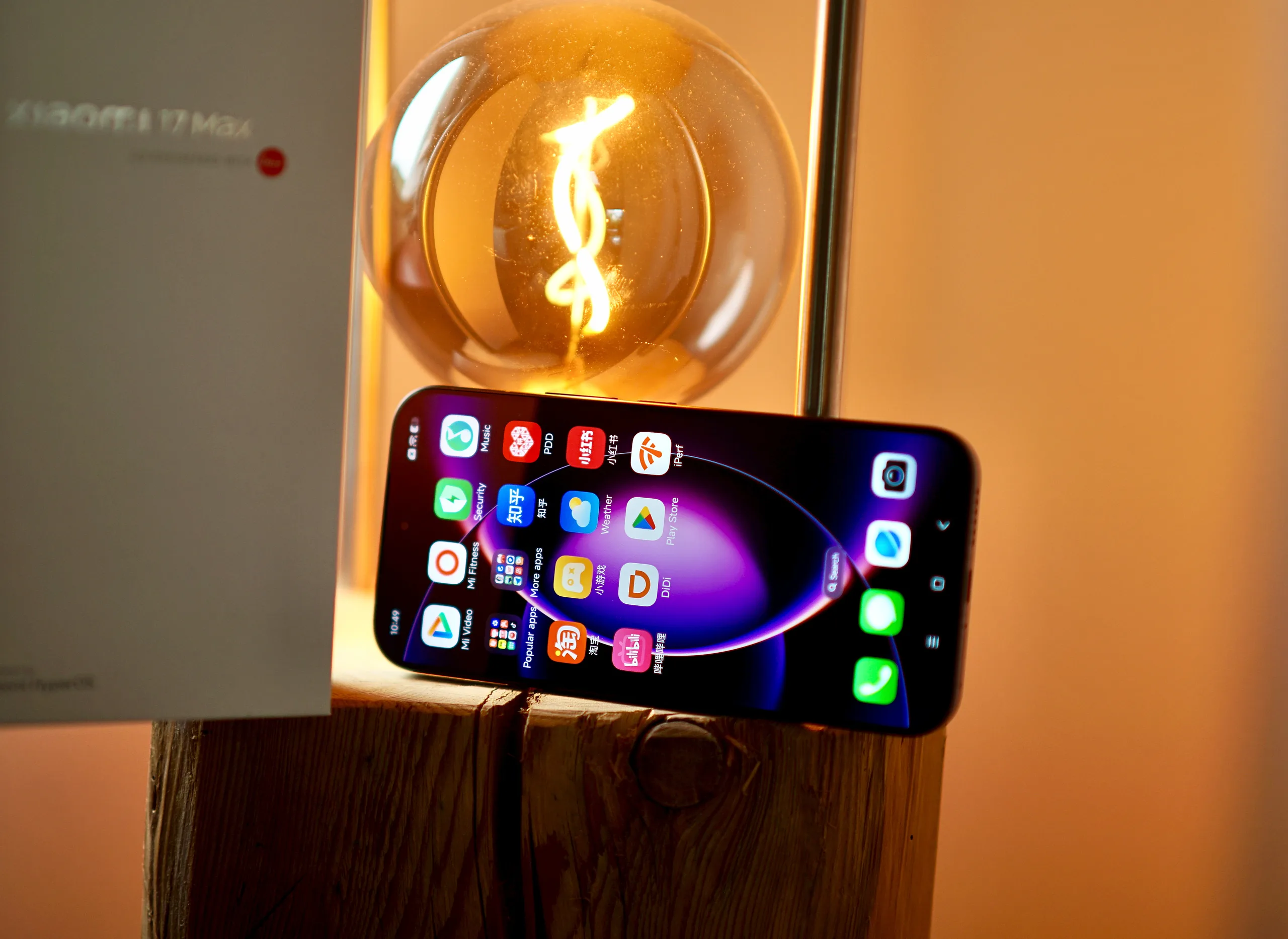
Under Review: Xiaomi 17 Max. Review unit provided by TradingShenzhen.

Xiaomi 17 Max - 08/26/2026 v8
Florian Schmitt

Chassis
89%
Keyboard
69 / 75 → 92%
Pointing Device
94%
Connectivity
58 / 69 → 84%
Weight
88%
Battery
97%
Display
92%
Games Performance
43 / 55 → 77%
Application Performance
95 / 85 → 100%
AI Performance
45%
Temperature
83%
Noise
100%
Audio
84 / 90 → 93%
Camera
86%
Average
68%
88%
Smartphone - Weighted Average
CO2 Emissions
No Data
Materials
10%
Packaging
90%
Power Use
94.6%
Repairability
9%
Software Updates
50%
Recycle Logo Total Sustainability Score: 42.3%

Comparison of Possible Alternatives

Image
Model / Review
Price
Weight
Drive
Display
1.
88.1%
Xiaomi 17 Max
Xiaomi 17 Max
Qualcomm Snapdragon 8 Elite Gen 5 ⎘
Qualcomm Adreno 840 ⎘
16 GB Memory, 512 GB UFS 4.x
Amazon:
1. $822.00
XIAOMI 17T PRO Ai 5G (Compat...
2. $1,540.00
XIAOMI 17 Ultra Ai 5G (Compa...
3. $969.99
XIAOMI 17 5G Ai (Compatible ...
List Price: 730€
225 g512 GB UFS 4.1 Flash6.90"
2608x1200
416 PPI
AMOLED
2.
89.2%
Xiaomi 17
Xiaomi 17
Qualcomm Snapdragon 8 Elite Gen 5 ⎘
Qualcomm Adreno 840 ⎘
12 GB Memory, 512 GB UFS 4.x
Amazon:
1. $970.00
XIAOMI 17 5G Ai (Compatible ...
2. $969.99
XIAOMI 17 5G Ai (Compatible ...
3. $822.00
XIAOMI 17T PRO Ai 5G (Compat...
List Price: 650€
191 g512 GB UFS 4.1 Flash6.30"
2656x1220
464 PPI
LTPO AMOLED
3.
89.8%
Samsung Galaxy S26 Ultra
Qualcomm Snapdragon 8 Elite Gen 5 for Galaxy ⎘
Qualcomm Adreno 840 ⎘
12 GB Memory, 256 GB UFS 4.x
Amazon: List Price: 1449€214 g256 GB UFS 4.0 Flash6.90"
3120x1440
498 PPI
Dynamic AMOLED 2X
4.
87.1%
OnePlus 15
OnePlus 15
Qualcomm Snapdragon 8 Elite Gen 5 ⎘
Qualcomm Adreno 840 ⎘
16 GB Memory, 512 GB UFS 4.x
Amazon: $1,439.00
List Price: 999€
215 g512 GB UFS 4.1 Flash6.78"
2772x1272
450 PPI
AMOLED
5.
89.2%
Apple iPhone 17 Pro Max
Apple A19 Pro ⎘
Apple A19 Pro 6-Core GPU ⎘
12 GB Memory, 256 GB NVMe
Amazon: List Price: 1449 Euro233 g256 GB NVMe6.90"
2868x1320
460 PPI
OLED

Transparency

The selection of devices to be reviewed is made by our editorial team. The test sample was provided to the author as a loan by the manufacturer or retailer for the purpose of this review. The lender had no influence on this review, nor did the manufacturer receive a copy of this review before publication. There was no obligation to publish this review. As an independent media company, Notebookcheck is not subjected to the authority of manufacturers, retailers or publishers.

This is how Notebookcheck is testing

Every year, Notebookcheck independently reviews hundreds of laptops and smartphones using standardized procedures to ensure that all results are comparable. We have continuously developed our test methods for around 20 years and set industry standards in the process. In our test labs, high-quality measuring equipment is utilized by experienced technicians and editors. These tests involve a multi-stage validation process. Our complex rating system is based on hundreds of well-founded measurements and benchmarks, which maintains objectivity. Further information on our test methods can be found here.

Google LogoAdd as a preferred source on Google
Mail Logo
static version load dynamic
Loading Comments
> Expert Reviews and News on Laptops, Smartphones and Tech Innovations > Reviews > Affordable Leica phone with a huge battery takes on the top tier – Xiaomi 17 Max Smartphone Review
Florian Schmitt, 2026-08-26 (Update: 2026-08-26)