




The better smartphone gets the worse review score? Xiaomi T-Series in comparison
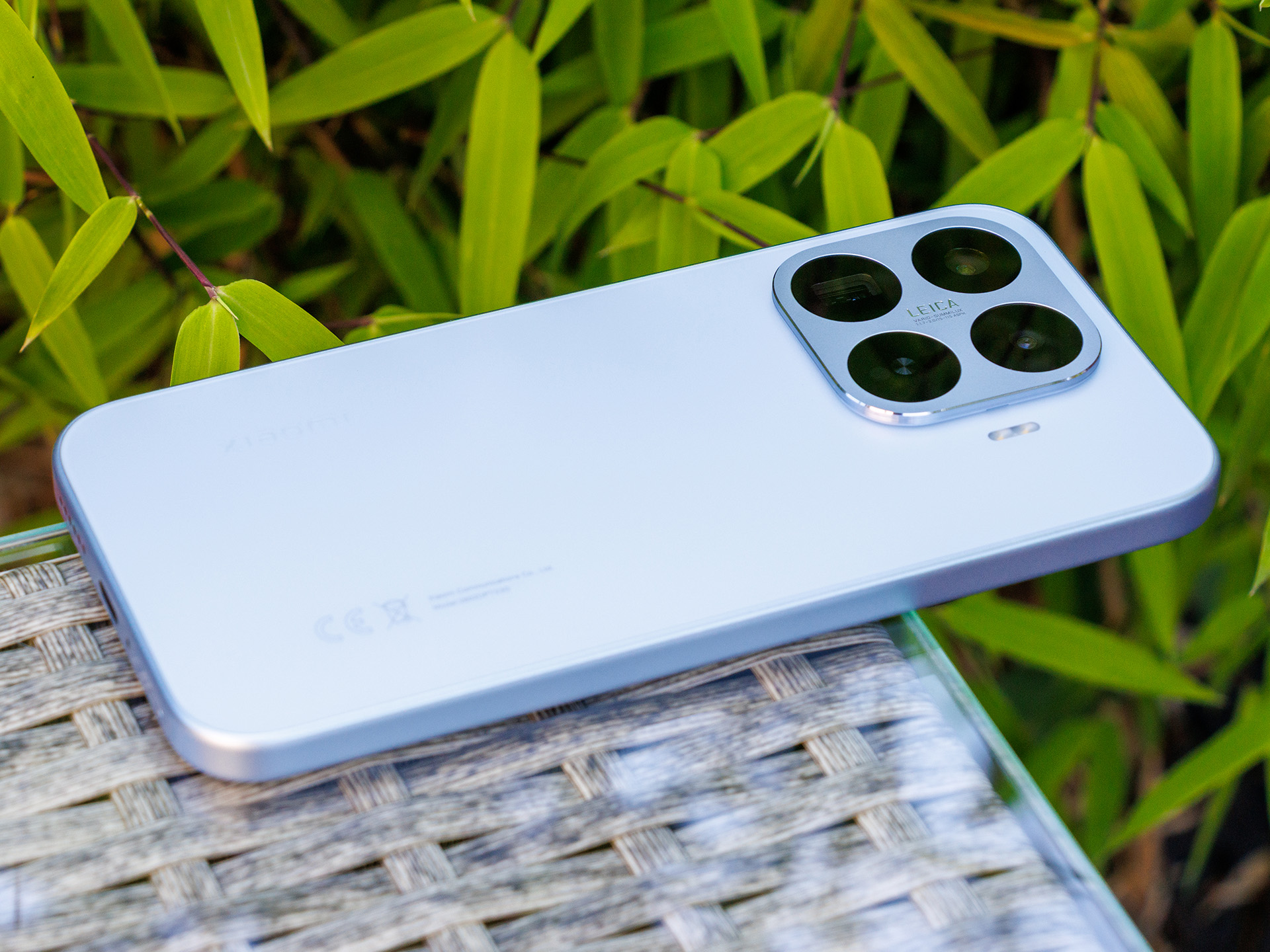
Shortly after its market launch, the Xiaomi 17T has proven to be an exciting mid-range alternative thanks to a rapid drop in price. Online retailers are already offering it for under $700 (available on Amazon.com).
Compared to its predecessor, the Xiaomi 15T, the new 2026 model introduces several upgrades that noticeably improve everyday usability. Beyond the smaller OLED display, which results in a more compact form factor, though whether that’s an advantage is certainly subjective, the Xiaomi 17T offers clear gains in battery endurance and zoom photography.
Thanks to a new, optically stabilized telephoto lens with 5x magnification, the 2026 model takes better zoom photos with plenty of detail without making them appear unnaturally oversharpened. In addition, Xiaomi’s new T-series smartphone delivers a really good battery life of around 21 hours in a real-world Wi-Fi test - an increase of four hours, or 23 percent, over the Xiaomi 15T.
But why isn’t this enough for the Xiaomi 17T to achieve a better result in our review score?
The MediaTek Dimensity 8500 throttles significantly in the Xiaomi 17T, especially compared with its predecessor
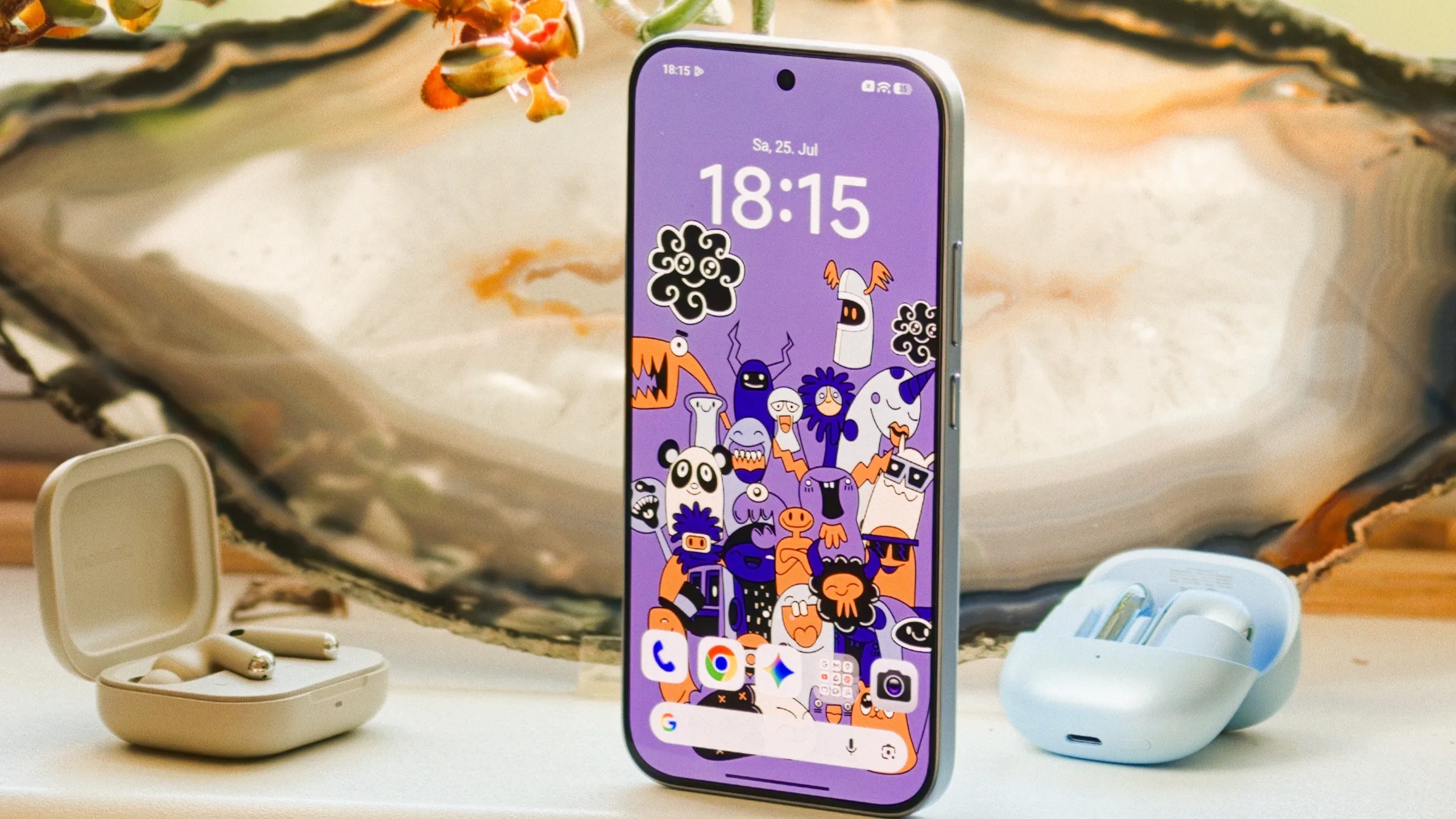
In terms of performance, the Xiaomi 17T also offers a slight improvement over its predecessor. The built-in MediaTek Dimensity 8500, together with the Mali-G720 MP8, sometimes achieves (slightly) better scores than the Dimensity 8400 - though only when the device is cool.
Once the Xiaomi 17T reaches operating temperature, it begins to throttle, so the nominal performance advantage disappears after a short time in the 3DMark stress tests. Under heavy load, the Xiaomi 17T throttles by up to 40 percent, making it less consistent than the 15T. In the Wild Life stress test, the predecessor therefore achieves a significantly better average frame rate of 66.1 fps, compared with 57.6 fps for the Xiaomi 17T.
Because of the more noticeable performance drop, the Xiaomi 17T receives a downgrade in our performance rating, which ultimately lowers its overall score. Still, for anyone who doesn’t use their smartphone for video editing or heavy gaming, the 2026 model remains the better choice.
3DMark Stress Tests
Source(s)
Xiaomi 17T Review
 Add as a preferred source on Google


