




Xiaomi 17T Pro browser review: When the fast chip suddenly seems slow
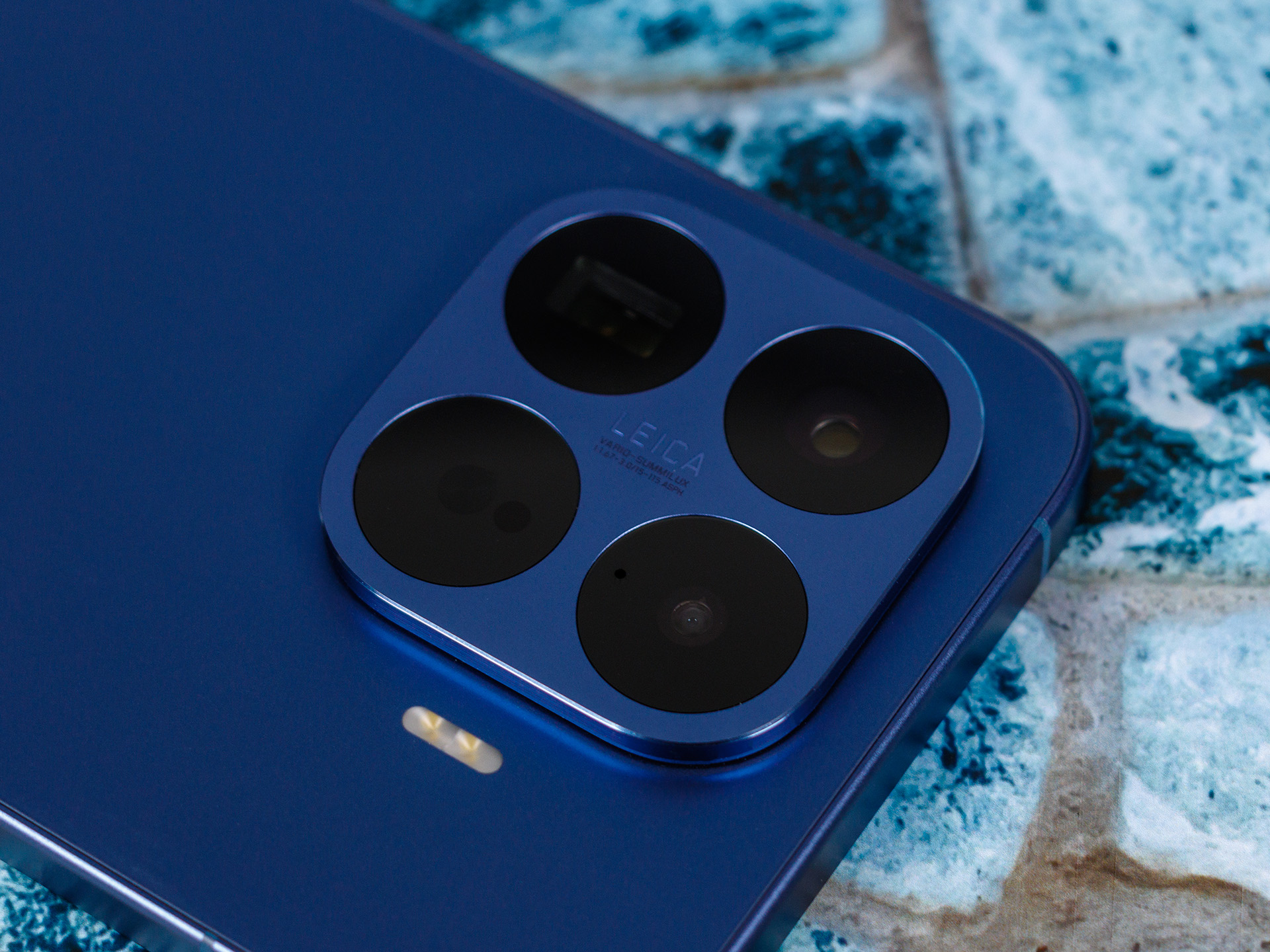
The Xiaomi 17T Pro initially does many things right that one would expect from a modern high-end smartphone. The new MediaTek Dimensity 9500 ensures high system speeds; games run smoothly, and the graphics performance of the integrated Mali-G1 Ultra is impressive. Consequently, the smartphone holds its own in standard performance and GPU benchmarks.
The results of the browser benchmarks, however, come as a surprise. Virtually all the browser tests we ran on the Xiaomi 17T Pro (buy here on Amazon) performed significantly slower than on current Snapdragon-powered smartphones. This result is particularly striking because it is not just an isolated anomaly; instead, a recurring pattern emerges: whenever performance is driven by the browser, the Xiaomi 17T Pro seemingly fails to fully leverage its otherwise high performance capabilities.
One possible explanation lies in optimization. Browser benchmarks do not simply measure raw CPU power; rather, they assess the interplay between the processor, JavaScript engine, browser, and operating system. Especially with new platforms, it can take time for compilers and software to be optimally tuned to the specific architecture. Furthermore, Snapdragon chips benefit from a long track record and extensive optimization for Android devices and browsers. In the case of the 17T Pro, the browser itself appears to play a secondary role, as we tested several different variants:
| Jetstream 2 - 2.0 Total | |
| Xiaomi Poco F8 Ultra (Chrome 143) | |
| Xiaomi 17T Pro (Edge 149) | |
| Xiaomi 17T Pro (Opera 100) | |
| Xiaomi 17T Pro (Chrome 150) | |
| Xiaomi 17T Pro (Mi Browser V14) | |
| Xiaomi 17T Pro (Firefox 152) | |
HyperOS 3.0 and Android 16 could also play a role. Settings related to power management, CPU control, or task distribution can influence web-based workloads. In any case, the fact that the Dimensity 9500 performs very quickly in other tests suggests that the chip does not suffer from a fundamental performance issue.
In everyday use, this weakness does not necessarily have to be dramatically noticeable. Web pages load quickly, and the system is generally very responsive. Nevertheless, the results demonstrate that the Xiaomi 17T Pro's high peak performance does not translate equally well to every scenario. Browser benchmarks, in particular, highlight just how heavily actual performance depends on software and platform optimization.
Source
 Add as a preferred source on Google


