




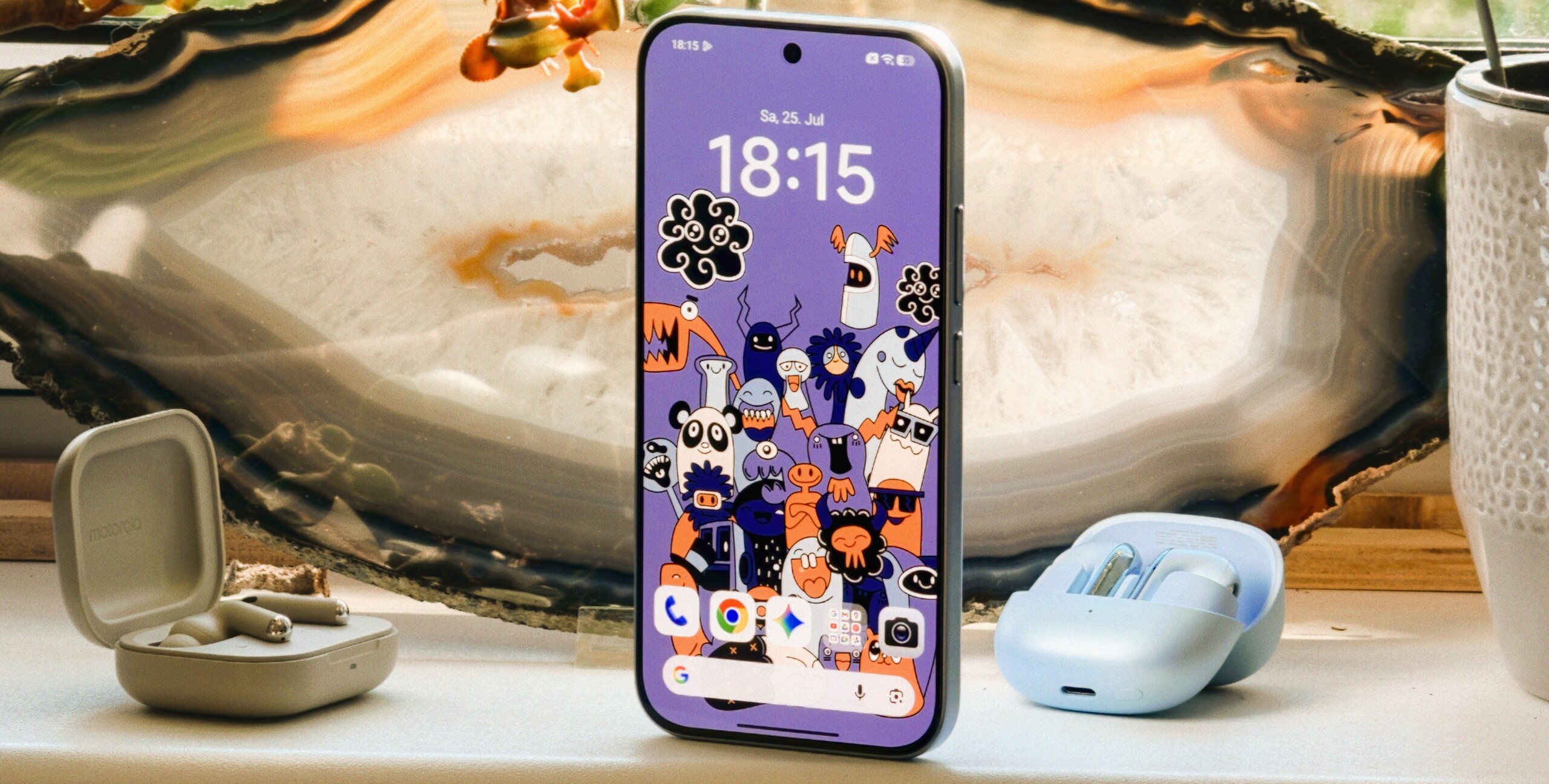
Verdict on the Xiaomi 17T
One of the most reliable strengths of Xiaomi's T series is its rapid price decline shortly after launch. The Xiaomi 17T benefits from exactly that: not long after its market debut, it is already available for under €500 in Germany, where it offers a strong overall package despite a few shortcomings.
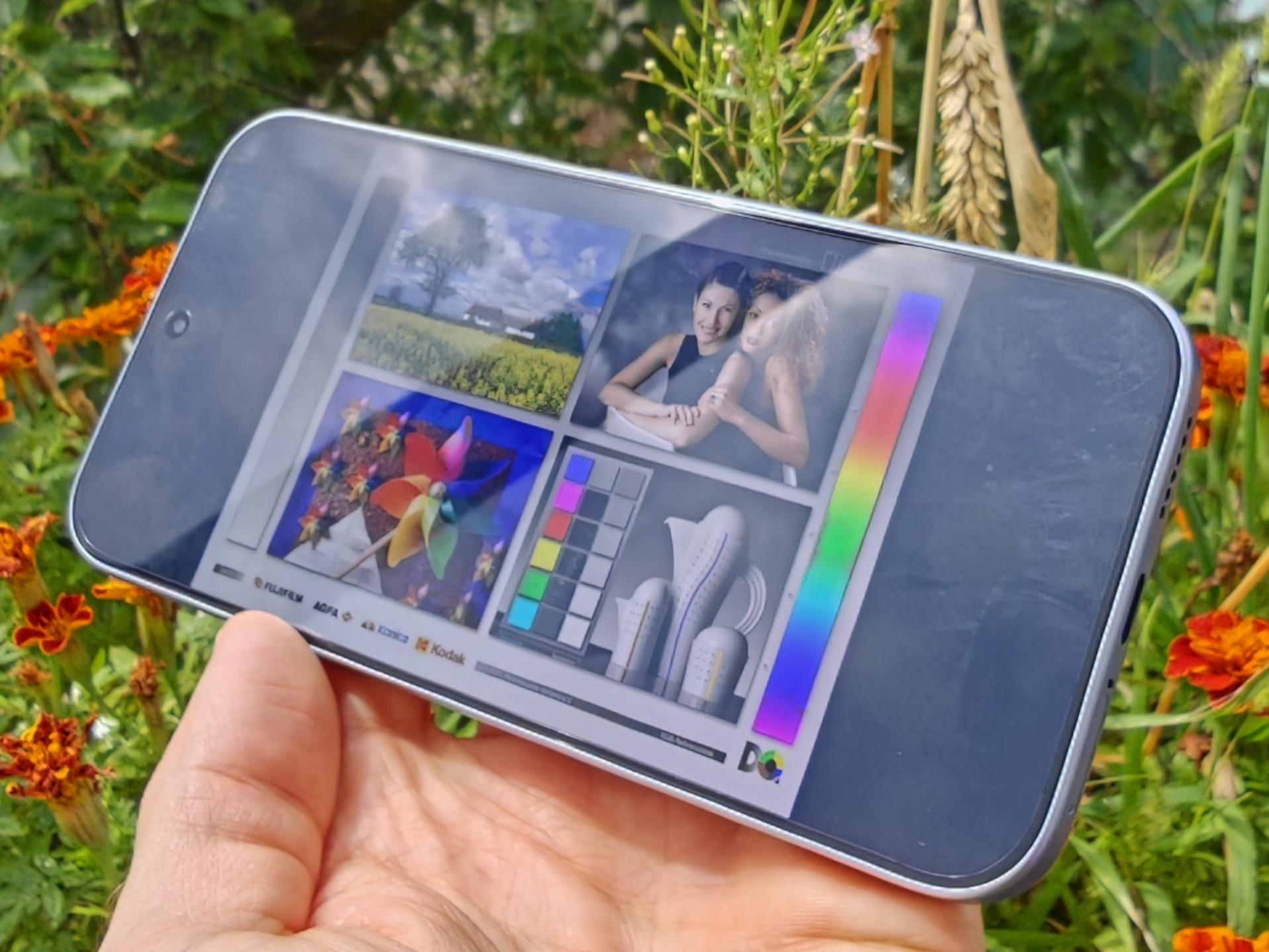
Reducing the display size to 6.59 inches proves to be a real ergonomic advantage in everyday use. But it is not only the size of the OLED panel that impresses. The high brightness we measured ensures excellent readability, while high-frequency PWM and DC dimming should be easier on sensitive eyes.
The camera setup does not represent a major leap forward, but the new telephoto lens closes the gap to the high-end segment in a way its predecessor failed to do. Zoom shots are sharp and detailed for the mid-range, and together with the excellent Leica main camera, this makes the Xiaomi 17T a serious contender for camera enthusiasts.
However, the choice of materials somewhat undermines the phone's premium ambitions. The absence of wireless charging and Wi-Fi 7 also feels out of place in the upper segment and is somewhat difficult to understand given the targeted launch price of around €750. At the same time, Xiaomi's continued reliance on USB 2.0 is becoming increasingly difficult to ignore in the premium mid-range.
Pros
Cons
Price and availability of the Xiaomi 17T
In Germany, the Xiaomi 17T has an RRP of €749.90, but a substantial price drop shortly after launch has already brought online prices down to under €500, including at Amazon.de and directly from Xiaomi.

- $580.00XIAOMI 17T Ai 5G (Compatible with Tmobile Mint Tello & Global) (512GB + 12GB) NFC Global ROM Unlocked 50MP Triple Pro Leica Cam eSIM 6.59" 144Mhz Model 2602DPT53G Liberado (Black)
- $579.00XIAOMI 17T Ai 5G (Compatible with Tmobile Mint Tello & Global) (512GB + 12GB) NFC Global ROM Unlocked 50MP Triple Pro Leica Cam eSIM 6.59" 144Mhz Model 2602DPT53G Liberado (Opal White.)
- $539.50XIAOMI 17T Ai 5G (Compatible with Tmobile Mint Tello & Global) (256GB + 12GB) NFC Global ROM Unlocked 50MP Triple Pro Leica Cam eSIM 6.59" 144Mhz Model 2602DPT53G Liberado (Violet.)
Table of Contents
- Verdict on the Xiaomi 17T
- Xiaomi 17T specifications
- Chassis: waterproof Android phone is more compact than its flagship rivals
- Features: Xiaomi 17T lacks USB 3.1 and video output
- Software: mid-range phone with six years of updates
- Communication and GNSS: 5G smartphone without Wi-Fi 7
- Telephony and call quality: Xiaomi smartphone with dual SIM and eSIM
- Cameras: Leica helps the mid-range phone deliver excellent photos
- Accessories and warranty: Android phone without a power adapter
- Input devices and operation: Xiaomi 17T makes do with an optical fingerprint sensor compared with flagship rivals
- Display: Xiaomi uses OLED with PWM and DC dimming
- Performance: mid-range phone uses MediaTek rather than Snapdragon
- Emissions: Xiaomi 17T throttles under stress
- Battery life: more compact alternative to the Xiaomi 17T Pro without wireless charging
- Notebookcheck overall rating of the Xiaomi 17T
- Alternatives to the Xiaomi 17T at a glance
Xiaomi 17T specifications
Chassis: waterproof Android phone is more compact than its flagship rivals
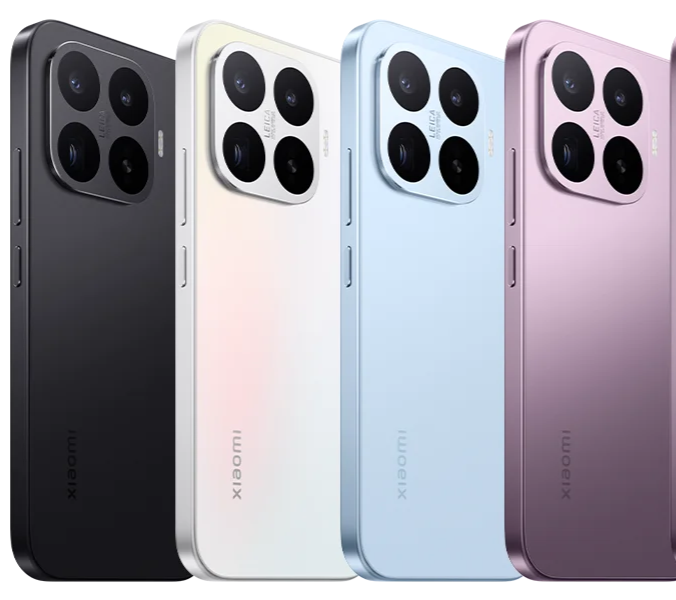
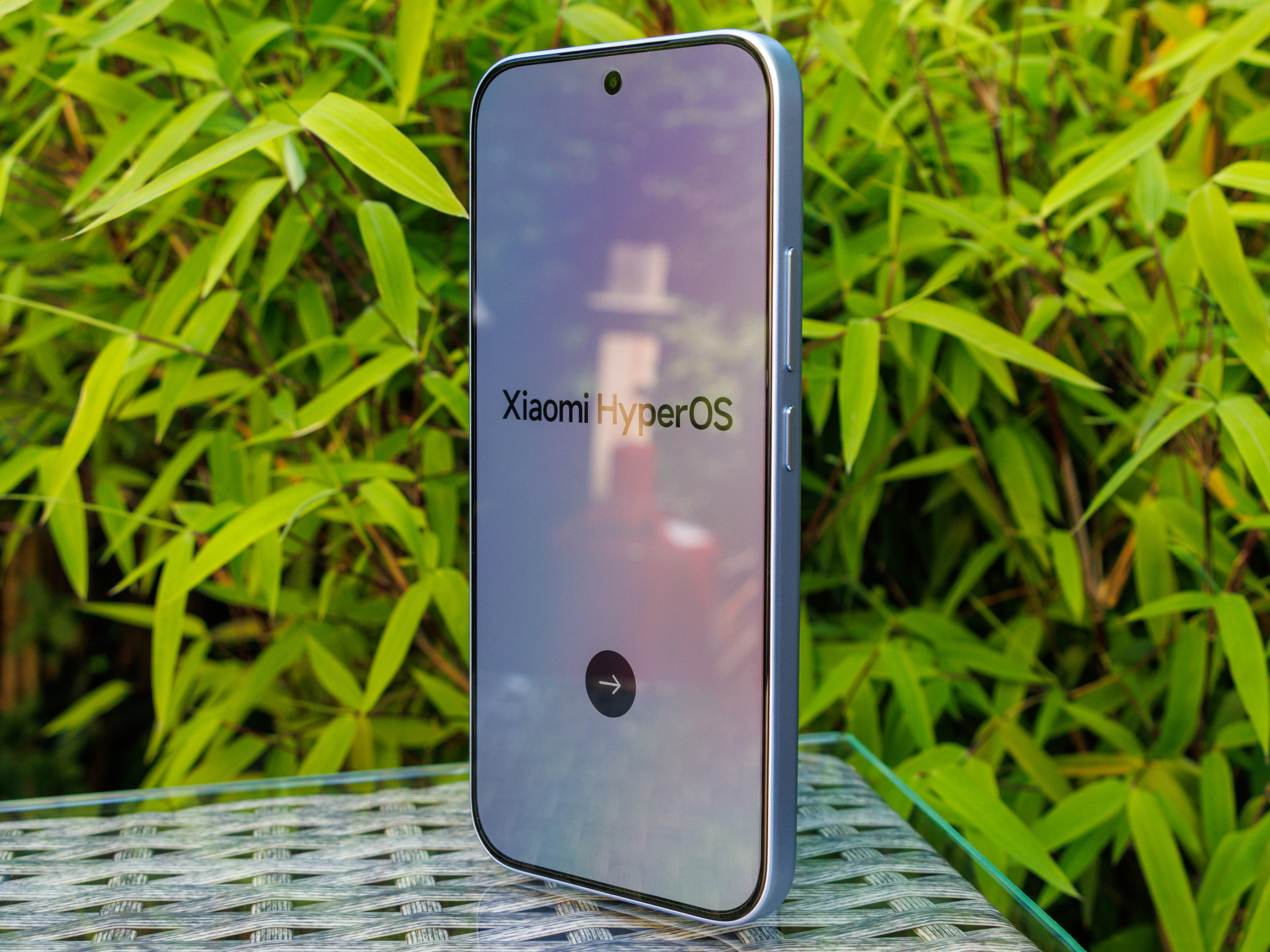
The display in Xiaomi's T series has become noticeably smaller. As a result, the form factor is significantly more compact and easier to handle than on the Xiaomi 15T.
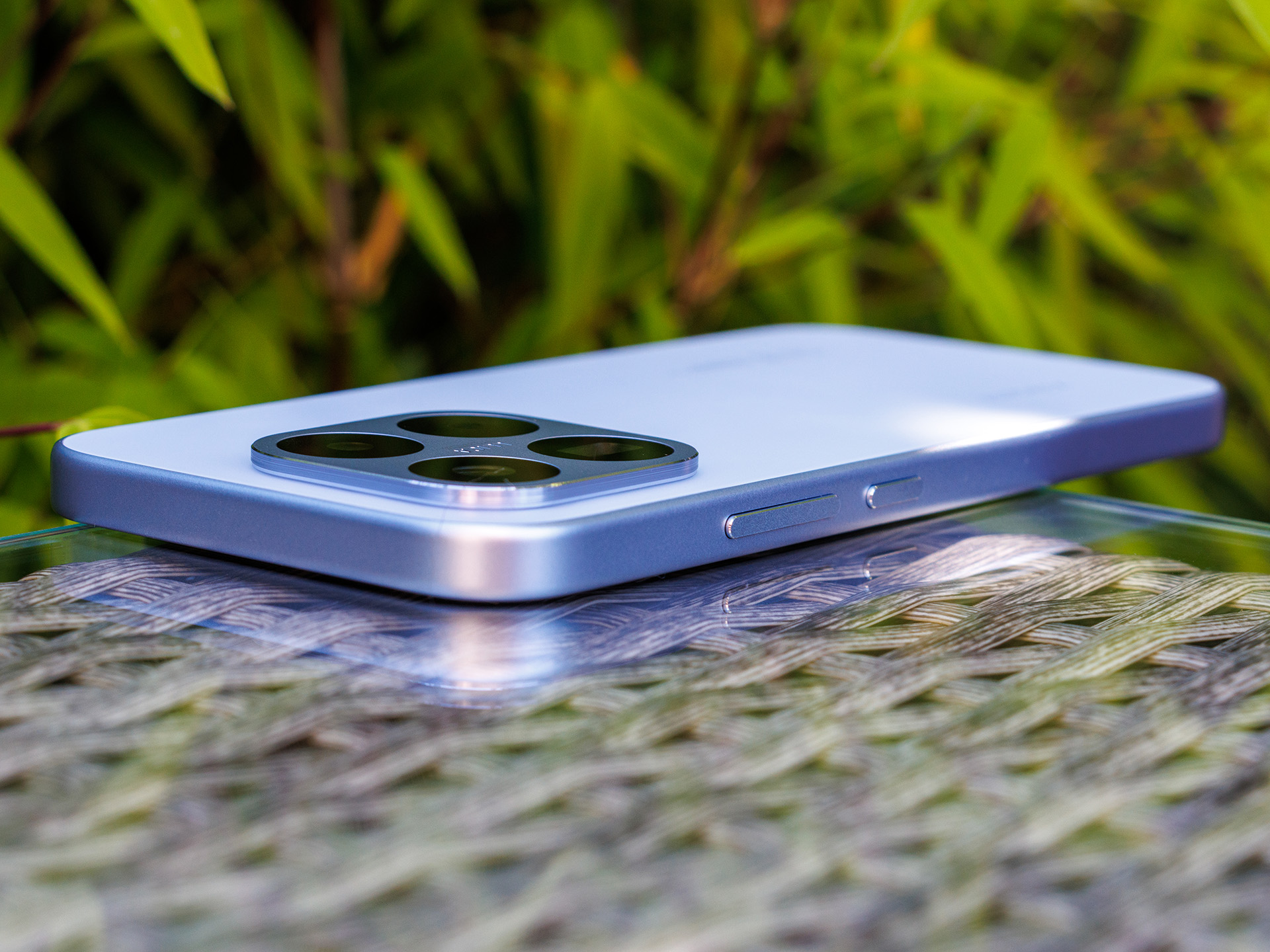
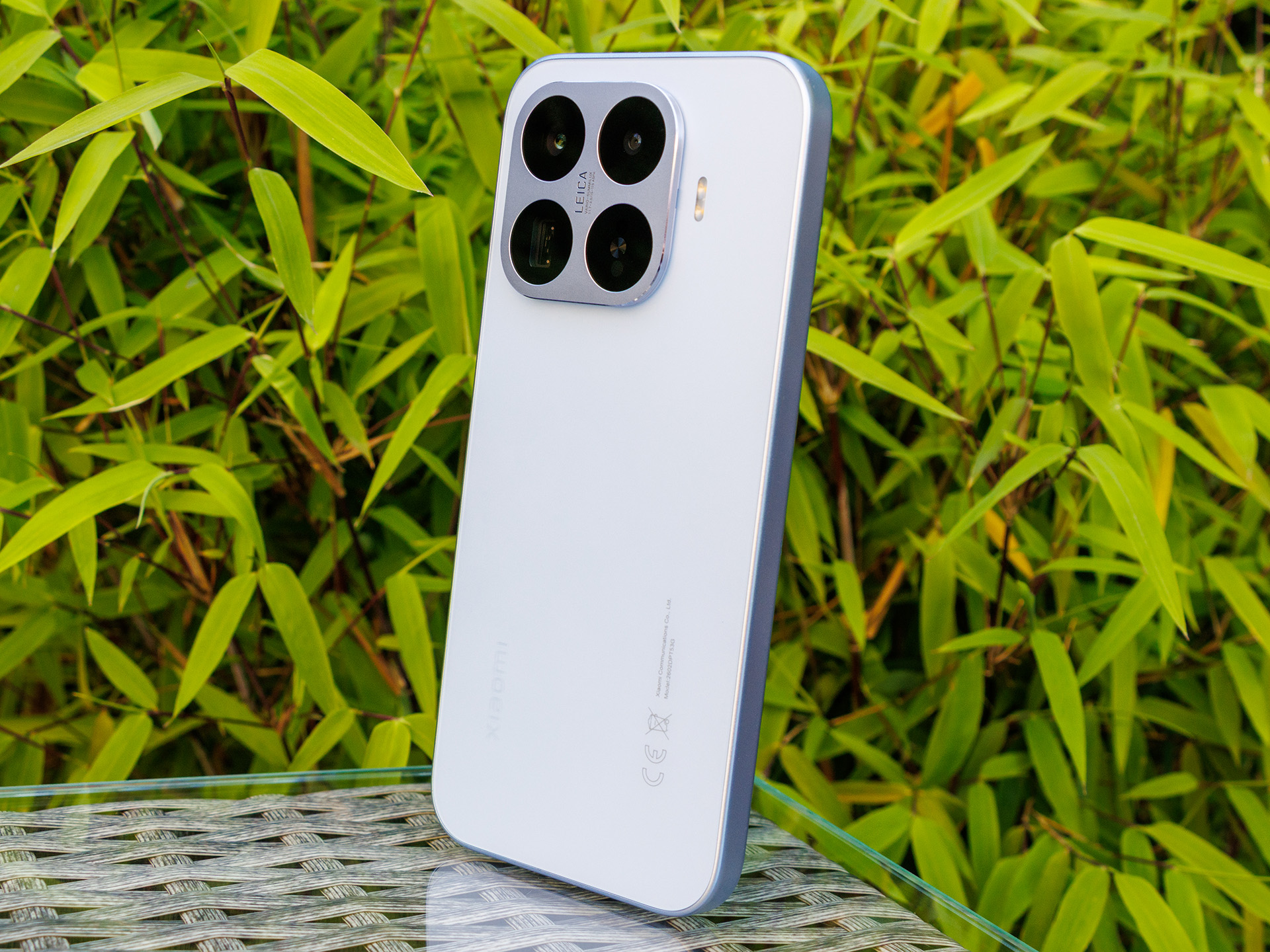
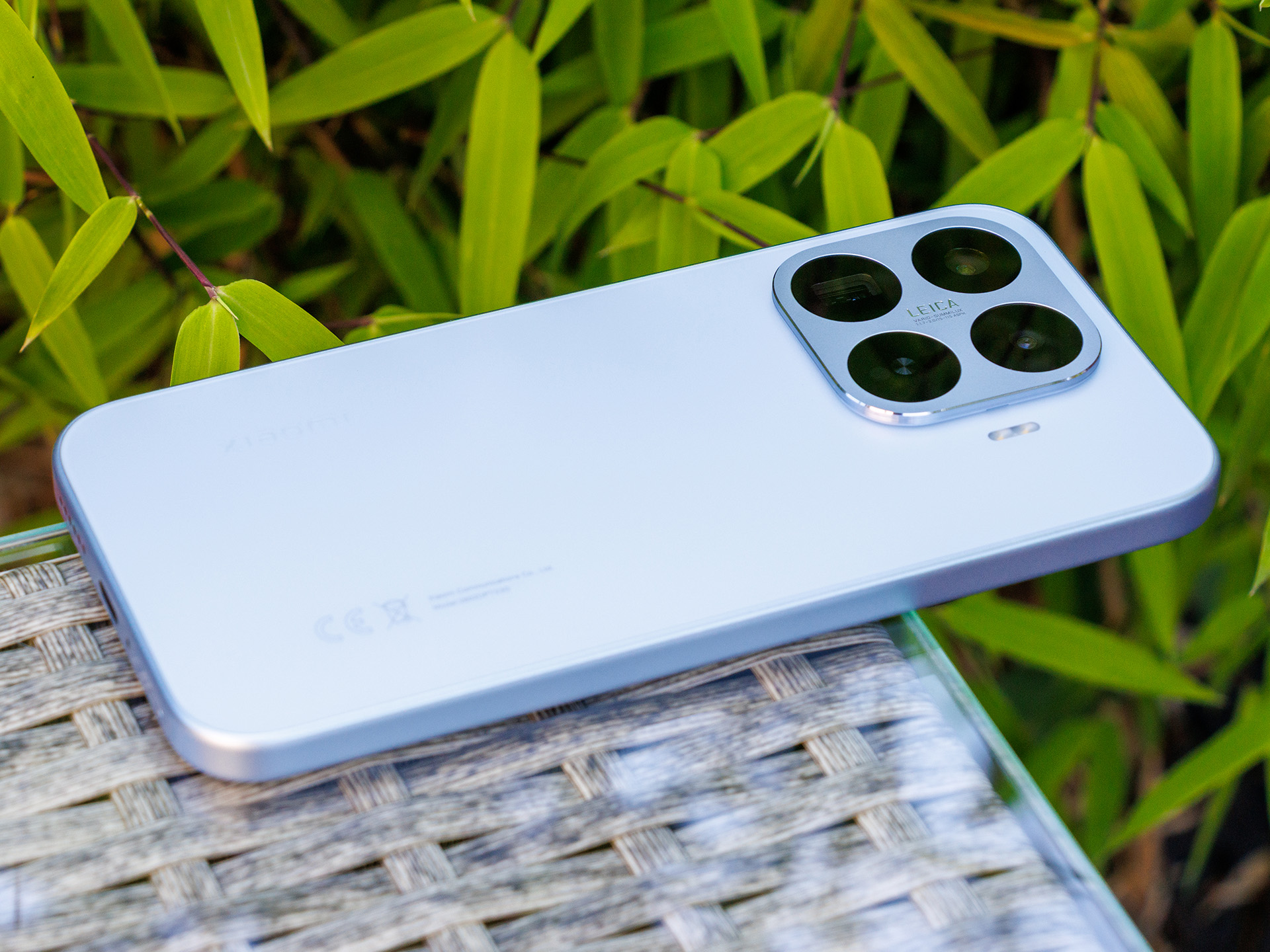
Visually, however, there are hardly any differences compared with the predecessor. Unfortunately, the same also applies to the feel in the hand. The rear is made of glass-fiber-reinforced plastic, while the frame is plastic as well. Given the targeted launch price in the premium mid-range segment, there is certainly room for improvement. Build quality on the Xiaomi 17T is nevertheless perfectly satisfactory.
Xiaomi's mid-range model is once again IP68-certified and, with a high screen-to-body ratio of almost 90%, offers a modern appearance. The OLED display is protected against scratches by Gorilla Glass 7i.
Features: Xiaomi 17T lacks USB 3.1 and video output
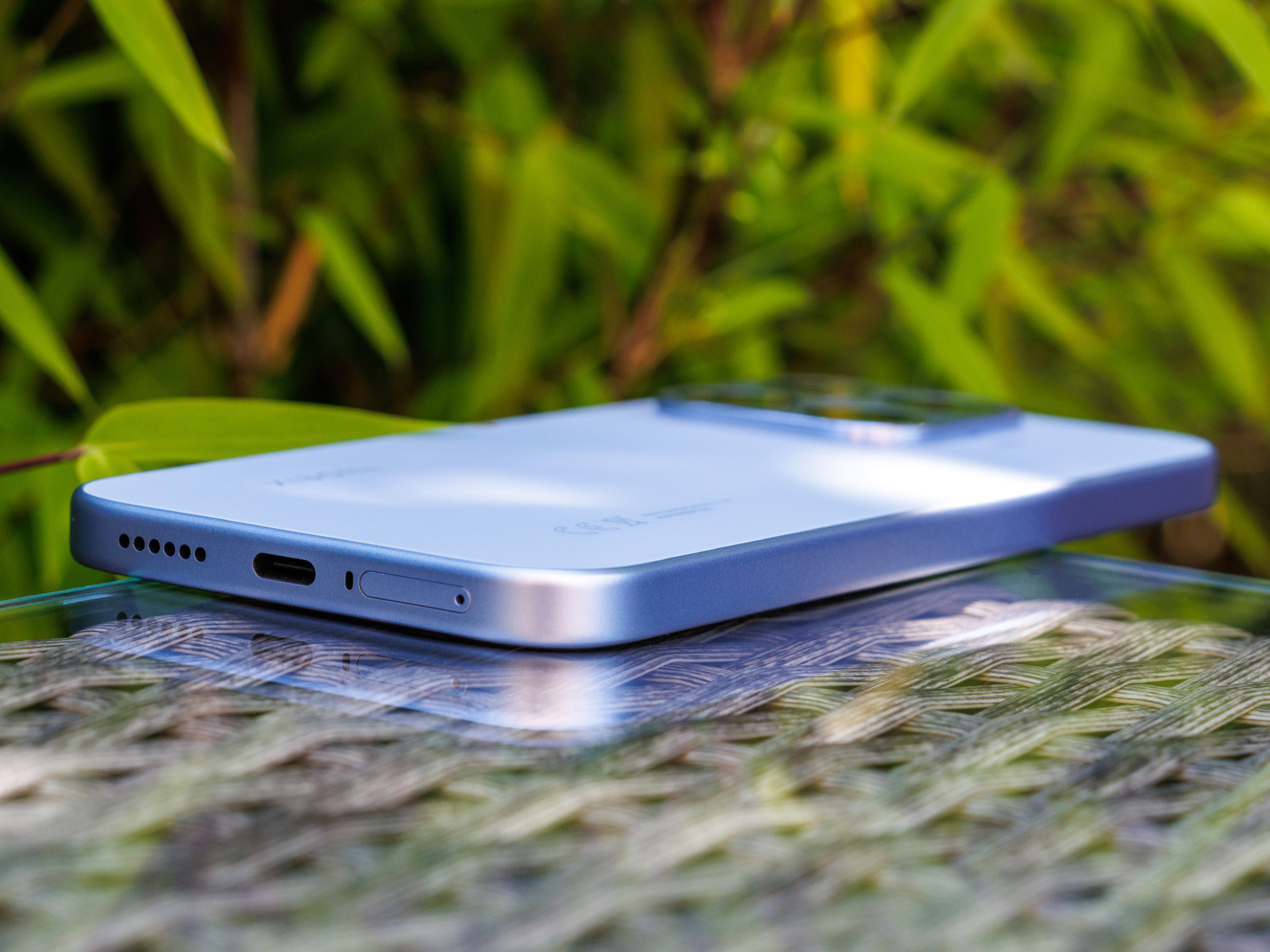
Apart from the USB port, the Xiaomi phone offers a very good range of features. These include an IR blaster, USB OTG, Bluetooth 6.0, a compass and NFC. However, there is no high-speed USB connection or support for wired video output.
Using USB 2.0, we measured a transfer rate of only 28 MB/s in our test with a Samsung Portable SSD T7.
Software: mid-range phone with six years of updates
During our review period, the Xiaomi 17T runs Android 16 with Xiaomi's proprietary HyperOS 3 interface. According to the manufacturer, security updates will be provided for six years, while Android version upgrades are limited to four years.

Sustainability
Xiaomi does not provide any information on the environmental footprint of its premium mid-range model or on its environmental initiatives. In the EPREL database, the T-series model is listed with repairability class C. The packaging appears to be made of cardboard.
Communication and GNSS: 5G smartphone without Wi-Fi 7
With Wi-Fi 6E, the Xiaomi 17T offers sufficiently high speeds for everyday use. However, at this price point, we would now expect support for the current Wi-Fi 7 standard, which can deliver significantly greater bandwidth when paired with a compatible router, as our review of the Pro model clearly demonstrates. Even so, the Xiaomi 17T still managed peak transfer speeds of almost 2,000 Mbit/s with our Asus RT-BE96U reference router.
On the go, the phone supports up to 5G connectivity. Overall frequency coverage is very good, with all bands relevant to German-speaking markets supported, including those used for 4G.
| Networking | |
| Xiaomi 17T | |
| iperf3 receive Wi-Fi6/7 RT-BE96U | |
| iperf3 transmit Wi-Fi6/7 RT-BE96U | |
| Xiaomi Poco X8 Pro Max | |
| iperf3 transmit AXE11000 | |
| iperf3 receive AXE11000 | |
| Google Pixel 10a | |
| iperf3 receive Wi-Fi6/7 RT-BE96U | |
| iperf3 transmit Wi-Fi6/7 RT-BE96U | |
| Honor 600 | |
| iperf3 transmit AXE11000 | |
| iperf3 receive AXE11000 | |
| Xiaomi 15T | |
| iperf3 transmit AXE11000 | |
| iperf3 receive AXE11000 | |
| iperf3 transmit AXE11000 6GHz | |
| iperf3 receive AXE11000 6GHz | |
| Average Wi-Fi 6E | |
| iperf3 transmit AXE11000 | |
| iperf3 receive AXE11000 | |
| iperf3 transmit AXE11000 6GHz | |
| iperf3 receive AXE11000 6GHz | |
| iperf3 receive Wi-Fi6/7 RT-BE96U | |
| iperf3 transmit Wi-Fi6/7 RT-BE96U | |
| Average of class Smartphone | |
| iperf3 transmit AXE11000 | |
| iperf3 receive AXE11000 | |
| iperf3 transmit AXE11000 6GHz | |
| iperf3 receive AXE11000 6GHz | |
| iperf3 receive Wi-Fi6/7 RT-BE96U | |
| iperf3 transmit Wi-Fi6/7 RT-BE96U | |
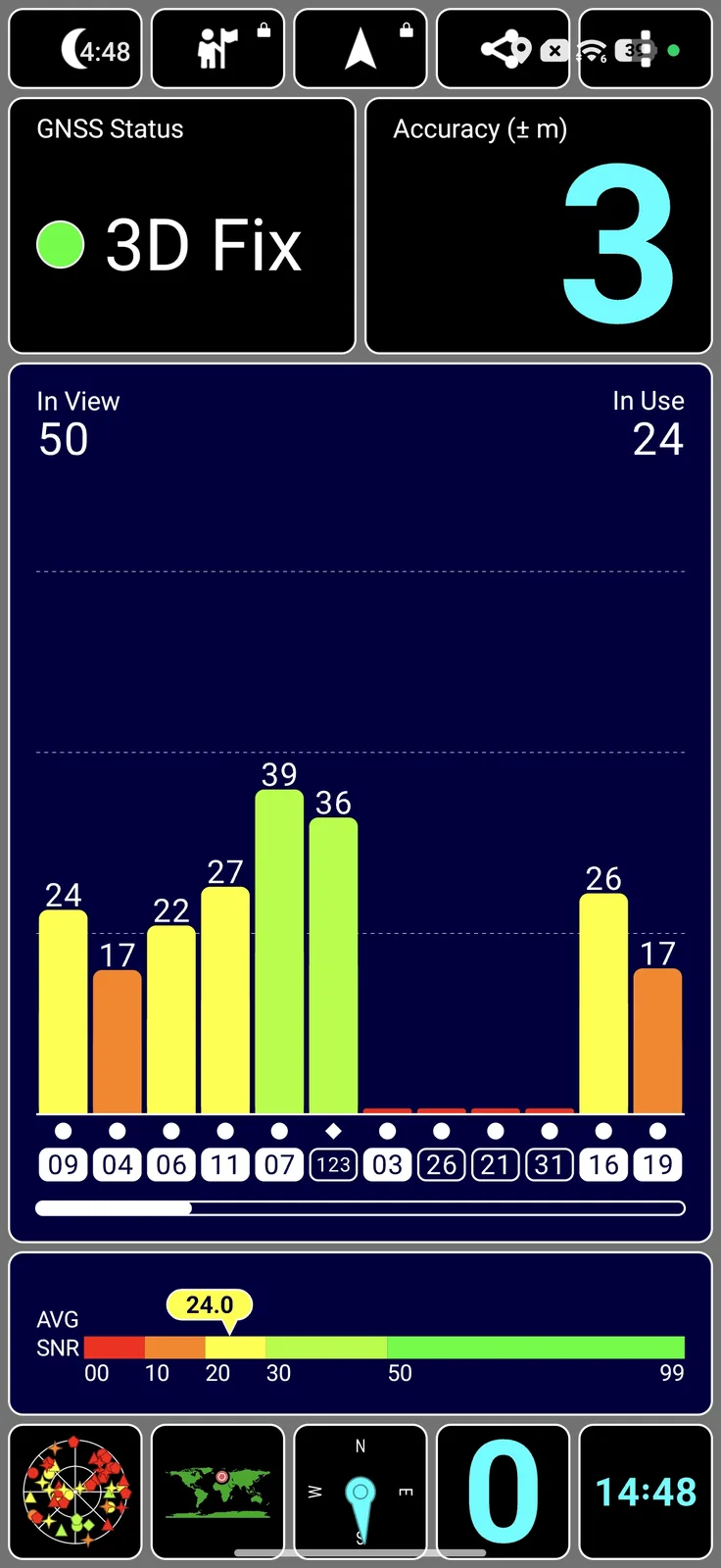
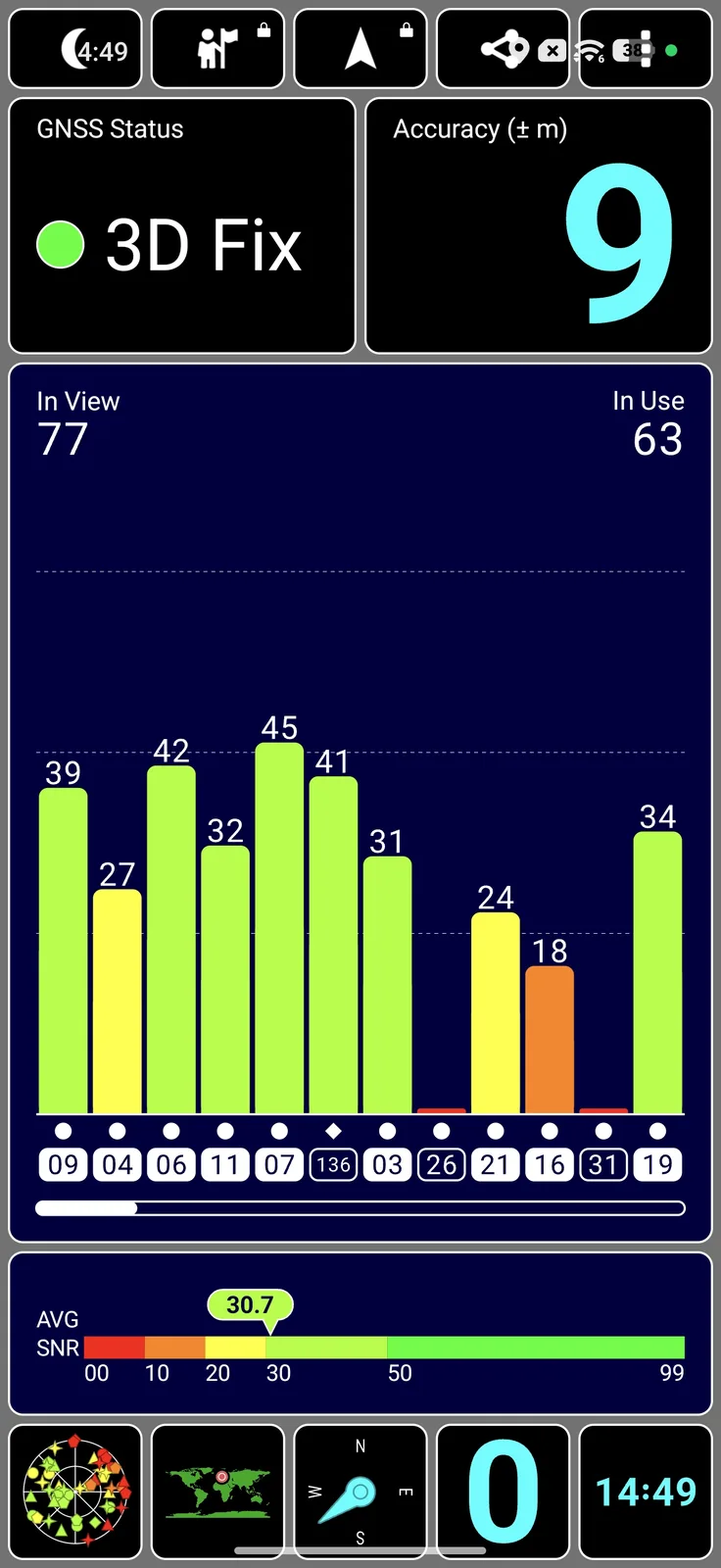
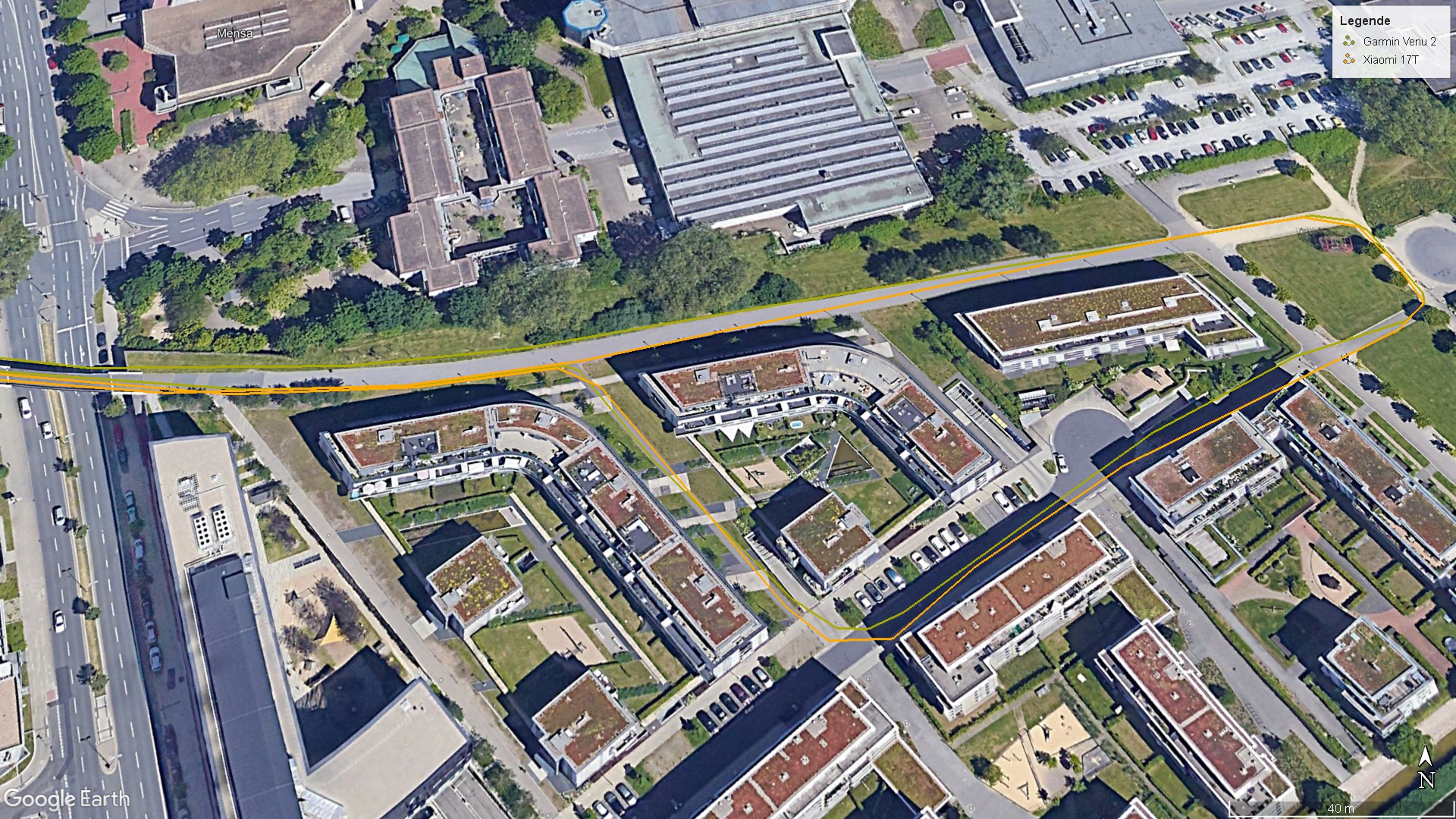
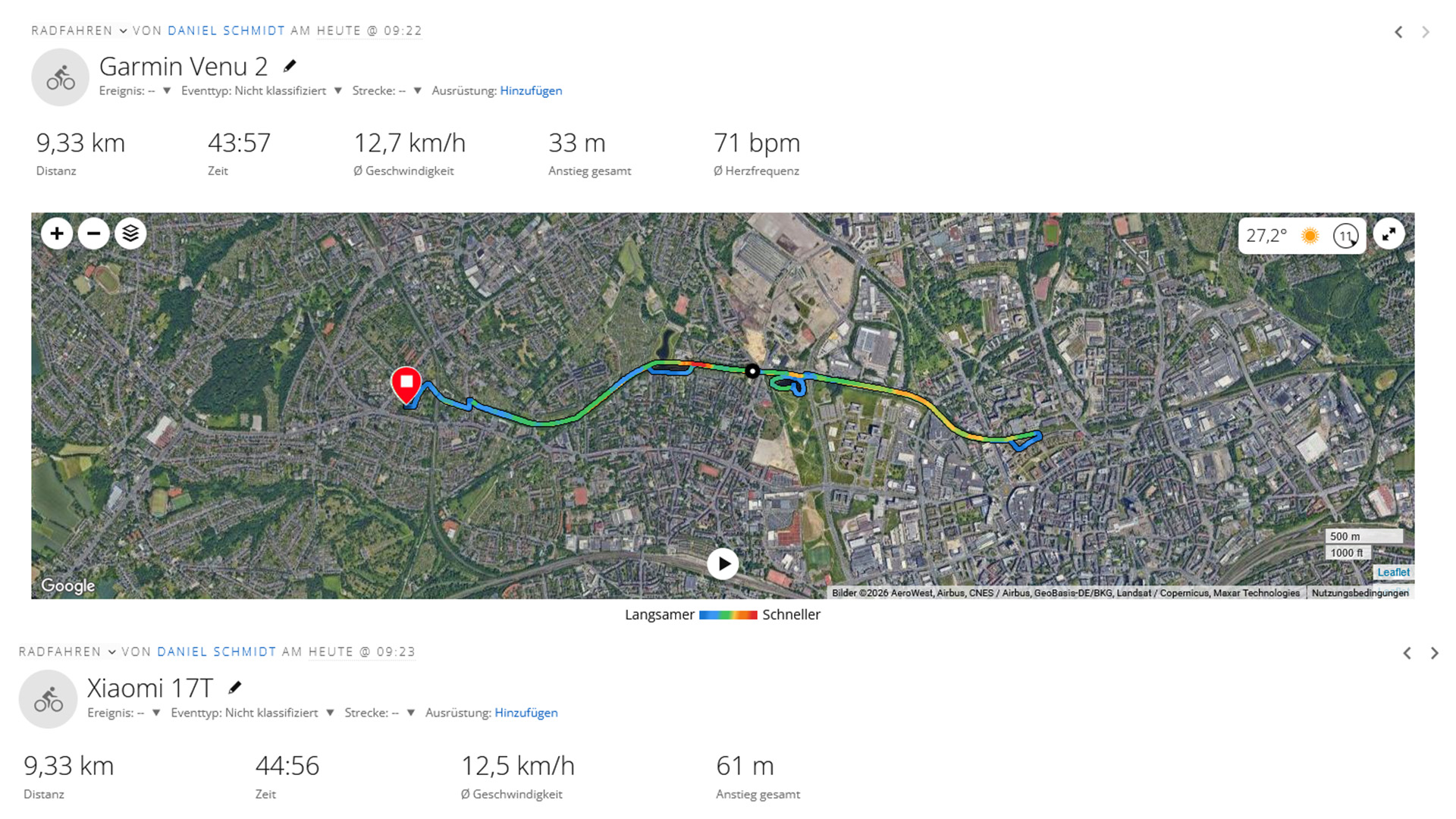
To assess positioning accuracy in practice, we recorded a cycling route. The Garmin Venu 2 used as our reference device proved slightly more accurate, particularly through bends, but the Xiaomi 17T still delivered quite precise positioning. For route tracking, the mid-range phone uses the major satellite navigation systems, mostly in dual-band mode.

Telephony and call quality: Xiaomi smartphone with dual SIM and eSIM
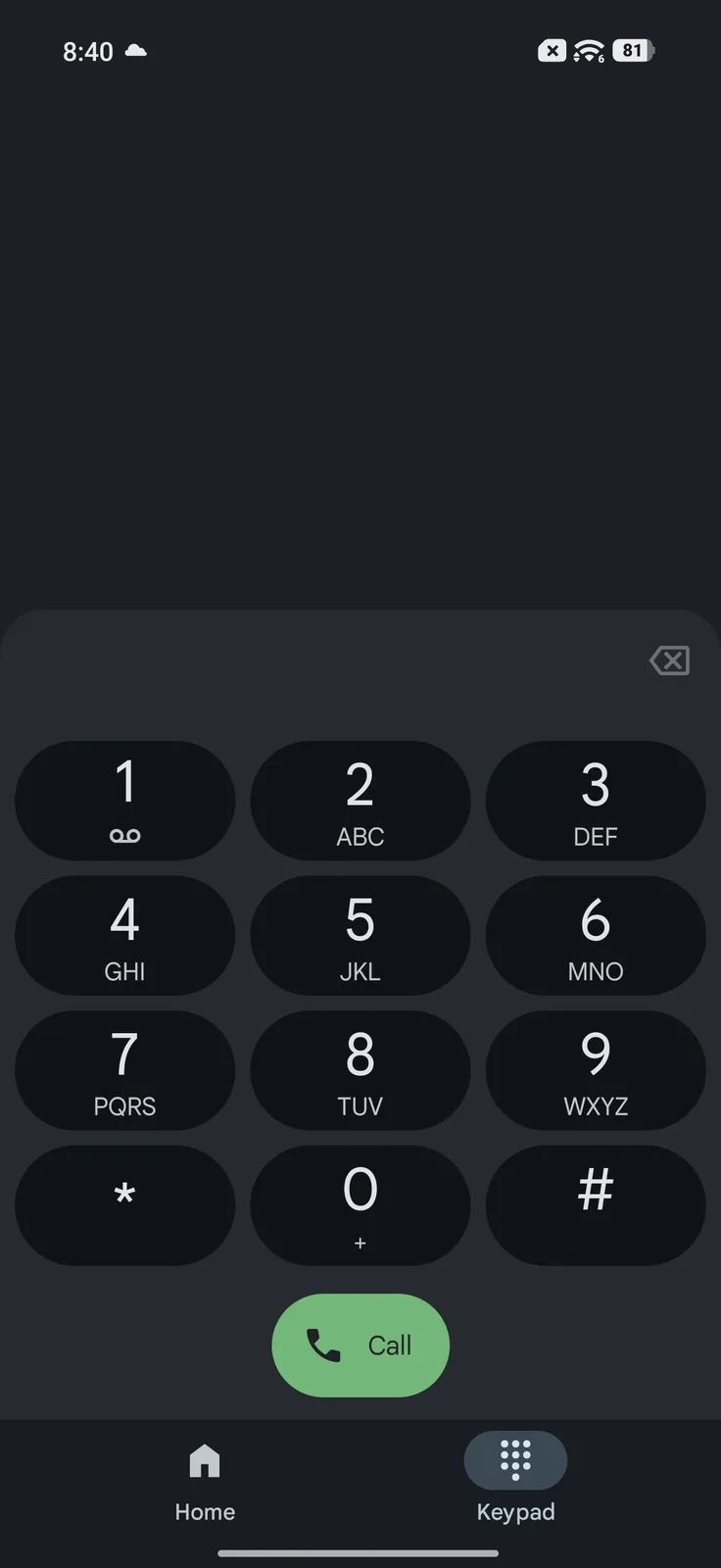
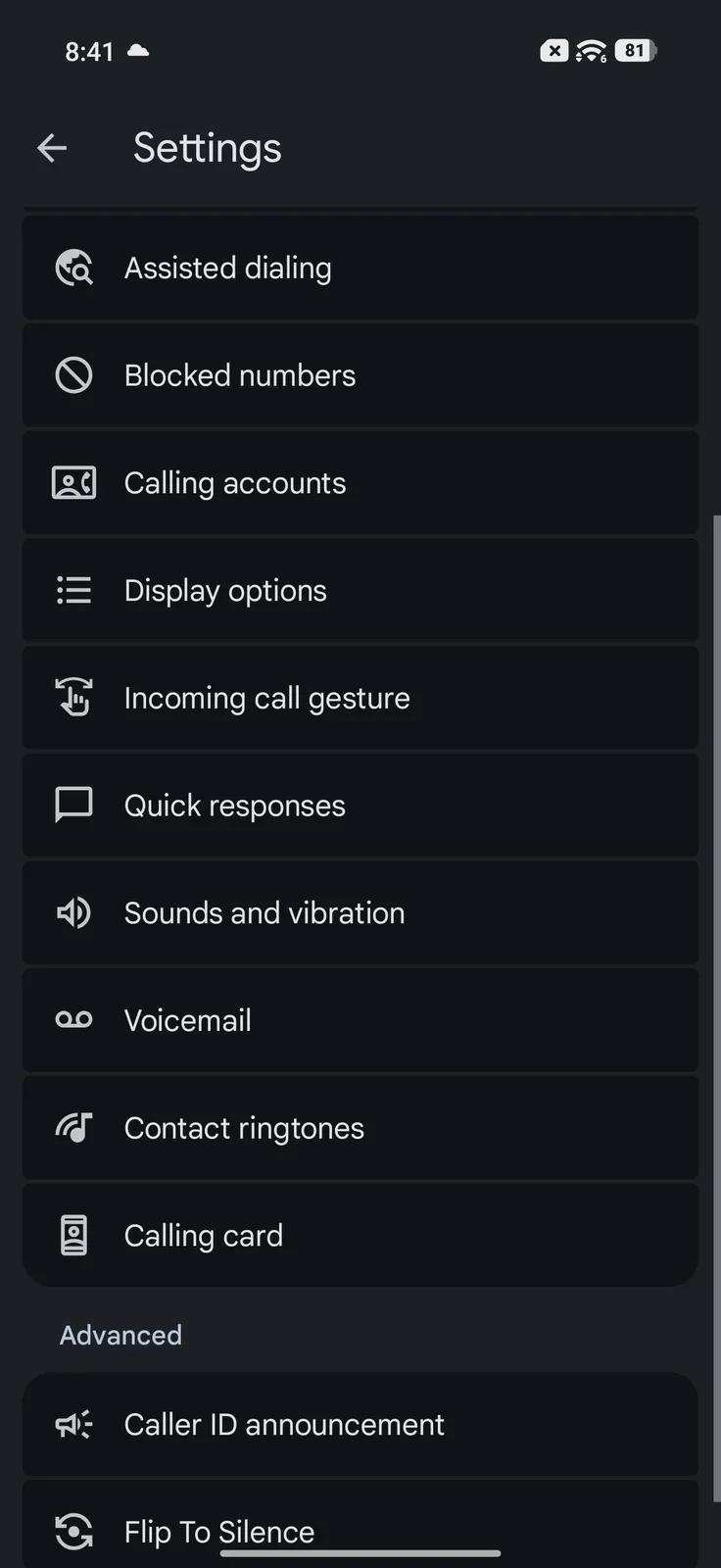
The Xiaomi phone supports classic dual-SIM operation with either two nano-SIM cards or two eSIMs. Call quality is good, with voices coming through clearly.
Cameras: Leica helps the mid-range phone deliver excellent photos

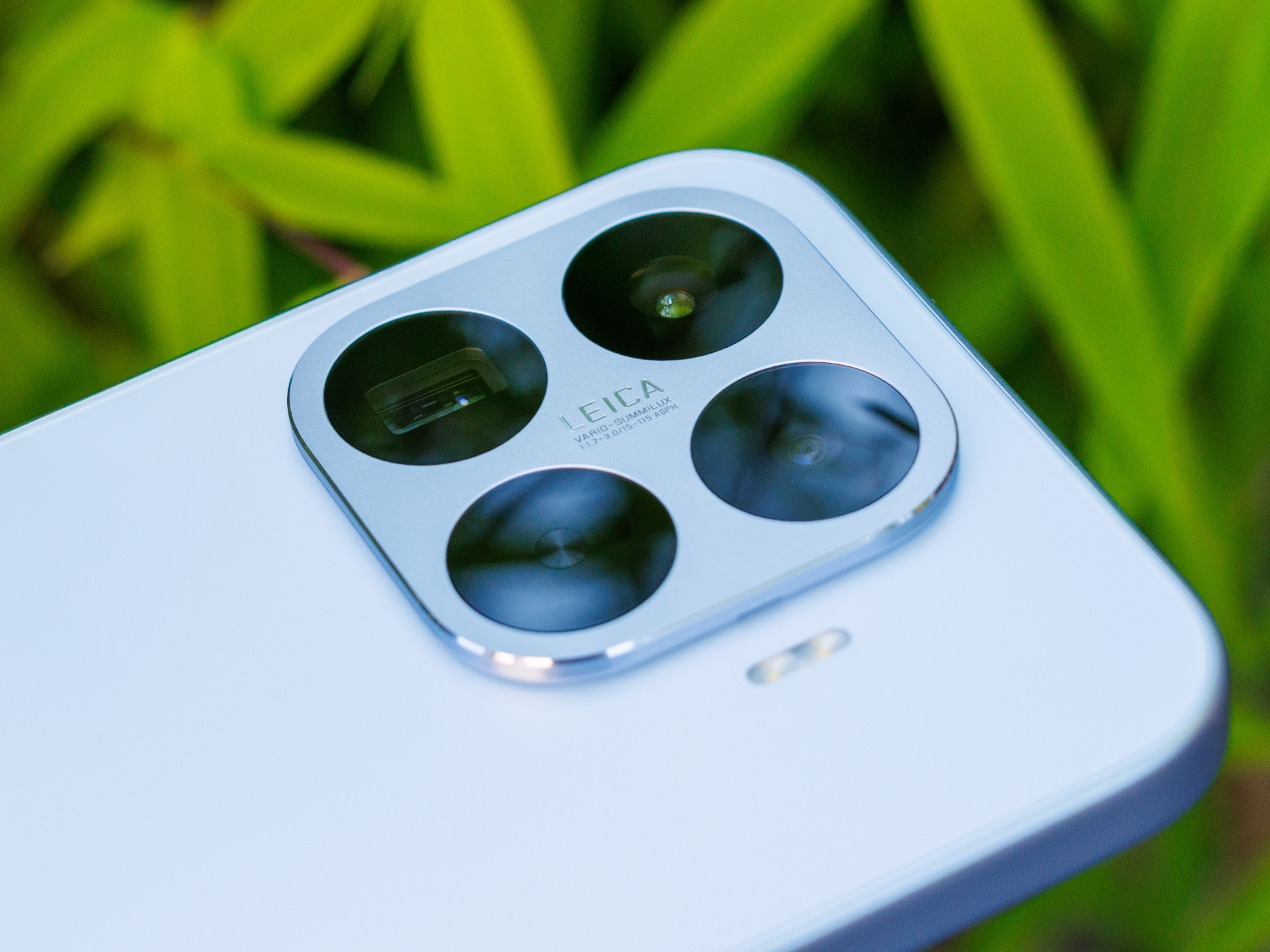
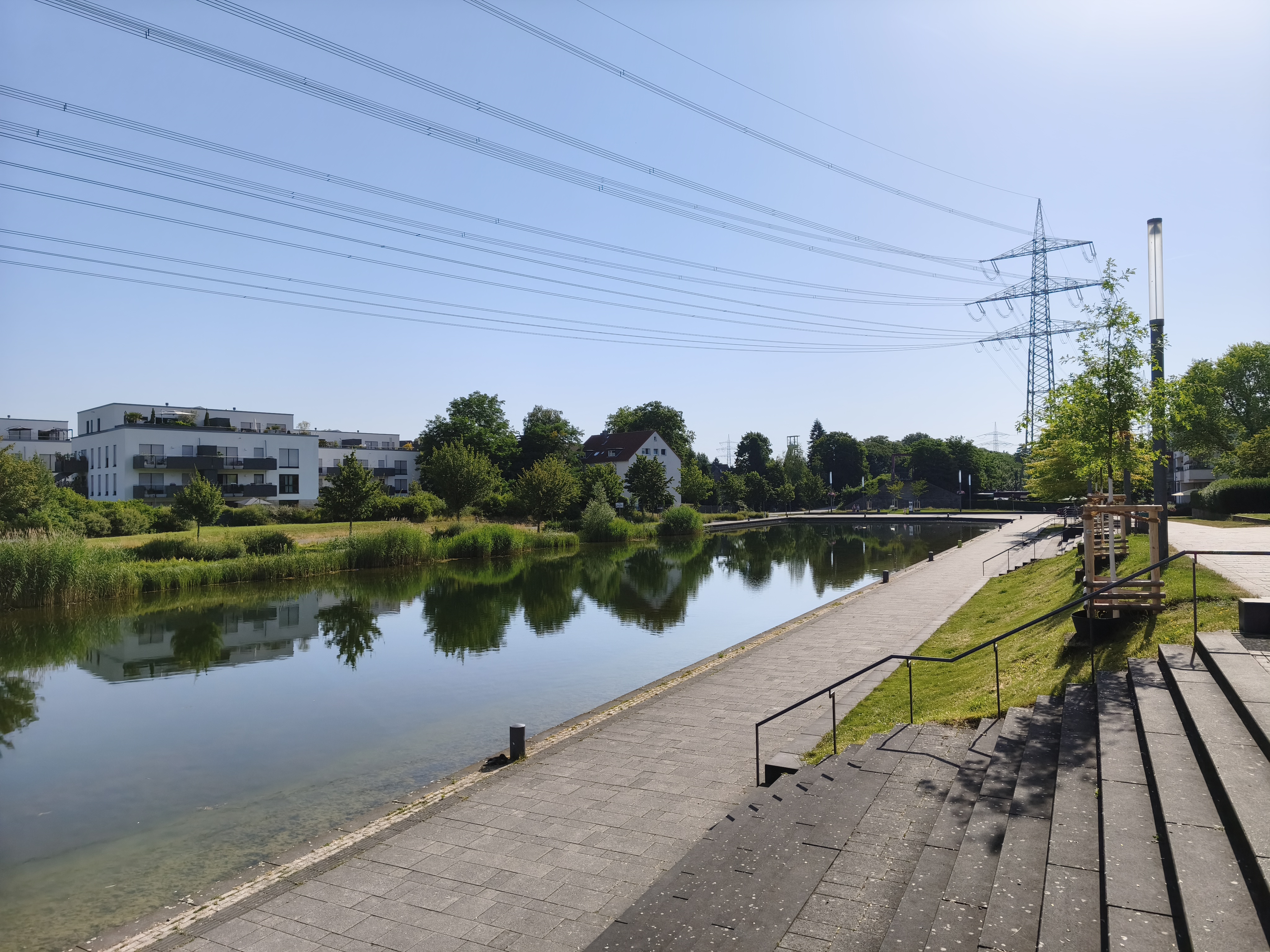
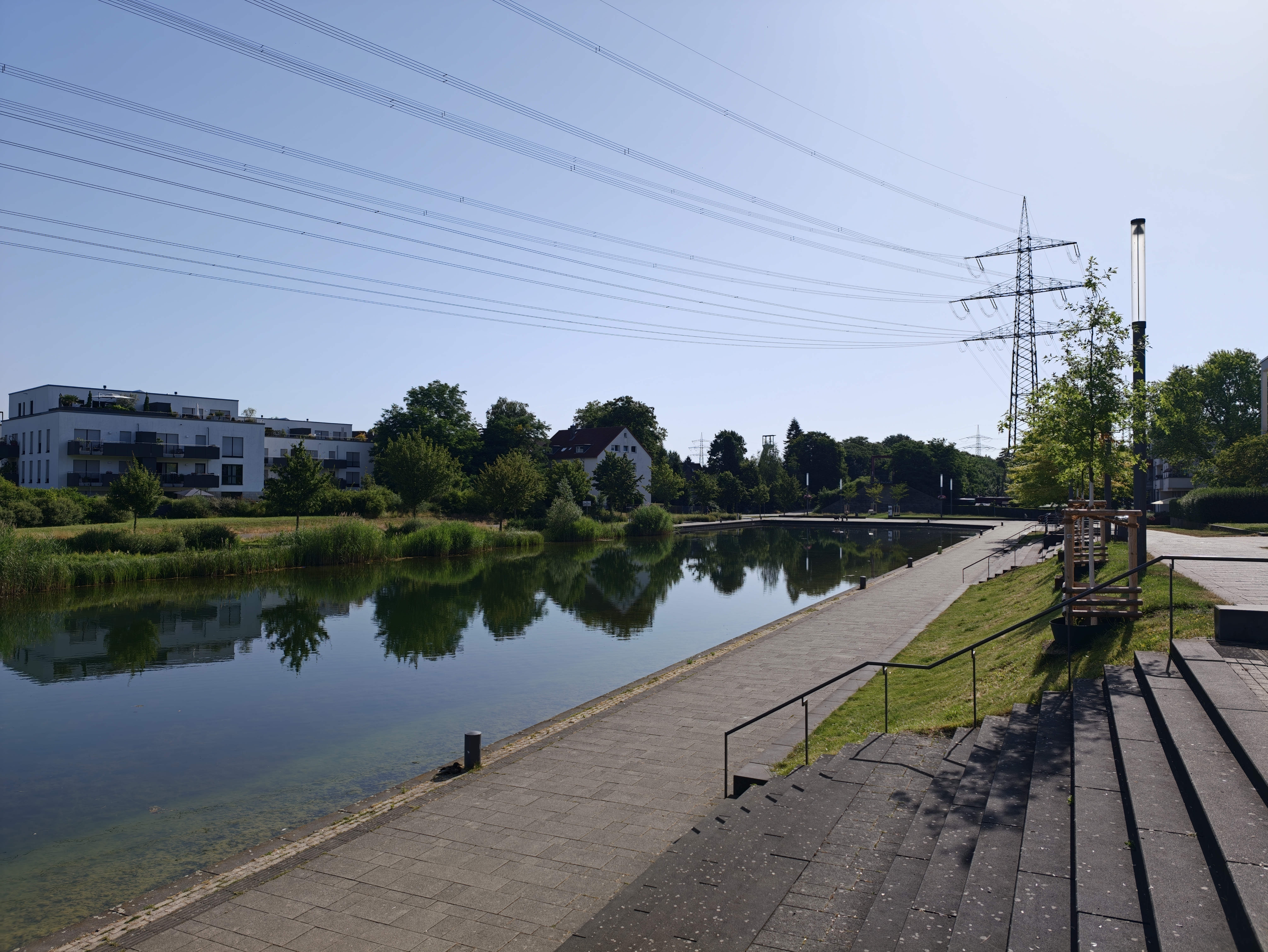
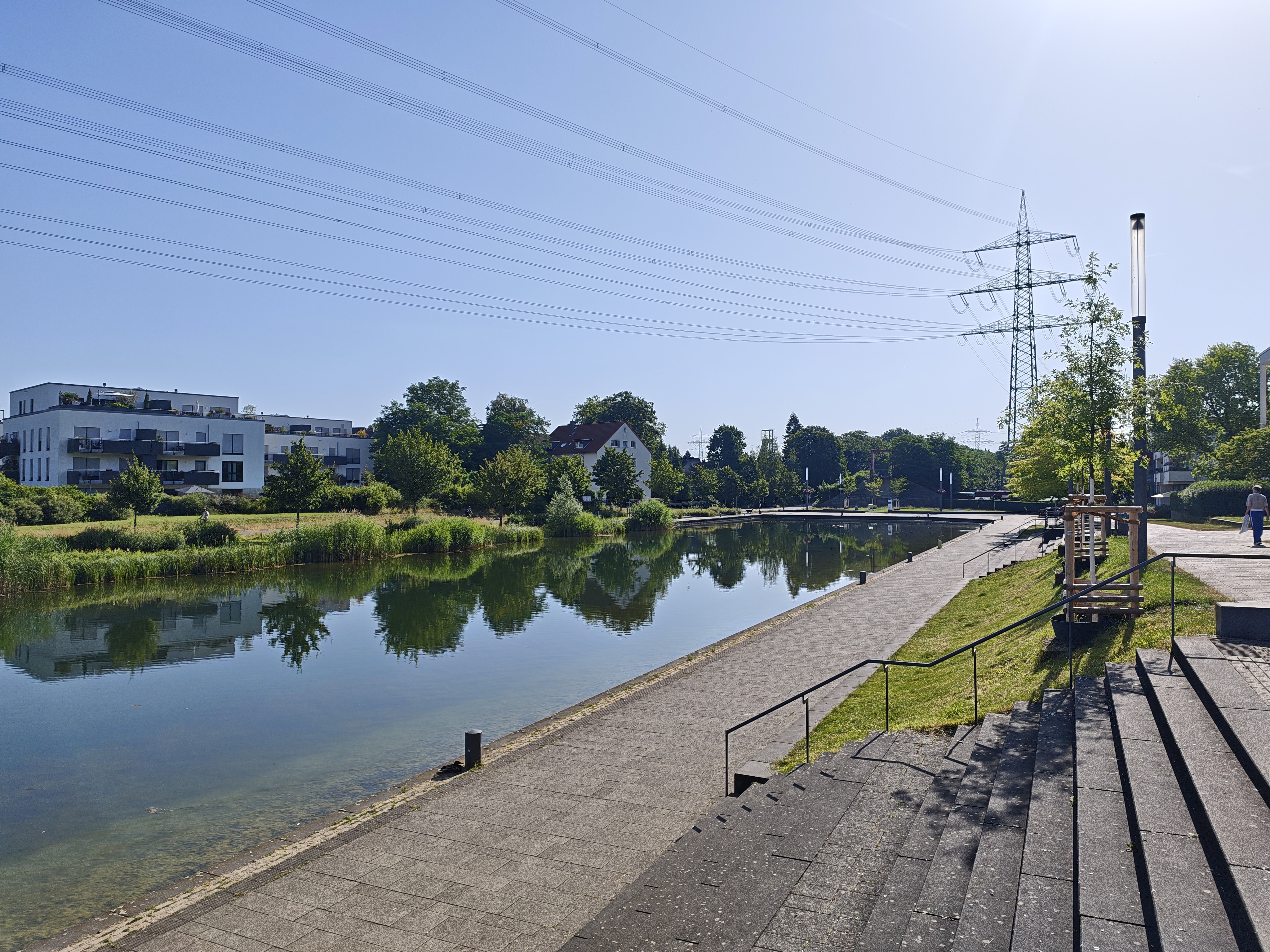
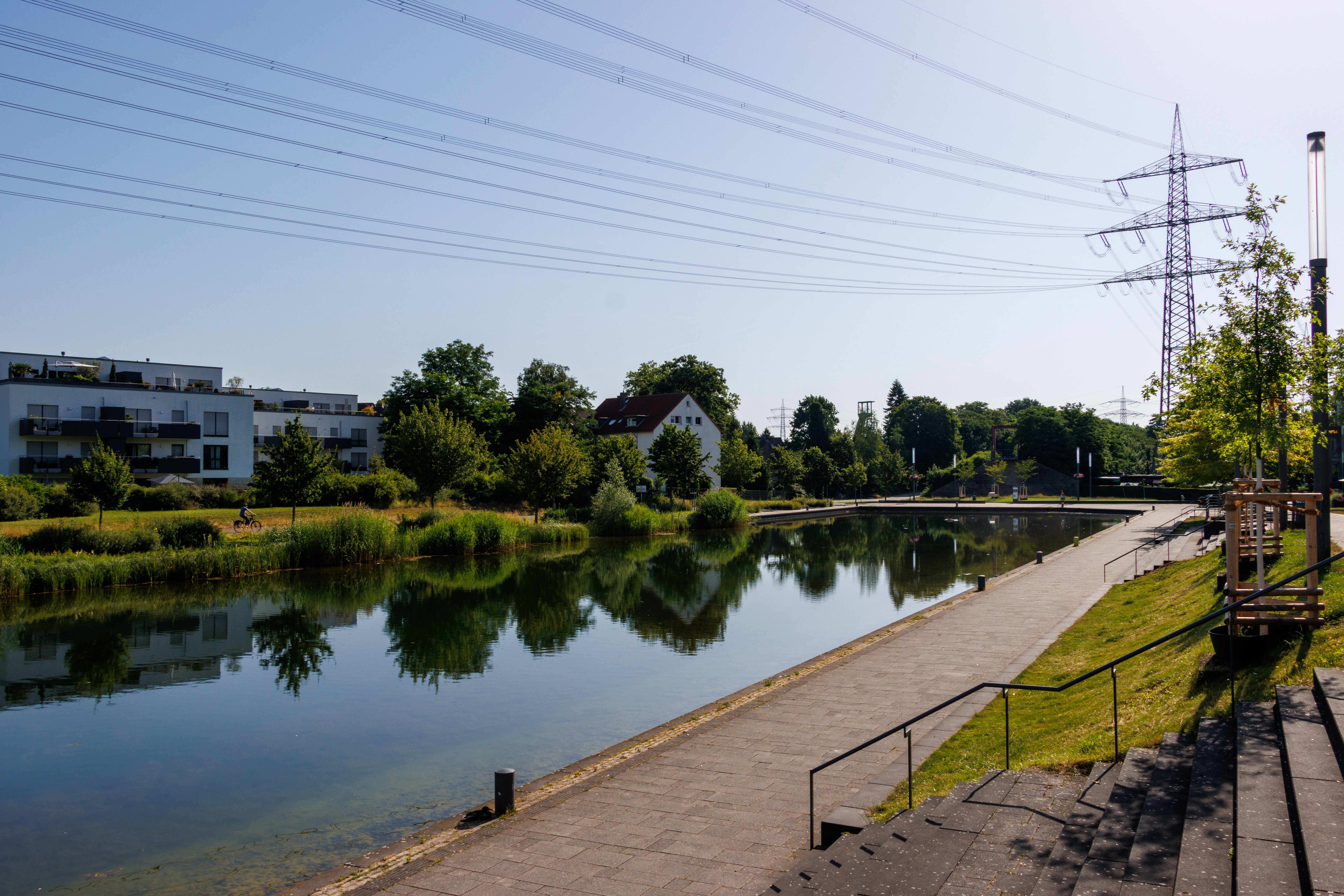
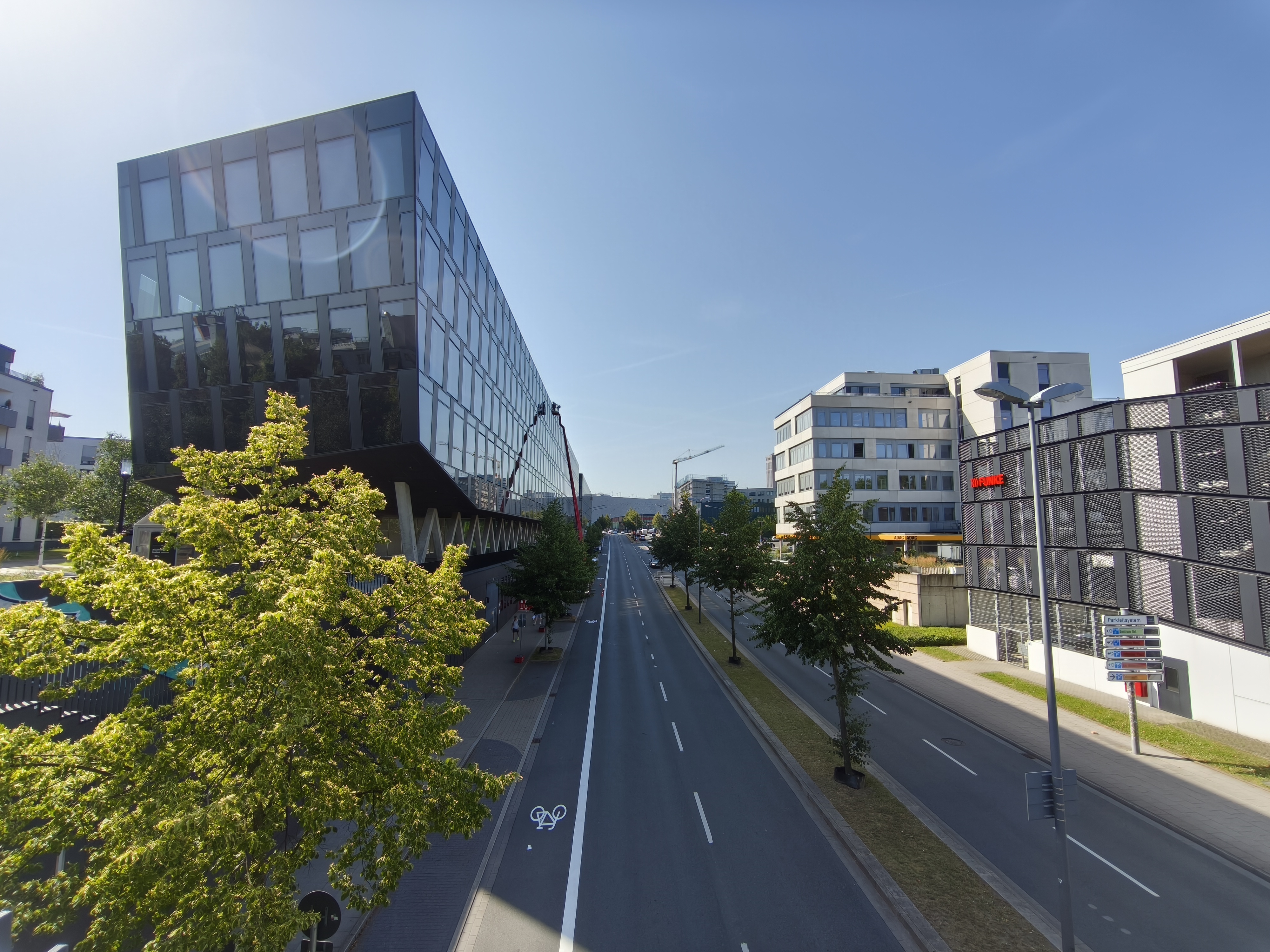
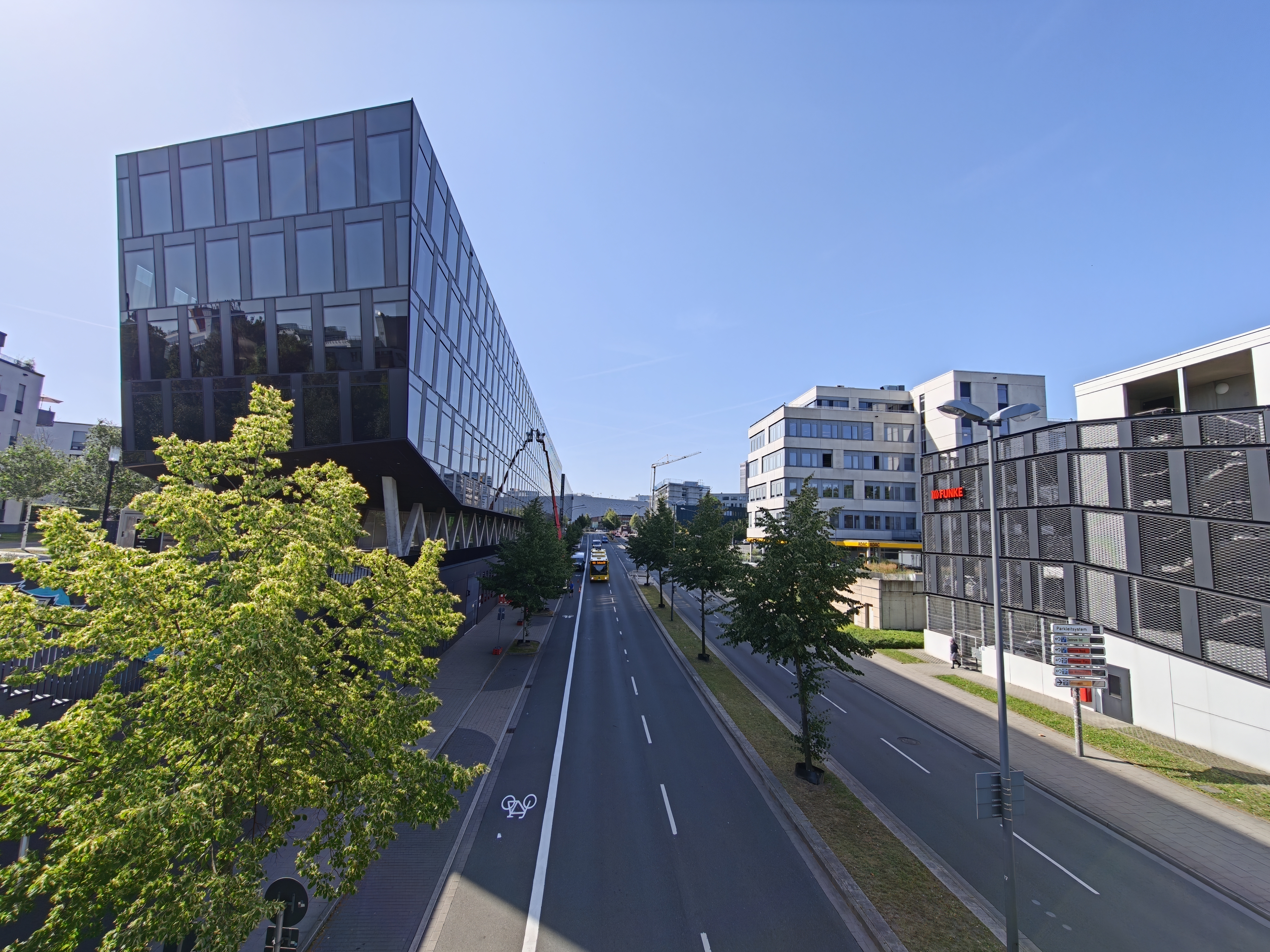
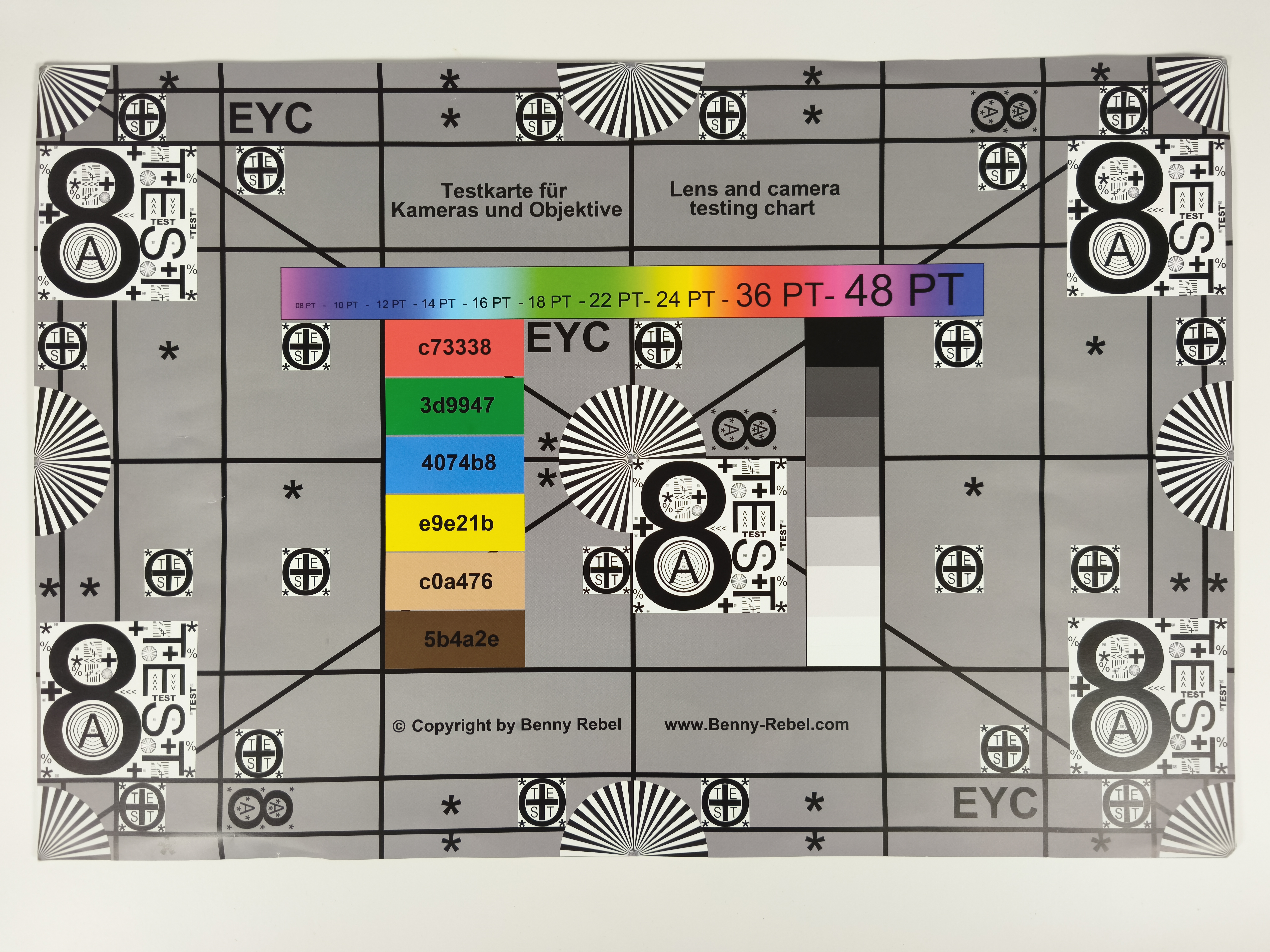
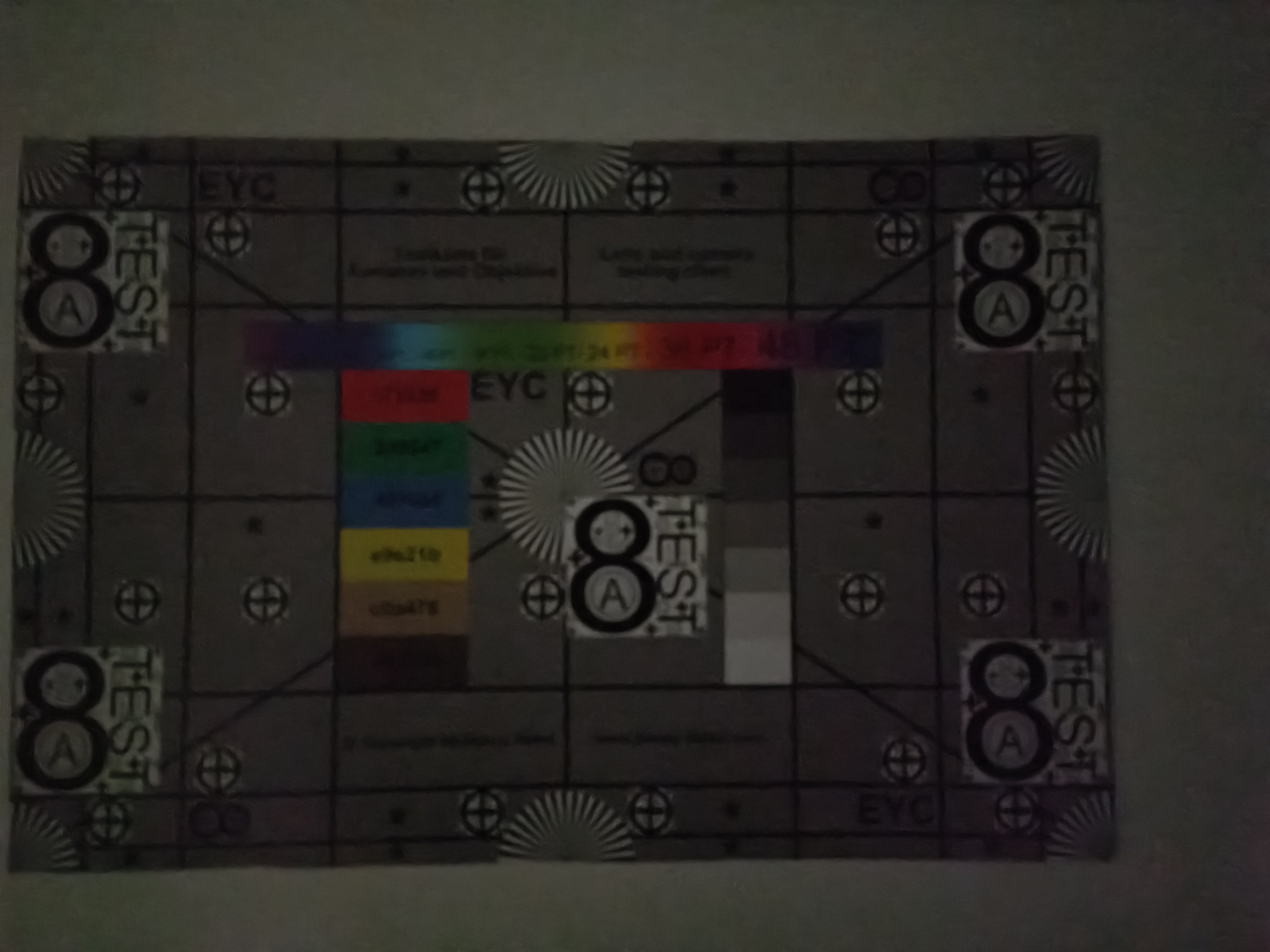
The Xiaomi 17T features a triple-camera system developed in collaboration with Leica, consisting of three 50 MP sensors, although only the telephoto camera is genuinely new. As on the 15T, the Leica main camera uses the 1/1.55-inch Light Fusion 800 sensor. Despite its relatively small size, low-light shots are quite sharp, although exposure could be more even. In daylight, however, we were very impressed with the Xiaomi 17T's results. Dynamic range and sharpness are both very good for the mid-range segment.
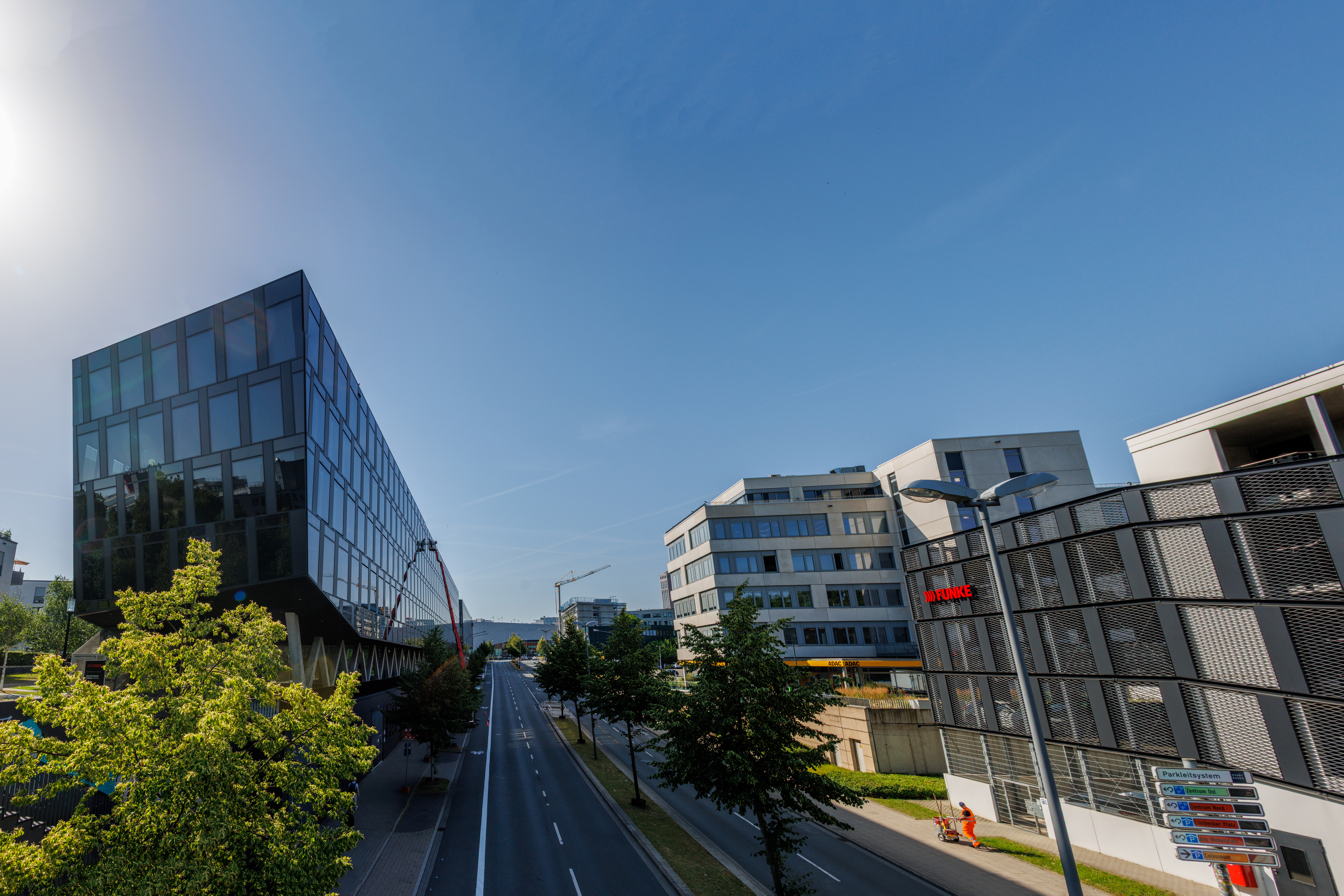
The T series has made a major leap forward in zoom performance. The optically stabilized telephoto camera with 5x magnification captures plenty of detail without introducing the kind of artificial oversharpening seen on devices such as the Poco F8 Pro. Color reproduction is also very pleasing.
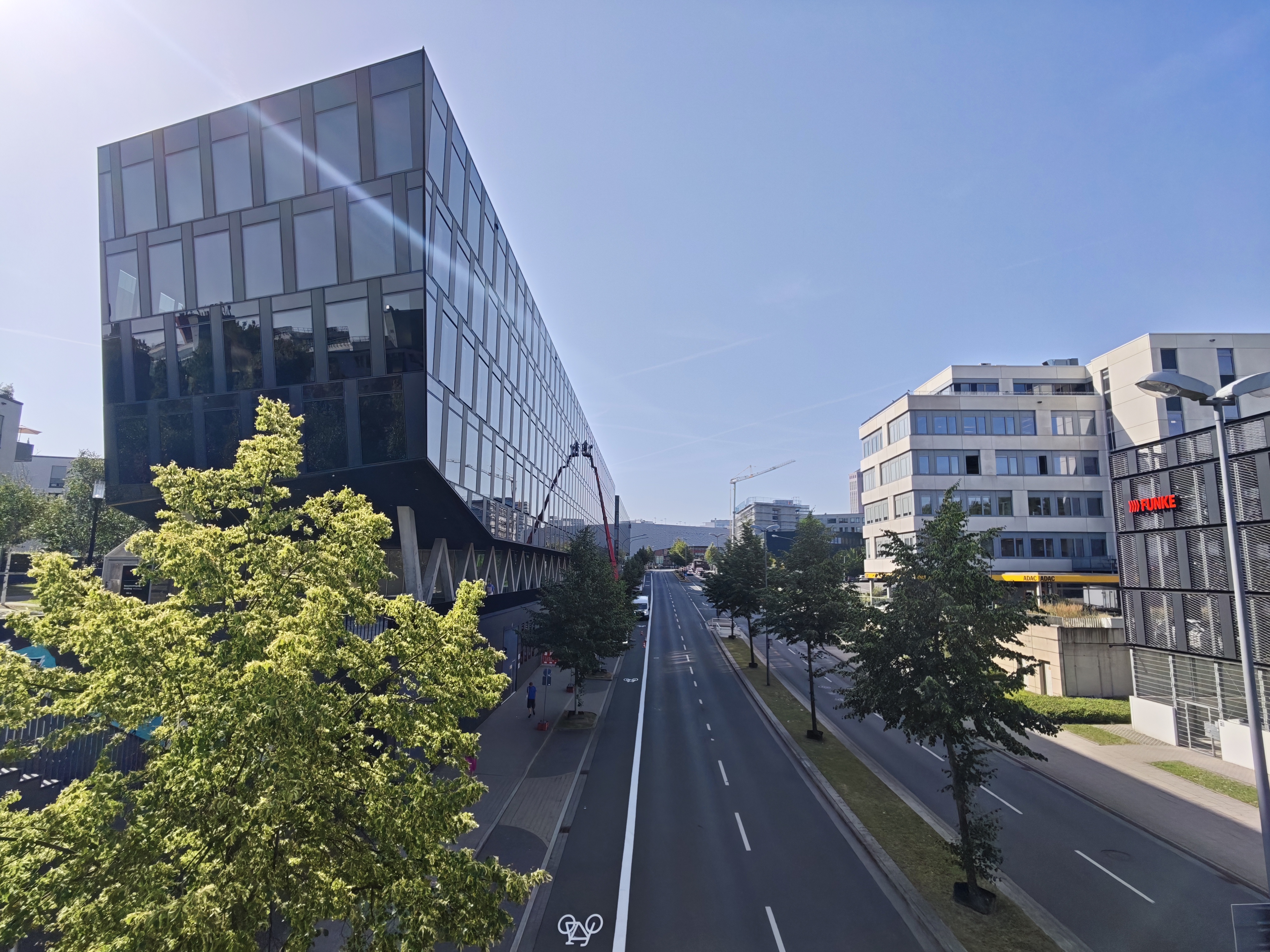
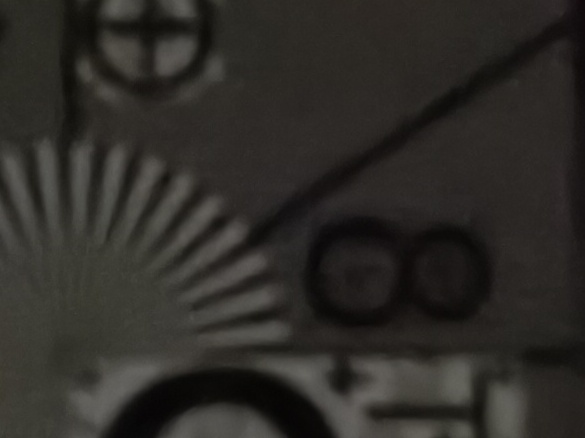
The weakest camera in the setup is once again the ultra-wide-angle unit. It offers neither optical image stabilization nor autofocus. Image quality is perfectly acceptable for the price class, although artifacts and visible softness toward the edges can be seen.
Image comparison
Choose a scene and navigate within the first image. One click changes the position on touchscreens. One click on the zoomed-in image opens the original in a new window. The first image shows the scaled photograph of the test device.
Main cameraMain cameraLow lightUltra-wide angle5x zoom














Accessories and warranty: Android phone without a power adapter
The Xiaomi 17T comes with a USB-C cable, a silicone case and a SIM tool. A screen protector is also pre-installed at the factory.
In Germany, the warranty period is only 12 months. It can, however, be extended with Xiaomi's own Care insurance package, which offers additional cover for accidental damage and theft. Warranty terms may vary in other countries.
Input devices and operation: Xiaomi 17T makes do with an optical fingerprint sensor compared with flagship rivals
The touchscreen offers a sampling rate of up to 3,200 Hz, resulting in very accurate operation in everyday use. The built-in X-axis vibration motor also impresses with its crisp haptic feedback.
For biometric unlocking, the Xiaomi 17T uses an optical in-display fingerprint sensor. It worked reliably and quickly in our test. Less secure 2D facial recognition via the front-facing camera is also available.


Display: Xiaomi uses OLED with PWM and DC dimming

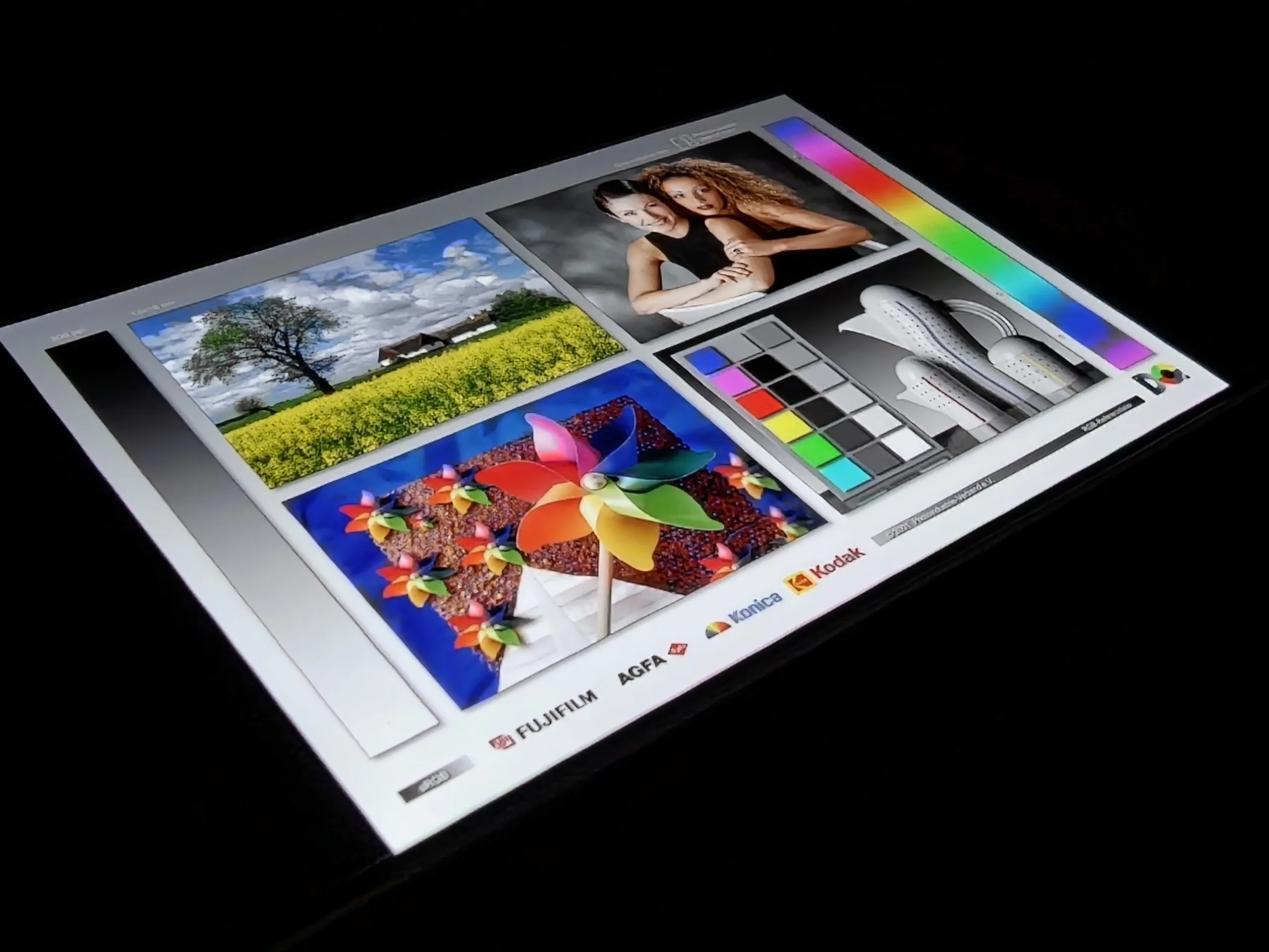
Xiaomi places particular emphasis on eye comfort with the T model's display, as underlined by four certifications from TÜV Rheinland. Although the 6.59-inch AMOLED display uses PWM to control brightness, the mid-range phone combines high-frequency PWM dimming at up to 3,840 Hz with DC dimming. Using the Rigol software, we also measured a base frequency of 120 Hz.
The panel, which does not feature LTPO technology, has a 120 Hz refresh rate and a sharp 2,756 × 1,268-pixel resolution. In our APL and HDR measurements, it reached the advertised peak brightness of 3,500 nits.
| |||||||||||||||||||||||||
Brightness Distribution: 97 %
Center on Battery: 1104 cd/m²
Contrast: ∞:1 (Black: 0 cd/m²)
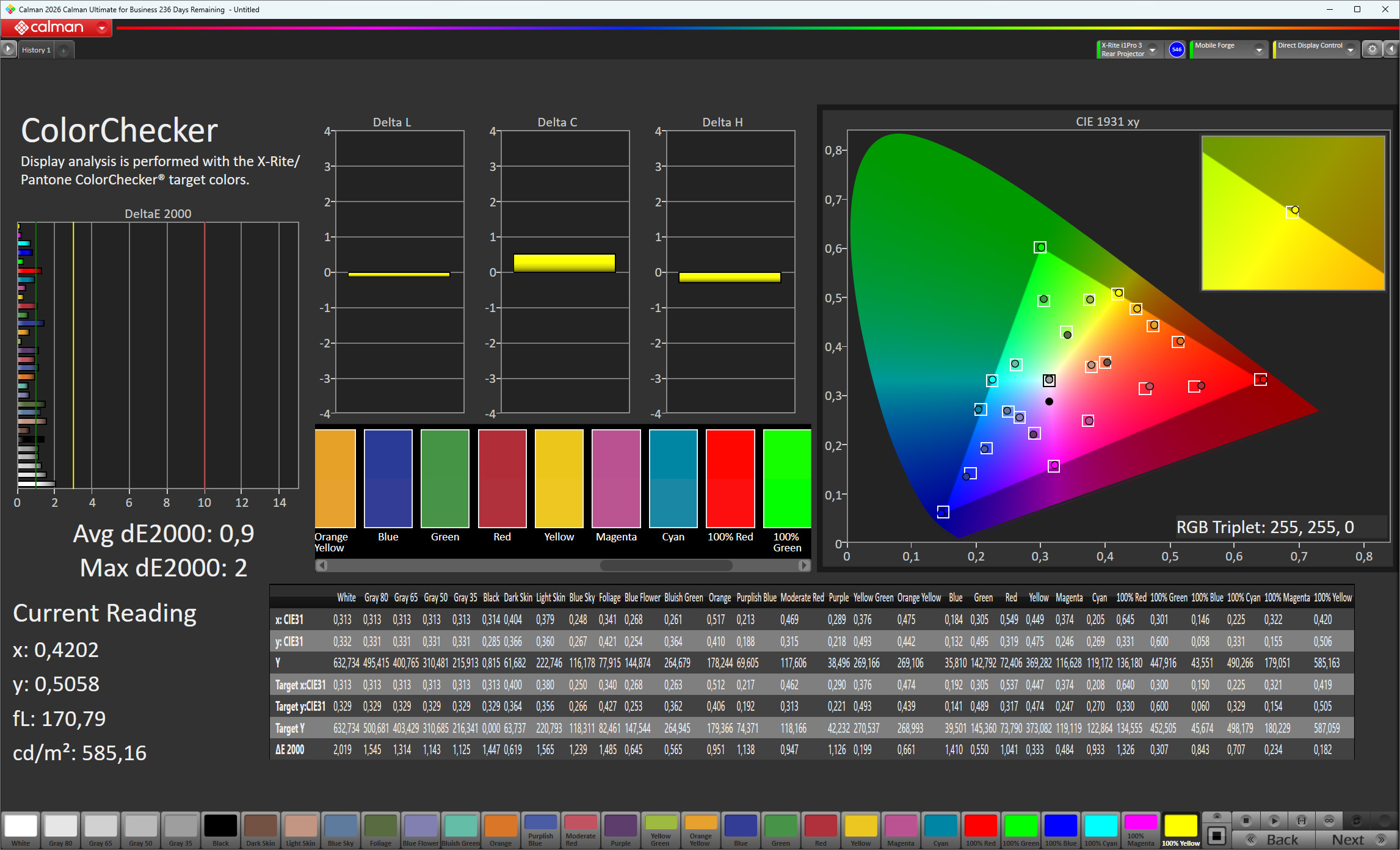
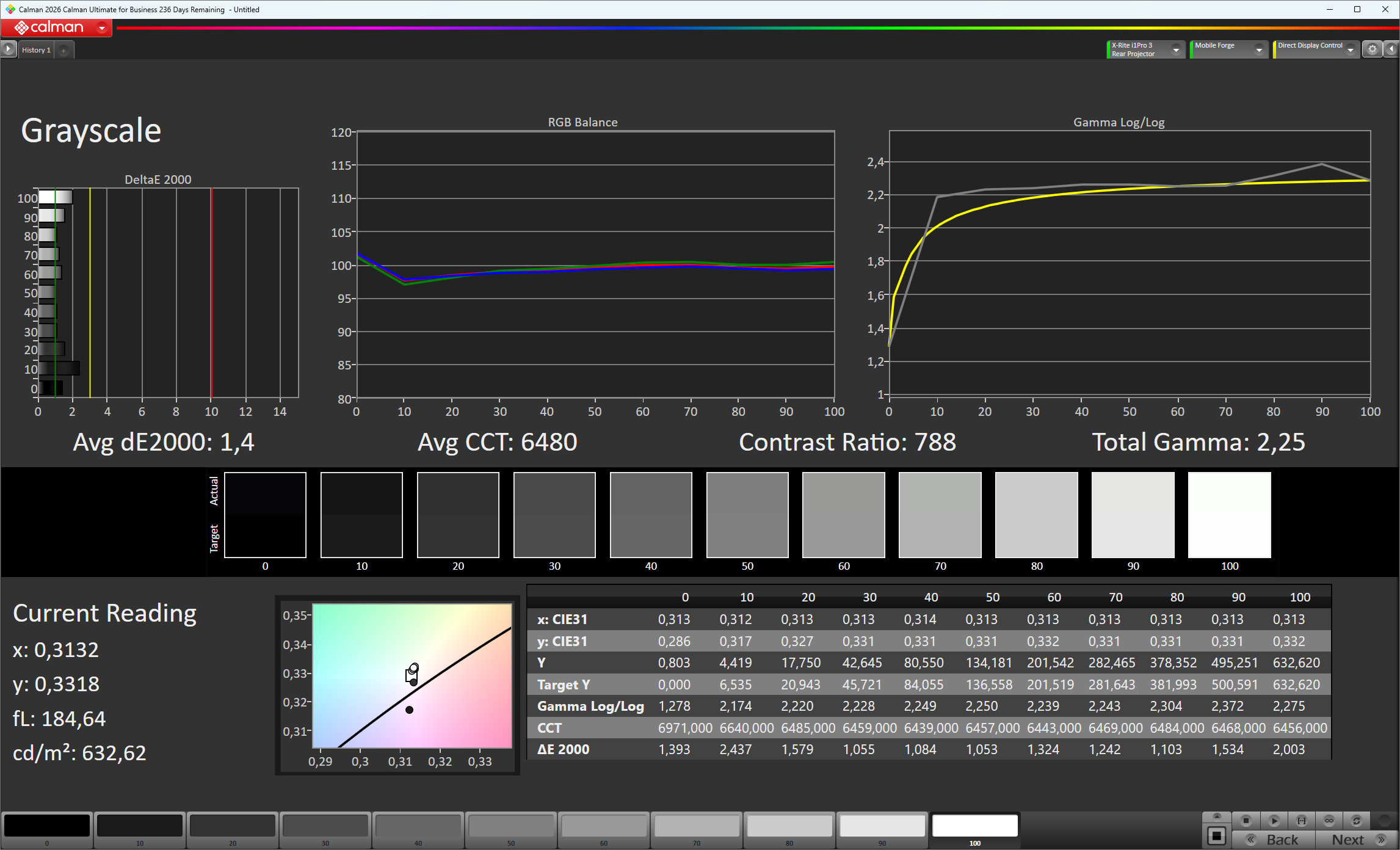
ΔE ColorChecker Calman: 0.9 | ∀{0.5-29.43 Ø4.69}
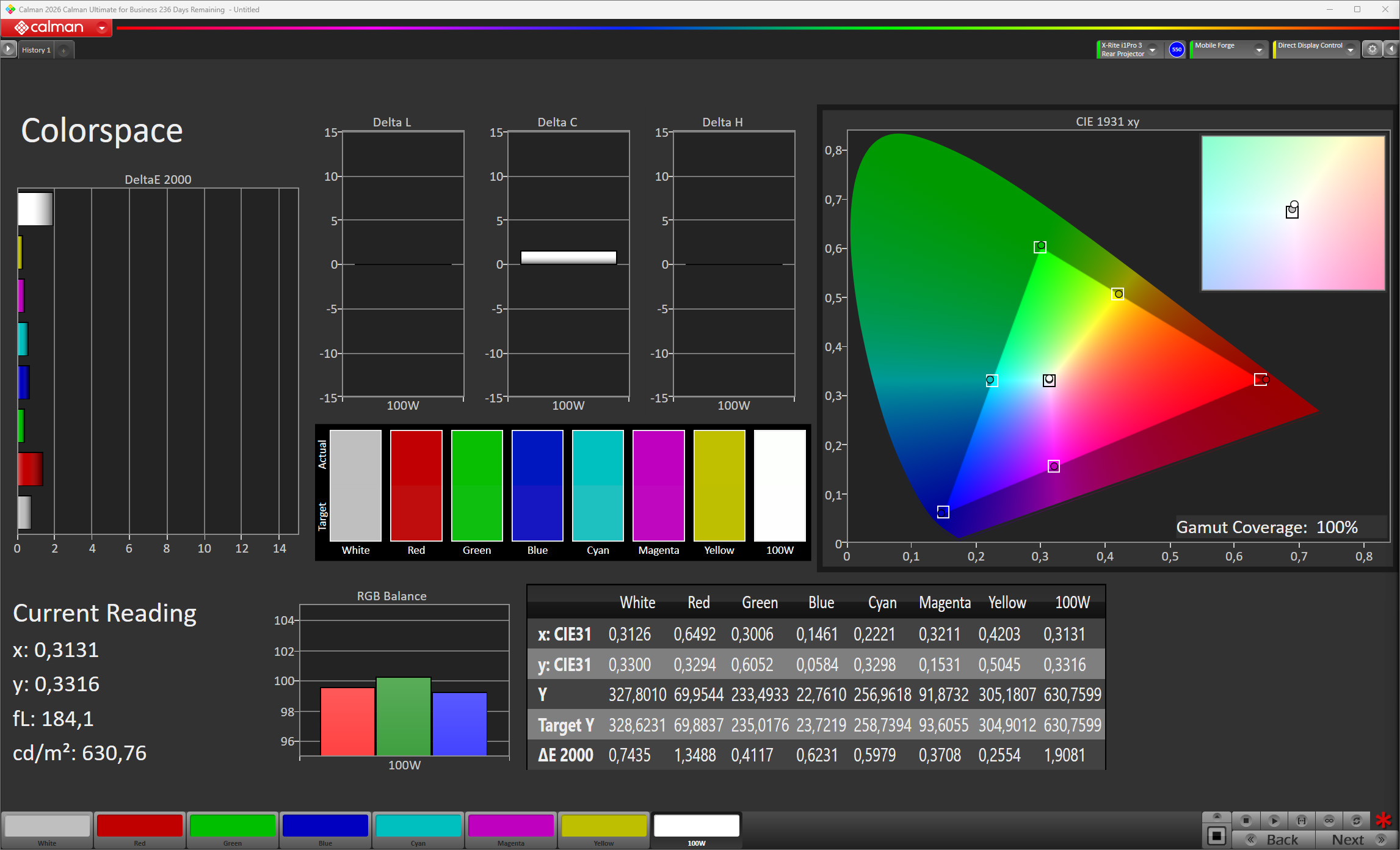
ΔE Greyscale Calman: 1.4 | ∀{0.09-98 Ø4.94}
100% sRGB (Calman 2D)
Gamma: 2.25
CCT: 6480 K
| Xiaomi 17T OLED, 2756x1268, 6.6" | Xiaomi Poco X8 Pro Max AMOLED, 2772x1280, 6.8" | Google Pixel 10a pOLED, 2424x1080, 6.3" | Honor 600 AMOLED, 2728x1264, 6.6" | Xiaomi 15T AMOLED, 2772x1280, 6.8" | |
|---|---|---|---|---|---|
| Display | 3% | -14% | 63% | -6% | |
| APL18 Peak Brightness (cd/m²) | 3512 | 3582 2% | 3050 -13% | 3102 -12% | 3310 -6% |
| HDR Peak Brightness (cd/m²) | 3439 | 3538 3% | 2925 -15% | 8192 138% | 3267 -5% |
| Response Times | 18% | -6% | 8% | -12% | |
| Response Time Grey 50% / Grey 80% * (ms) | 1.17 ? | 0.8 ? 32% | 1.42 ? -21% | 1.06 ? 9% | 1.2 ? -3% |
| Response Time Black / White * (ms) | 1.09 ? | 0.952 ? 13% | 1.07 ? 2% | 1 ? 8% | 1.28 ? -17% |
| PWM Frequency (Hz) | 120 | 120 | 240 | 60 | 120 |
| PWM Amplitude * (%) | 14.74 | 13.45 9% | 14.71 -0% | 13.86 6% | 17.05 -16% |
| Screen | -11% | 4% | -89% | -42% | |
| Brightness middle (cd/m²) | 1104 | 1107 0% | 2205 100% | 1787 62% | 1070 -3% |
| Brightness (cd/m²) | 1102 | 1110 1% | 1079 -2% | ||
| Brightness Distribution (%) | 97 | 97 0% | 94 -3% | ||
| Black Level * (cd/m²) | |||||
| Colorchecker dE 2000 * | 0.9 | 1 -11% | 1.4 -56% | 1.9 -111% | 1.5 -67% |
| Colorchecker dE 2000 max. * | 2 | 2.7 -35% | 2.3 -15% | 5.3 -165% | 3.9 -95% |
| Greyscale dE 2000 * | 1.4 | 1.7 -21% | 1.6 -14% | 3.4 -143% | 2.5 -79% |
| Gamma | 2.25 98% | 2.25 98% | 2.23 99% | 2.25 98% | 2.24 98% |
| CCT | 6480 100% | 6498 100% | 6715 97% | 6874 95% | 6648 98% |
| Total Average (Program / Settings) | 3% /
-1% | -5% /
-4% | -6% /
-23% | -20% /
-27% |
* ... smaller is better
Screen Flickering / PWM (Pulse-Width Modulation)
| Screen flickering / PWM detected | 120 Hz Amplitude: 14.74 % Secondary Frequency: 3846 Hz | 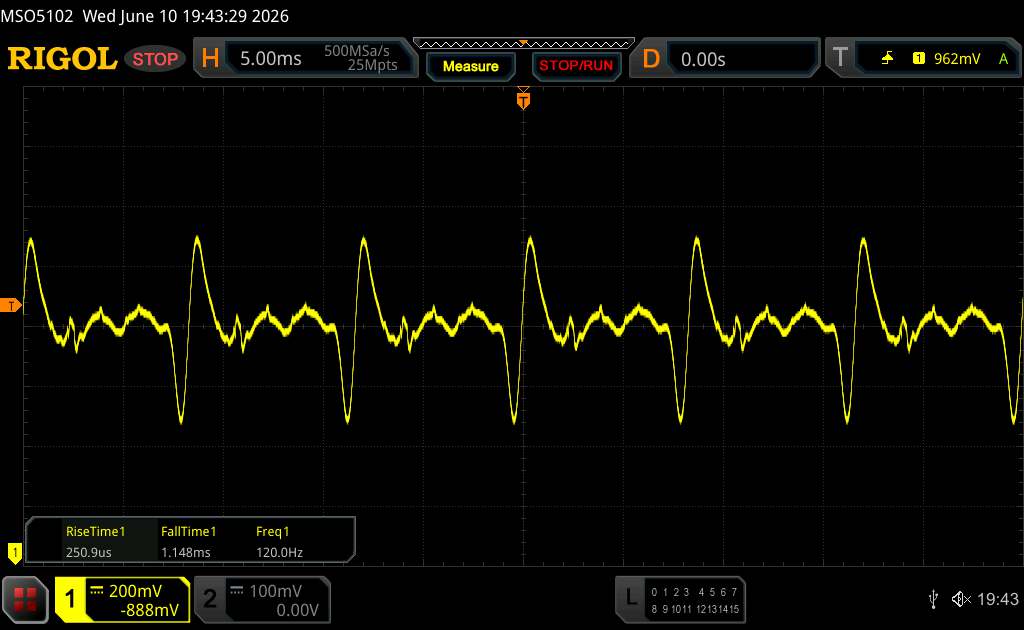 | |
The display backlight flickers at 120 Hz (worst case, e.g., utilizing PWM) . The frequency of 120 Hz is very low, so the flickering may cause eyestrain and headaches after extended use. In comparison: 52 % of all tested devices do not use PWM to dim the display. If PWM was detected, an average of 7625 (minimum: 5 - maximum: 343500) Hz was measured. | |||
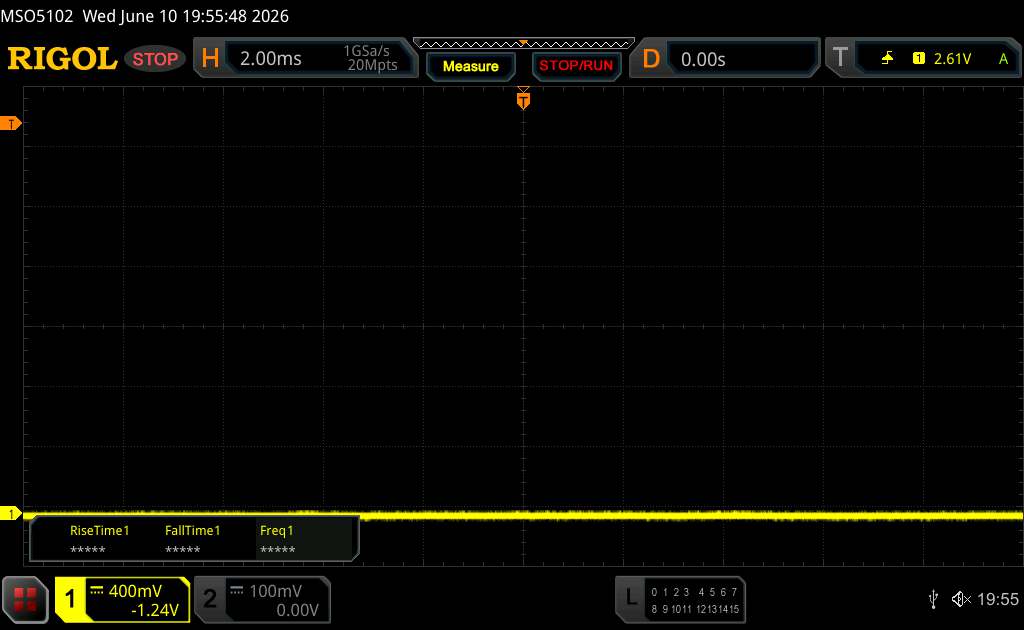
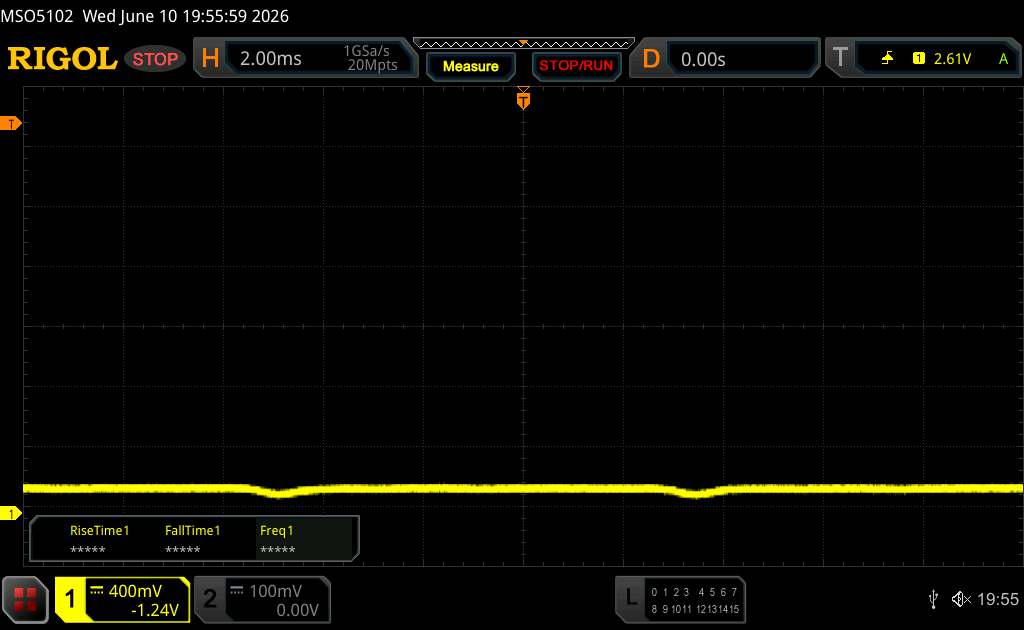
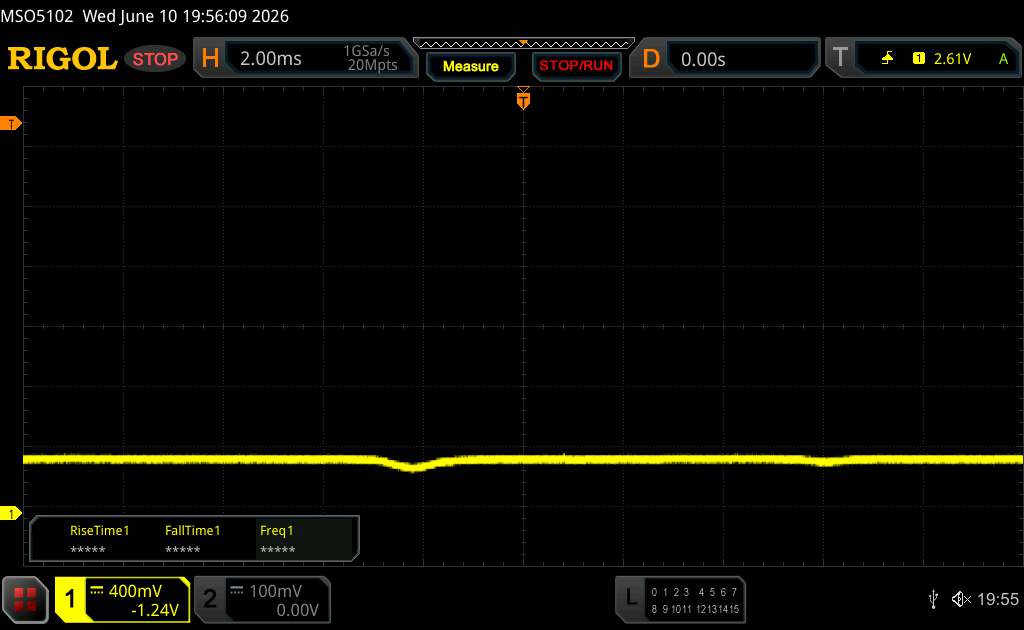
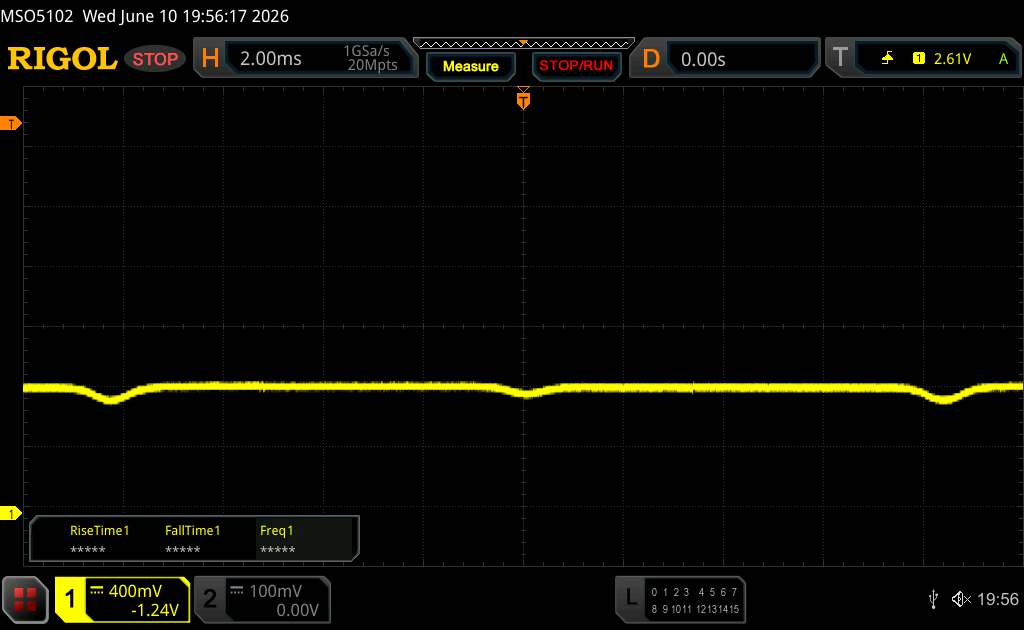
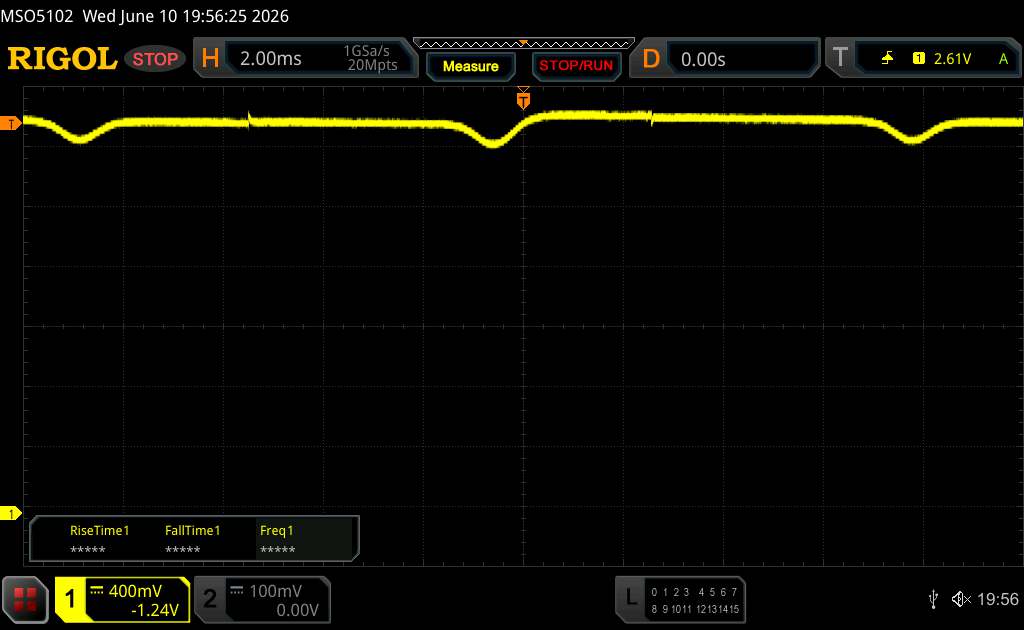
Series of measurements with a fixed zoom level and different brightness settings (Although the amplitude curve at minimum brightness appears flat, this is due to the scaling. The info box shows a magnified version of the amplitude at minimum brightness.)
Our measurements with a spectrophotometer and CalMAN software show that the OLED display is not only very bright but also very accurately calibrated for color reproduction. Deviations in colors and grayscale within the sRGB color space are barely visible to the naked eye.
Display Response Times
| ↔ Response Time Black to White | ||
|---|---|---|
| 1.09 ms ... rise ↗ and fall ↘ combined | ↗ 0.539 ms rise | 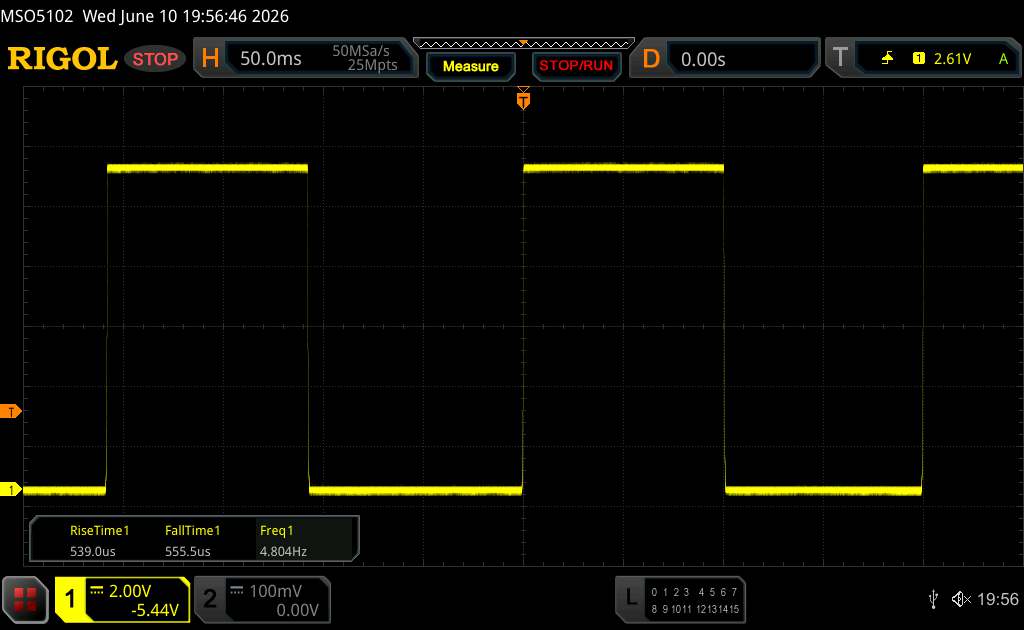 |
| ↘ 0.5555 ms fall | ||
| The screen shows very fast response rates in our tests and should be very well suited for fast-paced gaming. In comparison, all tested devices range from 0.1 (minimum) to 240 (maximum) ms. » 5 % of all devices are better. This means that the measured response time is better than the average of all tested devices (19.7 ms). | ||
| ↔ Response Time 50% Grey to 80% Grey | ||
| 1.17 ms ... rise ↗ and fall ↘ combined | ↗ 0.566 ms rise | 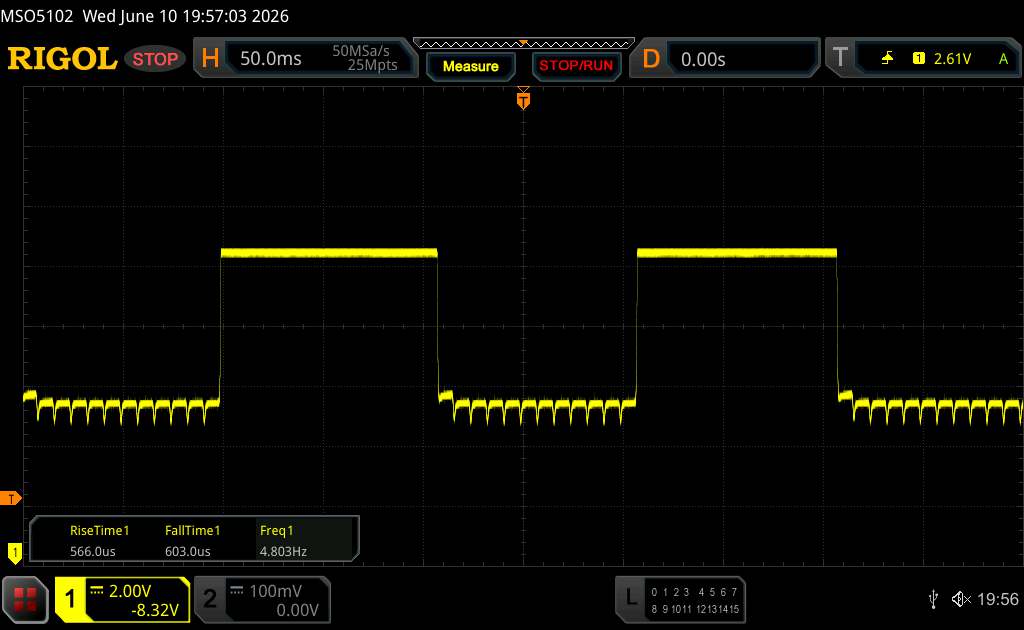 |
| ↘ 0.603 ms fall | ||
| The screen shows very fast response rates in our tests and should be very well suited for fast-paced gaming. In comparison, all tested devices range from 0.13 (minimum) to 636 (maximum) ms. » 6 % of all devices are better. This means that the measured response time is better than the average of all tested devices (30.7 ms). | ||
Performance: mid-range phone uses MediaTek rather than Snapdragon
The Dimensity 8500 does not promise flagship-level performance, but the Xiaomi 17T does not feel slow in everyday use. The MediaTek SoC delivers very strong results compared with its mid-range rivals, although there are also performance-focused models with high-end chipsets available at around the same price as the Xiaomi 17T. The Poco X8 Pro Max, for example, is significantly faster, particularly in single-core performance.
| PCMark for Android - Work 3.x | |
| Xiaomi Poco X8 Pro Max | |
| Average MediaTek Dimensity 8500 (14387 - 16845, n=3) | |
| Average of class Smartphone (4507 - 28557, n=135, last 2 years) | |
| Xiaomi 17T | |
| Xiaomi 15T | |
| CrossMark - Overall | |
| Average of class Smartphone (376 - 2856, n=108, last 2 years) | |
| Xiaomi 15T | |
| Xiaomi Poco X8 Pro Max | |
| Xiaomi 17T | |
| Average MediaTek Dimensity 8500 (1041 - 1287, n=3) | |
| Honor 600 | |
| Google Pixel 10a | |
| UL Procyon AI Inference for Android - Overall Score NNAPI | |
| Xiaomi Poco X8 Pro Max | |
| Average MediaTek Dimensity 8500 (42896 - 63650, n=3) | |
| Xiaomi 15T | |
| Xiaomi 17T | |
| Average of class Smartphone (2895 - 66164, n=100, last 2 years) | |
| AI Benchmark - Score V6 | |
| Xiaomi Poco X8 Pro Max | |
| Average of class Smartphone (55.6 - 22780, n=81, last 2 years) | |
| Average MediaTek Dimensity 8500 (4709 - 4913, n=3) | |
| Xiaomi 17T | |
For graphics processing, the Xiaomi 17T is equipped with a Mali-G720 MP8. This allows it to achieve significantly better results than its predecessor in some tests. More than 30 fps in GFXBench's 4K test is very respectable for a mid-range smartphone and more than sufficient for occasional gaming.
GFXBench (DX / GLBenchmark) 2.7: T-Rex Onscreen | 1920x1080 T-Rex Offscreen
GFXBench 3.0: on screen Manhattan Onscreen OGL | 1920x1080 1080p Manhattan Offscreen
GFXBench 3.1: on screen Manhattan ES 3.1 Onscreen | 1920x1080 Manhattan ES 3.1 Offscreen
GFXBench: on screen Car Chase Onscreen | 1920x1080 Car Chase Offscreen | on screen Aztec Ruins High Tier Onscreen | 2560x1440 Aztec Ruins High Tier Offscreen | on screen Aztec Ruins Normal Tier Onscreen | 1920x1080 Aztec Ruins Normal Tier Offscreen | 3840x2160 4K Aztec Ruins High Tier Offscreen
| 3DMark / Wild Life Extreme Unlimited | |
| Xiaomi Poco X8 Pro Max | |
| Xiaomi 17T | |
| Xiaomi 15T | |
| Google Pixel 10a | |
| Honor 600 | |
| 3DMark / Wild Life Extreme | |
| Xiaomi Poco X8 Pro Max | |
| Xiaomi 17T | |
| Xiaomi 15T | |
| Google Pixel 10a | |
| Honor 600 | |
| 3DMark / Wild Life Unlimited Score | |
| Xiaomi Poco X8 Pro Max | |
| Xiaomi 17T | |
| Xiaomi 15T | |
| Google Pixel 10a | |
| Honor 600 | |
| 3DMark / Solar Bay Score | |
| Xiaomi Poco X8 Pro Max | |
| Xiaomi 17T | |
| Xiaomi 15T | |
| 3DMark / Solar Bay Unlimited Score | |
| Xiaomi Poco X8 Pro Max | |
| Xiaomi 17T | |
| Xiaomi 15T | |
| 3DMark / Steel Nomad Light Unlimited Score | |
| Xiaomi Poco X8 Pro Max | |
| Xiaomi 17T | |
| Xiaomi 15T | |
| Google Pixel 10a | |
| Honor 600 | |
| 3DMark / Steel Nomad Light Score | |
| Xiaomi Poco X8 Pro Max | |
| Xiaomi 17T | |
| Xiaomi 15T | |
| Google Pixel 10a | |
| Honor 600 | |
| GFXBench (DX / GLBenchmark) 2.7 / T-Rex Onscreen | |
| Xiaomi 15T | |
| Xiaomi 17T | |
| Xiaomi Poco X8 Pro Max | |
| GFXBench (DX / GLBenchmark) 2.7 / T-Rex Offscreen | |
| Xiaomi Poco X8 Pro Max | |
| Xiaomi 17T | |
| Xiaomi 15T | |
| GFXBench 3.0 / Manhattan Onscreen OGL | |
| Xiaomi 15T | |
| Xiaomi 17T | |
| Xiaomi Poco X8 Pro Max | |
| GFXBench 3.0 / 1080p Manhattan Offscreen | |
| Xiaomi Poco X8 Pro Max | |
| Xiaomi 15T | |
| Xiaomi 17T | |
| GFXBench 3.1 / Manhattan ES 3.1 Onscreen | |
| Xiaomi 17T | |
| Xiaomi Poco X8 Pro Max | |
| Xiaomi 15T | |
| GFXBench 3.1 / Manhattan ES 3.1 Offscreen | |
| Xiaomi Poco X8 Pro Max | |
| Xiaomi 17T | |
| Xiaomi 15T | |
| GFXBench / Car Chase Onscreen | |
| Xiaomi Poco X8 Pro Max | |
| Xiaomi 17T | |
| Xiaomi 15T | |
| Google Pixel 10a | |
| GFXBench / Car Chase Offscreen | |
| Xiaomi Poco X8 Pro Max | |
| Xiaomi 17T | |
| Xiaomi 15T | |
| Google Pixel 10a | |
| GFXBench / Aztec Ruins High Tier Onscreen | |
| Xiaomi Poco X8 Pro Max | |
| Xiaomi 17T | |
| Google Pixel 10a | |
| Xiaomi 15T | |
| Honor 600 | |
| GFXBench / Aztec Ruins High Tier Offscreen | |
| Xiaomi Poco X8 Pro Max | |
| Xiaomi 17T | |
| Xiaomi 15T | |
| Google Pixel 10a | |
| Honor 600 | |
| GFXBench / Aztec Ruins Normal Tier Onscreen | |
| Xiaomi Poco X8 Pro Max | |
| Xiaomi 17T | |
| Xiaomi 15T | |
| Google Pixel 10a | |
| Honor 600 | |
| GFXBench / Aztec Ruins Normal Tier Offscreen | |
| Xiaomi Poco X8 Pro Max | |
| Xiaomi 17T | |
| Xiaomi 15T | |
| Google Pixel 10a | |
| Honor 600 | |
| GFXBench / 4K Aztec Ruins High Tier Offscreen | |
| Xiaomi Poco X8 Pro Max | |
| Xiaomi 17T | |
| Xiaomi 15T | |
| Google Pixel 10a | |
| Honor 600 | |
| Jetstream 2 - 2.2 Total | |
| Google Pixel 10a (Chrome 149) | |
| Xiaomi Poco X8 Pro Max (Chrome 147) | |
| Average of class Smartphone (2 - 480, n=103, last 2 years) | |
| Average MediaTek Dimensity 8500 (155.5 - 195.5, n=3) | |
| Xiaomi 17T (Chrome 150) | |
| Honor 600 (Chrome 149) | |
| Xiaomi 15T (Chrome 141) | |
| Octane V2 - Total Score | |
| Xiaomi Poco X8 Pro Max (Chrome 147) | |
| Average of class Smartphone (6015 - 126661, n=137, last 2 years) | |
| Average MediaTek Dimensity 8500 (39454 - 62098, n=3) | |
| Xiaomi 15T (Chrome 141) | |
| Xiaomi 17T (Chrome 150) | |
| Mozilla Kraken 1.1 - Total | |
| Xiaomi 15T (Chrome 141) | |
| Xiaomi 17T (Chrome 150) | |
| Average MediaTek Dimensity 8500 (822 - 959, n=3) | |
| Average of class Smartphone (281 - 2718, n=120, last 2 years) | |
| Xiaomi Poco X8 Pro Max (Chrome 147) | |
| WebXPRT 5 - Overall | |
| Average of class Smartphone (19 - 104, n=26, last 2 years) | |
| Xiaomi Poco X8 Pro Max (Chrome 147) | |
| Average MediaTek Dimensity 8500 (36 - 46, n=3) | |
| Xiaomi 17T (Chrome 150) | |
* ... smaller is better
| Xiaomi 17T | Xiaomi Poco X8 Pro Max | Google Pixel 10a | Honor 600 | Xiaomi 15T | Average 512 GB UFS 4.1 Flash | Average of class Smartphone | |
|---|---|---|---|---|---|---|---|
| AndroBench 3-5 | -14% | 54% | 71% | -27% | 110% | 49% | |
| Sequential Read 256KB (MB/s) | 3178.43 | 2067.34 -35% | 1689.27 -47% | 1986.99 -37% | 1954.45 -39% | 3616 ? 14% | 2280 ? -28% |
| Sequential Write 256KB (MB/s) | 3639.03 | 1942.35 -47% | 826.38 -77% | 1807.77 -50% | 1879.62 -48% | 3225 ? -11% | 1974 ? -46% |
| Random Read 4KB (MB/s) | 311.98 | 366.17 17% | 326.53 5% | 353.95 13% | 278.9 -11% | 414 ? 33% | 316 ? 1% |
| Random Write 4KB (MB/s) | 98.65 | 108.21 10% | 430.37 336% | 451 357% | 89.68 -9% | 498 ? 405% | 362 ? 267% |
Emissions: Xiaomi 17T throttles under stress
Temperature
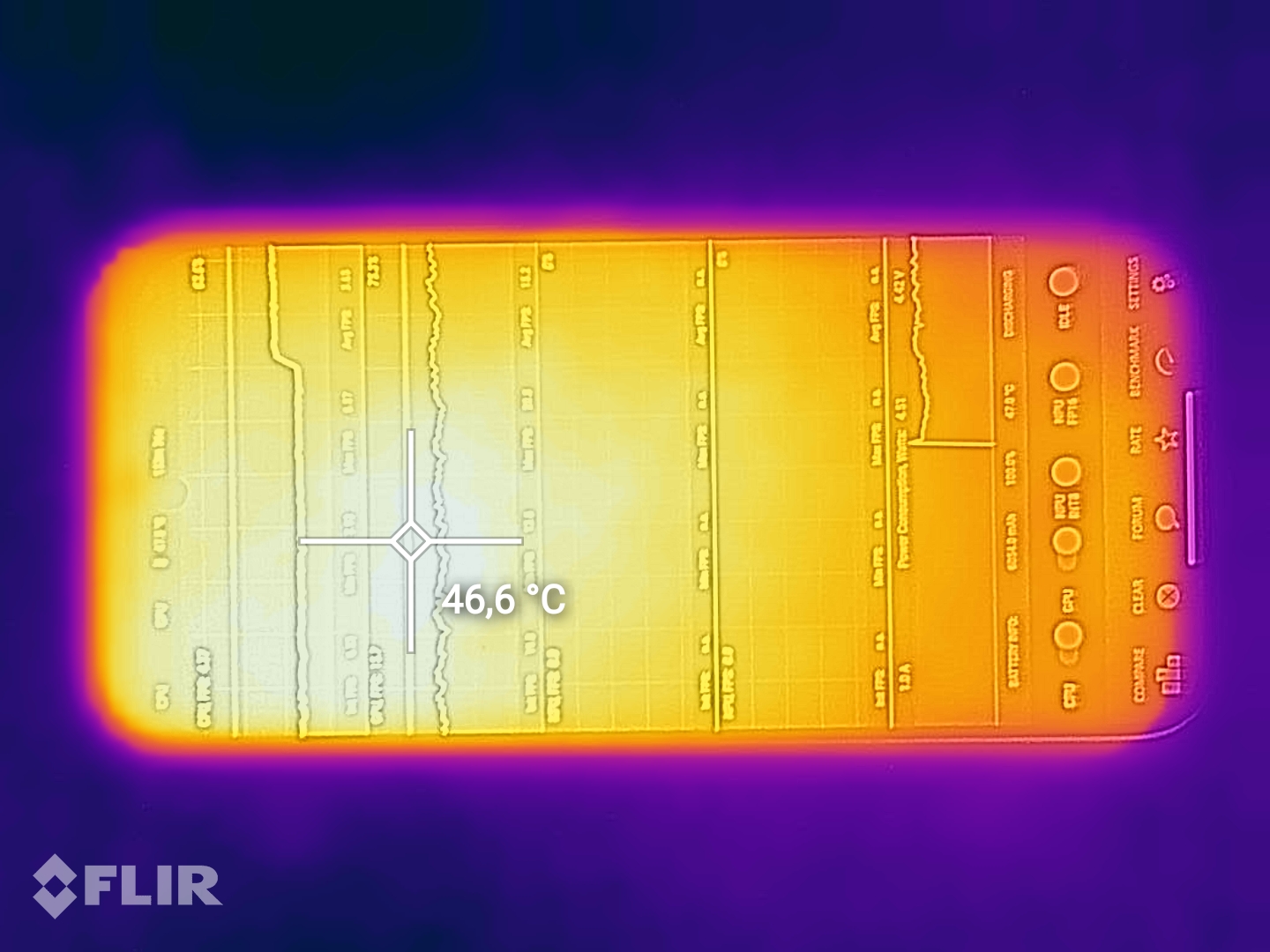
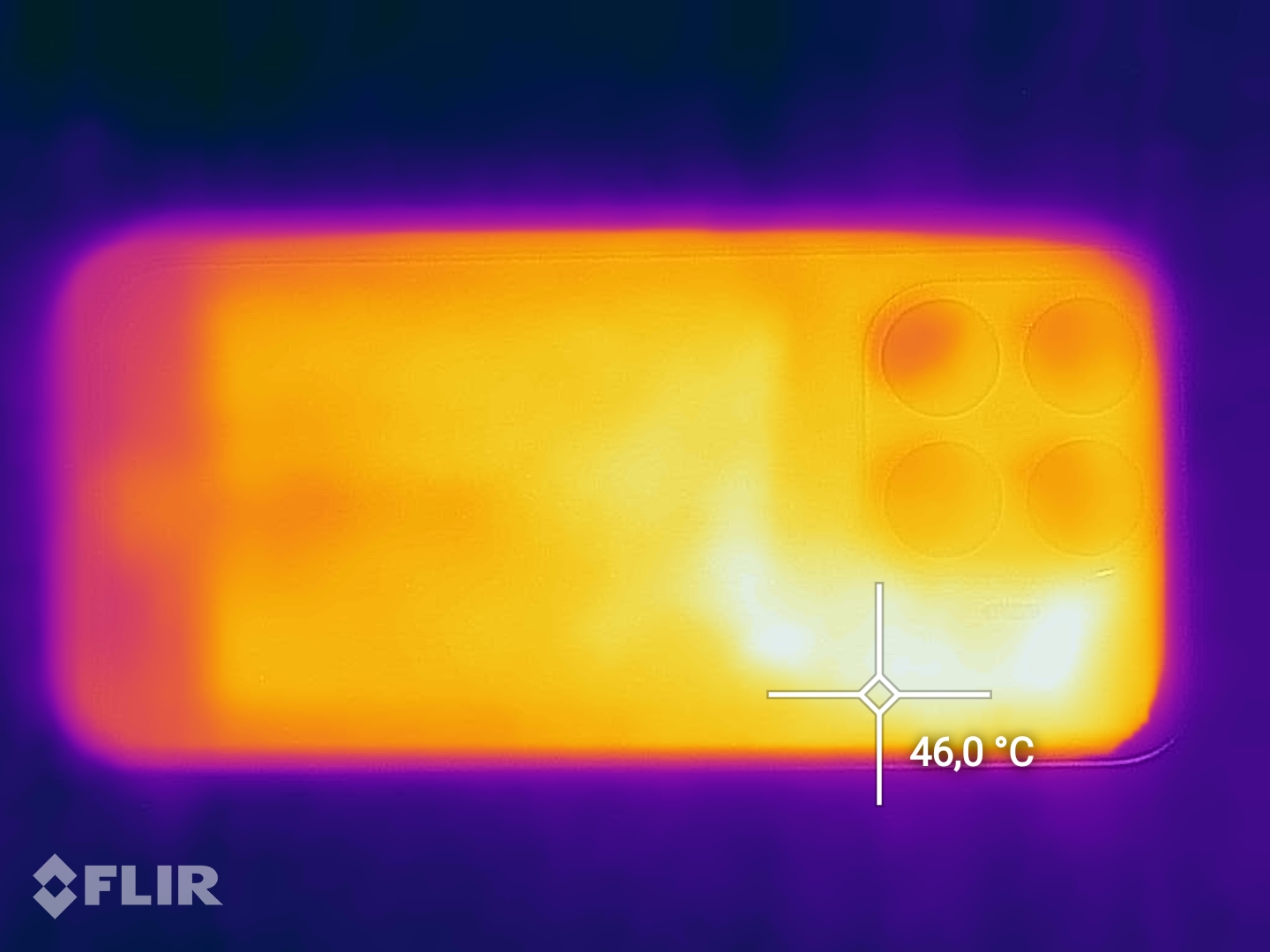
Surface temperatures were relatively high in our measurements, although the heat generated by the Xiaomi 17T is not particularly concerning. Nevertheless, the Dimensity 8500 throttled by up to 40% in the 3DMark stress tests.
(-) The maximum temperature on the upper side is 45.9 °C / 115 F, compared to the average of 35.3 °C / 96 F, ranging from 21.9 to 247 °C for the class Smartphone.
(-) The bottom heats up to a maximum of 45.6 °C / 114 F, compared to the average of 34.1 °C / 93 F
(+) In idle usage, the average temperature for the upper side is 29.9 °C / 86 F, compared to the device average of 33 °C / 91 F.
3DMark stress tests
| 3DMark | |
| Wild Life Stress Test Stability | |
| Xiaomi 15T | |
| Honor 600 | |
| Google Pixel 10a | |
| Xiaomi 17T | |
| Xiaomi Poco X8 Pro Max | |
| Wild Life Extreme Stress Test | |
| Honor 600 | |
| Xiaomi 15T | |
| Google Pixel 10a | |
| Xiaomi 17T | |
| Xiaomi Poco X8 Pro Max | |
| Solar Bay Stress Test Stability | |
| Xiaomi 15T | |
| Xiaomi 17T | |
| Xiaomi Poco X8 Pro Max | |
| Steel Nomad Light Stress Test Stability | |
| Honor 600 | |
| Xiaomi 15T | |
| Google Pixel 10a | |
| Xiaomi Poco X8 Pro Max | |
| Xiaomi 17T | |
Speakers
The Xiaomi phone uses a dual-speaker system that delivers decent sound quality, although bass and overall depth are somewhat lacking. Our pink-noise measurement also shows a rise in the frequency response across the mid-range.
For audio output via headphones or external speakers, the Xiaomi 17T offers either the USB port or wireless connectivity via Bluetooth 6.0. We could not find an option for Auracast in the settings menu. On the plus side, the phone supports a wide range of Bluetooth codecs.
Xiaomi 17T audio analysis
(+) | speakers can play relatively loud (86.8 dB)
Bass 100 - 315 Hz
(-) | nearly no bass - on average 24.6% lower than median
(±) | linearity of bass is average (11.3% delta to prev. frequency)
Mids 400 - 2000 Hz
(±) | reduced mids - on average 6.1% lower than median
(+) | mids are linear (6% delta to prev. frequency)
Highs 2 - 16 kHz
(±) | higher highs - on average 7.3% higher than median
(+) | highs are linear (5.3% delta to prev. frequency)
Overall 100 - 16.000 Hz
(±) | linearity of overall sound is average (20.5% difference to median)
Compared to same class
» 36% of all tested devices in this class were better, 9% similar, 55% worse
» The best had a delta of 11%, average was 34%, worst was 136%
Compared to all devices tested
» 55% of all tested devices were better, 8% similar, 38% worse
» The best had a delta of 4%, average was 23%, worst was 136%
Xiaomi 15T audio analysis
(+) | speakers can play relatively loud (92.2 dB)
Bass 100 - 315 Hz
(-) | nearly no bass - on average 25.2% lower than median
(+) | bass is linear (5.8% delta to prev. frequency)
Mids 400 - 2000 Hz
(±) | reduced mids - on average 6.1% lower than median
(+) | mids are linear (4.5% delta to prev. frequency)
Highs 2 - 16 kHz
(+) | balanced highs - only 2.3% away from median
(+) | highs are linear (2.8% delta to prev. frequency)
Overall 100 - 16.000 Hz
(±) | linearity of overall sound is average (15.9% difference to median)
Compared to same class
» 5% of all tested devices in this class were better, 5% similar, 90% worse
» The best had a delta of 11%, average was 34%, worst was 136%
Compared to all devices tested
» 25% of all tested devices were better, 5% similar, 70% worse
» The best had a delta of 4%, average was 23%, worst was 136%
Battery life: more compact alternative to the Xiaomi 17T Pro without wireless charging
Power consumption
Xiaomi equips the phone with a 6,500 mAh battery featuring a silicon-carbon anode. The battery can be charged at up to 67 W via HyperCharge or 50 W using the PPS standard. In our test, a full charge took around 45 minutes. Users who want to top up their earbuds can enable 22.5 W reverse charging. However, the Xiaomi 17T does not support wireless charging.
Power consumption from the MediaTek SoC was unremarkable in our measurements, although almost 2 W at idle is not particularly efficient.
| Off / Standby |   0.05 / 0.15 Watt 0.05 / 0.15 Watt |
| Idle |  1.25 / 1.88 / 1.99 Watt 1.25 / 1.88 / 1.99 Watt |
| Load |
5.77 / 10.02 Watt |
    
| |
Key:
min: ,
med: ,
max: Metrahit Energy | |
| Xiaomi 17T 6500 mAh | Xiaomi Poco X8 Pro Max 8500 mAh | Google Pixel 10a 5100 mAh | Honor 600 6400 mAh | Xiaomi 15T 5500 mAh | Average MediaTek Dimensity 8500 | Average of class Smartphone | |
|---|---|---|---|---|---|---|---|
| Power Consumption | 7% | 47% | -12% | 10% | -1% | 8% | |
| Idle Minimum * (Watt) | 1.25 | 1.19 5% | 0.7 44% | 1.24 1% | 0.8 36% | 1.207 ? 3% | 0.896 ? 28% |
| Idle Average * (Watt) | 1.88 | 1.23 35% | 0.94 50% | 2.28 -21% | 1.2 36% | 1.557 ? 17% | 1.487 ? 21% |
| Idle Maximum * (Watt) | 1.99 | 1.43 28% | 1.03 48% | 2.3 -16% | 1.26 37% | 1.723 ? 13% | 1.677 ? 16% |
| Load Average * (Watt) | 5.77 | 6.8 -18% | 6.8 -18% | 7.15 ? -24% | 6.83 ? -18% | ||
| Load Maximum * (Watt) | 10.02 | 11.45 -14% | 14.32 -43% | 11.3 ? -13% | 10.7 ? -7% |
* ... smaller is better
Power consumption: Geekbench (150 cd/m²)
Power consumption: GFXbench (150 cd/m²)
Battery life
Thanks to its large battery, Xiaomi's mid-range phone delivered impressive endurance in our real-world battery test with the display brightness adjusted to 150 cd/m², lasting around 21 hours.
| Battery runtime - WiFi v1.3 | |
| Xiaomi 17T | |
| Xiaomi Poco X8 Pro Max | |
| Google Pixel 10a | |
| Honor 600 | |
| Xiaomi 15T | |
Notebookcheck overall rating of the Xiaomi 17T
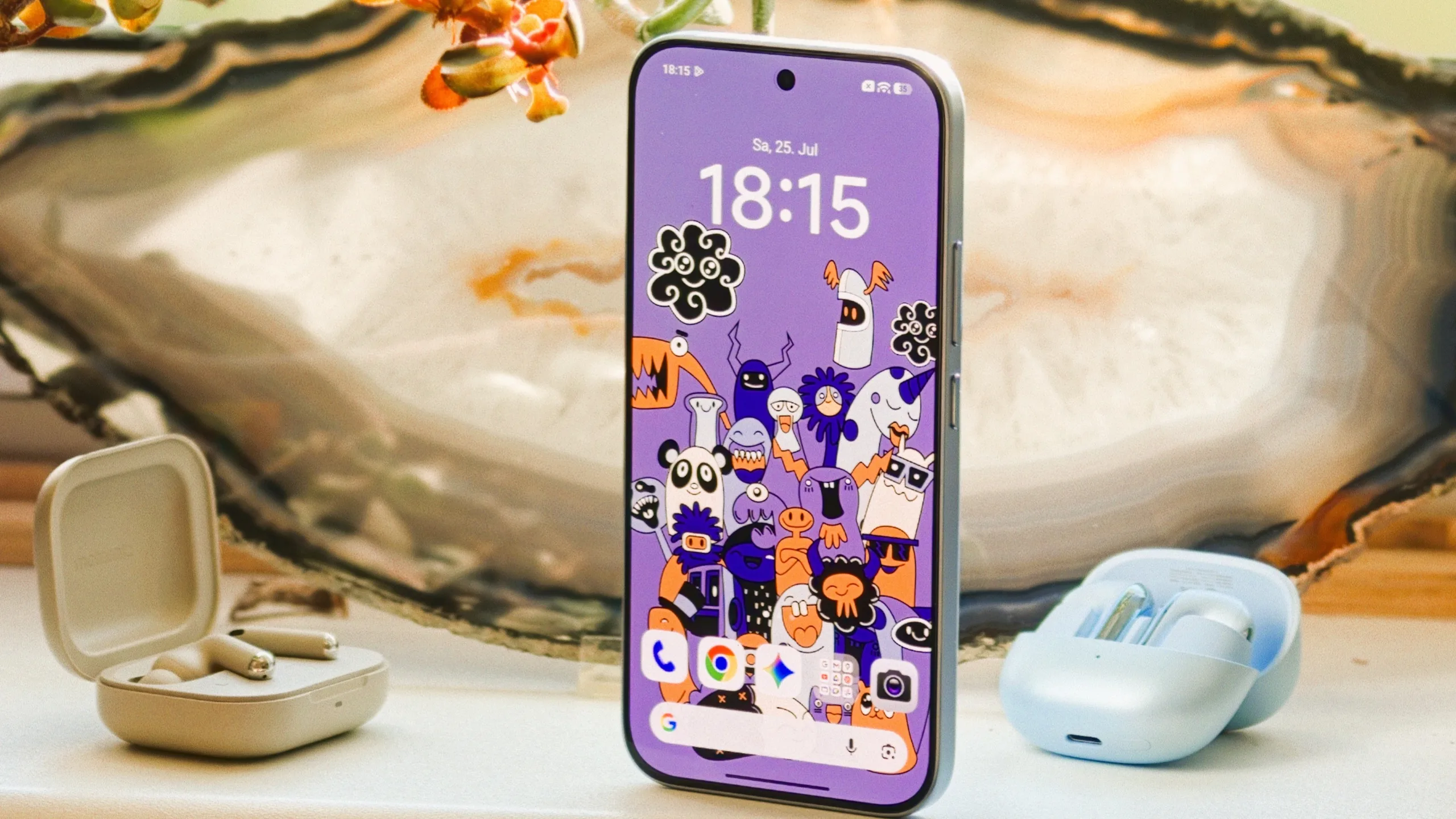
Thanks to its rapid price drop, Xiaomi's T series is a very strong choice in the mid-range segment. In particular, the Xiaomi 17T is highly competitive at current German prices of under €500 thanks to the photo quality of its Leica cameras and the level of performance on offer.
Xiaomi 17T
- 08/06/2026 v8
Marcus Herbrich
 Total Sustainability Score:
 Alternatives to the Xiaomi 17T at a glance
Image | Model / Review | Price | Weight | Drive | Display |
|---|---|---|---|---|---|
1. 83.7%  | Xiaomi 17T MediaTek Dimensity 8500 ⎘ ARM Mali-G720 MP8 ⎘ 12 GB Memory, 512 GB UFS 4.x | List Price: 750€ | 200 g | 512 GB UFS 4.1 Flash | 6.59" 2756x1268 460 PPI OLED |
2. 85.6%  | Xiaomi Poco X8 Pro Max Mediatek Dimensity 9500s ⎘ ARM Immortalis-G925 MC11 ⎘ 12 GB Memory, 512 GB UFS 4.x | Amazon: List Price: 470€ | 218 g | 512 GB UFS 4.1 Flash | 6.83" 2772x1280 447 PPI AMOLED |
3. 85.3%  | Google Pixel 10a Google Tensor G4 ⎘ ARM Mali-G715 MP7 ⎘ 8 GB Memory, 128 GB UFS 3.1 | List Price: 549€ | 183 g | 128 GB UFS 3.1 Flash | 6.30" 2424x1080 421 PPI pOLED |
4. 82.8%  | Honor 600 Qualcomm Snapdragon 7 Gen 4 SM7750-AB ⎘ Qualcomm Adreno 722 ⎘ 8 GB Memory, 512 GB UFS 3.1 | Amazon: $729.00 List Price: 650€ | 185 g | 512 GB UFS 3.1 Flash | 6.57" 2728x1264 458 PPI AMOLED |
5. 84.8%  | Xiaomi 15T MediaTek Dimensity 8400 ⎘ ARM Mali-G720 MP7 ⎘ 12 GB Memory, 512 GB UFS 4.x | List Price: 650€ | 194 g | 512 GB UFS 4.1 Flash | 6.83" 2772x1280 447 PPI AMOLED |
Transparency
The selection of devices to be reviewed is made by our editorial team. The test sample was provided to the author as a loan by the manufacturer or retailer for the purpose of this review. The lender had no influence on this review, nor did the manufacturer receive a copy of this review before publication. There was no obligation to publish this review. As an independent media company, Notebookcheck is not subjected to the authority of manufacturers, retailers or publishers.
This is how Notebookcheck is testing
Every year, Notebookcheck independently reviews hundreds of laptops and smartphones using standardized procedures to ensure that all results are comparable. We have continuously developed our test methods for around 20 years and set industry standards in the process. In our test labs, high-quality measuring equipment is utilized by experienced technicians and editors. These tests involve a multi-stage validation process. Our complex rating system is based on hundreds of well-founded measurements and benchmarks, which maintains objectivity. Further information on our test methods can be found here.
 Add as a preferred source on Google


