Notebookcheck Logo
Teaser
ⓘ Daniel Schmidt

200 MPix camera, 7,000 mAh battery and 8,000 nits – is it worth buying? - Honor 600 review

Honor delivers.

Ultra-bright display, 200 MPix camera and two days of battery for half the flagship price. Can the mid-range phone Honor 600 really keep up with the top? We tested it.
Daniel Schmidt 👁 (translated by Daniel Schmidt) Published 🇩🇪
5G Android Smartphone Touchscreen

Verdict on the Honor 600

The Honor 600 is improved in many ways compared to its predecessor. These include the larger battery, a more modern SoC, a brighter display and the smartphone is finally waterproof. 

In terms of the display, the increase to an extreme 8,000 cd/m² seems enormous. In fact, we measure even a little more, but only in HDR playback. However, the peak brightness on small white surfaces has also been almost doubled and is over 3,000 cd/m². These are very good results, even if the accuracy of the color representation is somewhat weaker. However, it is practically invisible to the naked eye.

On the one hand, the battery grows strongly, but it is a bit smaller in the European version. The battery runtimes are very good, but with improved efficiency, even more runtime could have been achieved. However, the battery is quickly charged again with up to 80 watts, but wireless charging is not on board. 

Honor continues to do without the 6 GHz Wi-Fi in the 600 model. Even though the phone speeds up a lot in our WLAN test, we would have expected at least Wi-Fi 6E in this price range. The comparatively compact smartphone is also a bit heavier, but is now IP69K certified and can therefore withstand high-pressure jets, while the Honor 400 was not even waterproof. 

Honor is also granting updates to its Numbers series for six years, and numerous AI functions are also implemented, such as deepfake detection or turning images into videos. The Honor 600 is thus a technically well-rounded and successful smartphone, whose rather high MSRP has now fallen sharply. Its digital zoom delivers quite good results, but is no substitute for an optical solution, which unfortunately is reserved for the Honor 600 Pro. Nevertheless, the technical improvements are so good that a change from the predecessor can also be worthwhile. 

Pros

+ extremely bright display
+ long battery life
+ fast charging
+ IP69K certified

Cons

- only one eSIM
- no 6-GHz Wi-Fi
- only USB 2.0
- no wireless charging

Price and availability

The Honor 600 is available with 8/256 or 8/512 GB of storage and can be purchased directly from Honor.

Amazon Logo
  • $169.88
    KHUYTOR 17PM Smartphone New Upgrade 12GB+512GB/6.99" Display 68+108MP Zoom Camera,Tempered Glass Finish, 7000mAh Android 15 (Orange)
  • $425.00
    HONOR X9c Dual-SIM 256GB ROM + 12GB RAM (GSM Only | No CDMA) Factory Unlocked 5G Smartphone (Titanium Black) - International Version
  • $1,125.75
    Samsung Galaxy S26 Ultra, Unlocked Android Smartphone, 512GB, Privacy Display, Galaxy AI, AI Camera, Super Fast Charging 3.0, Durable Battery, 2026, US 1 Year Warranty, Black

Specifications: Honor 600

Honor 600 (600 Series)
Processor
Qualcomm Snapdragon 7 Gen 4 SM7750-AB 8c/8t, 1 x 2.8 GHz ARM Cortex-A720, 4 x 2.4 GHz ARM Cortex-A720, 3 x 1.8 GHz ARM Cortex-A520, Cortex A520/A720
Graphics adapter
Memory
8 GB 
, LPDDR5x
Display
6.57 inch 19.4:9, 2728 x 1264 pixel 458 PPI, Capacitive touchscreen, AMOLED, 10 Bit Color depth, Refresh rate: 60 - 120 Hz, Scratch resistance on Mohs hardness scale: 4, 3840 Hz PWM-Dimming, glossy: yes, HDR, 120 Hz
Storage
512 GB UFS 3.1 Flash, 512 GB 
, 482.99 GB free
Connections
1 USB 2.0, USB-C Power Delivery (PD), 1 Infrared, Audio Connections: USB-C, 1 Fingerprint Reader, NFC, Brightness Sensor, Sensors: accelerometer, gyro, ultrasonic proximity, compass, OTG, IR-Blaster
Networking
802.11 a/b/g/n/ac/ax (a/b/g/n = Wi-Fi 4/ac = Wi-Fi 5/ax = Wi-Fi 6/), Bluetooth 5.4, 2G (850, 900, 1800, 1900 MHz), 3G (Band 1, 2, 4, 5, 6, 8, 19), LTE (Band 1, 2, 3, 4, 5, 7, 8, 12, 13, 17, 18, 19, 20, 25, 26, 28, 32, 34, 38, 39, 40, 41, 42, 48, 66, 71), 5G-Sub6 (Band 2, 3, 5, 7, 8, 20, 25, 28, 38, 40, 41, 66, 71, 77, 78), Dual SIM, LTE, 5G, GPS
Size
height x width x depth (in mm): 7.8 x 156 x 74.7 ( = 0.31 x 6.14 x 2.94 in)
Battery
6400 mAh Lithium-Polymer, Silicon-Carbon-Anode, Battery charge time: 50 %: XXX min, 80 %: XXX min, 100 %: XXX min; Battery charge cycles: 1600
Charging
fast charging / Quickcharge
Operating System
Android 16
Camera
Primary Camera: 200 MPix (1/1.4", f/1.9, 27 mm, CIPA 6.0 OIS) + 12 MPix (Ultra Wide / Macro, f/2.2, 16 mm, AF); Camera2-API-Level: Level 3
Secondary Camera: 50 MPix (f/2.0, 21 mm, FF)
Additional features
Speakers: Dual, USB-C-Cabel, SIM-Tool, MagicOS 10.0, 24 Months Warranty, Bluetooth Audio Codecs: SBC, AAC, aptX, aptX HD, aptX Adaptive, aptX TWS+, aptX Lossless, LHDC 5.0, LC3, LDAC | GNSS: GPS (L1), Glonass (L1), BeiDou (B1I, B1C), Galileo (E1), QZSS (L1), NavIC (L5) | HDR: HLG, HDR10, HDR10+ | DRM Widevine L1 | IP69K | Body-SAR: 1.29 W/kg, Head-SAR: 0.97 W/kg | max. charging speed: 80 W (wired)
Biometric security: optical fingerprint, 2D facial recognition | Vibration motor: linear | Telephony features: Dual-Nano-SIM, eSIM, Wi-Fi Calling, VoLTE
Update Policy: 6 years Android-Updates (till 04/2032), 6 years security patches (till 04/2032), fanless, waterproof
Released
04/22/2026
Weight
185 g ( = 6.53 oz / 0.41 pounds)
Price
650 Euro
Note: The manufacturer may use components from different suppliers including display panels, drives or memory sticks with similar specifications.


Body and features - Android phone with an iPhone design

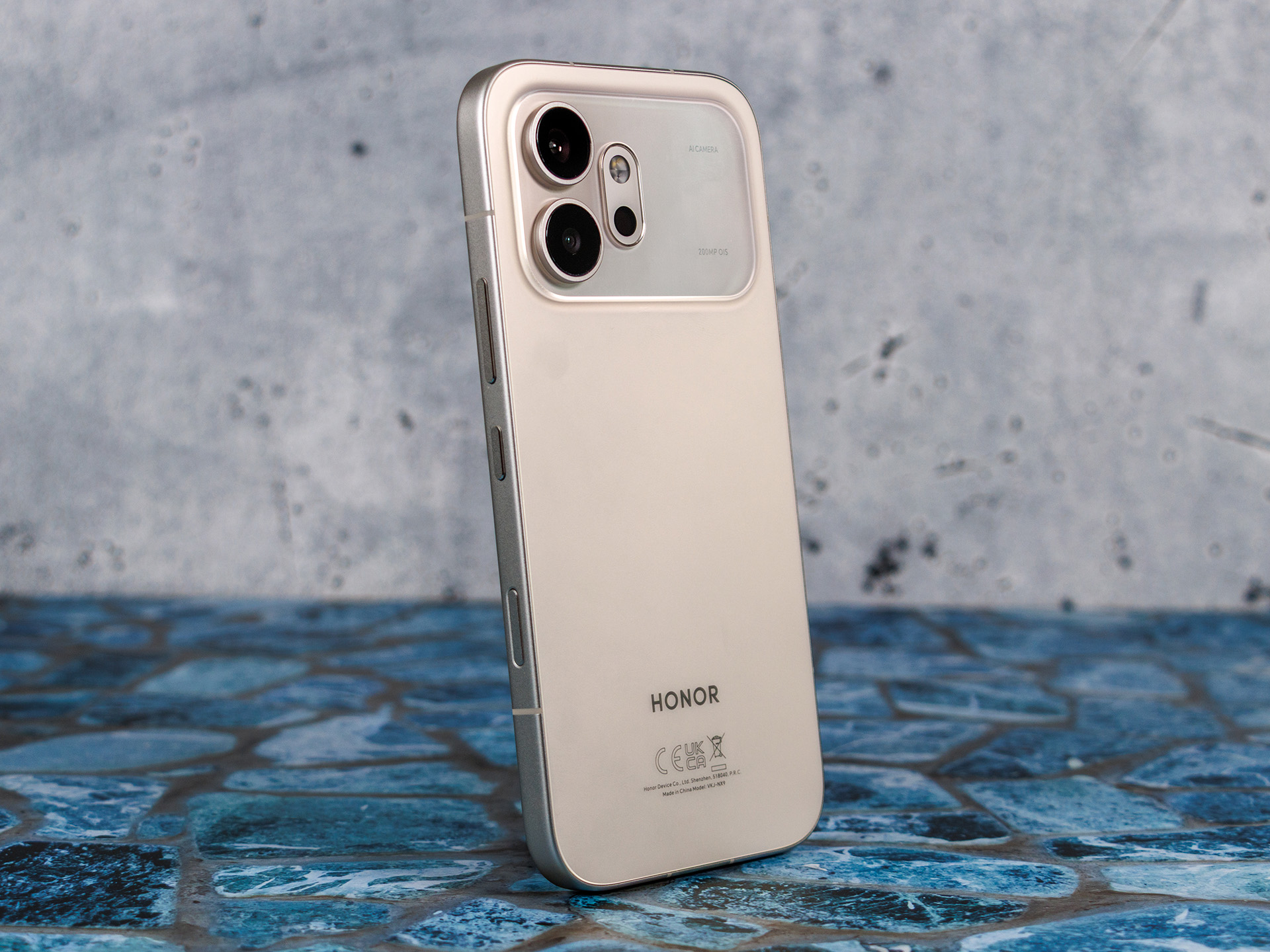
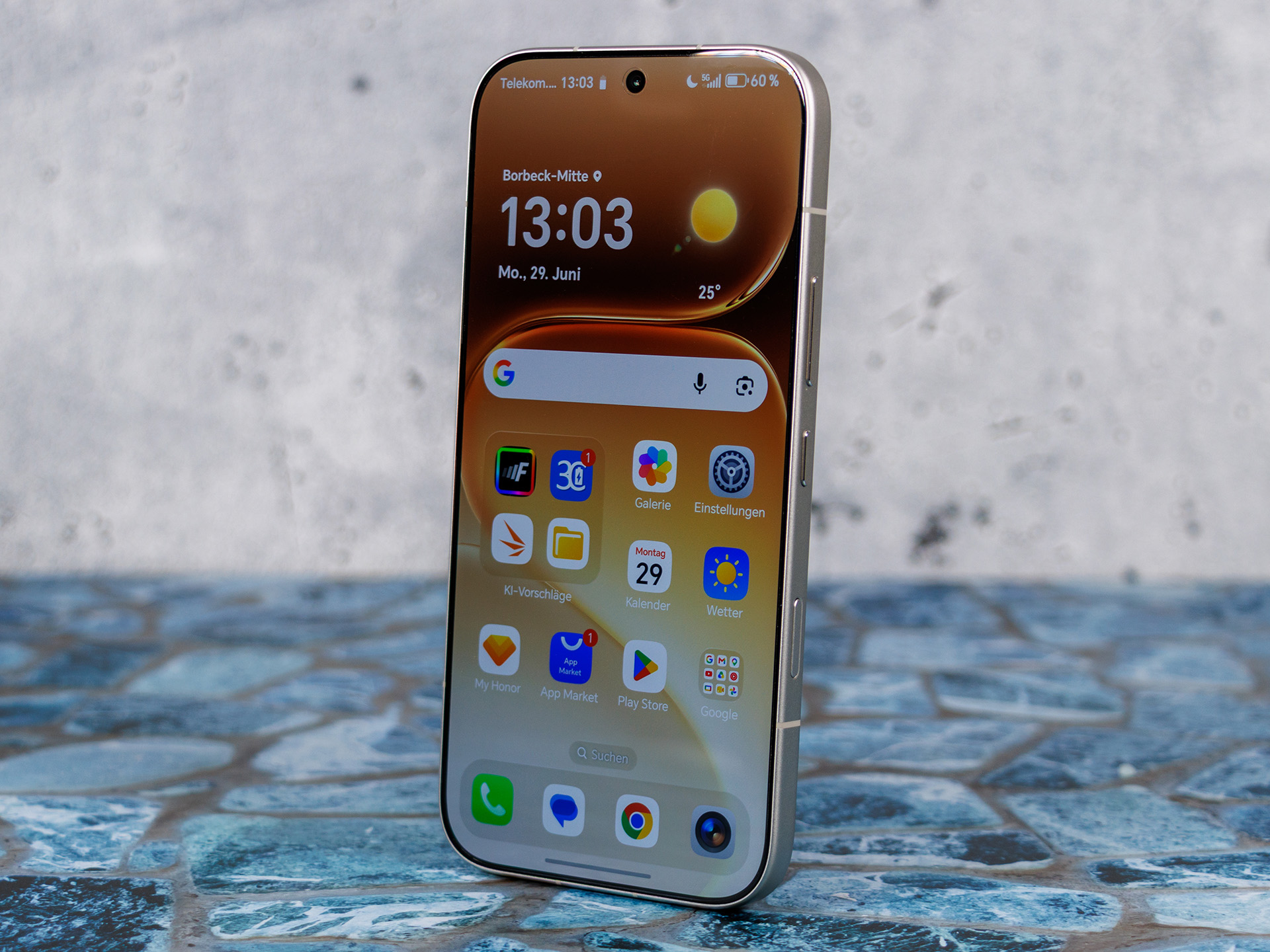
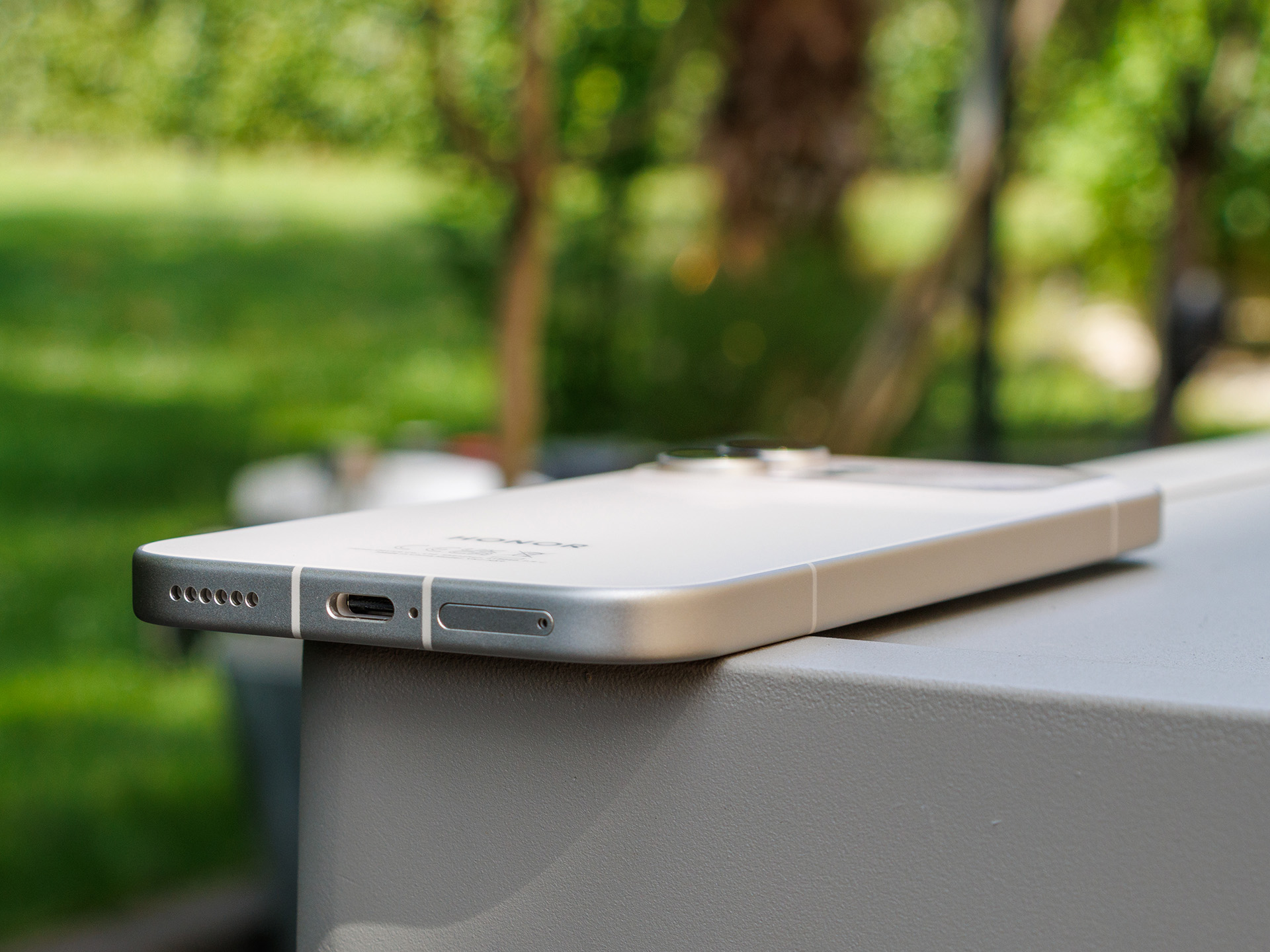
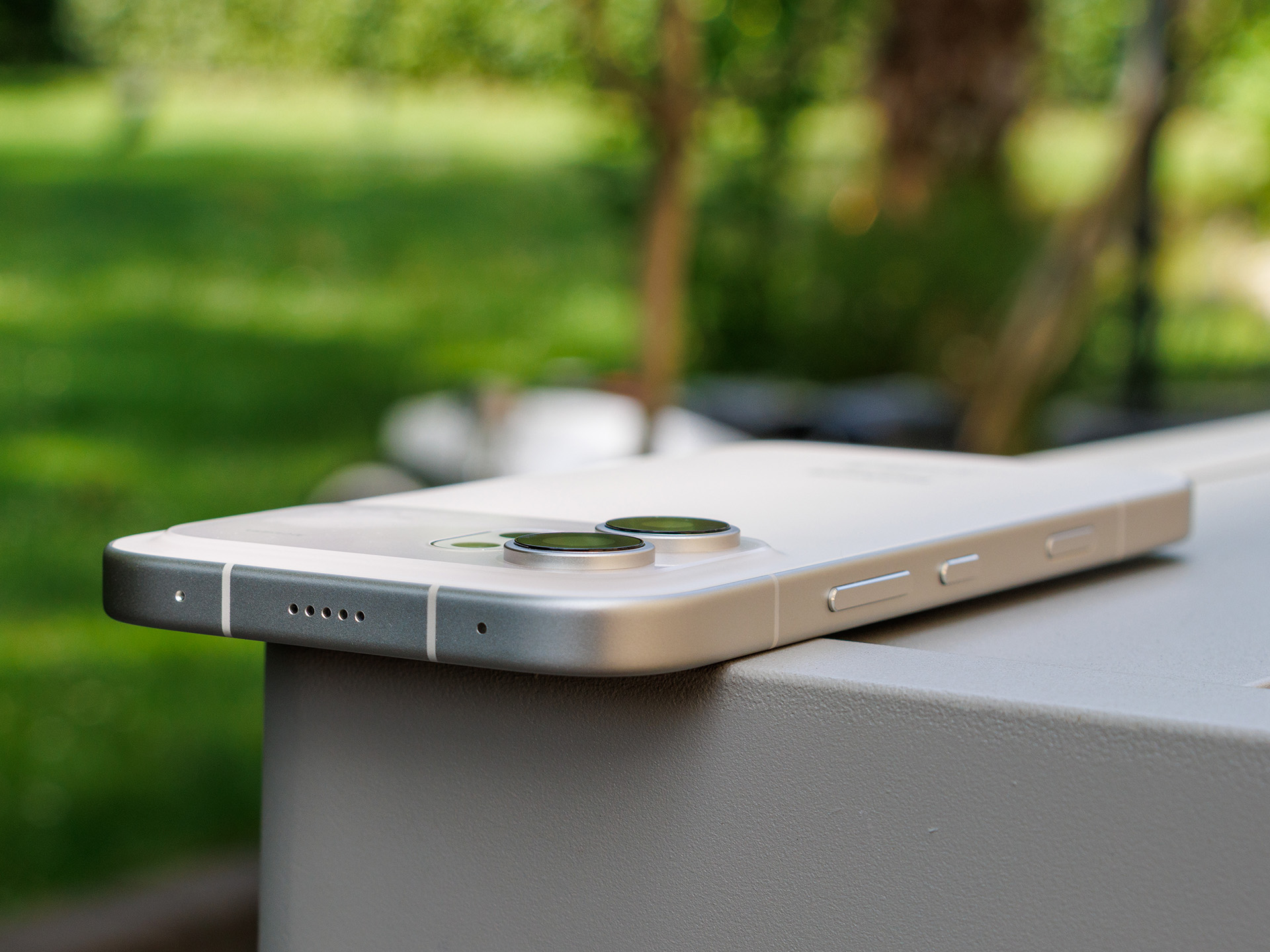
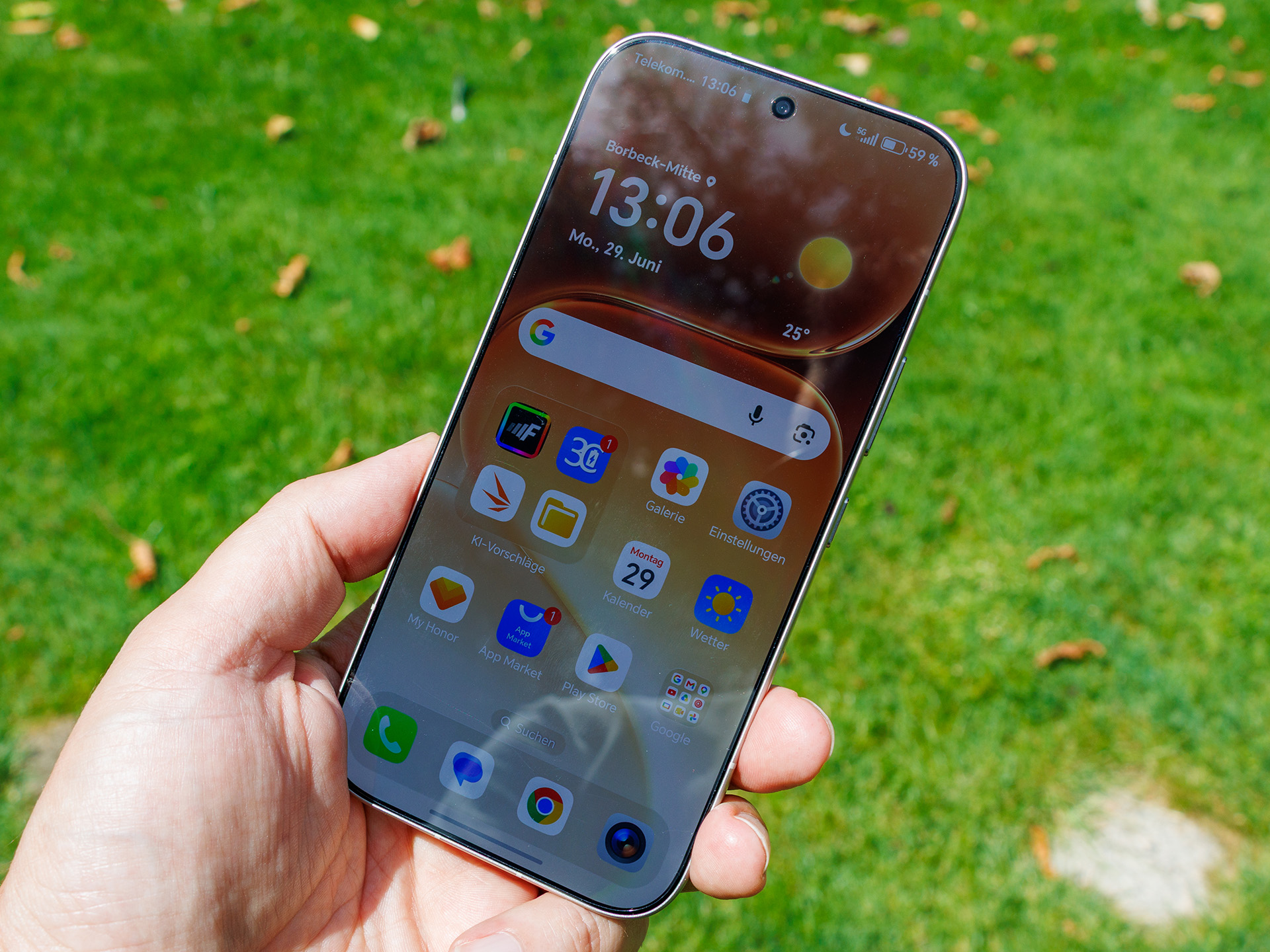
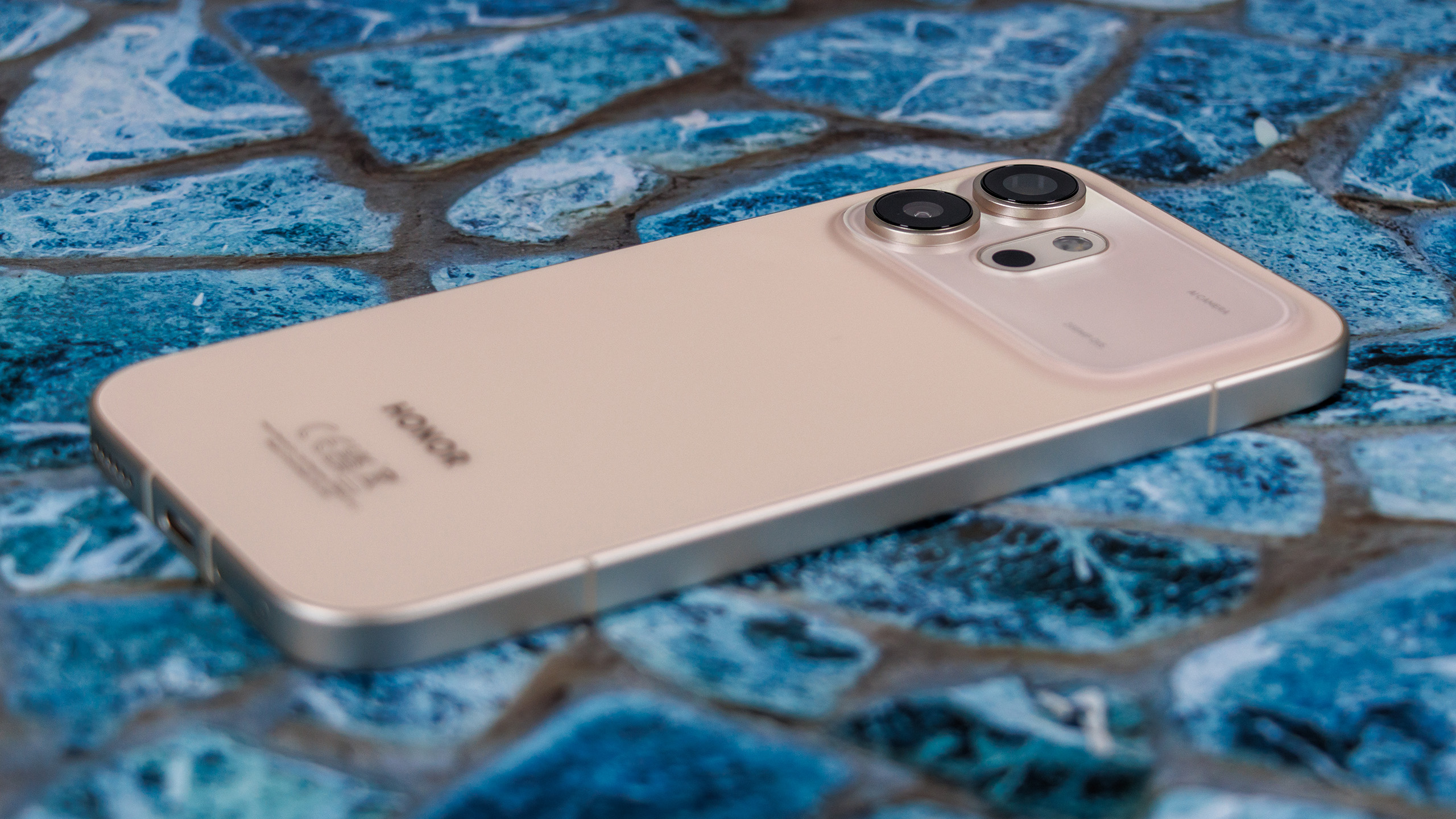
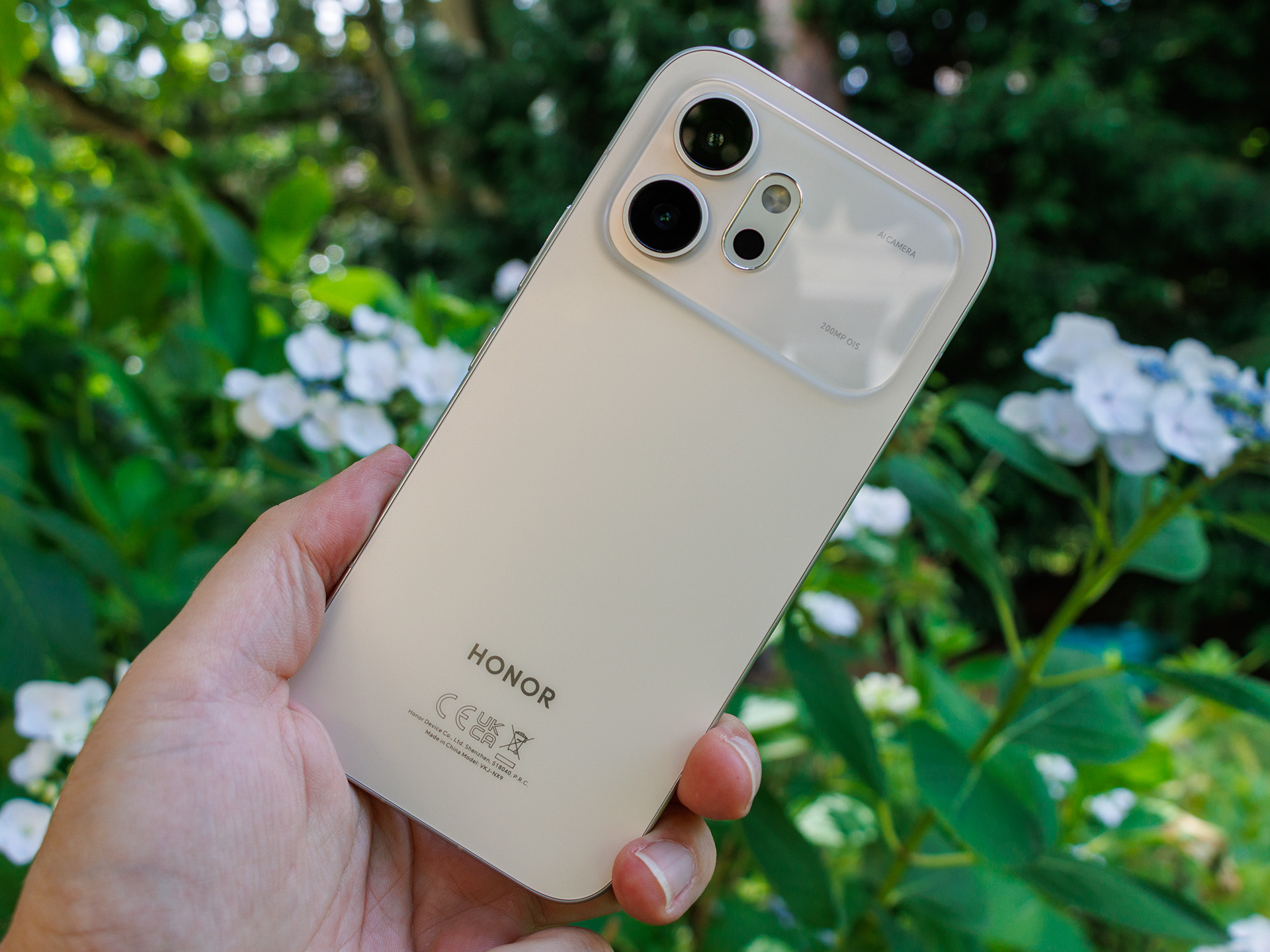
The design of the Honor 600 is clearly reminiscent of a current iPhone 17 Pro, especially if the orange color variant is selected - even a camera button is present. However, this does not change the fact that it is still a high-quality smartphone that relies on a matte aluminum frame and is well made. It also looks very stable, has narrow gaps and is dust and waterproof according to IP69K. 

The battery is not small at 6,400 mAh, but it offers a lower capacity than the Chinese variant (7,000 mAh). On the software side, the Honor 600 again offers an image-to-video function using AI, which can now create clips up to 8 seconds long and can also be fed with additional information via prompt, which works pretty well in the test and allows better results than with the Honor 400

Size comparison

163.9 mm / 6.45 in 77.5 mm / 3.05 in 8.5 mm / 0.3346 in 204.5 g0.4508 lbs157.5 mm / 6.2 in 75.2 mm / 2.96 in 8.4 mm / 0.3307 in 202 g0.4453 lbs156 mm / 6.14 in 74.7 mm / 2.94 in 7.8 mm / 0.3071 in 185 g0.4079 lbs153.9 mm / 6.06 in 73 mm / 2.87 in 9 mm / 0.3543 in 183 g0.4034 lbs148 mm / 5.83 in 105 mm / 4.13 in 1 mm / 0.03937 in 1.5 g0.00331 lbs

Communication – Honor 600 without 6 GHz Wi-Fi

The Honor 600 does not support 6 GHz Wi-Fi, but it also makes a decent speed in the 5 GHz network, even if the speed when receiving data is a bit slower. The Honor phone also supports a wide range of cellular bands and all current standards. 

The voice quality of the Honor 600 is good for the ear and the suppression of background noise also works well in most situations, only on noisy main roads does it reach its limits.

Networking
Honor 600
802.11 a/b/g/n/ac/ax
iperf3 transmit AXE11000
1776 (min: 863) MBit/s ∼100%
iperf3 receive AXE11000
1102 (min: 187) MBit/s ∼100%
Google Pixel 10a
Wi-Fi 6E
iperf3 receive Wi-Fi6/7 RT-BE96U
743 (min: 711) MBit/s ∼40%
iperf3 transmit Wi-Fi6/7 RT-BE96U
853 (min: 681) MBit/s ∼43%
Nothing Phone (4a)
802.11 a/b/g/n/ac/ax
iperf3 transmit AXE11000
949 (min: 930) MBit/s ∼53%
iperf3 receive AXE11000
830 (min: 787) MBit/s ∼75%
Xiaomi Poco X8 Pro
802.11 a/b/g/n/ac/ax
iperf3 transmit AXE11000
949 (min: 476) MBit/s ∼53%
iperf3 receive AXE11000
825 (min: 792) MBit/s ∼75%
Average 802.11 a/b/g/n/ac/ax
 
iperf3 transmit AXE11000
823 (min: 214) MBit/s ∼46%
iperf3 receive AXE11000
825 (min: 234) MBit/s ∼75%
iperf3 receive Wi-Fi6/7 RT-BE96U
768 (min: 768) MBit/s ∼41%
iperf3 transmit Wi-Fi6/7 RT-BE96U
725 (min: 725) MBit/s ∼36%
Average of class Smartphone
 
iperf3 transmit AXE11000
694 (min: 52.5) MBit/s ∼39%
iperf3 receive AXE11000
742 (min: 52.2) MBit/s ∼67%
iperf3 receive Wi-Fi6/7 RT-BE96U
1871 (min: 398) MBit/s ∼100%
iperf3 transmit Wi-Fi6/7 RT-BE96U
1998 (min: 407) MBit/s ∼100%
0100200300400500600700800900100011001200130014001500160017001800Tooltip
Honor 600 802.11 a/b/g/n/ac/ax; iperf3 transmit AXE11000; iperf 3.1.3: Ø1747 (863-1826) MBit/s
Xiaomi Poco X8 Pro 802.11 a/b/g/n/ac/ax; iperf3 transmit AXE11000; iperf 3.1.3: Ø933 (476-962) MBit/s
Honor 600 802.11 a/b/g/n/ac/ax; iperf3 receive AXE11000; iperf 3.1.3: Ø1101 (187-1221) MBit/s
Xiaomi Poco X8 Pro 802.11 a/b/g/n/ac/ax; iperf3 receive AXE11000; iperf 3.1.3: Ø824 (792-871) MBit/s

Cameras – Modern 200 MPix optics for the Honor 600

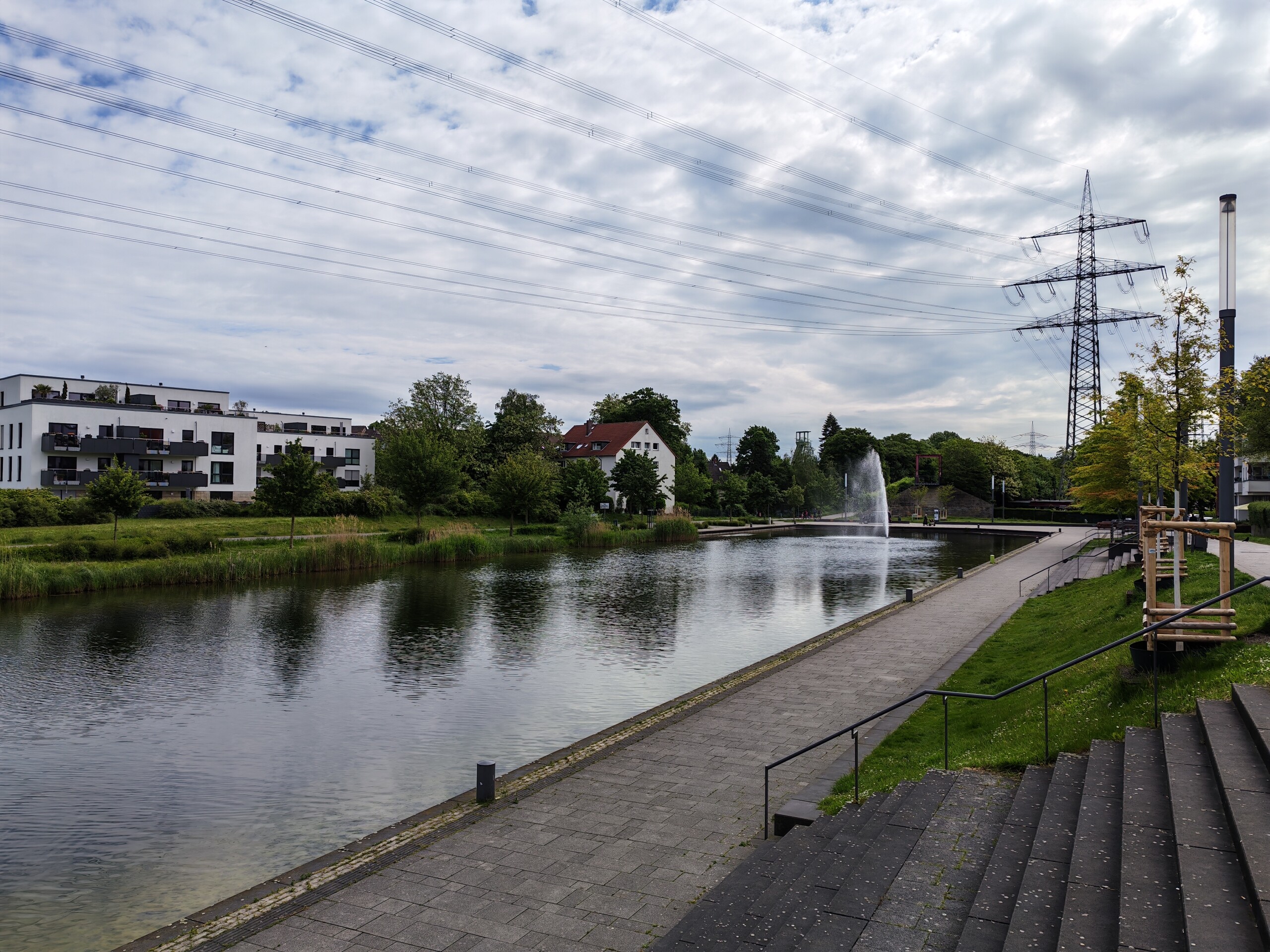
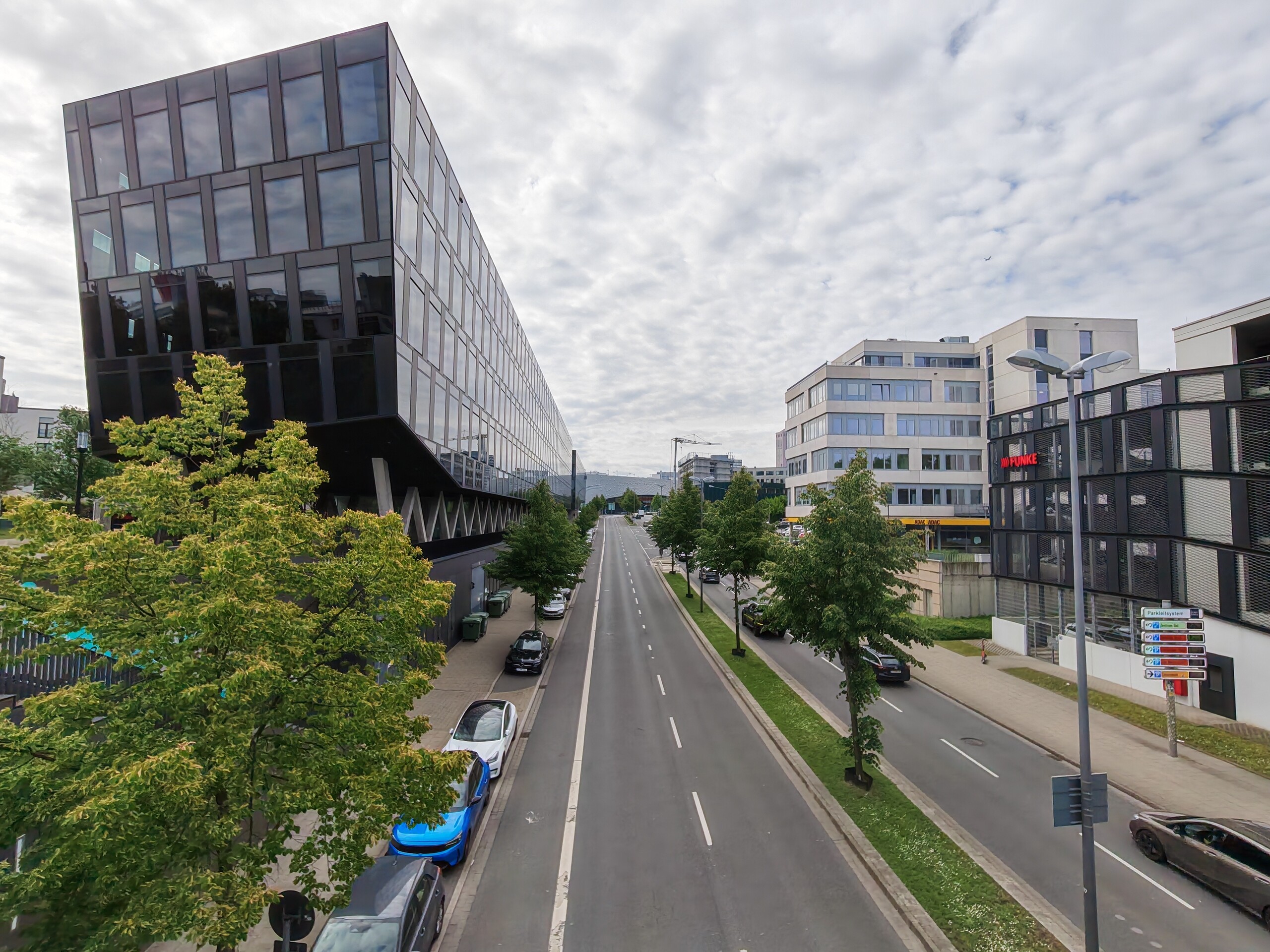
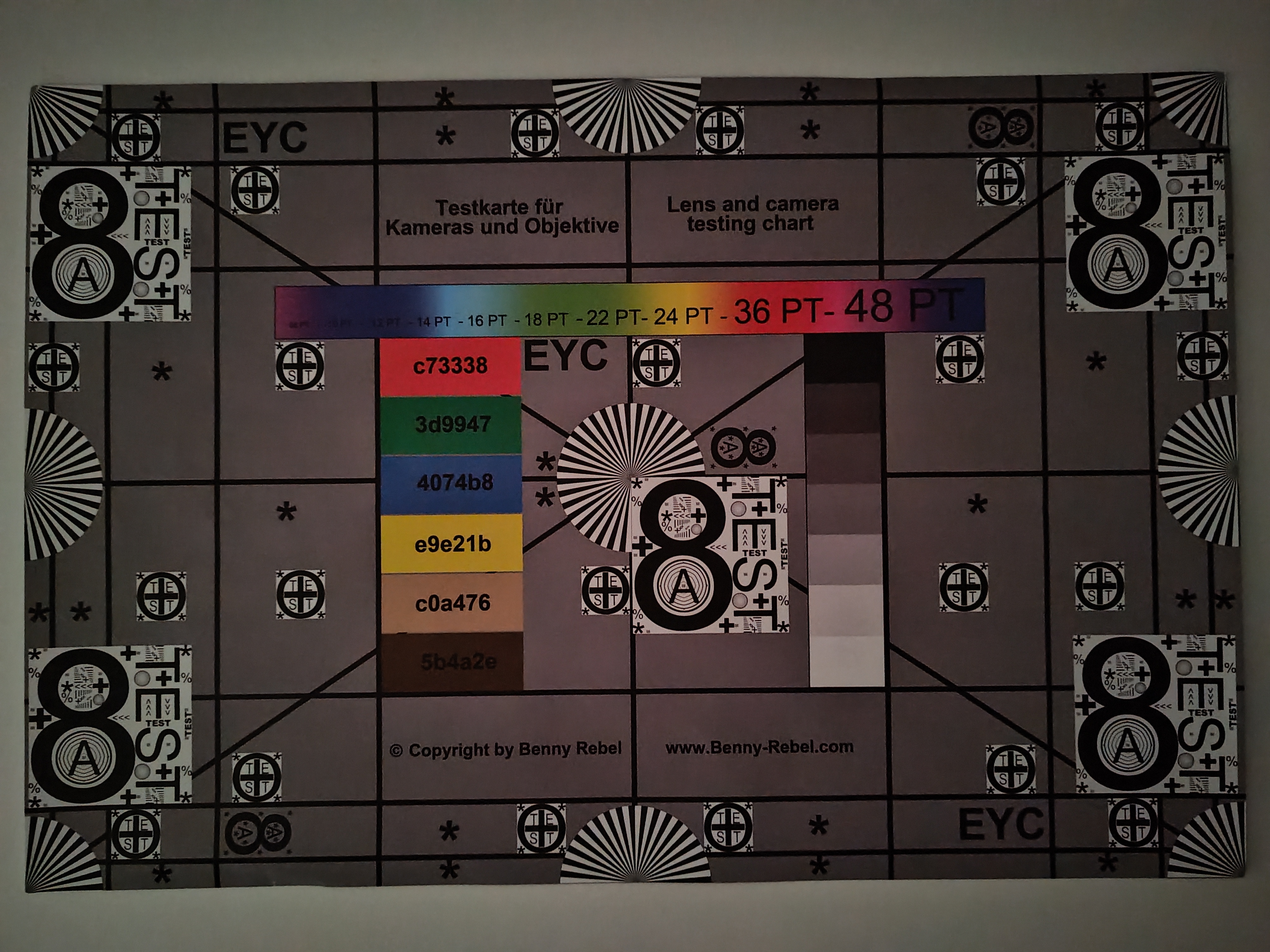
The Honor 600 again relies on a 200 MPix main sensor, which can fall back on optical image stabilization and offers good imaging performance. In the default settings, the images are brightened too much for our taste. This can be corrected manually, but unfortunately not permanently. The additional ultra-wide angle offers a decent imaging performance and is also macro-capable, but aberrations often show up on edges. Zooming is only possible digitally, but is usable up to a 4x magnification. 

For video, the Honor 600 also supports the aspect ratio 21:9, for Full HD (2,520 x 1,080p; UHD: 3,840 x 1,644 pixels) even natively. 

Aspect ratio Resolution
Photo 4:3 / 16:9 / 1:1 / Full 12.5 / 200 MPix
Video (main camera) 16:9 / 21:9 (from 1080p) HD (30 / 60 FPS)
Full HD (30 / 60 FPS)
Ultra HD (30 FPS)
Video (front camera) 16:9 / 21:9 (from 1080p) HD (30 / 60 FPS)
Full HD (30 / 60 FPS)
Ultra HD (30 FPS)

Image comparison

Choose a scene and navigate within the first image. One click changes the position on touchscreens. One click on the zoomed-in image opens the original in a new window. The first image shows the scaled photograph of the test device.


orginal image
click to load images
27 mm
27 mm
27 mm (Low-Light)
16 mm
4x Zoom (108 mm)
5x Zoom (136 mm)
30x Zoom (810 mm, max)
Selfie with the Honor 600 (Portrait-Mode)
Macro (27 mm)
ColorChecker
7.7 ∆E
4.7 ∆E
6.4 ∆E
6 ∆E
4.1 ∆E
5.2 ∆E
6.9 ∆E
5.8 ∆E
7.8 ∆E
5.1 ∆E
4.9 ∆E
6.1 ∆E
6.5 ∆E
7.1 ∆E
10 ∆E
1.8 ∆E
7.7 ∆E
8.6 ∆E
4.8 ∆E
1.7 ∆E
4.2 ∆E
4.2 ∆E
2.6 ∆E
4.9 ∆E
ColorChecker Honor 600: 5.62 ∆E min: 1.67 - max: 9.98 ∆E
ColorChecker
17.9 ∆E
21.3 ∆E
22.6 ∆E
23.3 ∆E
23.2 ∆E
29.8 ∆E
22.4 ∆E
17.4 ∆E
14.8 ∆E
18.3 ∆E
28.4 ∆E
28.1 ∆E
16.6 ∆E
27.9 ∆E
8.7 ∆E
29.7 ∆E
17.7 ∆E
26.9 ∆E
27.9 ∆E
25.8 ∆E
27.6 ∆E
26.5 ∆E
21.2 ∆E
12.9 ∆E
ColorChecker Honor 600: 22.36 ∆E min: 8.69 - max: 29.75 ∆E

Display – Insane peak brightness, but only for HDR

In terms of brightness, the display of the Honor 600 has once again improved significantly compared to its predecessor. While the Honor 400 reached a maximum of 5,000 cd/m², the 600 now achieves an incredible 8,000 cd/m². The downside: These are only available for HDR playback. But the brightness values are also very good in other respects. 

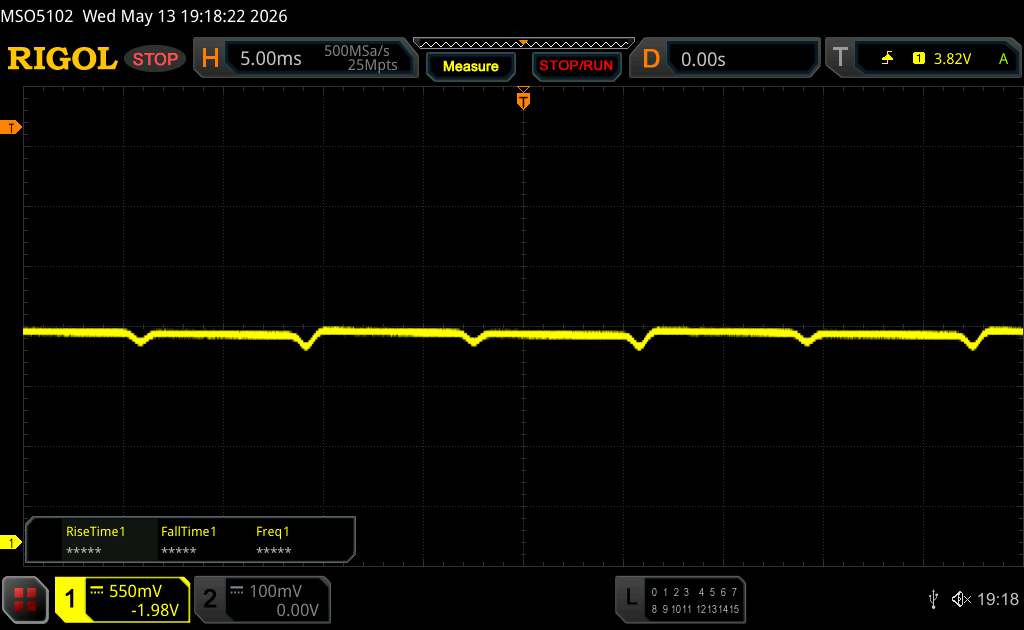
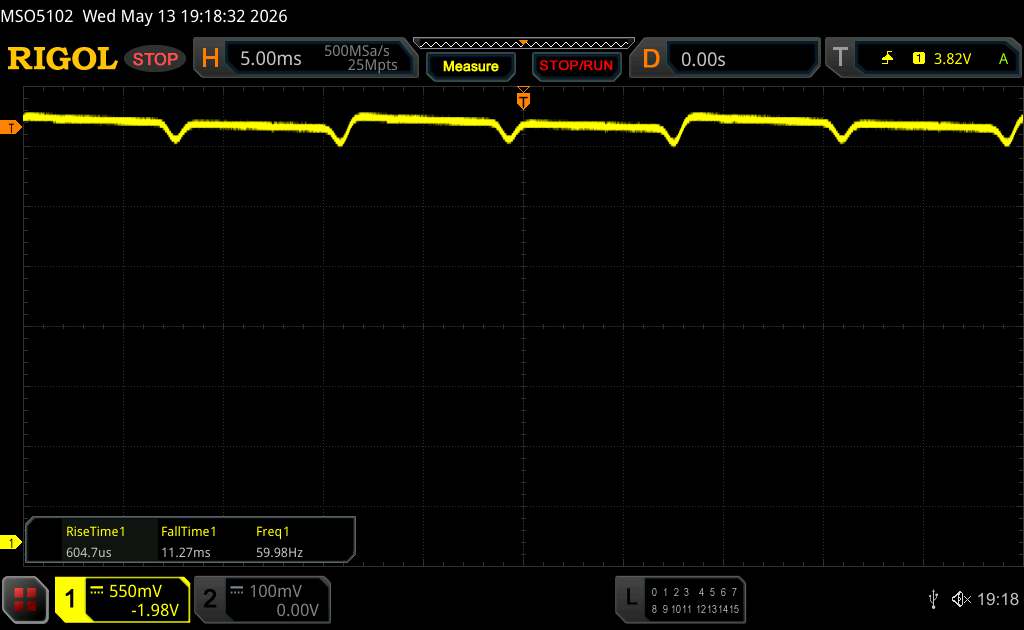
The Honor 600 relies on high-frequency PWM dimming with a nominal speed of up to 3,840 Hz, and we measured a slightly lower frequency at minimum brightness, but it is still very high, which is why complaints are unlikely even for sensitive people, but cannot be ruled out due to the low fundamental frequency.

1787
cd/m²
Distribution of brightness
tested with X-Rite i1Pro 3
Maximum: 1787 cd/m² (Nits) Minimum: 1.62 cd/m²
Center on Battery: 1787 cd/m²
Contrast: ∞:1 (Black: 0 cd/m²)
ΔE ColorChecker Calman: 1.9 | ∀{0.5-29.43 Ø4.72}
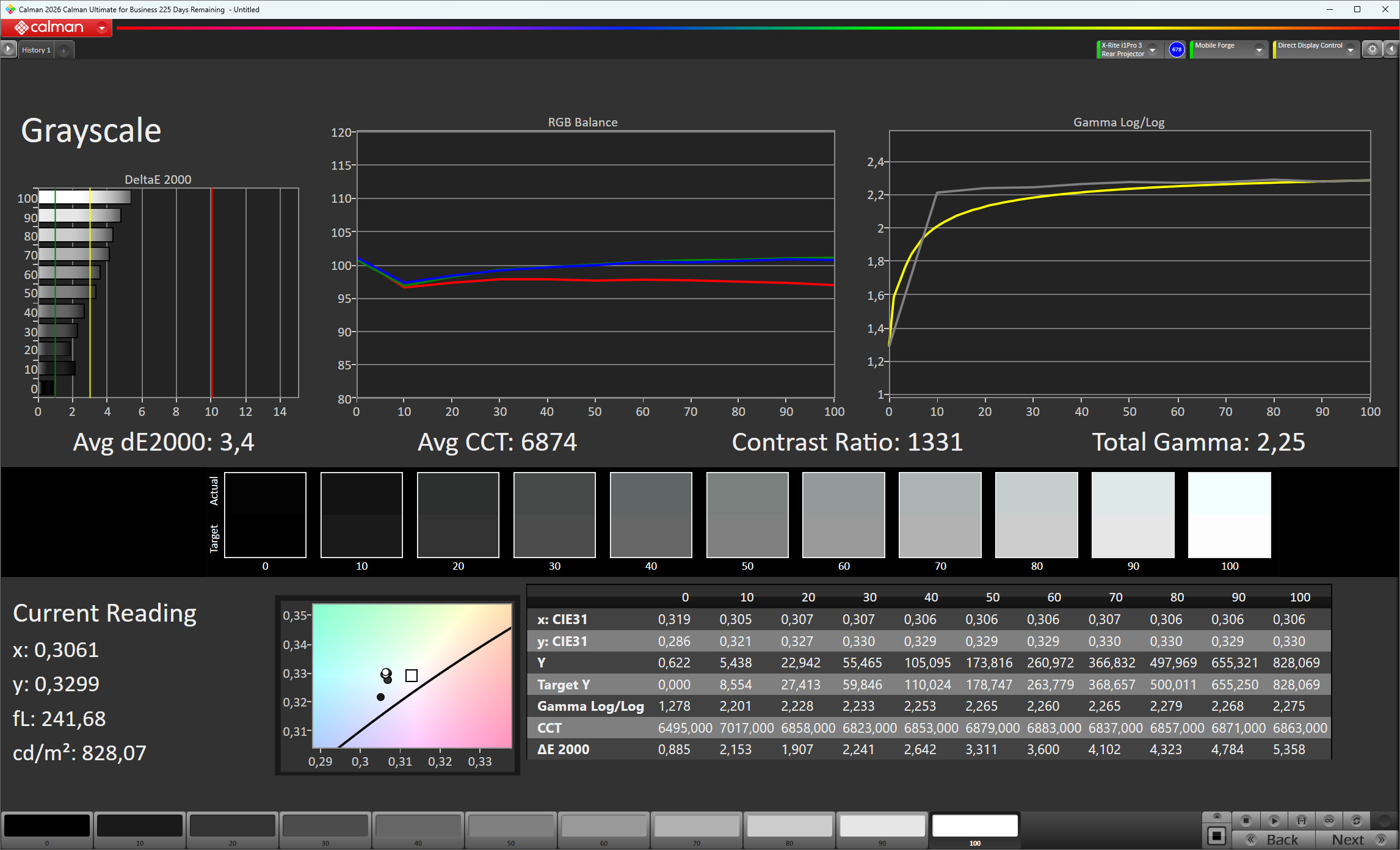
ΔE Greyscale Calman: 3.4 | ∀{0.09-98 Ø4.97}
99.8% sRGB (Calman 2D)
Gamma: 2.25
CCT: 6874 K
Honor 600
AMOLED, 2728x1264, 6.6"
Google Pixel 10a
pOLED, 2424x1080, 6.3"
Nothing Phone (4a)
AMOLED, 2720x1224, 6.8"
Xiaomi Poco X8 Pro
AMOLED, 2756x1268, 6.6"
Display
-33%
-68%
-23%
APL18 Peak Brightness (cd/m²)
3102
3050
-2%
1455
-53%
3475
12%
HDR Peak Brightness (cd/m²)
8192
2925
-64%
1403
-83%
3406
-58%
Response Times
-16%
-232%
-9%
Response Time Grey 50% / Grey 80% * (ms)
1.06 ?(0.3275, 0.733)
1.42 ?(0.562, 0.859)
-34%
8.18 ?(0.3435, 7.836)
-672%
1.11 ?(0.5685, 0.5415)
-5%
Response Time Black / White * (ms)
1 ?(0.46, 0.535)
1.07 ?(0.556, 0.51)
-7%
0.99 ?(0.497, 0.49)
1%
1.05 ?(0.5245, 0.529)
-5%
PWM Frequency (Hz)
60
240
90
120
PWM Amplitude * (%)
13.86
14.71
-6%
17.49
-26%
16.04
-16%
Screen
40%
-5%
23%
Brightness middle (cd/m²)
1787
2205
23%
1536
-14%
1104
-38%
Black Level * (cd/m²)
Colorchecker dE 2000 *
1.9
1.4
26%
2.6
-37%
1.2
37%
Colorchecker dE 2000 max. *
5.3
2.3
57%
5.7
-8%
2.4
55%
Greyscale dE 2000 *
3.4
1.6
53%
2
41%
2.1
38%
Gamma
2.25 98%
2.23 99%
2.24 98%
2.22 99%
CCT
6874 95%
6715 97%
6878 95%
6472 100%
Brightness (cd/m²)
1538
1102
Brightness Distribution (%)
97
97
Total Average (Program / Settings)
-3% / 5%
-102% / -95%
-3% / 2%

* ... smaller is better

Display / APL18 Peak Brightness
Xiaomi Poco X8 Pro
Mali-G720 MP8, Dimensity 8500, 512 GB UFS 4.1 Flash
3475 cd/m² +12%
Honor 600
Adreno 722, SD 7 Gen 4, 512 GB UFS 3.1 Flash
3102 cd/m²
Google Pixel 10a
Mali-G715 MP7, Tensor G4, 128 GB UFS 3.1 Flash
3050 cd/m² -2%
Nothing Phone (4a)
Adreno 810, SD 7s Gen 4, 256 GB UFS 3.1 Flash
1455 cd/m² -53%
Display / HDR Peak Brightness
Honor 600
Adreno 722, SD 7 Gen 4, 512 GB UFS 3.1 Flash
8192 cd/m²
Xiaomi Poco X8 Pro
Mali-G720 MP8, Dimensity 8500, 512 GB UFS 4.1 Flash
3406 cd/m² -58%
Google Pixel 10a
Mali-G715 MP7, Tensor G4, 128 GB UFS 3.1 Flash
2925 cd/m² -64%
Nothing Phone (4a)
Adreno 810, SD 7s Gen 4, 256 GB UFS 3.1 Flash
1403 cd/m² -83%

Screen Flickering / PWM (Pulse-Width Modulation)

To dim the screen, some notebooks will simply cycle the backlight on and off in rapid succession - a method called Pulse Width Modulation (PWM) . This cycling frequency should ideally be undetectable to the human eye. If said frequency is too low, users with sensitive eyes may experience strain or headaches or even notice the flickering altogether.
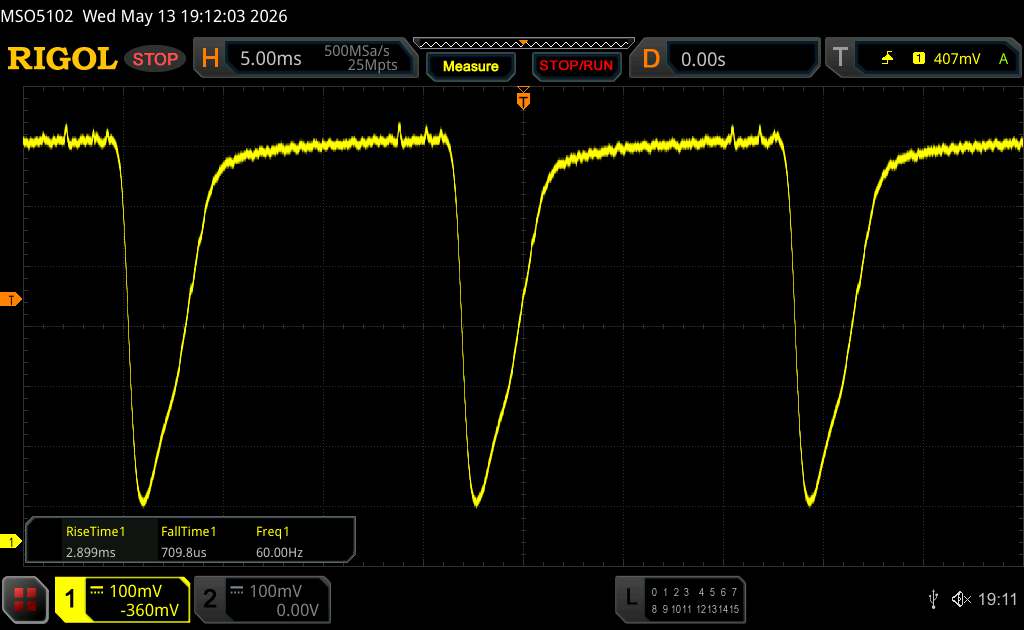
Screen flickering / PWM detected 60 Hz
Amplitude: 13.86 %
Secondary Frequency: 2941 Hz

The display backlight flickers at 60 Hz (worst case, e.g., utilizing PWM) .

The frequency of 60 Hz is very low, so the flickering may cause eyestrain and headaches after extended use.

In comparison: 52 % of all tested devices do not use PWM to dim the display. If PWM was detected, an average of 7781 (minimum: 5 - maximum: 343500) Hz was measured.

minimum display brightness
min.
25 % display brightness
25 %
50 % display brightness
50 %
75 % display brightness
75 %
maximum manual display brightness
100 %

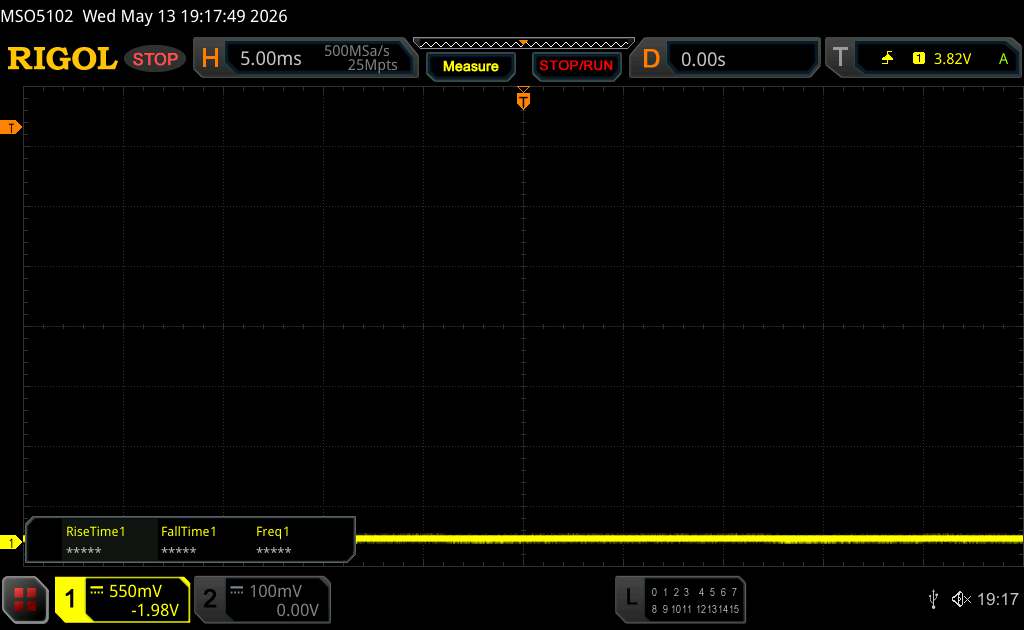
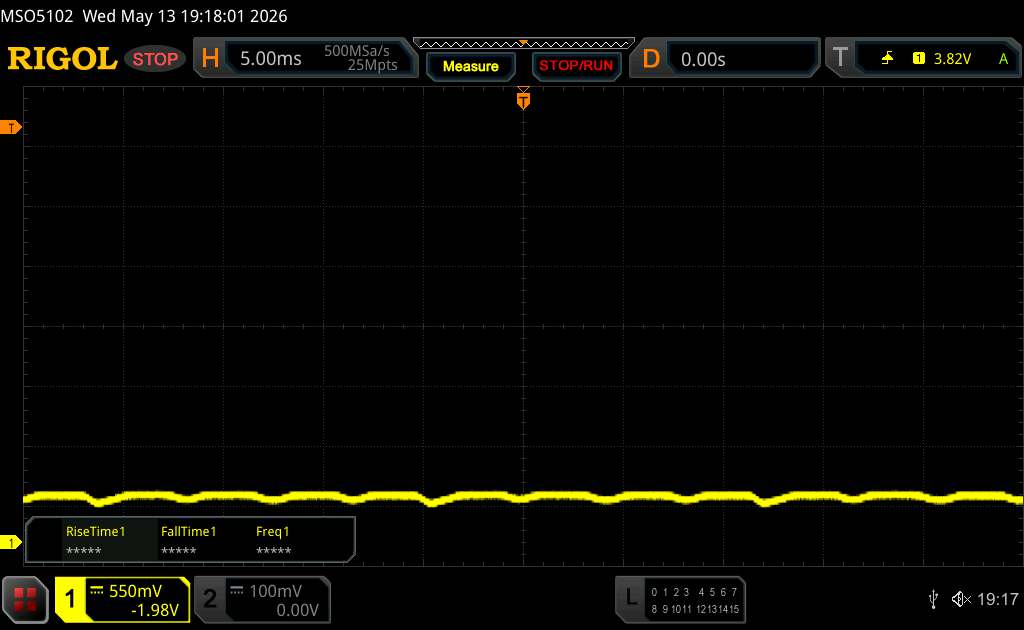
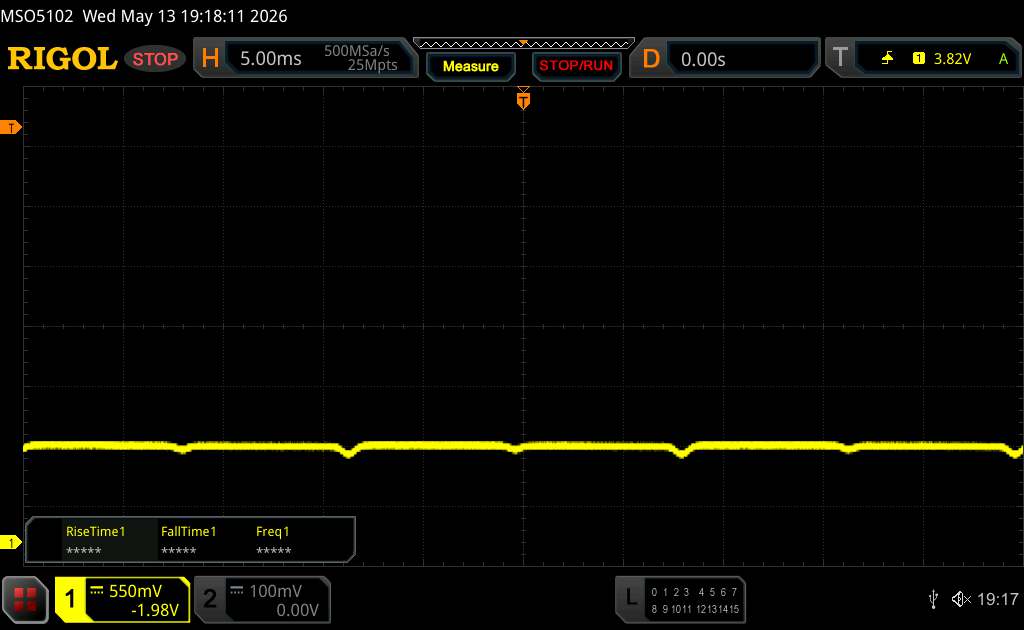
Measurement series with fixed zoom level and different brightness settings (The amplitude curve at minimum brightness looks flat, but this is due to the scaling. The info box shows the enlarged version of the amplitude at minimum brightness.)
Grayscale (Profile: Normal, Color temperature: Standard, Target Color Space: sRGB)
Colors (Profile: Normal, Color temperature: Standard, Target Color Space: sRGB)
Color space (Profile: Normal, Color temperature: Standard, Target Color Space: sRGB)

Display Response Times

Display response times show how fast the screen is able to change from one color to the next. Slow response times can lead to afterimages and can cause moving objects to appear blurry (ghosting). Gamers of fast-paced 3D titles should pay special attention to fast response times.
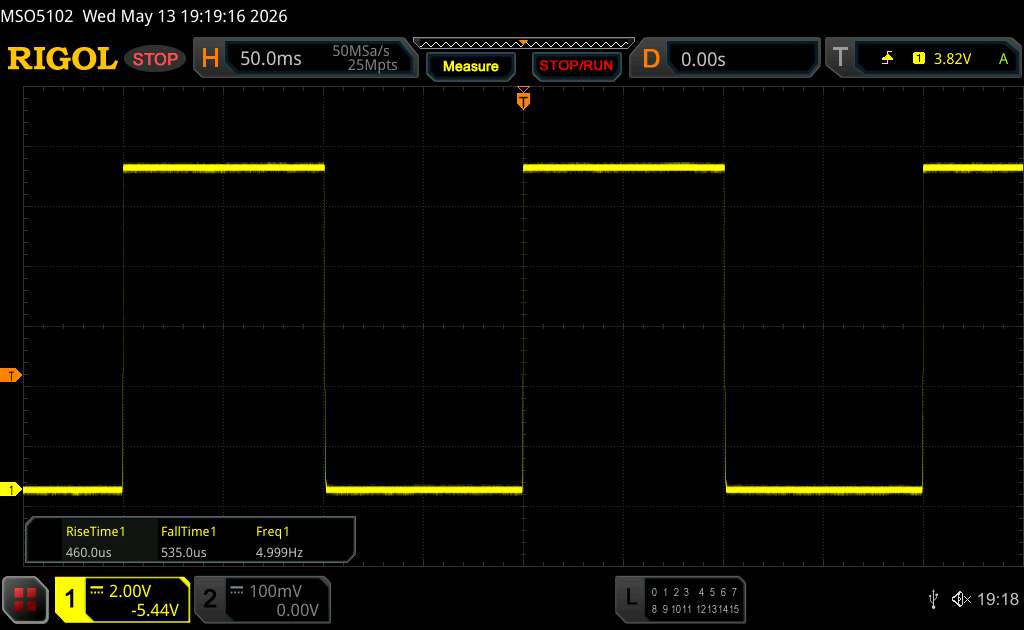
       Response Time Black to White
1 ms ... rise ↗ and fall ↘ combined↗ 0.46 ms rise
↘ 0.535 ms fall
The screen shows very fast response rates in our tests and should be very well suited for fast-paced gaming.
In comparison, all tested devices range from 0.1 (minimum) to 240 (maximum) ms. » 4 % of all devices are better.
This means that the measured response time is better than the average of all tested devices (19.8 ms).
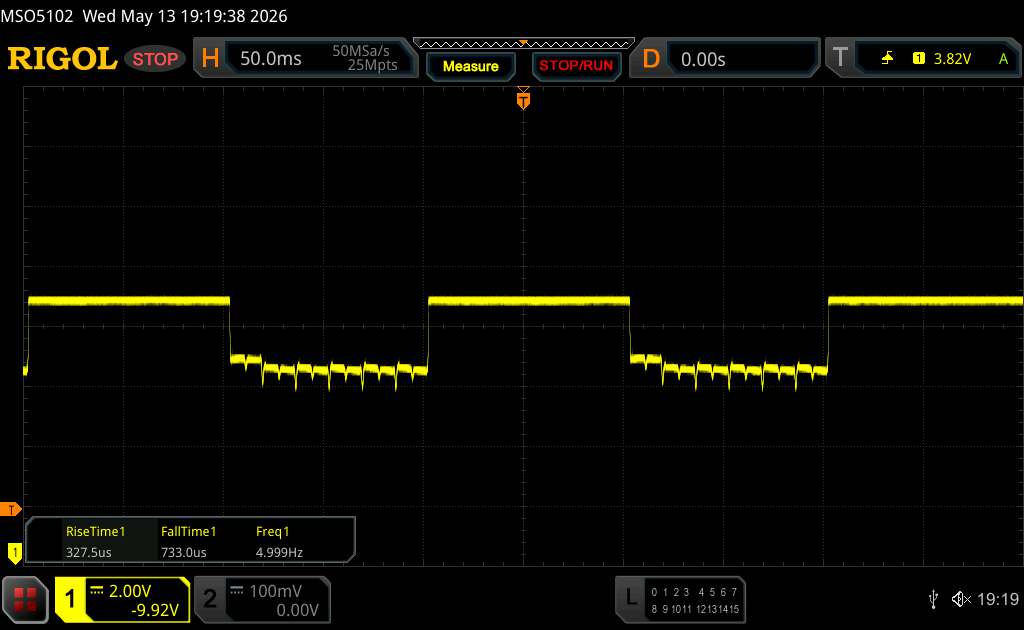
       Response Time 50% Grey to 80% Grey
1.06 ms ... rise ↗ and fall ↘ combined↗ 0.3275 ms rise
↘ 0.733 ms fall
The screen shows very fast response rates in our tests and should be very well suited for fast-paced gaming.
In comparison, all tested devices range from 0.165 (minimum) to 636 (maximum) ms. » 4 % of all devices are better.
This means that the measured response time is better than the average of all tested devices (31 ms).

Performance, emissions and battery life

Geekbench 6.7
Single-Core
Average of class Smartphone
  (196 - 3883, n=197, last 2 years)
1854 Points +41%
Google Pixel 10a
Google Tensor G4, Mali-G715 MP7, 8192
1682 Points +28%
Xiaomi Poco X8 Pro
MediaTek Dimensity 8500, Mali-G720 MP8, 12288
1564 Points +19%
Honor 600
Qualcomm Snapdragon 7 Gen 4 SM7750-AB, Adreno 722, 8192
1317 Points
Average Qualcomm Snapdragon 7 Gen 4 SM7750-AB
  (1278 - 1329, n=6)
1310 Points -1%
Nothing Phone (4a)
Qualcomm Snapdragon 7s Gen 4, Adreno 810, 12288
1259 Points -4%
Multi-Core
Xiaomi Poco X8 Pro
MediaTek Dimensity 8500, Mali-G720 MP8, 12288
6478 Points +60%
Average of class Smartphone
  (830 - 11811, n=197, last 2 years)
5505 Points +36%
Google Pixel 10a
Google Tensor G4, Mali-G715 MP7, 8192
4309 Points +6%
Average Qualcomm Snapdragon 7 Gen 4 SM7750-AB
  (3968 - 4188, n=6)
4052 Points 0%
Honor 600
Qualcomm Snapdragon 7 Gen 4 SM7750-AB, Adreno 722, 8192
4051 Points
Nothing Phone (4a)
Qualcomm Snapdragon 7s Gen 4, Adreno 810, 12288
3393 Points -16%
3DMark
Wild Life Score
Average Qualcomm Snapdragon 7 Gen 4 SM7750-AB
  (7468 - 7687, n=5)
7600 Points +2%
Honor 600
Qualcomm Snapdragon 7 Gen 4 SM7750-AB, Adreno 722, 8192
7468 Points
Nothing Phone (4a)
Qualcomm Snapdragon 7s Gen 4, Adreno 810, 12288
4236 Points -43%
Average of class Smartphone
  (270 - 7687, n=89, last 2 years)
3164 Points -58%
Wild Life Unlimited Score
Xiaomi Poco X8 Pro
MediaTek Dimensity 8500, Mali-G720 MP8, 12288
14679 Points +94%
Average of class Smartphone
  (271 - 30892, n=180, last 2 years)
12325 Points +63%
Google Pixel 10a
Google Tensor G4, Mali-G715 MP7, 8192
9702 Points +28%
Average Qualcomm Snapdragon 7 Gen 4 SM7750-AB
  (7561 - 7722, n=5)
7657 Points +1%
Honor 600
Qualcomm Snapdragon 7 Gen 4 SM7750-AB, Adreno 722, 8192
7561 Points
Nothing Phone (4a)
Qualcomm Snapdragon 7s Gen 4, Adreno 810, 12288
4372 Points -42%
Wild Life Extreme
Xiaomi Poco X8 Pro
MediaTek Dimensity 8500, Mali-G720 MP8, 12288
4311 Points +109%
Average of class Smartphone
  (61 - 8263, n=181, last 2 years)
3235 Points +57%
Google Pixel 10a
Google Tensor G4, Mali-G715 MP7, 8192
2695 Points +31%
Average Qualcomm Snapdragon 7 Gen 4 SM7750-AB
  (2062 - 2098, n=5)
2080 Points +1%
Honor 600
Qualcomm Snapdragon 7 Gen 4 SM7750-AB, Adreno 722, 8192
2064 Points
Nothing Phone (4a)
Qualcomm Snapdragon 7s Gen 4, Adreno 810, 12288
1118 Points -46%
Wild Life Extreme Unlimited
Xiaomi Poco X8 Pro
MediaTek Dimensity 8500, Mali-G720 MP8, 12288
4304 Points +111%
Average of class Smartphone
  (62 - 8271, n=180, last 2 years)
3221 Points +58%
Google Pixel 10a
Google Tensor G4, Mali-G715 MP7, 8192
2660 Points +30%
Average Qualcomm Snapdragon 7 Gen 4 SM7750-AB
  (2042 - 2104, n=5)
2066 Points +1%
Honor 600
Qualcomm Snapdragon 7 Gen 4 SM7750-AB, Adreno 722, 8192
2043 Points
Nothing Phone (4a)
Qualcomm Snapdragon 7s Gen 4, Adreno 810, 12288
1115 Points -45%
GFXBench
on screen Aztec Ruins Normal Tier Onscreen
Xiaomi Poco X8 Pro
MediaTek Dimensity 8500, Mali-G720 MP8, 12288
111 fps +85%
Average Qualcomm Snapdragon 7 Gen 4 SM7750-AB
  (54 - 67, n=5)
61.4 fps +2%
Average of class Smartphone
  (6.2 - 166, n=193, last 2 years)
61.3 fps +2%
Google Pixel 10a
Google Tensor G4, Mali-G715 MP7, 8192
60 fps 0%
Honor 600
Qualcomm Snapdragon 7 Gen 4 SM7750-AB, Adreno 722, 8192
60 fps
Nothing Phone (4a)
Qualcomm Snapdragon 7s Gen 4, Adreno 810, 12288
38 fps -37%
1920x1080 Aztec Ruins Normal Tier Offscreen
Xiaomi Poco X8 Pro
MediaTek Dimensity 8500, Mali-G720 MP8, 12288
163 fps +70%
Average of class Smartphone
  (3.4 - 378, n=193, last 2 years)
130.9 fps +36%
Google Pixel 10a
Google Tensor G4, Mali-G715 MP7, 8192
120 fps +25%
Honor 600
Qualcomm Snapdragon 7 Gen 4 SM7750-AB, Adreno 722, 8192
96 fps
Average Qualcomm Snapdragon 7 Gen 4 SM7750-AB
  (86 - 98, n=5)
93.2 fps -3%
Nothing Phone (4a)
Qualcomm Snapdragon 7s Gen 4, Adreno 810, 12288
55 fps -43%
on screen Aztec Ruins High Tier Onscreen
Xiaomi Poco X8 Pro
MediaTek Dimensity 8500, Mali-G720 MP8, 12288
71 fps +82%
Google Pixel 10a
Google Tensor G4, Mali-G715 MP7, 8192
59 fps +51%
Average of class Smartphone
  (3.7 - 144, n=194, last 2 years)
49.9 fps +28%
Honor 600
Qualcomm Snapdragon 7 Gen 4 SM7750-AB, Adreno 722, 8192
39 fps
Average Qualcomm Snapdragon 7 Gen 4 SM7750-AB
  (34 - 41, n=5)
38.6 fps -1%
Nothing Phone (4a)
Qualcomm Snapdragon 7s Gen 4, Adreno 810, 12288
24 fps -38%
2560x1440 Aztec Ruins High Tier Offscreen
Xiaomi Poco X8 Pro
MediaTek Dimensity 8500, Mali-G720 MP8, 12288
64 fps +78%
Average of class Smartphone
  (1.2 - 151, n=193, last 2 years)
50.5 fps +40%
Google Pixel 10a
Google Tensor G4, Mali-G715 MP7, 8192
44 fps +22%
Honor 600
Qualcomm Snapdragon 7 Gen 4 SM7750-AB, Adreno 722, 8192
36 fps
Average Qualcomm Snapdragon 7 Gen 4 SM7750-AB
  (33 - 38, n=5)
36 fps 0%
Nothing Phone (4a)
Qualcomm Snapdragon 7s Gen 4, Adreno 810, 12288
21 fps -42%
3840x2160 4K Aztec Ruins High Tier Offscreen
Xiaomi Poco X8 Pro
MediaTek Dimensity 8500, Mali-G720 MP8, 12288
29 fps +81%
Average of class Smartphone
  (0.54 - 63, n=193, last 2 years)
23 fps +44%
Google Pixel 10a
Google Tensor G4, Mali-G715 MP7, 8192
20 fps +25%
Honor 600
Qualcomm Snapdragon 7 Gen 4 SM7750-AB, Adreno 722, 8192
16 fps
Average Qualcomm Snapdragon 7 Gen 4 SM7750-AB
  (15 - 16, n=5)
15.6 fps -2%
Nothing Phone (4a)
Qualcomm Snapdragon 7s Gen 4, Adreno 810, 12288
9.4 fps -41%
Geekbench AI
Single Precision NPU 1.7
Xiaomi Poco X8 Pro
MediaTek Dimensity 8500, Mali-G720 MP8, 12288
921 Points +237%
Average of class Smartphone
  (80 - 5210, n=111, last 2 years)
668 Points +145%
Google Pixel 10a
Google Tensor G4, Mali-G715 MP7, 8192
386 Points +41%
Honor 600
Qualcomm Snapdragon 7 Gen 4 SM7750-AB, Adreno 722, 8192
273 Points
Nothing Phone (4a)
Qualcomm Snapdragon 7s Gen 4, Adreno 810, 12288
247 Points -10%
Average Qualcomm Snapdragon 7 Gen 4 SM7750-AB
  (168 - 276, n=5)
242 Points -11%
Half Precision NPU 1.7
Xiaomi Poco X8 Pro
MediaTek Dimensity 8500, Mali-G720 MP8, 12288
7194 Points +2516%
Google Pixel 10a
Google Tensor G4, Mali-G715 MP7, 8192
4973 Points +1708%
Average of class Smartphone
  (80 - 36297, n=111, last 2 years)
2630 Points +856%
Honor 600
Qualcomm Snapdragon 7 Gen 4 SM7750-AB, Adreno 722, 8192
275 Points
Nothing Phone (4a)
Qualcomm Snapdragon 7s Gen 4, Adreno 810, 12288
249 Points -9%
Average Qualcomm Snapdragon 7 Gen 4 SM7750-AB
  (165 - 276, n=5)
241 Points -12%
Quantized NPU 1.7
Google Pixel 10a
Google Tensor G4, Mali-G715 MP7, 8192
9392 Points +1384%
Xiaomi Poco X8 Pro
MediaTek Dimensity 8500, Mali-G720 MP8, 12288
9298 Points +1369%
Average of class Smartphone
  (124 - 49889, n=111, last 2 years)
3945 Points +523%
Honor 600
Qualcomm Snapdragon 7 Gen 4 SM7750-AB, Adreno 722, 8192
633 Points
Nothing Phone (4a)
Qualcomm Snapdragon 7s Gen 4, Adreno 810, 12288
581 Points -8%
Average Qualcomm Snapdragon 7 Gen 4 SM7750-AB
  (371 - 635, n=5)
553 Points -13%
CrossMark
Overall
Xiaomi Poco X8 Pro
MediaTek Dimensity 8500, Mali-G720 MP8, 12288
1287 Points +18%
Average of class Smartphone
  (376 - 2856, n=114, last 2 years)
1229 Points +12%
Honor 600
Qualcomm Snapdragon 7 Gen 4 SM7750-AB, Adreno 722, 8192
1095 Points
Average Qualcomm Snapdragon 7 Gen 4 SM7750-AB
  (1009 - 1095, n=4)
1052 Points -4%
Google Pixel 10a
Google Tensor G4, Mali-G715 MP7, 8192
1008 Points -8%
Nothing Phone (4a)
Qualcomm Snapdragon 7s Gen 4, Adreno 810, 12288
726 Points -34%
Productivity
Average of class Smartphone
  (388 - 2366, n=114, last 2 years)
1110 Points +19%
Google Pixel 10a
Google Tensor G4, Mali-G715 MP7, 8192
1083 Points +16%
Xiaomi Poco X8 Pro
MediaTek Dimensity 8500, Mali-G720 MP8, 12288
951 Points +2%
Honor 600
Qualcomm Snapdragon 7 Gen 4 SM7750-AB, Adreno 722, 8192
936 Points
Average Qualcomm Snapdragon 7 Gen 4 SM7750-AB
  (823 - 936, n=4)
869 Points -7%
Nothing Phone (4a)
Qualcomm Snapdragon 7s Gen 4, Adreno 810, 12288
796 Points -15%
Creativity
Xiaomi Poco X8 Pro
MediaTek Dimensity 8500, Mali-G720 MP8, 12288
1098 Points +38%
Average of class Smartphone
  (310 - 2123, n=114, last 2 years)
1004 Points +27%
Google Pixel 10a
Google Tensor G4, Mali-G715 MP7, 8192
942 Points +19%
Honor 600
Qualcomm Snapdragon 7 Gen 4 SM7750-AB, Adreno 722, 8192
793 Points
Average Qualcomm Snapdragon 7 Gen 4 SM7750-AB
  (766 - 793, n=4)
779 Points -2%
Nothing Phone (4a)
Qualcomm Snapdragon 7s Gen 4, Adreno 810, 12288
666 Points -16%
Responsiveness
Xiaomi Poco X8 Pro
MediaTek Dimensity 8500, Mali-G720 MP8, 12288
5078 Points +10%
Average Qualcomm Snapdragon 7 Gen 4 SM7750-AB
  (4362 - 5275, n=4)
4748 Points +3%
Honor 600
Qualcomm Snapdragon 7 Gen 4 SM7750-AB, Adreno 722, 8192
4605 Points
Average of class Smartphone
  (466 - 13042, n=114, last 2 years)
3833 Points -17%
Google Pixel 10a
Google Tensor G4, Mali-G715 MP7, 8192
995 Points -78%
Nothing Phone (4a)
Qualcomm Snapdragon 7s Gen 4, Adreno 810, 12288
715 Points -84%
Jetstream 2 - 2.2 Total
Google Pixel 10a
Google Tensor G4, Mali-G715 MP7, 8192
222.755 Points +51%
Average of class Smartphone
  (2 - 480, n=86, last 2 years)
217 Points +47%
Nothing Phone (4a)
Qualcomm Snapdragon 7s Gen 4, Adreno 810, 12288
197.209 Points +34%
Xiaomi Poco X8 Pro
MediaTek Dimensity 8500, Mali-G720 MP8, 12288
195.451 Points +32%
Average Qualcomm Snapdragon 7 Gen 4 SM7750-AB
  (147.7 - 208, n=4)
177.8 Points +20%
Honor 600
Qualcomm Snapdragon 7 Gen 4 SM7750-AB, Adreno 722, 8192
147.651 Points
Honor 600Google Pixel 10aNothing Phone (4a)Xiaomi Poco X8 ProAverage 512 GB UFS 3.1 FlashAverage of class Smartphone
AndroBench 3-5
-21%
-16%
24%
-18%
-3%
Sequential Read 256KB (MB/s)
1986.99
1689.27
-15%
2003.93
1%
3576.86
80%
Sequential Write 256KB (MB/s)
1807.77
826.38
-54%
1596.2
-12%
3565.14
97%
1378 ?(575 - 2053, n=40)
-24%
Random Read 4KB (MB/s)
353.95
326.53
-8%
263.22
-26%
324.76
-8%
289 ?(208 - 386, n=40)
-18%
Random Write 4KB (MB/s)
451
430.37
-5%
325.75
-28%
112.05
-75%
Max. Load
 46.3 °C
115 F
46 °C
115 F
44.6 °C
112 F
 
 45.7 °C
114 F
45.8 °C
114 F
43.6 °C
110 F
 
 44.6 °C
112 F
46.1 °C
115 F
43.6 °C
110 F
 
Maximum: 46.3 °C = 115 F
Average: 45.1 °C = 113 F
41.1 °C
106 F
43.8 °C
111 F
43.6 °C
110 F
40.3 °C
105 F
43.4 °C
110 F
43.7 °C
111 F
39.6 °C
103 F
42.2 °C
108 F
43.3 °C
110 F
Maximum: 43.8 °C = 111 F
Average: 42.3 °C = 108 F
Room Temperature 22 °C = 72 F | Fluke t3000FC (calibrated) & Voltcraft IR-260
(-) The average temperature for the upper side under maximal load is 45.1 °C / 113 F, compared to the average of 33 °C / 91 F for the devices in the class Smartphone.
(-) The maximum temperature on the upper side is 46.3 °C / 115 F, compared to the average of 35.3 °C / 96 F, ranging from 21.9 to 247 °C for the class Smartphone.
(±) The bottom heats up to a maximum of 43.8 °C / 111 F, compared to the average of 34 °C / 93 F

3DMark stress tests

3DMark
Wild Life Stress Test Stability
Nothing Phone (4a)
Adreno 810, SD 7s Gen 4, 256 GB UFS 3.1 Flash
99.5 % +5%
Honor 600
Adreno 722, SD 7 Gen 4, 512 GB UFS 3.1 Flash
95.2 %
Xiaomi Poco X8 Pro
Mali-G720 MP8, Dimensity 8500, 512 GB UFS 4.1 Flash
76.4 % -20%
Google Pixel 10a
Mali-G715 MP7, Tensor G4, 128 GB UFS 3.1 Flash
66.4 % -30%
Wild Life Extreme Stress Test
Nothing Phone (4a)
Adreno 810, SD 7s Gen 4, 256 GB UFS 3.1 Flash
99.7 % +5%
Honor 600
Adreno 722, SD 7 Gen 4, 512 GB UFS 3.1 Flash
95.3 %
Xiaomi Poco X8 Pro
Mali-G720 MP8, Dimensity 8500, 512 GB UFS 4.1 Flash
74.4 % -22%
Google Pixel 10a
Mali-G715 MP7, Tensor G4, 128 GB UFS 3.1 Flash
68.7 % -28%
Steel Nomad Light Stress Test Stability
Honor 600
Adreno 722, SD 7 Gen 4, 512 GB UFS 3.1 Flash
99.4 %
Nothing Phone (4a)
Adreno 810, SD 7s Gen 4, 256 GB UFS 3.1 Flash
98.8 % -1%
Google Pixel 10a
Mali-G715 MP7, Tensor G4, 128 GB UFS 3.1 Flash
76.9 % -23%
Xiaomi Poco X8 Pro
Mali-G720 MP8, Dimensity 8500, 512 GB UFS 4.1 Flash
75.4 % -24%
051015202530354045505560657075Tooltip
Honor 600 Adreno 722, SD 7 Gen 4, 512 GB UFS 3.1 Flash; Wild Life Extreme Stress Test; 1.1.14.3: Ø12.1 (11.7-12.2) %
Google Pixel 10a Mali-G715 MP7, Tensor G4, 128 GB UFS 3.1 Flash; Wild Life Extreme Stress Test; 1.1.14.3: Ø12.7 (11-16) %
Nothing Phone (4a) Adreno 810, SD 7s Gen 4, 256 GB UFS 3.1 Flash; Wild Life Extreme Stress Test; 1.1.14.3: Ø6.71 (6.7-6.72) %
Xiaomi Poco X8 Pro Mali-G720 MP8, Dimensity 8500, 512 GB UFS 4.1 Flash; Wild Life Extreme Stress Test; 1.1.14.3: Ø19.6 (18-24.2) %
Honor 600 Adreno 722, SD 7 Gen 4, 512 GB UFS 3.1 Flash; Wild Life Stress Test Stability: Ø43.8 (42.4-44.5) %
Google Pixel 10a Mali-G715 MP7, Tensor G4, 128 GB UFS 3.1 Flash; Wild Life Stress Test Stability: Ø45.8 (37.9-57.1) %
Nothing Phone (4a) Adreno 810, SD 7s Gen 4, 256 GB UFS 3.1 Flash; Wild Life Stress Test Stability: Ø25.4 (25.4-25.5) %
Xiaomi Poco X8 Pro Mali-G720 MP8, Dimensity 8500, 512 GB UFS 4.1 Flash; Wild Life Stress Test Stability; 0.0.0.0: Ø62 (58.2-76.2) %
Xiaomi Poco X8 Pro Mali-G720 MP8, Dimensity 8500, 512 GB UFS 4.1 Flash; Solar Bay Unlimited Stress Test Stability; 1.0.17.4: Ø18.4 (17.3-22) %
Honor 600 Adreno 722, SD 7 Gen 4, 512 GB UFS 3.1 Flash; Steel Nomad Light Stress Test Stability; 1.0.6.2: Ø5.63 (5.61-5.64) %
Google Pixel 10a Mali-G715 MP7, Tensor G4, 128 GB UFS 3.1 Flash; Steel Nomad Light Stress Test Stability; 1.0.6.2: Ø7.02 (6.23-8.1) %
Nothing Phone (4a) Adreno 810, SD 7s Gen 4, 256 GB UFS 3.1 Flash; Steel Nomad Light Stress Test Stability; 1.0.6.2: Ø3 (2.99-3.02) %
Xiaomi Poco X8 Pro Mali-G720 MP8, Dimensity 8500, 512 GB UFS 4.1 Flash; Steel Nomad Light Stress Test Stability; 1.0.6.2: Ø9.13 (8.51-11.3) %
dB(A) 0102030405060708090Deep BassMiddle BassHigh BassLower RangeMidsHigher MidsLower HighsMid HighsUpper HighsSuper Highs2021.232.52520.416.33124.9194034.726.75036.331.26320.119.68014.120.910014.529.91251642.516016.760.320015.657.525014.758.731512.561.24009.257.75009.960.863010.466.28001372.9100012.374.4125010.576.8160011.375.5200011.878.7250012.381315013.378400013.573.5500012.972.1630013.369.2800013.171.71000013.373.71250013.573.51600013.269.3SPL24.687.8N0.669.4median 13.1median 71.7Delta1.27.221.230.320.424.424.919.234.731.336.332.820.120.714.13214.539.31646.516.753.115.652.214.756.712.561.69.257.99.959.110.4671369.412.370.510.572.211.370.511.873.312.377.513.375.813.576.312.968.613.368.313.167.313.370.413.568.213.255.924.684.90.659.7median 13.1median 68.21.27.1hearing rangehide median Pink NoiseHonor 600Google Pixel 10a
Frequency diagram (checkboxes can be checked and unchecked to compare devices)
Honor 600 audio analysis

(+) | speakers can play relatively loud (87.8 dB)
Bass 100 - 315 Hz
(-) | nearly no bass - on average 20% lower than median
(±) | linearity of bass is average (13% delta to prev. frequency)
Mids 400 - 2000 Hz
(±) | reduced mids - on average 6.3% lower than median
(+) | mids are linear (5.8% delta to prev. frequency)
Highs 2 - 16 kHz
(+) | balanced highs - only 3.2% away from median
(+) | highs are linear (4.5% delta to prev. frequency)
Overall 100 - 16.000 Hz
(+) | overall sound is linear (14.7% difference to median)
Compared to same class
» 2% of all tested devices in this class were better, 2% similar, 96% worse
» The best had a delta of 11%, average was 34%, worst was 134%
Compared to all devices tested
» 19% of all tested devices were better, 4% similar, 77% worse
» The best had a delta of 4%, average was 24%, worst was 134%

Google Pixel 10a audio analysis

(+) | speakers can play relatively loud (84.9 dB)
Bass 100 - 315 Hz
(-) | nearly no bass - on average 16.6% lower than median
(±) | linearity of bass is average (9.5% delta to prev. frequency)
Mids 400 - 2000 Hz
(+) | balanced mids - only 4.4% away from median
(+) | mids are linear (5.1% delta to prev. frequency)
Highs 2 - 16 kHz
(+) | balanced highs - only 4.1% away from median
(+) | highs are linear (4.8% delta to prev. frequency)
Overall 100 - 16.000 Hz
(+) | overall sound is linear (14.6% difference to median)
Compared to same class
» 2% of all tested devices in this class were better, 2% similar, 96% worse
» The best had a delta of 11%, average was 34%, worst was 134%
Compared to all devices tested
» 19% of all tested devices were better, 4% similar, 77% worse
» The best had a delta of 4%, average was 24%, worst was 134%

Power Consumption
Off / Standbydarklight 0.16 / 0.37 Watt
Idledarkmidlight 1.24 / 2.28 / 2.3 Watt
 color bar
Key: min: dark, med: mid, max: light        Metrahit Energy
Battery Runtime
WiFi Websurfing (Chrome 149)
22h 38min
Battery runtime - WiFi v1.3
Honor 600
6400 mAh
22.6 h
Google Pixel 10a
5100 mAh
20 h
Nothing Phone (4a)
5080 mAh
18 h
Xiaomi Poco X8 Pro
6500 mAh
19.4 h

Notebookcheck overall rating

The Honor 600 scores with a larger battery, brighter display and better features, but still leaves something to be desired in terms of WLAN and telephoto camera. 
Review: Honor 600. Review unit provided by Honor.
ⓘ Daniel Schmidt
Review: Honor 600. Review unit provided by Honor.

Honor 600 - 06/30/2026 v8
Daniel Schmidt

Chassis
92%
Keyboard
67 / 75 → 89%
Pointing Device
91%
Connectivity
50 / 69 → 73%
Weight
90%
Battery
93%
Display
90%
Games Performance
32 / 55 → 58%
Application Performance
68 / 85 → 80%
AI Performance
19%
Temperature
85%
Noise
100%
Audio
76 / 90 → 85%
Camera
76%
Average
68%
83%
Smartphone - Weighted Average
CO2 Emissions
No Data
Materials
25%
Packaging
95%
Power Use
90.8%
Repairability
40%
Software Updates
100%
Recycle Logo Total Sustainability Score: 58.5%

Possible alternatives at a glance

Image
Model / Review
Price
Weight
Drive
Display
1.
82.8%
Honor 600
Honor 600
Qualcomm Snapdragon 7 Gen 4 SM7750-AB ⎘
Qualcomm Adreno 722 ⎘
8 GB Memory, 512 GB UFS 3.1
Amazon:
List Price: 650€
185 g512 GB UFS 3.1 Flash6.57"
2728x1264
458 PPI
AMOLED
2.
85.3%
Google Pixel 10a
Google Pixel 10a
Google Tensor G4 ⎘
ARM Mali-G715 MP7 ⎘
8 GB Memory, 128 GB UFS 3.1
Amazon: List Price: 549€183 g128 GB UFS 3.1 Flash6.30"
2424x1080
421 PPI
pOLED
3.
78.6%
Nothing Phone (4a)
Nothing Phone (4a)
Qualcomm Snapdragon 7s Gen 4 ⎘
Qualcomm Adreno 810 ⎘
12 GB Memory, 256 GB UFS 3.1
Amazon: List Price: 429€204.5 g256 GB UFS 3.1 Flash6.78"
2720x1224
440 PPI
AMOLED
4.
83.8%
Xiaomi Poco X8 Pro
Xiaomi Poco X8 Pro
MediaTek Dimensity 8500 ⎘
ARM Mali-G720 MP8 ⎘
12 GB Memory, 512 GB UFS 4.x
Amazon: List Price: 400€202 g512 GB UFS 4.1 Flash6.59"
2756x1268
460 PPI
AMOLED

Transparency

The selection of devices to be reviewed is made by our editorial team. The test sample was given to the author by the manufacturer free of charge for the purposes of review. There was no third-party influence on this review, nor did the manufacturer receive a copy of this review before publication. There was no obligation to publish this review. As an independent media company, Notebookcheck is not subjected to the authority of manufacturers, retailers or publishers.

This is how Notebookcheck is testing

Every year, Notebookcheck independently reviews hundreds of laptops and smartphones using standardized procedures to ensure that all results are comparable. We have continuously developed our test methods for around 20 years and set industry standards in the process. In our test labs, high-quality measuring equipment is utilized by experienced technicians and editors. These tests involve a multi-stage validation process. Our complex rating system is based on hundreds of well-founded measurements and benchmarks, which maintains objectivity. Further information on our test methods can be found here.

Google LogoAdd as a preferred source on Google
Mail Logo
static version load dynamic
Loading Comments
Comment on this article
> Expert Reviews and News on Laptops, Smartphones and Tech Innovations > Reviews > 200 MPix camera, 7,000 mAh battery and 8,000 nits – is it worth buying? - Honor 600 review
Daniel Schmidt, 2026-06-30 (Update: 2026-06-30)