




Verdict - Honor MagicPad4
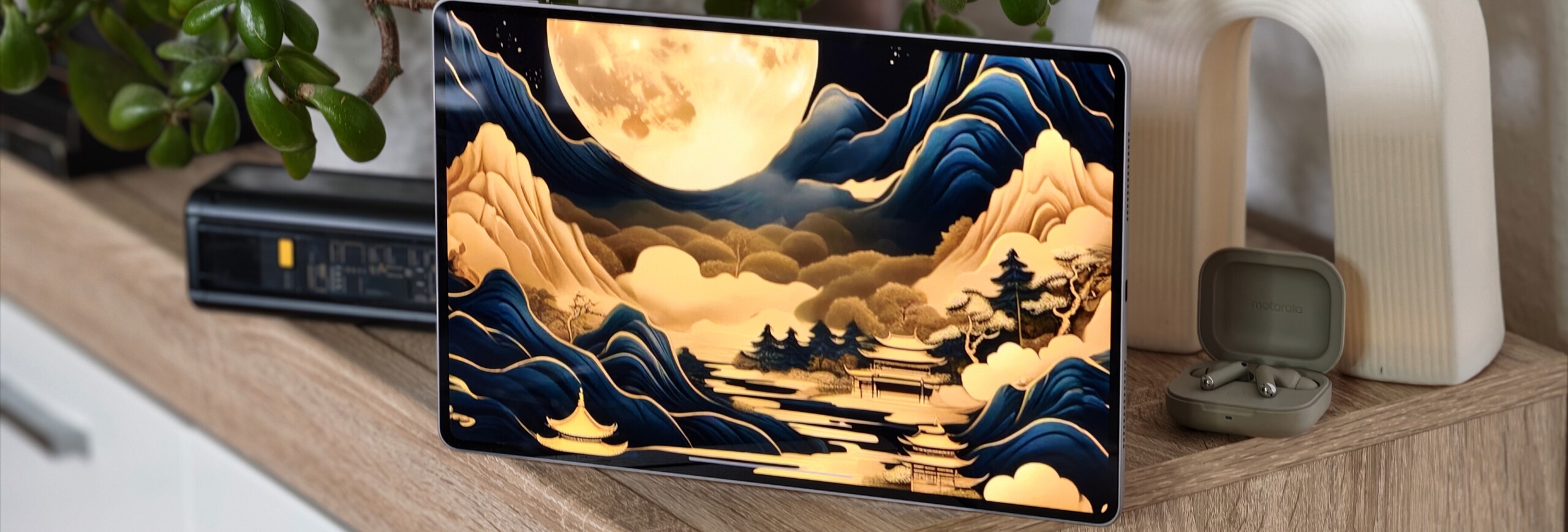
With the MagicPad 4, Honor has addressed its predecessor's biggest criticism – the display. Despite the OLED panel being one of the best on the tablet market and performing on par with the iPad 13 Pro, the Honor tablet costs less than half the price. Our measurements even revealed slightly better sound quality than that found in Apple's premium tablet.
Anyone looking for a large OLED tablet will find the MagicPad 4 to be a truly excellent all-around package at an affordable price. Its powerful performance, stylus input, and lightweight keyboard cover also make the MagicPad 4 a great companion for either school or university.
In our opinion, the Honor tablet possesses no truly major flaws – especially not for a mid-range device. However, we are puzzled as to why Honor omitted a fingerprint sensor – if only from a security perspective. Don't expect too much from the cameras or the battery life of the otherwise generously sized battery. In addition, the absence of a satellite tracking 5G version and a waterproof case somewhat limits the MagicPad 4's range of applications. Gamers might also miss having a vibration function.
Pros
Cons
Price and availability - Honor MagicPad4
The Honour MagicPad 4 is available at a recommended retail price of around £599 in its base configuration (12 GB of RAM, 256 GB of UFS storage) and comes in two colours. For a limited time only, the tablet is available on the Honor online store for £499.

Table of Contents
- Verdict - Honor MagicPad4
- Specifications - Honor MagicPad4
- Case - A large Android tablet with thin bezels
- Features - A 12.3-inch tablet with USB 3.2
- Software - The Android tablet promises long updates
- Communication - The Honor MagicPad4 packs WiFi 7, but doesn't offer 5G
- Cameras - No ultra-wide-angle lens for the Honor MagicPad4
- Accessories and warranty - The Honor tablet doesn't come with a charger
- Input devices and operation - A large Android tablet with stylus support
- Display - Honor MagicPad4's large OLED screen is better than the iPad Air
- Performance - A mid-range tablet with a Snapdragon chipset
- Emissions - Very little heat production & throttling in the Honor tablet
- Battery life - The Android tablet houses a large battery
- Notebookcheck overall rating - MagicPad4
- Possible alternatives compared
Specifications - Honor MagicPad4
Case - A large Android tablet with thin bezels
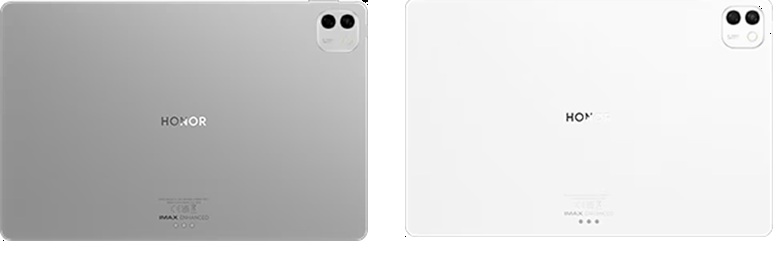
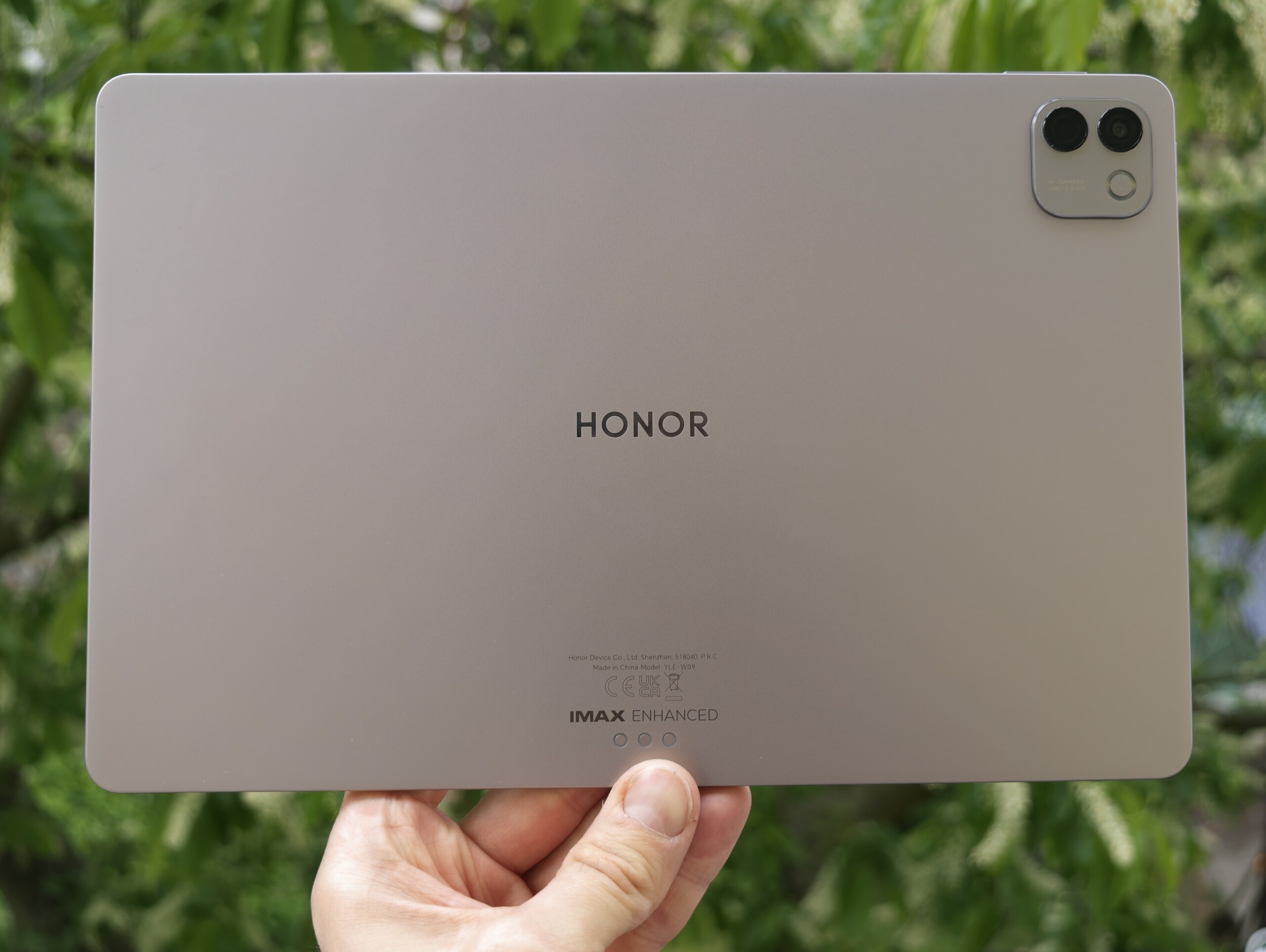
Despite its 12.3-inch size, the MagicPad 4 tips the scales at a relatively light 450 grams. Thanks to its slim profile of just under 5 millimeters, the Honor tablet also feels very thin. This, combined with the glass back, gives the MagicPad 4 a premium feel. The same applies to the thin bezels framing the OLED panel. With a screen-to-body ratio of almost 91 percent, it's very efficient for a mid-range device. For example, the latest Apple iPad Air 13 only comes in at 86 percent.
Honor has not officially disclosed which type of protective glass it has implemented in its MagicPad 4. The IP40 rating is also not ideal for everyday use, and this means that the Honor tablet should be protected from even light rain when used outdoors.
Features - A 12.3-inch tablet with USB 3.2
The internal UFS 4.0 storage cannot be expanded via a microSD card, but external hard drives can be used thanks to the USB OTG function. For fast data transfer, the MagicPad 4 supports USB-C 3.2 (Gen 1) with a bandwidth of 5 Gbps and video output to external monitors. In our tests, we achieved an excellent 658 MB/s with a Samsung Portable SSD T7. NTFS and exFAT file systems are also supported.
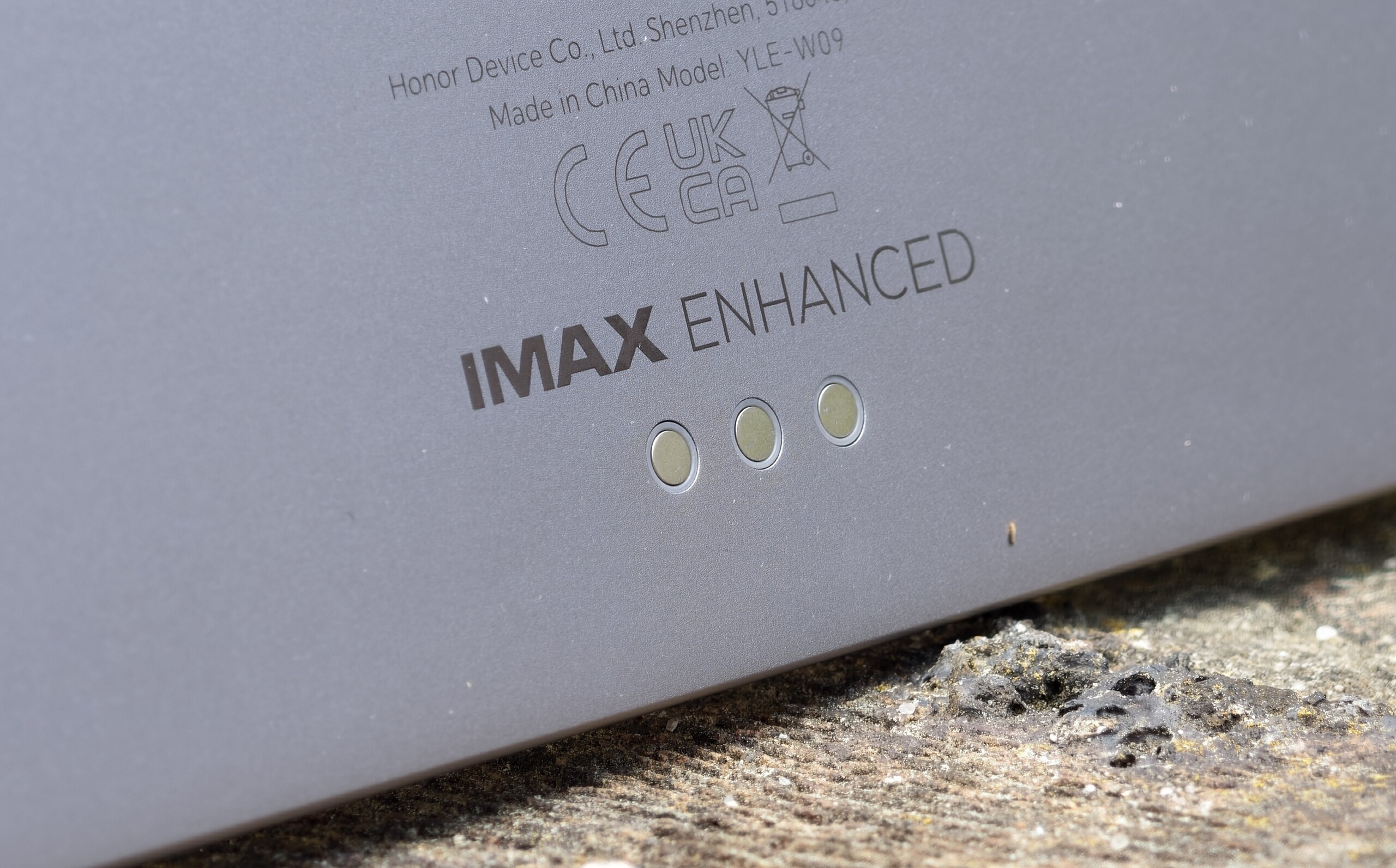
The compatible keyboard dock can be connected via the rear pogo pins.
Software - The Android tablet promises long updates
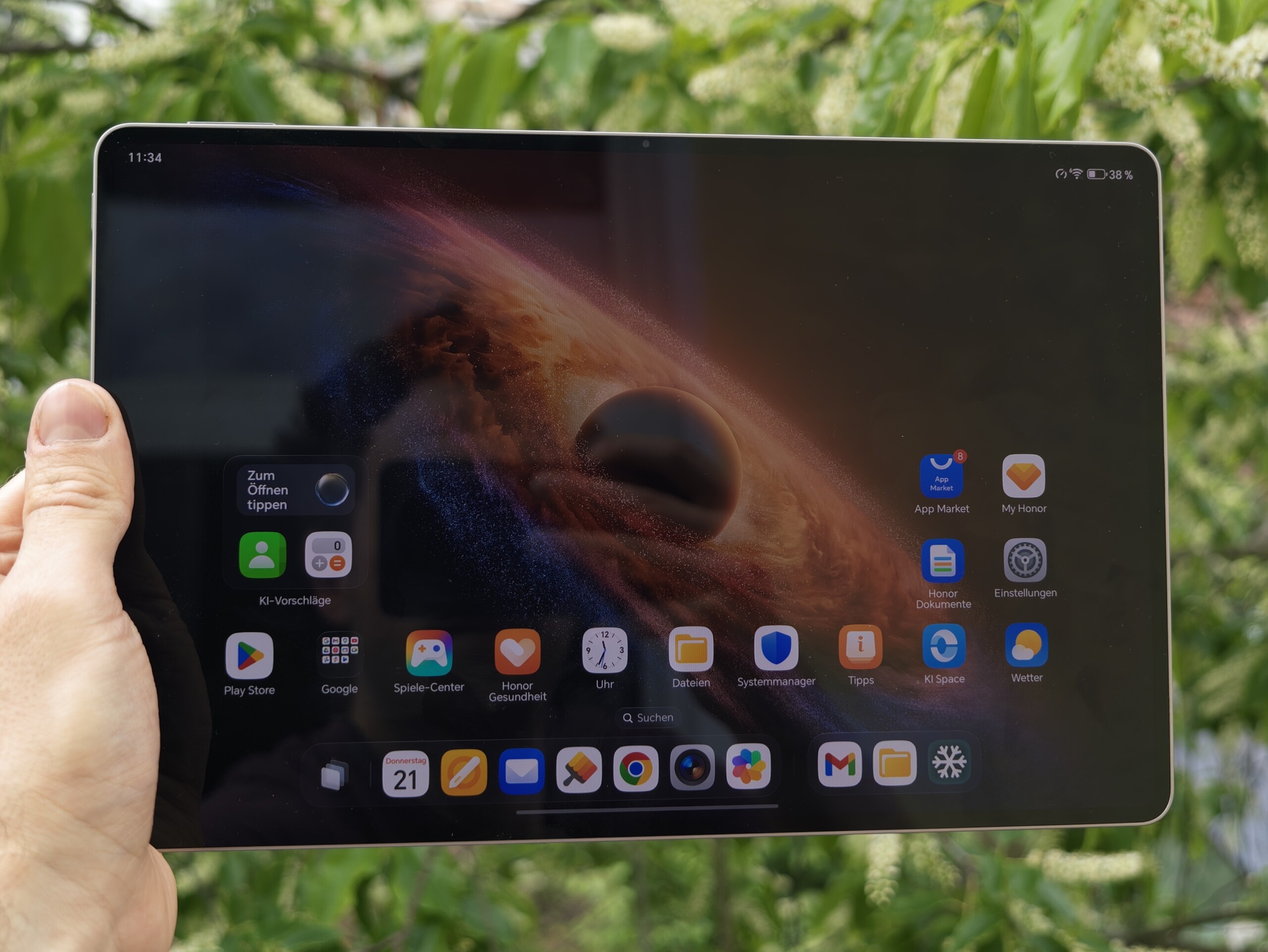
Honor is launching its mid-range tablet with its own MagicOS 10 operating system, based on Android 16. The MagicPad 4 also features a desktop mode, which uses a Windows-style interface with windows that are designed to facilitate productive use.
In Europe, the manufacturer has specified a six-year update period, with quarterly security updates.


Sustainability
The Honor tablet's packaging appears to be free of plastic. However, the manufacturer hasn't provided any official information regarding the packaging or sustainability. The MagicPad 4 is listed in the EPREL database with a repairability rating of "C".
Communication - The Honor MagicPad4 packs WiFi 7, but doesn't offer 5G
Honor equips its mid-range devices with modern WiFi 7 for home Wi-Fi use and also supports the 6 GHz band. In our tests with a WiFi 6E router (Asus ROG Rapture GT-AXE11000), the MagicPad 4 achieved high upload speeds of over 1,800 Mbps. Download speeds were slightly slower.
Neither mobile network connectivity nor satellite-based location tracking is offered.
| Networking | |
| Honor MagicPad 4 | |
| iperf3 transmit AXE11000 | |
| iperf3 receive AXE11000 | |
| iperf3 transmit AXE11000 6GHz | |
| iperf3 receive AXE11000 6GHz | |
| Lenovo Idea Tab Pro Gen 2 | |
| iperf3 transmit AXE11000 6GHz | |
| iperf3 receive AXE11000 6GHz | |
| OnePlus Pad 2 Pro | |
| iperf3 transmit AXE11000 | |
| iperf3 receive AXE11000 | |
| Apple iPad Air 13 M4 2026 | |
| iperf3 transmit RT-BE96U WiFi7 | |
| iperf3 receive RT-BE96U WiFi7 | |
| Honor MagicPad 3 | |
| iperf3 transmit AXE11000 | |
| iperf3 receive AXE11000 | |
| Average 802.11 a/b/g/n/ac/ax/be | |
| iperf3 transmit AXE11000 | |
| iperf3 receive AXE11000 | |
| iperf3 transmit AXE11000 6GHz | |
| iperf3 receive AXE11000 6GHz | |
| iperf3 transmit RT-BE96U WiFi7 | |
| iperf3 receive RT-BE96U WiFi7 | |
| Average of class Tablet | |
| iperf3 transmit AXE11000 | |
| iperf3 receive AXE11000 | |
| iperf3 transmit AXE11000 6GHz | |
| iperf3 receive AXE11000 6GHz | |
| iperf3 transmit RT-BE96U WiFi7 | |
| iperf3 receive RT-BE96U WiFi7 | |
Cameras - No ultra-wide-angle lens for the Honor MagicPad4

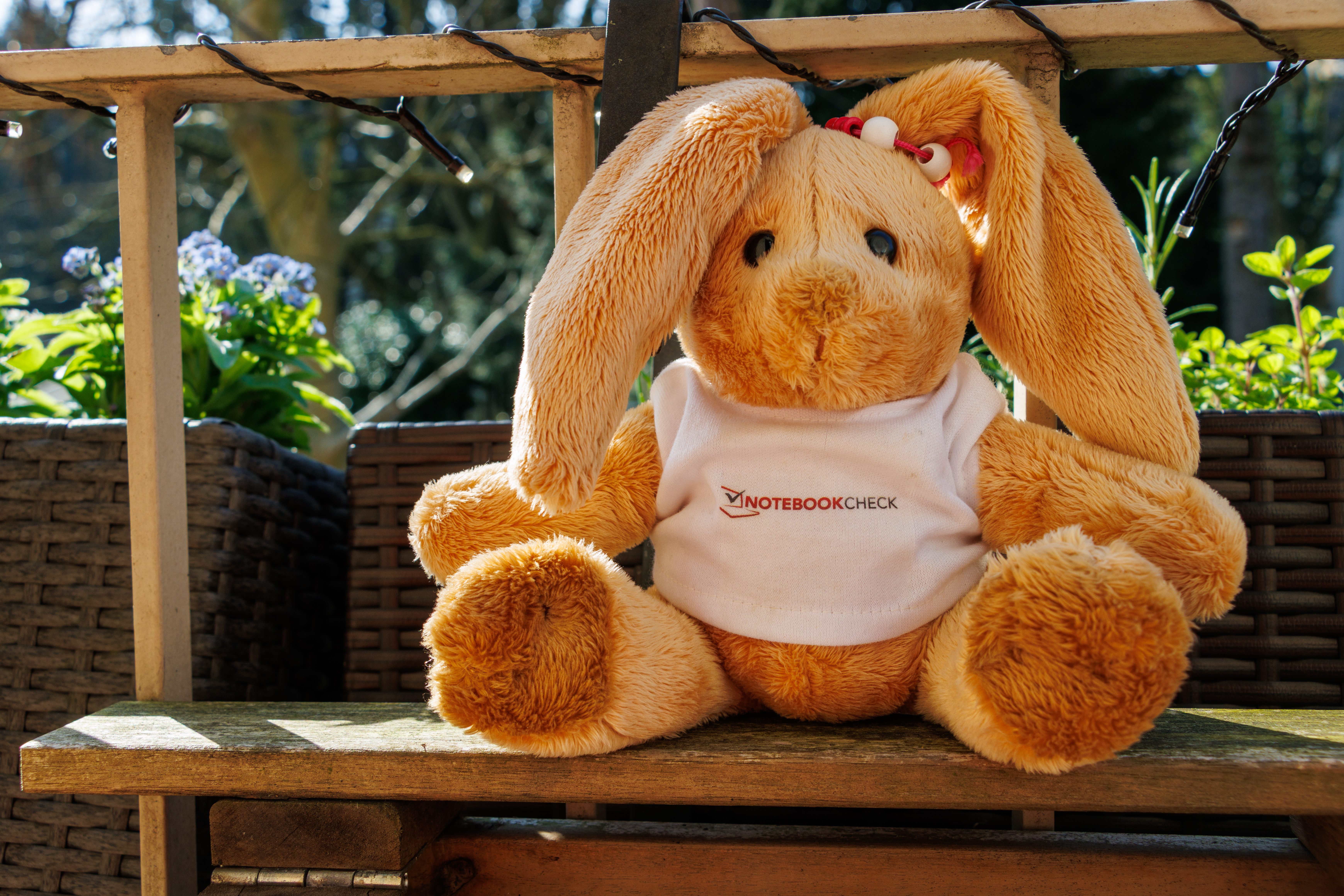
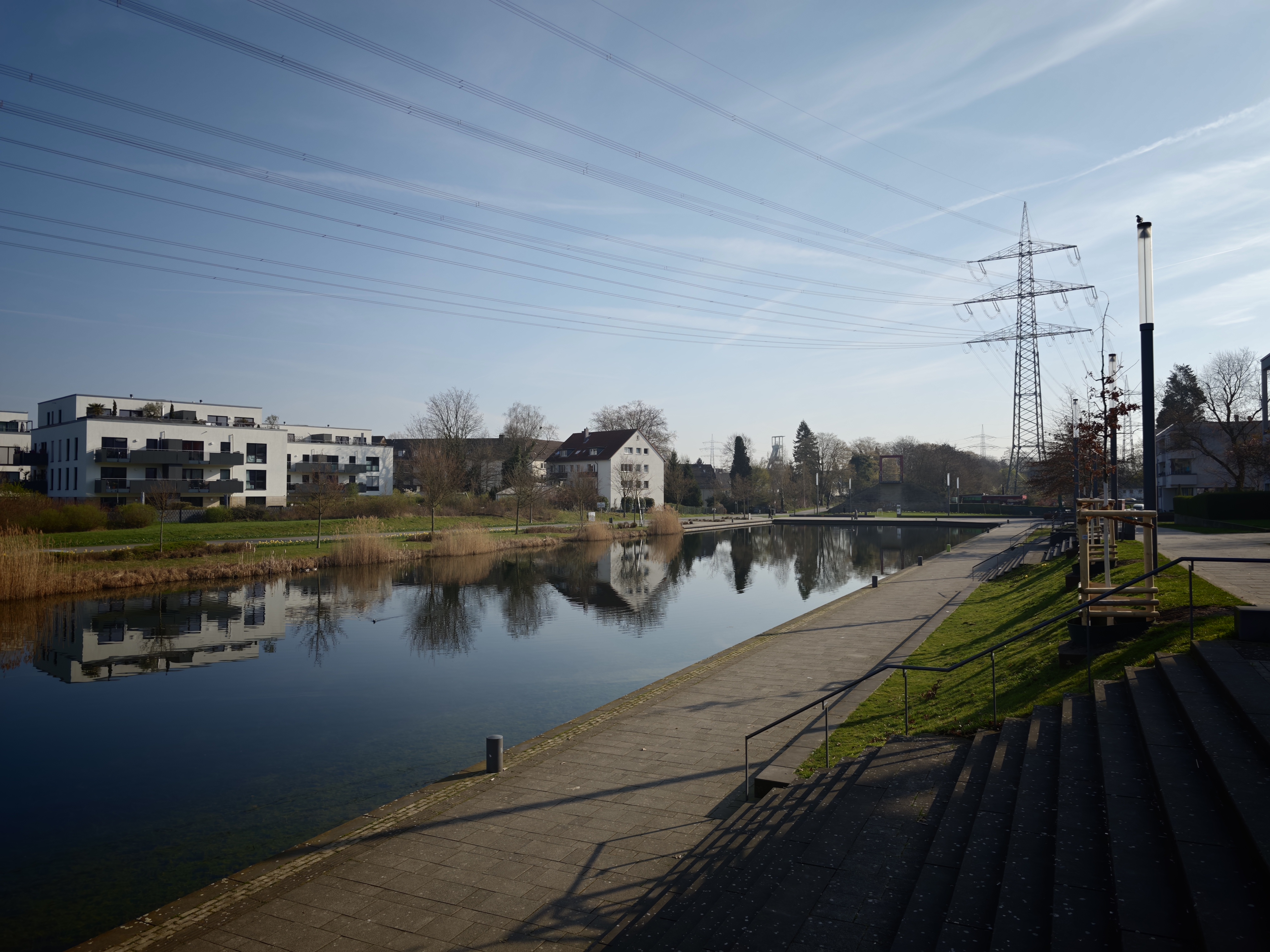
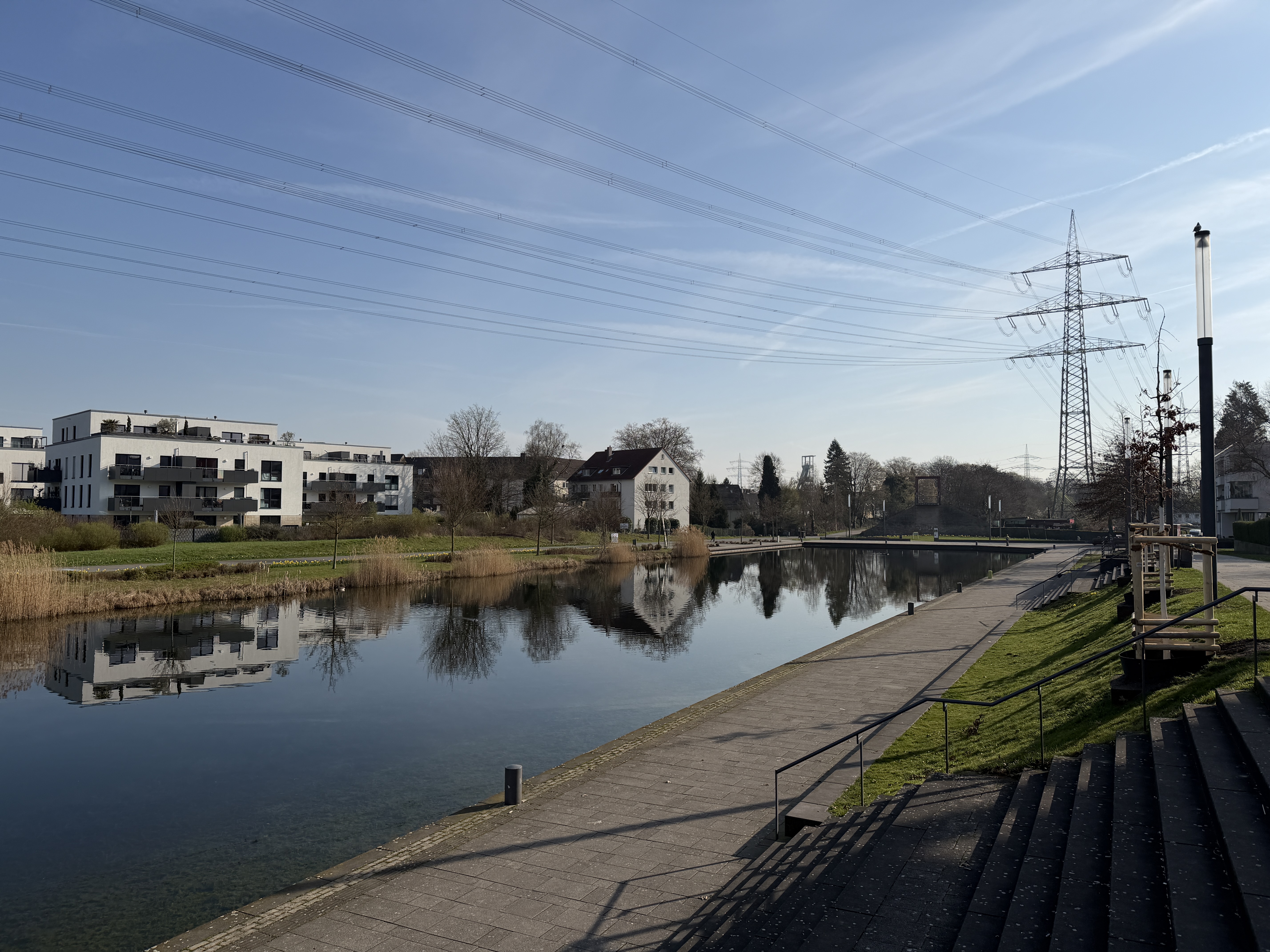
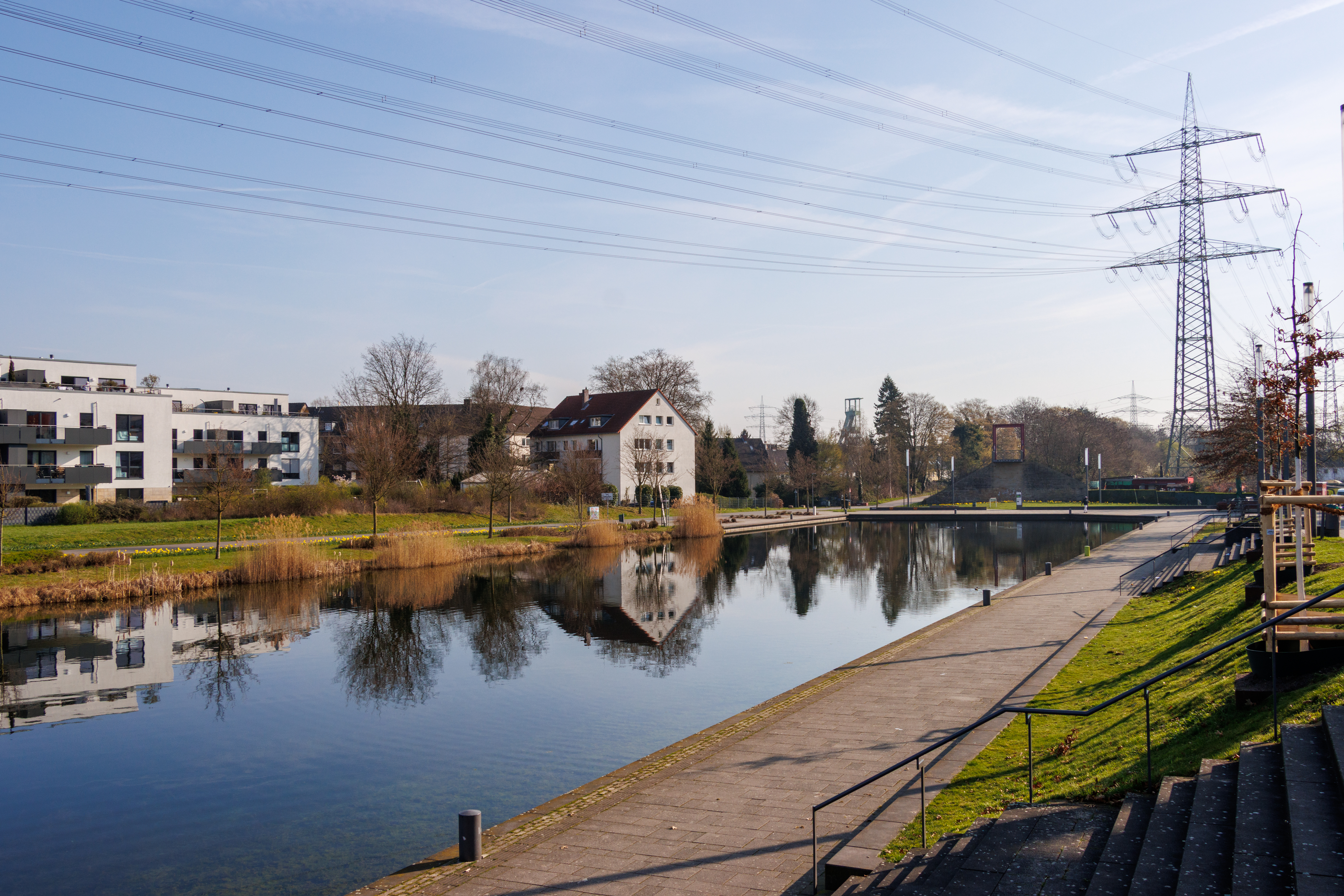
Honor's mid-range tablet houses a 9-megapixel front-facing camera that offers neither high resolution nor 4K video recording. Selfies taken with the MagicPad 4 are perfectly adequate and offer a decent level of detail.
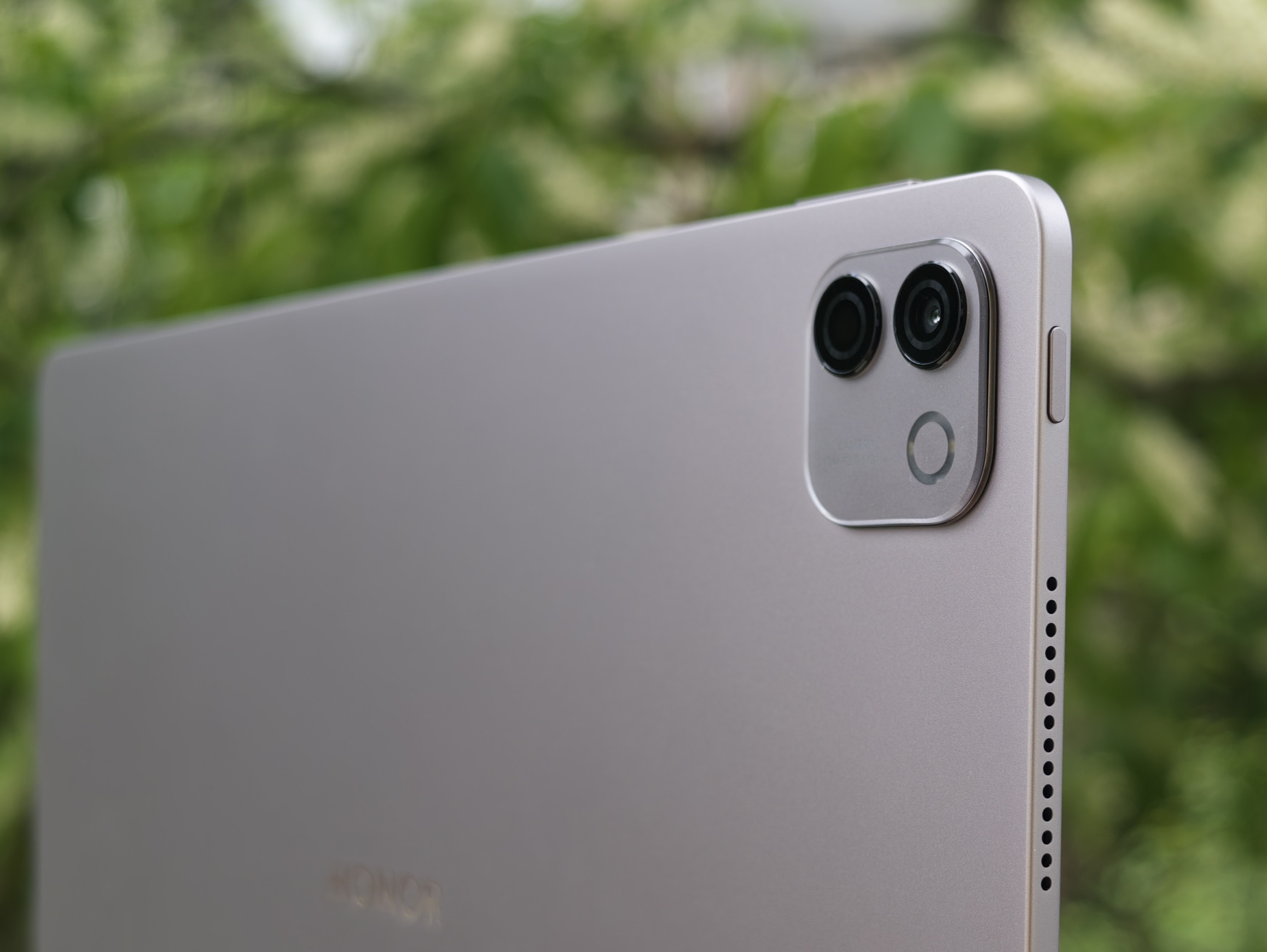
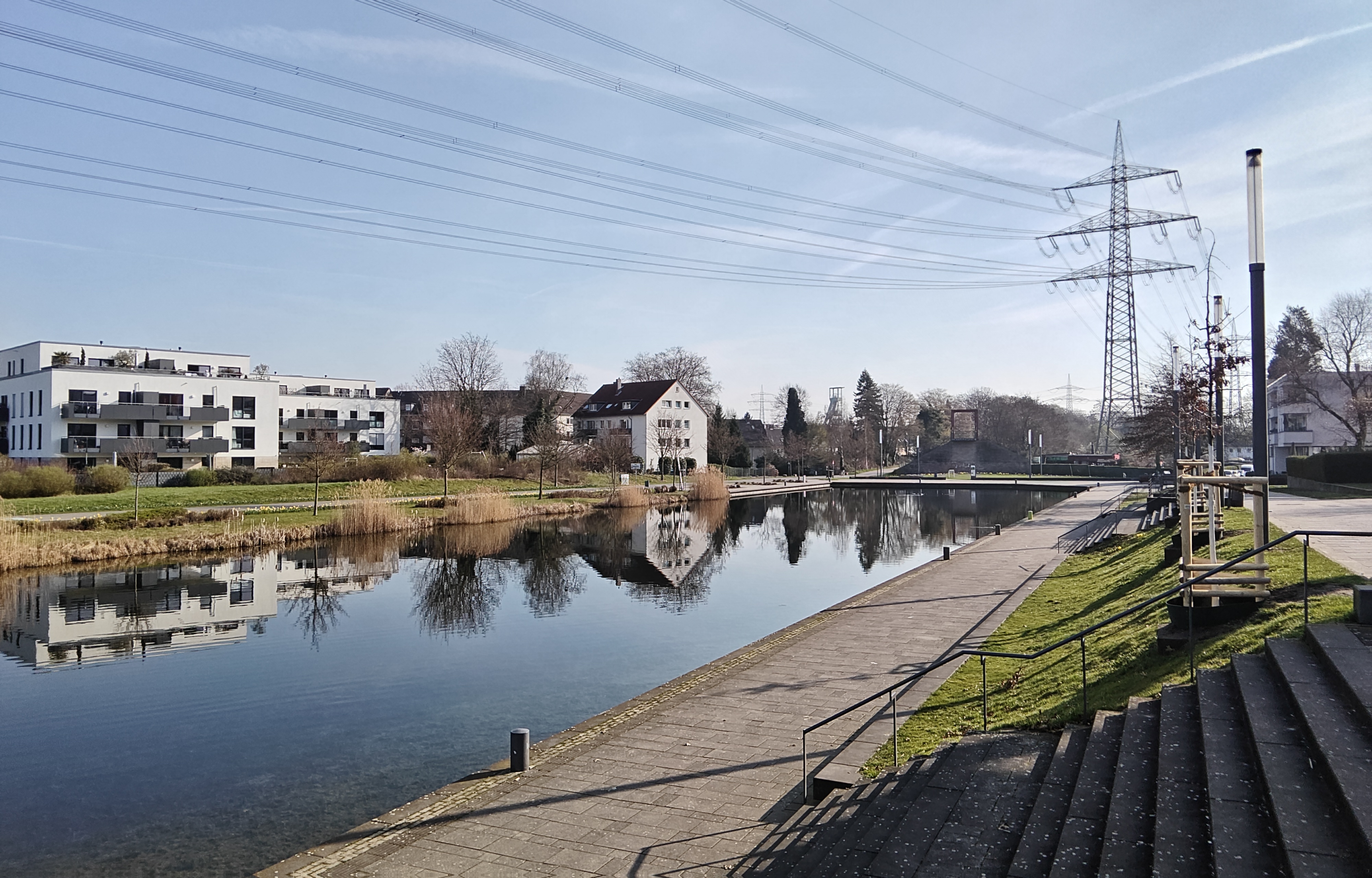
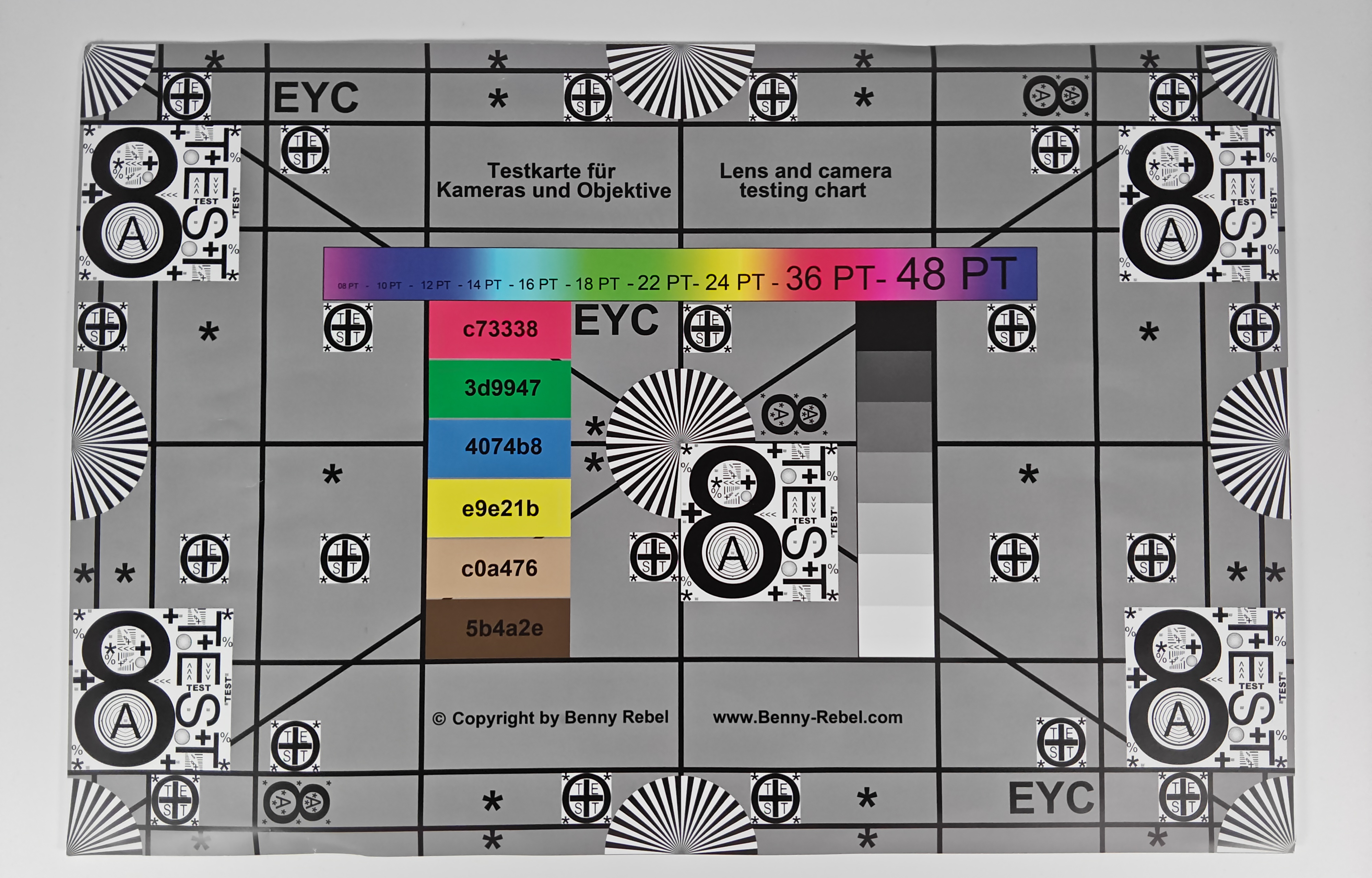
However, the manufacturer also doesn't seem to prioritize image quality much with its 13-megapixel rear camera. However, at least it offers autofocus and accurate color reproduction. The MagicPad 4 is well-suited for digitizing notes or documents thanks to its dedicated photo mode which features text recognition and editing functions.
















Accessories and warranty - The Honor tablet doesn't come with a charger
Included in the box are a USB-A to USB-C cable, a quick start guide, and a warranty card. On its online store, Honor also offers other compatible accessories, such as a keyboard case, in addition to power adapters and the Magic Pencil 3. The whole package is said to weigh just 852 grams, and we measured 835 grams without the stylus. For comparison, the iPad Pro 13 weighs around 1.24 kg including the Magic Keyboard.
The MagicPad 4 comes with a 24-month warranty in Germany.
Input devices and operation - A large Android tablet with stylus support
The MagicPad 4 offers precise and lag-free operation using your fingers. Input is also possible with the Magic Pencil 3, which boasts 4,096 levels of pressure sensitivity. Although it wasn't included at the time of our review, we were able to get a comprehensive impression of the excellent Honor stylus with its predecessor. Thanks to the OLED panel's very high refresh rate, animations appear very smooth. However, Honor has decided not to include a vibration motor.
Unfortunately, the Honor tablet lacks a fingerprint sensor, once again which is still somewhat baffling given its price range. However, at least 2D face recognition via the front camera is on board.


Display - Honor MagicPad4's large OLED screen is better than the iPad Air
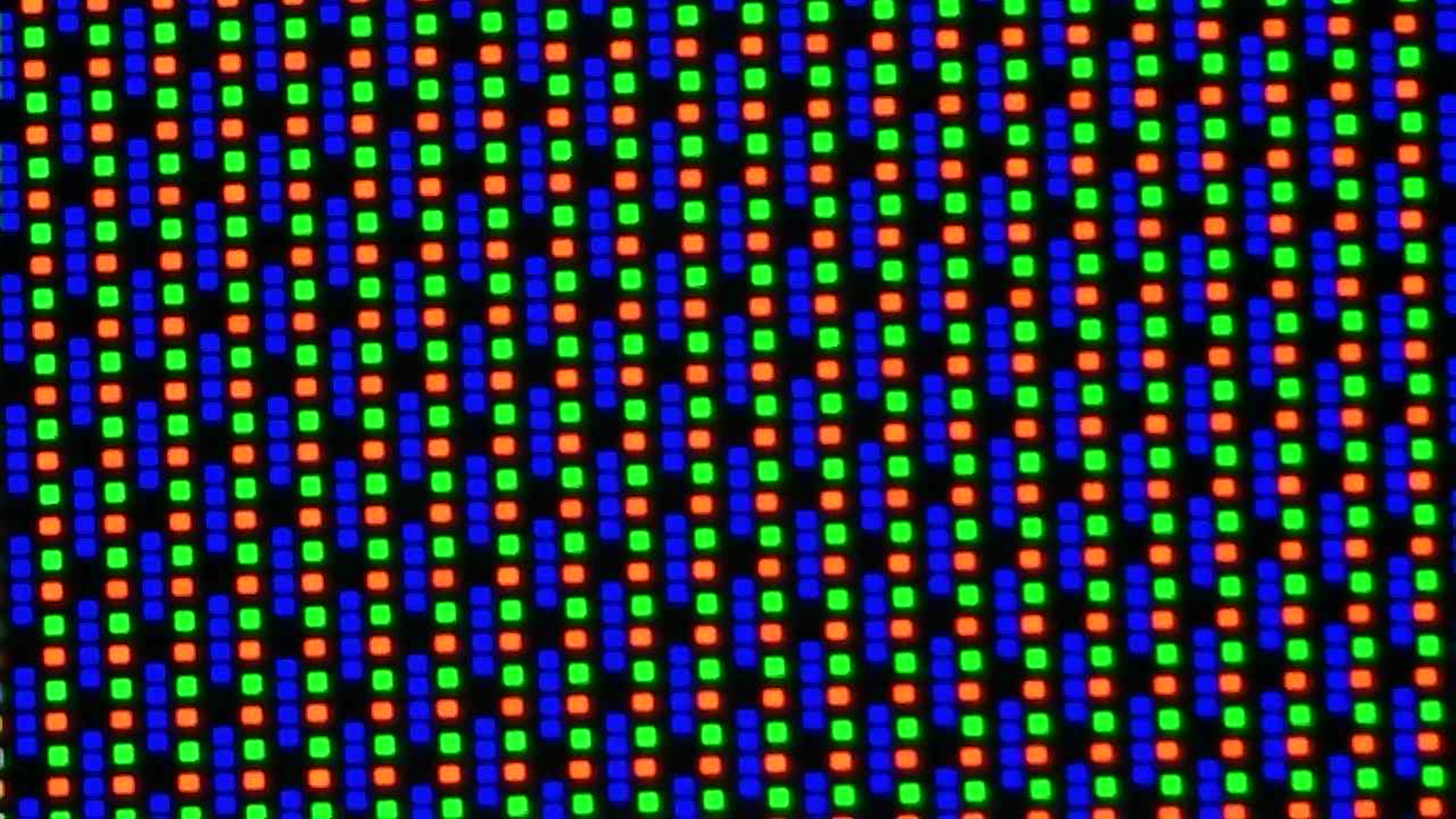
Unlike the MagicPad 3, the 2026 mid-range model uses an OLED panel instead of an IPS panel, and although the screen is also slightly smaller at 12.3 inches, the pixel density remains at an almost identical 290 ppi. The high refresh rate of 165 Hz is also unchanged.
According to the manufacturer, the MagicPad 4 boasts an HDR peak brightness of 2,400 nits - quite remarkable for a tablet. We were pleased to hit this high brightness even in our more practical APL measurement. With HDR content, we even managed to surpass the 3,000 d/m² mark.
Honor has implemented PWM dimming measuring 5,280 Hz, and this is something we can also confirm. Furthermore, we measured a very low base flicker of only 60 Hz.
| |||||||||||||||||||||||||
Brightness Distribution: 90 %
Center on Battery: 829 cd/m²
Contrast: ∞:1 (Black: 0 cd/m²)
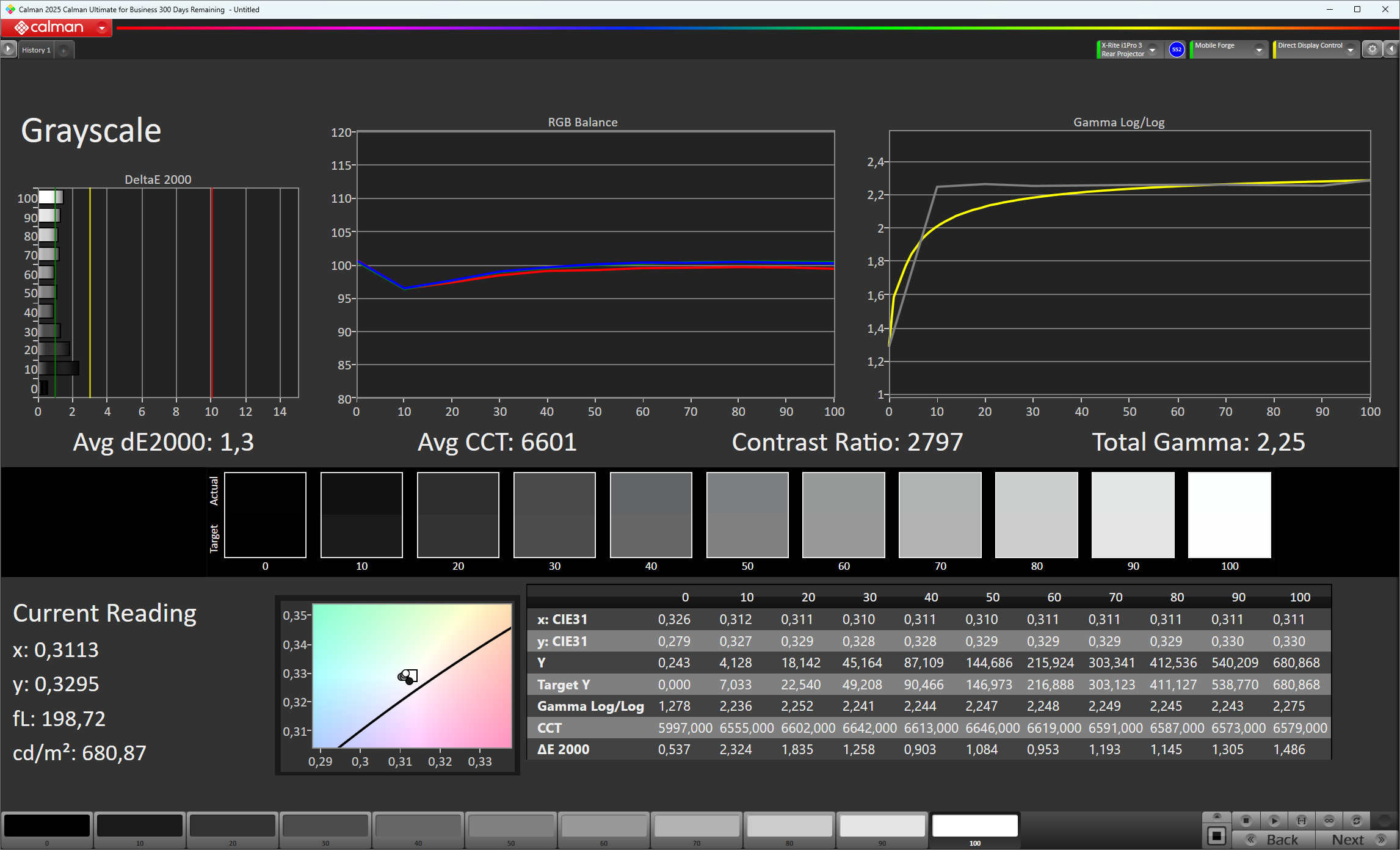
ΔE ColorChecker Calman: 0.9 | ∀{0.5-29.43 Ø4.69}
ΔE Greyscale Calman: 1.3 | ∀{0.09-98 Ø4.94}
99.9% sRGB (Calman 2D)
Gamma: 2.25
CCT: 6601 K
| Honor MagicPad 4 OLED, 3000x1920, 12.3" | Apple iPad Air 13 M4 2026 IPS, 2732x2048, 12.9" | Lenovo Idea Tab Pro Gen 2 IPS, 3504x2109, 13" | OnePlus Pad 2 Pro LTPS LCD, 3392x2400, 13.2" | Honor MagicPad 3 LCD, 3200x2136, 13.3" | |
|---|---|---|---|---|---|
| Screen | -43% | -47% | -44% | -109% | |
| Brightness middle (cd/m²) | 829 | 625 -25% | 618 -25% | 691 -17% | 753 -9% |
| Brightness (cd/m²) | 827 | 613 -26% | 599 -28% | 643 -22% | 706 -15% |
| Brightness Distribution (%) | 90 | 96 7% | 92 2% | 87 -3% | 86 -4% |
| Black Level * (cd/m²) | 0.4 | 0.5 | 0.6 | 1.23 | |
| Colorchecker dE 2000 * | 0.9 | 1.49 -66% | 1.59 -77% | 2.01 -123% | 2.3 -156% |
| Colorchecker dE 2000 max. * | 1.7 | 3.18 -87% | 3.79 -123% | 2.86 -68% | 5.9 -247% |
| Greyscale dE 2000 * | 1.3 | 2.1 -62% | 1.7 -31% | 1.7 -31% | 4.2 -223% |
| Gamma | 2.25 98% | 2.19 100% | 2.399 92% | 2.193 100% | 2.27 97% |
| CCT | 6601 98% | 6940 94% | 6583 99% | 6615 98% | 7391 88% |
| Contrast (:1) | 1563 | 1236 | 1152 | 612 |
* ... smaller is better
| Display / APL18 Peak Brightness | |
| Honor MagicPad 4 | |
| Lenovo Idea Tab Pro Gen 2 | |
| Honor MagicPad 3 | |
| Apple iPad Air 13 M4 2026 | |
| Display / HDR Peak Brightness | |
| Honor MagicPad 4 | |
| Honor MagicPad 3 | |
| Lenovo Idea Tab Pro Gen 2 | |
| Apple iPad Air 13 M4 2026 | |
Screen Flickering / PWM (Pulse-Width Modulation)
| Screen flickering / PWM detected | 60 Hz Amplitude: 16.05 % Secondary Frequency: 4999 Hz | 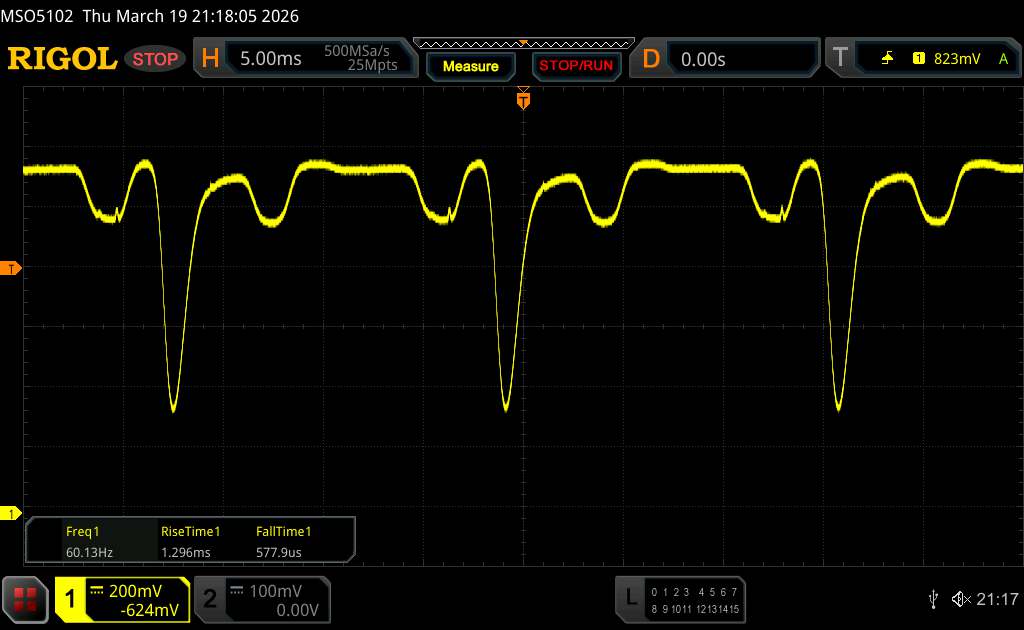 | |
The display backlight flickers at 60 Hz (worst case, e.g., utilizing PWM) . The frequency of 60 Hz is very low, so the flickering may cause eyestrain and headaches after extended use. In comparison: 52 % of all tested devices do not use PWM to dim the display. If PWM was detected, an average of 7611 (minimum: 5 - maximum: 343500) Hz was measured. | |||
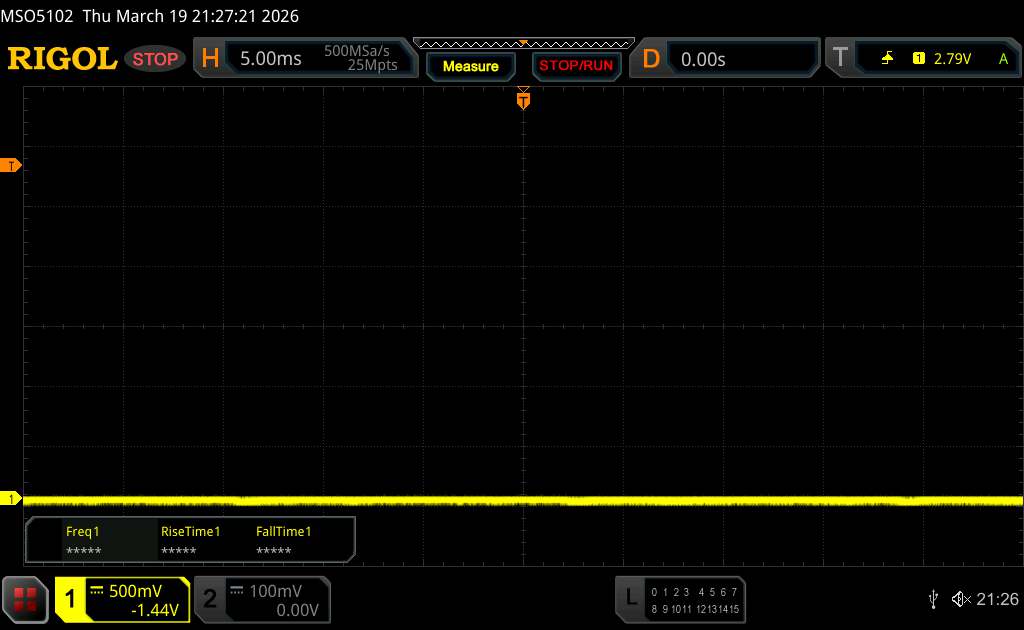
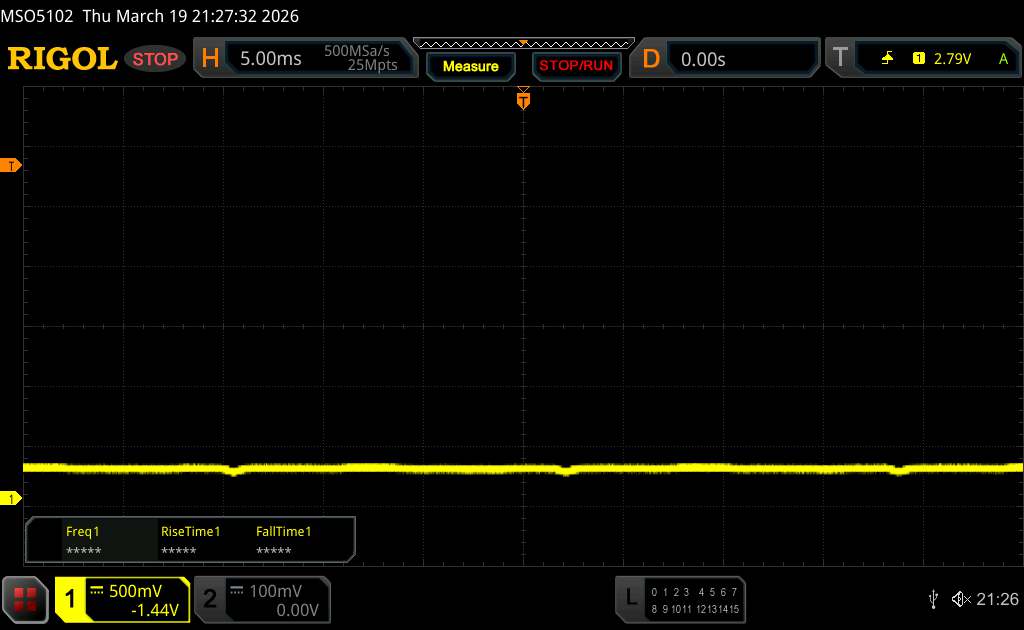
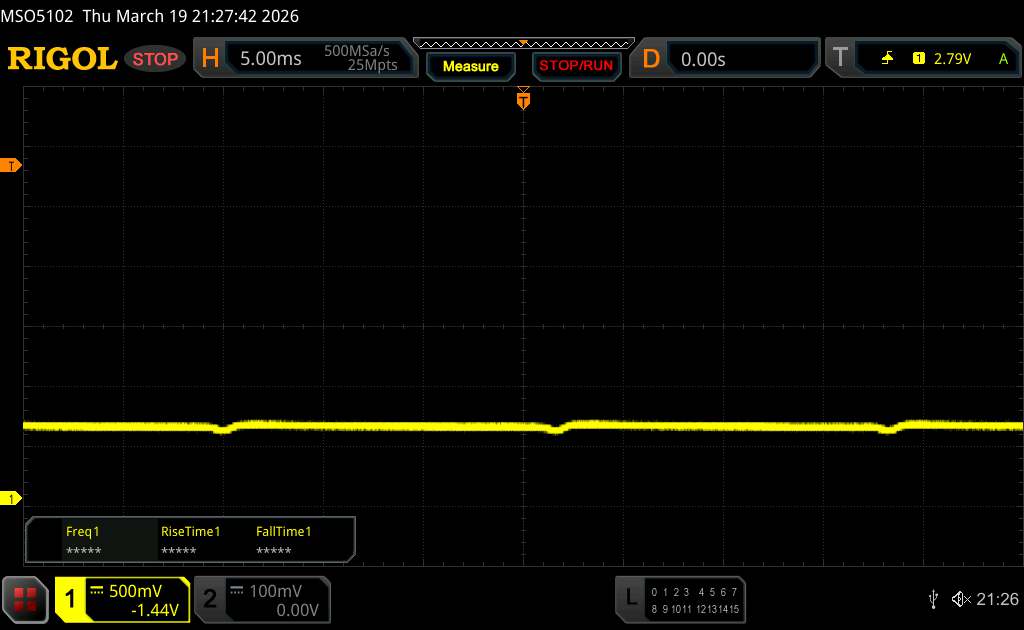
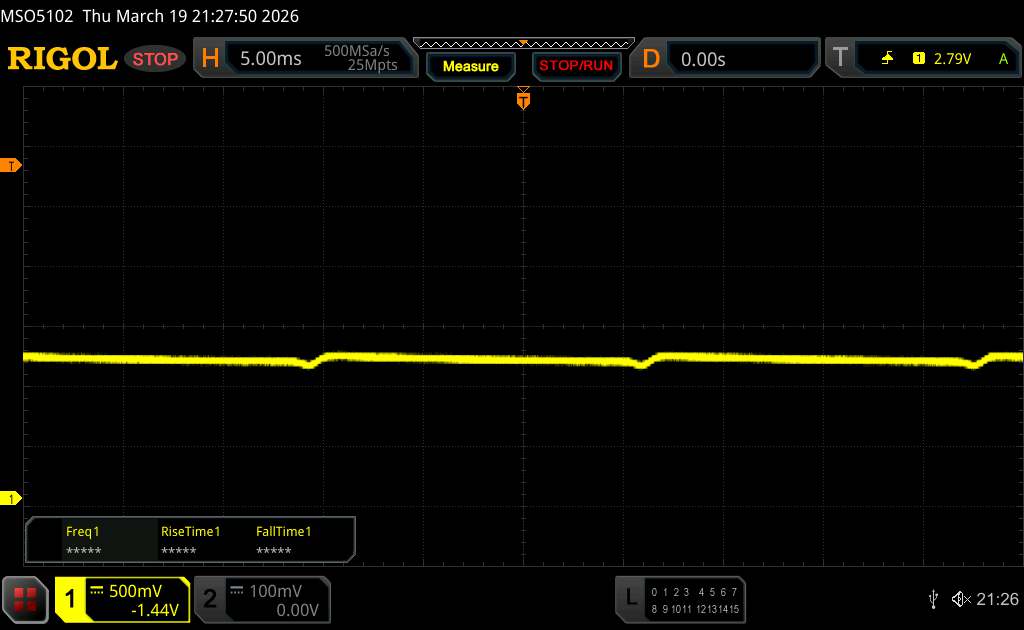
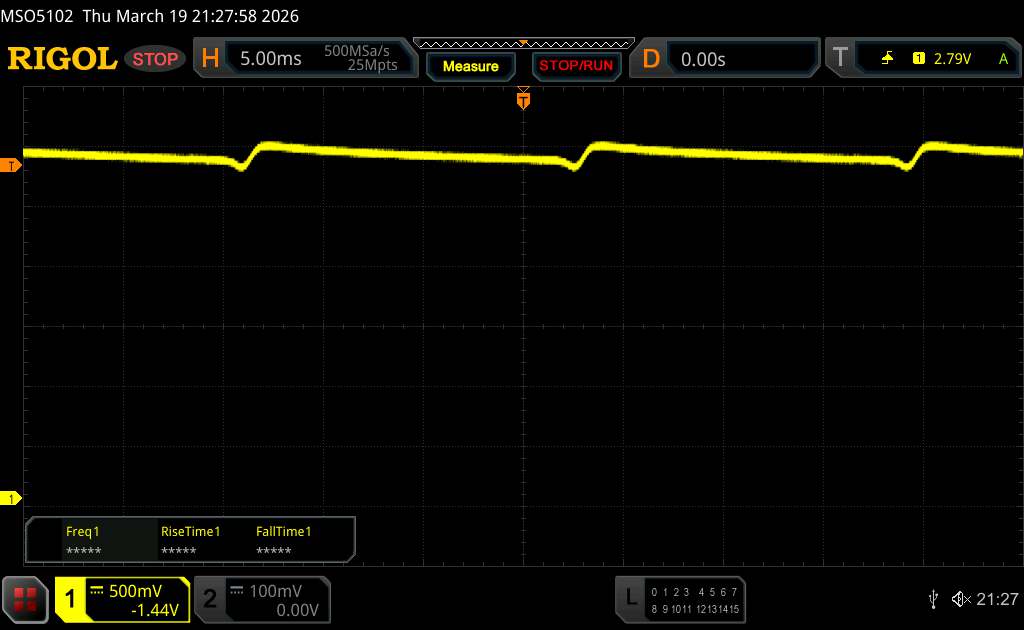
A series of measurements with fixed zoom level and different brightness settings (The amplitude curve at minimum brightness appears flat, but this is due to the scaling. The enlarged version of the amplitude at minimum brightness can be seen in the info box.)
Using the "Normal" color mode and setting the color temperature to "Warm", the MagicPad 4 delivered a very accurate color representation that is significantly better than its predecessor.


Display Response Times
| ↔ Response Time Black to White | ||
|---|---|---|
| 0.91 ms ... rise ↗ and fall ↘ combined | ↗ 0.45 ms rise | 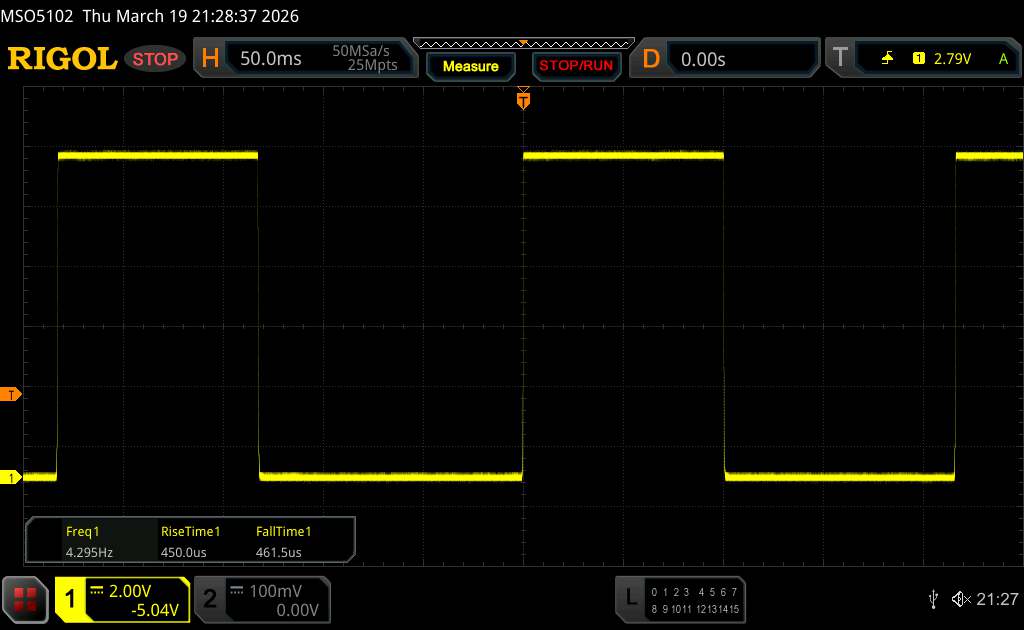 |
| ↘ 0.4615 ms fall | ||
| The screen shows very fast response rates in our tests and should be very well suited for fast-paced gaming. In comparison, all tested devices range from 0.1 (minimum) to 240 (maximum) ms. » 4 % of all devices are better. This means that the measured response time is better than the average of all tested devices (19.7 ms). | ||
| ↔ Response Time 50% Grey to 80% Grey | ||
| 16.6 ms ... rise ↗ and fall ↘ combined | ↗ 0.3615 ms rise | 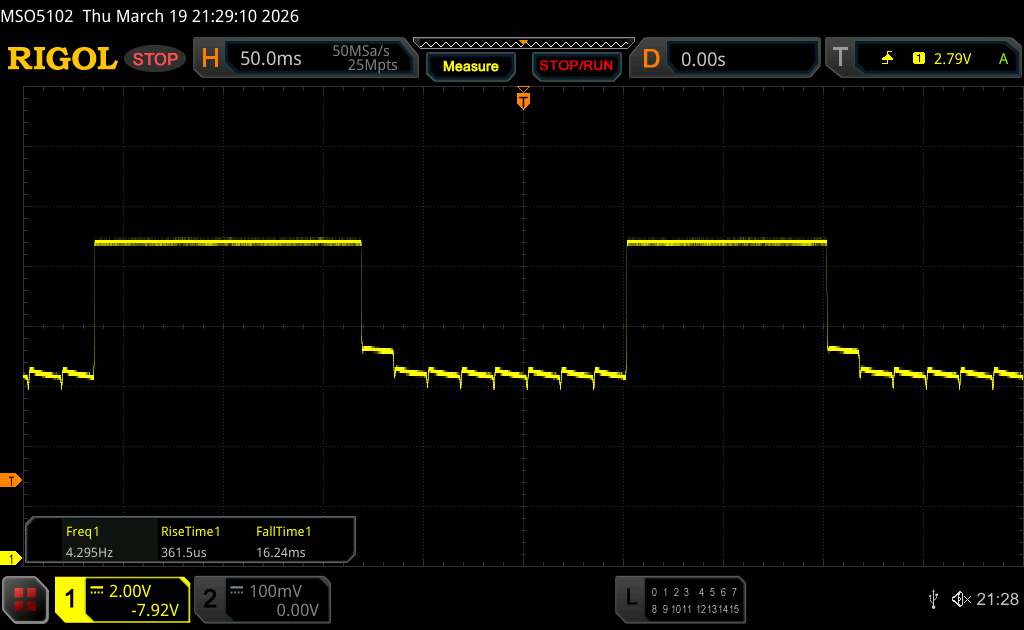 |
| ↘ 16.24 ms fall | ||
| The screen shows good response rates in our tests, but may be too slow for competitive gamers. In comparison, all tested devices range from 0.13 (minimum) to 636 (maximum) ms. » 31 % of all devices are better. This means that the measured response time is better than the average of all tested devices (30.7 ms). | ||
Performance - A mid-range tablet with a Snapdragon chipset
Honor has fitted its mid-range device with a Snapdragon 8 Gen 5 without the Elite moniker. It's not quite as fast as its Qualcomm flagship processor, but still very performant. The MagicPad series has made a huge leap forward, especially when it comes to the Geekbench multi-core test, with some scores now comparable to the Apple iPad Air 13. However, the MagicPad 4 doesn't come close to Apple's M4 chip.
| PCMark for Android - Work 3.x | |
| Average Qualcomm Snapdragon 8 Gen 5 (19736 - 24396, n=2) | |
| Honor MagicPad 4 | |
| Honor MagicPad 3 | |
| OnePlus Pad 2 Pro | |
| Average of class Tablet (7084 - 27428, n=57, last 2 years) | |
| CrossMark - Overall | |
| Honor MagicPad 4 | |
| Average Qualcomm Snapdragon 8 Gen 5 (1289 - 2129, n=4) | |
| OnePlus Pad 2 Pro | |
| Average of class Tablet (319 - 2375, n=48, last 2 years) | |
| Lenovo Idea Tab Pro Gen 2 | |
| UL Procyon AI Inference for Android - Overall Score NNAPI | |
| Average Qualcomm Snapdragon 8 Gen 5 (20683 - 22592, n=2) | |
| Honor MagicPad 4 | |
| Average of class Tablet (3600 - 76852, n=53, last 2 years) | |
| OnePlus Pad 2 Pro | |
| Honor MagicPad 3 | |
| AI Benchmark - Score V6 | |
| Honor MagicPad 4 | |
| Average Qualcomm Snapdragon 8 Gen 5 (17520 - 17728, n=2) | |
| OnePlus Pad 2 Pro | |
| Honor MagicPad 3 | |
| Average of class Tablet (70.4 - 22476, n=38, last 2 years) | |
| Antutu v11 - Score | |
| Honor MagicPad 4 | |
| Average Qualcomm Snapdragon 8 Gen 5 (3083734 - 3282461, n=2) | |
| Average of class Tablet (522205 - 4184631, n=12, last 2 years) | |
The Snapdragon 8 Gen 5's graphical computations are performed by an Adreno 829. In our demanding GFXBench 4K test, the Qualcomm GPU managed a very good 44 frames per second, and this should be easily sufficient for current Android games. However, gamers are better served with the OnePlus Pad 2 Pro and its Adreno 830.
GFXBench (DX / GLBenchmark) 2.7: T-Rex Onscreen | 1920x1080 T-Rex Offscreen
GFXBench 3.0: on screen Manhattan Onscreen OGL | 1920x1080 1080p Manhattan Offscreen
GFXBench 3.1: on screen Manhattan ES 3.1 Onscreen | 1920x1080 Manhattan ES 3.1 Offscreen
GFXBench: on screen Car Chase Onscreen | 1920x1080 Car Chase Offscreen | on screen Aztec Ruins High Tier Onscreen | 2560x1440 Aztec Ruins High Tier Offscreen | on screen Aztec Ruins Normal Tier Onscreen | 1920x1080 Aztec Ruins Normal Tier Offscreen | 3840x2160 4K Aztec Ruins High Tier Offscreen
| 3DMark / Wild Life Extreme Unlimited | |
| Apple iPad Air 13 M4 2026 | |
| OnePlus Pad 2 Pro | |
| Honor MagicPad 4 | |
| Honor MagicPad 3 | |
| Lenovo Idea Tab Pro Gen 2 | |
| 3DMark / Wild Life Extreme | |
| OnePlus Pad 2 Pro | |
| Apple iPad Air 13 M4 2026 | |
| Honor MagicPad 4 | |
| Honor MagicPad 3 | |
| Lenovo Idea Tab Pro Gen 2 | |
| 3DMark / Wild Life Unlimited Score | |
| OnePlus Pad 2 Pro | |
| Honor MagicPad 4 | |
| Honor MagicPad 3 | |
| Lenovo Idea Tab Pro Gen 2 | |
| 3DMark / Solar Bay Score | |
| OnePlus Pad 2 Pro | |
| Honor MagicPad 4 | |
| Honor MagicPad 3 | |
| Apple iPad Air 13 M4 2026 | |
| 3DMark / Solar Bay Unlimited Score | |
| Apple iPad Air 13 M4 2026 | |
| OnePlus Pad 2 Pro | |
| Honor MagicPad 4 | |
| Honor MagicPad 3 | |
| 3DMark / Steel Nomad Light Unlimited Score | |
| Apple iPad Air 13 M4 2026 | |
| OnePlus Pad 2 Pro | |
| Honor MagicPad 4 | |
| Honor MagicPad 3 | |
| 3DMark / Steel Nomad Light Score | |
| Apple iPad Air 13 M4 2026 | |
| OnePlus Pad 2 Pro | |
| Honor MagicPad 4 | |
| Honor MagicPad 3 | |
| GFXBench (DX / GLBenchmark) 2.7 / T-Rex Onscreen | |
| Honor MagicPad 3 | |
| Honor MagicPad 4 | |
| OnePlus Pad 2 Pro | |
| GFXBench (DX / GLBenchmark) 2.7 / T-Rex Offscreen | |
| OnePlus Pad 2 Pro | |
| Honor MagicPad 4 | |
| Honor MagicPad 3 | |
| GFXBench 3.0 / Manhattan Onscreen OGL | |
| Honor MagicPad 3 | |
| Honor MagicPad 4 | |
| OnePlus Pad 2 Pro | |
| GFXBench 3.0 / 1080p Manhattan Offscreen | |
| OnePlus Pad 2 Pro | |
| Honor MagicPad 4 | |
| Honor MagicPad 3 | |
| GFXBench 3.1 / Manhattan ES 3.1 Onscreen | |
| Honor MagicPad 3 | |
| Honor MagicPad 4 | |
| OnePlus Pad 2 Pro | |
| GFXBench 3.1 / Manhattan ES 3.1 Offscreen | |
| OnePlus Pad 2 Pro | |
| Honor MagicPad 4 | |
| Honor MagicPad 3 | |
| GFXBench / Car Chase Onscreen | |
| Honor MagicPad 4 | |
| Honor MagicPad 3 | |
| OnePlus Pad 2 Pro | |
| GFXBench / Car Chase Offscreen | |
| OnePlus Pad 2 Pro | |
| Honor MagicPad 4 | |
| Honor MagicPad 3 | |
| GFXBench / Aztec Ruins High Tier Onscreen | |
| Honor MagicPad 4 | |
| OnePlus Pad 2 Pro | |
| Honor MagicPad 3 | |
| Lenovo Idea Tab Pro Gen 2 | |
| GFXBench / Aztec Ruins High Tier Offscreen | |
| OnePlus Pad 2 Pro | |
| Honor MagicPad 4 | |
| Honor MagicPad 3 | |
| Lenovo Idea Tab Pro Gen 2 | |
| GFXBench / Aztec Ruins Normal Tier Onscreen | |
| Honor MagicPad 3 | |
| Honor MagicPad 4 | |
| OnePlus Pad 2 Pro | |
| Lenovo Idea Tab Pro Gen 2 | |
| GFXBench / Aztec Ruins Normal Tier Offscreen | |
| OnePlus Pad 2 Pro | |
| Honor MagicPad 4 | |
| Honor MagicPad 3 | |
| Lenovo Idea Tab Pro Gen 2 | |
| GFXBench / 4K Aztec Ruins High Tier Offscreen | |
| OnePlus Pad 2 Pro | |
| Honor MagicPad 4 | |
| Honor MagicPad 3 | |
| Lenovo Idea Tab Pro Gen 2 | |
| Jetstream 2 - 2.0 Total | |
| Apple iPad Air 13 M4 2026 (Safari 26) | |
| Honor MagicPad 4 (Chrome 148) | |
| Average Qualcomm Snapdragon 8 Gen 5 (180.6 - 322, n=3) | |
| Lenovo Idea Tab Pro Gen 2 (Chrome 147) | |
| Average of class Tablet (48 - 420, n=54, last 2 years) | |
| Octane V2 - Total Score | |
| Honor MagicPad 4 (Chrome 148) | |
| Honor MagicPad 3 (Chrome 139) | |
| Average Qualcomm Snapdragon 8 Gen 5 (39707 - 90273, n=2) | |
| OnePlus Pad 2 Pro (Chrome 138) | |
| Average of class Tablet (4497 - 138481, n=69, last 2 years) | |
| Mozilla Kraken 1.1 - Total | |
| Average of class Tablet (243 - 13119, n=64, last 2 years) | |
| OnePlus Pad 2 Pro (Chrome 138) | |
| Honor MagicPad 3 (Chrome 139) | |
| Average Qualcomm Snapdragon 8 Gen 5 (371 - 817, n=3) | |
| Honor MagicPad 4 (Chrome 148) | |
| WebXPRT 5 - Overall | |
| Honor MagicPad 4 (Chrome 148) | |
| Average Qualcomm Snapdragon 8 Gen 5 (n=1) | |
| Average of class Tablet (19 - 102, n=8, last 2 years) | |
* ... smaller is better
| Honor MagicPad 4 | Honor MagicPad 3 | Oppo Pad 4 Pro | Average 256 GB UFS 4.0 Flash | Average of class Tablet | |
|---|---|---|---|---|---|
| PCMark for Android | -42% | 4% | -15% | -50% | |
| Storage 2.0 seq. read int. (MB/s) | 1870 ? | 1675 ? -10% | 3307 ? 77% | 2633 ? 41% | 1334 ? -29% |
| Storage 2.0 seq. write int. (MB/s) | 1747 ? | 1443 ? -17% | 2387 ? 37% | 2282 ? 31% | 1162 ? -33% |
| Storage 2.0 random read int. (MB/s) | 86.3 ? | 51.3 ? -41% | 60.1 ? -30% | 51 ? -41% | 38.6 ? -55% |
| Storage 2.0 random write int. (MB/s) | 151.5 ? | 63.9 ? -58% | 72.5 ? -52% | 80.7 ? -47% | 59.5 ? -61% |
| Storage 2.0 (Points) | 200471 ? | 31193 ? -84% | 179375 ? -11% | 79578 ? -60% | 60383 ? -70% |
Emissions - Very little heat production & throttling in the Honor tablet
Temperature
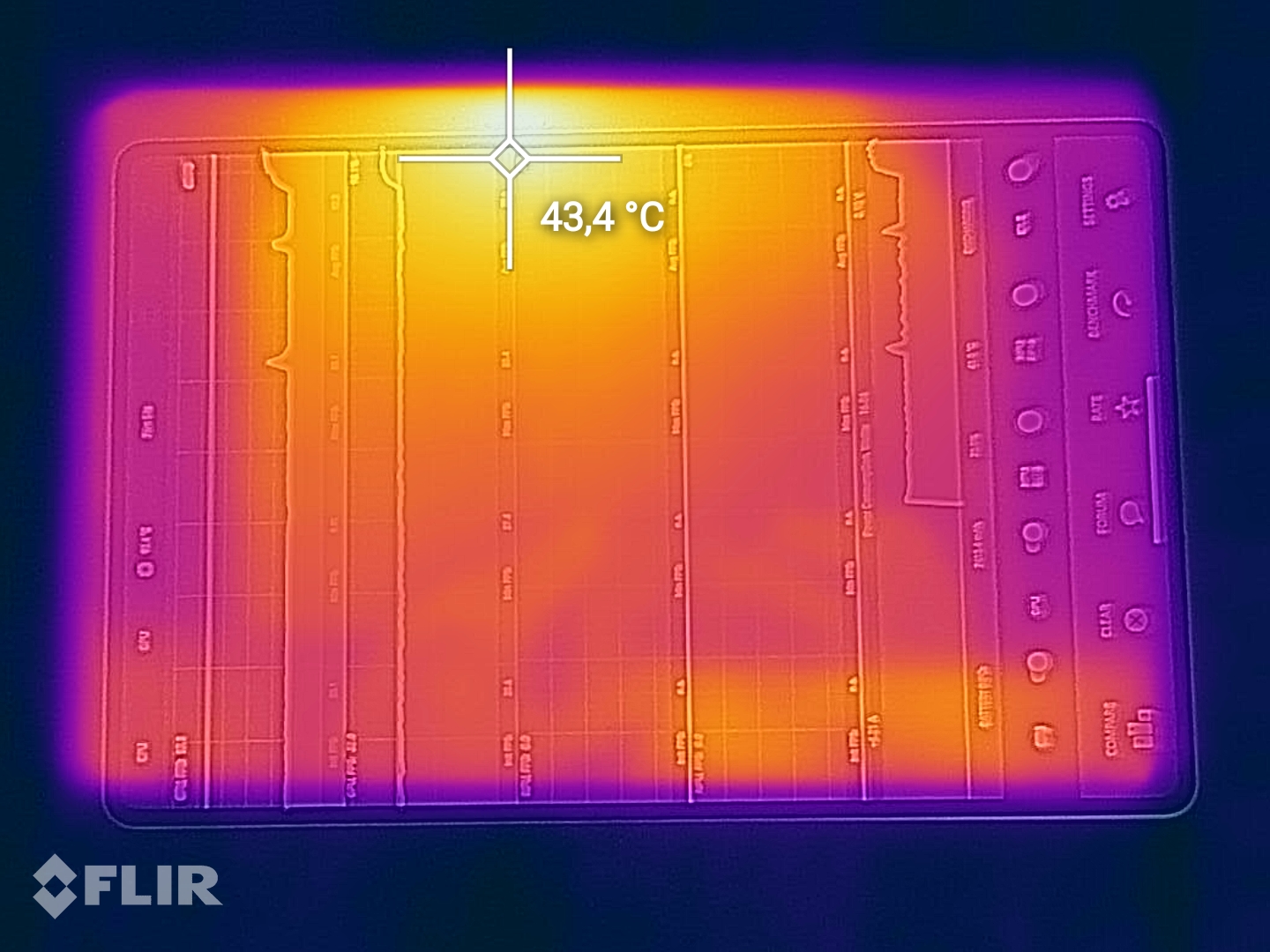
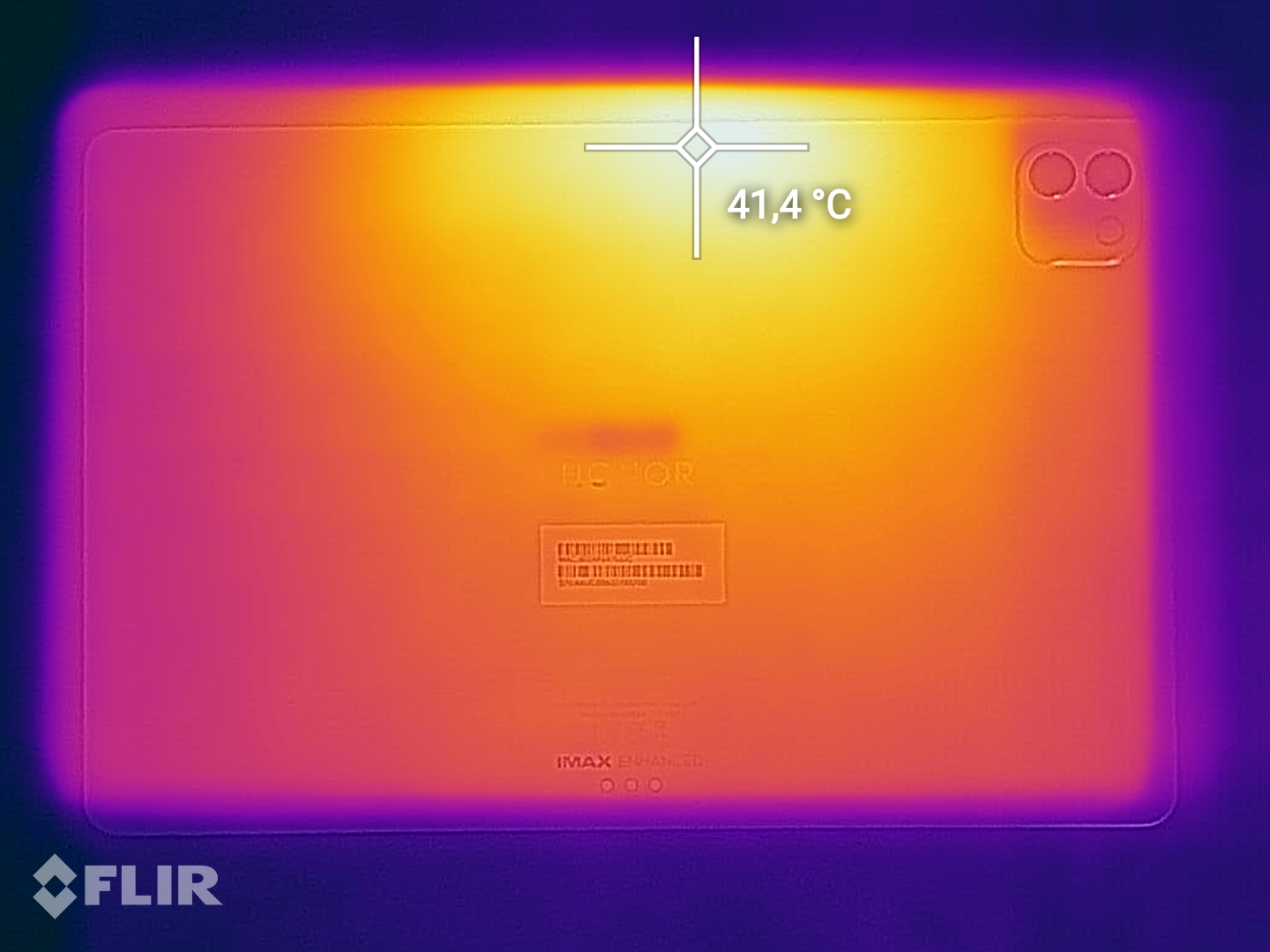
Due to their larger surface area, cooling is less of a problem for tablets than for smartphones, since heat can be dissipated effectively. This is also the situation regarding the MagicPad 4. With a maximum case temperature of around 40 °C, the Honor mid-range tablet remains pleasantly cool even after prolonged use.
The 3DMark stress tests also didn't reveal any significant reduction in system performance due to heat, and we observed only a very slight throttling of approximately 1 to 5 percent.
(+) The maximum temperature on the upper side is 39.4 °C / 103 F, compared to the average of 33.7 °C / 93 F, ranging from 20.7 to 53.2 °C for the class Tablet.
(±) The bottom heats up to a maximum of 40.5 °C / 105 F, compared to the average of 33.2 °C / 92 F
(+) In idle usage, the average temperature for the upper side is 29.4 °C / 85 F, compared to the device average of 30 °C / 86 F.
3DMark Stress Tests
| 3DMark | |
| Wild Life Stress Test Stability | |
| Honor MagicPad 3 | |
| Honor MagicPad 4 | |
| OnePlus Pad 2 Pro | |
| Lenovo Idea Tab Pro Gen 2 | |
| Wild Life Extreme Stress Test | |
| Honor MagicPad 3 | |
| Honor MagicPad 4 | |
| OnePlus Pad 2 Pro | |
| Lenovo Idea Tab Pro Gen 2 | |
| Apple iPad Air 13 M4 2026 | |
| Solar Bay Stress Test Stability | |
| Honor MagicPad 3 | |
| Honor MagicPad 4 | |
| OnePlus Pad 2 Pro | |
| Apple iPad Air 13 M4 2026 | |
| Lenovo Idea Tab Pro Gen 2 | |
Speakers
The strength of last year's large Honor tablet is also a plus point for the MagicPad 4. The available space has been very well utilized, and a superb eight-speaker audio system has been integrated. Each side features two tweeters and two woofers, which deliver truly excellent stereo sound in everyday use.
Wired headphones are only available via the USB-C port, and there is no 3.5 mm headphone jack. Wirelessly, the mid-range tablet supports the latest Bluetooth 6.0 standard with a wide range of audio codecs, which include LDAC and LHDC.
Honor MagicPad 4 audio analysis
(±) | speaker loudness is average but good (79.2 dB)
Bass 100 - 315 Hz
(±) | reduced bass - on average 6.7% lower than median
(-) | bass is not linear (16.4% delta to prev. frequency)
Mids 400 - 2000 Hz
(+) | balanced mids - only 2.2% away from median
(+) | mids are linear (6.9% delta to prev. frequency)
Highs 2 - 16 kHz
(+) | balanced highs - only 3.2% away from median
(+) | highs are linear (6.9% delta to prev. frequency)
Overall 100 - 16.000 Hz
(+) | overall sound is linear (8.7% difference to median)
Compared to same class
» 2% of all tested devices in this class were better, 2% similar, 97% worse
» The best had a delta of 7%, average was 21%, worst was 130%
Compared to all devices tested
» 3% of all tested devices were better, 1% similar, 97% worse
» The best had a delta of 4%, average was 23%, worst was 136%
Apple iPad Air 13 M4 2026 audio analysis
(±) | speaker loudness is average but good (76.4 dB)
Bass 100 - 315 Hz
(±) | reduced bass - on average 6% lower than median
(-) | bass is not linear (18.8% delta to prev. frequency)
Mids 400 - 2000 Hz
(±) | higher mids - on average 5.9% higher than median
(±) | linearity of mids is average (8.8% delta to prev. frequency)
Highs 2 - 16 kHz
(+) | balanced highs - only 3.6% away from median
(±) | linearity of highs is average (9.8% delta to prev. frequency)
Overall 100 - 16.000 Hz
(±) | linearity of overall sound is average (16.8% difference to median)
Compared to same class
» 40% of all tested devices in this class were better, 4% similar, 55% worse
» The best had a delta of 7%, average was 21%, worst was 130%
Compared to all devices tested
» 30% of all tested devices were better, 7% similar, 63% worse
» The best had a delta of 4%, average was 23%, worst was 136%
Battery life - The Android tablet houses a large battery
Power consumption
Despite its slim design, the battery has a capacity of 10,100 mAh. It can also be charged relatively quickly at a maximum of 67 watts. You can achieve this using a suitable power adapter or a high-performance power bank, such as the Xiaomi 25000, and a charging cycle takes around 1.5 hours.
The power consumption for a 12.3-inch tablet with an OLED screen isn't exactly low, but it's also not what you would call particularly high. However, the idle power consumption of over 3.5 watts could be more efficient.
| Off / Standby |   0.15 / 0.33 Watt 0.15 / 0.33 Watt |
| Idle |  3.53 / 4.77 / 4.86 Watt 3.53 / 4.77 / 4.86 Watt |
| Load |
11.21 / 11.67 Watt |
    
| |
Key:
min: ,
med: ,
max: Metrahit Energy | |
| Honor MagicPad 4 10100 mAh | OnePlus Pad 2 Pro 12140 mAh | Honor MagicPad 3 12450 mAh | Average Qualcomm Snapdragon 8 Gen 5 | Average of class Tablet | |
|---|---|---|---|---|---|
| Power Consumption | 2% | -42% | 21% | 14% | |
| Idle Minimum * (Watt) | 3.53 | 3.8 -8% | 1.55 56% | 1.81 ? 49% | 2.15 ? 39% |
| Idle Average * (Watt) | 4.77 | 4.2 12% | 8.99 -88% | 2.46 ? 48% | 3.87 ? 19% |
| Idle Maximum * (Watt) | 4.86 | 4.8 1% | 9.02 -86% | 2.75 ? 43% | 4.26 ? 12% |
| Load Average * (Watt) | 11.21 | 10.2 9% | 11.68 -4% | 11.5 ? -3% | 8.87 ? 21% |
| Load Maximum * (Watt) | 11.67 | 12.4 -6% | 21.97 -88% | 15.2 ? -30% | 14.4 ? -23% |
* ... smaller is better
Power consumption: Geekbench (150 cd/m²)
Power consumption: GFXbench (150 cd/m²)
Battery runtimes
In our Wi-Fi test with the display brightness adjusted to 150 cd/m², the MagicPad 4's battery life of around 13 hours is respectable for a tablet of this size. However, the Honor tablet (somewhat surprisingly) doesn't quite match its LCD predecessor's battery life.
| Battery runtime - WiFi v1.3 | |
| Honor MagicPad 4 | |
| Lenovo Idea Tab Pro Gen 2 | |
| OnePlus Pad 2 Pro | |
| Apple iPad Air 13 M4 2026 | |
| Honor MagicPad 3 | |
Notebookcheck overall rating - MagicPad4
A glance at Apple's iPads and their pricing shows just how much the Honor MagicPad 4 tablet offers in the mid-range. Anyone on the hunt for an OLED tablet will find here an affordable all-in-one package with excellent accessories for school or university.

Honor MagicPad 4
- 05/22/2026 v8
Marcus Herbrich
 Total Sustainability Score:
 Possible alternatives compared
Image | Model / Review | Price | Weight | Drive | Display |
|---|---|---|---|---|---|
1. 89.6%  | Honor MagicPad 4 Qualcomm Snapdragon 8 Gen 5 ⎘ Qualcomm Adreno 829 ⎘ 12 GB Memory, 256 GB UFS 4.x | Amazon: 1. $833.00 HONOR MagicPad4 (12.3 Inch, ... 2. $1,059.00 HONOR MagicPad4 (12.3 Inch, ... 3. $799.00 HONOR MagicPad4 (12.3 Inch, ... List Price: 600€ | 450 g | 256 GB UFS 4.0 Flash | 12.30" 3000x1920 290 PPI OLED |
2. 86.5%  | Lenovo Idea Tab Pro Gen 2 Qualcomm Snapdragon 8s Gen 4 SM8735 ⎘ Qualcomm Adreno 825 ⎘ 8 GB Memory, 128 GB UFS 3.1 | List Price: 529€ | 598 g | 128 GB UFS 3.1 Flash | 13.00" 3504x2109 315 PPI IPS |
3. 88.4%  | OnePlus Pad 2 Pro Qualcomm Snapdragon 8 Elite ⎘ Qualcomm Adreno 830 ⎘ 12 GB Memory, 256 GB UFS 4.x | Amazon: 1. $399.00 OnePlus Pad Go 2 128GB 8GB S... 2. $249.50 XIAOMI Redmi Pad 2 PRO Only ... 3. $289.75 XIAOMI Redmi Pad 2 PRO Only ... List Price: 550€ | 675 g | 256 GB UFS 4.0 Flash | 13.20" 3392x2400 315 PPI LTPS LCD |
4. 87.1%  | Apple iPad Air 13 M4 2026 Apple M4 8-Core ⎘ Apple M4 9-Core GPU ⎘ 12 GB Memory, 128 GB NVMe | List Price: 849€ | 616 g | 128 GB NVMe | 12.90" 2732x2048 265 PPI IPS |
5. 85.9%  | Honor MagicPad 3 Qualcomm Snapdragon 8 Gen 3 ⎘ Qualcomm Adreno 750 ⎘ 16 GB Memory, 512 GB UFS 3.1 | Amazon: 1. $744.00 HONOR MagicPad3 Wi-Fi Tablet... 2. $833.00 HONOR MagicPad4 (12.3 Inch, ... 3. $215.00 HONOR PAD X9a, 11.5" HONOR F... List Price: 700€ | 595 g | 512 GB UFS 3.1 Flash | 13.30" 3200x2136 289 PPI LCD |
Transparency
The selection of devices to be reviewed is made by our editorial team. The test sample was provided to the author as a loan by the manufacturer or retailer for the purpose of this review. The lender had no influence on this review, nor did the manufacturer receive a copy of this review before publication. There was no obligation to publish this review. As an independent media company, Notebookcheck is not subjected to the authority of manufacturers, retailers or publishers.
This is how Notebookcheck is testing
Every year, Notebookcheck independently reviews hundreds of laptops and smartphones using standardized procedures to ensure that all results are comparable. We have continuously developed our test methods for around 20 years and set industry standards in the process. In our test labs, high-quality measuring equipment is utilized by experienced technicians and editors. These tests involve a multi-stage validation process. Our complex rating system is based on hundreds of well-founded measurements and benchmarks, which maintains objectivity. Further information on our test methods can be found here.
 Add as a preferred source on Google


