




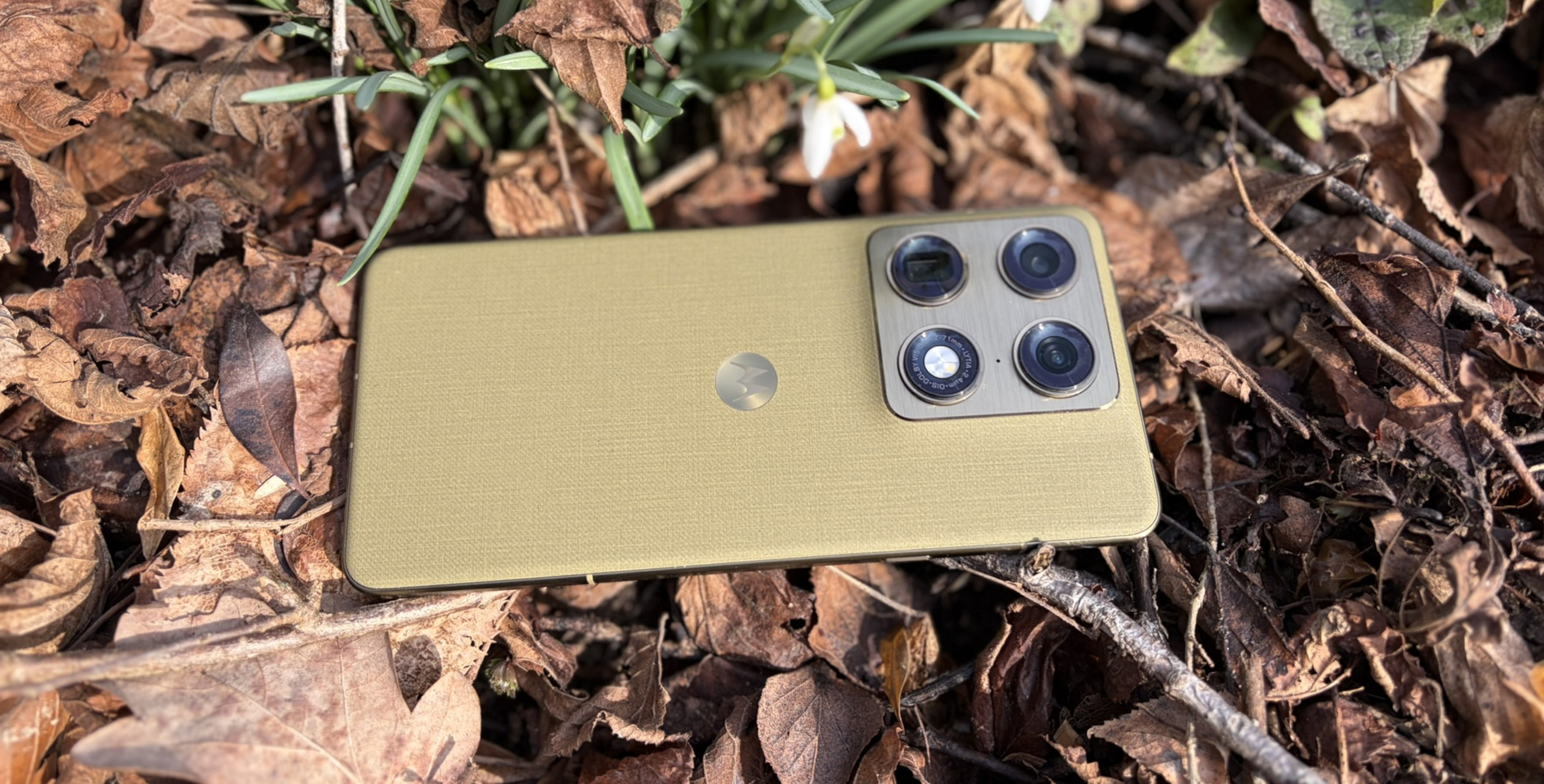
Verdict on the Motorola Signature
The Motorola Signature is a very strong flagship smartphone, although it is not convincing in every area. The slim yet highly durable body, the very bright AMOLED screen, and the camera setup with its four 50 MP lenses are definitely first class. Combined with the 7-year update guarantee, you should be able to enjoy the Signature phone for a long time.
However, the Snapdragon 8 Gen 5 in Motorola's top model is not the most powerful SoC, and anyone who frequently uses the smartphone for gaming will likely be disappointed with the test device due to high heat generation. The battery also lags behind the competition. Although the noise levels are good, they are slightly below average by high-end standards.
Pros
Cons
Price and availability
The Motorola Signature costs just under 1000 euros from Lenovo. At the time of testing, you can get it for just under 950 euros on Amazon, for example.

- $1,039.00Motorola Signature Dual-SIM 512GB ROM + 16GB RAM (GSM Only | No CDMA) Factory Unlocked 5G Smartphone (Pantone Martini Olive) - International Version
- $1,039.00Motorola Signature Dual-SIM 512GB ROM + 16GB RAM (GSM Only | No CDMA) Factory Unlocked 5G Smartphone (Pantone Carbon) - International Version
- $529.50Motorola Moto Edge 70 5G Ai (Compatible with Tmobile Mint Tello & Global) (512GB+12GB) NFC 50MP 4K Triple Cam Dual Sim 6.67" Curved XT2601-3 Latino American Version (Gadget Gray)
Table of Contents
- Verdict on the Motorola Signature
- Specifications
- Case - Top of the league both visually and haptically
- Features - Motorola Signature with 16 GB RAM and 512 GB storage
- Software - Android 16 and updates until 2033
- Communication and GNSS - WiFi 7 and WLAN speeds up to 1500 MBit/s
- Phone functions and voice quality
- Camera - Four times 50 megapixels and Sony LYTIA image sensors
- Accessories and warranty - Protective cover included
- Input devices and operation - Responsive display and AI button
- Display - Reaches luminosities of up to 4500 nits
- Performance - Motorola Signature with Snapdragon 8 Gen 5
- Emissions - Hot Signature
- Battery life - Other flagship phones offer more
- Notebookcheck overall rating
- Possible alternatives in comparison
Motorola has named its new flagship smartphone Signature and is positioning it against the top models from Apple, Samsung, and Xiaomi. It should be particularly impressive in terms of the camera and has already received praise in this regard. In the DxO benchmark, it beat top smartphones such as the Google Pixel 10 Pro, putting it in the top 10 smartphones with the best cameras at the time of testing.
Specifications
Case - Top of the league both visually and haptically
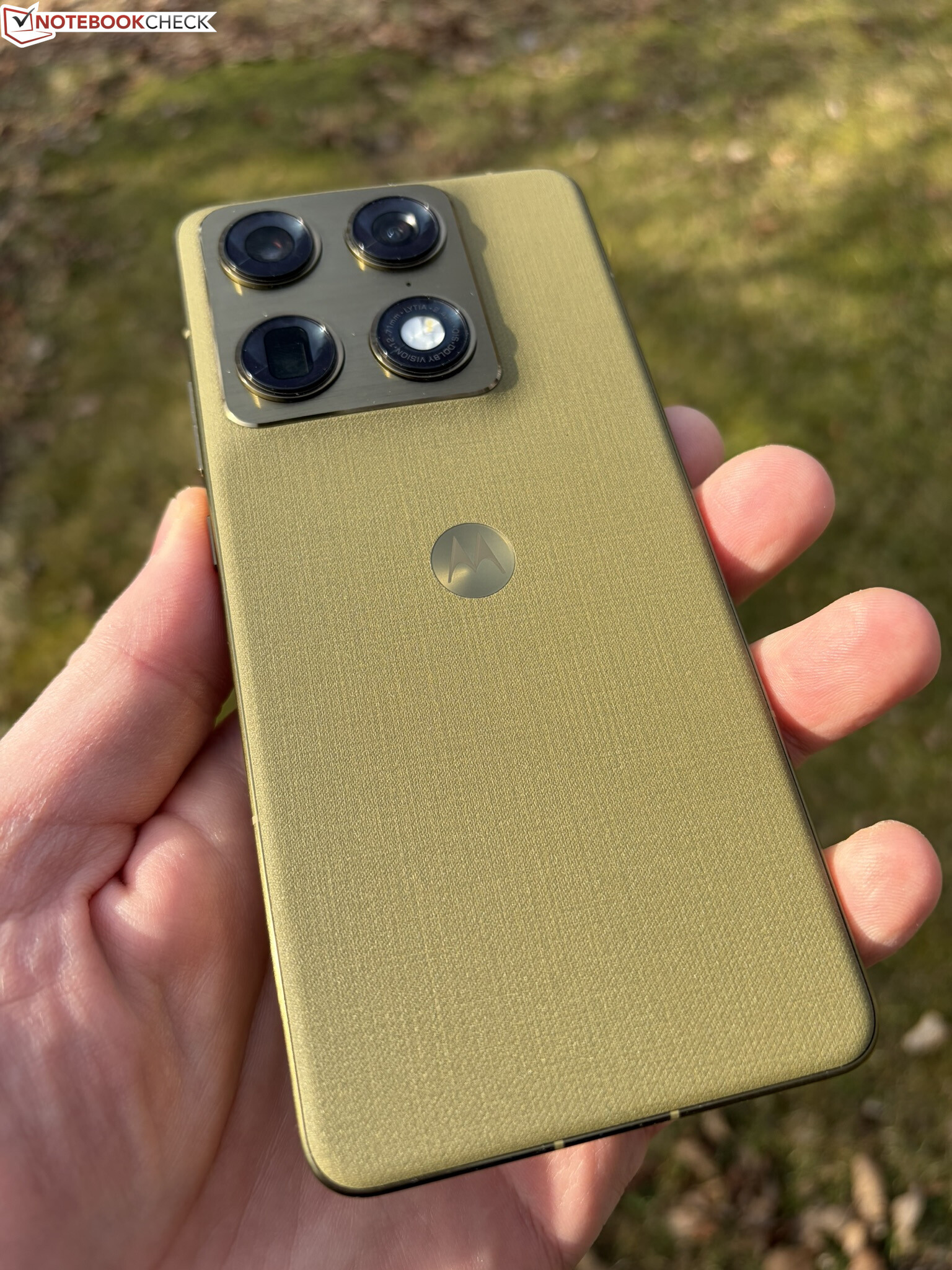
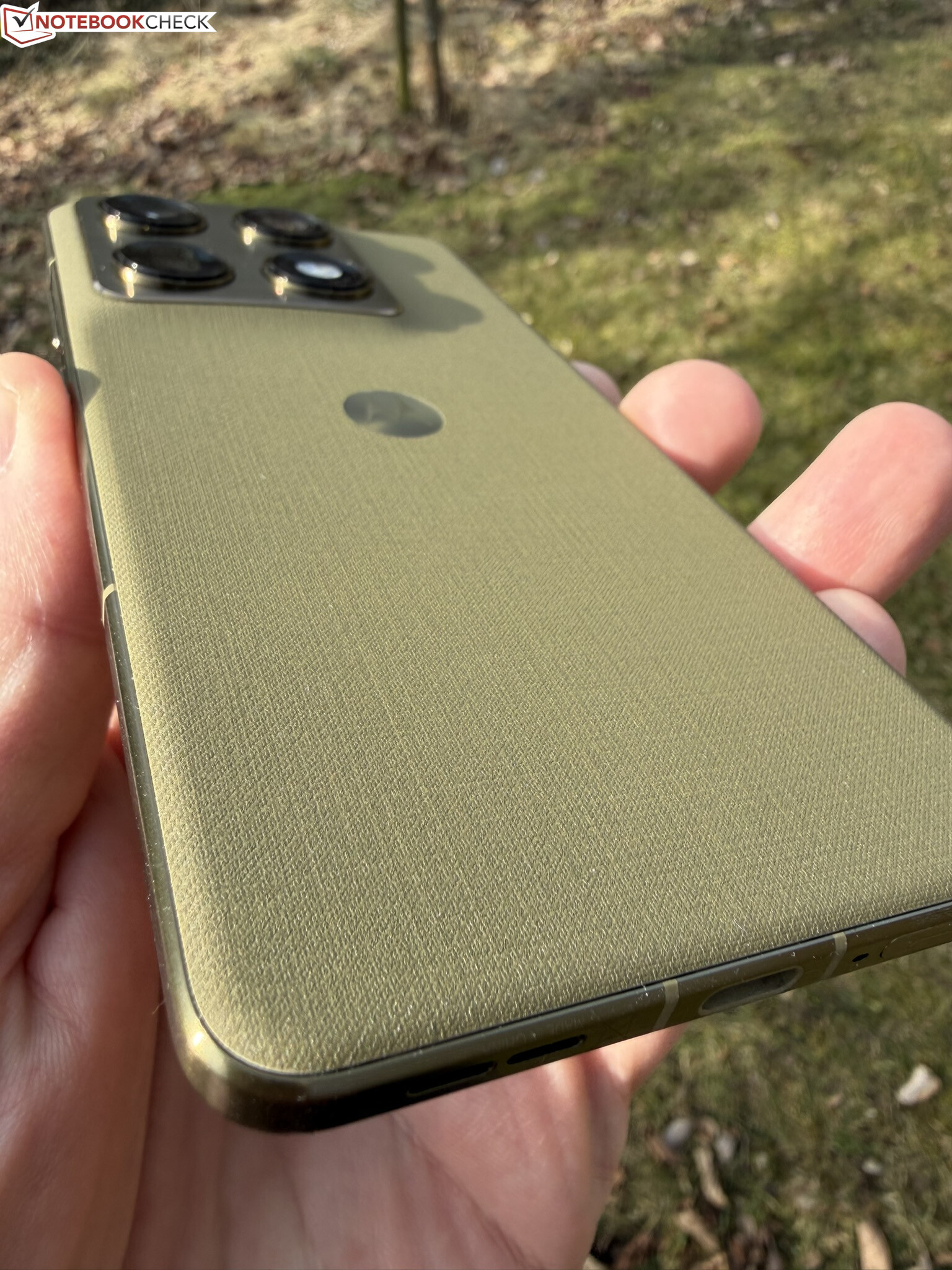
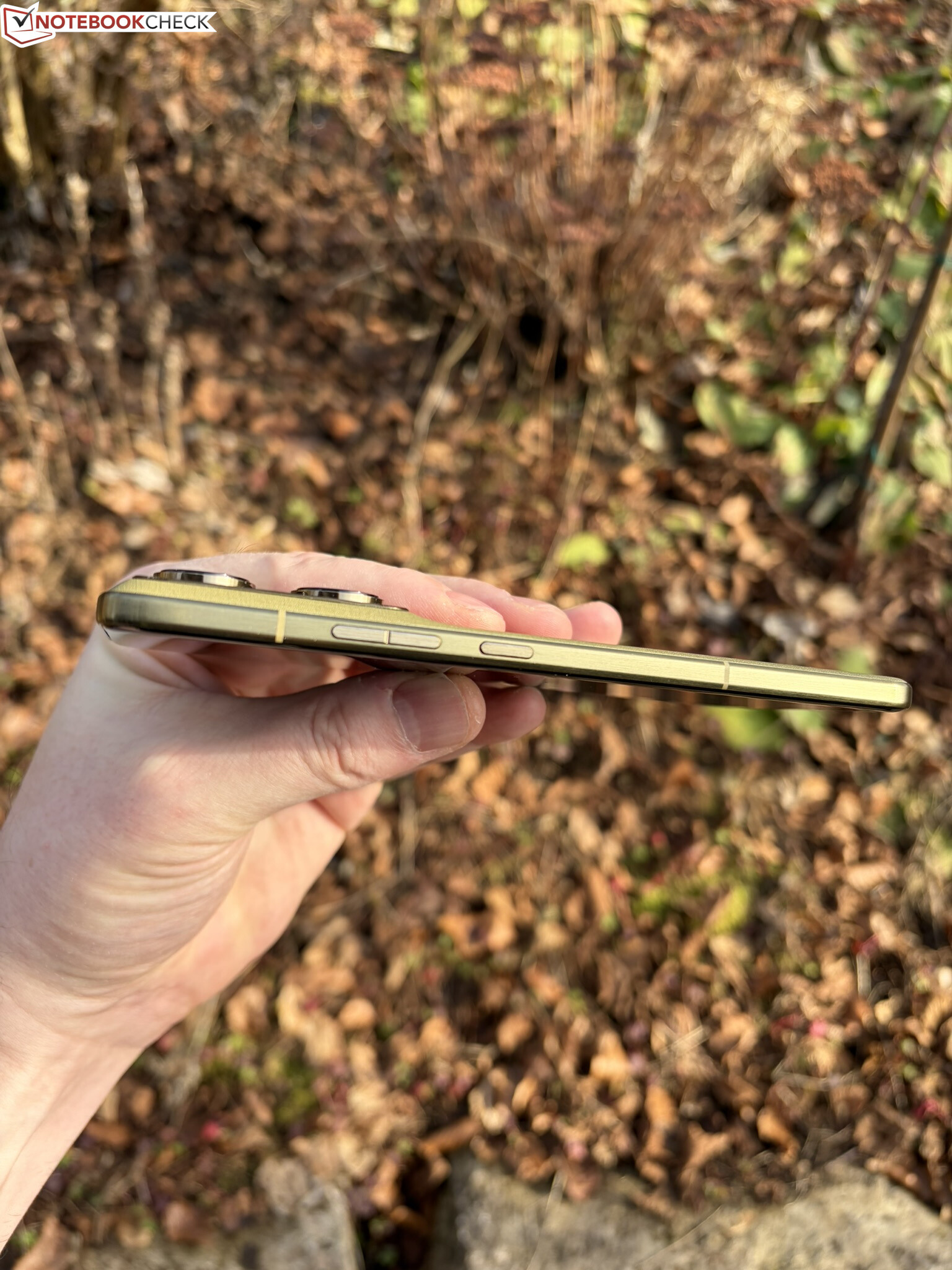
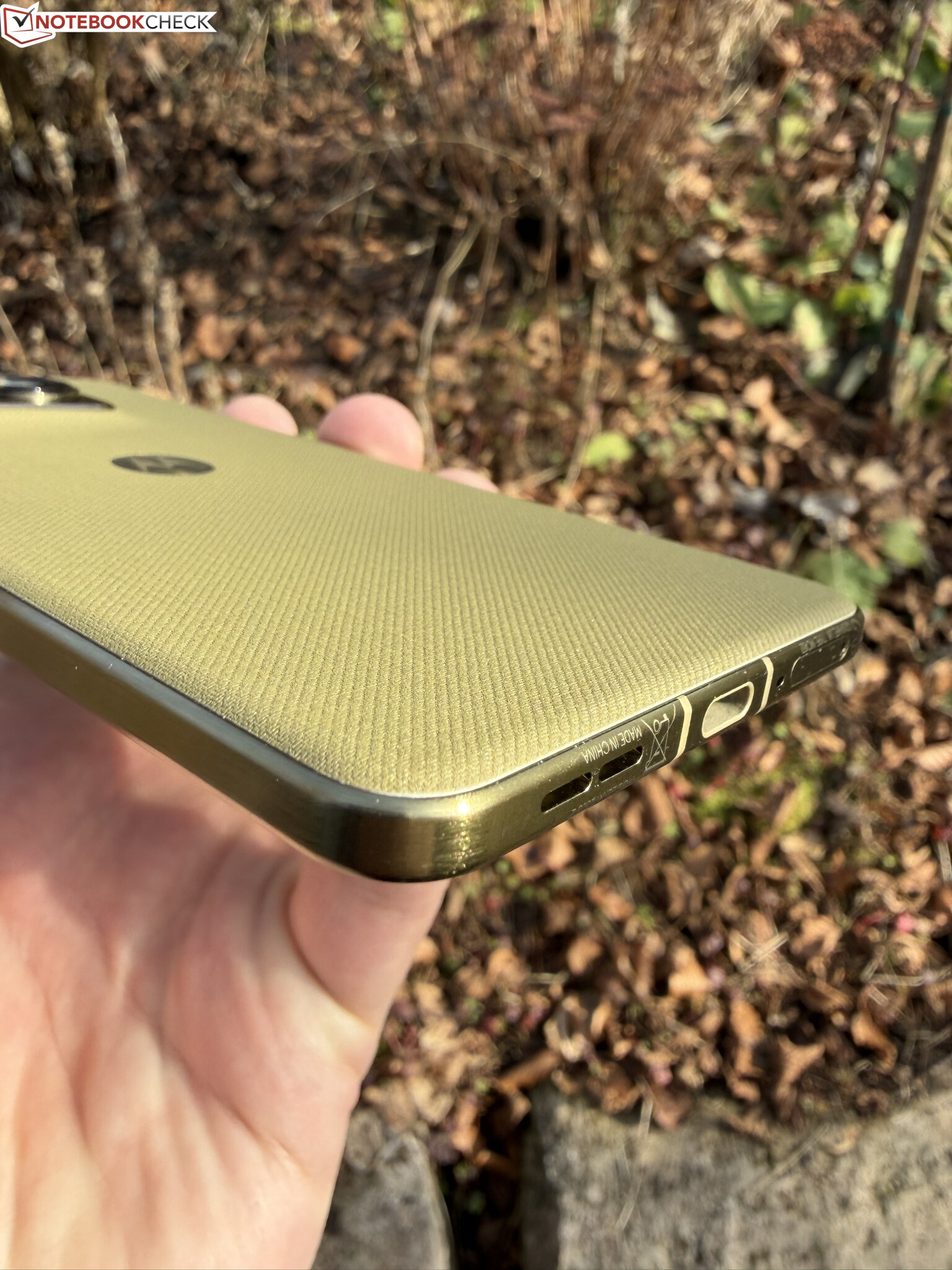
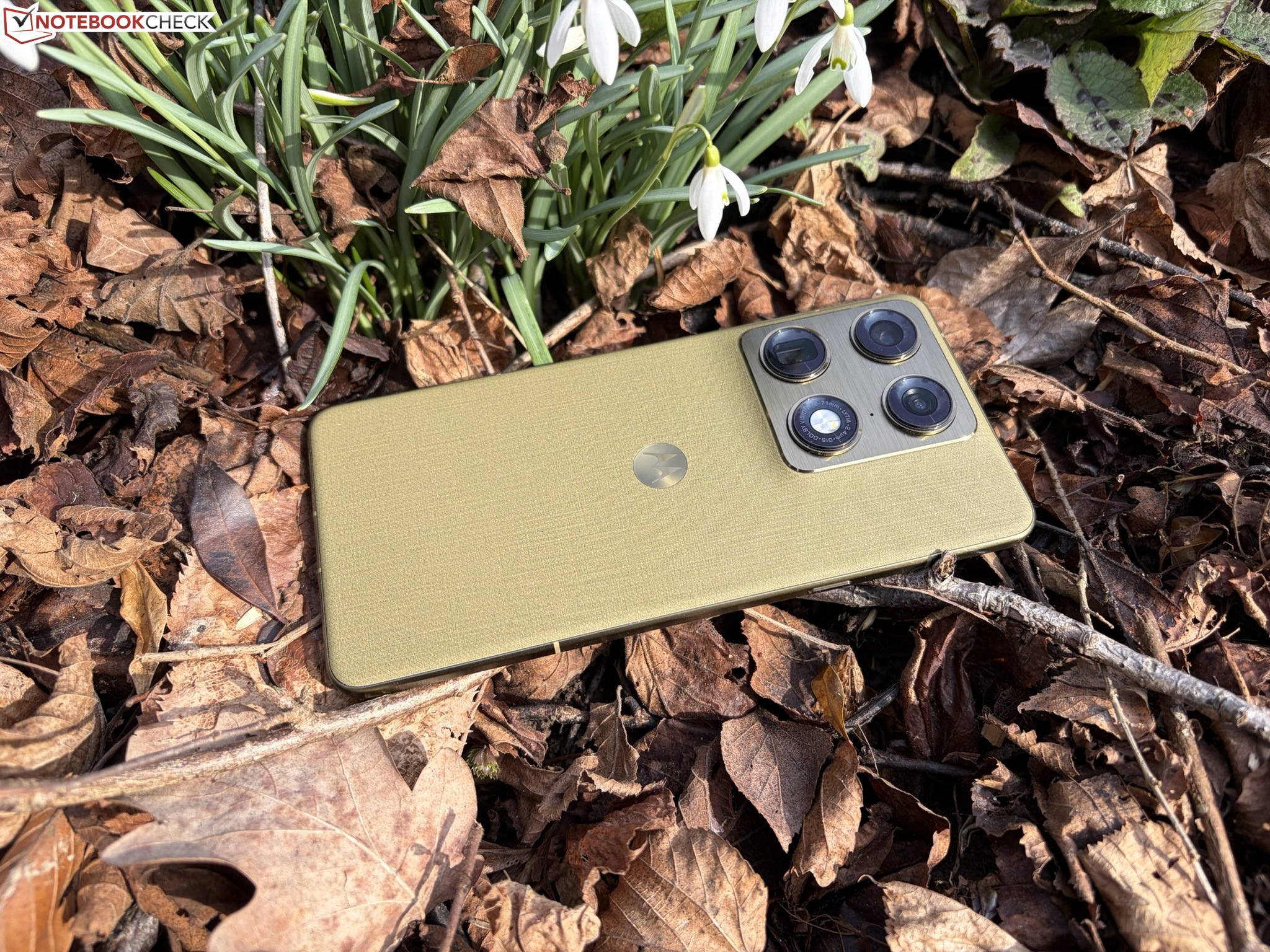
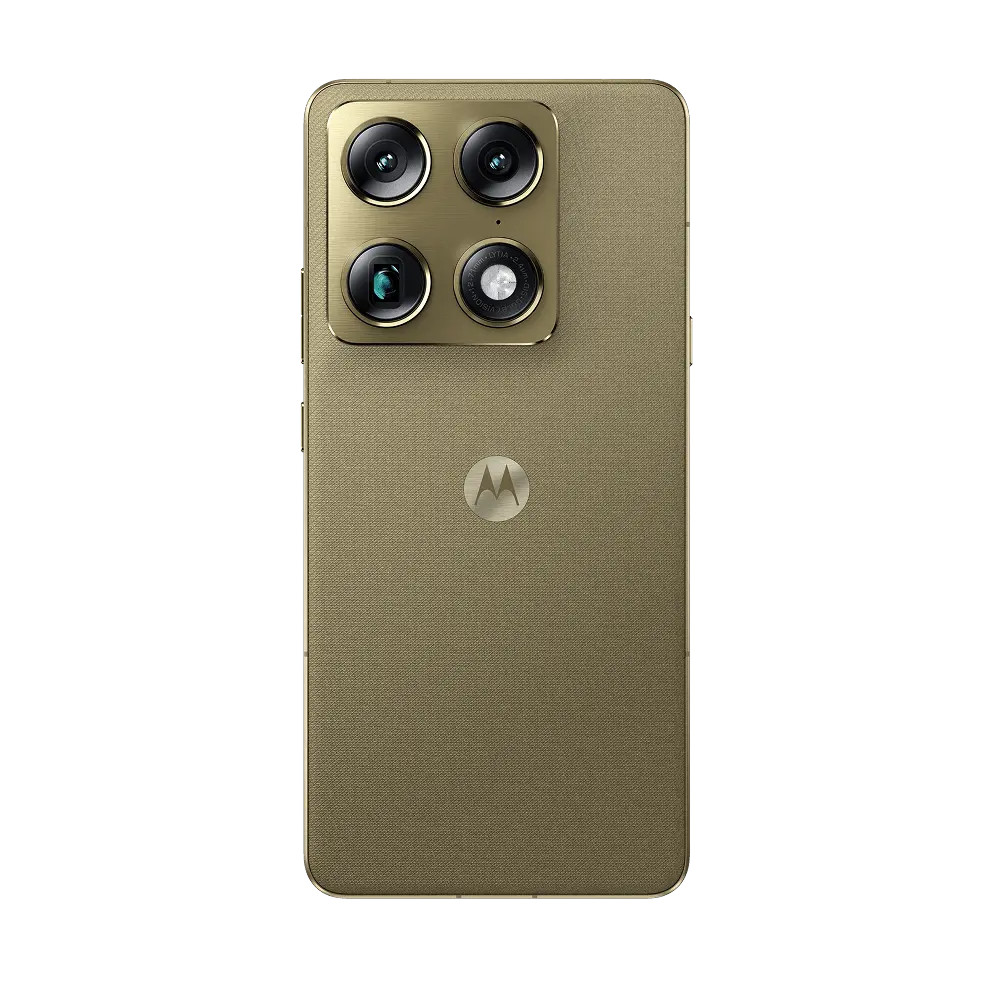
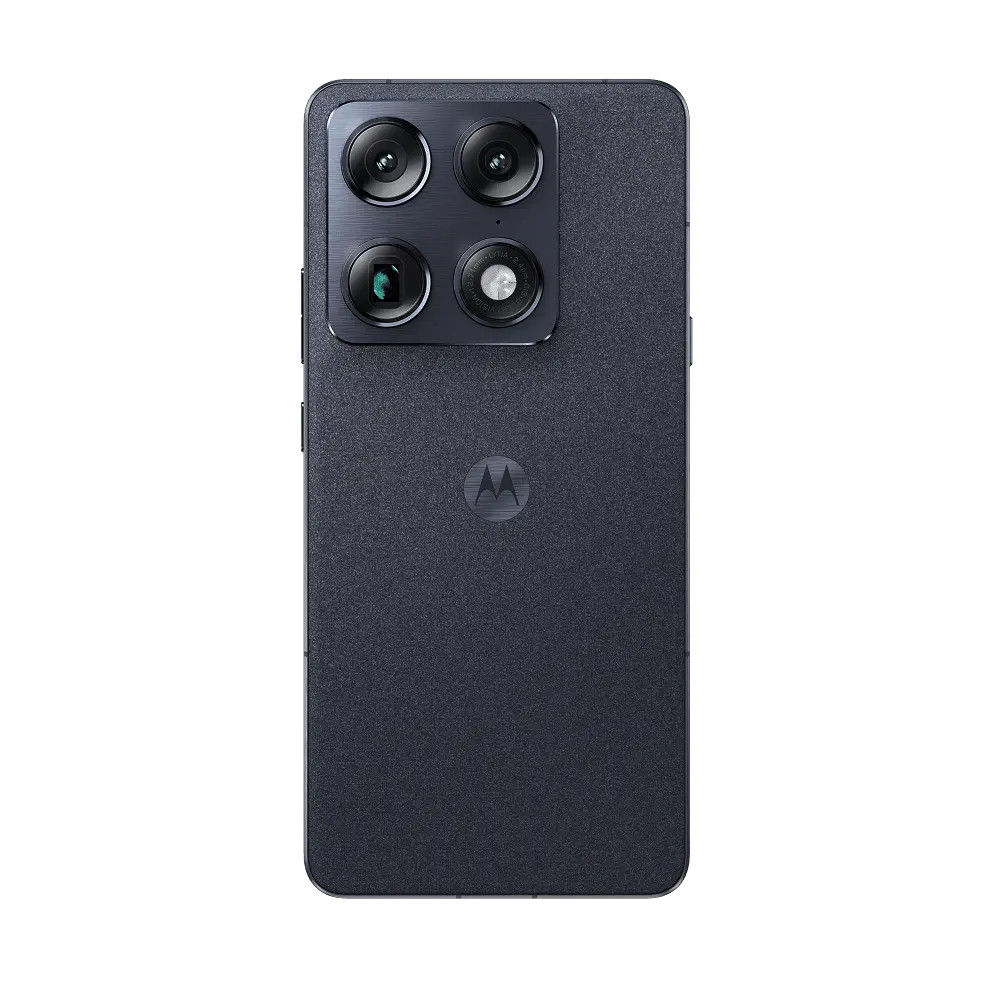
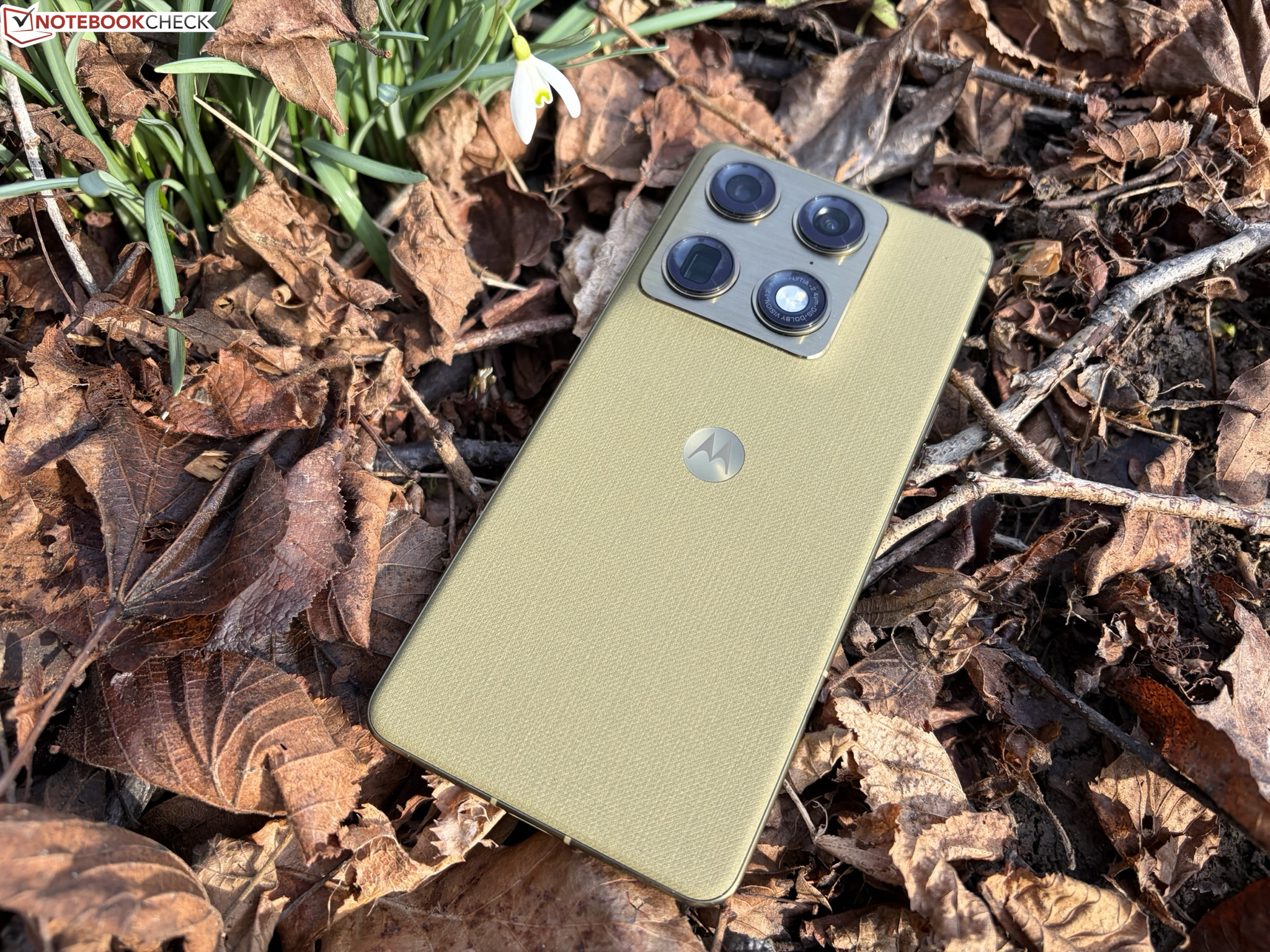
Available in the Pantone colors Martini Olive (yellow-green) and Carbon (navy blue), the Motorola Signature features a curved design with an aluminum frame. The back cover finish of the olive model resembles cotton twill. The navy blue version has a linen-like texture.
At 186 grams, the Motorola Signature is lighter than many other top smartphones and measures just under 12 millimetres at its thickest point. It is protected against dust and water in accordance with IP68/69 and meets military robustness requirements under MIL-STD-810H standard. Gorilla Glass Victus 2 is used for the display glass.
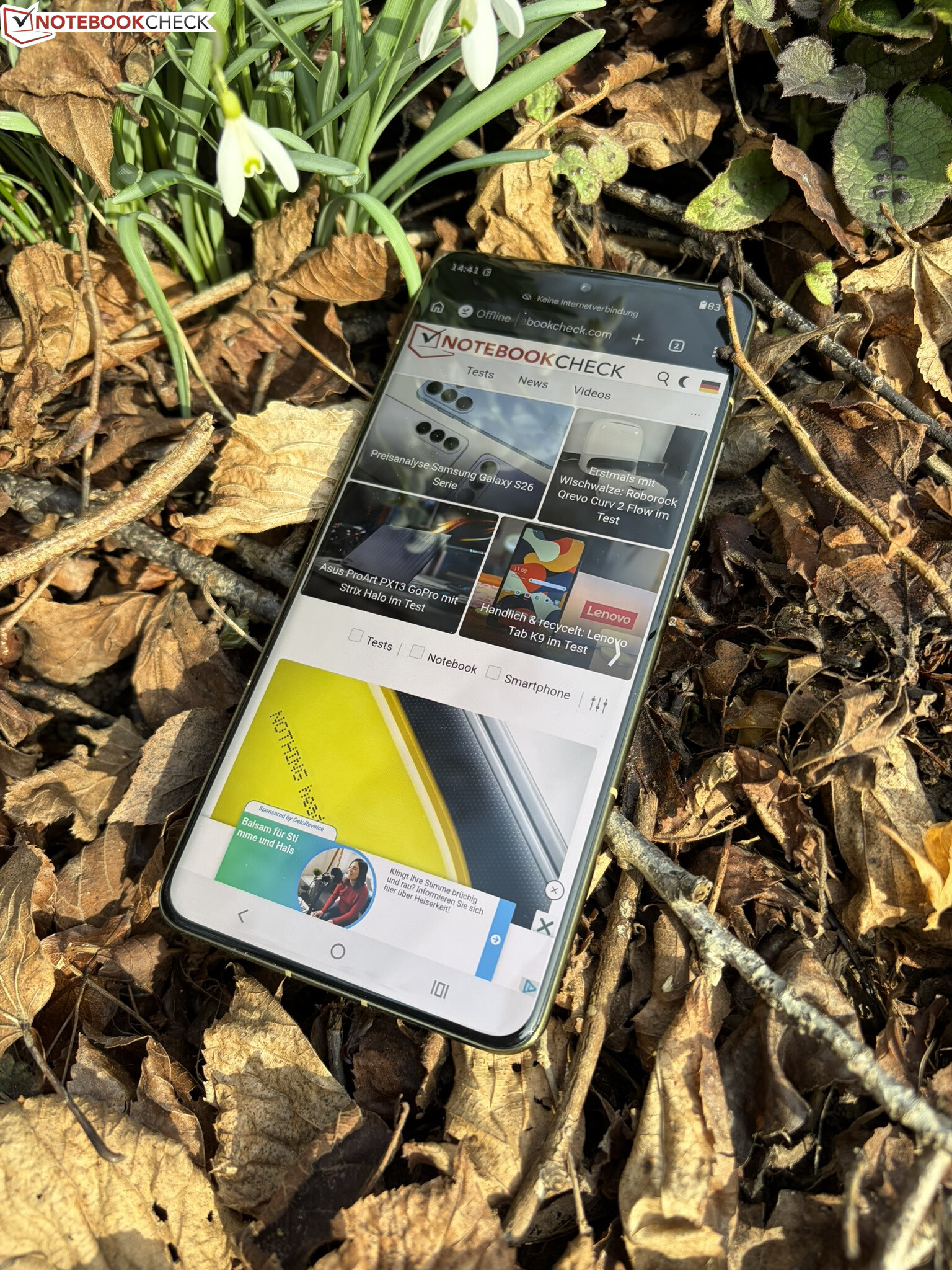
Features - Motorola Signature with 16 GB RAM and 512 GB storage
Regardless of the color variant, 16 GB LPDDR5X RAM and 512 GB UFS 4.1 memory are on board. There is also WiFi 7, Bluetooth 6.0, dual SIM, a USB-C port with USB 3.2 Gen.1 and stereo speakers.
Software - Android 16 and updates until 2033
Motorola equips the Signature with Android 16 and leaves the Google OS virtually untouched. In addition to Moto AI, only a handful of third-party apps are installed, but these can be deleted. Motorola promises 7 years of updates.


Sustainability
The Motorola Signature comes in plastic-free packaging. It is printed with soy ink and is made from recycled materials in accordance with the FSC Mix certification. There is a lot to read about sustainability on Motorola's website. However, the manufacturer does not provide any information on the Signature's carbon footprint.
Spare parts and instructions for self-repair are available from Motorola's partner Replacebase. If you buy the Signature via the Motorola website, you can trade in a smartphone that you no longer need.
Communication and GNSS - WiFi 7 and WLAN speeds up to 1500 MBit/s
Thanks to its wide selection of LTE and 5G bands, the Motorola Signature should be able to receive a signal in practically any location.
Thanks to WiFi 7 support, the Motorola Signature can use the 6 GHz band on our Asus ROG Rapture GT-AXE11000 reference router and achieves quite stable transmission rates, which peak at around 1500 Mbps.
| Networking | |
| Motorola Signature | |
| iperf3 transmit AXE11000 | |
| iperf3 receive AXE11000 | |
| iperf3 transmit AXE11000 6GHz | |
| iperf3 receive AXE11000 6GHz | |
| Apple iPhone 17 Pro Max | |
| iperf3 transmit AXE11000 | |
| iperf3 receive AXE11000 | |
| iperf3 transmit AXE11000 6GHz | |
| iperf3 receive AXE11000 6GHz | |
| Honor Magic8 Pro | |
| iperf3 transmit AXE11000 | |
| iperf3 receive AXE11000 | |
| iperf3 transmit AXE11000 6GHz | |
| iperf3 receive AXE11000 6GHz | |
| Samsung Galaxy S25 Ultra | |
| iperf3 transmit AXE11000 | |
| iperf3 receive AXE11000 | |
| iperf3 transmit AXE11000 6GHz | |
| iperf3 receive AXE11000 6GHz | |
| Vivo X300 Pro | |
| iperf3 transmit AXE11000 | |
| iperf3 receive AXE11000 | |
| iperf3 transmit AXE11000 6GHz | |
| iperf3 receive AXE11000 6GHz | |
| Xiaomi Poco F8 Ultra | |
| iperf3 transmit AXE11000 | |
| iperf3 receive AXE11000 | |
| Average 802.11 a/b/g/n/ac/ax/be | |
| iperf3 transmit AXE11000 | |
| iperf3 receive AXE11000 | |
| iperf3 transmit AXE11000 6GHz | |
| iperf3 receive AXE11000 6GHz | |
| Average of class Smartphone | |
| iperf3 transmit AXE11000 | |
| iperf3 receive AXE11000 | |
| iperf3 transmit AXE11000 6GHz | |
| iperf3 receive AXE11000 6GHz | |


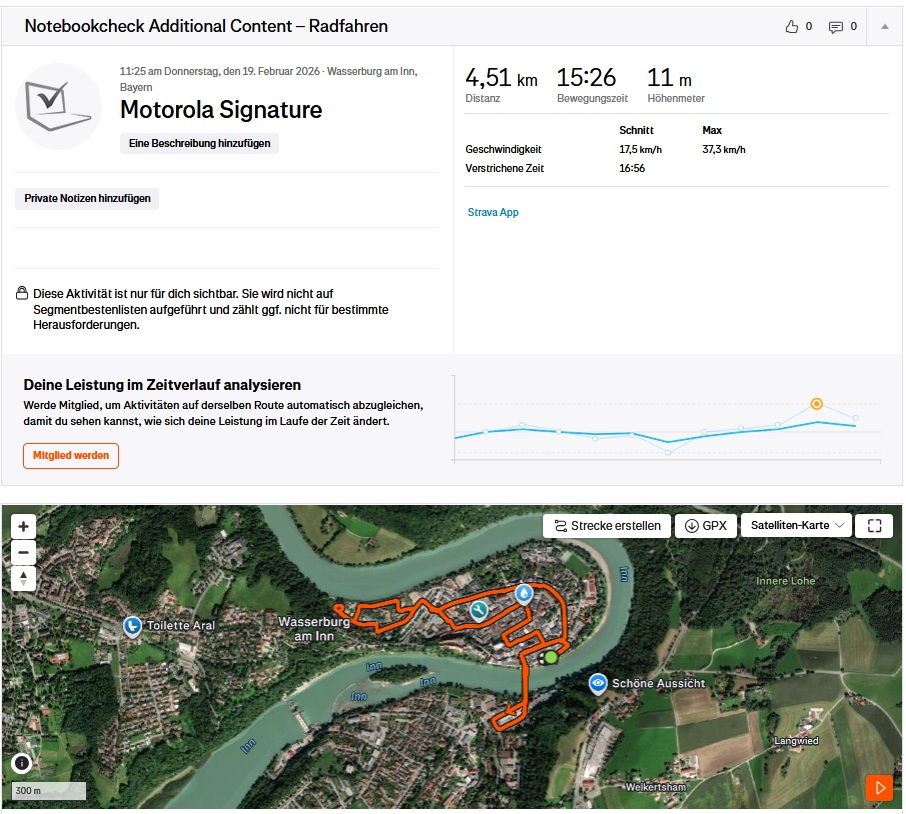
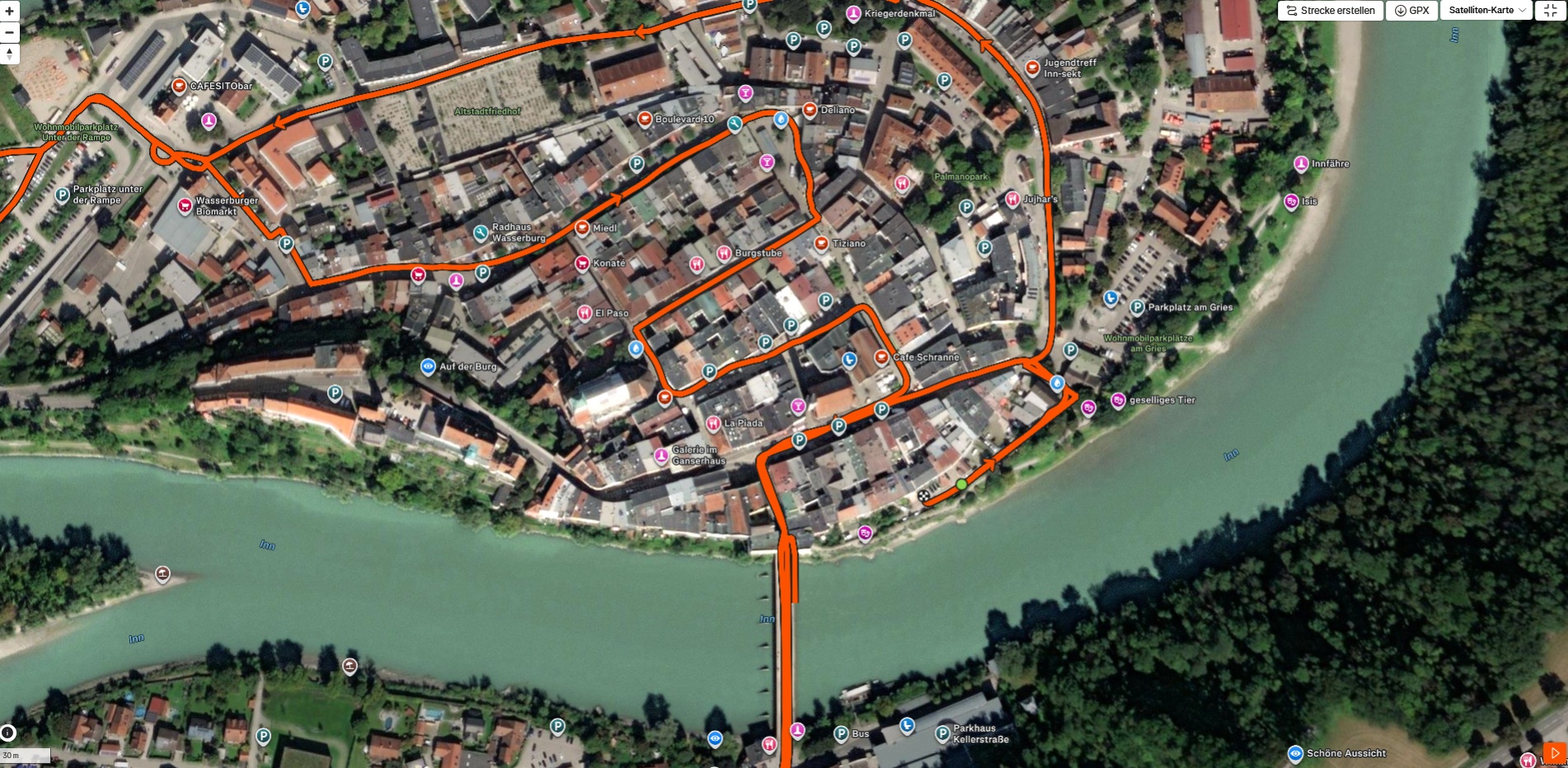
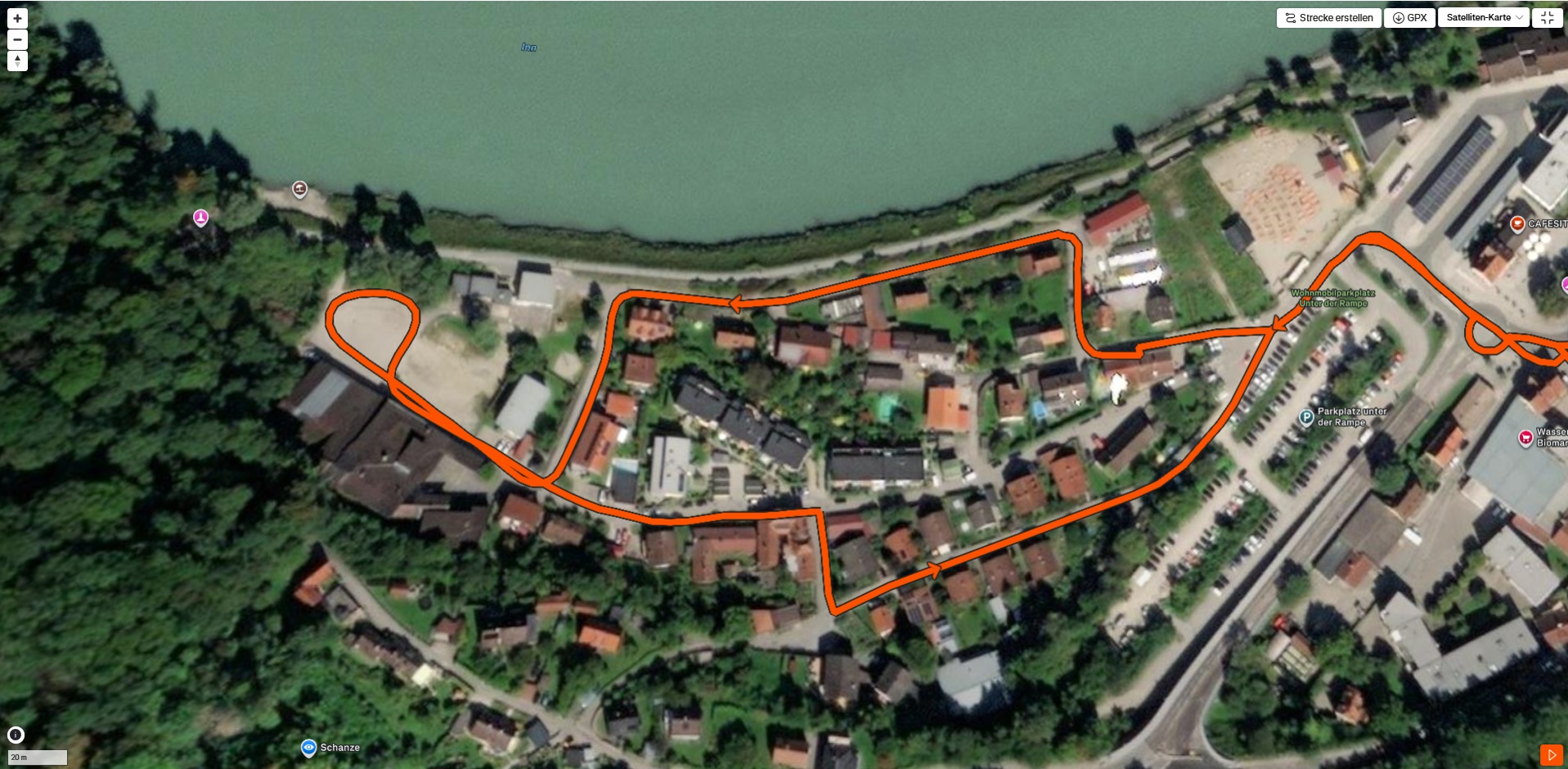
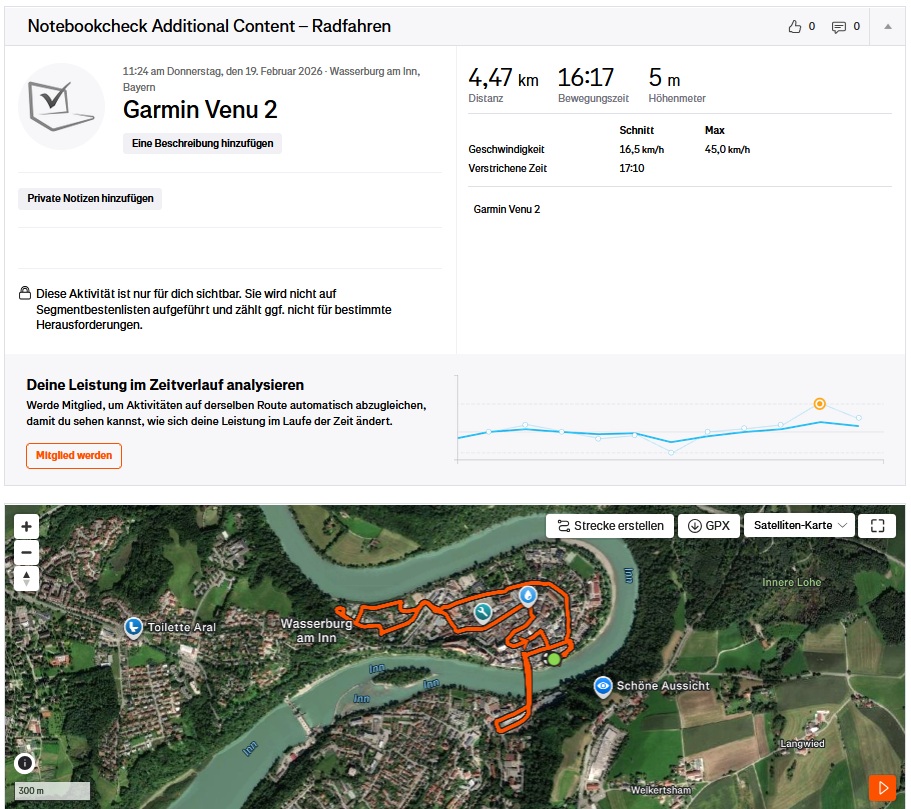
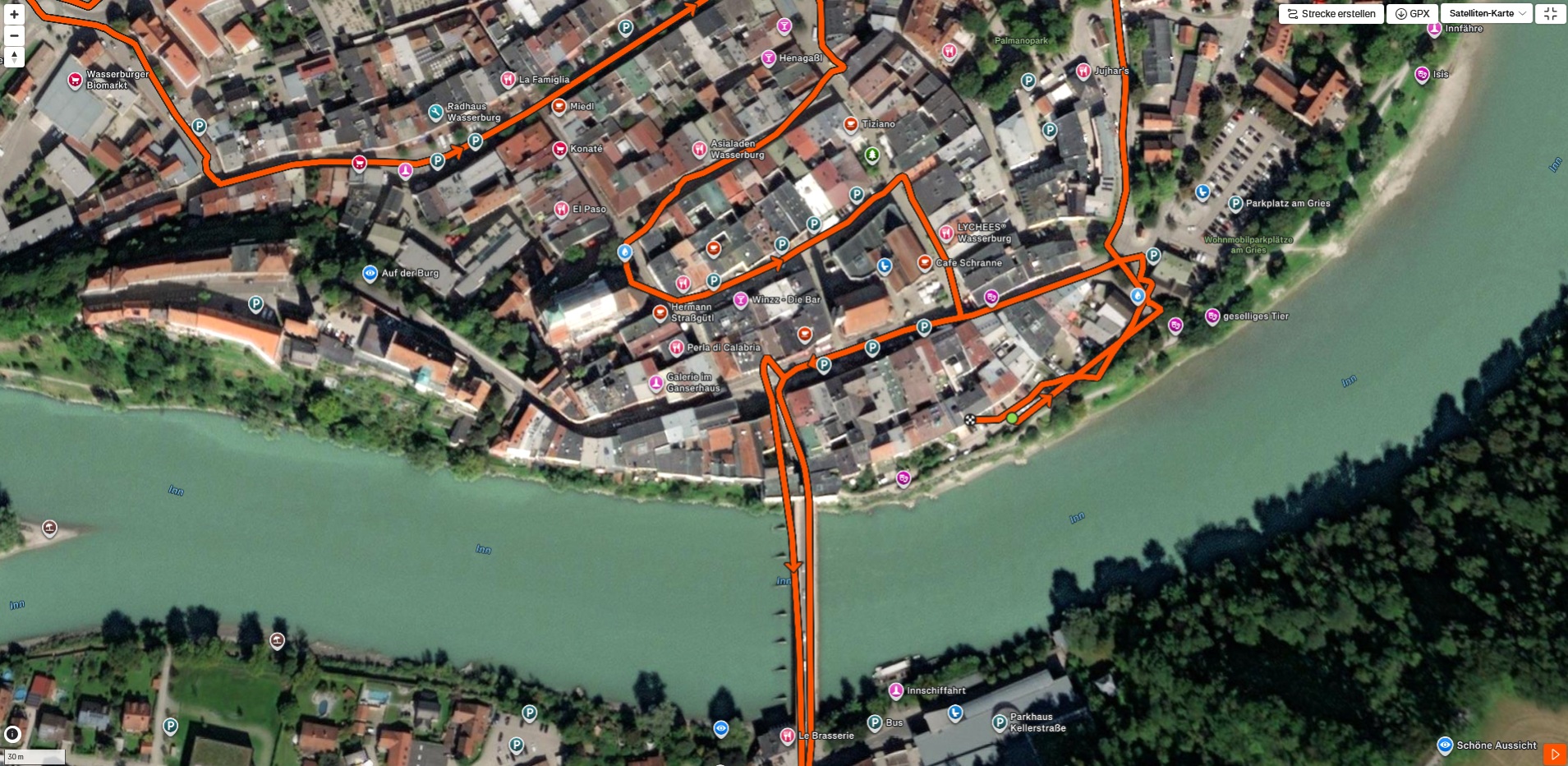
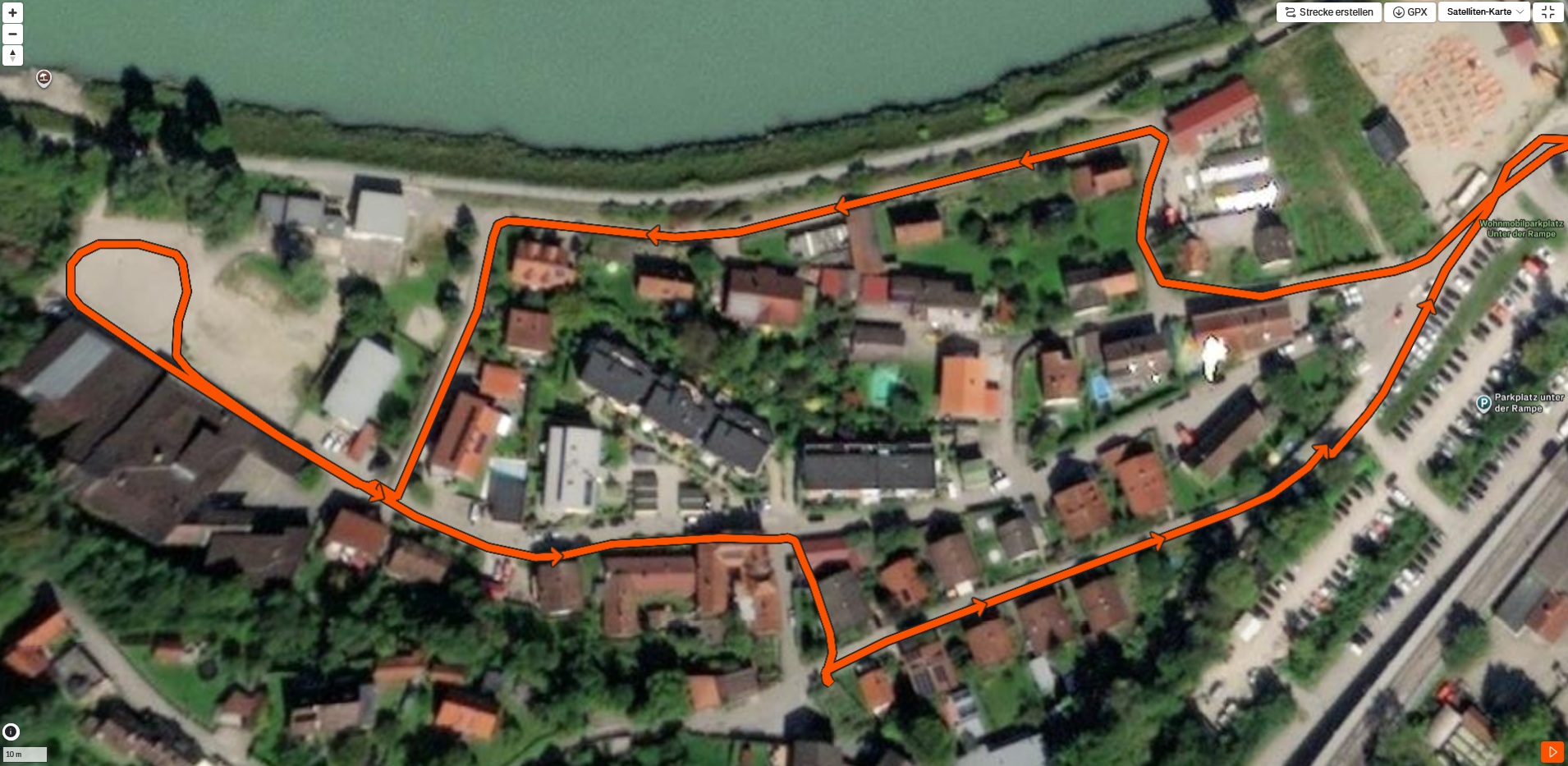
The Motorola Signature uses GPS, Glonass, and Galileo to determine its position well, but not quite as precisely as you would expect from a top smartphone.
The accuracy is sufficient for everyday use. In a direct comparison with the Garmin Venu 2 fitness smartwatch, however, the Motorola phone was slightly inaccurate in a few sections of our test round and sometimes built an imaginary loop.
Phone functions and voice quality
The Motorola Signature supports dual-SIM operation with nano-SIM and eSIM, and also offers VoLTE and Wi-Fi calling. In the test, the smartphone delivered good voice quality and reproduced voices clearly and distinctly.
Camera - Four times 50 megapixels and Sony LYTIA image sensors

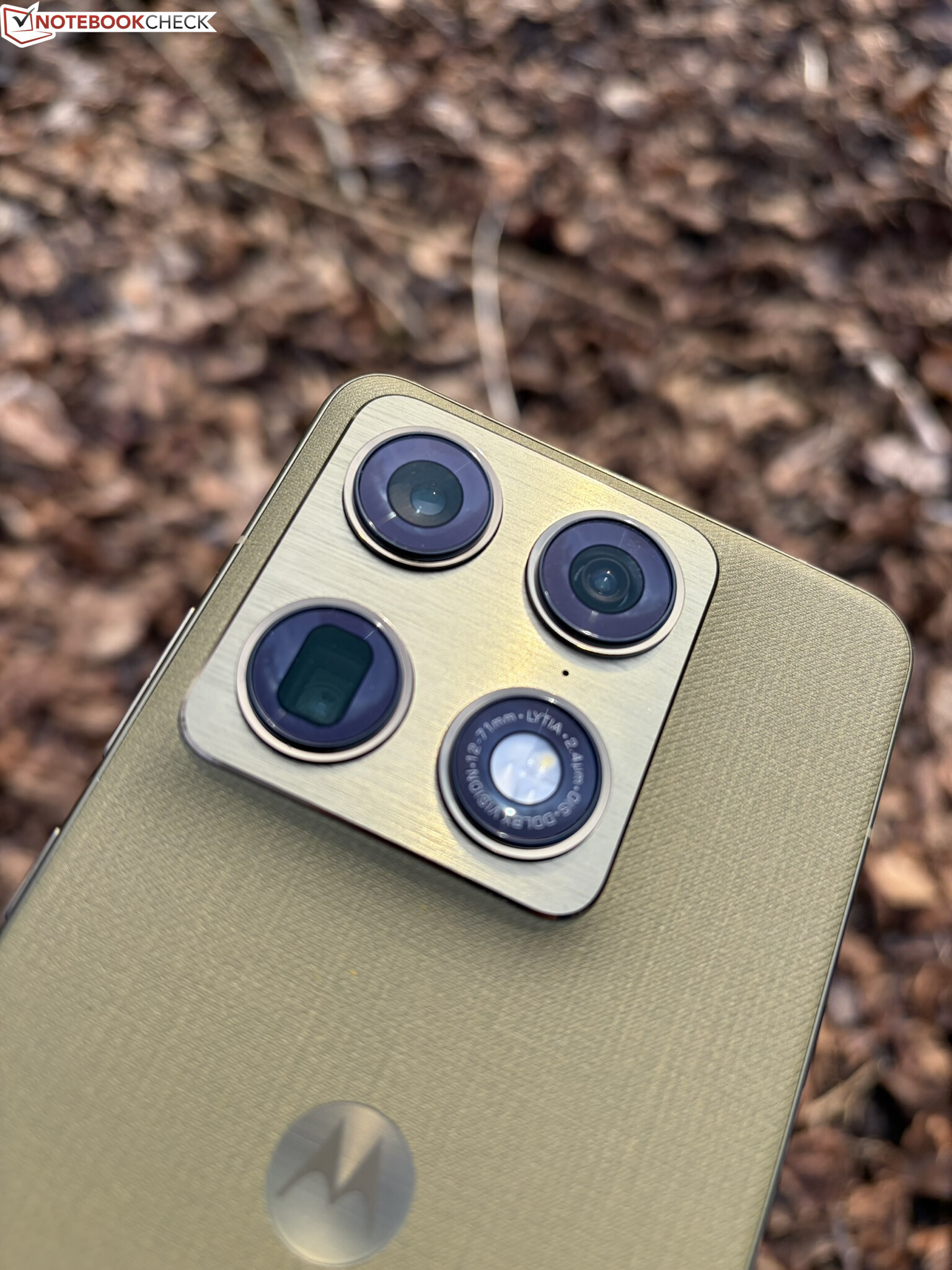
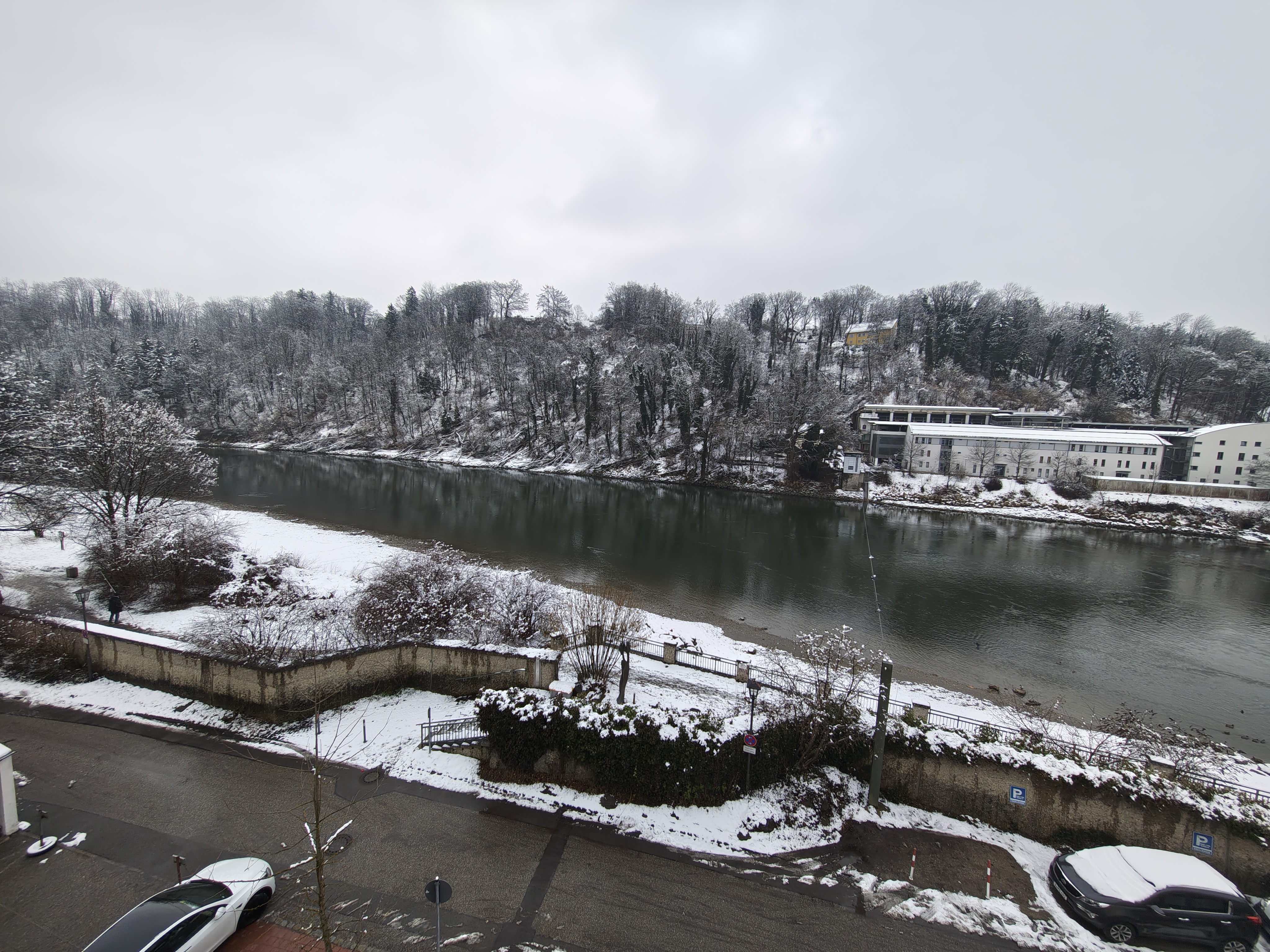
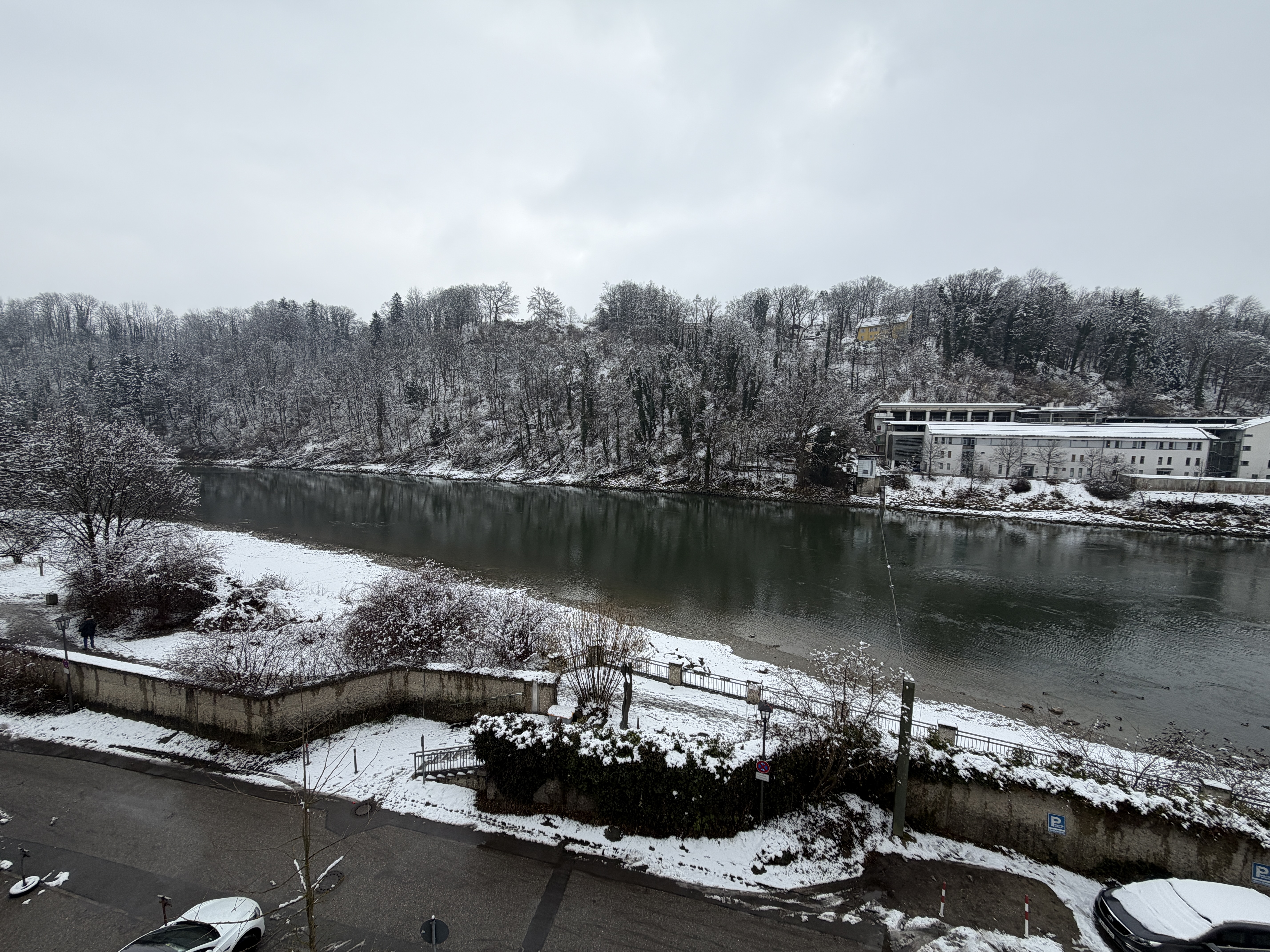
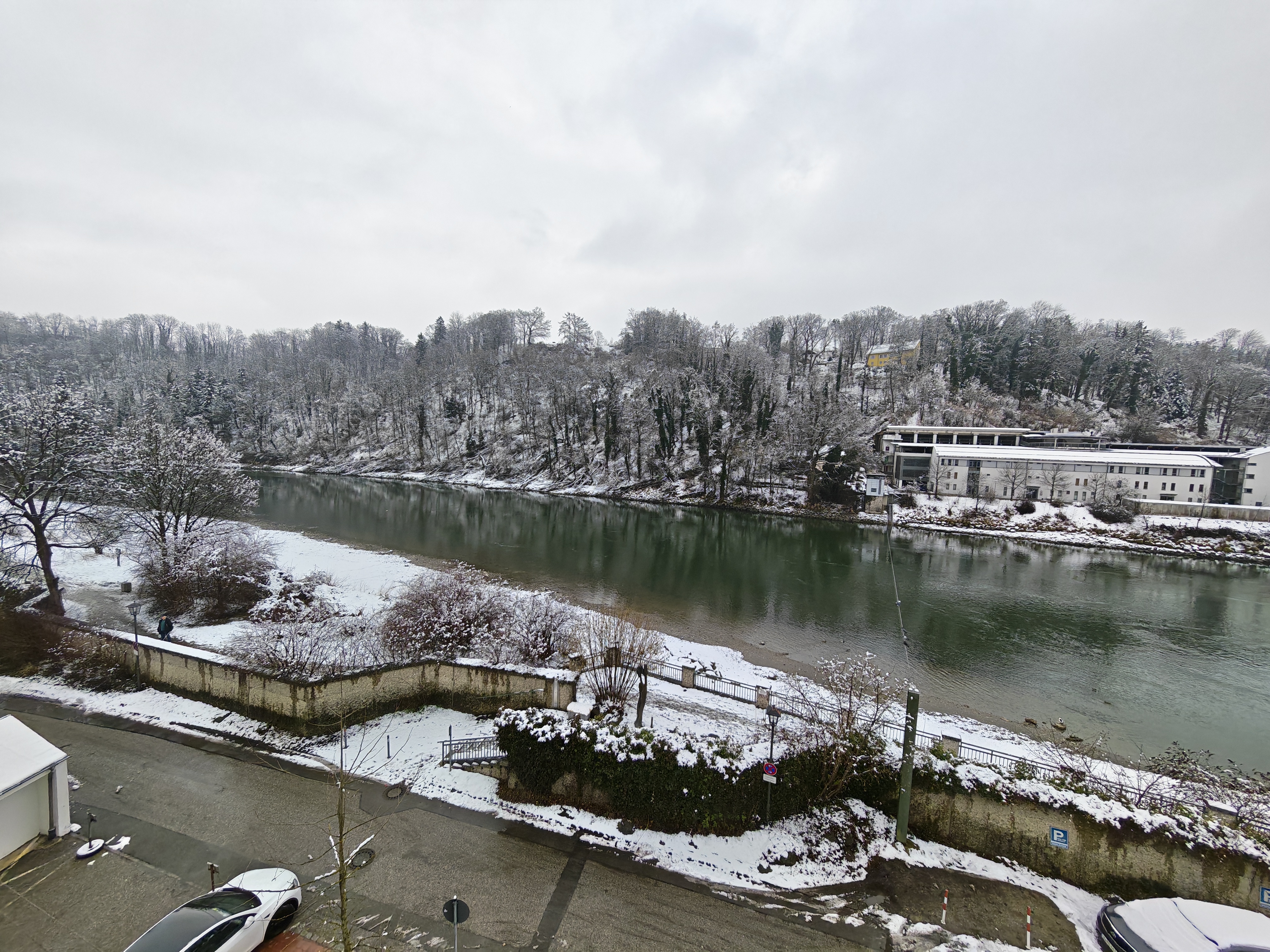
Motorola has equipped the Signature with four 50 MP lenses. There is one each in the main, ultra-wide-angle, and telephoto cameras, while number four serves as a selfie camera and does a good job of it.
Equipped with Sony LYTIA sensors, the quartet of cameras produces very good images in daylight that have excellent dynamic range, show a lot of detail, and reproduce colors very realistically. The main camera benefits from its large 1/1.28-inch sensor, which allows the Signature to take very nice pictures even at night.
The image quality also remains high with the ultra-wide-angle and telephoto cameras, although the former struggles with slight blurring at the edges of the image. The telephoto camera offers an optical 3x zoom and can digitally enlarge images by up to 100x, which then looks very artificial. Very good results can still be achieved at medium zoom levels up to around 5x.
The Motorola Signature records videos in very good quality with up to 8K at 24 frames per second. At 4K, 60 frames per second are possible.


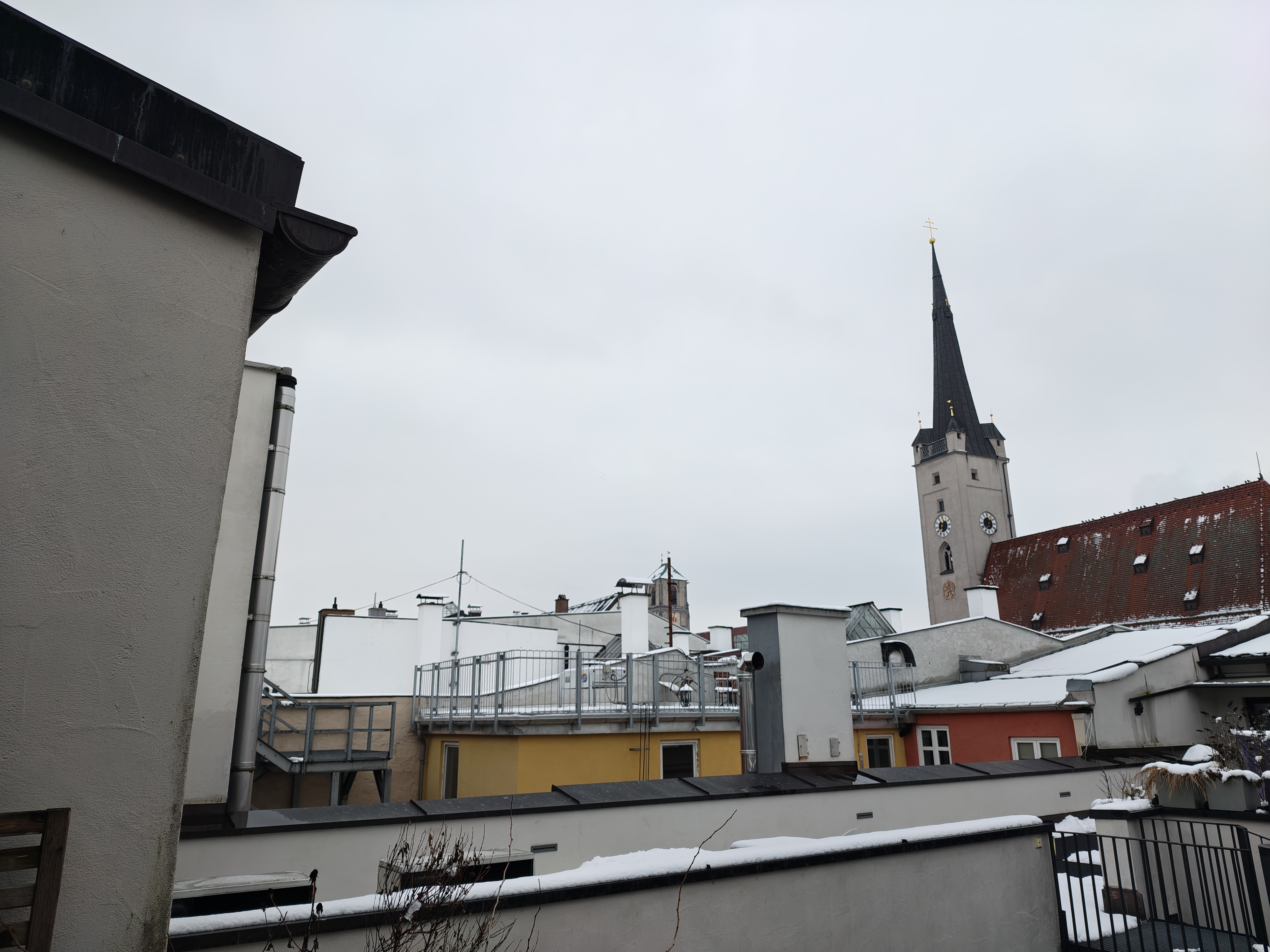
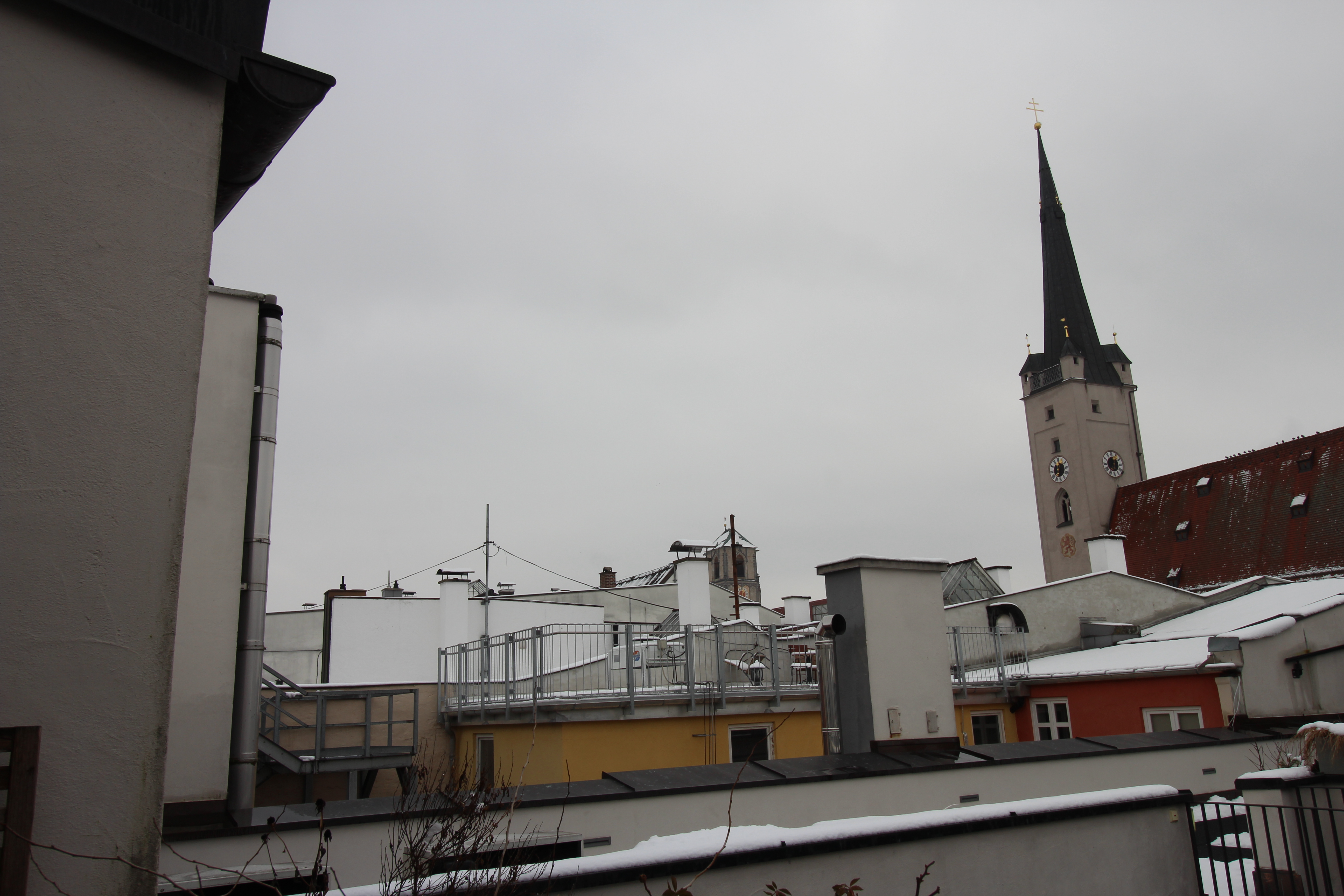
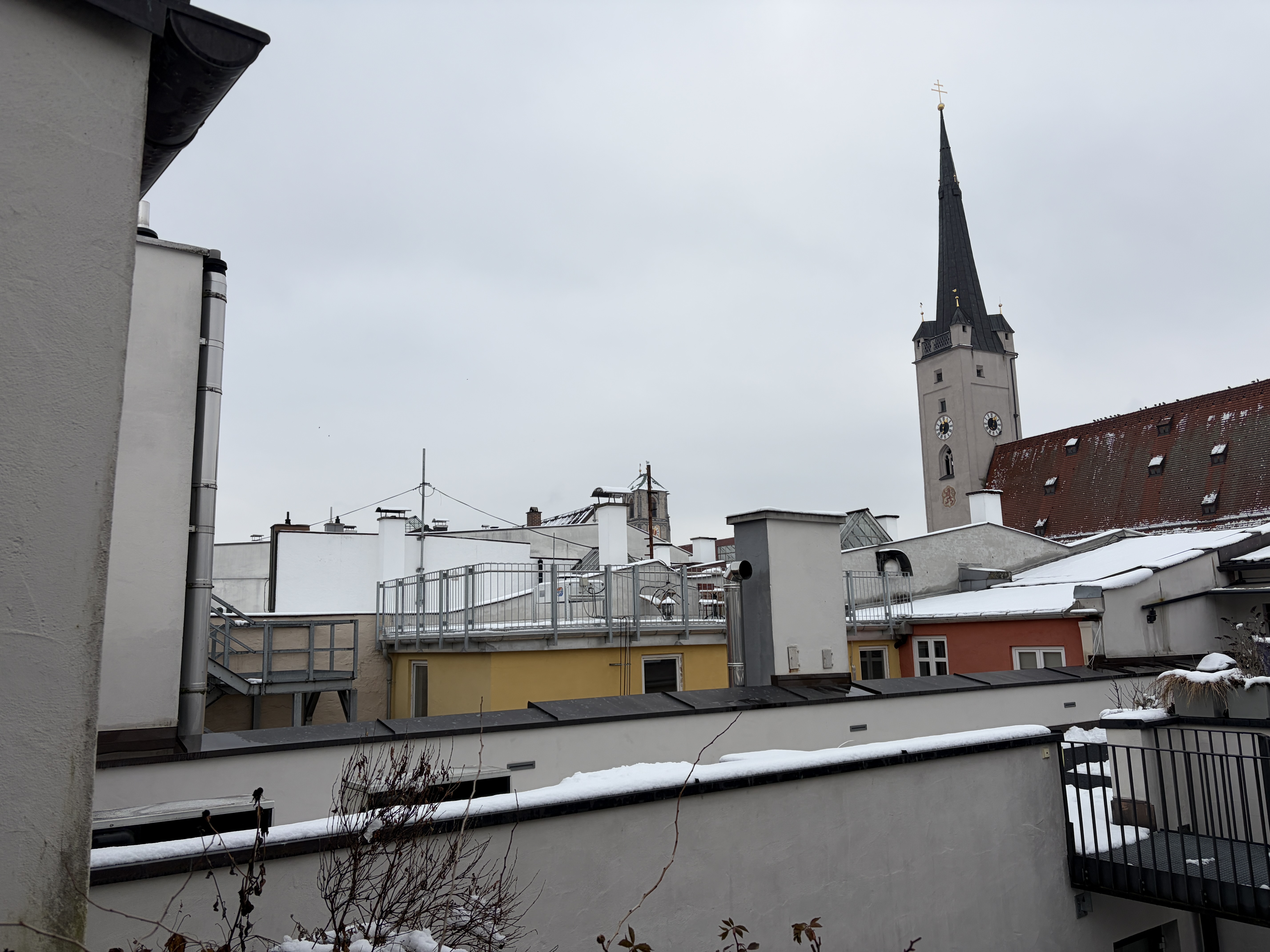
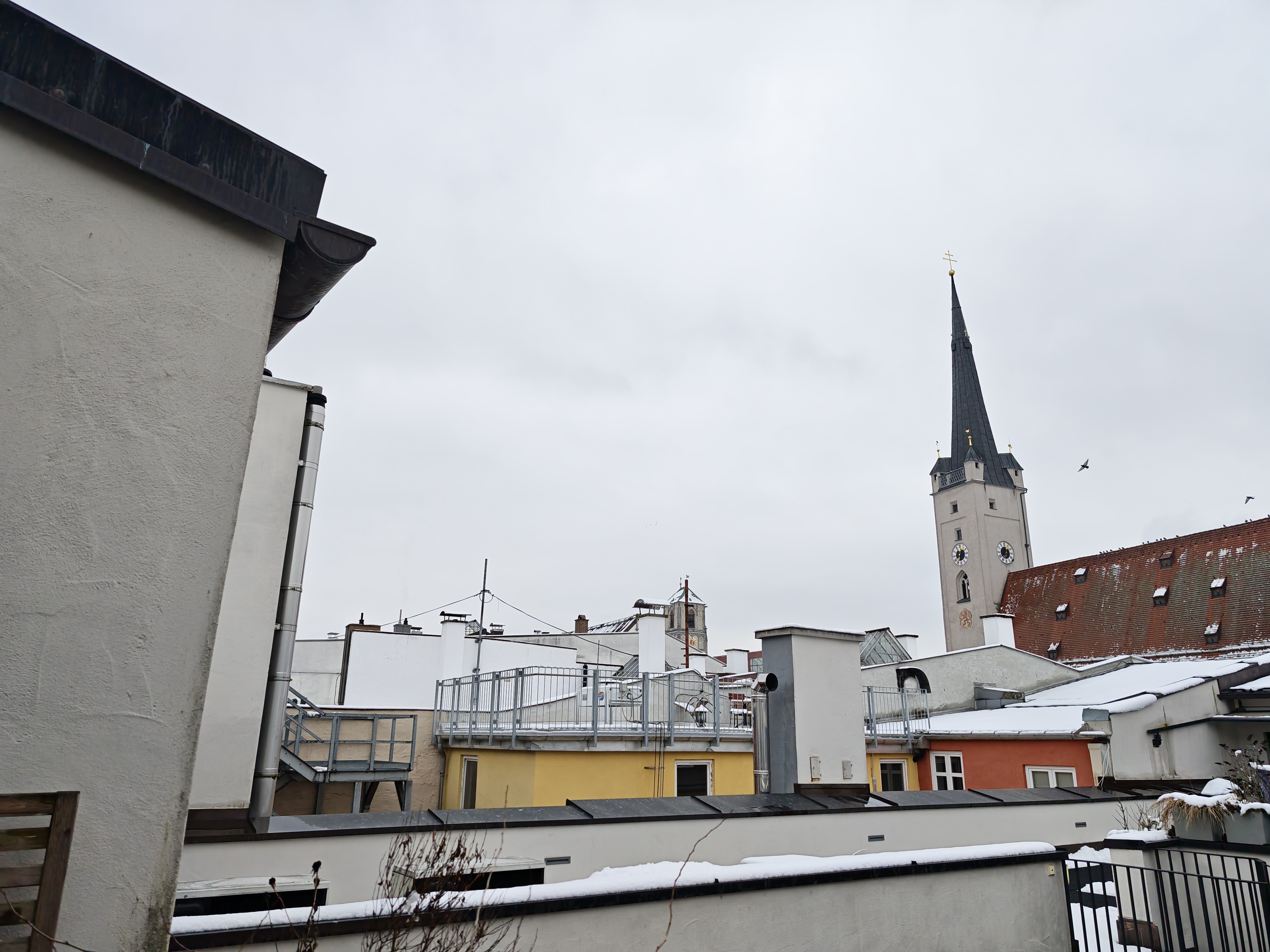
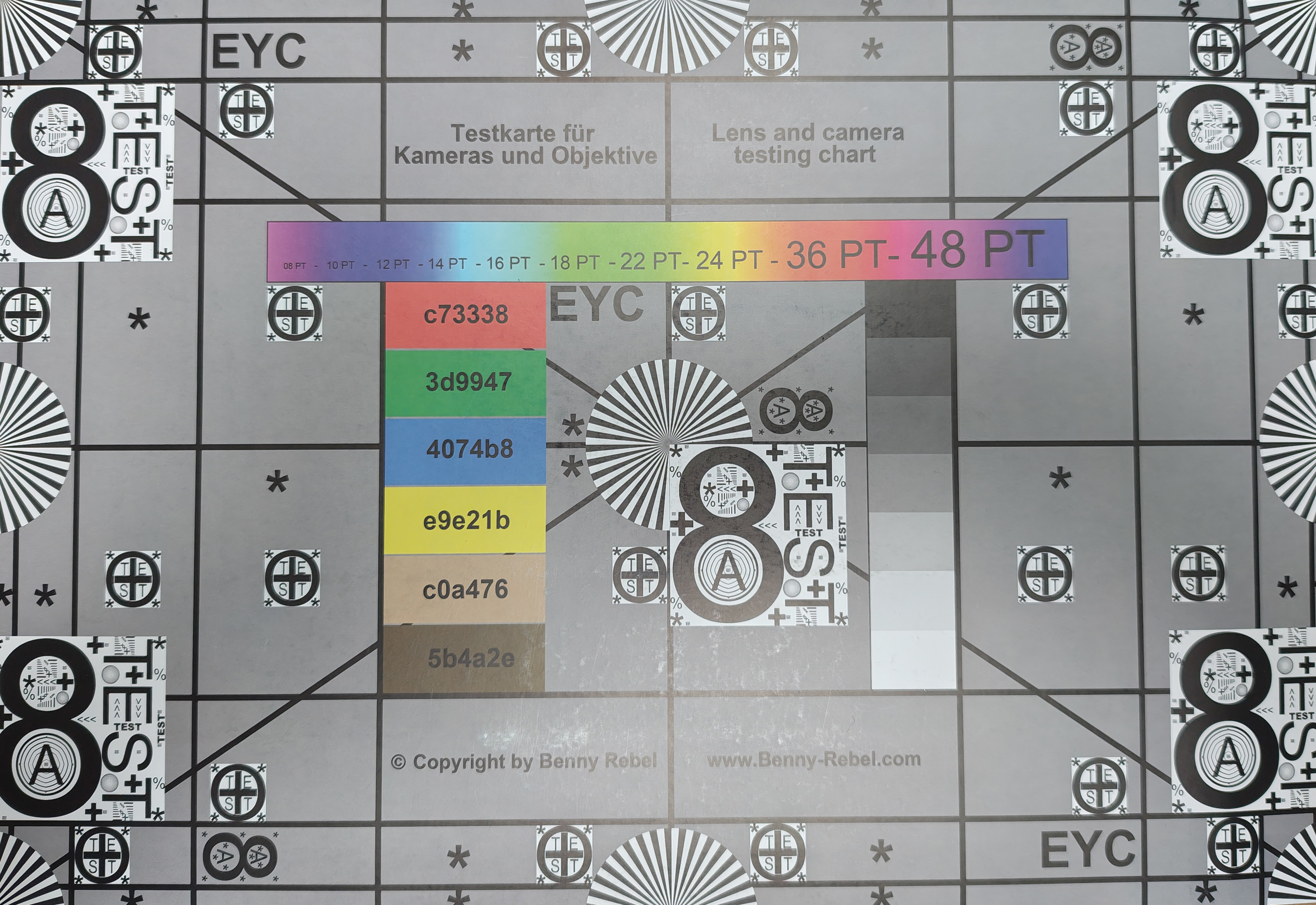
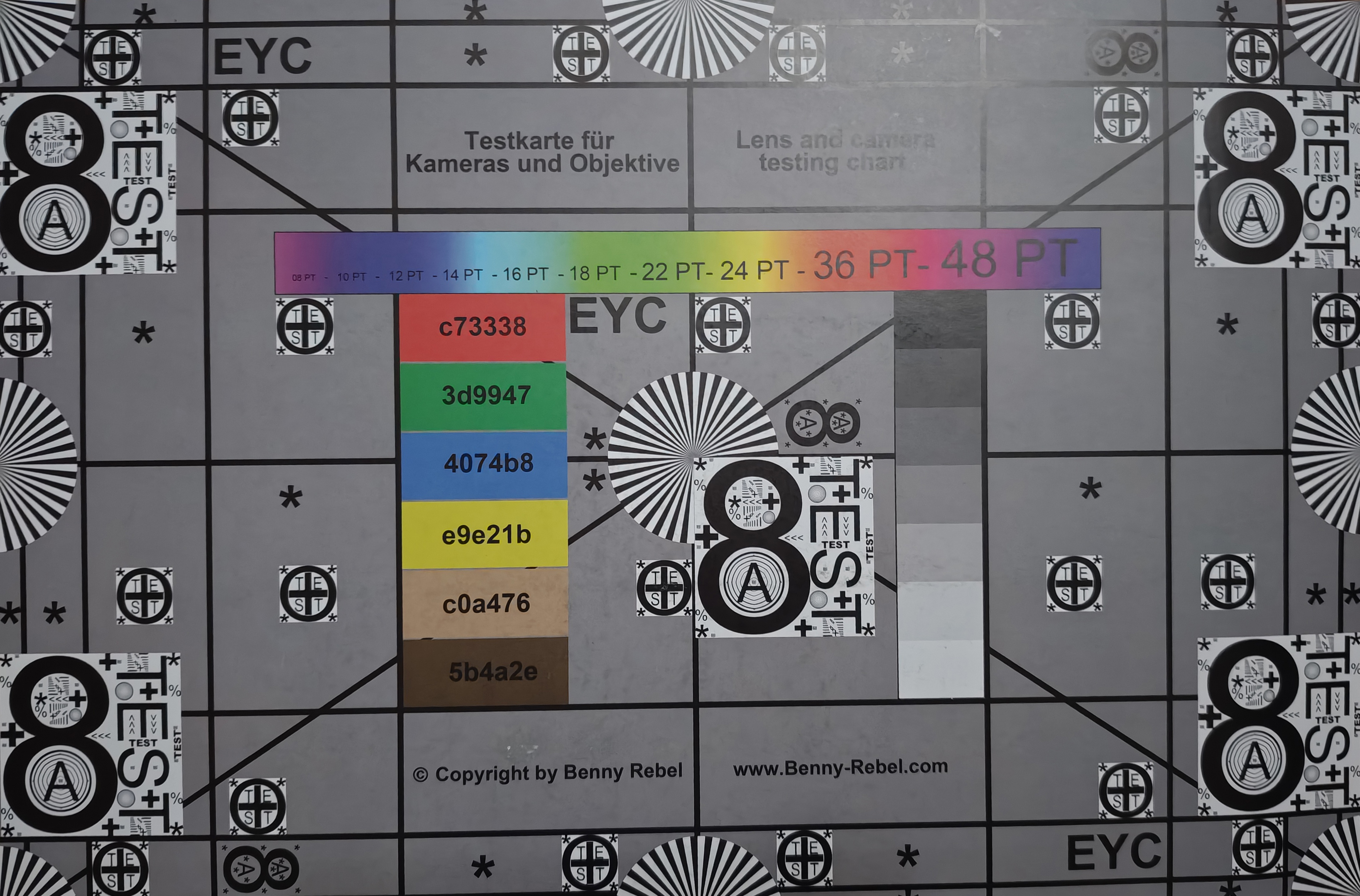
Image comparison
Choose a scene and navigate within the first image. One click changes the position on touchscreens. One click on the zoomed-in image opens the original in a new window. The first image shows the scaled photograph of the test device.
Main cameraMain cameraUltra wide-angleLow light













Accessories and warranty - Protective cover included
The Motorola Signature comes with a USB-C cable, a protective cover, a SIM tool and a quick start guide.
Motorola offers a 24-month Warranty on the Signature.
Input devices and operation - Responsive display and AI button
The touchscreen is scanned up to 360 times per second. At the same time, it displays up to 165 Hz, resulting in very fast and precise operation. This also applies to the fingerprint sensor under the display.
Pressing the left button on the housing activates Moto AI. The button can also be deactivated, but cannot be assigned other functions.


Display - Reaches luminosities of up to 4500 nits
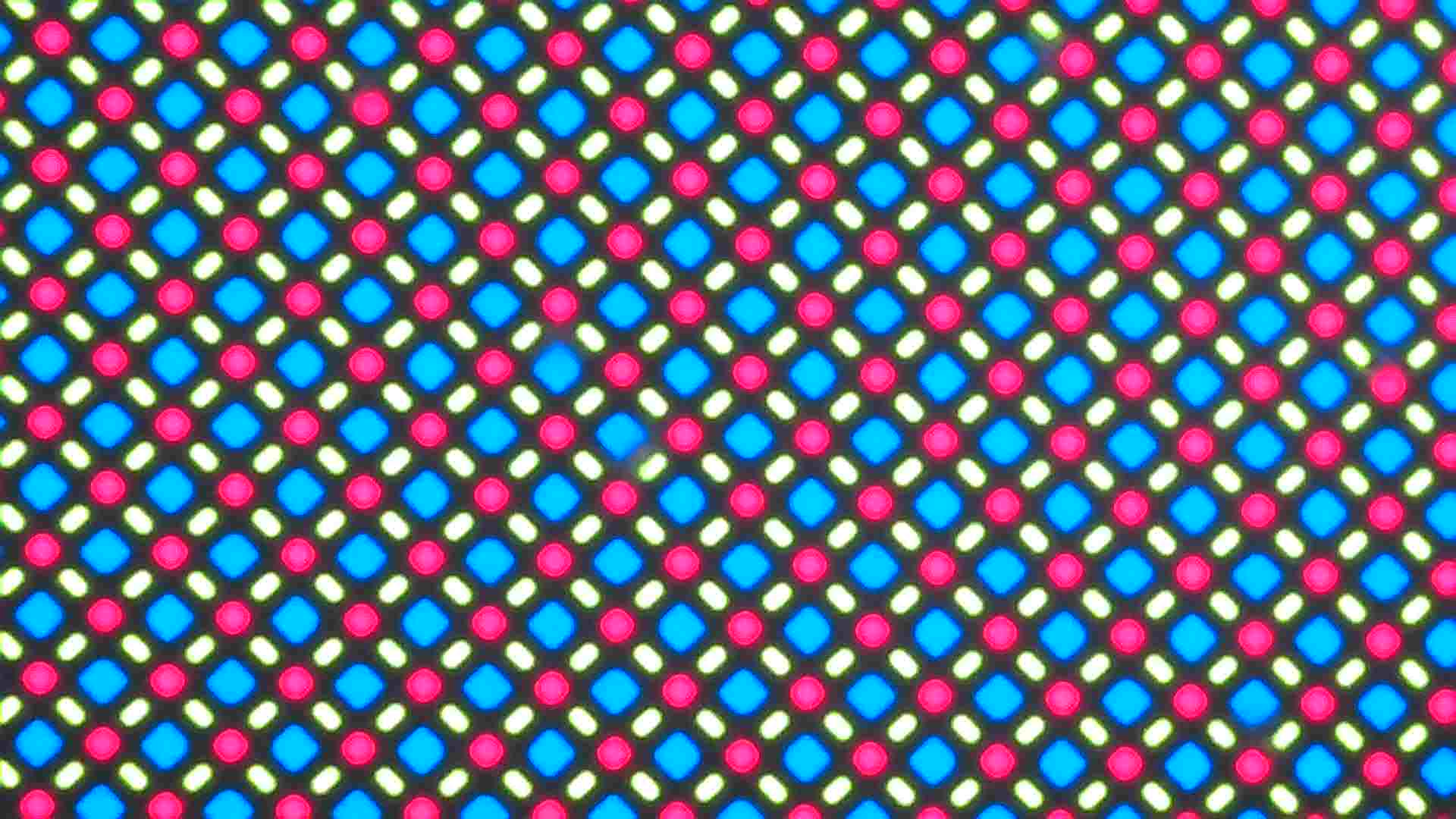
You can expect a lot from the display, because according to the specification, it should shine at up to 6200 nits. We did not achieve this in our measurements, but with up to 4500 nits in HDR, the screen still delivers a very high level of brightness. It also displays content very sharply.
For PWM-sensitive users, there is a Prevent Flicker switch in the display settings, which then uses DC-like dimming that works at 120 Hz in all brightness levels.
| |||||||||||||||||||||||||
Brightness Distribution: 99 %
Center on Battery: 1561 cd/m²
Contrast: ∞:1 (Black: 0 cd/m²)
ΔE ColorChecker Calman: 1.46 | ∀{0.5-29.43 Ø4.69}
ΔE Greyscale Calman: 2.5 | ∀{0.09-98 Ø4.94}
103.6% sRGB (Calman 2D)
Gamma: 2.144
CCT: 6612 K
| Motorola Signature AMOLED, 2780x1264, 6.8" | Apple iPhone 17 Pro Max OLED, 2868x1320, 6.9" | Honor Magic8 Pro OLED, 2808x1256, 6.7" | Samsung Galaxy S25 Ultra Dynamic AMOLED 2X, 3120x1440, 6.9" | Vivo X300 Pro AMOLED, 2800x1260, 6.8" | Xiaomi Poco F8 Ultra AMOLED, 2608x1200, 6.9" | |
|---|---|---|---|---|---|---|
| Screen | -4% | 16% | -27% | 9% | 13% | |
| Brightness middle (cd/m²) | 1561 | 1054 -32% | 1809 16% | 1357 -13% | 1574 1% | 1771 13% |
| Brightness (cd/m²) | 1547 | 1059 -32% | 1821 18% | 1350 -13% | 1562 1% | 1773 15% |
| Brightness Distribution (%) | 99 | 93 -6% | 95 -4% | 94 -5% | 93 -6% | 99 0% |
| Black Level * (cd/m²) | ||||||
| Colorchecker dE 2000 * | 1.46 | 1.57 -8% | 1.2 18% | 3.1 -112% | 1.3 11% | 1.3 11% |
| Colorchecker dE 2000 max. * | 3.63 | 2.8 23% | 2.9 20% | 4.7 -29% | 2.7 26% | 2.8 23% |
| Greyscale dE 2000 * | 2.5 | 1.7 32% | 1.8 28% | 2.2 12% | 2 20% | 2.1 16% |
| Gamma | 2.144 103% | 2.32 95% | 2.22 99% | 2 110% | 2.26 97% | 2.25 98% |
| CCT | 6612 98% | 6993 93% | 6446 101% | 6391 102% | 6709 97% | 6452 101% |
* ... smaller is better
| Display / APL18 Peak Brightness | |
| Xiaomi Poco F8 Ultra | |
| Honor Magic8 Pro | |
| Samsung Galaxy S25 Ultra | |
| Vivo X300 Pro | |
| Motorola Signature | |
| Display / HDR Peak Brightness | |
| Honor Magic8 Pro | |
| Motorola Signature | |
| Xiaomi Poco F8 Ultra | |
| Vivo X300 Pro | |
| Samsung Galaxy S25 Ultra | |
Screen Flickering / PWM (Pulse-Width Modulation)
| Screen flickering / PWM detected | 120.2 Hz Amplitude: 12 % | 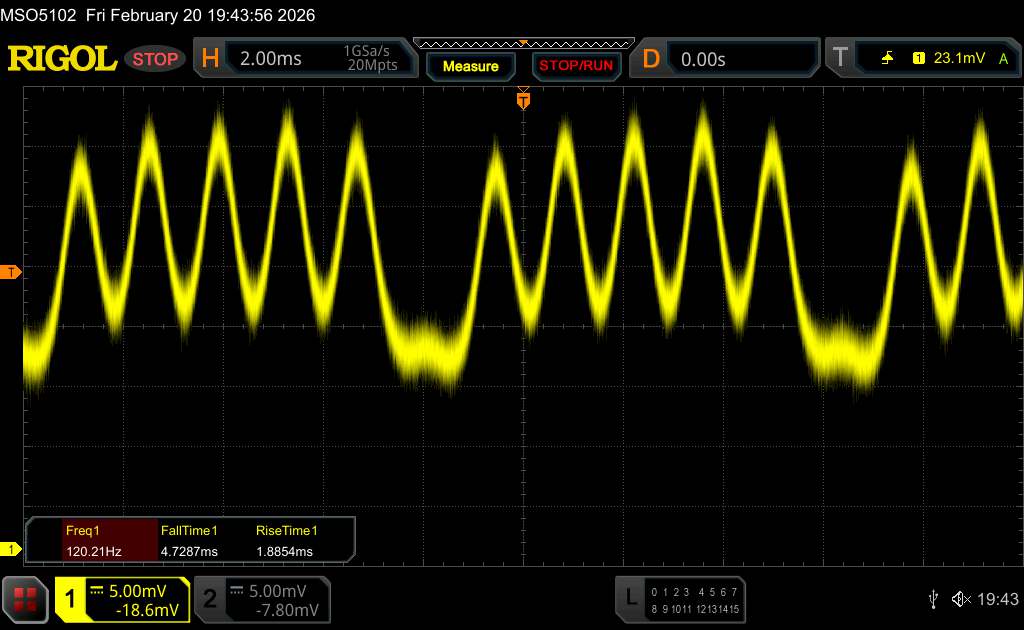 | |
The display backlight flickers at 120.2 Hz (worst case, e.g., utilizing PWM) . The frequency of 120.2 Hz is very low, so the flickering may cause eyestrain and headaches after extended use. In comparison: 52 % of all tested devices do not use PWM to dim the display. If PWM was detected, an average of 7594 (minimum: 5 - maximum: 343500) Hz was measured. | |||
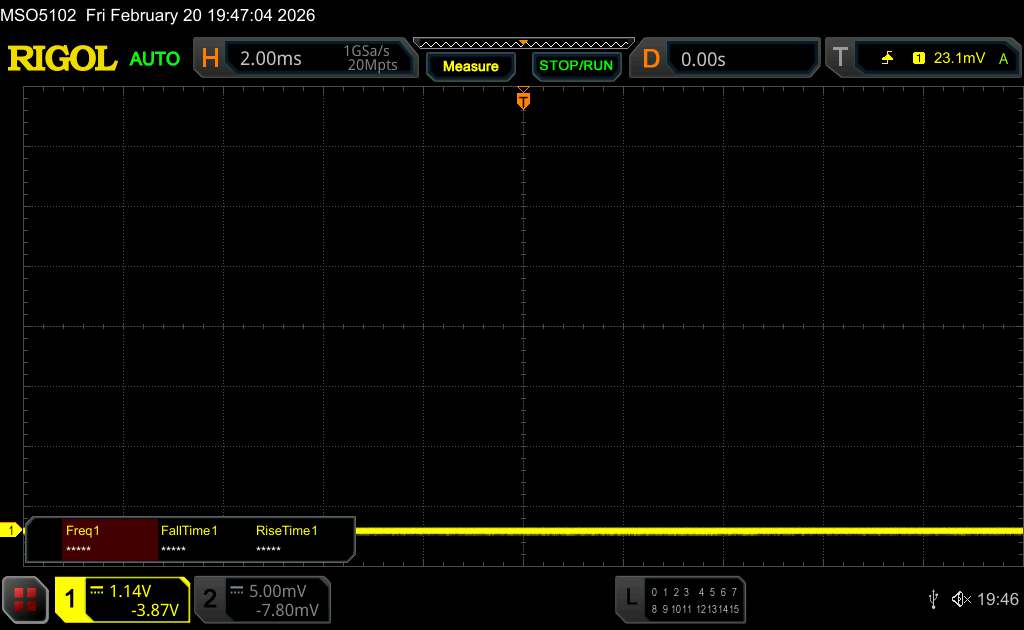
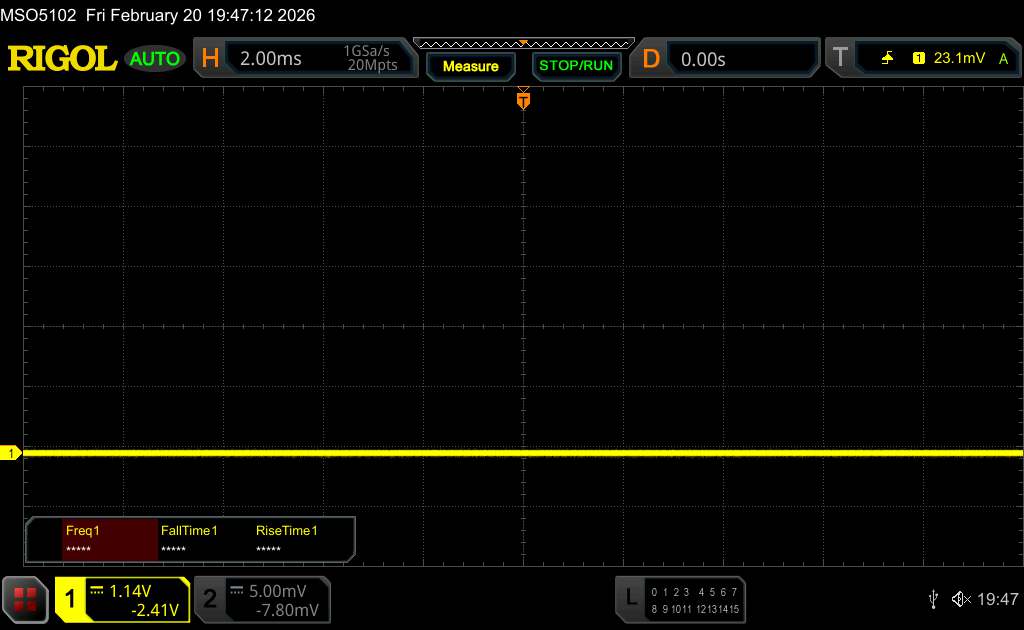
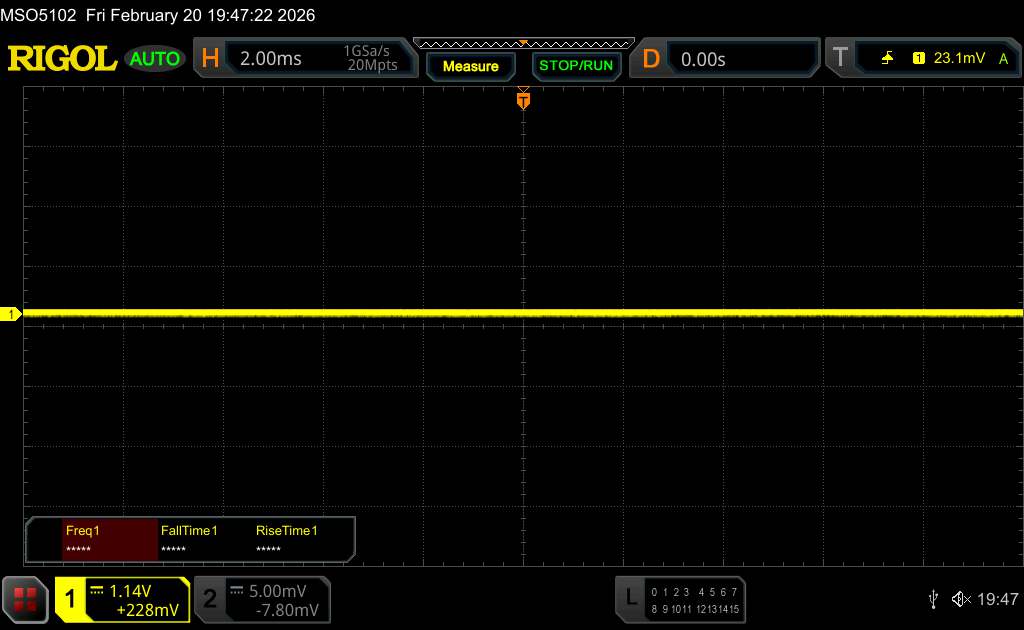
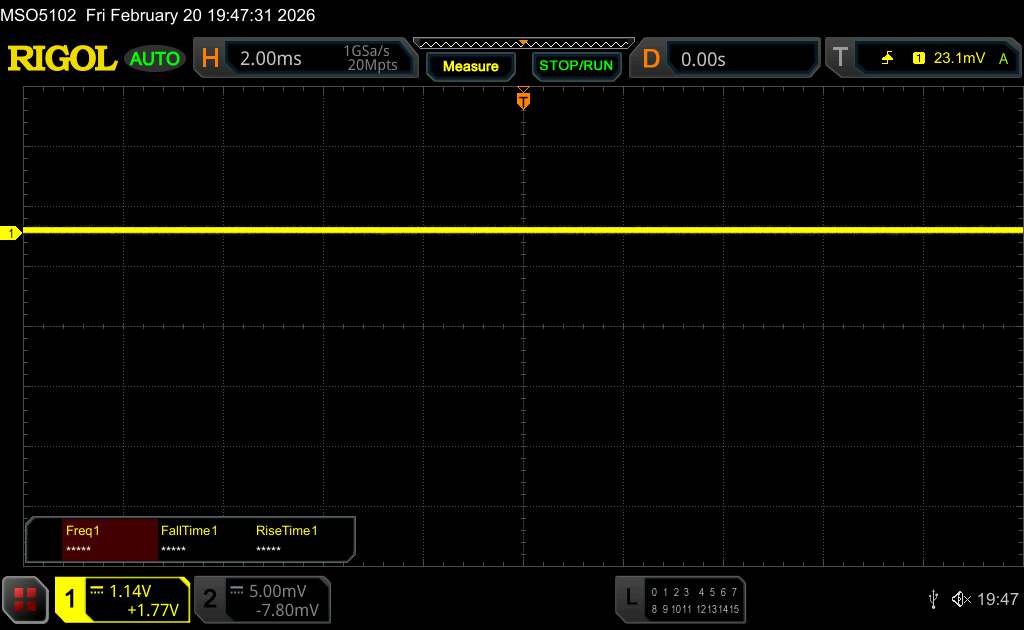
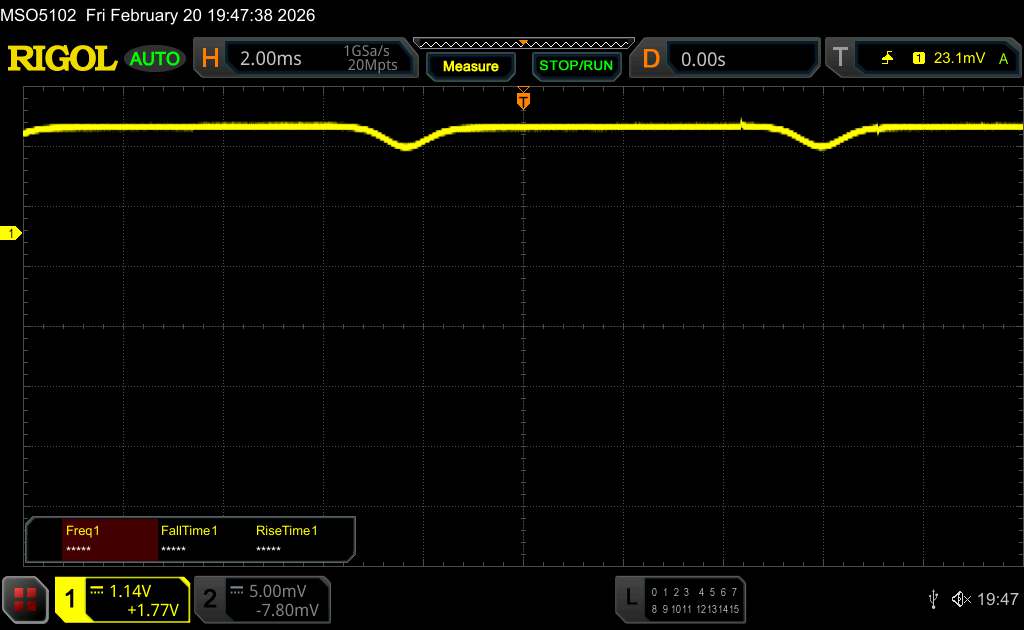
Measurement series with fixed zoom level and different brightness settings (The amplitude curve at minimum brightness looks flat, but this is due to the scaling. The info box shows the enlarged version of the amplitude at minimum brightness)
The analysis of the AMOLED screen with the photospectrometer and Calman software shows only very small average DeltaE deviations. The color display can be set using three profiles. The color temperature can also be adjusted.
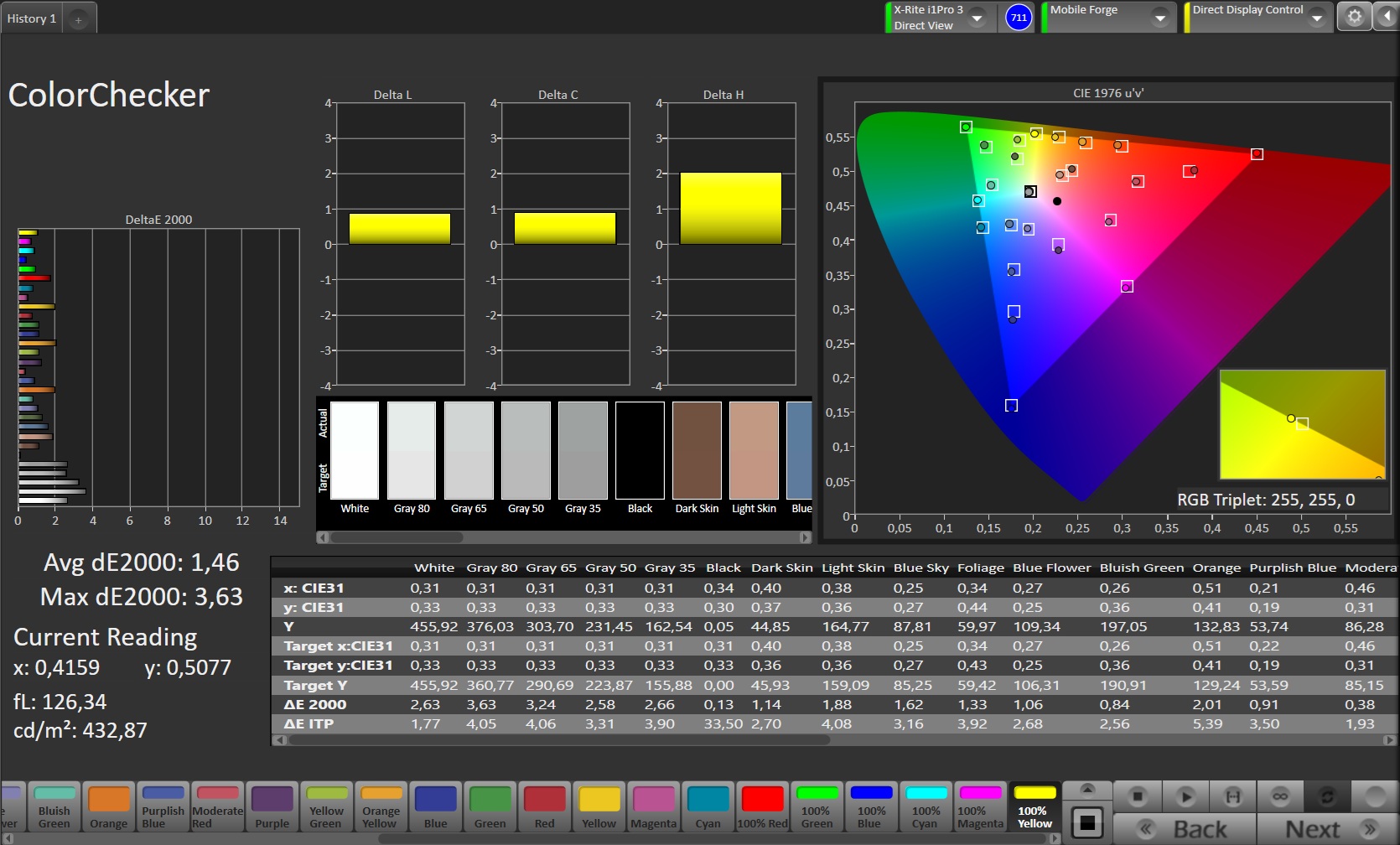
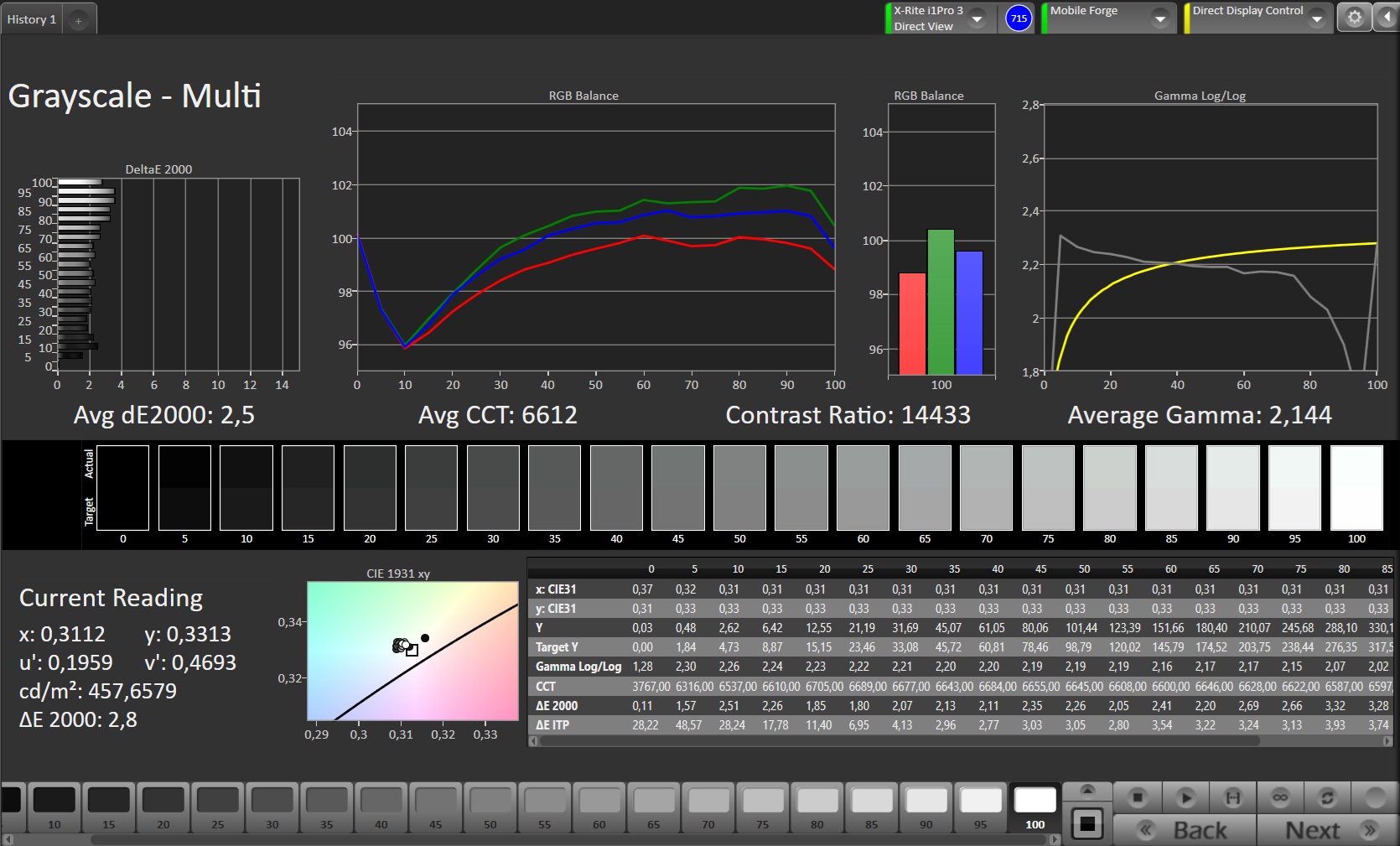
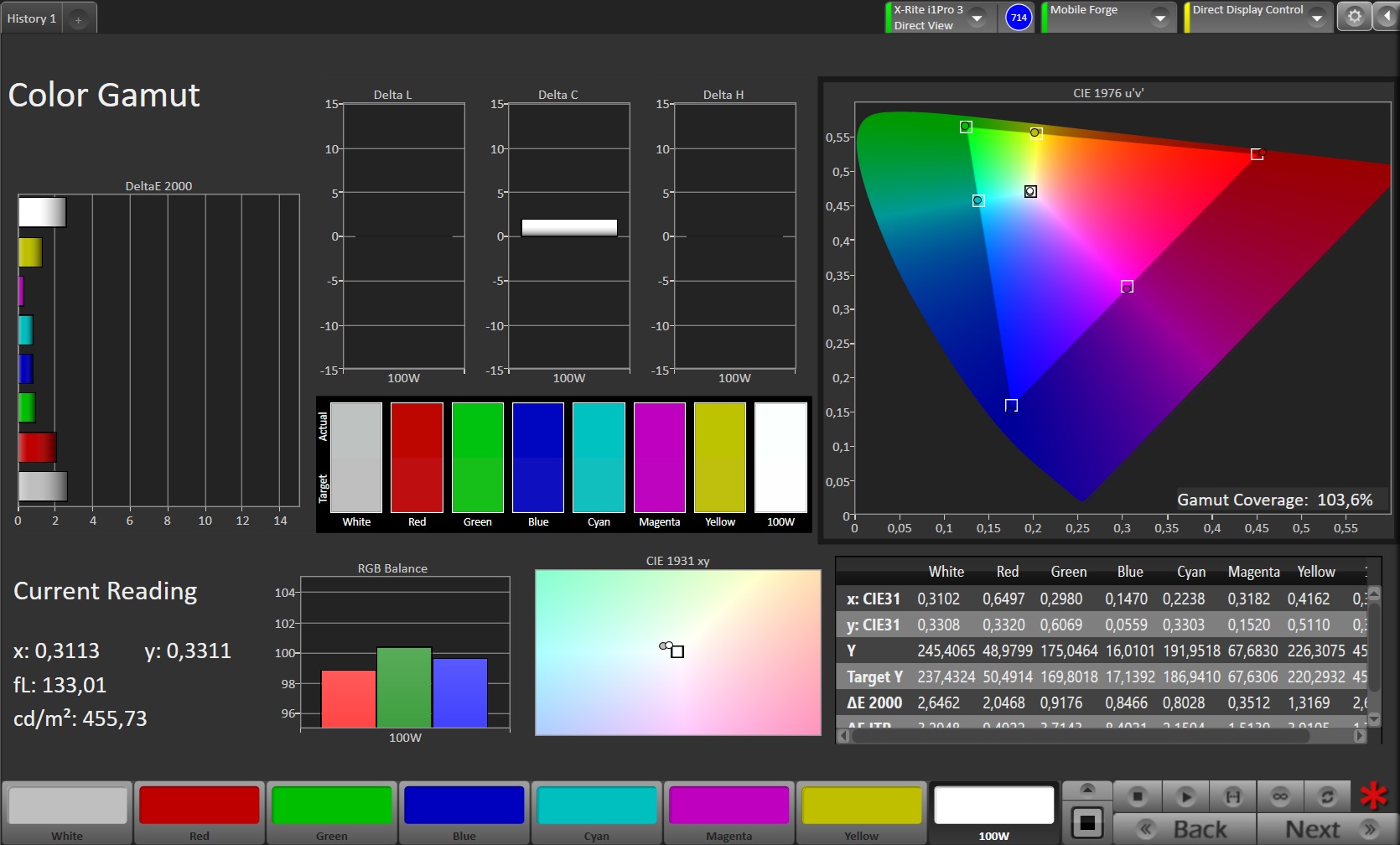
Display Response Times
| ↔ Response Time Black to White | ||
|---|---|---|
| 1.1 ms ... rise ↗ and fall ↘ combined | ↗ 0.6 ms rise | 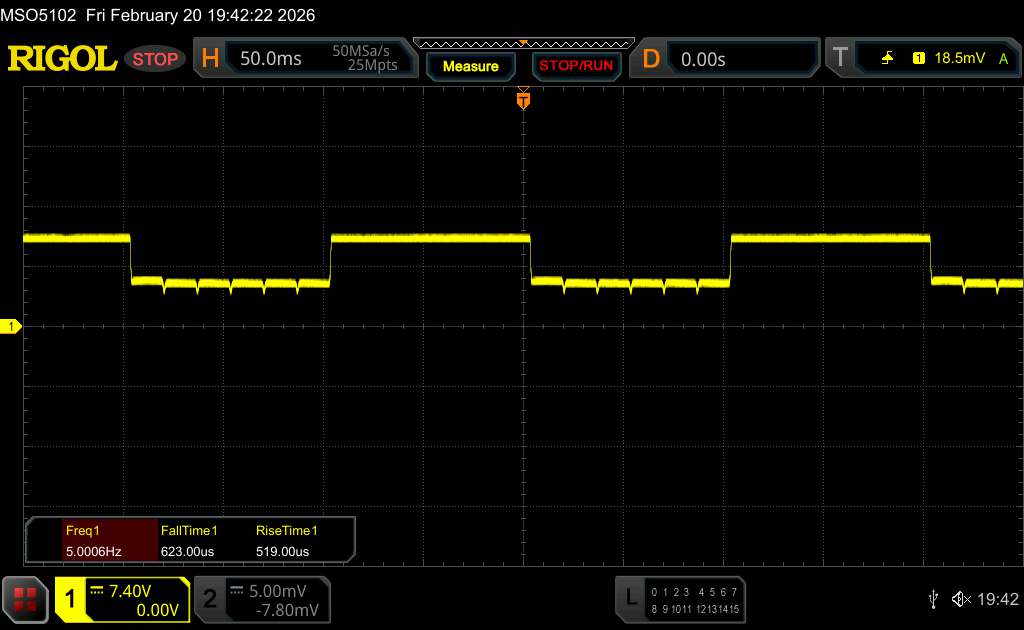 |
| ↘ 0.5 ms fall | ||
| The screen shows very fast response rates in our tests and should be very well suited for fast-paced gaming. In comparison, all tested devices range from 0.1 (minimum) to 240 (maximum) ms. » 6 % of all devices are better. This means that the measured response time is better than the average of all tested devices (19.6 ms). | ||
| ↔ Response Time 50% Grey to 80% Grey | ||
| 1.2 ms ... rise ↗ and fall ↘ combined | ↗ 0.6 ms rise | 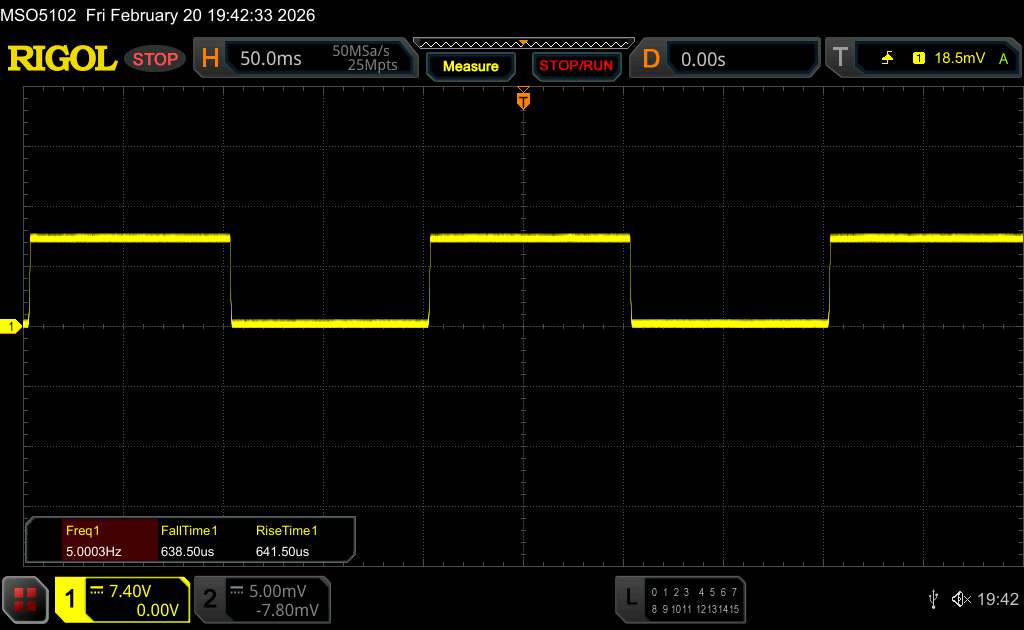 |
| ↘ 0.6 ms fall | ||
| The screen shows very fast response rates in our tests and should be very well suited for fast-paced gaming. In comparison, all tested devices range from 0.13 (minimum) to 636 (maximum) ms. » 6 % of all devices are better. This means that the measured response time is better than the average of all tested devices (30.7 ms). | ||
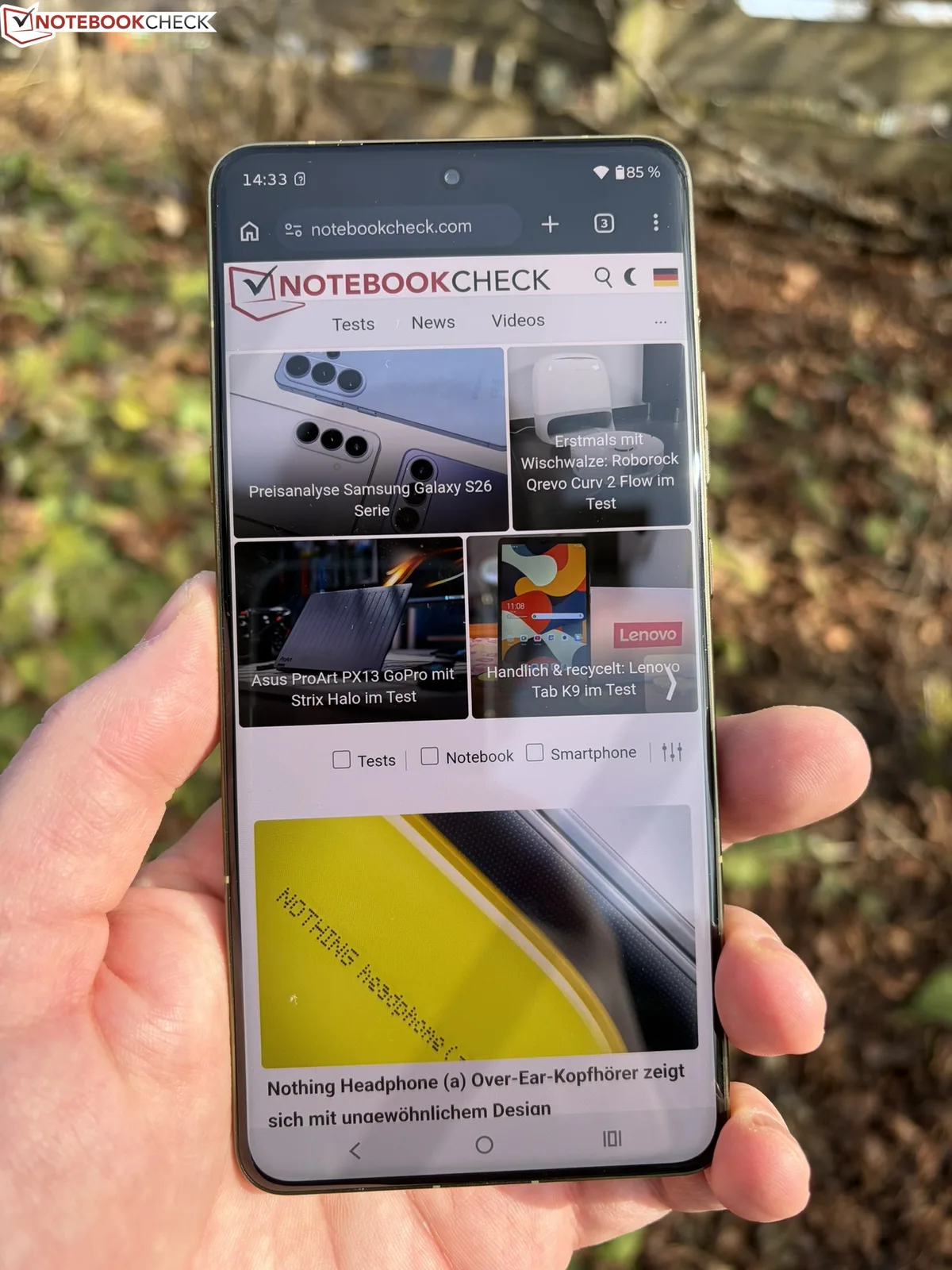
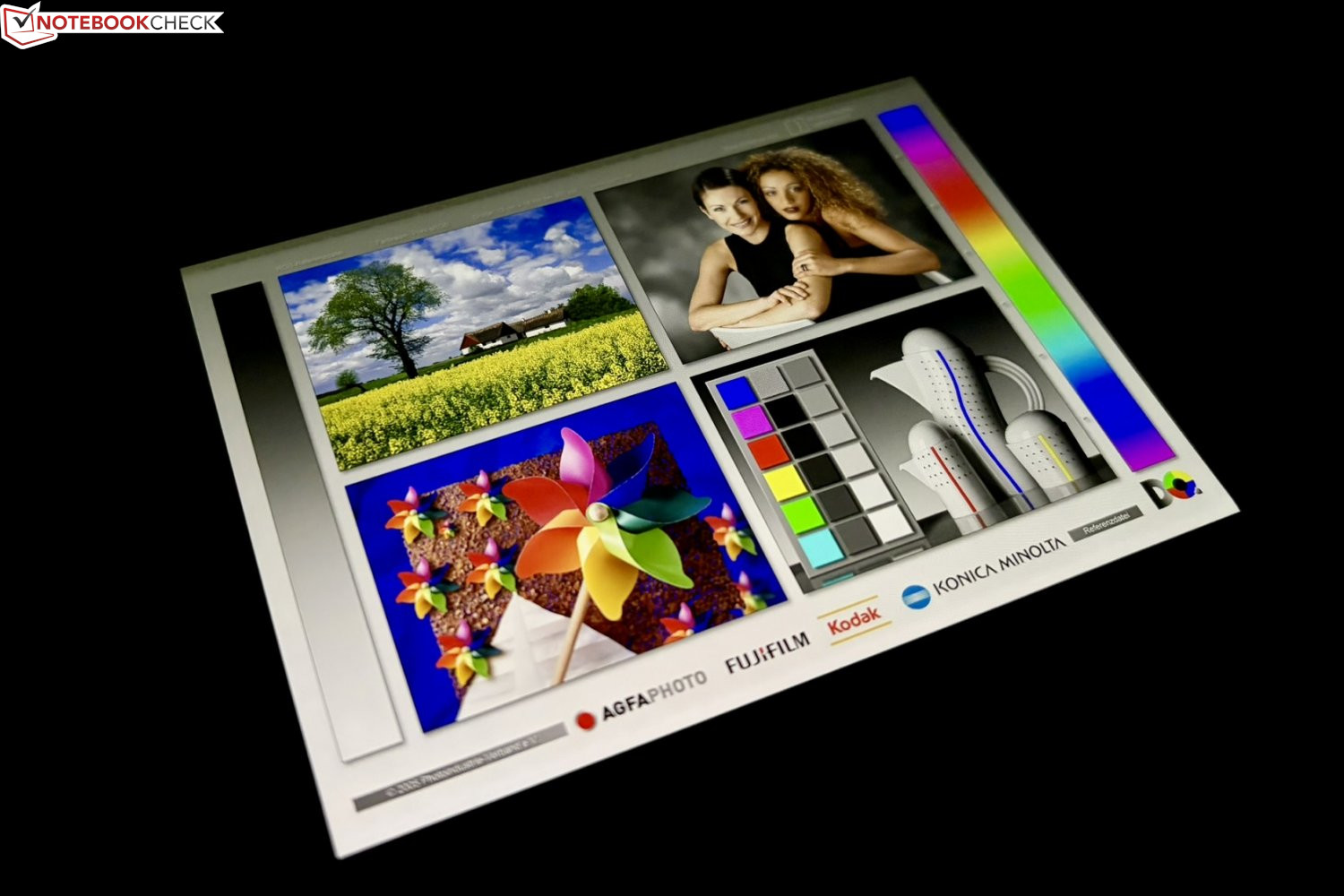
The brightness and viewing angles are stable, so the screen can really come into its own outdoors. Even in sunny weather, there are no problems reading content.
Performance - Motorola Signature with Snapdragon 8 Gen 5
In the Motorola Signature, the Snapdragon 8 Gen 5. This does not give you absolute top performance, but performance within sight of the high-end range. A MediaTek Dimensity 9500 or a Snapdragon 8 Elite Gen 5 develops significantly more performance. The UFS 4.1 memory keeps loading times short with its excellent data throughput.
| UL Procyon AI Inference for Android - Overall Score NNAPI | |
| Samsung Galaxy S25 Ultra | |
| Motorola Signature | |
| Average Qualcomm Snapdragon 8 Gen 5 (20683 - 22592, n=2) | |
| Vivo X300 Pro | |
| Xiaomi Poco F8 Ultra | |
| Average of class Smartphone (2895 - 66164, n=96, last 2 years) | |
| AImark - Score v3.x | |
| Apple iPhone 17 Pro Max | |
| Average of class Smartphone (293 - 307528, n=64, last 2 years) | |
| Samsung Galaxy S25 Ultra | |
| Vivo X300 Pro | |
The duet of Snapdragon 8 Gen 5 and the Adreno 826 is responsible for the graphics calculations. With 42 frames per second in the GFXBench 4K Aztec Ruins benchmarks, the GPU proves that it can also run very graphically complex games smoothly. However, as in the CPU tests, it is not enough for a top spot here either.
GFXBench (DX / GLBenchmark) 2.7: T-Rex Onscreen | 1920x1080 T-Rex Offscreen
GFXBench 3.0: on screen Manhattan Onscreen OGL | 1920x1080 1080p Manhattan Offscreen
GFXBench 3.1: on screen Manhattan ES 3.1 Onscreen | 1920x1080 Manhattan ES 3.1 Offscreen
GFXBench: on screen Car Chase Onscreen | 1920x1080 Car Chase Offscreen | on screen Aztec Ruins High Tier Onscreen | 2560x1440 Aztec Ruins High Tier Offscreen | on screen Aztec Ruins Normal Tier Onscreen | 1920x1080 Aztec Ruins Normal Tier Offscreen | 3840x2160 4K Aztec Ruins High Tier Offscreen
| 3DMark / Wild Life Extreme Unlimited | |
| Honor Magic8 Pro | |
| Vivo X300 Pro | |
| Xiaomi Poco F8 Ultra | |
| Samsung Galaxy S25 Ultra | |
| Apple iPhone 17 Pro Max | |
| Motorola Signature | |
| 3DMark / Wild Life Extreme | |
| Honor Magic8 Pro | |
| Vivo X300 Pro | |
| Xiaomi Poco F8 Ultra | |
| Samsung Galaxy S25 Ultra | |
| Apple iPhone 17 Pro Max | |
| Motorola Signature | |
| 3DMark / Wild Life Unlimited Score | |
| Xiaomi Poco F8 Ultra | |
| Honor Magic8 Pro | |
| Vivo X300 Pro | |
| Samsung Galaxy S25 Ultra | |
| Apple iPhone 17 Pro Max | |
| Motorola Signature | |
| 3DMark / Solar Bay Score | |
| Vivo X300 Pro | |
| Honor Magic8 Pro | |
| Xiaomi Poco F8 Ultra | |
| Samsung Galaxy S25 Ultra | |
| Apple iPhone 17 Pro Max | |
| Motorola Signature | |
| 3DMark / Solar Bay Unlimited Score | |
| Vivo X300 Pro | |
| Honor Magic8 Pro | |
| Samsung Galaxy S25 Ultra | |
| Apple iPhone 17 Pro Max | |
| Xiaomi Poco F8 Ultra | |
| Motorola Signature | |
| 3DMark / Steel Nomad Light Unlimited Score | |
| Vivo X300 Pro | |
| Honor Magic8 Pro | |
| Xiaomi Poco F8 Ultra | |
| Apple iPhone 17 Pro Max | |
| Samsung Galaxy S25 Ultra | |
| Motorola Signature | |
| 3DMark / Steel Nomad Light Score | |
| Vivo X300 Pro | |
| Honor Magic8 Pro | |
| Xiaomi Poco F8 Ultra | |
| Apple iPhone 17 Pro Max | |
| Samsung Galaxy S25 Ultra | |
| Motorola Signature | |
| GFXBench (DX / GLBenchmark) 2.7 / T-Rex Onscreen | |
| Vivo X300 Pro | |
| Samsung Galaxy S25 Ultra | |
| Honor Magic8 Pro | |
| Xiaomi Poco F8 Ultra | |
| Motorola Signature | |
| Apple iPhone 17 Pro Max | |
| GFXBench (DX / GLBenchmark) 2.7 / T-Rex Offscreen | |
| Vivo X300 Pro | |
| Honor Magic8 Pro | |
| Apple iPhone 17 Pro Max | |
| Samsung Galaxy S25 Ultra | |
| Motorola Signature | |
| Xiaomi Poco F8 Ultra | |
| GFXBench 3.0 / Manhattan Onscreen OGL | |
| Vivo X300 Pro | |
| Samsung Galaxy S25 Ultra | |
| Honor Magic8 Pro | |
| Xiaomi Poco F8 Ultra | |
| Motorola Signature | |
| Apple iPhone 17 Pro Max | |
| GFXBench 3.0 / 1080p Manhattan Offscreen | |
| Honor Magic8 Pro | |
| Samsung Galaxy S25 Ultra | |
| Vivo X300 Pro | |
| Apple iPhone 17 Pro Max | |
| Motorola Signature | |
| Xiaomi Poco F8 Ultra | |
| GFXBench 3.1 / Manhattan ES 3.1 Onscreen | |
| Vivo X300 Pro | |
| Samsung Galaxy S25 Ultra | |
| Honor Magic8 Pro | |
| Xiaomi Poco F8 Ultra | |
| Motorola Signature | |
| Apple iPhone 17 Pro Max | |
| GFXBench 3.1 / Manhattan ES 3.1 Offscreen | |
| Honor Magic8 Pro | |
| Vivo X300 Pro | |
| Xiaomi Poco F8 Ultra | |
| Samsung Galaxy S25 Ultra | |
| Motorola Signature | |
| Apple iPhone 17 Pro Max | |
| GFXBench / Car Chase Onscreen | |
| Vivo X300 Pro | |
| Honor Magic8 Pro | |
| Xiaomi Poco F8 Ultra | |
| Samsung Galaxy S25 Ultra | |
| Motorola Signature | |
| Apple iPhone 17 Pro Max | |
| GFXBench / Car Chase Offscreen | |
| Honor Magic8 Pro | |
| Apple iPhone 17 Pro Max | |
| Xiaomi Poco F8 Ultra | |
| Vivo X300 Pro | |
| Motorola Signature | |
| Samsung Galaxy S25 Ultra | |
| GFXBench / Aztec Ruins High Tier Onscreen | |
| Vivo X300 Pro | |
| Honor Magic8 Pro | |
| Xiaomi Poco F8 Ultra | |
| Motorola Signature | |
| Samsung Galaxy S25 Ultra | |
| Apple iPhone 17 Pro Max | |
| GFXBench / Aztec Ruins High Tier Offscreen | |
| Honor Magic8 Pro | |
| Vivo X300 Pro | |
| Xiaomi Poco F8 Ultra | |
| Samsung Galaxy S25 Ultra | |
| Motorola Signature | |
| Apple iPhone 17 Pro Max | |
| GFXBench / Aztec Ruins Normal Tier Onscreen | |
| Samsung Galaxy S25 Ultra | |
| Honor Magic8 Pro | |
| Vivo X300 Pro | |
| Xiaomi Poco F8 Ultra | |
| Motorola Signature | |
| Apple iPhone 17 Pro Max | |
| GFXBench / Aztec Ruins Normal Tier Offscreen | |
| Vivo X300 Pro | |
| Honor Magic8 Pro | |
| Xiaomi Poco F8 Ultra | |
| Apple iPhone 17 Pro Max | |
| Motorola Signature | |
| Samsung Galaxy S25 Ultra | |
| GFXBench / 4K Aztec Ruins High Tier Offscreen | |
| Vivo X300 Pro | |
| Honor Magic8 Pro | |
| Samsung Galaxy S25 Ultra | |
| Xiaomi Poco F8 Ultra | |
| Motorola Signature | |
| Apple iPhone 17 Pro Max | |
| Jetstream 2 - 2.0 Total | |
| Apple iPhone 17 Pro Max (Safari Mobile 26.0) | |
| Samsung Galaxy S25 Ultra (Chrome 132) | |
| Vivo X300 Pro (Chrome 142) | |
| Average Qualcomm Snapdragon 8 Gen 5 (180.6 - 322, n=3) | |
| Motorola Signature (Chrome 145) | |
| Xiaomi Poco F8 Ultra (Chrome 143) | |
| Average of class Smartphone (63.9 - 423, n=113, last 2 years) | |
| Speedometer 2.0 - Result 2.0 | |
| Apple iPhone 17 Pro Max (Safari Mobile 26.0) | |
| Vivo X300 Pro (Chrome 142) | |
| Samsung Galaxy S25 Ultra (Chrome 132) | |
| Motorola Signature (Chrome 145) | |
| Average Qualcomm Snapdragon 8 Gen 5 (n=1) | |
| Average of class Smartphone (49.3 - 733, n=70, last 2 years) | |
| Speedometer 3 - Score 3.0 | |
| Apple iPhone 17 Pro Max (Safari Mobile 26.0) | |
| Samsung Galaxy S25 Ultra (Chrome 132) | |
| Vivo X300 Pro (Chrome 142) | |
| Xiaomi Poco F8 Ultra (Chrome 143) | |
| Motorola Signature (Chrome 145) | |
| Average Qualcomm Snapdragon 8 Gen 5 (n=1) | |
| Average of class Smartphone (3.06 - 56.5, n=79, last 2 years) | |
| WebXPRT 4 - Overall | |
| Apple iPhone 17 Pro Max (Safari Mobile 26.0) | |
| Vivo X300 Pro (Chrome 142) | |
| Samsung Galaxy S25 Ultra (Chrome 132) | |
| Honor Magic8 Pro (Chrome 143) | |
| Motorola Signature (Chrome 145) | |
| Average Qualcomm Snapdragon 8 Gen 5 (n=1) | |
| Average of class Smartphone (56 - 278, n=87, last 2 years) | |
| Xiaomi Poco F8 Ultra (Chrome 143) | |
| Octane V2 - Total Score | |
| Honor Magic8 Pro (Chrome 143) | |
| Apple iPhone 17 Pro Max (Safari Mobile 26.0) | |
| Samsung Galaxy S25 Ultra (Chrome 132) | |
| Vivo X300 Pro (Chrome 142) | |
| Average Qualcomm Snapdragon 8 Gen 5 (39707 - 90273, n=2) | |
| Xiaomi Poco F8 Ultra (Chrome 143) | |
| Average of class Smartphone (6015 - 160221, n=131, last 2 years) | |
| Motorola Signature (Chrome 145) | |
| Mozilla Kraken 1.1 - Total | |
| Average of class Smartphone (216 - 2718, n=118, last 2 years) | |
| Motorola Signature (Chrome 145) | |
| Average Qualcomm Snapdragon 8 Gen 5 (371 - 817, n=3) | |
| Xiaomi Poco F8 Ultra (Chrome 143) | |
| Samsung Galaxy S25 Ultra (Chrome 132) | |
| Vivo X300 Pro (Chrome 142) | |
| Honor Magic8 Pro (Chrome 143) | |
| Apple iPhone 17 Pro Max (Safari Mobile 26.0) | |
* ... smaller is better
| Motorola Signature | Honor Magic8 Pro | Samsung Galaxy S25 Ultra | Vivo X300 Pro | Xiaomi Poco F8 Ultra | Average 512 GB UFS 4.1 Flash | Average of class Smartphone | |
|---|---|---|---|---|---|---|---|
| AndroBench 3-5 | -8% | -29% | -38% | -3% | -20% | -46% | |
| Sequential Read 256KB (MB/s) | 4049.69 | 3942.69 -3% | 3823.28 -6% | 2041.82 -50% | 4064.33 0% | 3616 ? -11% | 2264 ? -44% |
| Sequential Write 256KB (MB/s) | 3774.28 | 3732.81 -1% | 3361.24 -11% | 1981.85 -47% | 3987.65 6% | 3225 ? -15% | 1966 ? -48% |
| Random Read 4KB (MB/s) | 613.85 | 488.67 -20% | 287.85 -53% | 320.25 -48% | 575.86 -6% | 414 ? -33% | 316 ? -49% |
| Random Write 4KB (MB/s) | 628.08 | 587.11 -7% | 331.61 -47% | 593.74 -5% | 551.82 -12% | 498 ? -21% | 362 ? -42% |
Emissions - Hot Signature
Temperature
The Signature can get quite warm during operation. Surface temperatures of up to 49.8 °C are reached when the smartphone is under full load for an extended period. As the 3DMark stress tests show, the performance drops by up to a third.
(-) The maximum temperature on the upper side is 48.6 °C / 119 F, compared to the average of 35.4 °C / 96 F, ranging from 21.9 to 247 °C for the class Smartphone.
(-) The bottom heats up to a maximum of 49.8 °C / 122 F, compared to the average of 34.1 °C / 93 F
(+) In idle usage, the average temperature for the upper side is 24.6 °C / 76 F, compared to the device average of 33 °C / 91 F.
3DMark Stress Tests
| 3DMark | |
| Wild Life Stress Test Stability | |
| Apple iPhone 17 Pro Max | |
| Motorola Signature | |
| Samsung Galaxy S25 Ultra | |
| Vivo X300 Pro | |
| Honor Magic8 Pro | |
| Wild Life Extreme Stress Test | |
| Apple iPhone 17 Pro Max | |
| Samsung Galaxy S25 Ultra | |
| Honor Magic8 Pro | |
| Vivo X300 Pro | |
| Solar Bay Stress Test Stability | |
| Apple iPhone 17 Pro Max | |
| Motorola Signature | |
| Honor Magic8 Pro | |
| Samsung Galaxy S25 Ultra | |
| Vivo X300 Pro | |
| Steel Nomad Light Stress Test Stability | |
| Motorola Signature | |
| Apple iPhone 17 Pro Max | |
| Samsung Galaxy S25 Ultra | |
| Honor Magic8 Pro | |
| Vivo X300 Pro | |
Speaker
The Motorola Signature supports Dolby Atmos and Hi-Res audio. It delivers the best sound when external audio devices such as headphones are connected via USB-C or Bluetooth. In contrast, the stereo loudspeakers are clearly inferior in sound quality but still perform quite well given their limited capabilities.
Motorola Signature audio analysis
(+) | speakers can play relatively loud (88.2 dB)
Bass 100 - 315 Hz
(-) | nearly no bass - on average 19.2% lower than median
(±) | linearity of bass is average (11.9% delta to prev. frequency)
Mids 400 - 2000 Hz
(±) | reduced mids - on average 6.3% lower than median
(±) | linearity of mids is average (7.9% delta to prev. frequency)
Highs 2 - 16 kHz
(±) | higher highs - on average 7.4% higher than median
(±) | linearity of highs is average (7.9% delta to prev. frequency)
Overall 100 - 16.000 Hz
(±) | linearity of overall sound is average (22.9% difference to median)
Compared to same class
» 52% of all tested devices in this class were better, 6% similar, 42% worse
» The best had a delta of 11%, average was 34%, worst was 136%
Compared to all devices tested
» 68% of all tested devices were better, 6% similar, 26% worse
» The best had a delta of 4%, average was 23%, worst was 136%
Samsung Galaxy S25 Ultra audio analysis
(+) | speakers can play relatively loud (93 dB)
Bass 100 - 315 Hz
(-) | nearly no bass - on average 21.5% lower than median
(+) | bass is linear (4.8% delta to prev. frequency)
Mids 400 - 2000 Hz
(+) | balanced mids - only 4.3% away from median
(+) | mids are linear (4.4% delta to prev. frequency)
Highs 2 - 16 kHz
(+) | balanced highs - only 3.3% away from median
(+) | highs are linear (1.4% delta to prev. frequency)
Overall 100 - 16.000 Hz
(+) | overall sound is linear (14.6% difference to median)
Compared to same class
» 2% of all tested devices in this class were better, 2% similar, 96% worse
» The best had a delta of 11%, average was 34%, worst was 136%
Compared to all devices tested
» 19% of all tested devices were better, 4% similar, 76% worse
» The best had a delta of 4%, average was 23%, worst was 136%
Battery life - Other flagship phones offer more
Power consumption
The 5200 mAh lithium battery with silicon-carbon anode can be charged with up to 90 watts, which only takes just under an hour in the test. The Motorola Signature supports wireless charging with 50 watts and can, in turn, charge other devices with up to 10 watts via reverse wireless charging.
The Motorola Signature is inconspicuous in terms of power consumption.
| Off / Standby |   0.1 / 0.2 Watt 0.1 / 0.2 Watt |
| Idle |  0.8 / 1.3 / 1.7 Watt 0.8 / 1.3 / 1.7 Watt |
| Load |
11.8 / 18.7 Watt |
    
| |
Key:
min: ,
med: ,
max: Metrahit Energy | |
| Motorola Signature 5200 mAh | Apple iPhone 17 Pro Max 4823 mAh | Honor Magic8 Pro 6270 mAh | Samsung Galaxy S25 Ultra 5000 mAh | Vivo X300 Pro 5440 mAh | Xiaomi Poco F8 Ultra 6500 mAh | Average Qualcomm Snapdragon 8 Gen 5 | Average of class Smartphone | |
|---|---|---|---|---|---|---|---|---|
| Power Consumption | 27% | 34% | 22% | -13% | 18% | -51% | 12% | |
| Idle Minimum * (Watt) | 0.8 | 0.6 25% | 0.58 28% | 0.55 31% | 0.86 -8% | 0.87 -9% | 1.81 ? -126% | 0.904 ? -13% |
| Idle Average * (Watt) | 1.3 | 1.3 -0% | 0.74 43% | 0.77 41% | 1.8 -38% | 1.29 1% | 2.46 ? -89% | 1.481 ? -14% |
| Idle Maximum * (Watt) | 1.7 | 1.6 6% | 0.75 56% | 0.91 46% | 1.86 -9% | 1.33 22% | 2.75 ? -62% | 1.678 ? 1% |
| Load Average * (Watt) | 11.8 | 4.1 65% | 11.35 4% | 13.81 -17% | 10.63 10% | 8.84 25% | 11.5 ? 3% | 6.67 ? 43% |
| Load Maximum * (Watt) | 18.7 | 11.5 39% | 11.87 37% | 16.69 11% | 21.99 -18% | 9.15 51% | 15.2 ? 19% | 10.6 ? 43% |
* ... smaller is better
Power consumption: Geekbench (150 cd/m²)
Power consumption: GFXbench (150 cd/m²)
Battery life
A long battery life is guaranteed with the Motorola smartphone, but on the other hand, it does not reach new peak regions. In our WLAN test, it managed just under 20 hours. The Apple iPhone 17 Pro Max and the Samsung Galaxy S25 Ultra last significantly longer.
Notebookcheck overall rating
The Motorola Signature scores with many advantages, including excellent cameras, a bright display, 7 years of updates, and a very slim and lightweight body. However, other flagship smartphones offer more in terms of battery life and processor performance.
Motorola Signature
- 02/26/2026 v8
Manuel Masiero
 Total Sustainability Score:
 Possible alternatives in comparison
Image | Model / Review | Price | Weight | Drive | Display |
|---|---|---|---|---|---|
1. 87.9% 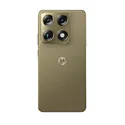 | Motorola Signature Qualcomm Snapdragon 8 Gen 5 ⎘ Qualcomm Adreno 829 ⎘ 16 GB Memory, 512 GB UFS 4.x | List Price: 1000 Euro | 186 g | 512 GB UFS 4.1 Flash | 6.80" 2780x1264 450 PPI AMOLED |
2. 89.2%  | Apple iPhone 17 Pro Max Apple A19 Pro ⎘ Apple A19 Pro 6-Core GPU ⎘ 12 GB Memory, 256 GB NVMe | List Price: 1449 Euro | 233 g | 256 GB NVMe | 6.90" 2868x1320 460 PPI OLED |
3. 89.3%  | Honor Magic8 Pro Qualcomm Snapdragon 8 Elite Gen 5 ⎘ Qualcomm Adreno 840 ⎘ 12 GB Memory, 512 GB UFS 4.x | Amazon: 1. $1,120.00 HONOR Magic8 Pro 5G BKQ-N49 ... 2. $1,150.00 HONOR Magic8 Pro Dual-SIM 51... 3. $1,120.00 HONOR Magic8 Pro 5G BKQ-N49 ... List Price: 1300€ | 219 g | 512 GB UFS 4.1 Flash | 6.71" 2808x1256 458 PPI OLED |
4. 89.4%  | Samsung Galaxy S25 Ultra Qualcomm Snapdragon 8 Elite for Galaxy ⎘ Qualcomm Adreno 830 ⎘ 12 GB Memory, 256 GB UFS 4.x | List Price: 1449€ | 218 g | 256 GB UFS 4.0 Flash | 6.90" 3120x1440 498 PPI Dynamic AMOLED 2X |
5. 88.1%  | Vivo X300 Pro MediaTek Dimensity 9500 ⎘ Arm Mali G1- Ultra MC12 ⎘ 16 GB Memory, 512 GB UFS 4.x | List Price: 1399€ | 226 g | 512 GB UFS 4.1 Flash | 6.78" 2800x1260 453 PPI AMOLED |
6. 88.2%  | Xiaomi Poco F8 Ultra Qualcomm Snapdragon 8 Elite Gen 5 ⎘ Qualcomm Adreno 840 ⎘ 16 GB Memory, 512 GB UFS 4.x | List Price: 900€ | 220 g | 512 GB UFS 4.1 Flash | 6.90" 2608x1200 416 PPI AMOLED |
Transparency
The selection of devices to be reviewed is made by our editorial team. The test sample was provided to the author as a loan by the manufacturer or retailer for the purpose of this review. The lender had no influence on this review, nor did the manufacturer receive a copy of this review before publication. There was no obligation to publish this review. As an independent media company, Notebookcheck is not subjected to the authority of manufacturers, retailers or publishers.
This is how Notebookcheck is testing
Every year, Notebookcheck independently reviews hundreds of laptops and smartphones using standardized procedures to ensure that all results are comparable. We have continuously developed our test methods for around 20 years and set industry standards in the process. In our test labs, high-quality measuring equipment is utilized by experienced technicians and editors. These tests involve a multi-stage validation process. Our complex rating system is based on hundreds of well-founded measurements and benchmarks, which maintains objectivity. Further information on our test methods can be found here.
 Add as a preferred source on Google


