




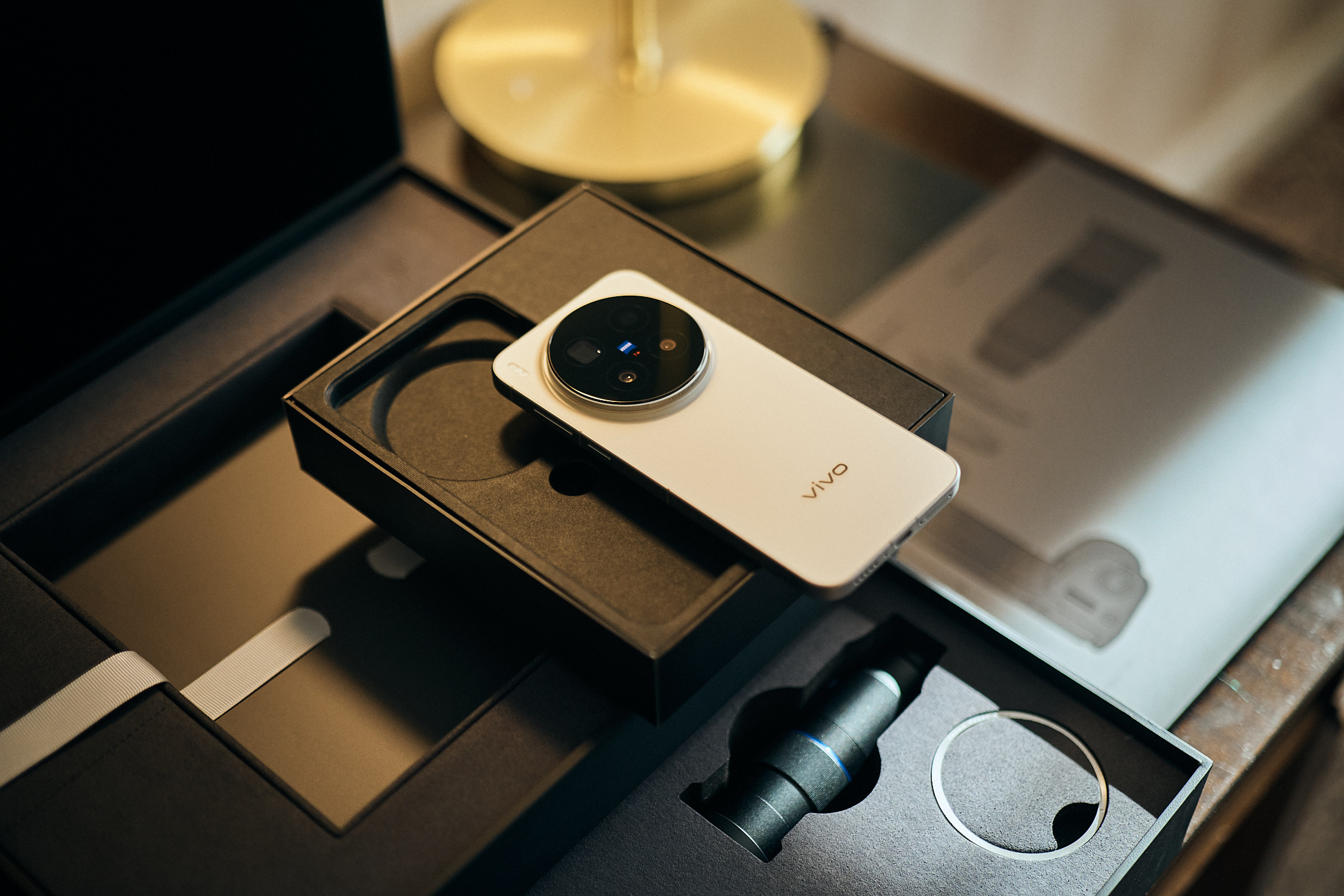
Verdict on the Vivo X300 Pro
The Vivo X300 Pro is a flagship camera smartphone with virtually uncompromising features, aimed primarily at photo and video enthusiasts. Its combination of a versatile triple camera setup, great low-light performance, superb video flexibility including 8K recording, and excellent stabilization clearly puts the device's focus on mobile imaging. Added to this are a bright LTPO AMOLED display, an IP69 certification, an ultra-fast ultrasonic fingerprint sensor, and modern communication features such as Wi-Fi 7, tri-band GNSS, and a walkie-talkie function.
Even so, it does suffer from some weaknesses that are a bit more critical given its recommended retail price of around $1,600. Under continuous load, its performance is throttled significantly, its GNSS is rather average, its speakers sound tinny for the price range, and its battery life also falls short of expectations given the capacity.
The bottom line is that the Vivo X300 Pro is a powerful camera smartphone with a lot of high-end flair, but it does require a few compromises to be made when looking at the finer details.
Pros
Cons
Price and availability
At the time of writing, the Vivo X300 Pro is not available to order in the US.
Table of Contents
- Verdict on the Vivo X300 Pro
- Specifications: Vivo X300 Pro
- Case - The Vivo X300 Pro is IP6-certified
- Connectivity - Featuring a walkie-talkie function
- Software - The Vivo smartphone with updates for seven years
- Communication and GNSS - Tri-band GNSS on the Vivo X300 Pro
- Telephone functions and call quality
- Cameras - Vivo impresses with a powerful camera setup
- Accessories and warranty - Optionally with a camera kit and a teleconverter
- Input devices and operation - The Vivo phone with an ultrasonic fingerprint sensor
- Display - Bright LTPO AMOLED in the Vivo X300 Pro
- Performance - The X300 Pro relies on the Dimensity 9500
- Games - Smooth gaming at up to 120 FPS
- Emissions - The Vivo X300 Pro is severely throttled
- Battery life - Smaller battery for Europe
- Notebookcheck total rating
- Possible alternatives compared
The X300 Pro follows on from the Vivo X200 Pro and in Europe, you can only buy the variant equipped with 16 GB RAM and 512 GB internal storage.
The high-end smartphone looks to impress with its camera setup more than anything, once again teaming up with Zeiss. Its RRP of around $1,600 is by no means cheap, but it promises premium features across the board.
Specifications: Vivo X300 Pro
Case - The Vivo X300 Pro is IP6-certified
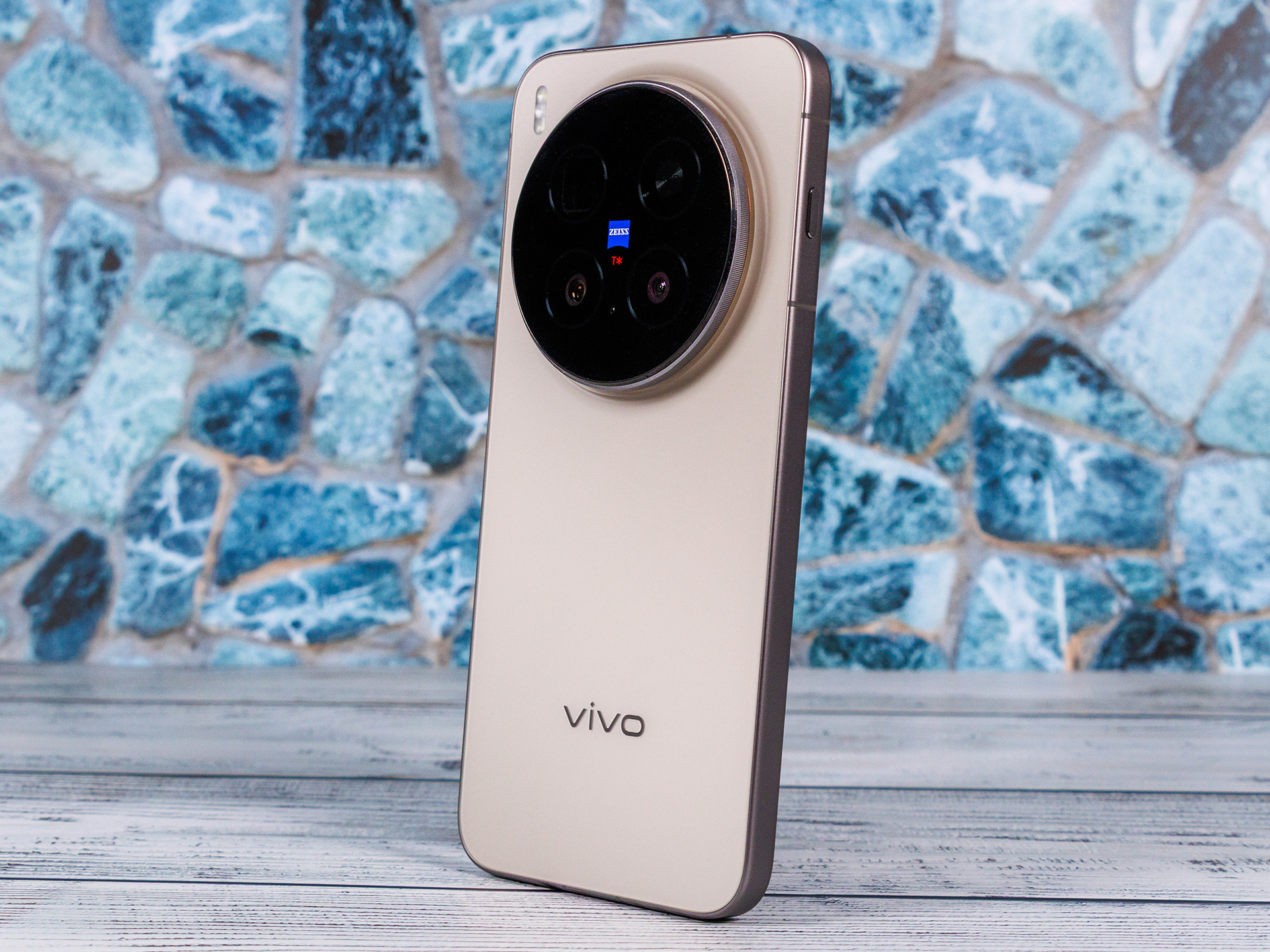
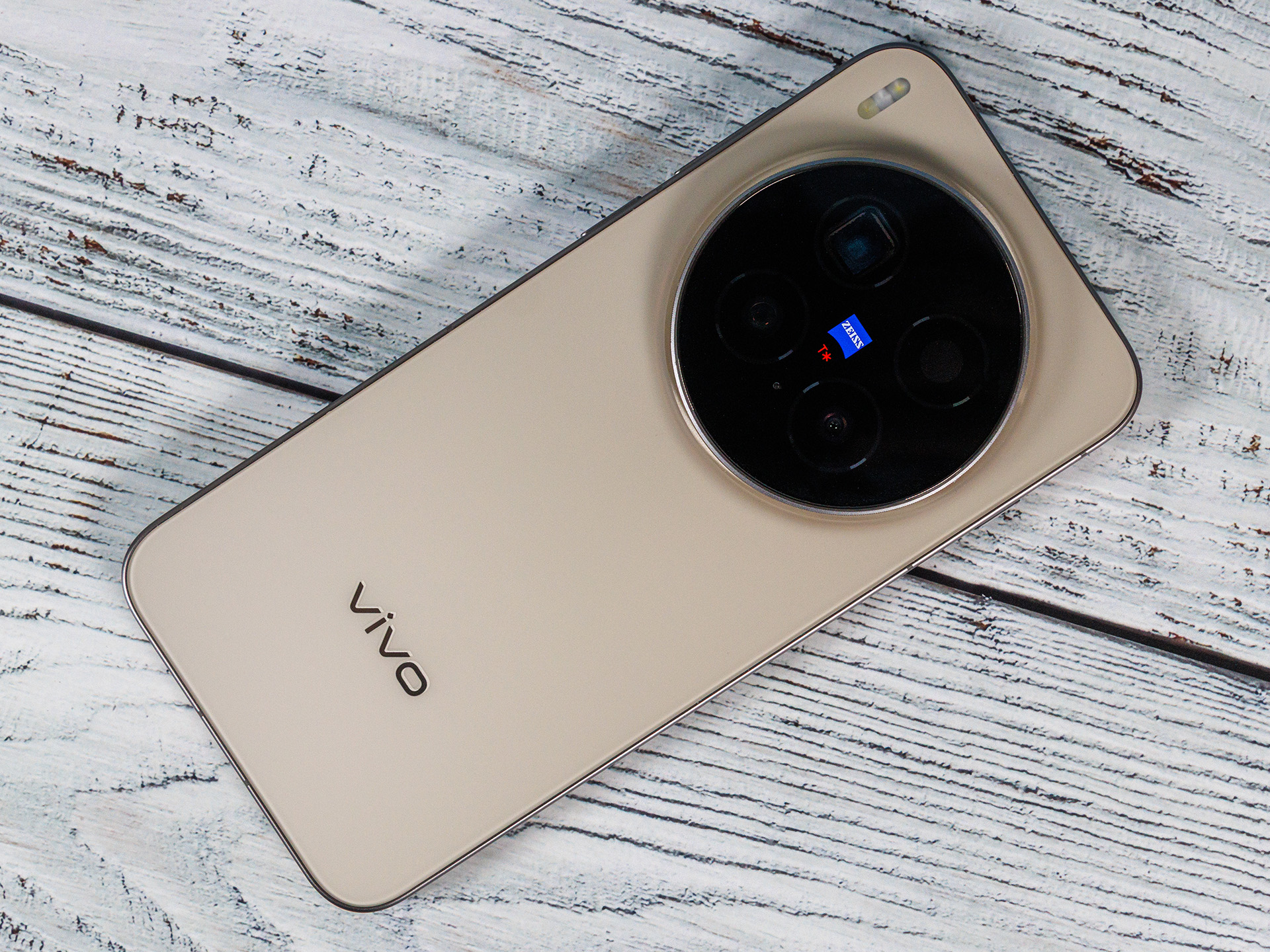
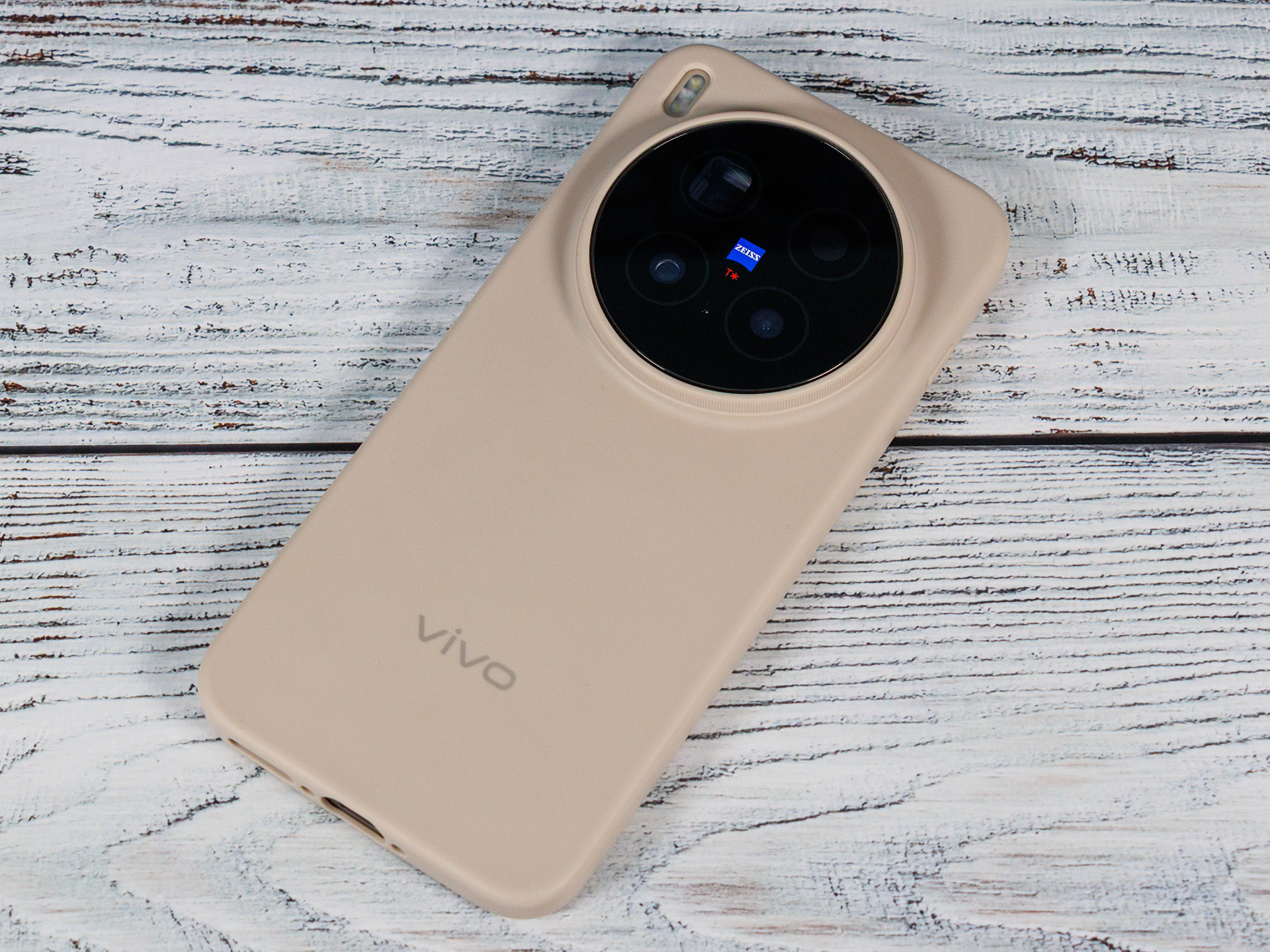
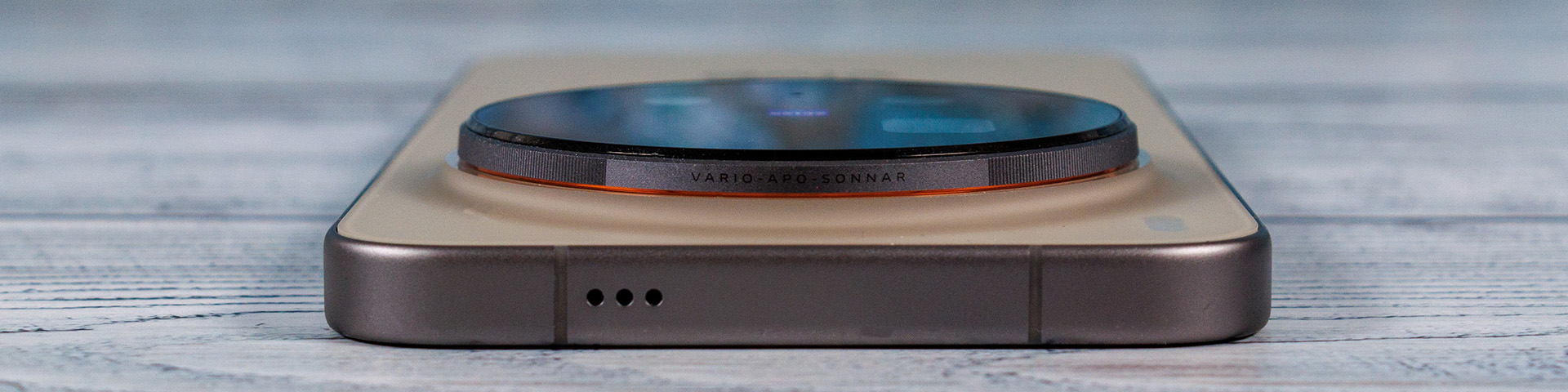
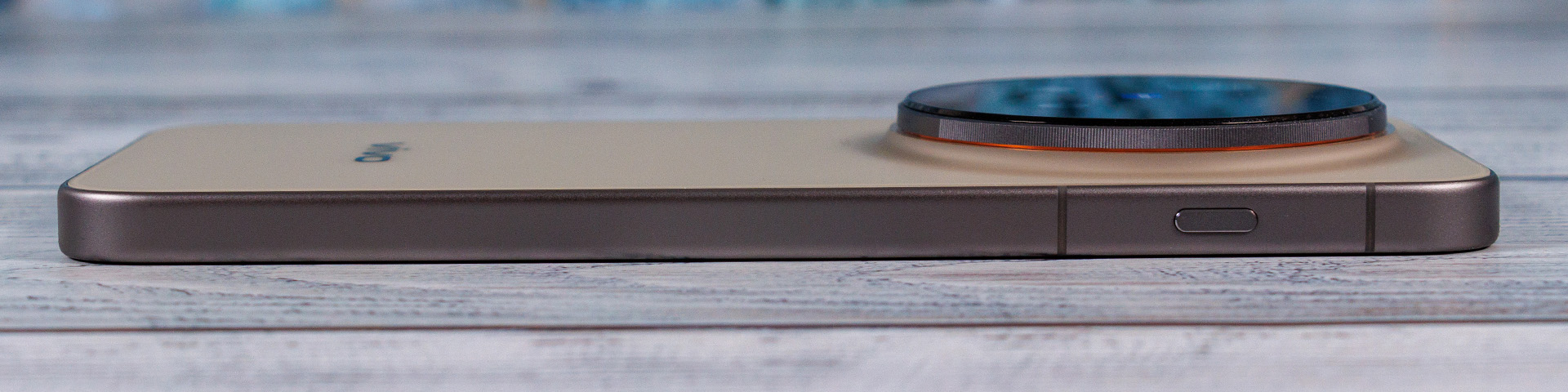
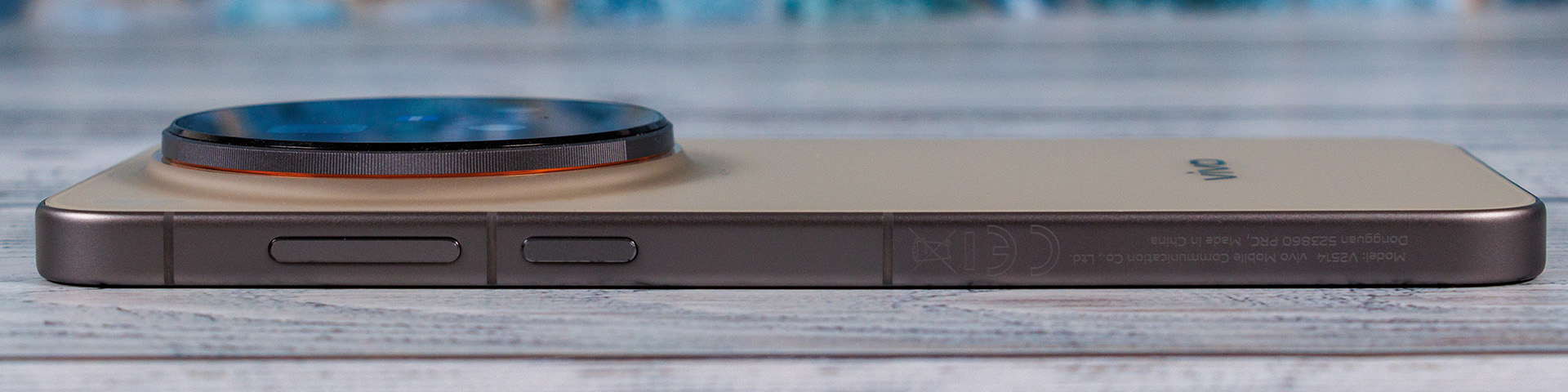
The Vivo X300 Pro is available in Dune Brown and Phantom Black. According to the manufacturer, the smartphone has a height of 7.99 mm, while we measured 8.3 mm—or 14.4 mm including the camera module. The cameras make the X300 Pro a little top-heavy, but we don't find this to be annoying.
Its frame is made of matte aluminum, and the front and back of the cell phone are covered with glass. This gives the X300 Pro a high-quality look. When attempting to be twisted, it creaks audibly but still feels stable overall. The smartphone is both dustproof and waterproof and can even withstand high-pressure water.
Connectivity - Featuring a walkie-talkie function
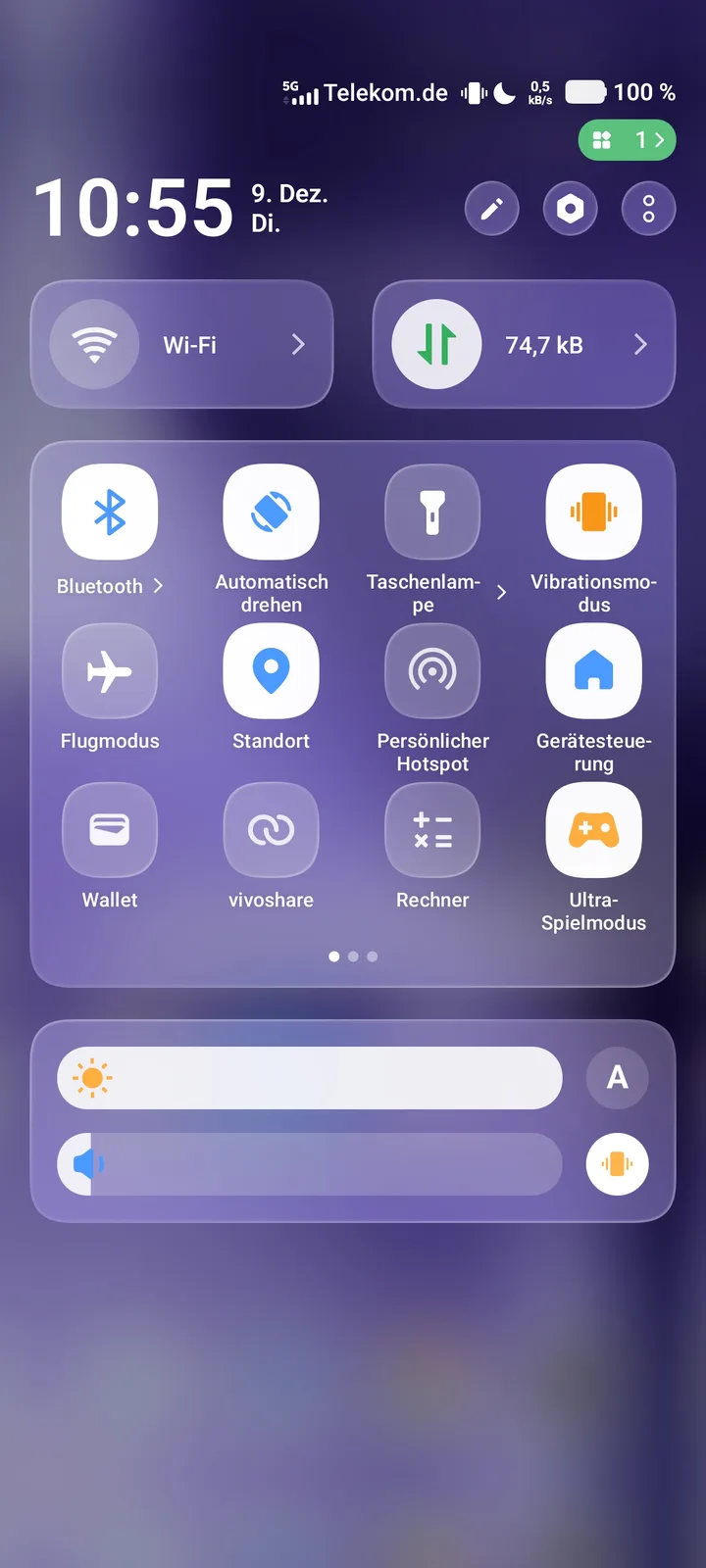
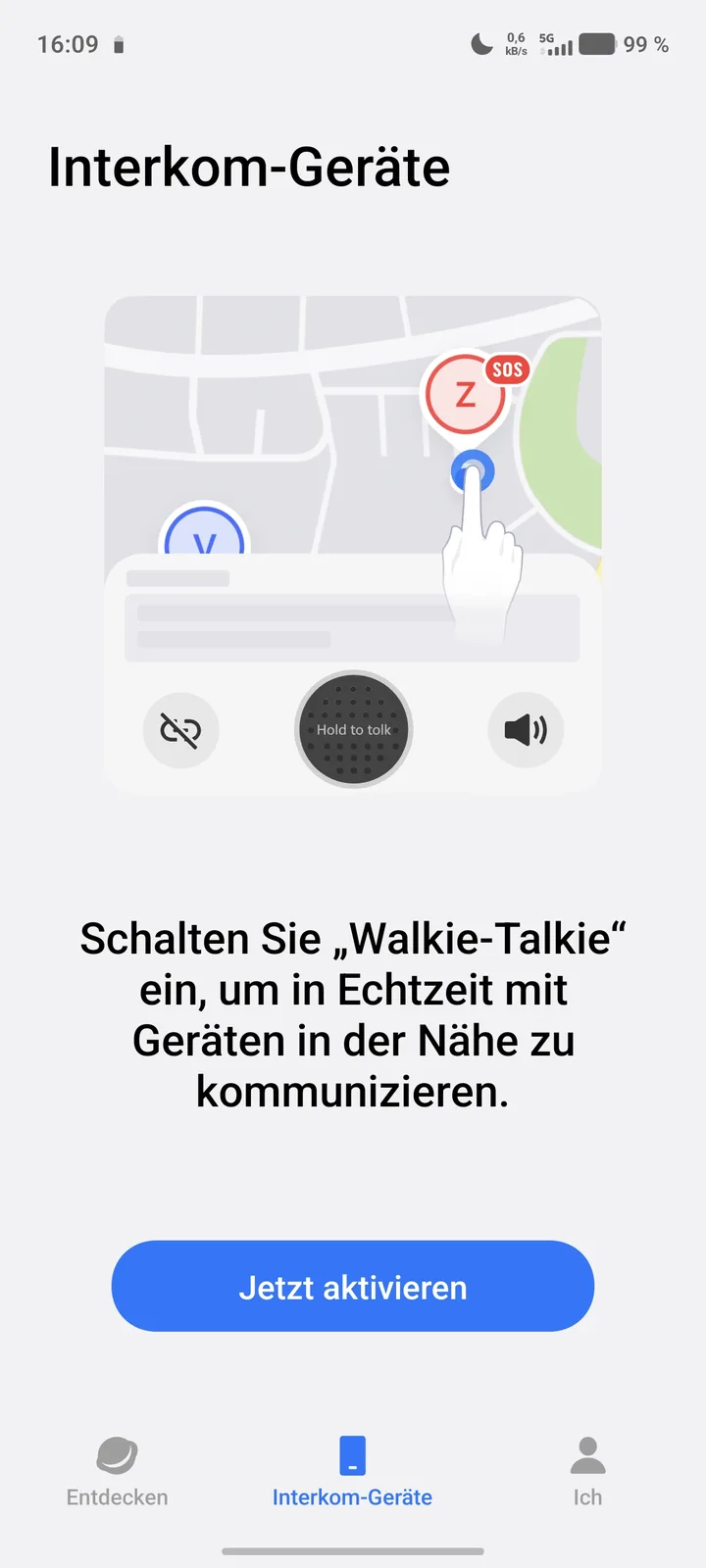
Similar to the Xiaomi 15T Pro or the Tecno Slim 5G, the Vivo X300 Pro features a walkie-talkie function that allows you to communicate with other compatible devices without needing a cellular connection. You can instead make calls or send messages using a long-range Bluetooth connection. Unfortunately, Vivo has done its own thing, meaning that the systems from different manufacturers aren't compatible with each other.
The X300 Pro comes equipped with a fast USB 3.2 port, which managed data transfer rates of 347.2 MB/s during our test and also supports wired image output. However, users only have the option to mirror the phone's screen.
As expected, the smartphone doesn't support microSD cards nor does it have an audio jack, but UWB is also still not available.

Software - The Vivo smartphone with updates for seven years
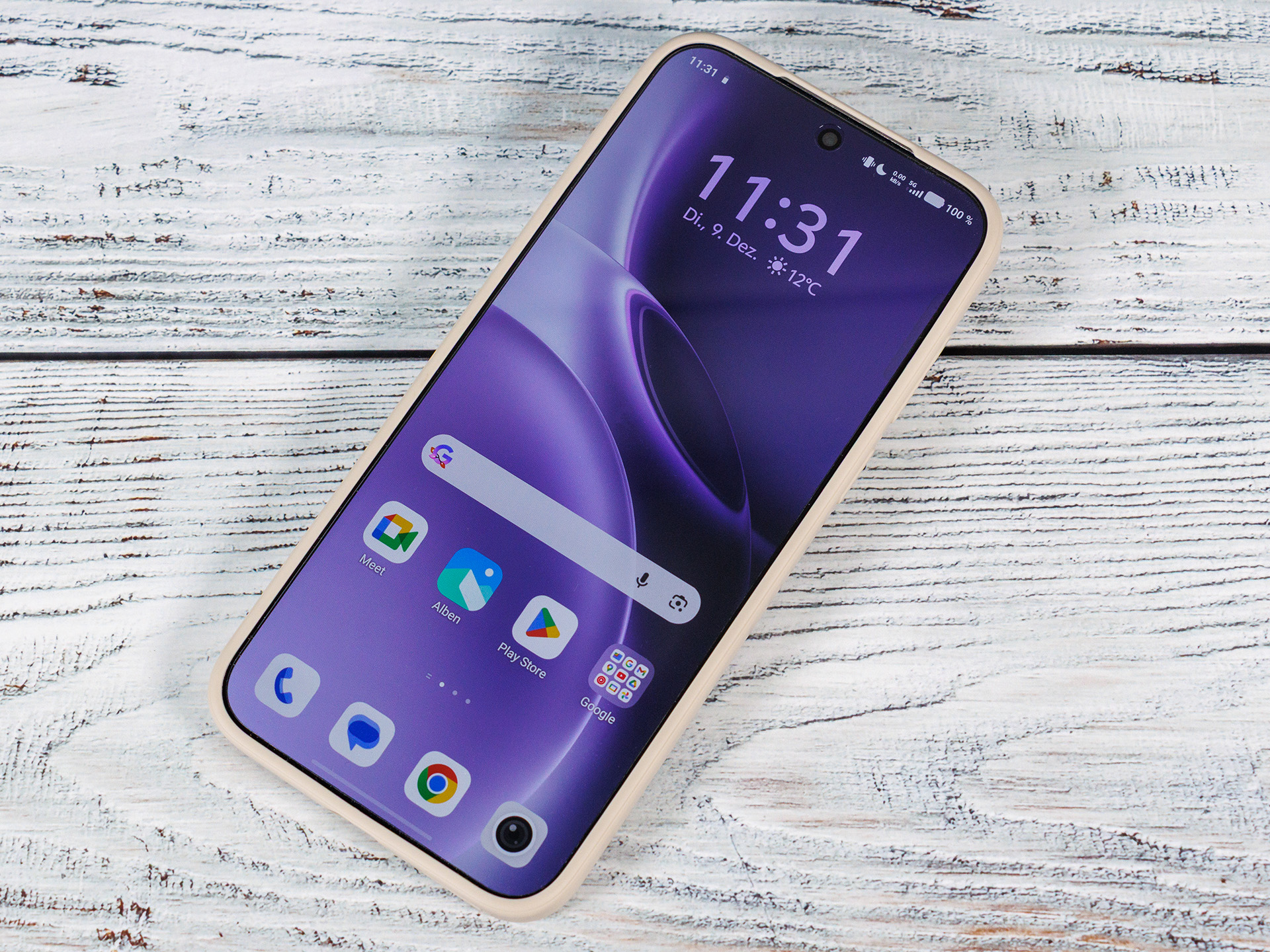
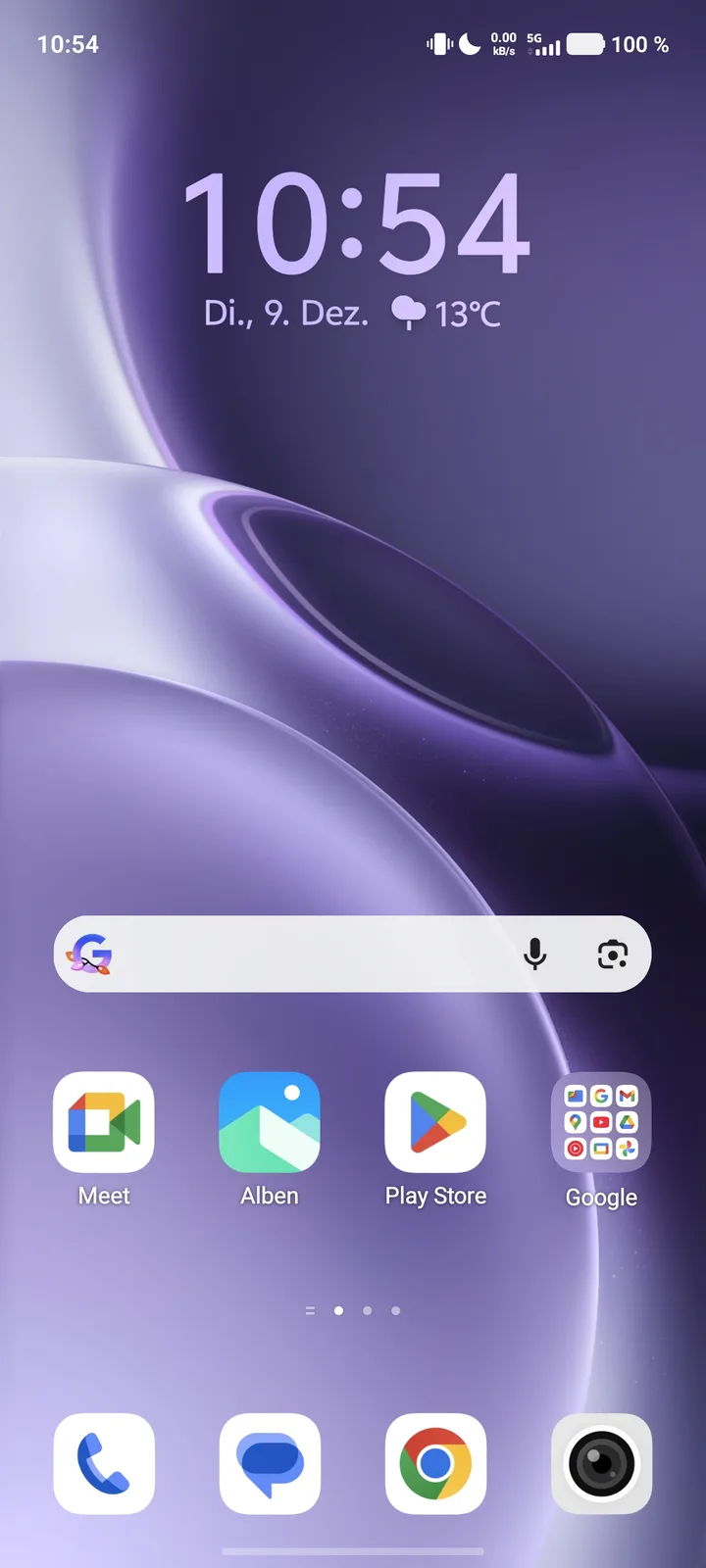
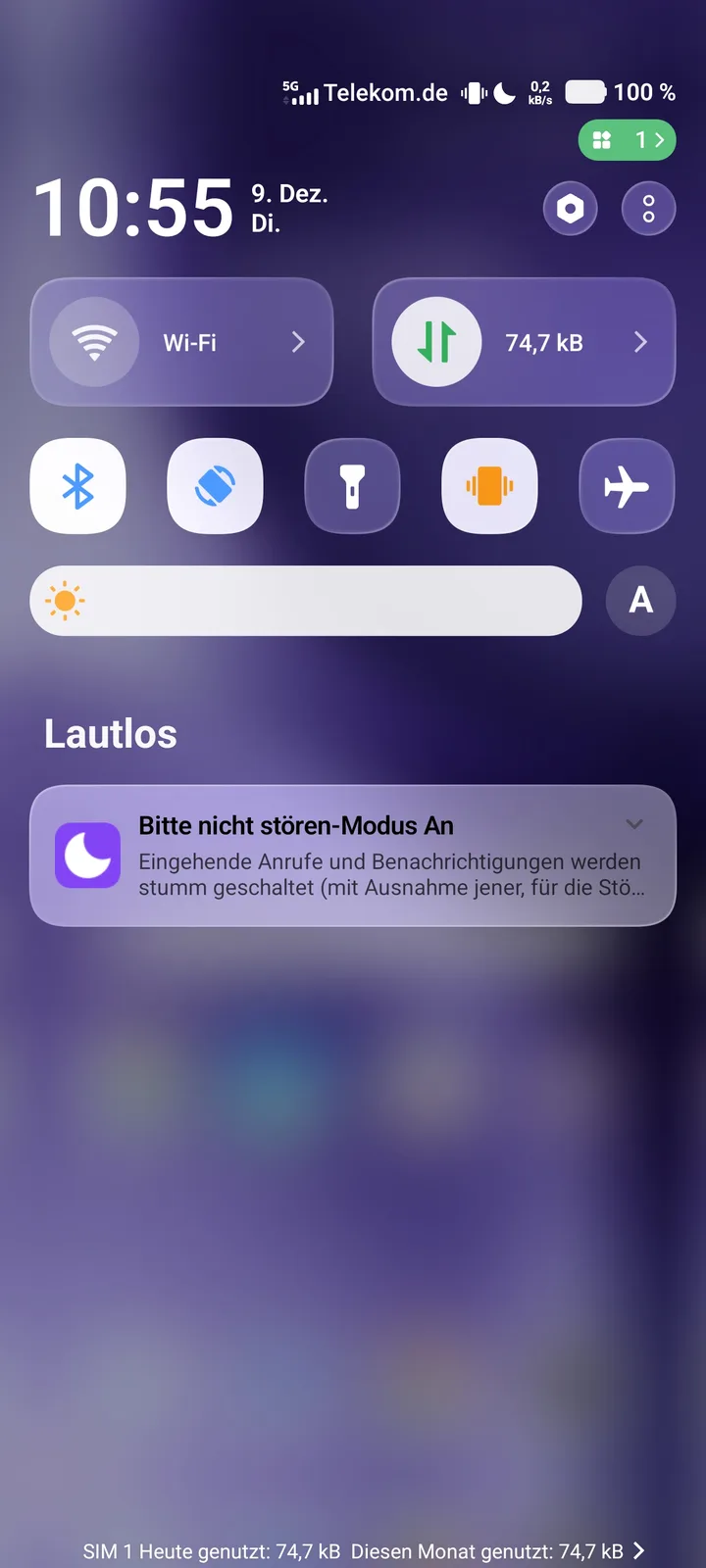
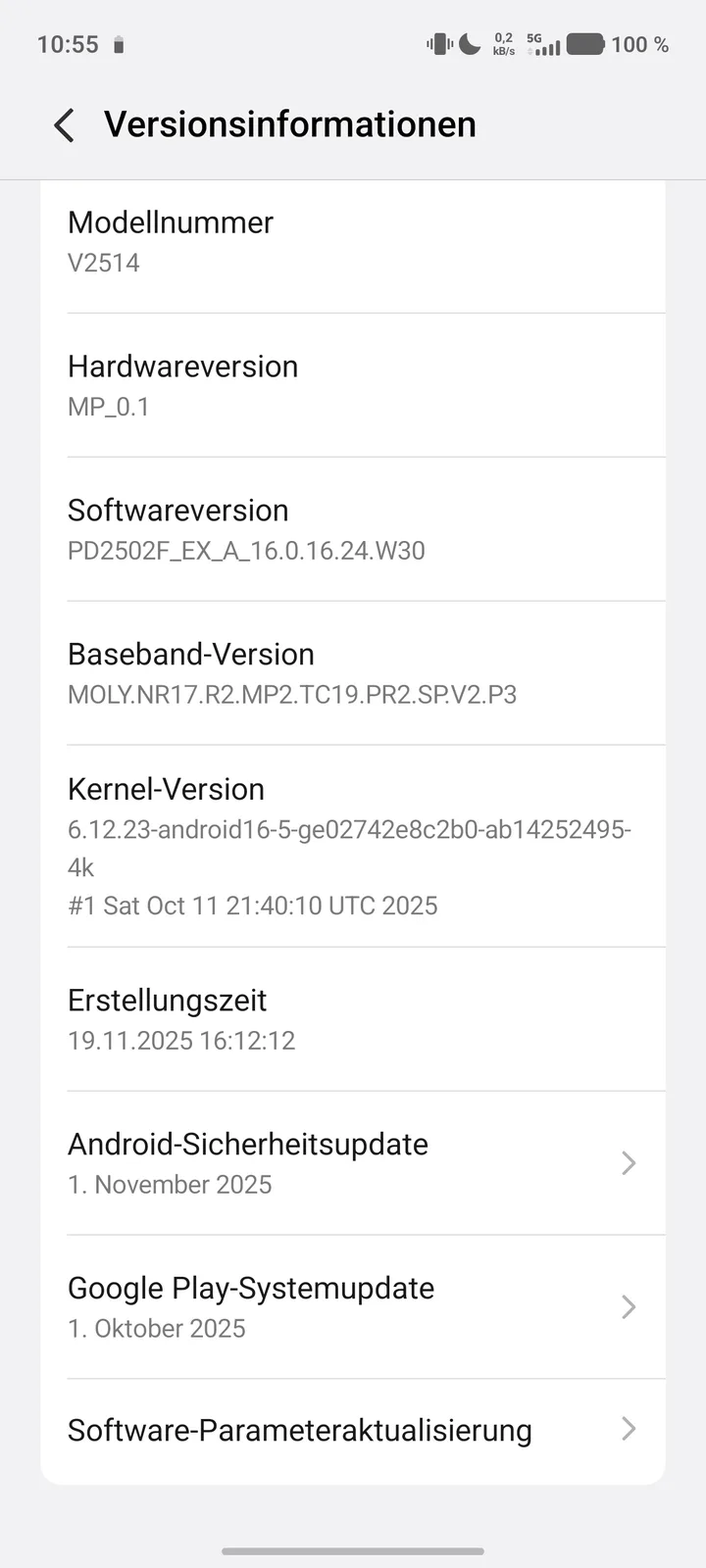
The Vivo X300 Pro comes with Google Android 16 and its own OriginOS 6 user interface. At the time of testing, the security patches were up to date, and they are expected to be distributed for seven years (from market launch). However, Vivo hasn't provided any information about how frequently updates will be rolled out. Major Android updates are expected to be provided for five years.
The Vivo phone additionally supports AI features, including image editing in the gallery and AI subtitling for videos.
Sustainability
The Vivo X300 Pro is largely packaged without the use of plastic, but unfortunately, the device itself is shrink-wrapped in a plastic film.
The sustainability information provided by the company isn't particularly extensive, but at least some information is available to buyers. The phone is 81% recyclable, and the packaging lists the quantities of precious metals and rare earth elements used, among other things.
Communication and GNSS - Tri-band GNSS on the Vivo X300 Pro
The Vivo X300 Pro supports a wide range of frequencies across all modern mobile communications standards, and demonstrated a stable connection in our tests.
Modern Wi-Fi 7 is available for WLAN connections—including the fast 6 GHz band, which resulted in high transfer rates in combination with our reference router, the Asus ROG Rapture GT-AXE11000.
| Networking | |
| Vivo X300 Pro | |
| iperf3 transmit AXE11000 | |
| iperf3 receive AXE11000 | |
| iperf3 transmit AXE11000 6GHz | |
| iperf3 receive AXE11000 6GHz | |
| Average 802.11 a/b/g/n/ac/ax/be | |
| iperf3 transmit AXE11000 | |
| iperf3 receive AXE11000 | |
| iperf3 transmit AXE11000 6GHz | |
| iperf3 receive AXE11000 6GHz | |
| Average of class Smartphone | |
| iperf3 transmit AXE11000 | |
| iperf3 receive AXE11000 | |
| iperf3 transmit AXE11000 6GHz | |
| iperf3 receive AXE11000 6GHz | |
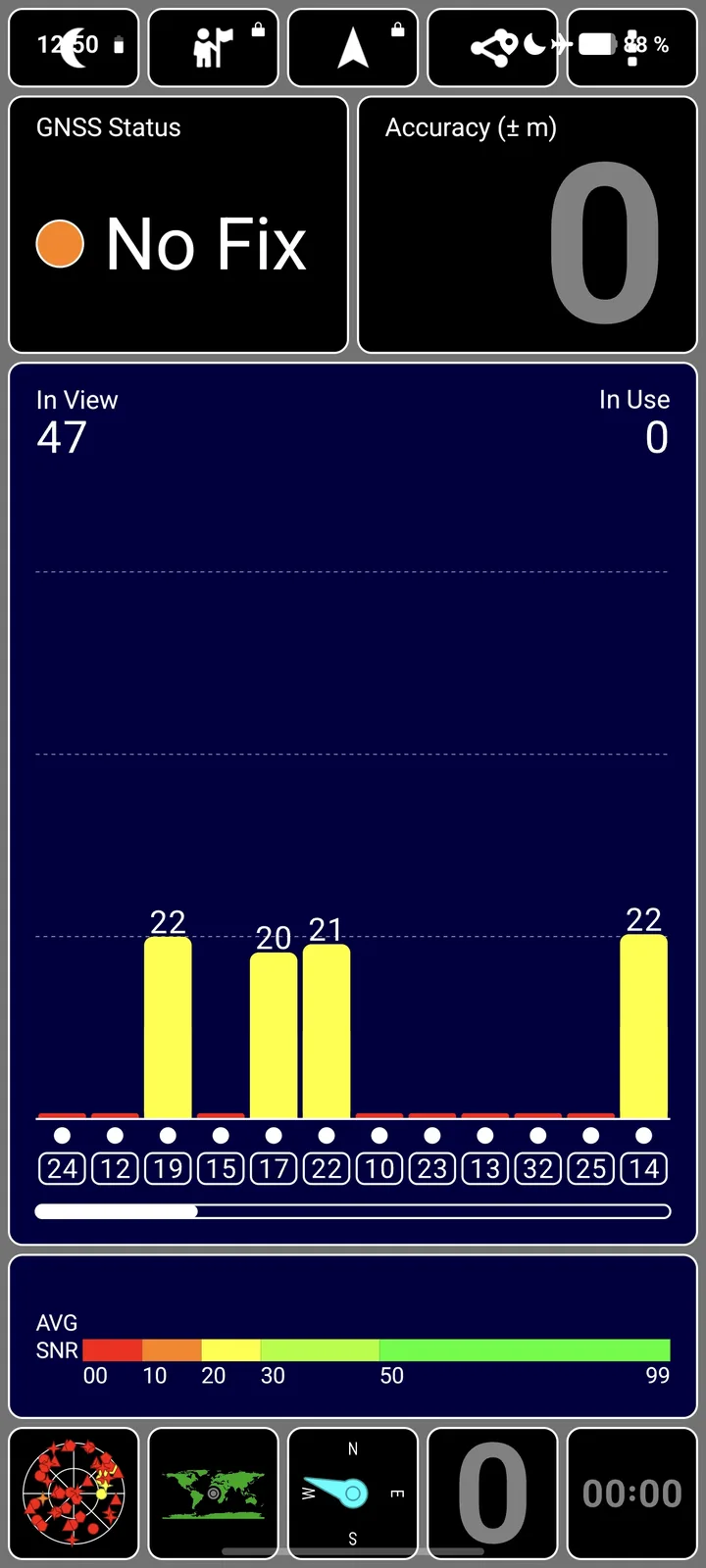
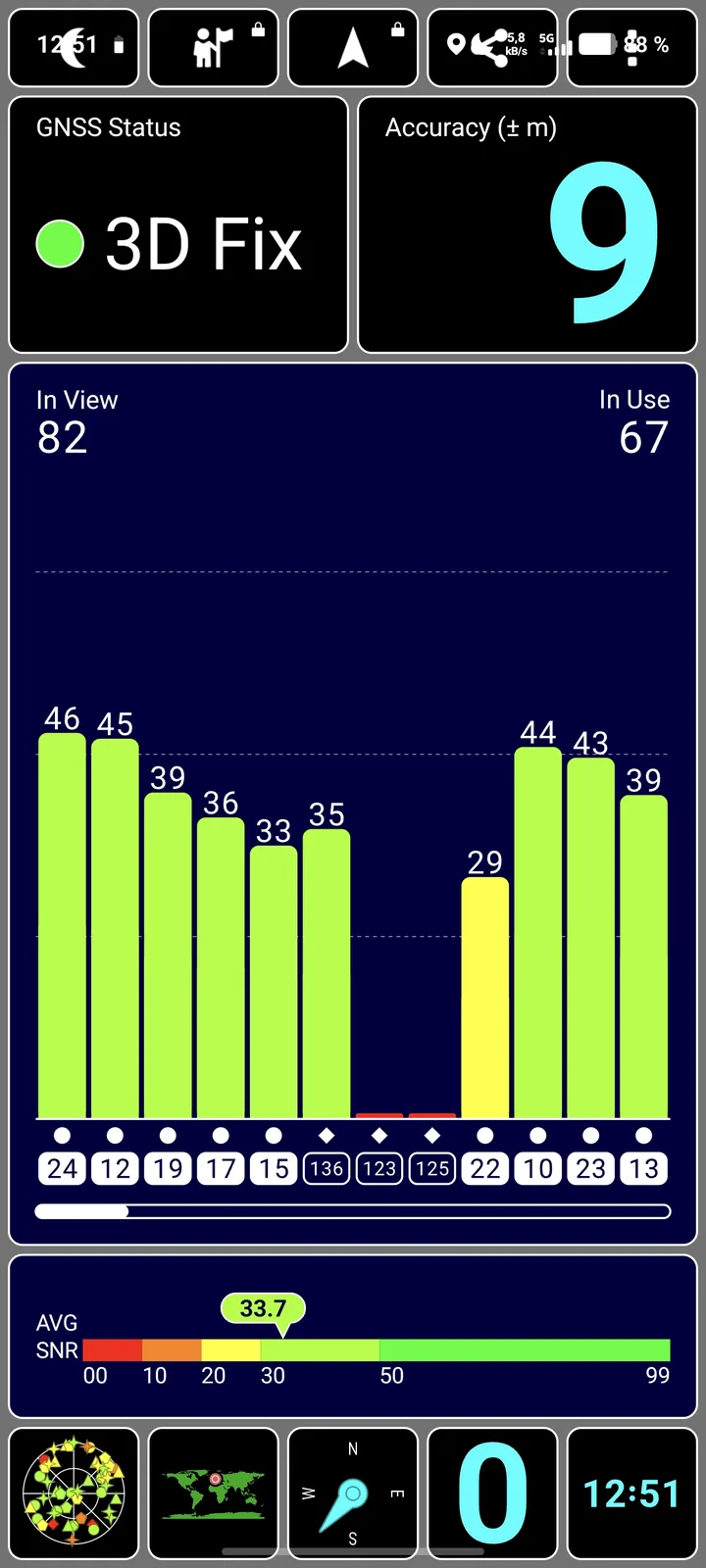
For satellite navigation, the phone features tri-band connectivity across all global networks. Satellite positioning doesn't seem to work indoors without a cellular connection, and outdoors, it still takes a bit longer, with its accuracy leaving room for improvement.
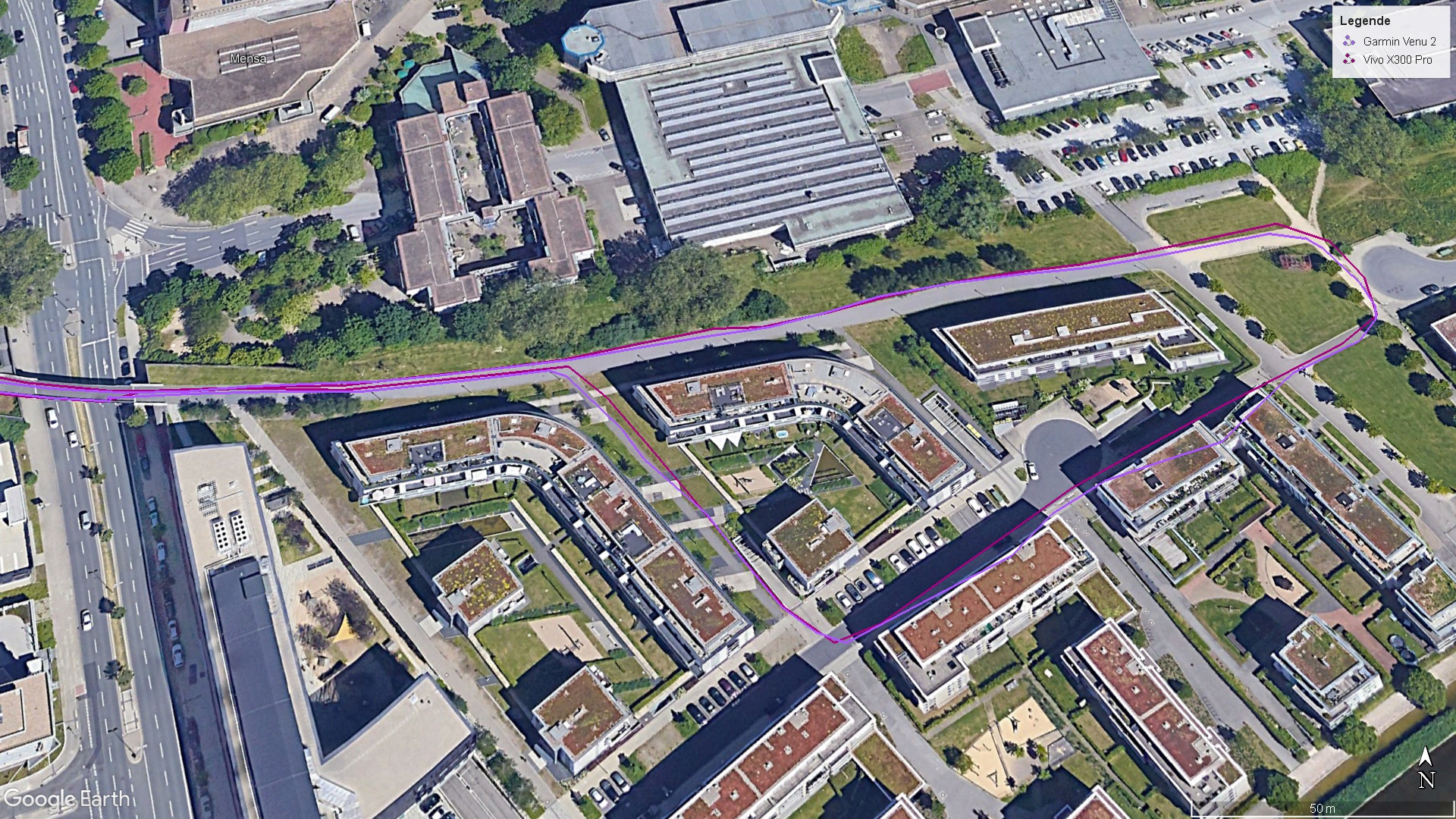
On a bike ride, we compared the Vivo smartphone with the Garmin Venu 2. Once again, the Vivo showed minor shortcomings in places, as it refreshed its position less frequently. However, this shouldn't impose any restrictions on everyday navigation tasks.


Telephone functions and call quality
The Vivo X300 Pro supports functions such as VoLTE and Wi-Fi calls. However, Vo5G (Telekom) didn't work during our test, and we found no option for it in the settings. The smartphone supports dual SIM functionality with two nano SIMs or two eSIMs. Users also have the option to combine SIM types.
The device's call quality is good when held up to your ear, but the ambient noise suppression struggles with traffic noise and other similar conditions. The speaker works well in quiet environments and only echoes minimally.
Cameras - Vivo impresses with a powerful camera setup

The front camera of the Vivo X300 Pro not only boasts a high resolution and supports pixel binning, but it also features autofocus. Photos taken on this camera impress with their balanced composition, which looks attractive even in dim lighting conditions. It can record videos in Ultra HD at up to 60 FPS, including in Dolby Vision. The image stabilization is particularly good.
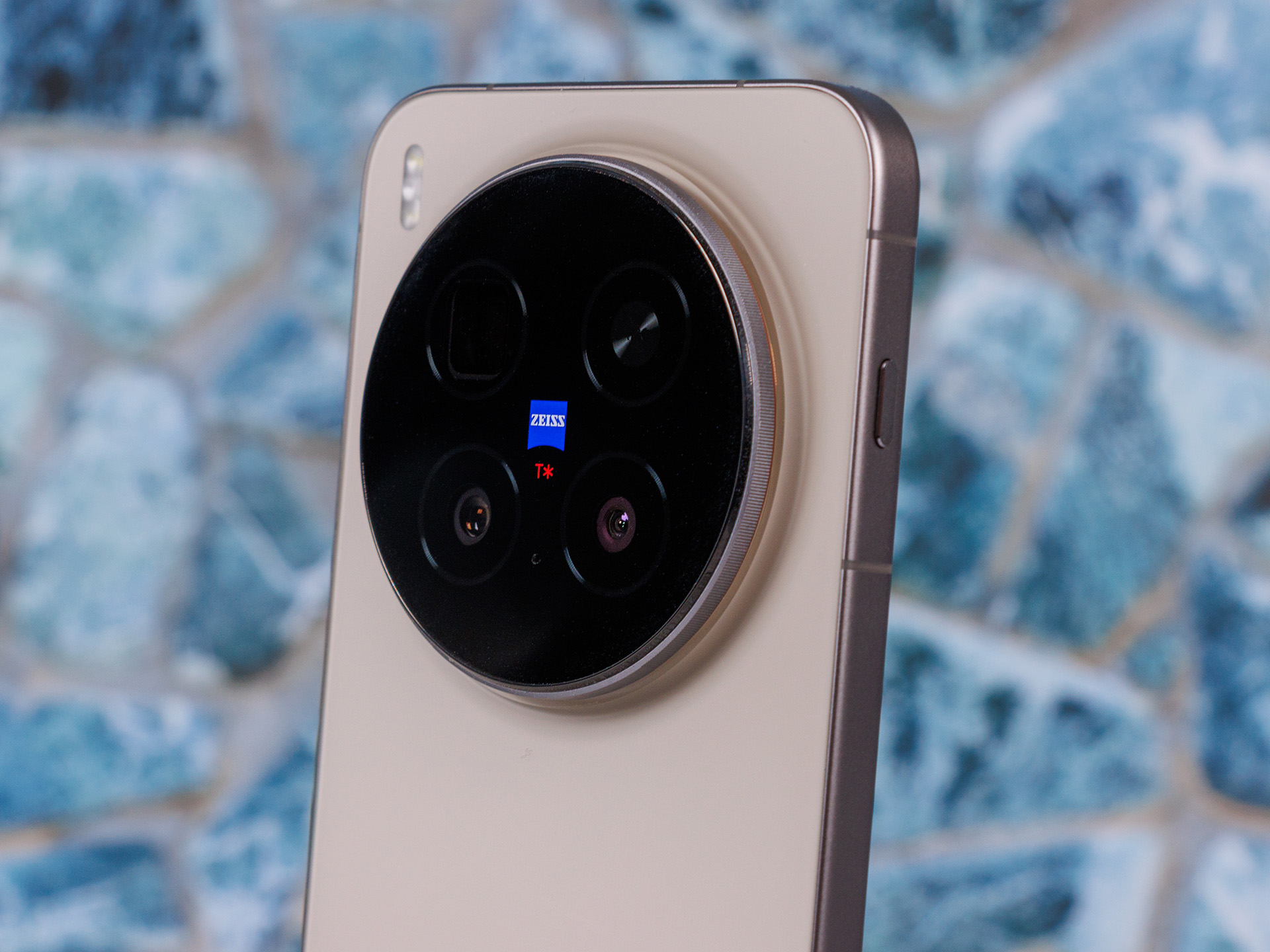
There are three lenses on the back of the phone. Although Vivo has opted not to use a 1-inch sensor, the smaller Sony LYT-828 still manages to take very good photos with balanced sharpness and appealing color dynamics. The depth dynamics are also consistent, and in low-light situations, the X300 Pro compensates for its lack of sensor size with a good algorithm and the dedicated VS1 image chip.
The ultra-wide-angle lens also delivers good results and shows only minor aberrations at the edges of photos. The smartphone features an impressive zoom—even in the higher digital ranges—going all the way up to 100x magnification. If the quality it offers isn't enough for you, you can use the optional teleconverter, which we tested in a separate article.
The X300 Pro delivers equally impressive video results. It can record both 4K at 120 FPS or 8K at 30 FPS, although the latter comes without HDR or LOG support. However, the powerful gimbal stabilization is only available at up to 2.8K (60 FPS). The conventional stabilization is visibly inferior, but good nonetheless. Its microphones benefit from low-noise audio recording.
Image comparison
Choose a scene and navigate within the first image. One click changes the position on touchscreens. One click on the zoomed-in image opens the original in a new window. The first image shows the scaled photograph of the test device.
Main cameraMain cameraUltra-wide angle5x zoomLow-light




















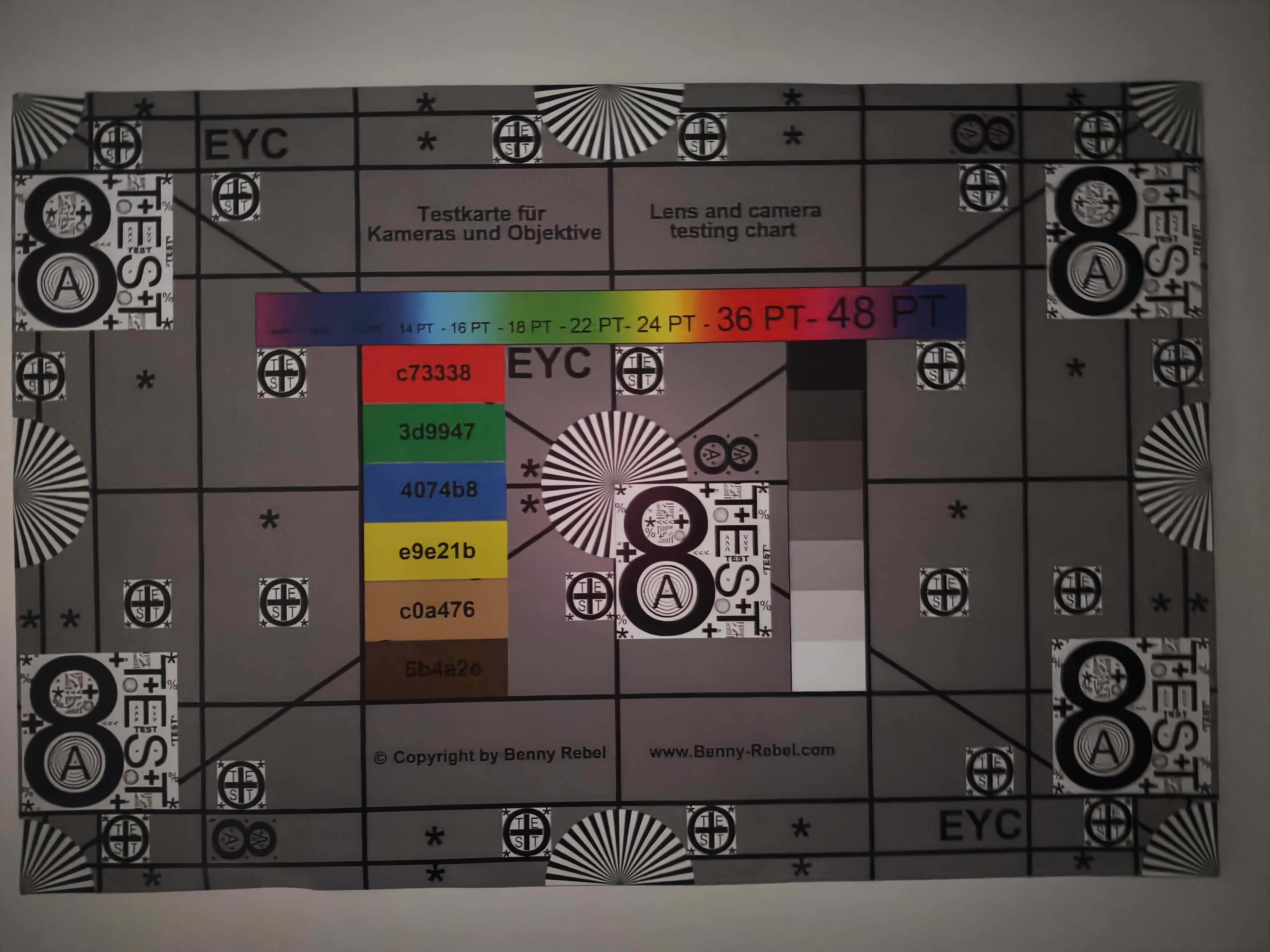
In controlled lighting conditions, the Vivo X300 Pro reproduces colors super naturally. We noted the highest deviation (dE 7.05) in dark green, which was slightly brightened by the phone's camera.
It also captured the test chart very well and even fine details were still clearly visible. Although there was some slight blurring and aberration at the edges, this was only subtly noticeable.




Accessories and warranty - Optionally with a camera kit and a teleconverter
While a power adapter is not included with the Vivo X300 Pro, it comes with a USB cable (Type-A to Type-C), a SIM tool, and a silicone protective case.
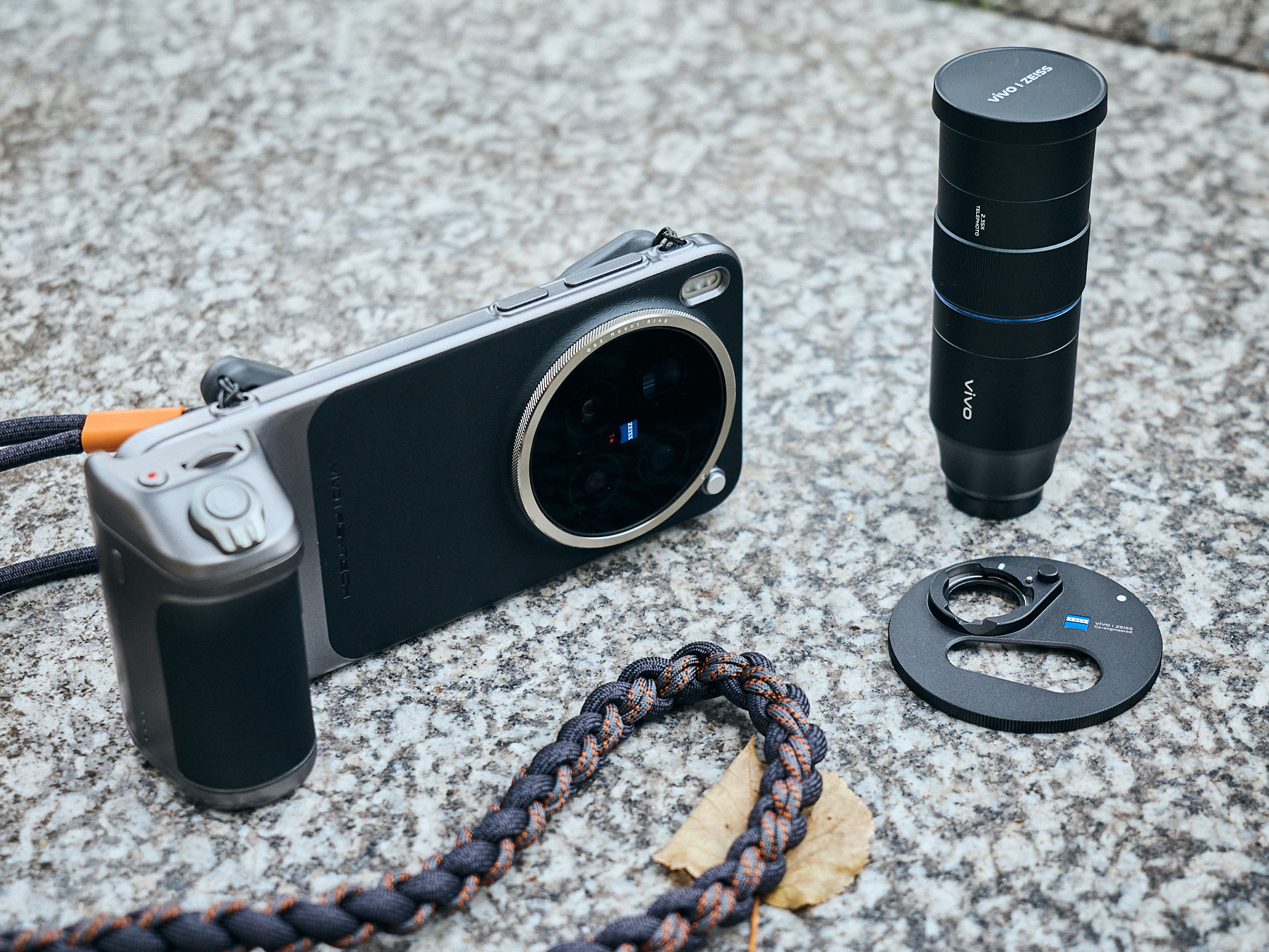
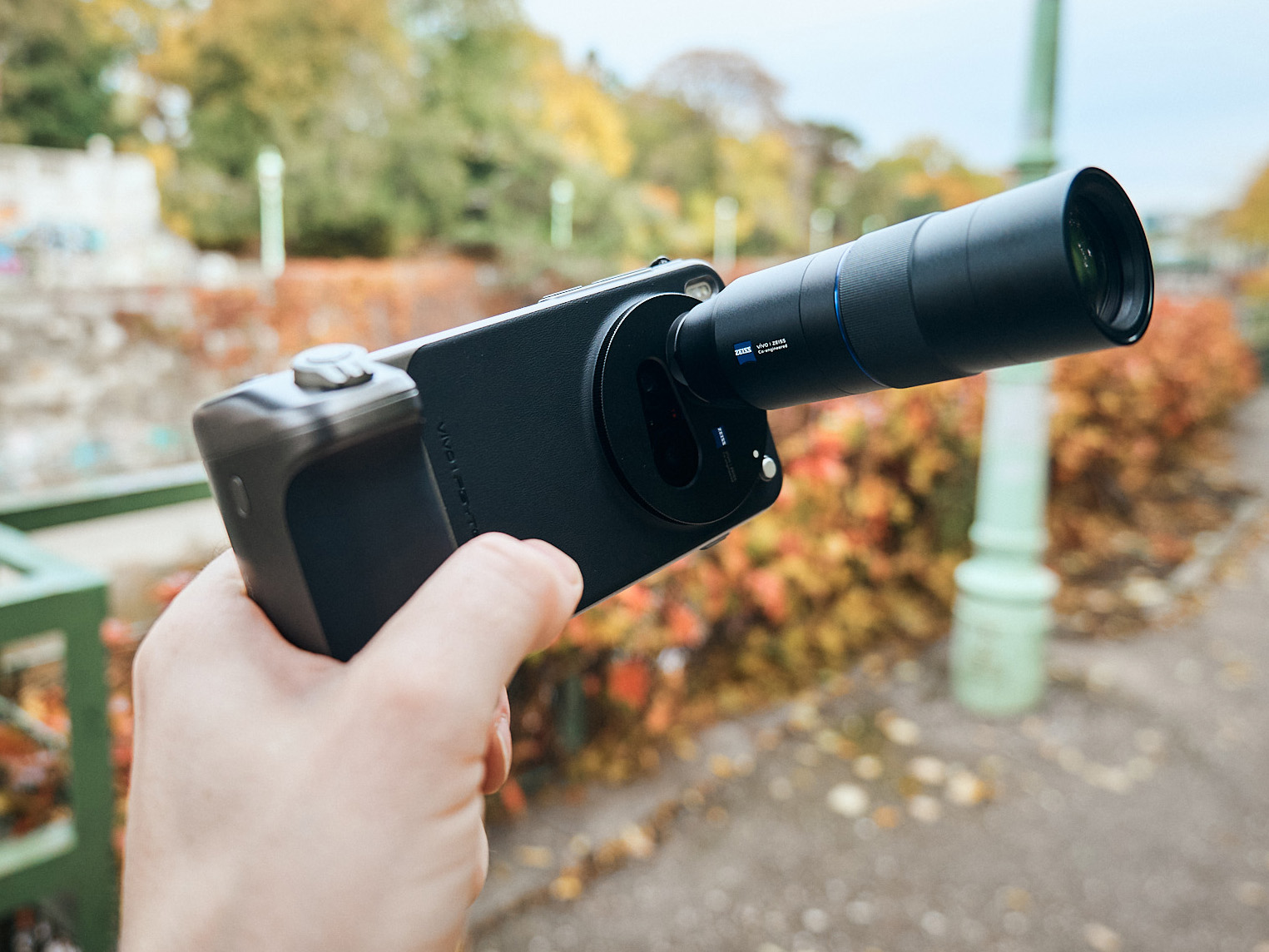
Vivo offers optional extras including the Imaging Grip Kit, a teleconverter, a 90-watt power adapter and a wireless charger (50 watts).
In Central Europe, where this test was carried out, the device is covered by a generous 36-month warranty.
Input devices and operation - The Vivo phone with an ultrasonic fingerprint sensor
The Vivo X300 Pro's capacitive touchscreen responds promptly and reliably to inputs. The protective film, which comes pre-installed, is nice and smooth, but the glass underneath feels even better.
For biometric security, there is an ultrasonic fingerprint sensor installed into the phone's display, which quickly and reliably recognizes stored prints. Alternatively or additionally, users can access facial recognition via the front-facing camera, but this is less secure and can only be used to unlock the smartphone.
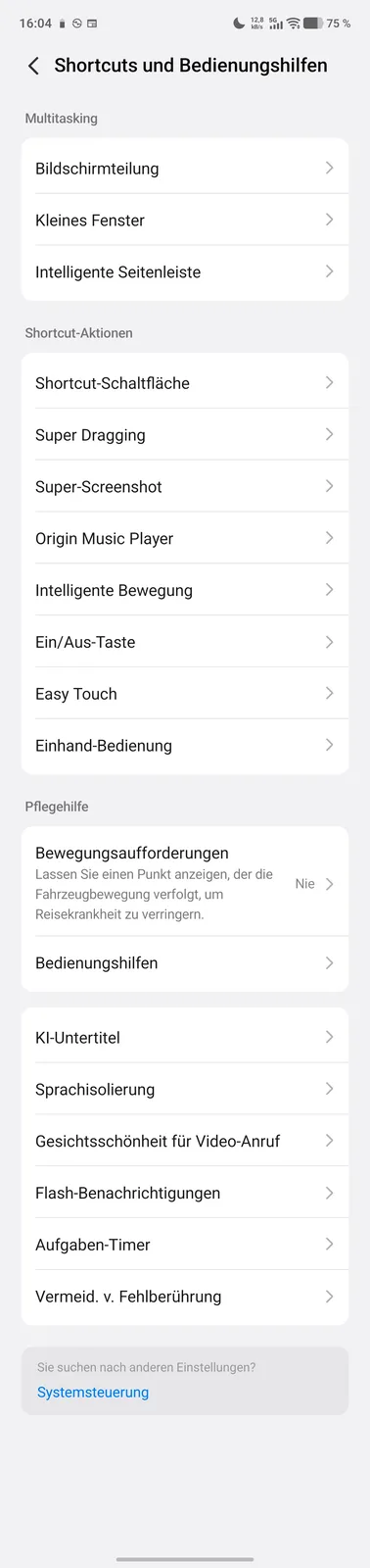
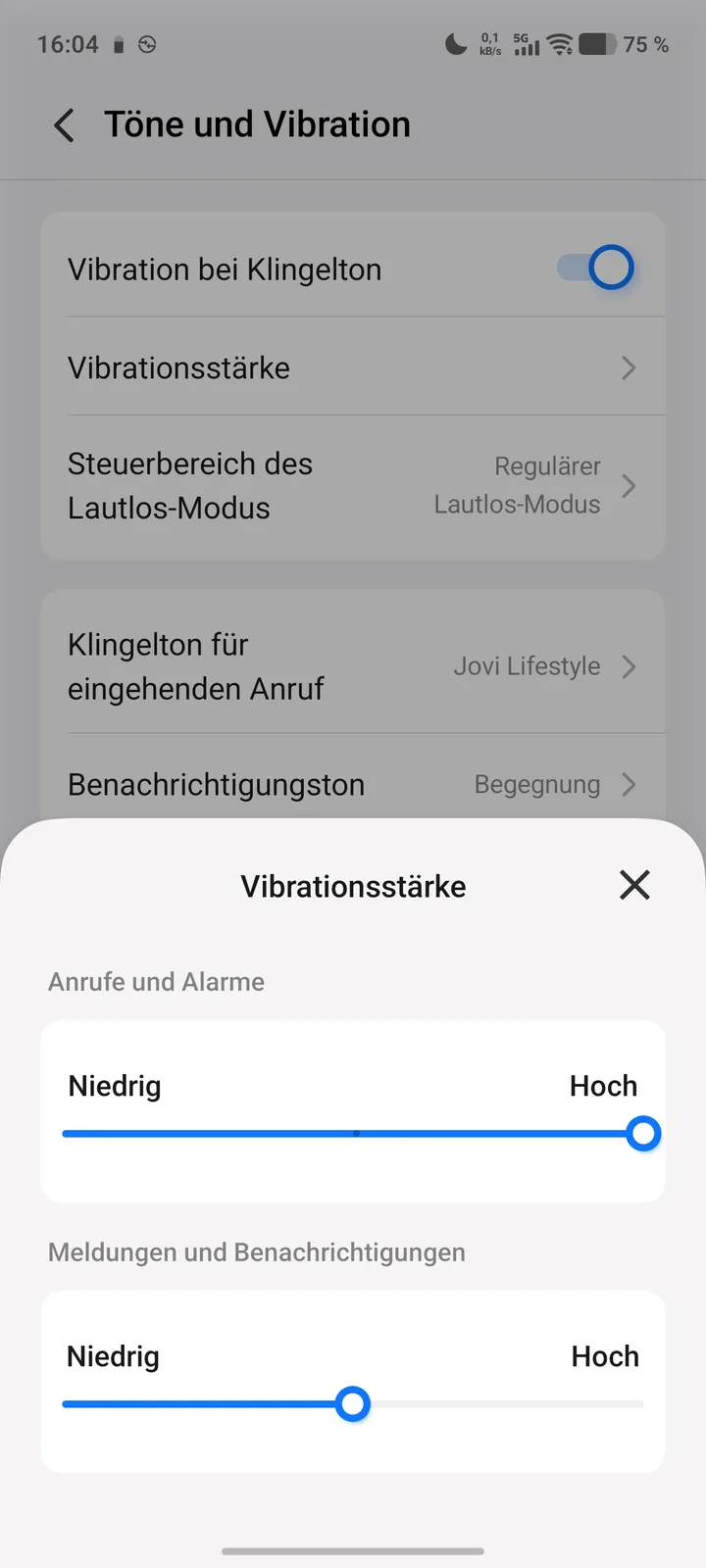
A linear vibration motor provides subtle, crisp feedback and can be customized to your own needs in the device's settings.



Display - Bright LTPO AMOLED in the Vivo X300 Pro

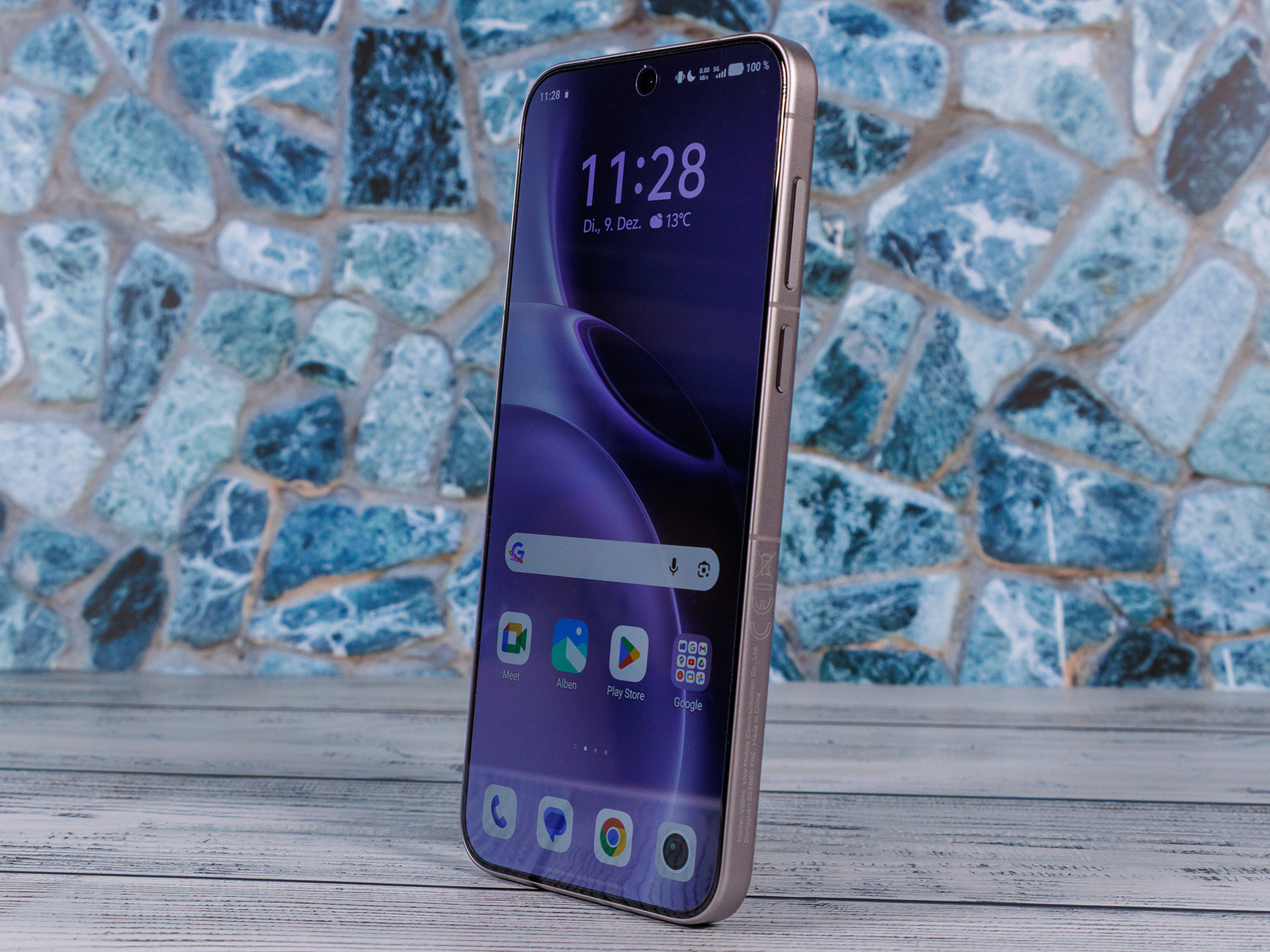
The phone's 6.78-inch (17.22 cm) LTPO AMOLED display can automatically adjust its refresh rate between 1 and 120 Hz. All common HDR standards are supported, and content is displayed sharply thanks to a pixel density of 453 PPI.
Vivo estimates its brightness to reach up to 4,500 nits. When displaying a pure white surface, we measured 1,574 cd/m² in the center of the screen, and when showing a smaller white area (APL18), the X300 Pro reached a brightness of 2,329 cd/m². When playing an HDR video, we measured up to 2,785 cd/m² during our test. Users who adjust the brightness manually will have up to 612 cd/m² at their disposal.
Using an oscilloscope, we measured a base flicker of around 360 Hz. In addition, Vivo uses high-frequency PWM dimming at a frequency of 2,083 Hz with the phone's display brightness set to the minnimum. This, alongside the flat amplitude curve, should help avoid any discomfort for most people, but this can't be completely ruled out for sensitive individuals.
| |||||||||||||||||||||||||
Brightness Distribution: 93 %
Center on Battery: 1574 cd/m²
Contrast: ∞:1 (Black: 0 cd/m²)
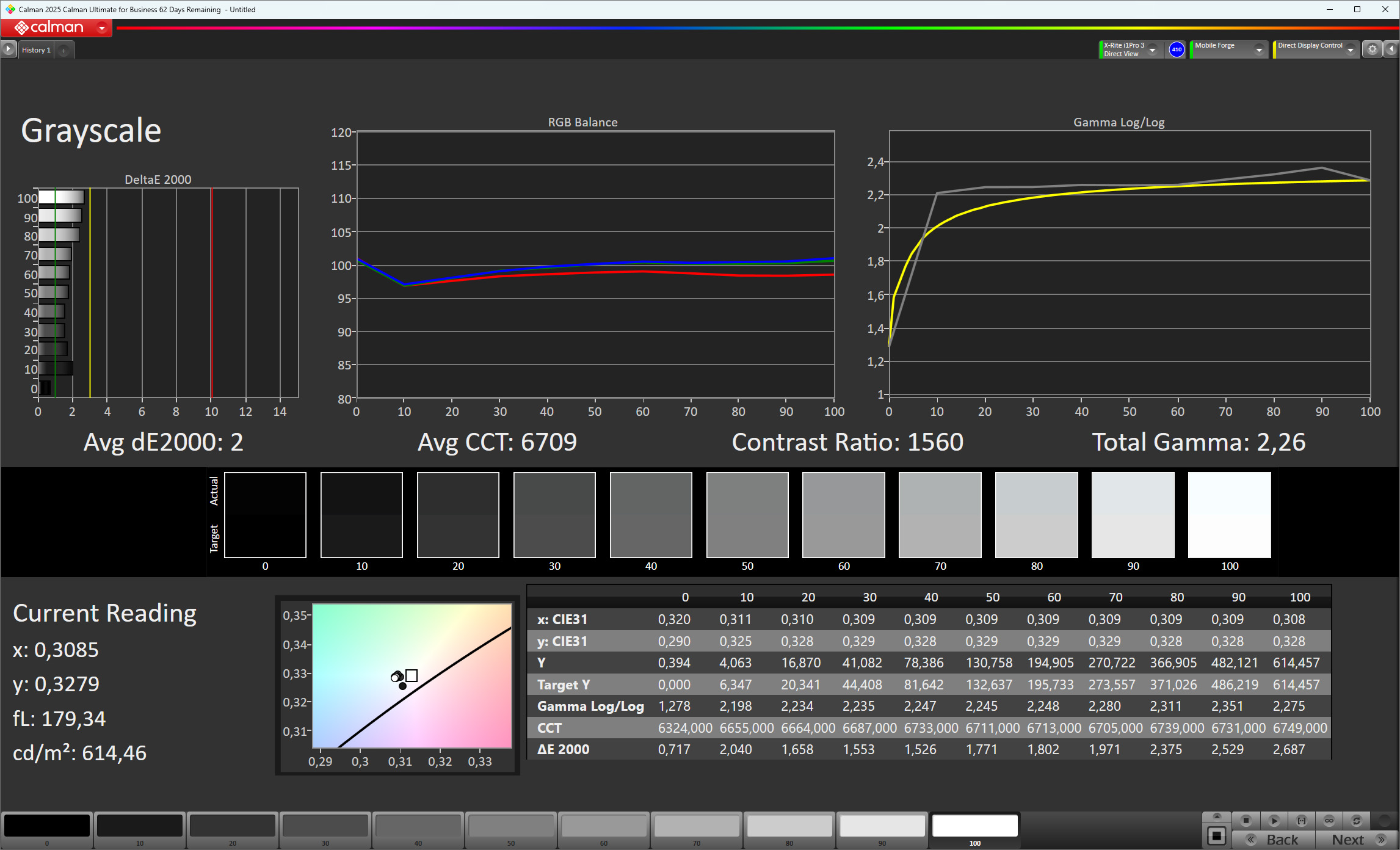
ΔE ColorChecker Calman: 1.3 | ∀{0.5-29.43 Ø4.68}
ΔE Greyscale Calman: 2 | ∀{0.09-98 Ø4.93}
99.7% sRGB (Calman 2D)
Gamma: 2.26
CCT: 6709 K
| Vivo X300 Pro AMOLED, 2800x1260, 6.8" | Oppo Find X9 Pro LTPO AMOLED, 2772x1272, 6.8" | Xiaomi 15 Ultra AMOLED, 3200x1440, 6.7" | Google Pixel 10 Pro OLED, 2856x1280, 6.3" | Apple iPhone 17 Pro Max OLED, 2868x1320, 6.9" | Samsung Galaxy S25 Ultra Dynamic AMOLED 2X, 3120x1440, 6.9" | |
|---|---|---|---|---|---|---|
| Screen | 1% | -6% | 36% | -13% | -42% | |
| Brightness middle (cd/m²) | 1574 | 1105 -30% | 1041 -34% | 2161 37% | 1054 -33% | 1357 -14% |
| Brightness (cd/m²) | 1562 | 1084 -31% | 1059 -32% | 2198 41% | 1059 -32% | 1350 -14% |
| Brightness Distribution (%) | 93 | 95 2% | 96 3% | 94 1% | 93 0% | 94 1% |
| Black Level * (cd/m²) | ||||||
| Colorchecker dE 2000 * | 1.3 | 1.02 22% | 1 23% | 0.7 46% | 1.57 -21% | 3.1 -138% |
| Colorchecker dE 2000 max. * | 2.7 | 2.32 14% | 2.7 -0% | 1.8 33% | 2.8 -4% | 4.7 -74% |
| Greyscale dE 2000 * | 2 | 1.4 30% | 1.9 5% | 0.8 60% | 1.7 15% | 2.2 -10% |
| Gamma | 2.26 97% | 2.244 98% | 2.23 99% | 2.19 100% | 2.32 95% | 2 110% |
| CCT | 6709 97% | 6411 101% | 6697 97% | 6646 98% | 6993 93% | 6391 102% |
* ... smaller is better
| Display / APL18 Peak Brightness | |
| Xiaomi 15 Ultra | |
| Google Pixel 10 Pro | |
| Samsung Galaxy S25 Ultra | |
| Vivo X300 Pro | |
| Display / HDR Peak Brightness | |
| Xiaomi 15 Ultra | |
| Google Pixel 10 Pro | |
| Vivo X300 Pro | |
| Samsung Galaxy S25 Ultra | |
Screen Flickering / PWM (Pulse-Width Modulation)
| Screen flickering / PWM detected | 360 Hz Amplitude: 14.29 % Secondary Frequency: 2083 Hz | 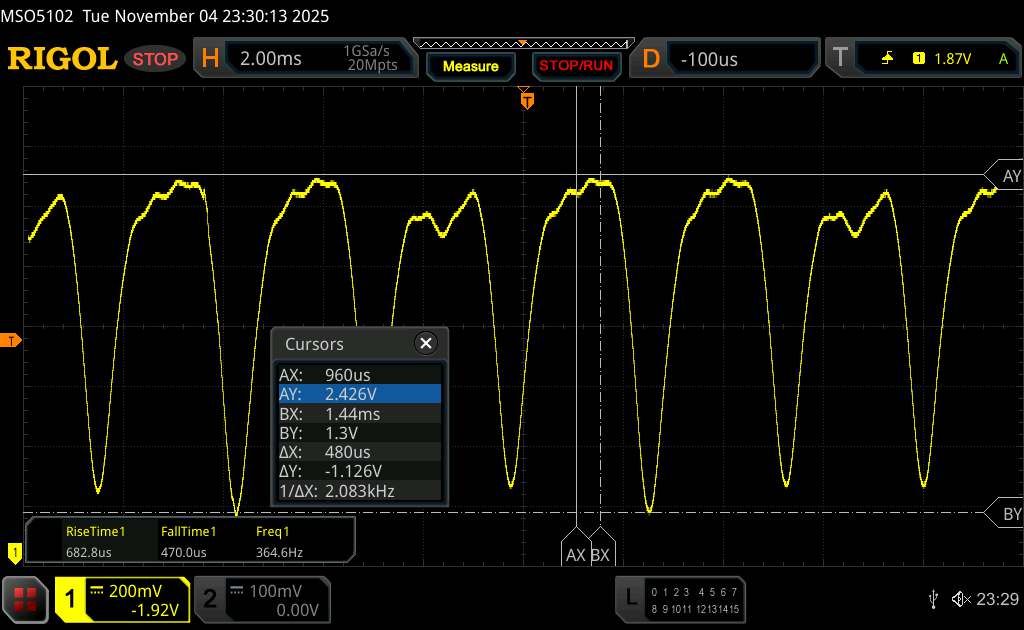 | |
The display backlight flickers at 360 Hz (worst case, e.g., utilizing PWM) . The frequency of 360 Hz is relatively high, so most users sensitive to PWM should not notice any flickering. However, there are reports that some users are still sensitive to PWM at 500 Hz and above, so be aware. In comparison: 52 % of all tested devices do not use PWM to dim the display. If PWM was detected, an average of 7572 (minimum: 5 - maximum: 343500) Hz was measured. | |||
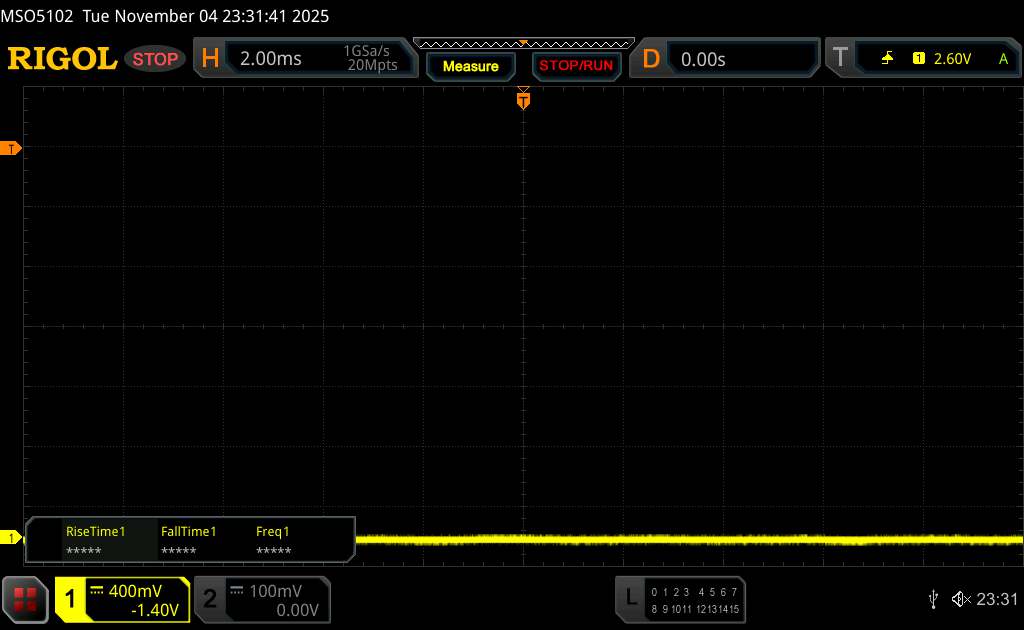
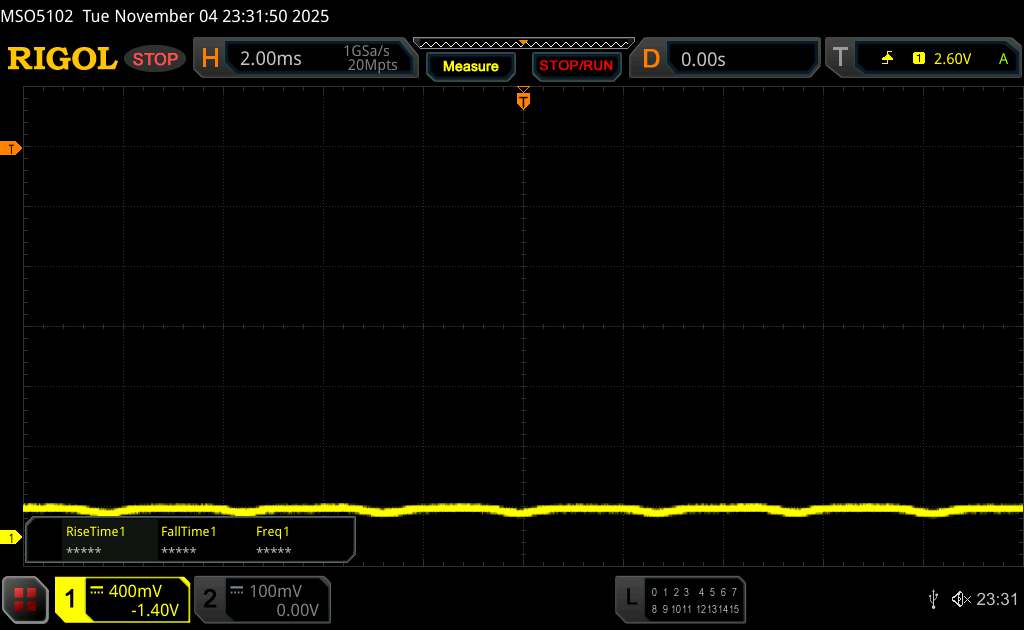
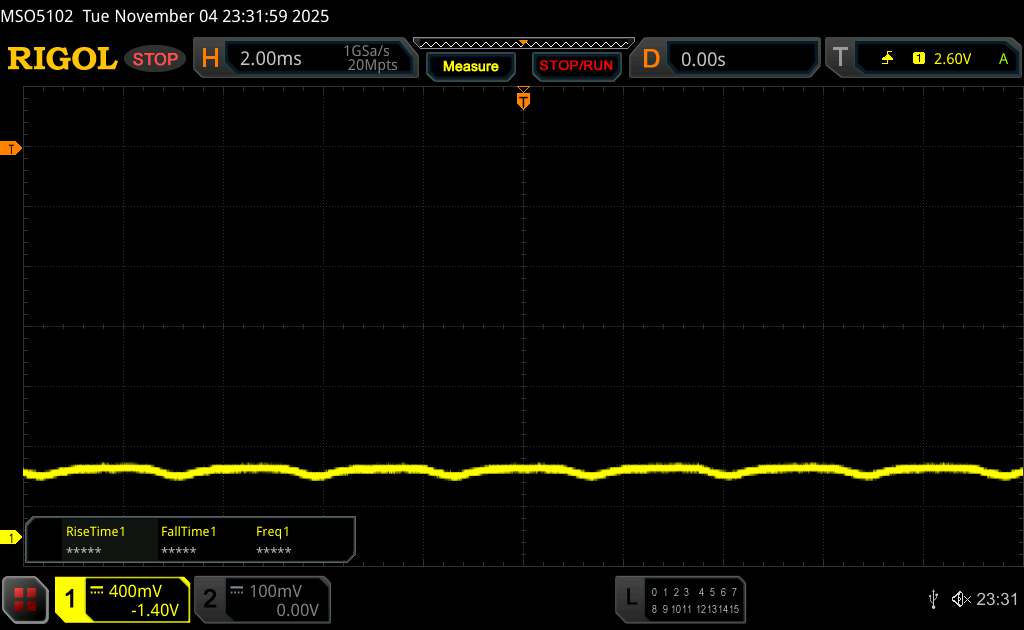
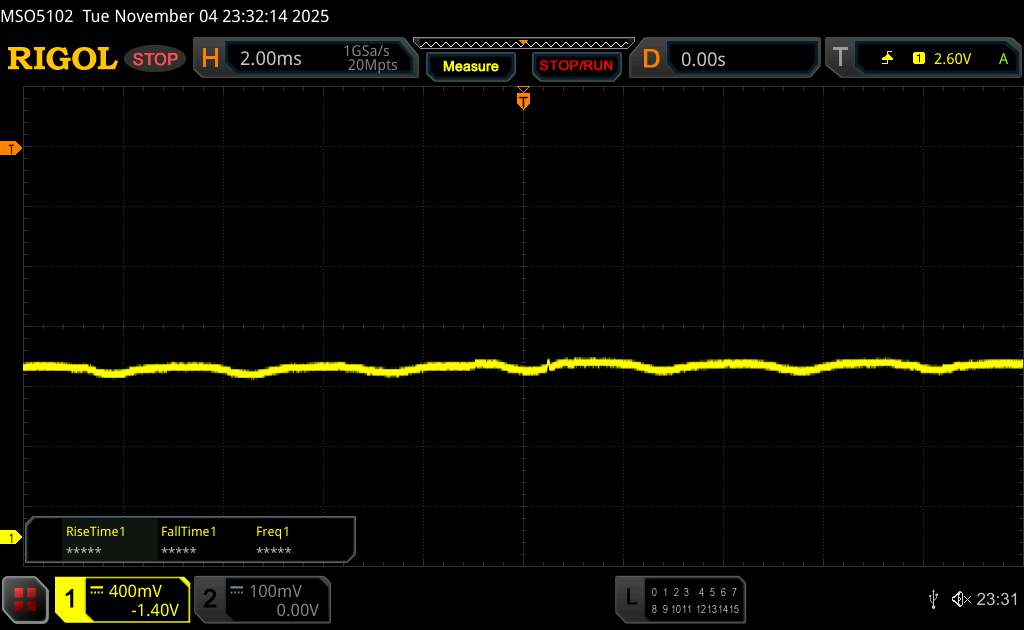
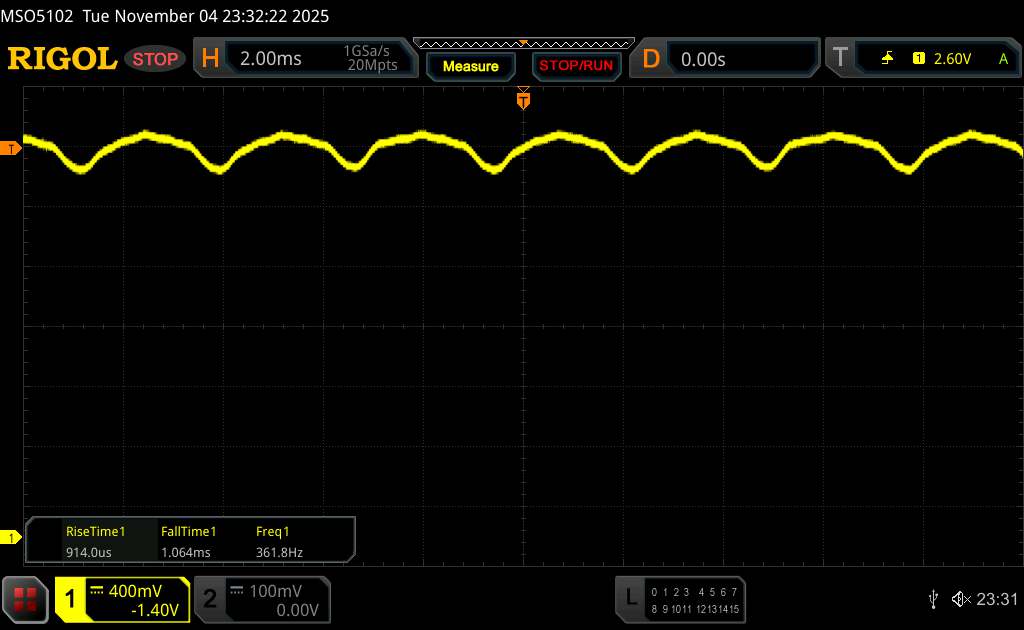
Series of measurements with fixed zoom level and different brightness settings (The amplitude curve at minimum brightness appears flat, but this is due to the scaling. The info box shows an enlarged version of the amplitude at minimum brightness.)
We use Calman to determine how accurately displays are calibrated. In this case, we measured the most natural results using the preset setting, which gave us no cause for criticism and came close to the target values.


Display Response Times
| ↔ Response Time Black to White | ||
|---|---|---|
| 1.07 ms ... rise ↗ and fall ↘ combined | ↗ 0.5935 ms rise | 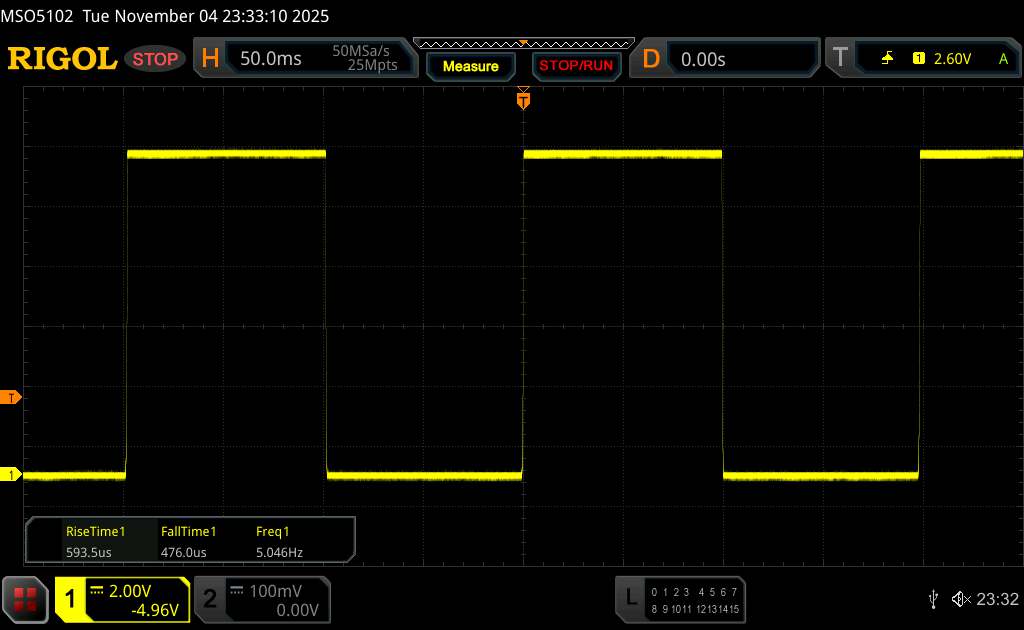 |
| ↘ 0.476 ms fall | ||
| The screen shows very fast response rates in our tests and should be very well suited for fast-paced gaming. In comparison, all tested devices range from 0.1 (minimum) to 240 (maximum) ms. » 5 % of all devices are better. This means that the measured response time is better than the average of all tested devices (19.6 ms). | ||
| ↔ Response Time 50% Grey to 80% Grey | ||
| 1.07 ms ... rise ↗ and fall ↘ combined | ↗ 0.487 ms rise | 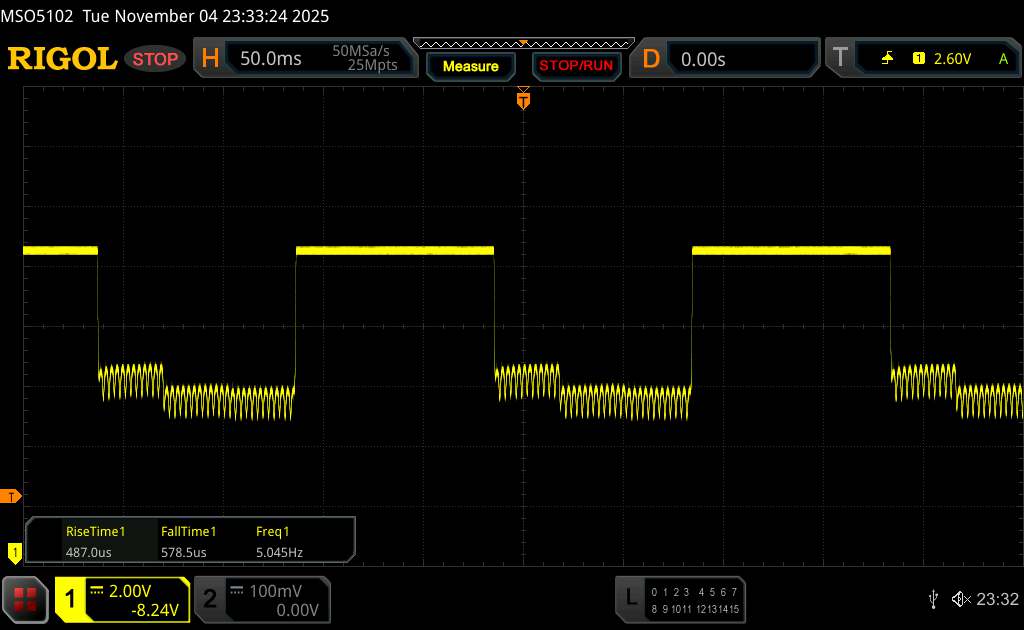 |
| ↘ 0.5785 ms fall | ||
| The screen shows very fast response rates in our tests and should be very well suited for fast-paced gaming. In comparison, all tested devices range from 0.13 (minimum) to 636 (maximum) ms. » 5 % of all devices are better. This means that the measured response time is better than the average of all tested devices (30.7 ms). | ||
Outdoors, the Vivo X300 Pro left a good impression, remaining mostly easy to read even in the winter sun. However, its surface is quite reflective, which is something the Galaxy S25 Ultra does much better.
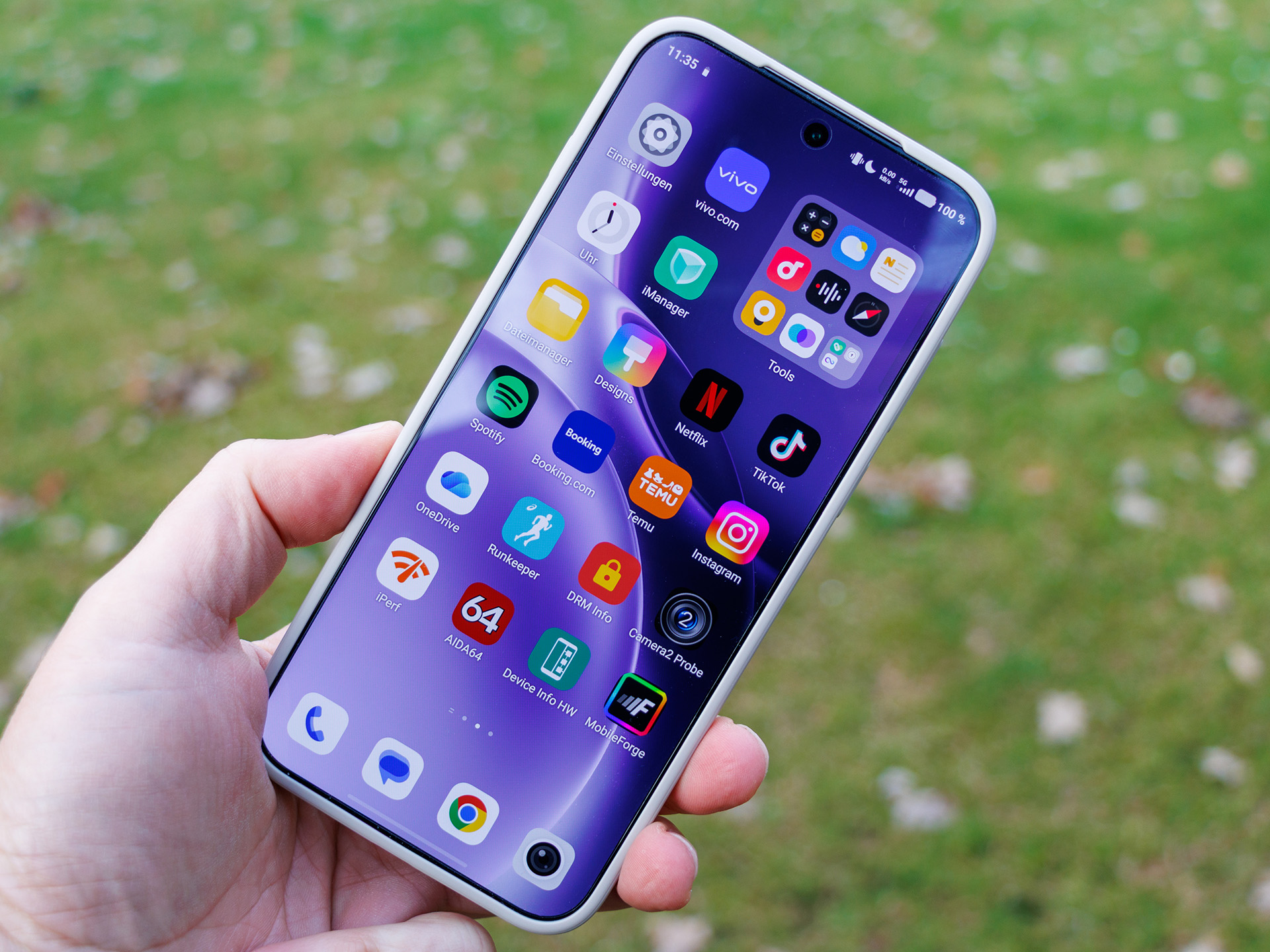
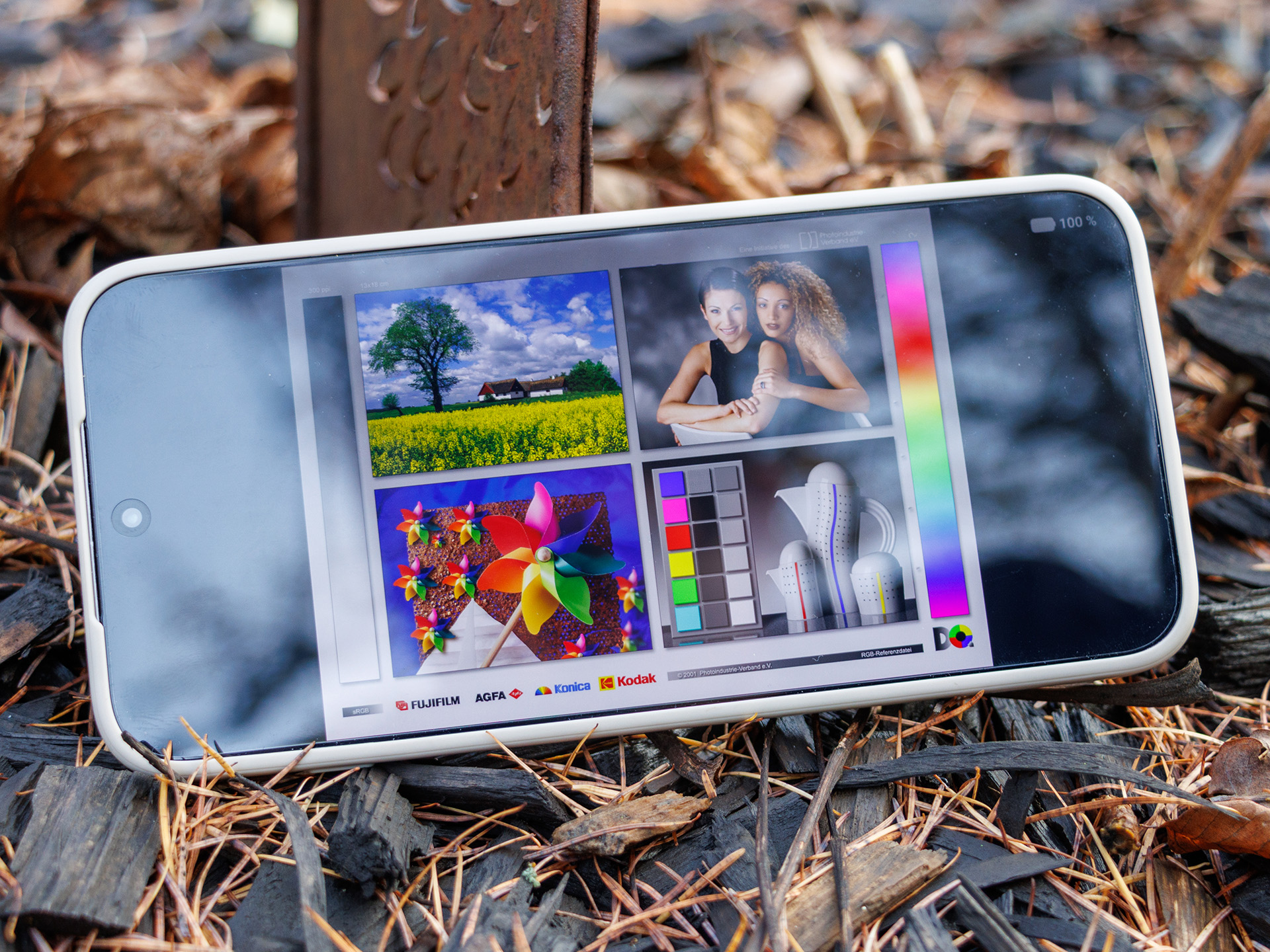
The viewing angle stability of its AMOLED display is very good. There are no noticeable color inversions at any time, but the panel darkens quite significantly at flat viewing angles.

Performance - The X300 Pro relies on the Dimensity 9500
The Vivo X300 Pro relies on the latest top-of-the-line SoC from MediaTek, namely the Dimensity 9500. It can draw on a generous 16 GB of RAM.
In terms of its performance, the SoC has nothing to hide, but it lagged slightly behind the Snapdragon 8 Elite Gen 5 in our test when it came to pure CPU performance. The chipset's system and AI performance are also top-notch, ensuring a smooth-running system at all times.
| CrossMark - Overall | |
| Samsung Galaxy S25 Ultra | |
| Xiaomi 15 Ultra | |
| Average MediaTek Dimensity 9500 (1086 - 2177, n=4) | |
| Average of class Smartphone (376 - 2856, n=106, last 2 years) | |
| UL Procyon AI Inference for Android - Overall Score NNAPI | |
| Samsung Galaxy S25 Ultra | |
| Xiaomi 15 Ultra | |
| Vivo X300 Pro | |
| Average of class Smartphone (2895 - 66164, n=98, last 2 years) | |
| Google Pixel 10 Pro | |
| Oppo Find X9 Pro | |
| Average MediaTek Dimensity 9500 (2895 - 19373, n=5) | |
The ARM Mali-G1 MC 12 graphics unit integrated into the SoC supports hardware-based ray tracing and managed to keep up with Qualcomm's Adreno 840 during our test, even outperforming it in some benchmarks. Here too, the X300 Pro offers plenty of power.
GFXBench (DX / GLBenchmark) 2.7: T-Rex Onscreen | 1920x1080 T-Rex Offscreen
GFXBench 3.0: on screen Manhattan Onscreen OGL | 1920x1080 1080p Manhattan Offscreen
GFXBench 3.1: on screen Manhattan ES 3.1 Onscreen | 1920x1080 Manhattan ES 3.1 Offscreen
GFXBench: on screen Car Chase Onscreen | 1920x1080 Car Chase Offscreen | on screen Aztec Ruins High Tier Onscreen | 2560x1440 Aztec Ruins High Tier Offscreen | on screen Aztec Ruins Normal Tier Onscreen | 1920x1080 Aztec Ruins Normal Tier Offscreen | 3840x2160 4K Aztec Ruins High Tier Offscreen
| 3DMark / Wild Life Extreme Unlimited | |
| Vivo X300 Pro | |
| Oppo Find X9 Pro | |
| Samsung Galaxy S25 Ultra | |
| Apple iPhone 17 Pro Max | |
| Xiaomi 15 Ultra | |
| Google Pixel 10 Pro | |
| 3DMark / Wild Life Extreme | |
| Vivo X300 Pro | |
| Oppo Find X9 Pro | |
| Samsung Galaxy S25 Ultra | |
| Apple iPhone 17 Pro Max | |
| Xiaomi 15 Ultra | |
| Google Pixel 10 Pro | |
| 3DMark / Wild Life Unlimited Score | |
| Vivo X300 Pro | |
| Samsung Galaxy S25 Ultra | |
| Apple iPhone 17 Pro Max | |
| Oppo Find X9 Pro | |
| Xiaomi 15 Ultra | |
| Google Pixel 10 Pro | |
| 3DMark / Solar Bay Score | |
| Vivo X300 Pro | |
| Oppo Find X9 Pro | |
| Samsung Galaxy S25 Ultra | |
| Apple iPhone 17 Pro Max | |
| Xiaomi 15 Ultra | |
| 3DMark / Solar Bay Unlimited Score | |
| Vivo X300 Pro | |
| Oppo Find X9 Pro | |
| Samsung Galaxy S25 Ultra | |
| Apple iPhone 17 Pro Max | |
| Xiaomi 15 Ultra | |
| 3DMark / Steel Nomad Light Unlimited Score | |
| Vivo X300 Pro | |
| Oppo Find X9 Pro | |
| Apple iPhone 17 Pro Max | |
| Samsung Galaxy S25 Ultra | |
| Xiaomi 15 Ultra | |
| Xiaomi 15 Ultra | |
| Google Pixel 10 Pro | |
| 3DMark / Steel Nomad Light Score | |
| Vivo X300 Pro | |
| Oppo Find X9 Pro | |
| Apple iPhone 17 Pro Max | |
| Samsung Galaxy S25 Ultra | |
| Xiaomi 15 Ultra | |
| Xiaomi 15 Ultra | |
| Google Pixel 10 Pro | |
| GFXBench (DX / GLBenchmark) 2.7 / T-Rex Onscreen | |
| Google Pixel 10 Pro | |
| Vivo X300 Pro | |
| Xiaomi 15 Ultra | |
| Samsung Galaxy S25 Ultra | |
| Apple iPhone 17 Pro Max | |
| Oppo Find X9 Pro | |
| GFXBench (DX / GLBenchmark) 2.7 / T-Rex Offscreen | |
| Oppo Find X9 Pro | |
| Vivo X300 Pro | |
| Apple iPhone 17 Pro Max | |
| Xiaomi 15 Ultra | |
| Samsung Galaxy S25 Ultra | |
| Google Pixel 10 Pro | |
| GFXBench 3.0 / Manhattan Onscreen OGL | |
| Google Pixel 10 Pro | |
| Vivo X300 Pro | |
| Xiaomi 15 Ultra | |
| Samsung Galaxy S25 Ultra | |
| Apple iPhone 17 Pro Max | |
| Oppo Find X9 Pro | |
| GFXBench 3.0 / 1080p Manhattan Offscreen | |
| Oppo Find X9 Pro | |
| Samsung Galaxy S25 Ultra | |
| Vivo X300 Pro | |
| Xiaomi 15 Ultra | |
| Apple iPhone 17 Pro Max | |
| Google Pixel 10 Pro | |
| GFXBench 3.1 / Manhattan ES 3.1 Onscreen | |
| Vivo X300 Pro | |
| Xiaomi 15 Ultra | |
| Samsung Galaxy S25 Ultra | |
| Google Pixel 10 Pro | |
| Apple iPhone 17 Pro Max | |
| Oppo Find X9 Pro | |
| GFXBench 3.1 / Manhattan ES 3.1 Offscreen | |
| Oppo Find X9 Pro | |
| Vivo X300 Pro | |
| Xiaomi 15 Ultra | |
| Samsung Galaxy S25 Ultra | |
| Apple iPhone 17 Pro Max | |
| Google Pixel 10 Pro | |
| GFXBench / Car Chase Onscreen | |
| Vivo X300 Pro | |
| Samsung Galaxy S25 Ultra | |
| Xiaomi 15 Ultra | |
| Apple iPhone 17 Pro Max | |
| Oppo Find X9 Pro | |
| Google Pixel 10 Pro | |
| GFXBench / Car Chase Offscreen | |
| Apple iPhone 17 Pro Max | |
| Oppo Find X9 Pro | |
| Vivo X300 Pro | |
| Xiaomi 15 Ultra | |
| Samsung Galaxy S25 Ultra | |
| Google Pixel 10 Pro | |
| GFXBench / Aztec Ruins High Tier Onscreen | |
| Vivo X300 Pro | |
| Samsung Galaxy S25 Ultra | |
| Xiaomi 15 Ultra | |
| Google Pixel 10 Pro | |
| Apple iPhone 17 Pro Max | |
| Oppo Find X9 Pro | |
| GFXBench / Aztec Ruins High Tier Offscreen | |
| Vivo X300 Pro | |
| Oppo Find X9 Pro | |
| Samsung Galaxy S25 Ultra | |
| Xiaomi 15 Ultra | |
| Apple iPhone 17 Pro Max | |
| Google Pixel 10 Pro | |
| GFXBench / Aztec Ruins Normal Tier Onscreen | |
| Xiaomi 15 Ultra | |
| Samsung Galaxy S25 Ultra | |
| Vivo X300 Pro | |
| Google Pixel 10 Pro | |
| Apple iPhone 17 Pro Max | |
| Oppo Find X9 Pro | |
| GFXBench / Aztec Ruins Normal Tier Offscreen | |
| Vivo X300 Pro | |
| Oppo Find X9 Pro | |
| Xiaomi 15 Ultra | |
| Apple iPhone 17 Pro Max | |
| Samsung Galaxy S25 Ultra | |
| Google Pixel 10 Pro | |
| GFXBench / 4K Aztec Ruins High Tier Offscreen | |
| Vivo X300 Pro | |
| Samsung Galaxy S25 Ultra | |
| Xiaomi 15 Ultra | |
| Oppo Find X9 Pro | |
| Apple iPhone 17 Pro Max | |
| Google Pixel 10 Pro | |
Browsing the web feels smooth on the Vivo X300 Pro. During the benchmarks, it was only consistently beaten by the iPhone 17 Pro Max, which was in a whole different league in this respect.
| Jetstream 2 - 2.0 Total | |
| Apple iPhone 17 Pro Max (Safari Mobile 26.0) | |
| Samsung Galaxy S25 Ultra (Chrome 132) | |
| Vivo X300 Pro (Chrome 142) | |
| Xiaomi 15 Ultra (Chrome 132) | |
| Google Pixel 10 Pro (Chrome 140) | |
| Average MediaTek Dimensity 9500 (74.3 - 305, n=8) | |
| Average of class Smartphone (63.9 - 423, n=113, last 2 years) | |
| Speedometer 2.0 - Result 2.0 | |
| Apple iPhone 17 Pro Max (Safari Mobile 26.0) | |
| Vivo X300 Pro (Chrome 142) | |
| Samsung Galaxy S25 Ultra (Chrome 132) | |
| Xiaomi 15 Ultra (Chrome 132) | |
| Google Pixel 10 Pro (Chrome 140) | |
| Average MediaTek Dimensity 9500 (164 - 500, n=2) | |
| Average of class Smartphone (49.3 - 733, n=72, last 2 years) | |
| Speedometer 3 - Score 3.0 | |
| Apple iPhone 17 Pro Max (Safari Mobile 26.0) | |
| Samsung Galaxy S25 Ultra (Chrome 132) | |
| Vivo X300 Pro (Chrome 142) | |
| Xiaomi 15 Ultra | |
| Average MediaTek Dimensity 9500 (17.9 - 27.6, n=2) | |
| Google Pixel 10 Pro (Chrome 140) | |
| Oppo Find X9 Pro (Chrome 141) | |
| Average of class Smartphone (3.06 - 56.5, n=80, last 2 years) | |
| WebXPRT 4 - Overall | |
| Apple iPhone 17 Pro Max (Safari Mobile 26.0) | |
| Vivo X300 Pro (Chrome 142) | |
| Samsung Galaxy S25 Ultra (Chrome 132) | |
| Google Pixel 10 Pro (Chrome 140) | |
| Average MediaTek Dimensity 9500 (129 - 255, n=3) | |
| Xiaomi 15 Ultra (Chrome 132) | |
| Average of class Smartphone (56 - 278, n=88, last 2 years) | |
| Oppo Find X9 Pro (Chrome 141) | |
| Octane V2 - Total Score | |
| Apple iPhone 17 Pro Max (Safari Mobile 26.0) | |
| Samsung Galaxy S25 Ultra (Chrome 132) | |
| Vivo X300 Pro (Chrome 142) | |
| Google Pixel 10 Pro (Chrome 140) | |
| Oppo Find X9 Pro (Chrome 141) | |
| Xiaomi 15 Ultra (Chrome 132) | |
| Average MediaTek Dimensity 9500 (27638 - 96438, n=5) | |
| Average of class Smartphone (6015 - 160221, n=129, last 2 years) | |
| Mozilla Kraken 1.1 - Total | |
| Average of class Smartphone (216 - 2718, n=118, last 2 years) | |
| Average MediaTek Dimensity 9500 (372 - 1335, n=7) | |
| Xiaomi 15 Ultra (Chrome 132) | |
| Oppo Find X9 Pro (Chrome 141) | |
| Google Pixel 10 Pro (Chrome 140) | |
| Samsung Galaxy S25 Ultra (Chrome 132) | |
| Vivo X300 Pro (Chrome 142) | |
| Apple iPhone 17 Pro Max (Safari Mobile 26.0) | |
* ... smaller is better
Nominally, the X300 Pro relies on what is currently the fastest flash memory—UFS 4.1. Still, the benchmarks revealed its sequential read speeds to be surprisingly slow. During everyday use, however, the storage remains fast enough that this shouldn't be noticeable.
| Vivo X300 Pro | Oppo Find X9 Pro | Xiaomi 15 Ultra | Google Pixel 10 Pro | Samsung Galaxy S25 Ultra | Average 512 GB UFS 4.1 Flash | Average of class Smartphone | |
|---|---|---|---|---|---|---|---|
| AndroBench 3-5 | -9% | 38% | -29% | 26% | 38% | -7% | |
| Sequential Read 256KB (MB/s) | 2041.82 | 3219.8 58% | 4109.79 101% | 1492.74 -27% | 3823.28 87% | 3616 ? 77% | 2258 ? 11% |
| Sequential Write 256KB (MB/s) | 1981.85 | 1239.76 -37% | 3761.19 90% | 1353.55 -32% | 3361.24 70% | 3225 ? 63% | 1973 ? 0% |
| Random Read 4KB (MB/s) | 320.25 | 367.54 15% | 312.69 -2% | 264.44 -17% | 287.85 -10% | 414 ? 29% | 318 ? -1% |
| Random Write 4KB (MB/s) | 593.74 | 176.98 -70% | 379.29 -36% | 347.84 -41% | 331.61 -44% | 498 ? -16% | 370 ? -38% |
Games - Smooth gaming at up to 120 FPS
The Vivo X300 Pro has a real powerhouse of a GPU on board in the shape of the ARM Mali-G1 MC 12, which is why playing games is no problem at all, even at the highest detail settings.
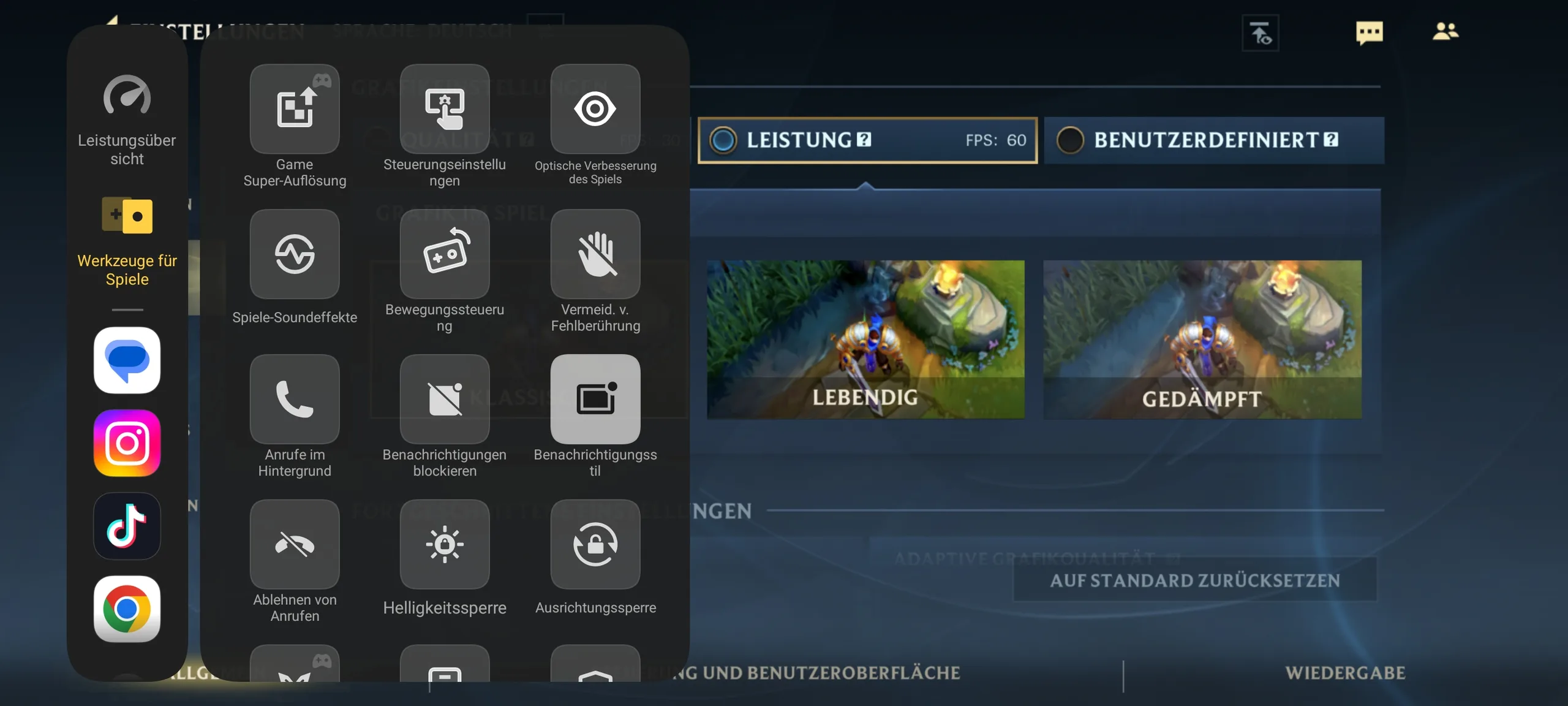
We selected two games, which we then tested using GameBench. When running PUBG Mobile, the smartphone impressed with mostly consistent frame rates. If you reduce the details, you can expect up to 120 FPS, although the device can't maintain this consistently and gradually drops to 90 FPS. The situation looked different when playing League of Legends, where its frame rates were completely stable.


Emissions - The Vivo X300 Pro is severely throttled
Temperature
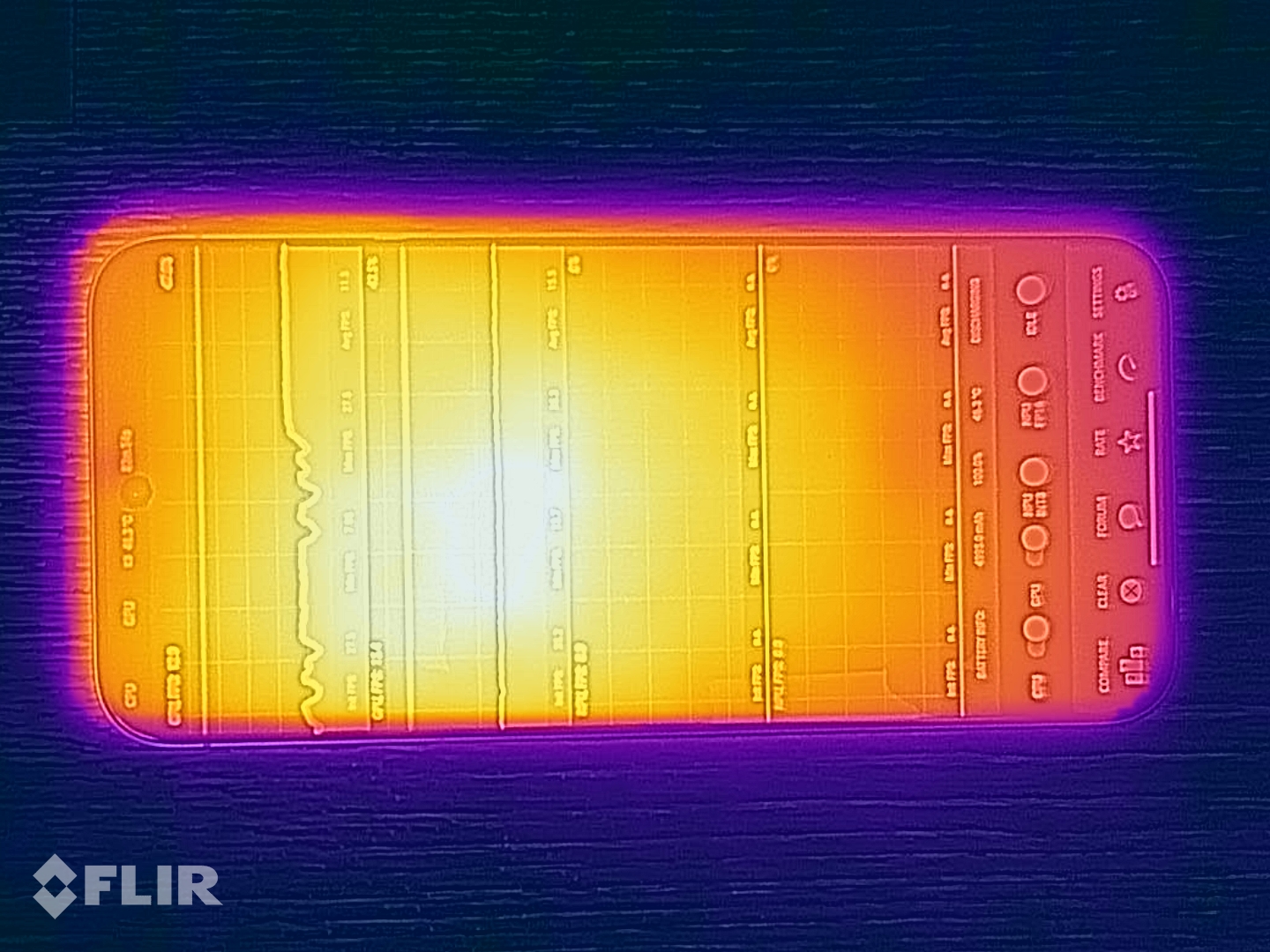
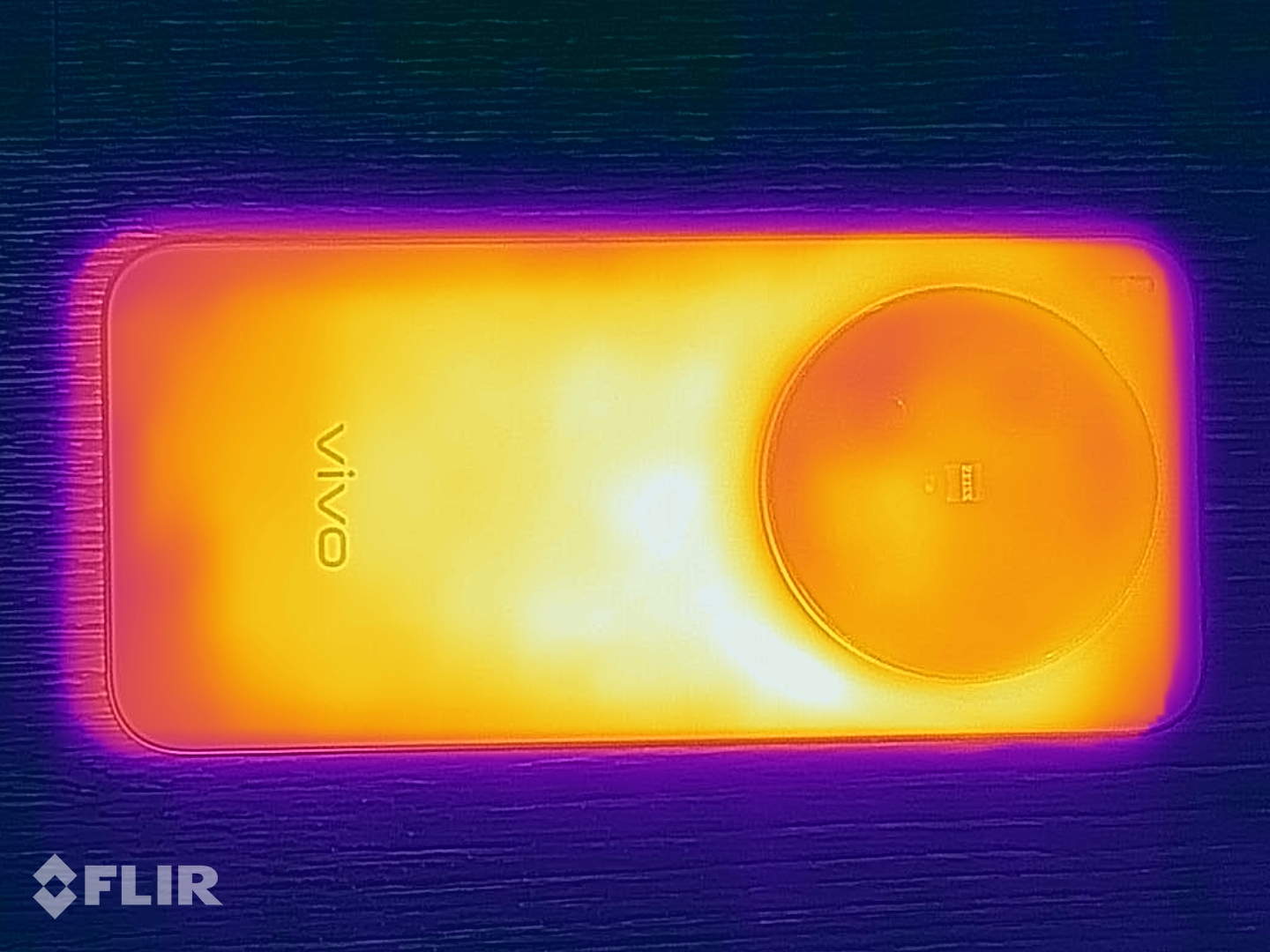
Although the cell phone's surface temperatures remain harmless during everyday use, they rose sharply in some cases under simulated continuous load using the Burnout benchmark, reaching a peak of up to 47.6 °C. Although this is very warm, it does not pose any problems to the user.
During the 3DMark stress tests, however, the Vivo X300 Pro showed that waste heat is simply not dissipated well enough. It suffered significant performance losses, meaning that the Galaxy S25 Ultra ended up being slightly faster despite featuring an older chip generation.
(-) The maximum temperature on the upper side is 47.6 °C / 118 F, compared to the average of 35.4 °C / 96 F, ranging from 21.9 to 247 °C for the class Smartphone.
(±) The bottom heats up to a maximum of 44.5 °C / 112 F, compared to the average of 34.1 °C / 93 F
(+) In idle usage, the average temperature for the upper side is 27 °C / 81 F, compared to the device average of 33 °C / 91 F.
3DMark stress tests
| 3DMark | |
| Wild Life Stress Test Stability | |
| Apple iPhone 17 Pro Max | |
| Oppo Find X9 Pro | |
| Google Pixel 10 Pro | |
| Xiaomi 15 Ultra | |
| Samsung Galaxy S25 Ultra | |
| Vivo X300 Pro | |
| Wild Life Extreme Stress Test | |
| Google Pixel 10 Pro | |
| Apple iPhone 17 Pro Max | |
| Xiaomi 15 Ultra | |
| Samsung Galaxy S25 Ultra | |
| Vivo X300 Pro | |
| Oppo Find X9 Pro | |
| Solar Bay Stress Test Stability | |
| Apple iPhone 17 Pro Max | |
| Xiaomi 15 Ultra | |
| Samsung Galaxy S25 Ultra | |
| Vivo X300 Pro | |
| Oppo Find X9 Pro | |
| Solar Bay Extreme Stress Test Stability | |
| Vivo X300 Pro | |
| Apple iPhone 17 Pro Max | |
| Steel Nomad Light Stress Test Stability | |
| Google Pixel 10 Pro | |
| Xiaomi 15 Ultra | |
| Apple iPhone 17 Pro Max | |
| Samsung Galaxy S25 Ultra | |
| Vivo X300 Pro | |
| Oppo Find X9 Pro | |
Speakers
The two speakers on the Vivo X300 Pro deliver decent sound quality, but as the volume increases, they start to sound tinny and somewhat unbalanced. This should really be better in this price range.
Alternatively, sound can be output via USB-C or Bluetooth. Unfortunately, Vivo hasn't provided any information on which codecs are supported for the latter.
Vivo X300 Pro audio analysis
(+) | speakers can play relatively loud (91.8 dB)
Bass 100 - 315 Hz
(-) | nearly no bass - on average 20.8% lower than median
(+) | bass is linear (6.6% delta to prev. frequency)
Mids 400 - 2000 Hz
(±) | higher mids - on average 5.8% higher than median
(+) | mids are linear (4.1% delta to prev. frequency)
Highs 2 - 16 kHz
(±) | higher highs - on average 6.7% higher than median
(+) | highs are linear (3.7% delta to prev. frequency)
Overall 100 - 16.000 Hz
(±) | linearity of overall sound is average (17.8% difference to median)
Compared to same class
» 15% of all tested devices in this class were better, 9% similar, 76% worse
» The best had a delta of 11%, average was 34%, worst was 136%
Compared to all devices tested
» 37% of all tested devices were better, 8% similar, 55% worse
» The best had a delta of 4%, average was 23%, worst was 136%
Samsung Galaxy S25 Ultra audio analysis
(+) | speakers can play relatively loud (93 dB)
Bass 100 - 315 Hz
(-) | nearly no bass - on average 21.5% lower than median
(+) | bass is linear (4.8% delta to prev. frequency)
Mids 400 - 2000 Hz
(+) | balanced mids - only 4.3% away from median
(+) | mids are linear (4.4% delta to prev. frequency)
Highs 2 - 16 kHz
(+) | balanced highs - only 3.3% away from median
(+) | highs are linear (1.4% delta to prev. frequency)
Overall 100 - 16.000 Hz
(+) | overall sound is linear (14.6% difference to median)
Compared to same class
» 2% of all tested devices in this class were better, 2% similar, 96% worse
» The best had a delta of 11%, average was 34%, worst was 136%
Compared to all devices tested
» 19% of all tested devices were better, 4% similar, 76% worse
» The best had a delta of 4%, average was 23%, worst was 136%
Battery life - Smaller battery for Europe
Power consumption
At maximum display brightness, the Vivo X300 Pro's power consumption is slightly higher, and under load it can get quite greedy. However, at an adjusted display brightness, it consumes slightly less power than the Find X9 Pro, which uses the same SoC.
The 5,440 mAh battery is intended for the EU models; in other countries, it may feature a larger 6,510 mAh battery. It supports wired charging at up to 90 watts and wireless charging at up to 40 watts. Unfortunately, we didn't have a suitable power adapter available during our test, so we used a 125-watt charger from Motorola (USB-PD 3.0). With this charger, a full charge took us only 40 minutes (50%: 16 mins, 80%: 28 mins).
| Off / Standby |   0.09 / 0.12 Watt 0.09 / 0.12 Watt |
| Idle |  0.86 / 1.8 / 1.86 Watt 0.86 / 1.8 / 1.86 Watt |
| Load |
10.63 / 21.99 Watt |
    
| |
Key:
min: ,
med: ,
max: Metrahit Energy | |
| Vivo X300 Pro 5440 mAh | Oppo Find X9 Pro 7500 mAh | Xiaomi 15 Ultra 5410 mAh | Google Pixel 10 Pro 4870 mAh | Apple iPhone 17 Pro Max 4823 mAh | Samsung Galaxy S25 Ultra 5000 mAh | Average MediaTek Dimensity 9500 | Average of class Smartphone | |
|---|---|---|---|---|---|---|---|---|
| Power Consumption | 37% | 44% | 5% | 36% | 28% | 11% | 22% | |
| Idle Minimum * (Watt) | 0.86 | 0.6 30% | 0.49 43% | 1.01 -17% | 0.6 30% | 0.55 36% | 0.94 ? -9% | 0.908 ? -6% |
| Idle Average * (Watt) | 1.8 | 1 44% | 0.87 52% | 1.65 8% | 1.3 28% | 0.77 57% | 1.717 ? 5% | 1.482 ? 18% |
| Idle Maximum * (Watt) | 1.86 | 1.3 30% | 0.94 49% | 2.05 -10% | 1.6 14% | 0.91 51% | 1.946 ? -5% | 1.685 ? 9% |
| Load Average * (Watt) | 10.63 | 6.9 35% | 8.82 17% | 7.25 32% | 4.1 61% | 13.81 -30% | 8 ? 25% | 6.64 ? 38% |
| Load Maximum * (Watt) | 21.99 | 11.9 46% | 9.26 58% | 19.78 10% | 11.5 48% | 16.69 24% | 13.3 ? 40% | 10.5 ? 52% |
* ... smaller is better
Power consumption: Geekbench (150 cd/m²)
Power consumption: GFXbench (150 cd/m²)
Runtimes
Running for just under 18 hours, the Vivo X300 Pro achieved a good result in our Wi-Fi test at an adjusted display brightness (150 cd/m²). However, given its battery capacity, we would have expected even more in this scenario.
Its high consumption under load was also reflected in our test, as the smartphone didn't even last three hours here.
| Vivo X300 Pro 5440 mAh | Oppo Find X9 Pro 7500 mAh | Xiaomi 15 Ultra 5410 mAh | Google Pixel 10 Pro 4870 mAh | Apple iPhone 17 Pro Max 4823 mAh | Samsung Galaxy S25 Ultra 5000 mAh | |
|---|---|---|---|---|---|---|
| Battery runtime | 76% | 17% | 5% | 60% | 22% | |
| Reader / Idle (h) | 39.8 | 65.6 65% | 44.8 13% | 33.1 -17% | 45.8 15% | |
| WiFi v1.3 (h) | 17.9 | 34.3 92% | 21.2 18% | 21.1 18% | 28.6 60% | 22.2 24% |
| Load (h) | 2.9 | 5 72% | 3.5 21% | 3.3 14% | 3.7 28% |
Notebookcheck total rating

The Vivo X300 Pro is an expensive flagship camera phone with lots of premium features, but it falls short of its own standards due to its heat build-up, throttling, mediocre speakers, minor weaknesses in GNSS accuracy, and only average runtimes.
Vivo X300 Pro
- 12/11/2025 v8
Daniel Schmidt
 Total Sustainability Score:
 Possible alternatives compared
Image | Model / Review | Price | Weight | Drive | Display |
|---|---|---|---|---|---|
1. 88.1%  | Vivo X300 Pro MediaTek Dimensity 9500 ⎘ Arm Mali G1- Ultra MC12 ⎘ 16 GB Memory, 512 GB UFS 4.x | List Price: 1399€ | 226 g | 512 GB UFS 4.1 Flash | 6.78" 2800x1260 453 PPI AMOLED |
2. 87.7%  | Oppo Find X9 Pro MediaTek Dimensity 9500 ⎘ Arm Mali G1- Ultra MC12 ⎘ 16 GB Memory, 512 GB UFS 4.x | Amazon: 1. $1,909.00 OPPO Find X9 Pro Dual-SIM 51... 2. $1,949.00 OPPO Find X9 Ultra Dual-SIM ... 3. $1,082.20 Samsung Galaxy S26 Ultra, Un... List Price: 1299€ | 224 g | 512 GB UFS 4.1 Flash | 6.78" 2772x1272 450 PPI LTPO AMOLED |
3. 89.5%  | Xiaomi 15 Ultra Qualcomm Snapdragon 8 Elite ⎘ Qualcomm Adreno 830 ⎘ 16 GB Memory, 512 GB UFS 4.x | List Price: 1499€ | 229 g | 512 GB UFS 4.1 Flash | 6.73" 3200x1440 521 PPI AMOLED |
4. 88.9%  | Google Pixel 10 Pro Google Tensor G5 ⎘ IMG DXT-48-1536 ⎘ 16 GB Memory, 256 GB UFS 4.x | List Price: 1199€ | 207 g | 256 GB UFS 4.0 Flash | 6.30" 2856x1280 497 PPI OLED |
5. 89.2%  | Apple iPhone 17 Pro Max Apple A19 Pro ⎘ Apple A19 Pro 6-Core GPU ⎘ 12 GB Memory, 256 GB NVMe | List Price: 1449 Euro | 233 g | 256 GB NVMe | 6.90" 2868x1320 460 PPI OLED |
6. 89.4%  | Samsung Galaxy S25 Ultra Qualcomm Snapdragon 8 Elite for Galaxy ⎘ Qualcomm Adreno 830 ⎘ 12 GB Memory, 256 GB UFS 4.x | List Price: 1449€ | 218 g | 256 GB UFS 4.0 Flash | 6.90" 3120x1440 498 PPI Dynamic AMOLED 2X |
Transparency
The selection of devices to be reviewed is made by our editorial team. The test sample was provided to the author as a loan by the manufacturer or retailer for the purpose of this review. The lender had no influence on this review, nor did the manufacturer receive a copy of this review before publication. There was no obligation to publish this review. As an independent media company, Notebookcheck is not subjected to the authority of manufacturers, retailers or publishers.
This is how Notebookcheck is testing
Every year, Notebookcheck independently reviews hundreds of laptops and smartphones using standardized procedures to ensure that all results are comparable. We have continuously developed our test methods for around 20 years and set industry standards in the process. In our test labs, high-quality measuring equipment is utilized by experienced technicians and editors. These tests involve a multi-stage validation process. Our complex rating system is based on hundreds of well-founded measurements and benchmarks, which maintains objectivity. Further information on our test methods can be found here.
 Add as a preferred source on Google


