




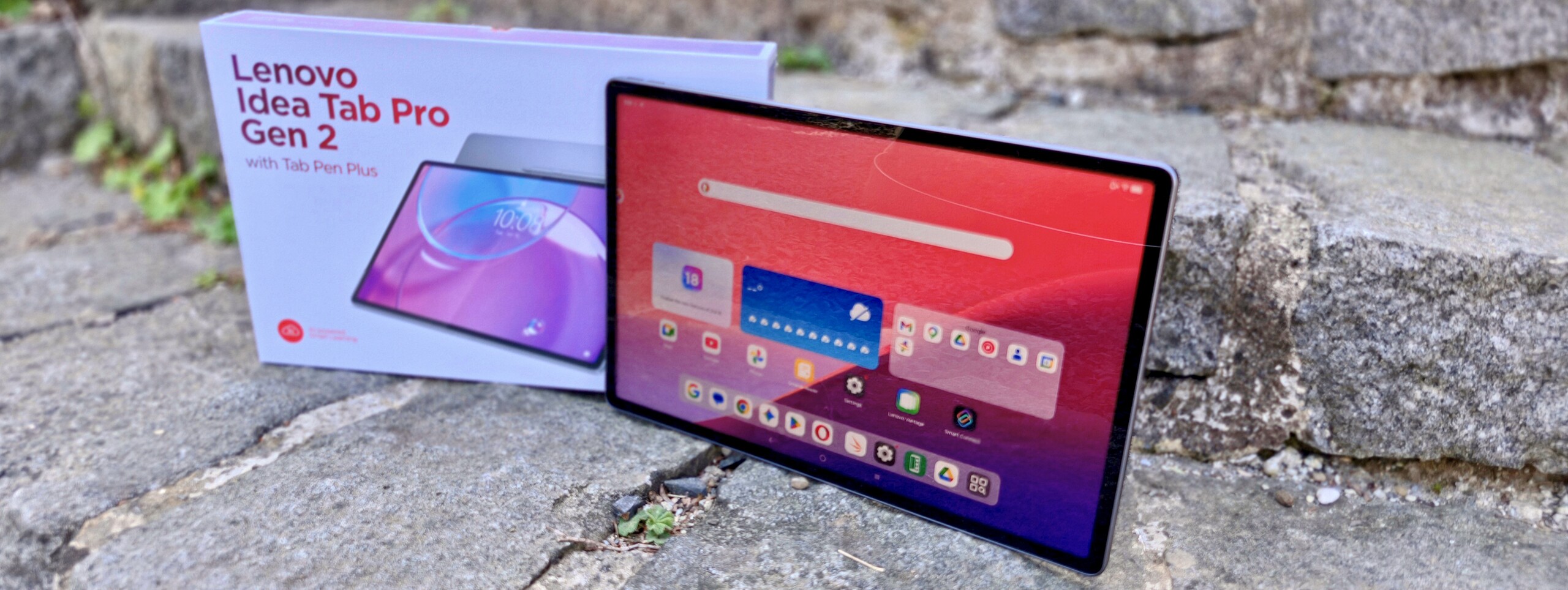
Verdict on the Lenovo Idea Tab Pro Gen 2
The Lenovo Idea Tab Pro 2 is a successful new edition of the creative tablet with pen input. It offers an even larger 13-inch screen, more power and faster WiFi. However, the weight has been significantly reduced compared to its predecessor and the tablet is now also slimmer. The battery capacity, on the other hand, has not been changed.
The metal chassis has a high-quality finish and looks stylish. There is also a microSD slot on board.
With WiFi 7, the Idea Tab Pro Gen 2 achieved very fast transfer rates in our test. The display brightness has been increased and we also like the color reproduction better than on the predecessor.
However, runtimes could be better when you look at the competition and the cameras are more suitable for snapshots. The update period is also quite short.
The Idea Tab Pro Gen 2 is a high-quality tablet for media consumption, but is also suitable for creative activities thanks to its pen support. The new processor makes it significantly faster than its predecessor, but it has also become noticeably more expensive.
Pros
Cons
Price and availability
The Lenovo Idea Tab Pro Gen 2 is available at Lenovo India, in Europe and other regions.
Online retailers were also starting to list the tablet at the time of this review.

- $463.63Lenovo Idea Tab Pro Gen 2 Tablet + Pen & Folio Case - 13″ 3.5K IPS Touchscreen Display - 144Hz - Qualcomm® Snapdragon® 8s CPU - 8GB Memory - 128GB Storage - Integrated Qualcomm® Adreno™ 825 GPU
- $319.38Lenovo Idea Tab Pro with Google Gemini - Student Tablet - 12.7” 3K LCD Display - 8 GB Memory - 128 GB Storage - MediaTek Dimensity 8300 - Includes Pen and Folio Case
- $262.20Lenovo Idea Tab Plus - Lightweight Tablet - 12.1″ 2.5K IPS Touchscreen Display - 90Hz - MediaTek Dimensity 6400-8GB Memory - 128GB Storage - Integrated Arm Mali-G57 MC2 - tab Pen & Folio case
Table of Contents
- Verdict on the Lenovo Idea Tab Pro Gen 2
- Specifications
- Case and features - Slim metal
- Communication and operation - Fast screen with stylus
- Software and sustainability - Only four years of security
- Cameras - Lack of dynamism
- Display - Fast, bright and without PWM
- Performance, emissions and battery life - more power for the large tablet
- Notebookcheck overall rating
- Possible alternatives in comparison
Specifications
Case and features - Slim metal
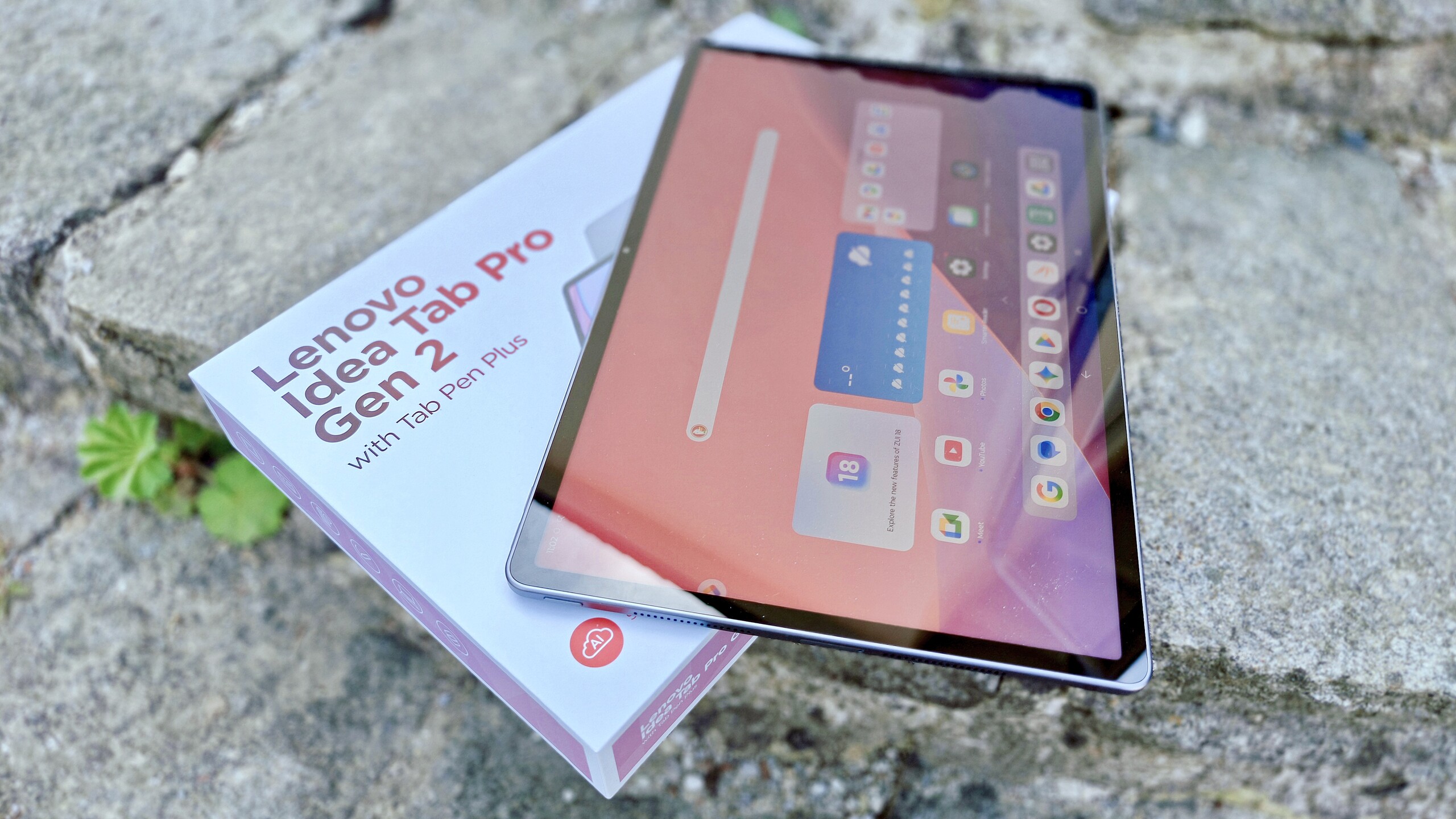
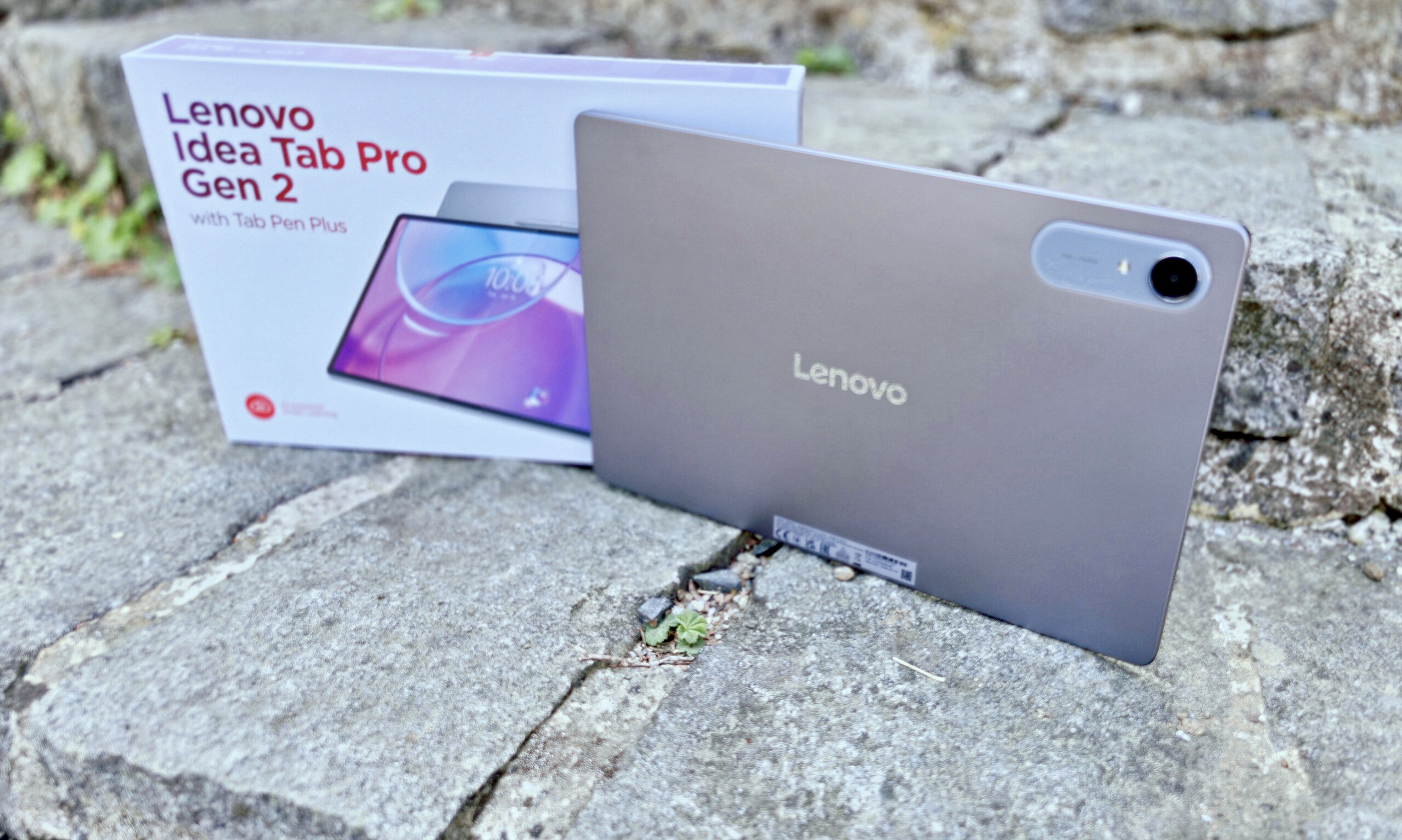
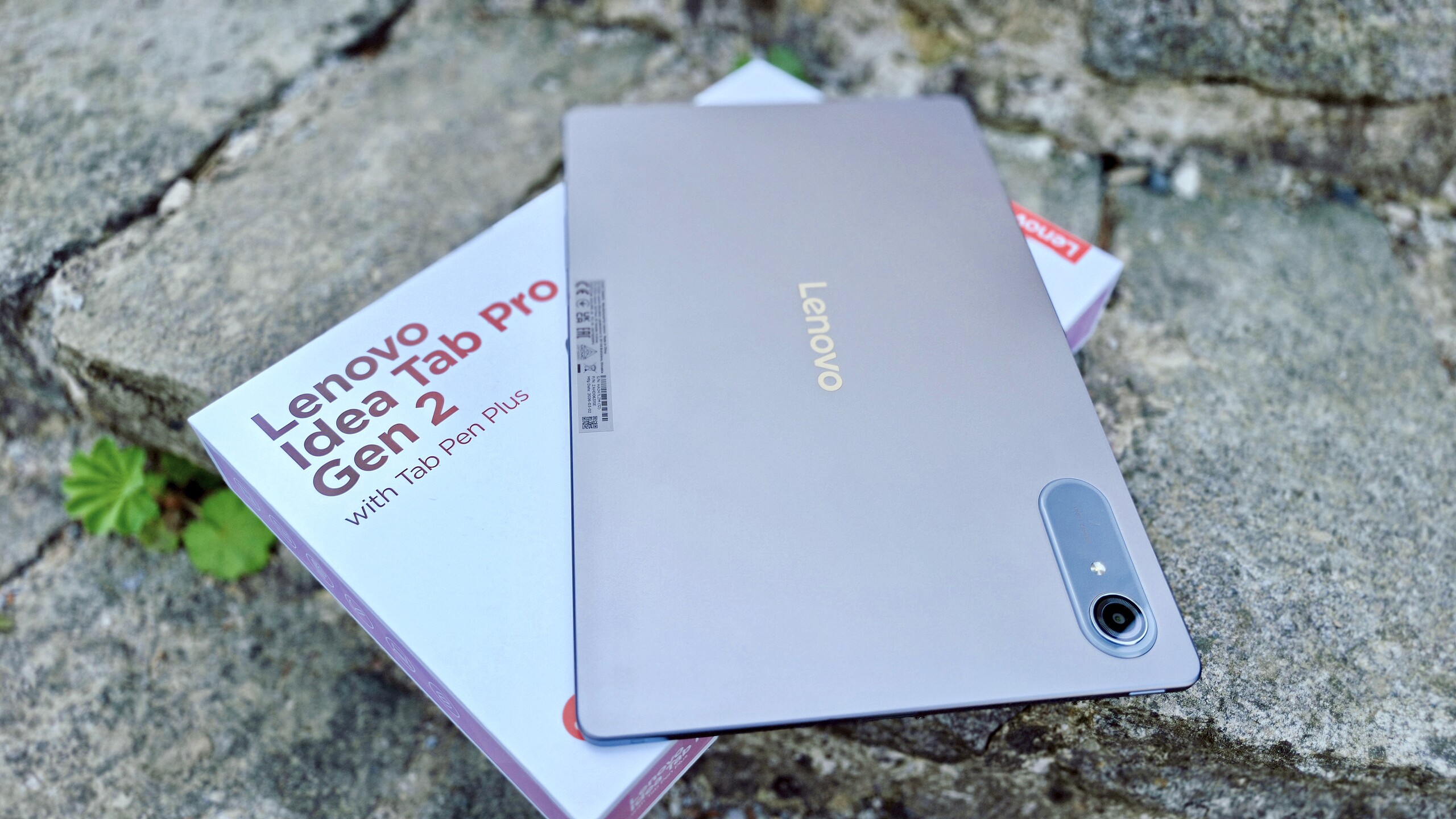
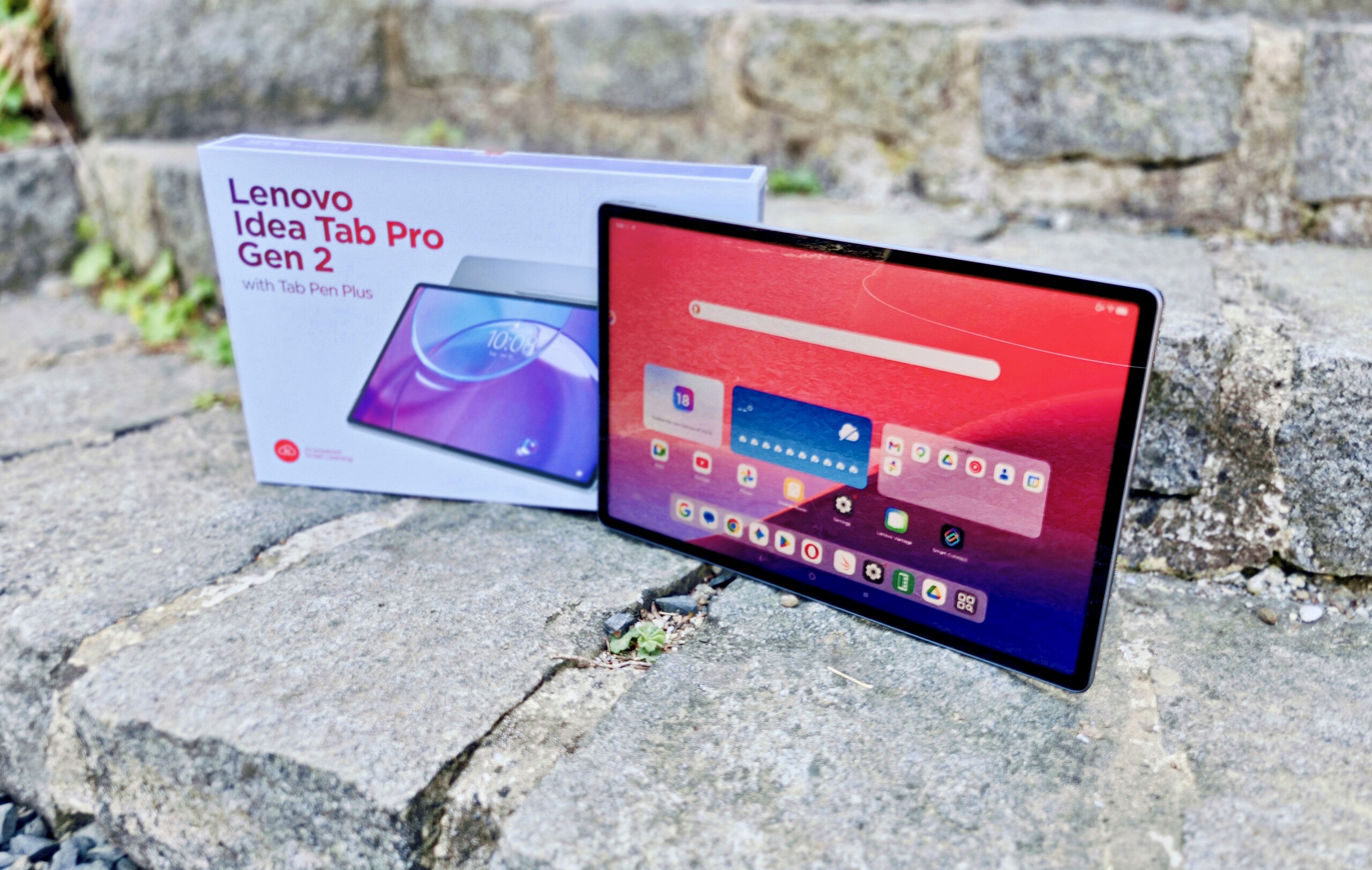
Lenovo has slimmed down the profile of the Idea Tab Pro in the second generation: It now measures just 6.2 millimeters without the camera module. At the same time, the screen has grown to 13 inches. The screen edges are quite slim, so that the tablet looks modern from the front.
Three color variants are available: Light gray, dark gray and light blue. However, not all colors are available in all markets.
Another new feature is IP52 certification, which promises proper dust protection. However, more than a few drops of water are not a good idea. The chassis is well made and stable.
All variants available in Europe have 8 GB RAM, and there is a choice of 128 or 256 GB mass storage. A microSD slot is also included, which is often not available from the competition. It also reads and writes memory cards reasonably quickly.
| SD Card Reader - average JPG Copy Test (av. of 3 runs) | |
| Lenovo Idea Tab Pro Gen 2 (Angelbird V60) | |
| Lenovo Idea Tab Pro (Angelbird V60) | |
| Average of class Tablet (10.2 - 79.2, n=43, last 2 years) | |
Cross Platform Disk Test (CPDT)
Communication and operation - Fast screen with stylus
The second generation of the Idea Tab Pro gets WiFi 7 and thus achieves very fast transfer speeds in the test with the Asus ROG Rapture AXE11000 router and our new Asus RT-BE96U BE19000: Over 2 GBit/s are possible with the reception performance, so there is also enough speed for fast home networks.
Unfortunately, there is no mobile network option, but satellite positioning is possible for the large tablet.
The touchscreen can be operated very precisely, also in the corners. The 144 Hz screen also processes inputs quickly. There is no longer a fingerprint sensor, although the predecessor had one. So you have to make do with facial recognition via the front camera, which works reliably in the test, but is not quite as secure.
The Idea Tab Pro G2 also supports Lenovo's Tab Pen Plus. It can be attached magnetically to the top of the tablet, but it has to be charged via USB. There is also only one button on the pen. Drawing is possible in fine detail.
| Networking | |
| Lenovo Idea Tab Pro Gen 2 | |
| iperf3 transmit AXE11000 6GHz | |
| iperf3 receive AXE11000 6GHz | |
| Lenovo Idea Tab Pro | |
| iperf3 transmit AXE11000 | |
| iperf3 receive AXE11000 | |
| iperf3 transmit AXE11000 6GHz | |
| iperf3 receive AXE11000 6GHz | |
| OnePlus Pad 2 Pro | |
| iperf3 transmit AXE11000 | |
| iperf3 receive AXE11000 | |
| Honor MagicPad 3 | |
| iperf3 transmit AXE11000 | |
| iperf3 receive AXE11000 | |
| Average 802.11 a/b/g/n/ac/ax/be | |
| iperf3 transmit AXE11000 | |
| iperf3 receive AXE11000 | |
| iperf3 transmit AXE11000 6GHz | |
| iperf3 receive AXE11000 6GHz | |
| Average of class Tablet | |
| iperf3 transmit AXE11000 | |
| iperf3 receive AXE11000 | |
| iperf3 transmit AXE11000 6GHz | |
| iperf3 receive AXE11000 6GHz | |
Software and sustainability - Only four years of security
Android 16 is pre-installed on the tablet. The manufacturer promises updates until Android 18 and four years of security patches, i.e. until 2030. This is reasonable, but is well below the EU requirements for new devices.
Lenovo has equipped its tablet with several AI functions: For example, you can quickly and easily transfer documents to Lenovo Notepad and circle areas that are then reformulated, summarized or explained by the AI. You can also improve the resolution of images or have them changed by AI.
Cameras - Lack of dynamism

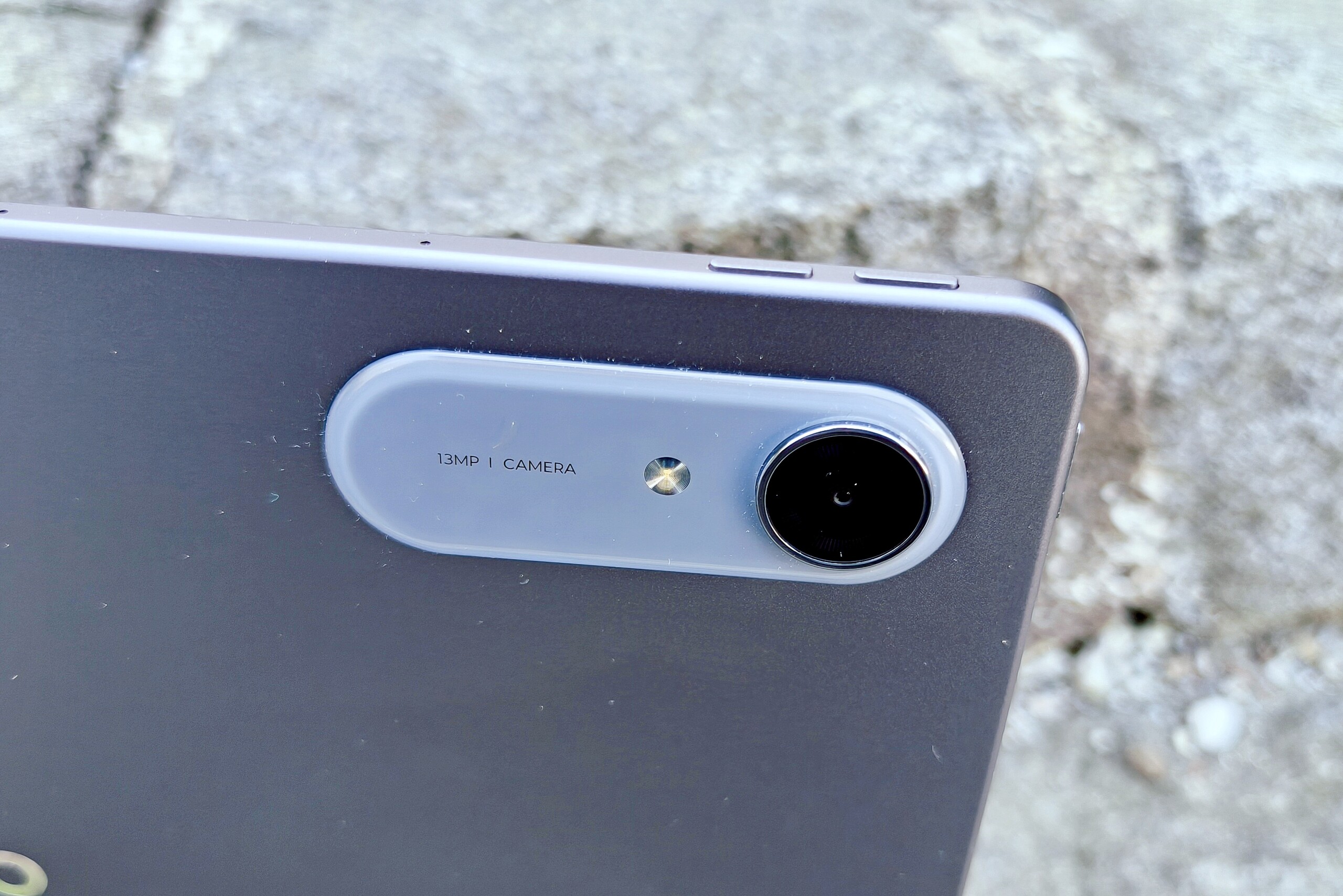
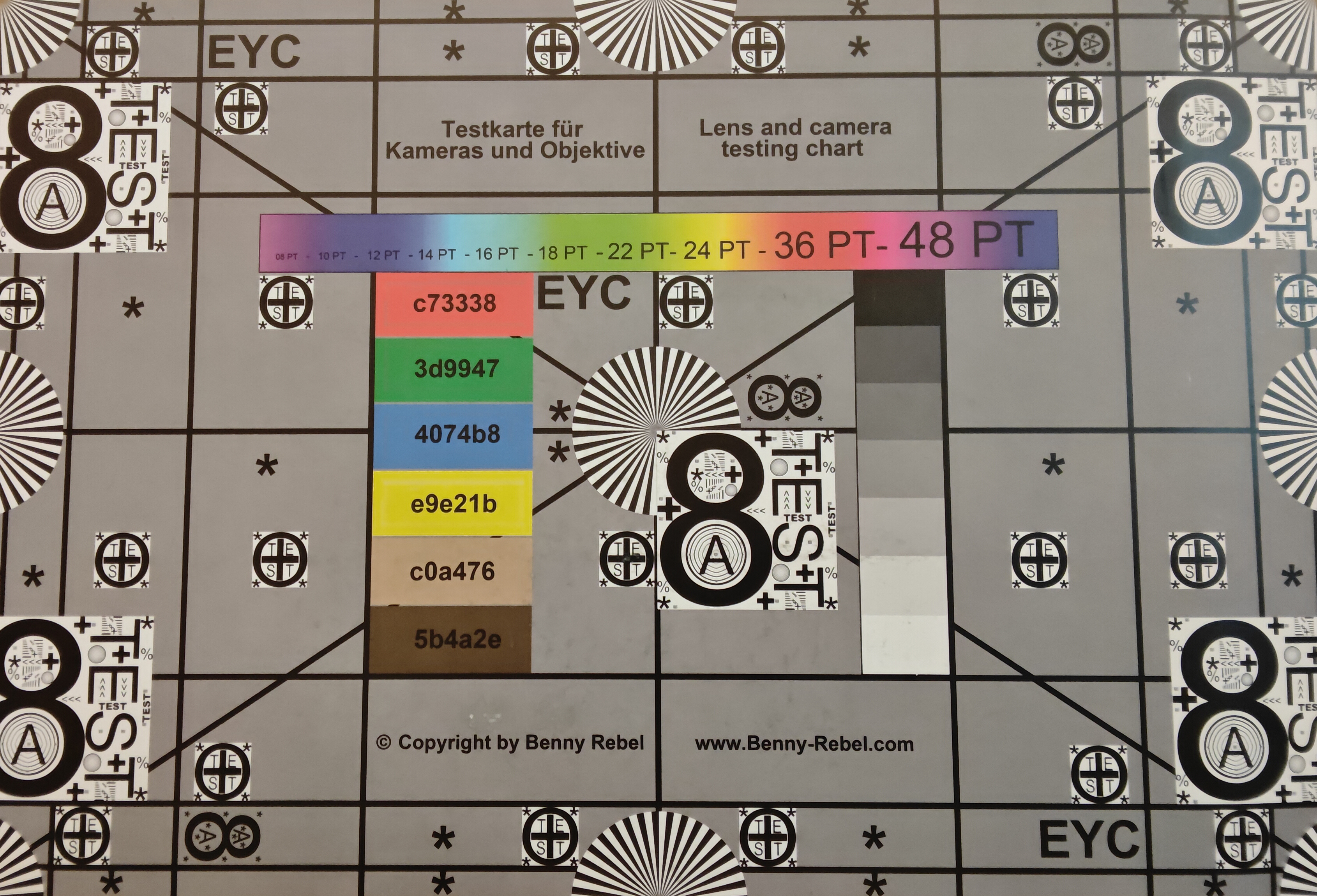
The main camera is a simple 13-megapixel sensor. This means that the dynamic range and sharpness of detail leave a lot to be desired. However, the camera is sufficient for simple snapshots or document scans in good light.
The selfie camera takes decent self-portraits, but also lacks dynamics.
Image comparison
Choose a scene and navigate within the first image. One click changes the position on touchscreens. One click on the zoomed-in image opens the original in a new window. The first image shows the scaled photograph of the test device.
Hauptkamera PflanzeHauptkamera UmgebungHauptkamera Low Light
















Display - Fast, bright and without PWM
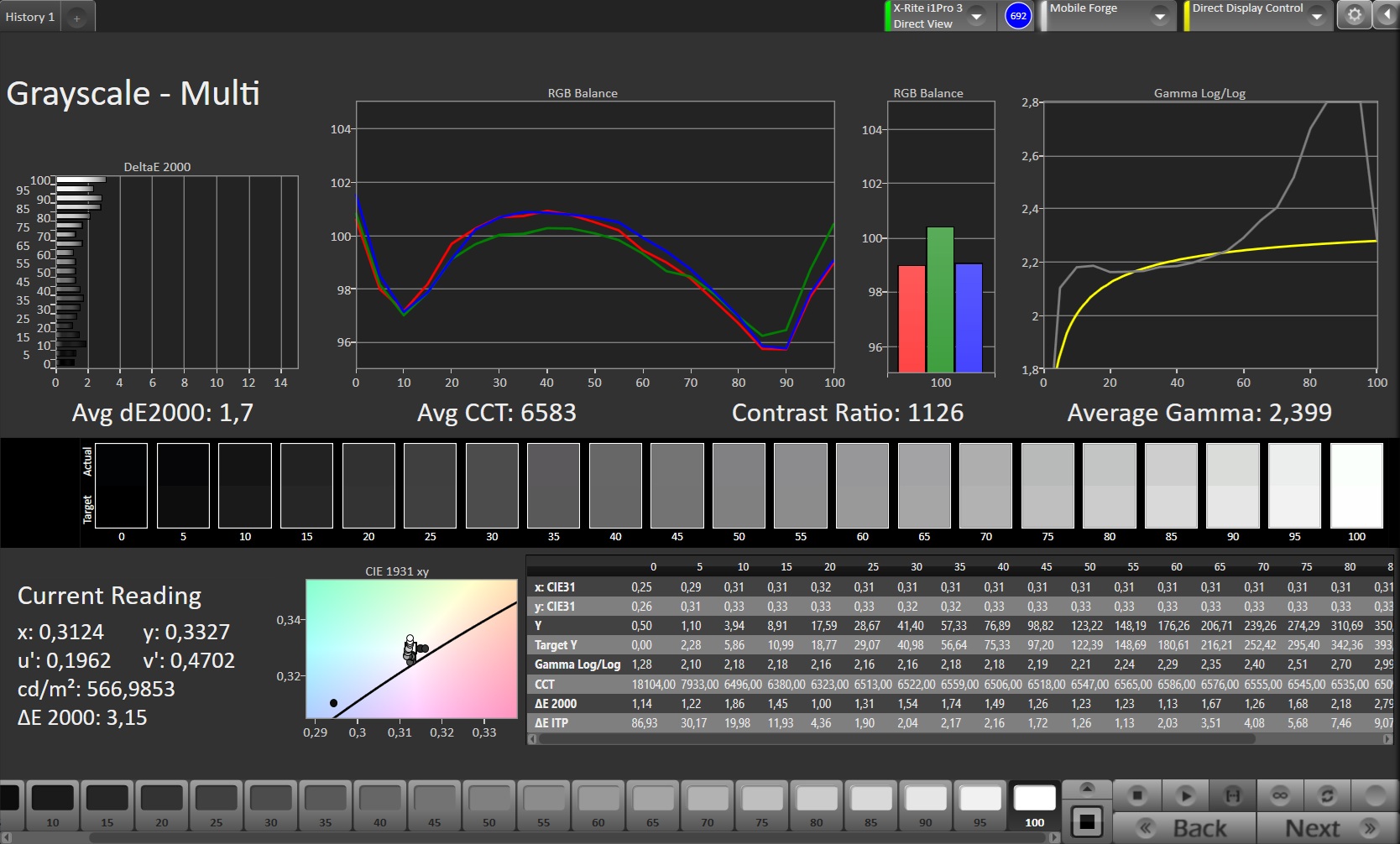
The IPS screen of the Idea Tab Pro Gen 2 has the great advantage that it works without PWM flickering at low brightness levels. It has become significantly brighter compared to its predecessor and now achieves around 600 cd/m².
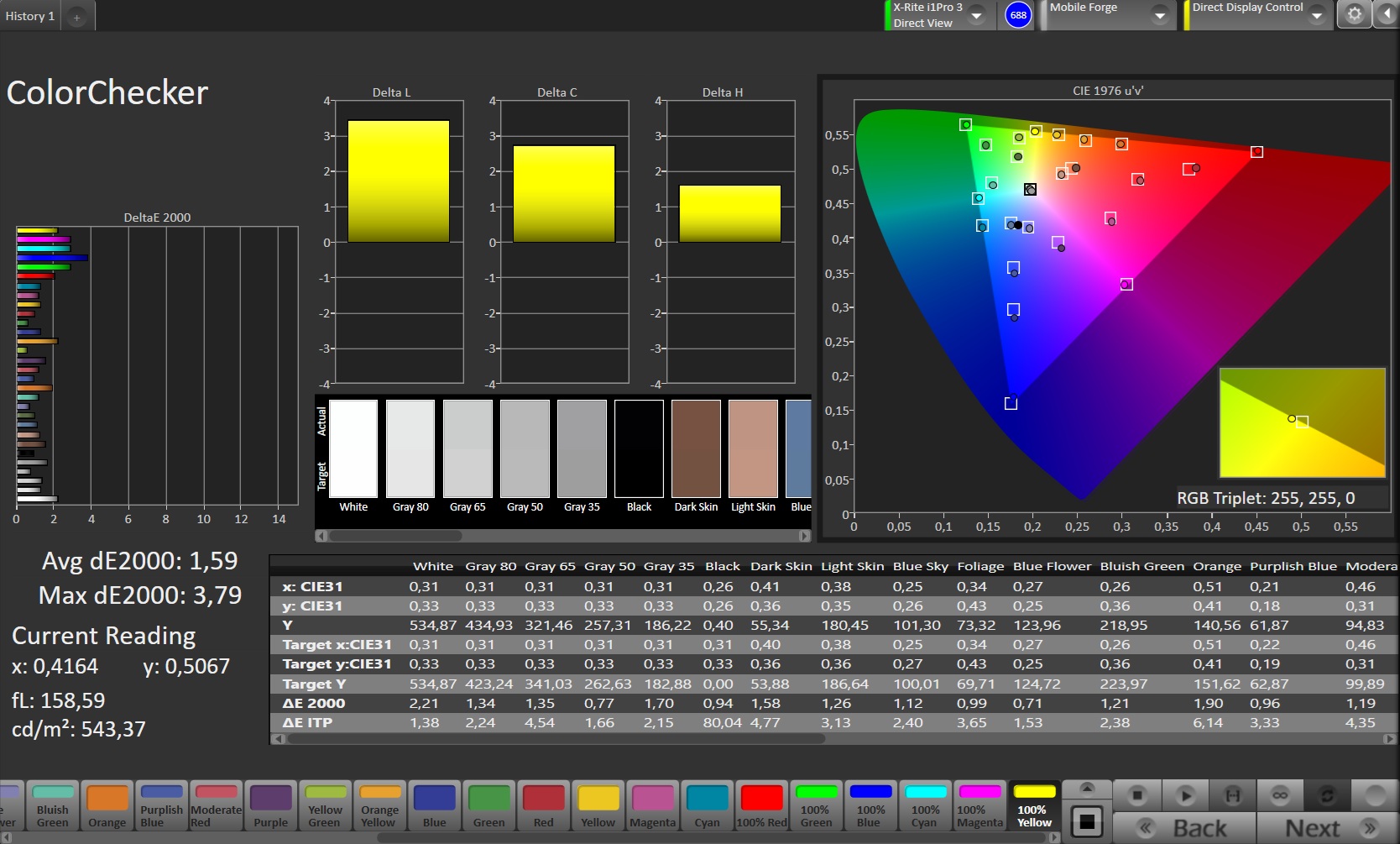
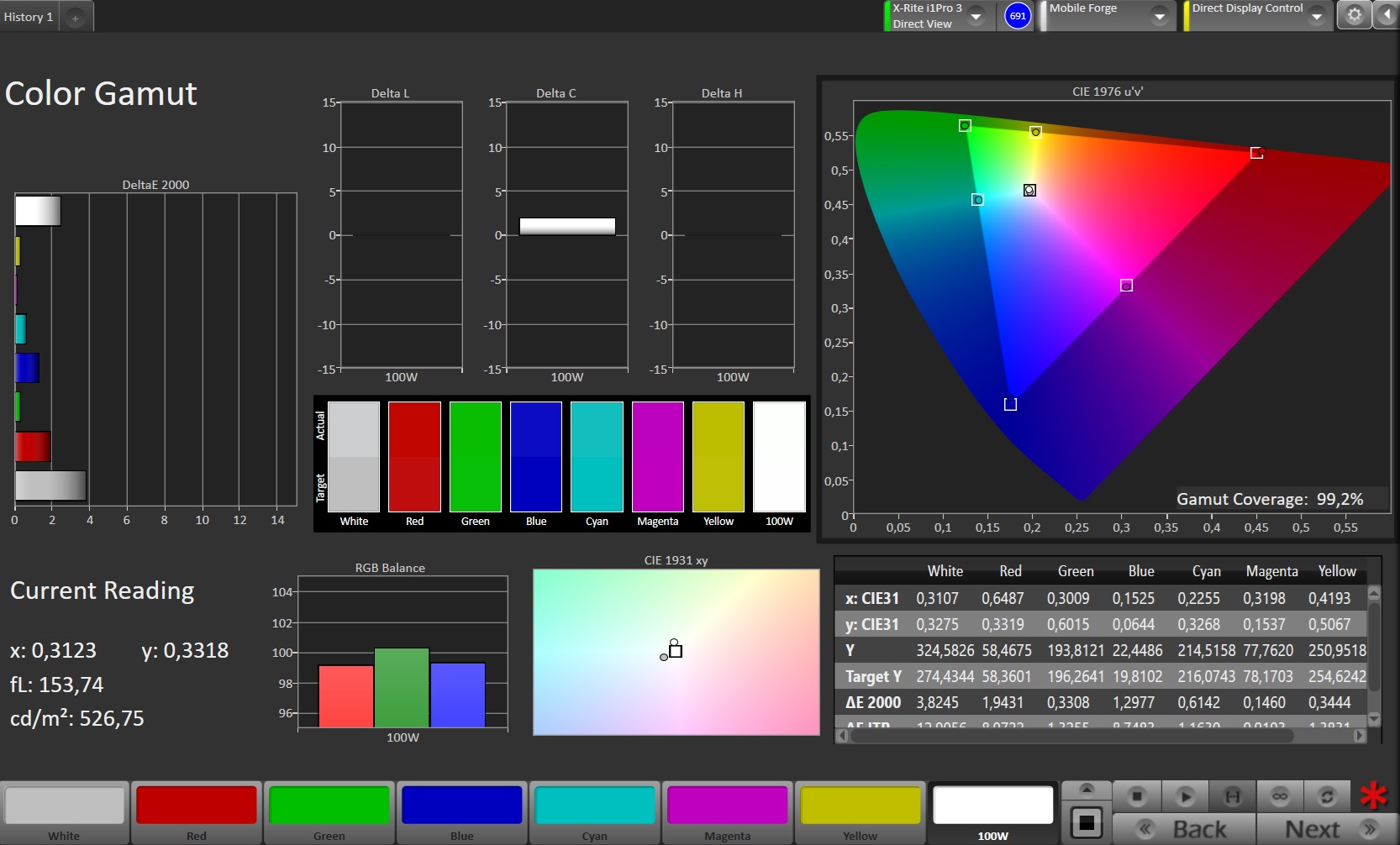
We also like the low black level, which makes colors appear brighter, as well as the color reproduction, which is just a bit too dark.
| |||||||||||||||||||||||||
Brightness Distribution: 92 %
Center on Battery: 618 cd/m²
Contrast: 1236:1 (Black: 0.5 cd/m²)
ΔE ColorChecker Calman: 1.59 | ∀{0.5-29.43 Ø4.69}
ΔE Greyscale Calman: 1.7 | ∀{0.09-98 Ø4.94}
99.2% sRGB (Calman 2D)
Gamma: 2.399
CCT: 6583 K
| Lenovo Idea Tab Pro Gen 2 IPS, 3504x2109, 13" | Lenovo Idea Tab Pro IPS, 2944x1840, 12.7" | OnePlus Pad 2 Pro LTPS LCD, 3392x2400, 13.2" | Honor MagicPad 3 LCD, 3200x2136, 13.3" | |
|---|---|---|---|---|
| Screen | -55% | -2% | -51% | |
| Brightness middle (cd/m²) | 618 | 409 -34% | 691 12% | 753 22% |
| Brightness (cd/m²) | 599 | 388 -35% | 643 7% | 706 18% |
| Brightness Distribution (%) | 92 | 89 -3% | 87 -5% | 86 -7% |
| Black Level * (cd/m²) | 0.5 | 0.4 20% | 0.6 -20% | 1.23 -146% |
| Contrast (:1) | 1236 | 1023 -17% | 1152 -7% | 612 -50% |
| Colorchecker dE 2000 * | 1.59 | 3.46 -118% | 2.01 -26% | 2.3 -45% |
| Colorchecker dE 2000 max. * | 3.79 | 5.46 -44% | 2.86 25% | 5.9 -56% |
| Greyscale dE 2000 * | 1.7 | 5.2 -206% | 1.7 -0% | 4.2 -147% |
| Gamma | 2.399 92% | 2.106 104% | 2.193 100% | 2.27 97% |
| CCT | 6583 99% | 5823 112% | 6615 98% | 7391 88% |
* ... smaller is better
| Display / APL18 Peak Brightness | |
| Lenovo Idea Tab Pro Gen 2 | |
| Honor MagicPad 3 | |
| Display / HDR Peak Brightness | |
| Honor MagicPad 3 | |
| Lenovo Idea Tab Pro Gen 2 | |
Screen Flickering / PWM (Pulse-Width Modulation)
| Screen flickering / PWM not detected | 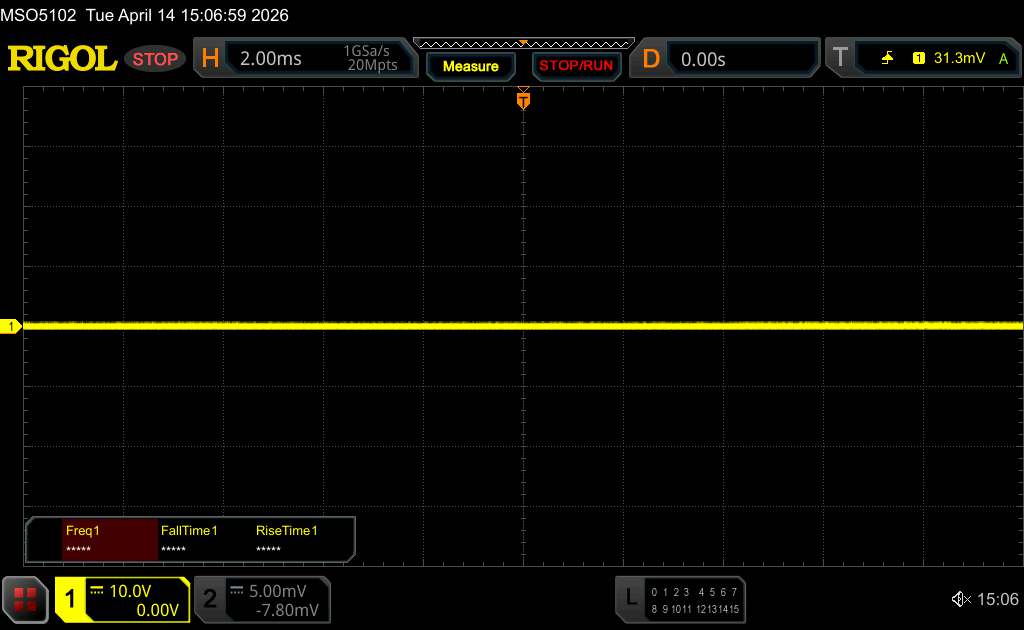 | ||
In comparison: 52 % of all tested devices do not use PWM to dim the display. If PWM was detected, an average of 7638 (minimum: 5 - maximum: 343500) Hz was measured. | |||
Display Response Times
| ↔ Response Time Black to White | ||
|---|---|---|
| 13.6 ms ... rise ↗ and fall ↘ combined | ↗ 9.9 ms rise | 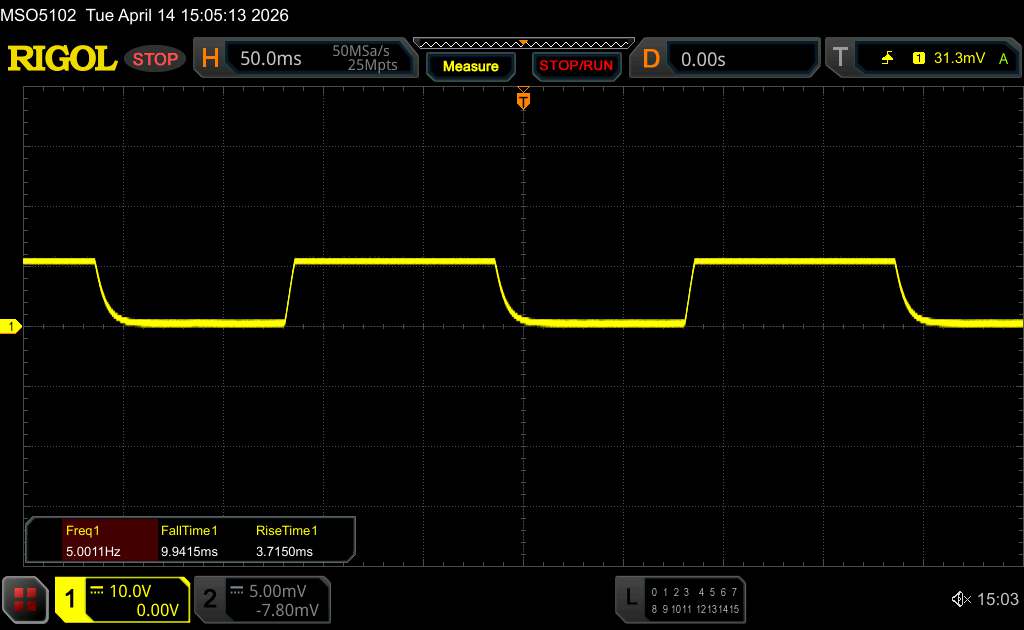 |
| ↘ 3.7 ms fall | ||
| The screen shows good response rates in our tests, but may be too slow for competitive gamers. In comparison, all tested devices range from 0.1 (minimum) to 240 (maximum) ms. » 34 % of all devices are better. This means that the measured response time is better than the average of all tested devices (19.7 ms). | ||
| ↔ Response Time 50% Grey to 80% Grey | ||
| 22.8 ms ... rise ↗ and fall ↘ combined | ↗ 18.2 ms rise | 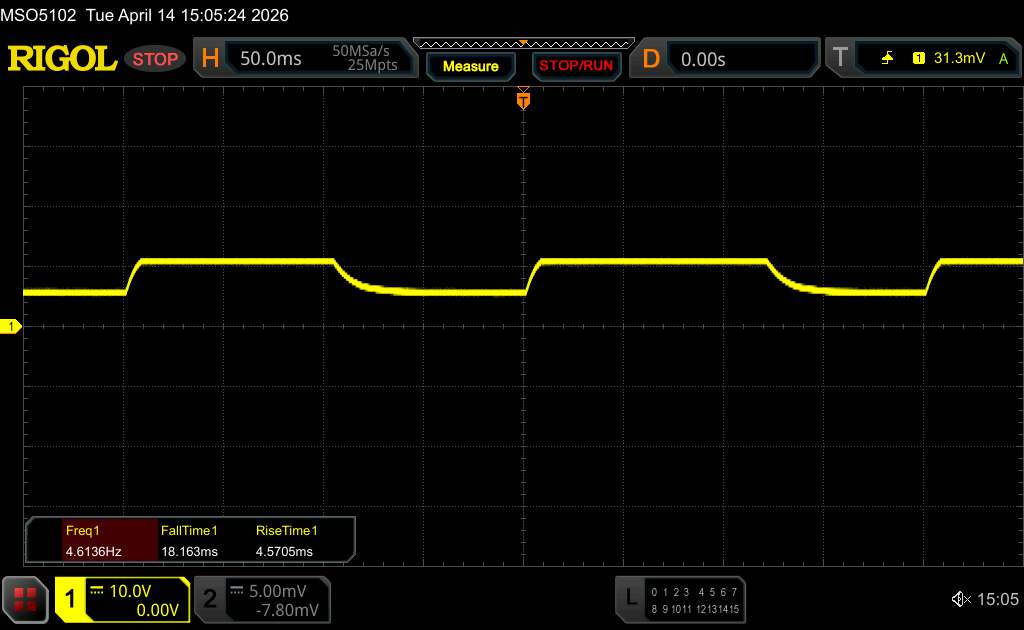 |
| ↘ 4.6 ms fall | ||
| The screen shows good response rates in our tests, but may be too slow for competitive gamers. In comparison, all tested devices range from 0.13 (minimum) to 636 (maximum) ms. » 34 % of all devices are better. This means that the measured response time is better than the average of all tested devices (30.8 ms). | ||
Performance, emissions and battery life - more power for the large tablet
The Idea Tab Pro was not too powerful, Lenovo wanted to change that with the second generation and installed a Qualcomm Snapdragon 8s Gen 4, which is actually a top-of-the-range SoC.
And there is indeed a noticeable leap in performance, especially with more complex applications or games.
When it comes to memory, it should be noted that UFS 3.1 is installed in the 128 GB version, while the significantly faster UFS 4.0 is only used with 256 GB.
A noticeable warming can be felt on the casing after a longer load, but fortunately this is very limited locally. You have to live with around 10% throttling after several benchmark runs, but this is quite low compared to other SoCs.
The four speakers in the casing produce a reasonably loud and full sound. Some low frequencies are also clearly audible. Many Bluetooth codecs are available for wireless audio playback.
Lenovo has not changed the 10,200 mAh battery compared to its predecessor, but the tablet still achieves around 50 minutes more battery life in the WLAN test. The tablet can be charged with a maximum of 45 watts, but a charger is not included.
| Jetstream 2 - 2.0 Total | |
| Lenovo Idea Tab Pro Gen 2 | |
| Average Qualcomm Snapdragon 8s Gen 4 SM8735 (174.8 - 245, n=5) | |
| Average of class Tablet (48 - 420, n=54, last 2 years) | |
| Lenovo Idea Tab Pro | |
| Lenovo Idea Tab Pro Gen 2 | Lenovo Idea Tab Pro | OnePlus Pad 2 Pro | Honor MagicPad 3 | Average 128 GB UFS 3.1 Flash | Average of class Tablet | |
|---|---|---|---|---|---|---|
| AndroBench 3-5 | 64% | 37% | -36% | -11% | ||
| Sequential Read 256KB (MB/s) | 1912.4 | 3648.3 91% | 3864.83 102% | 1584 ? -17% | 2112 ? 10% | |
| Sequential Write 256KB (MB/s) | 1852.7 | 3298.5 78% | 3317.21 79% | 807 ? -56% | 1703 ? -8% | |
| Random Read 4KB (MB/s) | 347.8 | 474.4 36% | 303.59 -13% | 246 ? -29% | 280 ? -19% | |
| Random Write 4KB (MB/s) | 438.3 | 668 52% | 345.84 -21% | 249 ? -43% | 330 ? -25% |
(-) The maximum temperature on the upper side is 48.2 °C / 119 F, compared to the average of 33.7 °C / 93 F, ranging from 20.7 to 53.2 °C for the class Tablet.
(-) The bottom heats up to a maximum of 45.3 °C / 114 F, compared to the average of 33.2 °C / 92 F
(+) In idle usage, the average temperature for the upper side is 23.6 °C / 74 F, compared to the device average of 30 °C / 86 F.
3DMark Stress Tests
| 3DMark | |
| Wild Life Stress Test Stability | |
| Honor MagicPad 3 | |
| OnePlus Pad 2 Pro | |
| Lenovo Idea Tab Pro Gen 2 | |
| Lenovo Idea Tab Pro | |
| Wild Life Extreme Stress Test | |
| Honor MagicPad 3 | |
| OnePlus Pad 2 Pro | |
| Lenovo Idea Tab Pro Gen 2 | |
| Lenovo Idea Tab Pro | |
| Solar Bay Stress Test Stability | |
| Honor MagicPad 3 | |
| OnePlus Pad 2 Pro | |
| Lenovo Idea Tab Pro | |
| Lenovo Idea Tab Pro Gen 2 | |
| Steel Nomad Light Stress Test Stability | |
| OnePlus Pad 2 Pro | |
| Lenovo Idea Tab Pro | |
| Honor MagicPad 3 | |
Lenovo Idea Tab Pro Gen 2 audio analysis
(+) | speakers can play relatively loud (83.8 dB)
Bass 100 - 315 Hz
(±) | reduced bass - on average 14.4% lower than median
(±) | linearity of bass is average (13.7% delta to prev. frequency)
Mids 400 - 2000 Hz
(±) | higher mids - on average 6.2% higher than median
(+) | mids are linear (6.4% delta to prev. frequency)
Highs 2 - 16 kHz
(±) | higher highs - on average 5% higher than median
(±) | linearity of highs is average (14.2% delta to prev. frequency)
Overall 100 - 16.000 Hz
(±) | linearity of overall sound is average (20.9% difference to median)
Compared to same class
» 63% of all tested devices in this class were better, 6% similar, 31% worse
» The best had a delta of 7%, average was 21%, worst was 130%
Compared to all devices tested
» 57% of all tested devices were better, 7% similar, 35% worse
» The best had a delta of 4%, average was 23%, worst was 136%
Honor MagicPad 3 audio analysis
(+) | speakers can play relatively loud (85 dB)
Bass 100 - 315 Hz
(+) | good bass - only 3.9% away from median
(±) | linearity of bass is average (10.1% delta to prev. frequency)
Mids 400 - 2000 Hz
(+) | balanced mids - only 2.9% away from median
(+) | mids are linear (3.5% delta to prev. frequency)
Highs 2 - 16 kHz
(+) | balanced highs - only 4.1% away from median
(+) | highs are linear (5.4% delta to prev. frequency)
Overall 100 - 16.000 Hz
(+) | overall sound is linear (7.2% difference to median)
Compared to same class
» 0% of all tested devices in this class were better, 0% similar, 99% worse
» The best had a delta of 7%, average was 21%, worst was 130%
Compared to all devices tested
» 1% of all tested devices were better, 0% similar, 99% worse
» The best had a delta of 4%, average was 23%, worst was 136%
| Lenovo Idea Tab Pro Gen 2 10200 mAh | Lenovo Idea Tab Pro 10200 mAh | OnePlus Pad 2 Pro 12140 mAh | |
|---|---|---|---|
| Battery runtime | -3% | 53% | |
| Reader / Idle (h) | 26 | 25.4 -2% | 46.6 79% |
| WiFi v1.3 (h) | 14.2 | 13.3 -6% | 23.7 67% |
| Load (h) | 4.3 | 4.3 0% | 4.8 12% |
| H.264 (h) | 17 | 24.4 |
Notebookcheck overall rating
The Idea Tab Pro Gen 2 is a sensible and comprehensive further development of its predecessor. However, the Lenovo tablet has also become significantly more expensive.

Lenovo Idea Tab Pro Gen 2
- 05/05/2026 v8
Florian Schmitt
 Total Sustainability Score:
 Possible alternatives in comparison
Image | Model / Review | Price | Weight | Drive | Display |
|---|---|---|---|---|---|
1. 86.5%  | Lenovo Idea Tab Pro Gen 2 Qualcomm Snapdragon 8s Gen 4 SM8735 ⎘ Qualcomm Adreno 825 ⎘ 8 GB Memory, 128 GB UFS 3.1 | List Price: 529€ | 598 g | 128 GB UFS 3.1 Flash | 13.00" 3504x2109 315 PPI IPS |
2. 82.3%  | Lenovo Idea Tab Pro MediaTek Dimensity 8300 ⎘ ARM Mali-G615 MP6 ⎘ 8 GB Memory, 256 GB UFS 4.x | List Price: 379€ | 620 g | 256 GB UFS 4.0 Flash | 12.70" 2944x1840 273 PPI IPS |
3. 88.4%  | OnePlus Pad 2 Pro Qualcomm Snapdragon 8 Elite ⎘ Qualcomm Adreno 830 ⎘ 12 GB Memory, 256 GB UFS 4.x | Amazon: 1. $499.00 OnePlus Pad Go 2, 256GB/8GB,... 2. $399.00 OnePlus Pad Go 2 128GB 8GB S... 3. $249.50 XIAOMI Redmi Pad 2 PRO Only ... List Price: 550€ | 675 g | 256 GB UFS 4.0 Flash | 13.20" 3392x2400 315 PPI LTPS LCD |
4. 85.9%  | Honor MagicPad 3 Qualcomm Snapdragon 8 Gen 3 ⎘ Qualcomm Adreno 750 ⎘ 16 GB Memory, 512 GB UFS 3.1 | Amazon: 1. $669.00 Honor MagicPad3 Wi-Fi Tablet... 2. $1,076.00 HONOR MagicPad4 (12.3 Inch, ... 3. $799.00 HONOR MagicPad4 (12.3 Inch, ... List Price: 700€ | 595 g | 512 GB UFS 3.1 Flash | 13.30" 3200x2136 289 PPI LCD |
Transparency
The selection of devices to be reviewed is made by our editorial team. The test sample was freely purchased by the author at his/her own expense. The lender had no influence on this review, nor did the manufacturer receive a copy of this review before publication. There was no obligation to publish this review. As an independent media company, Notebookcheck is not subjected to the authority of manufacturers, retailers or publishers.
This is how Notebookcheck is testing
Every year, Notebookcheck independently reviews hundreds of laptops and smartphones using standardized procedures to ensure that all results are comparable. We have continuously developed our test methods for around 20 years and set industry standards in the process. In our test labs, high-quality measuring equipment is utilized by experienced technicians and editors. These tests involve a multi-stage validation process. Our complex rating system is based on hundreds of well-founded measurements and benchmarks, which maintains objectivity. Further information on our test methods can be found here.
 Add as a preferred source on Google


