




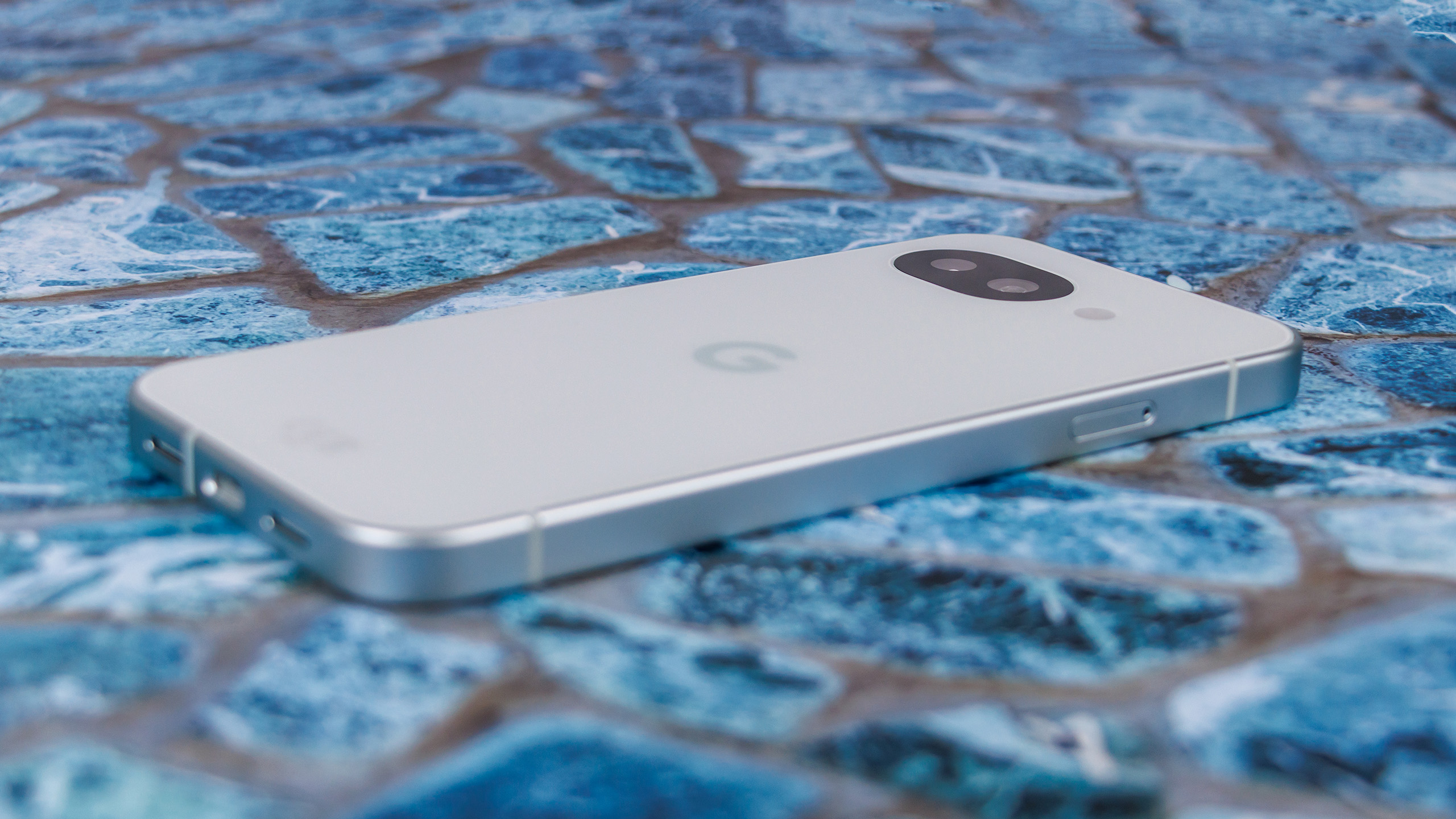
Verdict on the Google Pixel 10a
The Google Pixel 10a is a well-equipped mid-range smartphone. In our review, it impressed with a bright and accurate display that actually exceeded the promised specs in our measurements and is ideally suited for outdoor use. However, it still relies on PWM with a low frequency. While the Tensor G4 remains a fast SoC, it was already used in the previous model—so there’s been no progress here. The same applies to the memory configuration: 8 GB of RAM seems a bit on the low side for a smartphone that’s supposed to receive seven years of updates. Even the entry-level storage option with just 128 GB can now be considered meager, and the premium for the 256-GB version is quite steep.
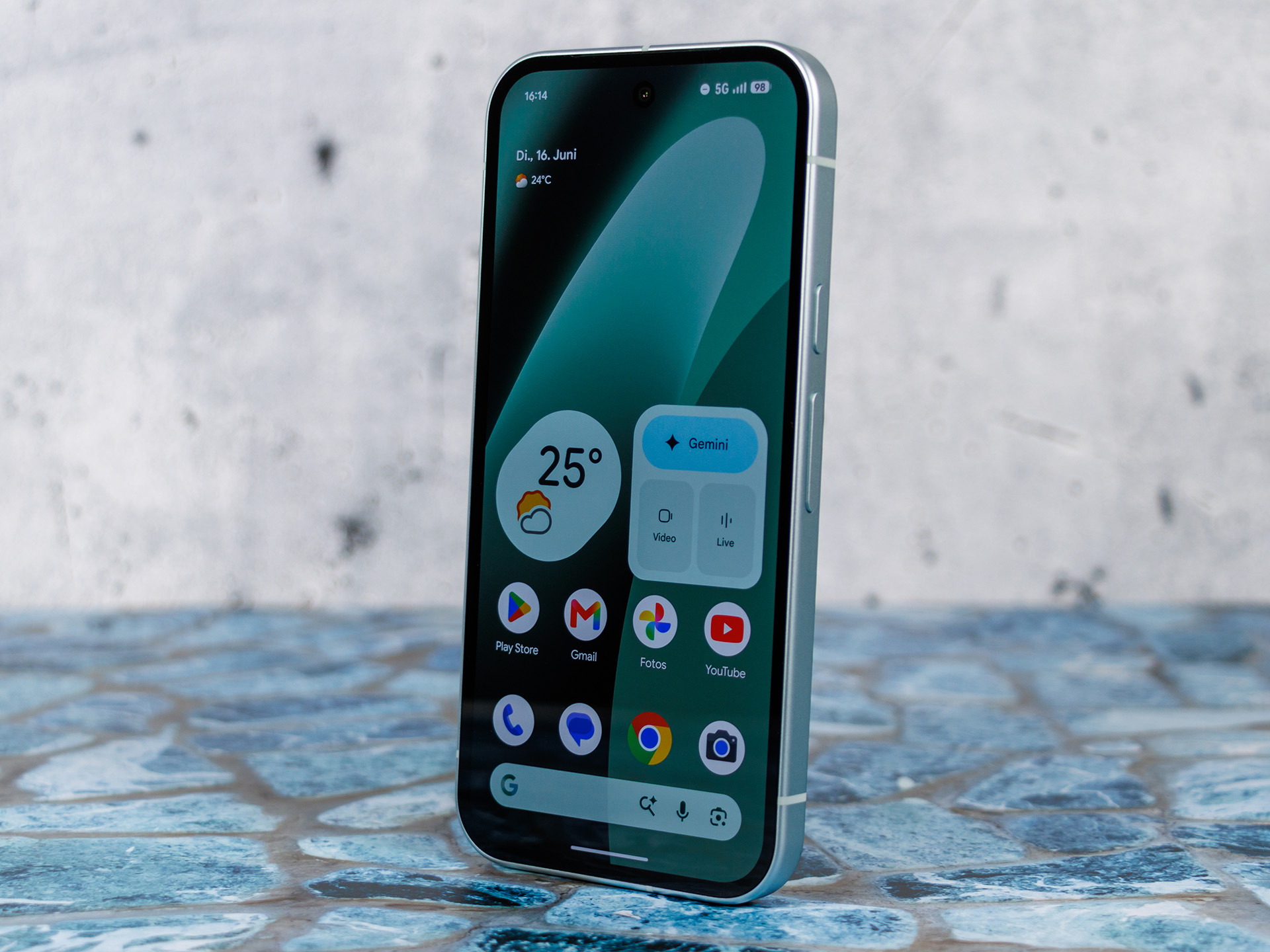
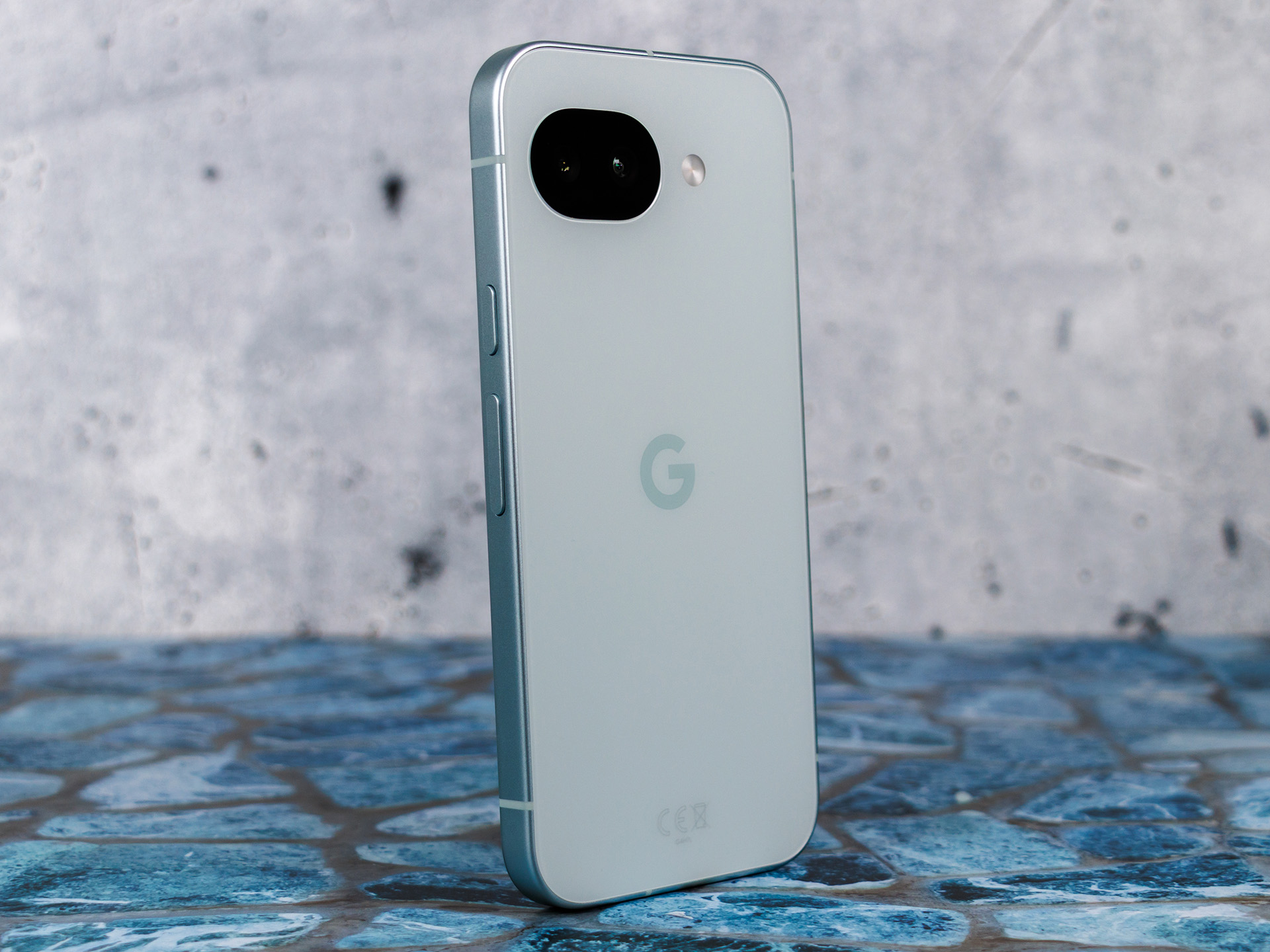
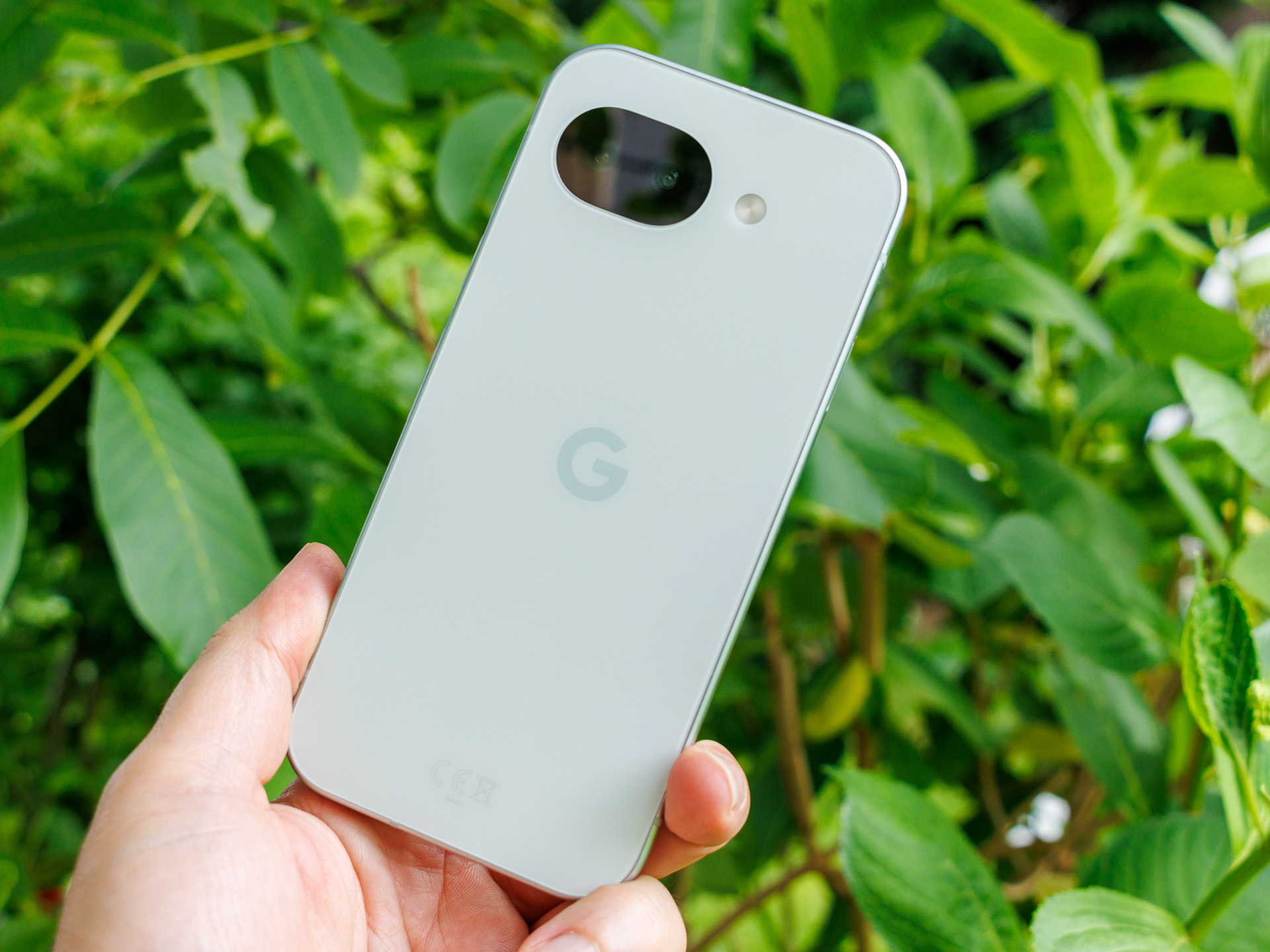
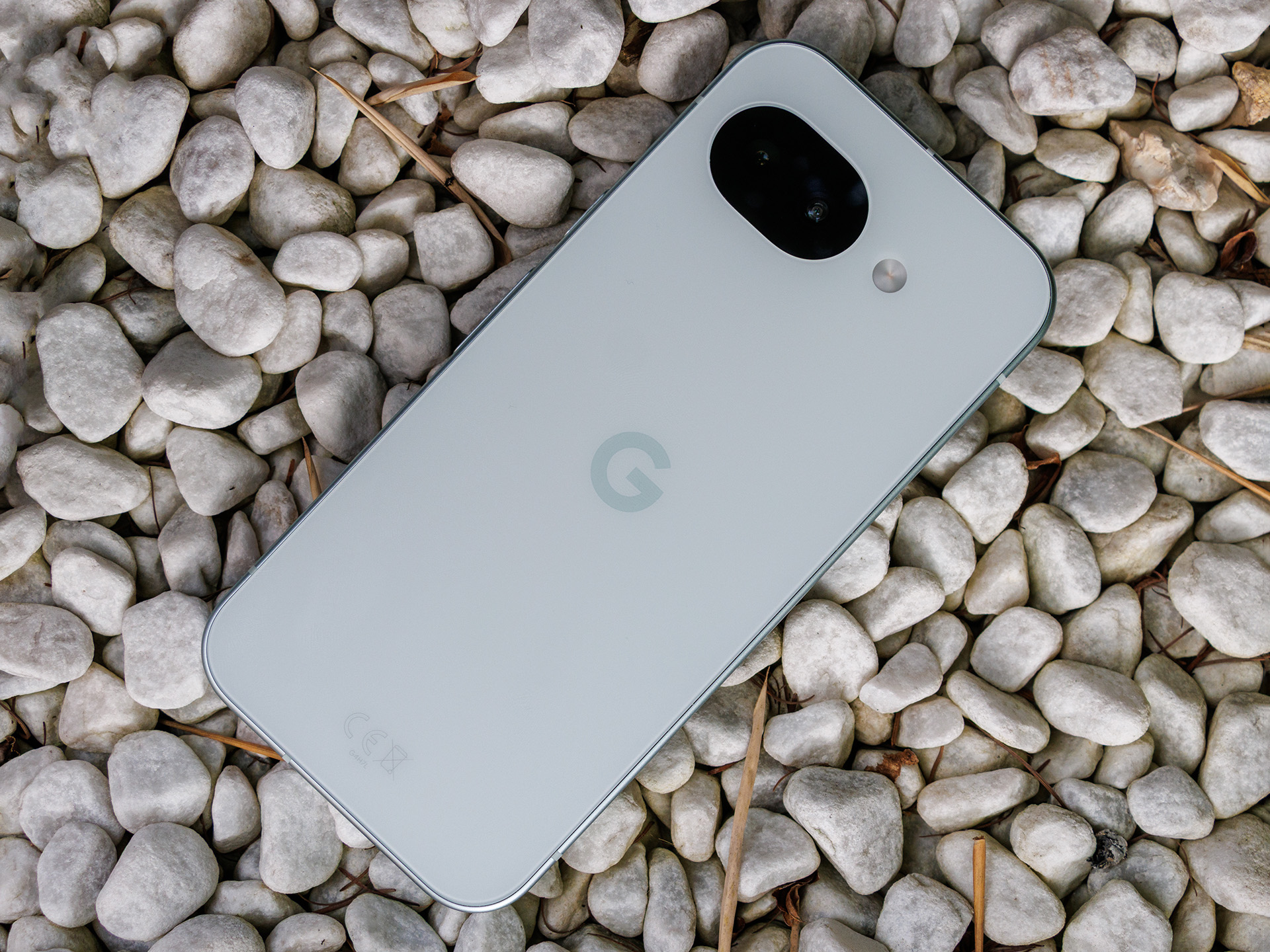
Aside from its long update support, however, the Pixel 10a impresses with its clean build quality, which avoids high-gloss elements, and is likely the only smartphone priced above 500 euros that doesn’t have a camera bump. The display bezels are quite thick, though, which makes the Pixel 10a look a bit dated.
Google has also included USB 3.2 with video output, allowing the phone to serve as a desktop replacement thanks to a dedicated mode built right in. Rounding out the features is IP68 certification. While eSIM support is offered, it’s limited to a single eSIM. That may be sufficient in most cases, but an additional eSIM would have been desirable, especially for travel.
The 5,100 mAh battery has a decent capacity and now charges slightly faster. In testing, it impresses with long battery life, even if it’s slightly shorter than that of its predecessor. Wireless charging is built-in, but the magnetic PixelSnap remains exclusive to the more expensive models.
All in all, Google offers a good mid-range smartphone with the Pixel 10a, but it’s too expensive for its listed MSRP and offers few new features compared to its predecessor. In addition to the new protective glass and faster charging, the most notable new feature is the satellite emergency call. Since the Pixel 10a is now available for under 450 euros even in the higher-storage variant, it’s definitely worth recommending.
Pros
Cons
Price and availability

Table of Contents
- Verdict on the Google Pixel 10a
- Specifications: Google Pixel 10a
- Body and features - No camera bump and waterproof
- Communication - Pixel 10a with 6-GHz Wi-Fi
- Cameras - Good main camera, very limited zoom range
- Display - Brighter, but still using PWM
- Performance, emissions and battery life
- Notebookcheck overall rating
- Possible alternatives at a glance
Specifications: Google Pixel 10a
Body and features - No camera bump and waterproof
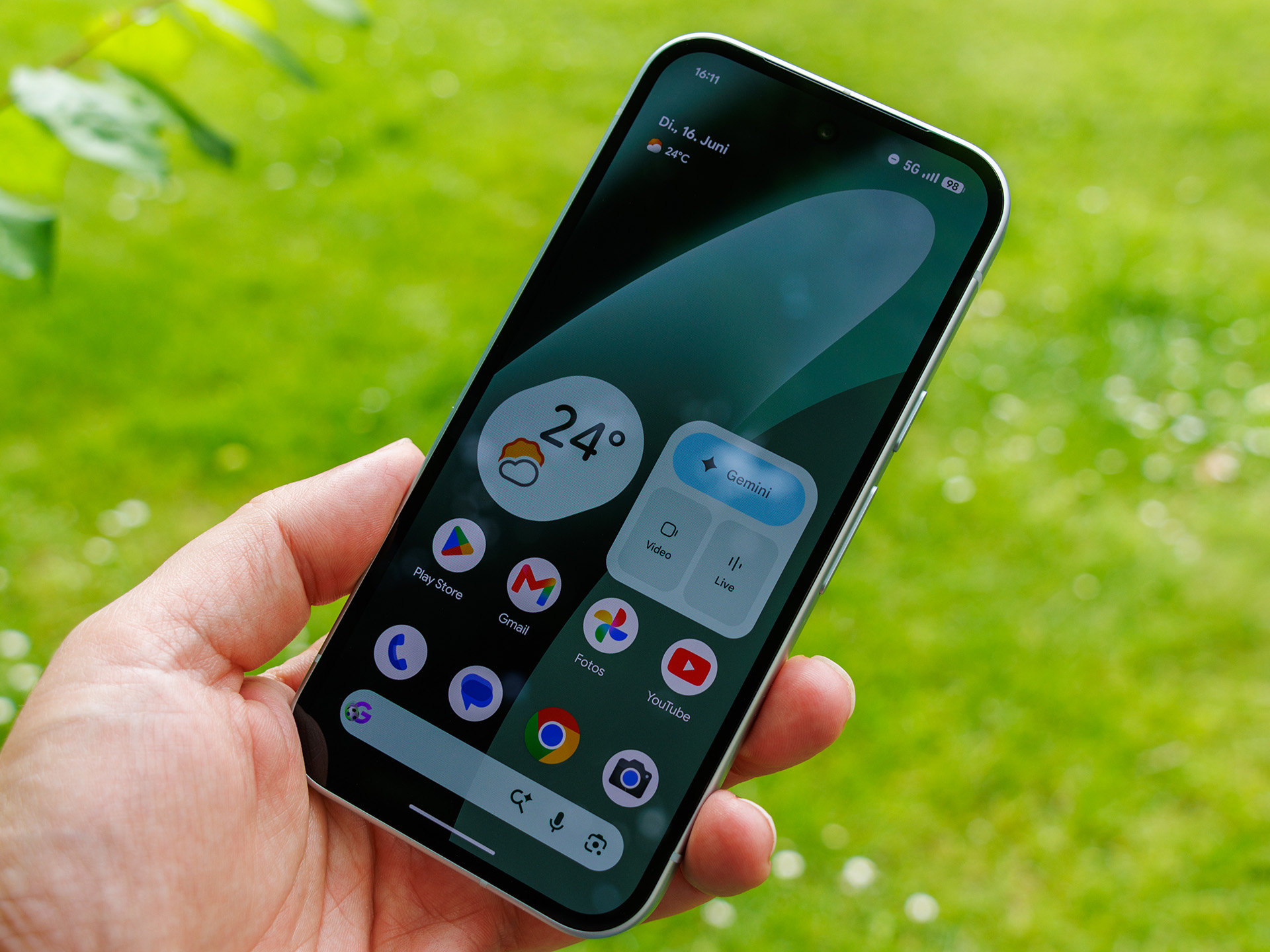
While the back of the Pixel 9a was nearly flat, the back of the Google Pixel 10a is actually flat, or rather, it’s even slightly recessed. The build quality is very good, but the screen-to-body ratio could be a bit larger.
The features are fairly standard for this class and, in addition to IP68 certification, include wireless charging and a fast USB 3.2 port that supports not only wired video output but also desktop mode.
Communication - Pixel 10a with 6-GHz Wi-Fi
Although the Google Pixel 10a supports all common cellular standards, it only has a single nano-SIM slot and supports eSIM. Dual eSIM support, at the very least, would have been desirable.
Call quality is good when held to the ear, and minor background noise is reliably filtered out; however, the Google smartphone quickly reaches its limits on busy streets.
| Networking | |
| Google Pixel 10a | |
| iperf3 receive Wi-Fi6/7 RT-BE96U | |
| iperf3 transmit Wi-Fi6/7 RT-BE96U | |
| Nothing Phone (4a) Pro | |
| iperf3 transmit AXE11000 6GHz | |
| iperf3 receive AXE11000 6GHz | |
| Xiaomi Poco X8 Pro Max | |
| iperf3 transmit AXE11000 | |
| iperf3 receive AXE11000 | |
| Motorola Edge 70 | |
| iperf3 transmit AXE11000 6GHz | |
| iperf3 receive AXE11000 6GHz | |
| Average Wi-Fi 6E | |
| iperf3 transmit AXE11000 | |
| iperf3 receive AXE11000 | |
| iperf3 transmit AXE11000 6GHz | |
| iperf3 receive AXE11000 6GHz | |
| iperf3 receive Wi-Fi6/7 RT-BE96U | |
| iperf3 transmit Wi-Fi6/7 RT-BE96U | |
| Average of class Smartphone | |
| iperf3 transmit AXE11000 | |
| iperf3 receive AXE11000 | |
| iperf3 transmit AXE11000 6GHz | |
| iperf3 receive AXE11000 6GHz | |
| iperf3 receive Wi-Fi6/7 RT-BE96U | |
| iperf3 transmit Wi-Fi6/7 RT-BE96U | |
Cameras - Good main camera, very limited zoom range
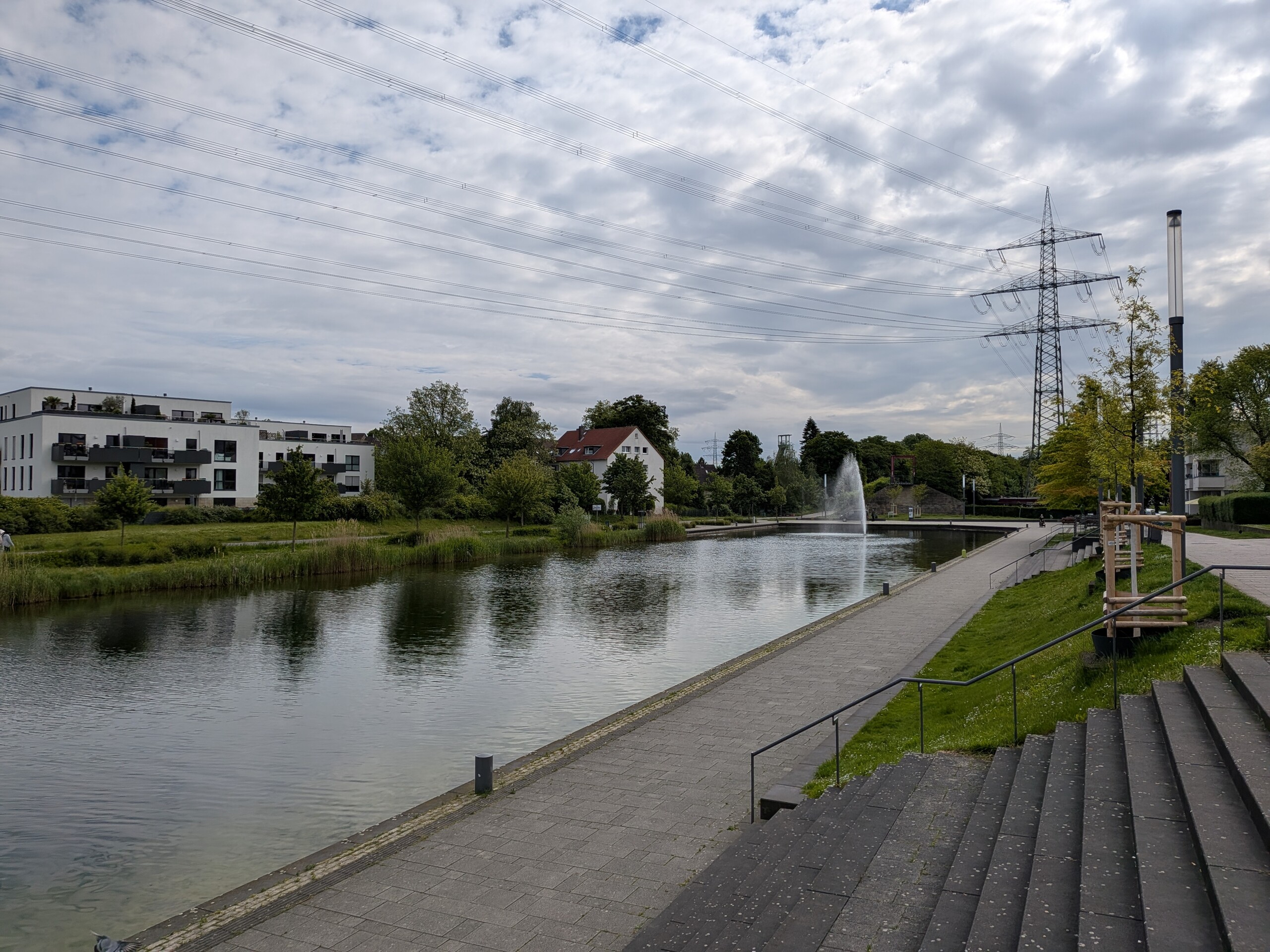
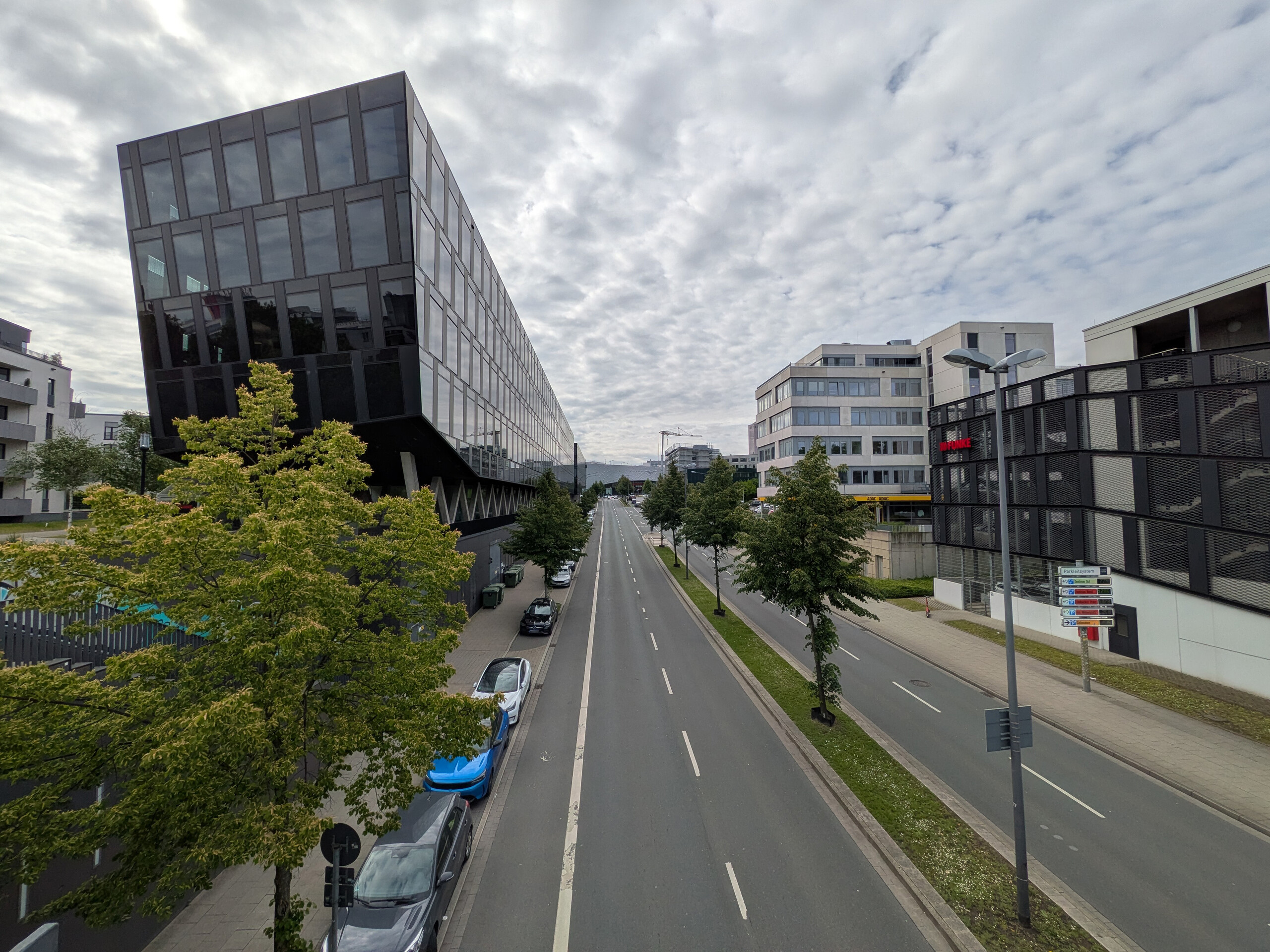
Google hasn't made any changes to the Pixel 10a's camera setup compared to its predecessor. The selfies are very consistent, though slightly grainy.
The main camera takes good photos in both daylight and low light, and the ultra-wide-angle lens also delivers decent results, though it falls significantly short in terms of quality. Google continues to omit an optical zoom, and the digital zoom with 8x magnification is neither particularly powerful nor impressive in terms of quality.




| Aspect ratio | Resolution | |
|---|---|---|
| Photo | 4:3 / 16:9 | 12 MPix |
| Video (main camera) | 16:9 | Full HD (30 / 60 FPS)Ultra HD (30 / 60 FPS) |
| Video (front camera) | 16:9 | Full HD (30 / 60 FPS)Ultra HD (30 FPS) |
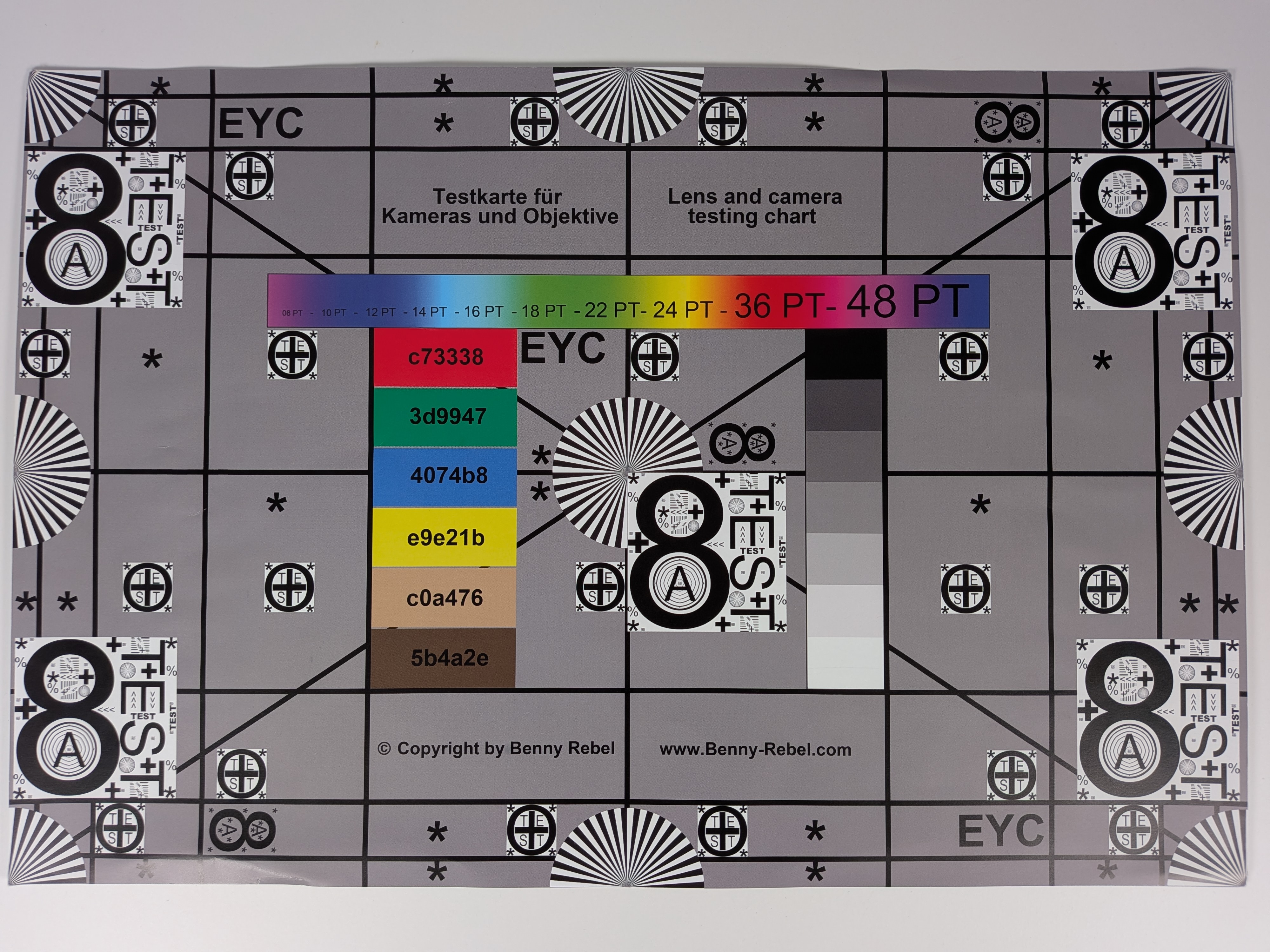
Image comparison
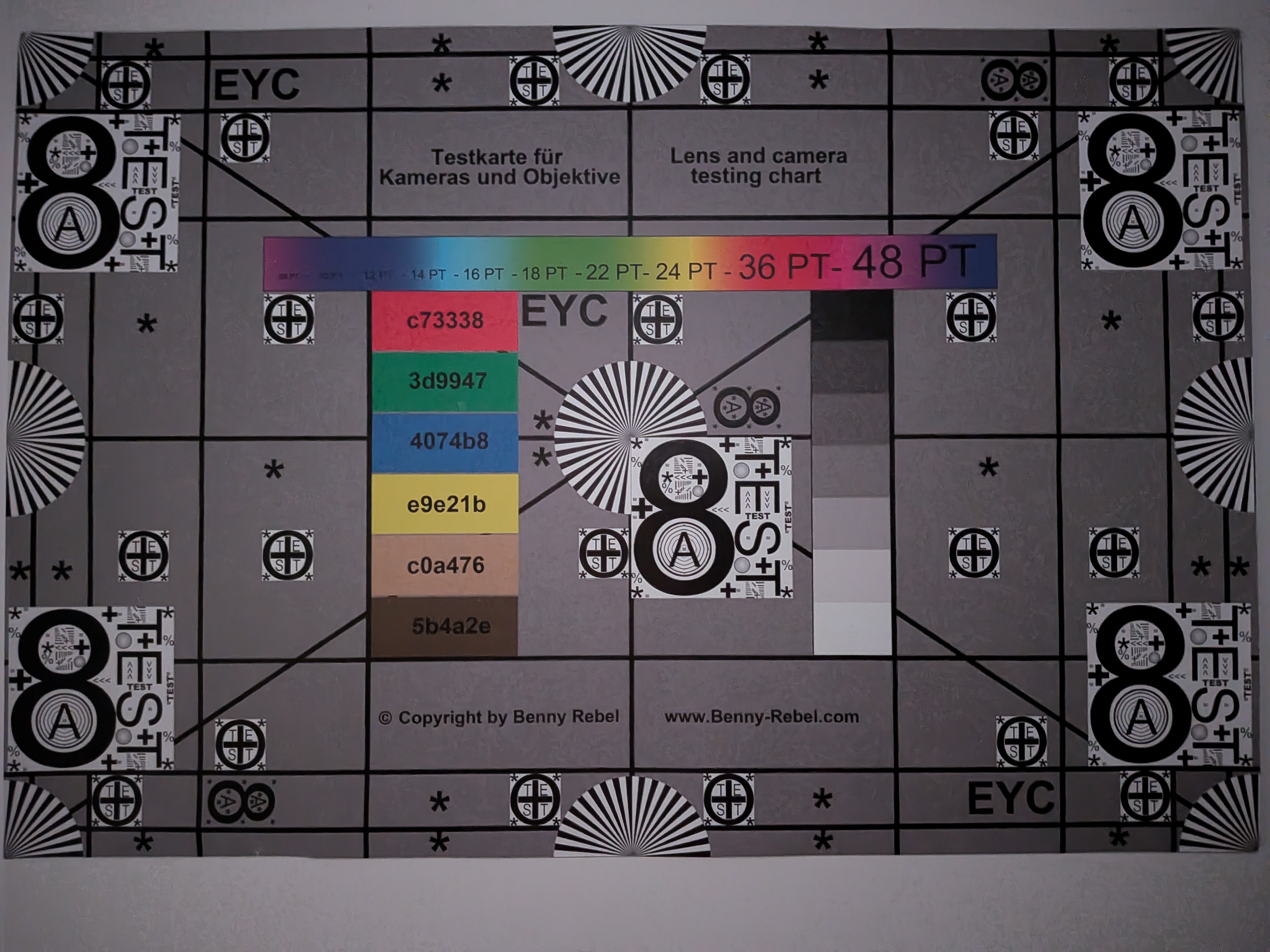
Choose a scene and navigate within the first image. One click changes the position on touchscreens. One click on the zoomed-in image opens the original in a new window. The first image shows the scaled photograph of the test device.









Display - Brighter, but still using PWM
According to the spec sheet, the Google Pixel 10a’s display is nearly identical to that of the Pixel 9a, but its peak brightness has been slightly increased, which our measurements also confirm.
Unfortunately, the Pixel 10a once again uses pulse-width modulation with a fairly low frequency for brightness control, which is why sensitive users should expect to experience discomfort.
| |||||||||||||||||||||||||
Center on Battery: 2205 cd/m²
Contrast: ∞:1 (Black: 0 cd/m²)
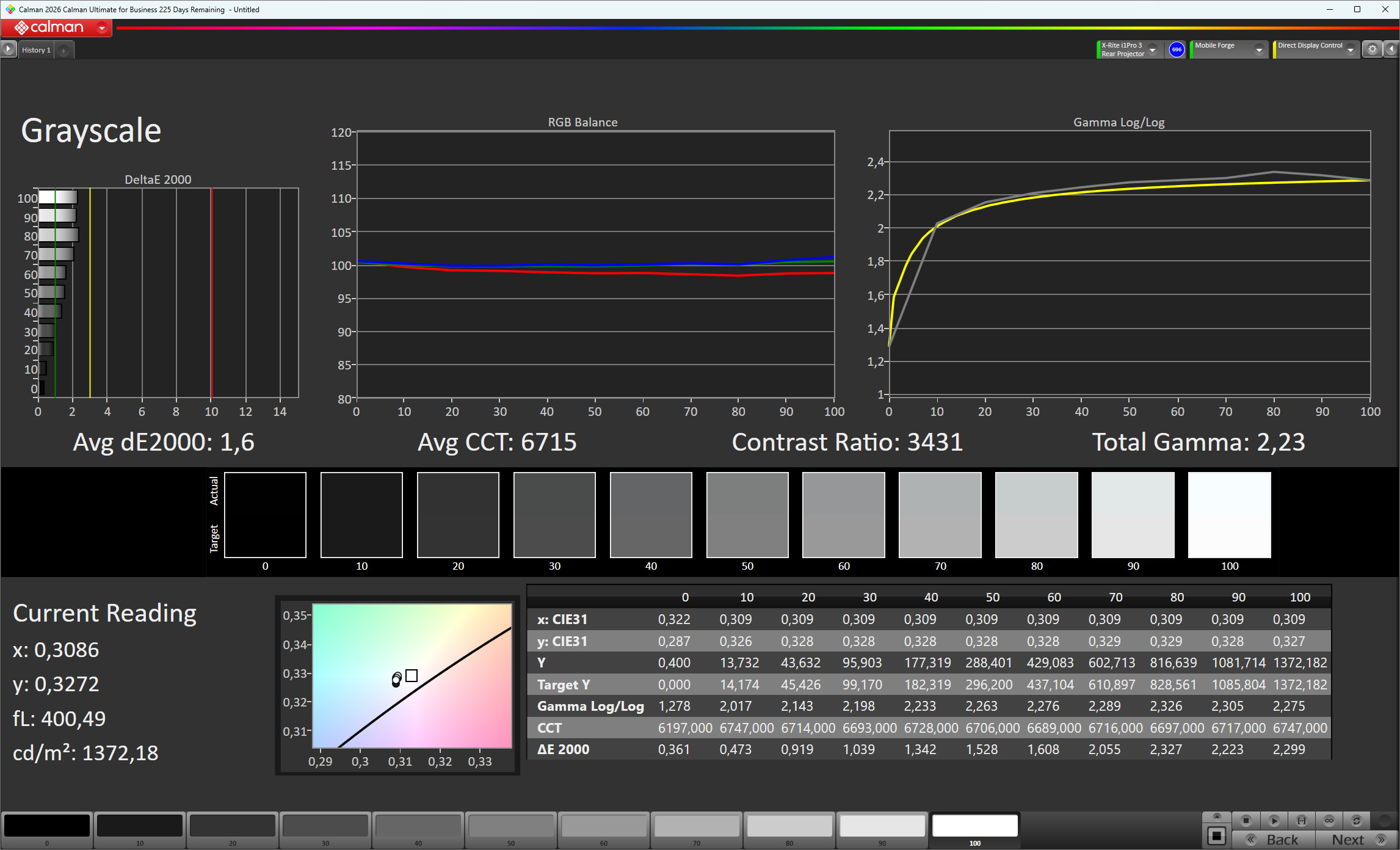
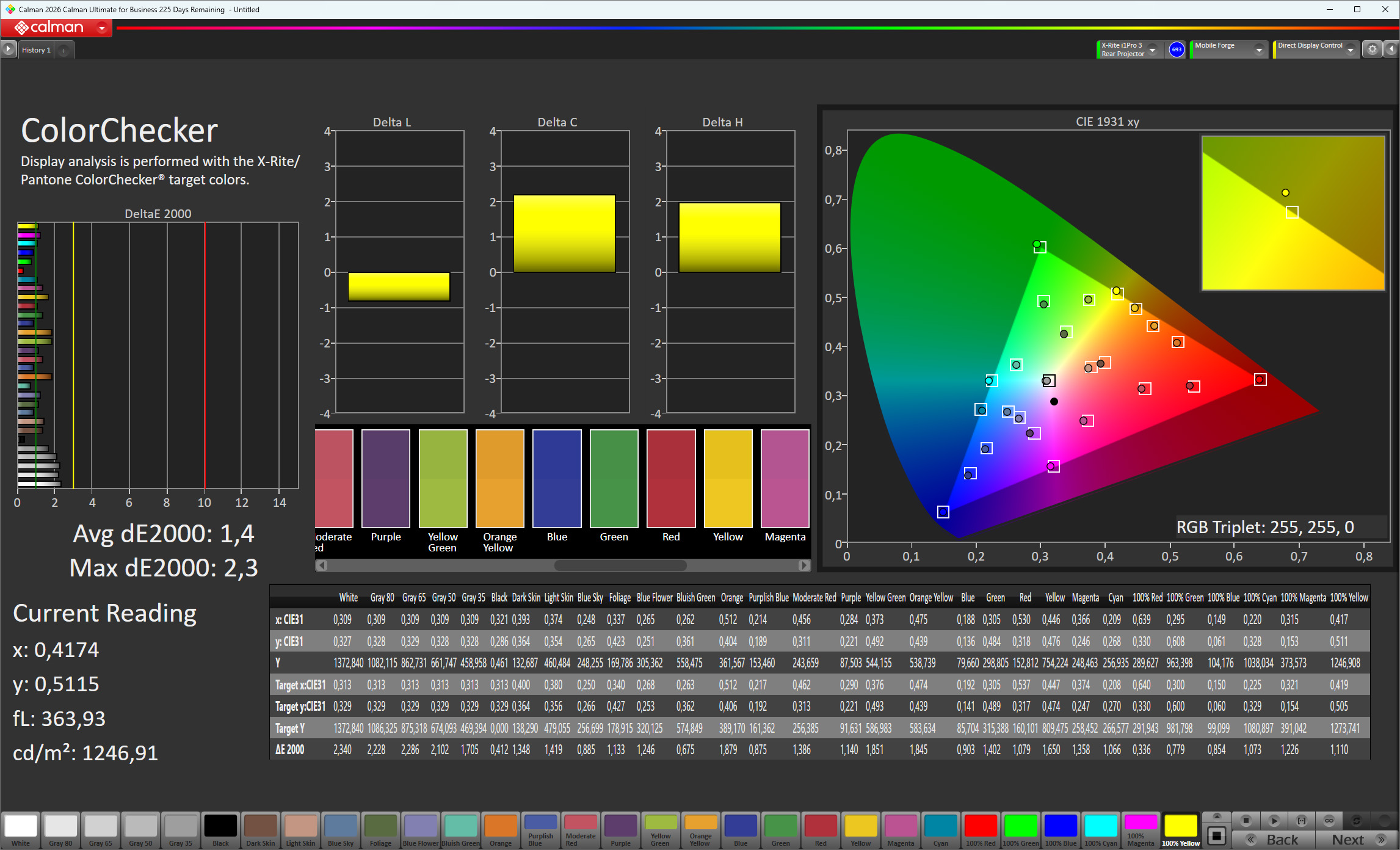
ΔE ColorChecker Calman: 1.4 | ∀{0.5-29.43 Ø4.69}
ΔE Greyscale Calman: 1.6 | ∀{0.09-98 Ø4.94}
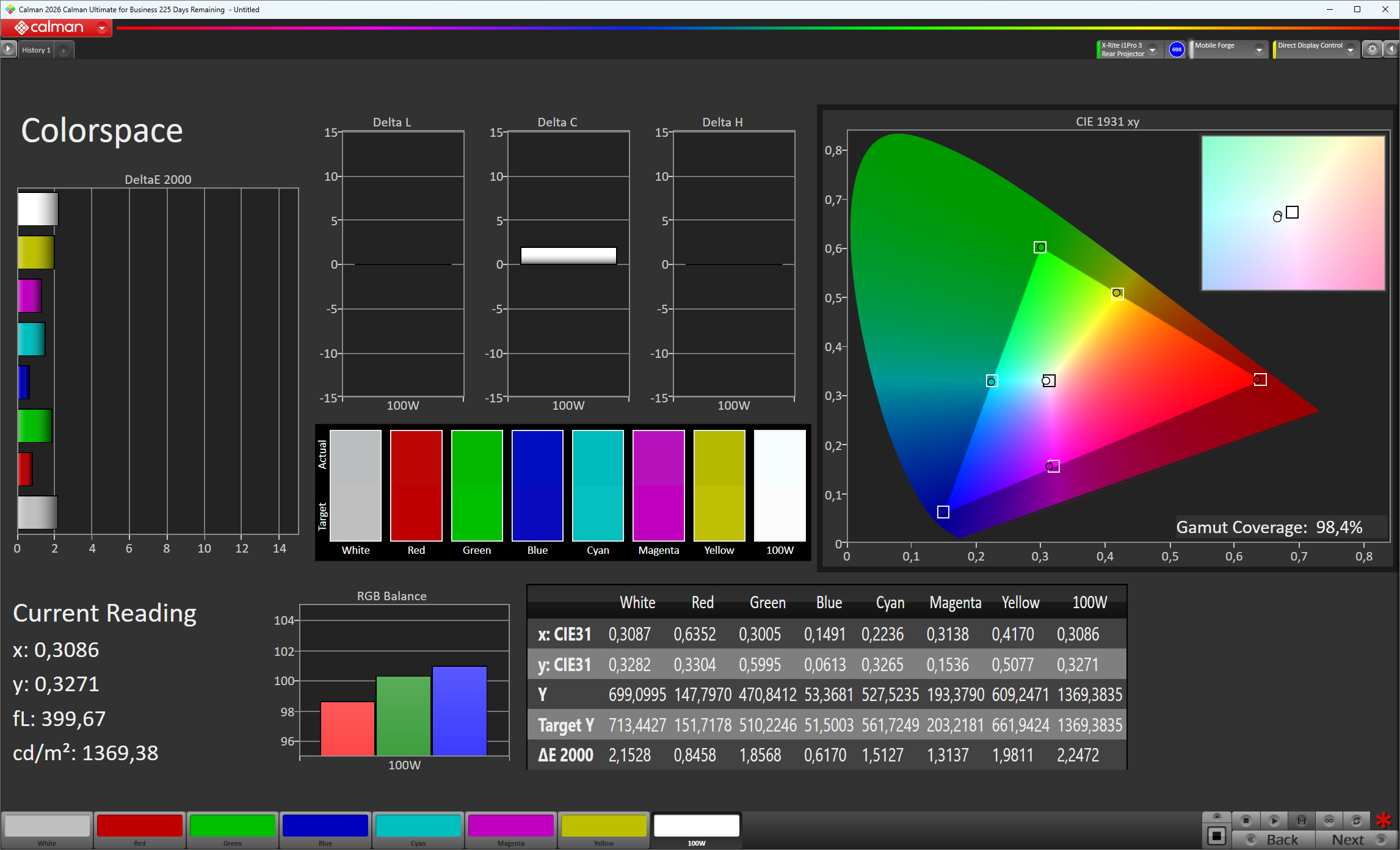
98.4% sRGB (Calman 2D)
Gamma: 2.23
CCT: 6715 K
| Google Pixel 10a pOLED, 2424x1080, 6.3" | Nothing Phone (4a) Pro AMOLED, 2800x1260, 6.8" | Xiaomi Poco X8 Pro Max AMOLED, 2772x1280, 6.8" | Motorola Edge 70 P-OLED, 2712x1220, 6.7" | |
|---|---|---|---|---|
| Display | -48% | 19% | ||
| APL18 Peak Brightness (cd/m²) | 3050 | 1596 -48% | 3582 17% | |
| HDR Peak Brightness (cd/m²) | 2925 | 1564 -47% | 3538 21% | |
| Response Times | 28% | 21% | -137% | |
| Response Time Grey 50% / Grey 80% * (ms) | 1.42 ? | 0.64 ? 55% | 0.8 ? 44% | 3.2 ? -125% |
| Response Time Black / White * (ms) | 1.07 ? | 0.84 ? 21% | 0.952 ? 11% | 4.1 ? -283% |
| PWM Frequency (Hz) | 240 | 90 | 120 | 180 |
| PWM Amplitude * (%) | 14.71 | 13.58 8% | 13.45 9% | 15 -2% |
| Screen | -58% | -11% | -17% | |
| Brightness middle (cd/m²) | 2205 | 1604 -27% | 1107 -50% | 1374 -38% |
| Black Level * (cd/m²) | ||||
| Colorchecker dE 2000 * | 1.4 | 1.9 -36% | 1 29% | 1.45 -4% |
| Colorchecker dE 2000 max. * | 2.3 | 4.3 -87% | 2.7 -17% | 2.62 -14% |
| Greyscale dE 2000 * | 1.6 | 2.9 -81% | 1.7 -6% | 1.8 -13% |
| Gamma | 2.23 99% | 2.27 97% | 2.25 98% | 2.131 103% |
| CCT | 6715 97% | 7083 92% | 6498 100% | 6391 102% |
| Brightness (cd/m²) | 1585 | 1110 | 1333 | |
| Brightness Distribution (%) | 95 | 97 | 95 | |
| Total Average (Program / Settings) | -26% /
-27% | 10% /
6% | -77% /
-68% |
* ... smaller is better
| Display / APL18 Peak Brightness | |
| Xiaomi Poco X8 Pro Max | |
| Google Pixel 10a | |
| Nothing Phone (4a) Pro | |
| Display / HDR Peak Brightness | |
| Xiaomi Poco X8 Pro Max | |
| Google Pixel 10a | |
| Nothing Phone (4a) Pro | |
Screen Flickering / PWM (Pulse-Width Modulation)
| Screen flickering / PWM detected | 240 Hz Amplitude: 14.71 % | 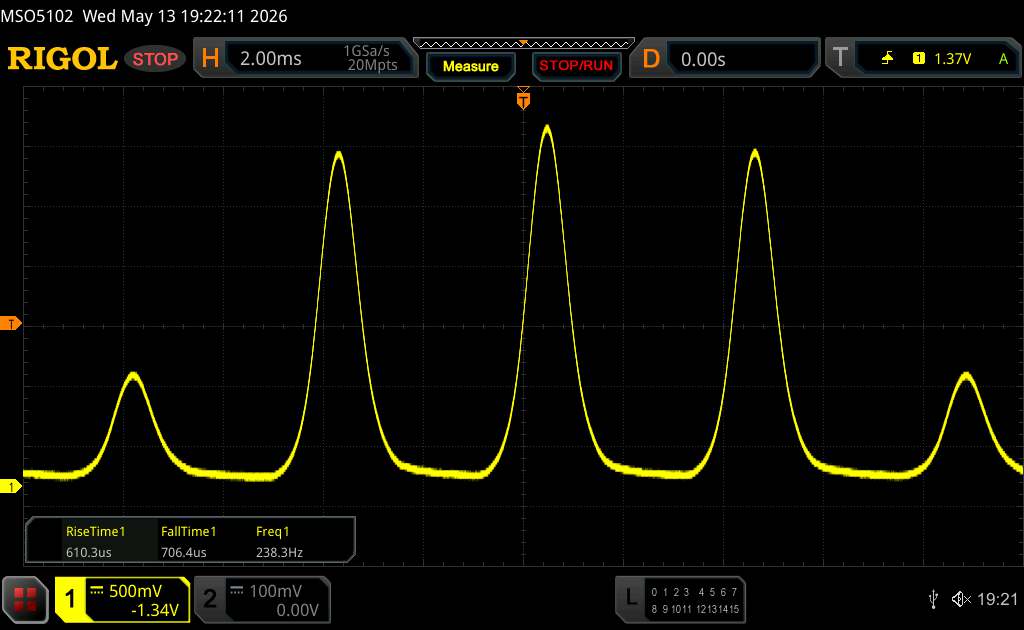 | |
The display backlight flickers at 240 Hz (worst case, e.g., utilizing PWM) . The frequency of 240 Hz is relatively low, so sensitive users will likely notice flickering and experience eyestrain at the stated brightness setting and below. In comparison: 52 % of all tested devices do not use PWM to dim the display. If PWM was detected, an average of 7625 (minimum: 5 - maximum: 343500) Hz was measured. | |||
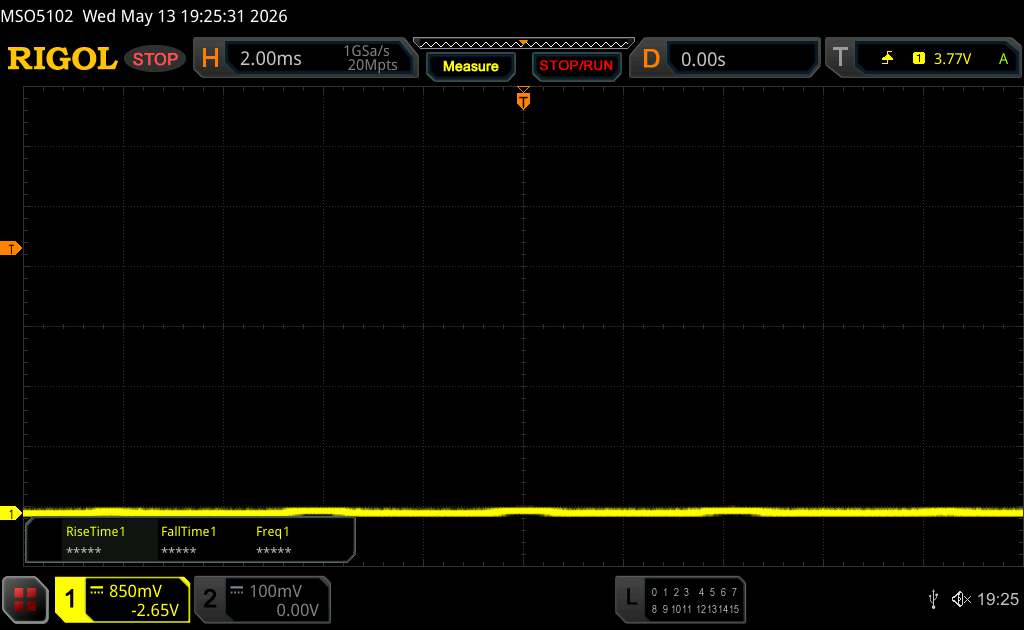
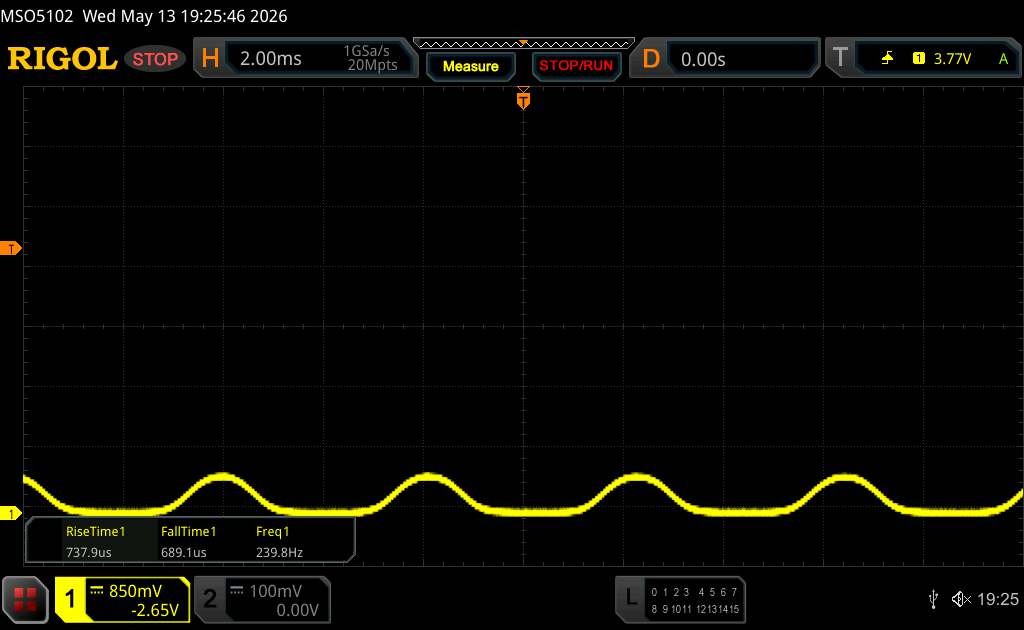
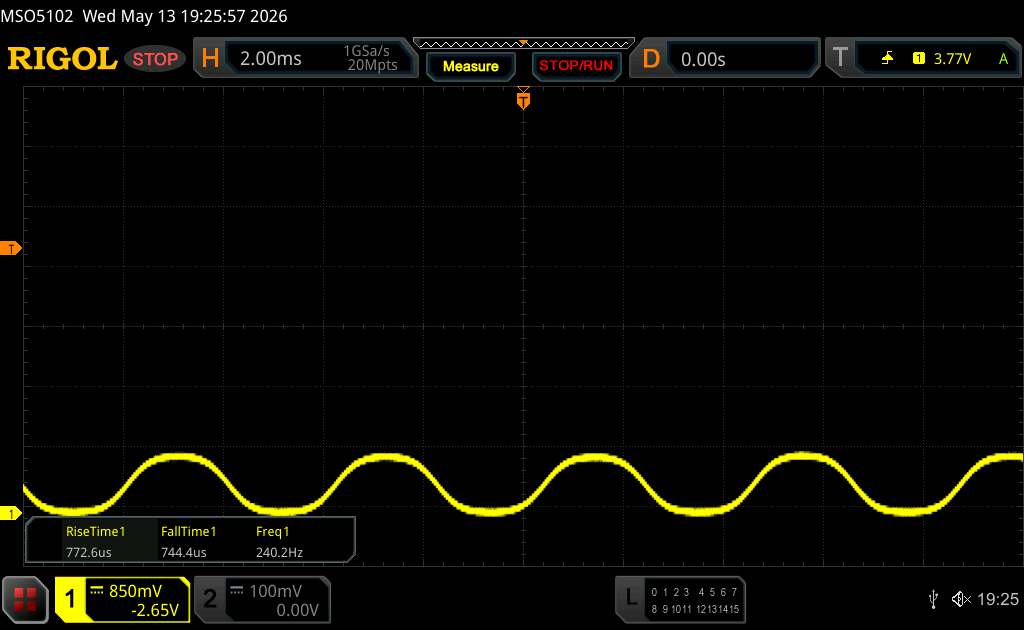
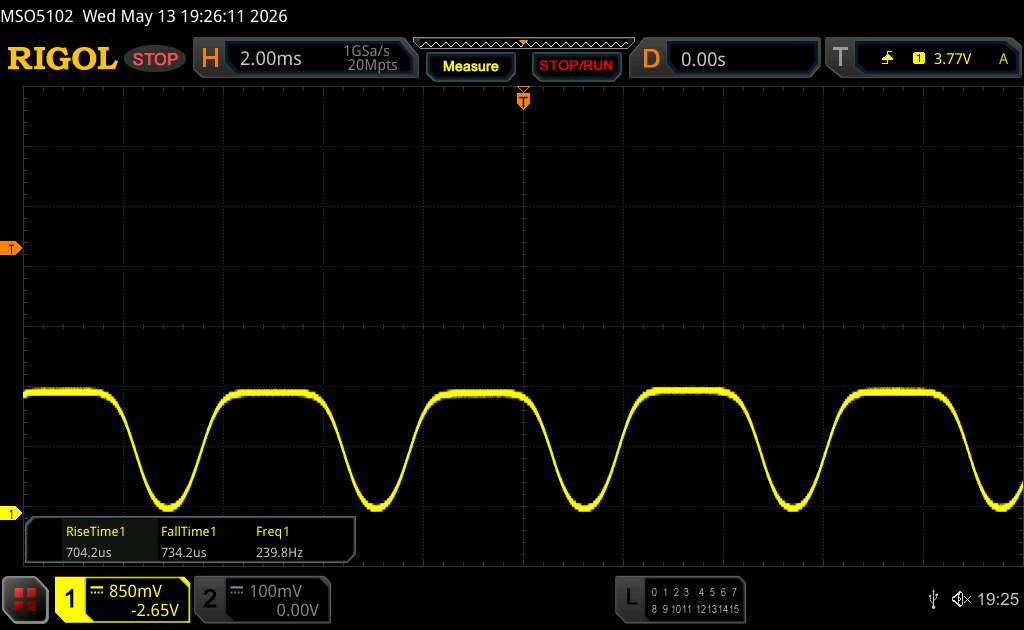
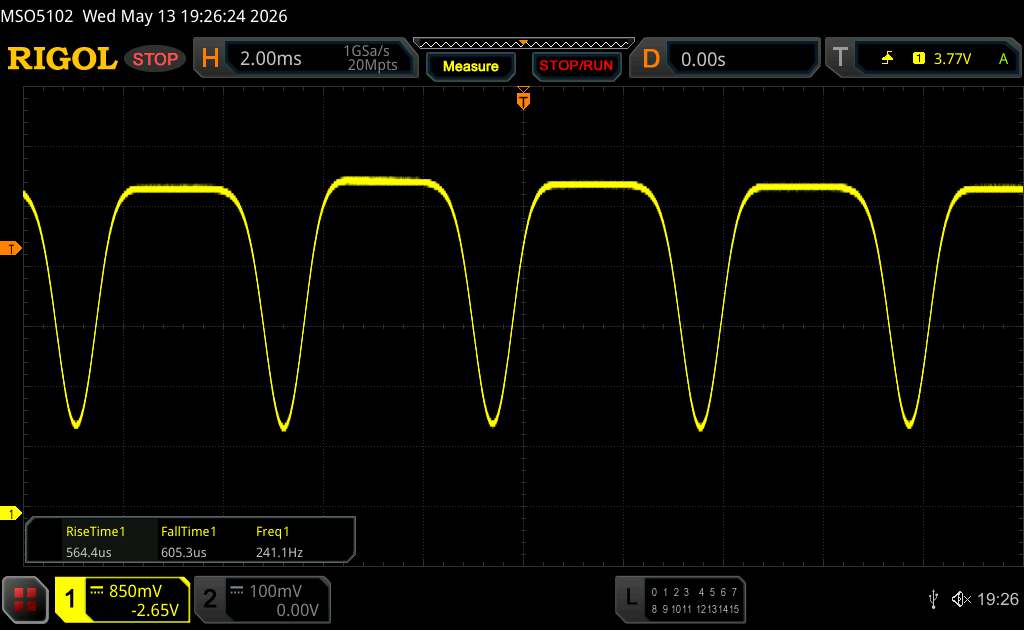
Measurement series with fixed zoom level and different brightness settings (The amplitude curve at minimum brightness looks flat, but this is due to the scaling. The info box shows the enlarged version of the amplitude at minimum brightness)
Display Response Times
| ↔ Response Time Black to White | ||
|---|---|---|
| 1.07 ms ... rise ↗ and fall ↘ combined | ↗ 0.556 ms rise | 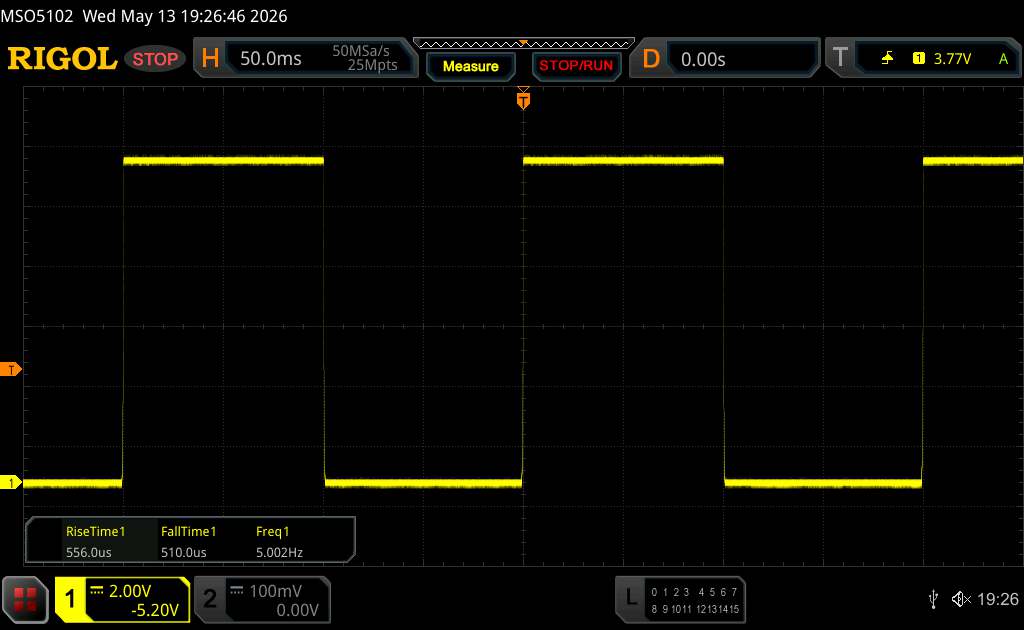 |
| ↘ 0.51 ms fall | ||
| The screen shows very fast response rates in our tests and should be very well suited for fast-paced gaming. In comparison, all tested devices range from 0.1 (minimum) to 240 (maximum) ms. » 5 % of all devices are better. This means that the measured response time is better than the average of all tested devices (19.7 ms). | ||
| ↔ Response Time 50% Grey to 80% Grey | ||
| 1.42 ms ... rise ↗ and fall ↘ combined | ↗ 0.562 ms rise | 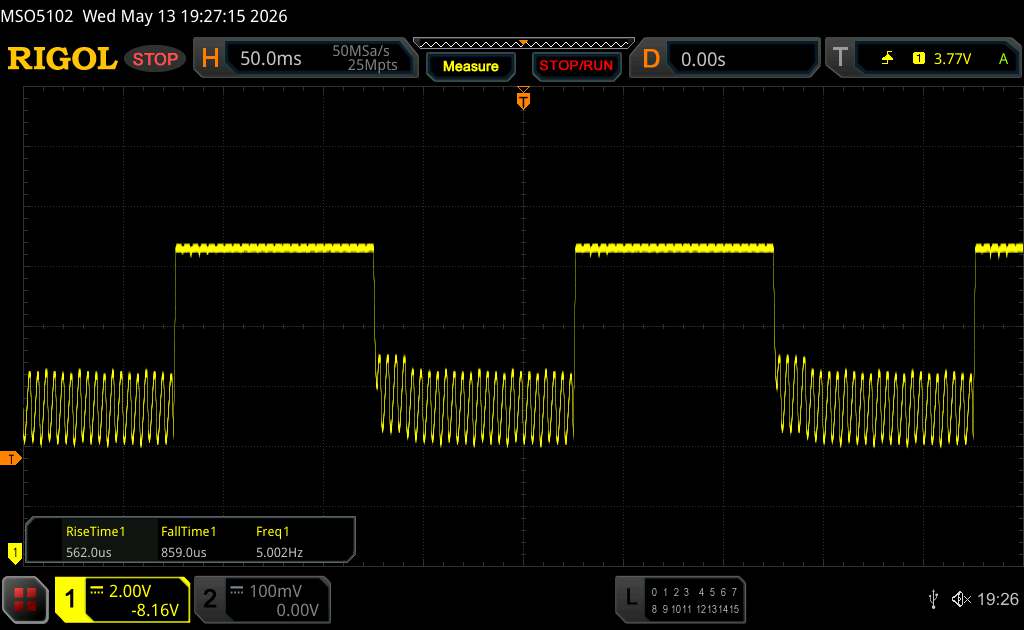 |
| ↘ 0.859 ms fall | ||
| The screen shows very fast response rates in our tests and should be very well suited for fast-paced gaming. In comparison, all tested devices range from 0.13 (minimum) to 636 (maximum) ms. » 7 % of all devices are better. This means that the measured response time is better than the average of all tested devices (30.7 ms). | ||
Performance, emissions and battery life
| Google Pixel 10a | Nothing Phone (4a) Pro | Xiaomi Poco X8 Pro Max | Motorola Edge 70 | Average 128 GB UFS 3.1 Flash | Average of class Smartphone | |
|---|---|---|---|---|---|---|
| AndroBench 3-5 | 45% | 24% | 37% | -18% | 39% | |
| Sequential Read 256KB (MB/s) | 1689.27 | 1977.37 17% | 2067.34 22% | 2021.5 20% | 1588 ? -6% | 2287 ? 35% |
| Sequential Write 256KB (MB/s) | 826.38 | 1738.18 110% | 1942.35 135% | 2028.2 145% | 820 ? -1% | 1973 ? 139% |
| Random Read 4KB (MB/s) | 326.53 | 409.28 25% | 366.17 12% | 299 -8% | 247 ? -24% | 317 ? -3% |
| Random Write 4KB (MB/s) | 430.37 | 547.62 27% | 108.21 -75% | 387.3 -10% | 251 ? -42% | 362 ? -16% |
(±) The maximum temperature on the upper side is 42.8 °C / 109 F, compared to the average of 35.3 °C / 96 F, ranging from 21.9 to 247 °C for the class Smartphone.
(±) The bottom heats up to a maximum of 41.8 °C / 107 F, compared to the average of 34.1 °C / 93 F
3DMark stress tests
| 3DMark | |
| Wild Life Stress Test Stability | |
| Nothing Phone (4a) Pro | |
| Motorola Edge 70 | |
| Google Pixel 10a | |
| Xiaomi Poco X8 Pro Max | |
| Wild Life Extreme Stress Test | |
| Nothing Phone (4a) Pro | |
| Motorola Edge 70 | |
| Google Pixel 10a | |
| Xiaomi Poco X8 Pro Max | |
| Steel Nomad Light Stress Test Stability | |
| Nothing Phone (4a) Pro | |
| Motorola Edge 70 | |
| Google Pixel 10a | |
| Xiaomi Poco X8 Pro Max | |
Google Pixel 10a audio analysis
(+) | speakers can play relatively loud (84.9 dB)
Bass 100 - 315 Hz
(-) | nearly no bass - on average 16.6% lower than median
(±) | linearity of bass is average (9.5% delta to prev. frequency)
Mids 400 - 2000 Hz
(+) | balanced mids - only 4.4% away from median
(+) | mids are linear (5.1% delta to prev. frequency)
Highs 2 - 16 kHz
(+) | balanced highs - only 4.1% away from median
(+) | highs are linear (4.8% delta to prev. frequency)
Overall 100 - 16.000 Hz
(+) | overall sound is linear (14.6% difference to median)
Compared to same class
» 2% of all tested devices in this class were better, 2% similar, 96% worse
» The best had a delta of 11%, average was 34%, worst was 136%
Compared to all devices tested
» 19% of all tested devices were better, 4% similar, 77% worse
» The best had a delta of 4%, average was 23%, worst was 136%
Xiaomi Poco X8 Pro Max audio analysis
(+) | speakers can play relatively loud (91.6 dB)
Bass 100 - 315 Hz
(-) | nearly no bass - on average 23.6% lower than median
(+) | bass is linear (6.2% delta to prev. frequency)
Mids 400 - 2000 Hz
(±) | reduced mids - on average 6.8% lower than median
(+) | mids are linear (6.1% delta to prev. frequency)
Highs 2 - 16 kHz
(±) | higher highs - on average 6% higher than median
(+) | highs are linear (5.7% delta to prev. frequency)
Overall 100 - 16.000 Hz
(±) | linearity of overall sound is average (18.4% difference to median)
Compared to same class
» 20% of all tested devices in this class were better, 9% similar, 71% worse
» The best had a delta of 11%, average was 34%, worst was 136%
Compared to all devices tested
» 41% of all tested devices were better, 8% similar, 51% worse
» The best had a delta of 4%, average was 23%, worst was 136%
| Battery runtime - WiFi v1.3 | |
| Google Pixel 10a | |
| Nothing Phone (4a) Pro | |
| Xiaomi Poco X8 Pro Max | |
| Motorola Edge 70 | |
Notebookcheck overall rating
The Pixel 10a stands out for its solid features and long update guarantee, but suffers from a lack of new features and an MSRP that's too high.
| Off / Standby |   0.13 / 0.16 Watt 0.13 / 0.16 Watt |
| Idle |  0.7 / 0.94 / 1.03 Watt 0.7 / 0.94 / 1.03 Watt |
    
| |
Key:
min: ,
med: ,
max: Metrahit Energy | |
| Google Pixel 10a 5100 mAh | Nothing Phone (4a) Pro 5080 mAh | Xiaomi Poco X8 Pro Max 8500 mAh | Motorola Edge 70 4800 mAh | Average Google Tensor G4 | Average of class Smartphone | |
|---|---|---|---|---|---|---|
| Power Consumption | -70% | -47% | -63% | -59% | -50% | |
| Idle Minimum * (Watt) | 0.7 | 1.01 -44% | 1.19 -70% | 1.1 -57% | 0.737 ? -5% | 0.893 ? -28% |
| Idle Average * (Watt) | 0.94 | 1.78 -89% | 1.23 -31% | 1.4 -49% | 1.735 ? -85% | 1.489 ? -58% |
| Idle Maximum * (Watt) | 1.03 | 1.81 -76% | 1.43 -39% | 1.9 -84% | 1.933 ? -88% | 1.682 ? -63% |
| Load Average * (Watt) | 6.8 | 5.1 | 7.42 ? | 6.85 ? | ||
| Load Maximum * (Watt) | 11.45 | 9.2 | 18.5 ? | 10.7 ? |
* ... smaller is better
Google Pixel 10a
- 06/25/2026 v8
Daniel Schmidt
 Total Sustainability Score:
 Possible alternatives at a glance
Image | Model / Review | Price | Weight | Drive | Display |
|---|---|---|---|---|---|
1. 85.3%  | Google Pixel 10a Google Tensor G4 ⎘ ARM Mali-G715 MP7 ⎘ 8 GB Memory, 128 GB UFS 3.1 | List Price: 549€ | 183 g | 128 GB UFS 3.1 Flash | 6.30" 2424x1080 421 PPI pOLED |
2. 82.5%  | Nothing Phone (4a) Pro Qualcomm Snapdragon 7 Gen 4 SM7750-AB ⎘ Qualcomm Adreno 722 ⎘ 12 GB Memory, 256 GB UFS 3.1 | List Price: 549€ | 210 g | 256 GB UFS 3.1 Flash | 6.83" 2800x1260 450 PPI AMOLED |
3. 85.6%  | Xiaomi Poco X8 Pro Max Mediatek Dimensity 9500s ⎘ ARM Immortalis-G925 MC11 ⎘ 12 GB Memory, 512 GB UFS 4.x | Amazon: List Price: 470€ | 218 g | 512 GB UFS 4.1 Flash | 6.83" 2772x1280 447 PPI AMOLED |
4. 81.3%  | Motorola Edge 70 Qualcomm Snapdragon 7 Gen 4 SM7750-AB ⎘ Qualcomm Adreno 722 ⎘ 12 GB Memory, 512 GB UFS 3.1 | List Price: 799€ | 159 g | 512 GB UFS 3.1 Flash | 6.67" 2712x1220 446 PPI P-OLED |
Transparency
The selection of devices to be reviewed is made by our editorial team. The test sample was provided to the author as a loan by the manufacturer or retailer for the purpose of this review. The lender had no influence on this review, nor did the manufacturer receive a copy of this review before publication. There was no obligation to publish this review. As an independent media company, Notebookcheck is not subjected to the authority of manufacturers, retailers or publishers.
This is how Notebookcheck is testing
Every year, Notebookcheck independently reviews hundreds of laptops and smartphones using standardized procedures to ensure that all results are comparable. We have continuously developed our test methods for around 20 years and set industry standards in the process. In our test labs, high-quality measuring equipment is utilized by experienced technicians and editors. These tests involve a multi-stage validation process. Our complex rating system is based on hundreds of well-founded measurements and benchmarks, which maintains objectivity. Further information on our test methods can be found here.
 Add as a preferred source on Google


