




Verdict
The Xiaomi Poco F8 Pro is positioned as a powerful premium smartphone with a clear focus on performance, endurance, and display quality. The Snapdragon 8 Elite SoC, 12 GB RAM, and the bright 120 Hz AMOLED panel ensure very high everyday performance.
The 6,210 mAh battery in combination with 100 W fast charging offers above average run times with short charging times.
The IP68 certification, the long update supply with Android 16 and HyperOS 3.0 as well as the stereo sound optimized by Bose are some of the other highlights on the plus side.
Negatives that somewhat cloud the overall technical picture include lack of support for wireless charging, the slow USB 2.0 standard without display output, and advertisements in the software.
All in all, the Poco F8 Pro offers a good, balanced range of features with few compromises.
Pros
Cons
Price and availability
The Poco F8 Pro is available directly from the Xiaomi store and also from larger retailers such as Amazon and MediaMarkt in Europe. The smartphone is yet to be listed on Amazon US.

- $599.99XIAOMI Poco F8 PRO 5G Ai (Compatible with Tmobile Mint Tello & Global) (512GB + 12GB) Ai 2K 6.59" Bose Sound 50MP Gamers Phone NFC Dual sim Unlocked Model 2510DPC44G (Titanium Silver)
- $639.99XIAOMI Poco F8 PRO 5G Ai (Compatible with Tmobile Mint Tello & Global) (256GB + 12GB) Ai 2K 6.59" Bose Sound 50MP Gamers Phone NFC Dual sim Unlocked Model 2510DPC44G Liberado (Black)
- $619.99XIAOMI Poco F8 PRO 5G Ai (Compatible with Tmobile Mint Tello & Global) (512GB + 12GB) Ai 2K 6.59" Bose Sound 50MP Gamers Phone NFC Dual sim Unlocked Model 2510DPC44G Liberado (Black.)
Table of Contents
- Verdict
- Specifications: Poco F8 Pro
- Build: Poco F8 Pro with IP68 and Gorilla Glass 7i
- Features: Only USB 2.0 and no wireless charging
- Software: HyperOS 3.0 with six years of updates
- Communication and GNSS: Precise positioning with the Poco F8 Pro
- Phone functions and Voice quality: Vo5G onboard
- Cameras: Now with optical zoom
- Accessories and Warranty: Only 12 months of support
- Input devices and operation: F8 Pro with ultrasonic fingerprint
- Display: Bright AMOLED with up to 120 Hz refresh rate
- Performance: Poco relies on the Snapdragon 8 Elite
- Emissions: Poco F8 Pro with moderate cooling
- Battery life: Poco F8 Pro with 6,210 mAh battery
- Notebookcheck's overall impressions of the Poco F8 Pro
- Potential competitors in comparison
The Poco F7 Pro was released not so long ago. Still, customers do not have to fear a shorter product cycle but rather note a change of strategy on Poco's.
The Poco F8 Pro shows some changes compared to its predecessor, but unfortunately not all of them are positive. The smartphone has also become slightly more expensive this year.
The base version with 256 GB storage has an RRP of nearly €650, while the 512 GB variant costs €700 — in other words, €50 euros more than before.
Our review clarifies whether the surcharge for the Poco F8 Pro is worth it and whether you can still make do with the F7 Pro.
Specifications: Poco F8 Pro
Build: Poco F8 Pro with IP68 and Gorilla Glass 7i
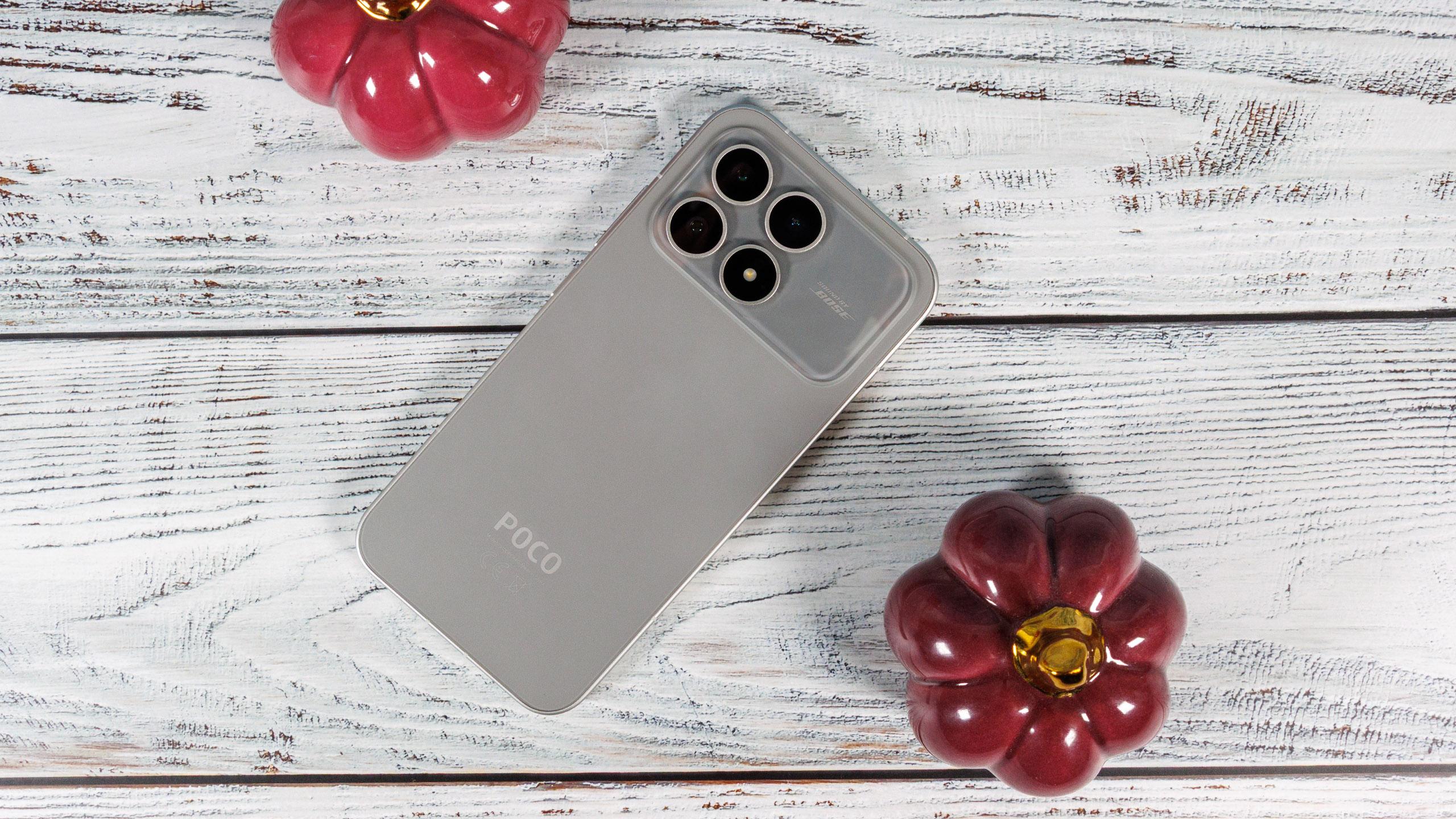
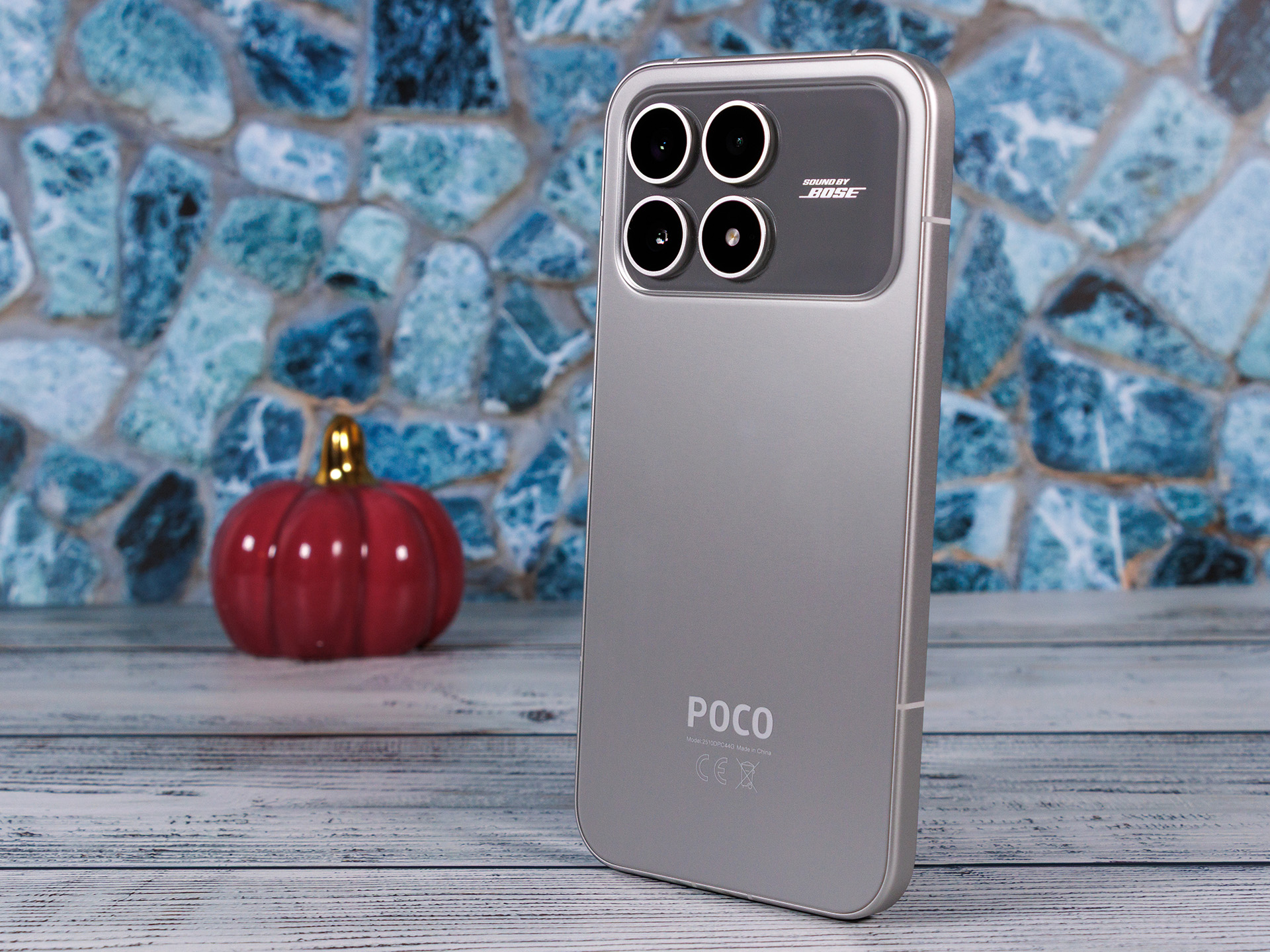
The Poco F8 Pro is available in Black, Blue and Titanium Silver color options. The height has been reduced to 8 mm despite the larger battery — we measured 8.25 mm, and up to 10.8 mm with the cameras.
The workmanship and material appearance are good. The matte aluminum frame is pleasing; the gaps are tight and even. The F8 Pro appears stable when torsion tests are carried out, but crackles audibly inside.
Xiaomi's new smartphone is dust and waterproof in accordance with IP68 certification. The cover of the card slot is slightly recessed in the frame, but this is not visually noticeable.


Features: Only USB 2.0 and no wireless charging
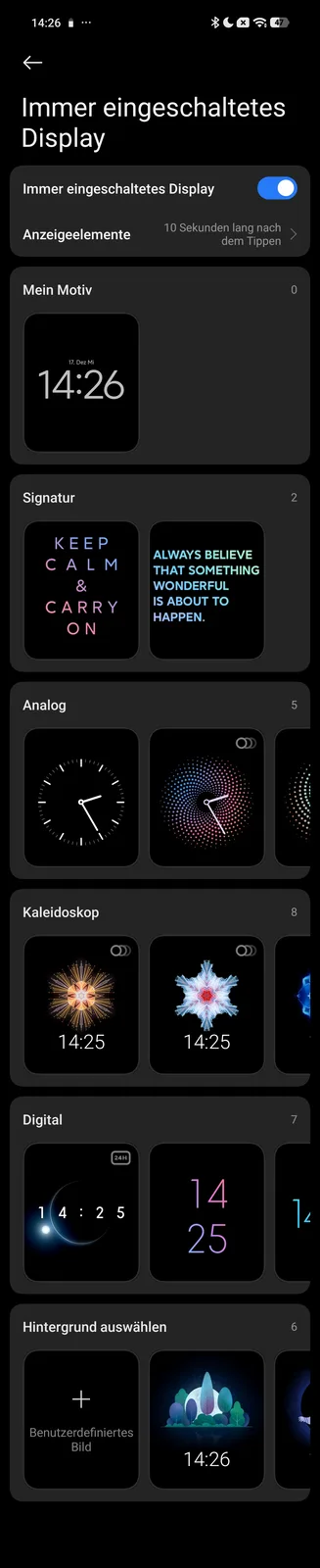
The Poco F8 Pro has an IR blaster for controlling home appliances and multimedia devices. Xiaomi offline communication, which we already know from the Xiaomi 15T series, is also on board. It also has a full-fledged always-on display.
As expected, there is neither an audio jack nor a microSD slot. Unfortunately, wireless charging is also not available.
Additionally, the USB 2.0 standard used is neither fast nor does it support wired display output.
Software: HyperOS 3.0 with six years of updates
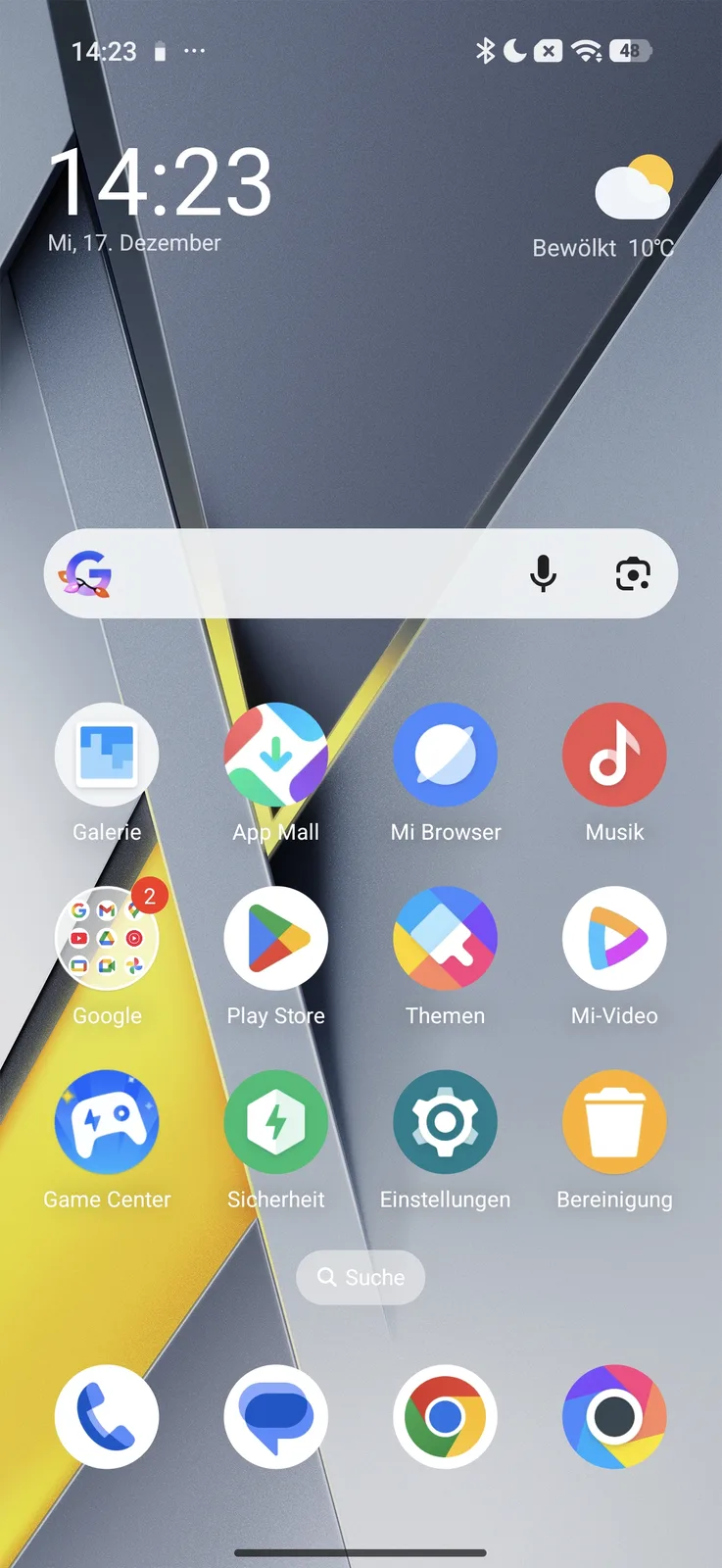
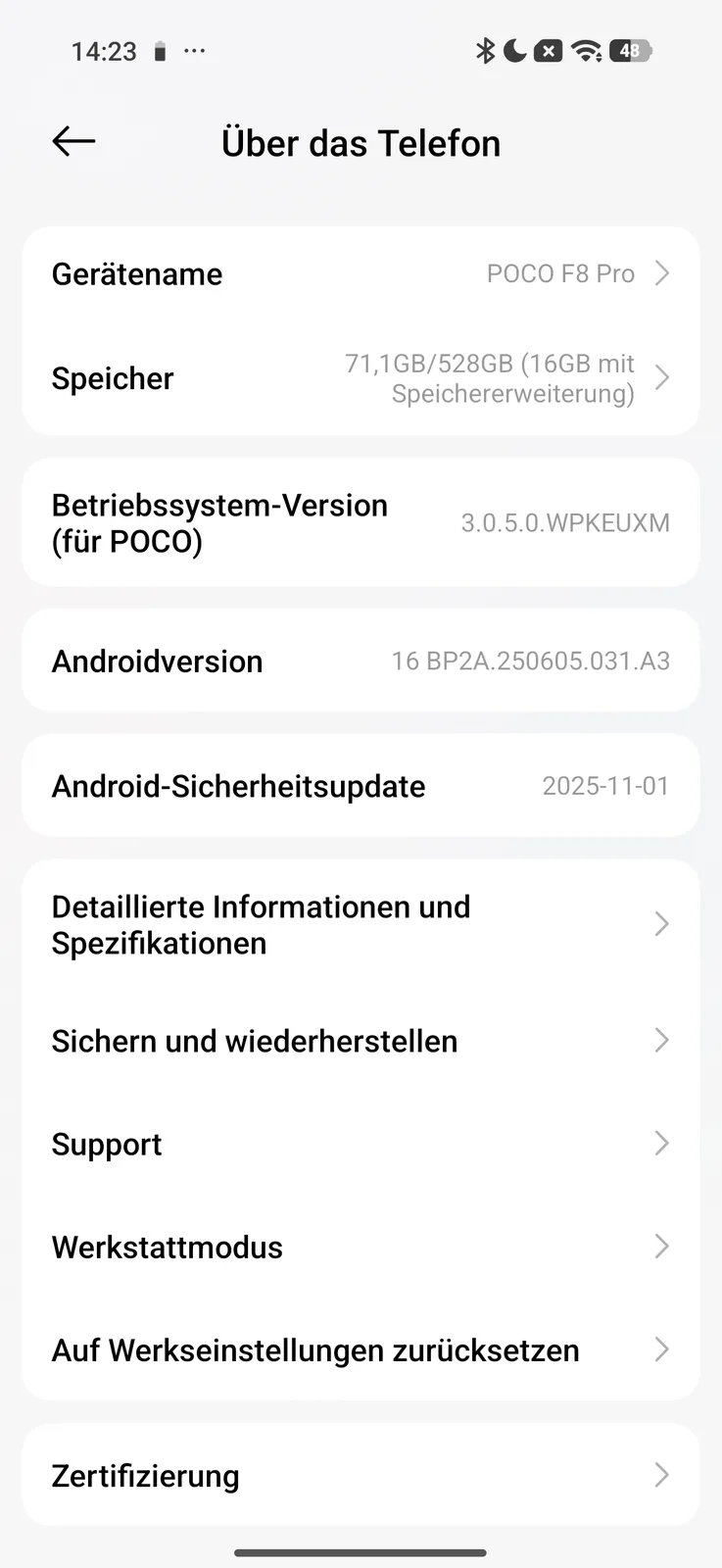
The Xiaomi Poco F8 Pro comes with Google Android 16 and HyperOS 3.0. The phone is slated to receive six years of security patches and four years of major version updates (from market launch).
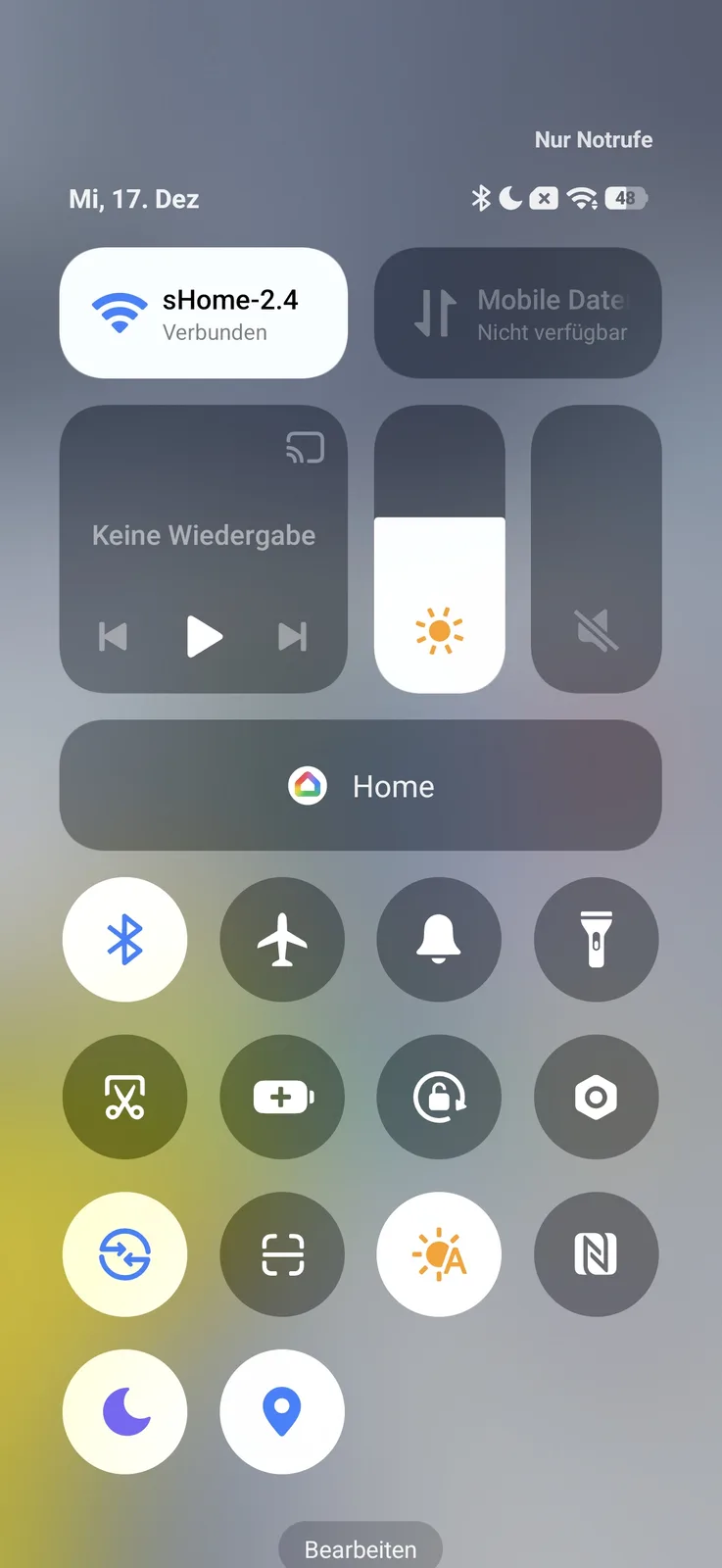
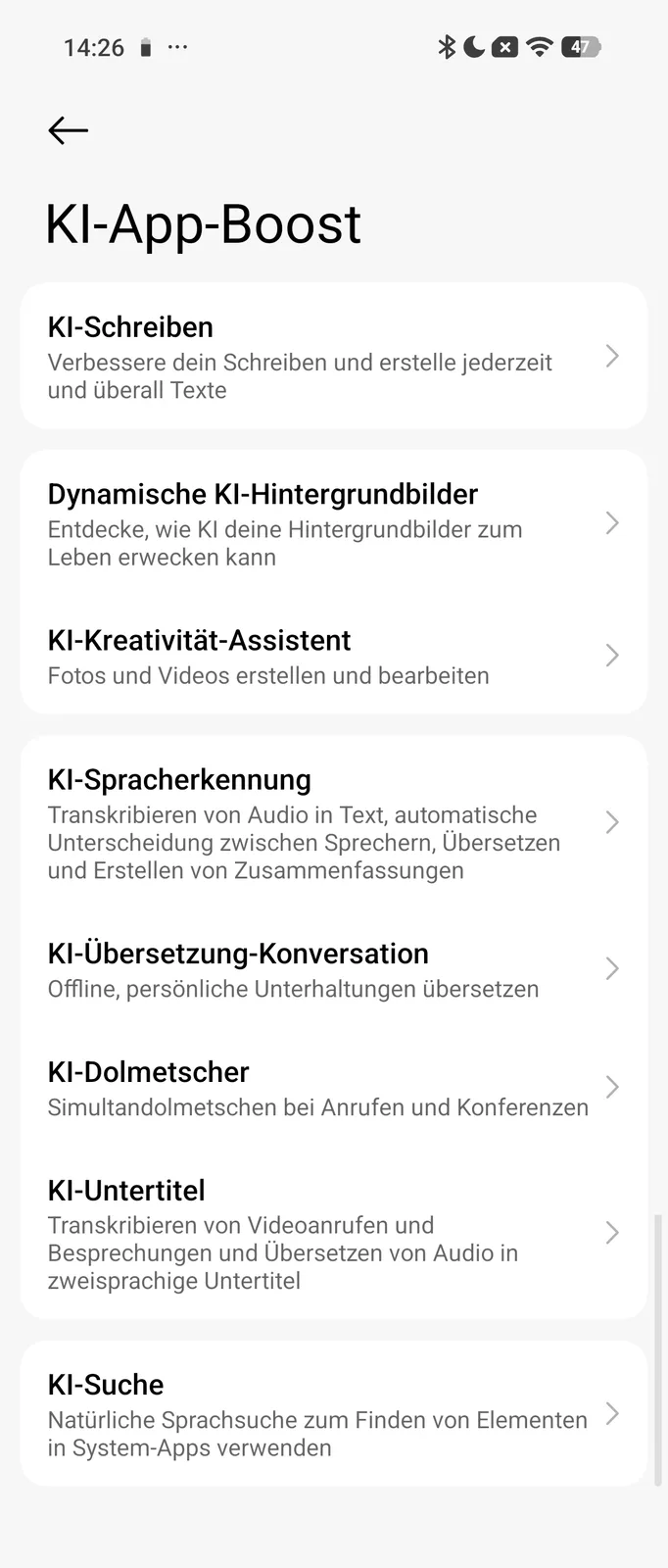
The Poco can make full use of Xiaomi's HyperAI. The pre-installed third-party apps are quite extensive but can be uninstalled.
What is annoying, however, is the default advertising in the notification bar, the lock screen, and the file manager.
Sustainability
There is only generic information about sustainability available on the Poco's website; there is no full report on the smartphone. The outer packaging is largely free of plastic but is completely shrink-wrapped.
There is no provision for repair by the user.
Communication and GNSS: Precise positioning with the Poco F8 Pro
The Poco F8 Pro supports all modern mobile phone standards with a wide range of frequencies. The reception characteristics were good in a metropolitan environment.
Wi-Fi 7 is available for the WLAN but without the fast 6 GHz band.
With our reference Asus ROG Rapture GT-AXE11000 router, the Xiaomi phone delivered fast and stable transmission rates in the 5 GHz band.
| Networking | |
| Xiaomi Poco F8 Pro | |
| iperf3 transmit AXE11000 | |
| iperf3 receive AXE11000 | |
| Samsung Galaxy S25 FE | |
| iperf3 transmit AXE11000 | |
| iperf3 receive AXE11000 | |
| iperf3 transmit AXE11000 6GHz | |
| iperf3 receive AXE11000 6GHz | |
| Xiaomi 15T | |
| iperf3 transmit AXE11000 | |
| iperf3 receive AXE11000 | |
| iperf3 transmit AXE11000 6GHz | |
| iperf3 receive AXE11000 6GHz | |
| Honor 400 Pro | |
| iperf3 transmit AXE11000 | |
| iperf3 receive AXE11000 | |
| iperf3 transmit AXE11000 6GHz | |
| iperf3 receive AXE11000 6GHz | |
| Average 802.11 a/b/g/n/ac/ax/be | |
| iperf3 transmit AXE11000 | |
| iperf3 receive AXE11000 | |
| iperf3 transmit AXE11000 6GHz | |
| iperf3 receive AXE11000 6GHz | |
| Average of class Smartphone | |
| iperf3 transmit AXE11000 | |
| iperf3 receive AXE11000 | |
| iperf3 transmit AXE11000 6GHz | |
| iperf3 receive AXE11000 6GHz | |
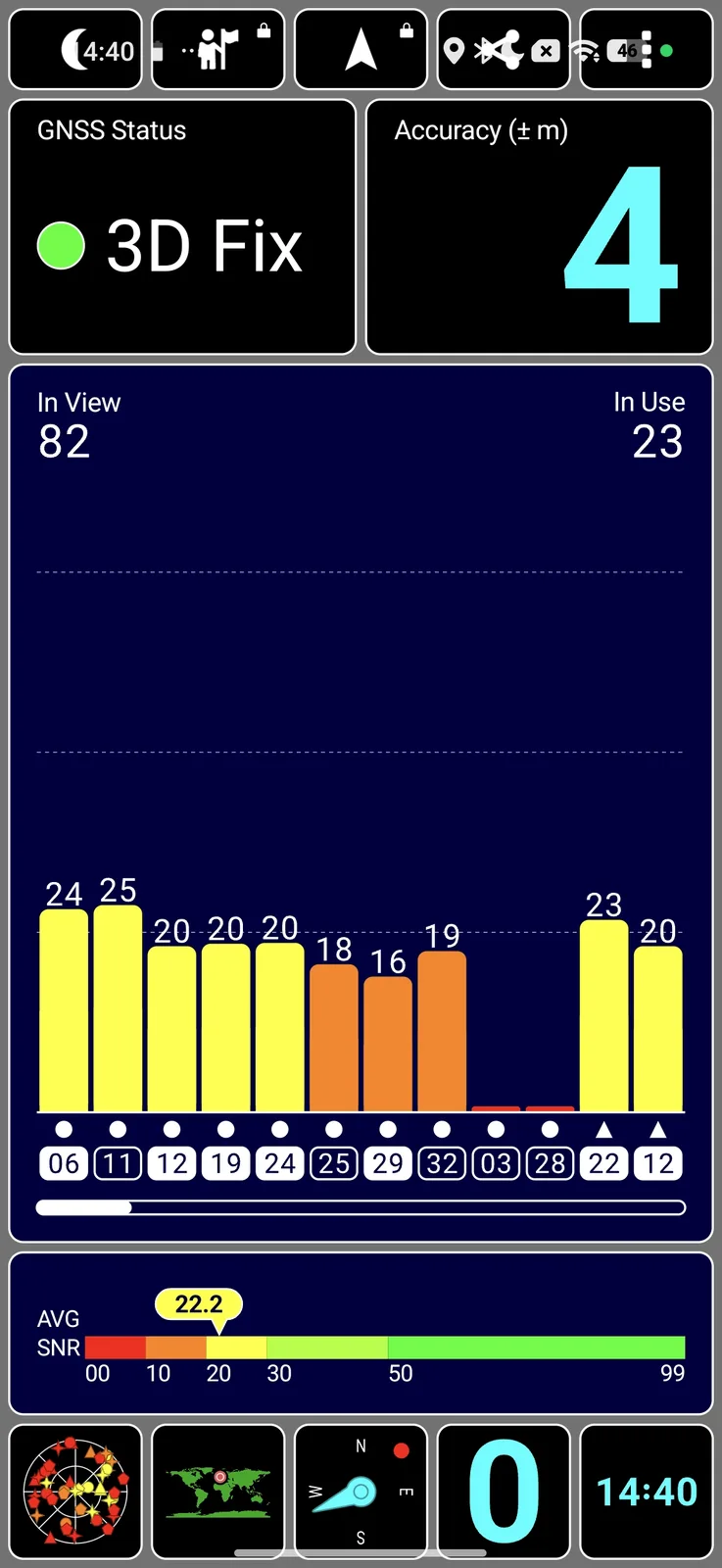
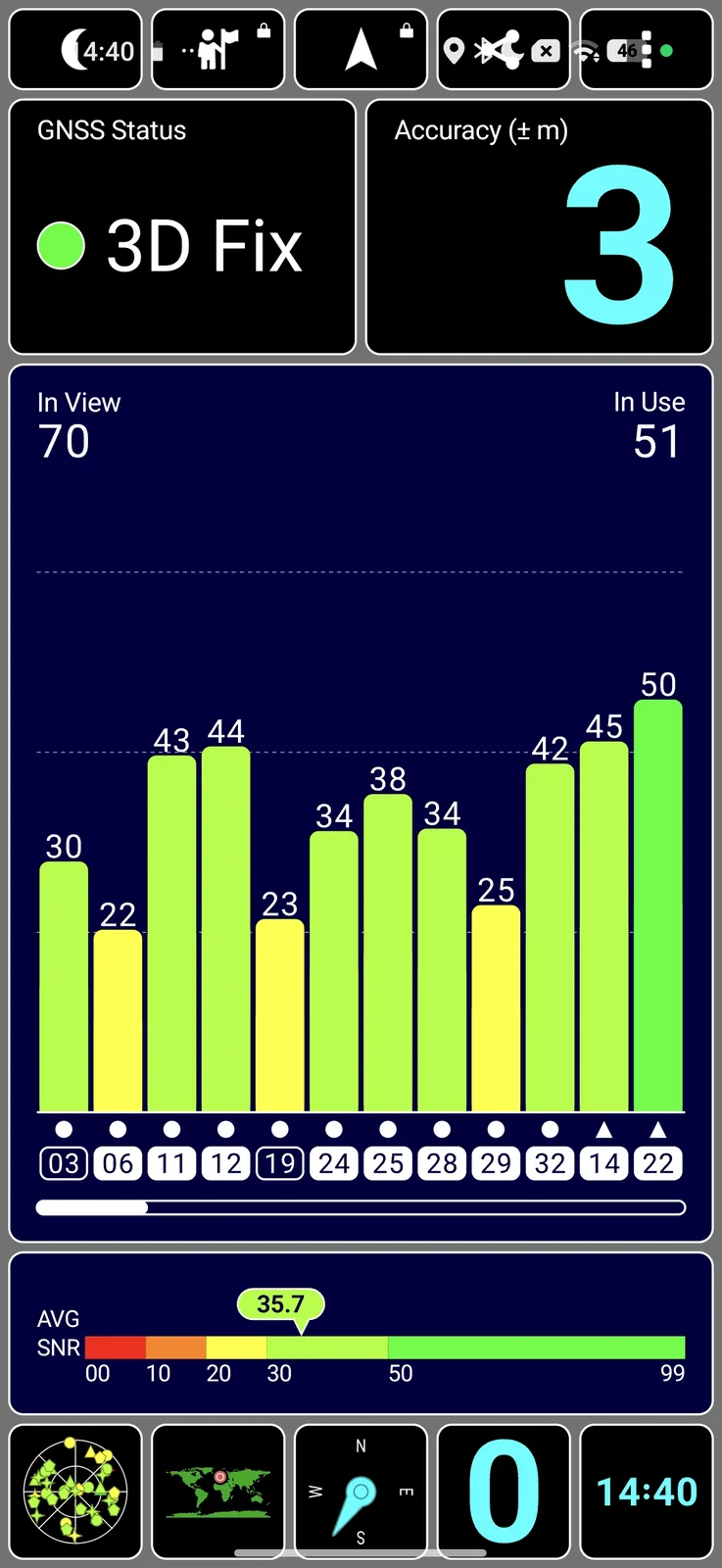
The Poco F8 Pro accurately determines the positioning both indoors and outdoors. It takes a few seconds longer to determine the location indoors, but this is still within acceptable limits.
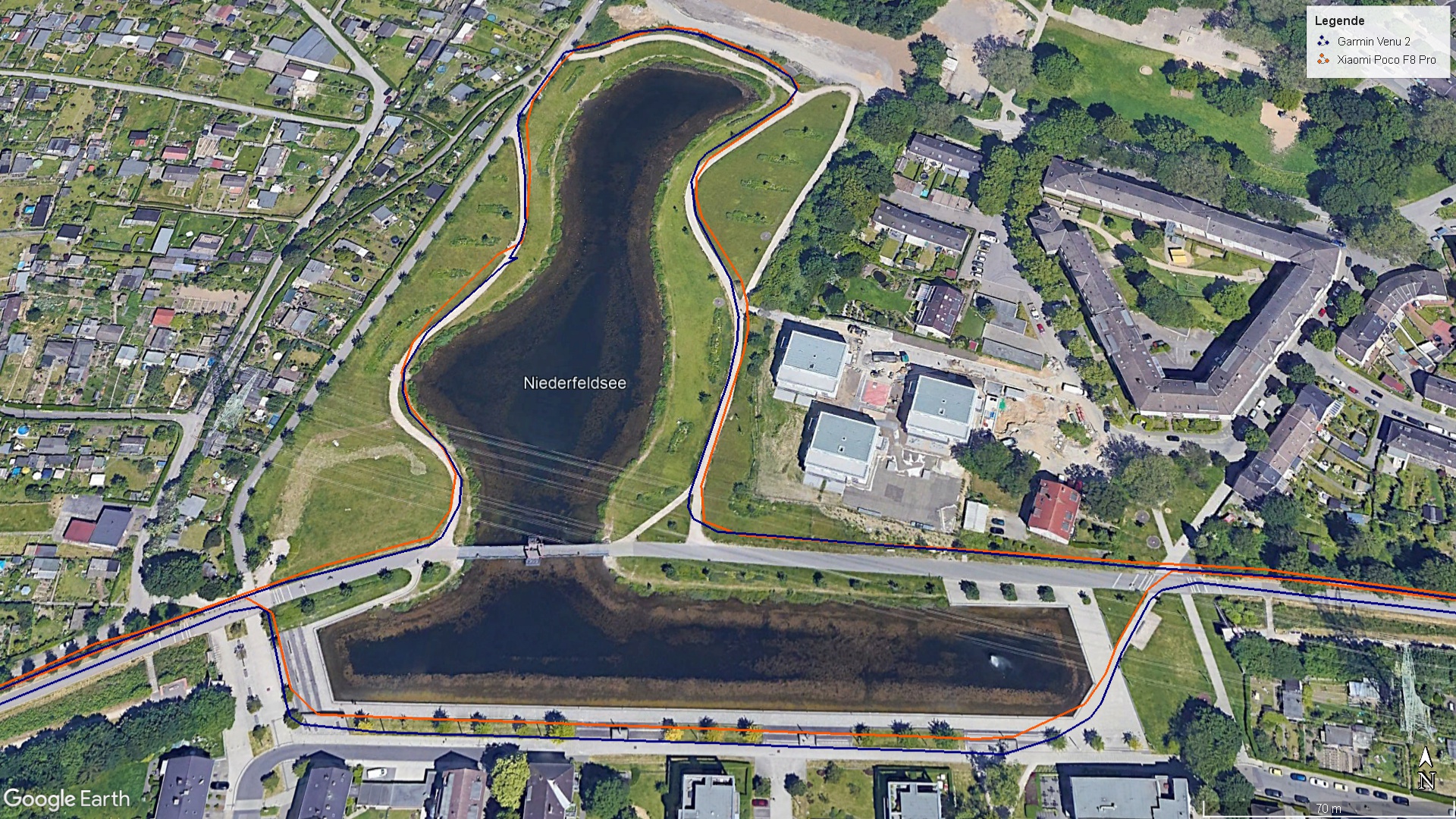
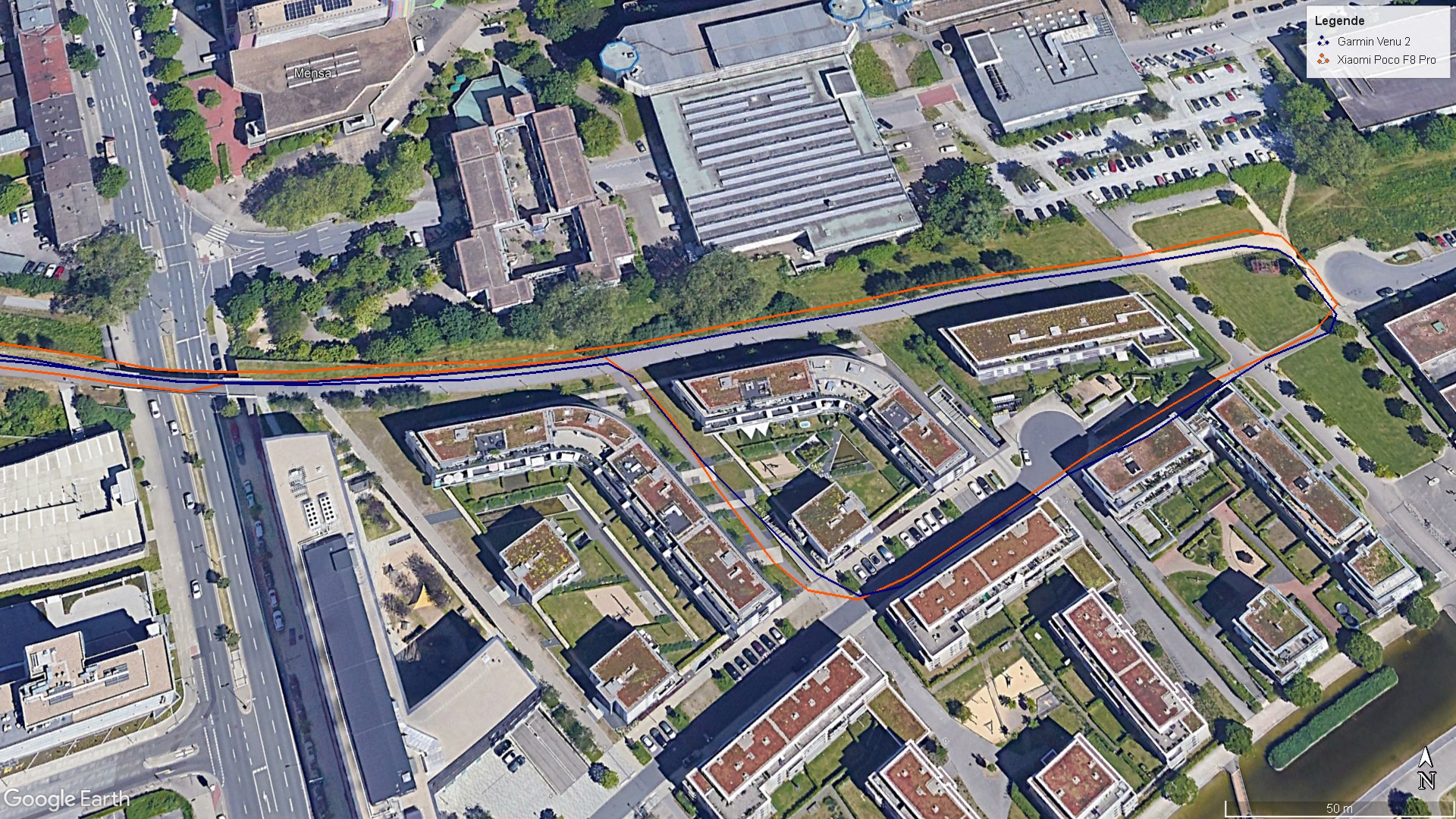
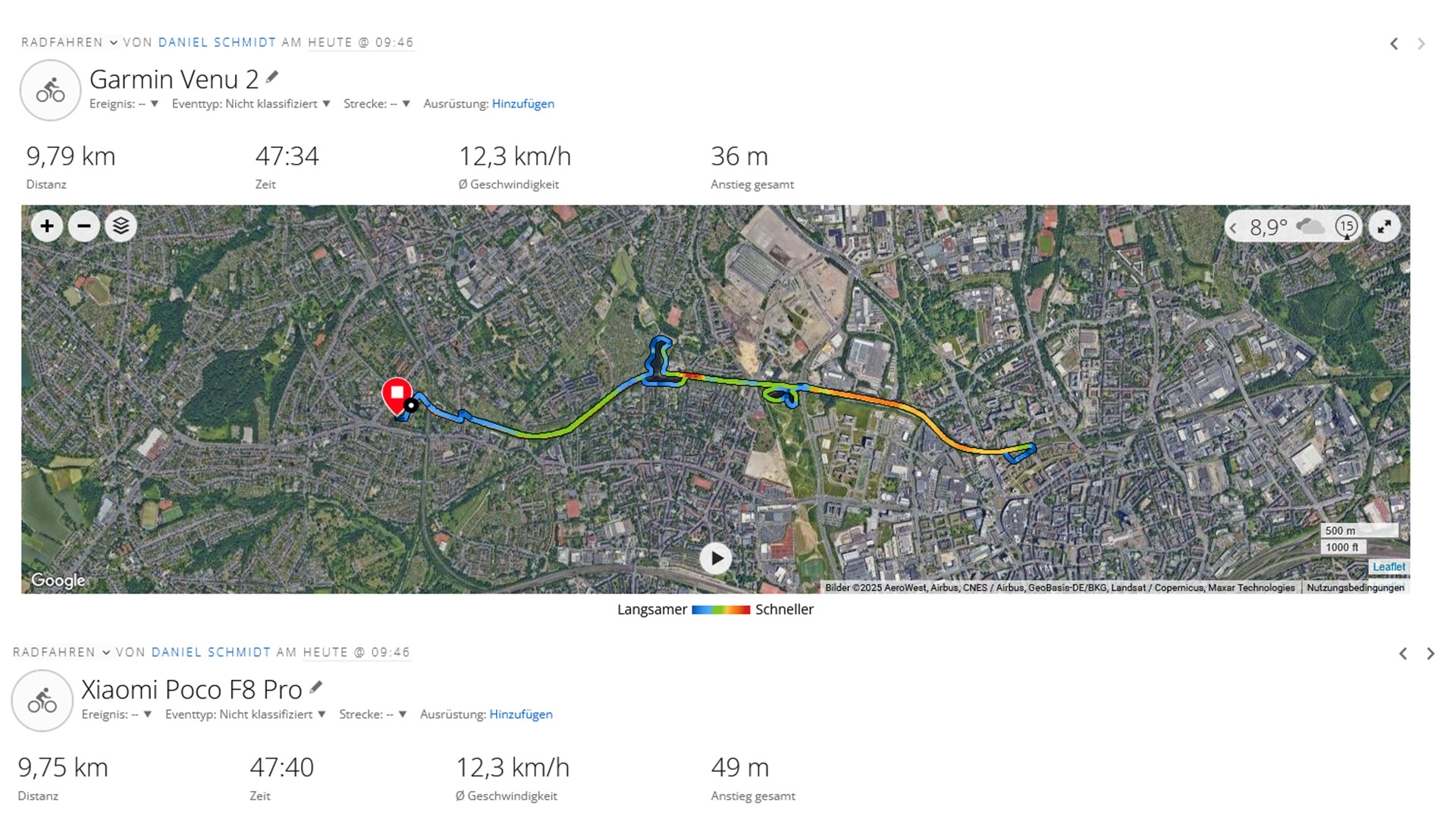
We compare the F8 Pro with the Garmin Venu 2 on a bike tour, wherein both the devices were close to each other in navigation, with the F8 Pro only going slightly off track in places.
All in all, a very good performance.
Phone functions and Voice quality: Vo5G onboard
When held to the ear, the call quality of the Poco F8 Pro is very good in quieter environments. However, the noise suppression is only mediocre and dropouts can occur, especially on busy roads. The loudspeaker delivers decent call quality with hardly any reverberation.
Dual SIM is supported with two nano-SIM cards or two eSIMs, and mixed use of both standards is also possible. VoLTE and Wi-Fi calls are onboard, Vo5G also worked in the test.
Cameras: Now with optical zoom

The front camera of the Poco F8 Pro does not use pixel binning despite its high resolution. It takes good pictures in daylight, but some of them look a little too sharpened. There is loss of detail in low light, but the pictures are still decent. Videos from the front camera are recorded at 4K 30 fps maximum.
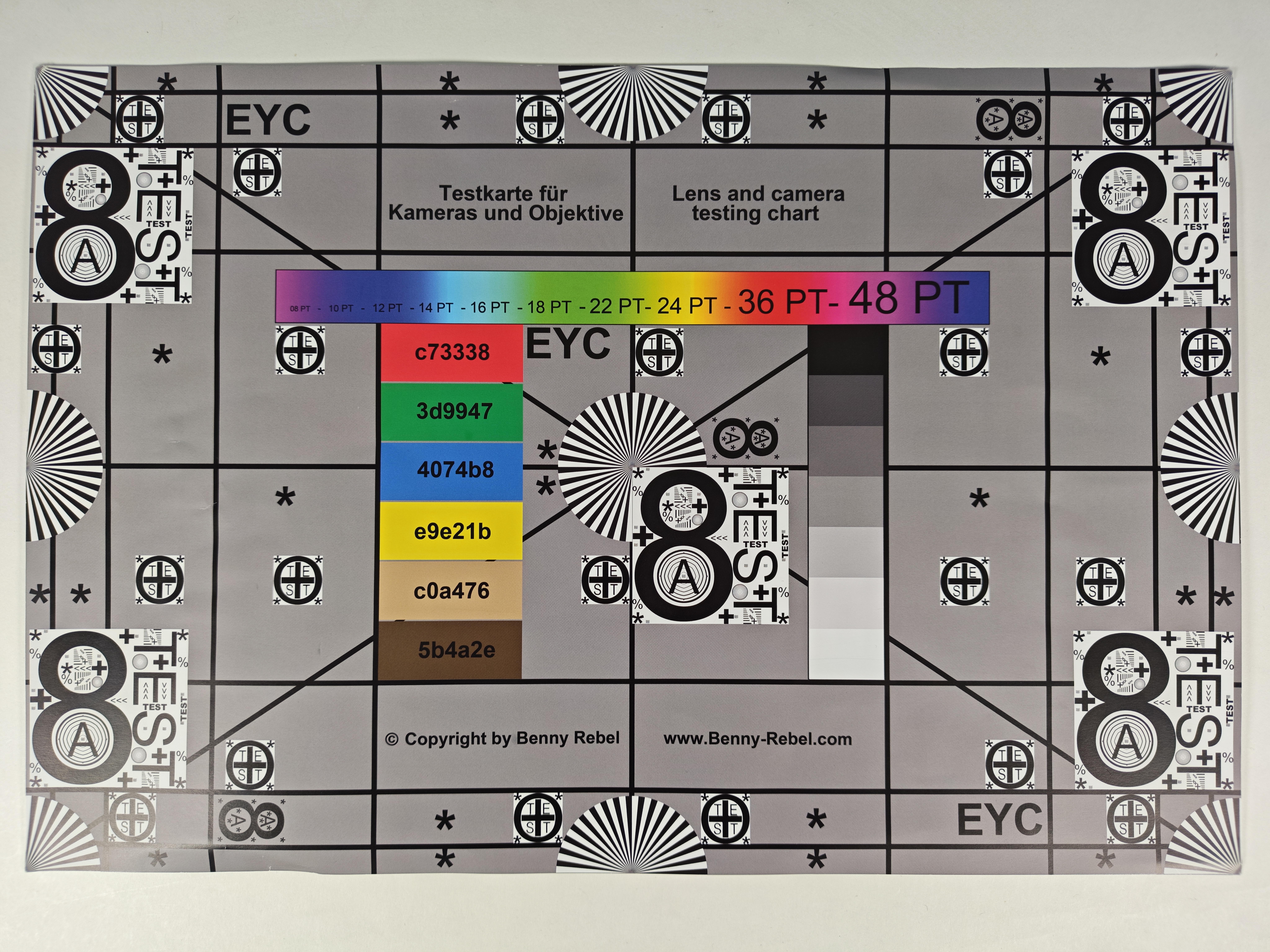
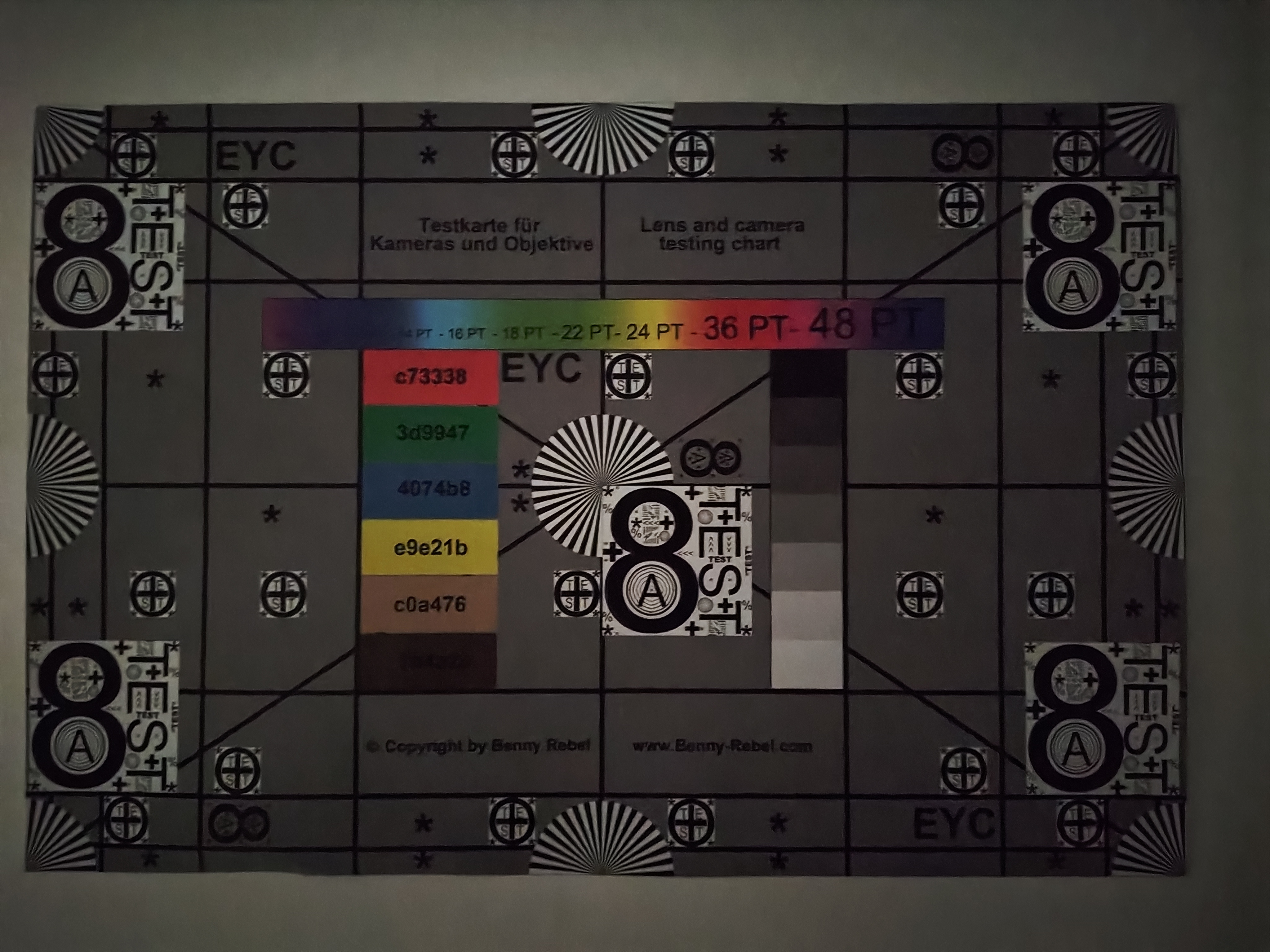
The main camera and the ultra-wide angle are generally identical to the F7 Pro, but the f/1.88 aperture of the F8 Pro is nominally less bright. The main lens produces balanced shots with an appealing image composition. In the dark, the subjects are less brightened, which preserves more details and makes the image look more realistic. The ultra-wide-angle lens is a nice addition but only offers mediocre quality.
A new feature is the 2.5x (60 mm equivalent) optical zoom, which unfortunately has no optical image stabilization. However, good results can still be achieved with a reasonably steady hand, and it also serves as a macro lens (minimum distance: 50 cm).
Videos can be recorded with the main camera at 8K 30 fps maximum, but 4K and 1080p are possible in 60 fps even with the zoom. However, stabilization is only good with the main camera.





Zoom levels
Image comparison
Choose a scene and navigate within the first image. One click changes the position on touchscreens. One click on the zoomed-in image opens the original in a new window. The first image shows the scaled photograph of the test device.
Main cameraMain cameraUltra-wide angle5x zoomLow light
























Accessories and Warranty: Only 12 months of support
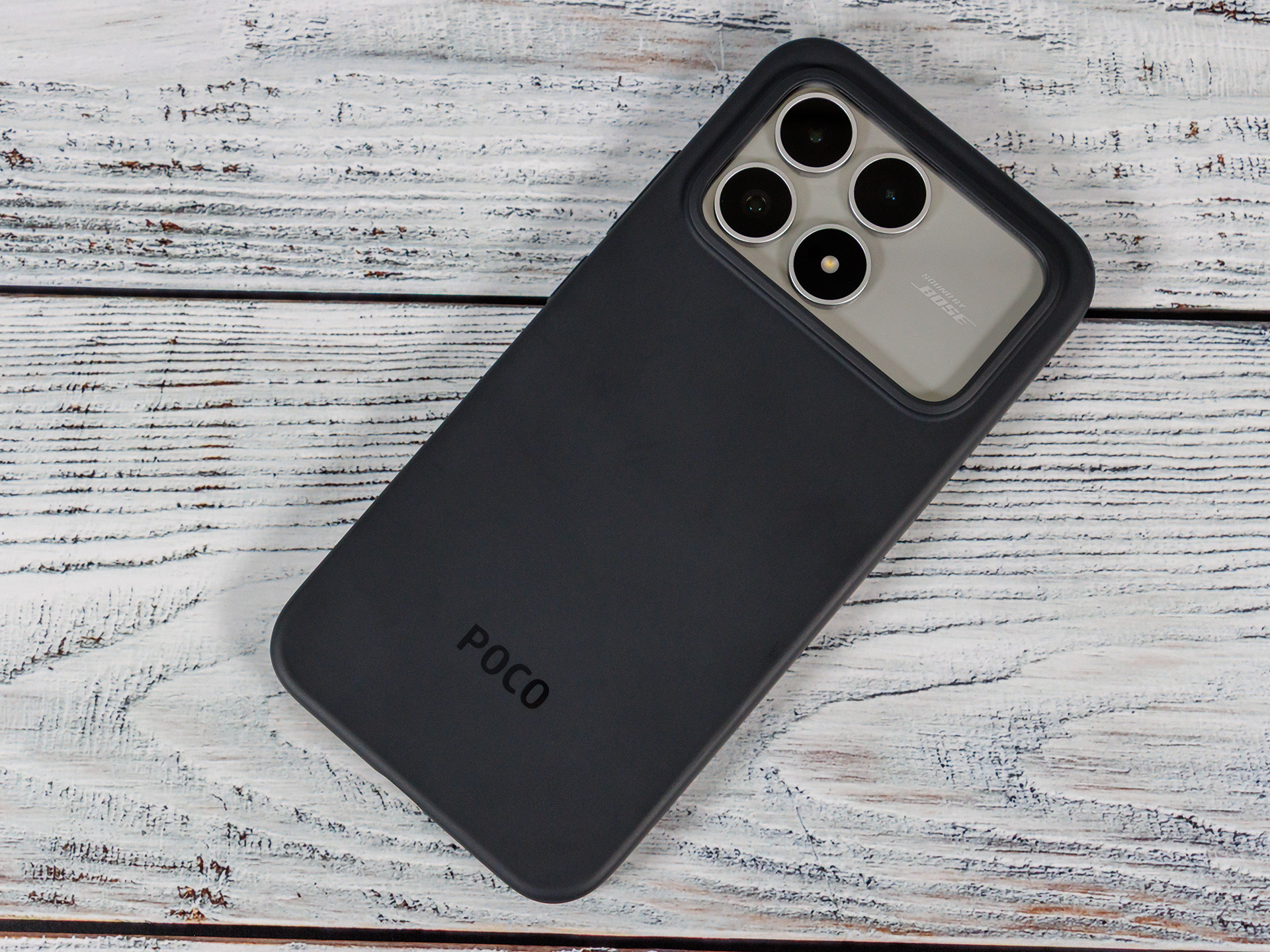
The Poco F8 Pro is supplied with a USB Type-A to Type-C cable, a SIM ejector tool, and a protective case.
The warranty offered is only 12 months, but this does not affect the dealer warranty in Germany.
With Xiaomi Care, an optional two-year insurance package is also available, which costs €59 or €79 depending on the scope of coverage.
Input devices and operation: F8 Pro with ultrasonic fingerprint
The capacitive touchscreen responds reliably to inputs and offers good gliding properties. The same also applies to the pre-installed screen protector, although the glass feels more pleasant to the touch. An ultrasonic fingerprint sensor is integrated under the display, which is not only incredibly fast but also offers very high recognition rates.
Haptic feedback is provided by a linear vibration motor, which is very crisp but not particularly powerful. Face recognition via the front camera works reliably in good lighting conditions but is less reliable.


Display: Bright AMOLED with up to 120 Hz refresh rate

In contrast to the Poco F7 Pro, the F8 Pro's display is slightly smaller and no longer offers a WQHD resolution, although a sharp display is still guaranteed. It is not an LTPO panel, which is why the refresh rate can only be adjusted by the system between 60 Hz and 120 Hz.
The brightness is extremely high, reaching around 3,500 cd/m² in both APL18 and HDR measurements. A peak brightness of 610 cd/m² is attained by manually setting the slider at maximum while sunlight mode can go up to 820 cd/m².
Poco states DC dimming for brightness control in the specifications. Under the oscilloscope, however, it turns out to be more of a high-frequency PWM dimming with a low base frequency.
The display is therefore comparatively easy on the eyes but not flicker-free.
| |||||||||||||||||||||||||
Brightness Distribution: 98 %
Center on Battery: 1717 cd/m²
Contrast: ∞:1 (Black: 0 cd/m²)
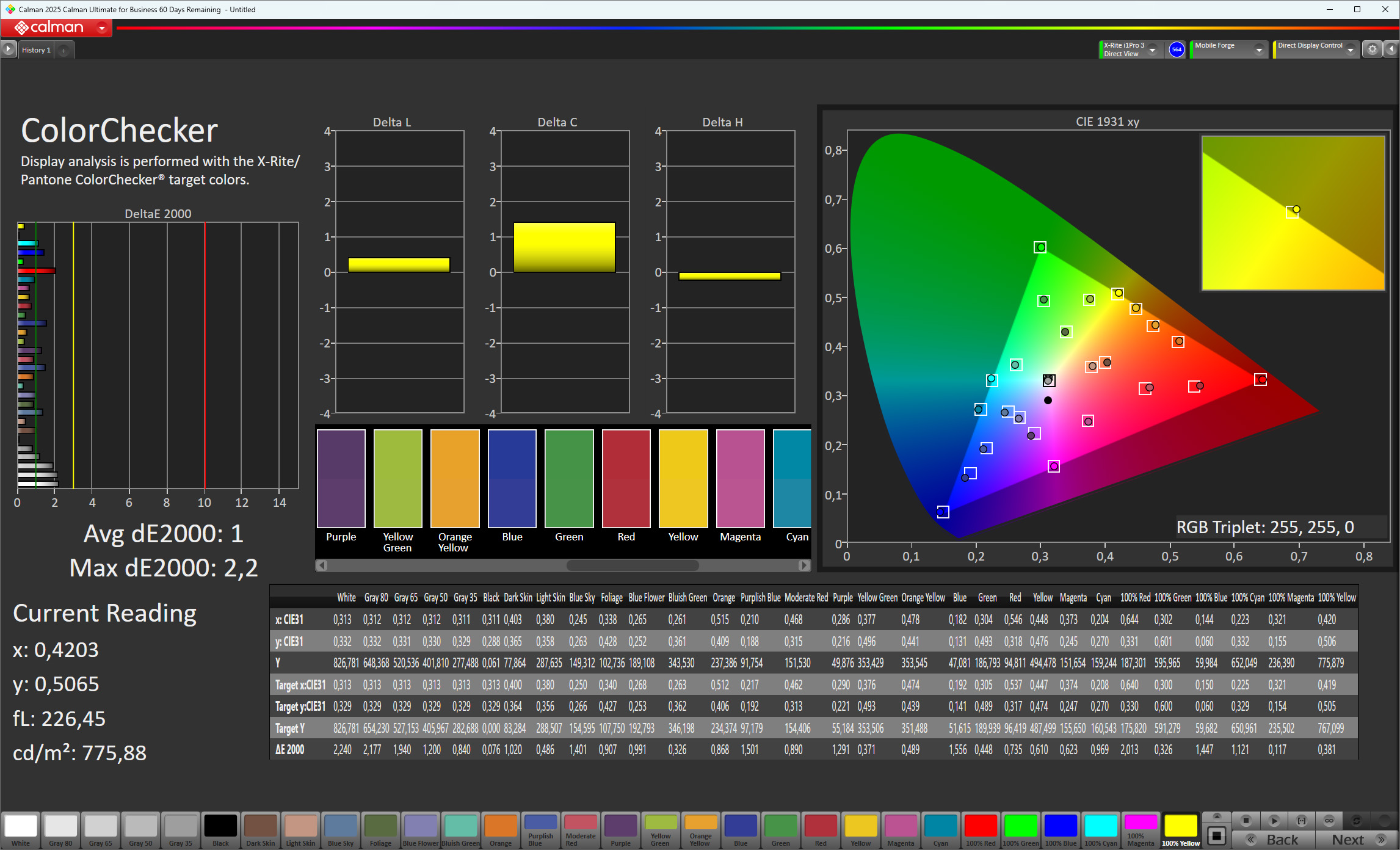
ΔE ColorChecker Calman: 1 | ∀{0.5-29.43 Ø4.7}
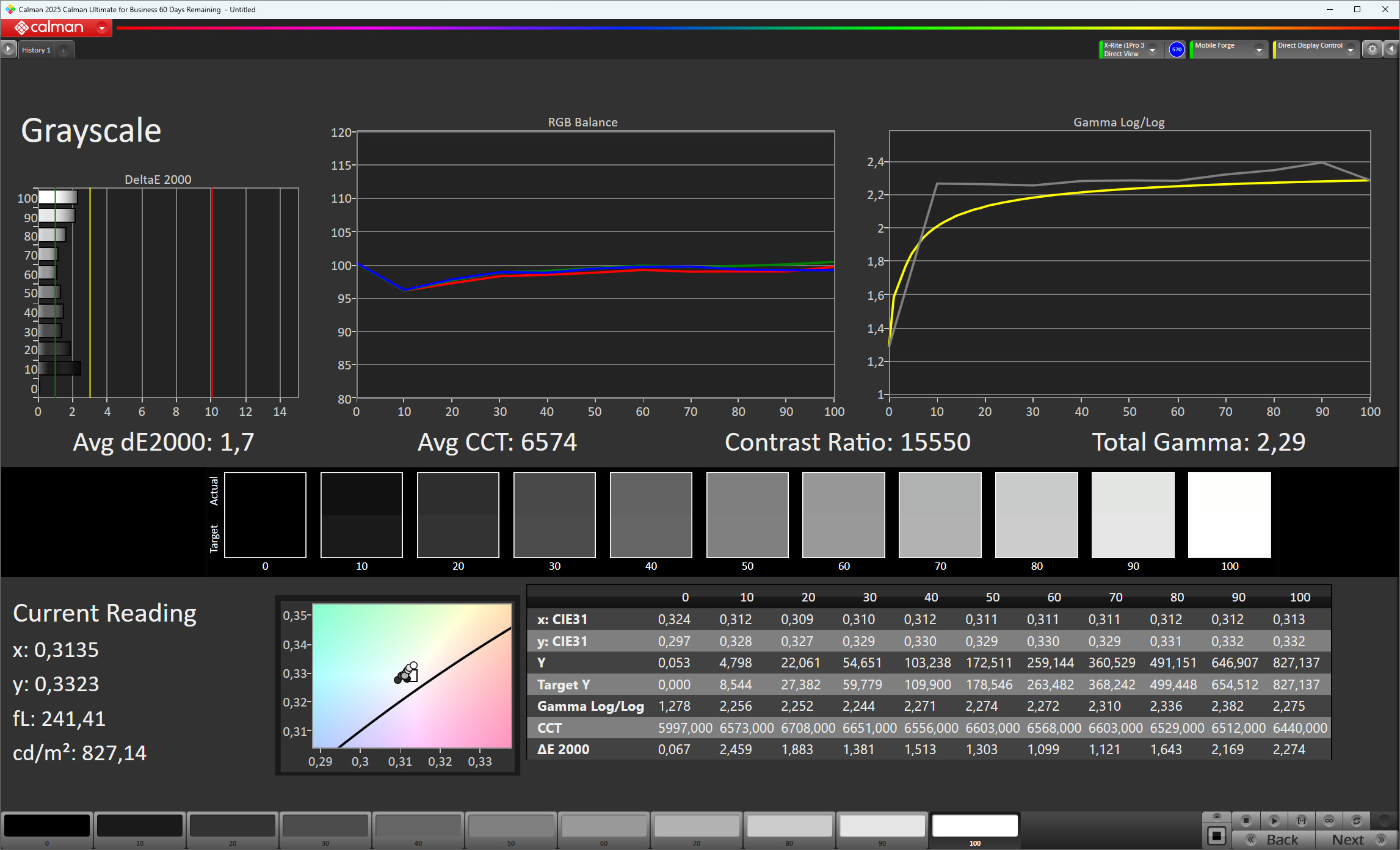
ΔE Greyscale Calman: 1.7 | ∀{0.09-98 Ø4.95}
99.8% sRGB (Calman 2D)
Gamma: 2.29
CCT: 6574 K
| Xiaomi Poco F8 Pro AMOLED, 2510x1156, 6.6" | Samsung Galaxy S25 FE AMOLED, 2340x1080, 6.7" | Xiaomi 15T AMOLED, 2772x1280, 6.8" | Honor 400 Pro AMOLED, 2800x1280, 6.7" | |
|---|---|---|---|---|
| Screen | -85% | -42% | -5% | |
| Brightness middle (cd/m²) | 1717 | 1136 -34% | 1070 -38% | 1535 -11% |
| Brightness (cd/m²) | 1721 | 1132 -34% | 1079 -37% | 1531 -11% |
| Brightness Distribution (%) | 98 | 98 0% | 94 -4% | 99 1% |
| Black Level * (cd/m²) | ||||
| Colorchecker dE 2000 * | 1 | 3.5 -250% | 1.5 -50% | 1.1 -10% |
| Colorchecker dE 2000 max. * | 2.2 | 5.5 -150% | 3.9 -77% | 2.2 -0% |
| Greyscale dE 2000 * | 1.7 | 2.4 -41% | 2.5 -47% | 1.7 -0% |
| Gamma | 2.29 96% | 2.02 109% | 2.24 98% | 2.29 96% |
| CCT | 6574 99% | 6322 103% | 6648 98% | 6511 100% |
* ... smaller is better
| Display / APL18 Peak Brightness | |
| Xiaomi Poco F8 Pro | |
| Xiaomi 15T | |
| Samsung Galaxy S25 FE | |
| Honor 400 Pro | |
| Display / HDR Peak Brightness | |
| Honor 400 Pro | |
| Xiaomi Poco F8 Pro | |
| Xiaomi 15T | |
| Samsung Galaxy S25 FE | |
Screen Flickering / PWM (Pulse-Width Modulation)
| Screen flickering / PWM detected | 120 Hz Amplitude: 13.61 % Secondary Frequency: 2083 Hz | 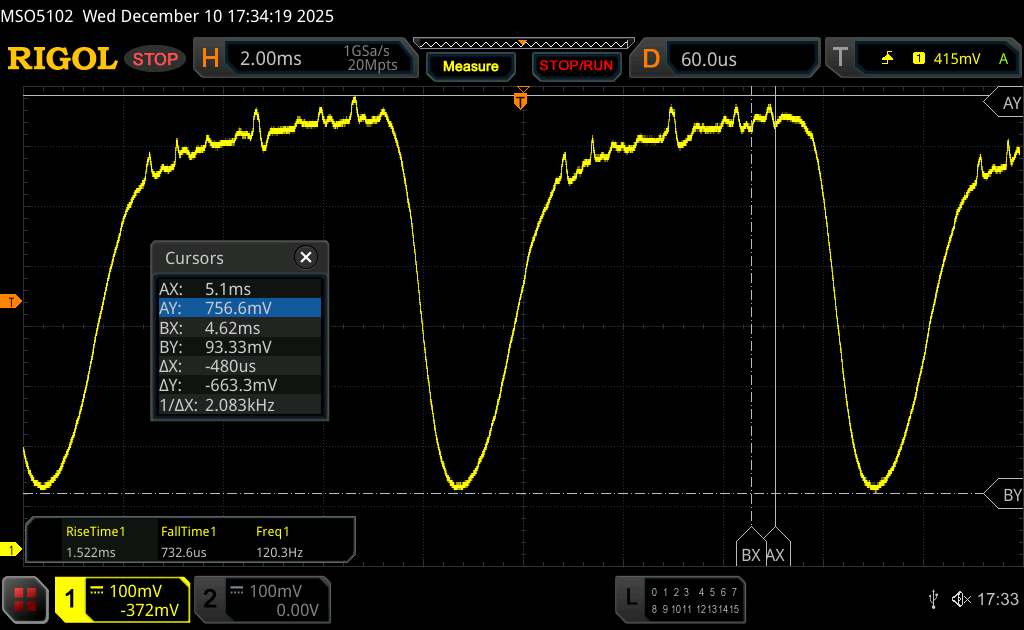 | |
The display backlight flickers at 120 Hz (worst case, e.g., utilizing PWM) . The frequency of 120 Hz is very low, so the flickering may cause eyestrain and headaches after extended use. In comparison: 52 % of all tested devices do not use PWM to dim the display. If PWM was detected, an average of 7656 (minimum: 5 - maximum: 343500) Hz was measured. | |||
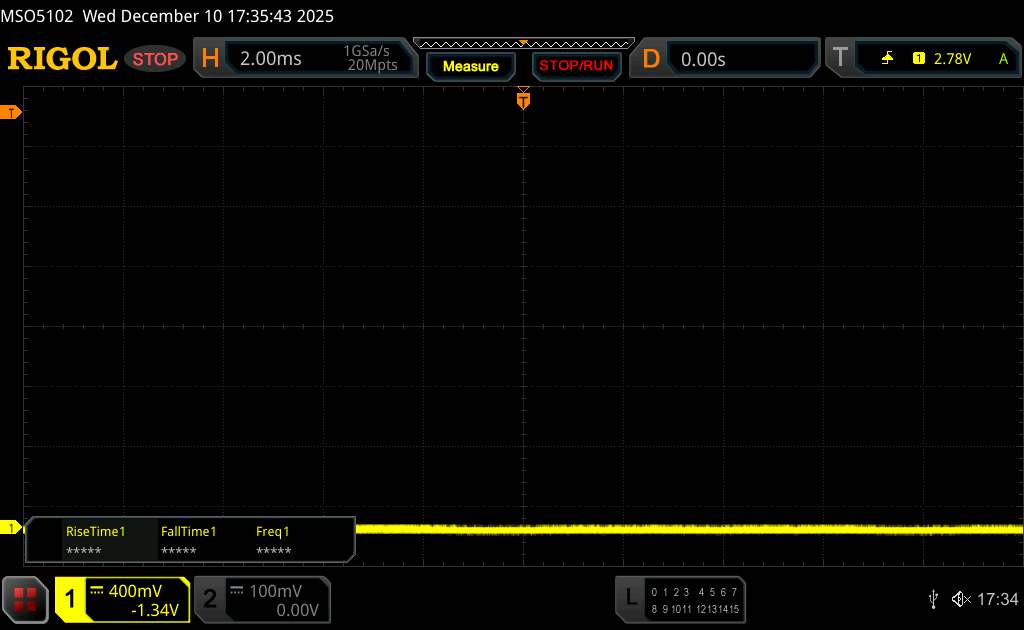
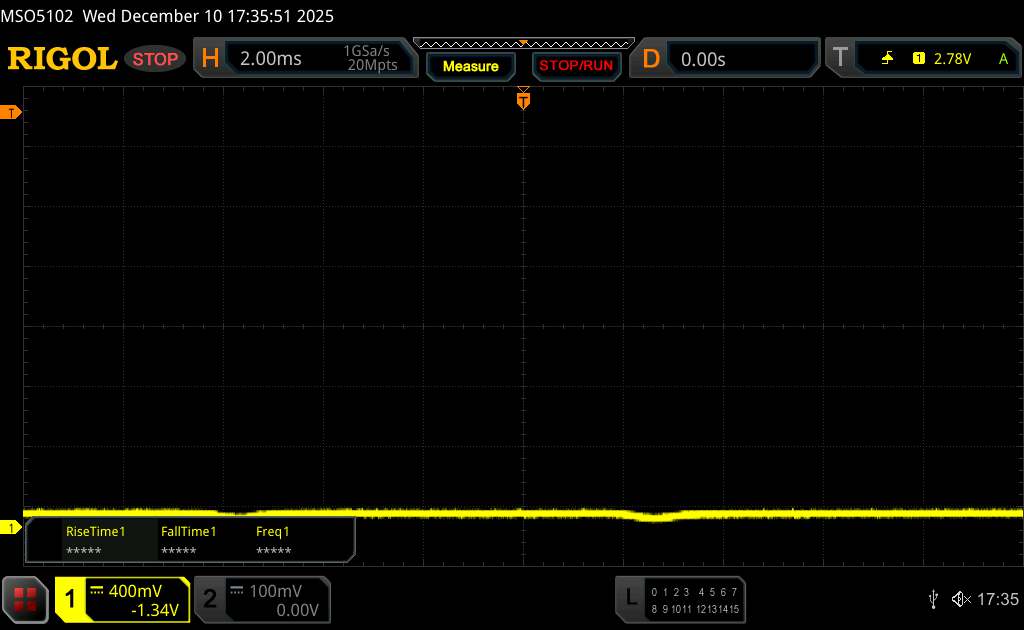
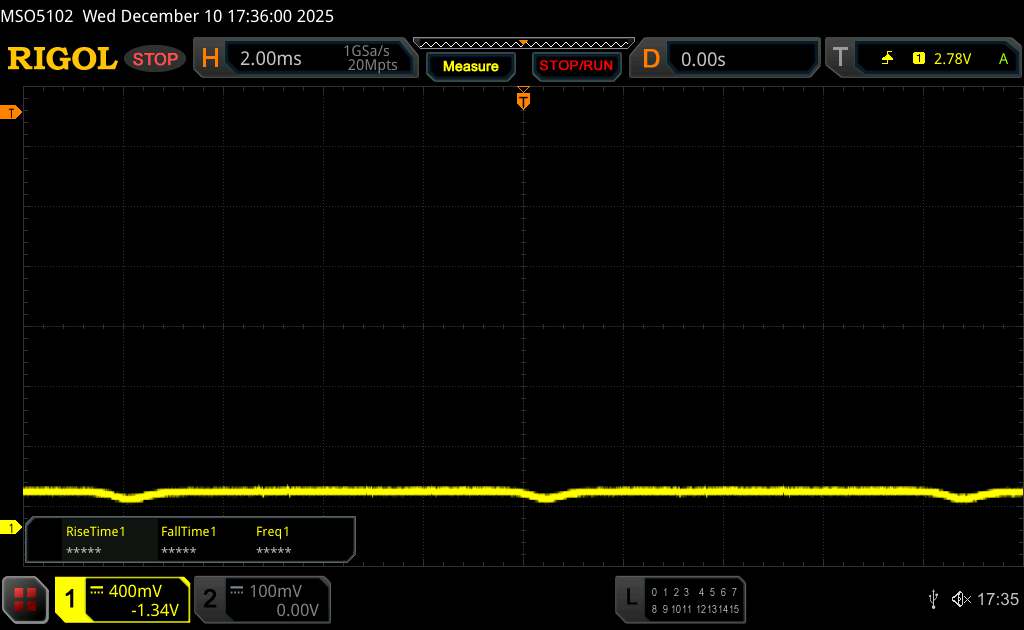
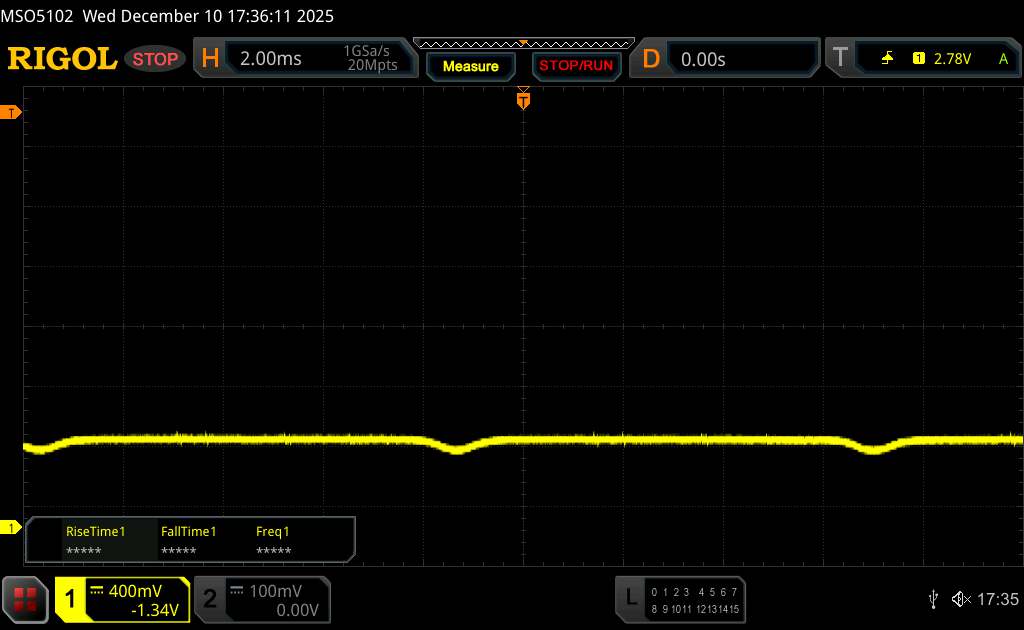
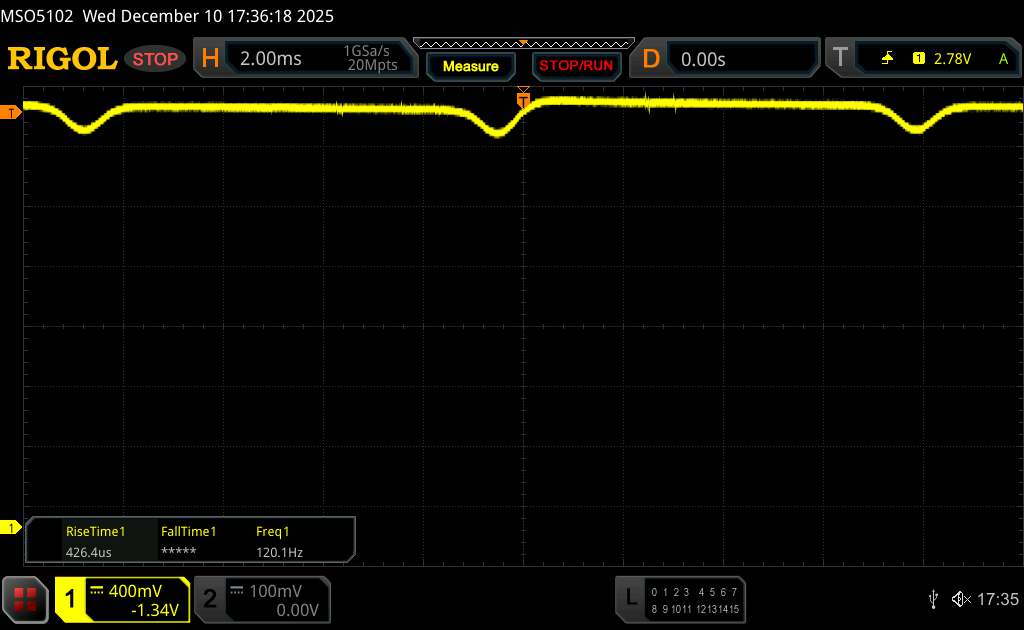
Measurement series with fixed zoom level and different brightness settings (The amplitude curve at minimum brightness looks flat, but this is due to the scaling. The info box shows the enlarged version of the amplitude at minimum brightness)
The Poco smartphone presents itself with an accurate color display, provided the color temperature is adjusted to Warm in the settings. Otherwise, the display is visibly cooler.

Display Response Times
| ↔ Response Time Black to White | ||
|---|---|---|
| 1.09 ms ... rise ↗ and fall ↘ combined | ↗ 0.5495 ms rise | 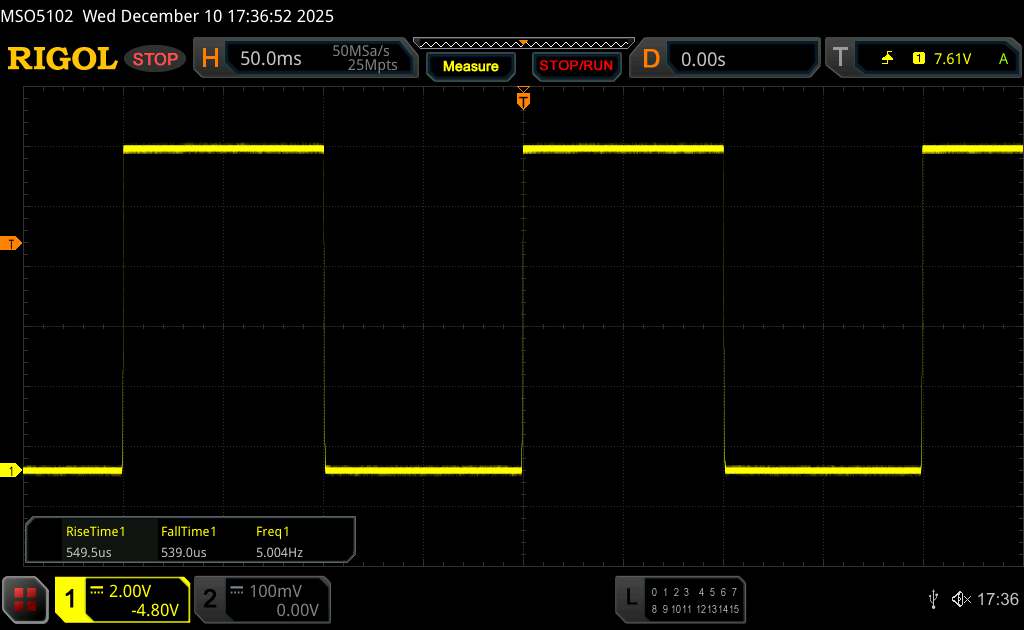 |
| ↘ 0.539 ms fall | ||
| The screen shows very fast response rates in our tests and should be very well suited for fast-paced gaming. In comparison, all tested devices range from 0.1 (minimum) to 240 (maximum) ms. » 5 % of all devices are better. This means that the measured response time is better than the average of all tested devices (19.7 ms). | ||
| ↔ Response Time 50% Grey to 80% Grey | ||
| 1.35 ms ... rise ↗ and fall ↘ combined | ↗ 0.632 ms rise | 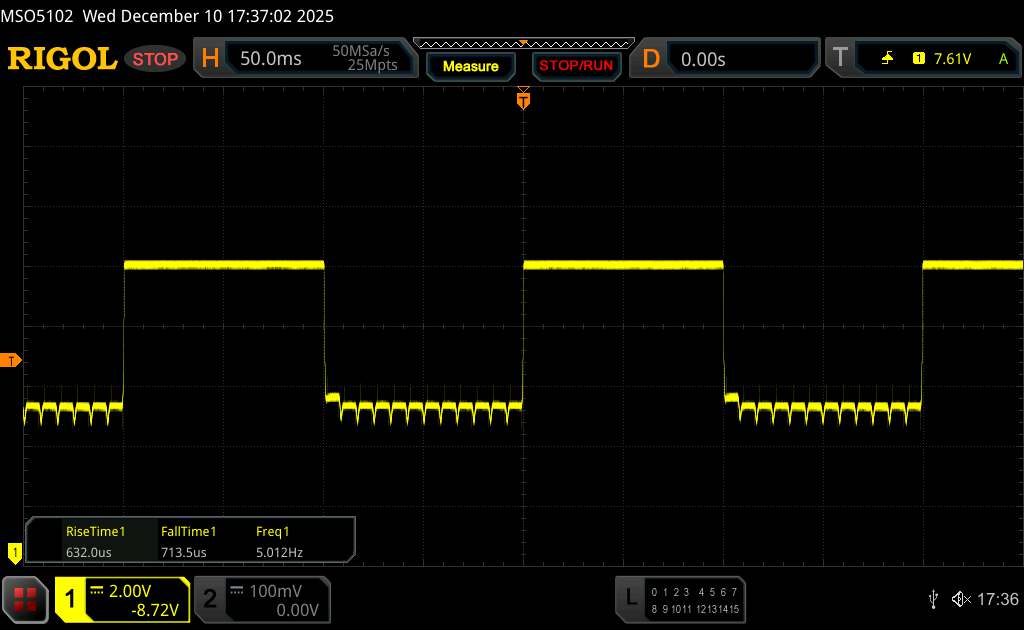 |
| ↘ 0.7135 ms fall | ||
| The screen shows very fast response rates in our tests and should be very well suited for fast-paced gaming. In comparison, all tested devices range from 0.13 (minimum) to 636 (maximum) ms. » 7 % of all devices are better. This means that the measured response time is better than the average of all tested devices (30.8 ms). | ||
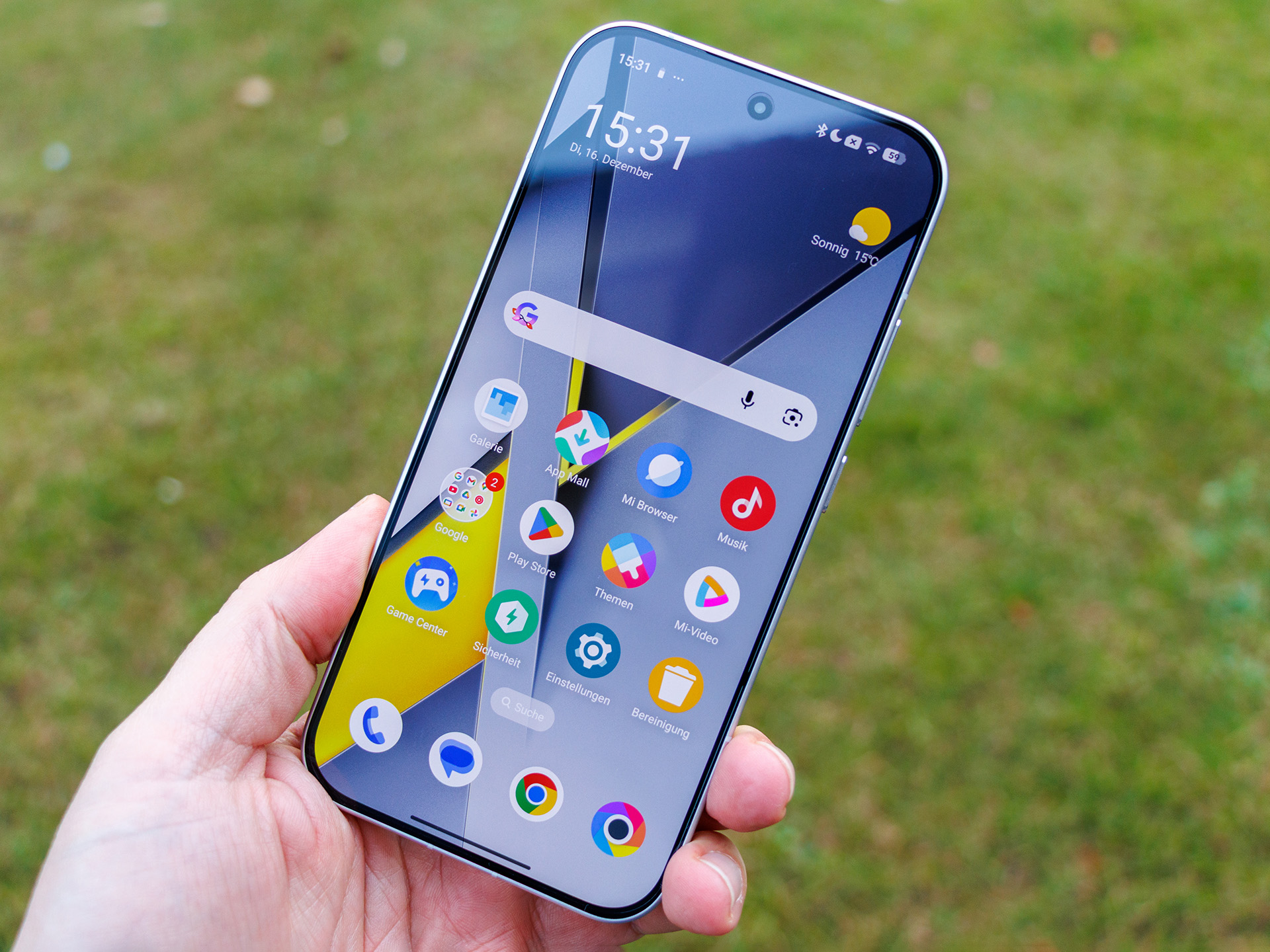
The Poco F8 Pro leaves a good impression outdoors and always remains easy to read — only the reflections on the display can be annoying in bright environments.
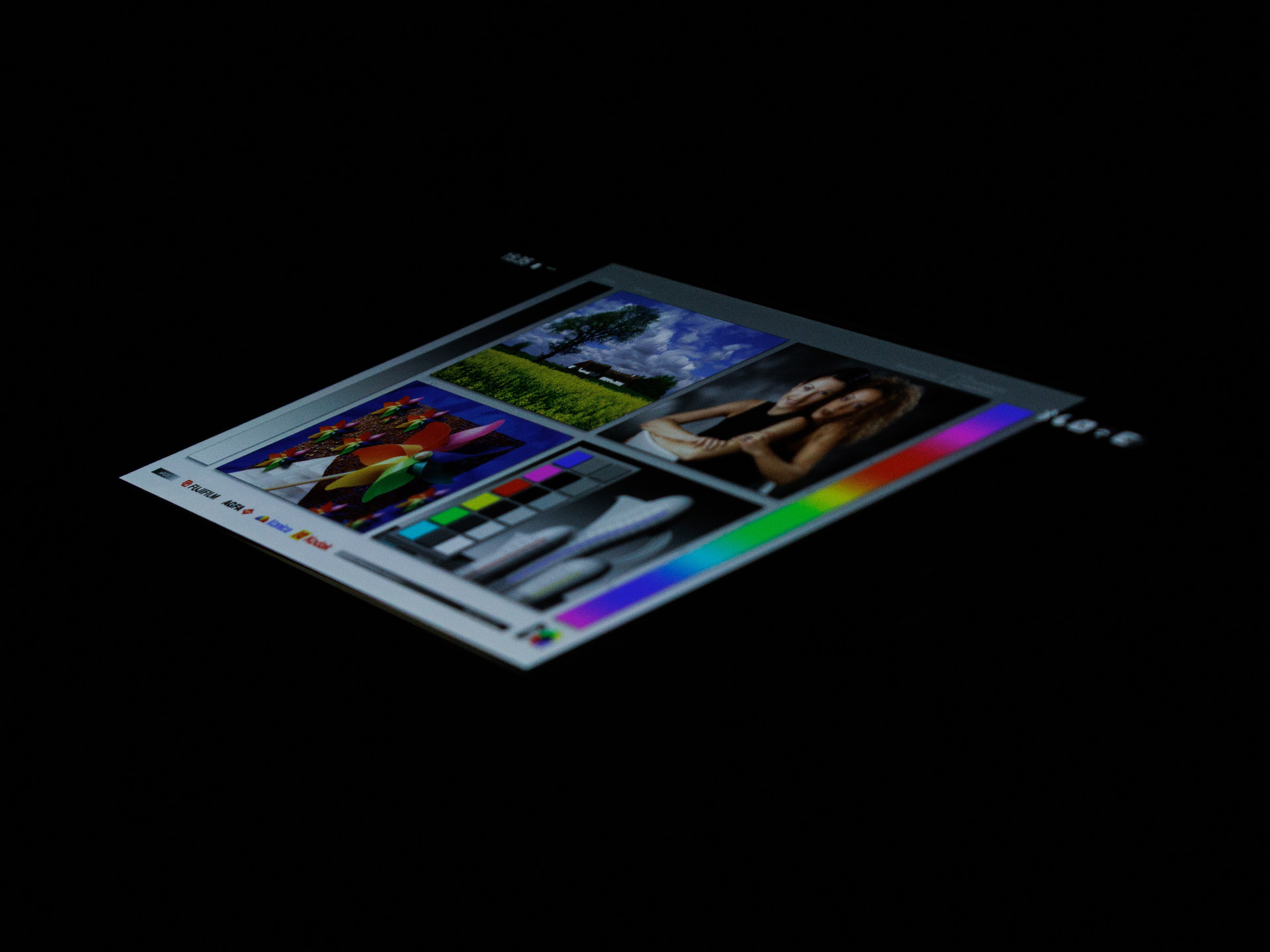
The viewing angle stability of the panel is very good. At very flat viewing angles, there is some perceived loss of brightness.
Performance: Poco relies on the Snapdragon 8 Elite
The Poco F8 Pro is powered by the fast Snapdragon 8 Elite SoC and has access to 12 GB LPDDR5x RAM in both variants.
In everyday use, this guarantees smooth system performance and enough power for the future.
| CrossMark - Overall | |
| Average Qualcomm Snapdragon 8 Elite (661 - 2674, n=19) | |
| Average of class Smartphone (376 - 2856, n=111, last 2 years) | |
| Xiaomi 15T | |
| Honor 400 Pro | |
| Samsung Galaxy S25 FE | |
| UL Procyon AI Inference for Android - Overall Score NNAPI | |
| Xiaomi 15T | |
| Xiaomi Poco F8 Pro | |
| Average of class Smartphone (2895 - 78695, n=96, last 2 years) | |
| Average Qualcomm Snapdragon 8 Elite (8865 - 22767, n=18) | |
| Honor 400 Pro | |
| Samsung Galaxy S25 FE | |
| AImark - Score v3.x | |
| Xiaomi 15T | |
| Average Qualcomm Snapdragon 8 Elite (787 - 307528, n=16) | |
| Average of class Smartphone (293 - 307528, n=66, last 2 years) | |
| Samsung Galaxy S25 FE | |
| AI Benchmark - Score V6 | |
| Xiaomi Poco F8 Pro | |
| Average Qualcomm Snapdragon 8 Elite (302 - 17293, n=16) | |
| Honor 400 Pro | |
| Average of class Smartphone (55.6 - 22780, n=80, last 2 years) | |
| Samsung Galaxy S25 FE | |
The graphics computations are performed by the integrated Adreno 830 GPU, which supports hardware-based ray tracing and is still one of the fastest mobile GPUs around.
GFXBench (DX / GLBenchmark) 2.7: T-Rex Onscreen | 1920x1080 T-Rex Offscreen
GFXBench 3.0: on screen Manhattan Onscreen OGL | 1920x1080 1080p Manhattan Offscreen
GFXBench 3.1: on screen Manhattan ES 3.1 Onscreen | 1920x1080 Manhattan ES 3.1 Offscreen
GFXBench: on screen Car Chase Onscreen | 1920x1080 Car Chase Offscreen | on screen Aztec Ruins High Tier Onscreen | 2560x1440 Aztec Ruins High Tier Offscreen | on screen Aztec Ruins Normal Tier Onscreen | 1920x1080 Aztec Ruins Normal Tier Offscreen | 3840x2160 4K Aztec Ruins High Tier Offscreen
| 3DMark / Wild Life Extreme Unlimited | |
| Xiaomi Poco F8 Pro | |
| Honor 400 Pro | |
| Samsung Galaxy S25 FE | |
| Xiaomi 15T | |
| 3DMark / Wild Life Extreme | |
| Xiaomi Poco F8 Pro | |
| Honor 400 Pro | |
| Samsung Galaxy S25 FE | |
| Xiaomi 15T | |
| 3DMark / Wild Life Unlimited Score | |
| Xiaomi Poco F8 Pro | |
| Honor 400 Pro | |
| Samsung Galaxy S25 FE | |
| Xiaomi 15T | |
| 3DMark / Solar Bay Score | |
| Xiaomi Poco F8 Pro | |
| Samsung Galaxy S25 FE | |
| Honor 400 Pro | |
| Xiaomi 15T | |
| 3DMark / Solar Bay Unlimited Score | |
| Xiaomi Poco F8 Pro | |
| Samsung Galaxy S25 FE | |
| Honor 400 Pro | |
| Xiaomi 15T | |
| 3DMark / Steel Nomad Light Unlimited Score | |
| Xiaomi Poco F8 Pro | |
| Samsung Galaxy S25 FE | |
| Honor 400 Pro | |
| Xiaomi 15T | |
| 3DMark / Steel Nomad Light Score | |
| Xiaomi Poco F8 Pro | |
| Samsung Galaxy S25 FE | |
| Honor 400 Pro | |
| Xiaomi 15T | |
| GFXBench (DX / GLBenchmark) 2.7 / T-Rex Onscreen | |
| Honor 400 Pro | |
| Samsung Galaxy S25 FE | |
| Xiaomi 15T | |
| GFXBench (DX / GLBenchmark) 2.7 / T-Rex Offscreen | |
| Xiaomi 15T | |
| Samsung Galaxy S25 FE | |
| Honor 400 Pro | |
| GFXBench 3.0 / Manhattan Onscreen OGL | |
| Honor 400 Pro | |
| Samsung Galaxy S25 FE | |
| Xiaomi 15T | |
| GFXBench 3.0 / 1080p Manhattan Offscreen | |
| Xiaomi 15T | |
| Samsung Galaxy S25 FE | |
| Honor 400 Pro | |
| GFXBench 3.1 / Manhattan ES 3.1 Onscreen | |
| Honor 400 Pro | |
| Samsung Galaxy S25 FE | |
| Xiaomi 15T | |
| GFXBench 3.1 / Manhattan ES 3.1 Offscreen | |
| Samsung Galaxy S25 FE | |
| Xiaomi 15T | |
| Honor 400 Pro | |
| GFXBench / Car Chase Onscreen | |
| Xiaomi Poco F8 Pro | |
| Samsung Galaxy S25 FE | |
| Honor 400 Pro | |
| Xiaomi 15T | |
| GFXBench / Car Chase Offscreen | |
| Xiaomi Poco F8 Pro | |
| Samsung Galaxy S25 FE | |
| Honor 400 Pro | |
| Xiaomi 15T | |
| GFXBench / Aztec Ruins High Tier Onscreen | |
| Xiaomi Poco F8 Pro | |
| Samsung Galaxy S25 FE | |
| Honor 400 Pro | |
| Xiaomi 15T | |
| GFXBench / Aztec Ruins High Tier Offscreen | |
| Xiaomi Poco F8 Pro | |
| Samsung Galaxy S25 FE | |
| Honor 400 Pro | |
| Xiaomi 15T | |
| GFXBench / Aztec Ruins Normal Tier Onscreen | |
| Honor 400 Pro | |
| Xiaomi Poco F8 Pro | |
| Samsung Galaxy S25 FE | |
| Xiaomi 15T | |
| GFXBench / Aztec Ruins Normal Tier Offscreen | |
| Xiaomi Poco F8 Pro | |
| Honor 400 Pro | |
| Samsung Galaxy S25 FE | |
| Xiaomi 15T | |
| GFXBench / 4K Aztec Ruins High Tier Offscreen | |
| Xiaomi Poco F8 Pro | |
| Honor 400 Pro | |
| Samsung Galaxy S25 FE | |
| Xiaomi 15T | |
| Jetstream 2 - 2.0 Total | |
| Average Qualcomm Snapdragon 8 Elite (75.1 - 329, n=18) | |
| Samsung Galaxy S25 FE (Chrome 141.0.7390.43) | |
| Average of class Smartphone (63.9 - 423, n=113, last 2 years) | |
| Xiaomi Poco F8 Pro (Chrome 143) | |
| Honor 400 Pro (chrome 137) | |
| Speedometer 3 - Score 3.0 | |
| Average Qualcomm Snapdragon 8 Elite (11.7 - 36.8, n=17) | |
| Samsung Galaxy S25 FE (Chrome 141.0.7390.43) | |
| Average of class Smartphone (3.06 - 45.5, n=80, last 2 years) | |
| Xiaomi Poco F8 Pro (Chrome 143) | |
| Xiaomi 15T | |
| WebXPRT 4 - Overall | |
| Samsung Galaxy S25 FE (Chrome 141.0.7390.43) | |
| Average Qualcomm Snapdragon 8 Elite (102 - 255, n=18) | |
| Xiaomi 15T (Chrome 141) | |
| Average of class Smartphone (56 - 278, n=89, last 2 years) | |
| Honor 400 Pro (chrome 137) | |
| Xiaomi Poco F8 Pro (Chrome 143) | |
| Octane V2 - Total Score | |
| Samsung Galaxy S25 FE (Chrome 141.0.7390.43) | |
| Average Qualcomm Snapdragon 8 Elite (25448 - 95506, n=25) | |
| Average of class Smartphone (6015 - 126661, n=134, last 2 years) | |
| Xiaomi 15T (Chrome 141) | |
| Honor 400 Pro (chrome 137) | |
| Xiaomi Poco F8 Pro (Chrome 143) | |
| Mozilla Kraken 1.1 - Total | |
| Xiaomi Poco F8 Pro (Chrome 143) | |
| Honor 400 Pro (chrome 137) | |
| Xiaomi 15T (Chrome 141) | |
| Average of class Smartphone (281 - 2718, n=117, last 2 years) | |
| Average Qualcomm Snapdragon 8 Elite (383 - 1258, n=20) | |
| Samsung Galaxy S25 FE (Chrome 141.0.7390.43) | |
* ... smaller is better
| Xiaomi Poco F8 Pro | Samsung Galaxy S25 FE | Xiaomi 15T | Average 512 GB UFS 4.1 Flash | Average of class Smartphone | |
|---|---|---|---|---|---|
| AndroBench 3-5 | -20% | -49% | 1% | -30% | |
| Sequential Read 256KB (MB/s) | 3959.14 | 3756.44 -5% | 1954.45 -51% | 3608 ? -9% | 2277 ? -42% |
| Sequential Write 256KB (MB/s) | 3833.02 | 2450.19 -36% | 1879.62 -51% | 3219 ? -16% | 1960 ? -49% |
| Random Read 4KB (MB/s) | 309.91 | 382.44 23% | 278.9 -10% | 412 ? 33% | 315 ? 2% |
| Random Write 4KB (MB/s) | 521.31 | 198.68 -62% | 89.68 -83% | 496 ? -5% | 361 ? -31% |
Emissions: Poco F8 Pro with moderate cooling
Temperature
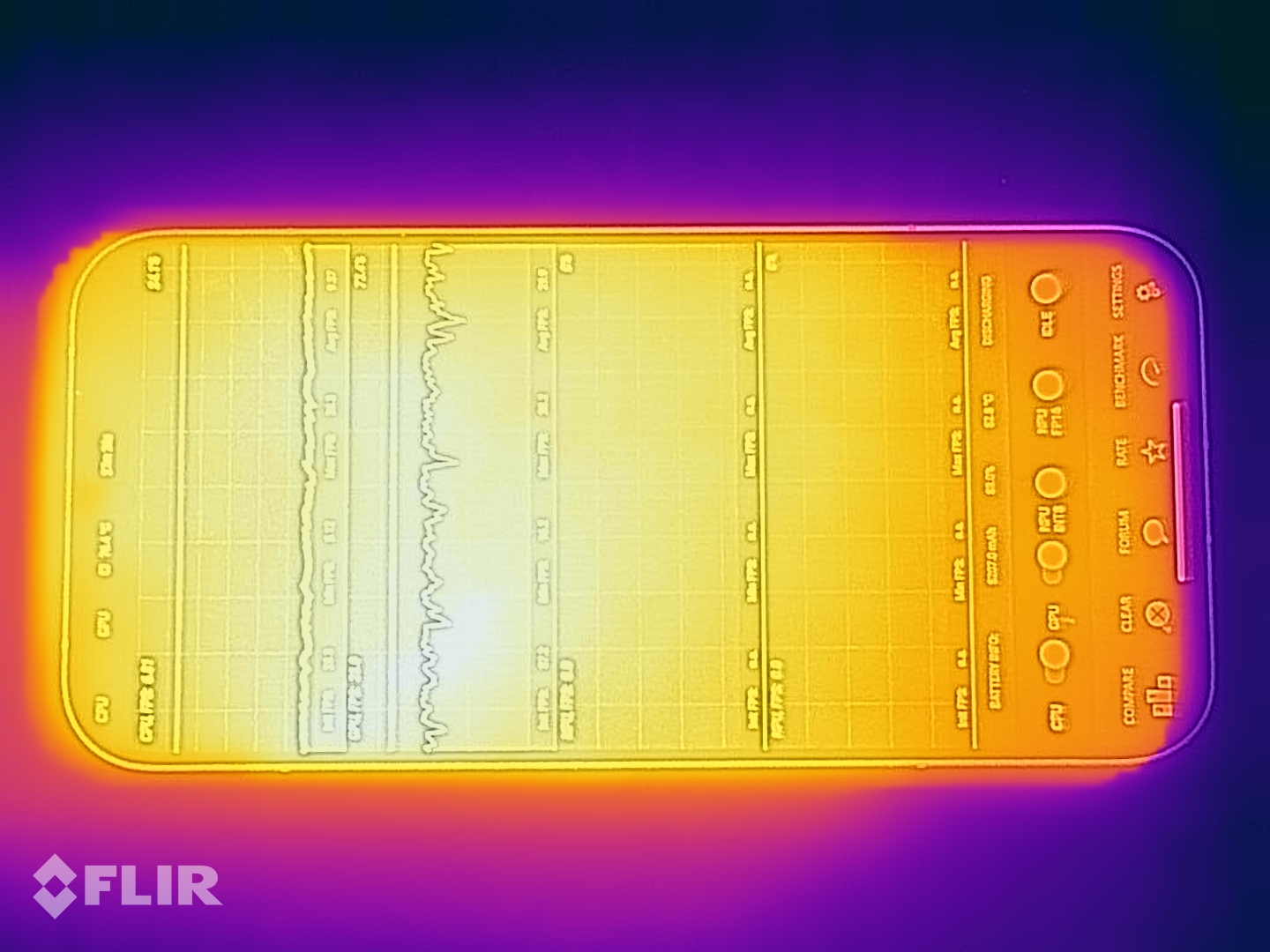
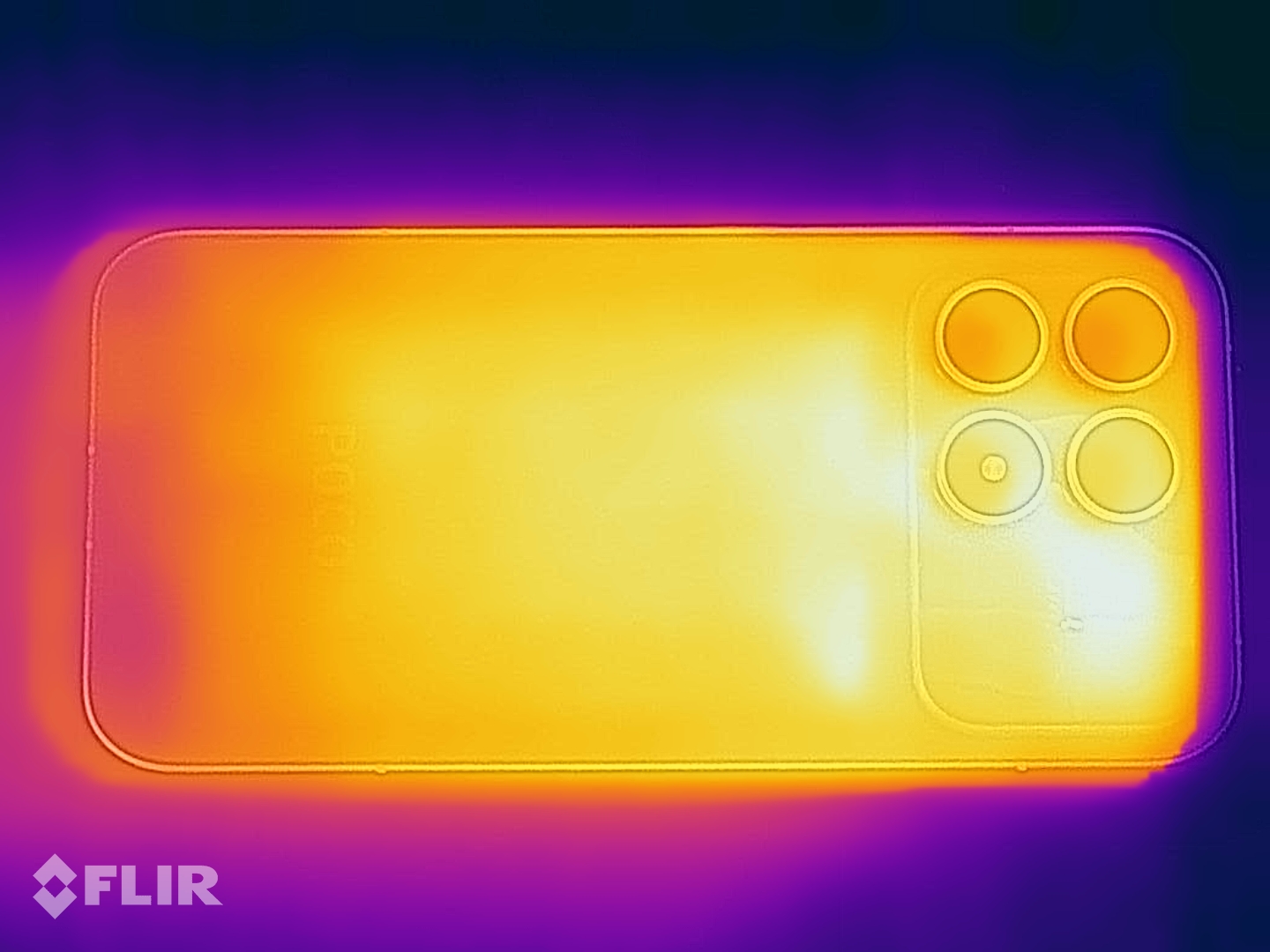
Surface temperatures rise sharply under load but remain within a harmless range. The throttling of the SoC is also quite high in the stress test.
(-) The maximum temperature on the upper side is 48.7 °C / 120 F, compared to the average of 35.3 °C / 96 F, ranging from 21.9 to 247 °C for the class Smartphone.
(-) The bottom heats up to a maximum of 47.2 °C / 117 F, compared to the average of 34.1 °C / 93 F
(+) In idle usage, the average temperature for the upper side is 28.7 °C / 84 F, compared to the device average of 33 °C / 91 F.
3DMark stress tests
| 3DMark | |
| Wild Life Stress Test Stability | |
| Xiaomi 15T | |
| Xiaomi Poco F8 Pro | |
| Samsung Galaxy S25 FE | |
| Honor 400 Pro | |
| Wild Life Extreme Stress Test | |
| Xiaomi 15T | |
| Honor 400 Pro | |
| Xiaomi Poco F8 Pro | |
| Samsung Galaxy S25 FE | |
| Solar Bay Stress Test Stability | |
| Xiaomi 15T | |
| Honor 400 Pro | |
| Xiaomi Poco F8 Pro | |
| Samsung Galaxy S25 FE | |
| Steel Nomad Light Stress Test Stability | |
| Xiaomi 15T | |
| Honor 400 Pro | |
| Samsung Galaxy S25 FE | |
Loudspeaker
The two speakers are optimized by Bose and deliver a good sound experience. Only at maximum volume the treble drops sharply, which can lead to distortion during playback.
Xiaomi Poco F8 Pro audio analysis
(+) | speakers can play relatively loud (93 dB)
Bass 100 - 315 Hz
(-) | nearly no bass - on average 22.3% lower than median
(+) | bass is linear (4.1% delta to prev. frequency)
Mids 400 - 2000 Hz
(+) | balanced mids - only 4.4% away from median
(+) | mids are linear (4.2% delta to prev. frequency)
Highs 2 - 16 kHz
(+) | balanced highs - only 3.7% away from median
(+) | highs are linear (1.8% delta to prev. frequency)
Overall 100 - 16.000 Hz
(+) | overall sound is linear (14.6% difference to median)
Compared to same class
» 2% of all tested devices in this class were better, 2% similar, 96% worse
» The best had a delta of 11%, average was 34%, worst was 136%
Compared to all devices tested
» 19% of all tested devices were better, 4% similar, 77% worse
» The best had a delta of 4%, average was 23%, worst was 136%
Samsung Galaxy S25 FE audio analysis
(+) | speakers can play relatively loud (92 dB)
Bass 100 - 315 Hz
(-) | nearly no bass - on average 19.3% lower than median
(+) | bass is linear (4.6% delta to prev. frequency)
Mids 400 - 2000 Hz
(±) | higher mids - on average 5.7% higher than median
(+) | mids are linear (4.9% delta to prev. frequency)
Highs 2 - 16 kHz
(±) | higher highs - on average 5.9% higher than median
(+) | highs are linear (4.6% delta to prev. frequency)
Overall 100 - 16.000 Hz
(±) | linearity of overall sound is average (17.3% difference to median)
Compared to same class
» 12% of all tested devices in this class were better, 8% similar, 80% worse
» The best had a delta of 11%, average was 34%, worst was 136%
Compared to all devices tested
» 33% of all tested devices were better, 8% similar, 59% worse
» The best had a delta of 4%, average was 23%, worst was 136%
Battery life: Poco F8 Pro with 6,210 mAh battery
Energy consumption
The power consumption is at a low level. The F8 Pro can only be charged using a cable, but supports up to 100 W charging with USB-PD.
A full battery charge only took about 38 minutes (50 %: 17 min., 80 %: 29 min.) in the test.
| Off / Standby |   0.1 / 0.39 Watt 0.1 / 0.39 Watt |
| Idle |  0.83 / 1.37 / 1.56 Watt 0.83 / 1.37 / 1.56 Watt |
| Load |
8.71 / 8.74 Watt |
    
| |
Key:
min: ,
med: ,
max: Metrahit Energy | |
| Xiaomi Poco F8 Pro 6210 mAh | Samsung Galaxy S25 FE 4900 mAh | Xiaomi 15T 5500 mAh | Honor 400 Pro 5300 mAh | Average Qualcomm Snapdragon 8 Elite | Average of class Smartphone | |
|---|---|---|---|---|---|---|
| Power Consumption | -7% | -1% | -32% | -23% | -5% | |
| Idle Minimum * (Watt) | 0.83 | 0.87 -5% | 0.8 4% | 1.09 -31% | 1.074 ? -29% | 0.878 ? -6% |
| Idle Average * (Watt) | 1.37 | 1.48 -8% | 1.2 12% | 2.06 -50% | 1.637 ? -19% | 1.453 ? -6% |
| Idle Maximum * (Watt) | 1.56 | 1.52 3% | 1.26 19% | 2.09 -34% | 1.868 ? -20% | 1.65 ? -6% |
| Load Average * (Watt) | 8.71 | 6.76 22% | 6.8 22% | 9.72 -12% | 8.87 ? -2% | 6.84 ? 21% |
| Load Maximum * (Watt) | 8.74 | 12.89 -47% | 14.32 -64% | 11.48 -31% | 12.8 ? -46% | 11.1 ? -27% |
* ... smaller is better
Power consumption: Geekbench (150 cd/m²)
Power consumption: GFXbench (150 cd/m²)
Battery life
In our standardized WLAN test at 150 cd/m2 brightness, the Poco F8 Pro lasted almost a whole day. In practical use, the smartphone's battery should easily have enough power to last two days.
| Battery runtime - WiFi v1.3 | |
| Xiaomi Poco F8 Pro | |
| Samsung Galaxy S25 FE | |
| Xiaomi 15T | |
| Honor 400 Pro | |
Notebookcheck's overall impressions of the Poco F8 Pro
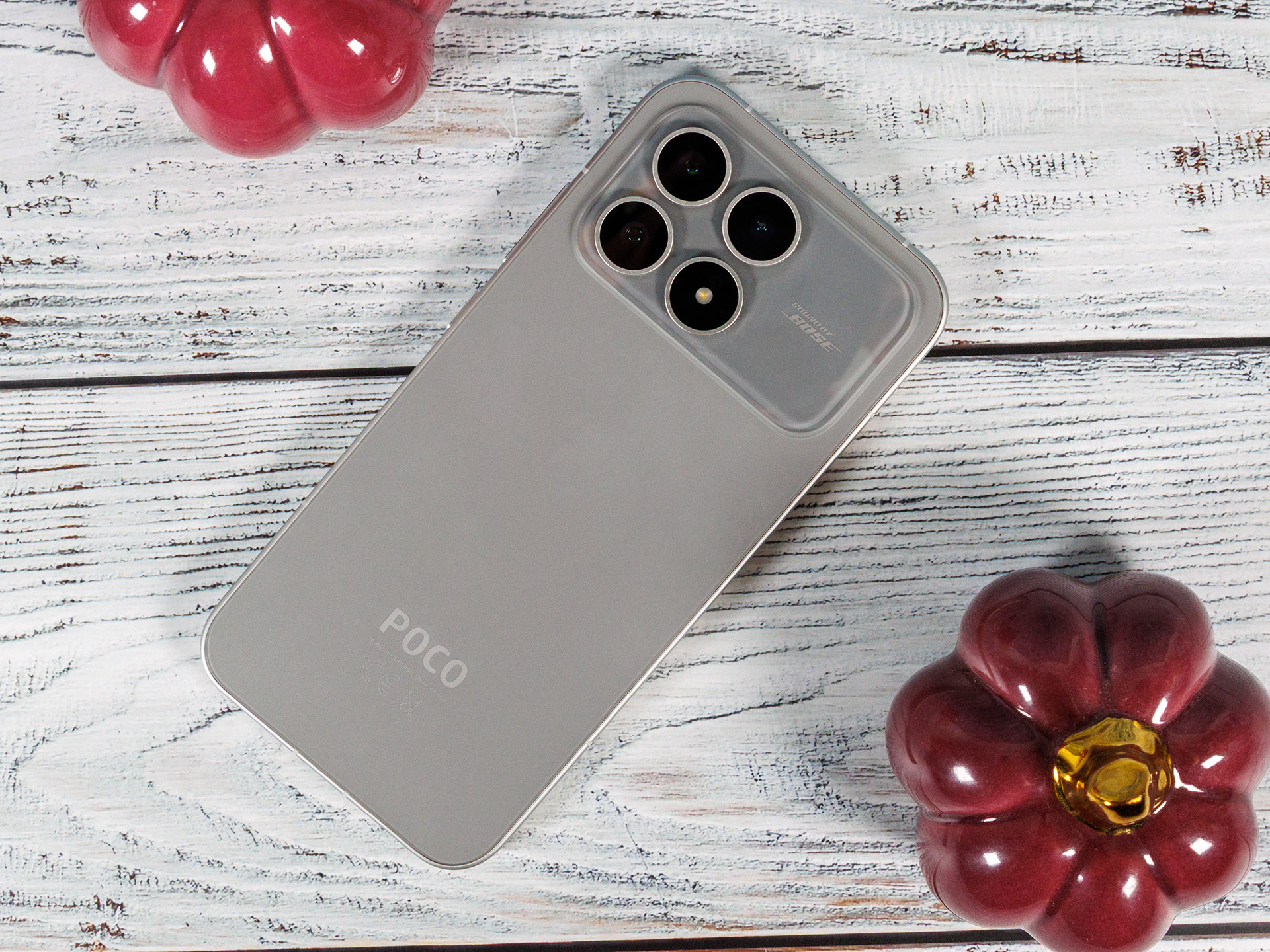
The Xiaomi Poco F8 Pro combines elegant design with Bose-optimized stereo sound, a fast Snapdragon 8 Elite chip, a bright 120 Hz AMOLED display, and a huge 6,210 mAh battery.
However, it makes do without wireless charging and has minor weaknesses in terms of software and connections.
Xiaomi Poco F8 Pro
- 12/18/2025 v8
Daniel Schmidt
 Total Sustainability Score:
 Potential competitors in comparison
Image | Model / Review | Price | Weight | Drive | Display |
|---|---|---|---|---|---|
1. 85.4%  | Xiaomi Poco F8 Pro Qualcomm Snapdragon 8 Elite ⎘ Qualcomm Adreno 830 ⎘ 12 GB Memory, 512 GB UFS 4.x | Amazon: $639.99 List Price: 700€ | 199 g | 512 GB UFS 4.1 Flash | 6.59" 2510x1156 419 PPI AMOLED |
2. 85.6%  | Samsung Galaxy S25 FE Samsung Exynos 2400 ⎘ Samsung Xclipse 940 ⎘ 8 GB Memory, 256 GB UFS 4.x | List Price: 809€ | 190 g | 256 GB UFS 4.0 Flash | 6.70" 2340x1080 382 PPI AMOLED |
3. 84.8%  | Xiaomi 15T MediaTek Dimensity 8400 ⎘ ARM Mali-G720 MP7 ⎘ 12 GB Memory, 512 GB UFS 4.x | List Price: 650€ | 194 g | 512 GB UFS 4.1 Flash | 6.83" 2772x1280 447 PPI AMOLED |
4. 82.5%  | Honor 400 Pro Qualcomm Snapdragon 8 Gen 3 ⎘ Qualcomm Adreno 750 ⎘ 12 GB Memory, 512 GB UFS 4.x | List Price: 800€ | 205 g | 512 GB UFS 4.0 Flash | 6.70" 2800x1280 460 PPI AMOLED |
Transparency
The selection of devices to be reviewed is made by our editorial team. The test sample was given to the author by the manufacturer free of charge for the purposes of review. There was no third-party influence on this review, nor did the manufacturer receive a copy of this review before publication. There was no obligation to publish this review. As an independent media company, Notebookcheck is not subjected to the authority of manufacturers, retailers or publishers.
This is how Notebookcheck is testing
Every year, Notebookcheck independently reviews hundreds of laptops and smartphones using standardized procedures to ensure that all results are comparable. We have continuously developed our test methods for around 20 years and set industry standards in the process. In our test labs, high-quality measuring equipment is utilized by experienced technicians and editors. These tests involve a multi-stage validation process. Our complex rating system is based on hundreds of well-founded measurements and benchmarks, which maintains objectivity. Further information on our test methods can be found here.
 Add as a preferred source on Google


