




Quite embarrassing for Leica: Xiaomi 17 Ultra and Xiaomi 17 Pro mix up the sun and the moon
In the smartphone world, Leica has become synonymous with Xiaomi cameras, even though there are other manufacturers with Leica-branded cameras, for instance Insta360 and Sharp. The expensive Leica Leitzphones have been manufactured by Xiaomi as well so in a sense, the Leica name also suffers from the mistakes Xiaomi smartphones make.
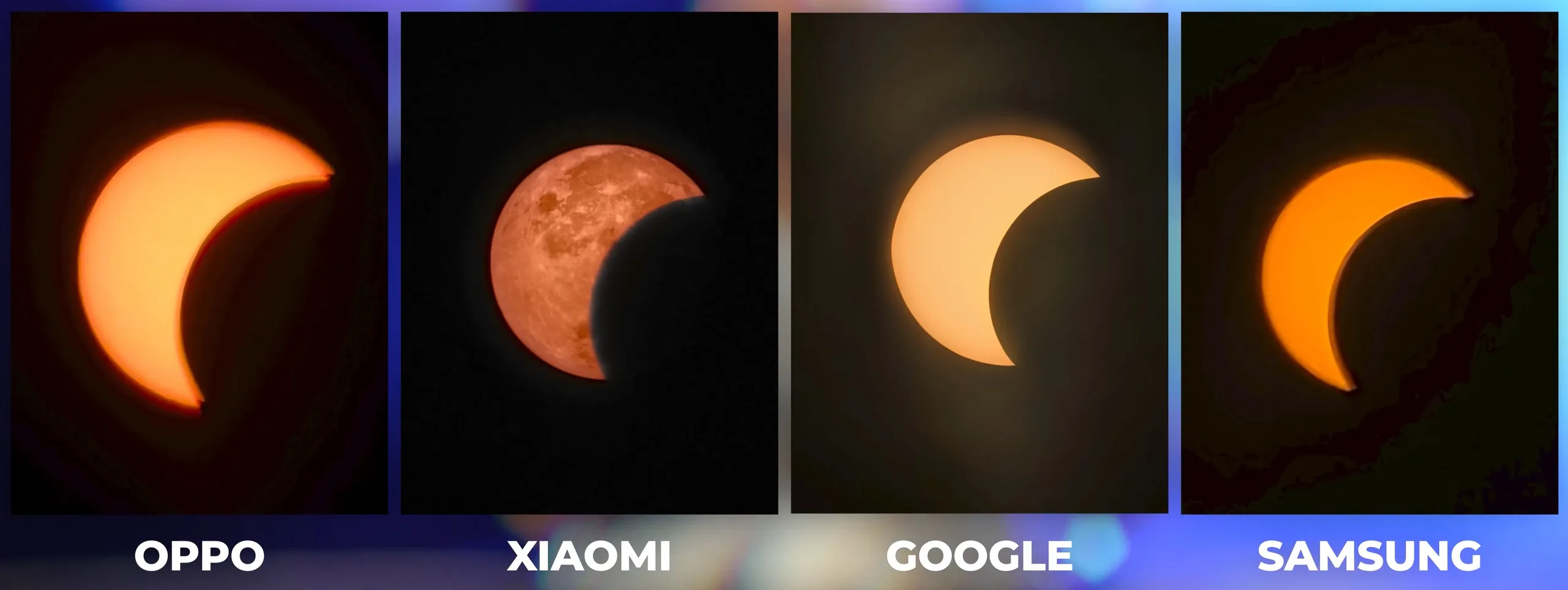
During the recent solar eclipse on August 12, 2026, these devices did not exactly prove to be reliable camera partners, as can be seen not only on various social media platforms but also in a camera comparison test between the Xiaomi 17 Ultra, the Samsung Galaxy S26 Ultra, the Google Pixel 10 Pro XL, and the Oppo Find X9 Ultra—more on that later.
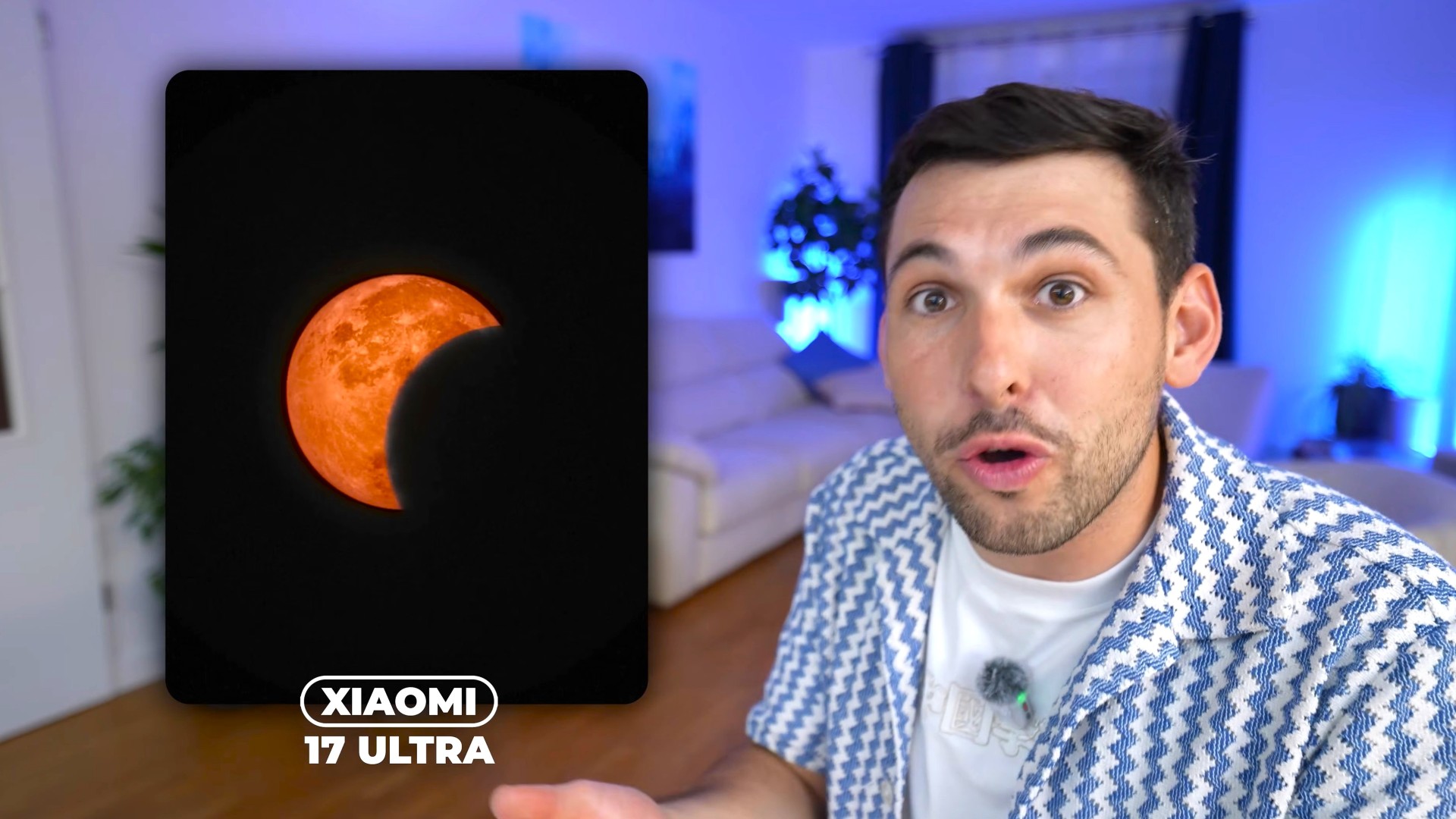
Blood moon instead of a solar eclipse
The image above looks particularly dramatic, but it’s pure AI slop. Apparently, the Xiaomi algorithms mistook the sun for the moon and superimposed the typical craters of the moon’s surface onto the photo. This has also happened with partial images of the sun, for instance in the example below:
The Xiaomi 17 Pro was also affected
You can also find related images on Reddit, such as the one posted by u/mmnm8878, which was taken with a Xiaomi 17 Pro. A comparison test (see below) conducted by the French Android magazine Fandroid during the solar eclipse shows that primarily the Xiaomi candidate was affected by this issue, at least Samsung, Oppo, and Google were not. In the comparison image below only the Leica-branded flagship device showed that particular “moon problem,” which did not affect the Galaxy S26 Ultra, the Pixel 10 Pro XL or the Find X9 Ultra.
Samsung and Huawei had their fair share of moon scandals
It should be noted that both Samsung and Huawei have had their own moon-related scandals in the past. Many smartphone manufacturers offer a dedicated “moon mode,” in which images of the cratered landscape are superimposed onto the photo, sometimes the entire moon is/was replaced by a stock image. However, the fact that Xiaomi flagship models mistakenly switch to this “moon mode” when photographing a solar eclipse, as many observed last week, adds a new dimension to the list of AI problems we had to observe over the years. Hopefully this will be fixed in future software updates. Of course the AI and the moon mode can be disabled in which case the Xiaomi 17 Ultra was able to created good pictures of the eclipse, as can be seen here for instance. Below is the full camera test video in French:
Source(s)
Reddit, Various Sources (1, 2) via Frandroid, Frandroid YouTube
 Add as a preferred source on Google


