




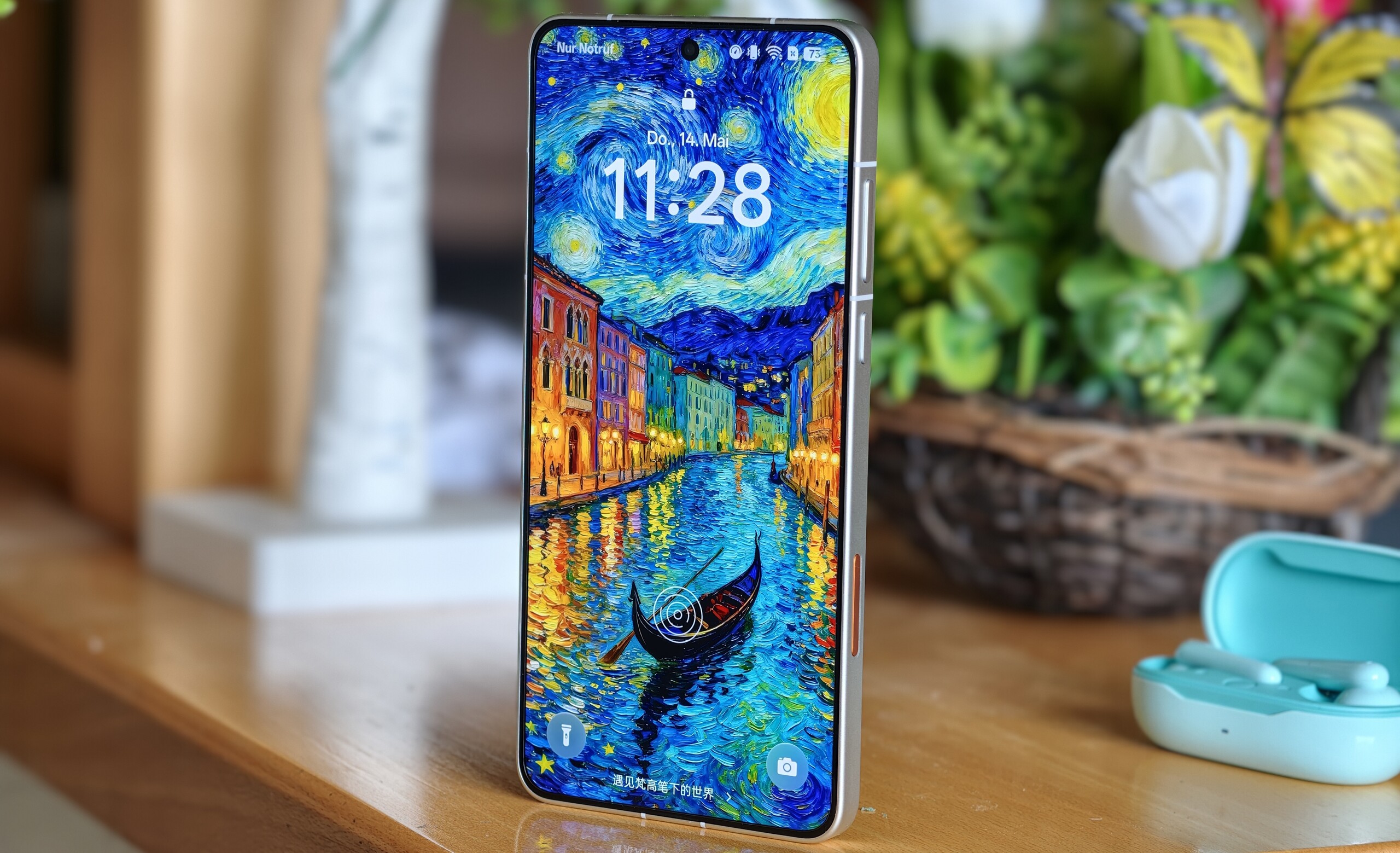
Verdict on the Oppo Find X9 Ultra
Even though the Find X9 Ultra's brightness control is somewhat weak in everyday use, Oppo has delivered one of the best smartphones of the year. The list of features is extensive and the camera package is first-class. With its wide focal length range, the Find X9 Ultra is excellently equipped for all scenarios. As with the Pro model, we once again really like the LUMO image processing.
Unlike its predecessor, the Find X9 Ultra's cooling system is at times overwhelmed by Qualcomm's top-end chipset, which means that less performance is available under load than with the X8 Ultra. As a result of the pronounced throttling, our rating has been adjusted downwards.
It is somewhat unfortunate that Oppo does not offer a Soft Light version of its Ultra model and therefore no matte alternative to a Galaxy S26 Ultra.
Pros
Cons
Price and availability of the Oppo Find X9 Ultra

The Find X9 Ultra is available in Germany for a recommended retail price of €1,699, including via Amazon.de, in a choice of Tundra Umber or Canyon Orange. Availability, prices and configurations may vary by region. As an import, Oppo's flagship is already available from Trading Shenzhen from €1,080, also in a white version and optionally with 1 TB of storage.

- $1,949.00OPPO Find X9 Ultra Dual-SIM 512GB ROM + 12GB RAM (GSM Only | No CDMA) Factory Unlocked 5G Smartphone (Tundra Umber) - International Version
- $2,289.00OPPO Find X9 Ultra Dual-SIM 1TB ROM + 16GB RAM (GSM Only | No CDMA) Factory Unlocked 5G Smartphone (Tundra Umber) - International Version
- $1,949.00OPPO Find X9 Ultra Dual-SIM 512GB ROM + 12GB RAM (GSM Only | No CDMA) Factory Unlocked 5G Smartphone (Canyon Orange) - International Version
Table of Contents
- Verdict on the Oppo Find X9 Ultra
- Oppo Find X9 Ultra specifications
- Case: water-resistant Android smartphone with IP69
- Features: Oppo Find X9 Ultra with IR blaster and USB 3.2
- Software: flagship phone with Android 16 and long updates
- Communication and GNSS: Oppo Find X9 Ultra with WiFi 7 and 5G
- Phone functions and voice quality: dual SIM and eSIM are on board the high-end phone
- Cameras: Oppo Find X9 Ultra with Hasselblad and LUMO Engine
- Accessories and warranty: Android smartphone with power adapter and teleconverter
- Input devices and operation: first-class ultrasonic sensor in the Oppo Find X9 Ultra
- Display: flagship phone with LTPO OLED screen and dimming problems
- Performance: Oppo uses a Snapdragon chipset for the Find X9 Ultra
- Emissions: Oppo Find X9 Ultra gets hotter than the Galaxy S26 Ultra with significant throttling
- Battery life: Android smartphone with large silicon-carbon battery
- Notebookcheck overall rating
- Possible alternatives at a glance
Oppo Find X9 Ultra specifications
Case: water-resistant Android smartphone with IP69
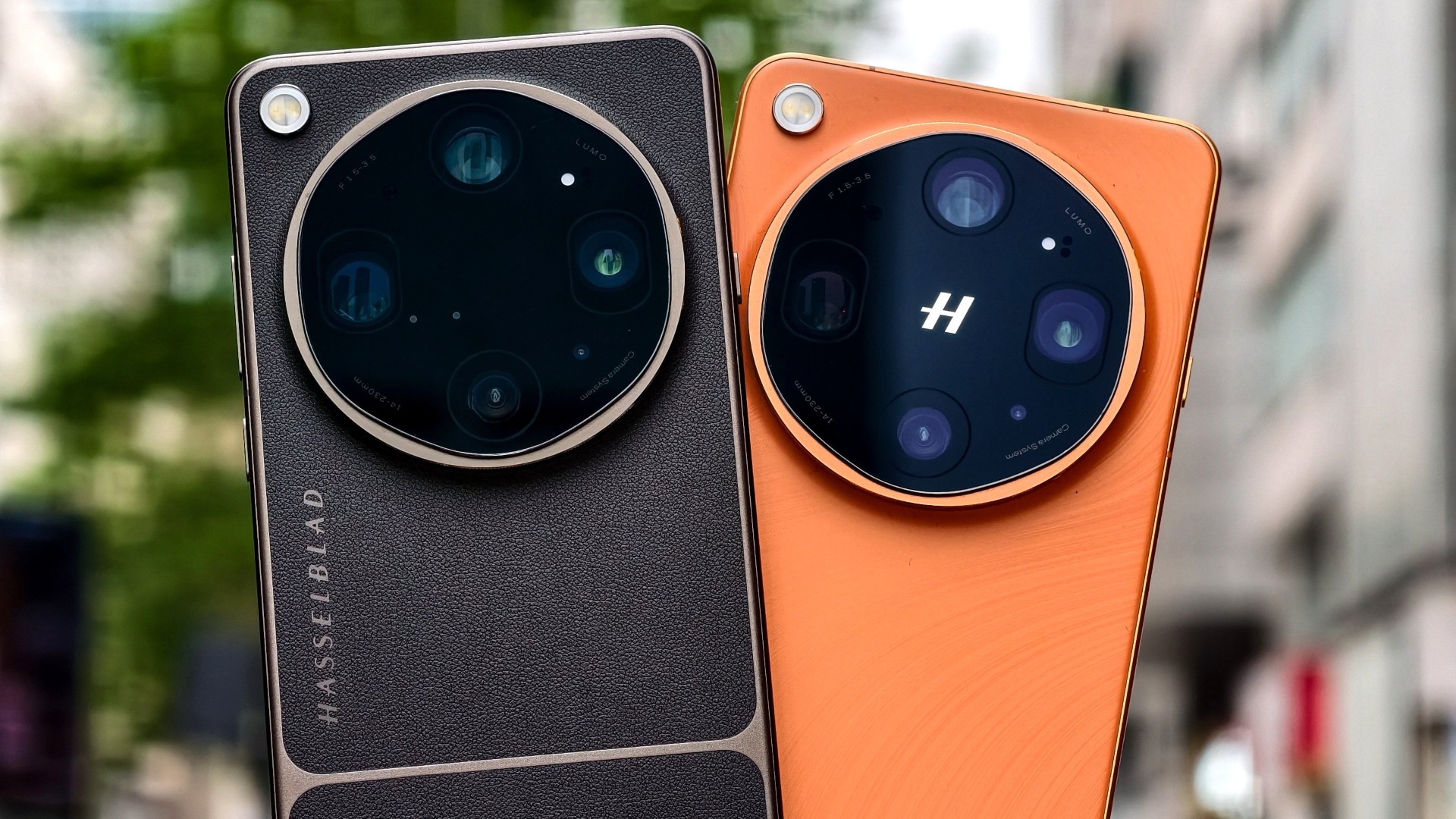
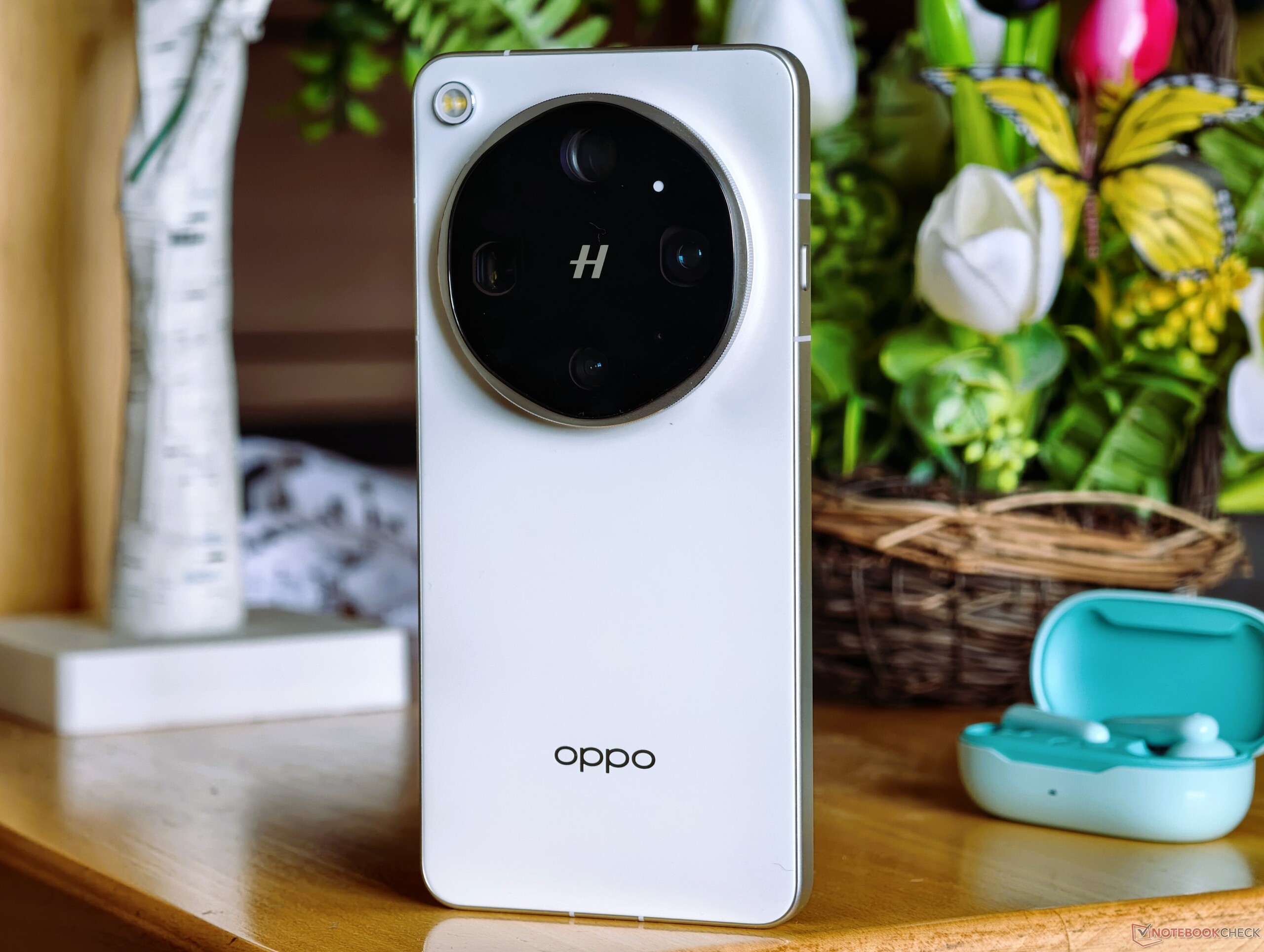
The Find X9 Ultra's case is IP68 and IP69 certified and is therefore water-resistant. Anyone using the smartphone without a case will notice that its angular design makes the ergonomics suffer somewhat. Given that the Oppo phone is already large and heavy, it is not exactly comfortable to hold.
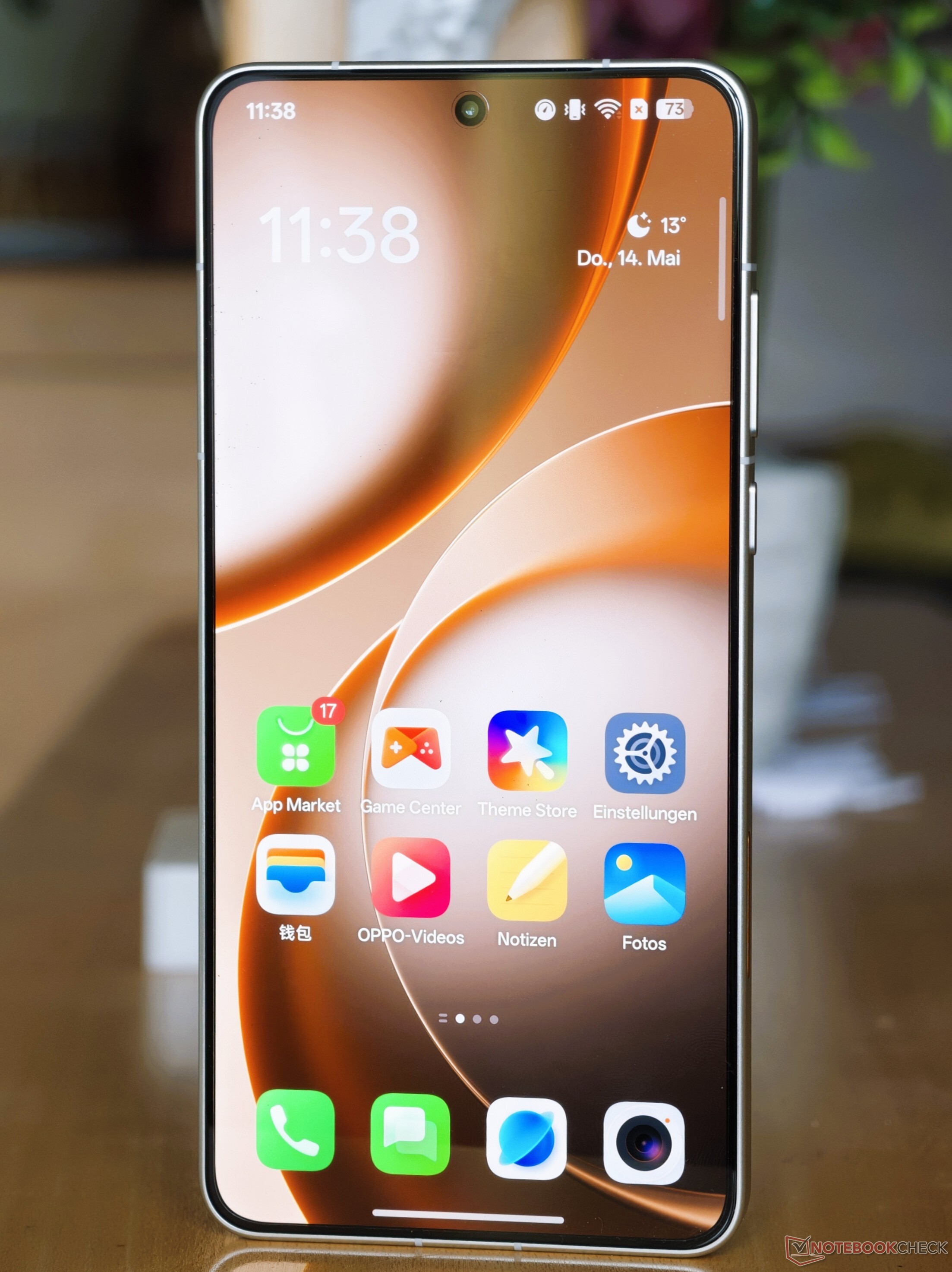
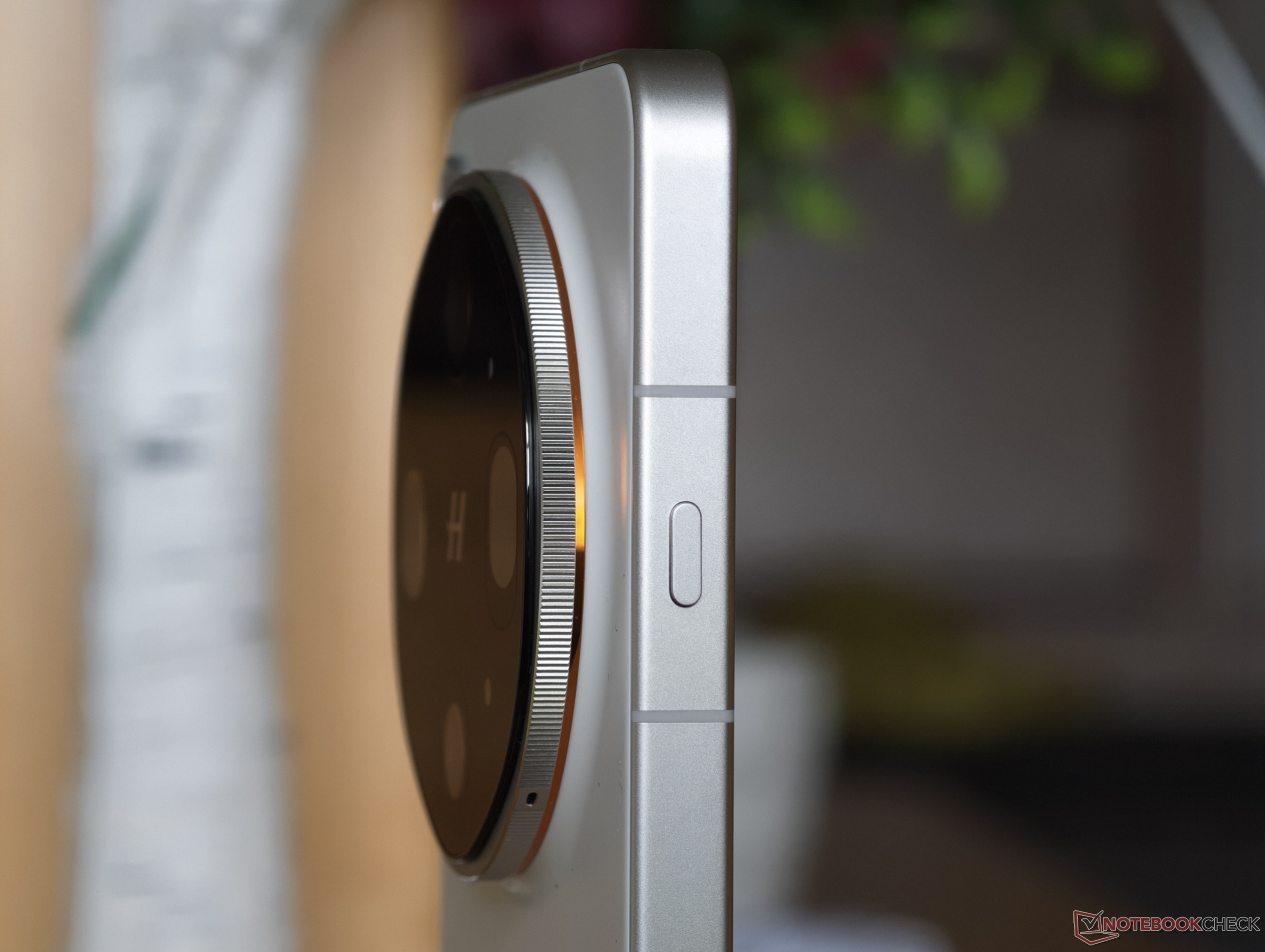
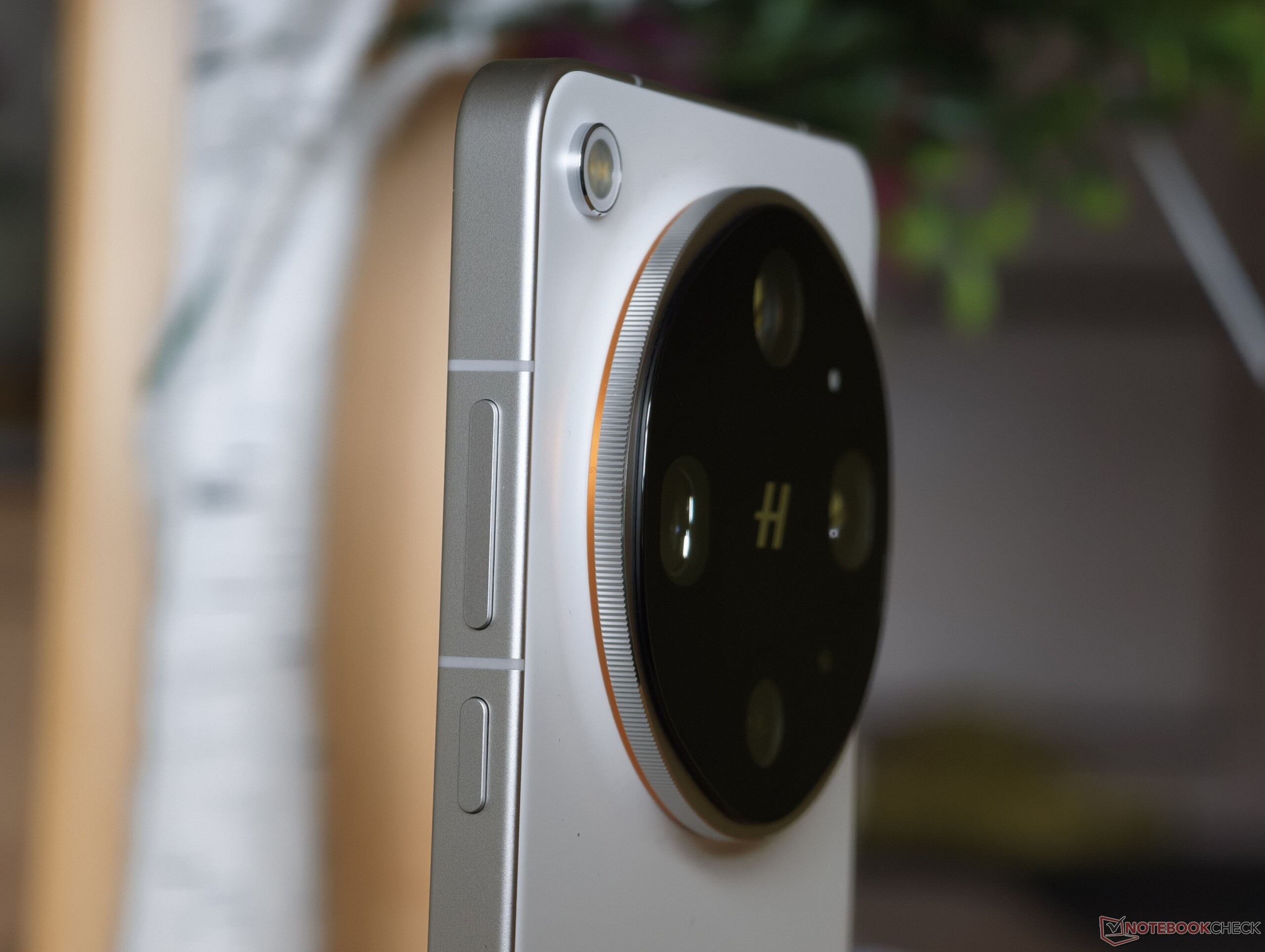
Where the Find X9 Ultra scores points is with its premium appearance and excellent build quality. The bezels around the 6.82-inch screen are also very slim. As with its predecessor, there is a freely assignable button on the left-hand side of the case, as well as a capacitive button on the right-hand side, which is assigned camera functions.
Instead of Crystal Shield glass, Oppo uses Corning Gorilla Glass Victus 2 for the successor to the Find X8 Ultra. There is no Soft Light version with a matte panel, as found on the Galaxy S26 Ultra.
Features: Oppo Find X9 Ultra with IR blaster and USB 3.2
The Find X9 Ultra offers modern Bluetooth 6.0, an NFC chip, an IR blaster and a fast USB 3.2 port (Gen 1), which supports wired image output. USB OTG is also on board. In our copy test with a Samsung Portable SSD T7, Oppo's flagship achieved a solid 360 MB/s. However, it lacks both a UWB chip for high-precision locating and a barometer.
Software: flagship phone with Android 16 and long updates
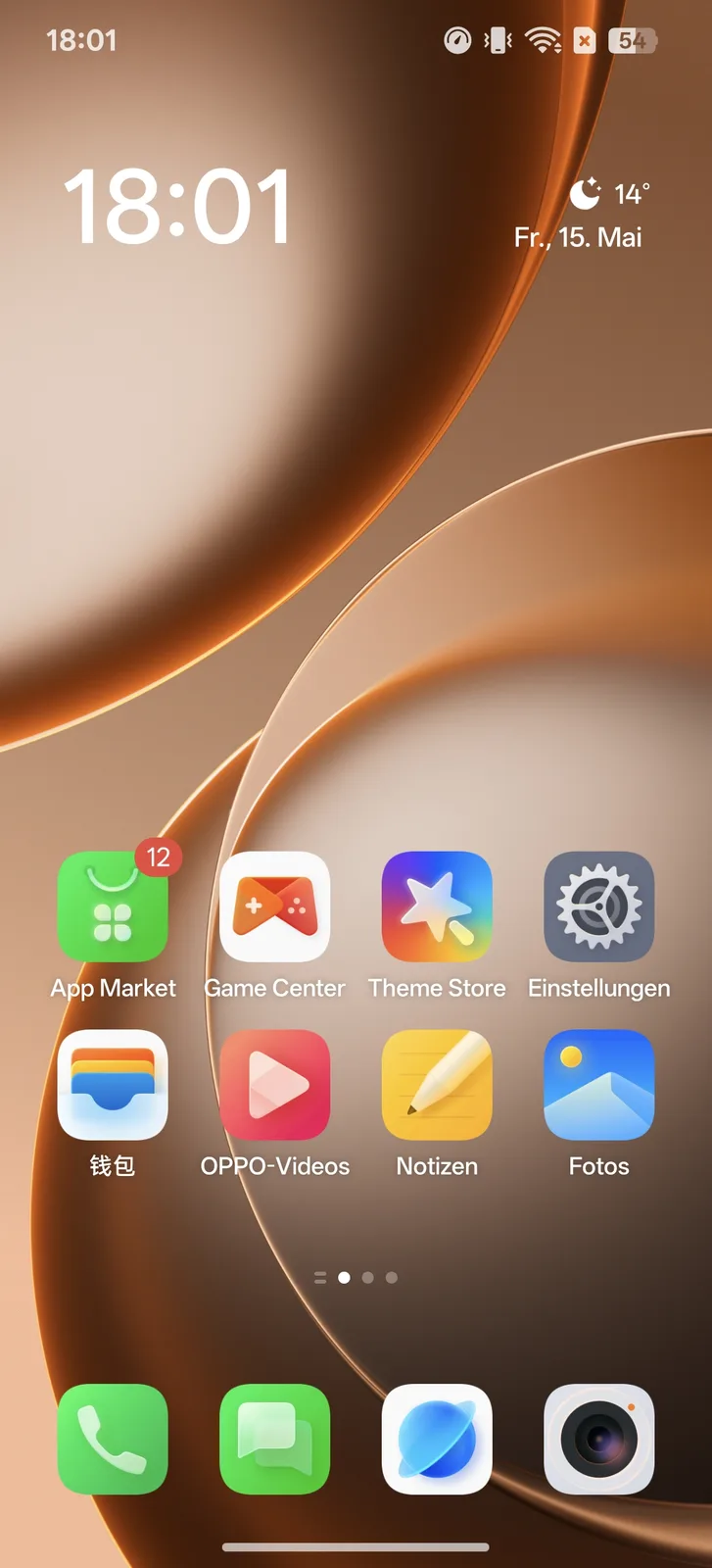
The Find X9 Ultra comes with ColorOS 16 based on Android 16. Those who opt for the global version are promised five major Android versions and six years of the latest security patches. However, there are some question marks over the planned software support for the China version, as we could not find any official information here.
Sustainability
The packaging is apparently plastic-free. According to the EPREL database, the Find X9 Ultra has a good repairability class (B).
The manufacturer states a recycling rate for selected materials, but information on the ecological footprint is not very comprehensive. Compared to Google or Samsung, Oppo still has some catching up to do in terms of transparency.
Communication and GNSS: Oppo Find X9 Ultra with WiFi 7 and 5G
There are no real differences in frequency coverage between the European and Chinese versions of the Find X9 Ultra. The Oppo phone offers many LTE and 5G bands.
In Wi-Fi networks, the Find X9 Ultra transmits at very high speeds thanks to WiFi 7. In conjunction with our new reference router, the Asus RT-BE96U BE19000, the Oppo phone achieves very high speeds. Even the marked drop in the data rate during reception still delivers an excellent 1,800 MBit/s.
| Networking | |
| Oppo Find X9 Ultra | |
| iperf3 transmit Wi-Fi6/7 RT-BE96U | |
| iperf3 receive Wi-Fi6/7 RT-BE96U | |
| Samsung Galaxy S26 Ultra | |
| iperf3 transmit AXE11000 | |
| iperf3 receive AXE11000 | |
| iperf3 transmit AXE11000 6GHz | |
| iperf3 receive AXE11000 6GHz | |
| iperf3 transmit Wi-Fi6/7 RT-BE96U | |
| iperf3 receive Wi-Fi6/7 RT-BE96U | |
| Vivo X300 Ultra | |
| iperf3 transmit Wi-Fi6/7 RT-BE96U | |
| iperf3 receive Wi-Fi6/7 RT-BE96U | |
| Xiaomi 17 Ultra | |
| iperf3 transmit AXE11000 | |
| iperf3 receive AXE11000 | |
| iperf3 transmit AXE11000 6GHz | |
| iperf3 receive AXE11000 6GHz | |
| Average 802.11 a/b/g/n/ac/ax/be | |
| iperf3 transmit AXE11000 | |
| iperf3 receive AXE11000 | |
| iperf3 transmit AXE11000 6GHz | |
| iperf3 receive AXE11000 6GHz | |
| iperf3 transmit Wi-Fi6/7 RT-BE96U | |
| iperf3 receive Wi-Fi6/7 RT-BE96U | |
| Average of class Smartphone | |
| iperf3 transmit AXE11000 | |
| iperf3 receive AXE11000 | |
| iperf3 transmit AXE11000 6GHz | |
| iperf3 receive AXE11000 6GHz | |
| iperf3 transmit Wi-Fi6/7 RT-BE96U | |
| iperf3 receive Wi-Fi6/7 RT-BE96U | |
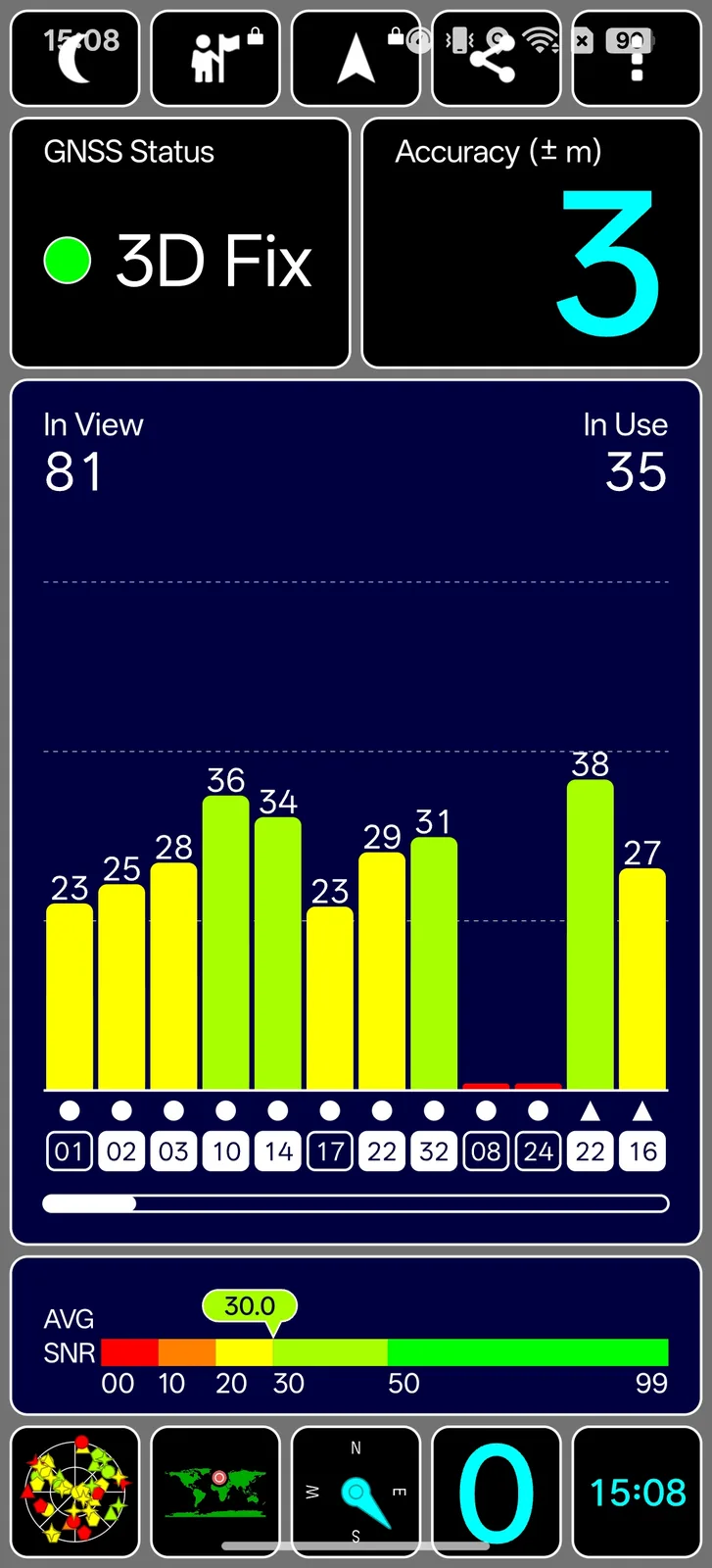
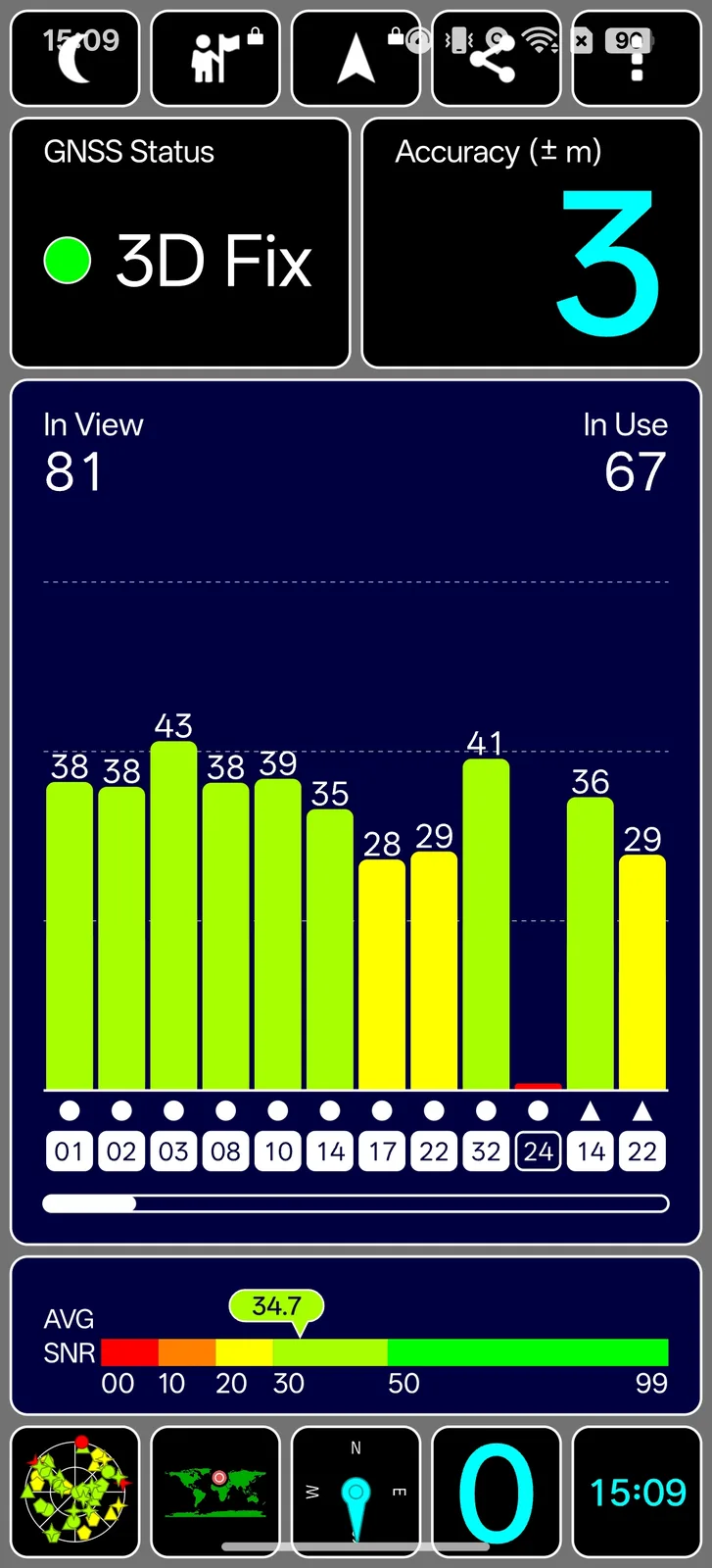
Dual-band connectivity is available for satellite positioning across global networks. The satellite fix is achieved very quickly indoors and with a similar level of accuracy to outdoors.
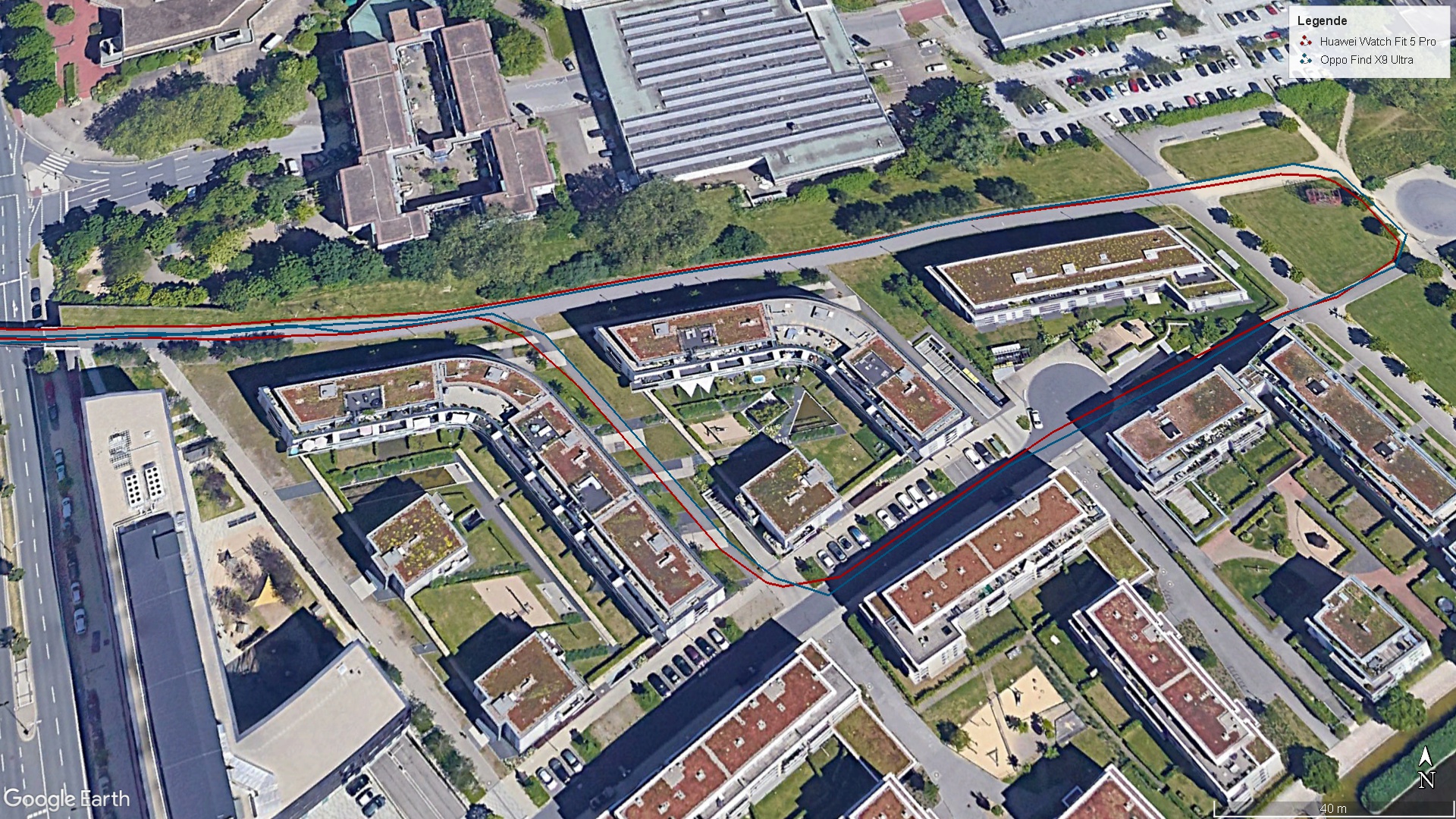
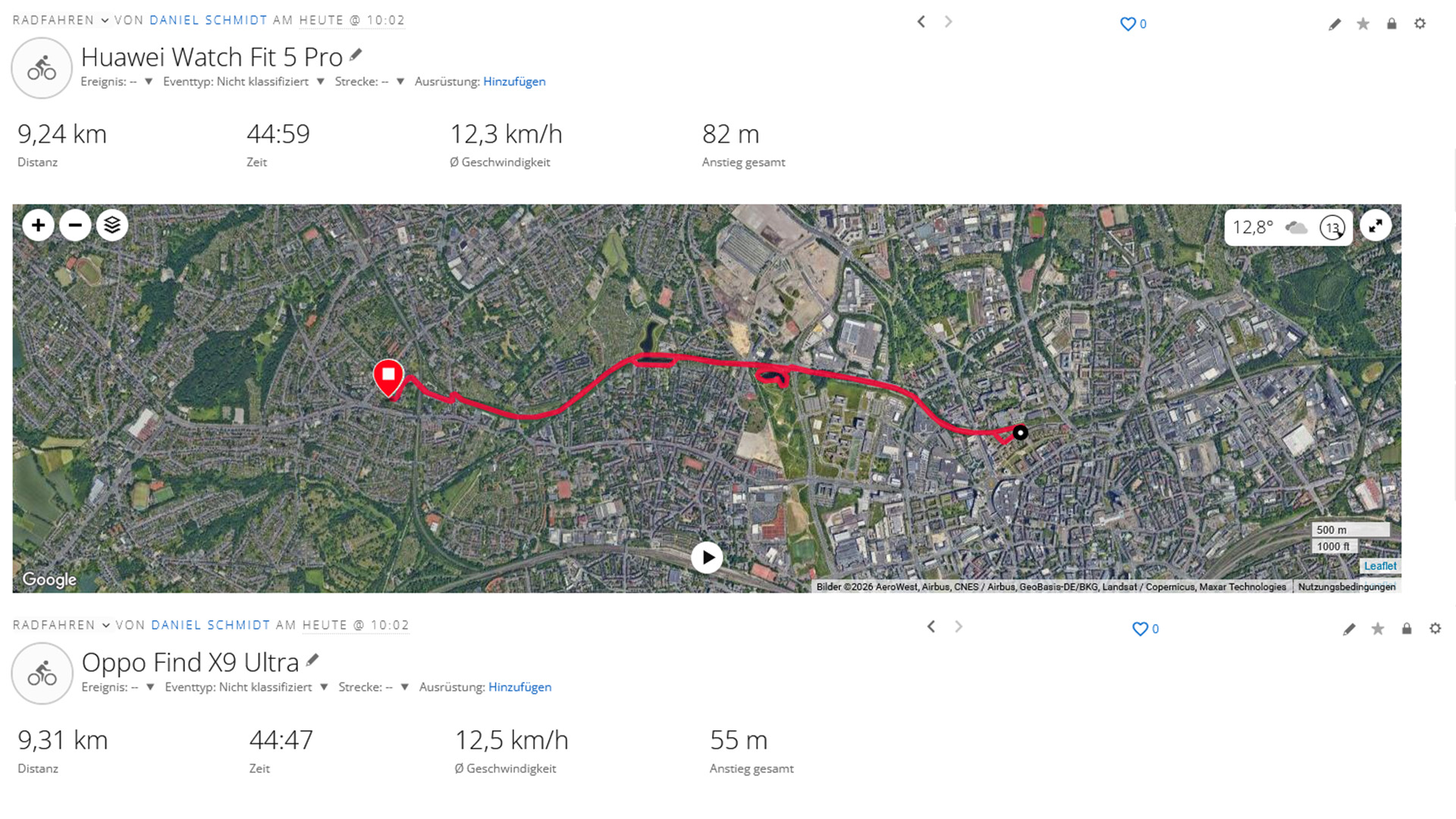
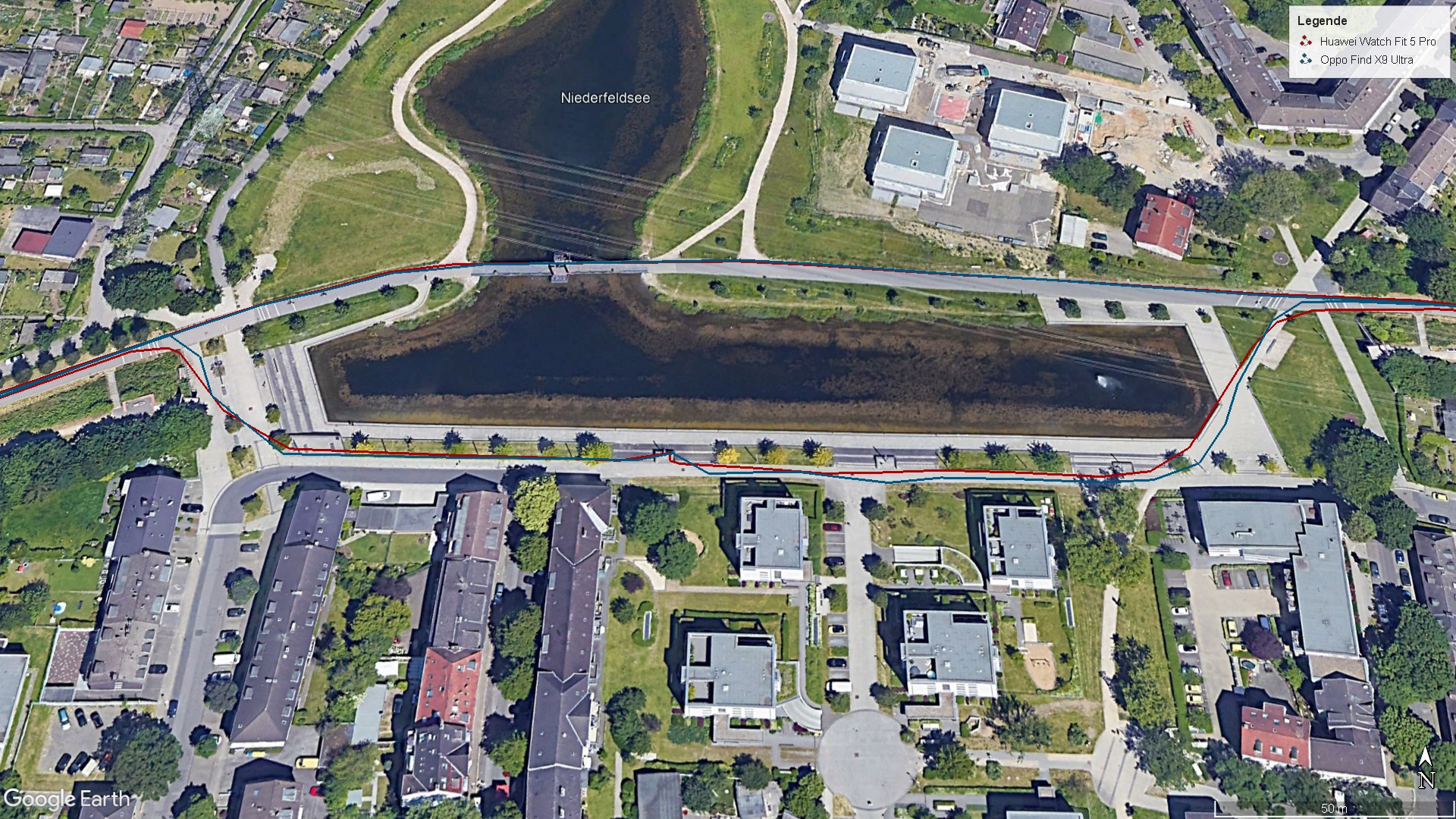
On a bike ride, we compared the Find X9 Ultra with a Huawei Watch Fit 5. Although we observed some minor inaccuracies, the Oppo phone is very well suited to navigation tasks.
Phone functions and voice quality: dual SIM and eSIM are on board the high-end phone
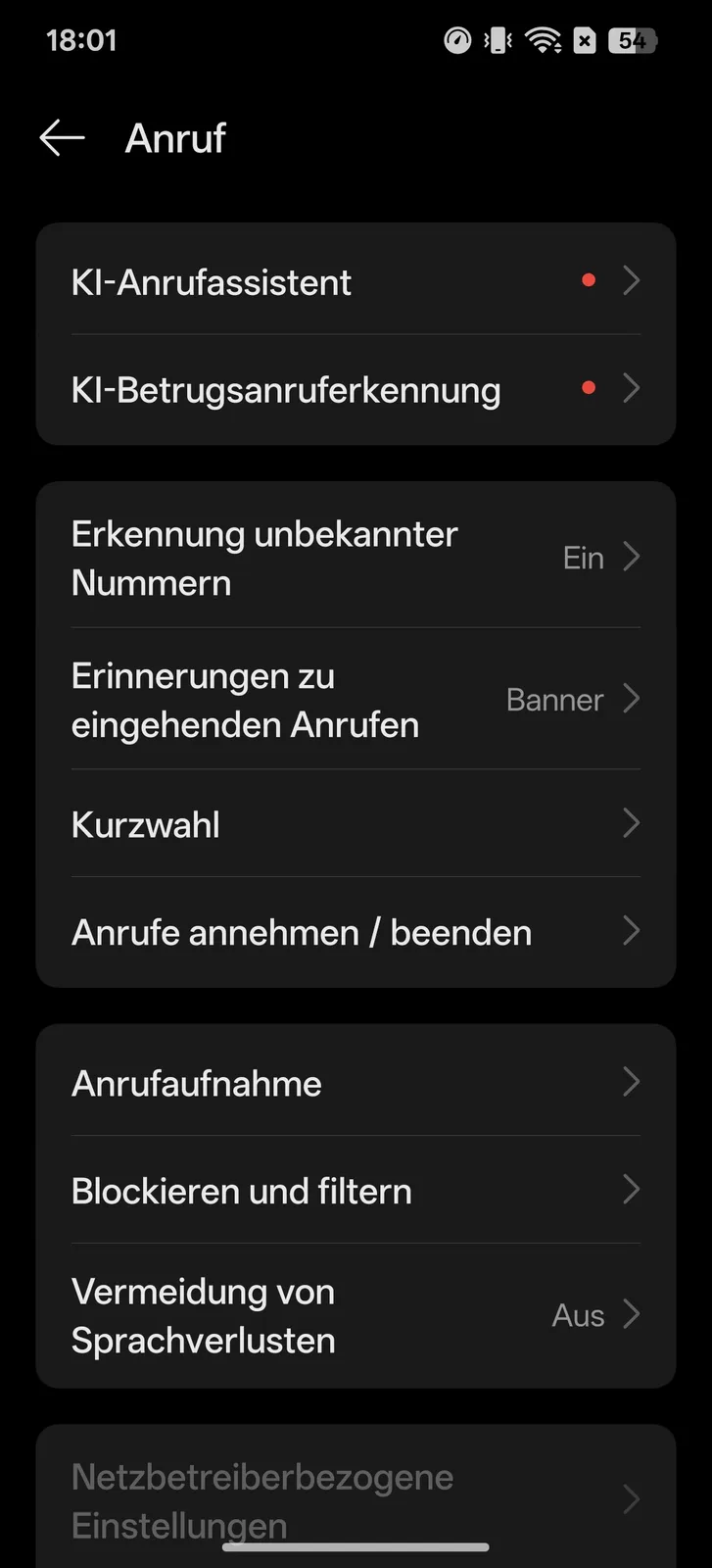
For phone calls, the flagship phone offers standard features such as VoNR and Wi-Fi calling, as well as space for two nano-SIM cards. Anyone who needs dual-SIM functionality can also optionally integrate an eSIM. Voice quality is good.
Cameras: Oppo Find X9 Ultra with Hasselblad and LUMO Engine

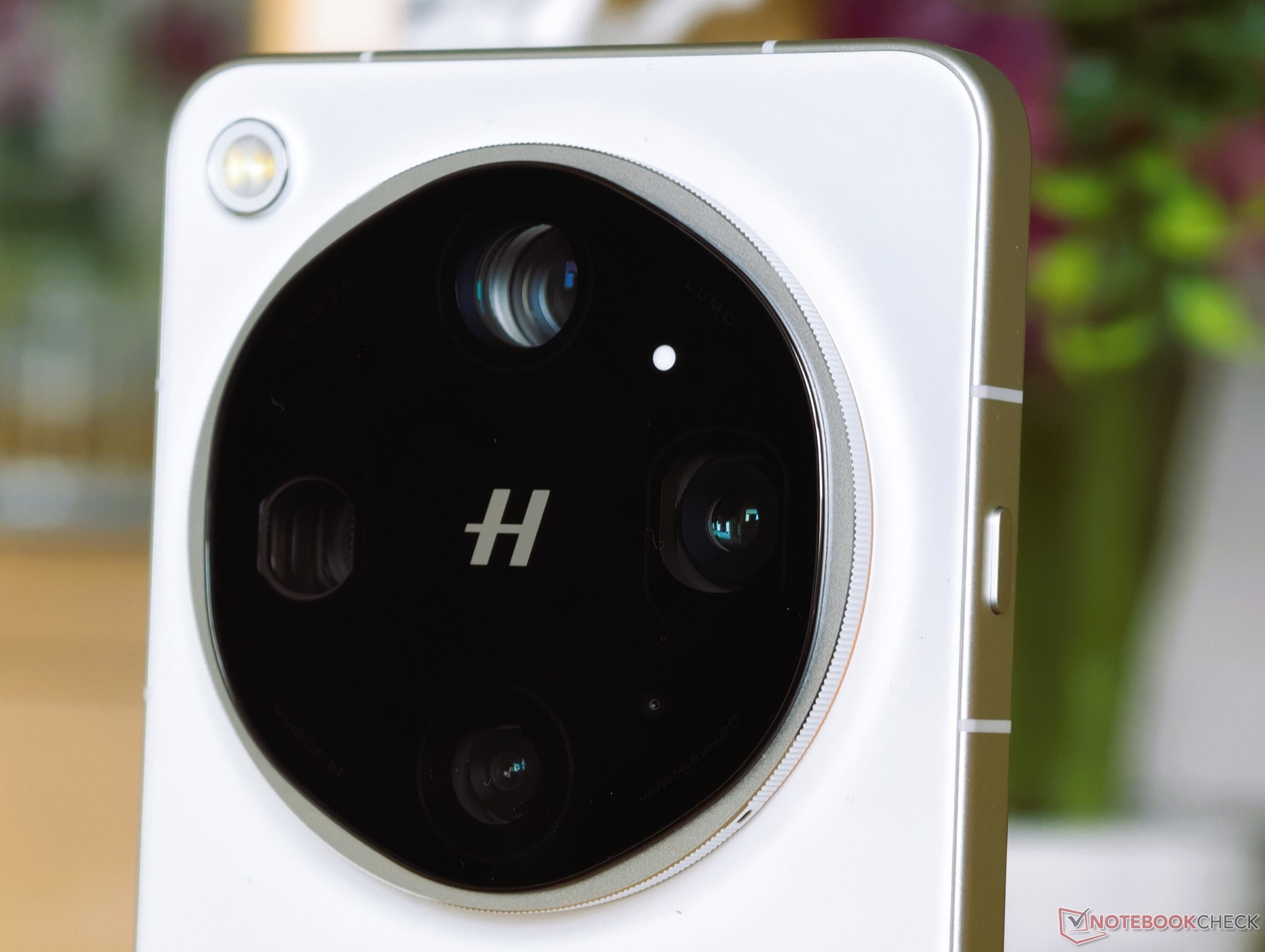
In collaboration with Hasselblad, Oppo has once again put together an outstanding camera package. Unlike the Vivo X300 Ultra with its triple camera, the Find X9 Ultra has three additional lenses alongside the Sony LYT-901 as its main camera, although some of the sensors are significantly smaller.
While the 200 MP telephoto lens also has a large sensor at 1/1.28 inches, some compromises have to be accepted with the ultra-wide-angle lens and especially with the second telephoto lens at 1/2.76 inches. Nevertheless, excellent results are still possible in daylight. The 50 MP periscope lens, in particular, impressed us in everyday use with its 10x optical zoom.
The 200 MP main camera of Oppo's flagship offers very pleasing sharpness and strong dynamic range. The large aperture also ensures excellent low-light capabilities, although we see Vivo’s camera algorithms as being slightly ahead when it comes to image processing. Especially at full sensor resolution and in less-than-ideal lighting conditions, the Find X9 Ultra captures slightly less detail than an X300 Ultra. In return, Oppo's automated LUMO image processing offers more detail thanks to variable resolution, without constant intervention by the user.
In our measurements, the multispectral sensor ensures accurate colour reproduction with only a few outliers.
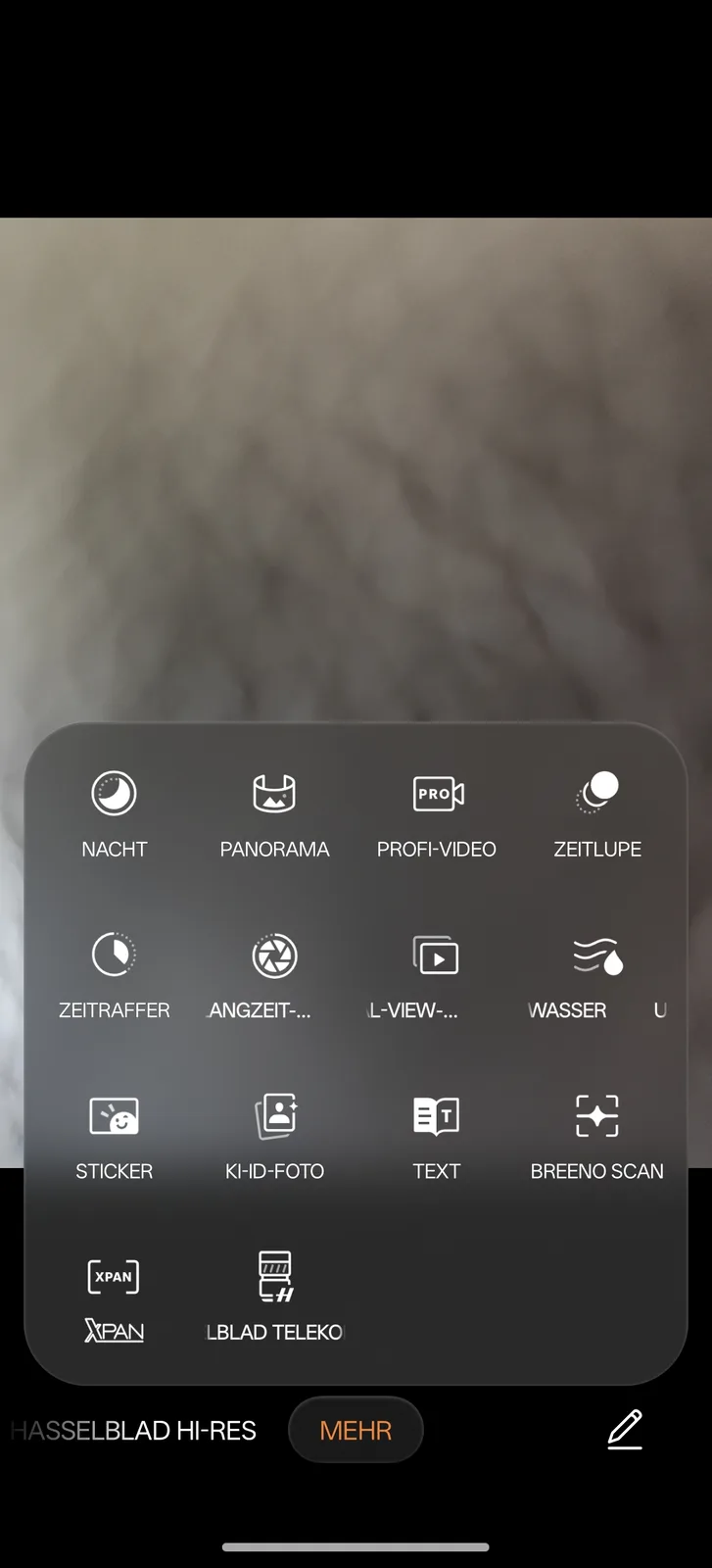
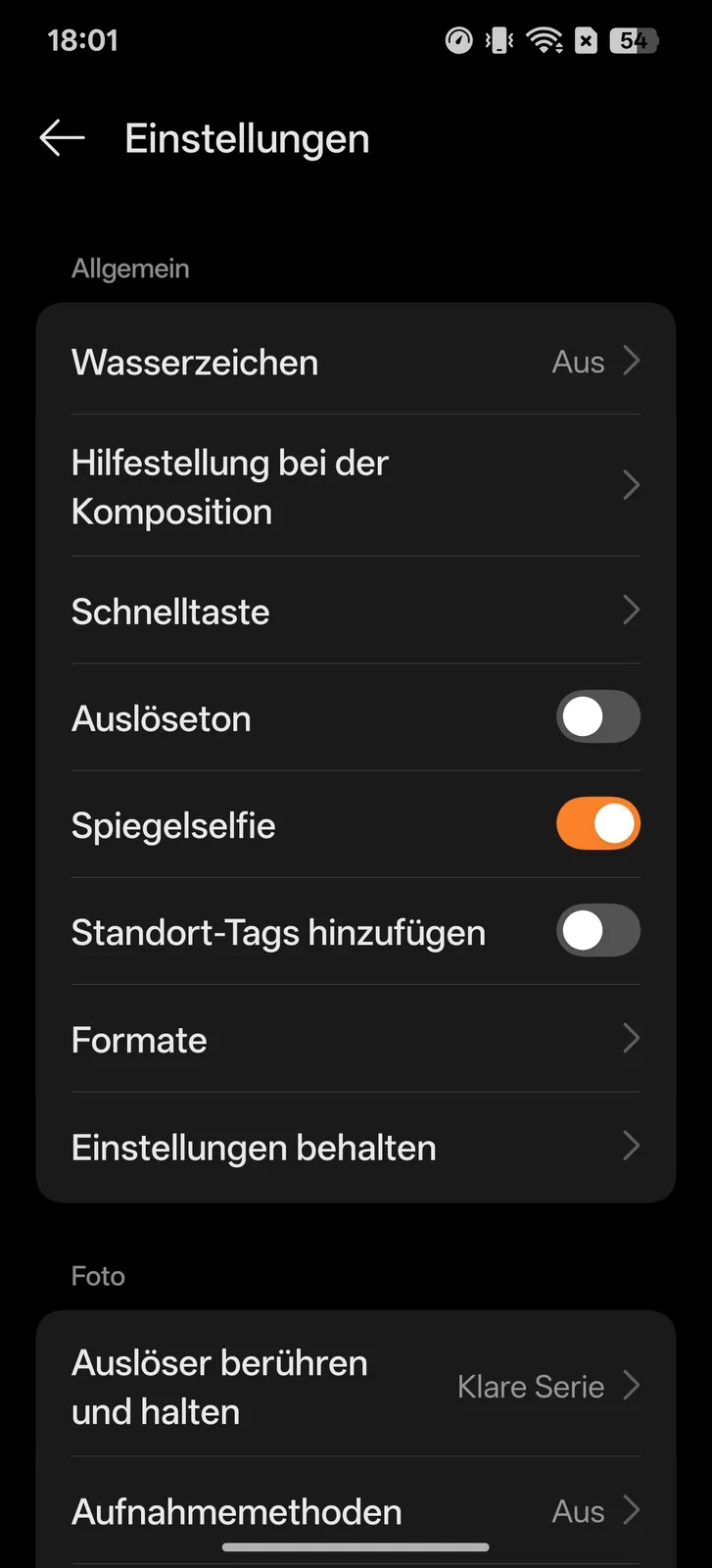
Image comparison
Choose a scene and navigate within the first image. One click changes the position on touchscreens. One click on the zoomed-in image opens the original in a new window. The first image shows the scaled photograph of the test device.




Accessories and warranty: Android smartphone with power adapter and teleconverter
The China version comes with a case and fast charger, a charging cable (USB-C to USB-A), a SIM tool and a quick-start guide. A screen protector is also pre-installed. The SuperVOOC charger is not included with the global version.
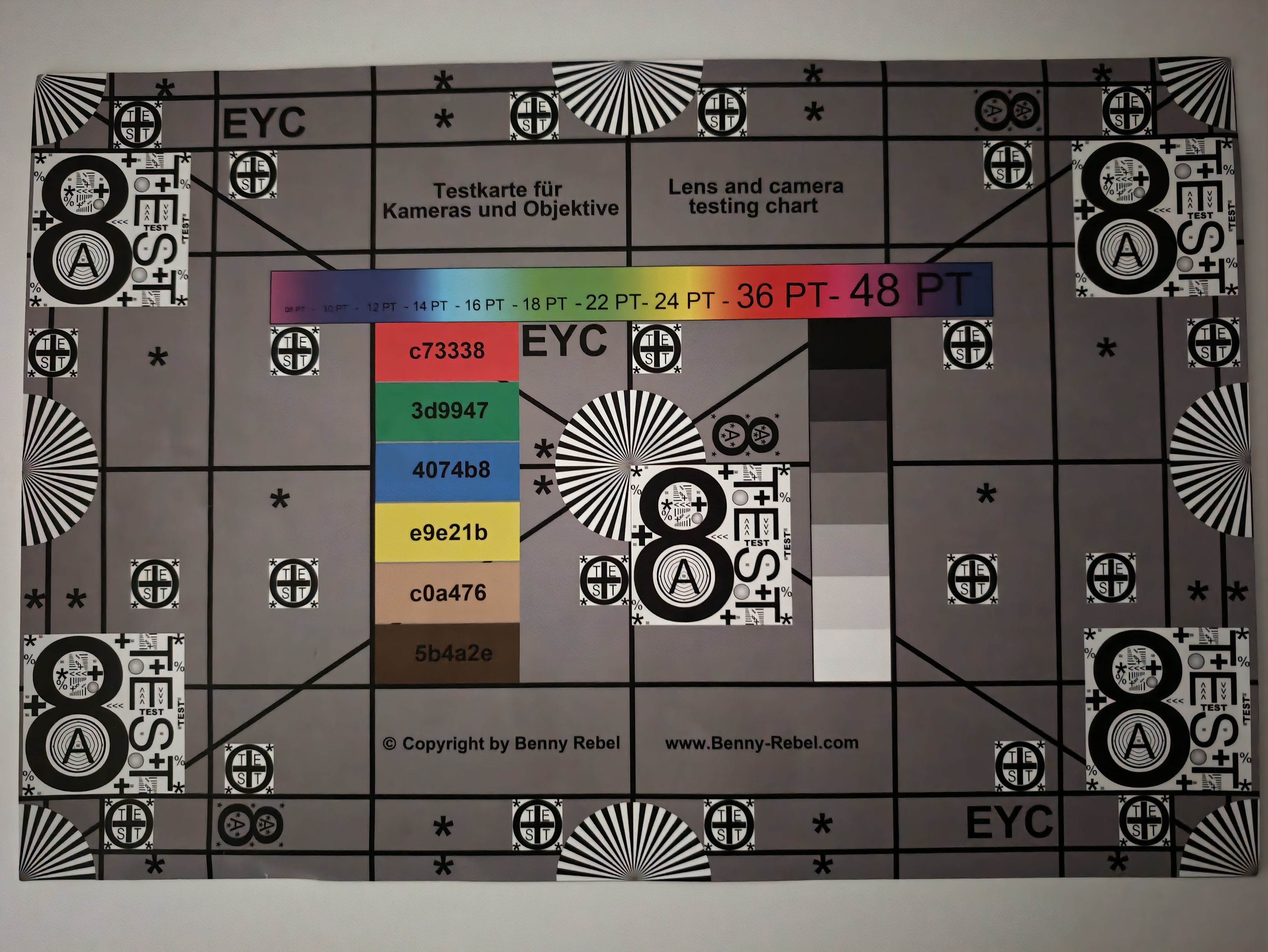
The Hasselblad Earth Explorer Kit is also optionally available for an RRP of €599. It includes a teleconverter and a camera grip with a camera shutter button as well as a control dial.
Our imported device comes with a 12-month warranty. In the event of a warranty claim, Trading Shenzhen allows the smartphone to be sent to a German shipping address. The global model comes with a 24-month warranty, although warranty terms may vary by region.
Input devices and operation: first-class ultrasonic sensor in the Oppo Find X9 Ultra
Display: flagship phone with LTPO OLED screen and dimming problems
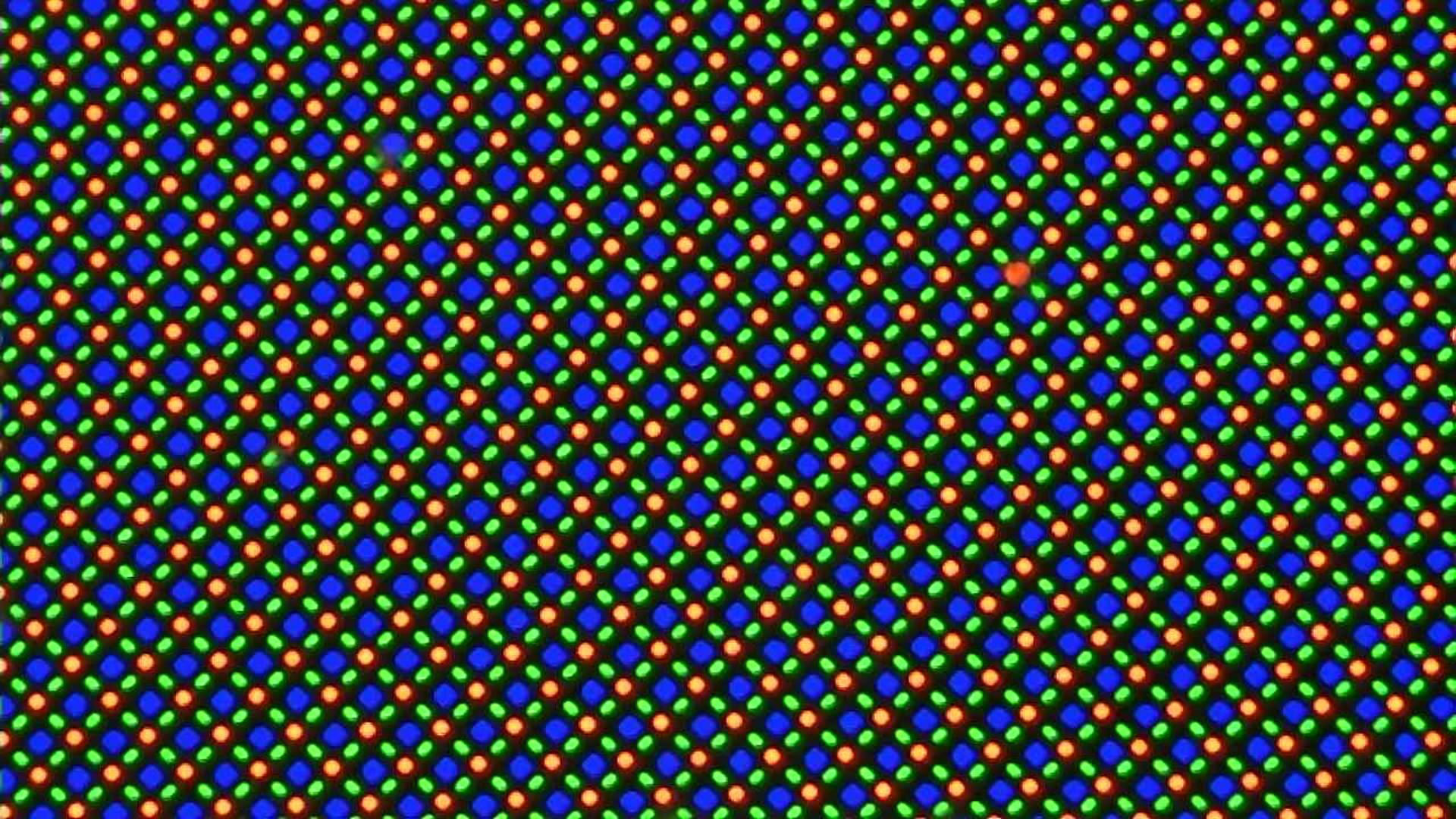
The 6.82-inch 144 Hz AMOLED panel offers a high QHD+ resolution and, according to Oppo, a peak brightness of 3,600 nits.
In our measurements, we only reached around 1,800 cd/m² when playing back an HDR video, as well as with the APL18 pattern, which is more relevant for everyday use. In other words, this is only half the advertised figure. In addition, the brightness values we measured cannot be maintained for long, and the Find X9 Ultra quickly throttles its luminance with a white background. The automatic brightness control is also far too dark for our taste in everyday use and, unlike Samsung's implementation, cannot be "calibrated" to personal preferences.
Oppo uses pulse-width modulation to control the screen brightness. According to the manufacturer, high-frequency PWM dimming at 2,160 Hz is provided, which minimises the negative effects of flickering. Using the Rigol software, we also measured a fundamental frequency of just 90 Hz.
| |||||||||||||||||||||||||
Brightness Distribution: 98 %
Center on Battery: 1143 cd/m²
Contrast: ∞:1 (Black: 0 cd/m²)
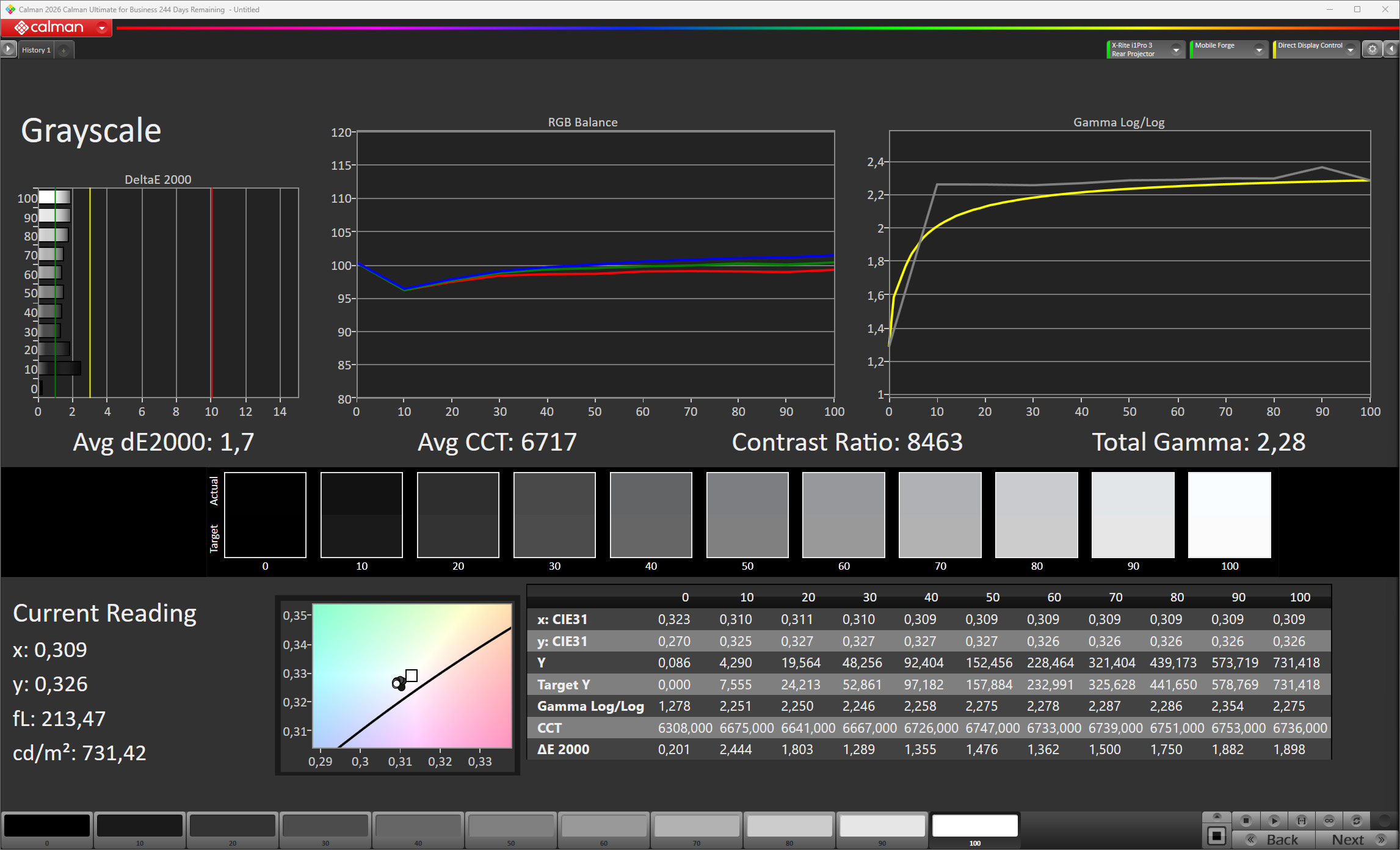
ΔE ColorChecker Calman: 1.2 | ∀{0.5-29.43 Ø4.69}
ΔE Greyscale Calman: 1.7 | ∀{0.09-98 Ø4.94}
99.5% sRGB (Calman 2D)
Gamma: 2.28
CCT: 6717 K
| Oppo Find X9 Ultra AMOLED, 3168x1440, 6.8" | Samsung Galaxy S26 Ultra Dynamic AMOLED 2X, 3120x1440, 6.9" | Vivo X300 Ultra LTPO OLED, 3168x1440, 6.8" | Xiaomi 17 Ultra AMOLED, 2608x1200, 6.9" | |
|---|---|---|---|---|
| Screen | -29% | -3% | 3% | |
| Brightness middle (cd/m²) | 1143 | 1339 17% | 1568 37% | 1303 14% |
| Brightness (cd/m²) | 1150 | 1381 20% | 1535 33% | 1300 13% |
| Brightness Distribution (%) | 98 | 94 -4% | 96 -2% | 98 0% |
| Black Level * (cd/m²) | ||||
| Colorchecker dE 2000 * | 1.2 | 2.5 -108% | 1.23 -3% | 1.12 7% |
| Colorchecker dE 2000 max. * | 1.9 | 3.8 -100% | 3.22 -69% | 2.25 -18% |
| Greyscale dE 2000 * | 1.7 | 1.7 -0% | 1.9 -12% | 1.7 -0% |
| Gamma | 2.28 96% | 2.05 107% | 2.251 98% | 2.242 98% |
| CCT | 6717 97% | 6498 100% | 6552 99% | 6404 101% |
* ... smaller is better
| Display / APL18 Peak Brightness | |
| Xiaomi 17 Ultra | |
| Samsung Galaxy S26 Ultra | |
| Vivo X300 Ultra | |
| Oppo Find X9 Ultra | |
| Display / HDR Peak Brightness | |
| Vivo X300 Ultra | |
| Xiaomi 17 Ultra | |
| Samsung Galaxy S26 Ultra | |
| Oppo Find X9 Ultra | |
Screen Flickering / PWM (Pulse-Width Modulation)
| Screen flickering / PWM detected | 90 Hz Amplitude: 15.51 % Secondary Frequency: 2173 Hz | 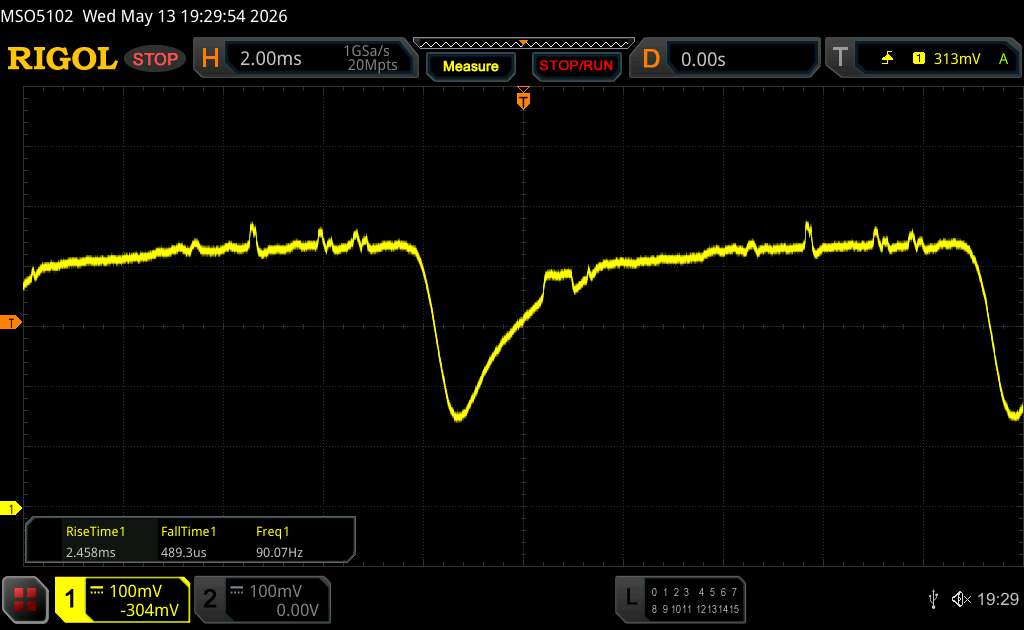 | |
The display backlight flickers at 90 Hz (worst case, e.g., utilizing PWM) . The frequency of 90 Hz is very low, so the flickering may cause eyestrain and headaches after extended use. In comparison: 52 % of all tested devices do not use PWM to dim the display. If PWM was detected, an average of 7611 (minimum: 5 - maximum: 343500) Hz was measured. | |||
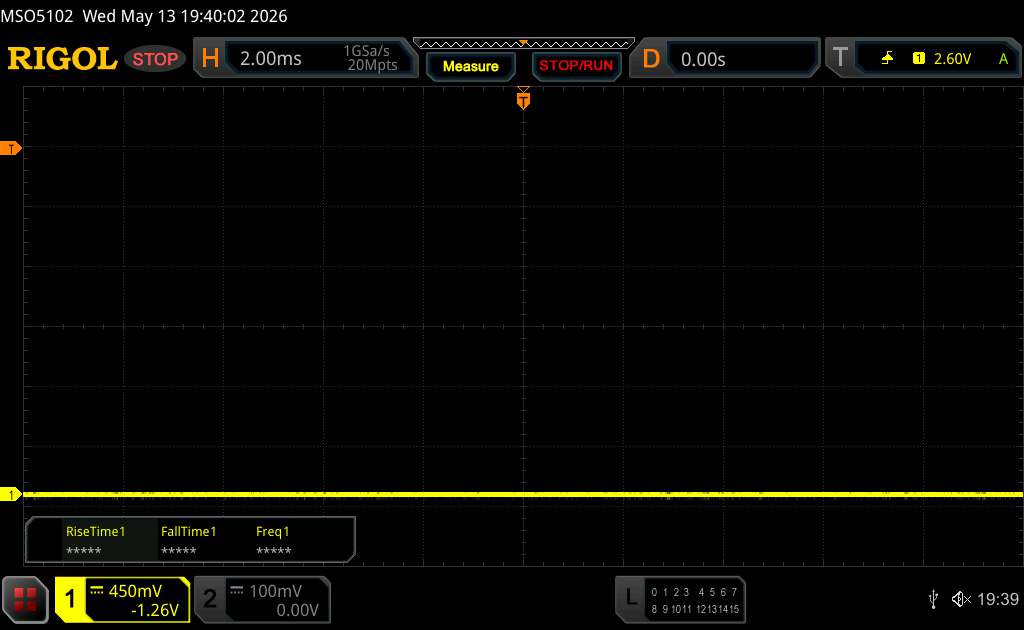
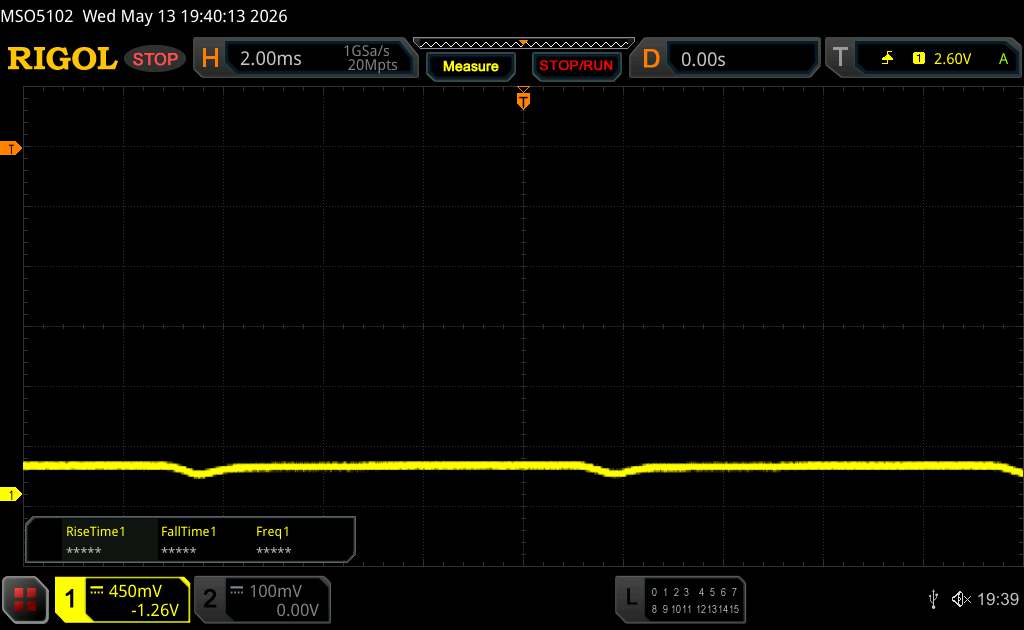
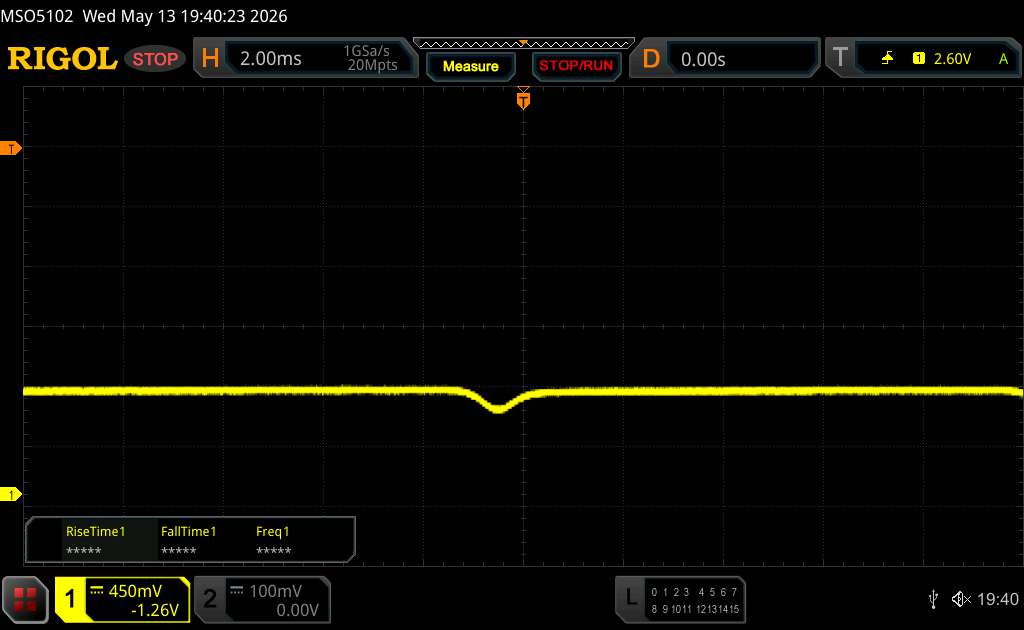
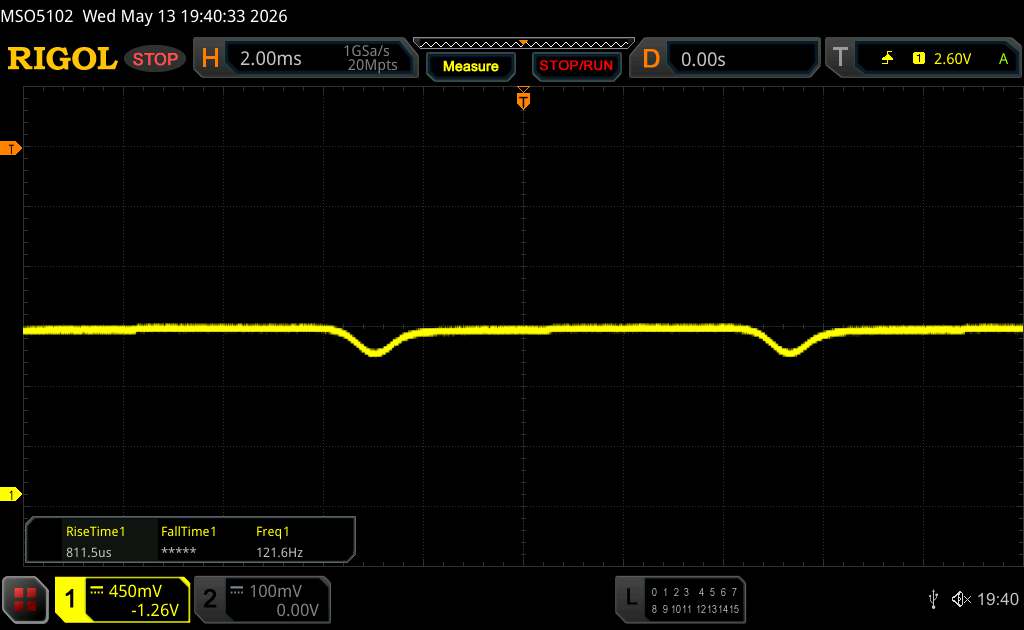
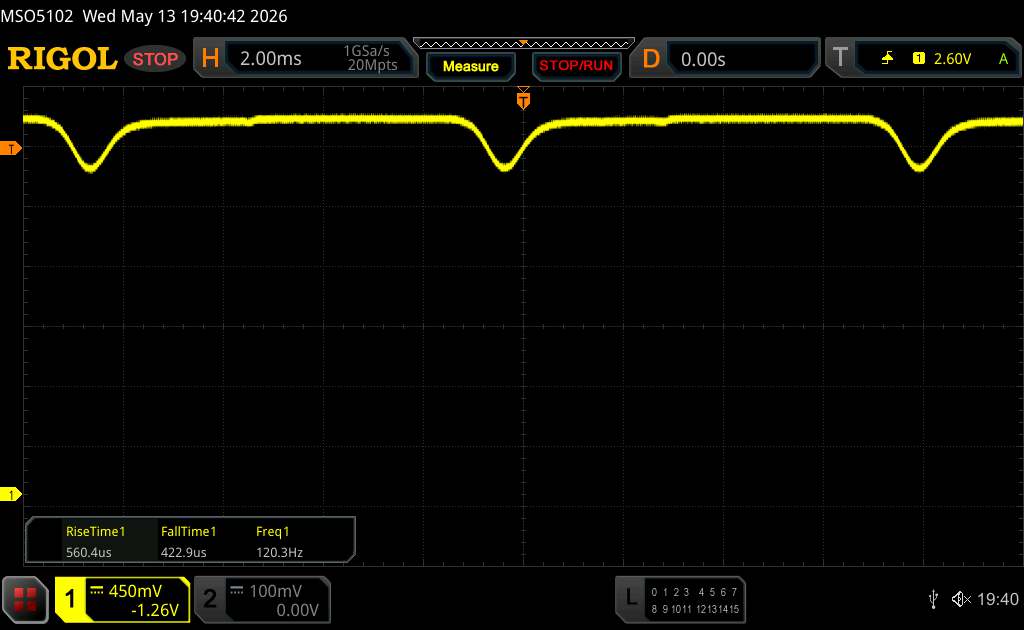
Measurement series with fixed zoom level and different brightness settings (The amplitude curve at minimum brightness looks flat, but this is due to the scaling. The info box shows the enlarged version of the amplitude at minimum brightness)
We examine deviations in the colors with the Calman analysis software. In the "Natural + Warm" profile, the sRGB color space is used and almost completely covered. Differences in the individual colors are not visible to the eye and the measured DeltaE values are very low.


Display Response Times
| ↔ Response Time Black to White | ||
|---|---|---|
| 0.89 ms ... rise ↗ and fall ↘ combined | ↗ 0.4365 ms rise | 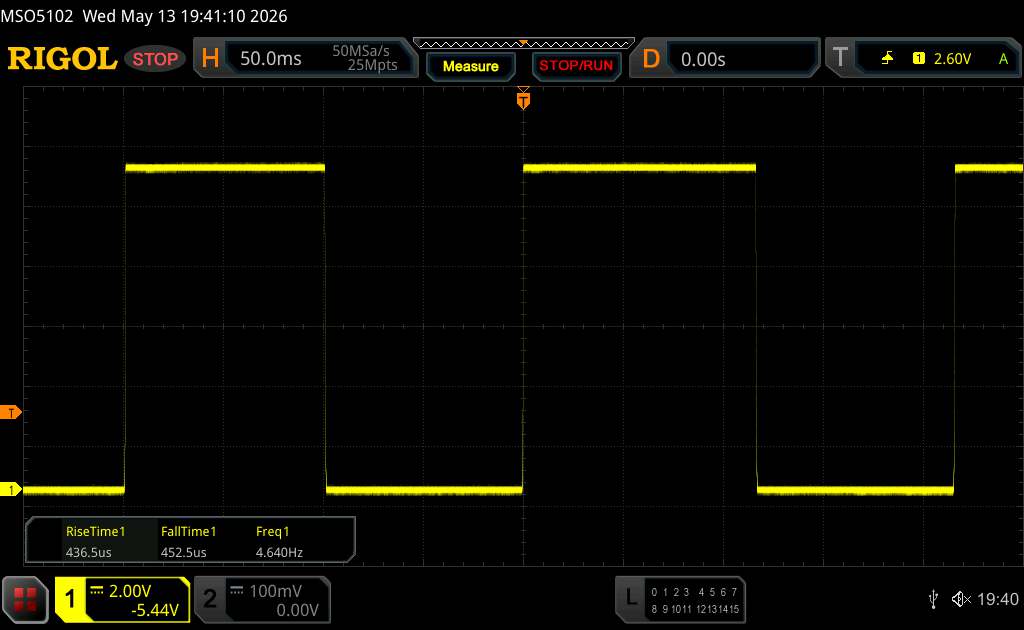 |
| ↘ 0.4525 ms fall | ||
| The screen shows very fast response rates in our tests and should be very well suited for fast-paced gaming. In comparison, all tested devices range from 0.1 (minimum) to 240 (maximum) ms. » 3 % of all devices are better. This means that the measured response time is better than the average of all tested devices (19.7 ms). | ||
| ↔ Response Time 50% Grey to 80% Grey | ||
| 1.4 ms ... rise ↗ and fall ↘ combined | ↗ 0.5285 ms rise | 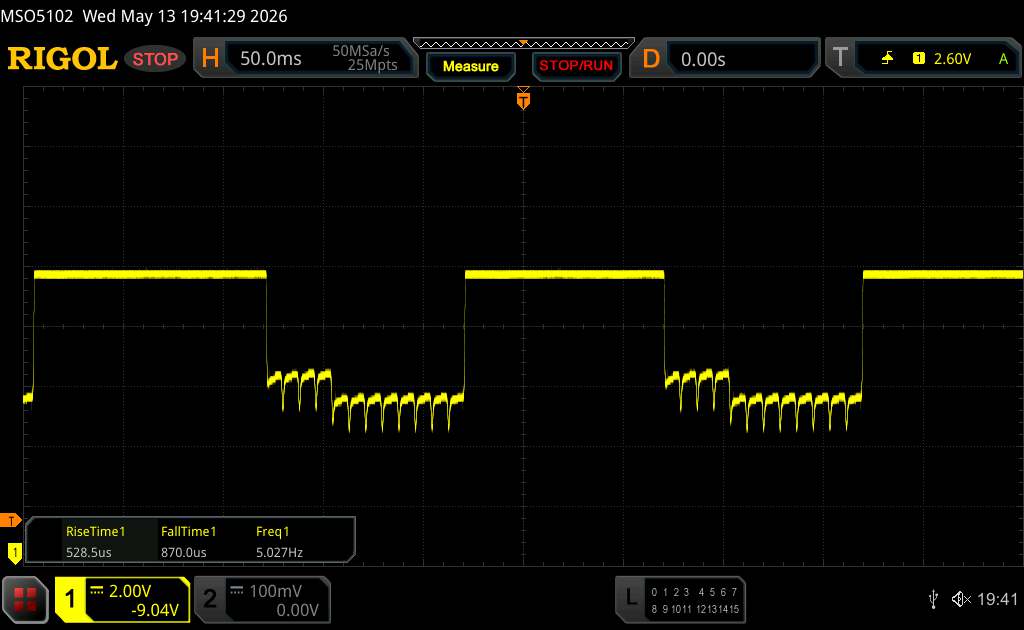 |
| ↘ 0.87 ms fall | ||
| The screen shows very fast response rates in our tests and should be very well suited for fast-paced gaming. In comparison, all tested devices range from 0.13 (minimum) to 636 (maximum) ms. » 7 % of all devices are better. This means that the measured response time is better than the average of all tested devices (30.7 ms). | ||
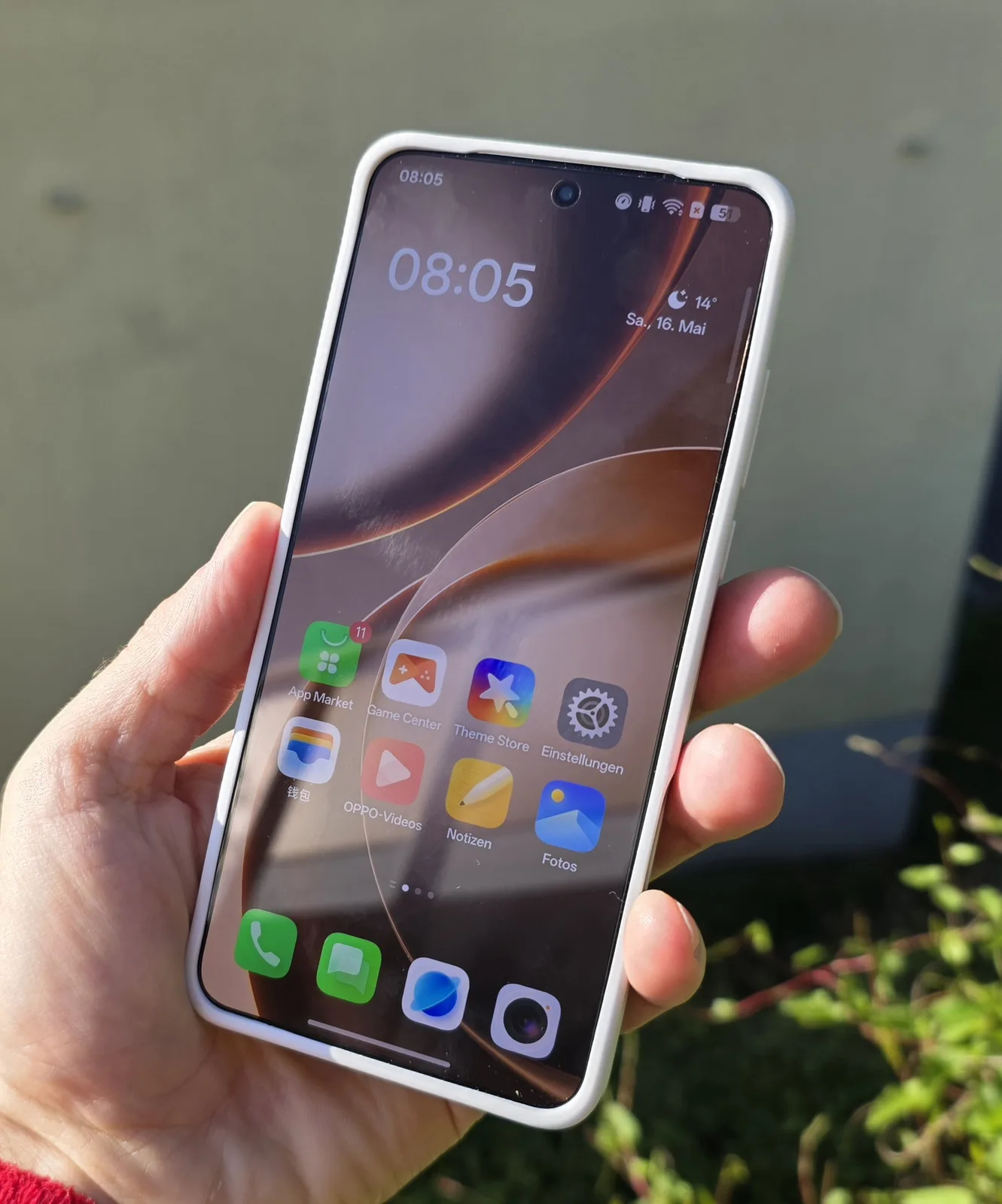
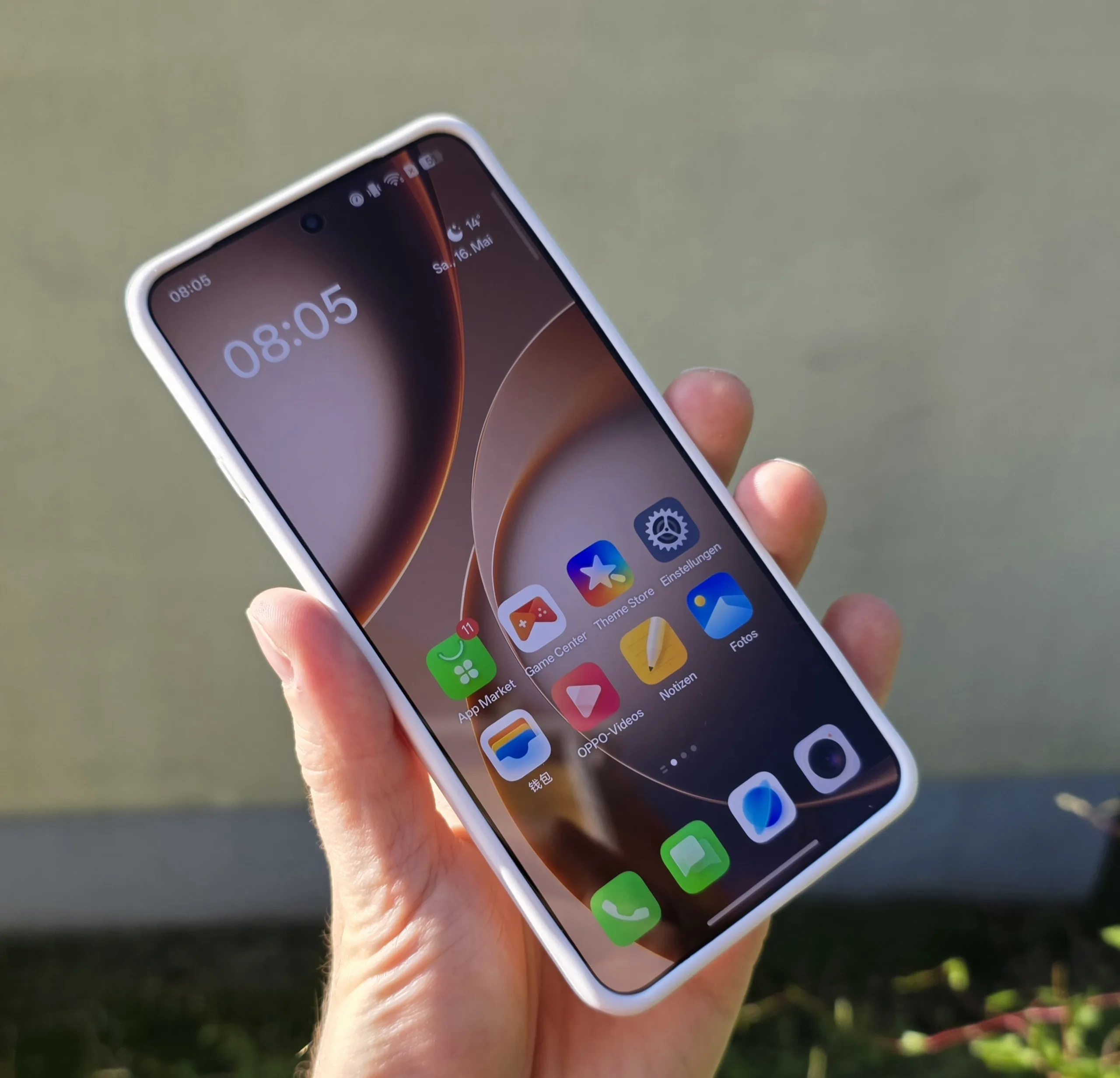


Performance: Oppo uses a Snapdragon chipset for the Find X9 Ultra
Unlike the Find X9 Pro, Oppo does not use the MediaTek Dimensity 9500 for its Ultra model, instead turning to Qualcomm. The Snapdragon 8 Elite Gen 5 is extremely powerful in the Find X9 Ultra, especially in Geekbench multi-core. The Oppo phone performs somewhat weaker in the AI benchmarks.
| UL Procyon AI Inference for Android - Overall Score NNAPI | |
| Samsung Galaxy S26 Ultra | |
| Xiaomi 17 Ultra | |
| Average Qualcomm Snapdragon 8 Elite Gen 5 (10671 - 24487, n=13) | |
| Average of class Smartphone (2895 - 66164, n=99, last 2 years) | |
| Oppo Find X9 Ultra | |
| Oppo Find X8 Ultra | |
In the GPU benchmarks, the Find X9 Ultra and Galaxy S26 Ultra are neck and neck. The Adreno 840 in the Oppo phone performs at the same level as the graphics adapter in Samsung's flagship and well ahead of the Vivo X300 Ultra.
GFXBench (DX / GLBenchmark) 2.7: T-Rex Onscreen | 1920x1080 T-Rex Offscreen
GFXBench 3.0: on screen Manhattan Onscreen OGL | 1920x1080 1080p Manhattan Offscreen
GFXBench 3.1: on screen Manhattan ES 3.1 Onscreen | 1920x1080 Manhattan ES 3.1 Offscreen
GFXBench: on screen Car Chase Onscreen | 1920x1080 Car Chase Offscreen | on screen Aztec Ruins High Tier Onscreen | 2560x1440 Aztec Ruins High Tier Offscreen | on screen Aztec Ruins Normal Tier Onscreen | 1920x1080 Aztec Ruins Normal Tier Offscreen | 3840x2160 4K Aztec Ruins High Tier Offscreen
| 3DMark / Wild Life Extreme Unlimited | |
| Samsung Galaxy S26 Ultra | |
| Vivo X300 Ultra | |
| Oppo Find X9 Ultra | |
| Xiaomi 17 Ultra | |
| Oppo Find X8 Ultra | |
| 3DMark / Wild Life Extreme | |
| Samsung Galaxy S26 Ultra | |
| Vivo X300 Ultra | |
| Oppo Find X9 Ultra | |
| Xiaomi 17 Ultra | |
| Oppo Find X8 Ultra | |
| 3DMark / Wild Life Unlimited Score | |
| Samsung Galaxy S26 Ultra | |
| Xiaomi 17 Ultra | |
| Oppo Find X9 Ultra | |
| Vivo X300 Ultra | |
| Oppo Find X8 Ultra | |
| 3DMark / Solar Bay Score | |
| Samsung Galaxy S26 Ultra | |
| Oppo Find X9 Ultra | |
| Vivo X300 Ultra | |
| Xiaomi 17 Ultra | |
| Oppo Find X8 Ultra | |
| 3DMark / Solar Bay Unlimited Score | |
| Oppo Find X9 Ultra | |
| Samsung Galaxy S26 Ultra | |
| Vivo X300 Ultra | |
| Xiaomi 17 Ultra | |
| Oppo Find X8 Ultra | |
| 3DMark / Steel Nomad Light Unlimited Score | |
| Samsung Galaxy S26 Ultra | |
| Oppo Find X9 Ultra | |
| Vivo X300 Ultra | |
| Xiaomi 17 Ultra | |
| Oppo Find X8 Ultra | |
| 3DMark / Steel Nomad Light Score | |
| Samsung Galaxy S26 Ultra | |
| Vivo X300 Ultra | |
| Oppo Find X9 Ultra | |
| Xiaomi 17 Ultra | |
| Oppo Find X8 Ultra | |
| GFXBench (DX / GLBenchmark) 2.7 / T-Rex Onscreen | |
| Samsung Galaxy S26 Ultra | |
| Xiaomi 17 Ultra | |
| Vivo X300 Ultra | |
| Oppo Find X8 Ultra | |
| Oppo Find X9 Ultra | |
| GFXBench (DX / GLBenchmark) 2.7 / T-Rex Offscreen | |
| Oppo Find X9 Ultra | |
| Samsung Galaxy S26 Ultra | |
| Oppo Find X8 Ultra | |
| Vivo X300 Ultra | |
| Xiaomi 17 Ultra | |
| GFXBench 3.0 / Manhattan Onscreen OGL | |
| Samsung Galaxy S26 Ultra | |
| Xiaomi 17 Ultra | |
| Vivo X300 Ultra | |
| Oppo Find X8 Ultra | |
| Oppo Find X9 Ultra | |
| GFXBench 3.0 / 1080p Manhattan Offscreen | |
| Samsung Galaxy S26 Ultra | |
| Oppo Find X9 Ultra | |
| Vivo X300 Ultra | |
| Xiaomi 17 Ultra | |
| Oppo Find X8 Ultra | |
| GFXBench 3.1 / Manhattan ES 3.1 Onscreen | |
| Samsung Galaxy S26 Ultra | |
| Xiaomi 17 Ultra | |
| Vivo X300 Ultra | |
| Oppo Find X8 Ultra | |
| Oppo Find X9 Ultra | |
| GFXBench 3.1 / Manhattan ES 3.1 Offscreen | |
| Samsung Galaxy S26 Ultra | |
| Oppo Find X9 Ultra | |
| Vivo X300 Ultra | |
| Oppo Find X8 Ultra | |
| Xiaomi 17 Ultra | |
| GFXBench / Car Chase Onscreen | |
| Xiaomi 17 Ultra | |
| Vivo X300 Ultra | |
| Samsung Galaxy S26 Ultra | |
| Oppo Find X8 Ultra | |
| Oppo Find X9 Ultra | |
| GFXBench / Car Chase Offscreen | |
| Oppo Find X9 Ultra | |
| Vivo X300 Ultra | |
| Samsung Galaxy S26 Ultra | |
| Oppo Find X8 Ultra | |
| Xiaomi 17 Ultra | |
| GFXBench / Aztec Ruins High Tier Onscreen | |
| Xiaomi 17 Ultra | |
| Vivo X300 Ultra | |
| Samsung Galaxy S26 Ultra | |
| Oppo Find X8 Ultra | |
| Oppo Find X9 Ultra | |
| GFXBench / Aztec Ruins High Tier Offscreen | |
| Oppo Find X9 Ultra | |
| Vivo X300 Ultra | |
| Samsung Galaxy S26 Ultra | |
| Xiaomi 17 Ultra | |
| Oppo Find X8 Ultra | |
| GFXBench / Aztec Ruins Normal Tier Onscreen | |
| Samsung Galaxy S26 Ultra | |
| Xiaomi 17 Ultra | |
| Vivo X300 Ultra | |
| Oppo Find X8 Ultra | |
| Oppo Find X9 Ultra | |
| GFXBench / Aztec Ruins Normal Tier Offscreen | |
| Samsung Galaxy S26 Ultra | |
| Oppo Find X9 Ultra | |
| Vivo X300 Ultra | |
| Xiaomi 17 Ultra | |
| Oppo Find X8 Ultra | |
| GFXBench / 4K Aztec Ruins High Tier Offscreen | |
| Samsung Galaxy S26 Ultra | |
| Oppo Find X9 Ultra | |
| Xiaomi 17 Ultra | |
| Oppo Find X8 Ultra | |
| Vivo X300 Ultra | |
| Jetstream 2 - 2.2 Total | |
| Samsung Galaxy S26 Ultra (Chrome 146) | |
| Xiaomi 17 Ultra (Chrome 143) | |
| Average Qualcomm Snapdragon 8 Elite Gen 5 (2 - 480, n=17) | |
| Oppo Find X9 Ultra (Chrome 148) | |
| Oppo Find X8 Ultra (Chrome 136) | |
| Average of class Smartphone (2 - 480, n=104, last 2 years) | |
| Octane V2 - Total Score | |
| Xiaomi 17 Ultra (Chrome 143) | |
| Vivo X300 Ultra (Chrome 147) | |
| Samsung Galaxy S26 Ultra (Chrome 146) | |
| Average Qualcomm Snapdragon 8 Elite Gen 5 (39303 - 126661, n=16) | |
| Oppo Find X9 Ultra (Chrome 148) | |
| Oppo Find X8 Ultra (Chrome 136) | |
| Average of class Smartphone (6015 - 126661, n=135, last 2 years) | |
| Mozilla Kraken 1.1 - Total | |
| Average of class Smartphone (281 - 2718, n=120, last 2 years) | |
| Oppo Find X8 Ultra (Chrome 136) | |
| Oppo Find X9 Ultra (Chrome 148) | |
| Average Qualcomm Snapdragon 8 Elite Gen 5 (284 - 1014, n=20) | |
| Xiaomi 17 Ultra (Chrome 143) | |
| Vivo X300 Ultra (Chrome 147) | |
| Samsung Galaxy S26 Ultra (Chrome 146) | |
| WebXPRT 5 - Overall | |
| Vivo X300 Ultra (Chrome 147) | |
| Average Qualcomm Snapdragon 8 Elite Gen 5 (29 - 104, n=5) | |
| Oppo Find X9 Ultra (Chrome 148) | |
| Average of class Smartphone (19 - 104, n=26, last 2 years) | |
* ... smaller is better
| Oppo Find X9 Ultra | Samsung Galaxy S26 Ultra | Vivo X300 Ultra | Xiaomi 17 Ultra | Oppo Find X8 Ultra | Average 512 GB UFS 4.1 Flash | Average of class Smartphone | |
|---|---|---|---|---|---|---|---|
| AndroBench 3-5 | -39% | -34% | -10% | -26% | -23% | -48% | |
| Sequential Read 256KB (MB/s) | 4121.89 | 3626.09 -12% | 2143.53 -48% | 3987.92 -3% | 3754.43 -9% | 3616 ? -12% | 2278 ? -45% |
| Sequential Write 256KB (MB/s) | 4098.07 | 1658.91 -60% | 2352.64 -43% | 3974.23 -3% | 3564.22 -13% | 3225 ? -21% | 1971 ? -52% |
| Random Read 4KB (MB/s) | 578.32 | 513.44 -11% | 365.12 -37% | 547.56 -5% | 375.9 -35% | 414 ? -28% | 317 ? -45% |
| Random Write 4KB (MB/s) | 723.61 | 207.16 -71% | 661.37 -9% | 524.05 -28% | 389.28 -46% | 498 ? -31% | 362 ? -50% |
Emissions: Oppo Find X9 Ultra gets hotter than the Galaxy S26 Ultra with significant throttling
Temperature
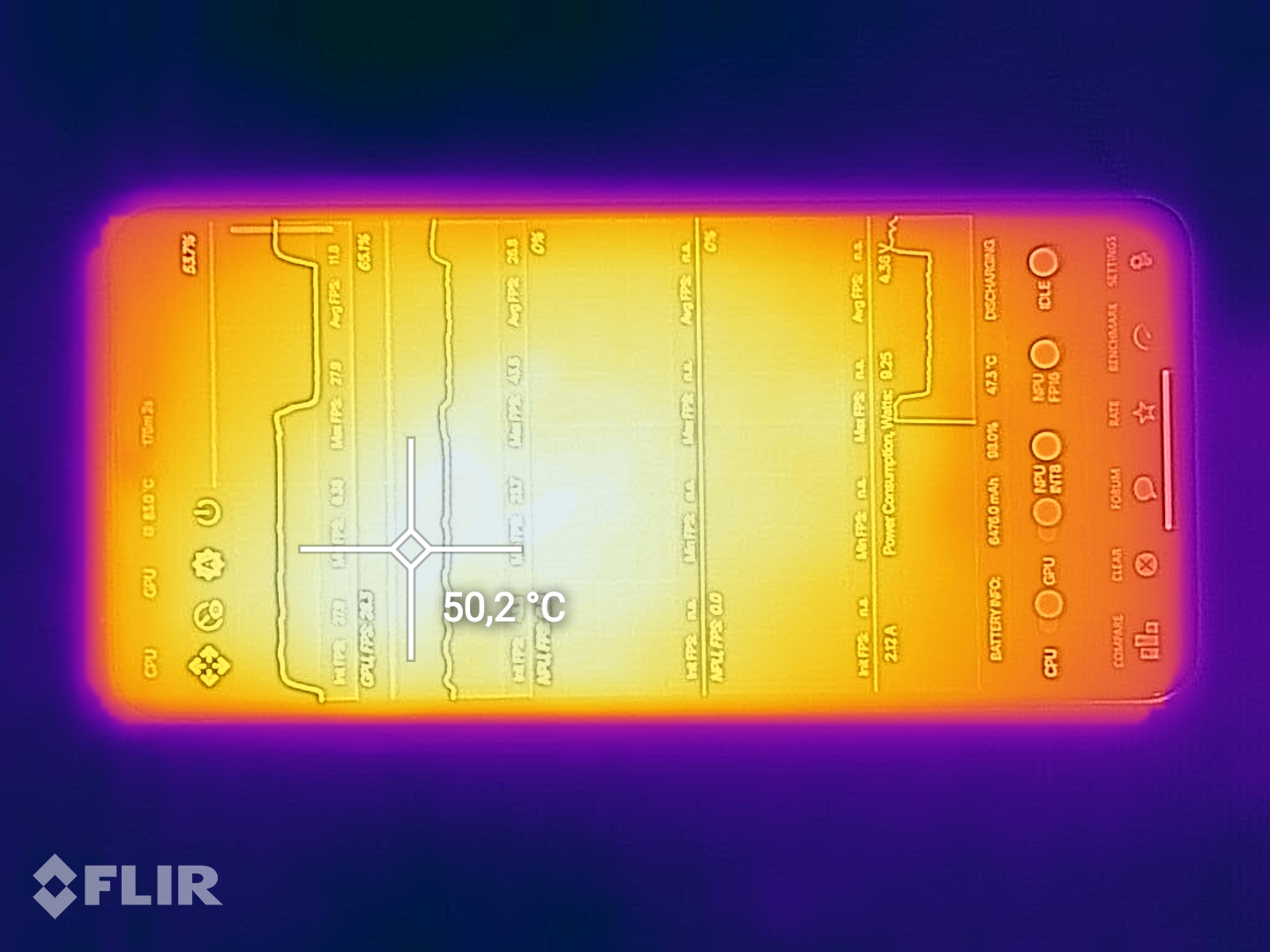
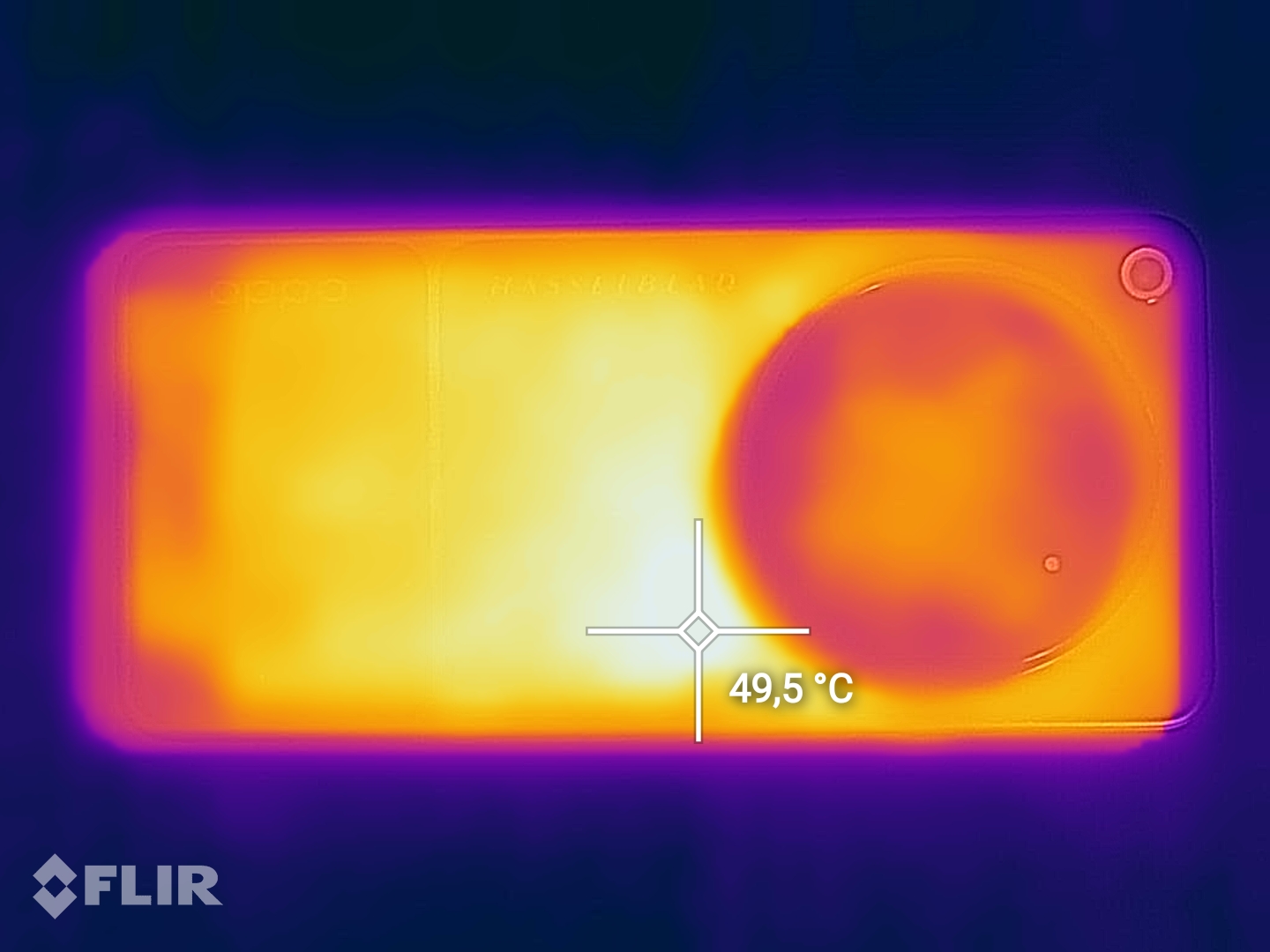
Waste heat is a problem, as it is for almost all top smartphones with the Snapdragon 8 Elite Gen 5. Under sustained load, performance drops significantly in the 3DMark stress tests. We measured high case temperatures of over 50 °C.
(-) The maximum temperature on the upper side is 50.7 °C / 123 F, compared to the average of 35.4 °C / 96 F, ranging from 21.9 to 247 °C for the class Smartphone.
(-) The bottom heats up to a maximum of 48 °C / 118 F, compared to the average of 34.1 °C / 93 F
(+) In idle usage, the average temperature for the upper side is 27.8 °C / 82 F, compared to the device average of 33 °C / 91 F.
3DMark stress tests
| 3DMark | |
| Wild Life Stress Test Stability | |
| Oppo Find X8 Ultra | |
| Xiaomi 17 Ultra | |
| Oppo Find X9 Ultra | |
| Vivo X300 Ultra | |
| Samsung Galaxy S26 Ultra | |
| Wild Life Extreme Stress Test | |
| Oppo Find X8 Ultra | |
| Xiaomi 17 Ultra | |
| Vivo X300 Ultra | |
| Oppo Find X9 Ultra | |
| Samsung Galaxy S26 Ultra | |
| Solar Bay Stress Test Stability | |
| Oppo Find X8 Ultra | |
| Xiaomi 17 Ultra | |
| Samsung Galaxy S26 Ultra | |
| Oppo Find X9 Ultra | |
Speakers
The stereo speakers of Oppo's flagship offer excellent sound for a smartphone and a linear frequency response in pink noise. The successor to the Find X8 Ultra is noticeably more present, especially in the high and super-high tones.
Alternatively, audio can be output via USB-C or Bluetooth 6.0.
Oppo Find X9 Ultra audio analysis
(+) | speakers can play relatively loud (88.9 dB)
Bass 100 - 315 Hz
(-) | nearly no bass - on average 17.7% lower than median
(±) | linearity of bass is average (9.9% delta to prev. frequency)
Mids 400 - 2000 Hz
(±) | higher mids - on average 5.6% higher than median
(+) | mids are linear (3.8% delta to prev. frequency)
Highs 2 - 16 kHz
(+) | balanced highs - only 4.3% away from median
(+) | highs are linear (4.7% delta to prev. frequency)
Overall 100 - 16.000 Hz
(+) | overall sound is linear (14.4% difference to median)
Compared to same class
» 1% of all tested devices in this class were better, 2% similar, 97% worse
» The best had a delta of 11%, average was 34%, worst was 136%
Compared to all devices tested
» 18% of all tested devices were better, 4% similar, 77% worse
» The best had a delta of 4%, average was 23%, worst was 136%
Oppo Find X8 Ultra audio analysis
(+) | speakers can play relatively loud (84.2 dB)
Bass 100 - 315 Hz
(±) | reduced bass - on average 14.4% lower than median
(±) | linearity of bass is average (12.7% delta to prev. frequency)
Mids 400 - 2000 Hz
(+) | balanced mids - only 4.3% away from median
(+) | mids are linear (5.7% delta to prev. frequency)
Highs 2 - 16 kHz
(+) | balanced highs - only 4.3% away from median
(±) | linearity of highs is average (7.2% delta to prev. frequency)
Overall 100 - 16.000 Hz
(±) | linearity of overall sound is average (16.2% difference to median)
Compared to same class
» 6% of all tested devices in this class were better, 5% similar, 89% worse
» The best had a delta of 11%, average was 34%, worst was 136%
Compared to all devices tested
» 27% of all tested devices were better, 5% similar, 68% worse
» The best had a delta of 4%, average was 23%, worst was 136%
Battery life: Android smartphone with large silicon-carbon battery
Power consumption
Oppo ships the smartphone in both China and Europe with a powerful 7,050 mAh silicon-carbon battery, which can be charged at up to 100 watts and wirelessly at 50 watts. A full charge with the SuperCharger takes around 50 minutes. Third-party power adapters are supported via 55-watt PPS.
Power consumption is somewhat high when idle at over 1 watt, but overall efficiency is not problematic. However, a Galaxy S26 Ultra proves to be more economical.
| Off / Standby |   0.06 / 0.38 Watt 0.06 / 0.38 Watt |
| Idle |  1.1 / 1.27 / 1.3 Watt 1.1 / 1.27 / 1.3 Watt |
| Load |
10.74 / 11.33 Watt |
    
| |
Key:
min: ,
med: ,
max: Metrahit Energy | |
| Oppo Find X9 Ultra 7050 mAh | Samsung Galaxy S26 Ultra 5000 mAh | Vivo X300 Ultra 6600 mAh | Xiaomi 17 Ultra 6800 mAh | Oppo Find X8 Ultra 6100 mAh | Average Qualcomm Snapdragon 8 Elite Gen 5 | Average of class Smartphone | |
|---|---|---|---|---|---|---|---|
| Power Consumption | -6% | 15% | 11% | 7% | 3% | 3% | |
| Idle Minimum * (Watt) | 1.1 | 0.56 49% | 0.57 48% | 0.8 27% | 0.8 27% | 0.882 ? 20% | 0.901 ? 18% |
| Idle Average * (Watt) | 1.27 | 1.18 7% | 1.1 13% | 1.1 13% | 1.1 13% | 1.373 ? -8% | 1.483 ? -17% |
| Idle Maximum * (Watt) | 1.3 | 1.33 -2% | 1.26 3% | 1.2 8% | 1.6 -23% | 1.586 ? -22% | 1.677 ? -29% |
| Load Average * (Watt) | 10.74 | 14.91 -39% | 8.6 20% | 6.1 43% | 8.5 21% | 8.01 ? 25% | 6.82 ? 36% |
| Load Maximum * (Watt) | 11.33 | 16.58 -46% | 12.4 -9% | 15.3 -35% | 11.8 -4% | 11.4 ? -1% | 10.8 ? 5% |
* ... smaller is better
Power consumption: Geekbench (150 cd/m²)
Power consumption: GFXbench (150 cd/m²)
Battery life
With over 28 hours, Oppo's flagship lasts a very long time in our Wi-Fi battery test with the display brightness adjusted to 150 cd/m².
| Battery runtime - WiFi v1.3 | |
| Oppo Find X9 Ultra | |
| Samsung Galaxy S26 Ultra | |
| Vivo X300 Ultra | |
| Xiaomi 17 Ultra | |
| Oppo Find X8 Ultra | |
Notebookcheck overall rating
The Oppo Find X9 Ultra is an absolute top-tier flagship phone with minor weaknesses in everyday display use.

Oppo Find X9 Ultra
- 05/26/2026 v8
Marcus Herbrich
 Total Sustainability Score:
 Possible alternatives at a glance
Image | Model / Review | Price | Weight | Drive | Display |
|---|---|---|---|---|---|
1. 88.9%  | Oppo Find X9 Ultra Qualcomm Snapdragon 8 Elite Gen 5 ⎘ Qualcomm Adreno 840 ⎘ 12 GB Memory, 512 GB UFS 4.x | List Price: 1699€ | 236 g | 512 GB UFS 4.1 Flash | 6.82" 3168x1440 510 PPI AMOLED |
2. 89.8%  | Samsung Galaxy S26 Ultra Qualcomm Snapdragon 8 Elite Gen 5 for Galaxy ⎘ Qualcomm Adreno 840 ⎘ 12 GB Memory, 256 GB UFS 4.x | List Price: 1449€ | 214 g | 256 GB UFS 4.0 Flash | 6.90" 3120x1440 498 PPI Dynamic AMOLED 2X |
3. 89.1%  | Vivo X300 Ultra Qualcomm Snapdragon 8 Elite Gen 5 ⎘ Qualcomm Adreno 840 ⎘ 16 GB Memory, 512 GB UFS 4.x | List Price: 1999€ | 232 g | 512 GB UFS 4.1 Flash | 6.82" 3168x1440 510 PPI LTPO OLED |
4. 90.4%  | Xiaomi 17 Ultra Qualcomm Snapdragon 8 Elite Gen 5 ⎘ Qualcomm Adreno 840 ⎘ 16 GB Memory, 512 GB UFS 4.x | Amazon: 1. $1,129.55 XIAOMI 17 Ultra Ai 5G (Compa... 2. $1,309.50 XIAOMI 17 Ultra Ai 5G (Compa... 3. $1,339.50 XIAOMI 17 Ultra Ai 5G (Compa... List Price: 950€ | 224 g | 512 GB UFS 4.1 Flash | 6.90" 2608x1200 416 PPI AMOLED |
Transparency
The selection of devices to be reviewed is made by our editorial team. The test sample was provided to the author as a loan by the manufacturer or retailer for the purpose of this review. The lender had no influence on this review, nor did the manufacturer receive a copy of this review before publication. There was no obligation to publish this review. As an independent media company, Notebookcheck is not subjected to the authority of manufacturers, retailers or publishers.
This is how Notebookcheck is testing
Every year, Notebookcheck independently reviews hundreds of laptops and smartphones using standardized procedures to ensure that all results are comparable. We have continuously developed our test methods for around 20 years and set industry standards in the process. In our test labs, high-quality measuring equipment is utilized by experienced technicians and editors. These tests involve a multi-stage validation process. Our complex rating system is based on hundreds of well-founded measurements and benchmarks, which maintains objectivity. Further information on our test methods can be found here.
 Add as a preferred source on Google


