




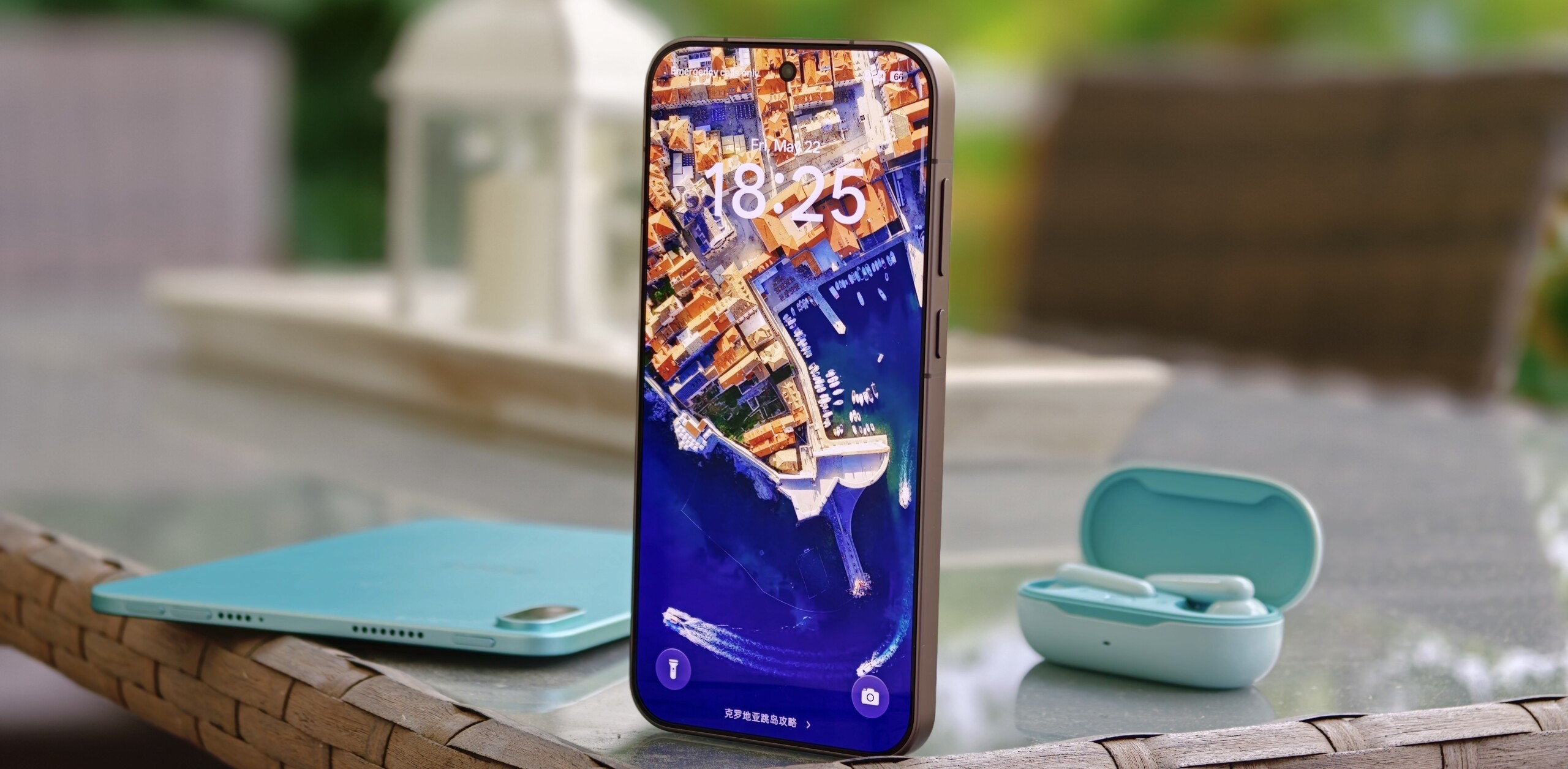
Verdict on the Oppo Find X9s Pro
If you are looking for a handy flagship-class smartphone with a focus on strong camera quality and plenty of battery endurance, the Oppo Find X9s Pro could be an enticing option.
Particularly, the Find X9s Pro comes across as a viable alternative to the likes of the Samsung Galaxy S26 and Apple iPhone 17 as these competing smartphones are significantly weaker in these two areas.
In aspects like the high-quality workmanship, the camera setup, and the XXL-battery, Oppo's mini flagship is based on its big sister model, the Find X9 Pro.
On the other hand, the Find X9s Pro lacks its 'Pro' character in certain areas — be it the USB 2.0 output, the display calibration, the available performance of the MediaTek Dimensity 9500 SoC, and also in terms of software, navigation, and the likes.
There is also the disadvantage of the Find X9s Pro's lack of availability in Europe, and it's not exactly priced accessibly for an imported device.
Pros
Cons
Price and availability of the Oppo Find X9s Pro

The Oppo Find X9s Pro is currently only available for the Chinese market, with a base price of ¥5,299 (approx. €660). An international launch is not yet confirmed but is unlikely.
As an import, the mini flagship starts from €807 at Trading Shenzhen.

- $1,199.00OPPO Find X9s Dual-SIM 512GB ROM + 12GB RAM (GSM Only | No CDMA) Factory Unlocked 5G Smartphone (Midnight Grey) - International Version
- $1,909.00OPPO Find X9 Pro Dual-SIM 512GB ROM + 16GB RAM (GSM Only | No CDMA) Factory Unlocked 5G Smartphone (Titanium Charcoal) - International Version
- $1,949.00OPPO Find X9 Ultra Dual-SIM 512GB ROM + 12GB RAM (GSM Only | No CDMA) Factory Unlocked 5G Smartphone (Tundra Umber) - International Version
Table of Contents
- Verdict on the Oppo Find X9s Pro
- Specifications of the Oppo Find X9s Pro
- Build: Waterproof flagship phone with IP68 rating
- Features: Compact high-end smartphone with USB OTG, but without USB 3.2
- Software: Oppo Find X9s Pro with Android 16 and German language support
- Communication and GNSS: Find X9s Pro with 5G and Wi-Fi 7
- Telephony and call quality: Find X9s Pro without eSIM in Europe
- Cameras: Compact phone with two 200 MP sensors like the Find X9 Ultra
- Accessories and Warranty: Oppo Find X9s Pro comes with fast charger and case
- Input devices and Operation: Ultrasonic fingerprint sensor like the Galaxy S26 and Xiaomi 17
- Display: Smaller than the Find X9 Ultra, but extra-sharp OLED screen
- Performance: Dimensity 9500 in the Find X9s Pro ensures high speed
- Emissions: Dimensity 9500 throttles due to high waste heat
- Battery life: Compact smartphone with a big battery
- Notebookcheck's overall impressions of the Oppo Find X9s Pro
- Potential competitors in comparison
Specifications of the Oppo Find X9s Pro
Build: Waterproof flagship phone with IP68 rating

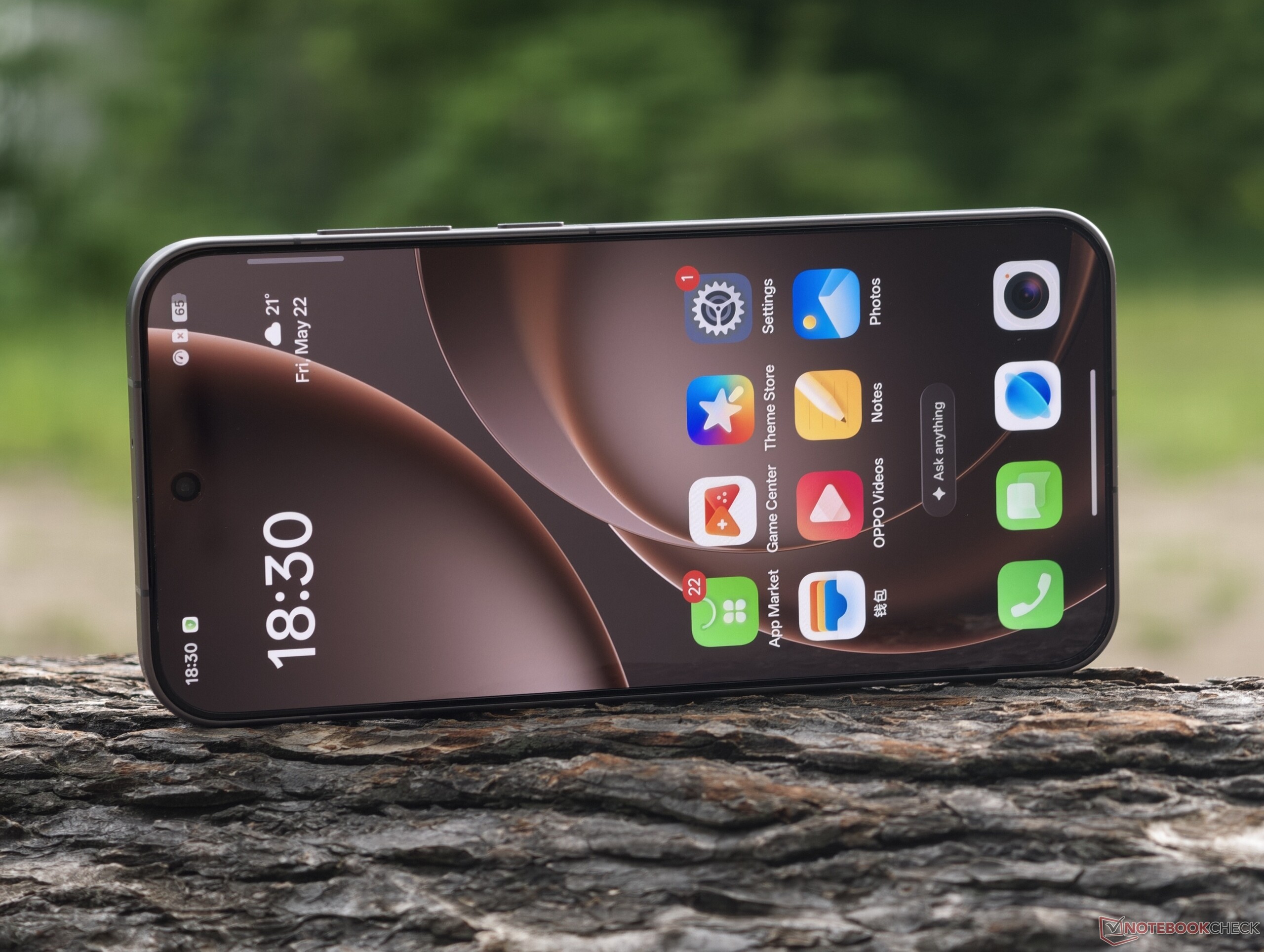
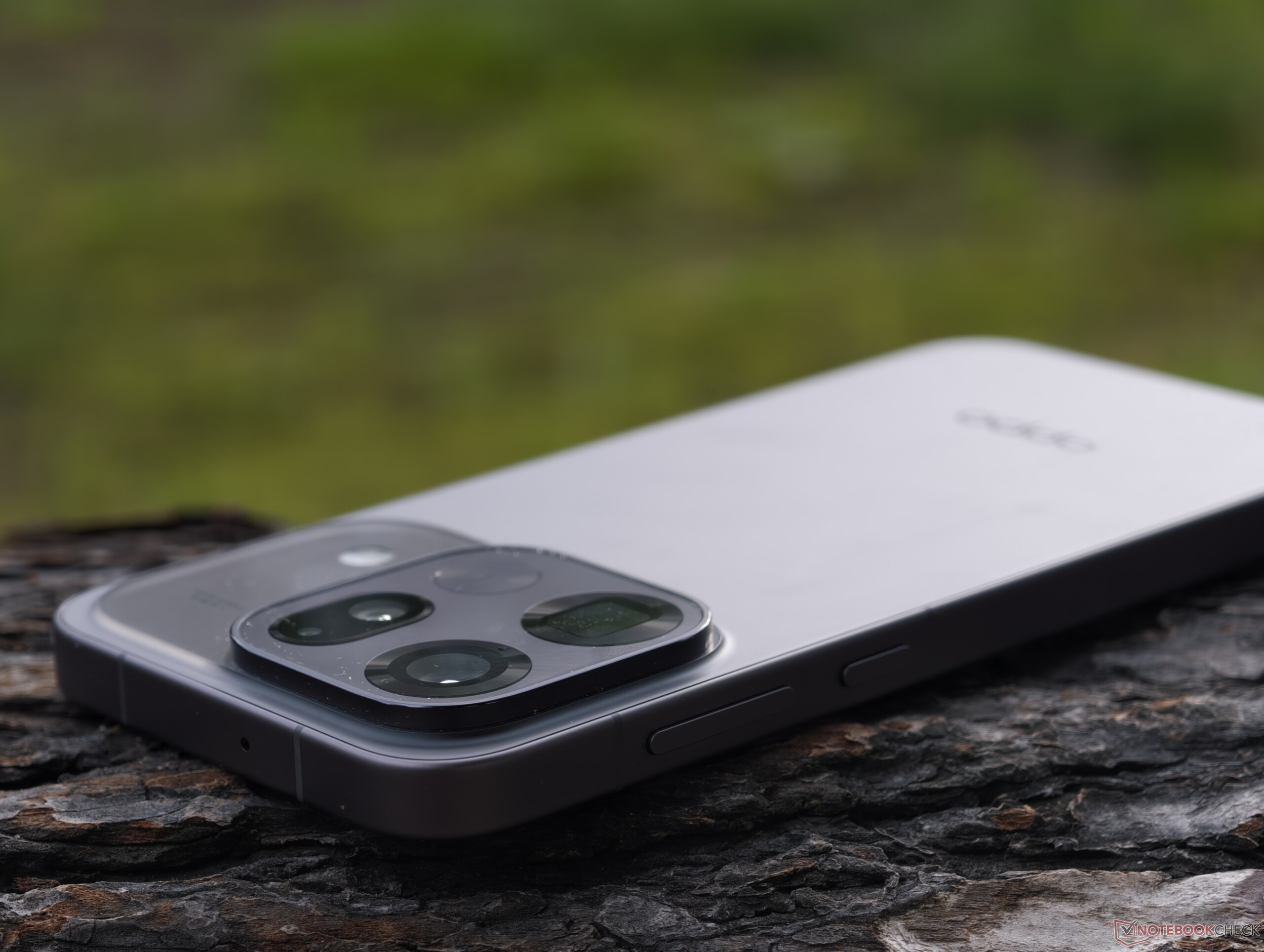
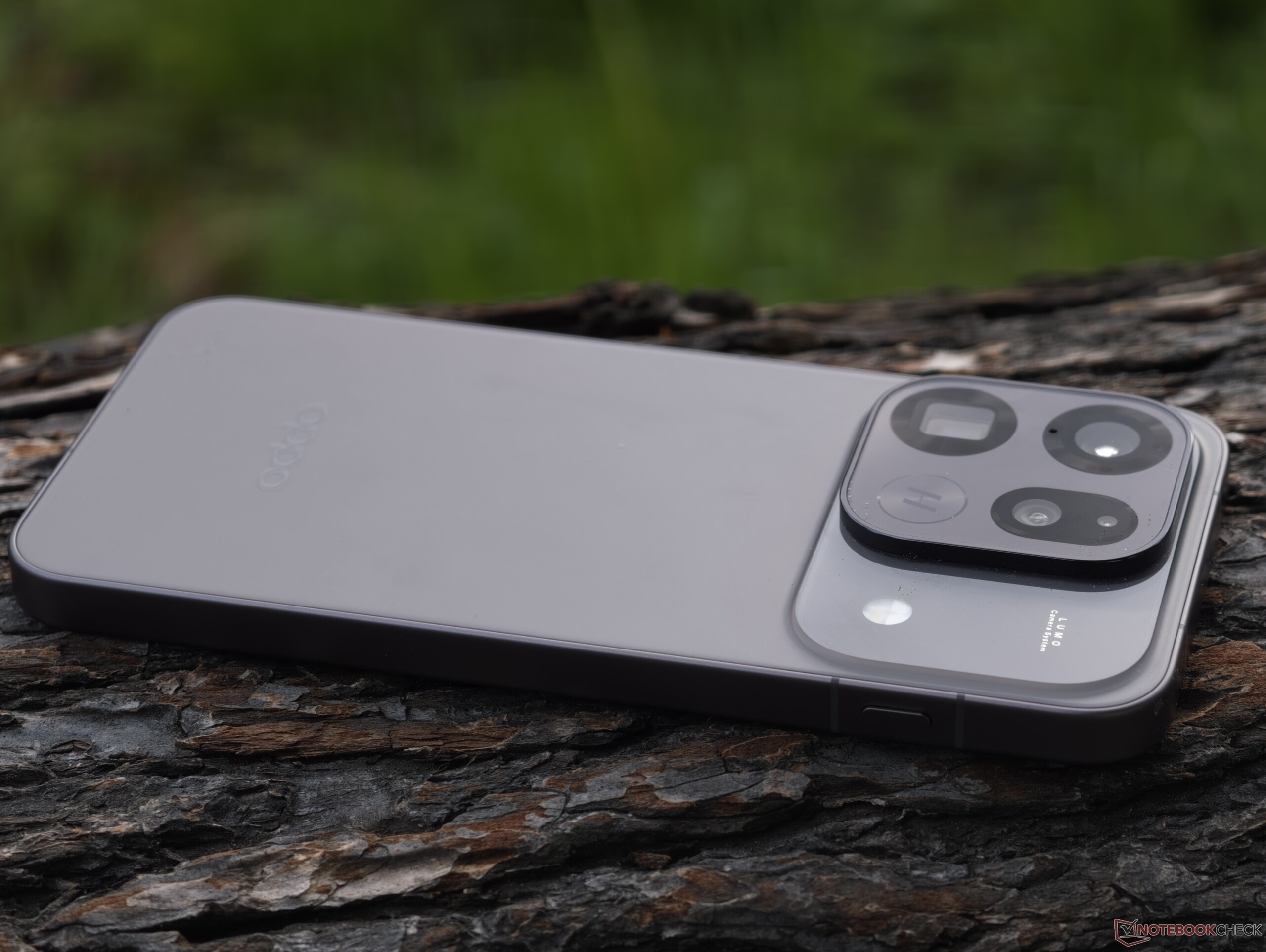
In contrast to the Find X9 Pro, the Find X9s Pro comes in a much more compact build and is therefore aimed at fans of smaller smartphones. Thanks to the narrow display edges, the Find X9s Pro is extremely compact with a good screen-to-body ratio of 90.7%. The 6.32-inch Oppo smartphone weighs just 198 g despite sporting a large 7,025 mAh battery.
The housing, which is protected against dust and water in accordance with IP68 and IP69, feels very high-quality thanks to the aluminum unibody frame and glass back. We are unable to figure out which protective glass is used.
Features: Compact high-end smartphone with USB OTG, but without USB 3.2
The Find X9s Pro is available in different versions with up to 1 TB UFS 4.1 storage and 16 GB LDDR5X RAM. Features include NFC and an infrared port. The manufacturer's USB standard for its compact flagship phone is not specified in the data sheet.
However, based on our test impressions with regard to the speed of data transfer and the lack of support for wired image output, we assume the USB 2.0 standard. Since even the base Find X9 has a USB 3.2 Gen1 port, this would be a strange step by Oppo for the smaller Pro model.
Software: Oppo Find X9s Pro with Android 16 and German language support
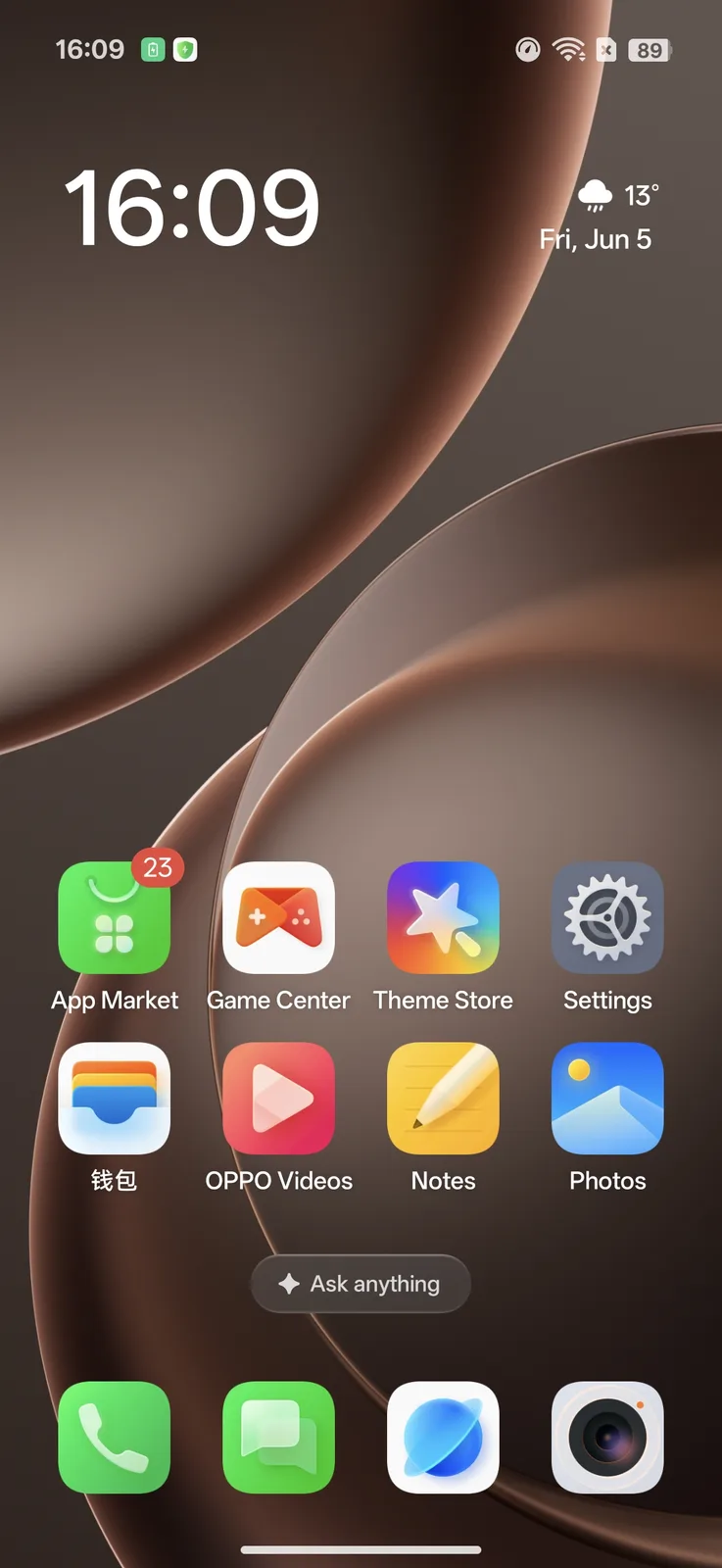
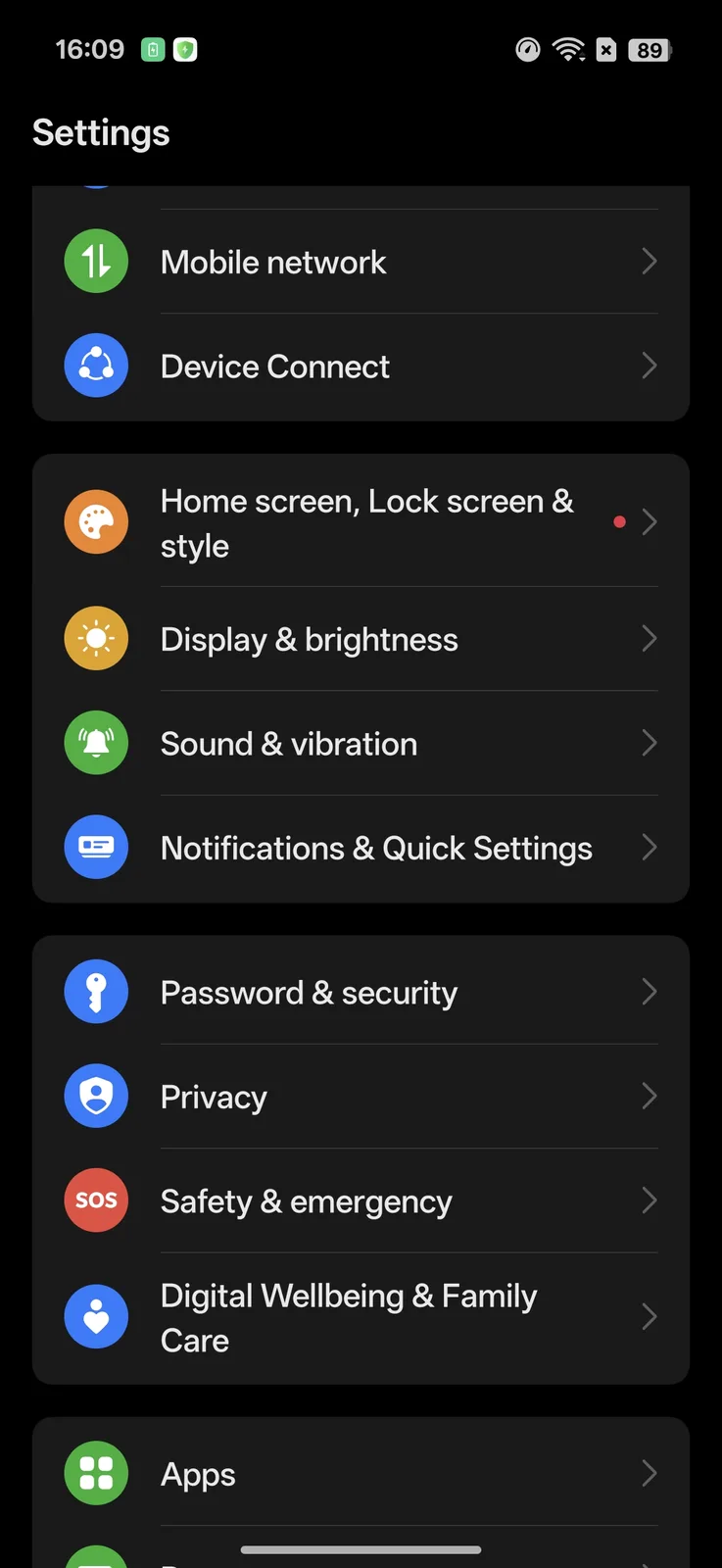
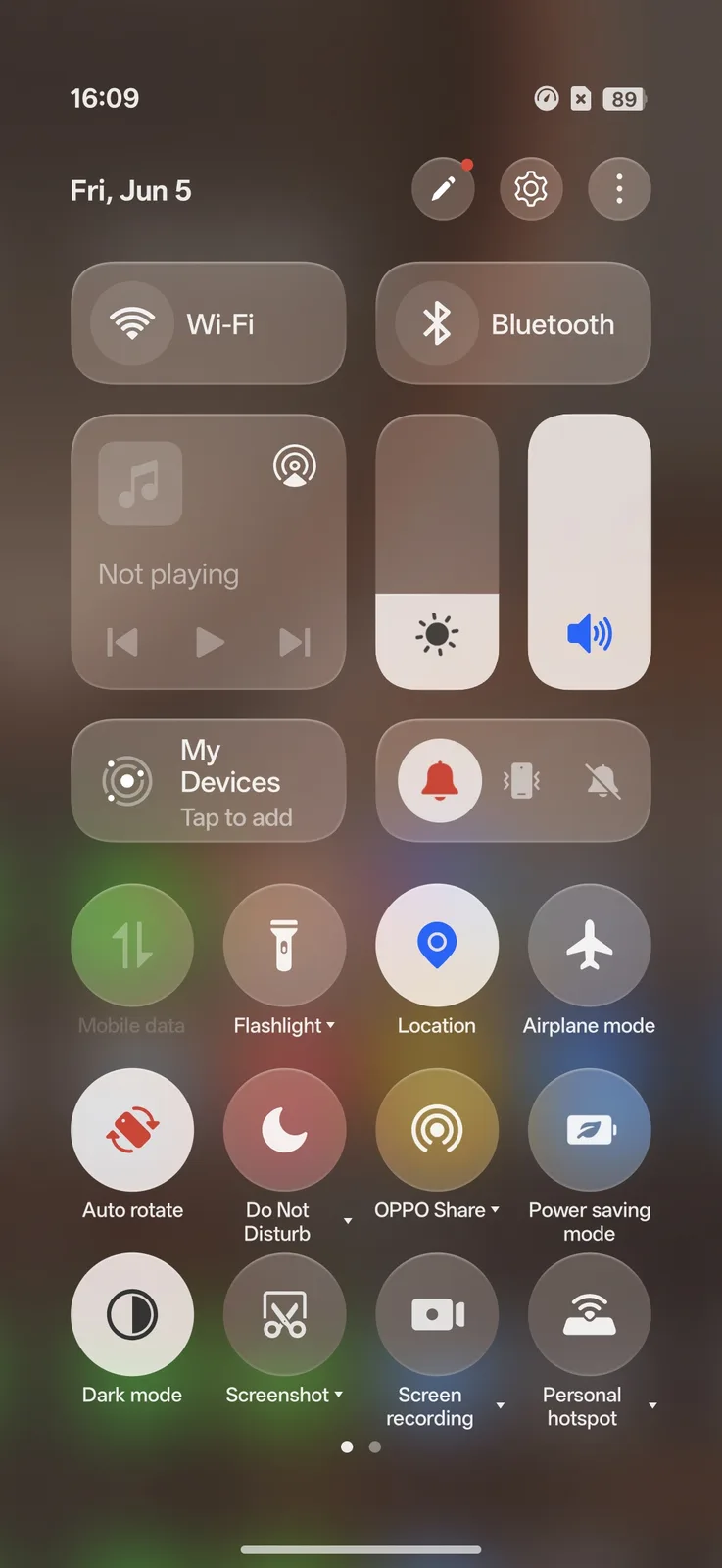
The Find X9s Pro comes pre-installed with ColorOS 16 based on Android 16, with support for German as a system language. There remain some questions over planned software support for the China-only version.
The manufacturer has not revealed how many Android versions and how many years of updates this handy top-of-the-range smartphone will receive. However, the Find X9s Pro is a premium model from Oppo for which there is (theoretically) an update policy of five Android operating system updates and six years of security patches, but this is not certain.
Sustainability
We cannot find any information on the materials used or the recycled content of the Oppo Phone. The packaging is apparently plastic-free.
Communication and GNSS: Find X9s Pro with 5G and Wi-Fi 7
The Find X9s Pro supports modern Wi-Fi 7 with two transmitting and two receiving antennas (2x2 MIMO). In our test, the 6 GHz channel was recognized by our Wi-Fi 6E router, and we recorded high transfer rates of nearly 2,000 MBit/s at the peak.
In terms of mobile connectivity, Oppo offers a wide range of frequencies for the 5G and 4G networks, although the LTE bands 20 and 32 are missing for use in Europe.
| Networking | |
| Oppo Find X9s Pro | |
| iperf3 transmit AXE11000 6GHz | |
| iperf3 receive AXE11000 6GHz | |
| Samsung Galaxy S26 | |
| iperf3 transmit AXE11000 | |
| iperf3 receive AXE11000 | |
| iperf3 transmit AXE11000 6GHz | |
| iperf3 receive AXE11000 6GHz | |
| Oppo Find X9 | |
| iperf3 transmit AXE11000 6GHz | |
| iperf3 receive AXE11000 6GHz | |
| Vivo X300 | |
| iperf3 transmit AXE11000 6GHz | |
| iperf3 receive AXE11000 6GHz | |
| Average 802.11 a/b/g/n/ac/ax/be | |
| iperf3 transmit AXE11000 | |
| iperf3 receive AXE11000 | |
| iperf3 transmit AXE11000 6GHz | |
| iperf3 receive AXE11000 6GHz | |
| Average of class Smartphone | |
| iperf3 transmit AXE11000 | |
| iperf3 receive AXE11000 | |
| iperf3 transmit AXE11000 6GHz | |
| iperf3 receive AXE11000 6GHz | |
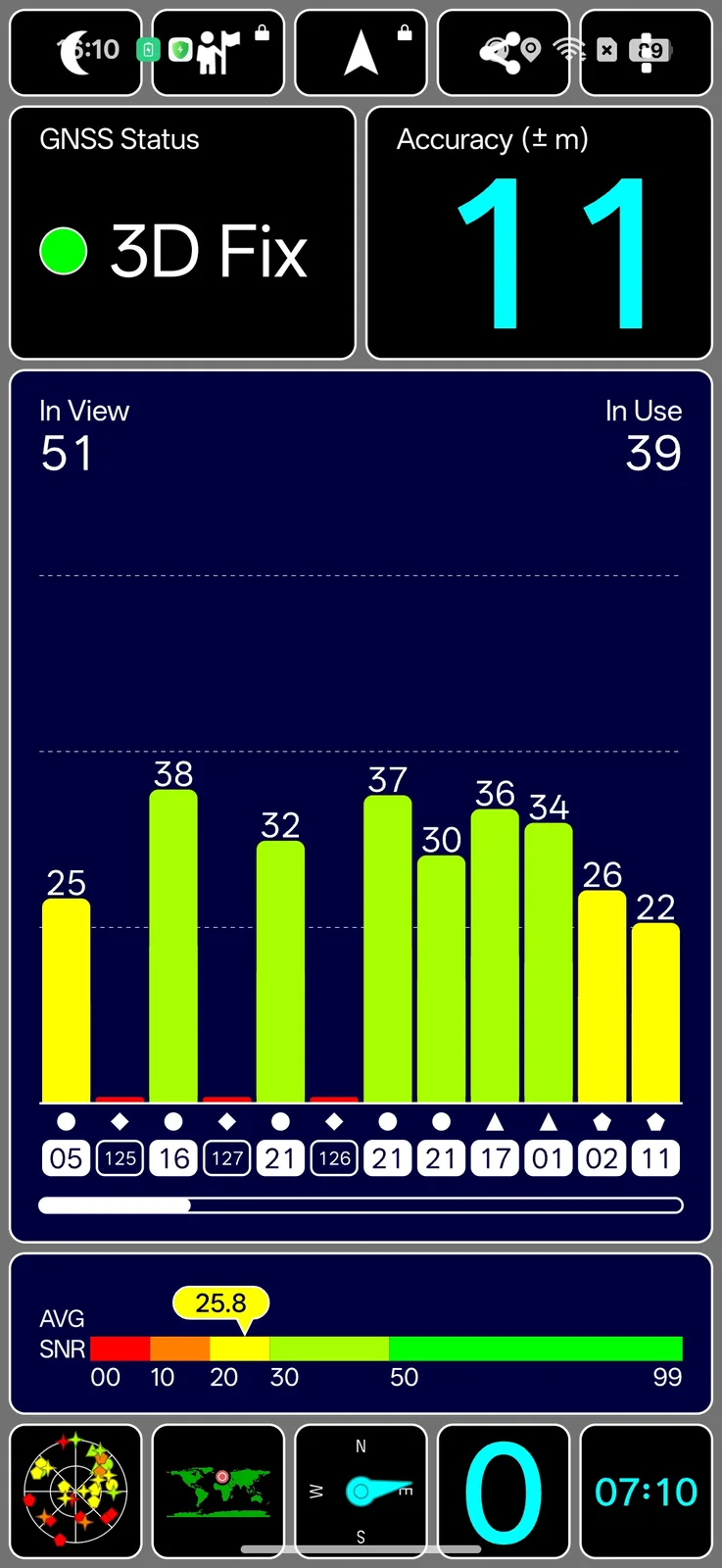
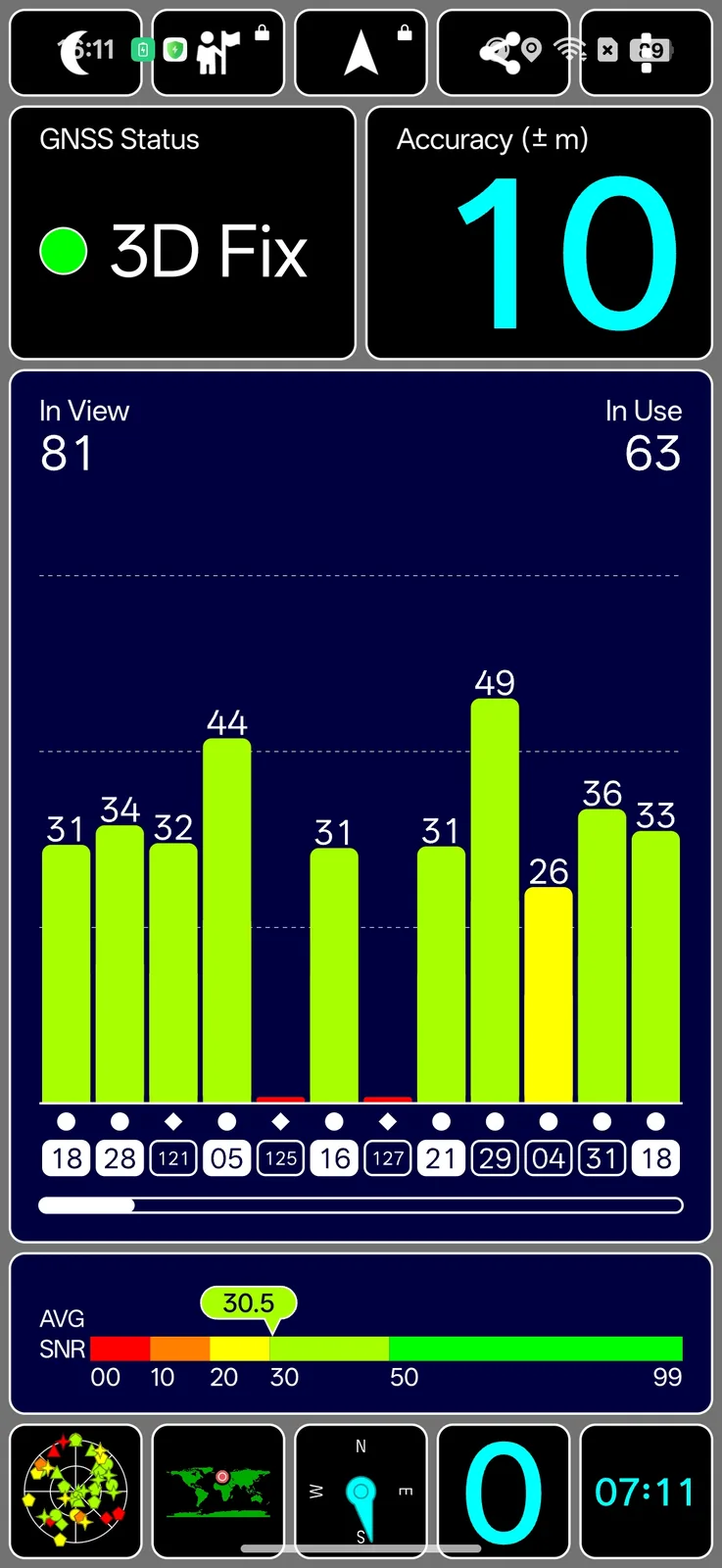
To test the location accuracy in everyday life, we usually take our test devices on a short bike ride and track the route. However, we were unable to read any data from the Find X9s Pro while it was in motion. At best, the Find X9s Pro uses dual-band GNSS to determine its position.
The satellite fix works even inside buildings, but the connection takes a very long time. Positioning with the Oppo phone outdoors also takes quite a long time and is not really accurate at 10 m. There seems to be problems with the software here.
Telephony and call quality: Find X9s Pro without eSIM in Europe
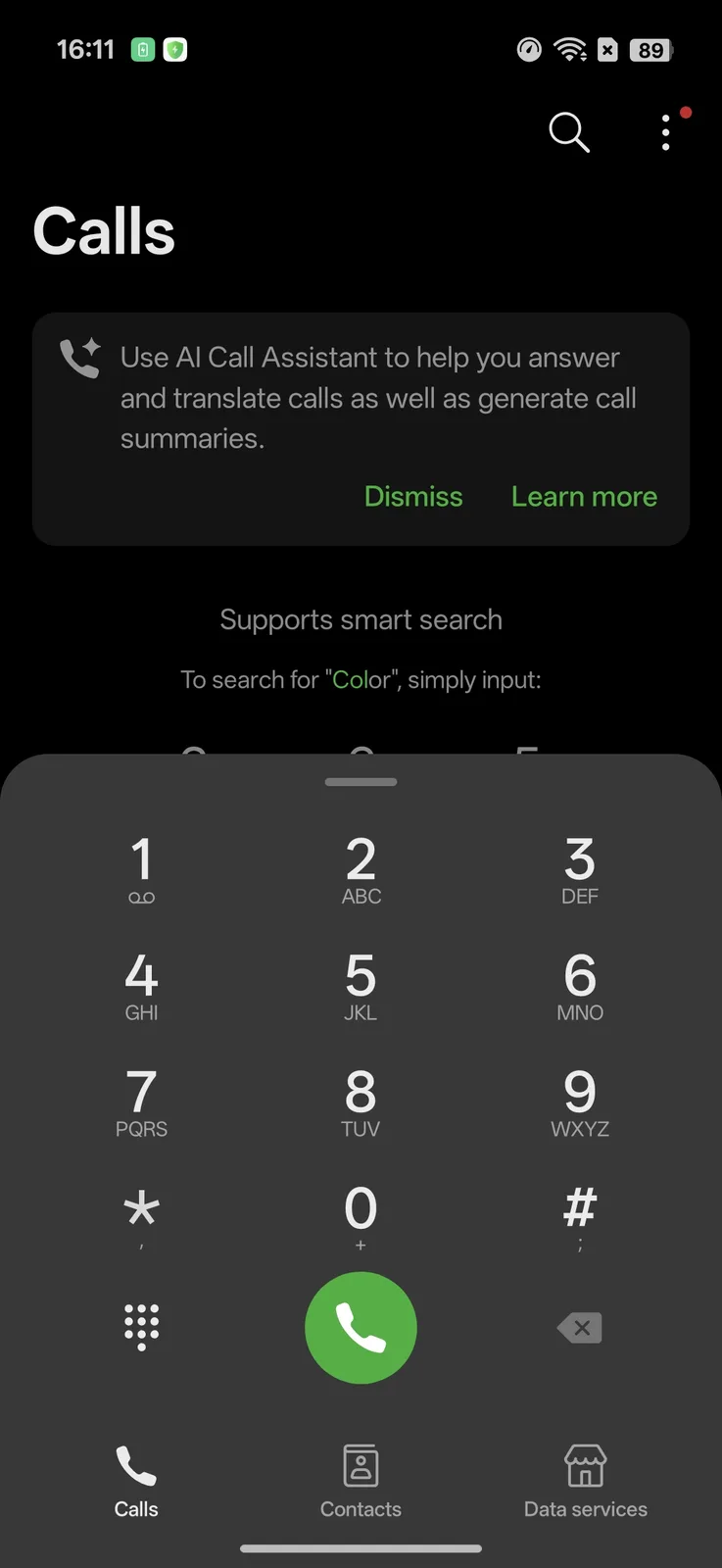
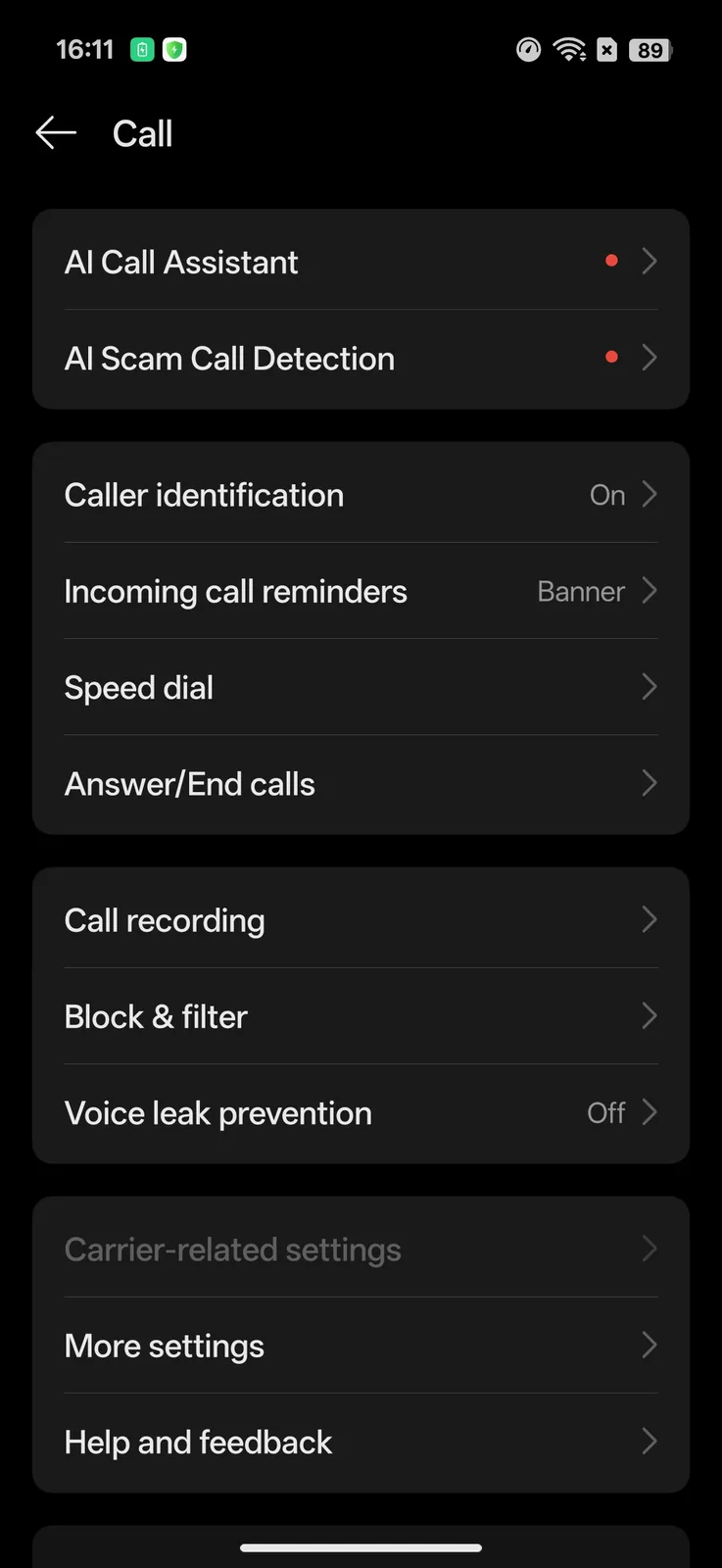
The Find X9s Pro offers a full dual SIM with two nano-SIM card slots. However, eSIMs do not work outside of China. The voice quality is consistently satisfactory, and the voice transmission is clear.
Cameras: Compact phone with two 200 MP sensors like the Find X9 Ultra

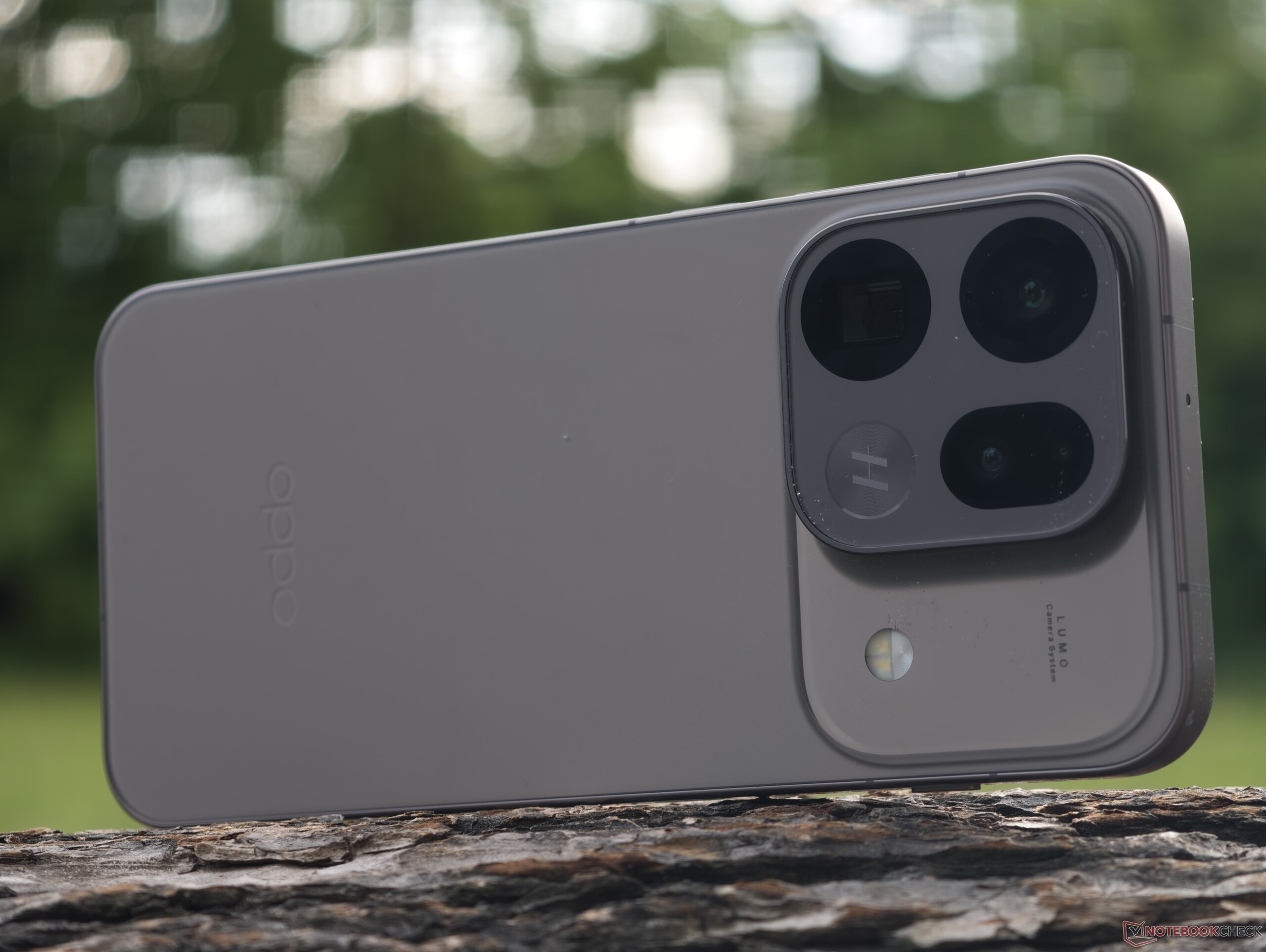
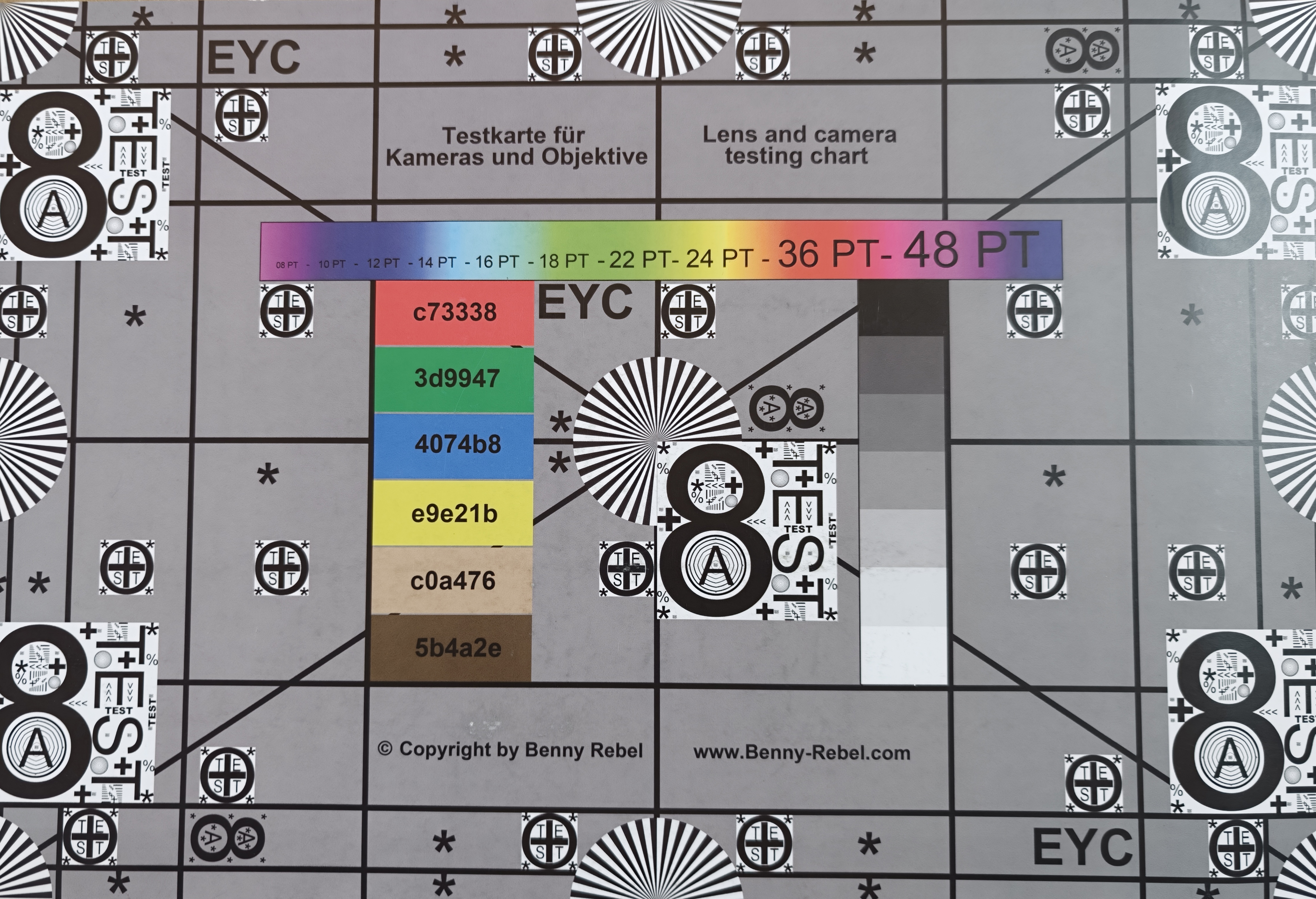
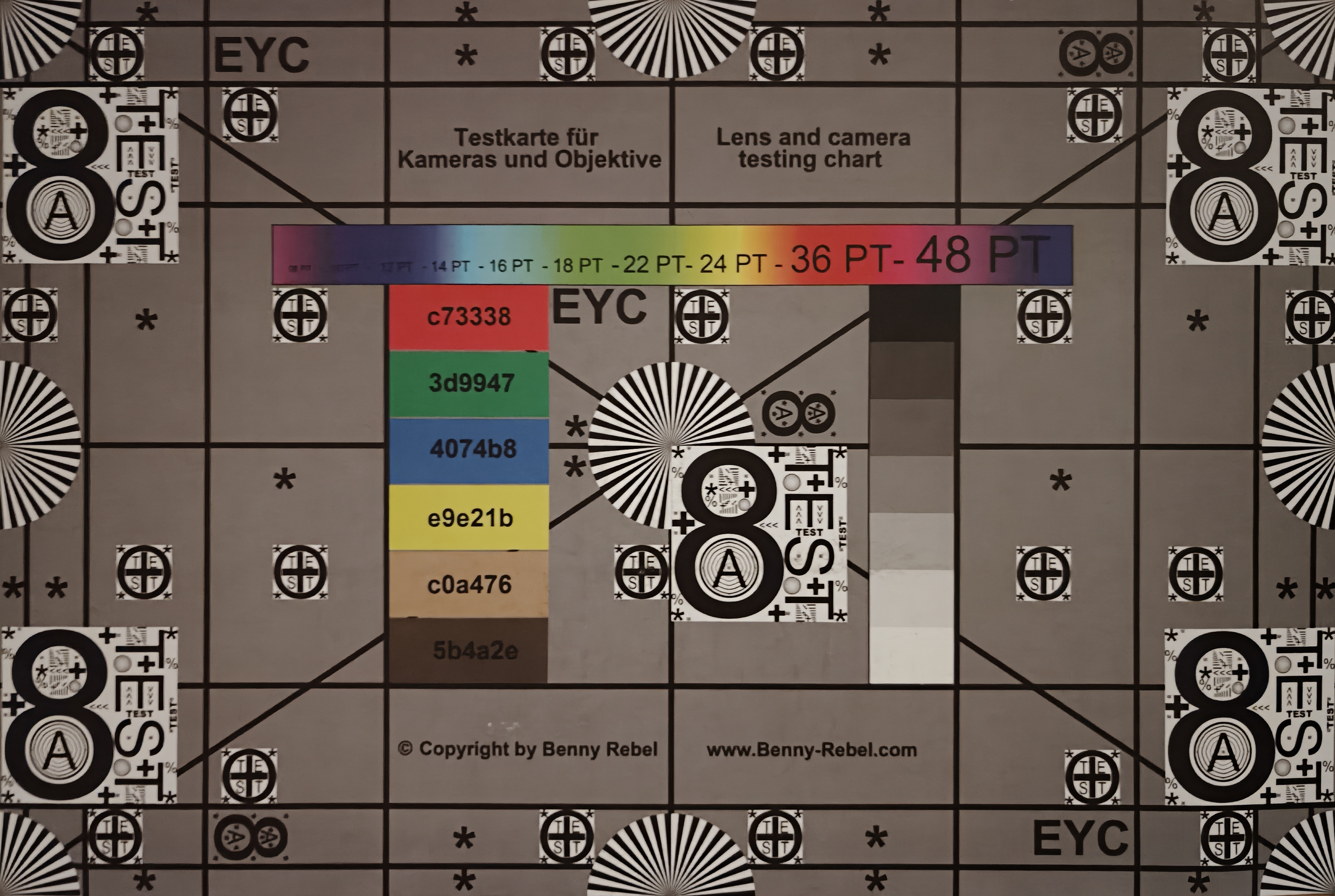
Even though the Find X9s Pro is significantly smaller than the Find X9 Ultra, the camera setup is still impressive. As with the larger model, Oppo has equipped the smartphone with two 200 MP cameras with Hasselblad tuning, although the same sensors found in the Find X9 Ultra are not used here.
The Find X9s Pro offers a lot of sharpness and detail, especially when compared to the photo quality of an Apple iPhone 17. Even in low light, the Samsung ISOCELL HP9 as the main camera produces good and attractively lit photos, even if they are not top quality.
The remaining cameras for the ultra-wide-angle and telephoto range have been inherited by the smaller Pro model from the Find X9 Pro. Especially, the zoom photos of the 200 MP lens with 3x optical magnification and macro function are really good for the compact class.
An optional telephoto converter can also be added to the camera setup, achieving an optical zoom of around 11x. However, the availability of this kit in Europe is questionable.
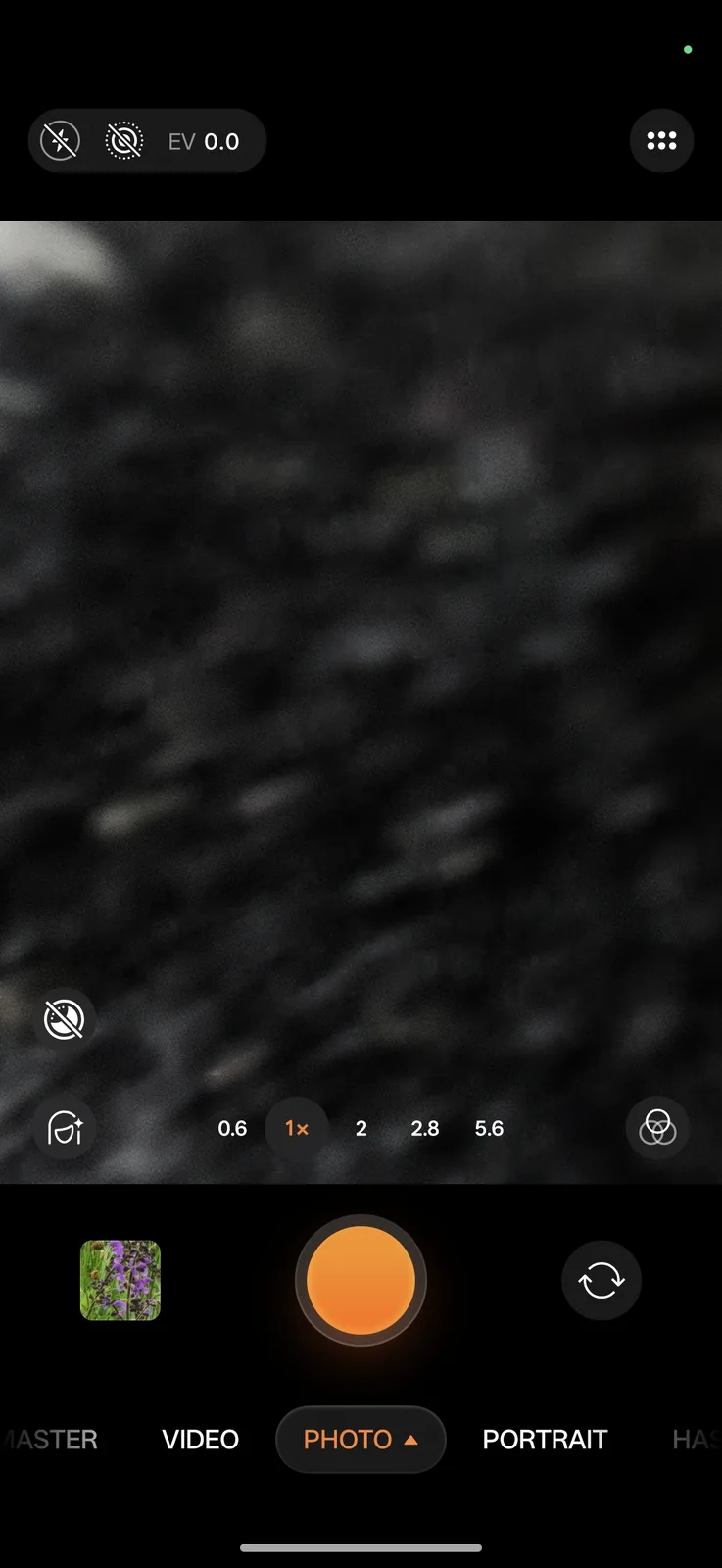
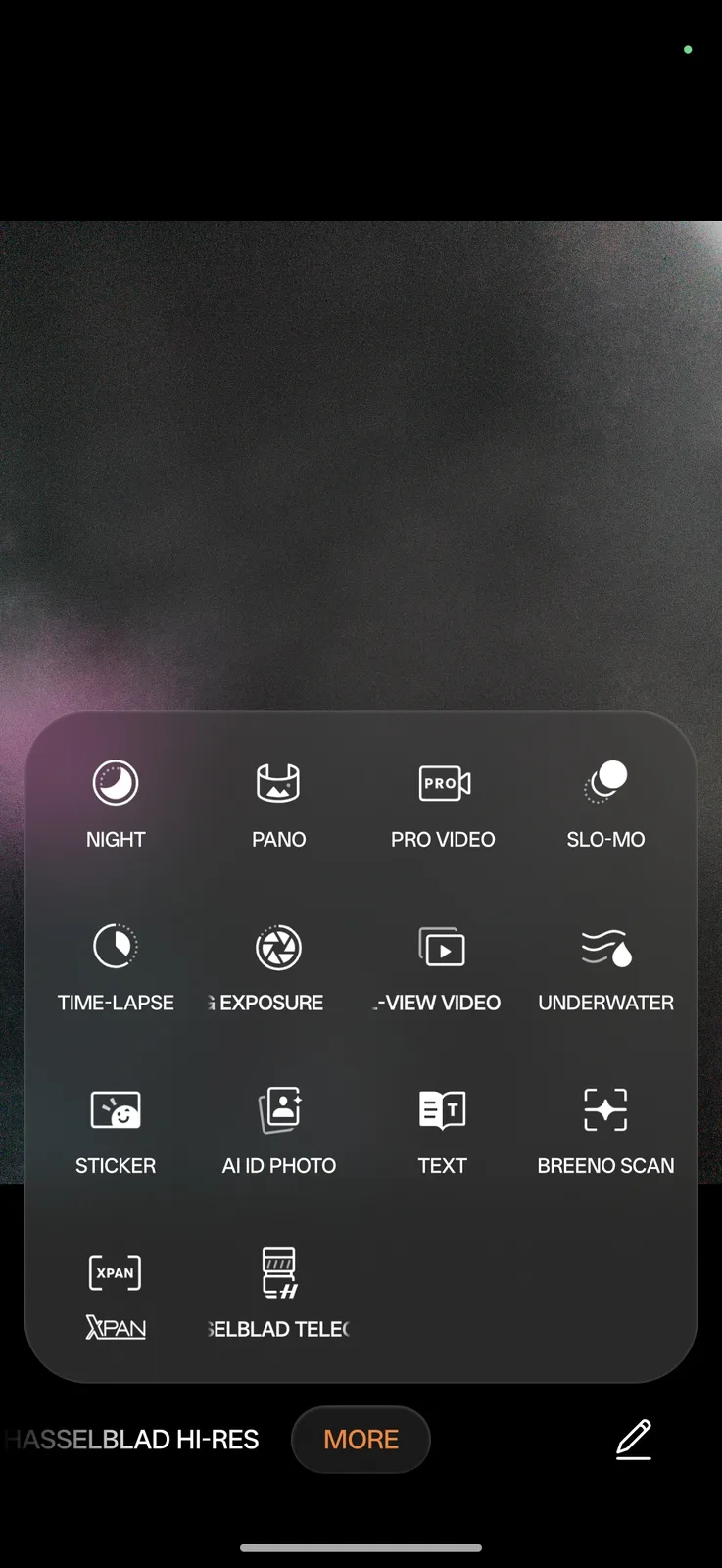
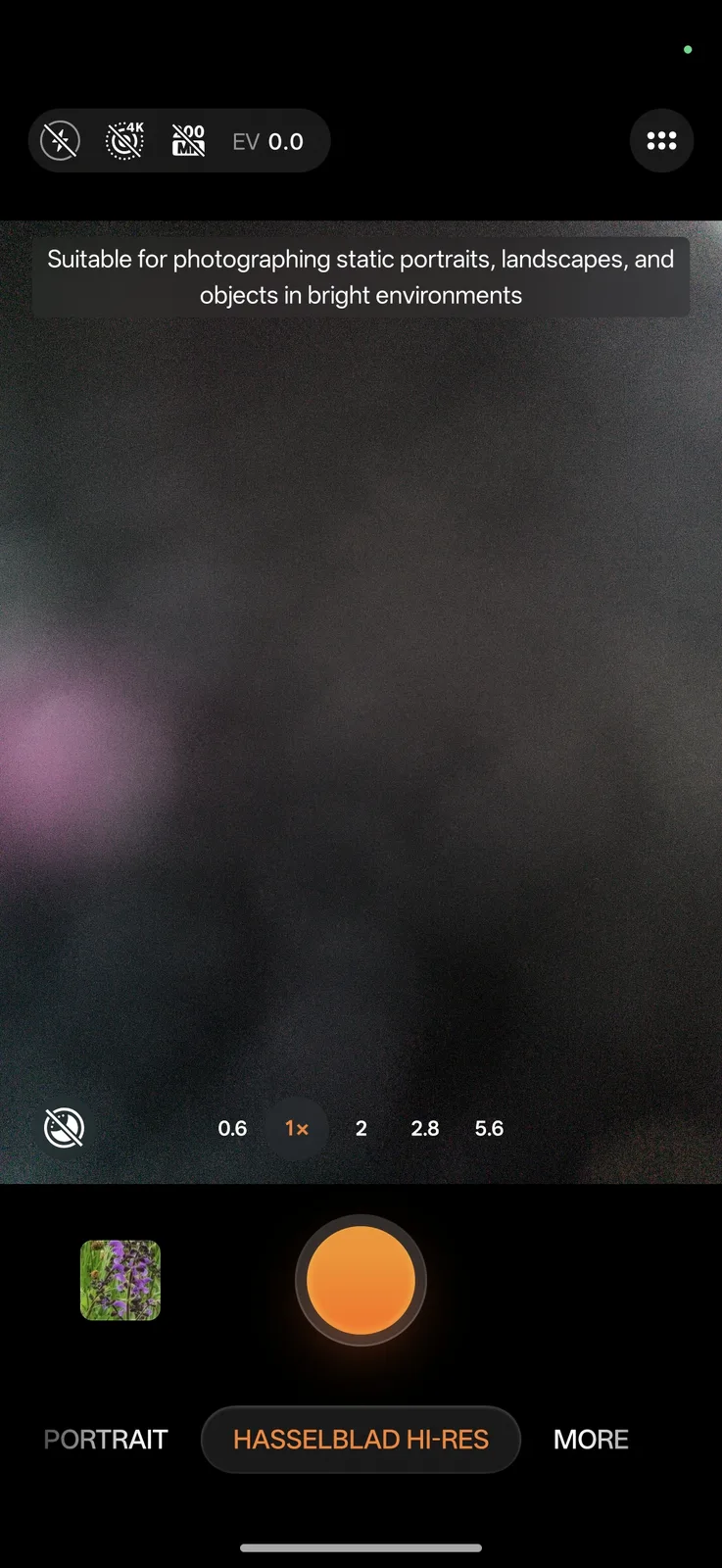
Image comparison
Choose a scene and navigate within the first image. One click changes the position on touchscreens. One click on the zoomed-in image opens the original in a new window. The first image shows the scaled photograph of the test device.
Main cameraMain cameraLow lightUltra wide-angle




















Accessories and Warranty: Oppo Find X9s Pro comes with fast charger and case
The Find X9s Pro comes with a case, a quick-charging power adapter, and a charging cable (USB-C to USB-A). A protective film is also installed on the display. Our loaner Trading Shenzhen adds an EU adapter for the charger to the scope of delivery.
Our imported device comes with a 12-month warranty. In the event of a warranty claim, Trading Shenzhen offers the option of sending the smartphone to a German shipping address.
Input devices and Operation: Ultrasonic fingerprint sensor like the Galaxy S26 and Xiaomi 17
The Find X9s Pro can be operated very smoothly. Inputs on the 144 Hz display are implemented fast, and Oppo specifies a touch sampling rate of up to 300 Hz.
The mini flagship smartphone uses an ultrasonic sensor for authentication, which reliably recognizes our fingerprint and unlocks the OLED panel very quickly. Biometric recognition of the face is also ensured via an insecure 2D face unlock function.


Display: Smaller than the Find X9 Ultra, but extra-sharp OLED screen
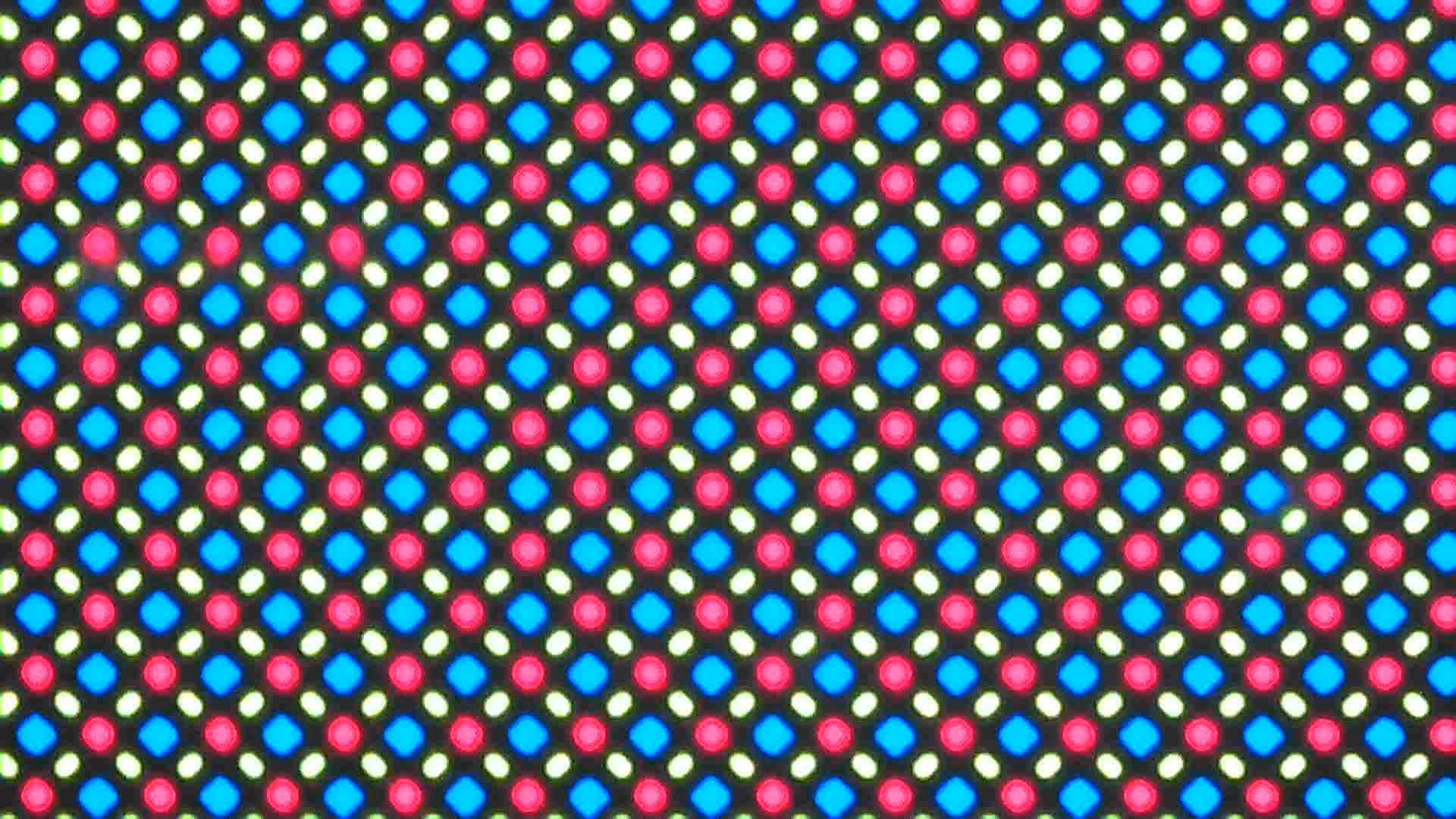
The 6.3-inch AMOLED display achieves a high image sharpness of 460 ppi with its 1,216p resolution. The LTPO panel with a refresh rate from 1 Hz up to 144 Hz is said to achieve a brightness (HBM) of 1,800 nits, which we were able to confirm in our APL measurement.
OLED panels usually have a more pronounced luminosity in our measurement when playing HDR video. However, we achieve a similar value as HBM with the Find X9s Pro even in HDR, which means that the Vivo X300 is significantly brighter.
The OLED technology used requires pulse width modulation (PWM) to control the screen brightness. According to the manufacturer, high-frequency PWM dimming at 3,840 Hz is offered, which minimizes the negative effects of OLED flickering. We also measure a base frequency of 167 Hz with the Rigol oscilloscope.
| |||||||||||||||||||||||||
Brightness Distribution: 96 %
Center on Battery: 1133 cd/m²
Contrast: ∞:1 (Black: 0 cd/m²)
ΔE ColorChecker Calman: 2.29 | ∀{0.5-29.43 Ø4.68}
ΔE Greyscale Calman: 3.2 | ∀{0.09-98 Ø4.93}
99.4% sRGB (Calman 2D)
Gamma: 2.229
CCT: 7113 K
| Oppo Find X9s Pro LTPO OLED, 2640x1216, 6.3" | Samsung Galaxy S26 Dynamic AMOLED 2XDynamic AMOLED 2X, 8 Bit color depth, 2340x1080, 6.3" | Oppo Find X9 AMOLED, 2760x1256, 6.6" | Vivo X300 AMOLED, 2640x1216, 6.3" | |
|---|---|---|---|---|
| Screen | 17% | 33% | 33% | |
| Brightness middle (cd/m²) | 1133 | 1341 18% | 1132 0% | 1537 36% |
| Brightness (cd/m²) | 1108 | 1337 21% | 1114 1% | 1523 37% |
| Brightness Distribution (%) | 96 | 96 0% | 97 1% | 96 0% |
| Black Level * (cd/m²) | ||||
| Colorchecker dE 2000 * | 2.29 | 2.4 -5% | 0.82 64% | 1.4 39% |
| Colorchecker dE 2000 max. * | 5.32 | 4 25% | 1.95 63% | 2.6 51% |
| Greyscale dE 2000 * | 3.2 | 1.9 41% | 1 69% | 2.1 34% |
| Gamma | 2.229 99% | 2.06 107% | 2.244 98% | 2.28 96% |
| CCT | 7113 91% | 6497 100% | 6546 99% | 6754 96% |
* ... smaller is better
| Display / APL18 Peak Brightness | |
| Samsung Galaxy S26 | |
| Vivo X300 | |
| Oppo Find X9s Pro | |
| Display / HDR Peak Brightness | |
| Vivo X300 | |
| Samsung Galaxy S26 | |
| Oppo Find X9s Pro | |
Screen Flickering / PWM (Pulse-Width Modulation)
| Screen flickering / PWM detected | 167.1 Hz Amplitude: 15 % | 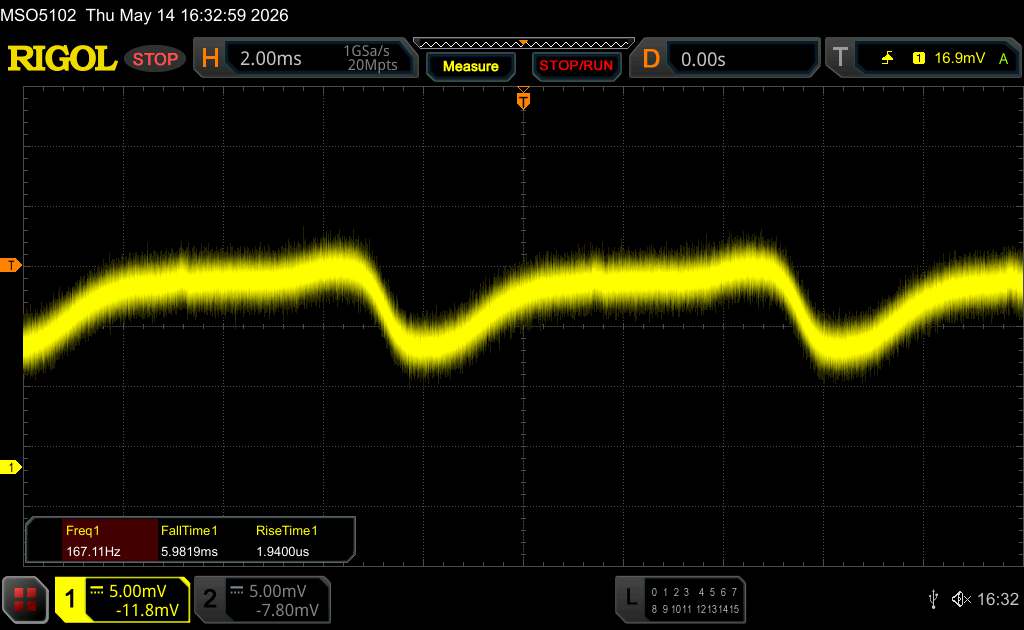 | |
The display backlight flickers at 167.1 Hz (worst case, e.g., utilizing PWM) . The frequency of 167.1 Hz is relatively low, so sensitive users will likely notice flickering and experience eyestrain at the stated brightness setting and below. In comparison: 52 % of all tested devices do not use PWM to dim the display. If PWM was detected, an average of 7572 (minimum: 5 - maximum: 343500) Hz was measured. | |||
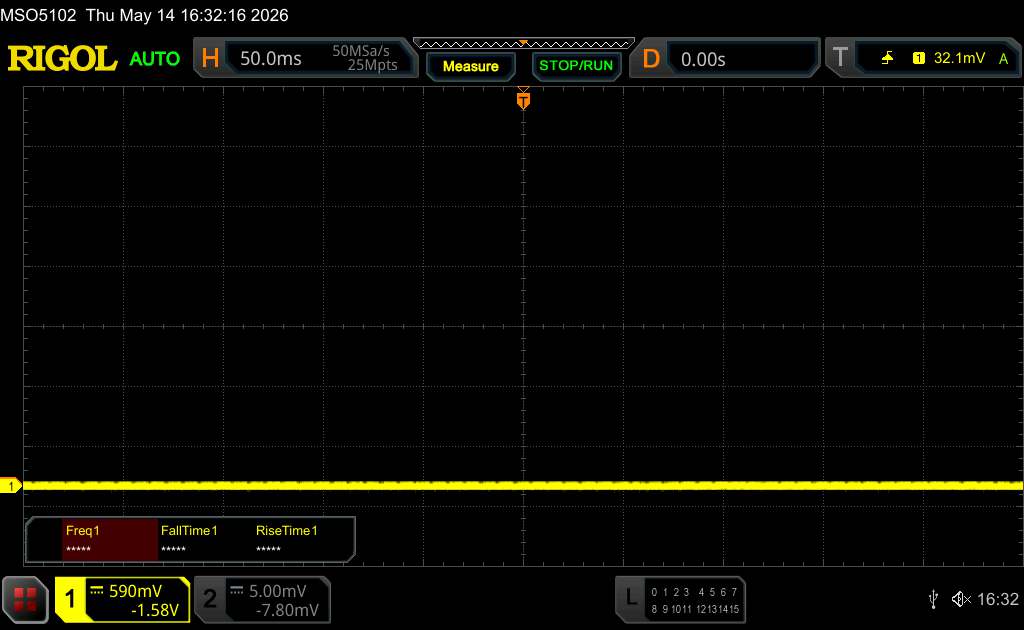
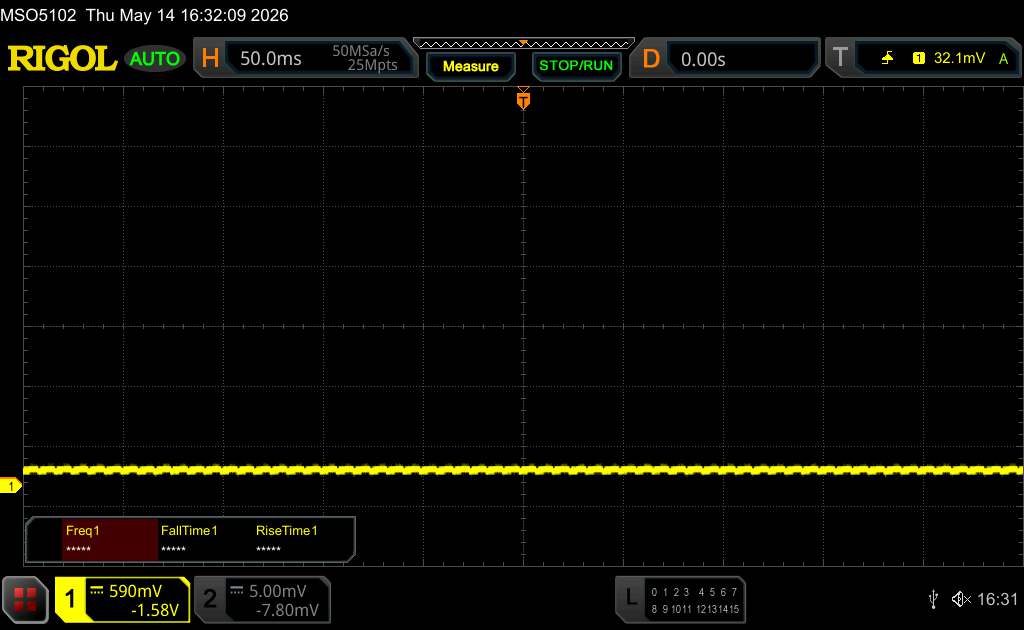
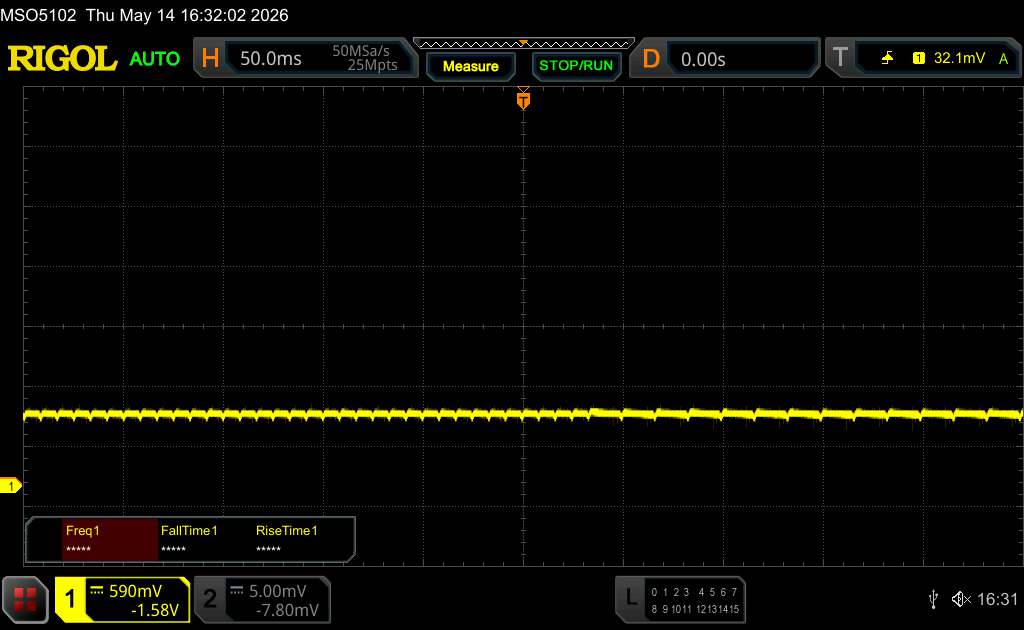
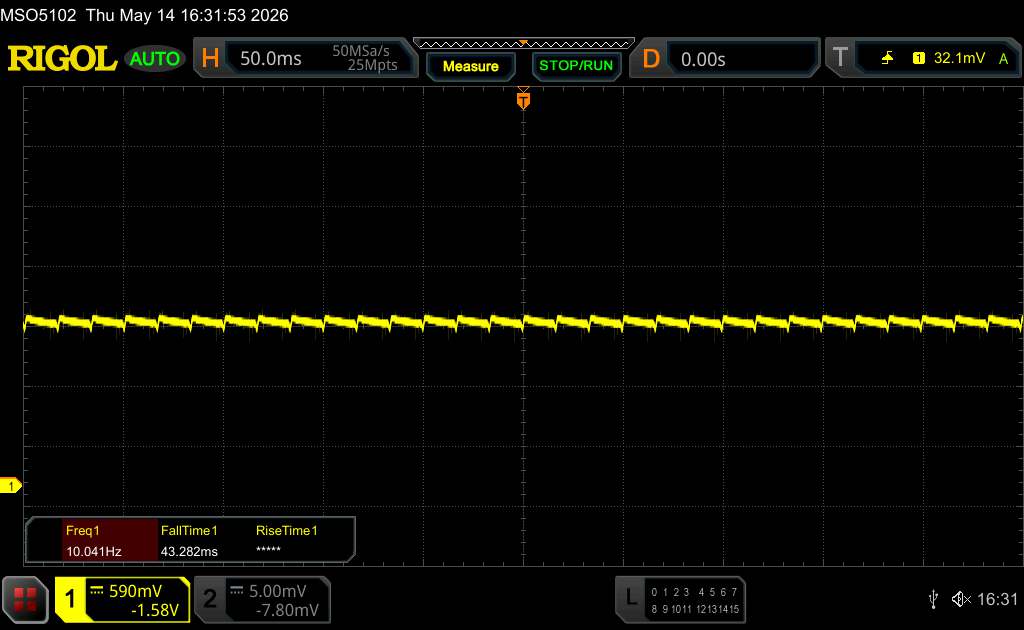
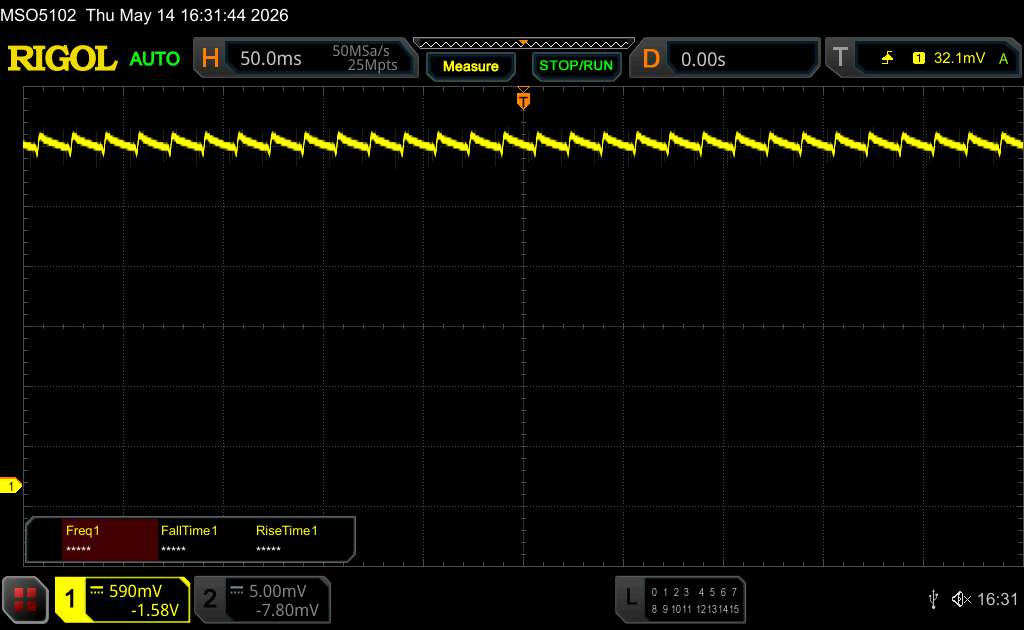
Measurement series with fixed zoom level and different brightness settings (The amplitude curve at minimum brightness looks flat, but this is due to the scaling. The info box shows the enlarged version of the amplitude at minimum brightness)
Our measurements with the X-Rite i1Basic Pro 3 spectrophotometer and the Calman Ultimate software from Portrait Displays clearly show that the screen is not only slightly less bright than a Vivo X300 but is also calibrated less accurately in terms of color reproduction.
That being said, the deviation of the color tones and grayscale in the sRGB color space is barely visible to the naked eye.
Display Response Times
| ↔ Response Time Black to White | ||
|---|---|---|
| 3 ms ... rise ↗ and fall ↘ combined | ↗ 1.4 ms rise | 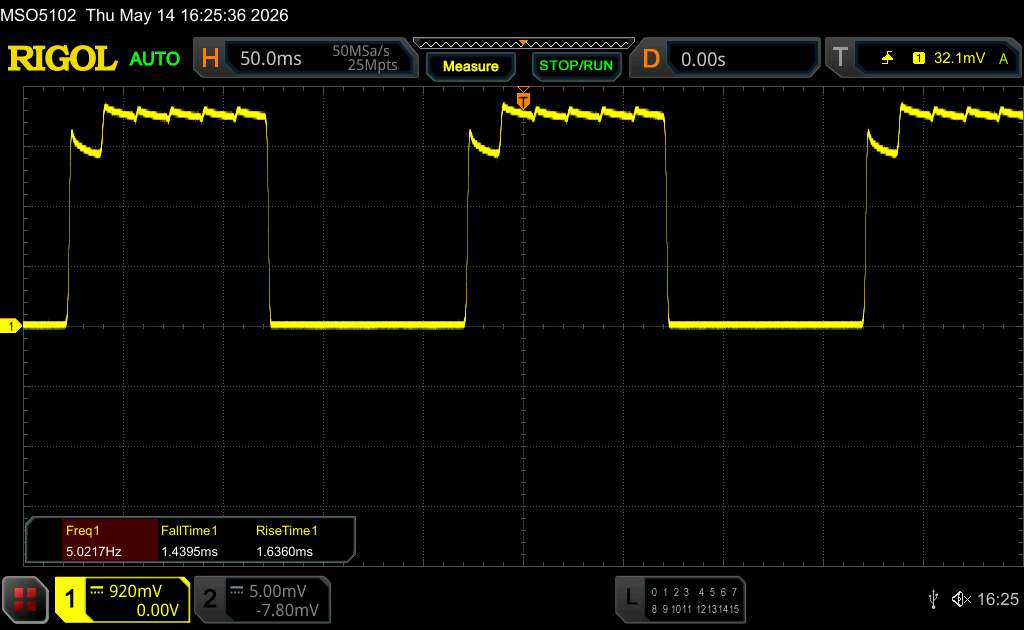 |
| ↘ 1.6 ms fall | ||
| The screen shows very fast response rates in our tests and should be very well suited for fast-paced gaming. In comparison, all tested devices range from 0.1 (minimum) to 240 (maximum) ms. » 15 % of all devices are better. This means that the measured response time is better than the average of all tested devices (19.6 ms). | ||
| ↔ Response Time 50% Grey to 80% Grey | ||
| 3.1 ms ... rise ↗ and fall ↘ combined | ↗ 1.6 ms rise | 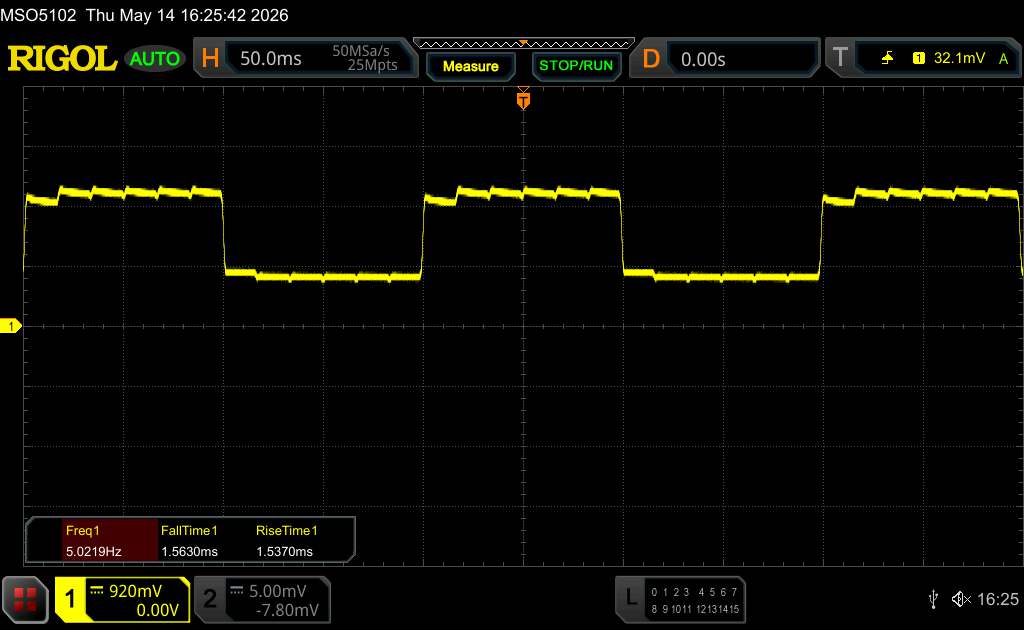 |
| ↘ 1.5 ms fall | ||
| The screen shows very fast response rates in our tests and should be very well suited for fast-paced gaming. In comparison, all tested devices range from 0.13 (minimum) to 636 (maximum) ms. » 14 % of all devices are better. This means that the measured response time is better than the average of all tested devices (30.7 ms). | ||
Performance: Dimensity 9500 in the Find X9s Pro ensures high speed
Despite the compact dimensions of the Find X9s Pro, the MediaTek Dimensity 9500 SoC promises true flagship performance. In everyday use, the Oppo phone also feels very fast, although the MediaTek SoC's performance is not as good as that of the competition and feels somewhat restrained. The multi-core performance in Geekbench in particular is worse than that of the larger Pro model.
The Find X9s Pro is surprisingly weak in the PCMark system benchmark and in the Geekbench AI tests.
| CrossMark - Overall | |
| Samsung Galaxy S26 | |
| Oppo Find X9s Pro | |
| Average MediaTek Dimensity 9500 (1086 - 2177, n=4) | |
| Average of class Smartphone (376 - 2856, n=107, last 2 years) | |
| UL Procyon AI Inference for Android - Overall Score NNAPI | |
| Samsung Galaxy S26 | |
| Average of class Smartphone (2895 - 66164, n=99, last 2 years) | |
| Oppo Find X9s Pro | |
| Oppo Find X9 | |
| Oppo Find X9 Pro | |
| Average MediaTek Dimensity 9500 (2895 - 19373, n=5) | |
| AImark - Score v3.x | |
| Average of class Smartphone (293 - 307528, n=67, last 2 years) | |
| Samsung Galaxy S26 | |
| Average MediaTek Dimensity 9500 (n=1) | |
| Oppo Find X9 Pro | |
| Antutu v11 - Score | |
| Oppo Find X9s Pro | |
| Vivo X300 | |
| Average MediaTek Dimensity 9500 (3258253 - 3692957, n=4) | |
| Samsung Galaxy S26 | |
| Average of class Smartphone (519159 - 4450644, n=48, last 2 years) | |
The GPU unit of the compact Oppo flagship is a Mali G1-Ultra with twelve cores. The performance is very mixed in our test. While the Find X9s Pro performs really well in some benchmarks, other results in GFXBench are quite low.
Since we let our test devices cool down between the benchmarks, thermal problems are unlikely to cause this inconsistency.
GFXBench (DX / GLBenchmark) 2.7: T-Rex Onscreen | 1920x1080 T-Rex Offscreen
GFXBench 3.0: on screen Manhattan Onscreen OGL | 1920x1080 1080p Manhattan Offscreen
GFXBench 3.1: on screen Manhattan ES 3.1 Onscreen | 1920x1080 Manhattan ES 3.1 Offscreen
GFXBench: on screen Car Chase Onscreen | 1920x1080 Car Chase Offscreen | on screen Aztec Ruins High Tier Onscreen | 2560x1440 Aztec Ruins High Tier Offscreen | on screen Aztec Ruins Normal Tier Onscreen | 1920x1080 Aztec Ruins Normal Tier Offscreen | 3840x2160 4K Aztec Ruins High Tier Offscreen
| 3DMark / Wild Life Extreme Unlimited | |
| Oppo Find X9s Pro | |
| Oppo Find X9 Pro | |
| Vivo X300 | |
| Samsung Galaxy S26 | |
| Oppo Find X9 | |
| 3DMark / Wild Life Extreme | |
| Oppo Find X9 Pro | |
| Oppo Find X9s Pro | |
| Samsung Galaxy S26 | |
| Vivo X300 | |
| Oppo Find X9 | |
| 3DMark / Wild Life Unlimited Score | |
| Samsung Galaxy S26 | |
| Vivo X300 | |
| Oppo Find X9 | |
| Oppo Find X9s Pro | |
| Oppo Find X9 Pro | |
| 3DMark / Solar Bay Score | |
| Oppo Find X9 Pro | |
| Oppo Find X9s Pro | |
| Samsung Galaxy S26 | |
| Oppo Find X9 | |
| 3DMark / Solar Bay Unlimited Score | |
| Oppo Find X9 Pro | |
| Oppo Find X9s Pro | |
| Samsung Galaxy S26 | |
| Oppo Find X9 | |
| 3DMark / Steel Nomad Light Unlimited Score | |
| Oppo Find X9s Pro | |
| Samsung Galaxy S26 | |
| Oppo Find X9 Pro | |
| Oppo Find X9 | |
| Vivo X300 | |
| 3DMark / Steel Nomad Light Score | |
| Oppo Find X9s Pro | |
| Samsung Galaxy S26 | |
| Oppo Find X9 Pro | |
| Vivo X300 | |
| Oppo Find X9 | |
| GFXBench (DX / GLBenchmark) 2.7 / T-Rex Onscreen | |
| Samsung Galaxy S26 | |
| Vivo X300 | |
| Oppo Find X9 | |
| Oppo Find X9 Pro | |
| Oppo Find X9s Pro | |
| GFXBench (DX / GLBenchmark) 2.7 / T-Rex Offscreen | |
| Oppo Find X9 Pro | |
| Vivo X300 | |
| Oppo Find X9s Pro | |
| Oppo Find X9 | |
| Samsung Galaxy S26 | |
| GFXBench 3.0 / Manhattan Onscreen OGL | |
| Samsung Galaxy S26 | |
| Vivo X300 | |
| Oppo Find X9 | |
| Oppo Find X9 Pro | |
| Oppo Find X9s Pro | |
| GFXBench 3.0 / 1080p Manhattan Offscreen | |
| Oppo Find X9 Pro | |
| Vivo X300 | |
| Samsung Galaxy S26 | |
| Oppo Find X9 | |
| Oppo Find X9s Pro | |
| GFXBench 3.1 / Manhattan ES 3.1 Onscreen | |
| Samsung Galaxy S26 | |
| Vivo X300 | |
| Oppo Find X9 | |
| Oppo Find X9 Pro | |
| Oppo Find X9s Pro | |
| GFXBench 3.1 / Manhattan ES 3.1 Offscreen | |
| Vivo X300 | |
| Oppo Find X9 Pro | |
| Samsung Galaxy S26 | |
| Oppo Find X9 | |
| Oppo Find X9s Pro | |
| GFXBench / Car Chase Onscreen | |
| Samsung Galaxy S26 | |
| Vivo X300 | |
| Oppo Find X9 | |
| Oppo Find X9 Pro | |
| Oppo Find X9s Pro | |
| GFXBench / Car Chase Offscreen | |
| Samsung Galaxy S26 | |
| Oppo Find X9 Pro | |
| Vivo X300 | |
| Oppo Find X9 | |
| Oppo Find X9s Pro | |
| GFXBench / Aztec Ruins High Tier Onscreen | |
| Samsung Galaxy S26 | |
| Vivo X300 | |
| Oppo Find X9s Pro | |
| Oppo Find X9 | |
| Oppo Find X9 Pro | |
| GFXBench / Aztec Ruins High Tier Offscreen | |
| Oppo Find X9s Pro | |
| Vivo X300 | |
| Samsung Galaxy S26 | |
| Oppo Find X9 Pro | |
| Oppo Find X9 | |
| GFXBench / Aztec Ruins Normal Tier Onscreen | |
| Samsung Galaxy S26 | |
| Vivo X300 | |
| Oppo Find X9 | |
| Oppo Find X9 Pro | |
| Oppo Find X9s Pro | |
| GFXBench / Aztec Ruins Normal Tier Offscreen | |
| Vivo X300 | |
| Oppo Find X9s Pro | |
| Oppo Find X9 Pro | |
| Samsung Galaxy S26 | |
| Oppo Find X9 | |
| GFXBench / 4K Aztec Ruins High Tier Offscreen | |
| Oppo Find X9s Pro | |
| Vivo X300 | |
| Samsung Galaxy S26 | |
| Oppo Find X9 Pro | |
| Oppo Find X9 | |
| Jetstream 2 - 2.2 Total | |
| Oppo Find X9s Pro (Chrome 148) | |
| Vivo X300 (Chrome 143) | |
| Average MediaTek Dimensity 9500 (108 - 362, n=8) | |
| Oppo Find X9 Pro (Chrome 141) | |
| Average of class Smartphone (2 - 480, n=105, last 2 years) | |
| Samsung Galaxy S26 | |
| Octane V2 - Total Score | |
| Samsung Galaxy S26 (Chrome 146) | |
| Oppo Find X9 Pro (Chrome 141) | |
| Oppo Find X9s Pro (Chrome 148) | |
| Average MediaTek Dimensity 9500 (27638 - 96438, n=5) | |
| Oppo Find X9 (Chrome 142) | |
| Average of class Smartphone (6015 - 160221, n=130, last 2 years) | |
| Mozilla Kraken 1.1 - Total | |
| Average of class Smartphone (216 - 2718, n=119, last 2 years) | |
| Vivo X300 (Chrome 143) | |
| Average MediaTek Dimensity 9500 (372 - 1335, n=7) | |
| Oppo Find X9 Pro (Chrome 141) | |
| Oppo Find X9 (Chrome 142) | |
| Oppo Find X9s Pro (Chrome 148) | |
| Samsung Galaxy S26 (Chrome 146) | |
| WebXPRT 5 - Overall | |
| Samsung Galaxy S26 (Chrome 146) | |
| Oppo Find X9s Pro | |
| Average of class Smartphone (19 - 139, n=29, last 2 years) | |
| Average MediaTek Dimensity 9500 (24 - 75, n=2) | |
* ... smaller is better
| Oppo Find X9s Pro | Oppo Find X9 | Oppo Find X9 Pro | Vivo X300 | Samsung Galaxy S26 | Average 512 GB UFS 4.1 Flash | Average of class Smartphone | |
|---|---|---|---|---|---|---|---|
| AndroBench 3-5 | -19% | -21% | 28% | 0% | 43% | -2% | |
| Sequential Read 256KB (MB/s) | 3375.6 | 3232.3 -4% | 3219.8 -5% | 2056.87 -39% | 3923.49 16% | 3616 ? 7% | 2279 ? -32% |
| Sequential Write 256KB (MB/s) | 1987.03 | 1565.8 -21% | 1239.76 -38% | 1997.76 1% | 2718.09 37% | 3225 ? 62% | 1980 ? 0% |
| Random Read 4KB (MB/s) | 434.19 | 335.7 -23% | 367.54 -15% | 332.61 -23% | 418.42 -4% | 414 ? -5% | 319 ? -27% |
| Random Write 4KB (MB/s) | 239.9 | 172.6 -28% | 176.98 -26% | 654.09 173% | 124.05 -48% | 498 ? 108% | 366 ? 53% |
Emissions: Dimensity 9500 throttles due to high waste heat
Temperature
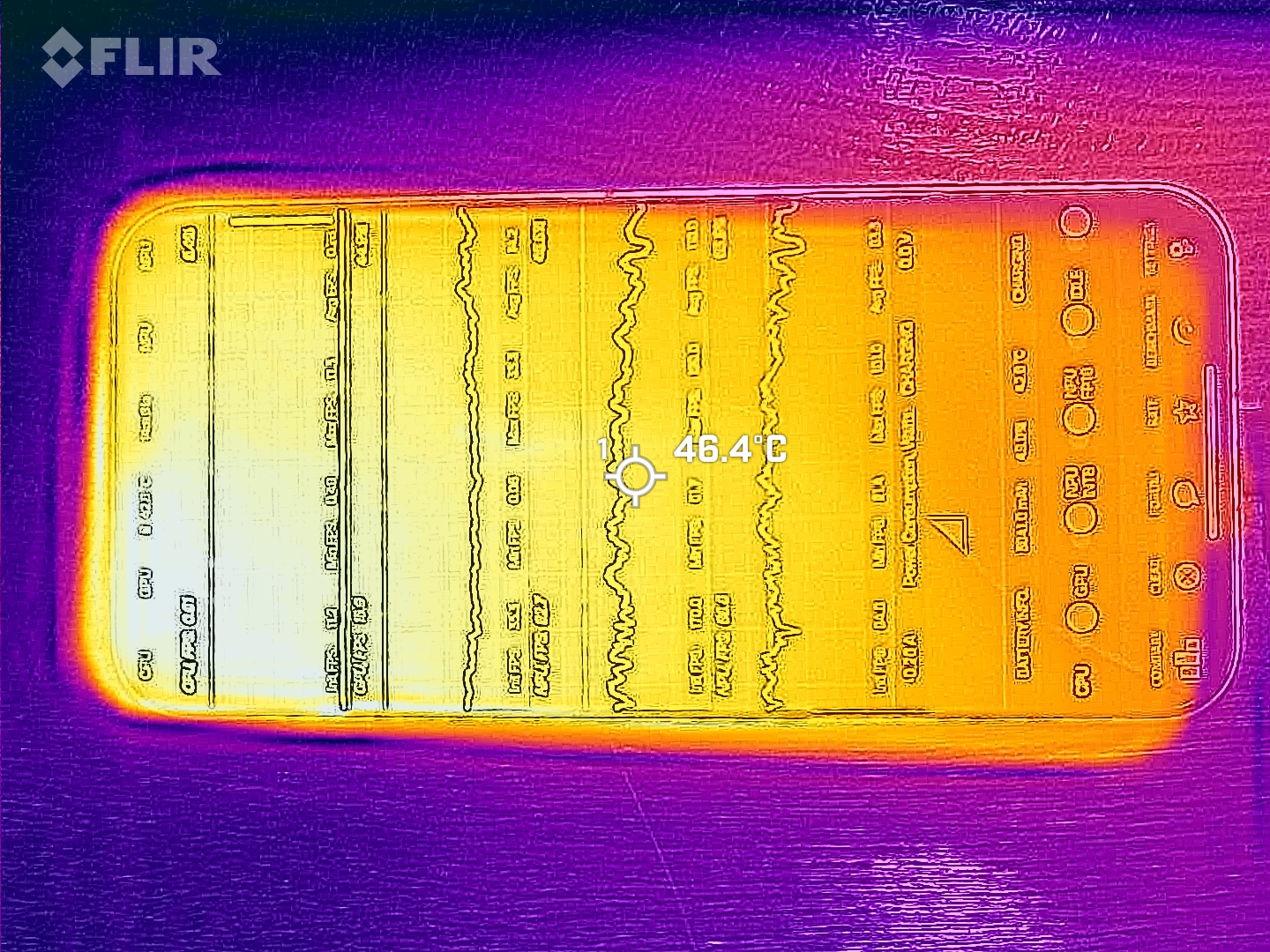
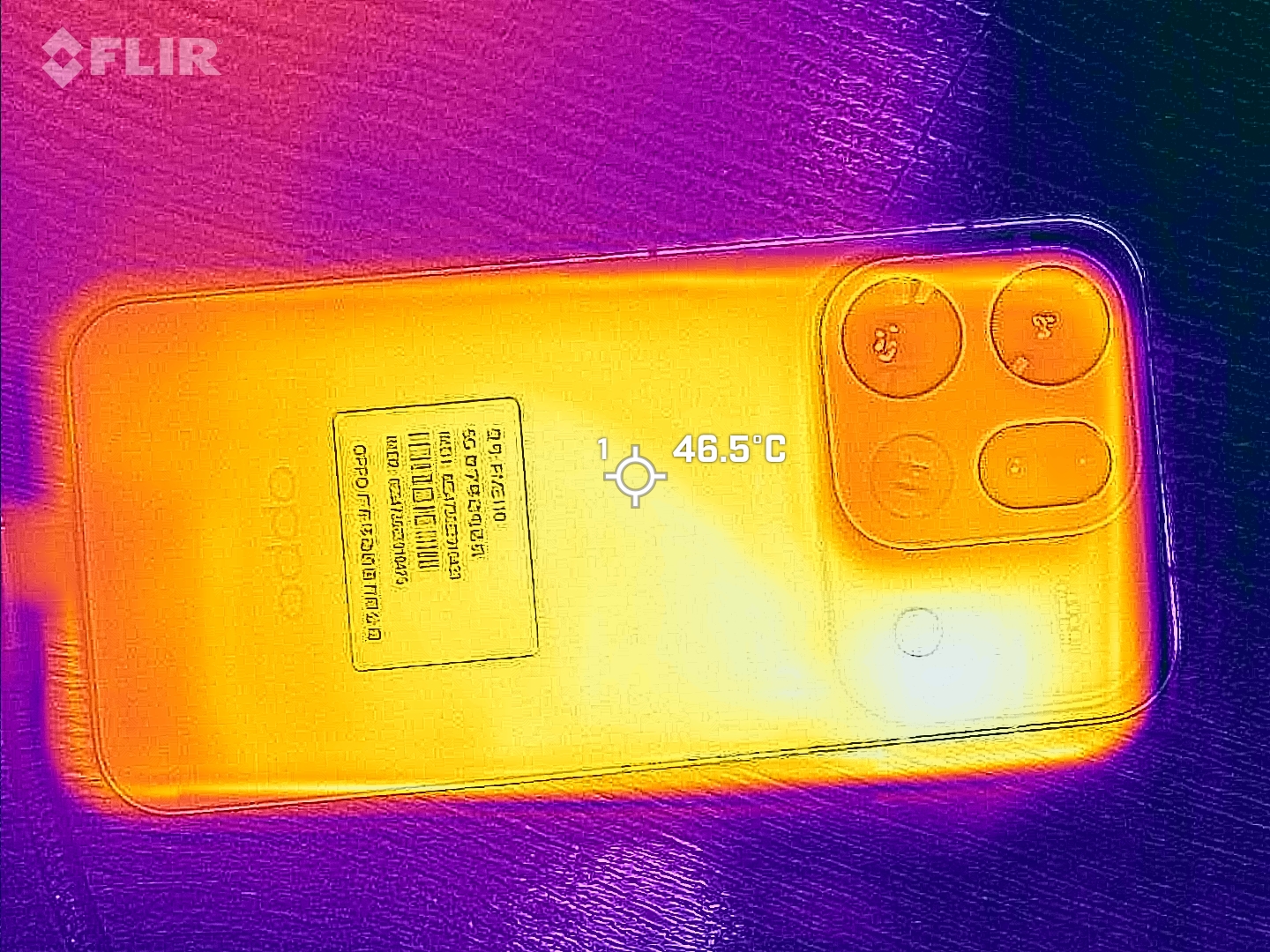
The surface temperatures with the Find X9s Pro under load are high in our measurements, but the values are still within a harmless range.
We also take a look at the throttling behavior with the 3DMark stress tests. The percentage of SoC throttling is significantly lower than that of the competition when the stress test is repeated 20 times.
(-) The maximum temperature on the upper side is 48.4 °C / 119 F, compared to the average of 35.4 °C / 96 F, ranging from 21.9 to 247 °C for the class Smartphone.
(-) The bottom heats up to a maximum of 48.4 °C / 119 F, compared to the average of 34.1 °C / 93 F
(+) In idle usage, the average temperature for the upper side is 29.3 °C / 85 F, compared to the device average of 33 °C / 91 F.
3DMark Stress Tests
| 3DMark | |
| Wild Life Stress Test Stability | |
| Oppo Find X9 Pro | |
| Oppo Find X9s Pro | |
| Oppo Find X9 | |
| Vivo X300 | |
| Samsung Galaxy S26 | |
| Wild Life Extreme Stress Test | |
| Oppo Find X9 | |
| Oppo Find X9s Pro | |
| Samsung Galaxy S26 | |
| Vivo X300 | |
| Oppo Find X9 Pro | |
Loudspeaker
The Find X9s Pro's two speakers deliver a powerful sound for a compact smartphone. However, there is a noticeable drop in the super tweeters in the Pink Noise.
Better sound output with high-res audio is possible via the USB port or wirelessly via Bluetooth 6.1.
Oppo Find X9s Pro audio analysis
(+) | speakers can play relatively loud (84.7 dB)
Bass 100 - 315 Hz
(-) | nearly no bass - on average 21.2% lower than median
(±) | linearity of bass is average (11.3% delta to prev. frequency)
Mids 400 - 2000 Hz
(+) | balanced mids - only 4.8% away from median
(+) | mids are linear (5.7% delta to prev. frequency)
Highs 2 - 16 kHz
(+) | balanced highs - only 4.7% away from median
(+) | highs are linear (2.2% delta to prev. frequency)
Overall 100 - 16.000 Hz
(±) | linearity of overall sound is average (17.6% difference to median)
Compared to same class
» 14% of all tested devices in this class were better, 8% similar, 78% worse
» The best had a delta of 11%, average was 34%, worst was 136%
Compared to all devices tested
» 35% of all tested devices were better, 8% similar, 57% worse
» The best had a delta of 4%, average was 23%, worst was 136%
Oppo Find X9 audio analysis
(+) | speakers can play relatively loud (82.3 dB)
Bass 100 - 315 Hz
(-) | nearly no bass - on average 17.6% lower than median
(±) | linearity of bass is average (9.8% delta to prev. frequency)
Mids 400 - 2000 Hz
(+) | balanced mids - only 4.4% away from median
(+) | mids are linear (3.6% delta to prev. frequency)
Highs 2 - 16 kHz
(±) | higher highs - on average 5.3% higher than median
(±) | linearity of highs is average (8.9% delta to prev. frequency)
Overall 100 - 16.000 Hz
(±) | linearity of overall sound is average (15.7% difference to median)
Compared to same class
» 4% of all tested devices in this class were better, 4% similar, 91% worse
» The best had a delta of 11%, average was 34%, worst was 136%
Compared to all devices tested
» 25% of all tested devices were better, 5% similar, 71% worse
» The best had a delta of 4%, average was 23%, worst was 136%
Battery life: Compact smartphone with a big battery
Energy consumption
At 7,025 mAh, the Find X9s Pro's silicon-carbon battery is quite large for the compact class and can be charged quickly via USB-C at up to 80 W. The smartphone can also be charged wirelessly with a maximum of 50 W.
The power consumption could be improved though, especially in idle mode.
| Off / Standby |   0.1 / 0.2 Watt 0.1 / 0.2 Watt |
| Idle |  1.7 / 2.3 / 2.6 Watt 1.7 / 2.3 / 2.6 Watt |
| Load |
8.3 / 11.9 Watt |
    
| |
Key:
min: ,
med: ,
max: Metrahit Energy | |
| Oppo Find X9s Pro 7025 mAh | Oppo Find X9 7025 mAh | Oppo Find X9 Pro 7500 mAh | Vivo X300 5360 mAh | Samsung Galaxy S26 4300 mAh | Average MediaTek Dimensity 9500 | Average of class Smartphone | |
|---|---|---|---|---|---|---|---|
| Power Consumption | 11% | 38% | 32% | 23% | 17% | 30% | |
| Idle Minimum * (Watt) | 1.7 | 1.2 29% | 0.6 65% | 0.6 65% | 0.45 74% | 0.94 ? 45% | 0.903 ? 47% |
| Idle Average * (Watt) | 2.3 | 1.8 22% | 1 57% | 2.02 12% | 0.75 67% | 1.717 ? 25% | 1.477 ? 36% |
| Idle Maximum * (Watt) | 2.6 | 2.5 4% | 1.3 50% | 2.08 20% | 0.93 64% | 1.946 ? 25% | 1.679 ? 35% |
| Load Average * (Watt) | 8.3 | 7.9 5% | 6.9 17% | 12.4 -49% | 8 ? 4% | 6.64 ? 20% | |
| Load Maximum * (Watt) | 11.9 | 12.2 -3% | 11.9 -0% | 16.75 -41% | 13.3 ? -12% | 10.5 ? 12% |
* ... smaller is better
Power consumption: Geekbench (150 cd/m²)
Power consumption: GFXbench (150 cd/m²)
Battery life
We always use an adjusted display brightness of 150 cd/m2 to compare our results in the WLAN battery test. Here, the Find X9s Pro performs almost 10 hours better than a Galaxy S26 and is therefore in a different league.
However, the Oppo phone's efficiency, which is in need of improvement under low load, costs it significantly in terms endurance when compared to its sister models, the Find X9 and Find X9 Pro.
| Oppo Find X9s Pro 7025 mAh | Oppo Find X9 7025 mAh | Oppo Find X9 Pro 7500 mAh | Vivo X300 5360 mAh | Samsung Galaxy S26 4300 mAh | |
|---|---|---|---|---|---|
| Battery runtime | |||||
| WiFi v1.3 (h) | 27.3 | 29.1 7% | 34.3 26% | 19.6 -28% | 17.7 -35% |
Notebookcheck's overall impressions of the Oppo Find X9s Pro
In certain aspects, the Oppo Find X9s Pro does not feel like a Pro model from the Find X series. Nevertheless, the compact Android phone is an interesting alternative to the Galaxy S26 or iPhone 17 with a focus on endurance and photo quality.

Oppo Find X9s Pro
- 06/05/2026 v8
Marcus Herbrich
 Total Sustainability Score:
 Potential competitors in comparison
Image | Model / Review | Price | Weight | Drive | Display |
|---|---|---|---|---|---|
1. 87%  | Oppo Find X9s Pro MediaTek Dimensity 9500 ⎘ Arm Mali G1- Ultra MC12 ⎘ 16 GB Memory, 512 GB UFS 4.x | Amazon: 1. $1,199.00 OPPO Find X9s Dual-SIM 512GB... 2. $1,909.00 OPPO Find X9 Pro Dual-SIM 51... 3. $1,949.00 OPPO Find X9 Ultra Dual-SIM ... List Price: 800€ | 198 g | 512 GB UFS 4.1 Flash | 6.32" 2640x1216 460 PPI LTPO OLED |
2. 86.1%  | Oppo Find X9 MediaTek Dimensity 9500 ⎘ Arm Mali G1- Ultra MC12 ⎘ 12 GB Memory, 512 GB UFS 4.x | List Price: 999€ | 203 g | 512 GB UFS 4.1 Flash | 6.59" 2760x1256 460 PPI AMOLED |
3. 88%  | Vivo X300 MediaTek Dimensity 9500 ⎘ Arm Mali G1- Ultra MC12 ⎘ 12 GB Memory, 256 GB UFS 4.x | List Price: 1049€ | 190 g | 256 GB UFS 4.1 Flash | 6.31" 2640x1216 461 PPI AMOLED |
4. 88.3%  | Samsung Galaxy S26 Samsung Exynos 2600 ⎘ Samsung Xclipse 960 ⎘ 12 GB Memory, 256 GB UFS 4.x | List Price: 999€ | 167 g | 256 GB UFS 4.0 Flash | 6.30" 2340x1080 409 PPI Dynamic AMOLED 2XDynamic AMOLED 2X, 8 Bit color depth |
Transparency
The selection of devices to be reviewed is made by our editorial team. The test sample was provided to the author as a loan by the manufacturer or retailer for the purpose of this review. The lender had no influence on this review, nor did the manufacturer receive a copy of this review before publication. There was no obligation to publish this review. As an independent media company, Notebookcheck is not subjected to the authority of manufacturers, retailers or publishers.
This is how Notebookcheck is testing
Every year, Notebookcheck independently reviews hundreds of laptops and smartphones using standardized procedures to ensure that all results are comparable. We have continuously developed our test methods for around 20 years and set industry standards in the process. In our test labs, high-quality measuring equipment is utilized by experienced technicians and editors. These tests involve a multi-stage validation process. Our complex rating system is based on hundreds of well-founded measurements and benchmarks, which maintains objectivity. Further information on our test methods can be found here.
 Add as a preferred source on Google


