Notebookcheck Logo
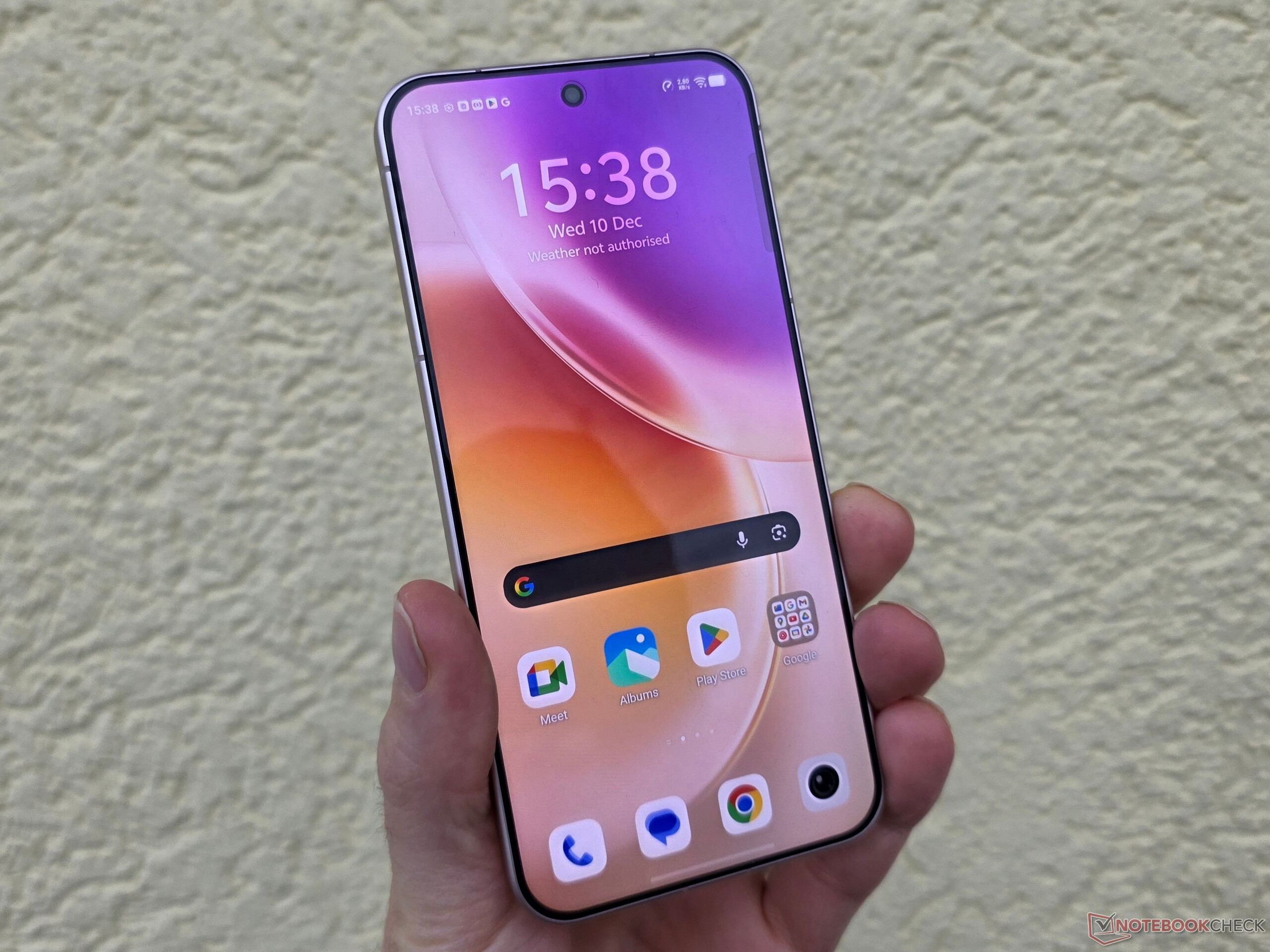
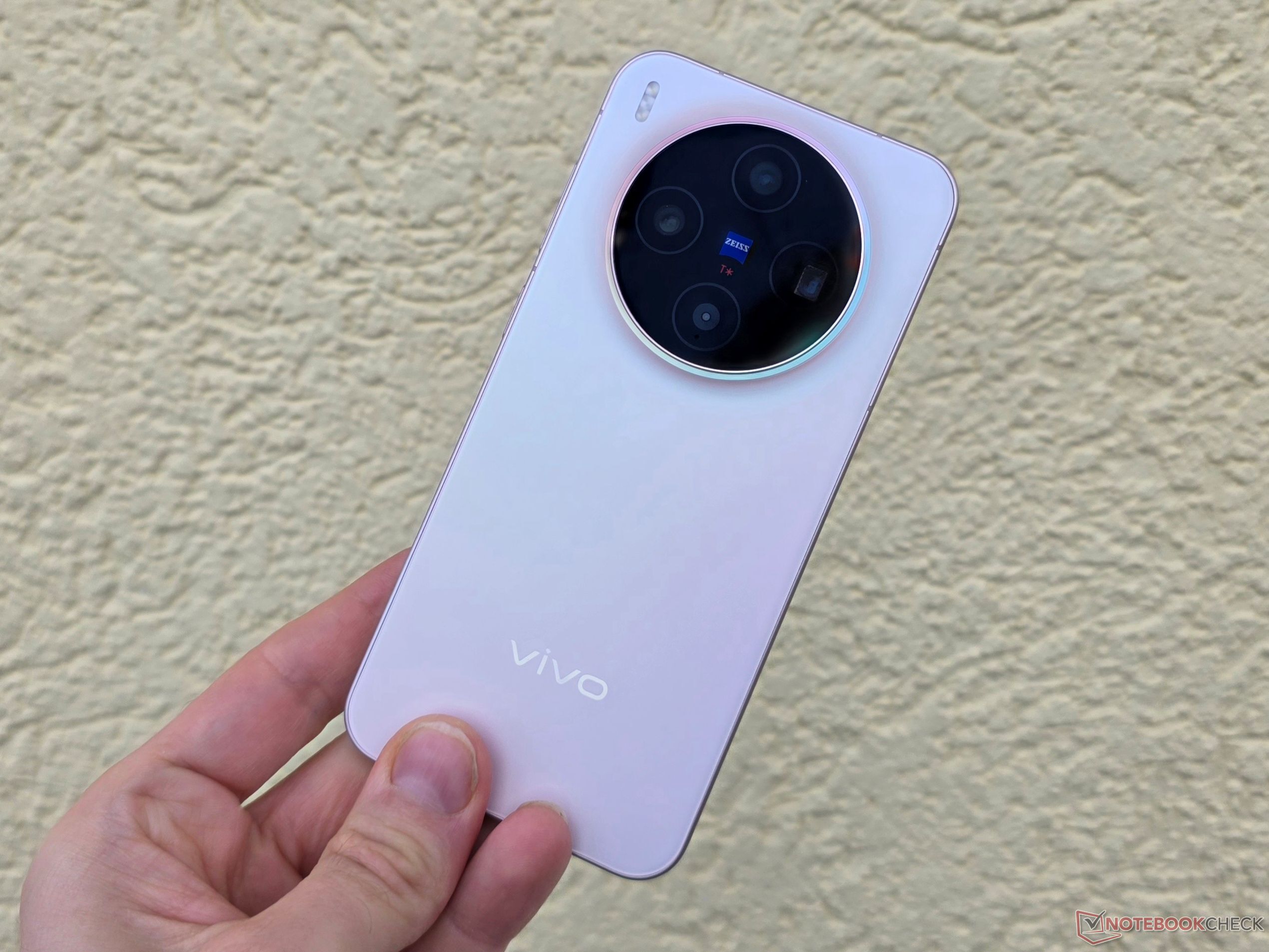
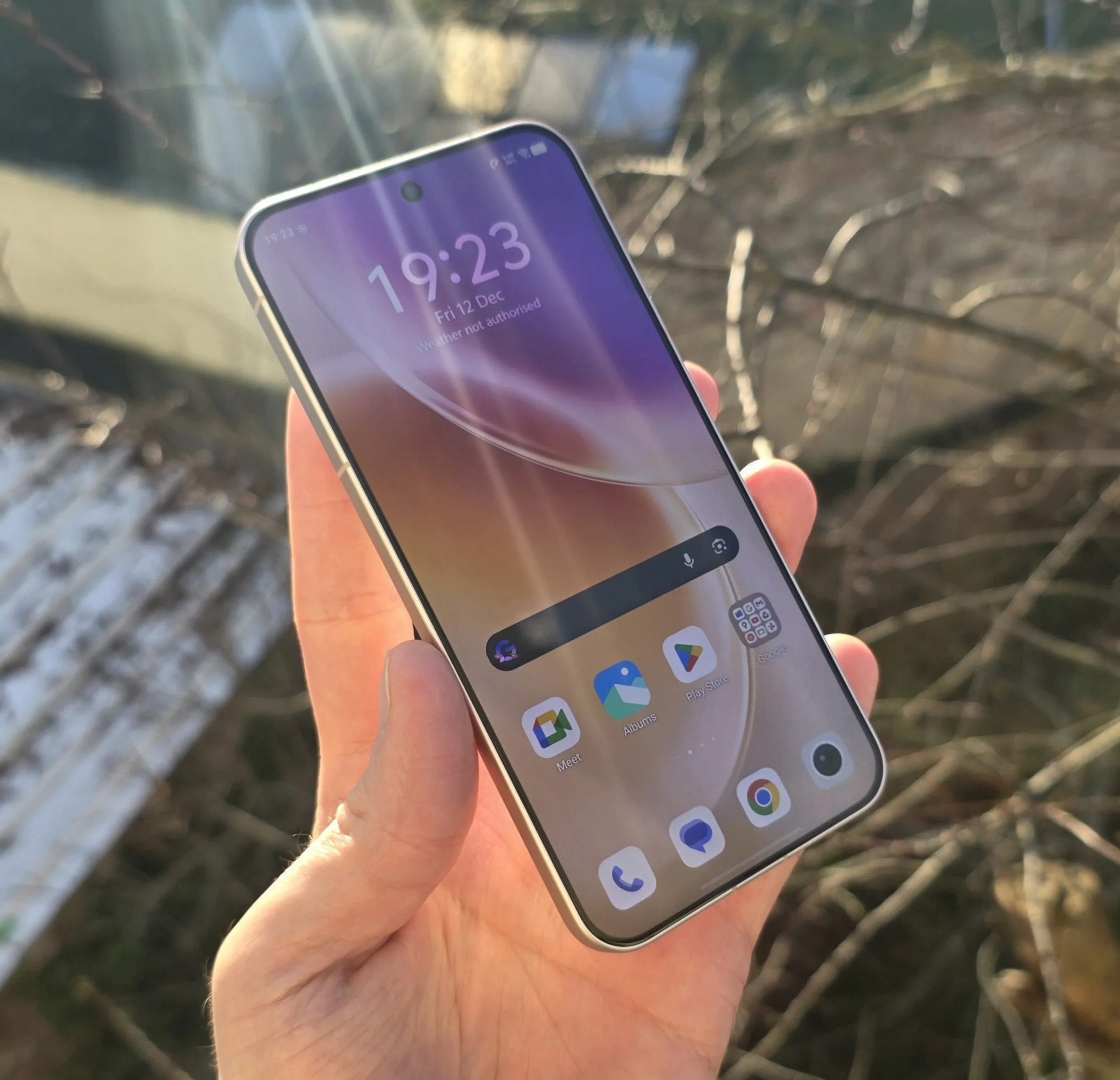
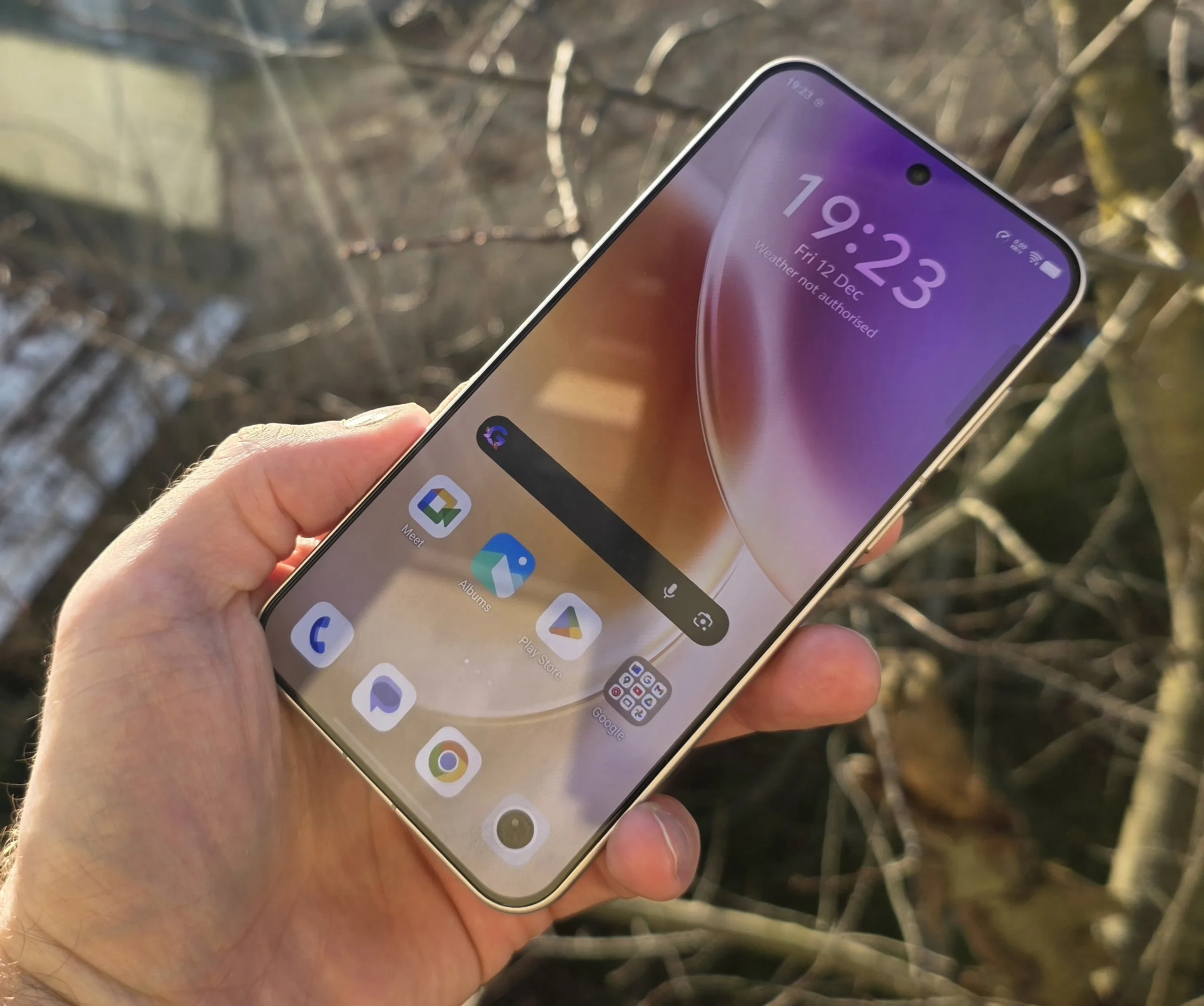
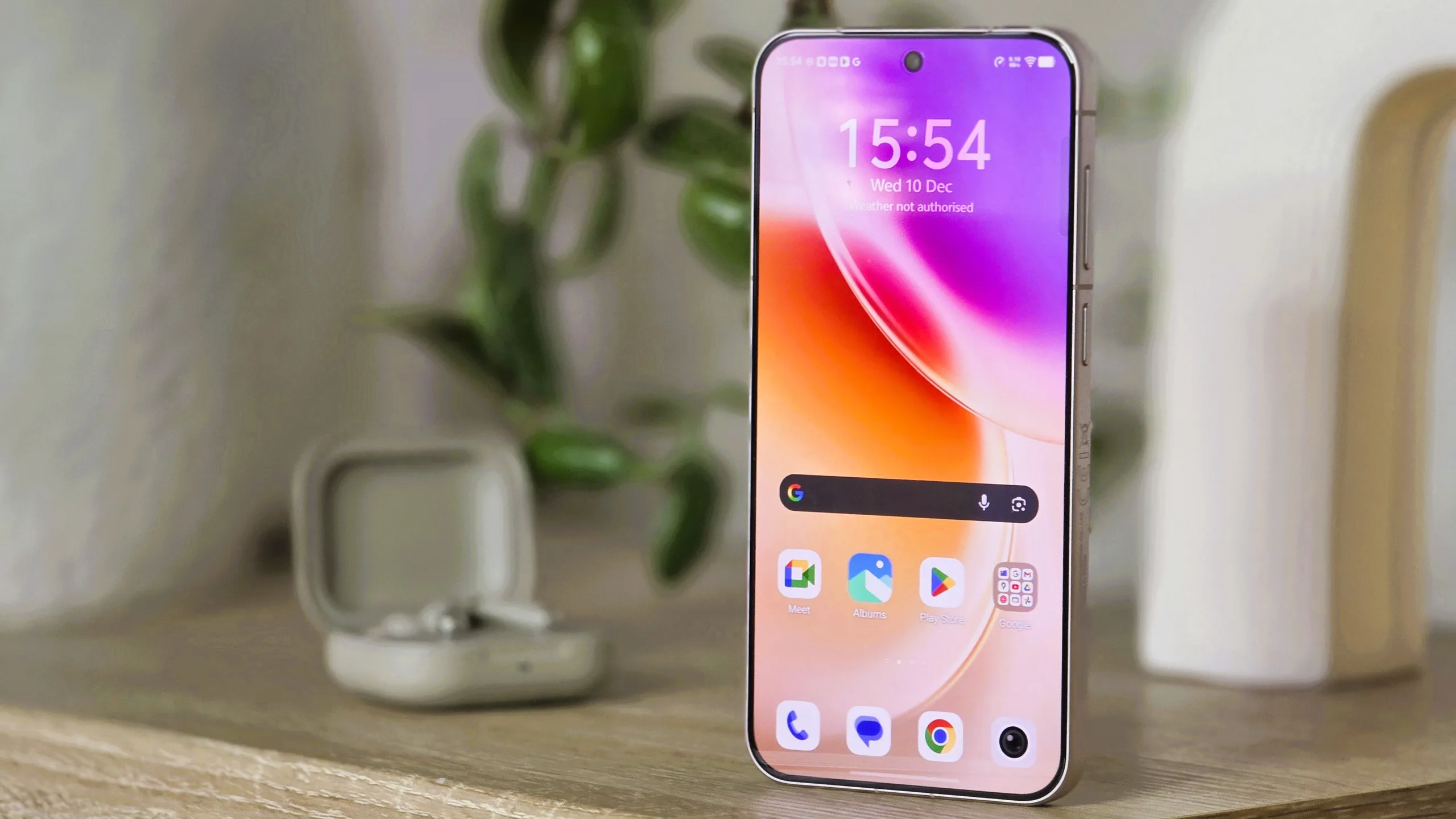
Vivo X300 smartphone review unit

Brilliant Zeiss camera in a compact smartphone – Vivo X300 review

Excellent photo quality.

The handy Vivo X300 offers everything you would expect from a top-tier smartphone, yet it is significantly more affordable than the X300 Pro. In particular, the new 200-MP Zeiss lens delivers outstanding photo quality for a compact upper-class phone. When it comes to performance, the flagship-grade SoC also places the X300 firmly in the high-end segment.
Marcus Herbrich, 👁 Daniel Schmidt, Louise Burke (translated by DeepL / Ninh Duy) Published 🇩🇪
5G Android Smartphone

Verdict on the Vivo X300

The Vivo X300 is a handy yet very well-equipped smartphone. The new 200-MP Zeiss camera, in particular, delivers genuinely strong results. An upcoming Galaxy S26 will have to work hard to keep up here. The Dimensity 9500 also delivers true flagship performance, although the compact Vivo phone has a high potential for thermally induced throttling.

Download your licensed rating image as SVG / PNG

Users looking for a camera-focused flagship with numerous premium features and an especially bright OLED panel in the compact class will find the Vivo X300 to be an excellent alternative to models such as the Oppo Find X9 or Xiaomi 17. However, battery life is noticeably weaker, at least in the global version with its reduced battery capacity.

Pros

+ premium chassis
+ high performance
+ good battery life
+ excellent Zeiss cameras
+ fast charging
+ bright LTPO panel

Cons

- heavy throttling
- high heat output
- smaller battery capacity in Europe

Price and availability of the Vivo X300

The global model with 12 GB of RAM and 256 GB of storage is available in Europe at an RRP of €1,049, including retailers such as Amazon.de. The X300 can also be purchased at a significantly lower price as an import model, for example from Trading Shenzhen, starting at around €700.

Amazon Logo
$6.91
MAOUICI Tempered Glass for Vivo X300/Vivo S50 Pro Mini Screen Protector (6.31 inches),9H Hardness HD Clear Anti-Fingerprint Film [2-Pack]
  • $7.99
    Lucyliy (3 Pack) Compatible with Vivo X300 Pro Screen Protector Tempered Glass,Case Friendly [High-definition scratch-resistant, 9H hardness]
  • $6.91
    MAOUICI Tempered Glass for Vivo X300 Pro Screen Protector (6.78 inches),9H Hardness HD Clear Anti-Fingerprint Film [2-Pack]

Specifications of the Vivo X300

Vivo X300 (X300 Series)
Processor
MediaTek Dimensity 9500 8 x 2.7 - 4.2 GHz, Cortex-X930 Travis / Cortex-A730 6x Gelas
Graphics adapter
Memory
12 GB 
, LDDR5x
Display
6.31 inch 19.5:9, 2640 x 1216 pixel 461 PPI, capacitive Touchscreen, AMOLED, LTPO, glossy: yes, HDR, 120 Hz
Storage
256 GB UFS 4.1 Flash, 256 GB 
, 215 GB free
Connections
1 USB 3.0 / 3.1 Gen1, USB-C Power Delivery (PD), 1 HDMI, 1 DisplayPort, 1 Infrared, Audio Connections: USB-C, 1 Fingerprint Reader, NFC, Brightness Sensor, Sensors: accelerometer, gyro, proximity, compass, OTG, miracast
Networking
802.11 a/​b/​g/​n/​ac/​ax/​be (a/b/g/n = Wi-Fi 4/ac = Wi-Fi 5/ax = Wi-Fi 6/ Wi-Fi 6E 6 GHz be = Wi-Fi 7), Bluetooth 6.0, 2G (850/​900/​1800/​1900), 3G (B1/​B2/​B4/​B5/​B8), 4G (B1/​B2/​B3/​B4/​B5/​B7/​B8/​B12/​B17/​B18/​B19/​B20/​B25/​B26/​B28/​B32/​B38/​B39/​B40/​B41/​B42/​B66), 5G (n1/​n2/​n3/​n5/​n7/​n8/​n20/​n25/​n26/​n28/​n38/​n40/​n41/​n66/​n75/​n77/​n78), Dual SIM, LTE, 5G, GPS
Size
height x width x depth (in mm): 7.95 x 150.57 x 71.92 ( = 0.31 x 5.93 x 2.83 in)
Battery
5360 mAh Lithium-Ion, Vivo FlashCharge
Charging
wireless charging, fast charging / Quickcharge
Operating System
Android 16
Camera
Primary Camera: 200 MPix (f/​1.68, OIS, Videos @4320p/​120fps) + 50 MPix (f/​2.0, wide)+ 50 MPix (f/​2.57, OIS, 3x optical,tele), camera2API: Level 3
Secondary Camera: 50 MPix (f/​2.0, Videos @2160p/​30fps)
Additional features
Speakers: Stereo, case, sim tool, USB cable, infomaterial, OriginOS 6, 36 Months Warranty, Codecs: SBC, AAC, aptX, aptX HD, aptX TWS+, aptX Adaptive, LC3, LDAC, Opus | GNSS: GPS (L1, L5), Glonass (L1), BeiDou (B1I/​B1C/​B2a/​B2b), Galileo (E1, E5), SBAS, NavIC (L5) | HDR: HLG, HDR10, HDR10+, Dolby Vision | DRM Widevine L1 | IP68/69, fanless, waterproof
Weight
190 g ( = 6.7 oz / 0.42 pounds) ( = 0 oz / 0 pounds)
Price
1049 Euro
Note: The manufacturer may use components from different suppliers including display panels, drives or memory sticks with similar specifications.


Chassis and features – water-resistant Android phone with detachable Zeiss lens
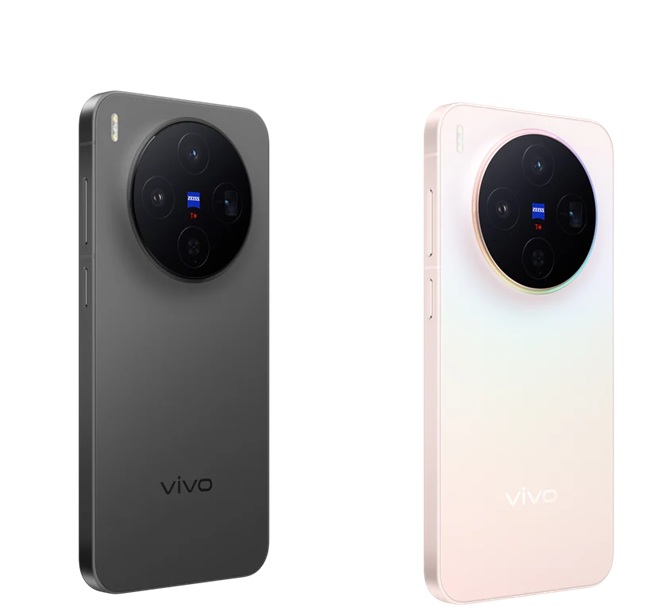
Colour options of the Vivo X300

With a display diagonal of 6.31 inches and a weight of 190 grams, the Vivo X300 is significantly more compact than the X300 Pro and is better seen as a successor to the X200 Pro Mini. Build quality is very good, and thanks to its IP68/69 certification, the chassis is not only water- and dust-resistant but also feels very premium.

With a high screen-to-body ratio of 90.5 percent, the OLED panel covers almost the entire front, contributing to a modern design. As an extension of the chassis, the X300 also supports the Zeiss tele-extender kit.

Features include USB OTG, Bluetooth 6.0, an NFC chip, and a fast USB 3.2 port with display output support.
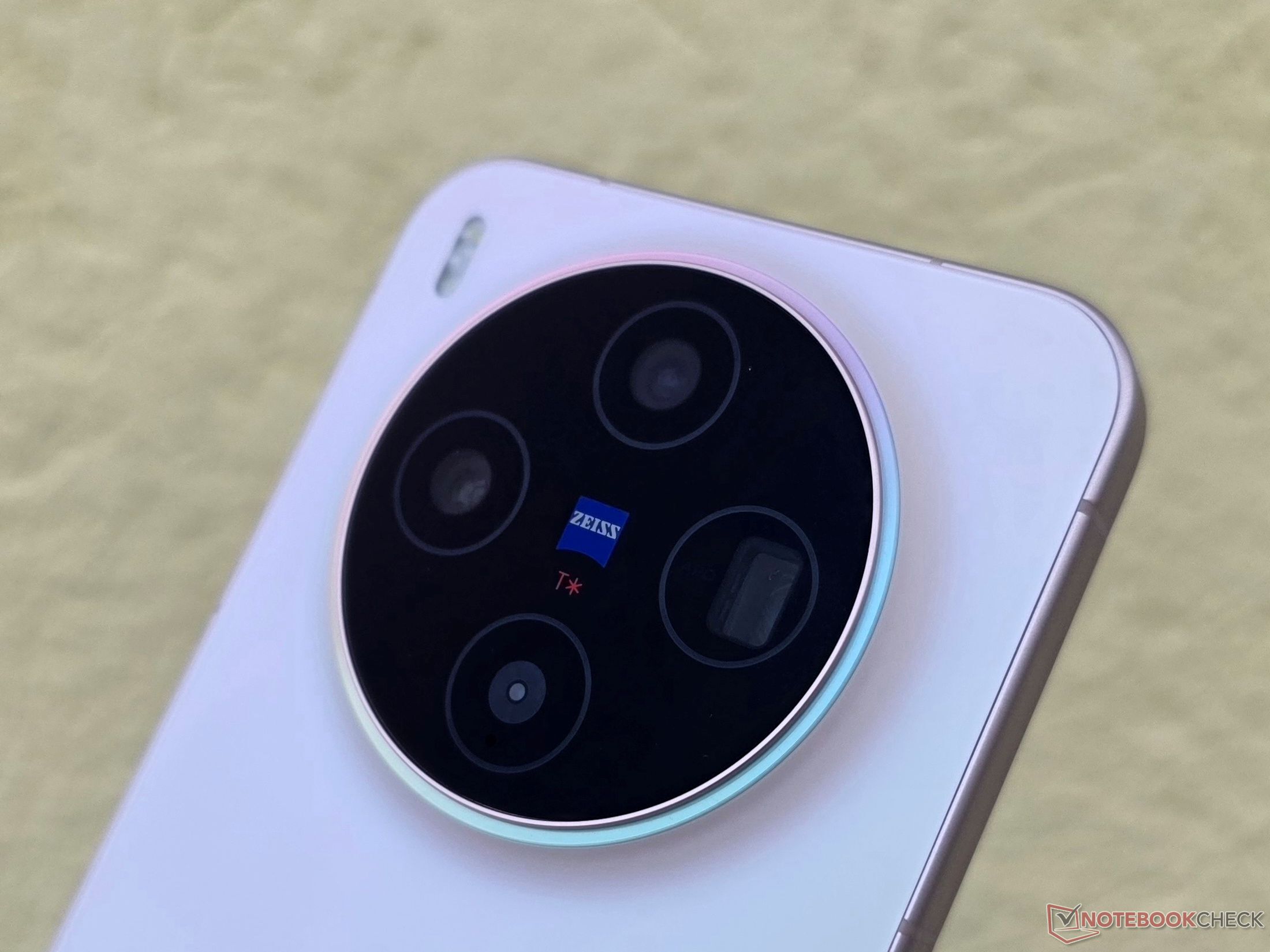
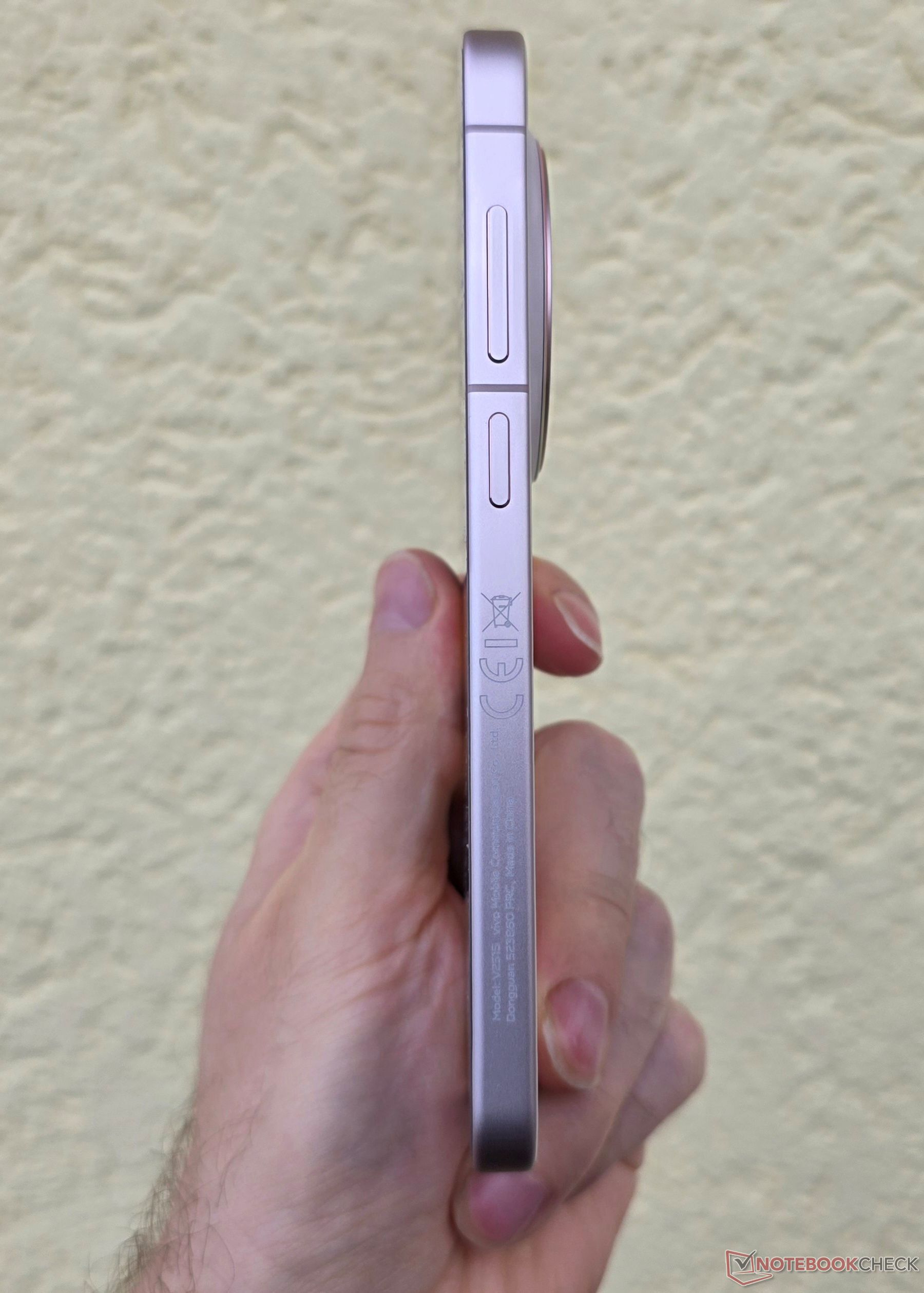
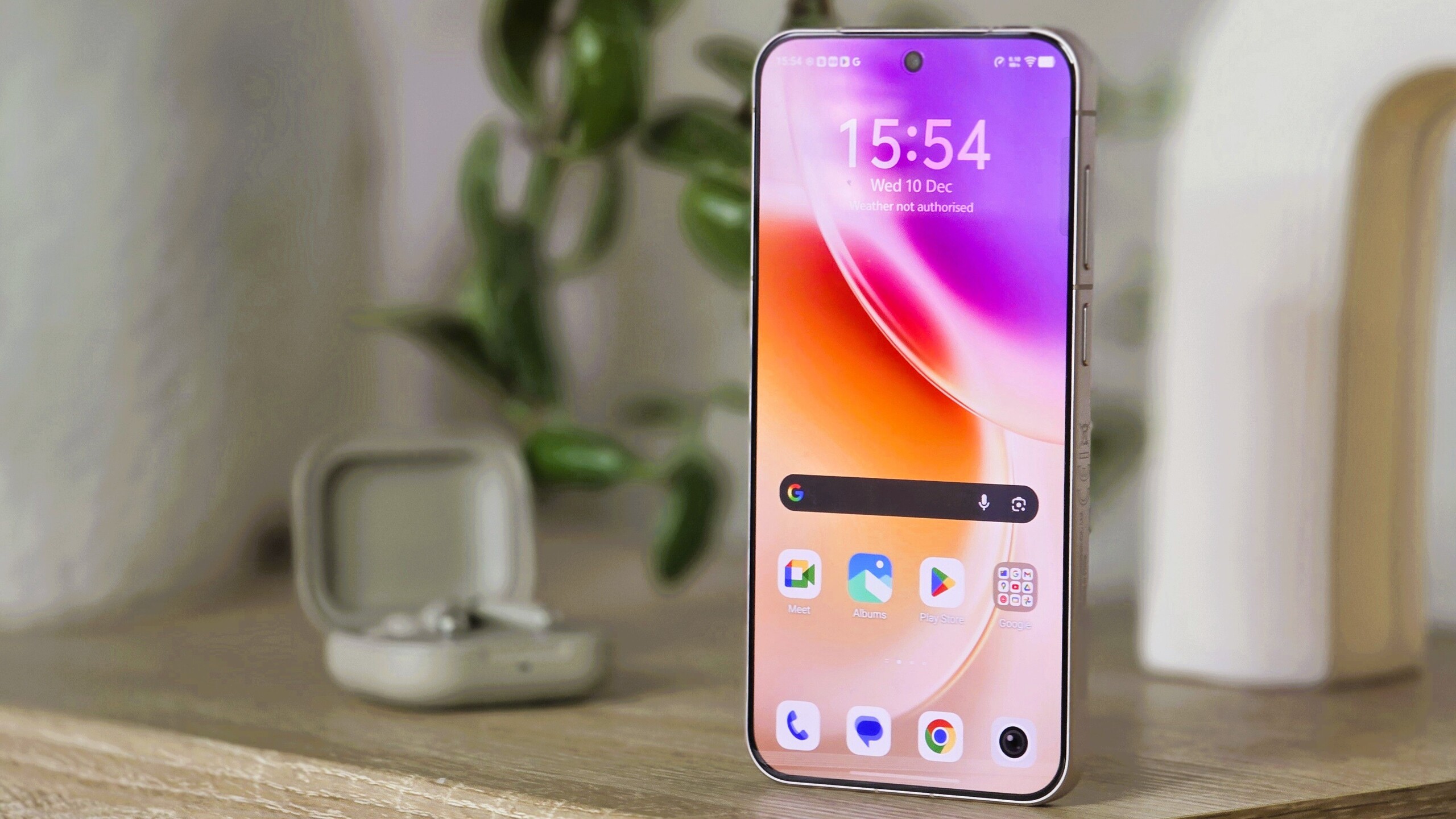
Vivo X300 smartphone review unit

Size comparison

162.9 mm / 6.41 in 77.6 mm / 3.06 in 8 mm / 0.315 in 219 g0.4828 lbs162.7 mm / 6.41 in 77.9 mm / 3.07 in 7.96 mm / 0.3134 in 210 g0.463 lbs158.4 mm / 6.24 in 75.8 mm / 2.98 in 7.3 mm / 0.2874 in 190 g0.4189 lbs157 mm / 6.18 in 73.9 mm / 2.91 in 8 mm / 0.315 in 203 g0.4475 lbs150.57 mm / 5.93 in 71.92 mm / 2.83 in 7.95 mm / 0.313 in 190 g0.4189 lbs148 mm / 5.83 in 105 mm / 4.13 in 1 mm / 0.03937 in 1.5 g0.00331 lbs

Communication and operation – Android smartphone with Wi-Fi 7 and 5G

The Vivo X300 supports fast Wi-Fi 7, including the 6-GHz band. Our measured transfer rates with an Asus ROG Rapture GT-AXE11000 router are very fast and stable. A wide range of frequencies is also available for mobile data use, covering all modern cellular standards. The Vivo smartphone supports dual SIM, either with two nano-SIM cards or two eSIMs.

For positioning, the X300 offers dual-band connectivity across the global satellite navigation networks.

Biometric security is handled by an ultrasonic fingerprint sensor integrated into the display, which operates quickly and reliably. The OLED panel also responds very rapidly to inputs, and overall system performance is excellent. The linear vibration motor provides pleasant haptic feedback.

Networking
Vivo X300
802.11 a/​b/​g/​n/​ac/​ax/​be
iperf3 transmit AXE11000 6GHz
1843 (min: 1759) MBit/s ∼97%
iperf3 receive AXE11000 6GHz
1802 (min: 1718) MBit/s ∼100%
Samsung Galaxy S25+
Wi-Fi 7
iperf3 transmit AXE11000
1094 (min: 655) MBit/s ∼100%
iperf3 receive AXE11000
1154 (min: 1048) MBit/s ∼72%
iperf3 transmit AXE11000 6GHz
1311 (min: 984) MBit/s ∼69%
iperf3 receive AXE11000 6GHz
1204 (min: 1187) MBit/s ∼67%
Oppo Find X9
802.11 a/​b/​g/​n/​ac/​ax/​be
iperf3 transmit AXE11000 6GHz
1070 (min: 931) MBit/s ∼56%
iperf3 receive AXE11000 6GHz
1574 (min: 1254) MBit/s ∼87%
Xiaomi 15T Pro
802.11 a/​b/​g/​n/​ac/​ax/​be
iperf3 transmit AXE11000
967 (min: 933) MBit/s ∼88%
iperf3 receive AXE11000
897 (min: 548) MBit/s ∼56%
iperf3 transmit AXE11000 6GHz
1905 (min: 1867) MBit/s ∼100%
iperf3 receive AXE11000 6GHz
919 (min: 708) MBit/s ∼51%
Xiaomi 17 Pro Max
802.11 a/​b/​g/​n/​ac/​ax/​be
iperf3 transmit AXE11000
956 (min: 795) MBit/s ∼87%
iperf3 receive AXE11000
1609 (min: 1520) MBit/s ∼100%
iperf3 transmit AXE11000 6GHz
933 (min: 846) MBit/s ∼49%
iperf3 receive AXE11000 6GHz
1620 (min: 1407) MBit/s ∼90%
Average 802.11 a/​b/​g/​n/​ac/​ax/​be
 
iperf3 transmit AXE11000
941 (min: 595) MBit/s ∼86%
iperf3 receive AXE11000
1063 (min: 459) MBit/s ∼66%
iperf3 transmit AXE11000 6GHz
1277 (min: 508) MBit/s ∼67%
iperf3 receive AXE11000 6GHz
1471 (min: 719) MBit/s ∼82%
Average of class Smartphone
 
iperf3 transmit AXE11000
705 (min: 49.8) MBit/s ∼64%
iperf3 receive AXE11000
728 (min: 52) MBit/s ∼45%
iperf3 transmit AXE11000 6GHz
1319 (min: 508) MBit/s ∼69%
iperf3 receive AXE11000 6GHz
1392 (min: 451) MBit/s ∼77%
050100150200250300350400450500550600650700750800850900950100010501100115012001250130013501400145015001550160016501700175018001850Tooltip
Vivo X300 802.11 a/​b/​g/​n/​ac/​ax/​be; iperf3 transmit AXE11000 6GHz; iperf 3.1.3: Ø1843 (1759-1875)
Samsung Galaxy S25+ Wi-Fi 7; iperf3 transmit AXE11000 6GHz; iperf 3.1.3: Ø1311 (984-1422)
Vivo X300 802.11 a/​b/​g/​n/​ac/​ax/​be; iperf3 receive AXE11000 6GHz; iperf 3.1.3: Ø1798 (1718-1822)
Samsung Galaxy S25+ Wi-Fi 7; iperf3 receive AXE11000 6GHz; iperf 3.1.3: Ø1202 (1187-1213)
Samsung Galaxy S25+ Wi-Fi 7; iperf3 transmit AXE11000; iperf 3.1.3: Ø1072 (655-1214)
Samsung Galaxy S25+ Wi-Fi 7; iperf3 receive AXE11000; iperf 3.1.3: Ø1153 (1048-1191)

Software and sustainability – premium phone with Android 16

The Vivo phone comes in a plastic-free outer box, although it is still shrink-wrapped in foil. General information on sustainability is provided for certain critical raw materials, but no specific details on the CO2 footprint are disclosed. According to the EPREL database, the device receives a repairability rating of C.

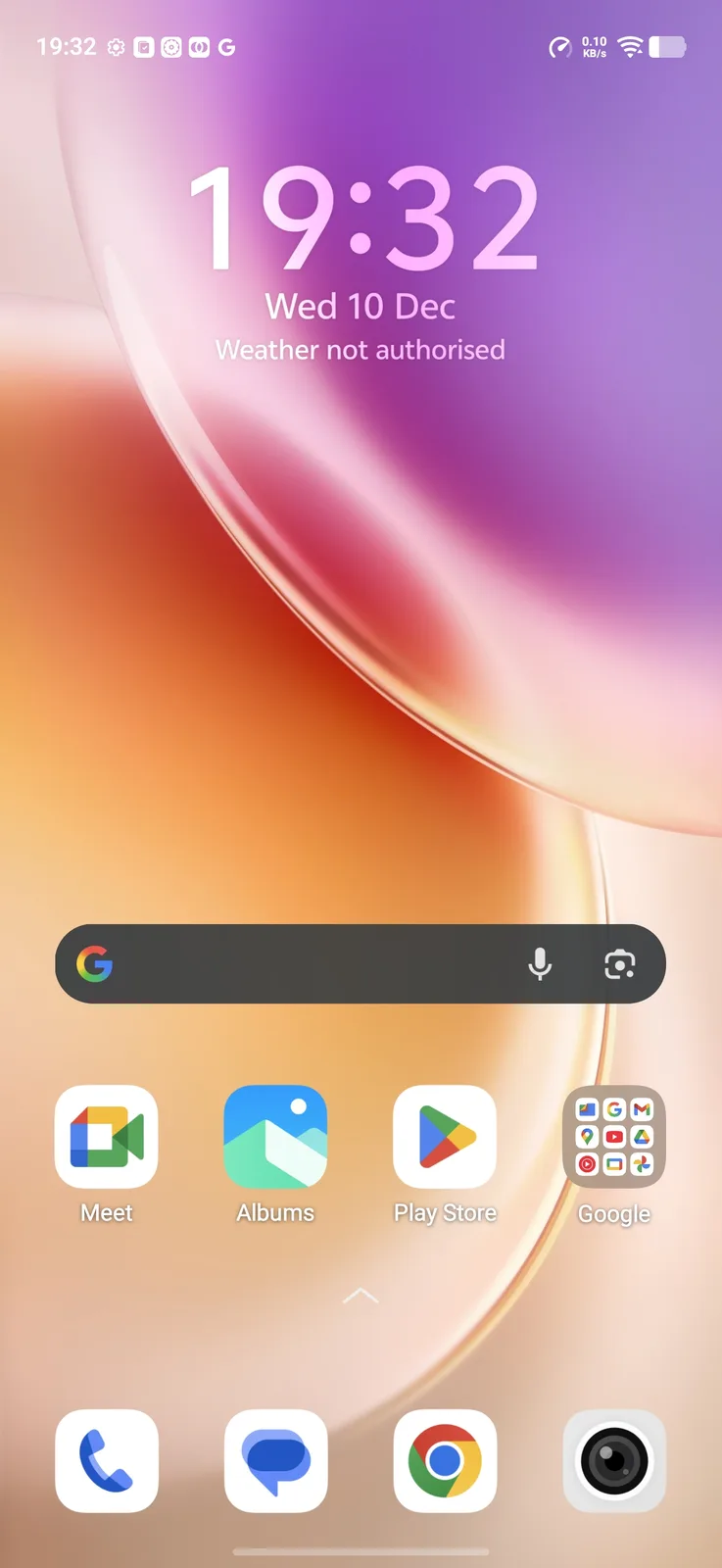
Unlike the X200 FE, the Vivo X300 is no longer shipped with the Funtouch interface in Europe, but instead with OriginOS. As a result, the compact smartphone benefits from a modern look, five years of OS updates, seven years of security updates, and Vivo's in-house AI tools.
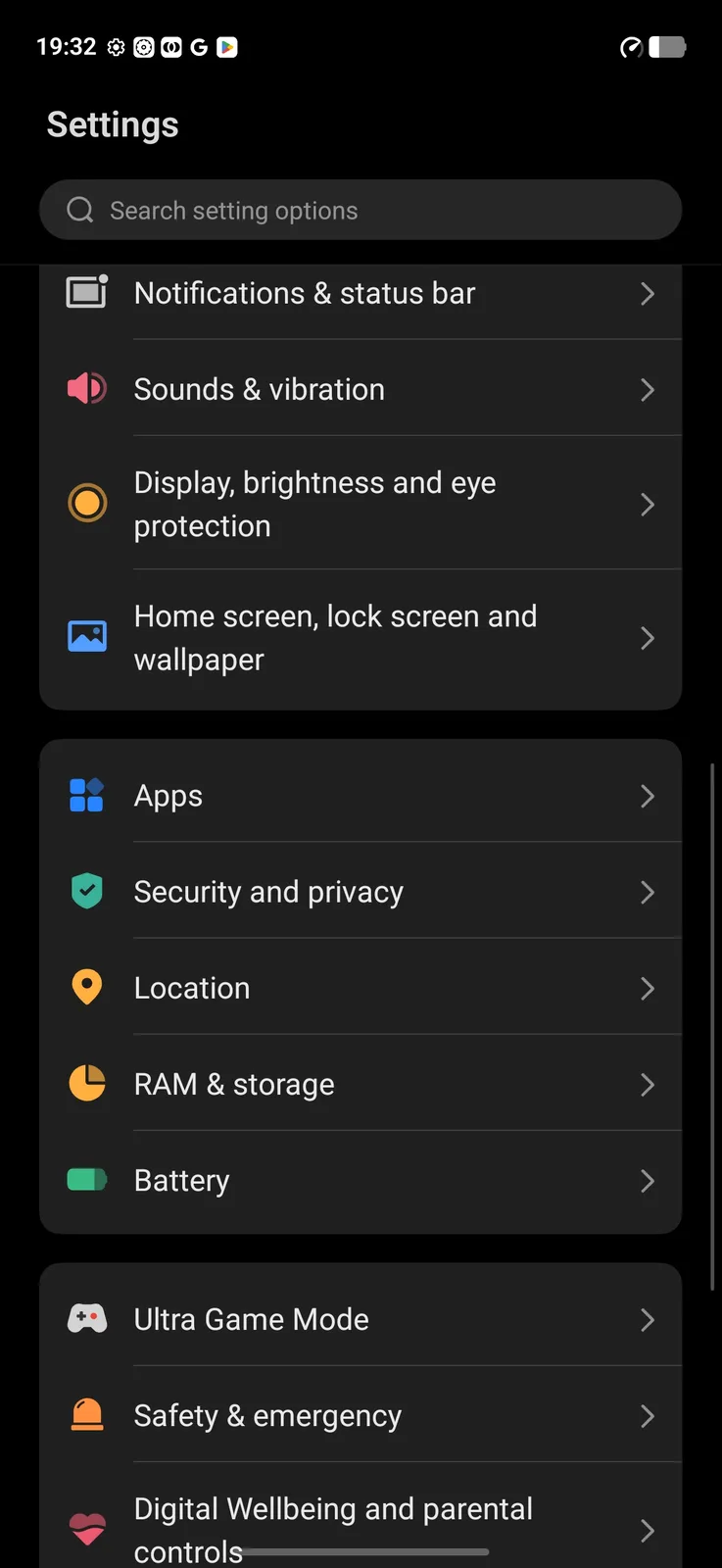
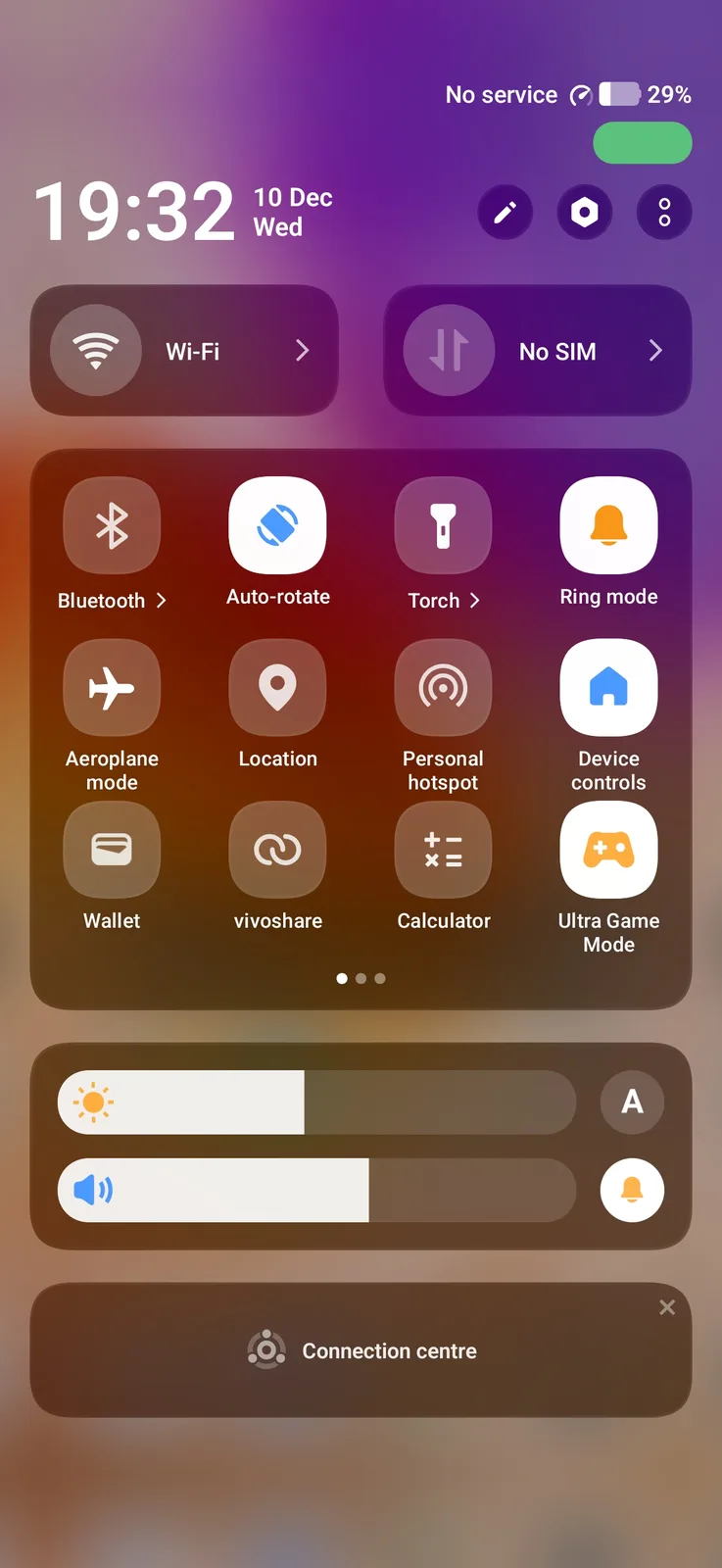
Vivo X300 smartphone review unit

Cameras – Android phone with Zeiss lens

Selfie with the Vivo X300

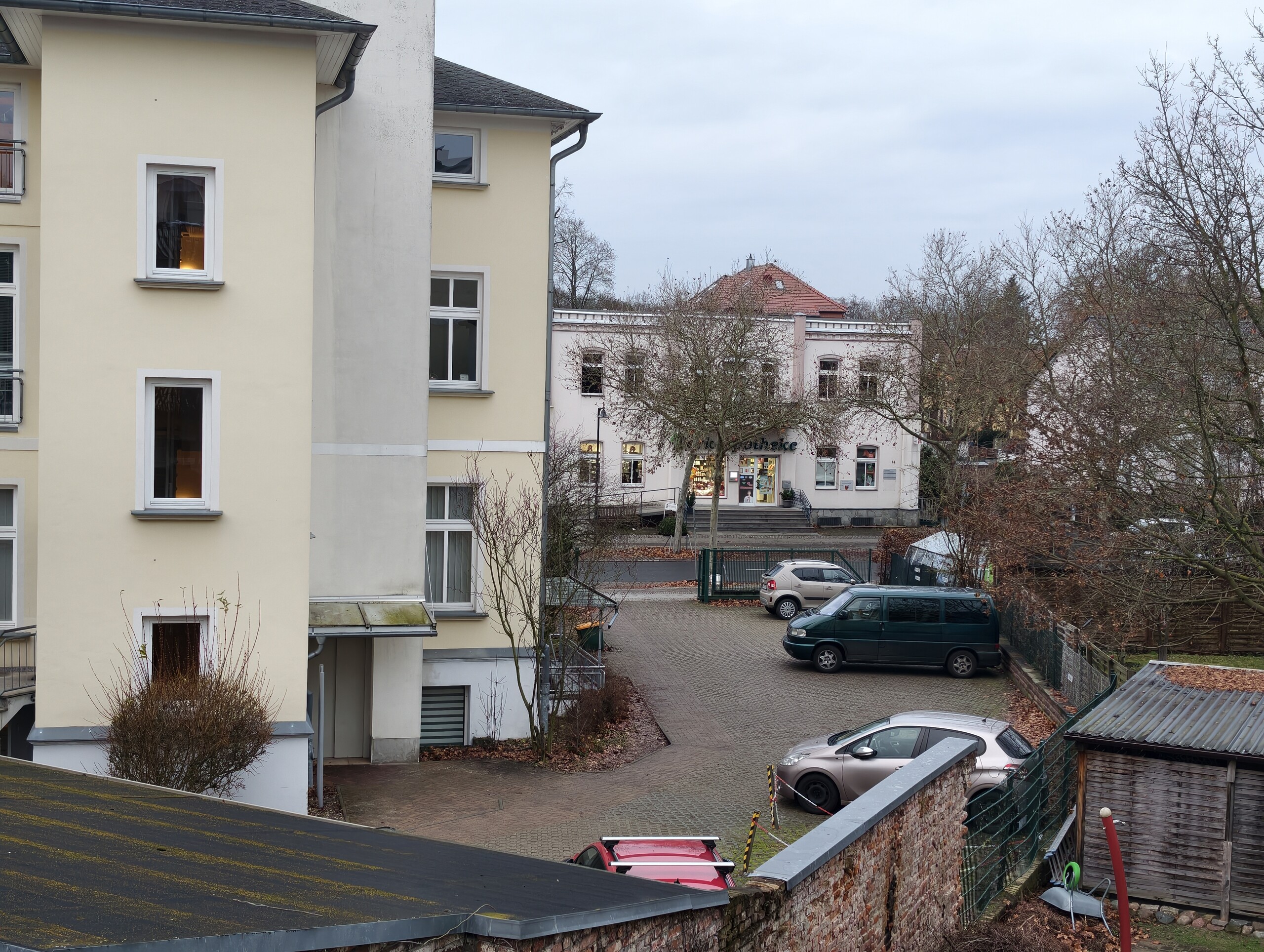
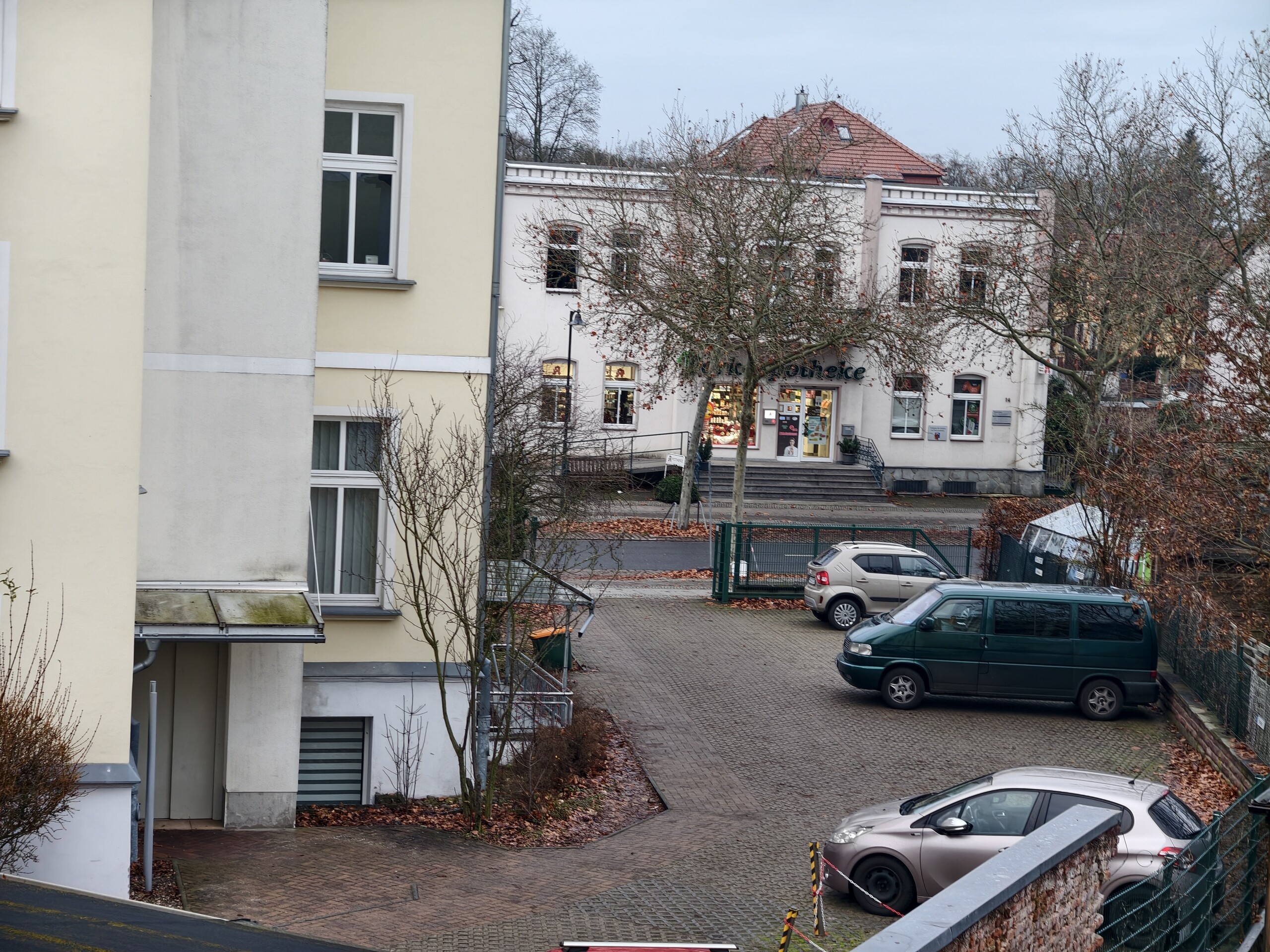
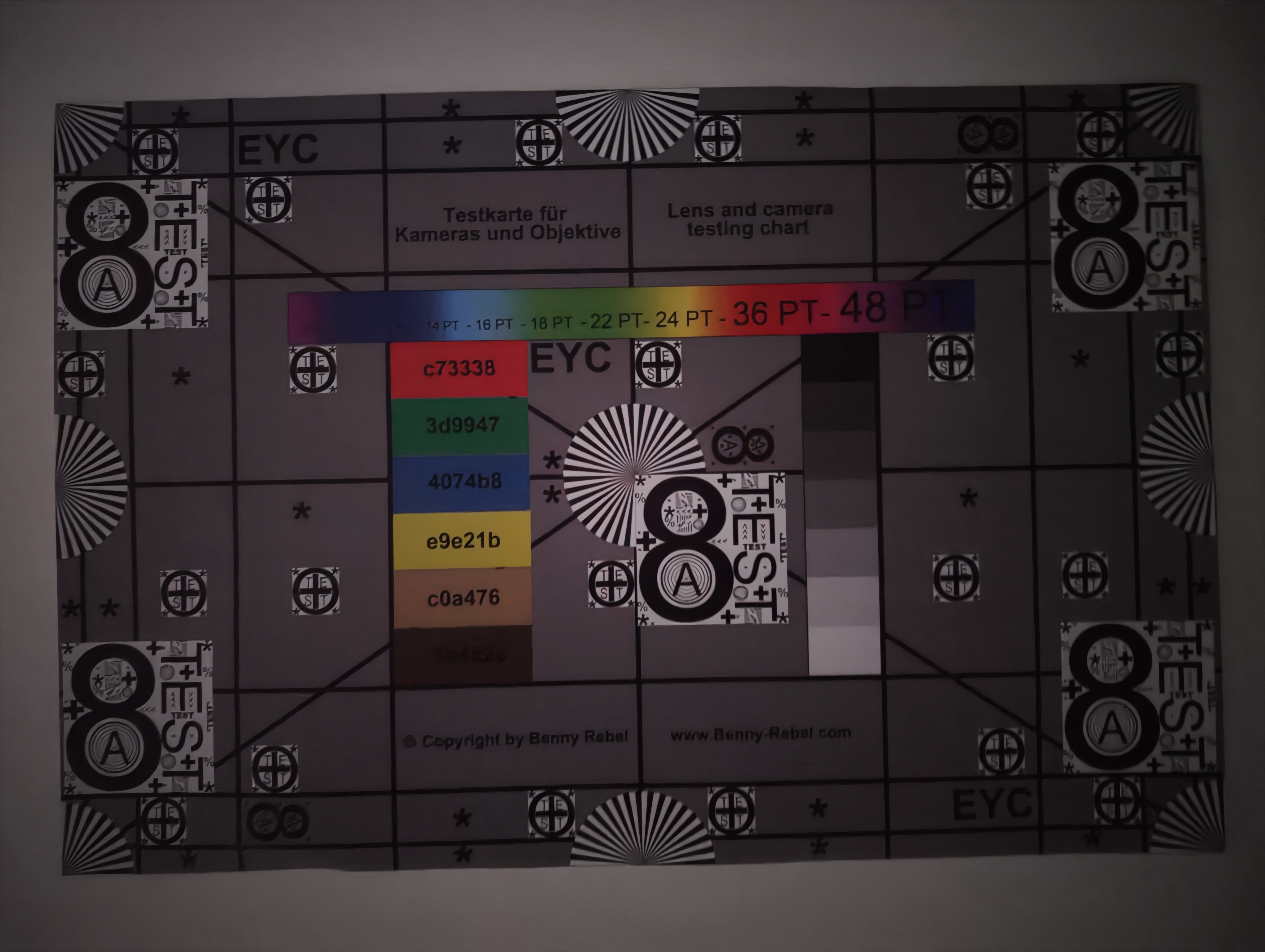
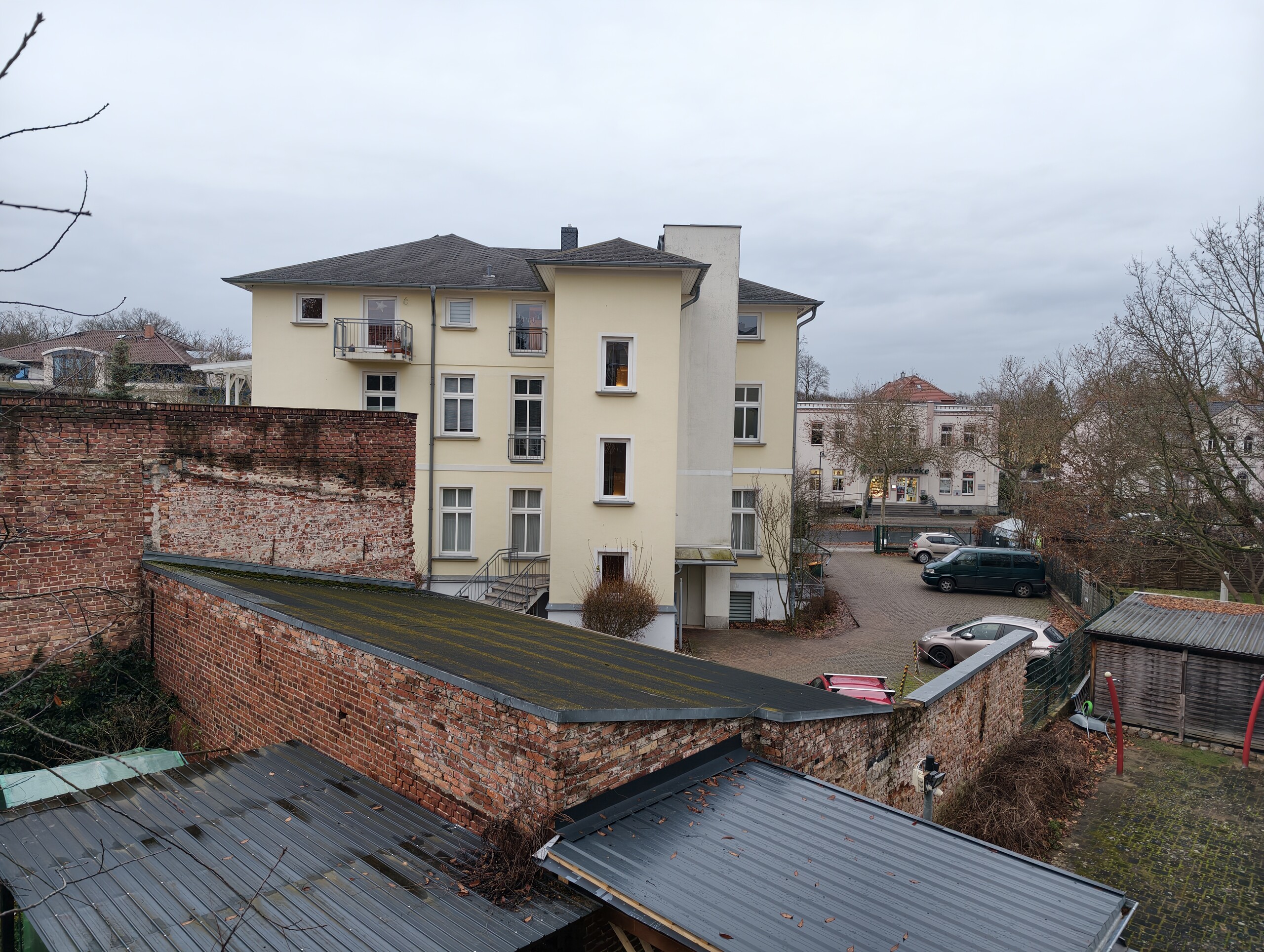
The Zeiss camera system is a highlight of the Vivo X300. For a compactly built phone, the new 200 MP main camera delivers very strong photo quality. Although the sensor is relatively small at 1/1.4 inches, low light shots are also convincing, with good detail and a manageable level of image smoothing.

By comparison, neither the 50 MP telephoto lens nor the 50 MP ultra wide camera can quite keep up in terms of quality. However, their results certainly do not fall behind those of the compact competition. On the contrary, we were particularly impressed by the wide angle photos taken with the X300.

Video performance is also convincing, as the X300 supports a 4K120 recording mode that can even be combined with HDR.

0.6x
0.6x
1x
1x
3x
3x
5x
5x
10x
10x
100x (max)
100x (max)

Image comparison

Choose a scene and navigate within the first image. One click changes the position on touchscreens. One click on the zoomed-in image opens the original in a new window. The first image shows the scaled photograph of the test device.

HauptkameraHauptkameraLow LightZoom 5xUltraweitwinkel
orginal image
click to load images
ColorChecker
8 ∆E
4.1 ∆E
6.3 ∆E
8.3 ∆E
2.1 ∆E
2 ∆E
4.5 ∆E
3.5 ∆E
6.7 ∆E
5.7 ∆E
3.7 ∆E
2.8 ∆E
3.8 ∆E
8.8 ∆E
5 ∆E
3.1 ∆E
3 ∆E
7.4 ∆E
4.1 ∆E
1.2 ∆E
1.3 ∆E
4.3 ∆E
4.9 ∆E
7.9 ∆E
ColorChecker Vivo X300: 4.69 ∆E min: 1.2 - max: 8.84 ∆E
ColorChecker
24.5 ∆E
39.5 ∆E
31.3 ∆E
30.1 ∆E
33.3 ∆E
47 ∆E
38.3 ∆E
25.7 ∆E
24.1 ∆E
22.6 ∆E
44.3 ∆E
47.1 ∆E
24.5 ∆E
37.6 ∆E
20.5 ∆E
40.2 ∆E
28.4 ∆E
37.4 ∆E
43 ∆E
47.1 ∆E
42.8 ∆E
33.5 ∆E
22.8 ∆E
13.4 ∆E
ColorChecker Vivo X300: 33.29 ∆E min: 13.38 - max: 47.14 ∆E

Display – Vivo relies on LTPO OLED for its upper-class phone

The LTPO AMOLED panel of the X300 has a very high resolution of 1216p at 446 ppi and supports a variable refresh rate from 1 Hz to 120 Hz. According to Vivo, peak HDR brightness is rated at 4,500 nits, although in our test we reached only 4,072 cd per square metre. Maximum brightness in the more realistic APL18 pattern is also very good at 2,386 cd per square metre.

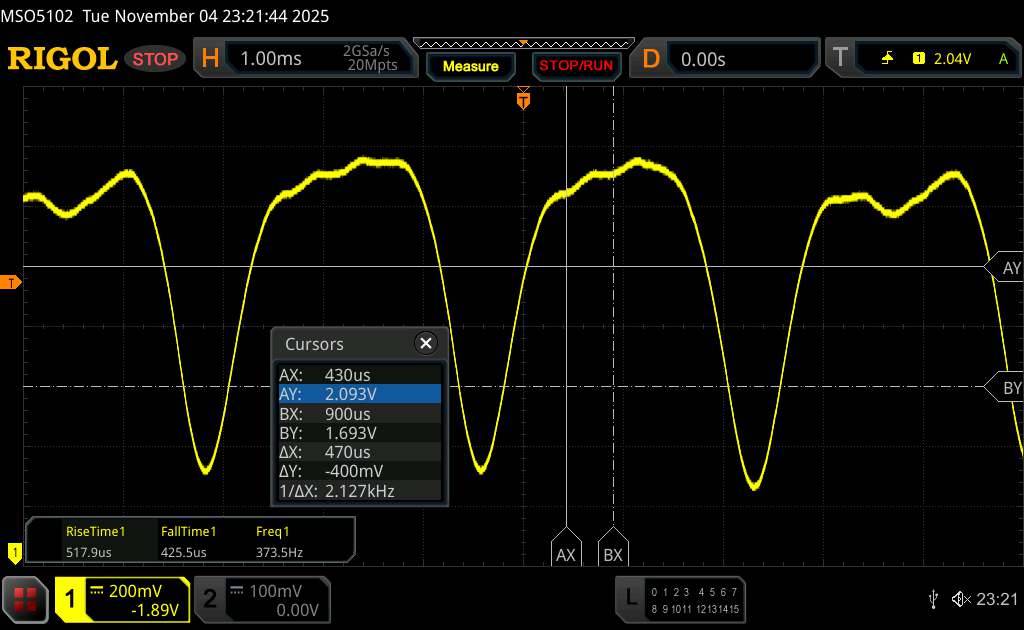
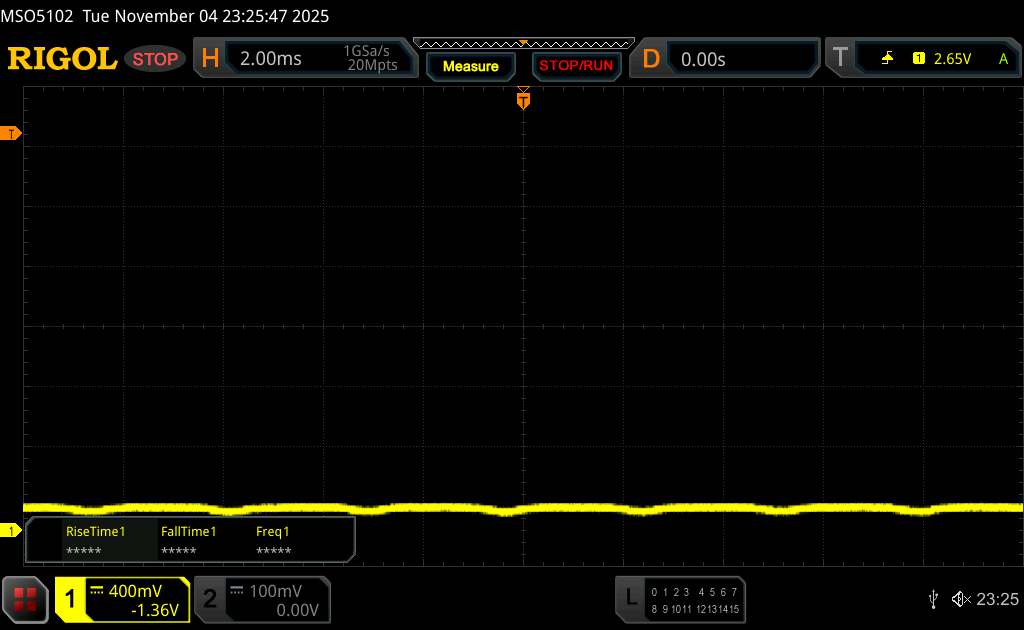
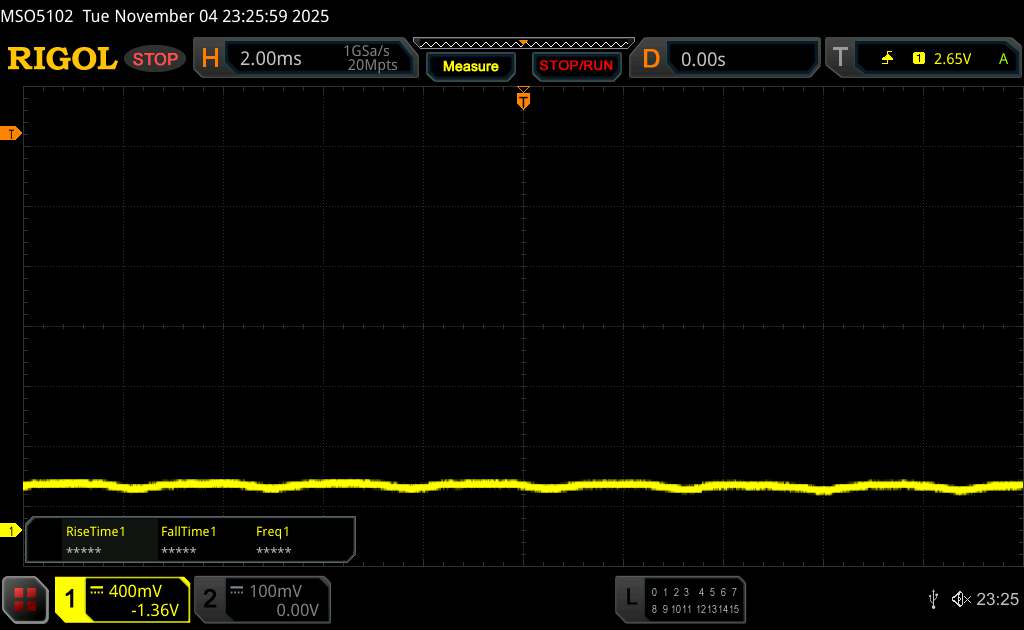
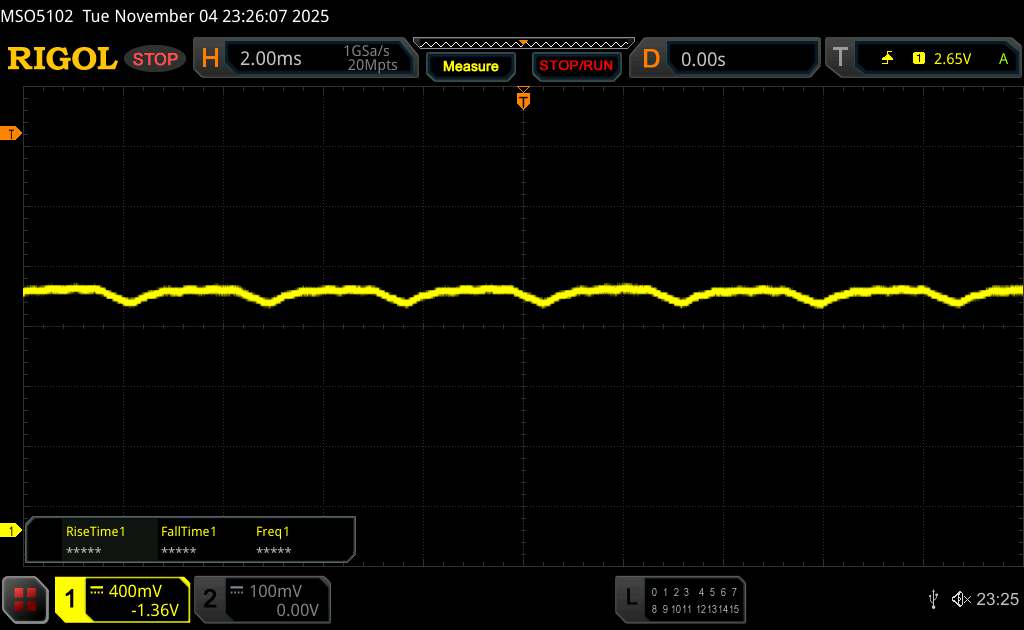
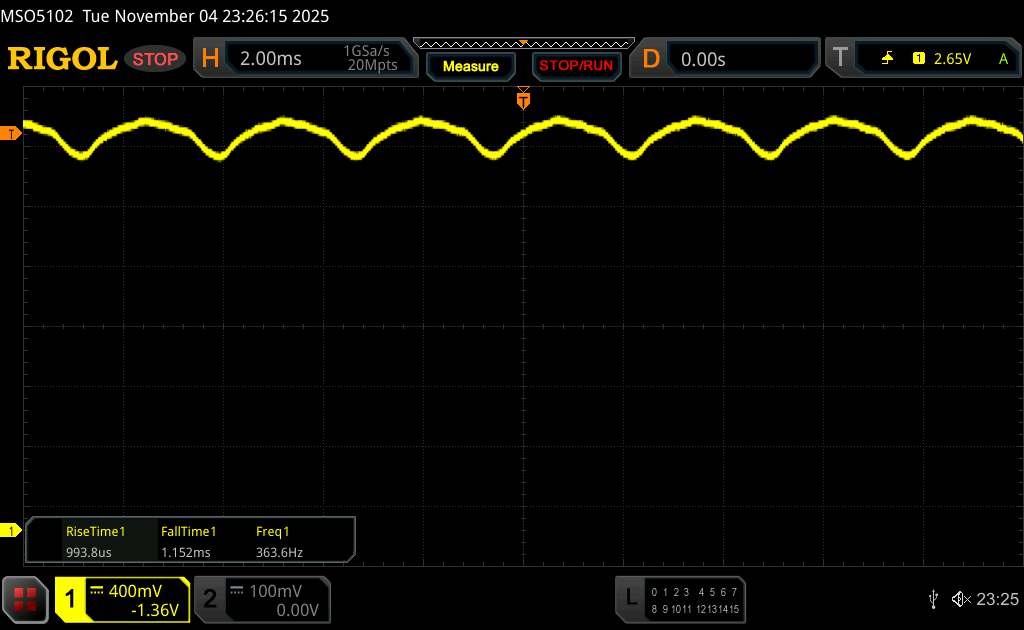
Vivo equips its compact smartphone with PWM dimming at 2,160 Hz, which we were able to confirm in our measurements. In addition, we measured a base flicker frequency of 360 Hz.

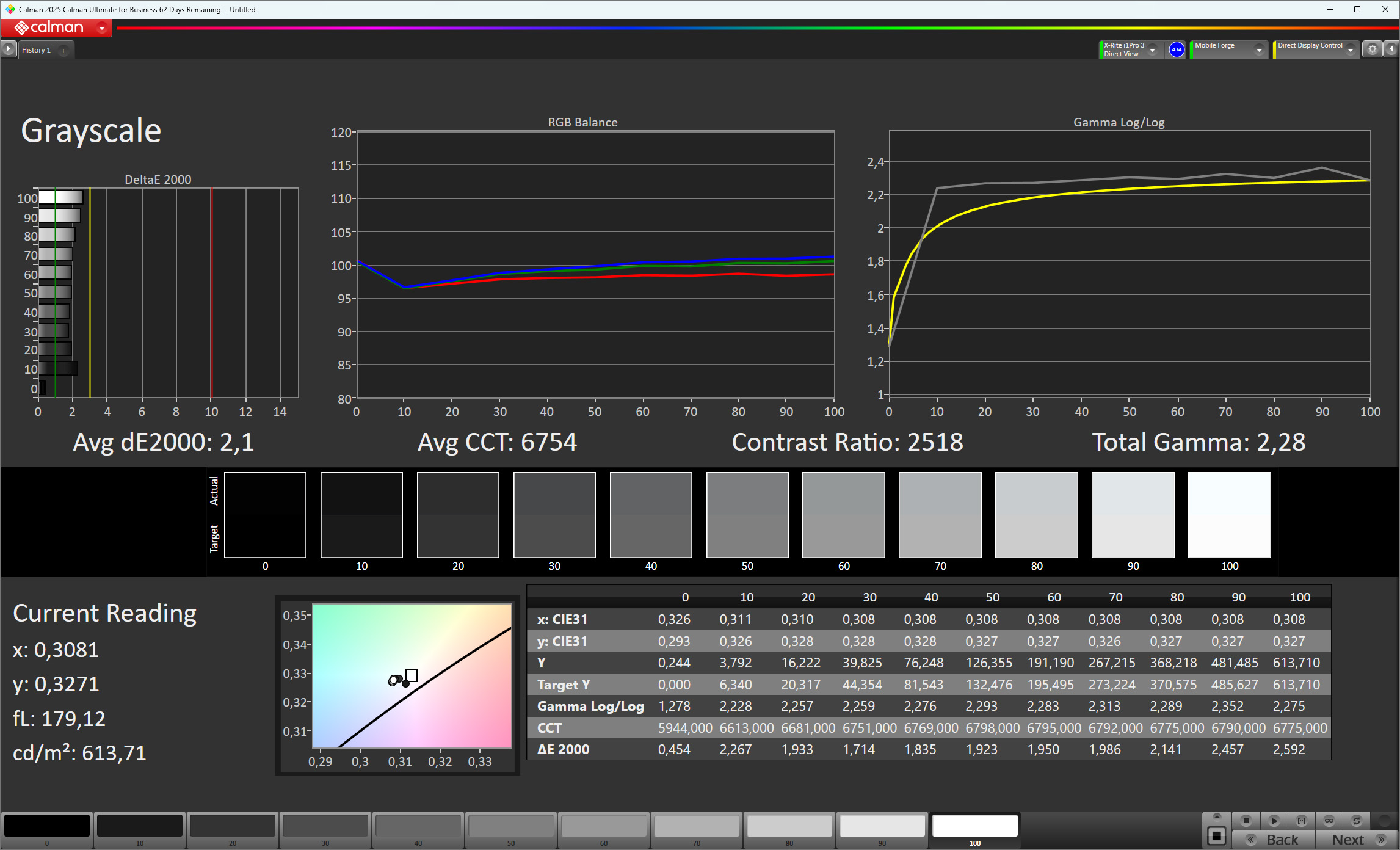
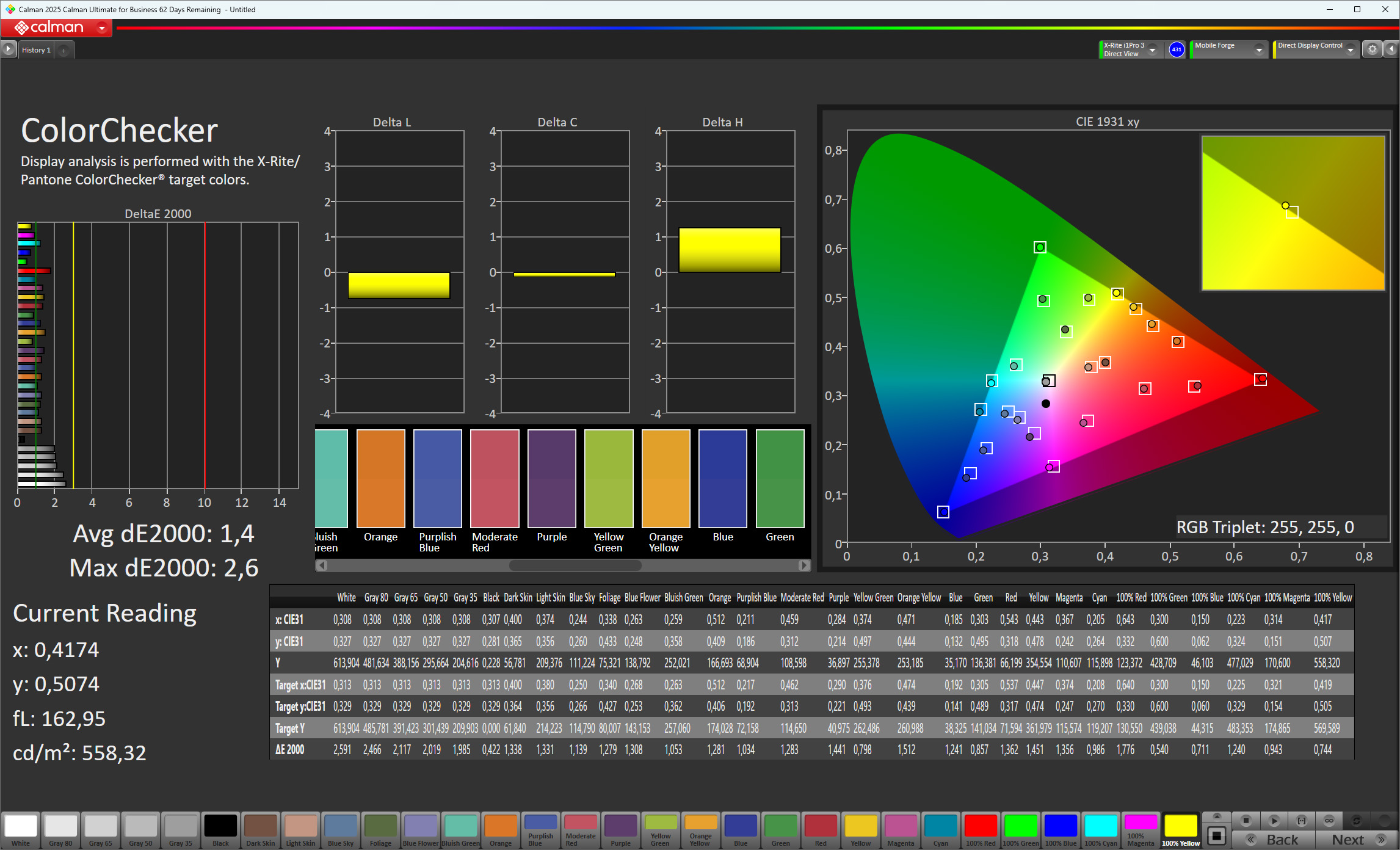
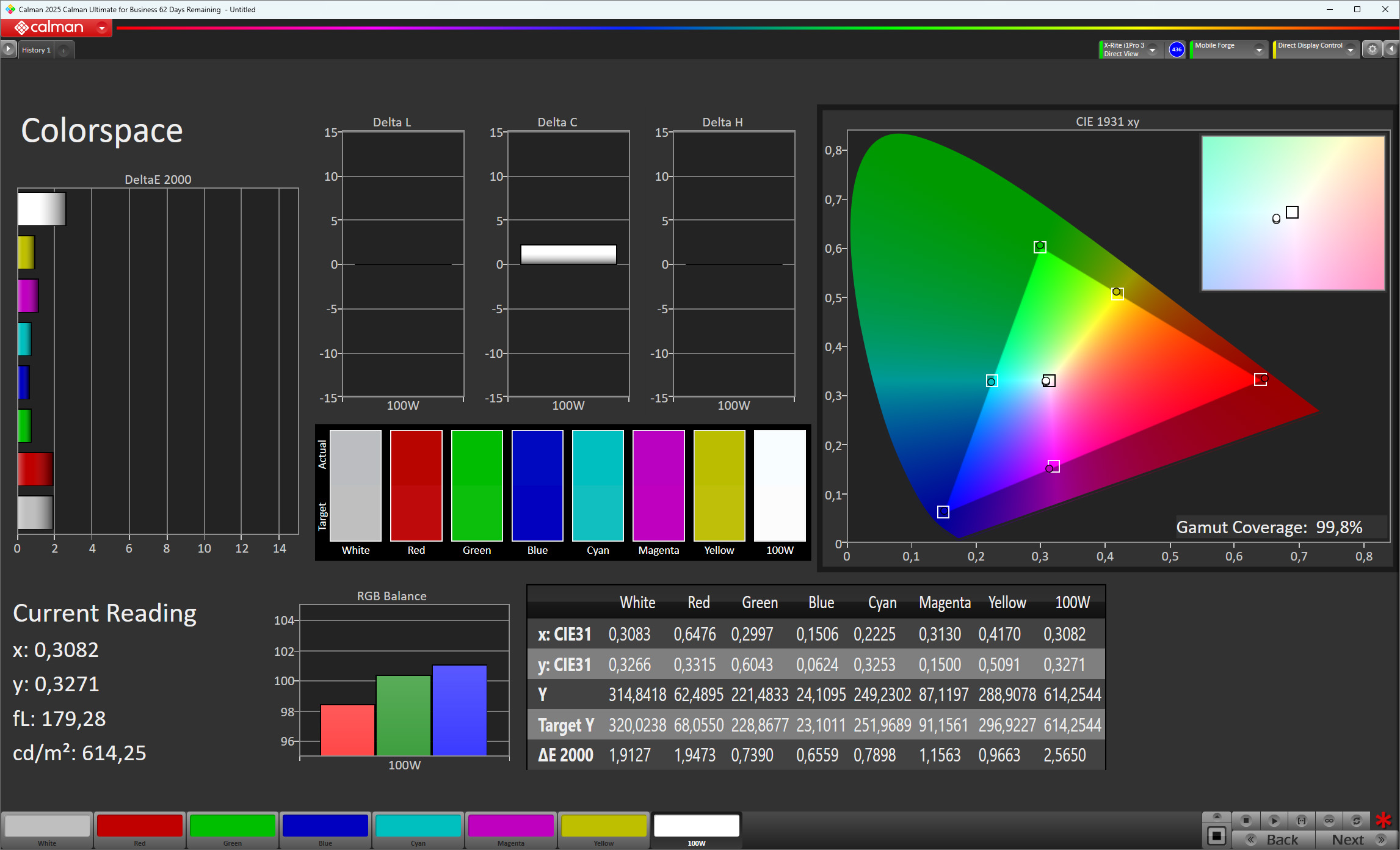
Also pleasing to the eye are the very low average Delta E deviations in the sRGB colour space, which we identified for the X300 in our analysis using a photospectrometer and Calman software.

1537
cd/m²
1545
cd/m²
1484
cd/m²
1537
cd/m²
1537
cd/m²
1491
cd/m²
1541
cd/m²
1532
cd/m²
1499
cd/m²
Distribution of brightness
tested with X-Rite i1Pro 3
Maximum: 1545 cd/m² (Nits) Average: 1522.6 cd/m² Minimum: 1.24 cd/m²
Brightness Distribution: 96 %
Center on Battery: 1537 cd/m²
Contrast: ∞:1 (Black: 0 cd/m²)
ΔE ColorChecker Calman: 1.4 | ∀{0.5-29.43 Ø4.78}
ΔE Greyscale Calman: 2.1 | ∀{0.09-98 Ø5}
99.8% sRGB (Calman 2D)
Gamma: 2.28
CCT: 6754 K
Vivo X300
AMOLED, 2640x1216, 6.3"
Samsung Galaxy S25+
Dynamic AMOLED 2X, 3120x1440, 6.7"
Oppo Find X9
AMOLED, 2760x1256, 6.6"
Xiaomi 15T Pro
AMOLED, 2772x1280, 6.8"
Xiaomi 17 Pro Max
AMOLED, 2608x1200, 6.9"
Screen
-29%
11%
-13%
-1%
Brightness middle (cd/m²)
1537
1371
-11%
1132
-26%
1064
-31%
1099
-28%
Brightness (cd/m²)
1523
1370
-10%
1114
-27%
1069
-30%
1067
-30%
Brightness Distribution (%)
96
96
0%
97
1%
99
3%
95
-1%
Black Level * (cd/m²)
Colorchecker dE 2000 *
1.4
2.7
-93%
0.82
41%
1.3
7%
1.05
25%
Colorchecker dE 2000 max. *
2.6
4.2
-62%
1.95
25%
3.4
-31%
2.38
8%
Greyscale dE 2000 *
2.1
2
5%
1
52%
2
5%
1.7
19%
Gamma
2.28 96%
2.03 108%
2.244 98%
2.22 99%
2.232 99%
CCT
6754 96%
6450 101%
6546 99%
6578 99%
6779 96%

* ... smaller is better

Display / APL18 Peak Brightness
Xiaomi 15T Pro
Immortalis-G925 MC12, Dimensity 9400+, 1TB UFS 4.1 Flash
3269 cd/m² +37%
Samsung Galaxy S25+
Adreno 830, SD 8 Elite f. Galaxy, 256 GB UFS 4.0 Flash
2695 cd/m² +13%
Vivo X300
Mali-G1 Ultra MC12, Dimensity 9500, 256 GB UFS 4.1 Flash
2386 cd/m²
Display / HDR Peak Brightness
Vivo X300
Mali-G1 Ultra MC12, Dimensity 9500, 256 GB UFS 4.1 Flash
4072 cd/m²
Samsung Galaxy S25+
Adreno 830, SD 8 Elite f. Galaxy, 256 GB UFS 4.0 Flash
2900 cd/m² -29%
Xiaomi 15T Pro
Immortalis-G925 MC12, Dimensity 9400+, 1TB UFS 4.1 Flash
2868 cd/m² -30%

Screen Flickering / PWM (Pulse-Width Modulation)

To dim the screen, some notebooks will simply cycle the backlight on and off in rapid succession - a method called Pulse Width Modulation (PWM) . This cycling frequency should ideally be undetectable to the human eye. If said frequency is too low, users with sensitive eyes may experience strain or headaches or even notice the flickering altogether.
Screen flickering / PWM detected 360 Hz
Amplitude: 12.85 %
Secondary Frequency: 2127 Hz

The display backlight flickers at 360 Hz (worst case, e.g., utilizing PWM) .

The frequency of 360 Hz is relatively high, so most users sensitive to PWM should not notice any flickering. However, there are reports that some users are still sensitive to PWM at 500 Hz and above, so be aware.

In comparison: 53 % of all tested devices do not use PWM to dim the display. If PWM was detected, an average of 8101 (minimum: 5 - maximum: 343500) Hz was measured.

Minimum display brightness
Min.
25% display brightness
25%
50% display brightness
50%
75% display brightness
75%
Maximum manual display brightness
100%

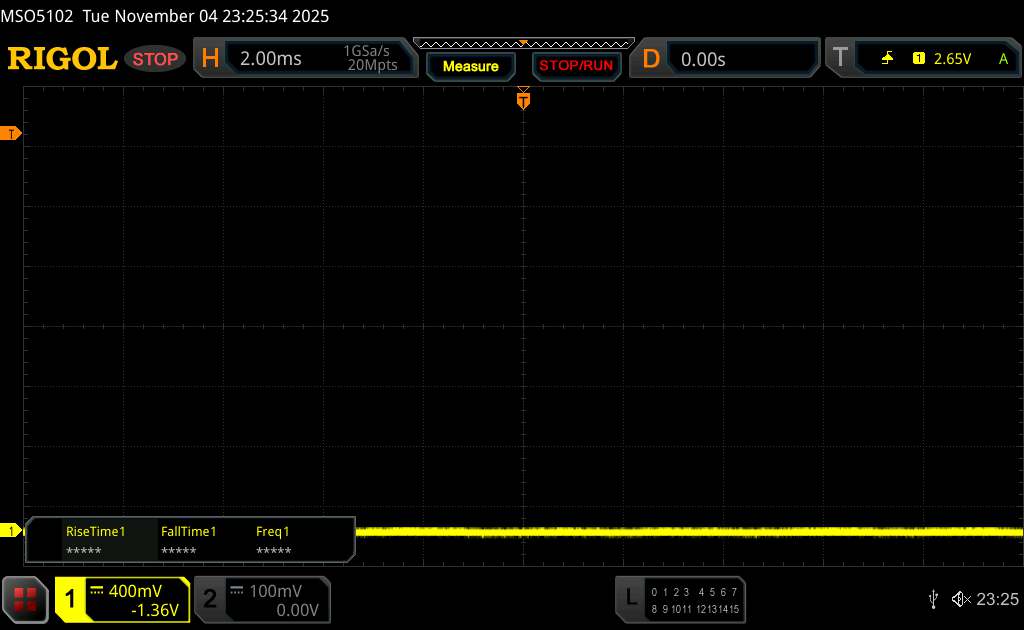
Measurement series with fixed zoom level and different brightness settings (The amplitude curve at minimum brightness looks flat, but this is due to the scaling. The info box shows the enlarged version of the amplitude at minimum brightness)
Colour accuracy (profile: natural, target colour space: sRGB)
Colour space (profile: natural, target colour space: sRGB)
Greyscale (profile: natural, target colour space: sRGB)

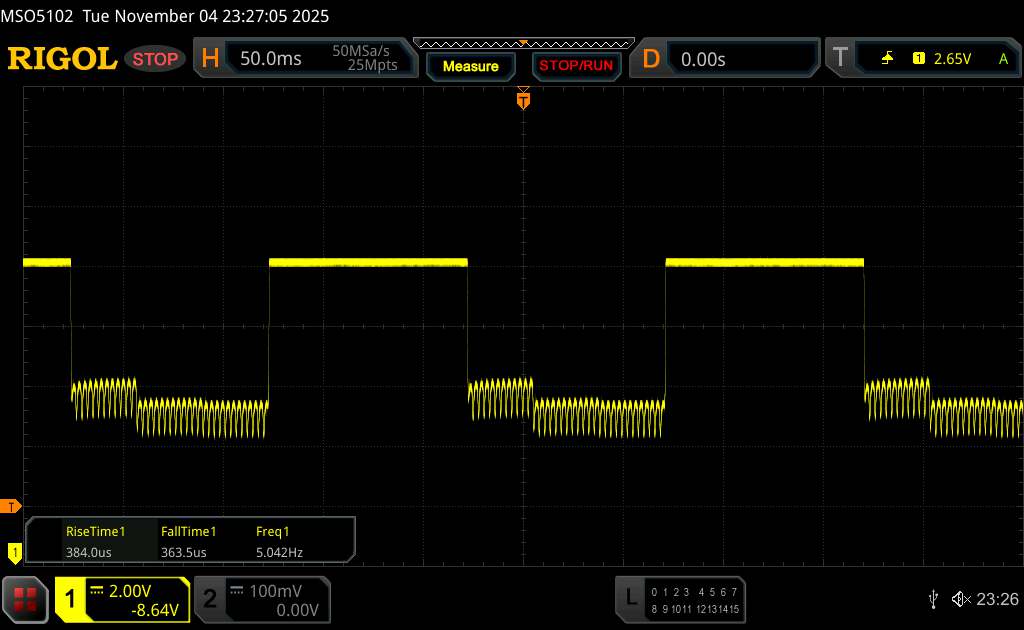
Display Response Times

Display response times show how fast the screen is able to change from one color to the next. Slow response times can lead to afterimages and can cause moving objects to appear blurry (ghosting). Gamers of fast-paced 3D titles should pay special attention to fast response times.
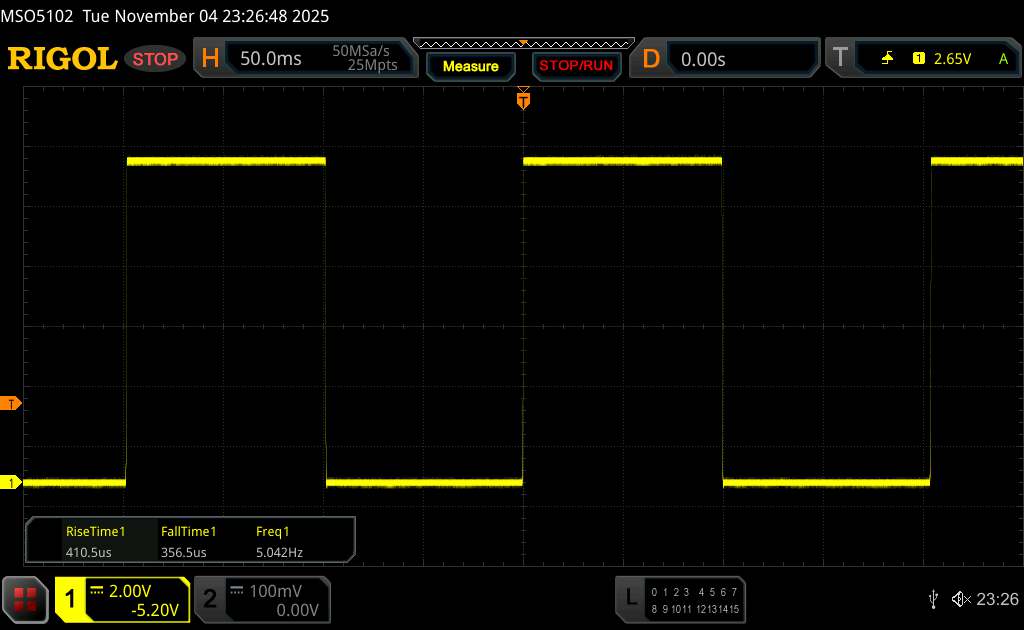
       Response Time Black to White
0.77 ms ... rise ↗ and fall ↘ combined↗ 0.4105 ms rise
↘ 0.3565 ms fall
The screen shows very fast response rates in our tests and should be very well suited for fast-paced gaming.
In comparison, all tested devices range from 0.1 (minimum) to 240 (maximum) ms. » 2 % of all devices are better.
This means that the measured response time is better than the average of all tested devices (20.2 ms).
       Response Time 50% Grey to 80% Grey
0.75 ms ... rise ↗ and fall ↘ combined↗ 0.384 ms rise
↘ 0.3635 ms fall
The screen shows very fast response rates in our tests and should be very well suited for fast-paced gaming.
In comparison, all tested devices range from 0.165 (minimum) to 636 (maximum) ms. » 2 % of all devices are better.
This means that the measured response time is better than the average of all tested devices (31.6 ms).

Performance, emissions and battery life – powerful smartphone with large battery

Although the Vivo X300 delivers slightly weaker scores in Geekbench than the Oppo Find X9, the upper-class smartphone still offers true flagship performance thanks to its MediaTek Dimensity 9500. In everyday use, the system runs without delays and feels very smooth.

The X300 performs extremely well in the graphics tests of the GFXBench benchmark. With frame rates of over 60 fps, the Mali-G1 Ultra reaches top values. However, the 3DMark stress tests also reveal significant throttling. In these scenarios, the Vivo smartphone sometimes reduces its performance by more than 50 percent.

While the battery capacity is only 5,360 mAh, the X300 still achieves very long runtimes in our battery test. The device can be charged either via USB-C at up to 90 watts or wirelessly at 40 watts. Wired charging takes just under an hour to fully recharge the battery.

Geekbench 6.5
Single-Core
Xiaomi 17 Pro Max
Qualcomm Snapdragon 8 Elite Gen 5, Adreno 840, 16384
3640 Points +7%
Average MediaTek Dimensity 9500
  (3397 - 3635, n=5)
3523 Points +4%
Oppo Find X9
MediaTek Dimensity 9500, Mali-G1 Ultra MC12, 12288
3508 Points +3%
Vivo X300
MediaTek Dimensity 9500, Mali-G1 Ultra MC12, 12288
3397 Points
Samsung Galaxy S25+
Qualcomm Snapdragon 8 Elite for Galaxy, Adreno 830, 12288
3136 Points -8%
Xiaomi 15T Pro
Mediatek Dimensity 9400+, Immortalis-G925 MC12, 12288
2624 Points -23%
Average of class Smartphone
  (196 - 3883, n=212, last 2 years)
1773 Points -48%
Multi-Core
Xiaomi 17 Pro Max
Qualcomm Snapdragon 8 Elite Gen 5, Adreno 840, 16384
10620 Points +6%
Average MediaTek Dimensity 9500
  (9998 - 10941, n=5)
10467 Points +5%
Oppo Find X9
MediaTek Dimensity 9500, Mali-G1 Ultra MC12, 12288
10405 Points +4%
Samsung Galaxy S25+
Qualcomm Snapdragon 8 Elite for Galaxy, Adreno 830, 12288
10029 Points 0%
Vivo X300
MediaTek Dimensity 9500, Mali-G1 Ultra MC12, 12288
9998 Points
Xiaomi 15T Pro
Mediatek Dimensity 9400+, Immortalis-G925 MC12, 12288
7749 Points -22%
Average of class Smartphone
  (830 - 11634, n=212, last 2 years)
5184 Points -48%
3DMark
Wild Life Score
Average of class Smartphone
  (270 - 13896, n=95, last 2 years)
2925 Points
Samsung Galaxy S25+
Qualcomm Snapdragon 8 Elite for Galaxy, Adreno 830, 12288
Points
Wild Life Unlimited Score
Samsung Galaxy S25+
Qualcomm Snapdragon 8 Elite for Galaxy, Adreno 830, 12288
26616 Points +1%
Vivo X300
MediaTek Dimensity 9500, Mali-G1 Ultra MC12, 12288
26476 Points
Average MediaTek Dimensity 9500
  (25978 - 26944, n=4)
26447 Points 0%
Oppo Find X9
MediaTek Dimensity 9500, Mali-G1 Ultra MC12, 12288
26389 Points 0%
Xiaomi 17 Pro Max
Qualcomm Snapdragon 8 Elite Gen 5, Adreno 840, 16384
23088 Points -13%
Xiaomi 15T Pro
Mediatek Dimensity 9400+, Immortalis-G925 MC12, 12288
22436 Points -15%
Average of class Smartphone
  (271 - 30621, n=196, last 2 years)
11366 Points -57%
Wild Life Extreme
Vivo X300
MediaTek Dimensity 9500, Mali-G1 Ultra MC12, 12288
7089 Points
Samsung Galaxy S25+
Qualcomm Snapdragon 8 Elite for Galaxy, Adreno 830, 12288
7029 Points -1%
Average MediaTek Dimensity 9500
  (6251 - 7582, n=4)
7022 Points -1%
Xiaomi 17 Pro Max
Qualcomm Snapdragon 8 Elite Gen 5, Adreno 840, 16384
6289 Points -11%
Oppo Find X9
MediaTek Dimensity 9500, Mali-G1 Ultra MC12, 12288
6251 Points -12%
Xiaomi 15T Pro
Mediatek Dimensity 9400+, Immortalis-G925 MC12, 12288
5706 Points -20%
Average of class Smartphone
  (61 - 8140, n=198, last 2 years)
3006 Points -58%
Wild Life Extreme Unlimited
Vivo X300
MediaTek Dimensity 9500, Mali-G1 Ultra MC12, 12288
7101 Points
Samsung Galaxy S25+
Qualcomm Snapdragon 8 Elite for Galaxy, Adreno 830, 12288
6885 Points -3%
Average MediaTek Dimensity 9500
  (4678 - 7629, n=4)
6652 Points -6%
Xiaomi 17 Pro Max
Qualcomm Snapdragon 8 Elite Gen 5, Adreno 840, 16384
6168 Points -13%
Xiaomi 15T Pro
Mediatek Dimensity 9400+, Immortalis-G925 MC12, 12288
5824 Points -18%
Oppo Find X9
MediaTek Dimensity 9500, Mali-G1 Ultra MC12, 12288
4678 Points -34%
Average of class Smartphone
  (62 - 8004, n=197, last 2 years)
2985 Points -58%
GFXBench
on screen Aztec Ruins Normal Tier Onscreen
Samsung Galaxy S25+
Qualcomm Snapdragon 8 Elite for Galaxy, Adreno 830, 12288
120 fps 0%
Vivo X300
MediaTek Dimensity 9500, Mali-G1 Ultra MC12, 12288
120 fps
Xiaomi 15T Pro
Mediatek Dimensity 9400+, Immortalis-G925 MC12, 12288
116 fps -3%
Xiaomi 17 Pro Max
Qualcomm Snapdragon 8 Elite Gen 5, Adreno 840, 16384
107 fps -11%
Average MediaTek Dimensity 9500
  (60 - 120, n=4)
90.3 fps -25%
Oppo Find X9
MediaTek Dimensity 9500, Mali-G1 Ultra MC12, 12288
61 fps -49%
Average of class Smartphone
  (6.2 - 166, n=209, last 2 years)
60.2 fps -50%
1920x1080 Aztec Ruins Normal Tier Offscreen
Vivo X300
MediaTek Dimensity 9500, Mali-G1 Ultra MC12, 12288
361 fps
Average MediaTek Dimensity 9500
  (211 - 367, n=4)
307 fps -15%
Samsung Galaxy S25+
Qualcomm Snapdragon 8 Elite for Galaxy, Adreno 830, 12288
286 fps -21%
Oppo Find X9
MediaTek Dimensity 9500, Mali-G1 Ultra MC12, 12288
211 fps -42%
Xiaomi 17 Pro Max
Qualcomm Snapdragon 8 Elite Gen 5, Adreno 840, 16384
203 fps -44%
Xiaomi 15T Pro
Mediatek Dimensity 9400+, Immortalis-G925 MC12, 12288
201 fps -44%
Average of class Smartphone
  (3.4 - 367, n=209, last 2 years)
118.9 fps -67%
on screen Aztec Ruins High Tier Onscreen
Samsung Galaxy S25+
Qualcomm Snapdragon 8 Elite for Galaxy, Adreno 830, 12288
120 fps 0%
Vivo X300
MediaTek Dimensity 9500, Mali-G1 Ultra MC12, 12288
120 fps
Xiaomi 17 Pro Max
Qualcomm Snapdragon 8 Elite Gen 5, Adreno 840, 16384
100 fps -17%
Average MediaTek Dimensity 9500
  (60 - 121, n=4)
90.5 fps -25%
Xiaomi 15T Pro
Mediatek Dimensity 9400+, Immortalis-G925 MC12, 12288
86 fps -28%
Oppo Find X9
MediaTek Dimensity 9500, Mali-G1 Ultra MC12, 12288
61 fps -49%
Average of class Smartphone
  (0.85 - 144, n=210, last 2 years)
48.2 fps -60%
2560x1440 Aztec Ruins High Tier Offscreen
Vivo X300
MediaTek Dimensity 9500, Mali-G1 Ultra MC12, 12288
146 fps
Average MediaTek Dimensity 9500
  (72 - 146, n=4)
111.8 fps -23%
Samsung Galaxy S25+
Qualcomm Snapdragon 8 Elite for Galaxy, Adreno 830, 12288
107 fps -27%
Xiaomi 15T Pro
Mediatek Dimensity 9400+, Immortalis-G925 MC12, 12288
80 fps -45%
Oppo Find X9
MediaTek Dimensity 9500, Mali-G1 Ultra MC12, 12288
72 fps -51%
Xiaomi 17 Pro Max
Qualcomm Snapdragon 8 Elite Gen 5, Adreno 840, 16384
65 fps -55%
Average of class Smartphone
  (1.2 - 146, n=209, last 2 years)
45.9 fps -69%
3840x2160 4K Aztec Ruins High Tier Offscreen
Vivo X300
MediaTek Dimensity 9500, Mali-G1 Ultra MC12, 12288
61 fps
Average MediaTek Dimensity 9500
  (41 - 62, n=4)
53 fps -13%
Samsung Galaxy S25+
Qualcomm Snapdragon 8 Elite for Galaxy, Adreno 830, 12288
52 fps -15%
Oppo Find X9
MediaTek Dimensity 9500, Mali-G1 Ultra MC12, 12288
41 fps -33%
Xiaomi 15T Pro
Mediatek Dimensity 9400+, Immortalis-G925 MC12, 12288
38 fps -38%
Xiaomi 17 Pro Max
Qualcomm Snapdragon 8 Elite Gen 5, Adreno 840, 16384
35 fps -43%
Average of class Smartphone
  (0.54 - 62, n=210, last 2 years)
21.4 fps -65%
Geekbench AI
Single Precision NPU 1.5
Xiaomi 15T Pro
Mediatek Dimensity 9400+, Immortalis-G925 MC12, 12288
1042 Points +70%
Average of class Smartphone
  (80 - 5210, n=60, last 2 years)
790 Points +29%
Vivo X300
MediaTek Dimensity 9500, Mali-G1 Ultra MC12, 12288
612 Points
Xiaomi 17 Pro Max
Qualcomm Snapdragon 8 Elite Gen 5, Adreno 840, 16384
524 Points -14%
Average MediaTek Dimensity 9500
  (190 - 733, n=4)
432 Points -29%
Oppo Find X9
MediaTek Dimensity 9500, Mali-G1 Ultra MC12, 12288
190 Points -69%
Half Precision NPU 1.5
Xiaomi 15T Pro
Mediatek Dimensity 9400+, Immortalis-G925 MC12, 12288
8818 Points +1320%
Average of class Smartphone
  (80 - 36297, n=60, last 2 years)
3411 Points +449%
Vivo X300
MediaTek Dimensity 9500, Mali-G1 Ultra MC12, 12288
621 Points
Xiaomi 17 Pro Max
Qualcomm Snapdragon 8 Elite Gen 5, Adreno 840, 16384
486 Points -22%
Average MediaTek Dimensity 9500
  (176 - 718, n=4)
424 Points -32%
Oppo Find X9
MediaTek Dimensity 9500, Mali-G1 Ultra MC12, 12288
180 Points -71%
Quantized NPU 1.5
Xiaomi 15T Pro
Mediatek Dimensity 9400+, Immortalis-G925 MC12, 12288
12177 Points +764%
Average of class Smartphone
  (133 - 49889, n=60, last 2 years)
4934 Points +250%
Vivo X300
MediaTek Dimensity 9500, Mali-G1 Ultra MC12, 12288
1409 Points
Average MediaTek Dimensity 9500
  (432 - 1631, n=4)
977 Points -31%
Xiaomi 17 Pro Max
Qualcomm Snapdragon 8 Elite Gen 5, Adreno 840, 16384
974 Points -31%
Oppo Find X9
MediaTek Dimensity 9500, Mali-G1 Ultra MC12, 12288
432 Points -69%
Jetstream 2 - 2.2 Total Score
Average MediaTek Dimensity 9500
  (236 - 362, n=3)
289 Points +8%
Vivo X300
MediaTek Dimensity 9500, Mali-G1 Ultra MC12, 12288
267.654 Points
Average of class Smartphone
  (2 - 469, n=49, last 2 years)
218 Points -19%
Xiaomi 15T Pro
Mediatek Dimensity 9400+, Immortalis-G925 MC12, 12288
125.827 Points -53%
BaseMark OS II - Overall
Samsung Galaxy S25+
Qualcomm Snapdragon 8 Elite for Galaxy, Adreno 830, 12288
13223 Points +14%
Xiaomi 17 Pro Max
Qualcomm Snapdragon 8 Elite Gen 5, Adreno 840, 16384
12929 Points +12%
Vivo X300
MediaTek Dimensity 9500, Mali-G1 Ultra MC12, 12288
11566 Points
Average MediaTek Dimensity 9500
  (10620 - 11566, n=4)
10922 Points -6%
Oppo Find X9
MediaTek Dimensity 9500, Mali-G1 Ultra MC12, 12288
10744 Points -7%
Xiaomi 15T Pro
Mediatek Dimensity 9400+, Immortalis-G925 MC12, 12288
7887 Points -32%
Average of class Smartphone
  (1196 - 16690, n=149, last 2 years)
7738 Points -33%
Antutu v10 - Total Score
Average MediaTek Dimensity 9500
  (2755585 - 3095982, n=4)
2922542 Points +6%
Oppo Find X9
MediaTek Dimensity 9500, Mali-G1 Ultra MC12, 12288
2857236 Points +4%
Vivo X300
MediaTek Dimensity 9500, Mali-G1 Ultra MC12, 12288
2755585 Points
Xiaomi 15T Pro
Mediatek Dimensity 9400+, Immortalis-G925 MC12, 12288
2483050 Points -10%
Xiaomi 17 Pro Max
Qualcomm Snapdragon 8 Elite Gen 5, Adreno 840, 16384
2390211 Points -13%
Samsung Galaxy S25+
Qualcomm Snapdragon 8 Elite for Galaxy, Adreno 830, 12288
2271821 Points -18%
Average of class Smartphone
  (142748 - 3269237, n=152, last 2 years)
1504892 Points -45%
Vivo X300Samsung Galaxy S25+Oppo Find X9Xiaomi 15T ProXiaomi 17 Pro MaxAverage 256 GB UFS 4.1 FlashAverage of class Smartphone
AndroBench 3-5
27%
-10%
21%
60%
24%
-15%
Sequential Read 256KB (MB/s)
2056.87
4057.35
97%
3232.3
57%
3219.93
57%
3971.4
93%
Sequential Write 256KB (MB/s)
1997.76
3311.02
66%
1565.8
-22%
3593.03
80%
3899.9
95%
Random Read 4KB (MB/s)
332.61
294.51
-11%
335.7
1%
426.1
28%
548.4
65%
368 ?(325 - 446, n=3)
11%
Random Write 4KB (MB/s)
654.09
351.16
-46%
172.6
-74%
110.46
-83%
561.3
-14%
556 ?(348 - 667, n=3)
-15%
Max. Load
 46 °C
115 F
46.4 °C
116 F
43.5 °C
110 F
 
 46.6 °C
116 F
46.6 °C
116 F
42.6 °C
109 F
 
 46.2 °C
115 F
45 °C
113 F
42.4 °C
108 F
 
Maximum: 46.6 °C = 116 F
Average: 45 °C = 113 F
42 °C
108 F
44.1 °C
111 F
44.8 °C
113 F
41 °C
106 F
44.1 °C
111 F
45.8 °C
114 F
41.2 °C
106 F
45.3 °C
114 F
44.8 °C
113 F
Maximum: 45.8 °C = 114 F
Average: 43.7 °C = 111 F
Room Temperature 22 °C = 72 F | Fluke t3000FC (calibrated) & Voltcraft IR-260
(-) The average temperature for the upper side under maximal load is 45 °C / 113 F, compared to the average of 32.9 °C / 91 F for the devices in the class Smartphone.
(-) The maximum temperature on the upper side is 46.6 °C / 116 F, compared to the average of 35.2 °C / 95 F, ranging from 21.9 to 247 °C for the class Smartphone.
(-) The bottom heats up to a maximum of 45.8 °C / 114 F, compared to the average of 34 °C / 93 F
(+) In idle usage, the average temperature for the upper side is 28.3 °C / 83 F, compared to the device average of 32.9 °C / 91 F.

3DMark Stress Tests

3DMark
Wild Life Stress Test Stability
Oppo Find X9
Mali-G1 Ultra MC12, Dimensity 9500, 512 GB UFS 4.1 Flash
89.3 % +52%
Xiaomi 15T Pro
Immortalis-G925 MC12, Dimensity 9400+, 1TB UFS 4.1 Flash
70.9 % +20%
Xiaomi 17 Pro Max
Adreno 840, SD 8 Elite Gen 5, 1TB UFS 4.1 Flash
60.3 % +2%
Vivo X300
Mali-G1 Ultra MC12, Dimensity 9500, 256 GB UFS 4.1 Flash
58.9 %
Samsung Galaxy S25+
Adreno 830, SD 8 Elite f. Galaxy, 256 GB UFS 4.0 Flash
53.4 % -9%
Wild Life Extreme Stress Test
Oppo Find X9
Mali-G1 Ultra MC12, Dimensity 9500, 512 GB UFS 4.1 Flash
74.3 % +59%
Xiaomi 15T Pro
Immortalis-G925 MC12, Dimensity 9400+, 1TB UFS 4.1 Flash
73.3 % +57%
Xiaomi 17 Pro Max
Adreno 840, SD 8 Elite Gen 5, 1TB UFS 4.1 Flash
65.2 % +40%
Samsung Galaxy S25+
Adreno 830, SD 8 Elite f. Galaxy, 256 GB UFS 4.0 Flash
51.3 % +10%
Vivo X300
Mali-G1 Ultra MC12, Dimensity 9500, 256 GB UFS 4.1 Flash
46.7 %
Solar Bay Stress Test Stability
Xiaomi 15T Pro
Immortalis-G925 MC12, Dimensity 9400+, 1TB UFS 4.1 Flash
77 %
Xiaomi 17 Pro Max
Adreno 840, SD 8 Elite Gen 5, 1TB UFS 4.1 Flash
69.7 %
Samsung Galaxy S25+
Adreno 830, SD 8 Elite f. Galaxy, 256 GB UFS 4.0 Flash
58.9 %
Oppo Find X9
Mali-G1 Ultra MC12, Dimensity 9500, 512 GB UFS 4.1 Flash
49.3 %
Steel Nomad Light Stress Test Stability
Xiaomi 15T Pro
Immortalis-G925 MC12, Dimensity 9400+, 1TB UFS 4.1 Flash
68.5 % +12%
Samsung Galaxy S25+
Adreno 830, SD 8 Elite f. Galaxy, 256 GB UFS 4.0 Flash
66.5 % +9%
Vivo X300
Mali-G1 Ultra MC12, Dimensity 9500, 256 GB UFS 4.1 Flash
60.9 %
Oppo Find X9
Mali-G1 Ultra MC12, Dimensity 9500, 512 GB UFS 4.1 Flash
49.7 % -18%
0102030405060708090100110120130Tooltip
Vivo X300 Mali-G1 Ultra MC12, Dimensity 9500, 256 GB UFS 4.1 Flash; Wild Life Extreme Stress Test; 1.1.14.3: Ø25.4 (19.9-42.7)
Xiaomi 17 Pro Max Adreno 840, SD 8 Elite Gen 5, 1TB UFS 4.1 Flash; Wild Life Extreme Stress Test; 1.1.4.1: Ø27.7 (24.7-37.8)
Vivo X300 Mali-G1 Ultra MC12, Dimensity 9500, 256 GB UFS 4.1 Flash; Wild Life Stress Test Stability; 0.0.0.0: Ø87.4 (78-132.5)
Xiaomi 17 Pro Max Adreno 840, SD 8 Elite Gen 5, 1TB UFS 4.1 Flash; Wild Life Stress Test Stability; 0.0.0.0: Ø93.1 (81.6-135.4)
Xiaomi 17 Pro Max Adreno 840, SD 8 Elite Gen 5, 1TB UFS 4.1 Flash; Solar Bay Stress Test Stability; 1.0.6.5: Ø28.3 (25.3-36.3)
Vivo X300 Mali-G1 Ultra MC12, Dimensity 9500, 256 GB UFS 4.1 Flash; Steel Nomad Light Stress Test Stability; 1.0.6.2: Ø16 (14.4-23.6)
dB(A) 0102030405060708090Deep BassMiddle BassHigh BassLower RangeMidsHigher MidsLower HighsMid HighsUpper HighsSuper Highs2043.448.22528.641.13121.237.64026.936.15037.446.96321.943.28017.642.610018.845.712517.147.216015.456.220014.456.52501257.331510.960.140010.962.250010.169.763010.769.380010.675.2100011.679125012.379.6160011.278.3200012.180.1250012.281.7315012.580.7400012.681.8500012.986.4630013.278.6800013.273.11000013.566.21250013.667.21600013.367.3SPL24.592.2N0.590.3median 12.5median 73.1Delta1.49.138.437.830.633.919.23521.534.336.939.124.43319.739.715.840.914.144.615.255.612.455.29.560.19.762.310.563.49669.869.38.974.49.477.211.580.911.278.11281.611.780.71279.61282.112.580.312.977.313.371.413.567.713.568.413.664.123.990.90.584median 12median 71.41.59.6hearing rangehide median Pink NoiseVivo X300Samsung Galaxy S25+
Frequency diagram (checkboxes can be checked and unchecked to compare devices)
Vivo X300 audio analysis

(+) | speakers can play relatively loud (92.2 dB)
Bass 100 - 315 Hz
(-) | nearly no bass - on average 19.3% lower than median
(+) | bass is linear (4.8% delta to prev. frequency)
Mids 400 - 2000 Hz
(±) | higher mids - on average 5.6% higher than median
(+) | mids are linear (4.8% delta to prev. frequency)
Highs 2 - 16 kHz
(±) | higher highs - on average 7.2% higher than median
(+) | highs are linear (6.7% delta to prev. frequency)
Overall 100 - 16.000 Hz
(±) | linearity of overall sound is average (17.1% difference to median)
Compared to same class
» 10% of all tested devices in this class were better, 8% similar, 83% worse
» The best had a delta of 11%, average was 35%, worst was 134%
Compared to all devices tested
» 30% of all tested devices were better, 8% similar, 62% worse
» The best had a delta of 4%, average was 24%, worst was 134%

Samsung Galaxy S25+ audio analysis

(+) | speakers can play relatively loud (90.9 dB)
Bass 100 - 315 Hz
(-) | nearly no bass - on average 18.3% lower than median
(+) | bass is linear (6.5% delta to prev. frequency)
Mids 400 - 2000 Hz
(±) | higher mids - on average 6.3% higher than median
(+) | mids are linear (5.2% delta to prev. frequency)
Highs 2 - 16 kHz
(±) | higher highs - on average 6.7% higher than median
(+) | highs are linear (4.6% delta to prev. frequency)
Overall 100 - 16.000 Hz
(±) | linearity of overall sound is average (16.8% difference to median)
Compared to same class
» 8% of all tested devices in this class were better, 7% similar, 85% worse
» The best had a delta of 11%, average was 35%, worst was 134%
Compared to all devices tested
» 29% of all tested devices were better, 7% similar, 64% worse
» The best had a delta of 4%, average was 24%, worst was 134%

Battery Runtime
WiFi Websurfing (Chrome 143)
19h 36min
Battery runtime - WiFi v1.3
Vivo X300
5360 mAh
19.6 h
Samsung Galaxy S25+
4900 mAh
19.8 h
Oppo Find X9
7025 mAh
29.1 h
Xiaomi 15T Pro
5500 mAh
20.9 h
Xiaomi 17 Pro Max
7500 mAh
33.8 h

Notebookcheck overall rating

The Vivo X300 is a first-class compact smartphone with a strong Zeiss camera, although its pricing in Europe may be somewhat too ambitious.

Vivo X300 - 12/23/2025 v8
Marcus Herbrich

Chassis
90%
Keyboard
66 / 75 → 88%
Pointing Device
94%
Connectivity
67 / 69 → 97%
Weight
89%
Battery
92%
Display
92%
Games Performance
39 / 55 → 71%
Application Performance
90 / 85 → 100%
AI Performance
41%
Temperature
84%
Noise
100%
Audio
75 / 90 → 83%
Camera
85%
Average
73%
88%
Smartphone - Weighted Average
CO2 Emissions
No Data
Materials
60%
Packaging
75%
Power Use
90.2%
Repairability
40%
Software Updates
94.5%
Recycle Logo Total Sustainability Score: 60%

Possible alternatives at a glance

Image
Model / Review
Price
Weight
Drive
Display
1.
88%
Vivo X300
Vivo X300
MediaTek Dimensity 9500 ⎘
Arm Mali G1- Ultra MC12 ⎘
12 GB Memory, 256 GB 
Amazon:
1. $6.91
MAOUICI Tempered Glass for V...
2. $7.99
Lucyliy (3 Pack) Compatible ...
3. $6.91
MAOUICI Tempered Glass for V...
List Price: 1049€
190 g256 GB UFS 4.1 Flash6.31"
2640x1216
461 PPI
AMOLED
2.
88.4%
Samsung Galaxy S25+
Samsung Galaxy S25+
Qualcomm Snapdragon 8 Elite for Galaxy ⎘
Qualcomm Adreno 830 ⎘
12 GB Memory, 256 GB 
Amazon:
1. $1,109.99
SAMSUNG Galaxy S25 Ultra, 25...
2. $800.18
SAMSUNG Galaxy S25 Edge Phon...
3. $709.50
Samsung Galaxy S25 5G SM-S93...
List Price: 1149 Euro
190 g256 GB UFS 4.0 Flash6.70"
3120x1440
513 PPI
Dynamic AMOLED 2X
3.
86.1%
Oppo Find X9
Oppo Find X9
MediaTek Dimensity 9500 ⎘
Arm Mali G1- Ultra MC12 ⎘
12 GB Memory, 512 GB 
Amazon:
1. $7.99
Lucyliy (3 Pack) Compatible ...
2. $7.99
Lucyliy (3 Pack) Compatible ...
3. $9.11
MAOUICI Tempered Glass for O...
List Price: 999€
203 g512 GB UFS 4.1 Flash6.59"
2760x1256
460 PPI
AMOLED
4.
86.1%
Xiaomi 15T Pro
Xiaomi 15T Pro
Mediatek Dimensity 9400+ ⎘
ARM Immortalis-G925 MC12 ⎘
12 GB Memory, 1024 GB 
Amazon:
1. $11.99
Ibywind for Xiaomi 15T Pro 5...
2. $6.59
Anoowkoa 3 Pack Designed for...
3. $7.99
Fhyeugfy for Xiaomi 15T Pro ...
List Price: 1000€
210 g1TB UFS 4.1 Flash6.83"
2772x1280
447 PPI
AMOLED
5.
89%
Xiaomi 17 Pro Max
Xiaomi 17 Pro Max
Qualcomm Snapdragon 8 Elite Gen 5 ⎘
Qualcomm Adreno 840 ⎘
16 GB Memory, 1024 GB 
Amazon:
1. $8.19
Anoowkoa 3 Pack Glass Screen...
2. $39.99
INIU iPhone 17 Charger, 3-Po...
3. $9.90
Anbzsign 2+1 Pack for Xiaomi...
List Price: 940€
219 g1TB UFS 4.1 Flash6.90"
2608x1200
416 PPI
AMOLED

Transparency

The selection of devices to be reviewed is made by our editorial team. The test sample was provided to the author as a loan by the manufacturer or retailer for the purpose of this review. The lender had no influence on this review, nor did the manufacturer receive a copy of this review before publication. There was no obligation to publish this review. As an independent media company, Notebookcheck is not subjected to the authority of manufacturers, retailers or publishers.

This is how Notebookcheck is testing

Every year, Notebookcheck independently reviews hundreds of laptops and smartphones using standardized procedures to ensure that all results are comparable. We have continuously developed our test methods for around 20 years and set industry standards in the process. In our test labs, high-quality measuring equipment is utilized by experienced technicians and editors. These tests involve a multi-stage validation process. Our complex rating system is based on hundreds of well-founded measurements and benchmarks, which maintains objectivity. Further information on our test methods can be found here.

static version load dynamic
Loading Comments
Comment on this article
Please share our article, every link counts!
Mail Logo
Google Logo Add as a preferred
source on Google
> Expert Reviews and News on Laptops, Smartphones and Tech Innovations > Reviews > Brilliant Zeiss camera in a compact smartphone – Vivo X300 review
Marcus Herbrich, 2025-12-27 (Update: 2025-12-27)