




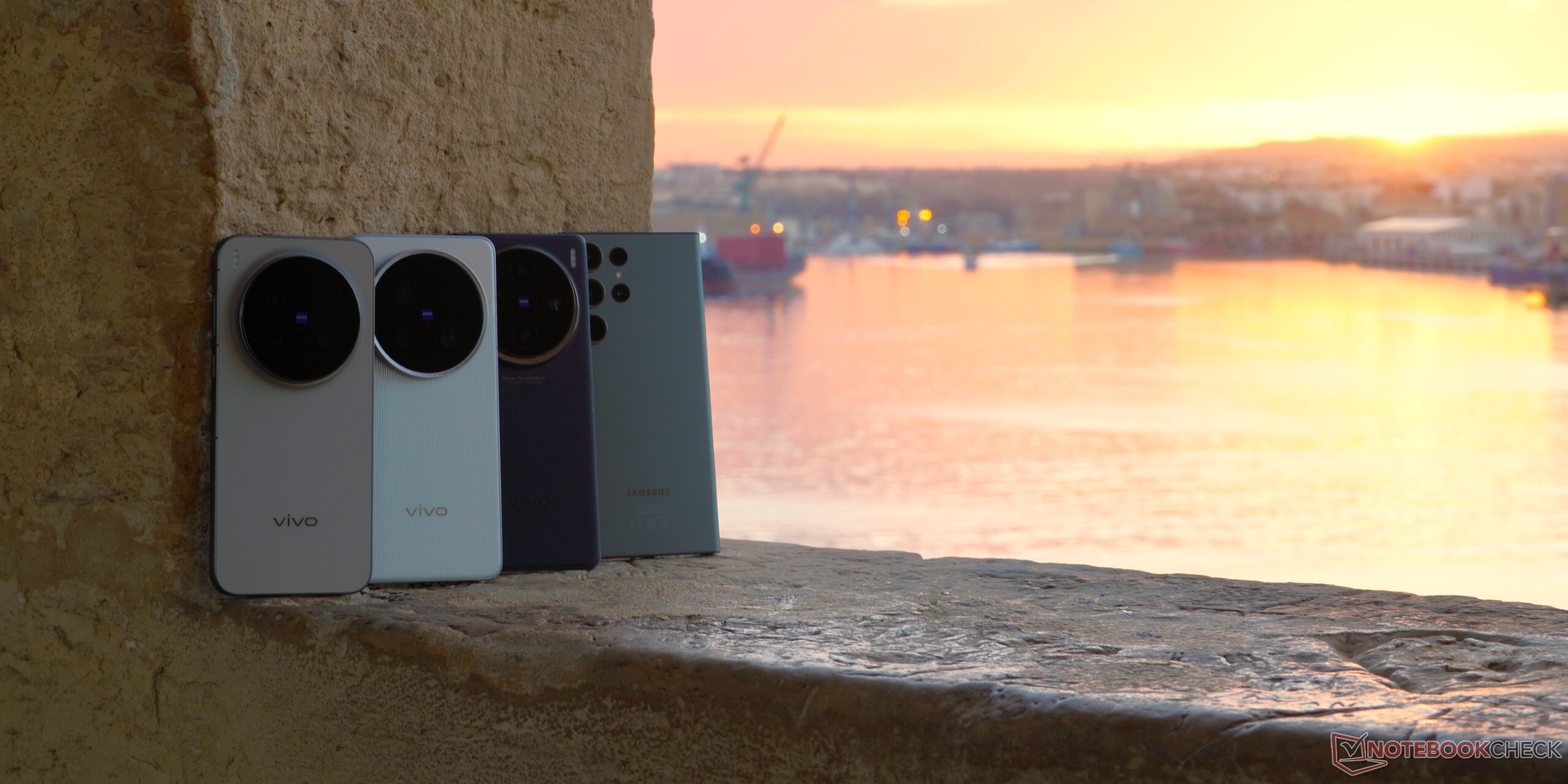
Vivo X300 Pro Zeiss camera in Cyprus and Malta: Photo comparison with X200 Ultra, X100 Pro, and Samsung Galaxy S23 Ultra
Alexander Fagot, 👁 Alexander Fagot, ✓ Ninh Duy (translated by DeepL / Ninh Duy) Published 🇩🇪 🇫🇷 ...
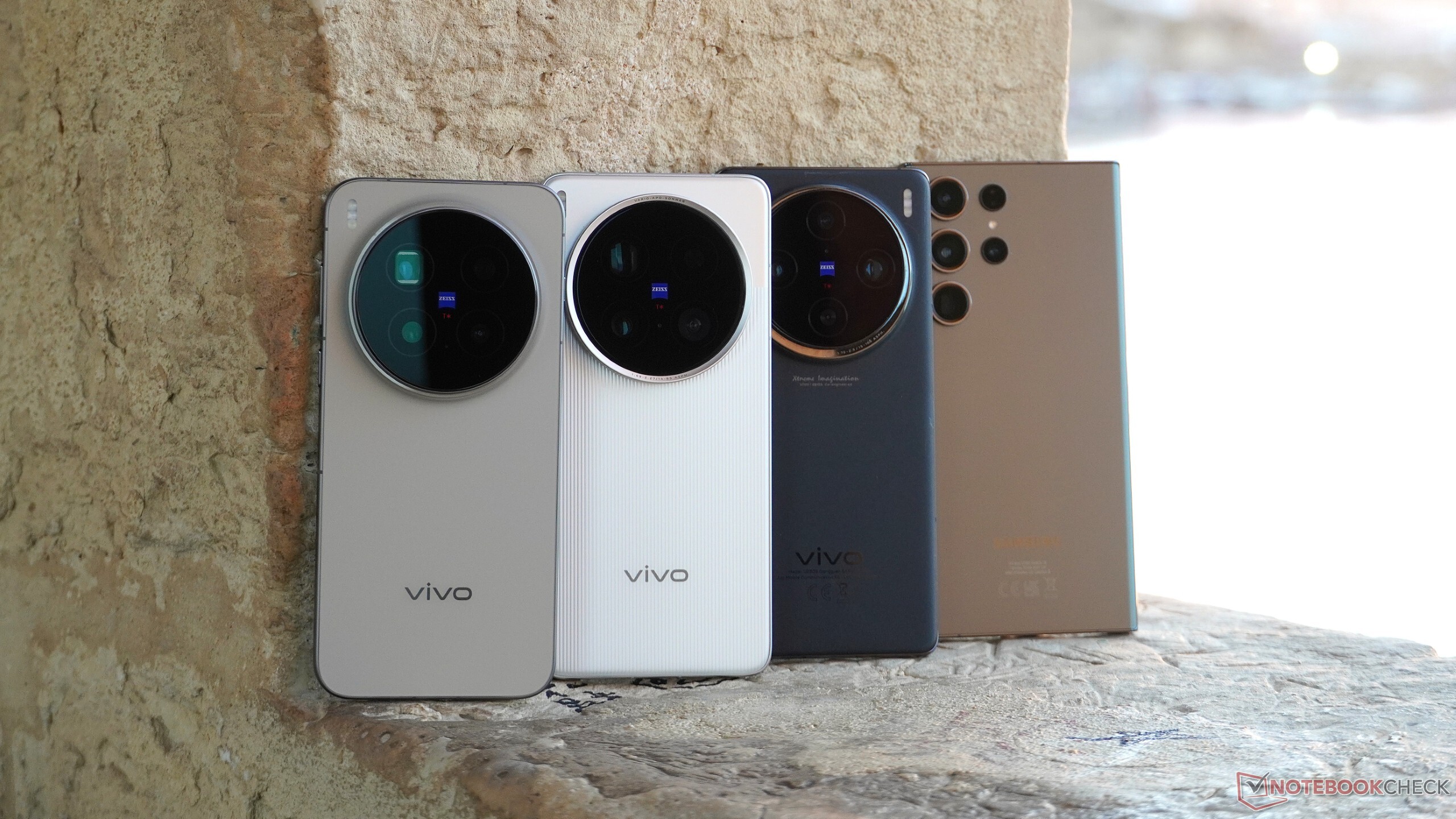
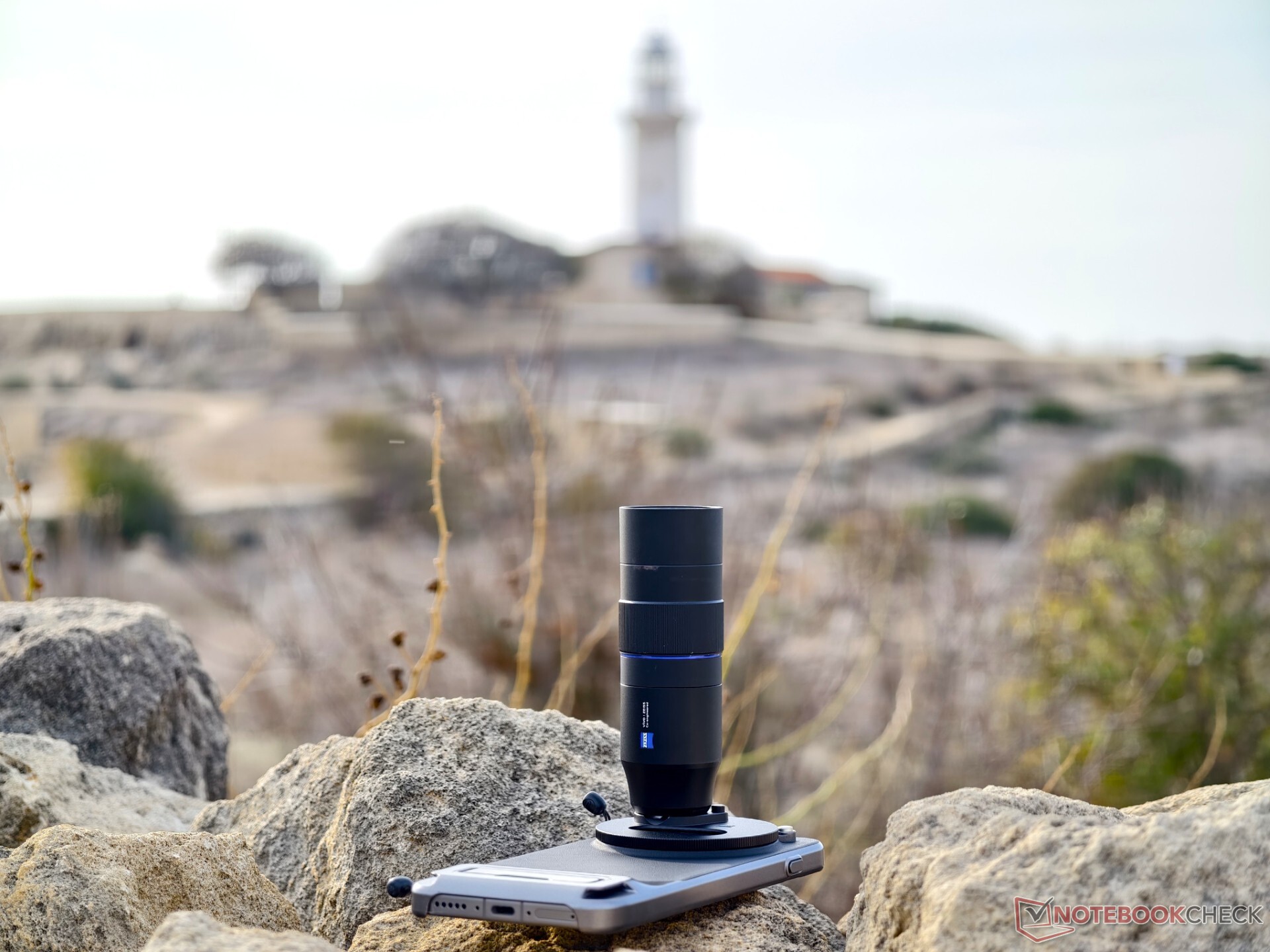
Unfortunately, Part 2 of my camera travel test with the Vivo X300 Pro appears later than planned. It was originally intended for release around Christmas but was delayed by the launch of the Xiaomi 17 Ultra. If you missed Part 1, which focuses primarily on the camera kit with the Zeiss teleconverter and my general impressions of the Vivo X300 Pro during a trip to Cyprus, you can read it here. Since then, I have been able to gather additional impressions in Malta and compare some of the photos taken on both Mediterranean islands using four flagship camera phones.
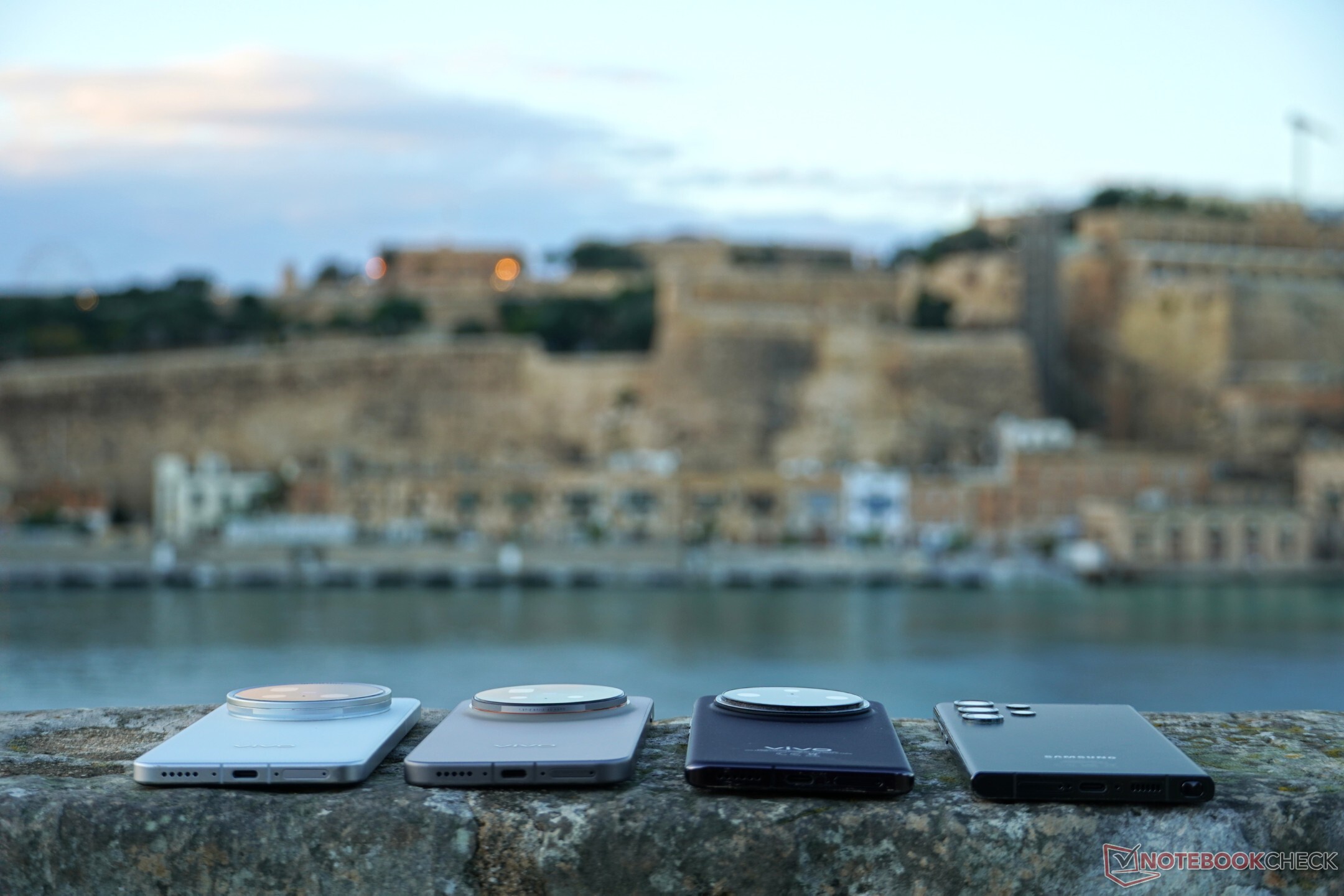
The last Samsung phone with 10x optical zoom
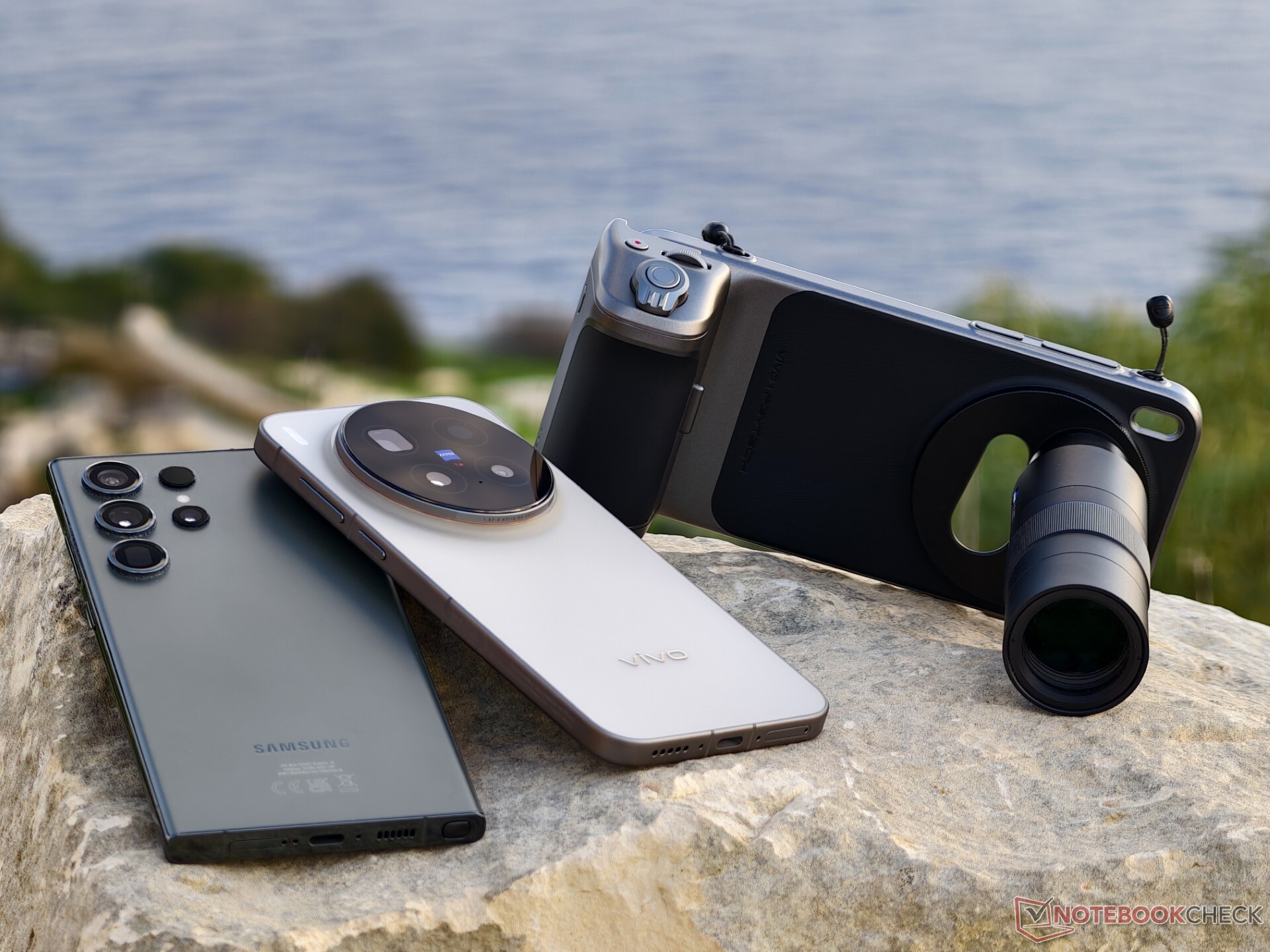
As of January 2026, the Samsung Galaxy S23 Ultra is nearly three years old and, by modern standards, showing its age. However, it remains a vital benchmark as Samsung’s last flagship to feature a 'true' 10x optical telephoto lens. When paired with its 2.35x teleconverter, the Vivo X300 Pro reaches an 8.7x zoom (a 200mm equivalent) - inching close to the S23 Ultra’s 230mm focal length while utilizing a significantly larger 200MP sensor.
Given that Samsung’s camera hardware has remained relatively stagnant through the Galaxy S25 Ultra, the S23 Ultra serves as a necessary point of comparison. While it isn't featured in every test, we have included it specifically to evaluate how modern high-res sensors stack up against dedicated 10x optical hardware.
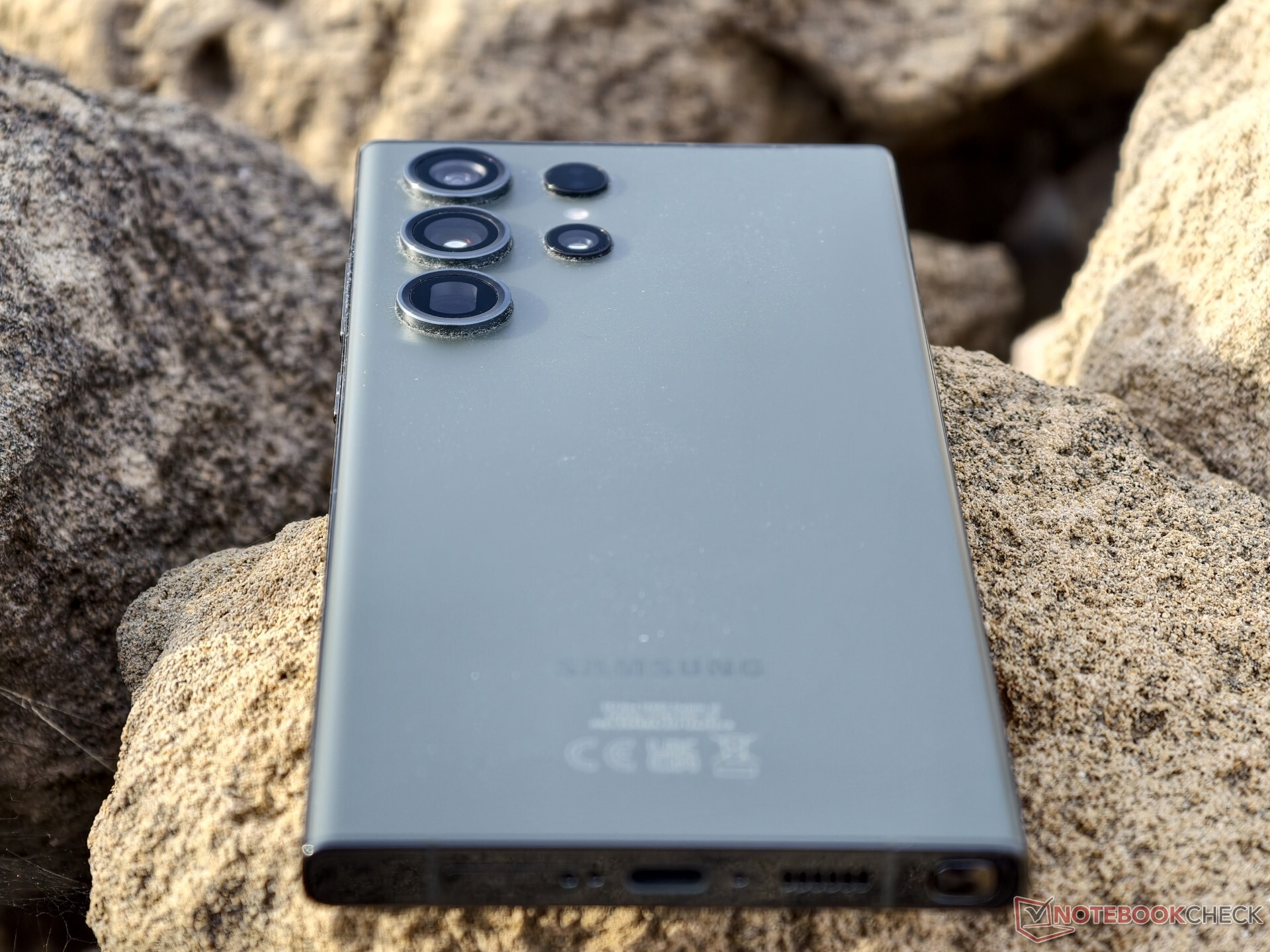
The last three generations of Zeiss cameras from Vivo
The global Vivo X100 Pro from 2024 and the Chinese Vivo X200 Ultra from 2025 have also been my mobile companions for the past two years. The former still features a 1-inch main camera, while the latter uses a 35 mm camera reduced to 1/1.28 inches, along with the largest 1/1.28-inch ultra-wide camera in a smartphone to date.
Compared to the Vivo X200 Ultra, the camera hardware of the Vivo X300 Pro has not changed quite as dramatically as it did between the Vivo X100 Pro and the Vivo X200 Ultra. The comparison photos below, among others, should help clarify whether any major differences can be observed.
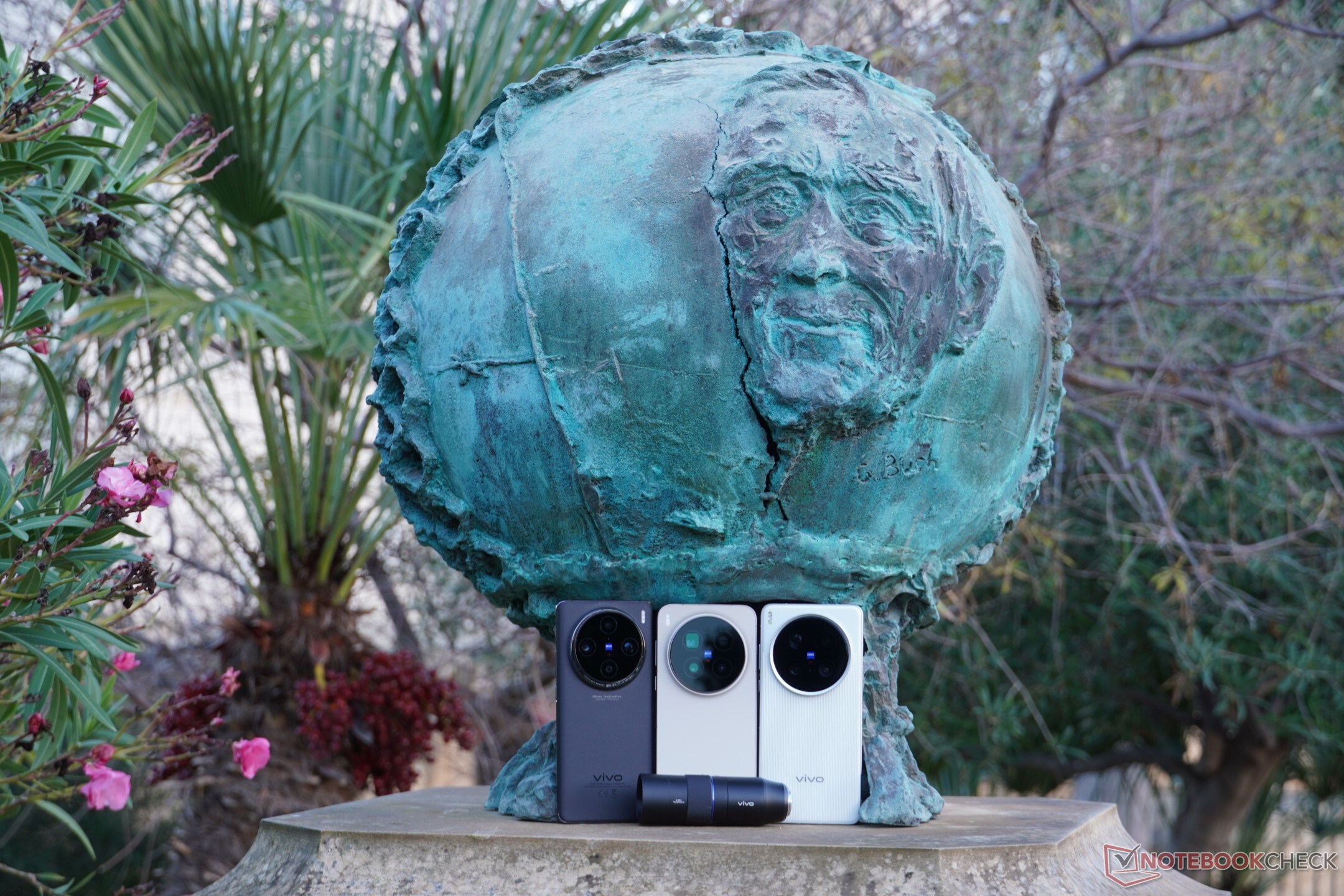
Photo Comparison and Travel Impressions from Cyprus and Malta
1. Ultra wide angle
Details
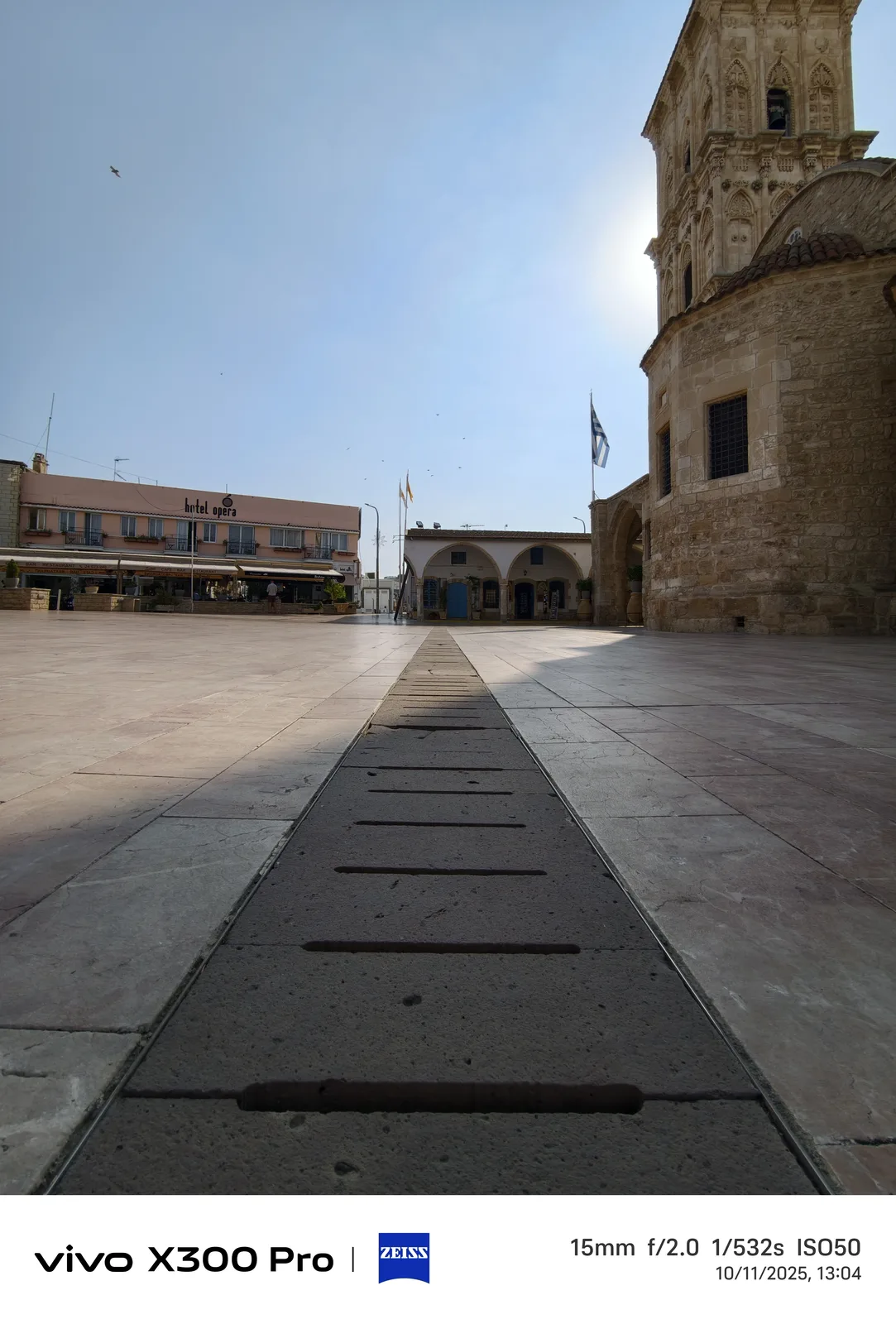
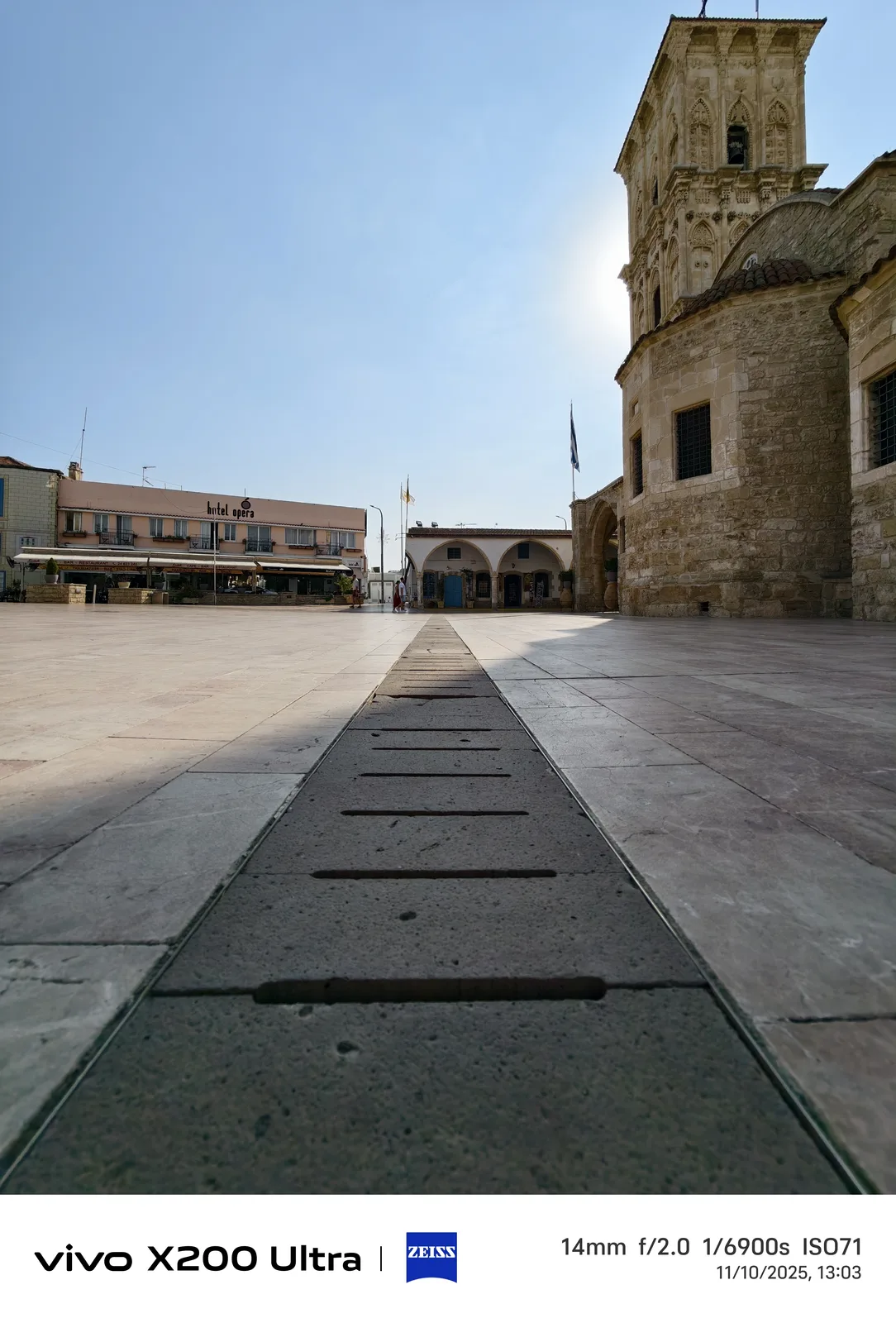
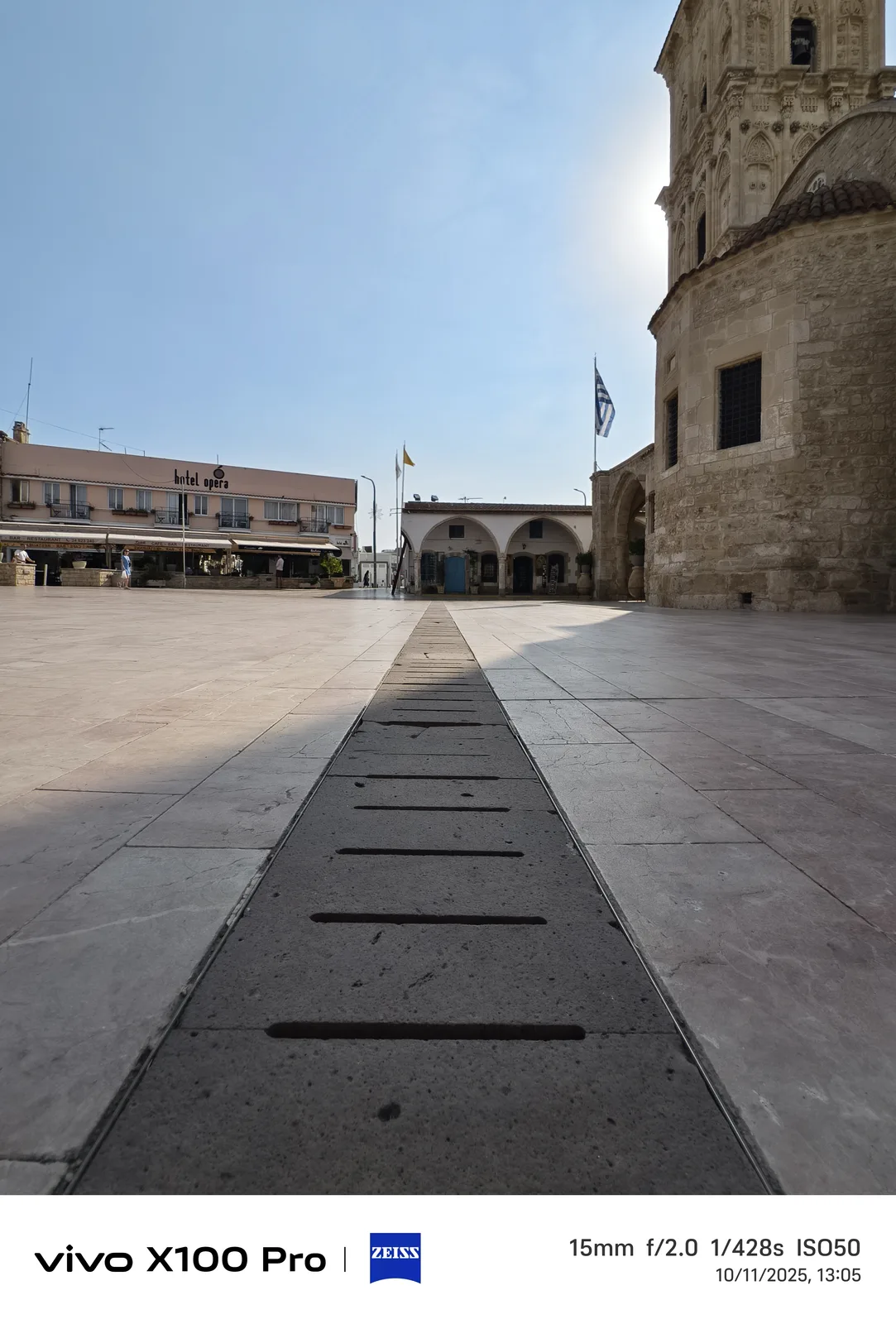
The Church of St. Lazarus in Larnaca served as a reference subject for the first ultra-wide-angle comparison between the Vivo models. I apologize for the slightly different shooting angles in each case, but the winner should be fairly clear regardless. The Vivo X200 Ultra not only offers the widest field of view and is the only model capable of capturing the church in its entirety, but its rendering of more distant details is also clearly the sharpest. Even in daylight, it is therefore the clear winner at 300× magnification, although the Vivo X300 Pro is still noticeably better than the Vivo X100 Pro.
In terms of color rendering, we again see three different interpretations of the same scene. From memory, I would say that the Ultra version appears the most authentic, but I can no longer guarantee this. The shutter speed is also shortest on the X200 Ultra, which is clearly an advantage of its larger sensor.

Ultra wide angle sunset
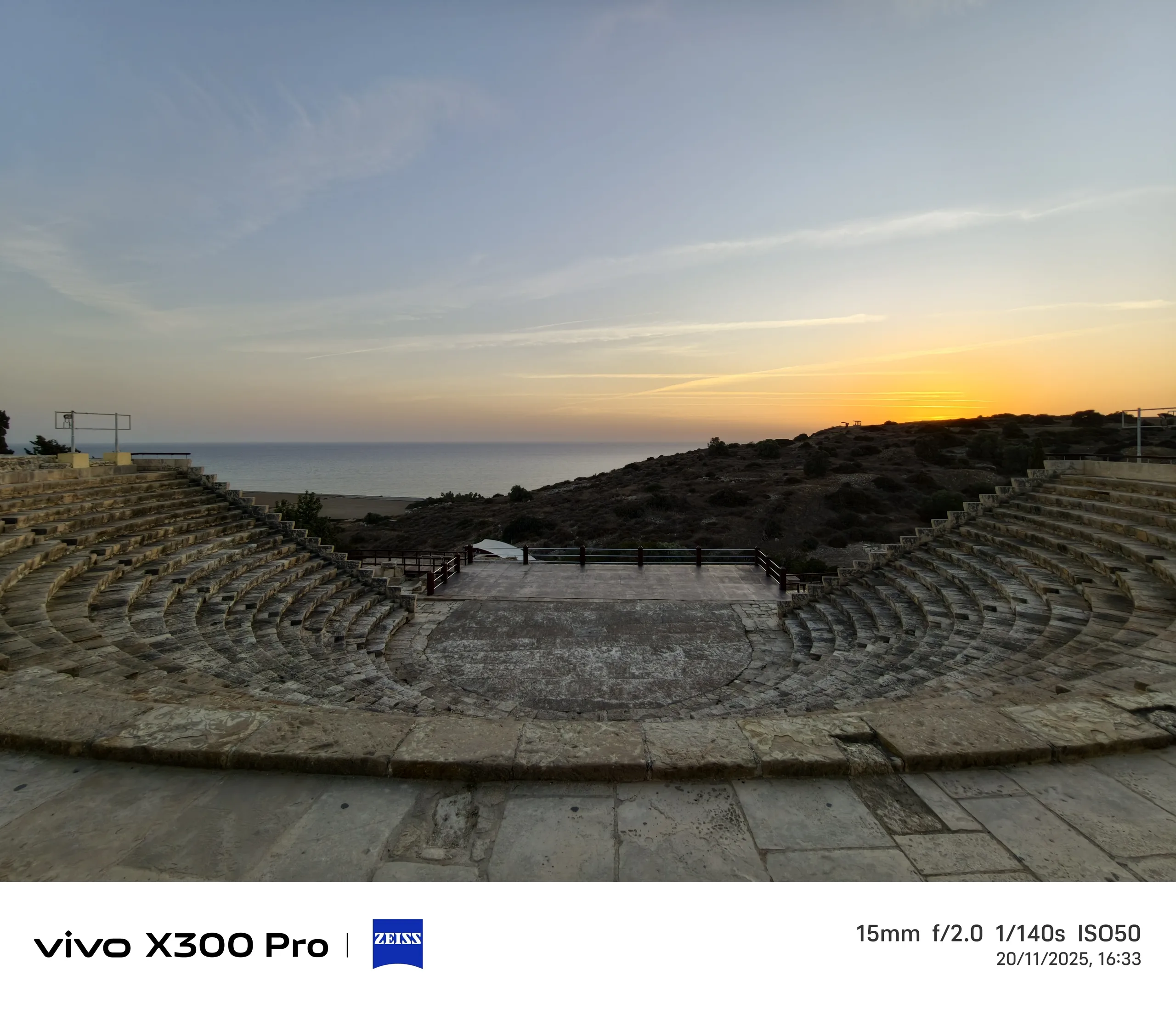
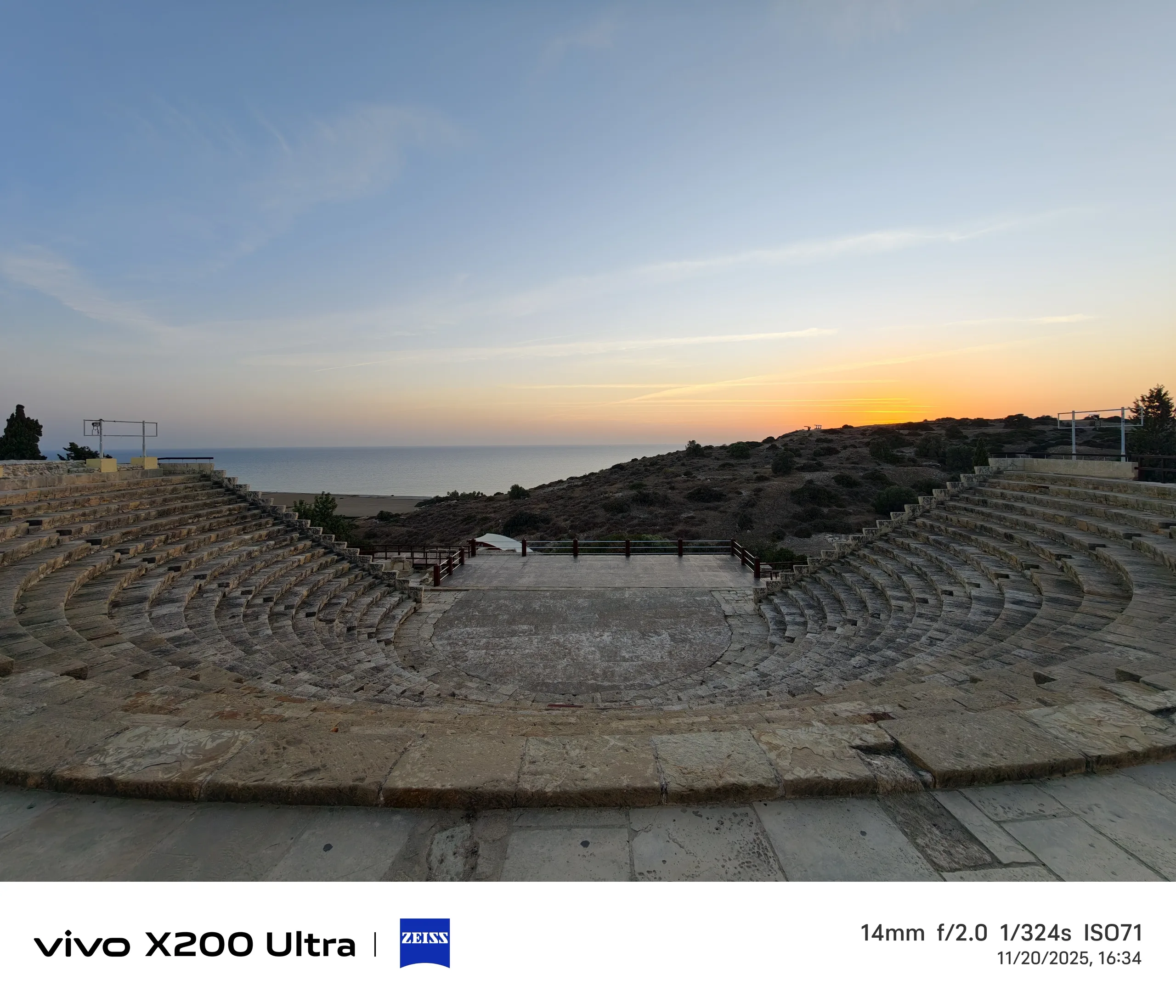
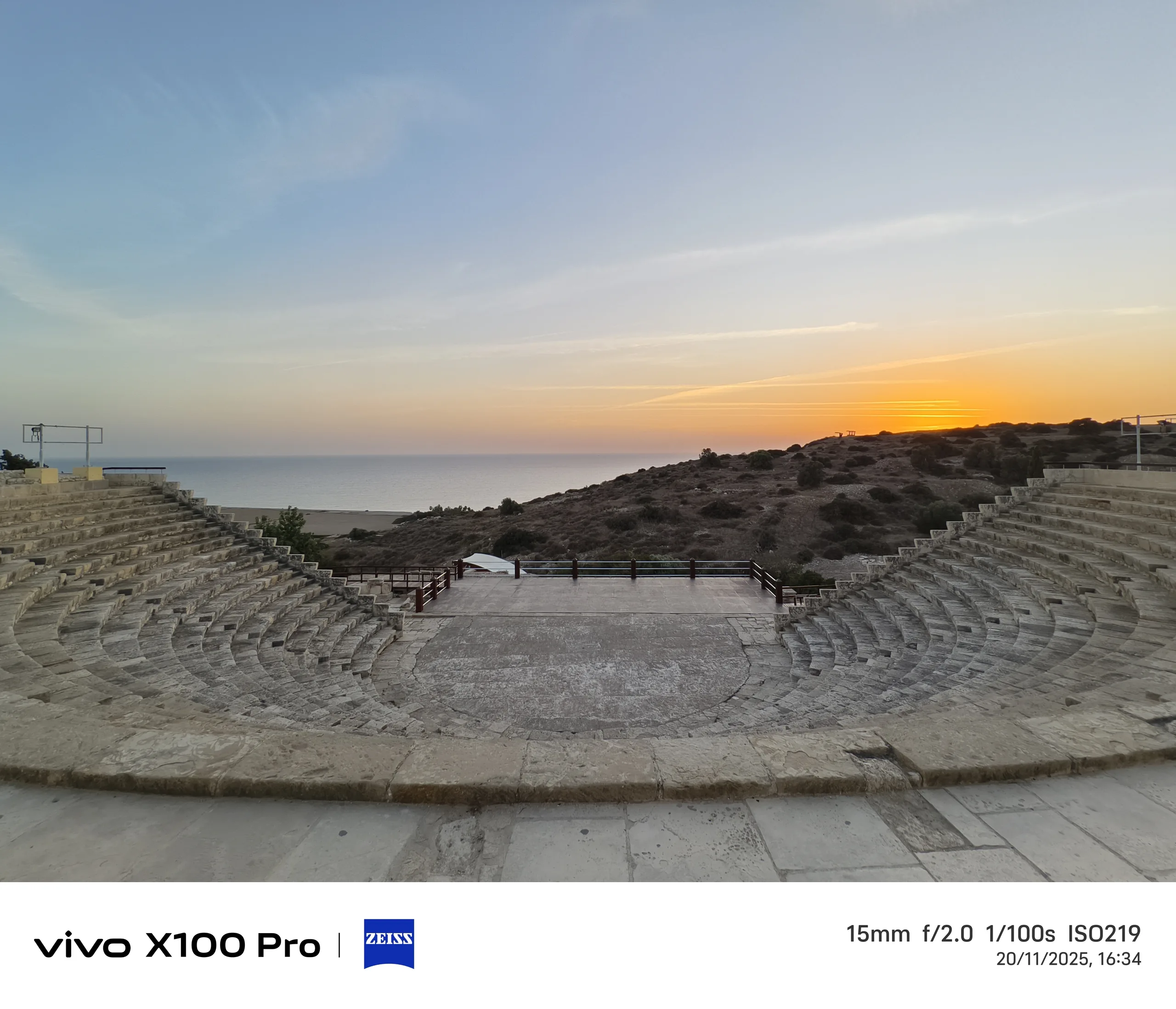
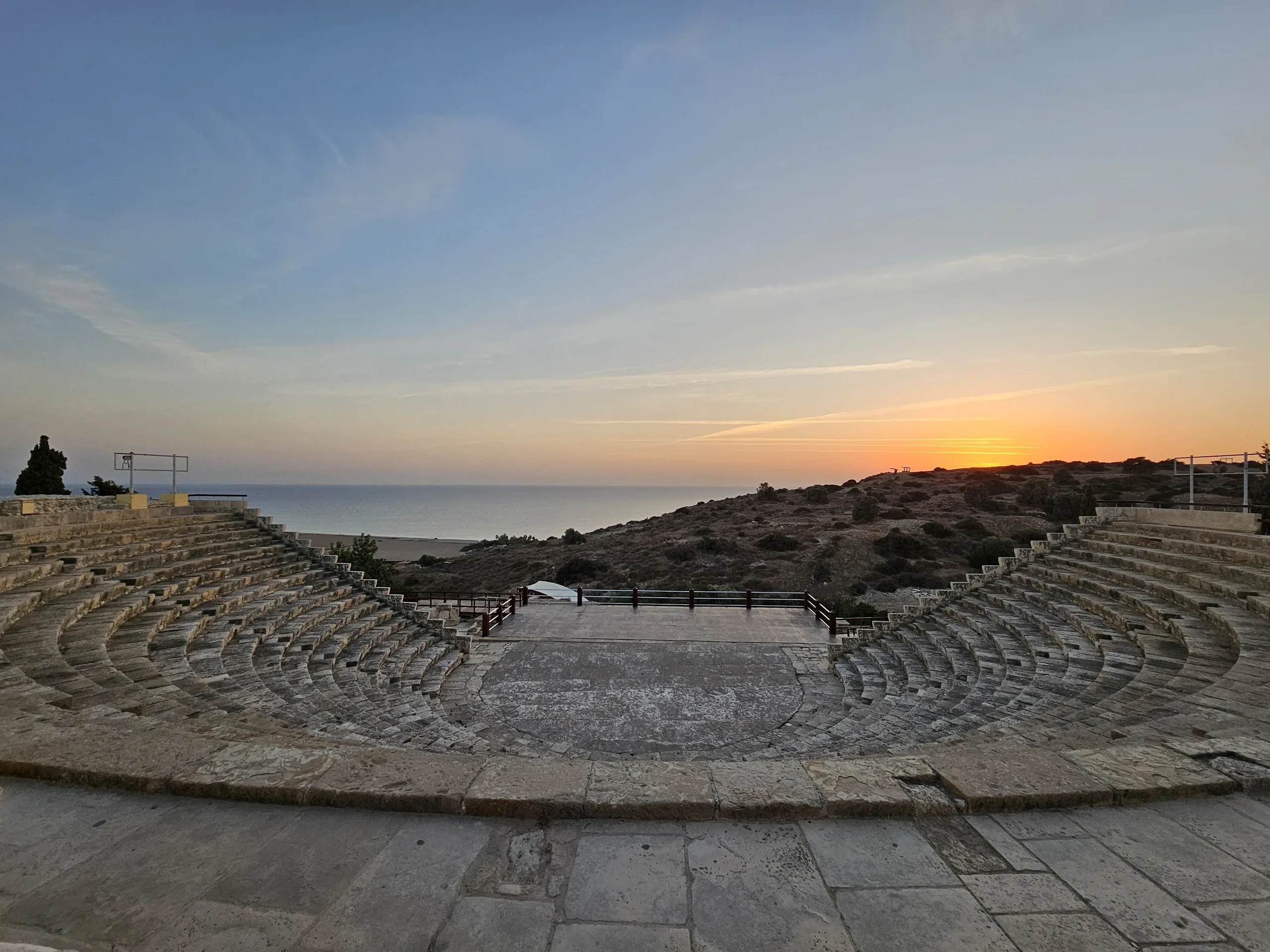
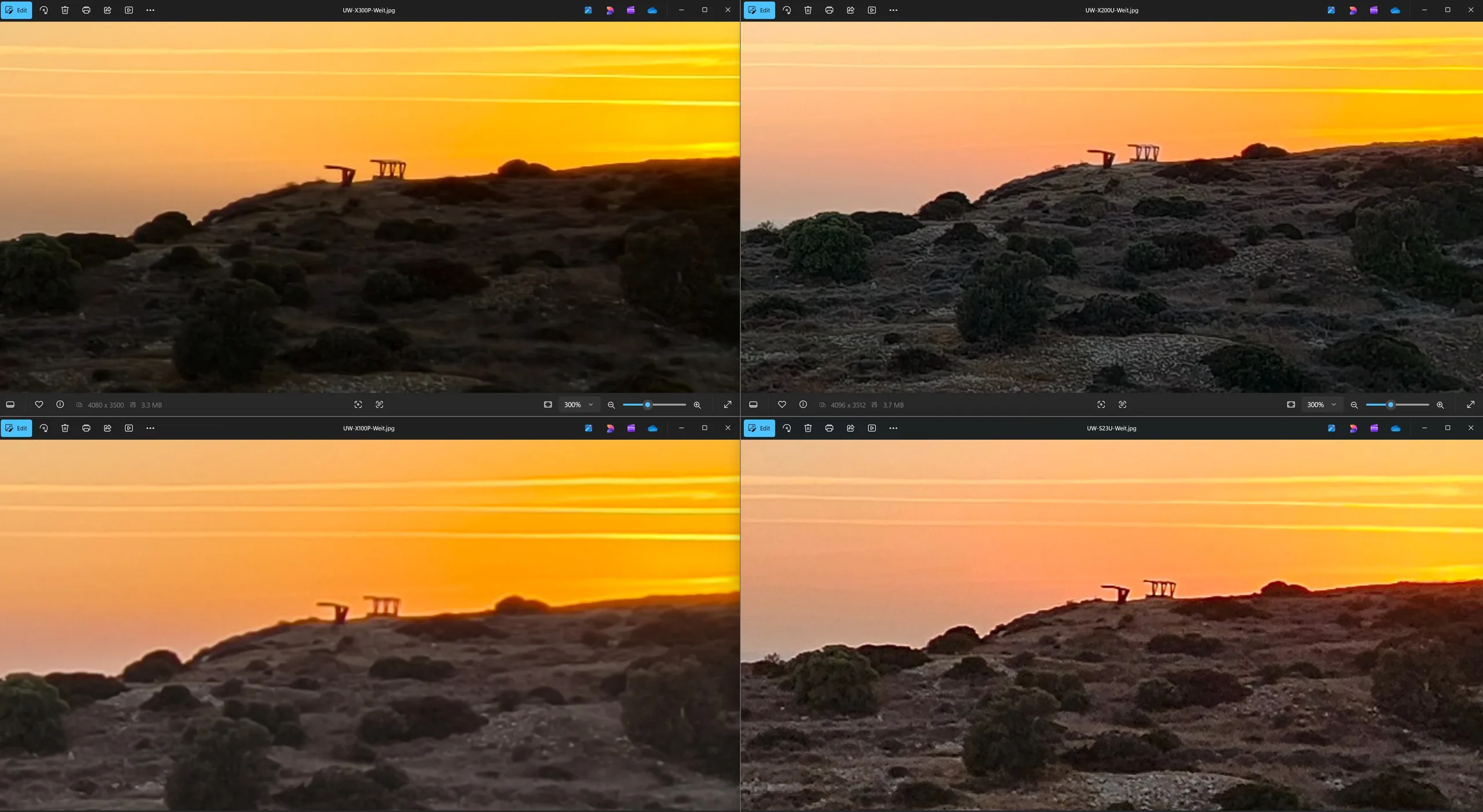
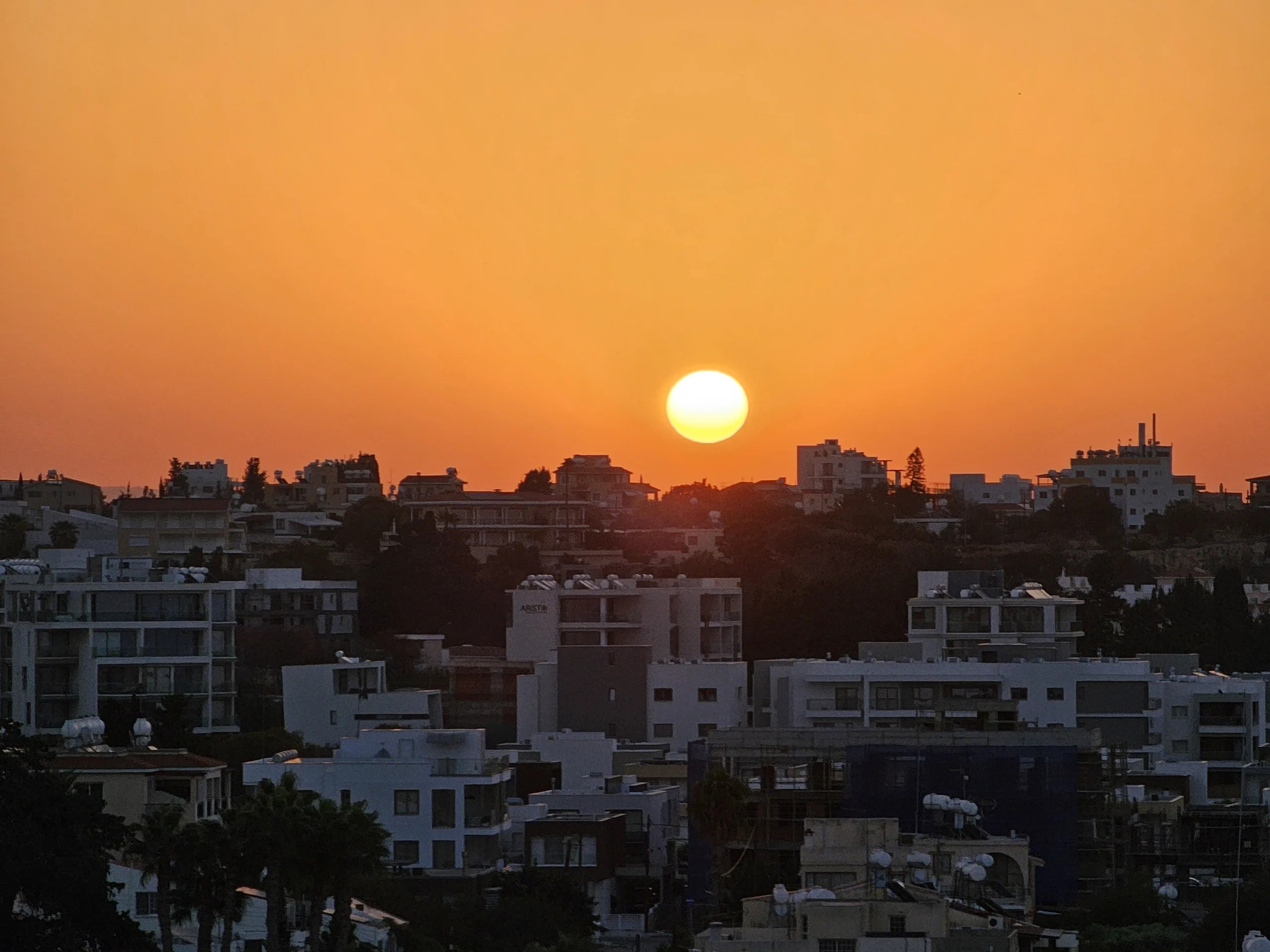
For the second ultra-wide-angle example, we move 81 kilometers away to Curium (Kourion), an ancient archaeological site with a great view of the surrounding area. In November, there is usually not much going on here, so parts of the site can feel almost deserted, such as the amphitheater at sunset. This comparison also includes the Samsung phone from 2023 in the ultra-wide-angle lineup, shown in the bottom-right corner in each image.
Details
At first glance, the Vivo X300 Pro stands out with the darkest photo, while the Vivo X100 Pro delivers the brightest. The Vivo X200 Ultra and the similarly wide 14 mm ultra-wide camera of the Galaxy S23 Ultra show more in the horizontal field of view. Here, it becomes even clearer in the details just how capable the large sensor of the Vivo X200 Ultra really is. The Vivo X300 Pro would likely take second place if the photo were not slightly too dark. In any case, the Galaxy S23 Ultra outperforms the Vivo X100 Pro, although it may be a bit oversharpened.
Ultra wide angle at night
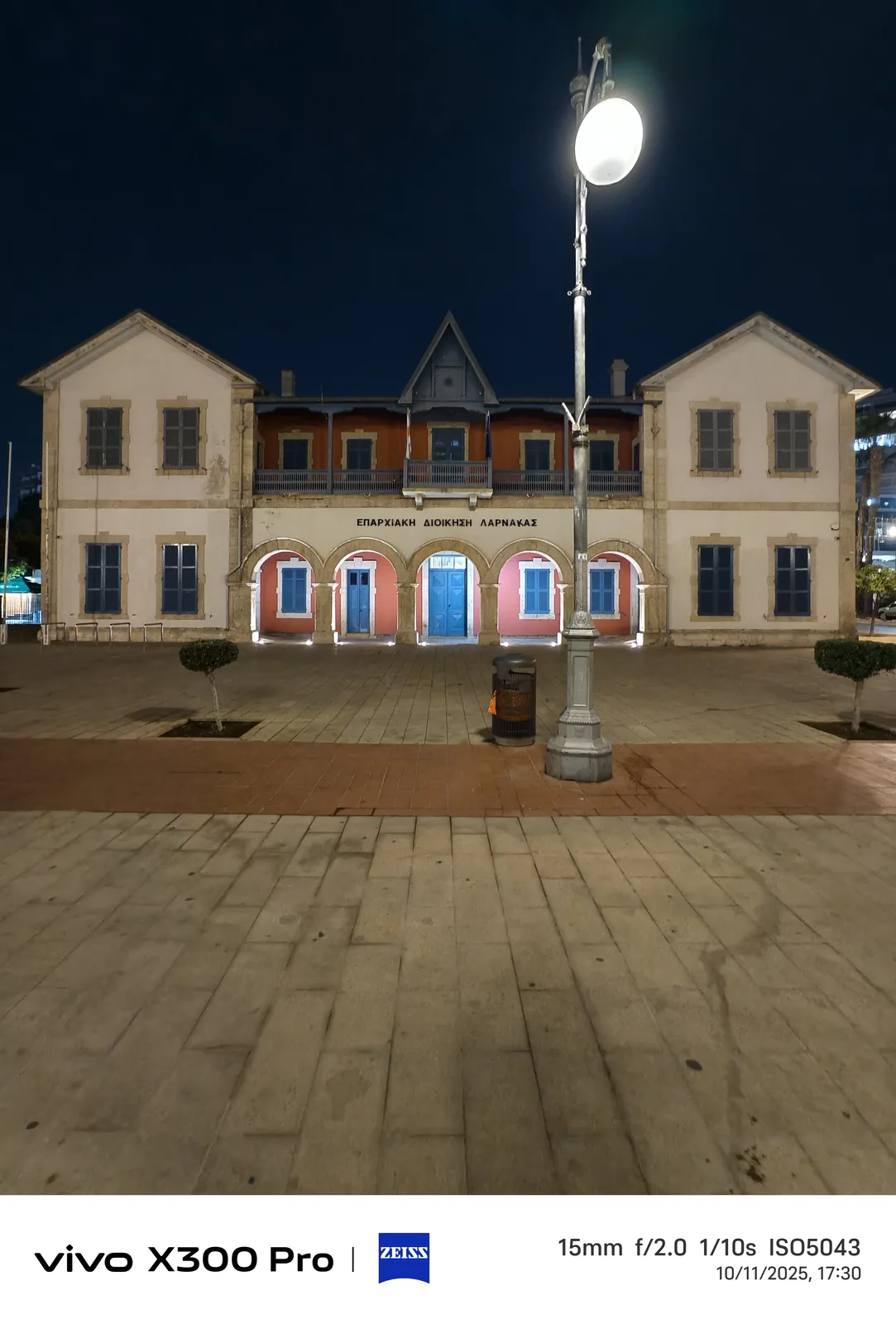
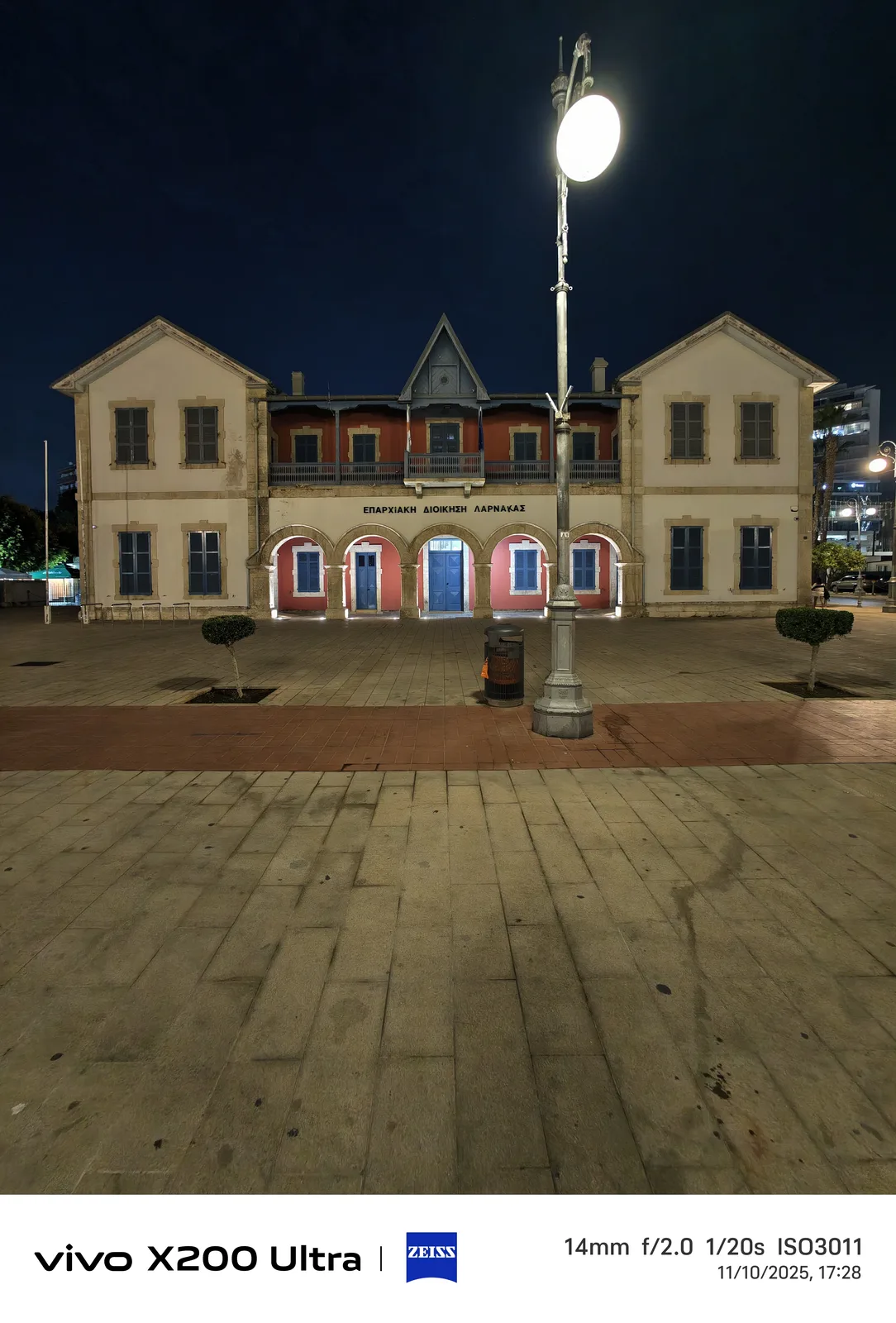
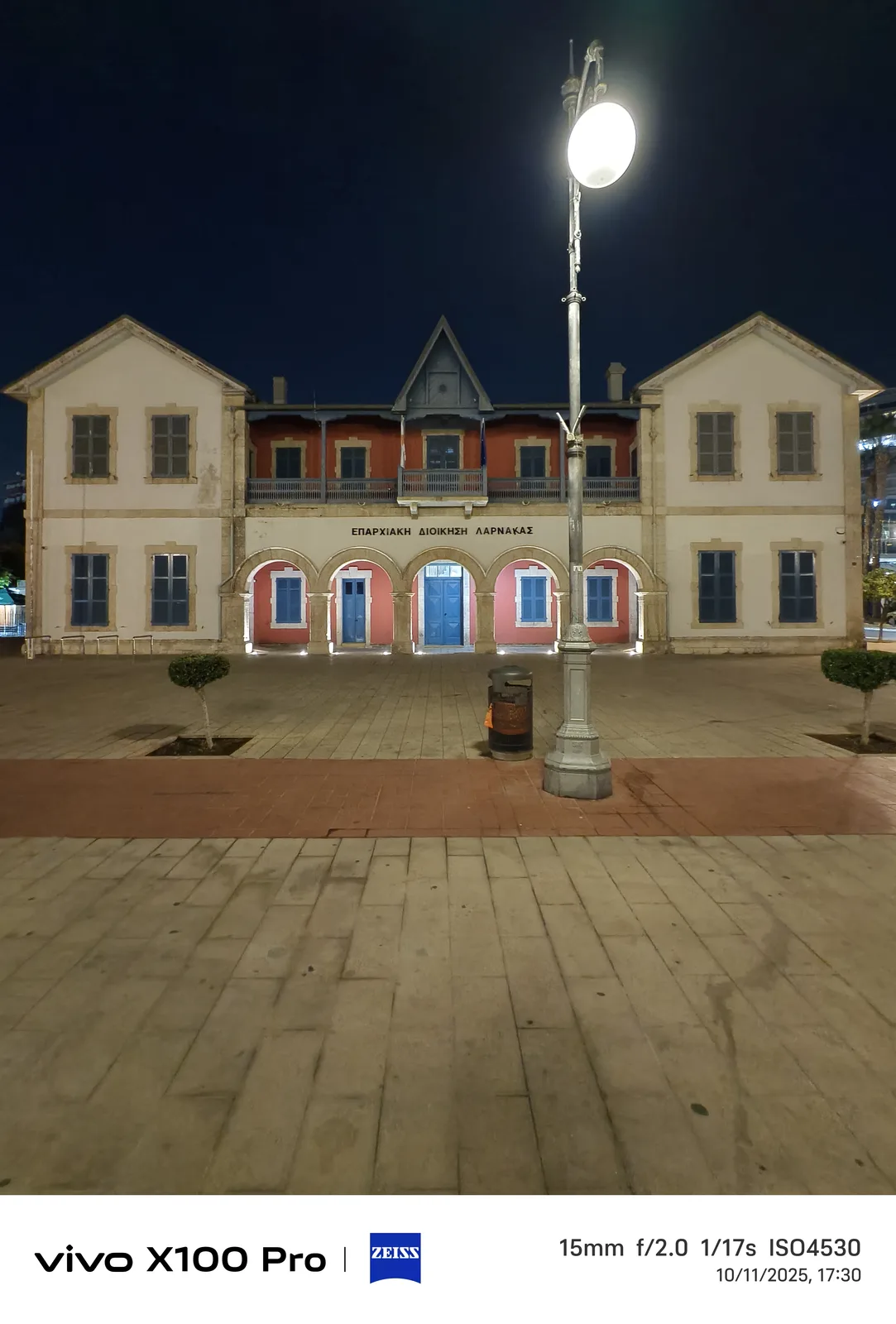
The final ultra-wide-angle comparison takes place in Larnaca at night, with a direct light source in the frame. Once again, the comparison is limited exclusively to the three Vivo flagships.
Details
Even without magnification, the Vivo X200 Ultra shows the least reflections around the street lamp. In the detailed view, it becomes clear how well the Vivo X200 Ultra performs compared to the other two candidates, particularly in the peripheral areas.
2. Telephoto with 8.7-10x zoom: David vs. Goliath
Does Samsung’s 1/3.52-inch 10 MP sensor with f/4.9 optics still stand a chance in 2025 against a telephoto camera based on a 1/1.4-inch, 200-megapixel sensor with f/2.7 optics? Logic would suggest no. Yet in practice, I often miss the Galaxy S23 Ultra’s 10x optics, as they enabled a very compressed perspective on street canyons or distant subjects - a capability rumored to return in the Oppo Find X9 Ultra in 2026.
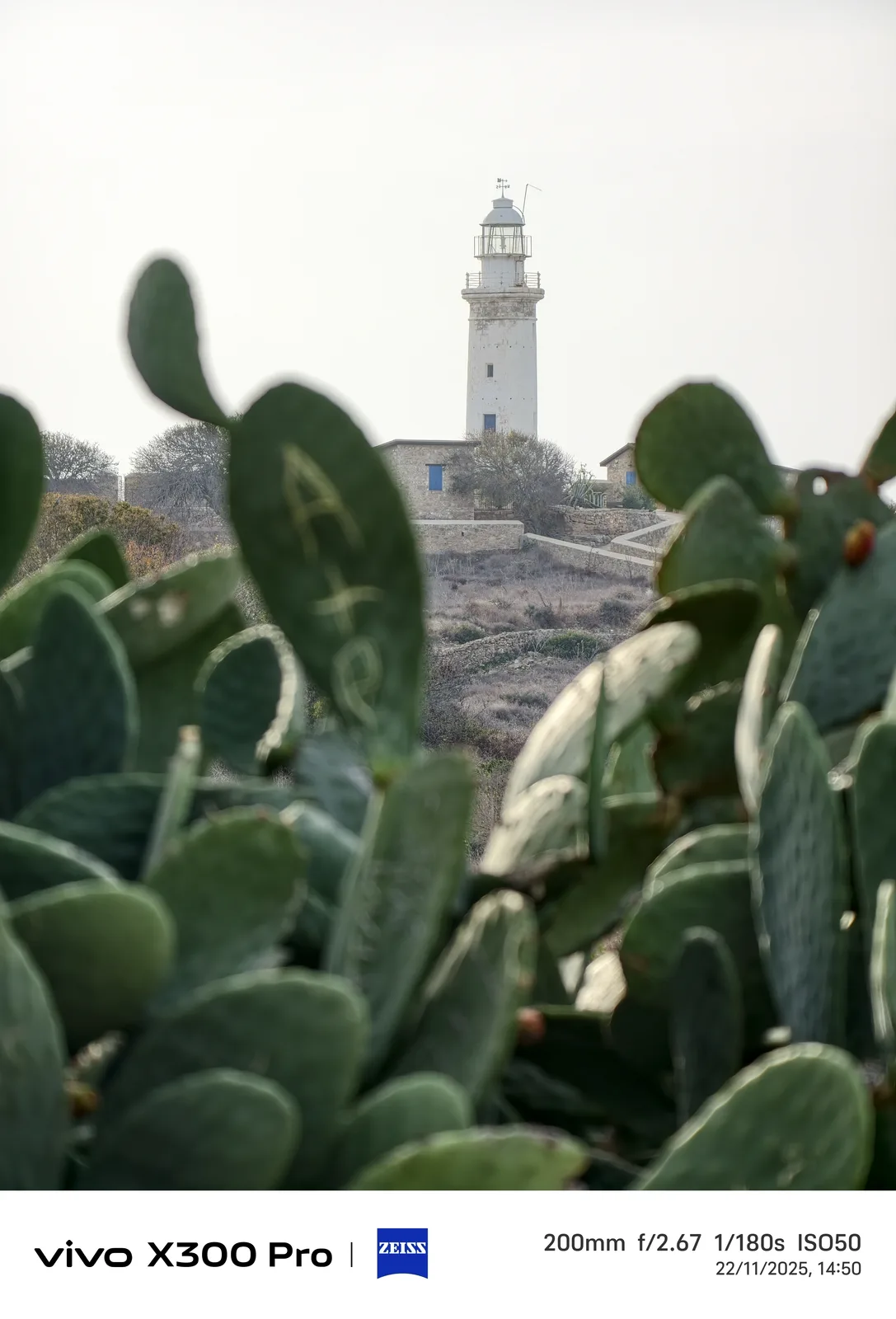
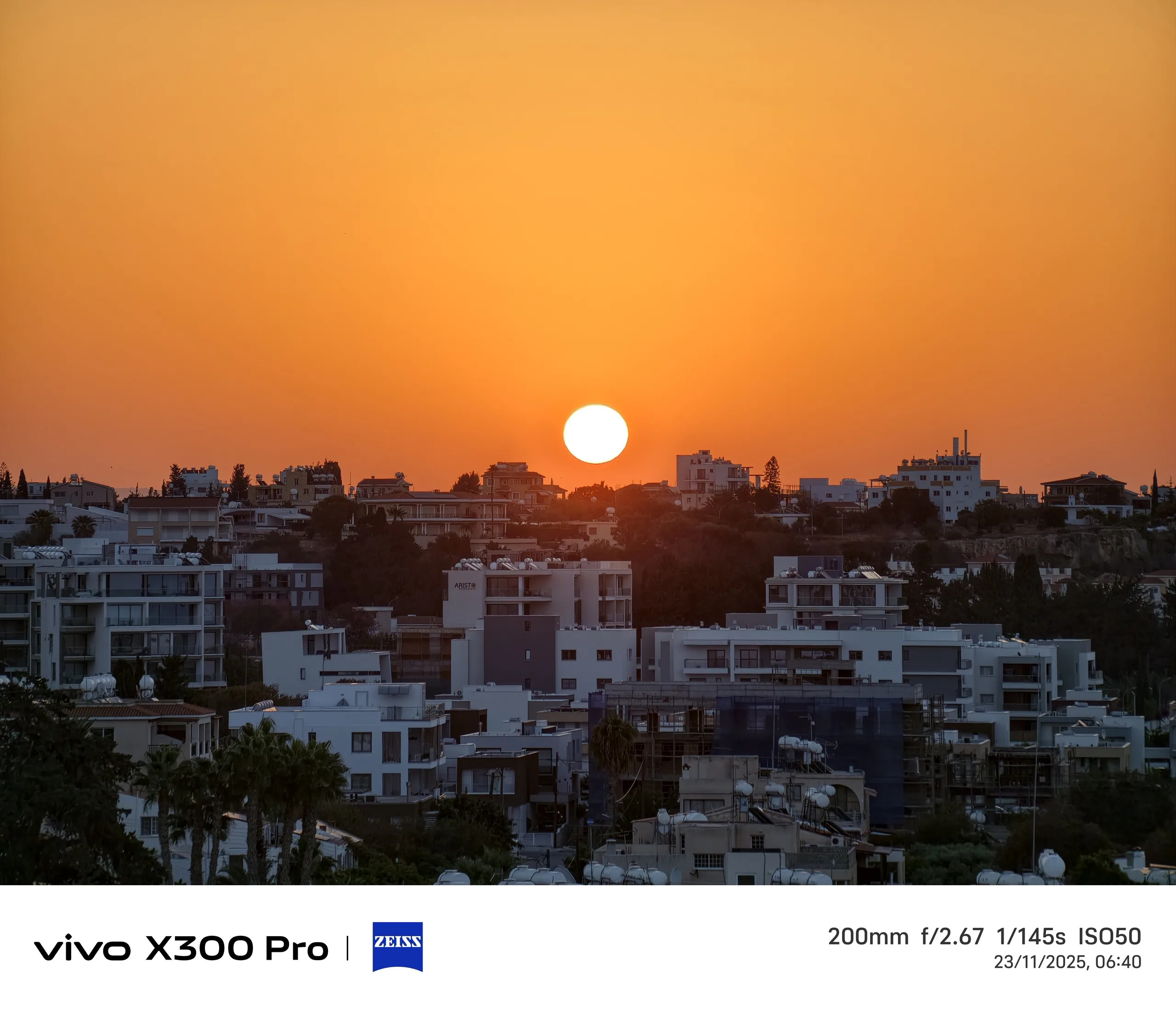
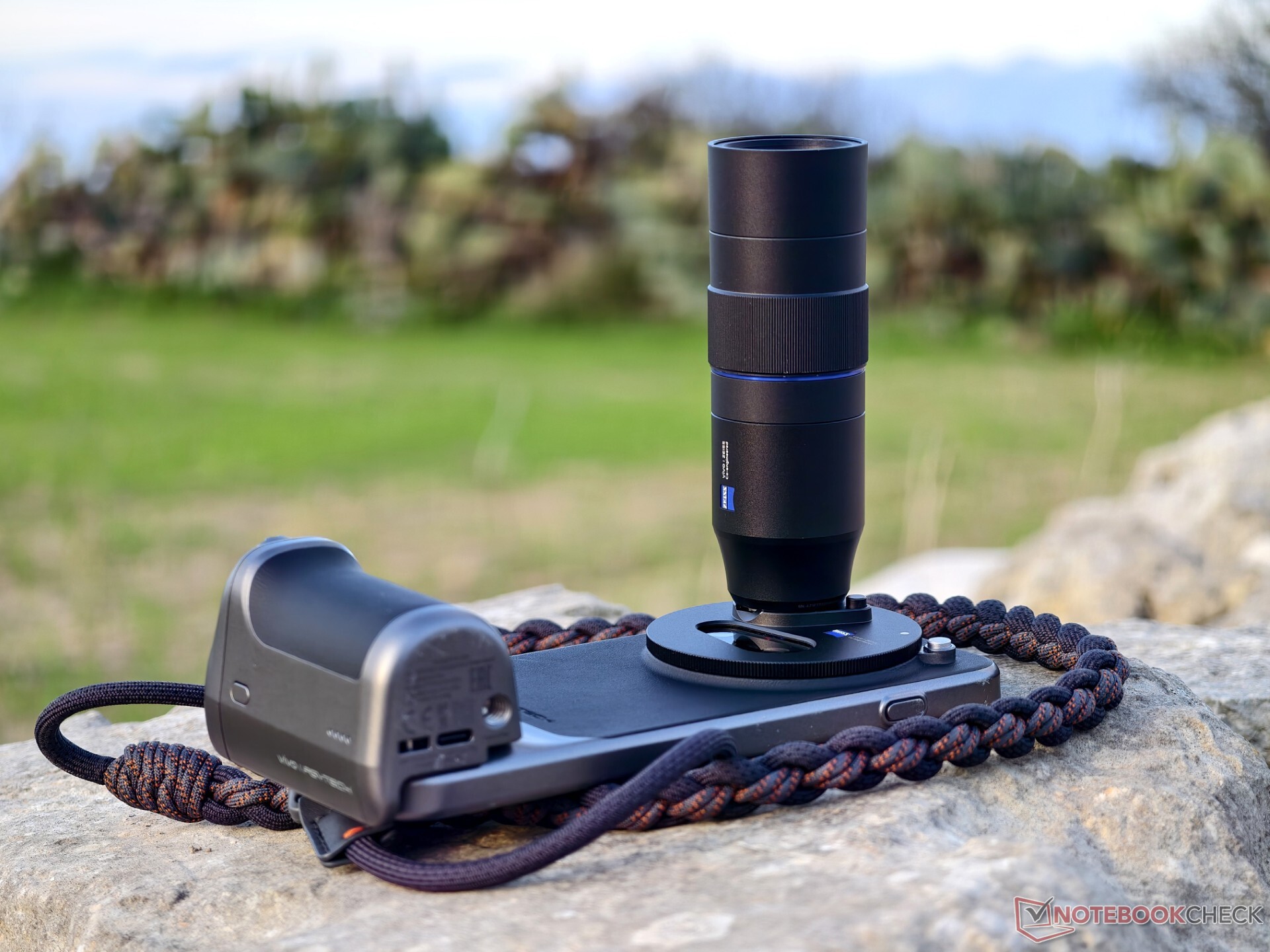
With the Vivo X300 Pro’s teleconverter, the 3.7x telephoto can be converted into an 8.7x lens. This solution is more cumbersome, but it produces a similar effect. Below are some shots taken at optical 8.7x and 10x zoom; the second cat portrait was captured at 17.4x and 20x, respectively.



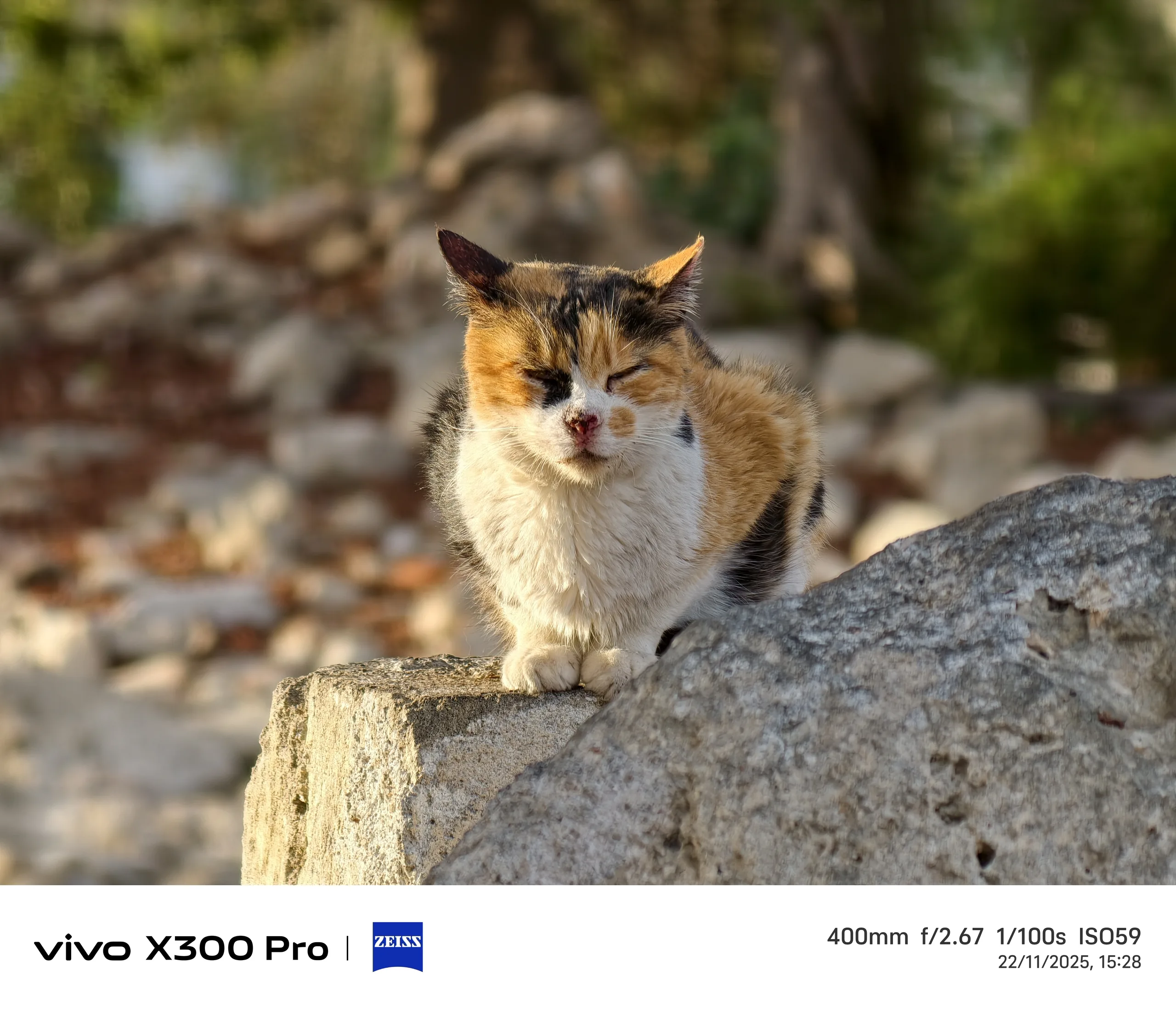

Samsung's David without bokeh
What stands out most is not so much the difference in overall image quality, but the complete lack of bokeh on the Galaxy S23 Ultra in all comparison shots with clearly separated foreground and background - hardly surprising given the small sensor. This makes the Vivo X300 Pro look noticeably more professional, especially in portrait shots, quite apart from the differences in fine detail, which do not need further discussion here.
Nevertheless, the Galaxy S23 Ultra’s 10x telephoto still holds up surprisingly well even in 2026, as long as you do not engage in pixel peeping. Below are some additional comparison images from Malta.
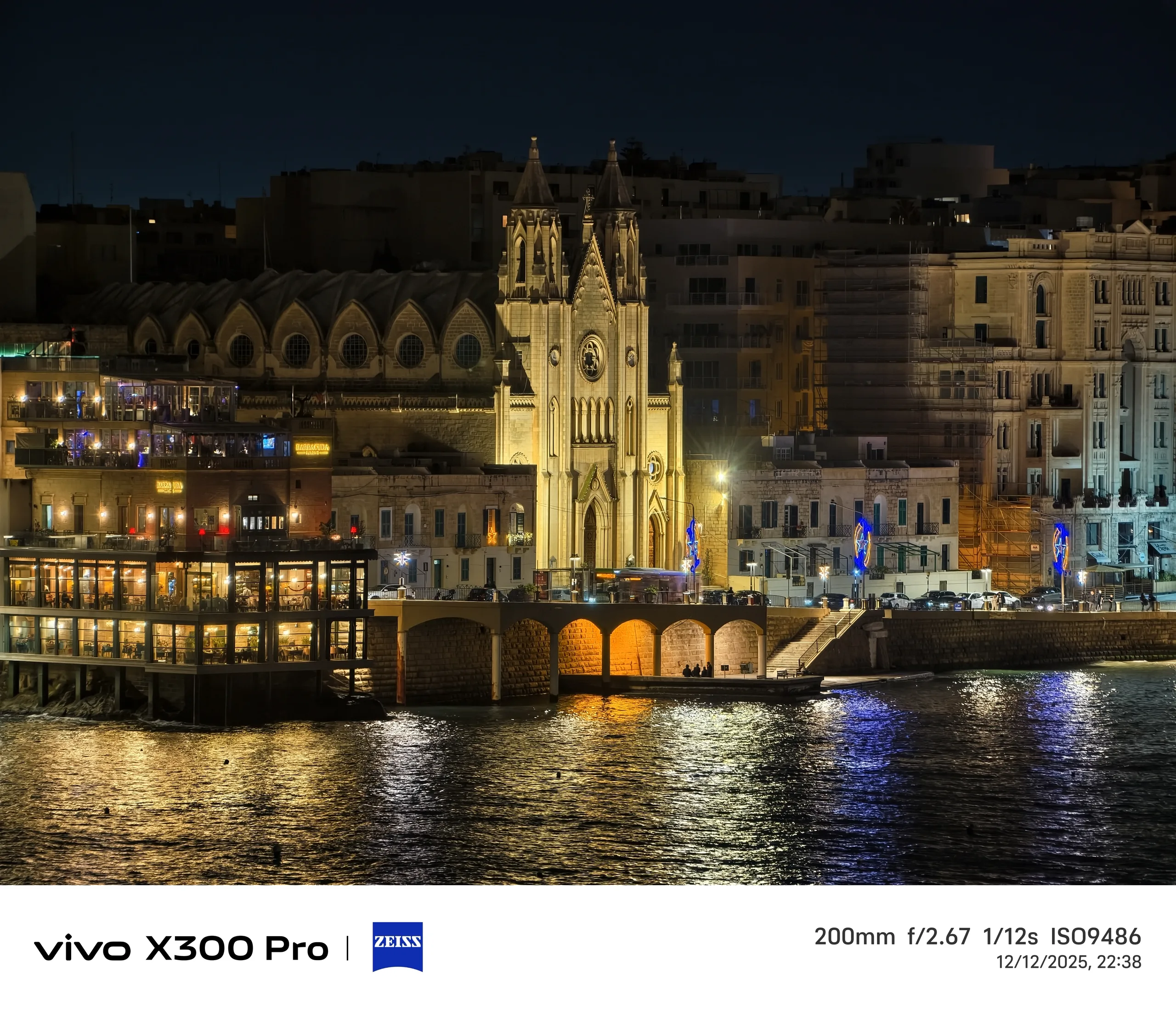

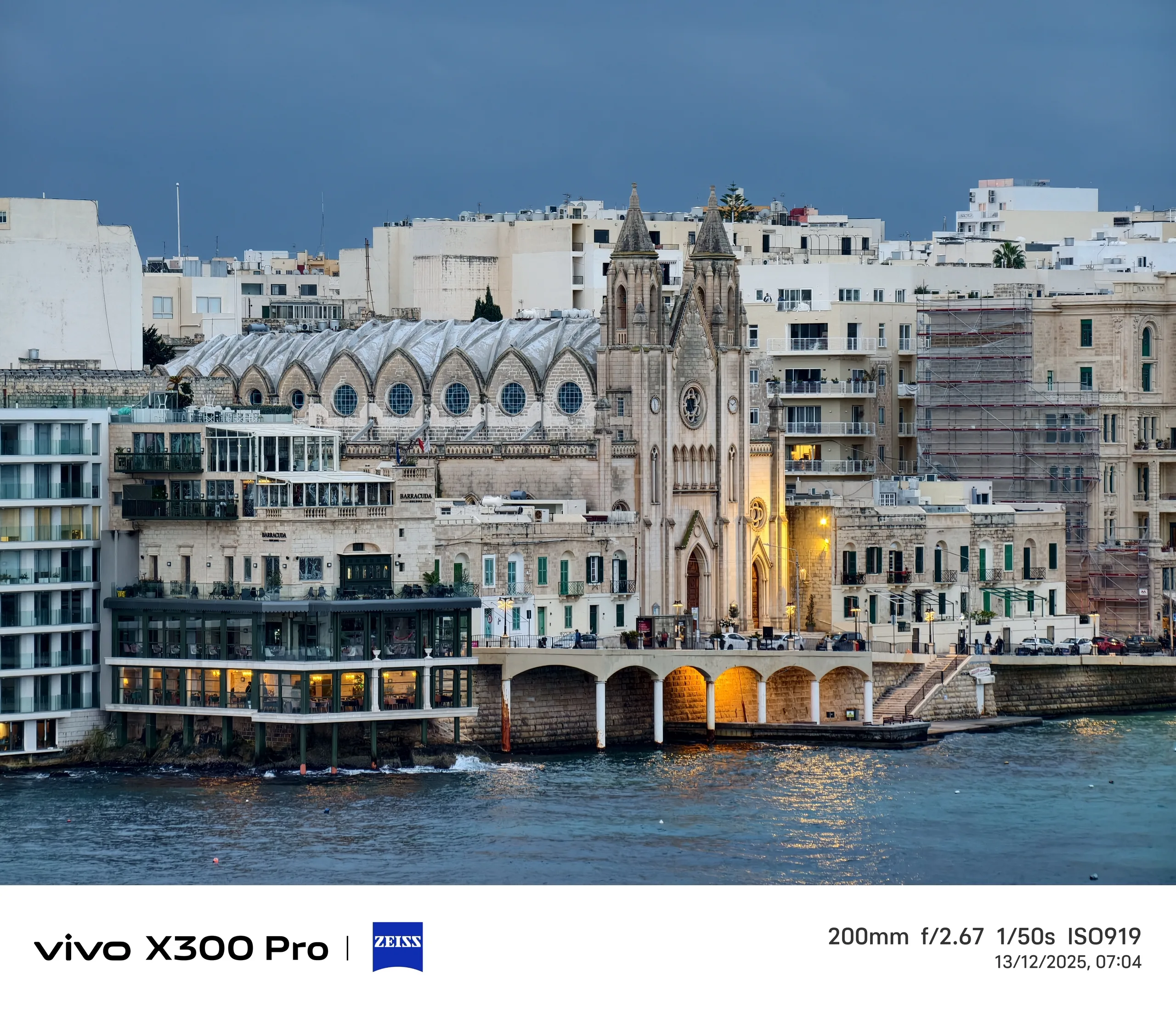
More 10x telephoto comparisons
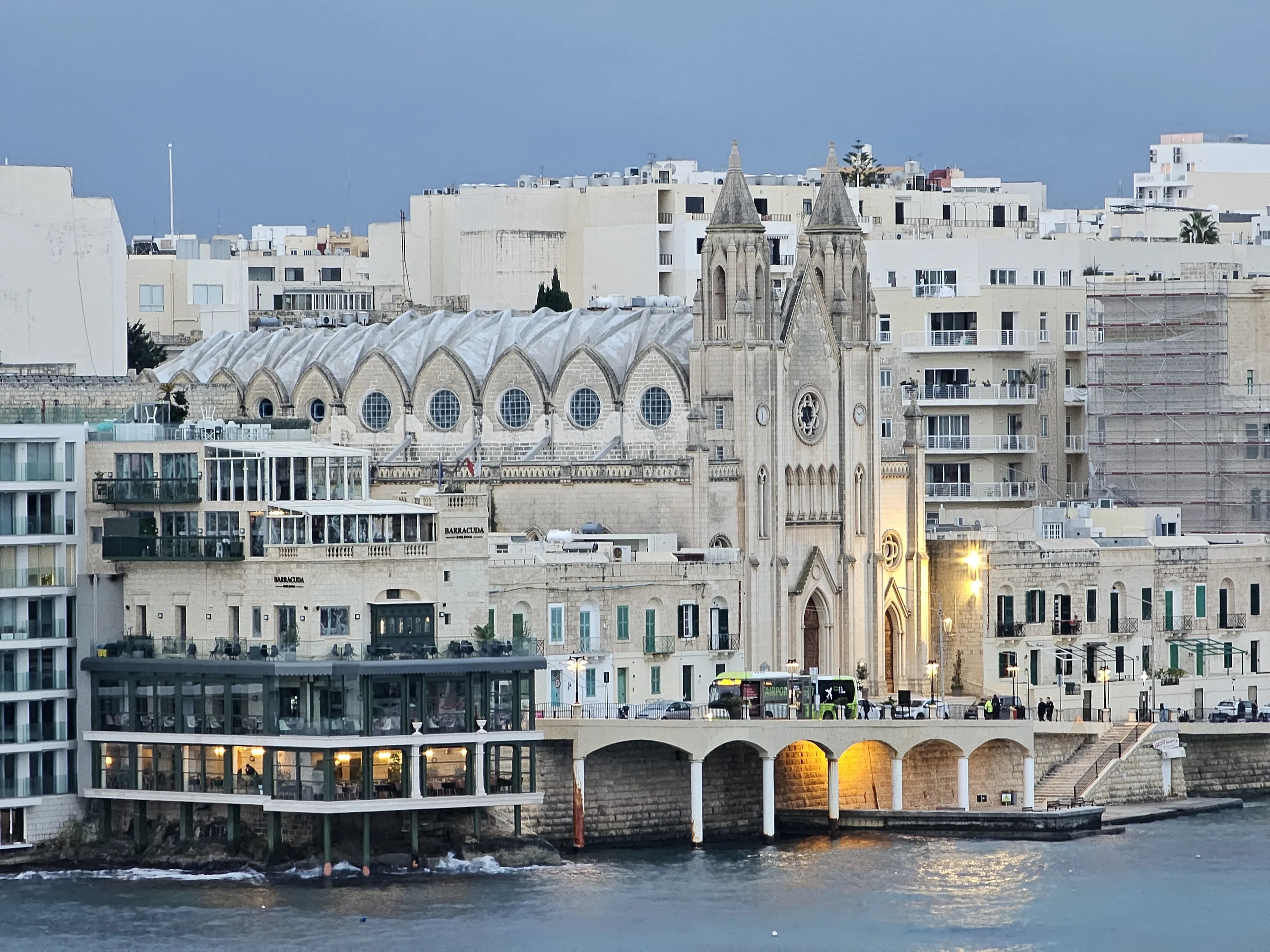
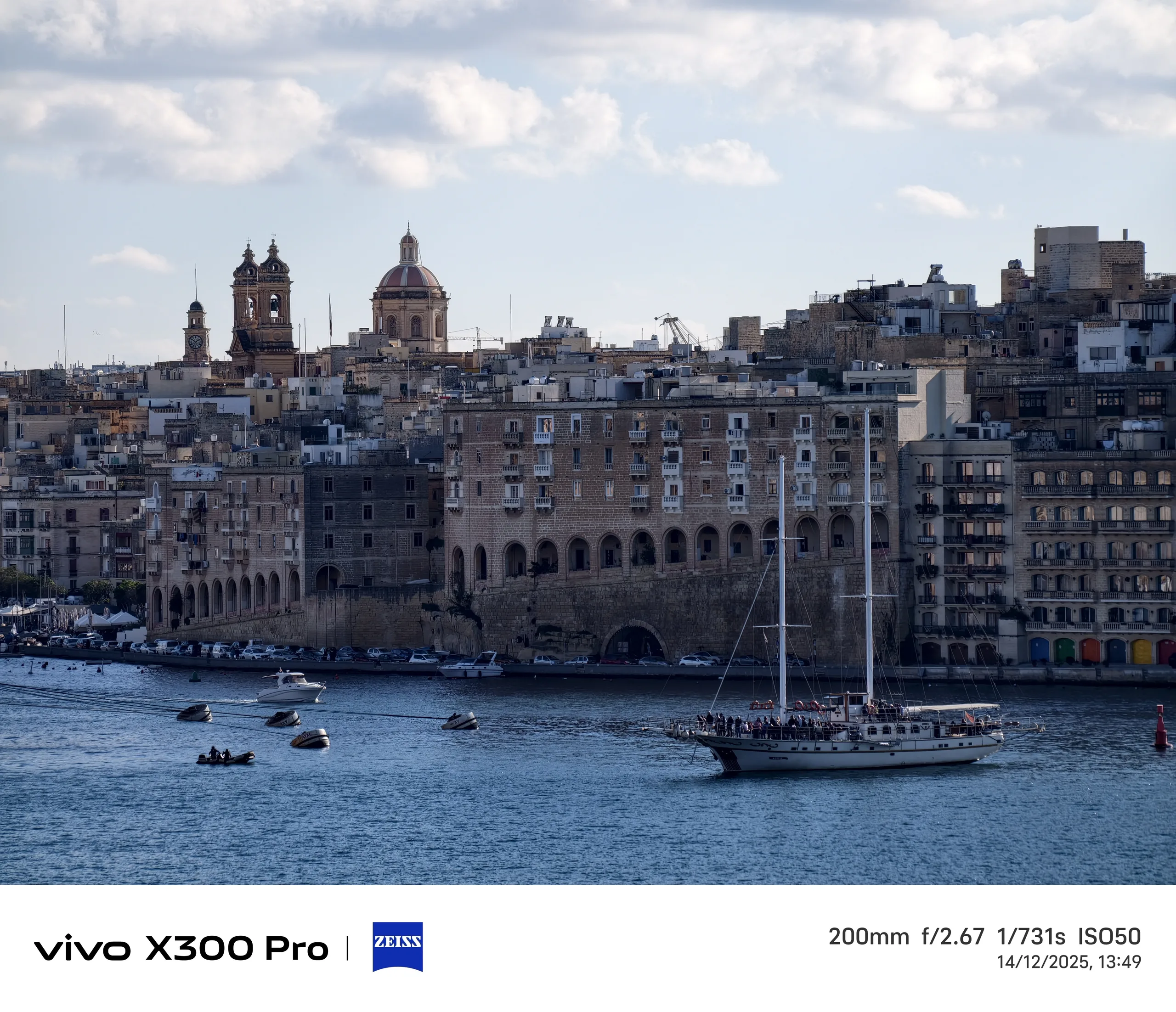
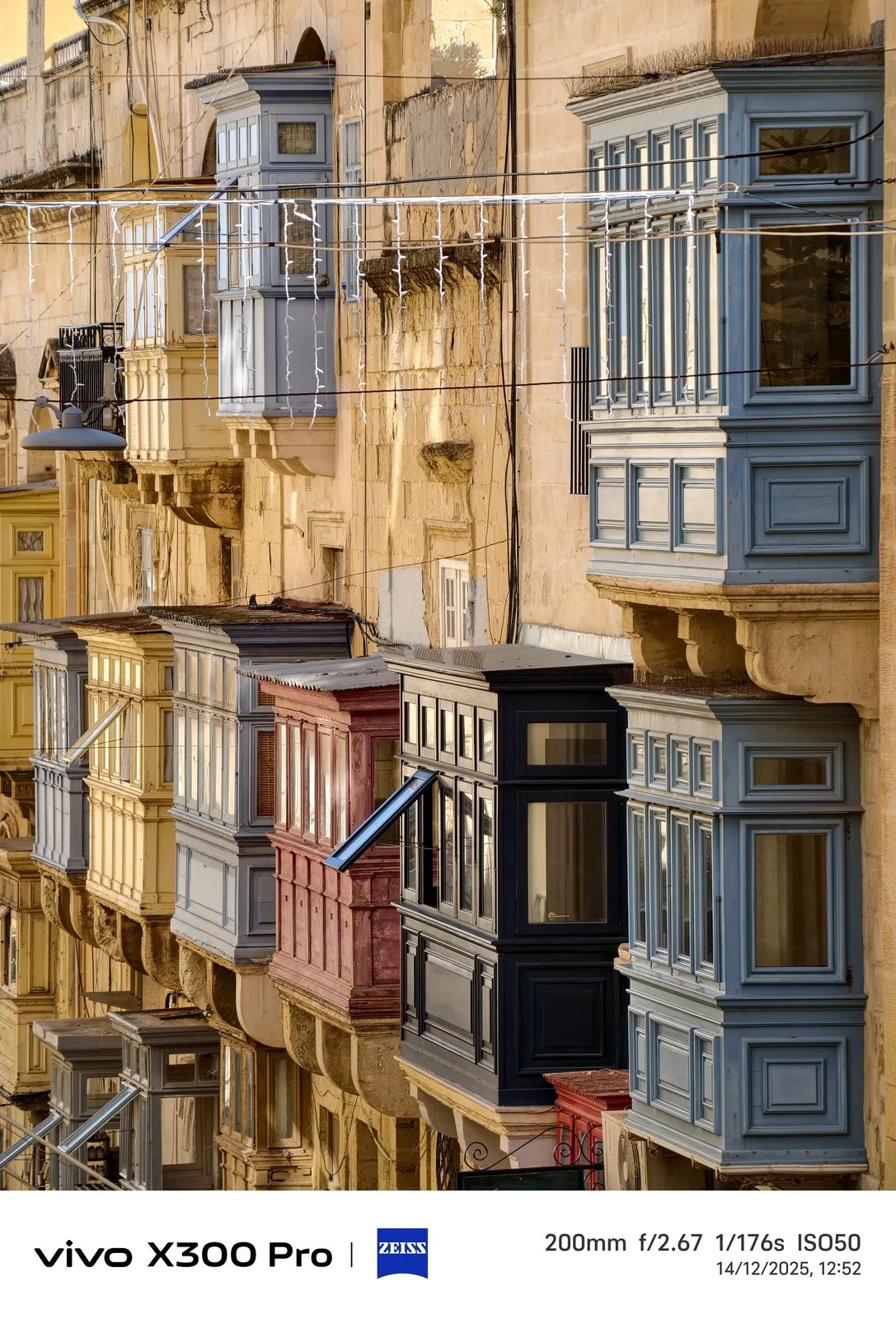
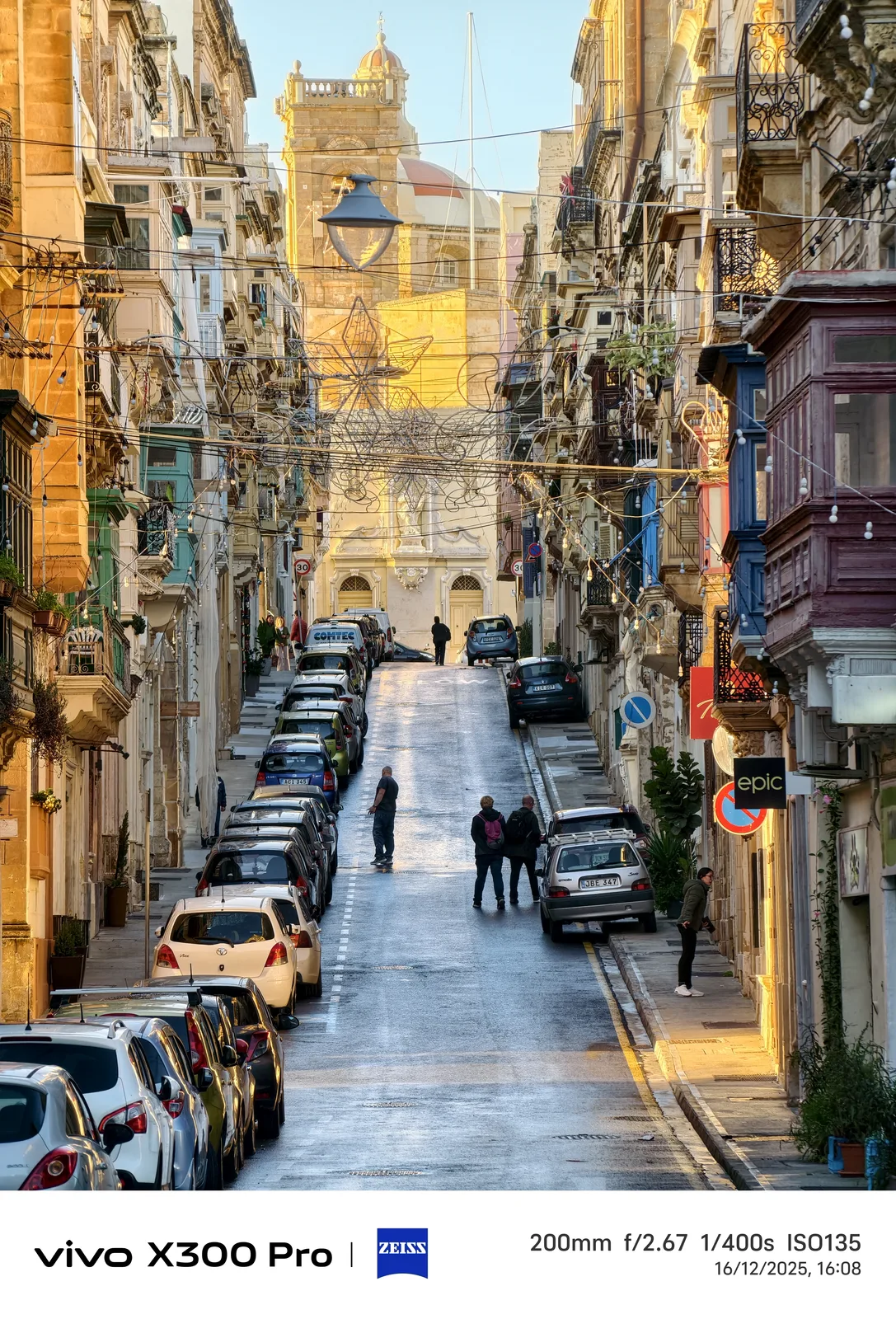
However, the Knisja tal-Karmnu church in Malta (see above) really separates the wheat from the chaff when photographed at night or in the early morning at 200-230 mm. The small sensor needs light; otherwise, image quality quickly falls apart. The Vivo X300 Pro with teleconverter also shows occasional weaknesses in this scenario, but it still looks excellent in direct comparison. Below are some additional daylight examples, in which the Galaxy S23 Ultra delivers quite usable results.



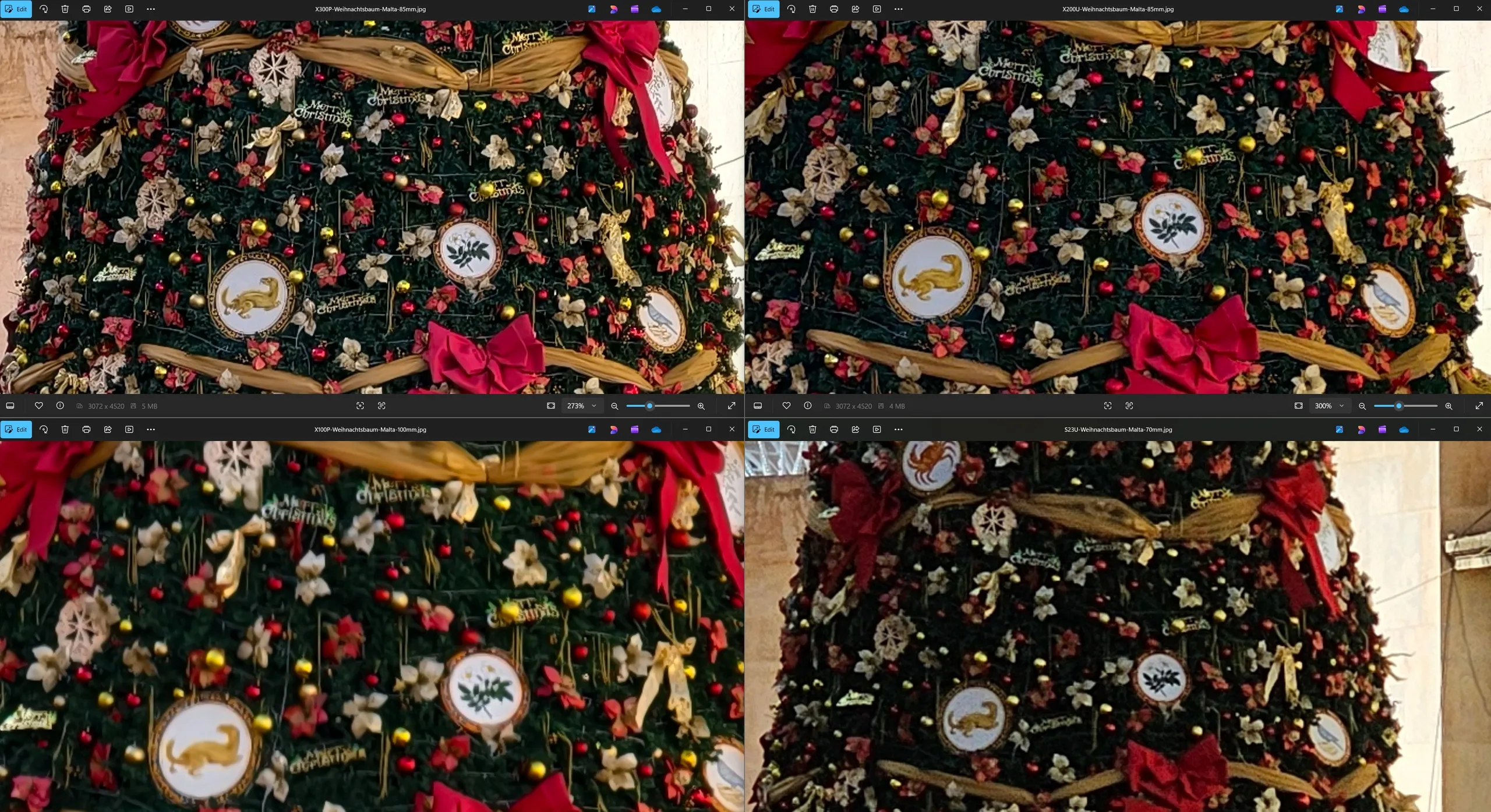
Christmas lights as a 10x night mode test
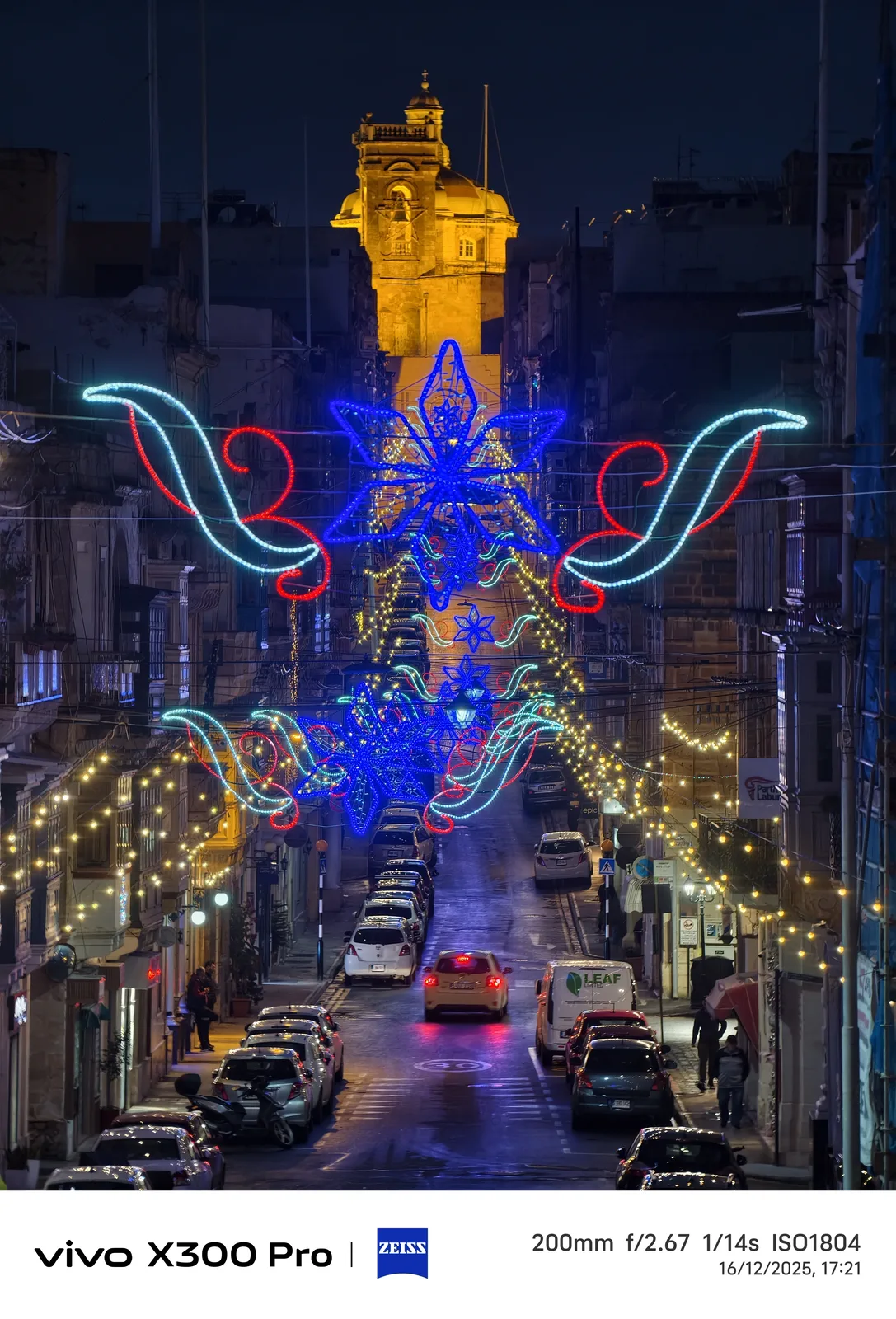
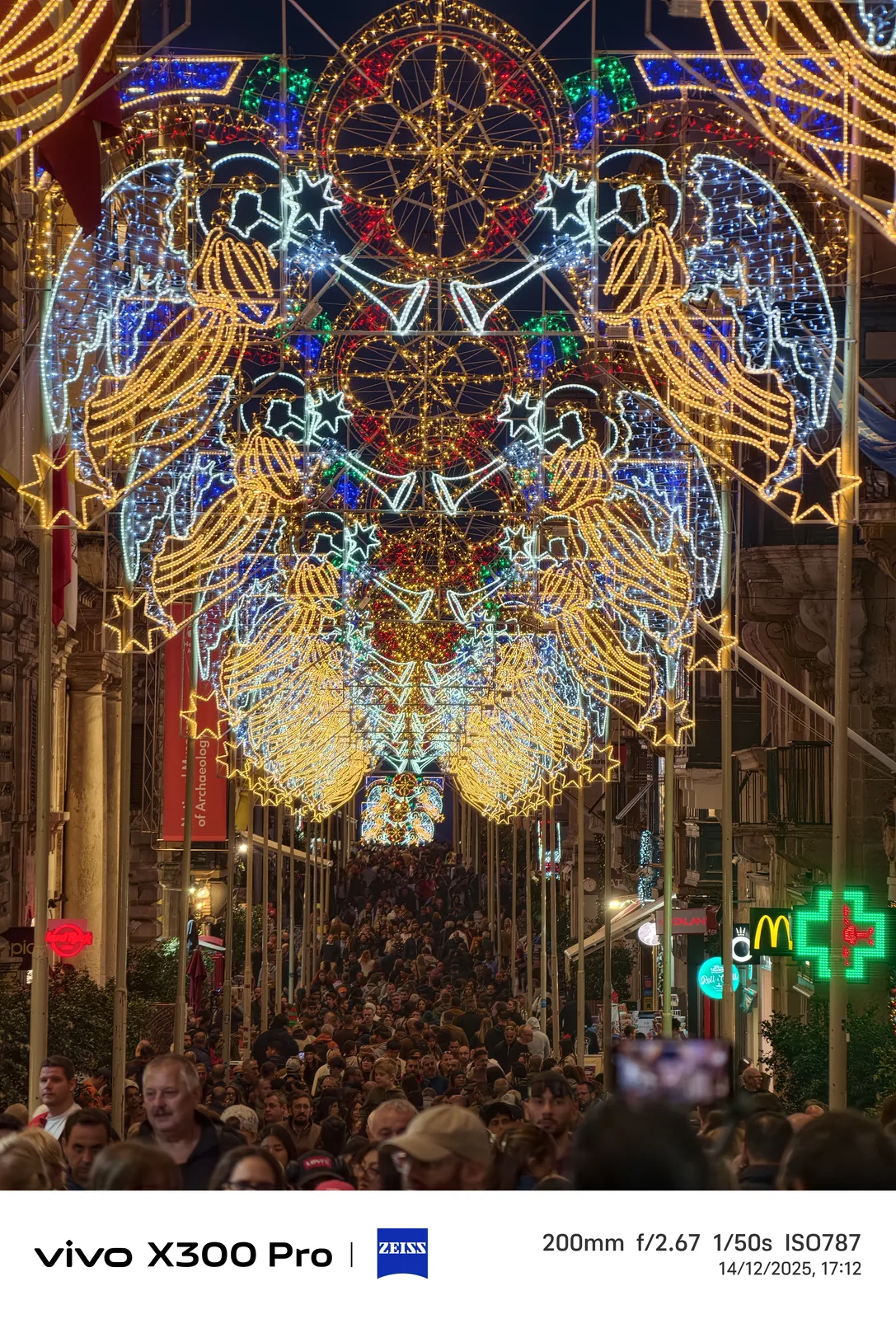
Malta before Christmas is a special experience. Instead of snow, many parts of the city feature streets with sometimes very elaborate Christmas lighting, which also makes for a good handheld night mode test - for example on Triq Il-Vitorja in Senglea or along the main artery in Valletta, which was packed in the evening. These are fairly challenging conditions for a 10x zoom test. With a tripod, it would of course have been possible to achieve significantly better results.
It took several attempts; below are the best results achieved with the Vivo X300 Pro with teleconverter and the Galaxy S23 Ultra, respectively. It is probably obvious at first glance which one performs better here, but given its tiny 10 MP sensor, the Samsung phone still delivers quite respectable results.


Excursion in Malta: Valetta and surroundings







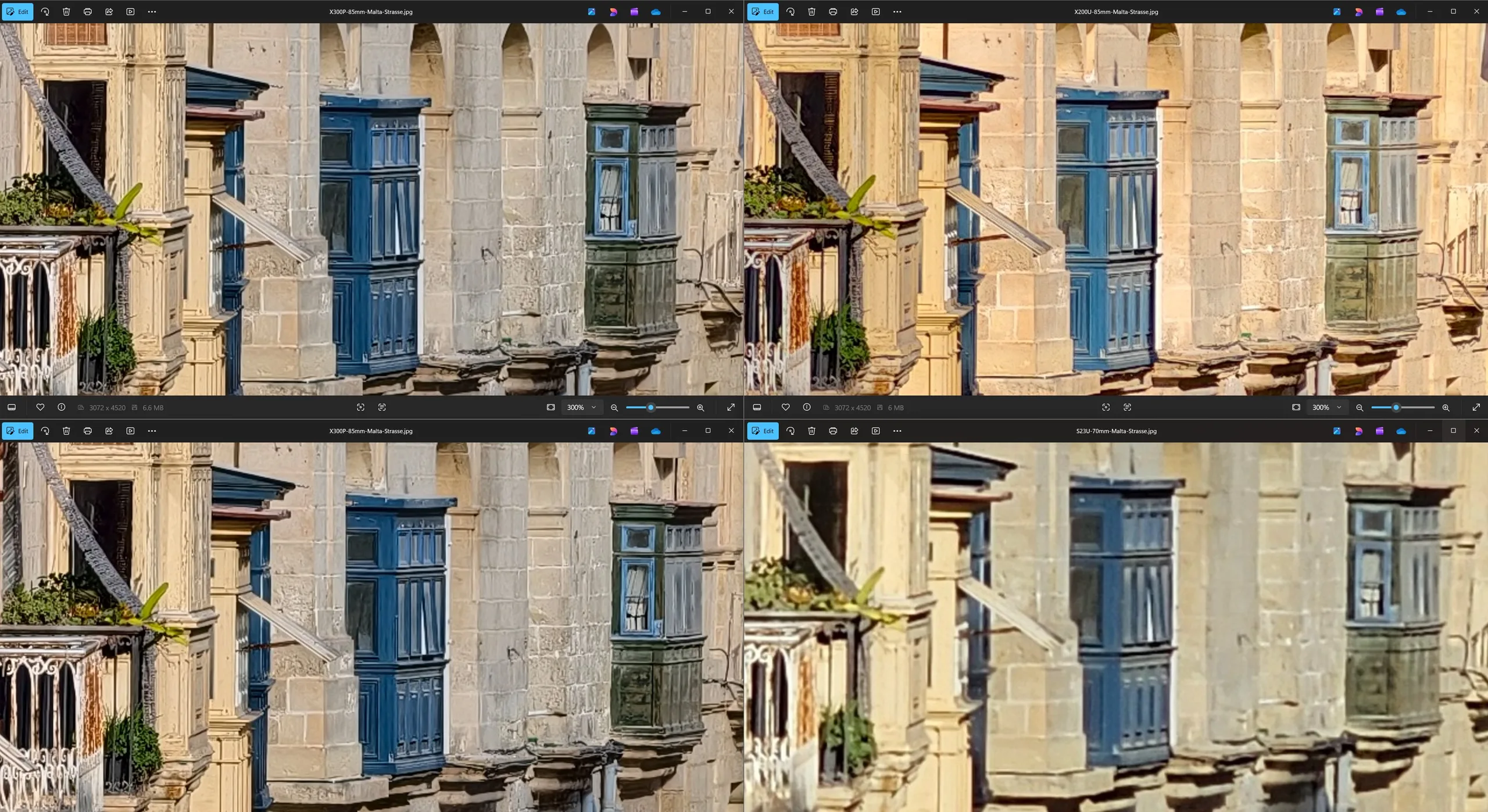
3. 70mm-100mm: Telephoto photos compared
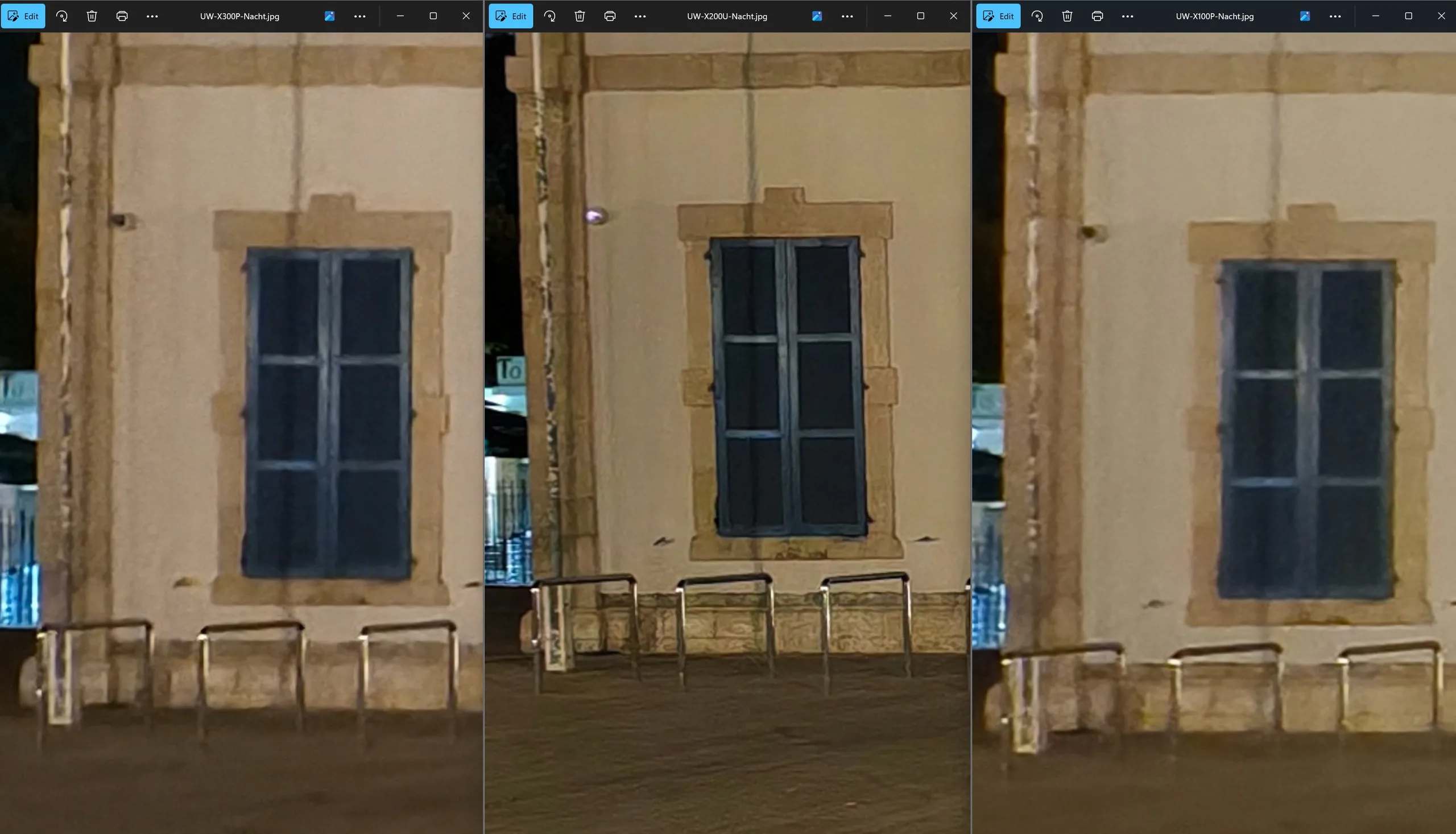
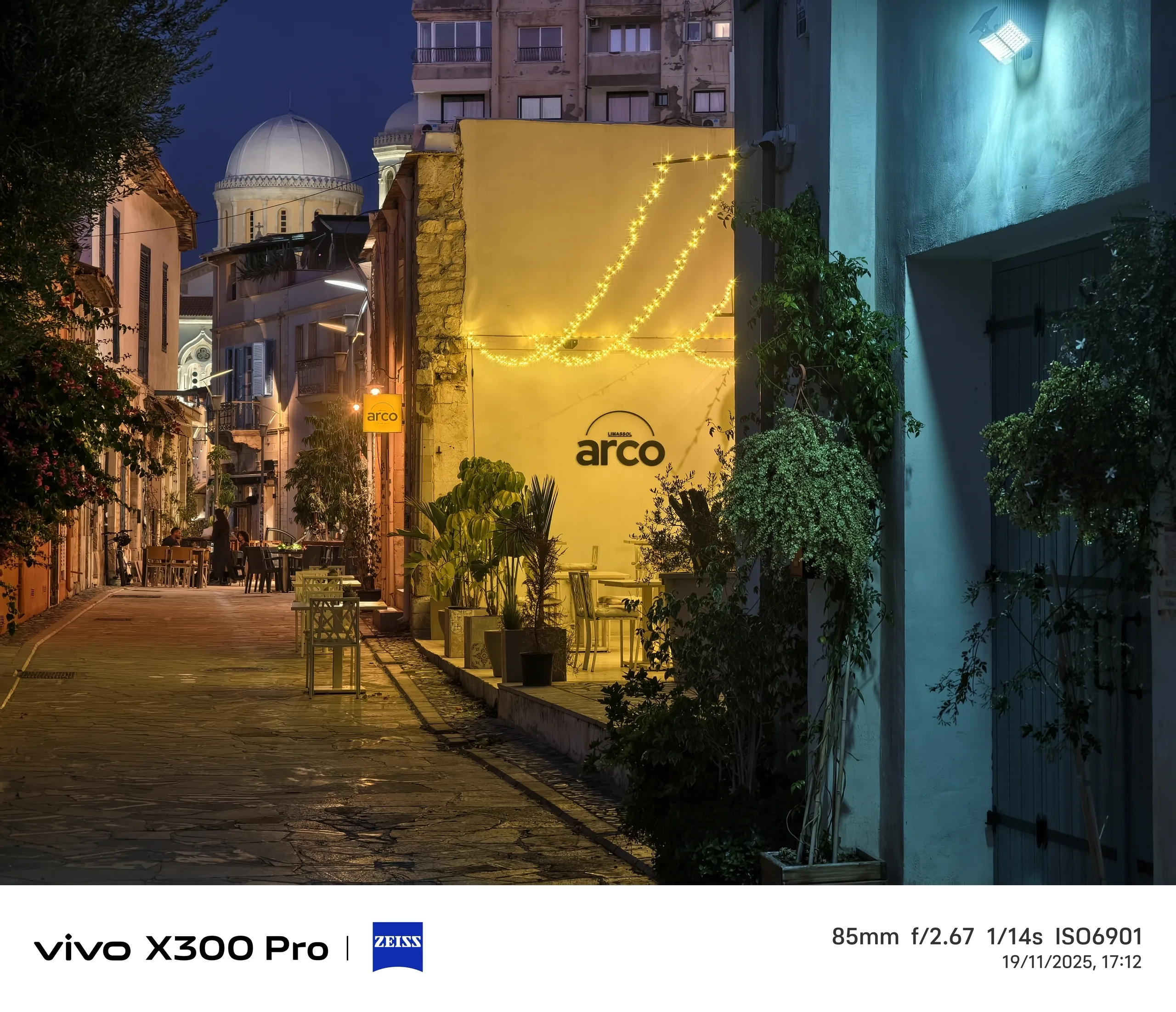
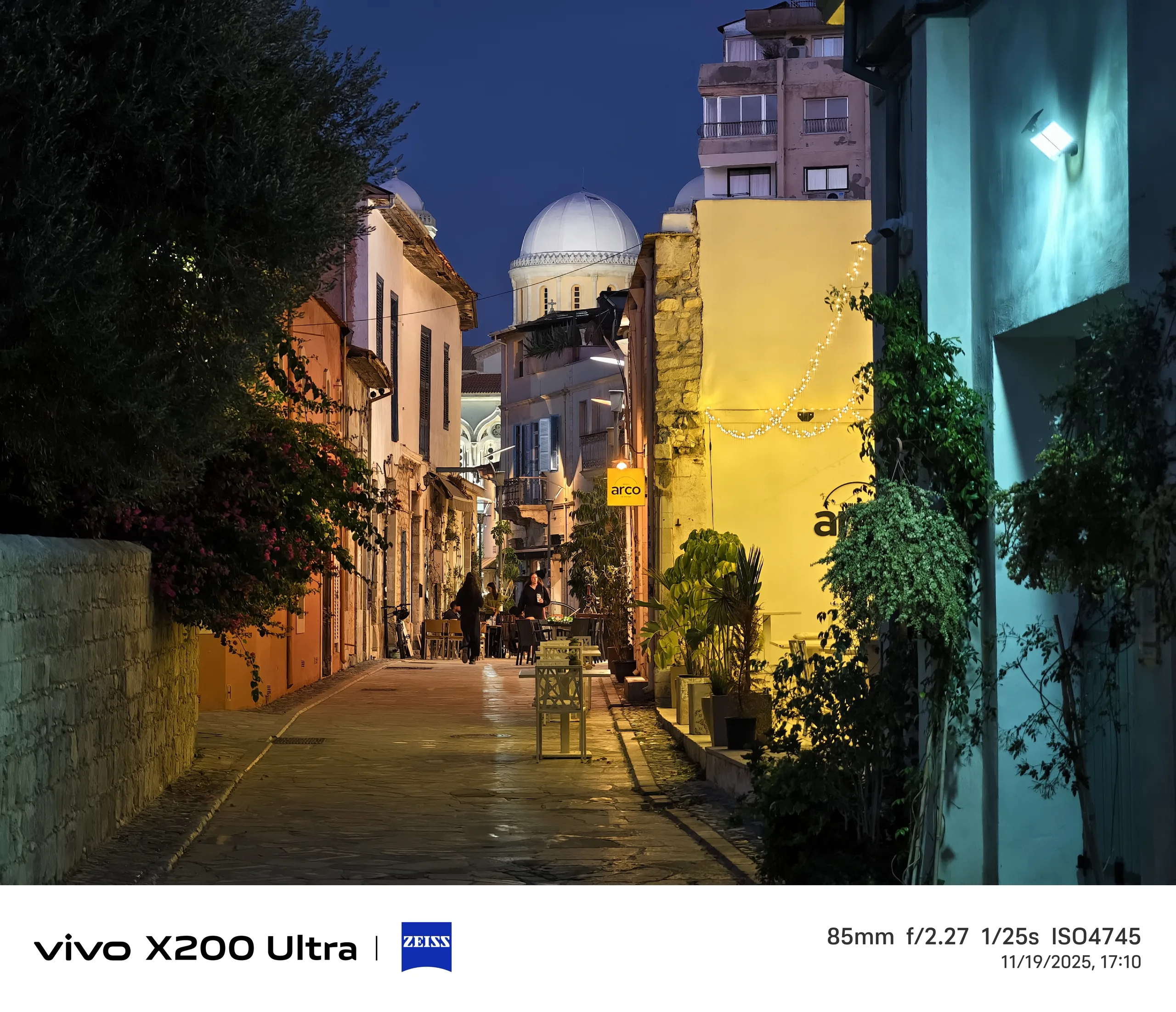
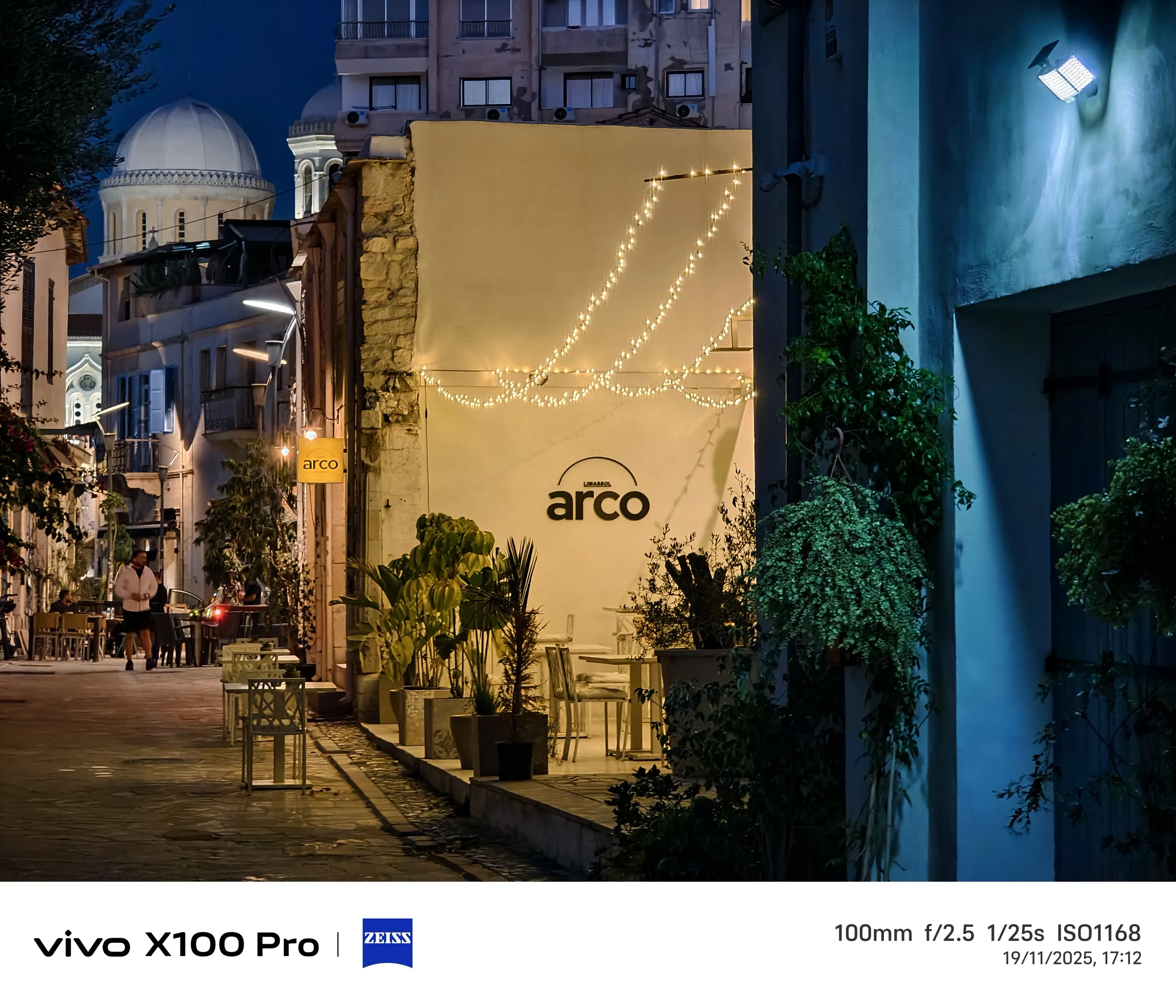
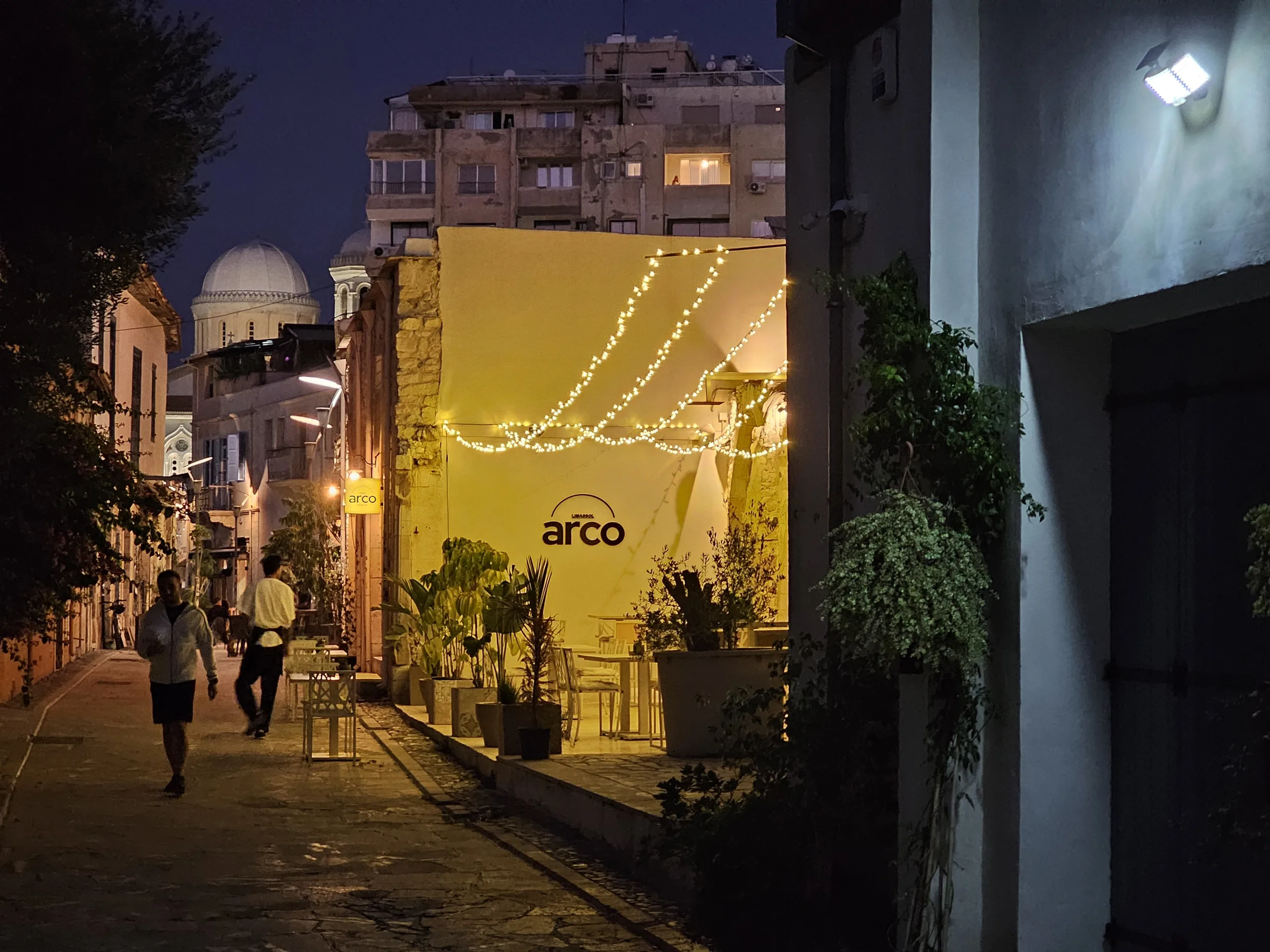
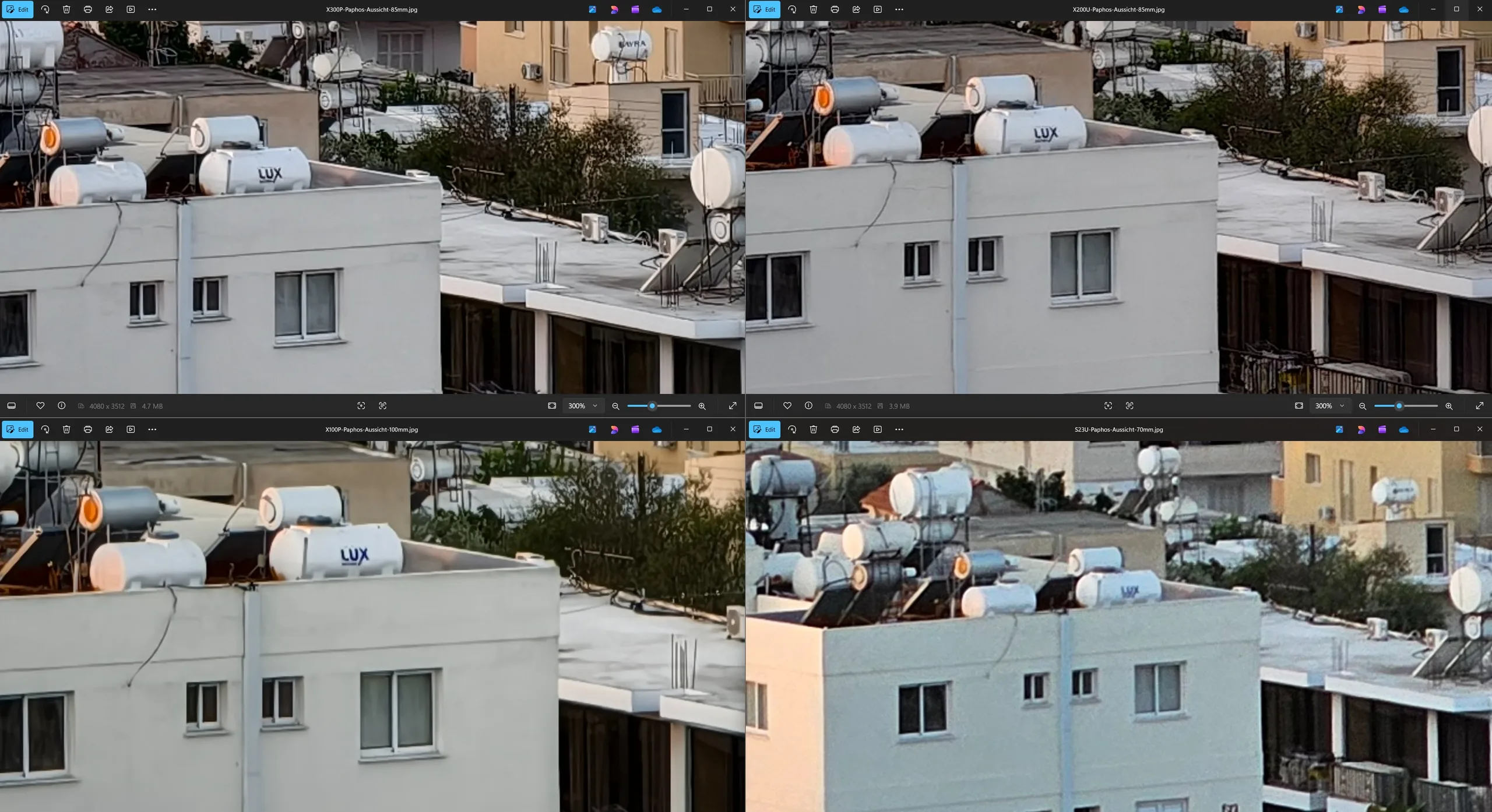
Without any teleconverter or 10x zoom, the four telephoto shots taken in Limassol show what they are capable of at night, each using its native focal length. The Vivo X300 Pro and Vivo X200 Ultra are clearly in a different league at the top. Incidentally, the light source in the foreground was actually blue, not white, as Samsung misinterprets the scene. In addition, there is a noticeable lack of detail in the shadows.
Details
The 50-megapixel, 1/2.51-inch telephoto camera in the Vivo X100 Pro also fails to keep up, neither in terms of color reproduction nor detail at higher magnification. That said, it is noticeably less noisy and does not produce a magenta-tinted sky, especially when compared to the former Galaxy flagship.
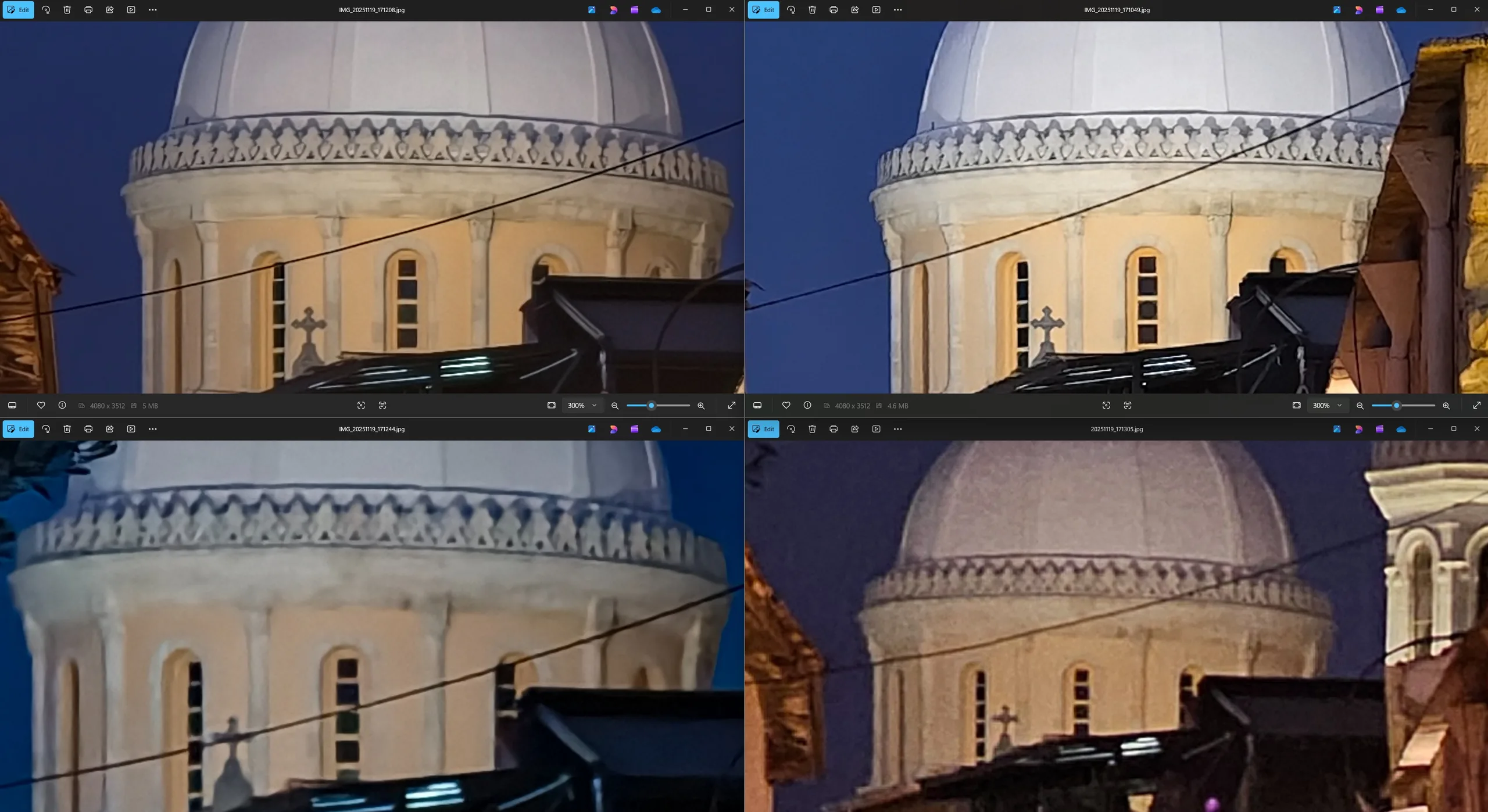
Further telephoto examples
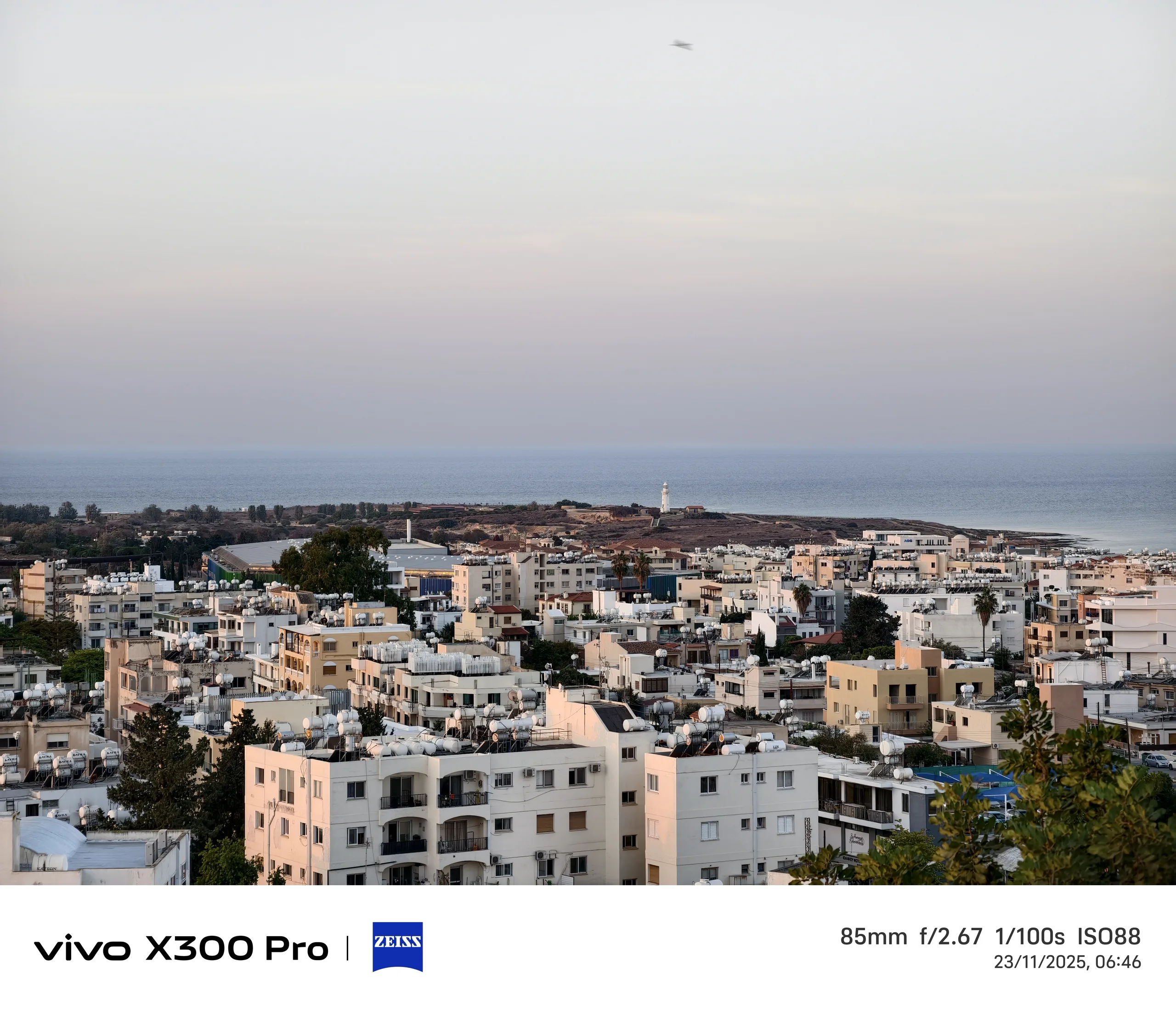
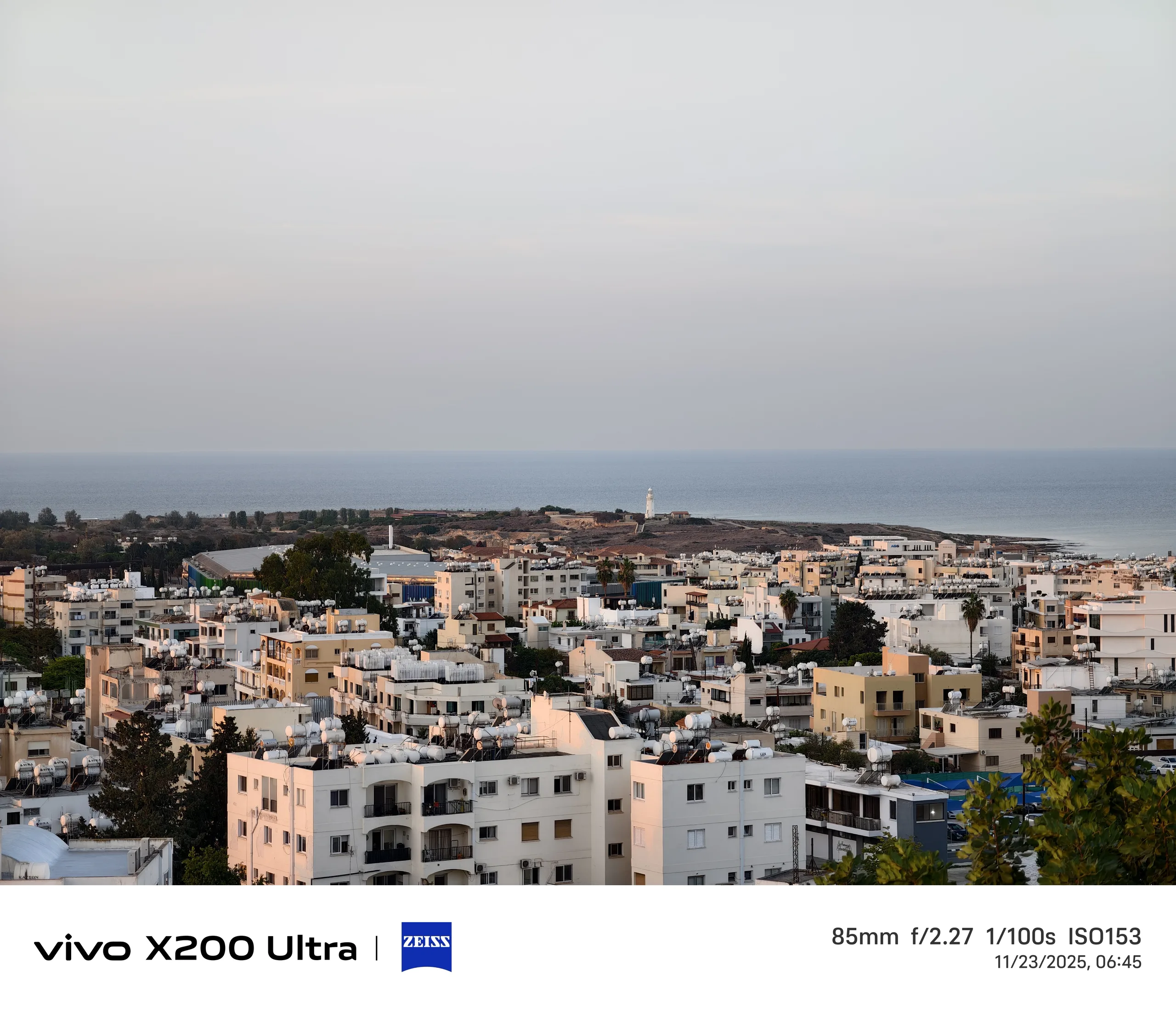
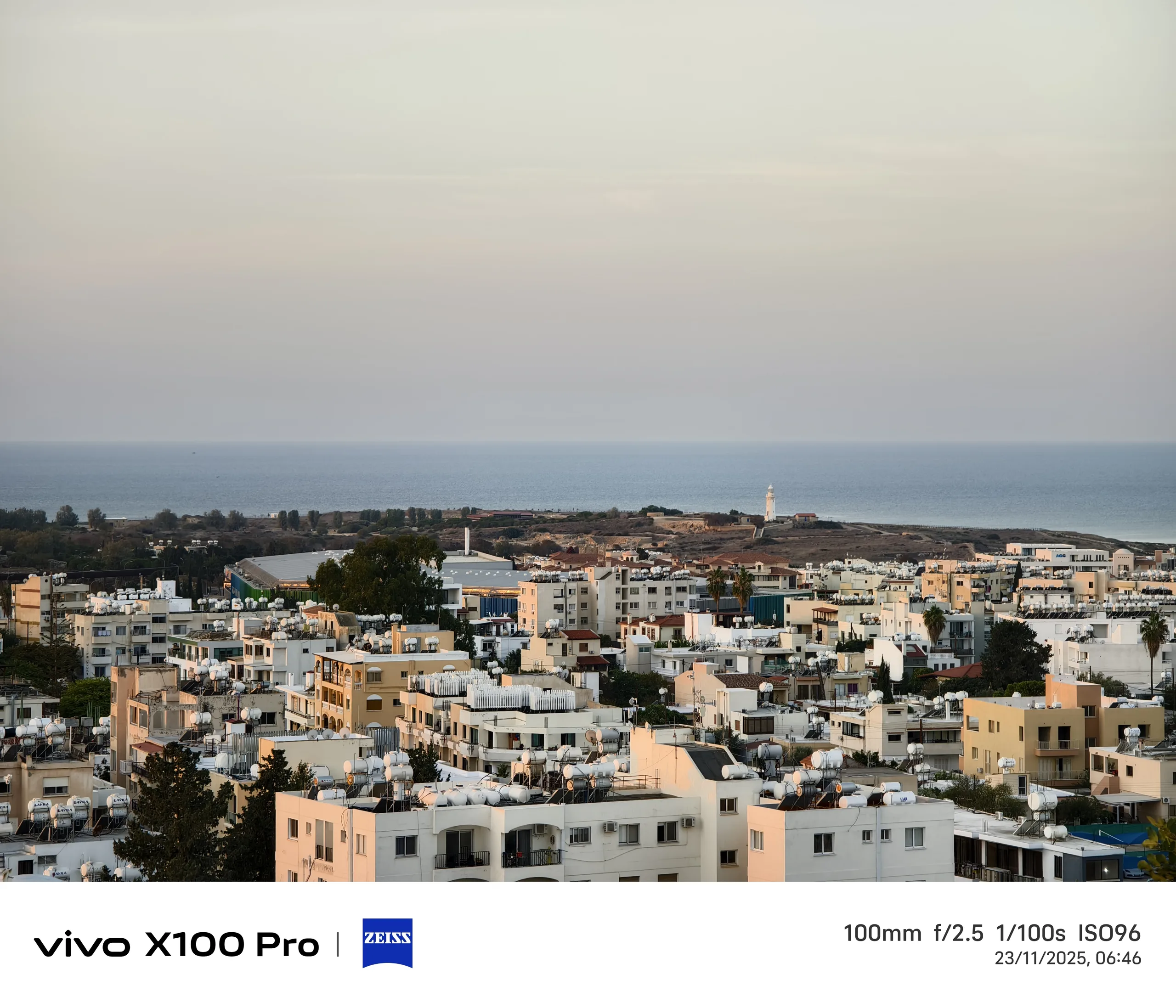
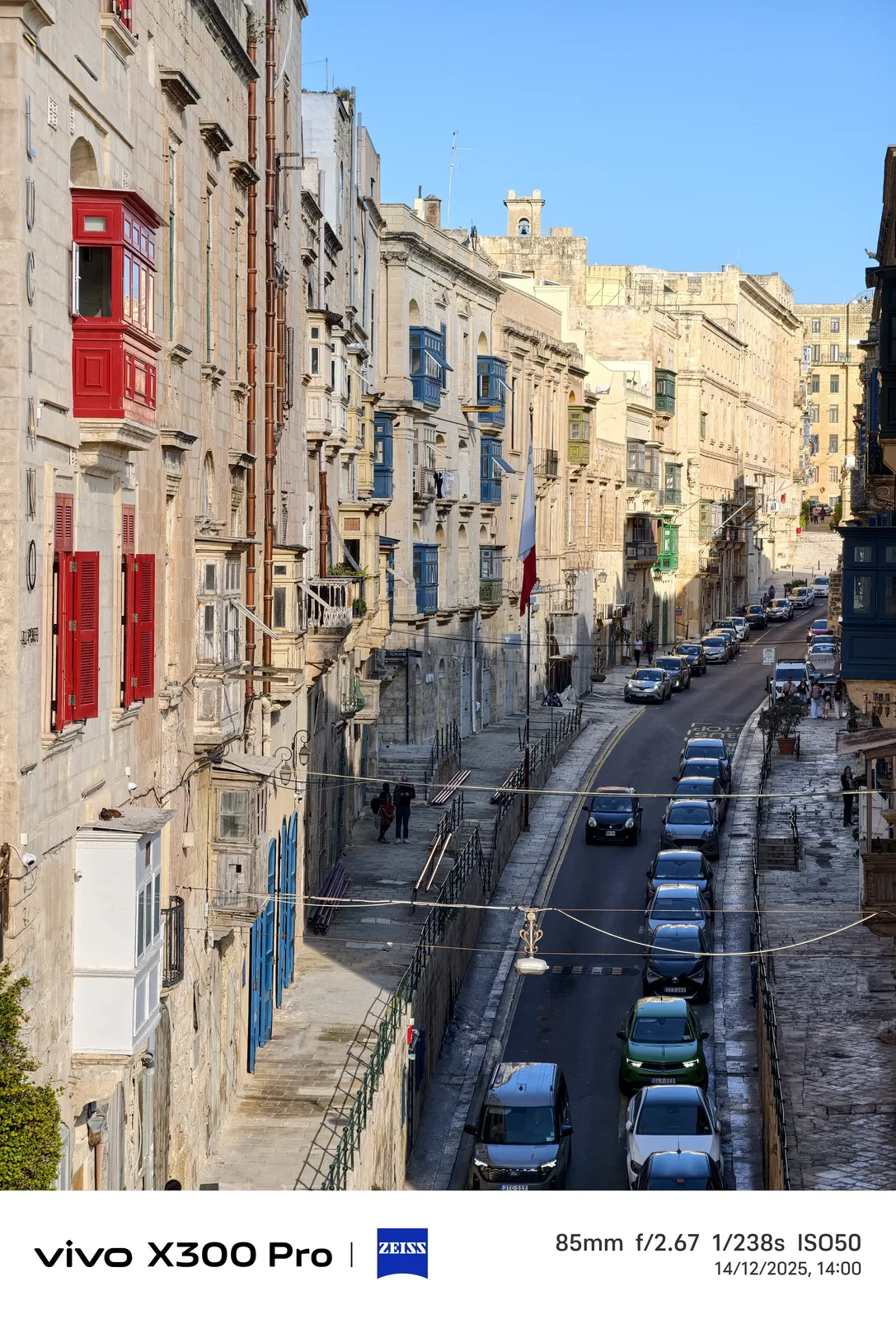
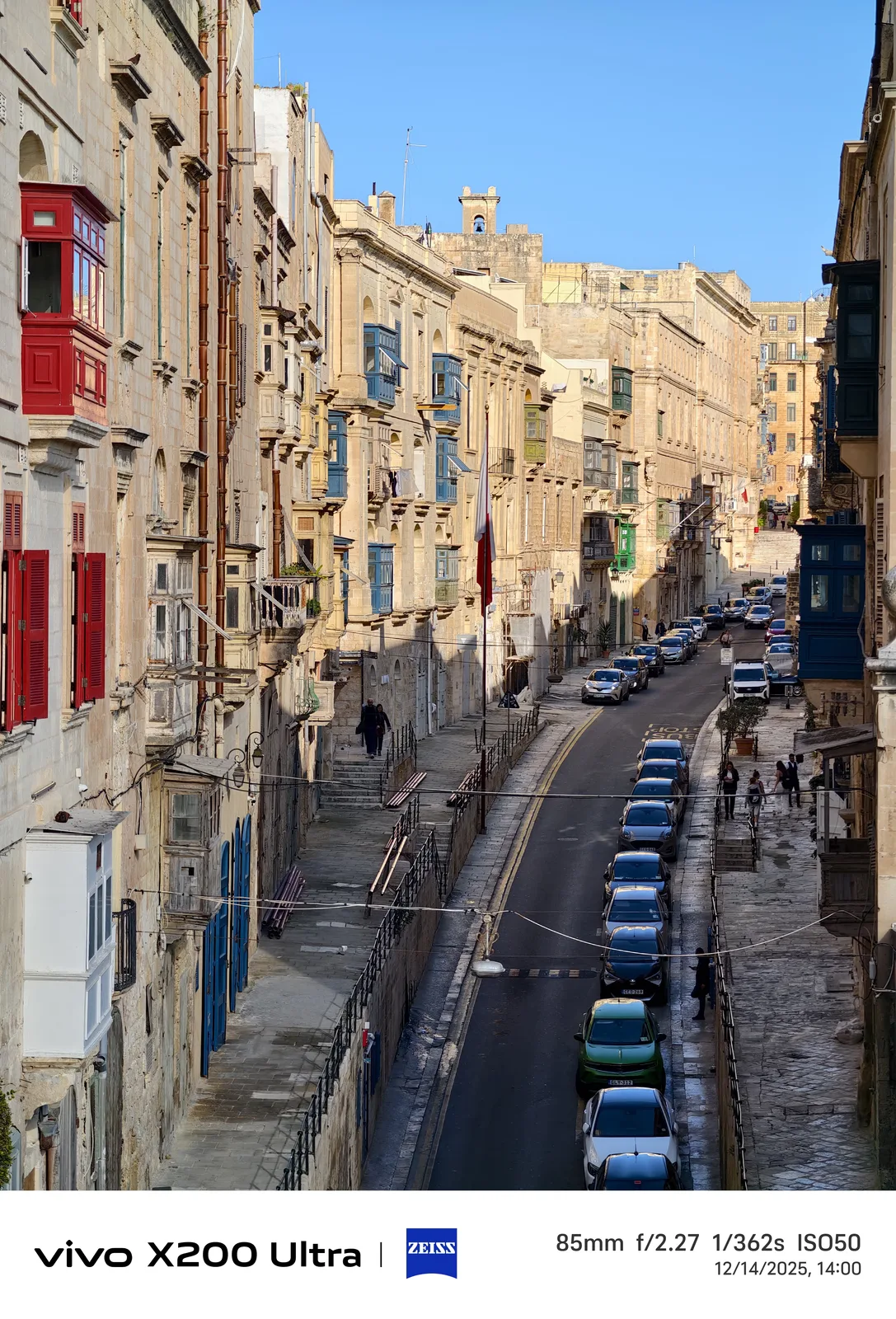
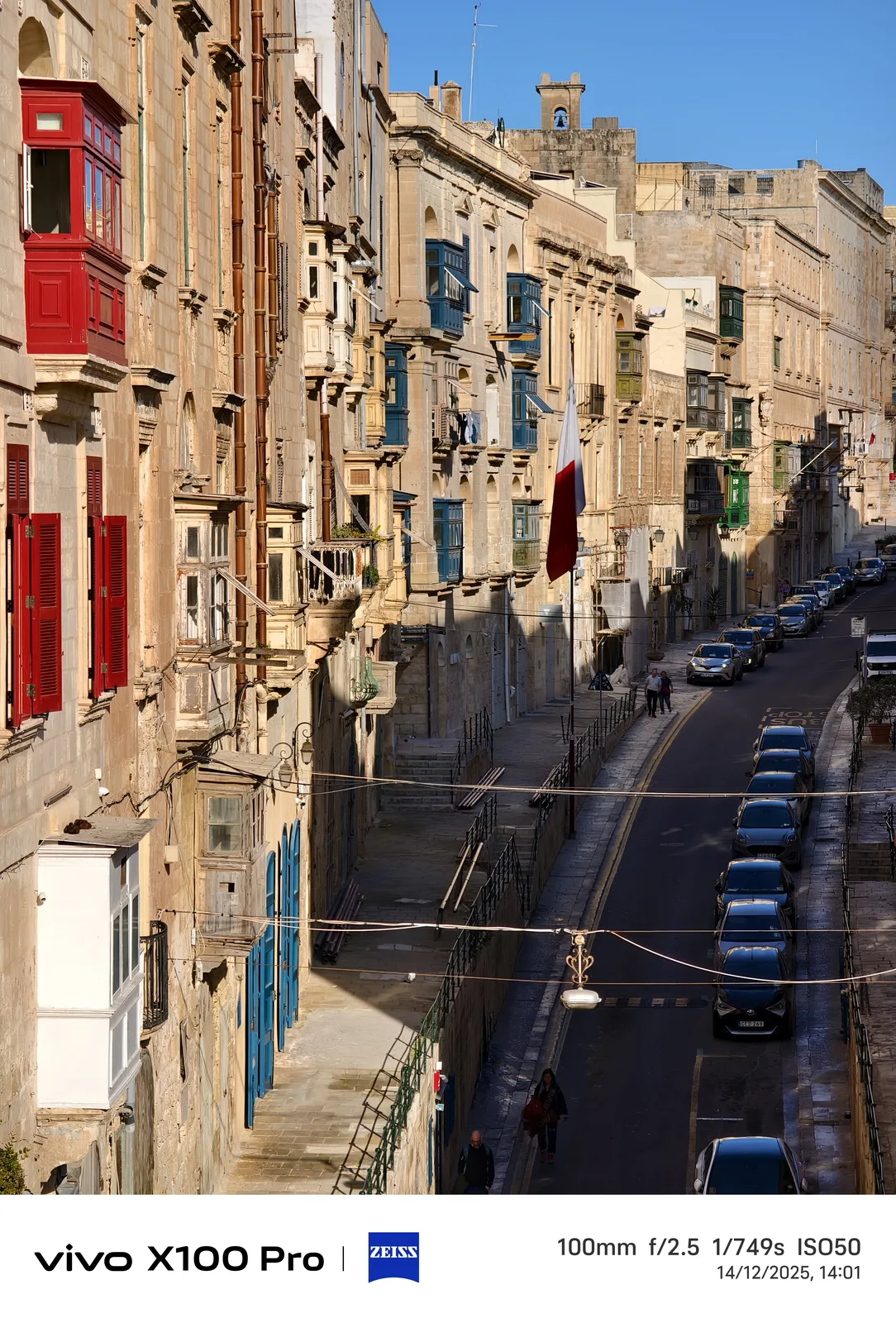
Below are three additional telephoto comparisons at their native focal lengths.

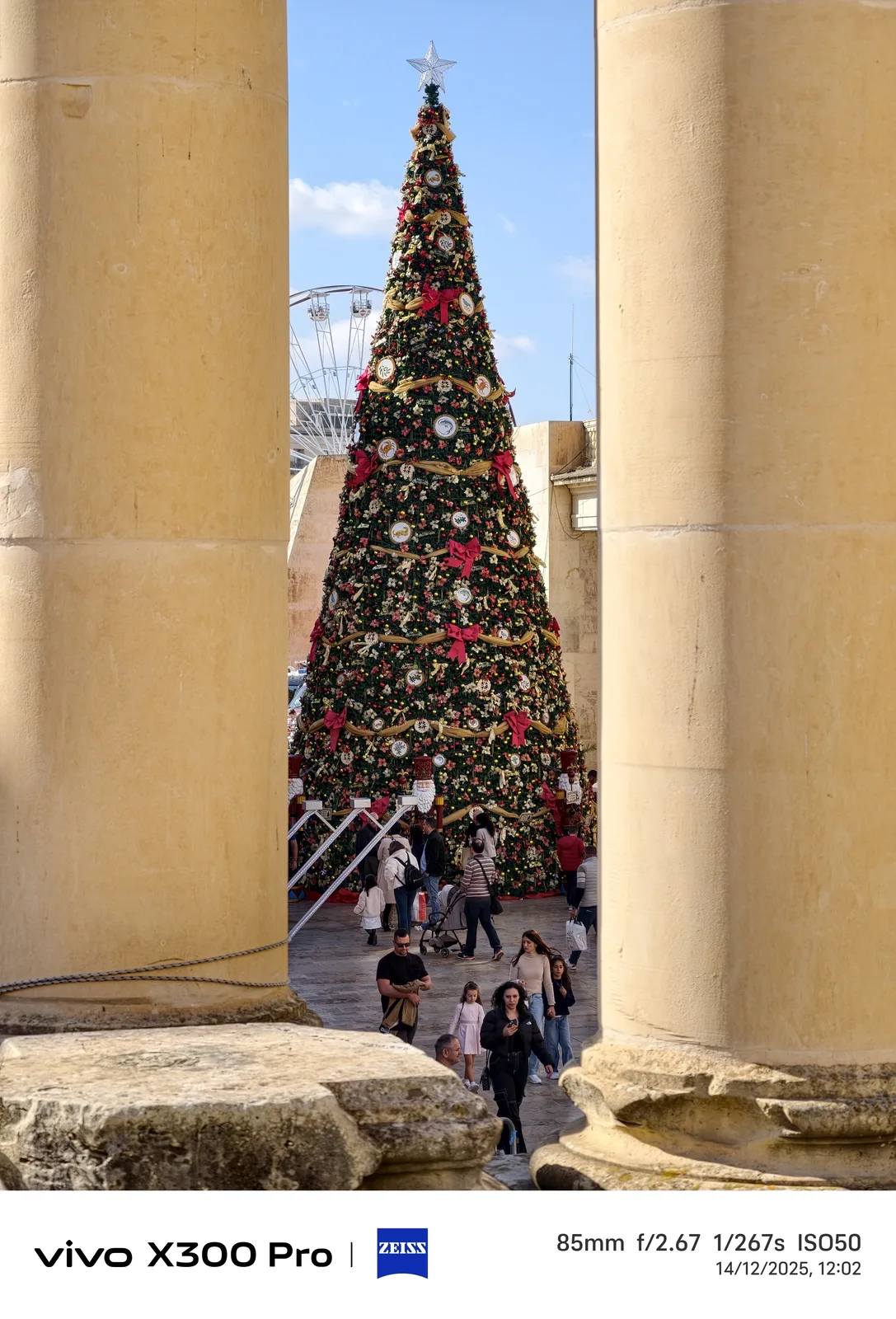
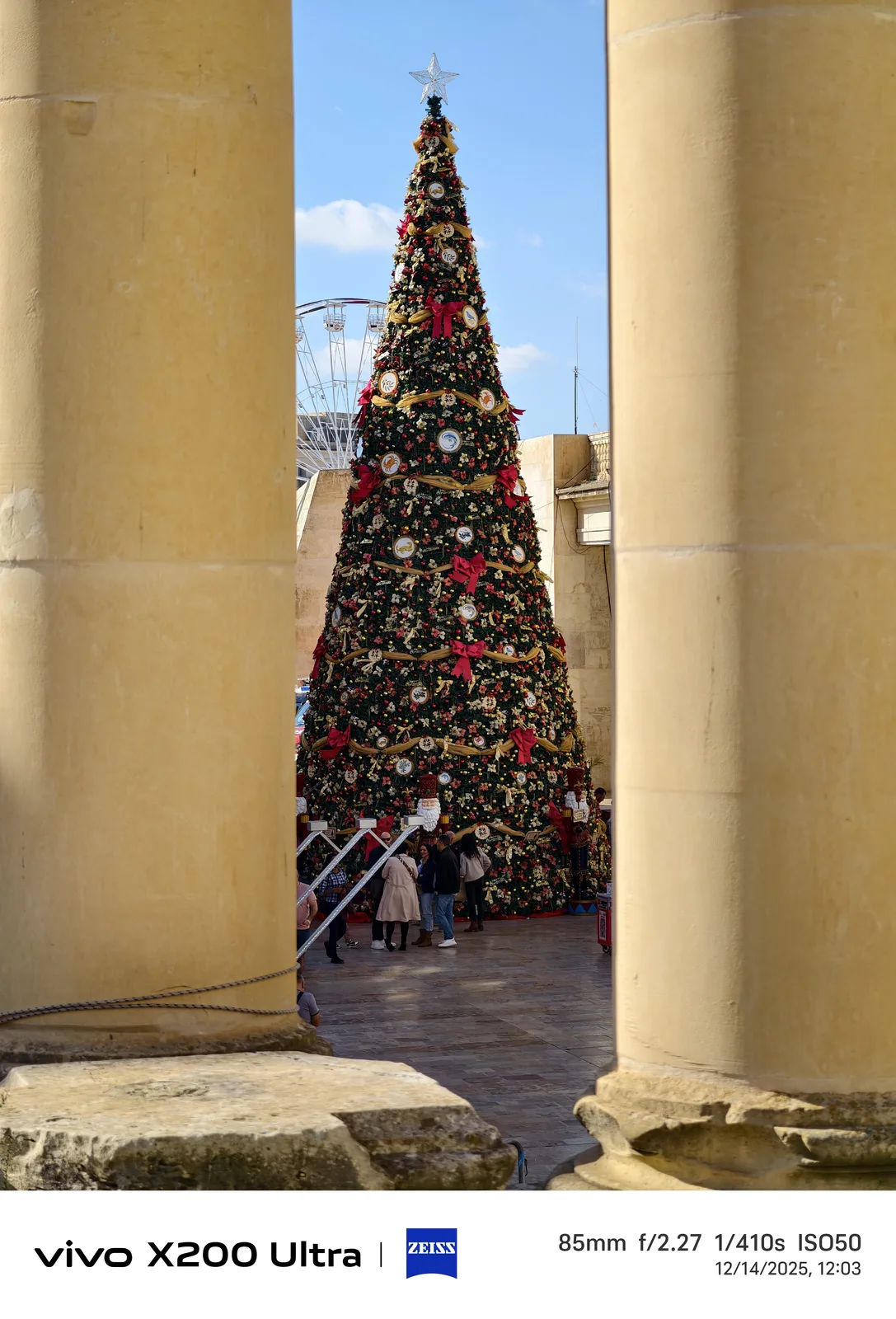
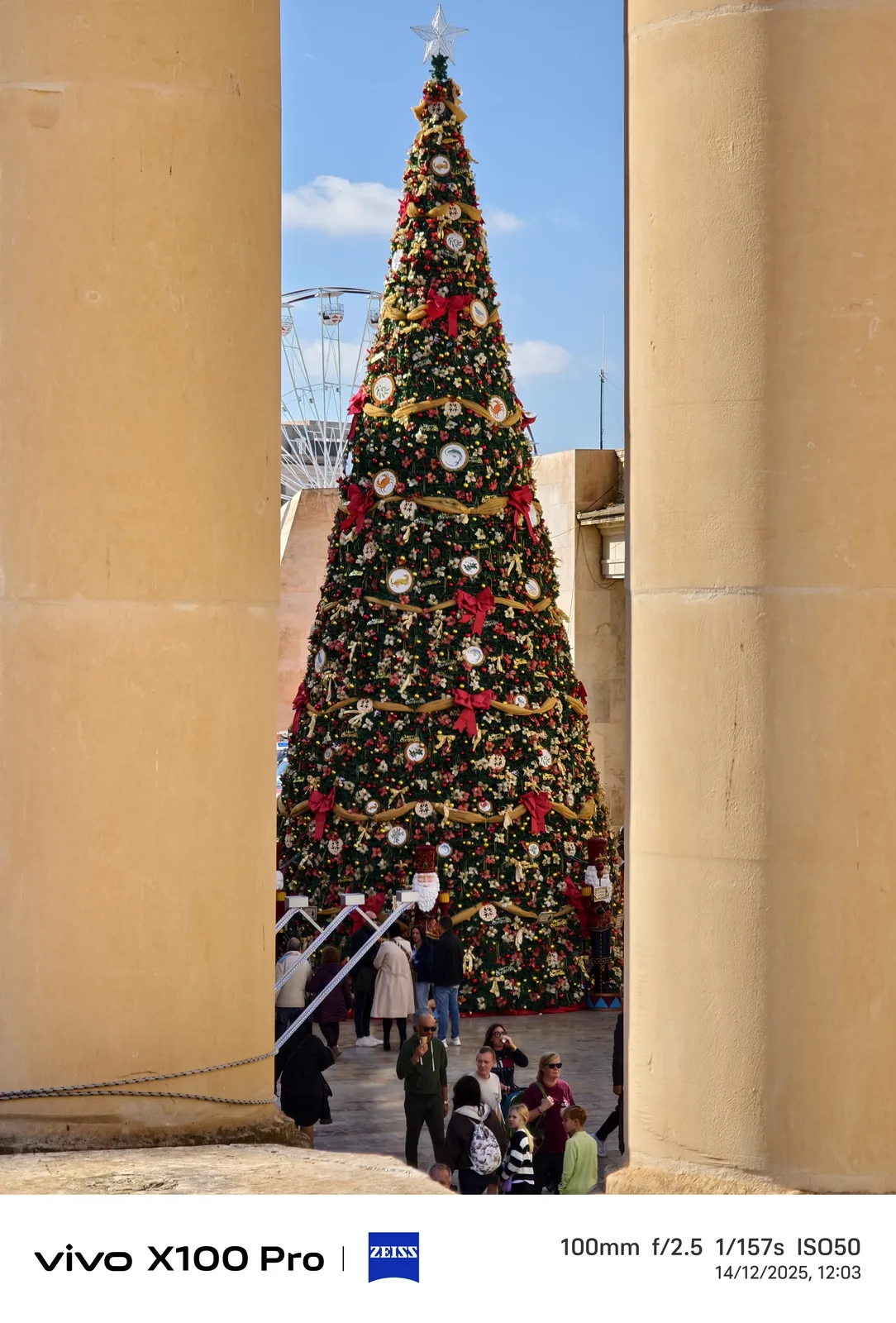

Details
Across all three comparisons, there is a clear gap in sharpness and level of detail between the Samsung Galaxy S23 Ultra and Vivo X100 Pro on the one hand, and the Vivo X200 Ultra and Vivo X300 Pro on the other. The latter two are generally on a very similar level and differ mainly in finer details, such as slightly stronger colors or a bit more contrast in the newer Pro model.
As expected, Samsung’s 3x telephoto lags far behind and can no longer compete in this class. To be fair, however, it is complemented by a 5x telephoto in the Galaxy S25 Ultra.
4. Main camera: More dynamic range vs. 1 inch vs. 200 MP
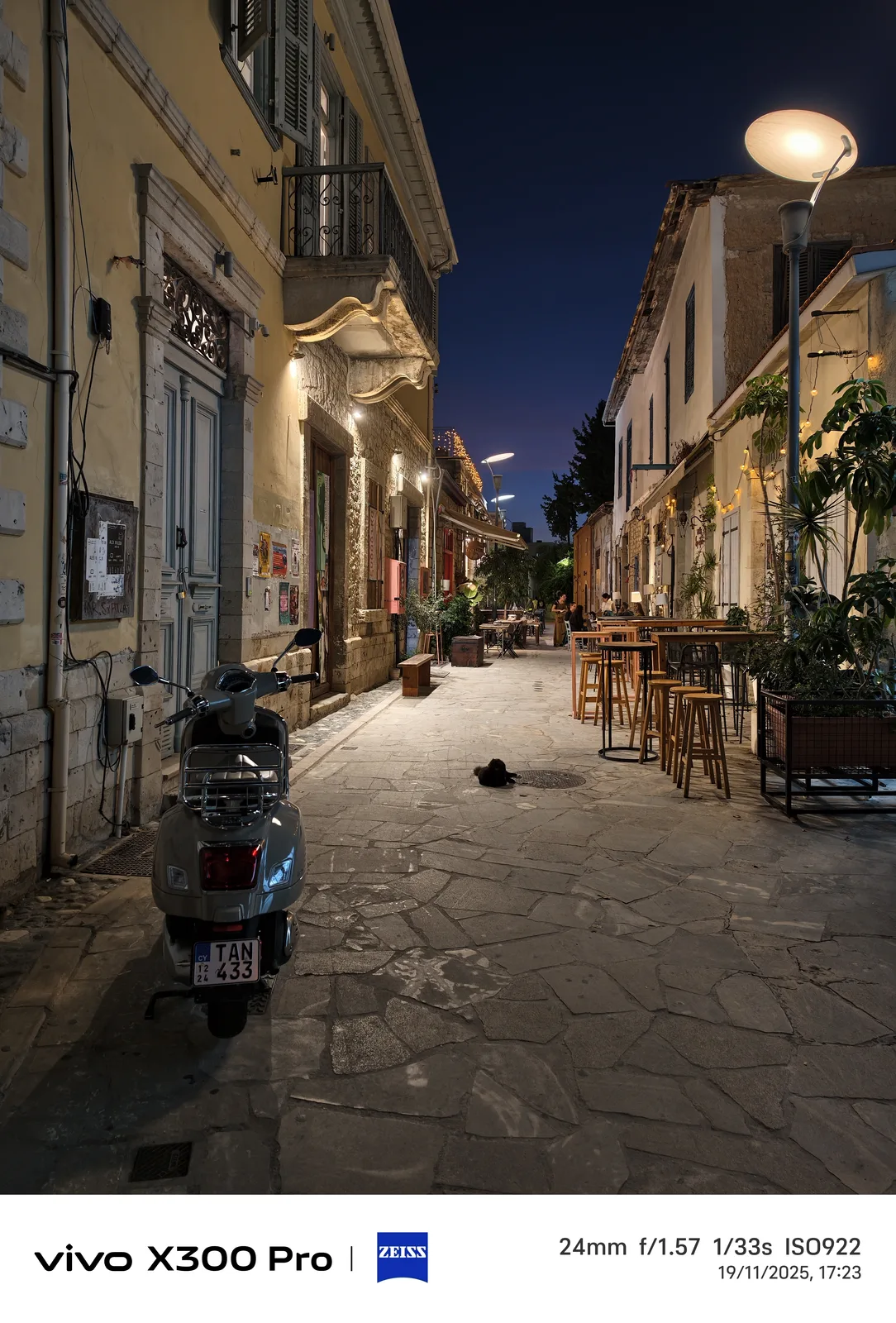
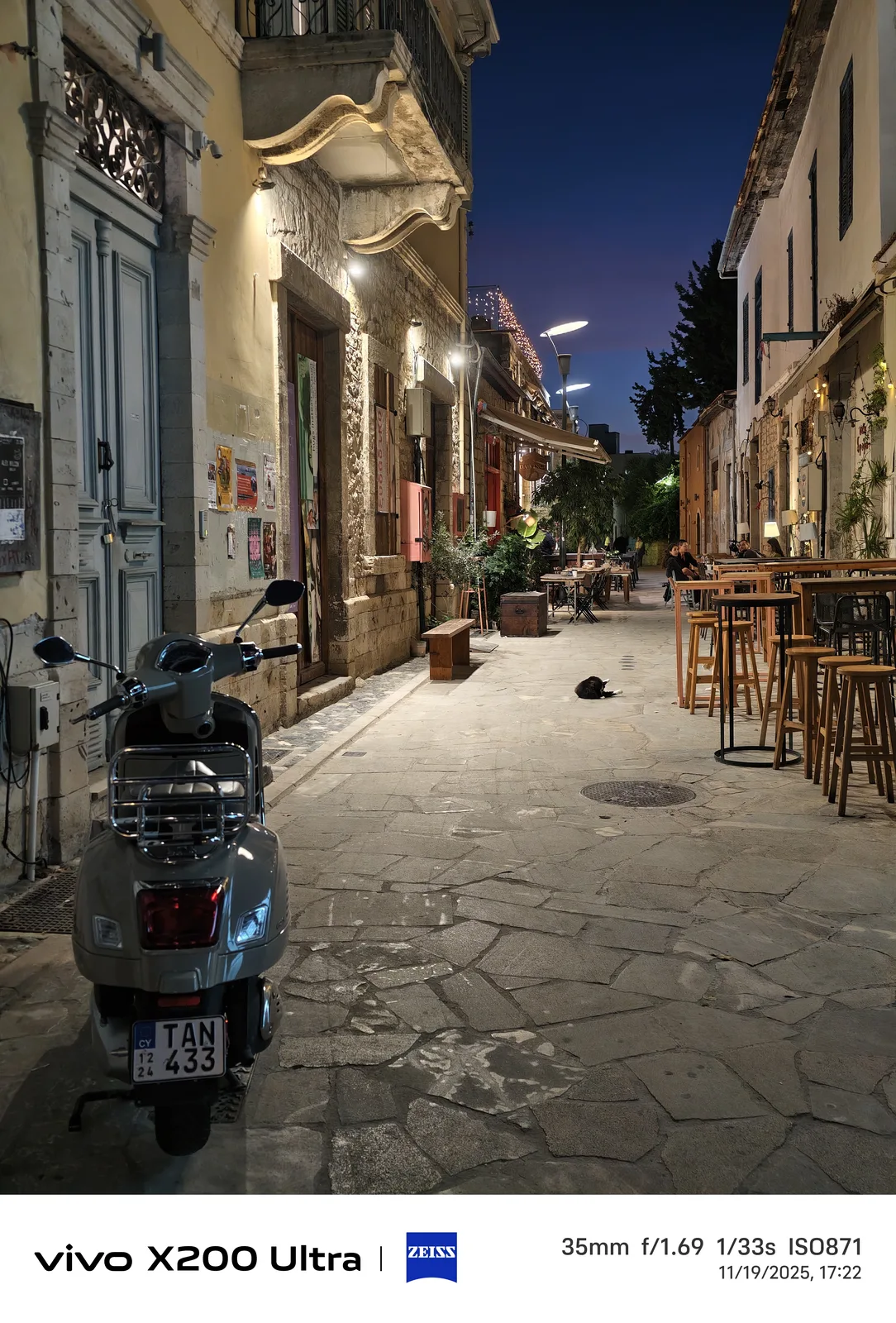
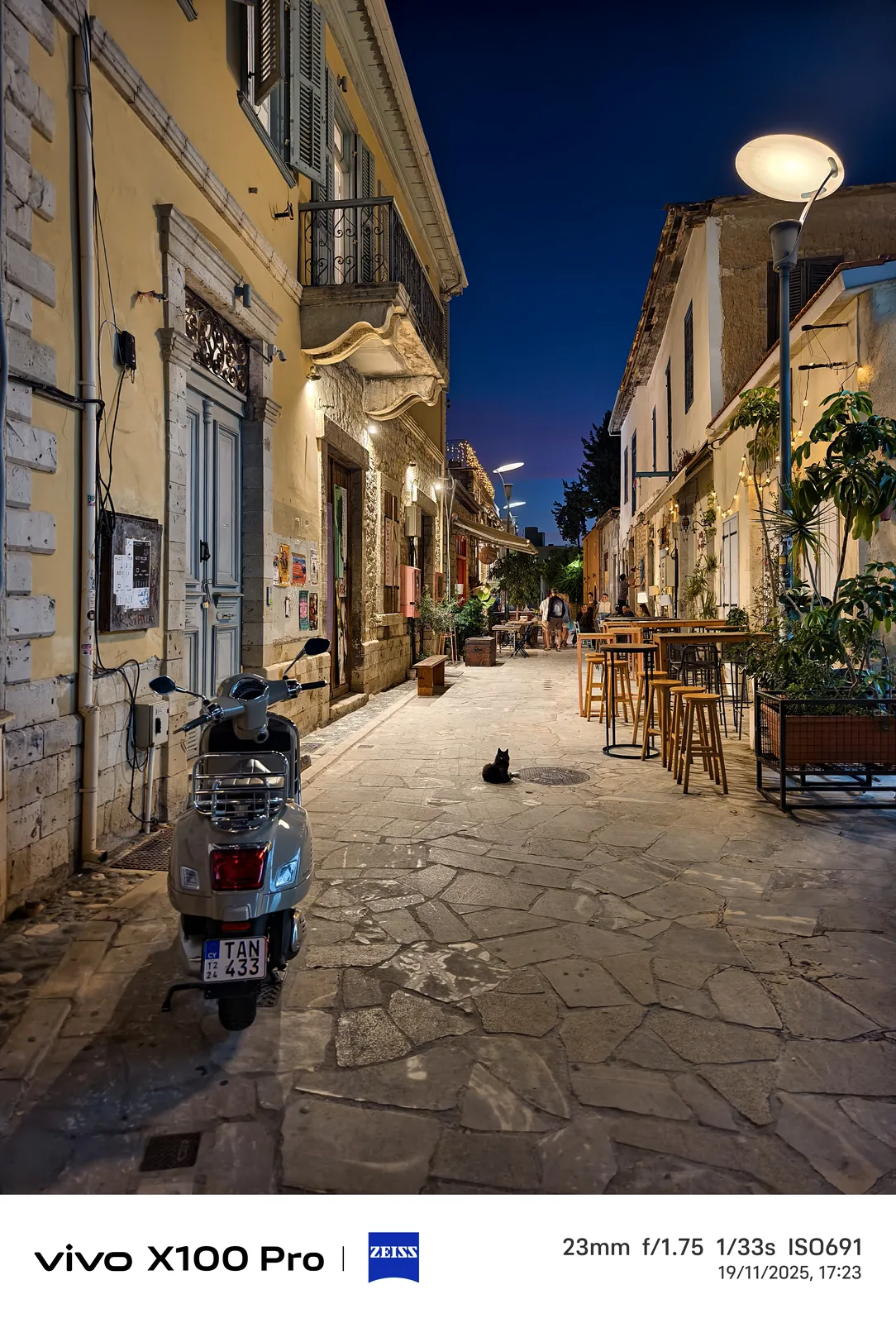
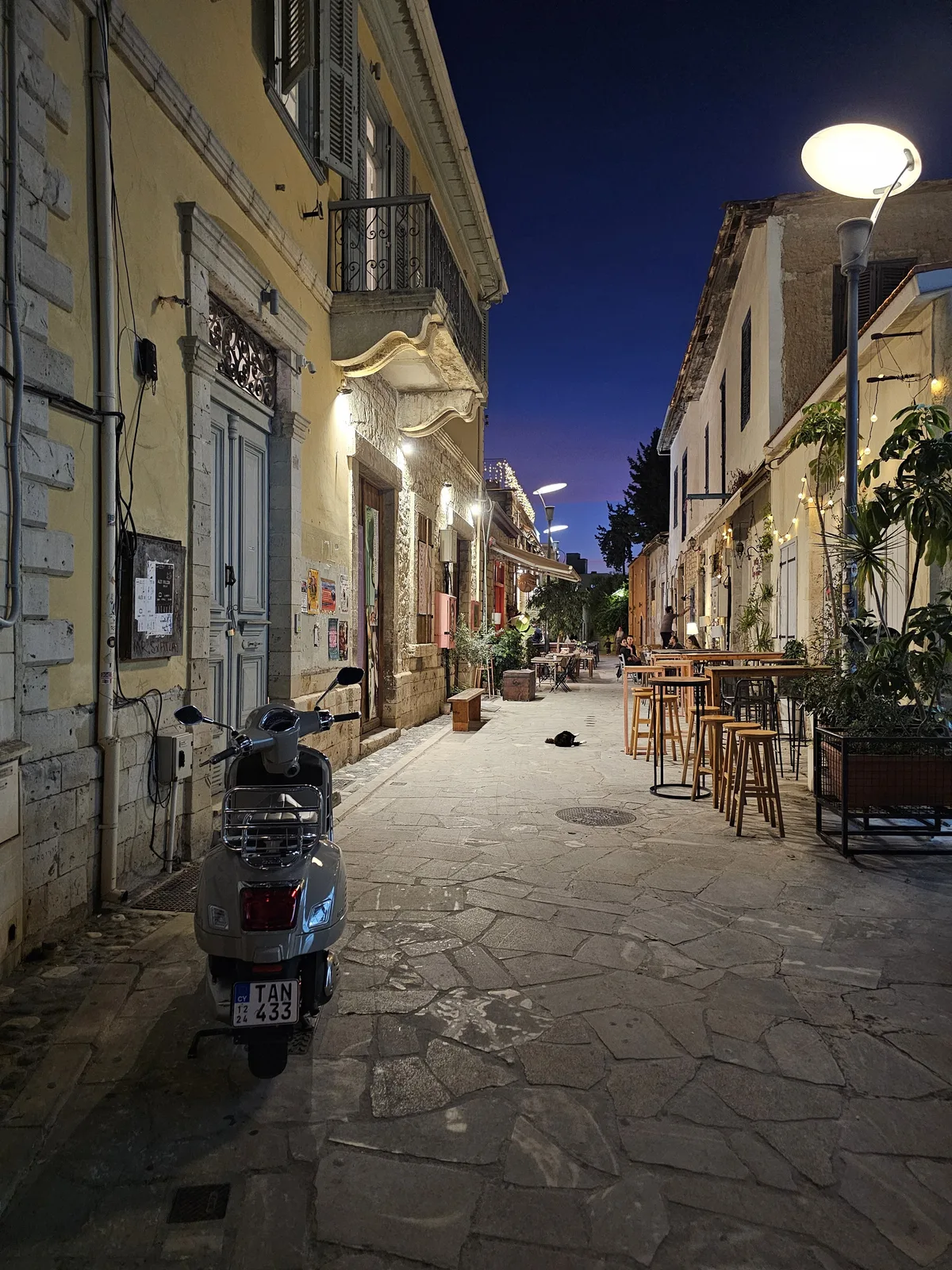
The comparison of the four main cameras is particularly interesting, as each of the four candidates relies on a different technological approach. With the X100 Pro, Vivo still used the first 1-inch sensor in a smartphone, the Sony IMX989 with an f/1.75 aperture. With the Vivo X200 Pro and Vivo X200 Ultra, this was followed by a “downgrade” to the 1/1.28-inch Lytia 818, with the latter also featuring a 35 mm focal length.
The Vivo X300 Pro introduces an upgrade in the form of the more dynamic LYT-828. In contrast to Vivo’s changes, Samsung has relied on the 200-megapixel ISOCELL HP2 since the Galaxy S23 Ultra. At 1/1.3 inches, this sensor is similar in size to those used in the Vivo X200 Ultra and Vivo X300 Pro, which is worth noting for context.
Details
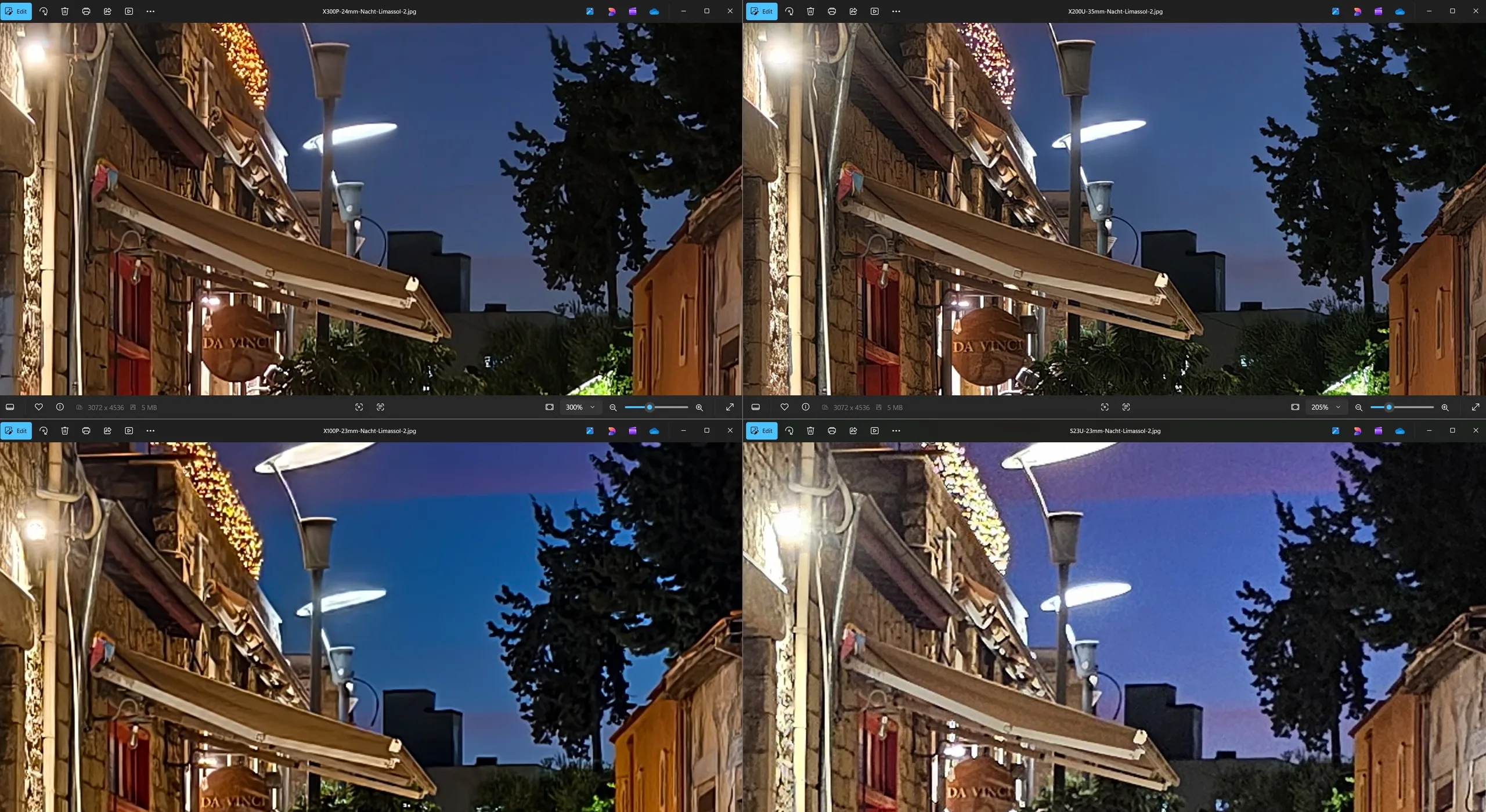
At first glance, the overexposed lamps on the Galaxy S23 Ultra stand out, while the three Vivo models keep highlights much better under control. The Vivo X200 Ultra shows the most detail in distant objects, which is hardly surprising given its 35 mm focal length. In hindsight, this result supports Vivo’s move away from the IMX989: despite the smaller sensors, the Vivo X100 Pro cannot quite keep up, even at close range. For example, to the left of the motorcycle, the Vivo X300 Pro shows more detail than both the X100 Pro and the X200 Ultra.
The ISOCELL HP2 is particularly disappointing here. Still used in the current Galaxy S25 Ultra, it shows pronounced noise in the detailed view, for instance in the sky.
More main camera samples
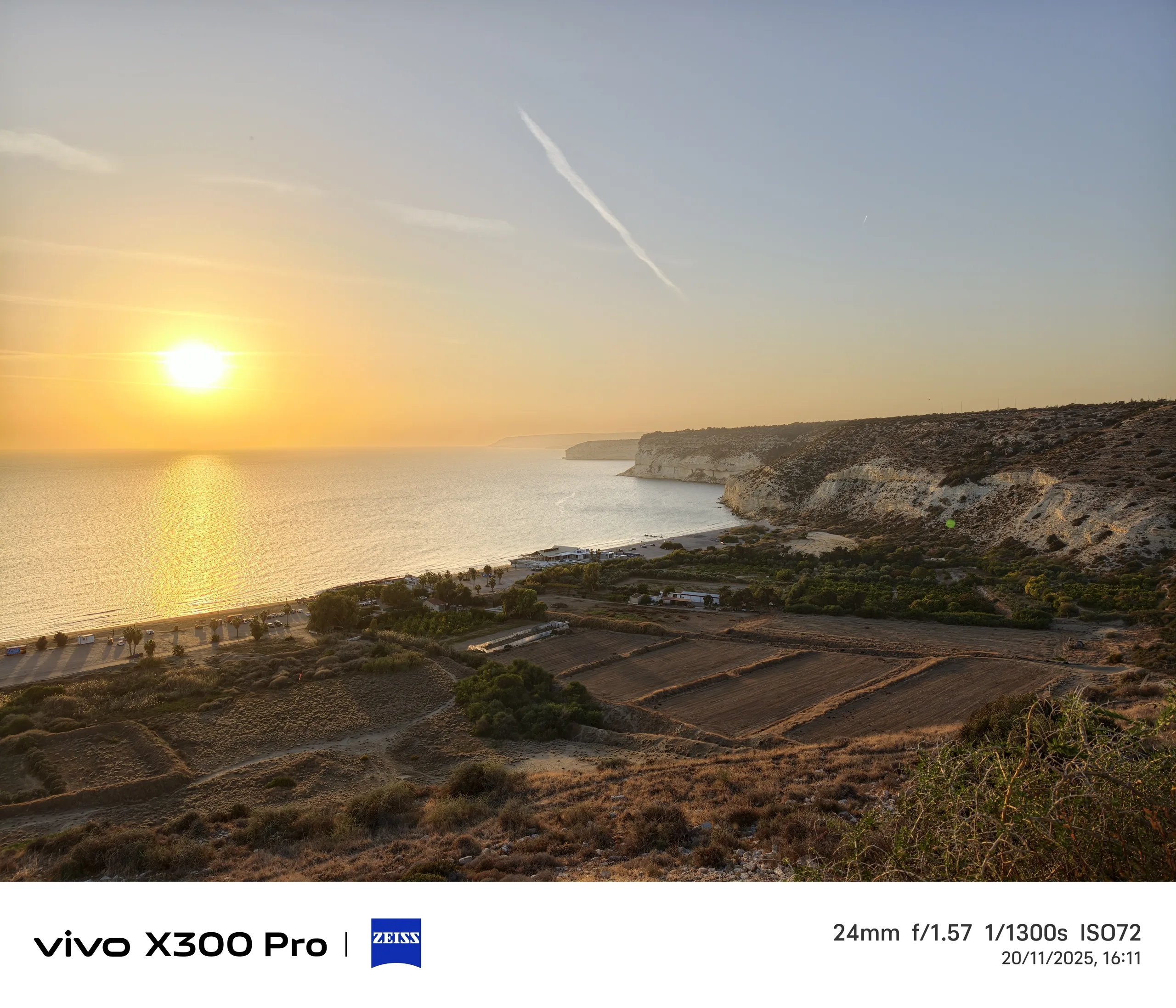
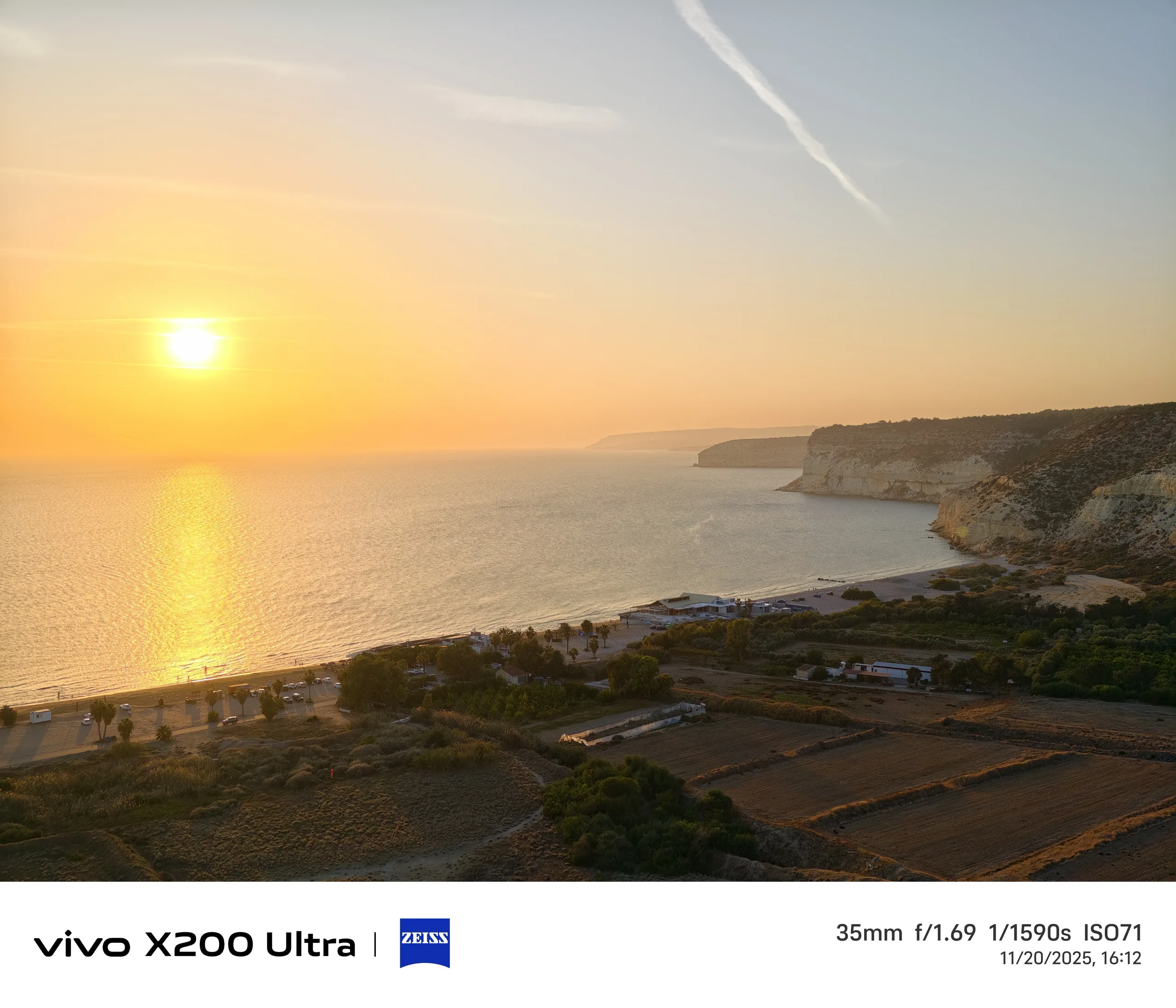
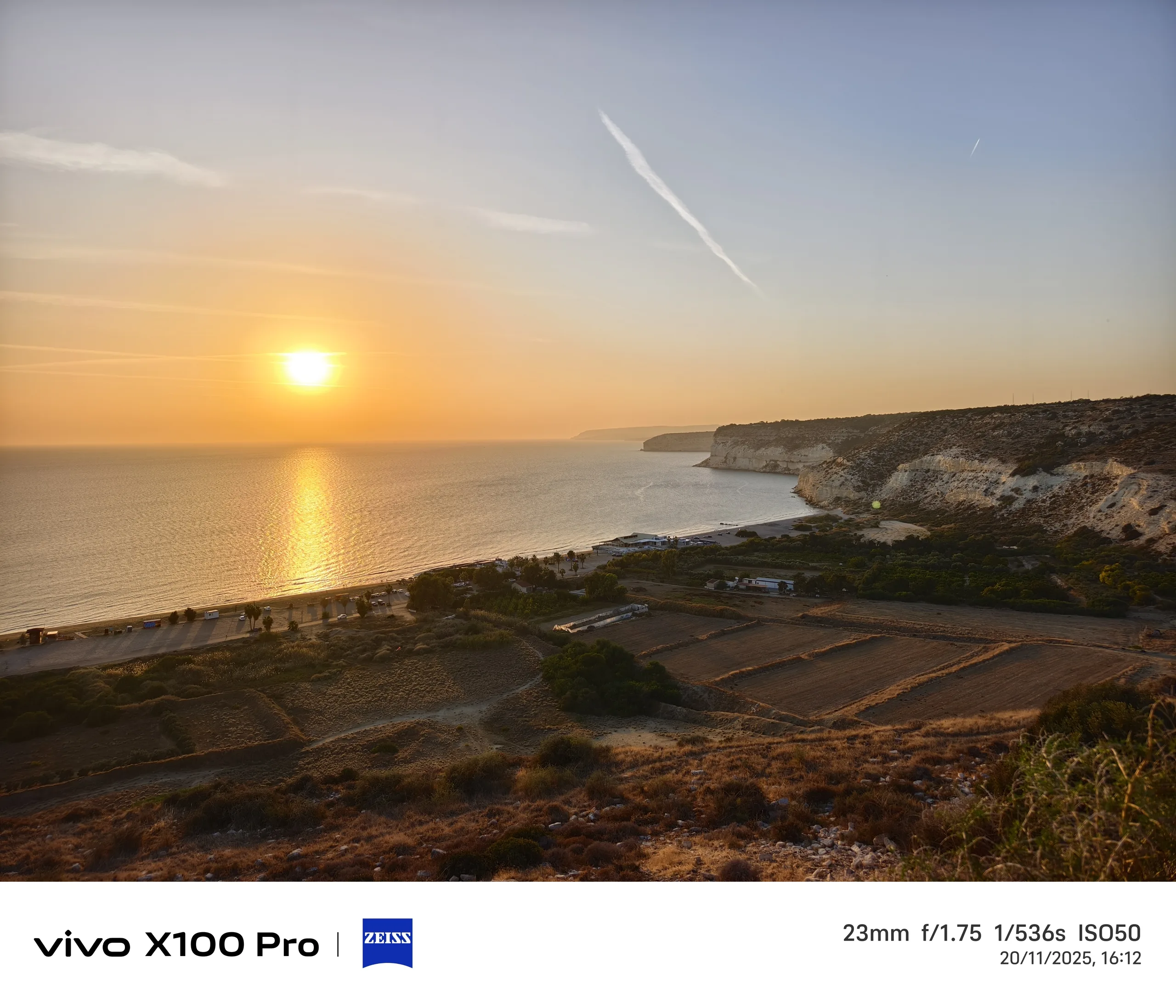
For the second example, we return to Kourion, looking toward the setting sun and Kourion Beach. The 1-inch sensor of the Vivo X100 Pro delivers the most colorful rendition of the sunset, but not necessarily the most accurate, as the sun was not quite that red at the time. Despite having the largest sensor and the longest shutter speed, this photo is also the darkest.
As expected, the Vivo X300 Pro shows the greatest dynamic range. Incidentally, the Galaxy S23 Ultra photo reports ISO 10 and a shutter speed of 1/1000 s at an f/1.7 aperture.

Details
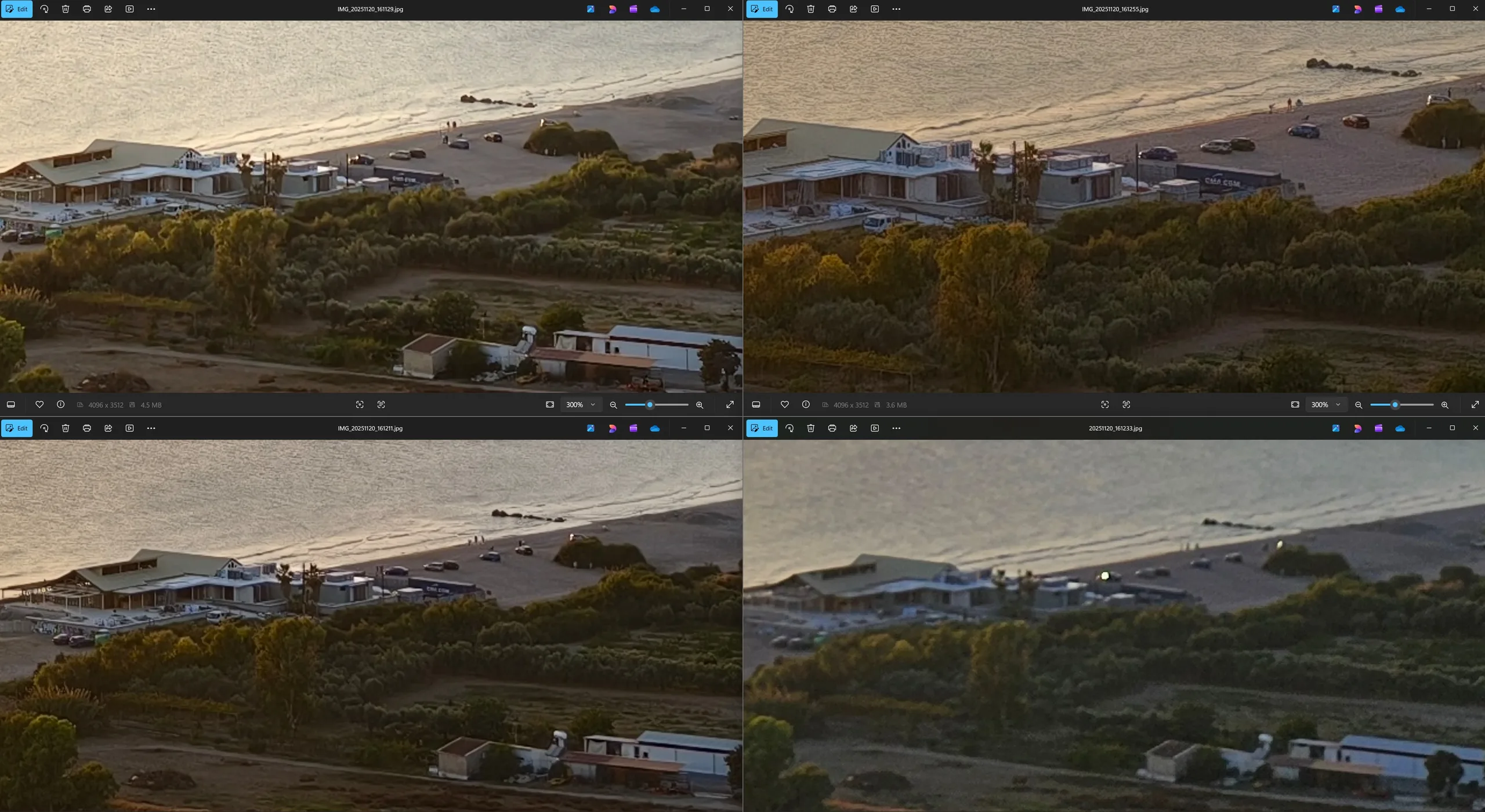
When zooming 300 percent into the 12-megapixel images, the 200-megapixel sensor of the Galaxy S23 Ultra retains the least amount of detail. The Vivo X200 Ultra narrowly comes out on top ahead of the Vivo X100 Pro, showing that the 1-inch sensor still holds an advantage here. At least the Vivo X300 Pro does not end up in last place.
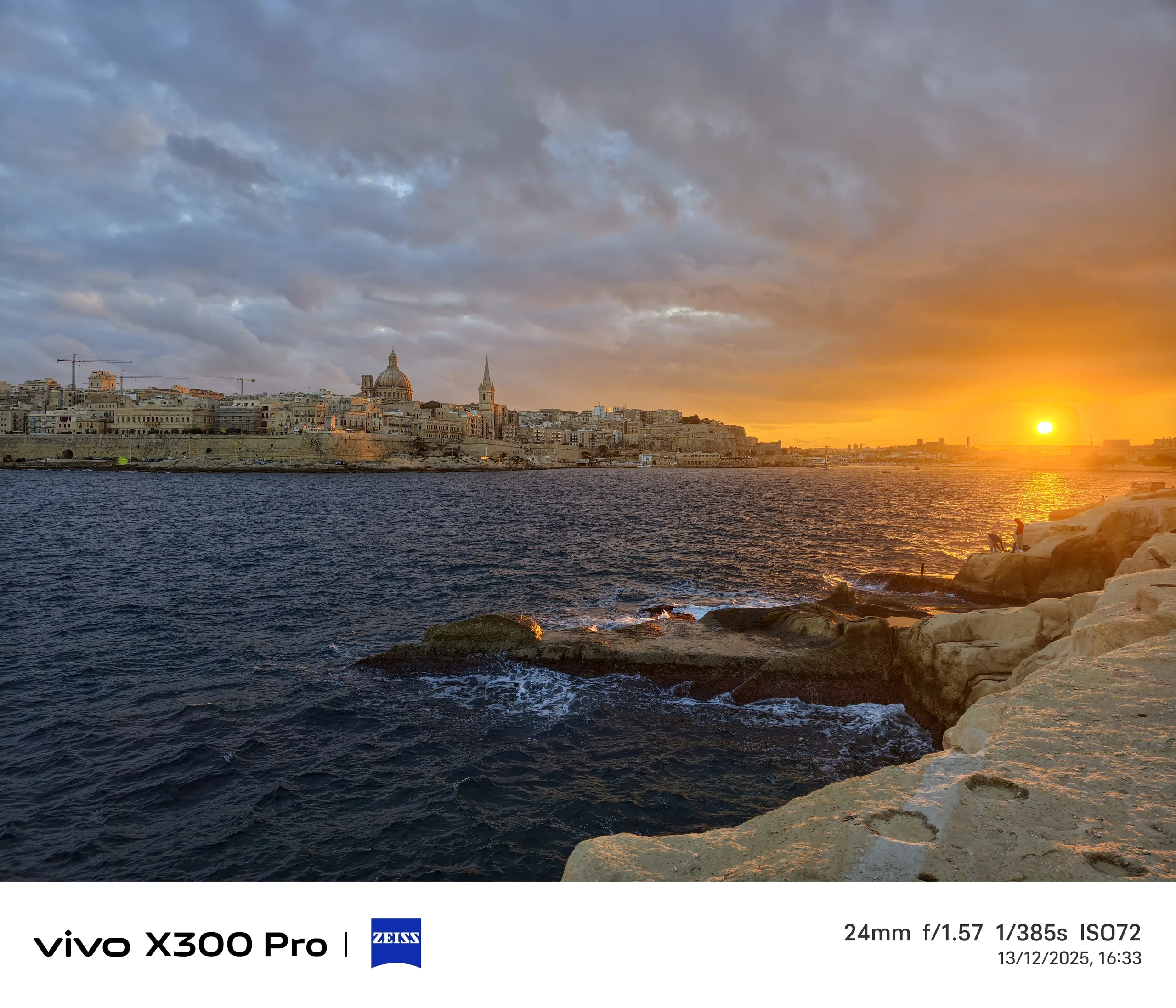
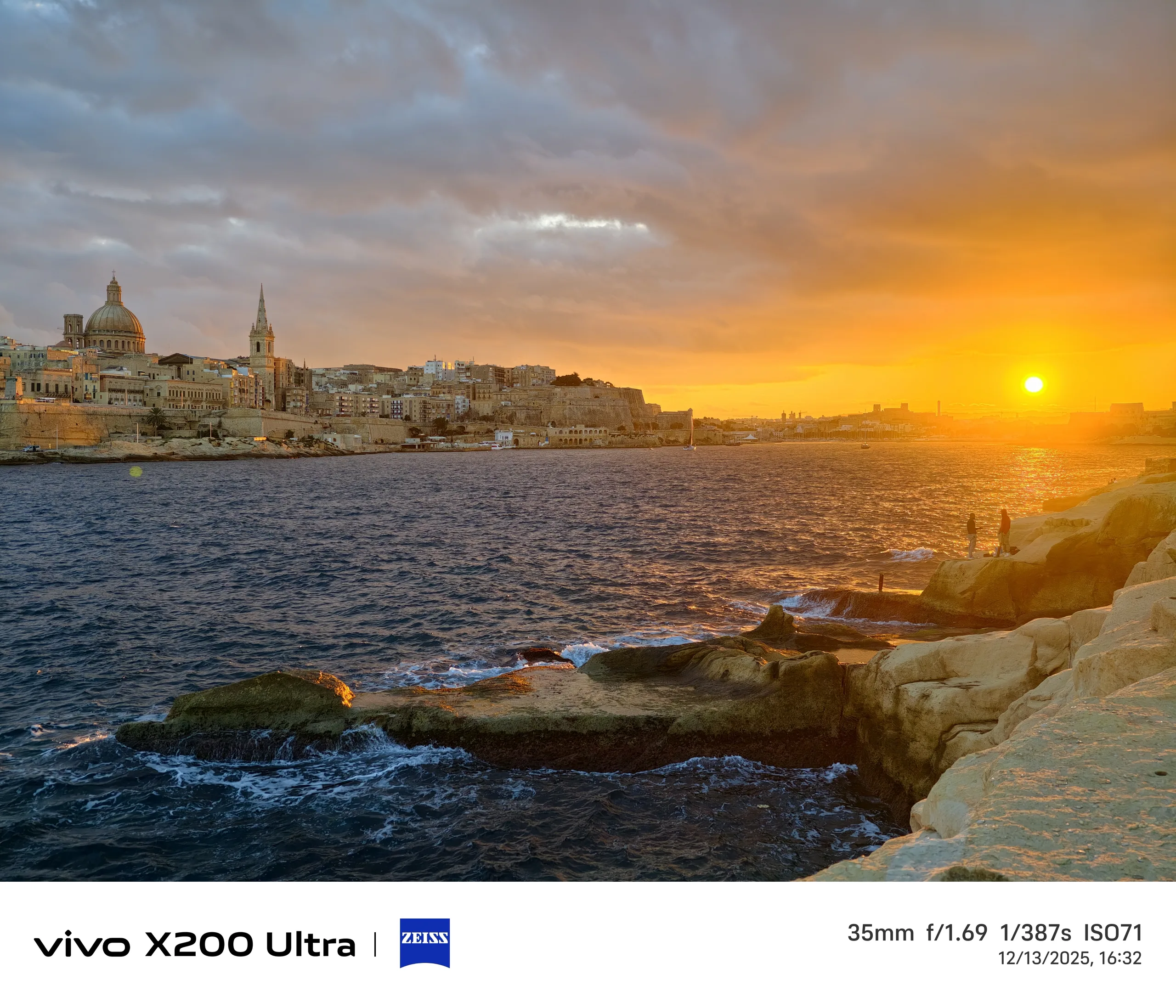
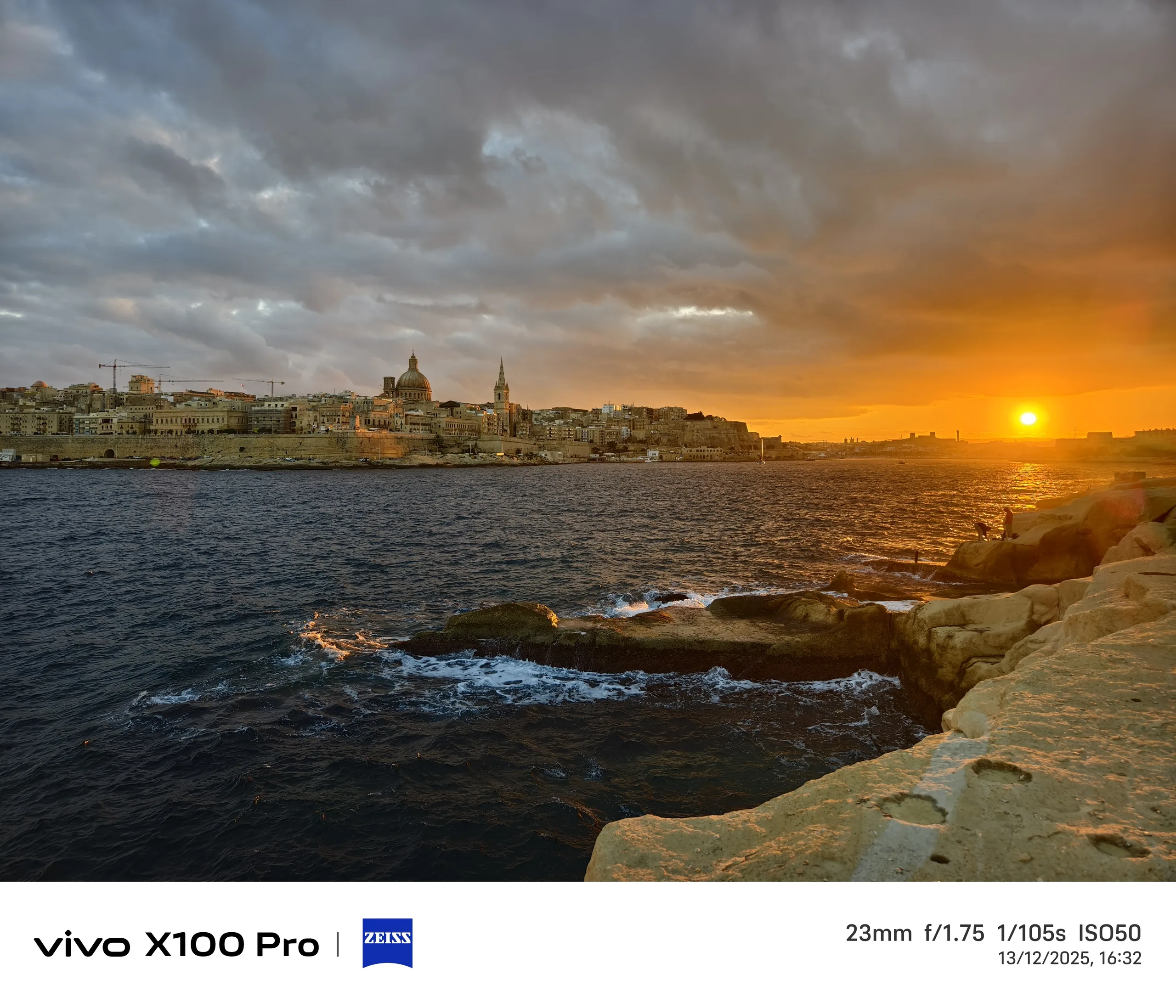
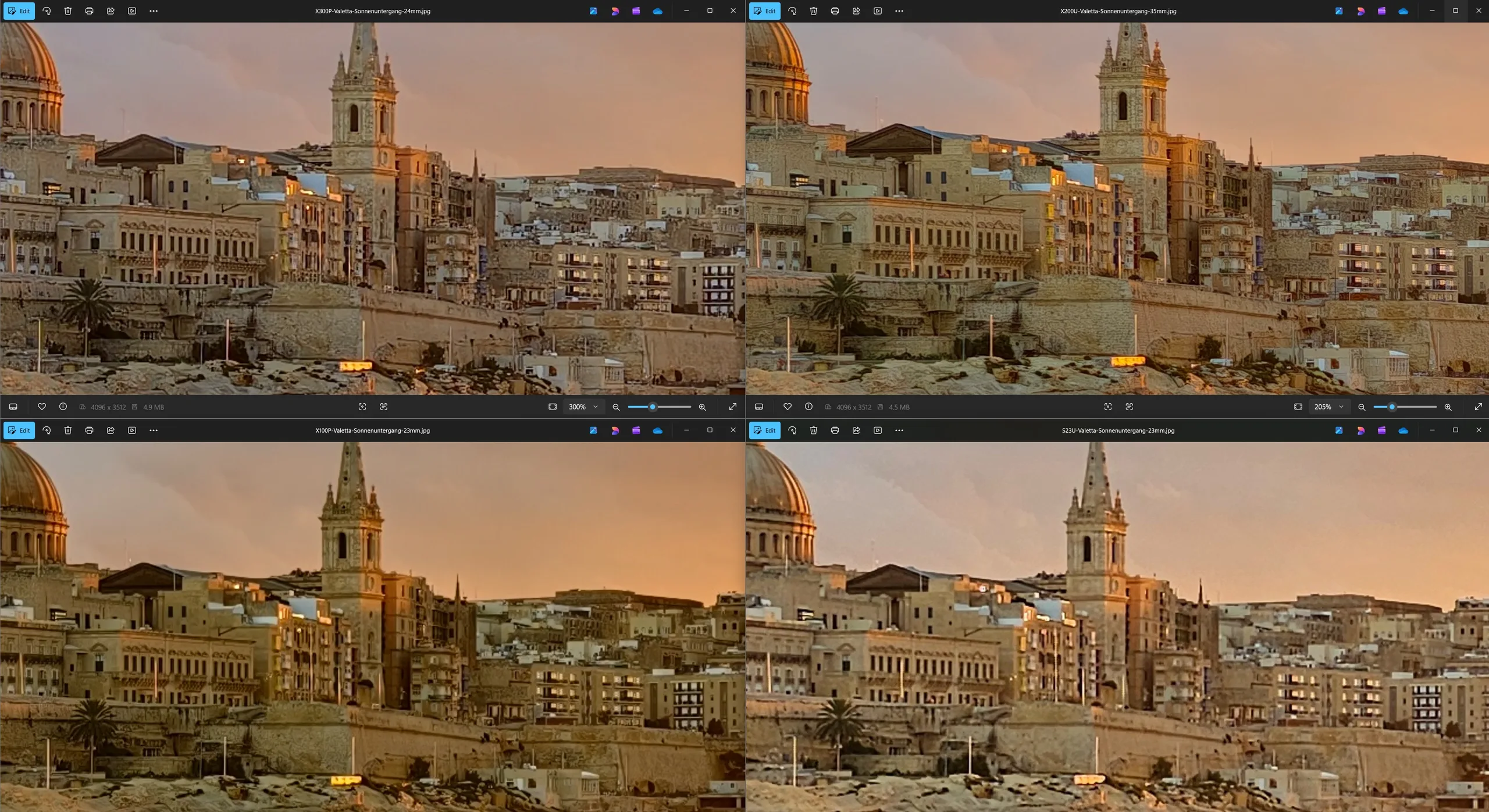
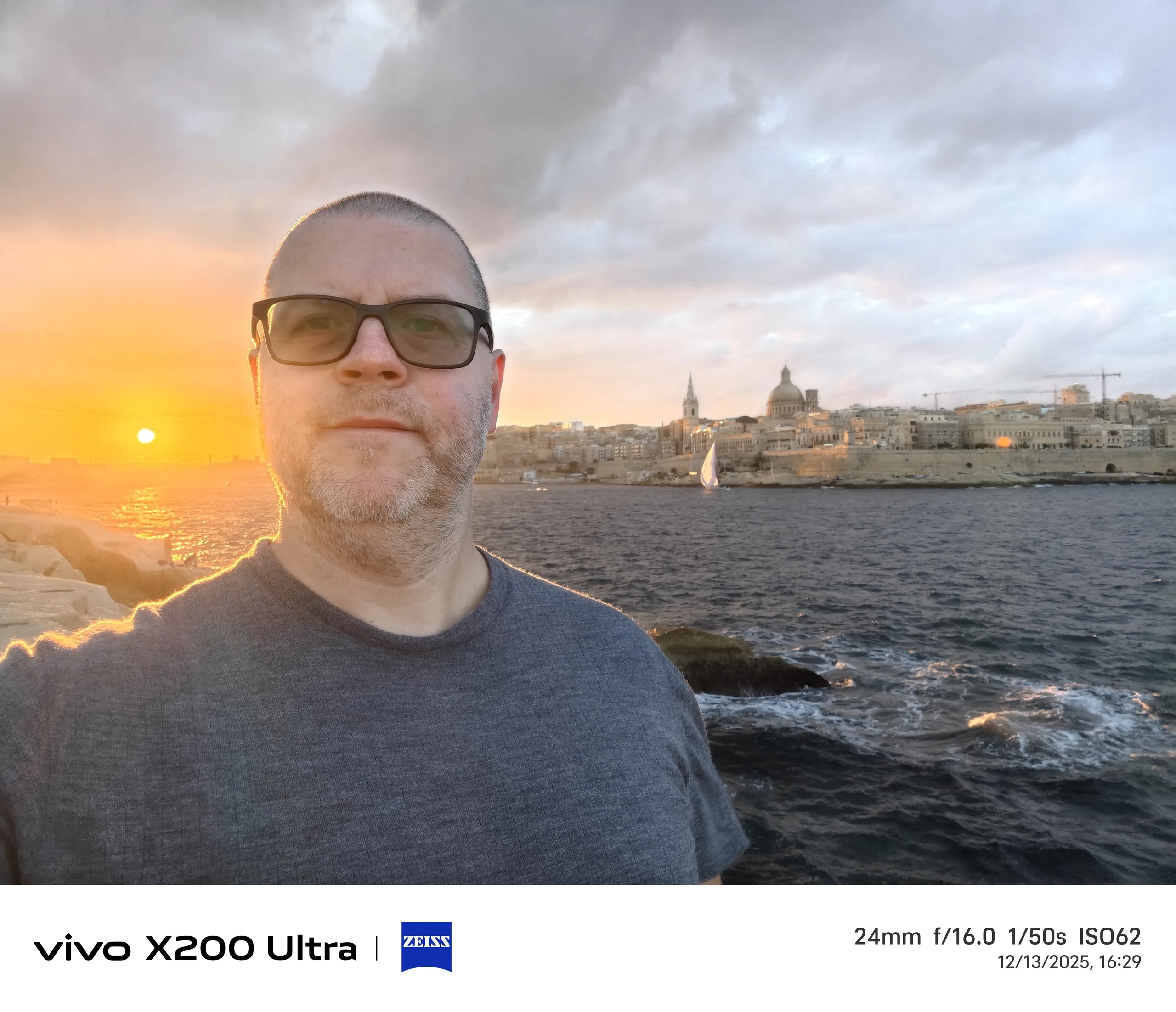
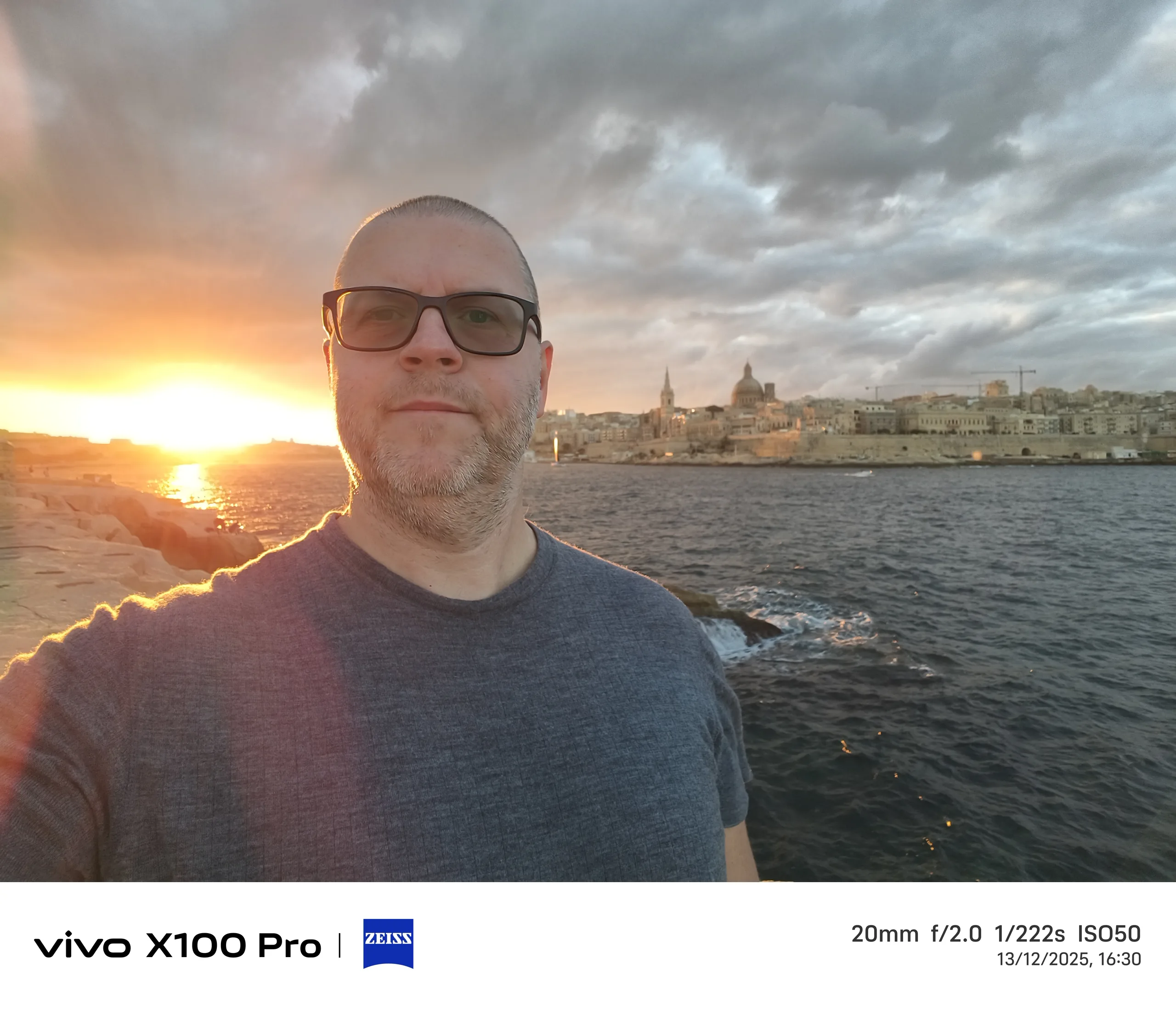
For the next example, we move to Malta and witness a sunset from Tigné Point, north of Valletta. In my opinion, the Vivo X300 Pro captures the moment when the sun briefly emerges from beneath the thick cloud cover just before setting in the most dramatic way.

Details
The pattern that the 200 MP sensor of the Samsung Galaxy S23 Ultra delivers the least detail - at least in pixel-binning mode - is clearly noticeable here as well. The Vivo X200 Ultra narrowly takes the lead, aided by its longer focal length. The Vivo X300 Pro does not necessarily deliver more detail than the Vivo X100 Pro and appears to apply a bit too much sharpening, but I still prefer its overall result in this case.
Excursion in Cyprus: Paphos

In-sensor zoom (50mm)
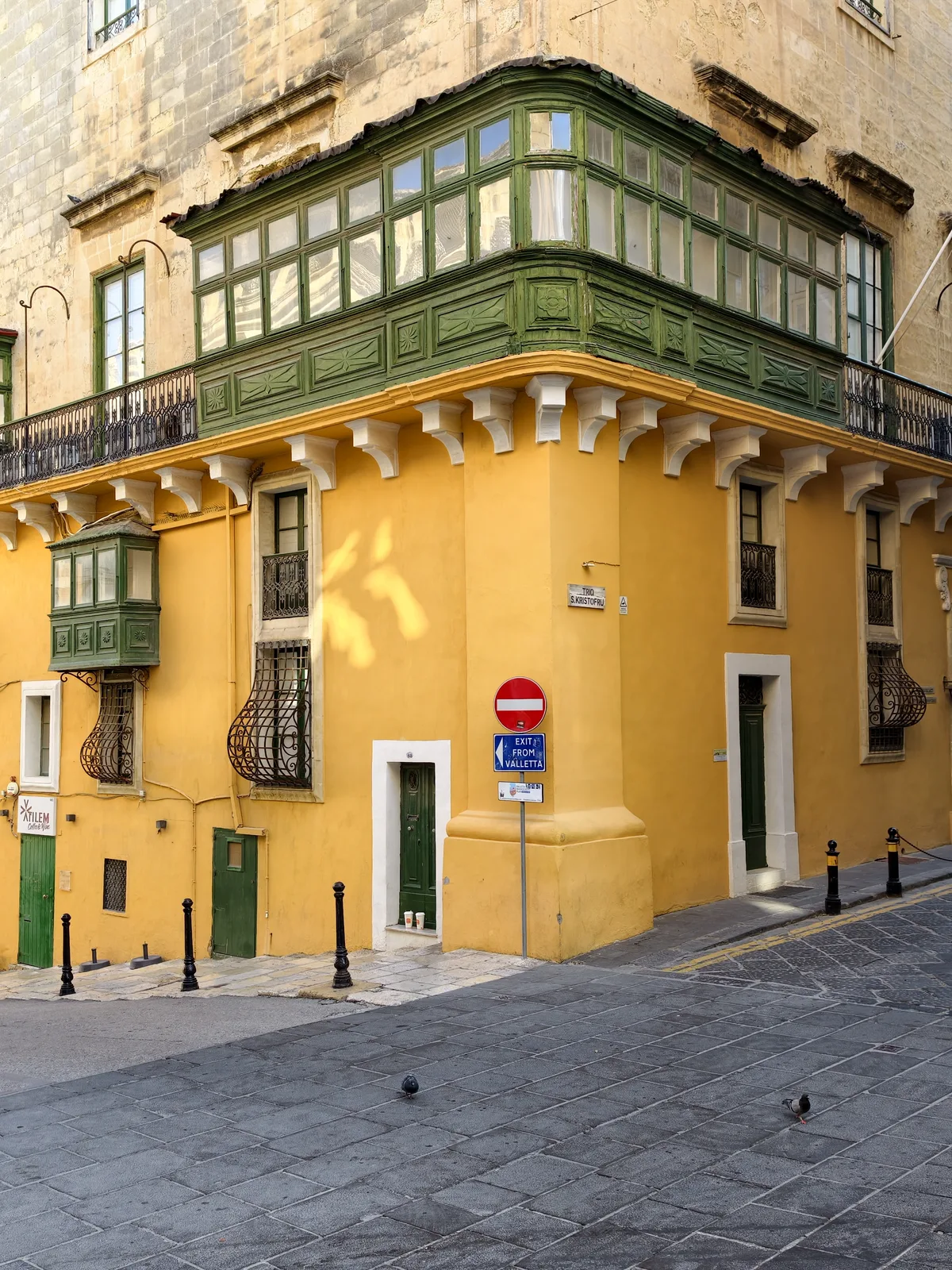
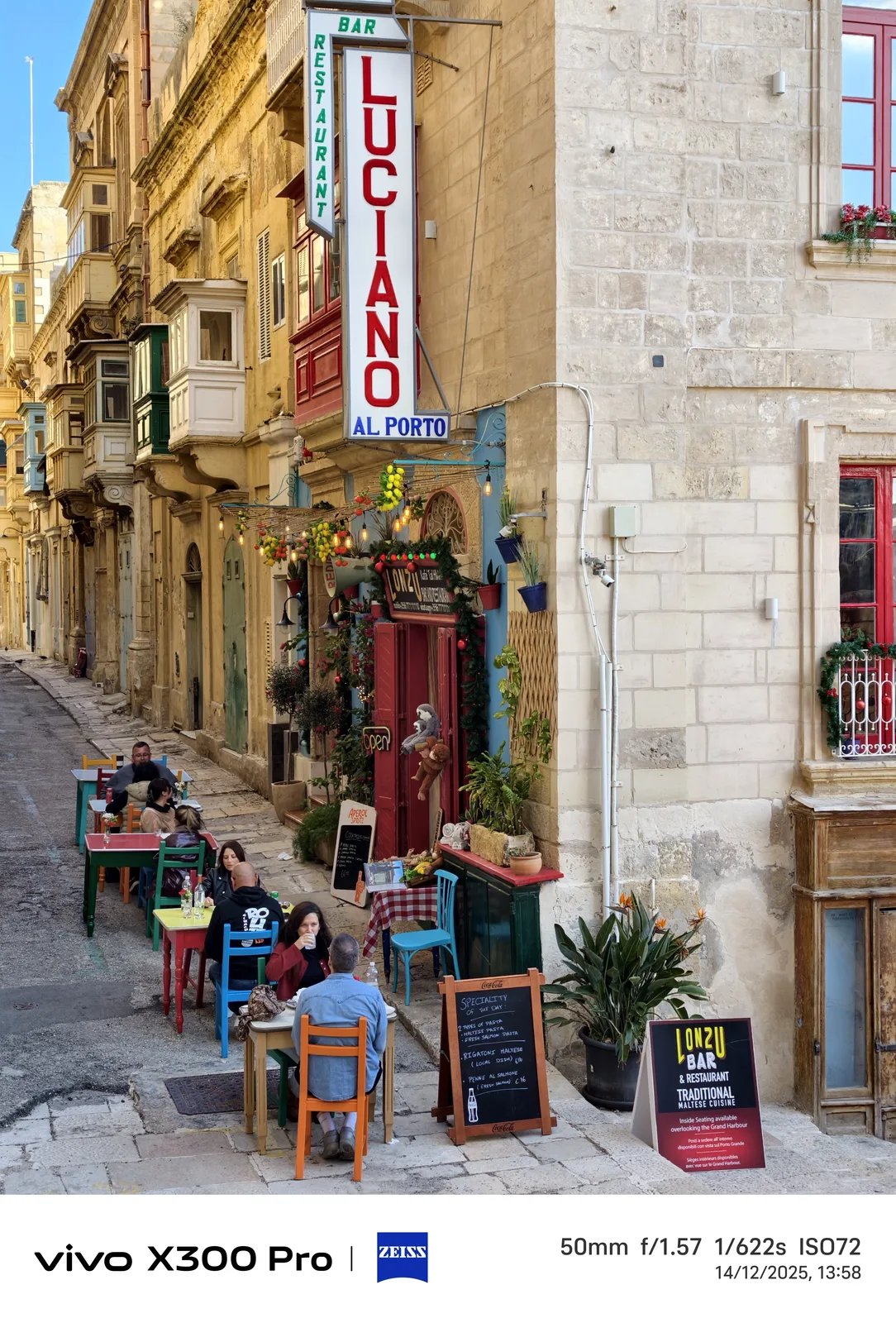
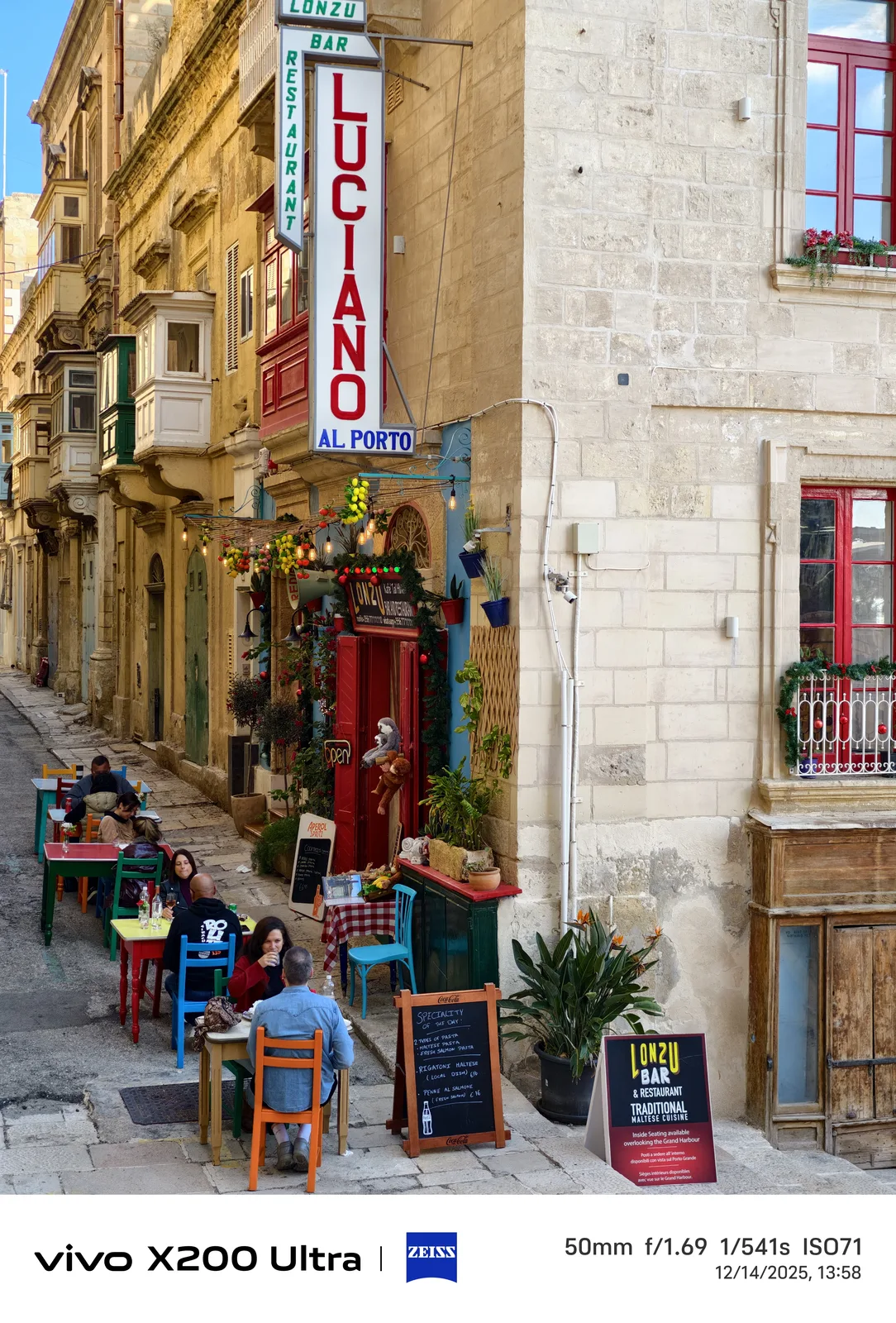
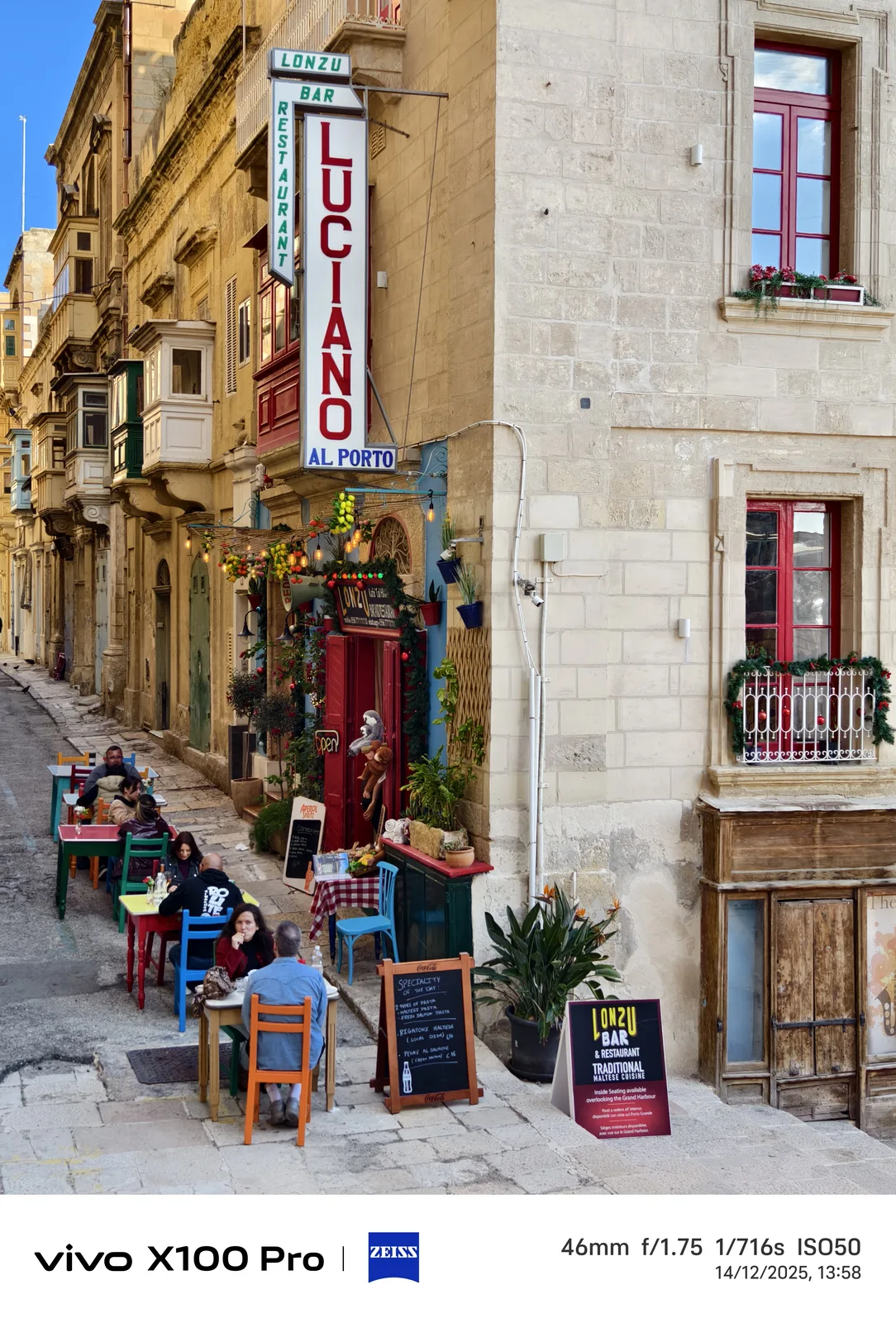
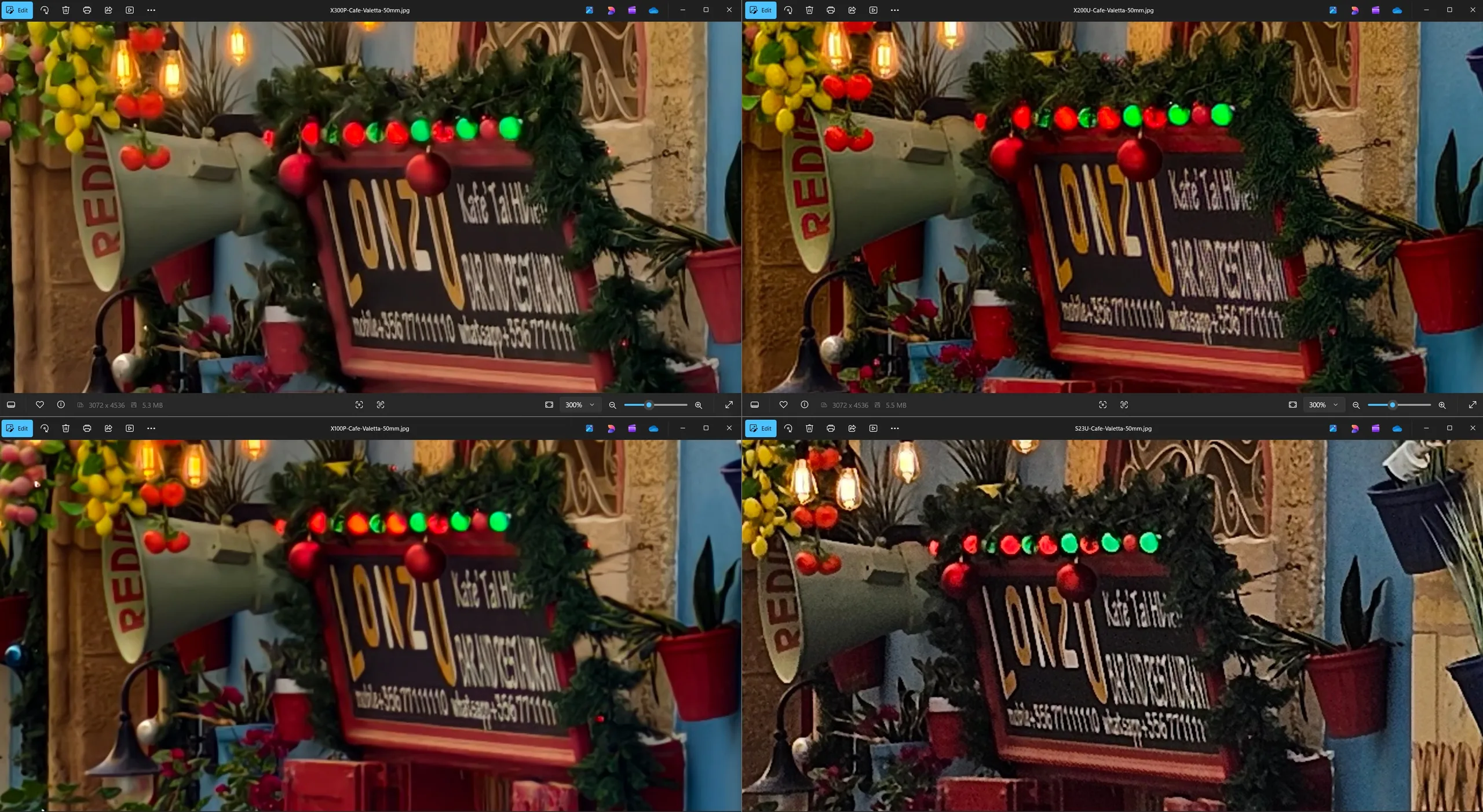
Using the example of a café in Valletta’s old town, this section takes a closer look at image quality when using in-sensor zoom with the main camera.

Details
On closer inspection, some differences become apparent in the details. The Vivo X200 Ultra’s digital zoom from 35 mm to 50 mm looks the weakest among the Vivo models. Text is slightly more legible on the Samsung, but the lights appear overly white. The main camera of the Vivo X300 Pro preserves the most detail without looking oversharpened, while the X100 Pro clearly does not benefit much from its 1-inch sensor by comparison and appears somewhat too soft.
5. Front camera
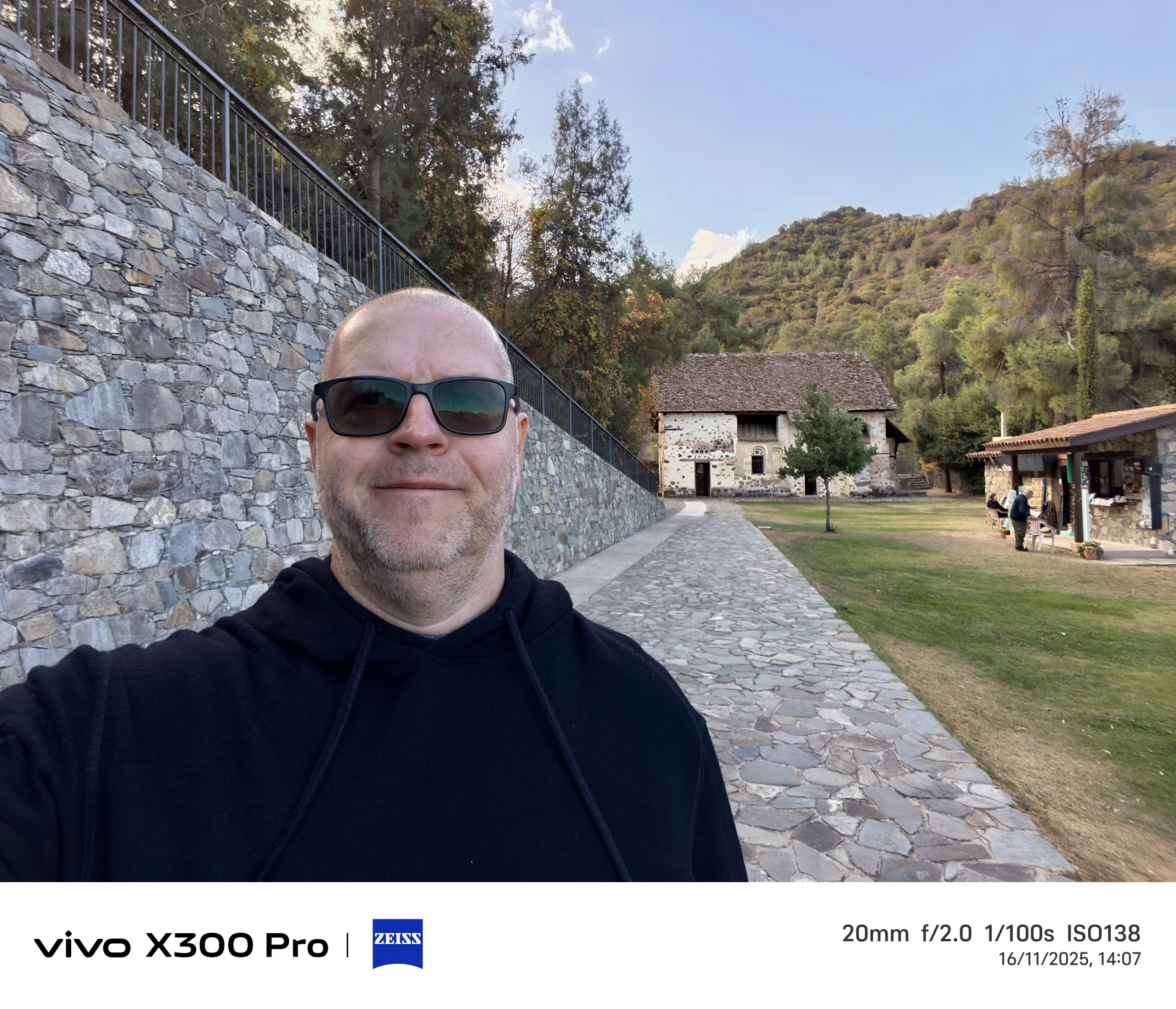
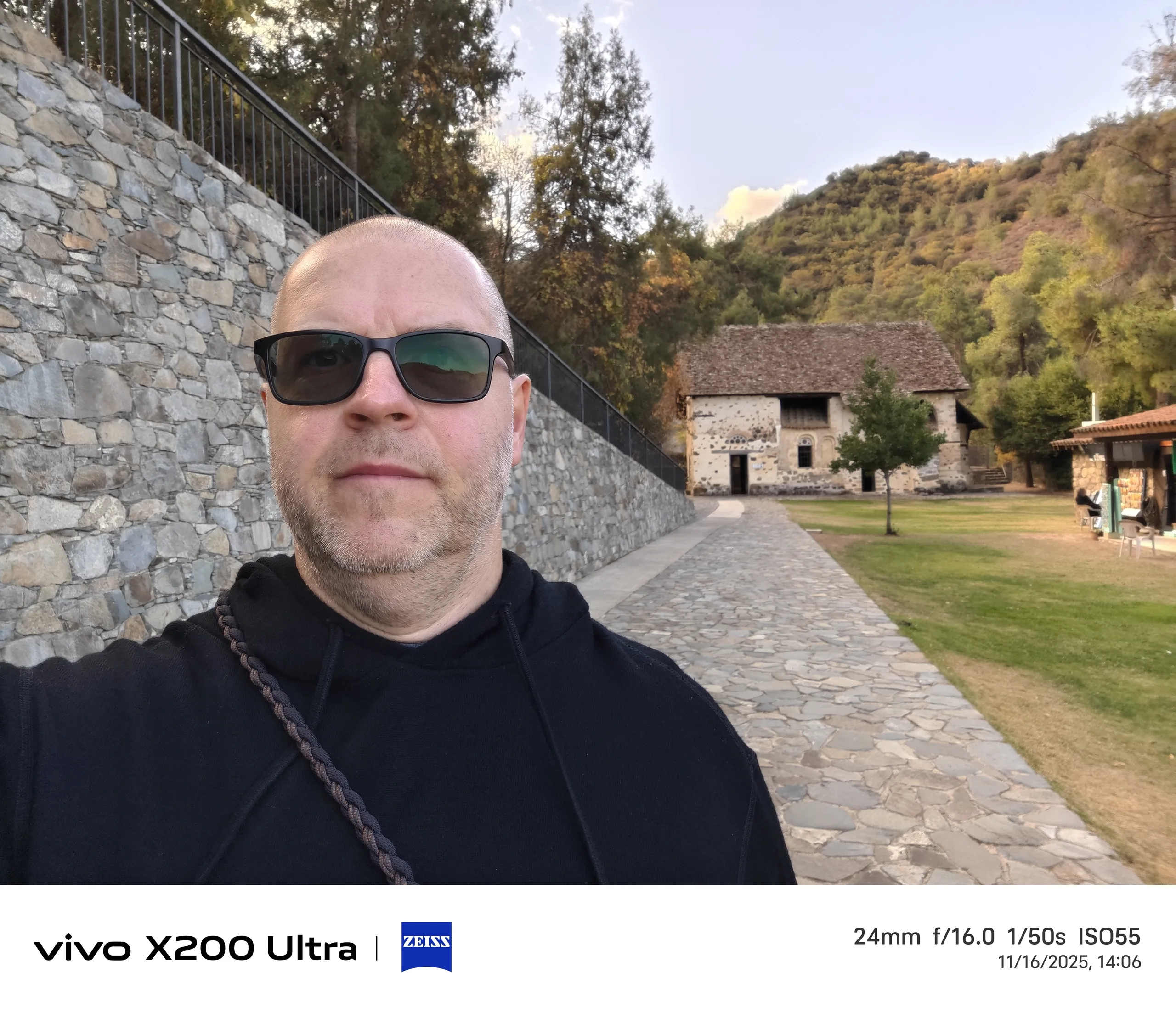
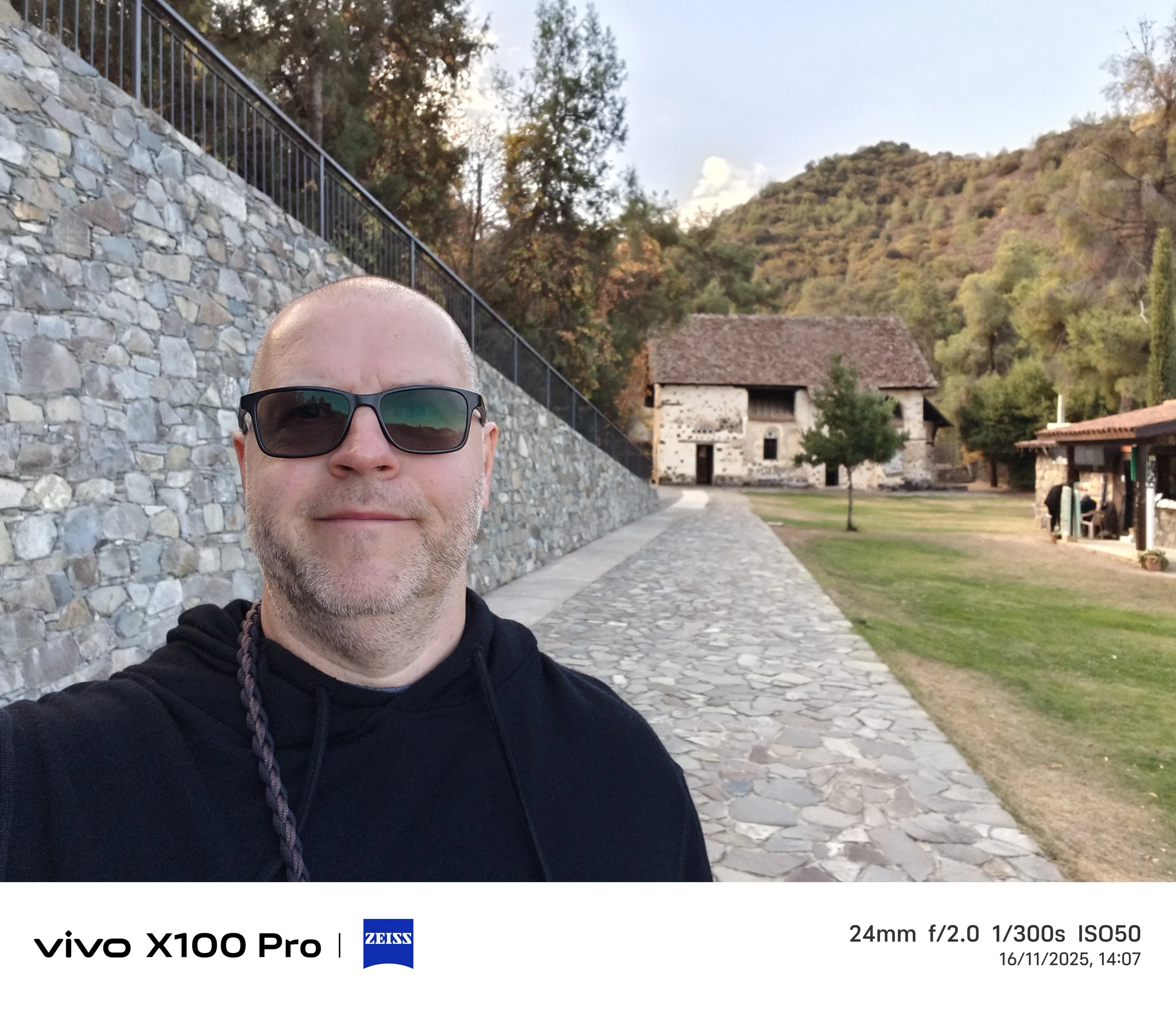
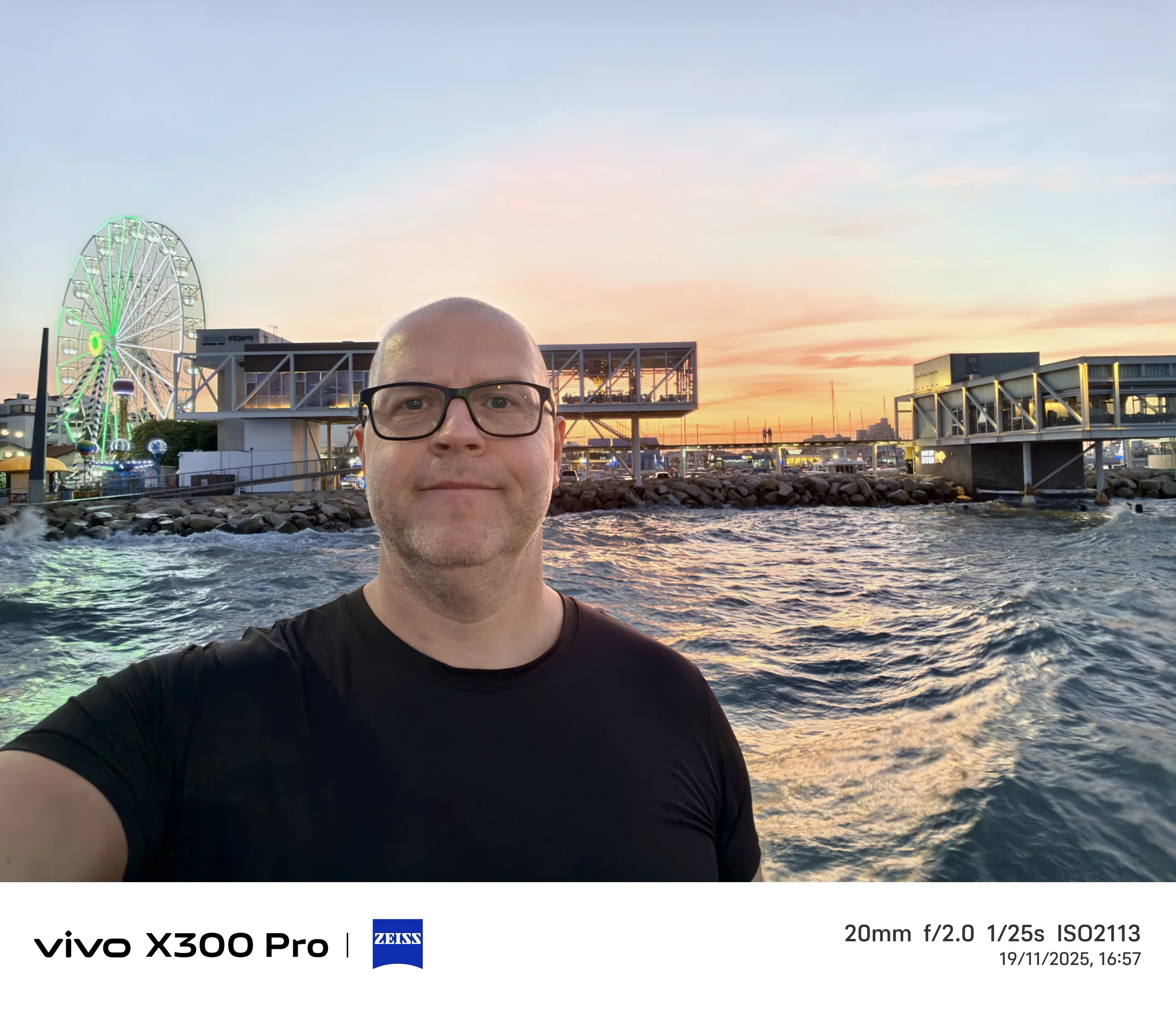
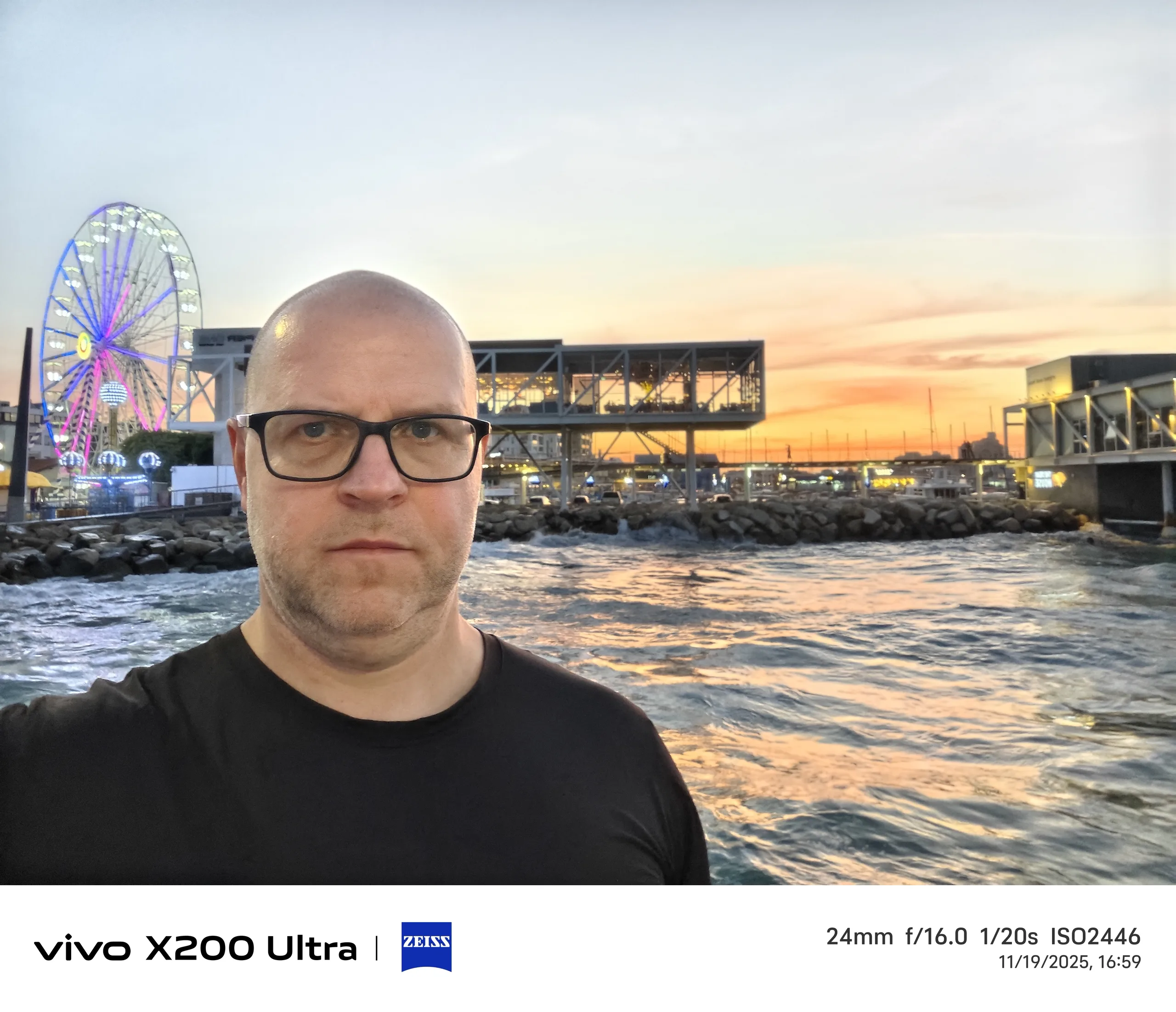
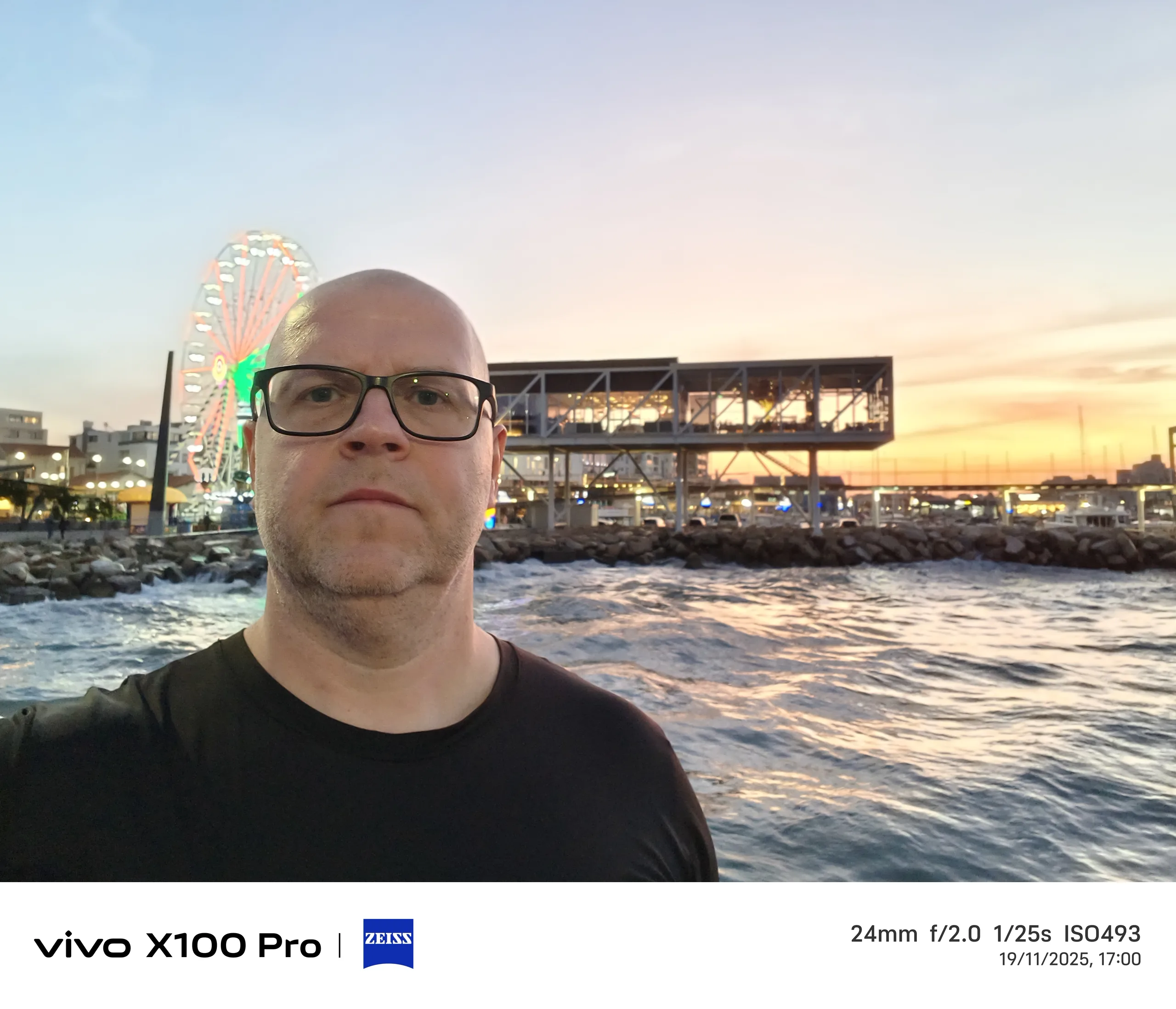
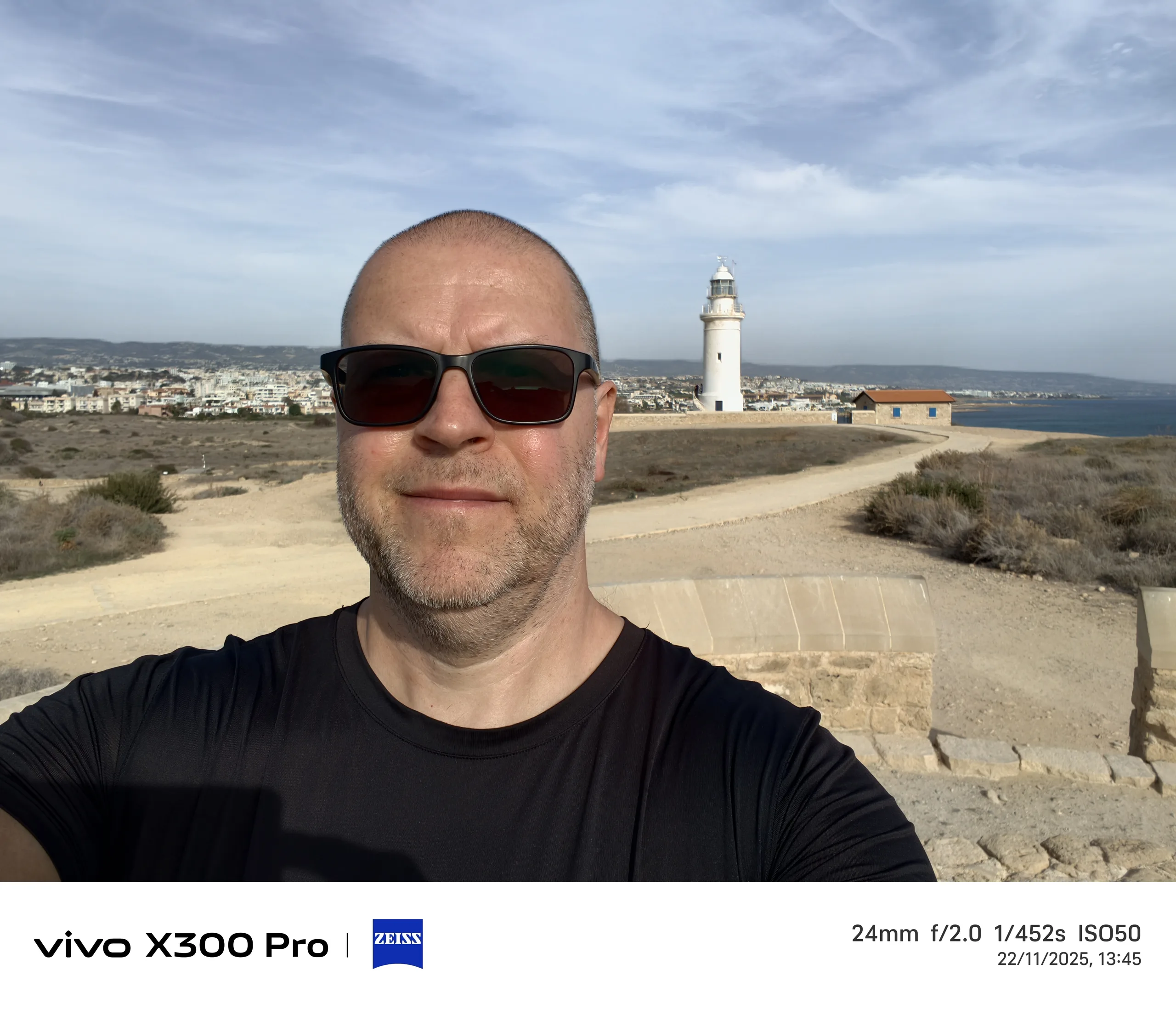
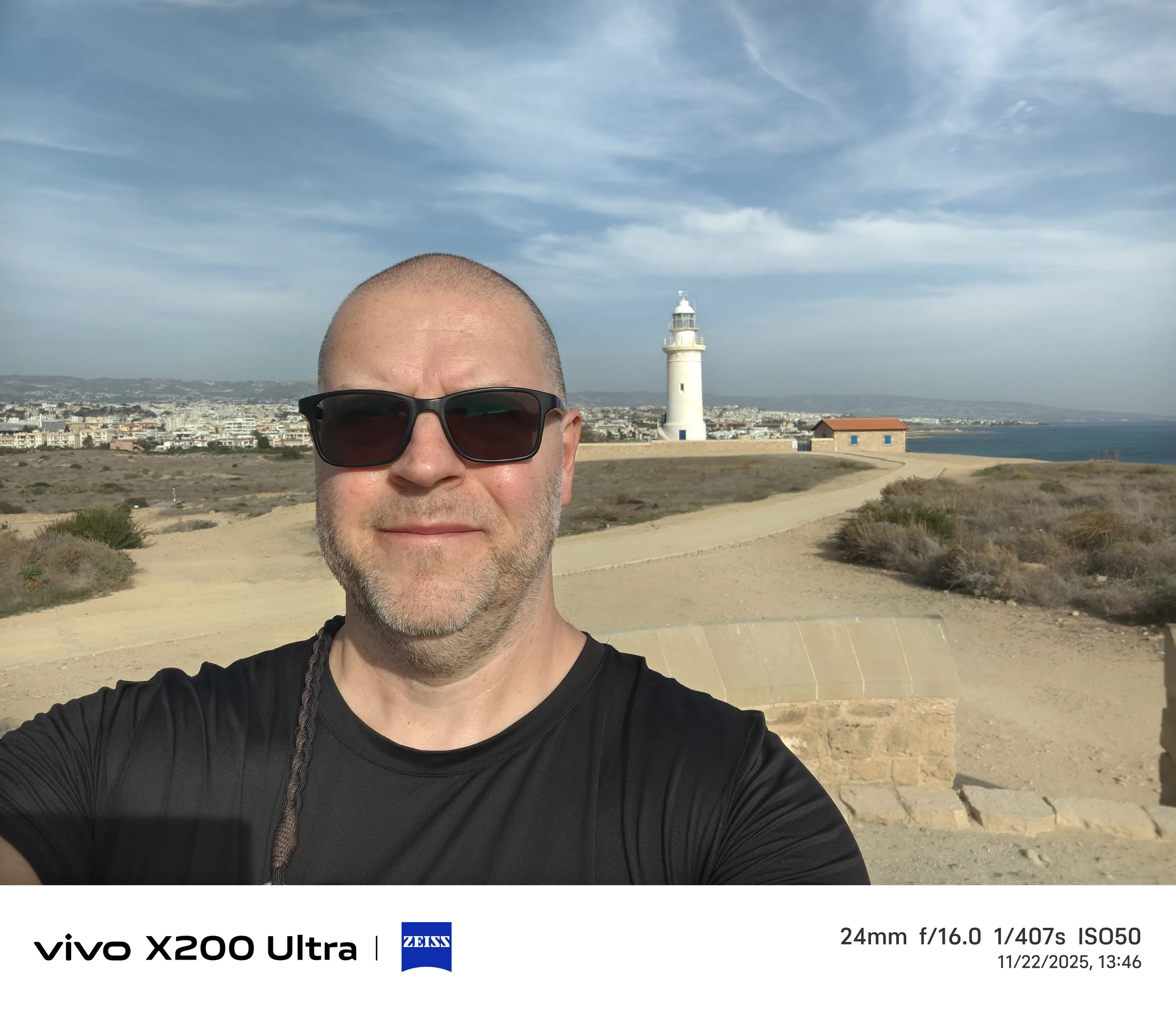
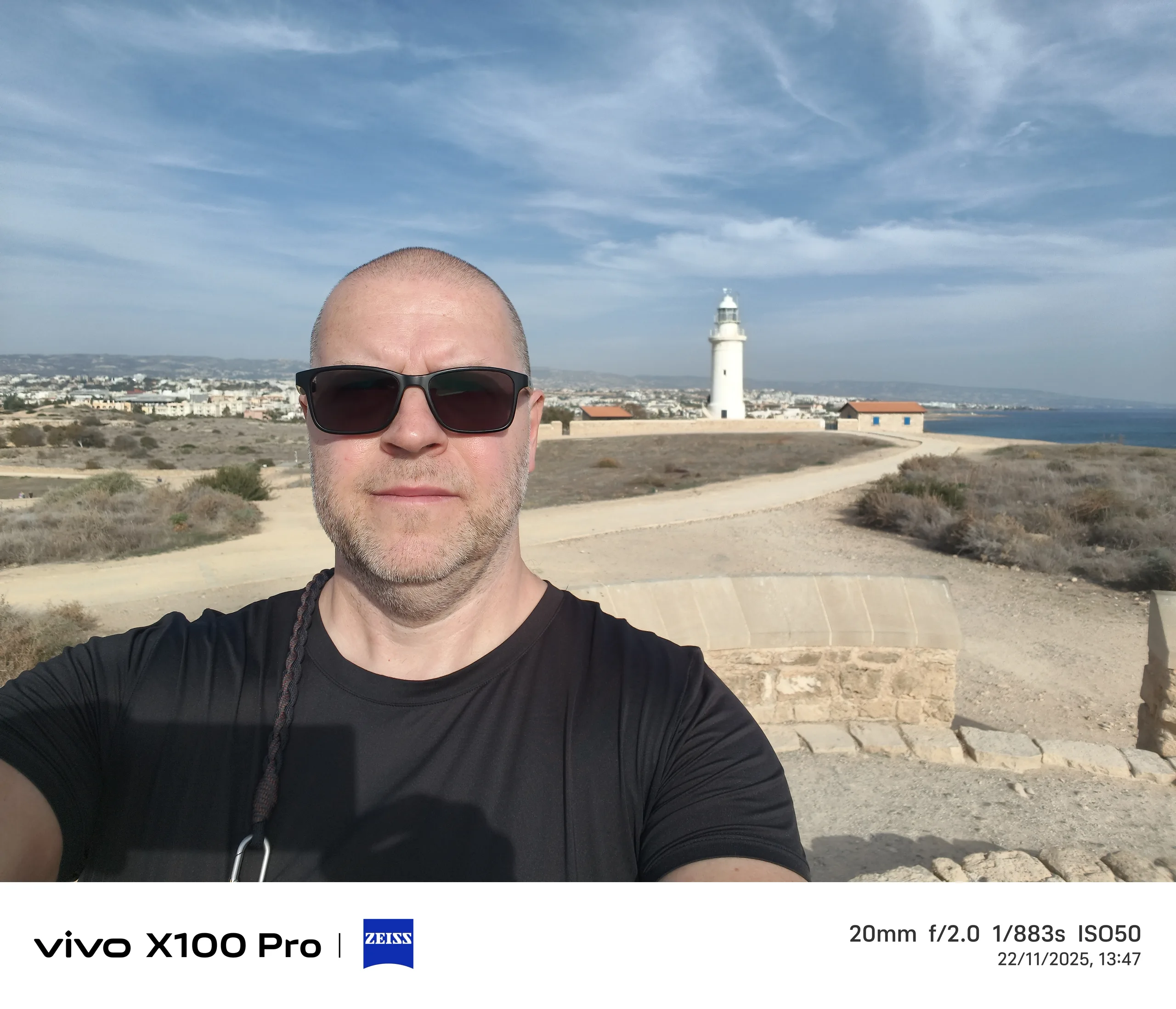
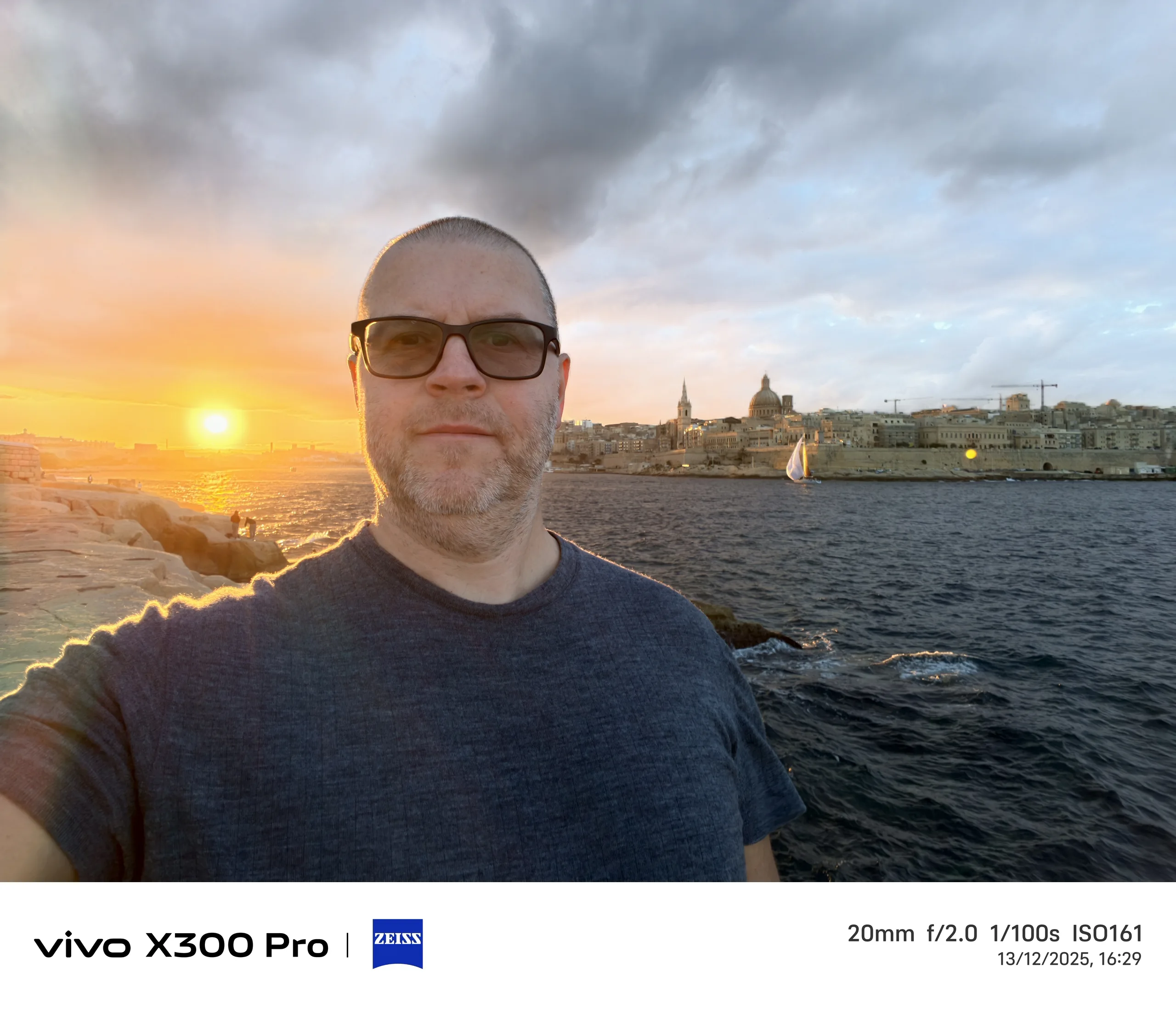
I am not exactly a big selfie fan, but in the interest of science, I took a few selfies at various locations and under different lighting conditions. In my view, the Vivo X300 Pro has improved significantly in terms of selfie quality compared to the Vivo X200 Ultra. In most cases, the latest Vivo flagship delivers the most natural-looking image of the quartet, not only thanks to its noticeably wider field of view but also in terms of skin tones-at least in my case. In the final example, with the sunset serving as a backlight source, however, the Vivo X300 Pro also struggles somewhat.




Excursion to Malta: Rabat-Mdina-Dingli




Conclusion of the photo comparison
My conclusion from this fairly extensive photo comparison is as follows: aside from the ultra-wide-angle camera, the Vivo X300 Pro is a worthy successor to the Vivo X200 Ultra and is no longer really comparable to the Vivo X100 Pro, despite the latter being only two years old. In everyday use, I hardly miss its 1-inch sensor; in many situations, the LYT-828 in the Vivo X300 Pro delivers a similar level of detail along with more dynamic images. The front-facing camera has also improved significantly and now offers a wider field of view.
Where the Vivo X200 Ultra still has a clear justification is the camera button, which may return on the Vivo X300 Ultra, but has already been removed from the Vivo X300 (corrected on 9 January 2026), rumored to be missing from the upcoming X300 Ultra and its ultra-wide sensor, which remains the gold standard for still photography. There is little reason to mourn the Samsung Galaxy S23 Ultra anymore, even though its 10x telephoto lens can still produce surprisingly good, if sometimes rather flat-looking, images in daylight.
If you ordered the camera kit with the Zeiss teleconverter for the Vivo X300 Pro, it serves as a capable replacement, even if carrying an additional lens is not always convenient. The results produced by this combination, both during the day and at night, speak for themselves. Together wih the advantages already discussed in Part 1 - such as the significantly improved 4K120 video recording and the extensive options for customizing images to suit individual preferences - the Vivo X300 Pro positions itself convincingly as a flagship camera smartphone for 2026. A detailed review covering the rest of the hardware beyond the camera is available separately.
Sources
Own
All images and photos: Alexander Fagot, Notebookcheck
 Add as a preferred source on Google


