




CheckMag | First Xiaomi 17 Ultra Leica camera reviews, comparisons and hands-on: Tough times for Samsung Galaxy S26 Ultra and others
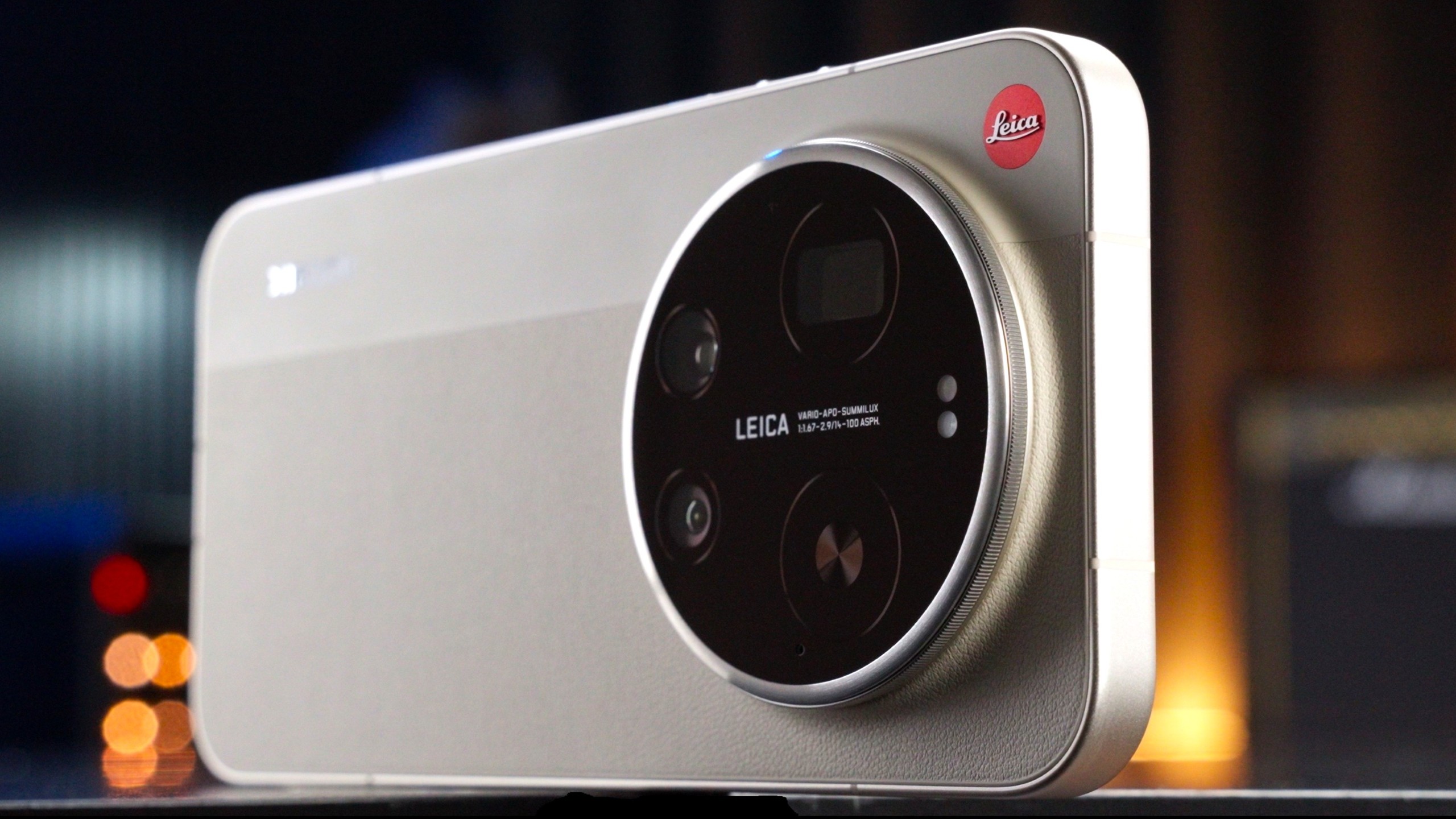
Today, December 27, 2025, the Xiaomi 17 Ultra has officially become available for regular purchase in China. Unsurprisingly, first reviews and hands-on images are now emerging on social media, as are the increasingly popular comparison photos with competing phones like Apple iPhone 17 Pro, Samsung Galaxy S25 Ultra, Vivo X200 Ultra and other camera flagships of the year 2025.
Real images: The Xiaomi 17 Ultra by Leica (Leitzphone) Edition
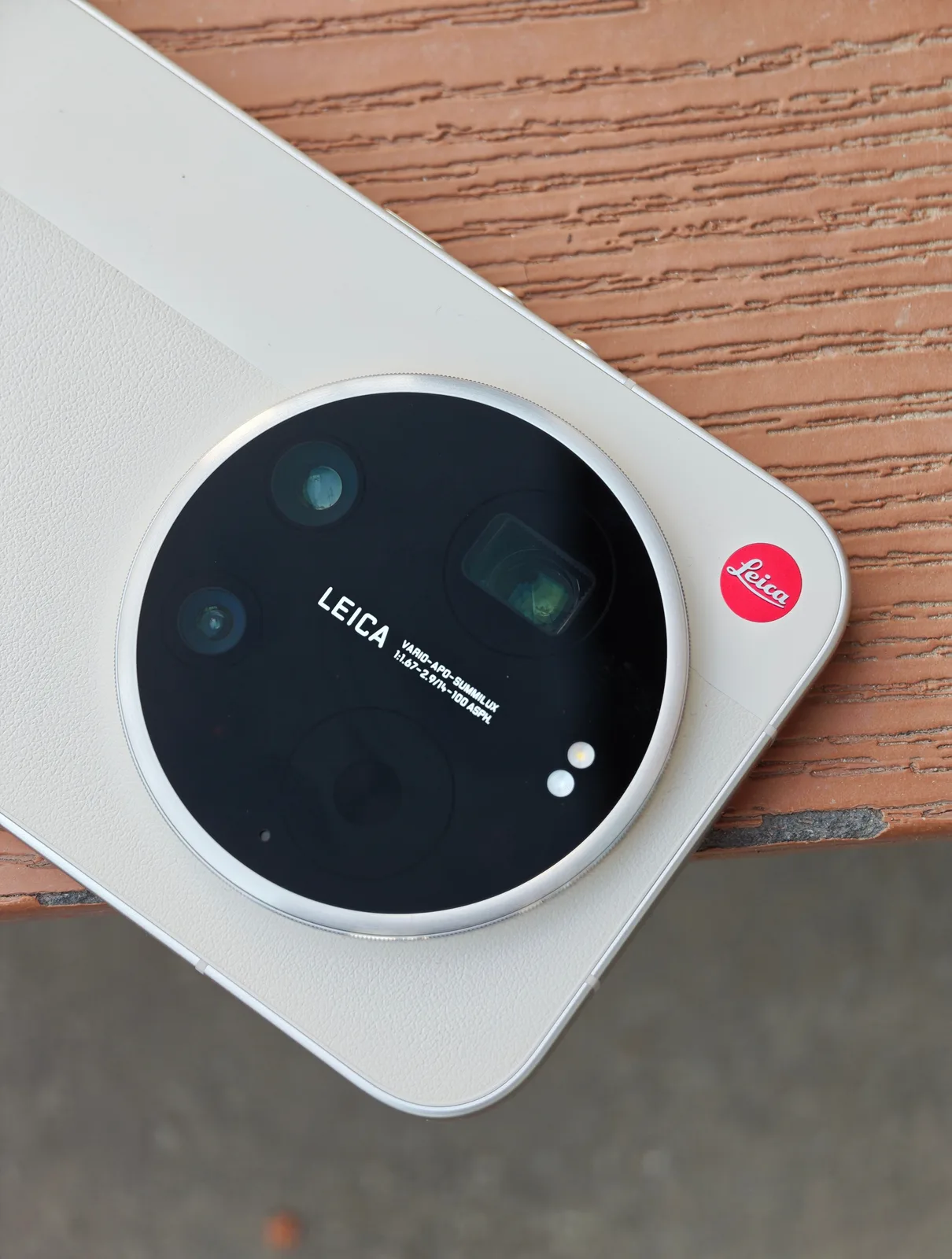
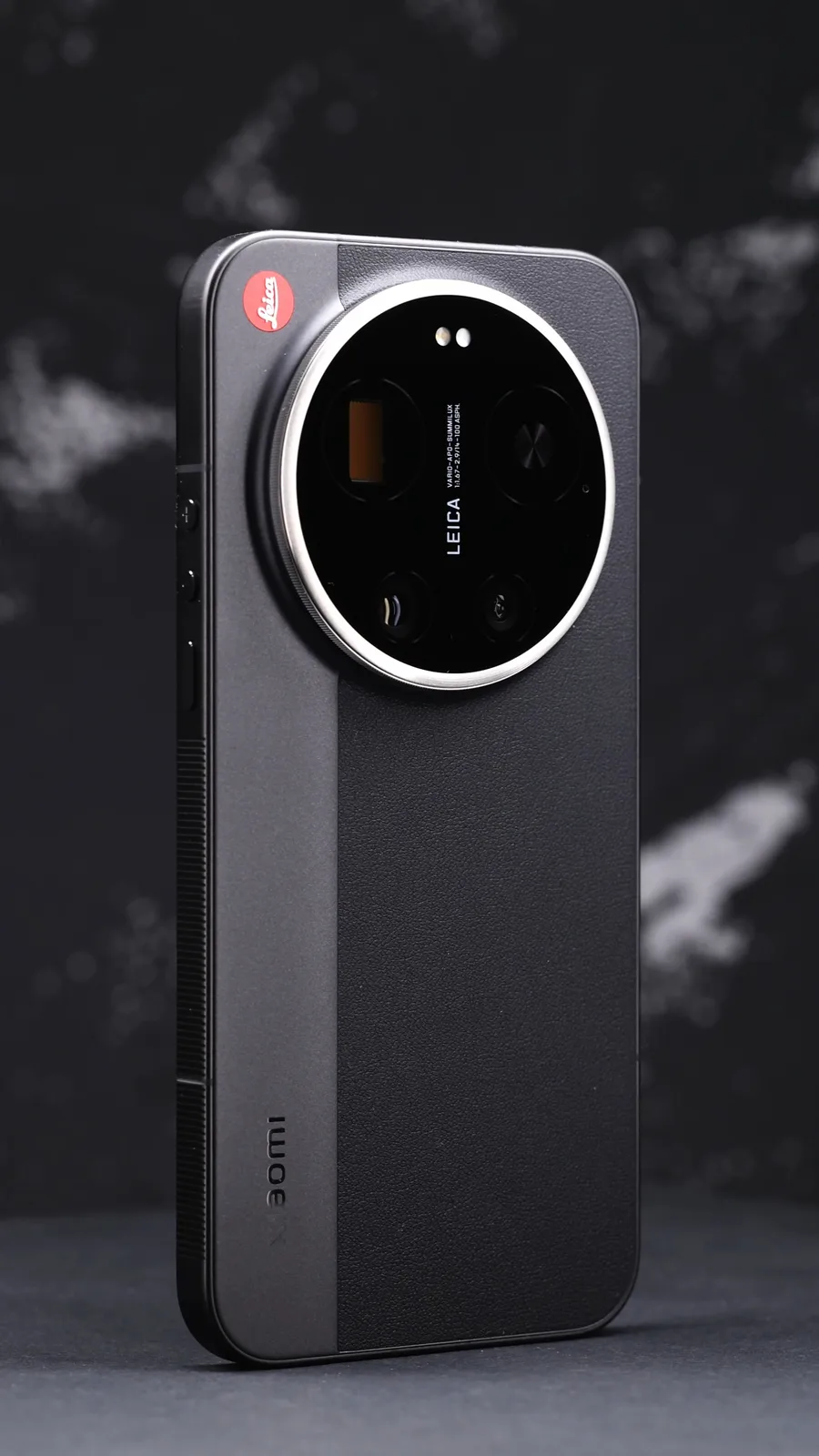
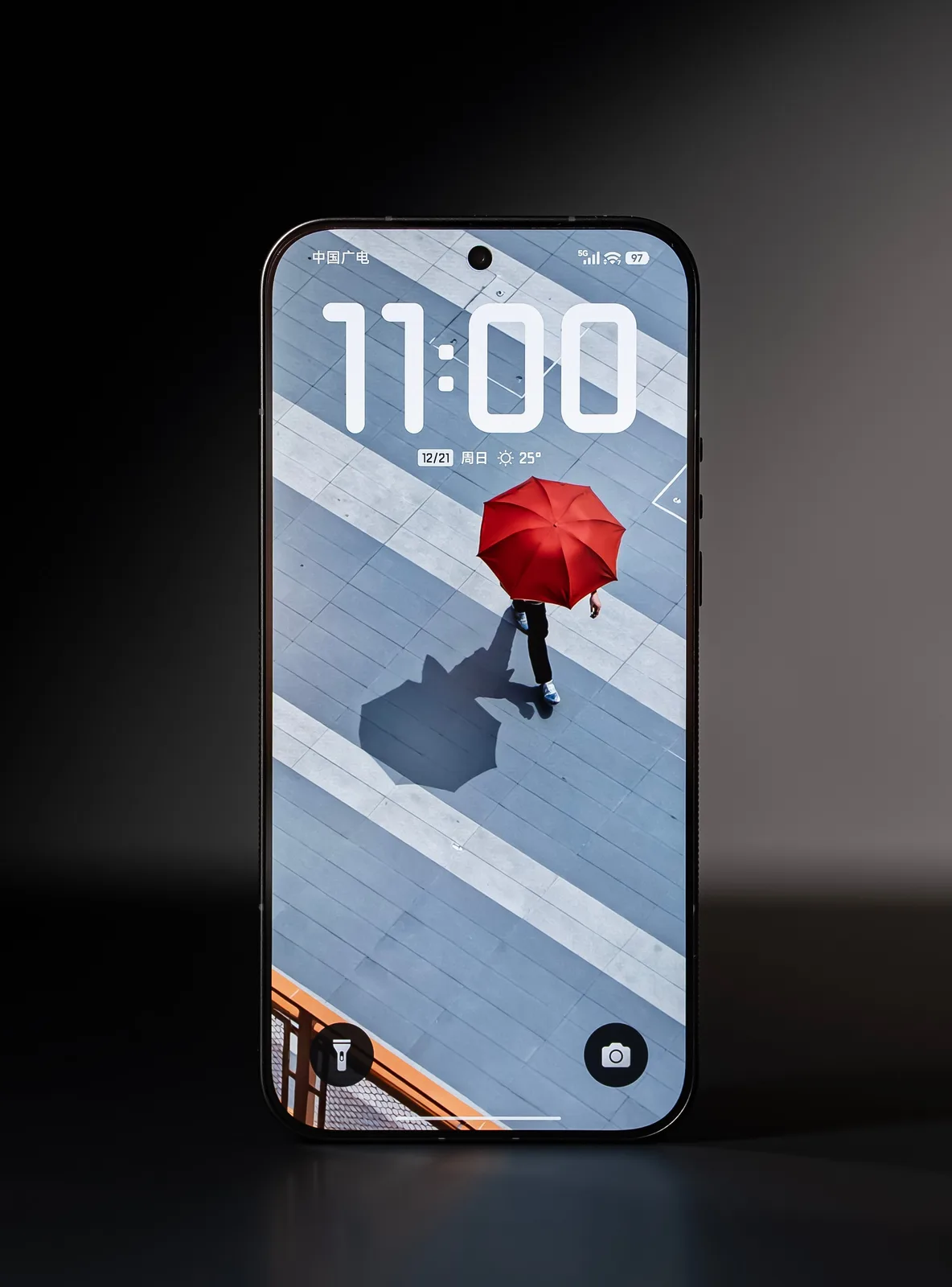
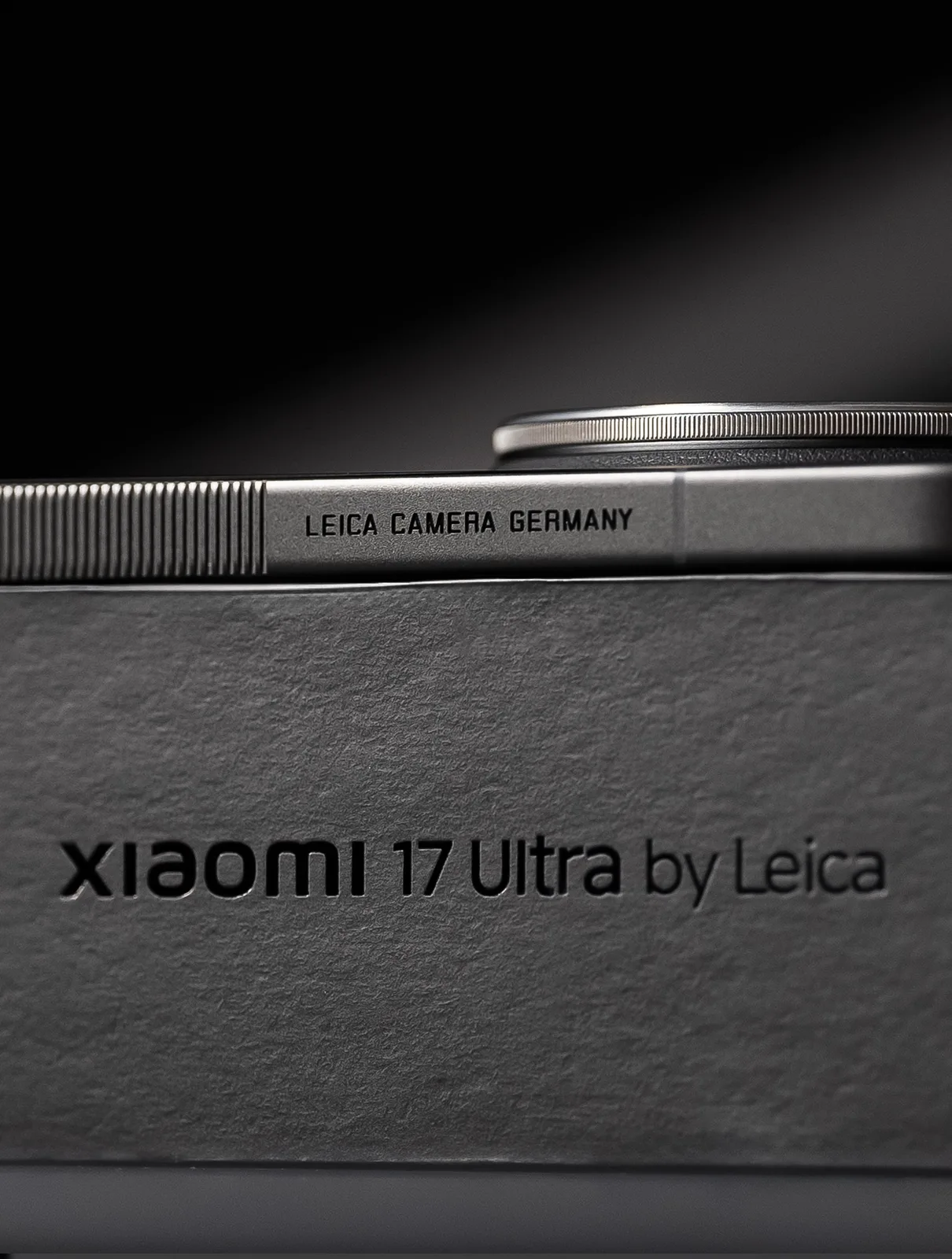
The first 2026 Ultra camera flagship phone
With the very first 2026 Ultra flagship, Xiaomi has already set the bar very high a few days before the turn of the year. In addition to what will likely be the only 1-inch main camera based on the new Omnivision OV50X sensor with Lofic technology, the first optical zoom camera with its 200MP Samsung ISOCELL HPE sensor is primarily intriguing. While it does not cover a great distance at 75 to 100mm and has smaller aperture values compared to the two telephoto lenses of the Xiaomi 15 Ultra, it offers purely optical zoom quality in this range instead of digital and AI-enhanced zoom.
Real images: The regular Xiaomi 17 Ultra in four color variants
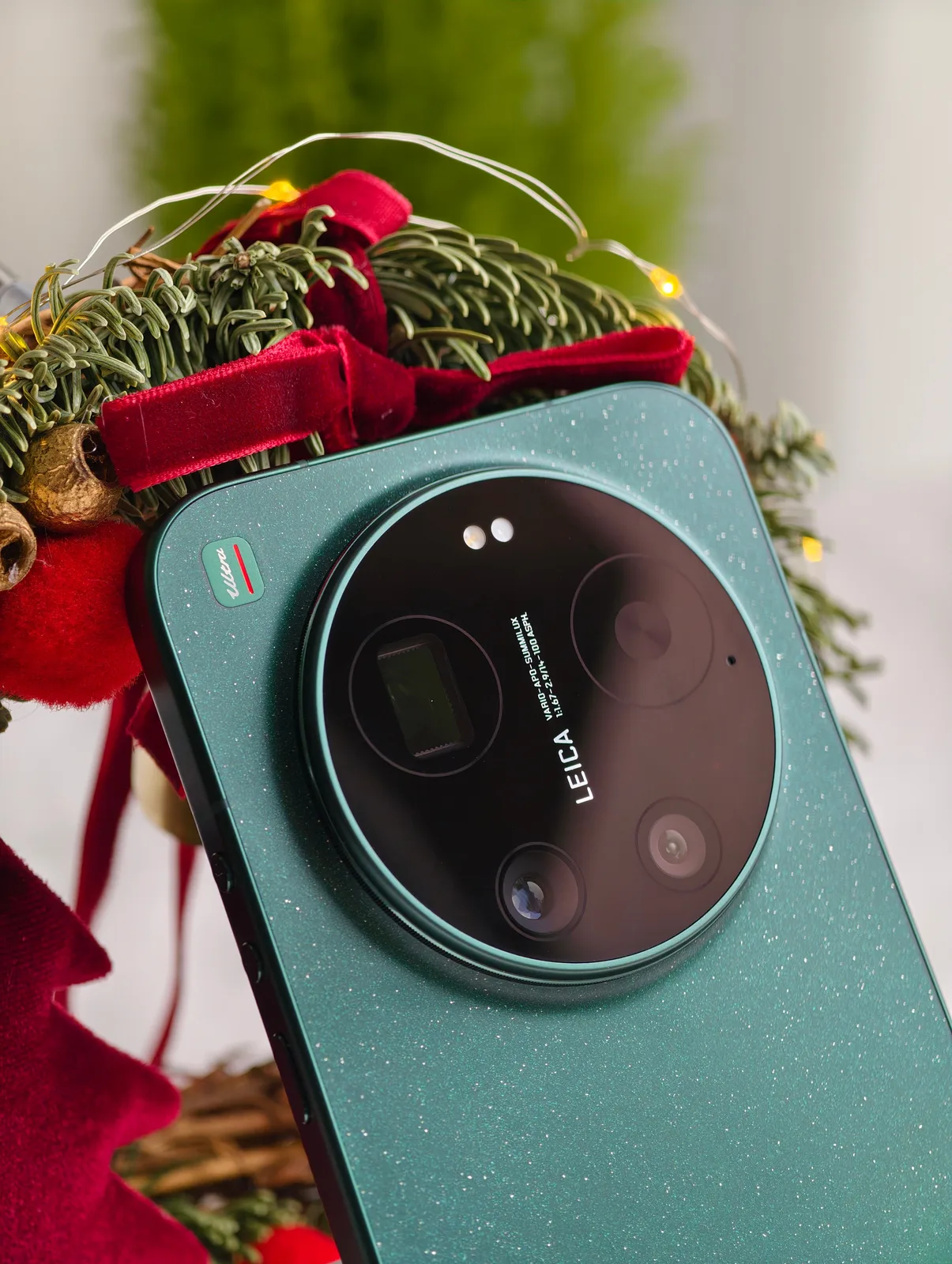
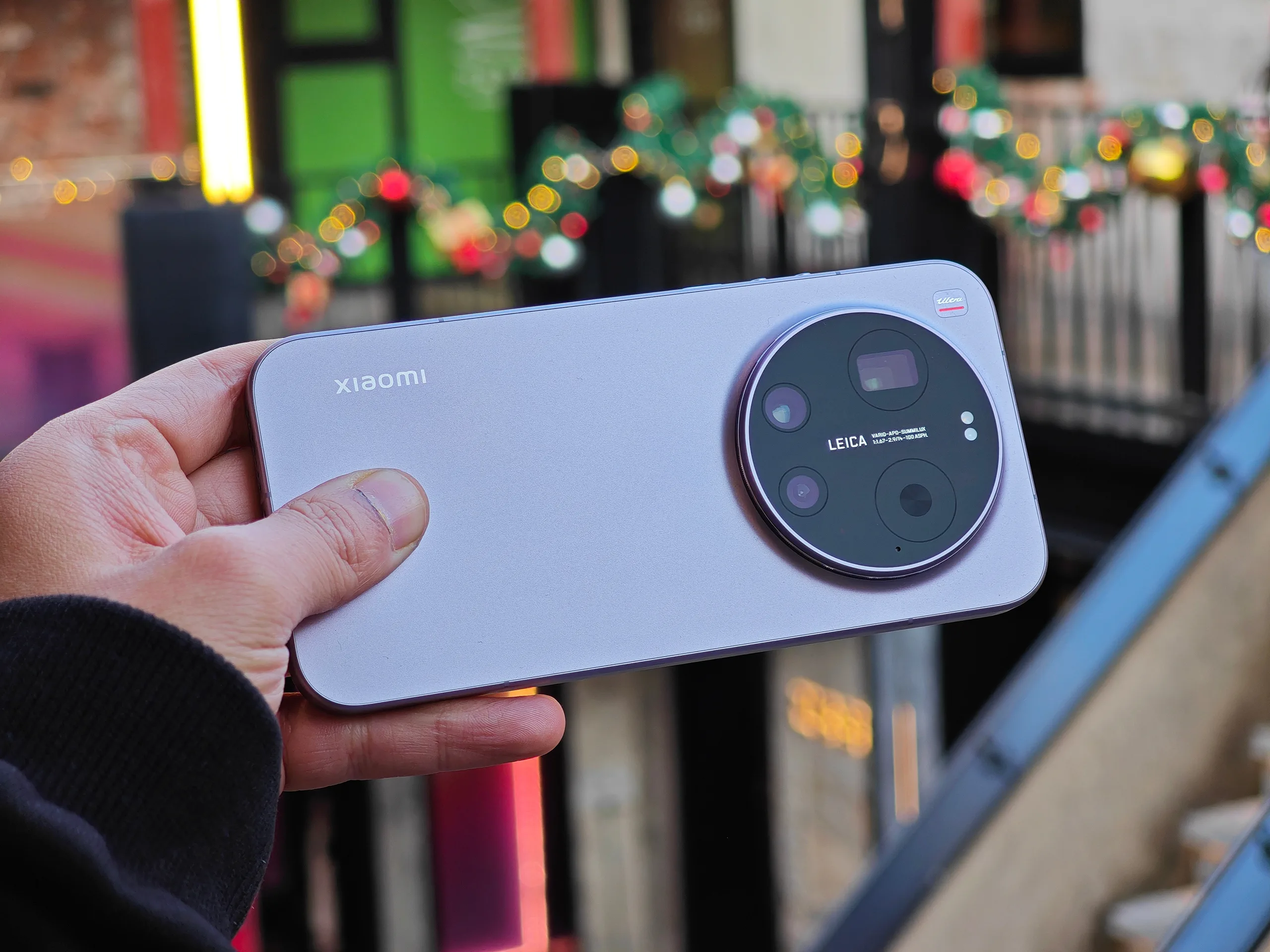
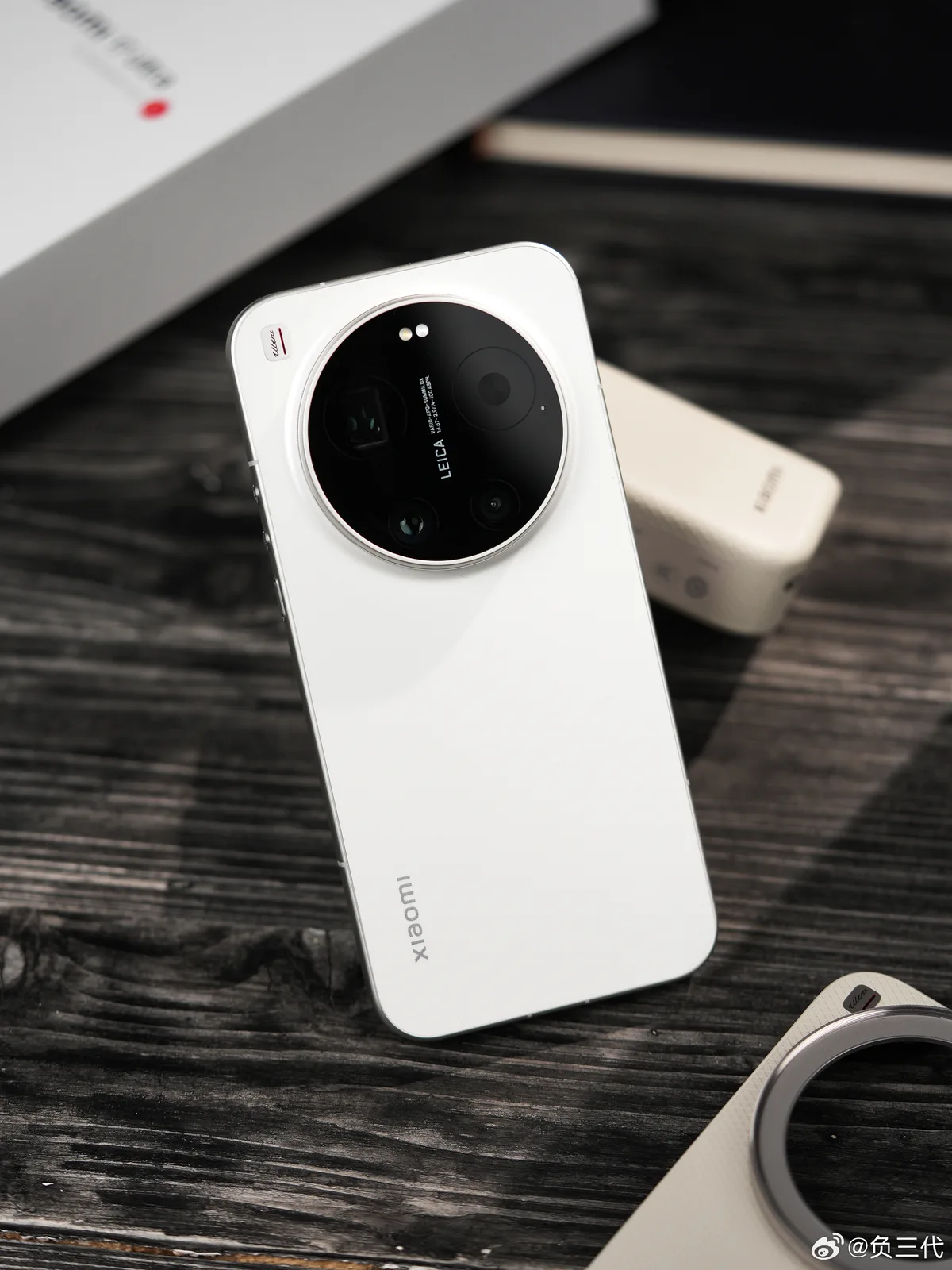
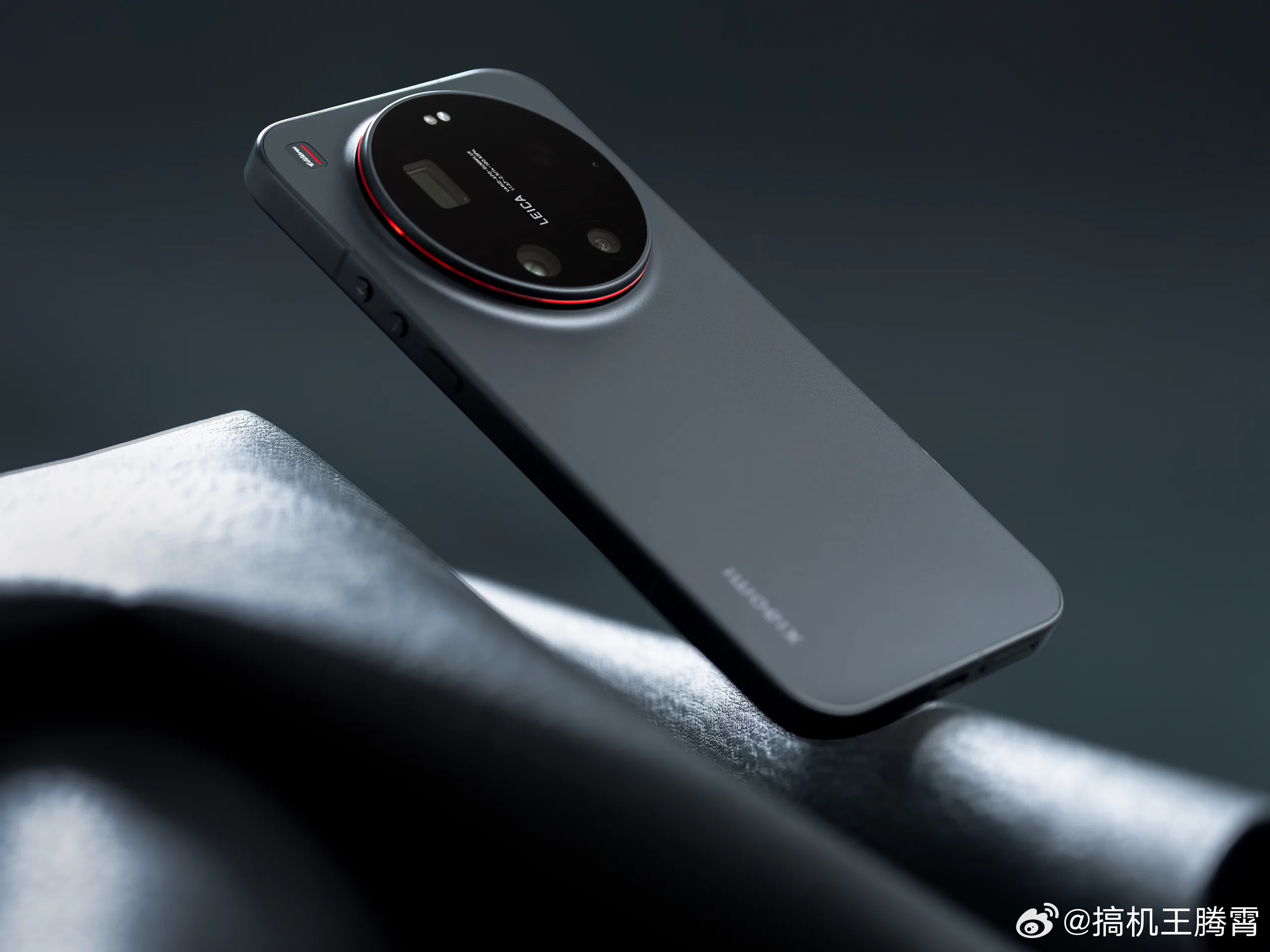
Leica Leitzphone Edition with some distinctive features
Initial hands-on impressions of the special edition have also surfaced. This version is sold under the "Xiaomi 17 Ultra by Leica" name in China and will probably be called "Leitzphone powered by Xiaomi" in Europe. These reports show the real-world differences compared to the regular Xiaomi 17 Ultra.
Of course, there is the Master Zoom Ring with haptic feedback, which can be configured in the settings, as shown in the pictures uploaded by Chinese X user Devinarde. However, he also notes that the ring can be activated unintentionally when using the Leica camera kit.
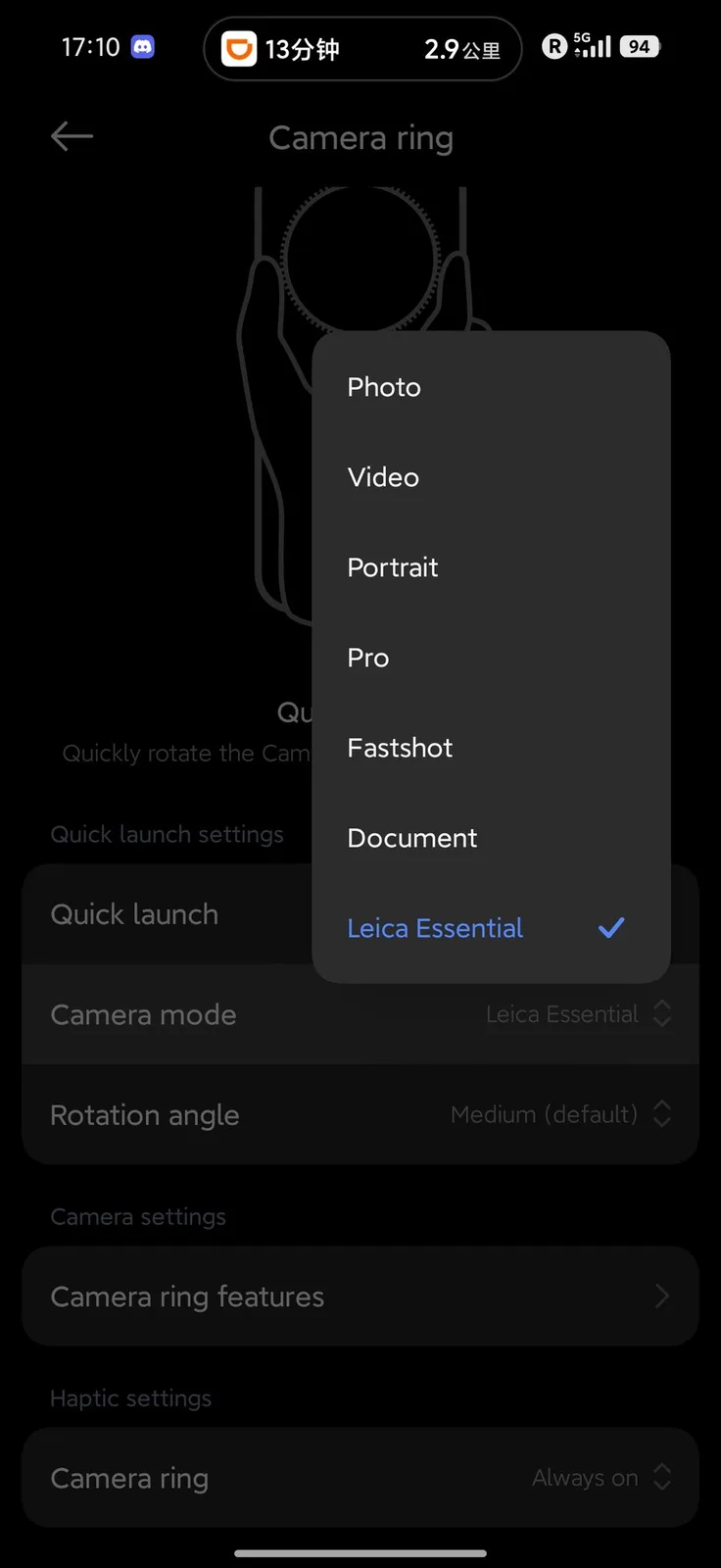
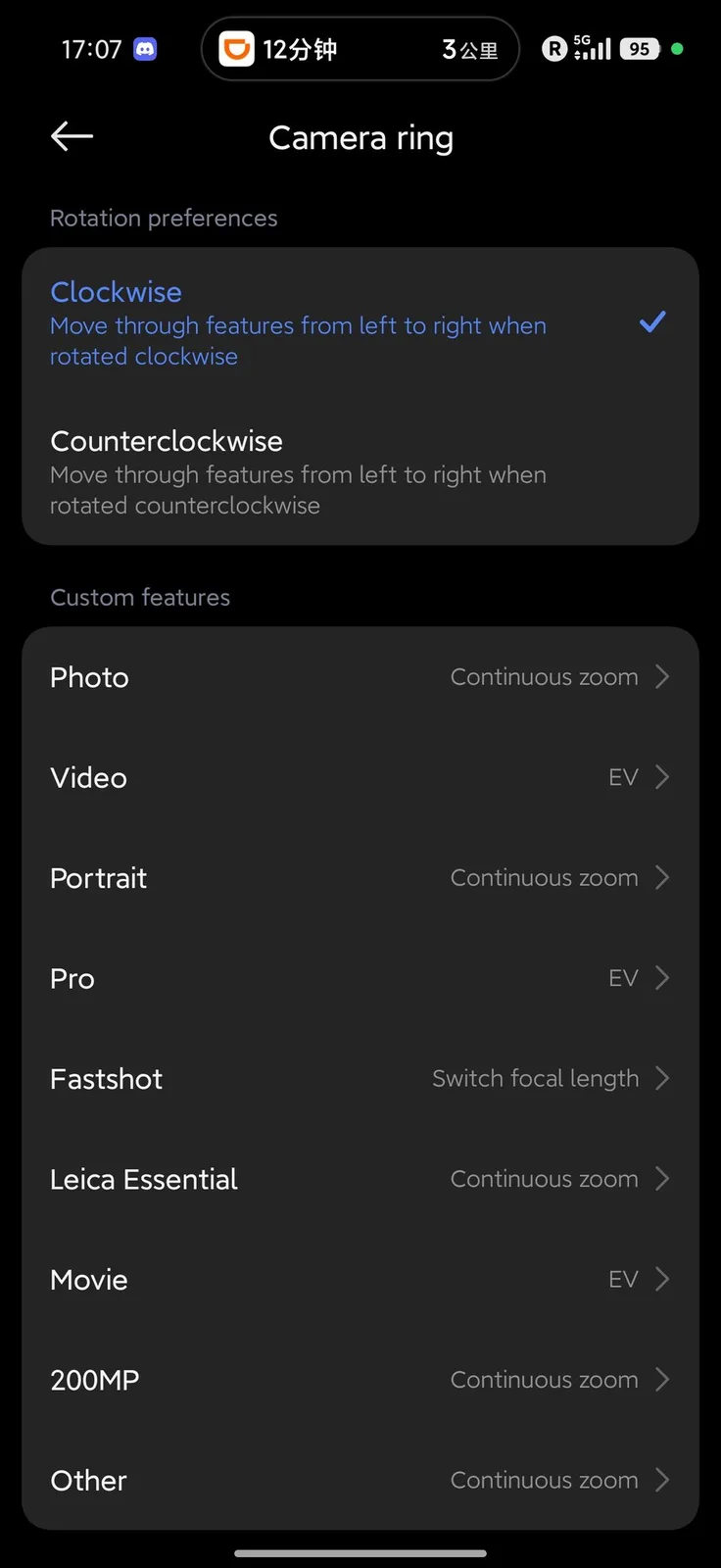
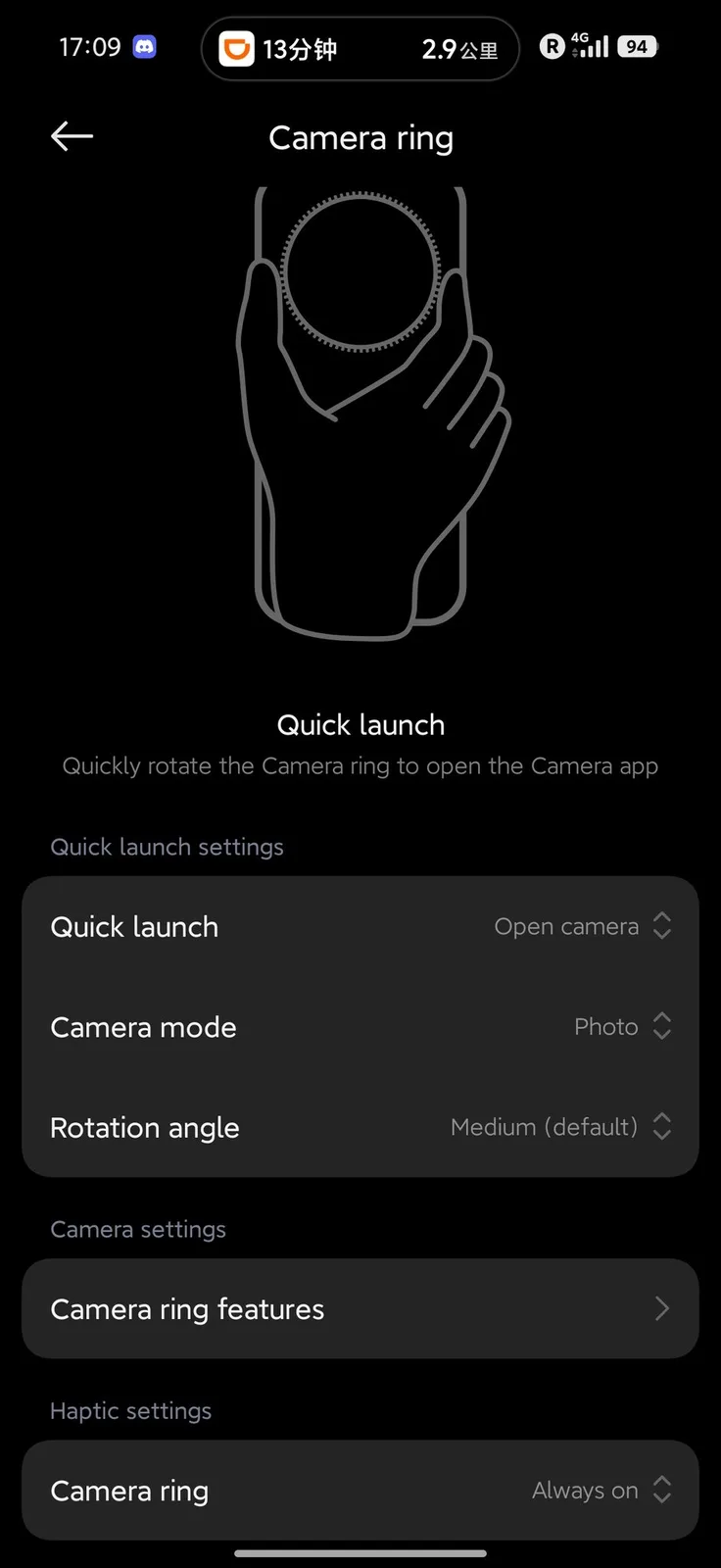
Xiaomi is also promoting AI-based post-processing of photos in a Leica M9 or Leica M3 look. The first hands-on reports provide early samples but also highlight some limitations. For instance, processing takes about 40 seconds and is based on cloud-based servers, meaning a copy of a captured photo is uploaded to Xiaomi or Leica servers at the touch of a button and then processed via AI algorithms. This can sometimes even go wrong if the servers are not accessible from all networks, as Devinarde discovered.
When it works, it appears to be quite satisfying, as reported by a Weibo user named BadReview. According to him, his colleague wanted to buy a Leica M9 and is now content with the virtual Leica M9 on the Xiaomi 17 Ultra for significantly less money. In general, the sentiment appears to be quite positive. Many comparison photos with the Xiaomi 15 Ultra and some competing phones show the unique approach Xiaomi and Leica are taking with the latest camera flagship smartphone.
Leica M3 B/W look on the Xiaomi 17 Ultra by Leica




Comparison to Xiaomi 15 Ultra
In the two portrait shots below, the 23mm main camera primarily shows the higher dynamic range of the new Lofic sensor. Despite a smaller aperture at a 100mm focal length, the portrait at 100mm zoom is significantly brighter, though shutter speed and ISO values are also very different here. That said, we prefer the Xiaomi 15 Ultra portrait in the second example, because the face looks much more natural. The Xiaomi 17 Ultra version is full of artifacts and somewhat blurry.
There is no debate when it comes to the other examples with the 14mm ultra-wide angle, 23mm wide angle and 10x zoom. Here, the new Leica flagship phone clearly yields better results, even the unchanged 50MP ISOCELL JN5 sensor of the ultra-wide lens produces a significantly better photo, so Xiaomi has apparently worked on its algorithms. The difference is so obvious that we are surprised how poorly the Xiaomi 15 Ultra performs in these night shots.

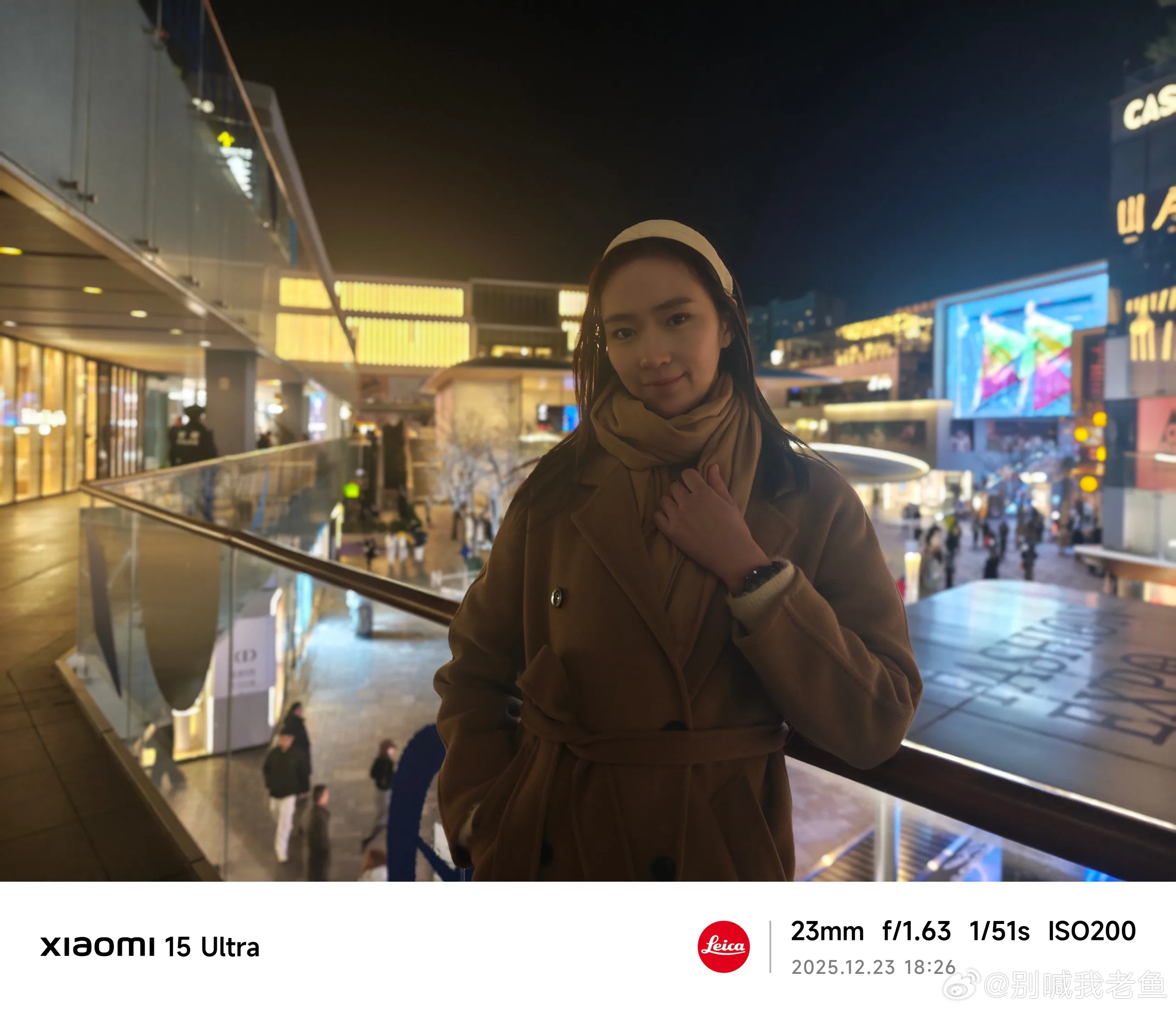
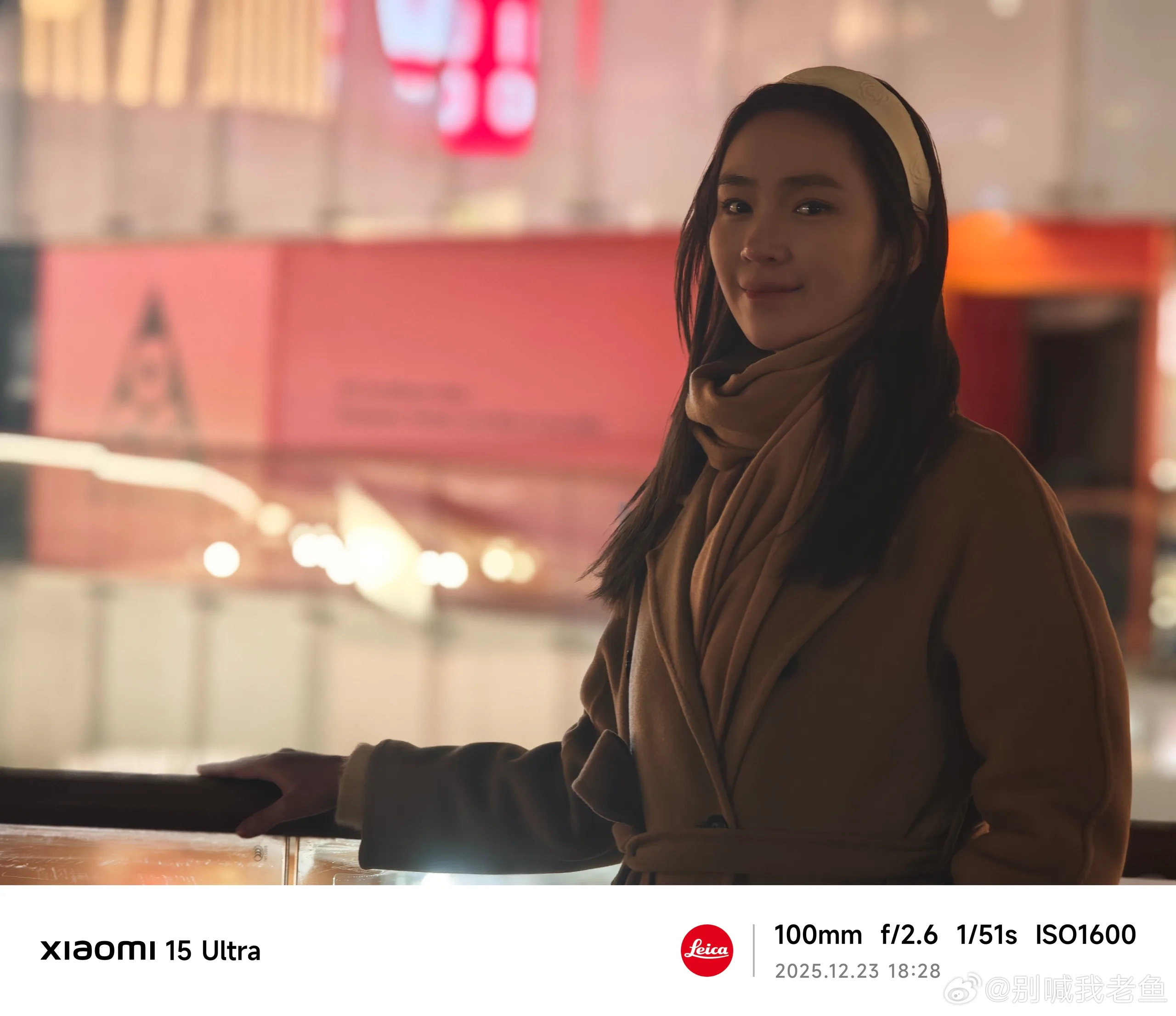

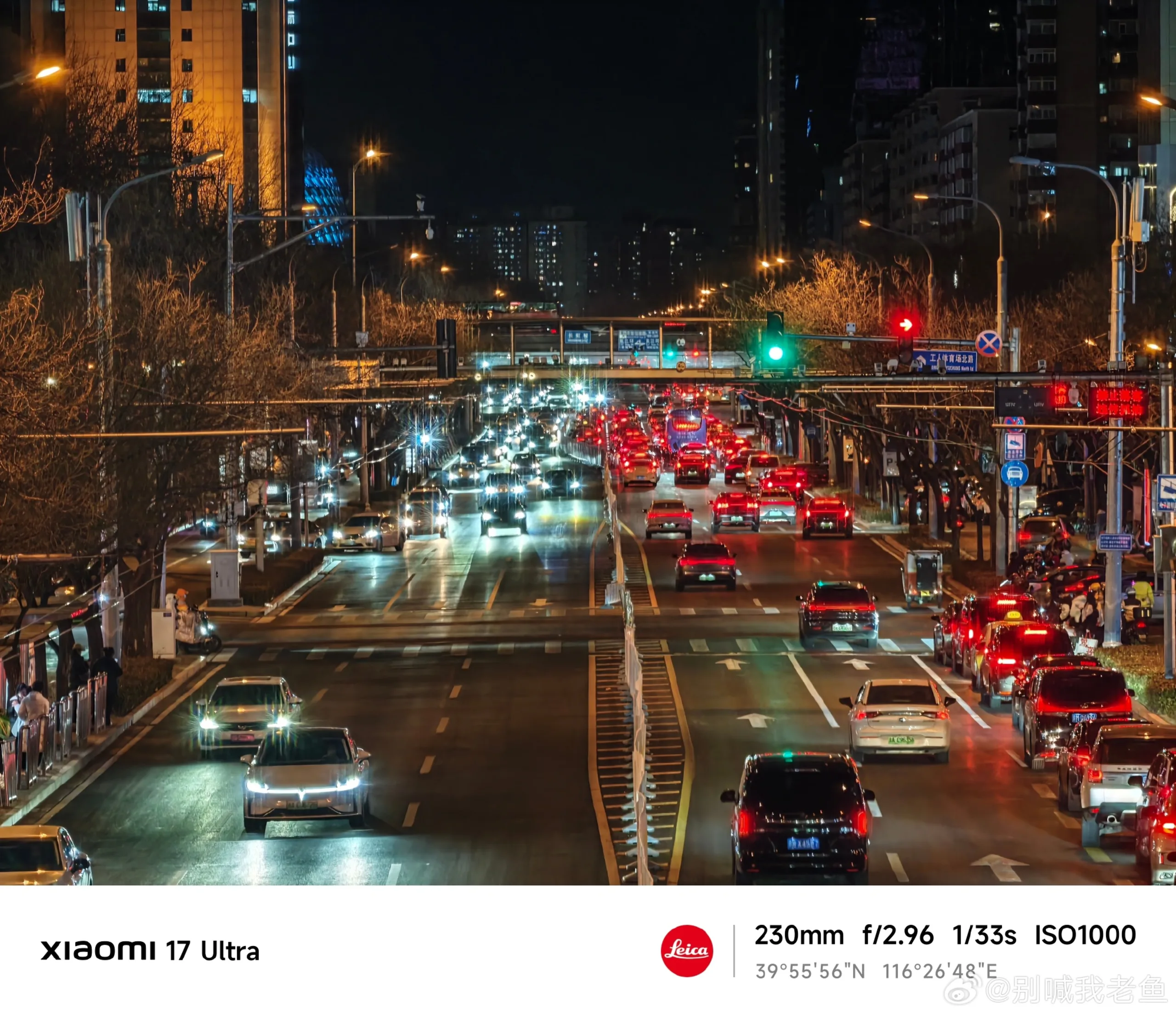
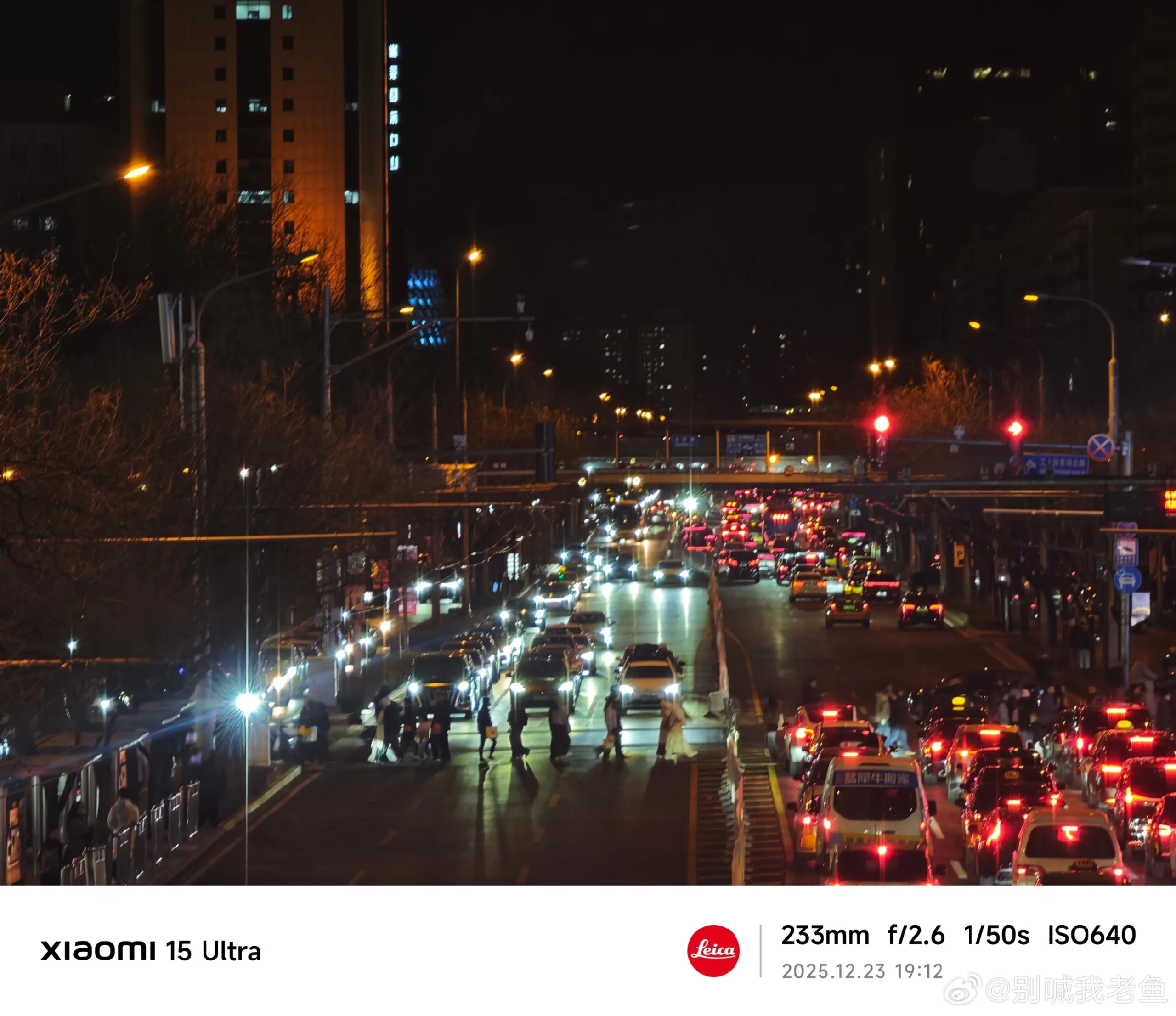
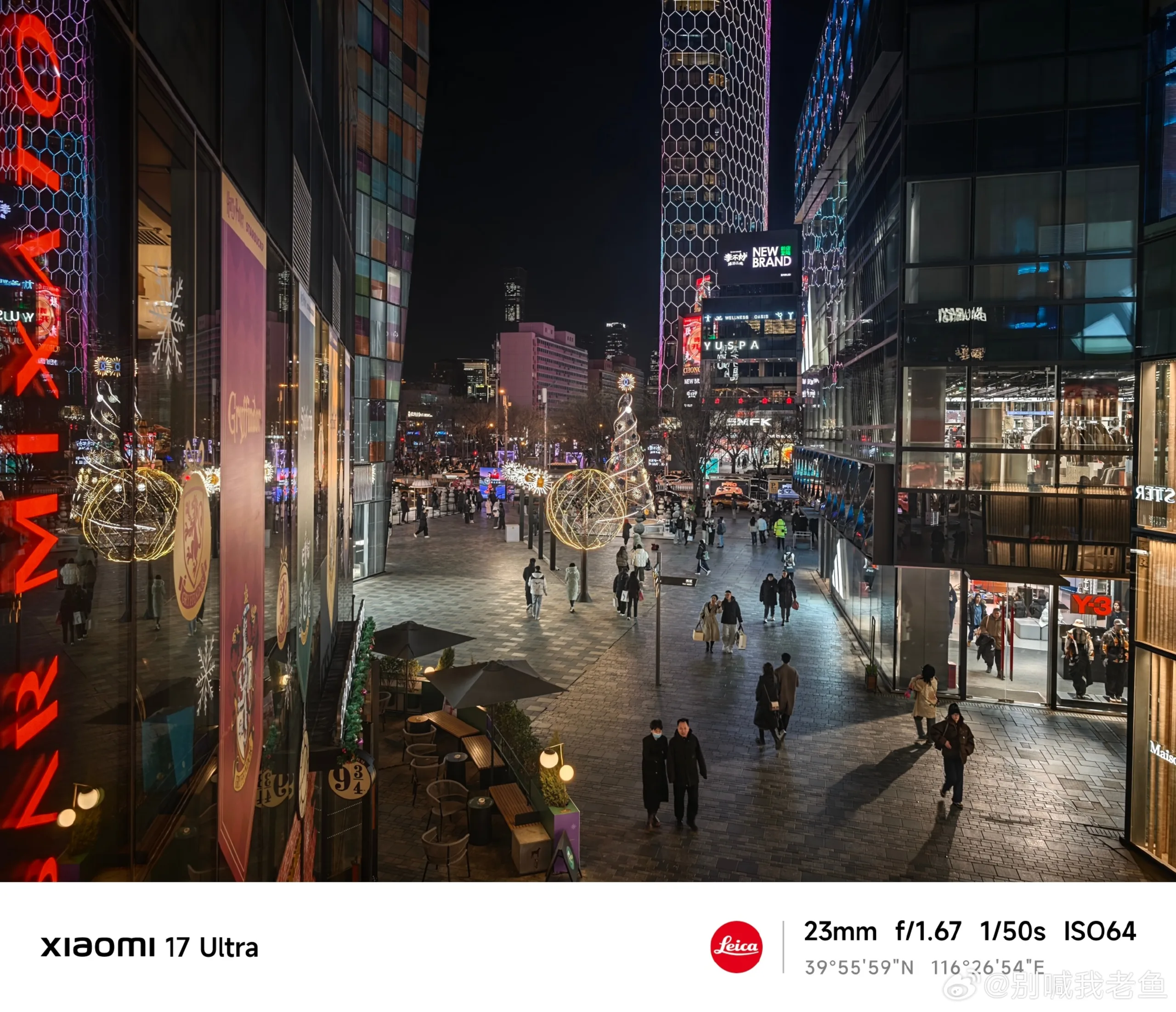
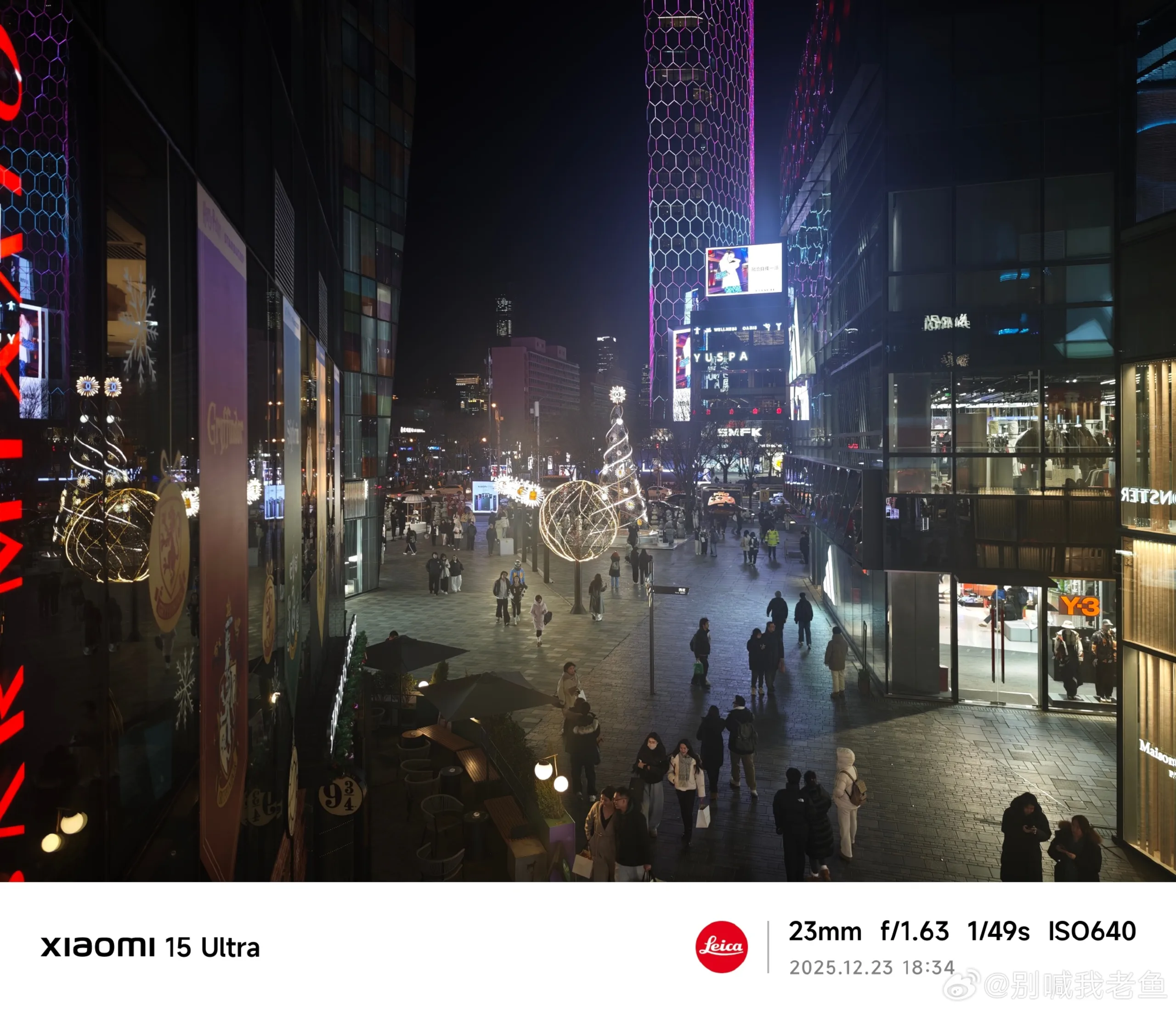
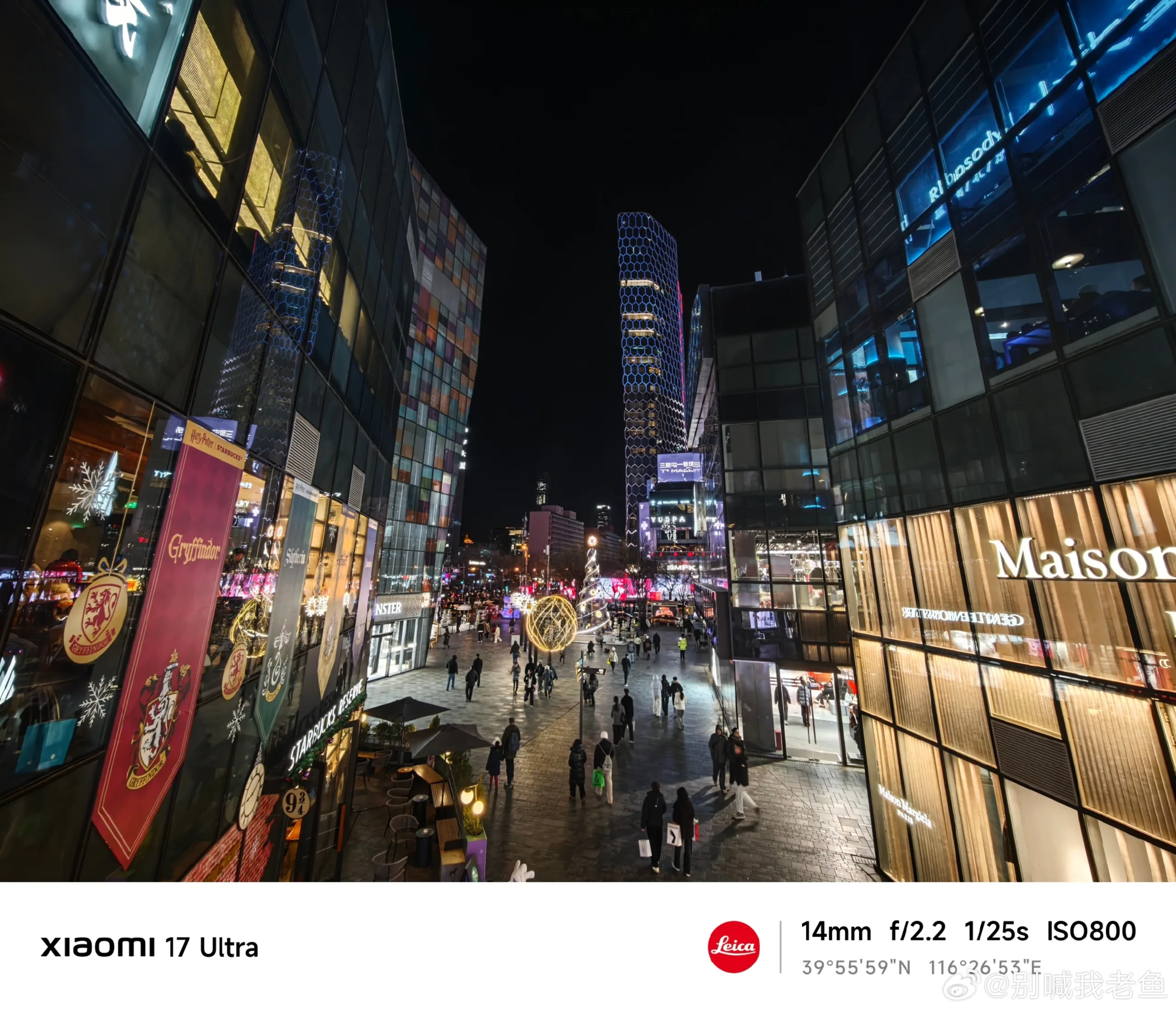
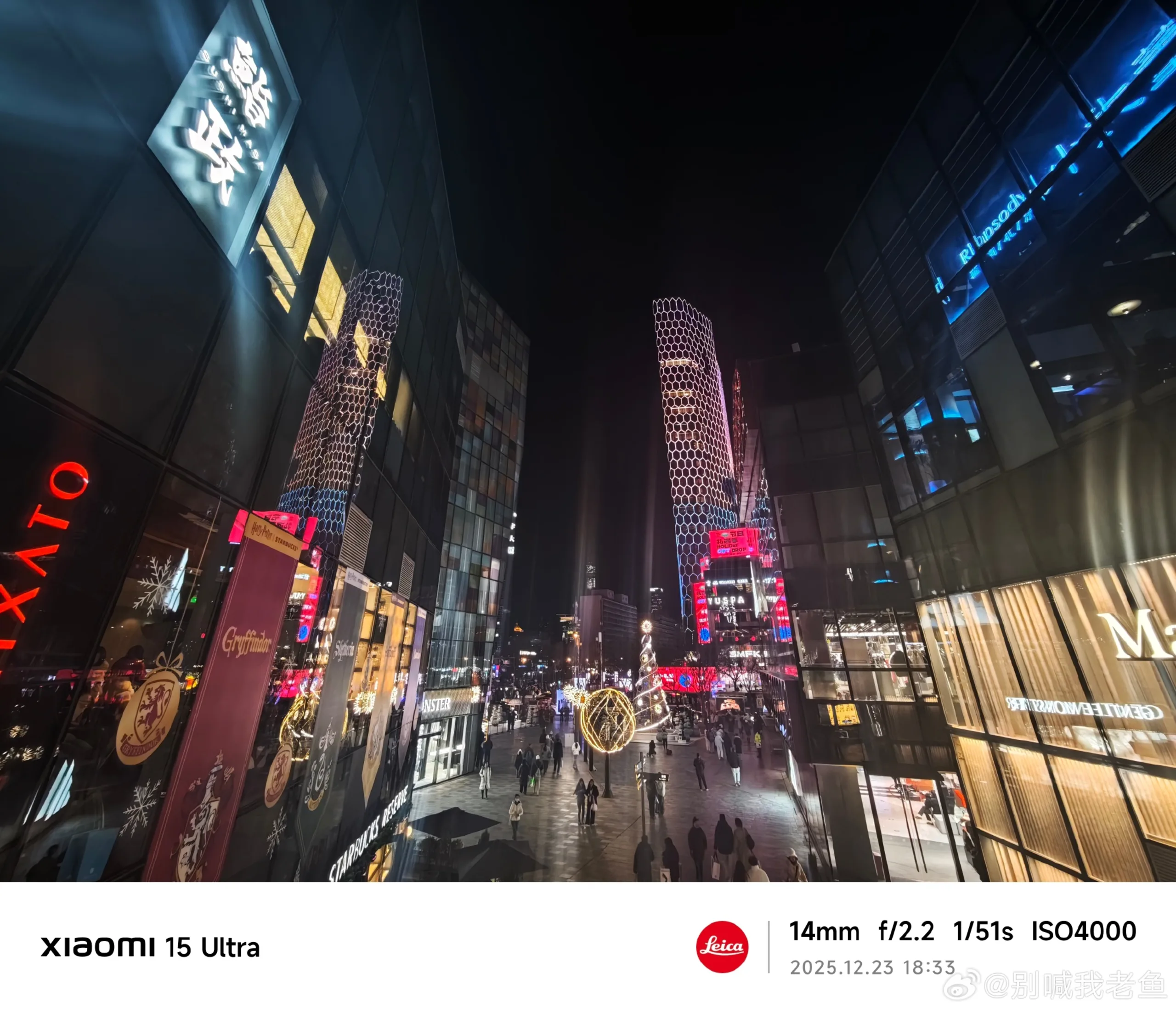
... and Apple iPhone 17 Pro
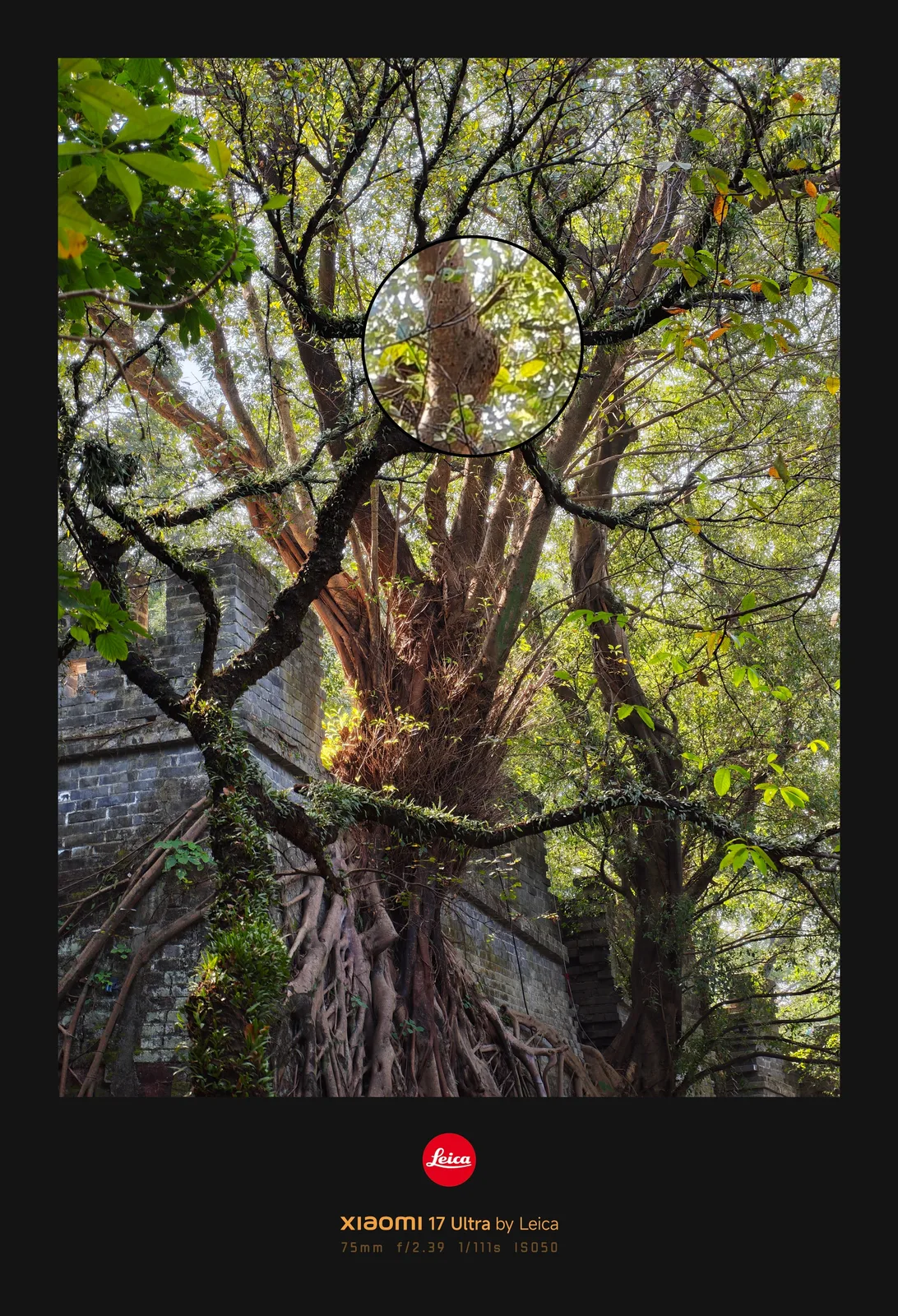
Professional reviewers also got their hands on the Xiaomi 17 Ultra, including the well-known Xiaobai Review channel on Weibo. A frequently shared photo is intended to demonstrate the dynamic range of the new 1-inch sensor:
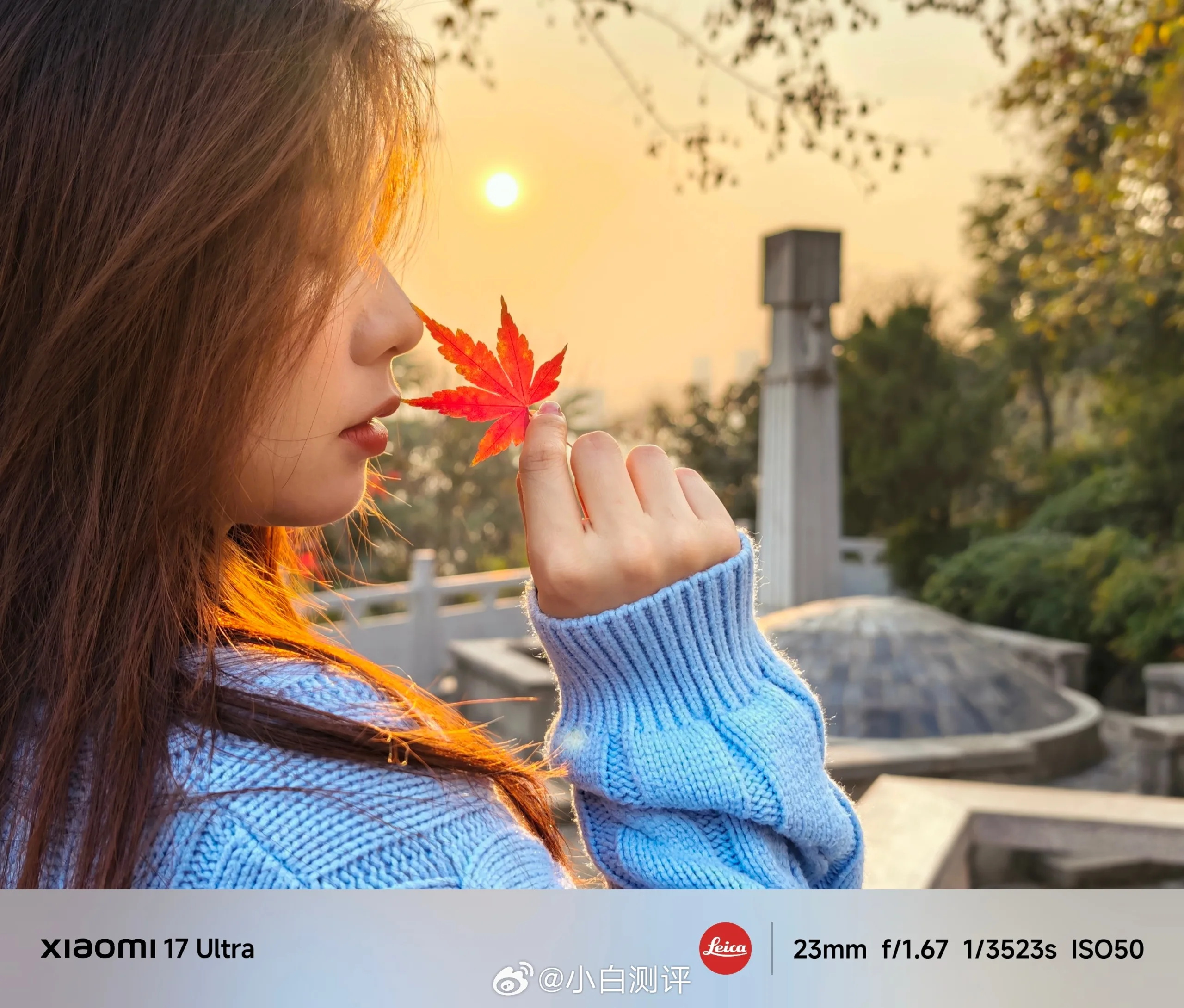
This shot can also be found in Xiaobai’s review video, which contains a comparison with three predecessors of the Xiaomi 17 Ultra as well as the iPhone 17 Pro. It certainly illustrates the progress across these generations of smartphones.
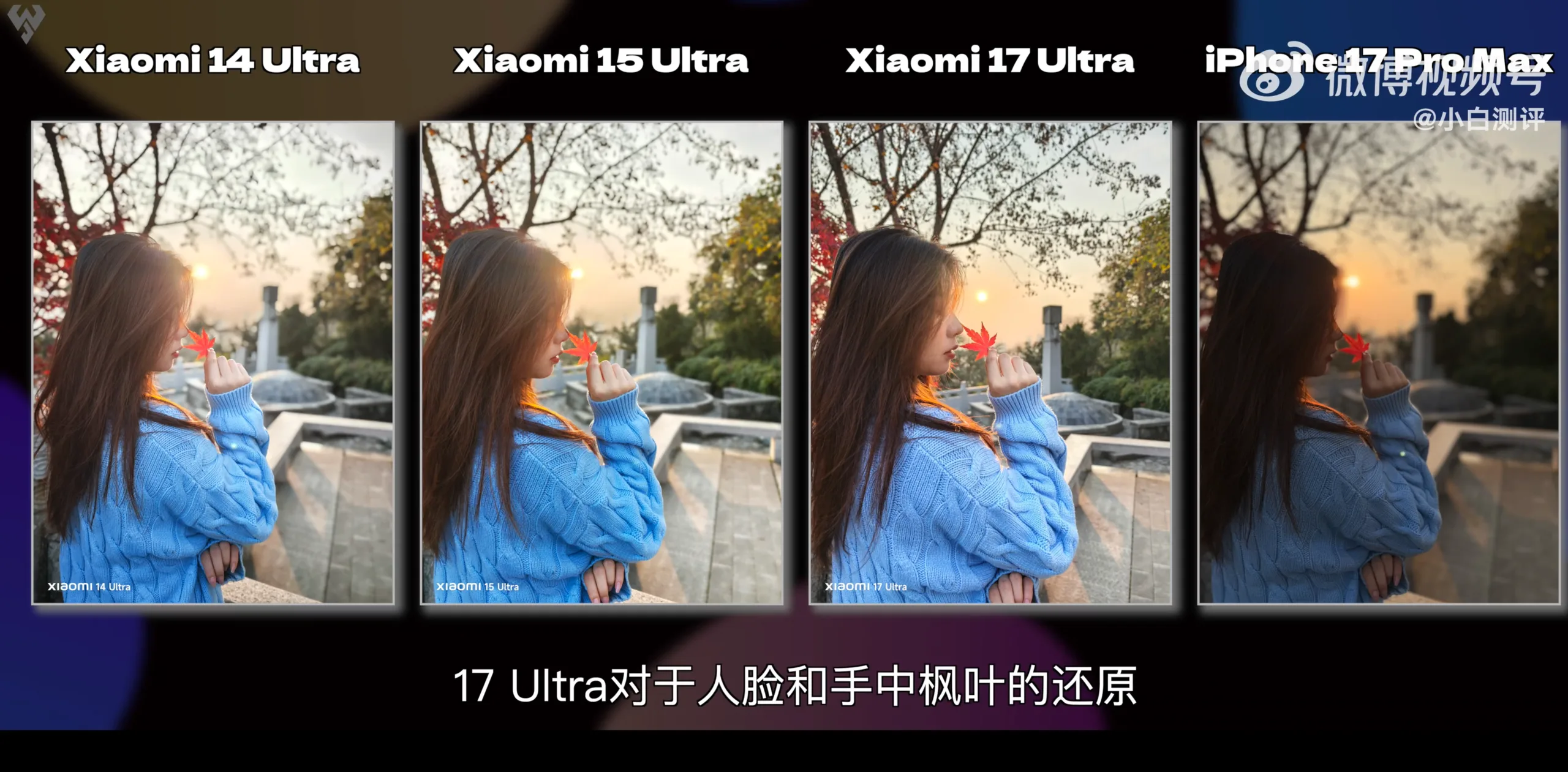
The entire 25-minute review video from Xiaobai Reviews is embedded below. It contains many more comparison photos.
More dynamic than Vivo X200 Ultra
In the following set, the Xiaomi 17 Ultra appears to perform even better in backlit settings than the Vivo X200 Ultra, which also shows slightly less detail in the magnification of the image that’s been taken with less direct sunlight.

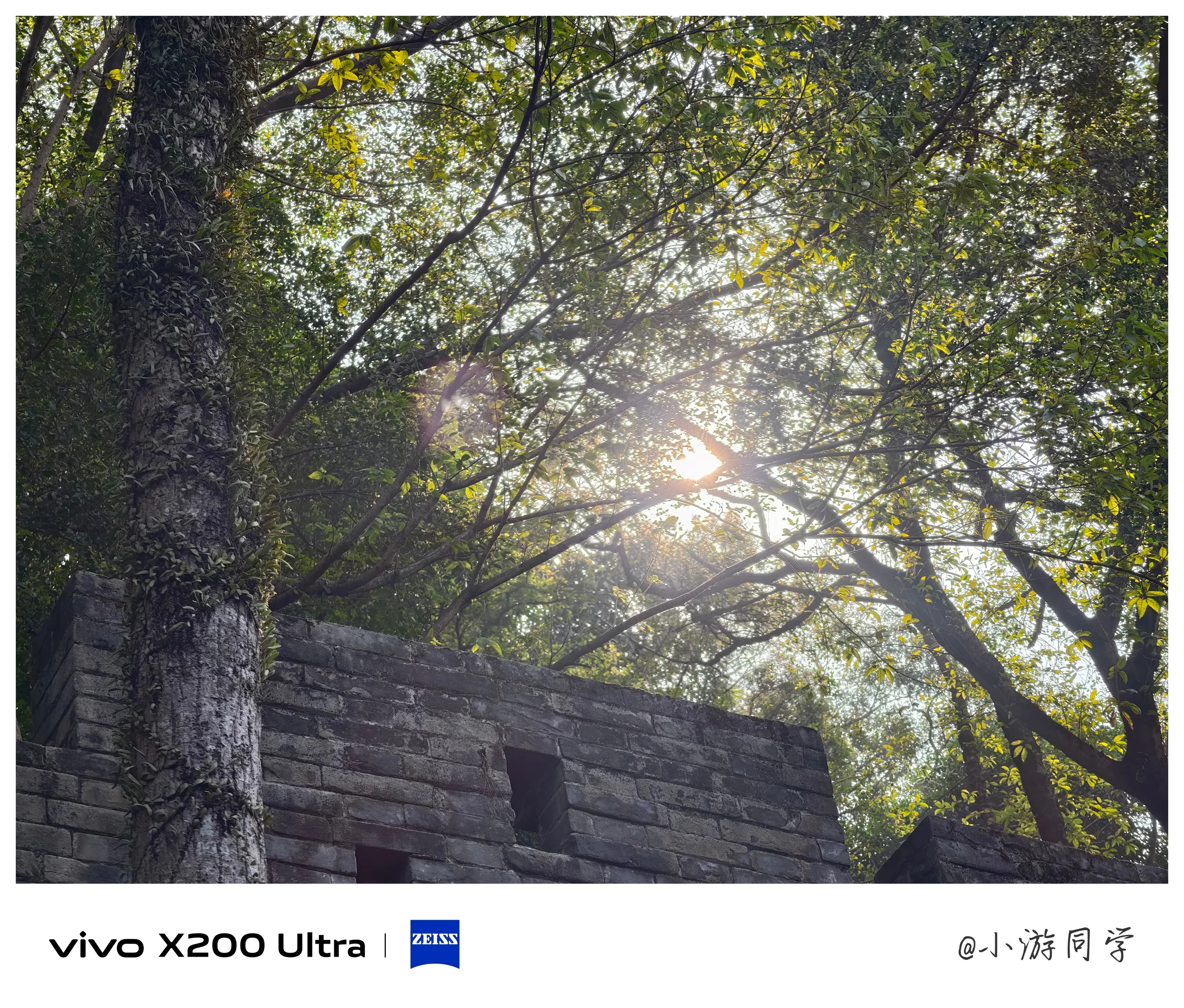
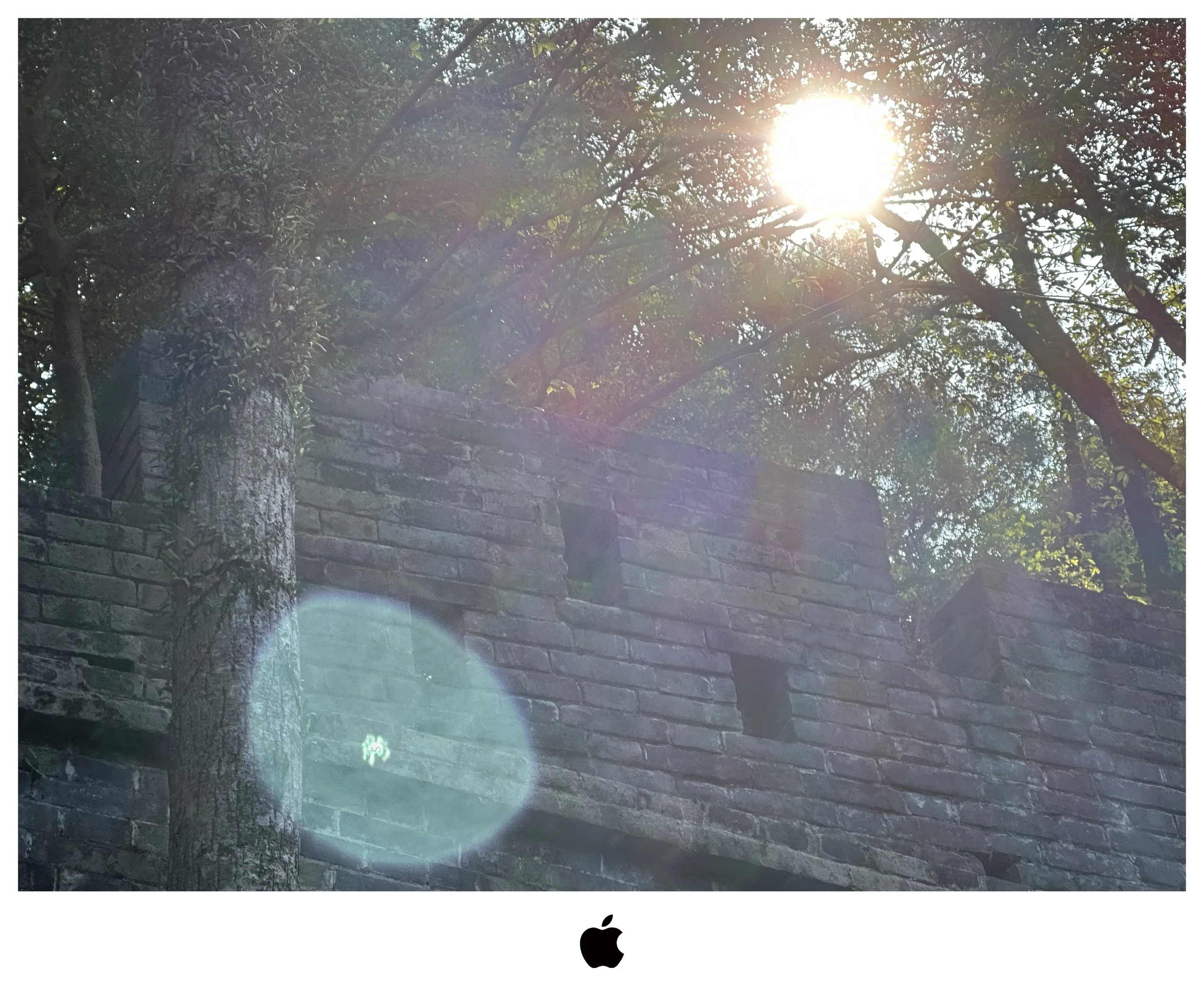


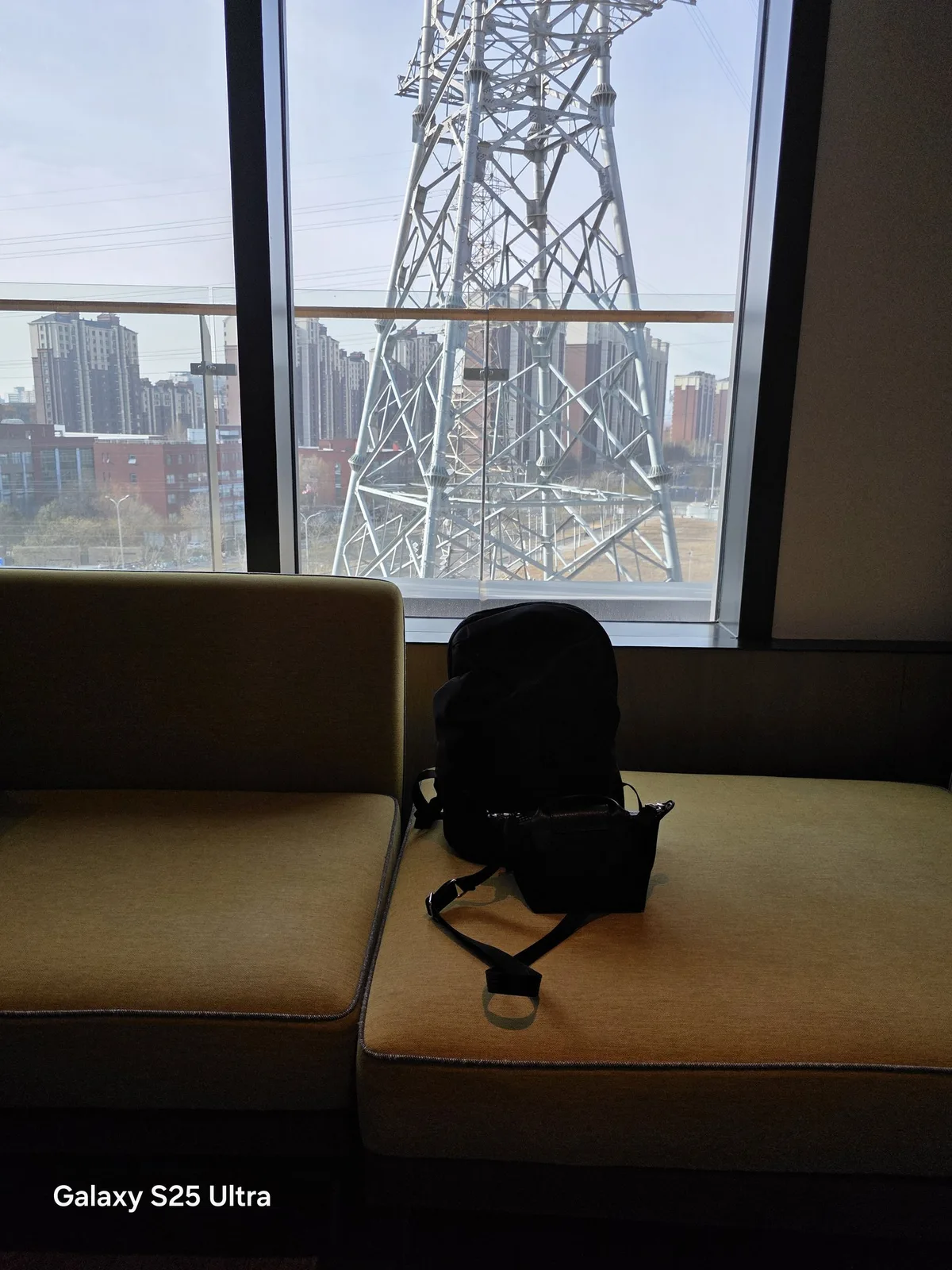
Galaxy S25 Ultra is lagging way behind...
Given the fact that minor sensor upgrades and just faster optics are expected for the Galaxy S26 Ultra, Samsung could have a particularly difficult time competing with Chinese phones in 2026. This is highlighted by several comparison photos from the Chinese leaker Ice Universe, although he has traditionally always been very critical of Samsung. In the following examples, the Samsung camera struggles to keep up with the Xiaomi 17 Ultra, but the same applies to the Vivo X300 Pro and Oppo Find X9 Pro.


... especially when it comes to zoom photos
The following four examples from Ice Universe show 10x zoom on the Xiaomi 17 Ultra in comparison with the Vivo X300 Pro, Oppo Find X9 Pro and Samsung Galaxy S25 Ultra.

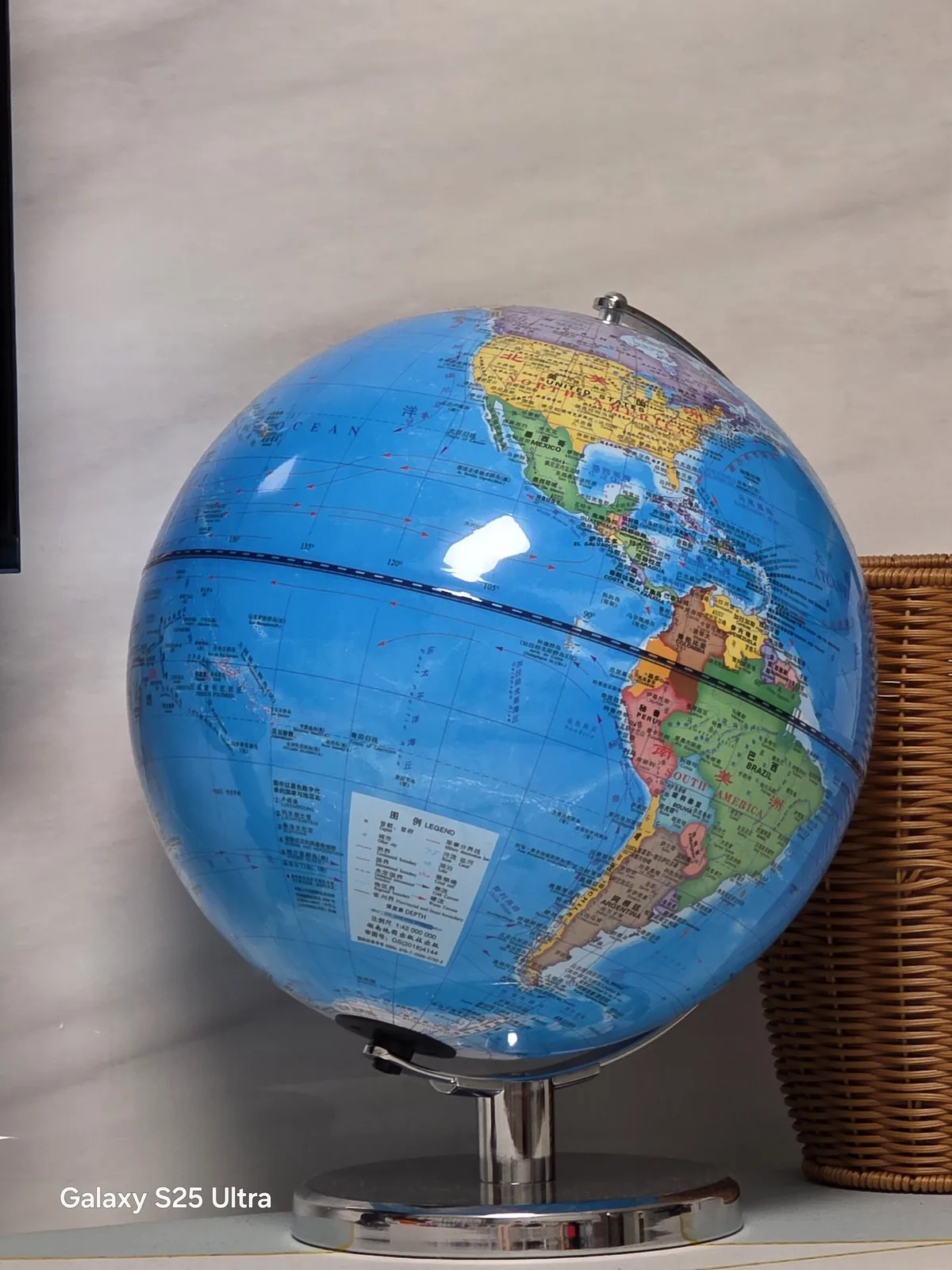


The differences are particularly evident in cropped pictures. While most details remain legible on the Xiaomi 17 Ultra, followed by the Vivo X300 Pro and a very dark Oppo Find X9 Pro crop, hardly anything is recognizable on the current flagship from Samsung.



Comparison at 3x zoom and 200MP vs 12MP
The difference are even more extreme and lopsided when comparing ~3x zoom pictures. In that case, comparatively massive 1/1.4-inch sensors with 200MP resolution are pitted against a 10MP and approximately 1/3.5-inch sensor on the S25 Ultra. In the following shots, Ice compares the native focal lengths of the telephoto lenses of the Oppo Find X9 Pro (70mm) and Vivo X300 Pro (85mm) with the Xiaomi 17 Ultra at 85mm, roughly the middle of the zoom range, as well as the 69mm of the 3x telephoto on the Galaxy S25 Ultra. The comparison also pits 200MP photos against a 12MP shot from the Samsung flagship. These are not the originals, which can be downloaded from a Samsung cloud account.




Better 200MP mode on the Xiaomi 17 Ultra?
In this example, the Xiaomi 17 Ultra dominates thanks to its optical 85mm zoom and 200MP resolution. The text is better to read, although the Oppo Find X9 Pro is pretty close behind. Some AI artifacts are visible on the Vivo X300 Pro, but at least it’s still somewhatreadable, unlike the magnification of the completely outclassed Galaxy S25 Ultra.
The Xiaomi 17 Ultra also produces the largest files at around 100MB, which according to early adopters also store significantly more detail than those from Vivo and Oppo. Ice Universe has further shared much more compelling material on X. In my tests with the 200MP mode on the Oppo Find X9 Pro and Vivo X300 Pro, I only found advantages with rather limited practical relevance. Perhaps this is actually better on the Xiaomi 17 Ultra.




Preliminary conclusion
Many more comparison photos and initial test videos of the Xiaomi 17 Ultra can be found on Weibo and on X, although this is definitely not a final verdict on the quality of the new Leica smartphone camera. That being said, positive feedback from early testers and buyers currently appears to outweigh negative impressions. There are still no global reviews available at the moment, but this is likely to change over the coming weeks, and we will also order a review unit from China as soon as possible, since importing is already an option. The global launch of both Xiaomi 17 Ultra models will likely happen during Mobile World Congress in early March, as initial teasers have already confirmed. The regular Xiaomi 17 should also debut globally alongside the flagship.
 Add as a preferred source on Google


