





Conclusion - Personal preferences are the deciding factor
With the launch of the Honor Magic8 Pro in Europe, the brand is taking the next step in the premium class and presenting its new flagship model for the first time in London. The event offered an opportunity to experience the device beyond data sheets and specifications in a direct comparison with the current camera benchmark, the Vivo X300 Pro.
After just a short time, it becomes clear that Honor is clearly targeting users who value eye-catching, bright, and social media-friendly shots. The Magic8 Pro stages scenes in a lively and high-contrast manner, sometimes almost too smooth, a style that many will like, but which appears less purist. Vivo counters this with a more natural, classic image aesthetic that appeals primarily to lovers of realistic color reproduction.
Overall, the Magic8 Pro delivers impressive performance and shows that Honor has finally arrived in the premium segment. Those who want to share their photos without much post-processing will be well served here, while the Vivo X300 Pro remains the slightly more professional, understated alternative.
Table of Contents
The Honor Magic8 Pro is launching on the European market and celebrating its premiere (we report) in the capital of the United Kingdom – London. We were there and took the opportunity to compare the Magic8 Pro's camera with the Vivo X300 Pro (buy here on Amazon), the smartphone with the best camera rating in our database at the moment.
All photos were taken by the author and are watermarked, which both manufacturers offer as an option in the settings. This provides a better overview and also provides additional information about the photos.
Camera specifications
| Honor Magic8 Pro | Vivo X300 Pro | |
|---|---|---|
| Main camera | 50 MPix, unknown sensorSensor size: 1/1.3"Aperture: f/1.6Focal length: 23 mmOIS, CIPA 5.5Aspect ratios: 4:3, 16:9, 1:1, Full | 50 MPix, Sony LYT-828 sensorSensor size: 1/1.28"Aperture: f/1.57Focal length: 24 mmGimbal OIS, CIPA 5.5Aspect ratios: 4:3, 16:9, 1:1, Full |
| Ultra wide angle | 50 MPix, unknown sensorMacro functionSensor size: unknownAperture: f/2.0Focal length: 12 mm | 50 MPix, Samsung JN1 sensor -Sensor size: 1/2.76"Aperture: f/2.0Focal length: 15 mm |
| Telephoto lens | 200 MPix, unknown sensor-Sensor size: 1/1.4"Aperture: f/2.6Focal length: 85 mmOIS, CIPA 5.5 | 200 MPix, Samsung HPB sensorMacro functionSensor size: 1/1.4"Aperture: f/2.7Focal length: 85 mmOIS, CIPA 5.5 |
| Pro mode | Manually adjustable: metering method, ISO, shutter speed, exposure compensation, focus (AF-S, AF-C, MF), white balance, autofocus lockOptional histogramShutter delay (2 / 5 / 10 sec)Formats: JPG, JPG-L, RAW | Manually adjustable: metering method, ISO, shutter speed, exposure compensation, focus (AF, MF), white balance, autofocus lockOptional histogramShutter delay (2 / 5 / 10 sec)Formats: JPG, RAW, SuperRAWInterval shootingExposure bracketing |
| Front camera | 50 MPix, unknown sensorAperture: f/2.0Focal length: 21 / 25 mmFixed focusPixel binning | 50 MPix, Samsung JN1 sensorAperture: f/2.0Focal length: 20 / 24 mmAutofocusPixel binning |
Main camera - The Vivo smartphone performs better in low light conditions
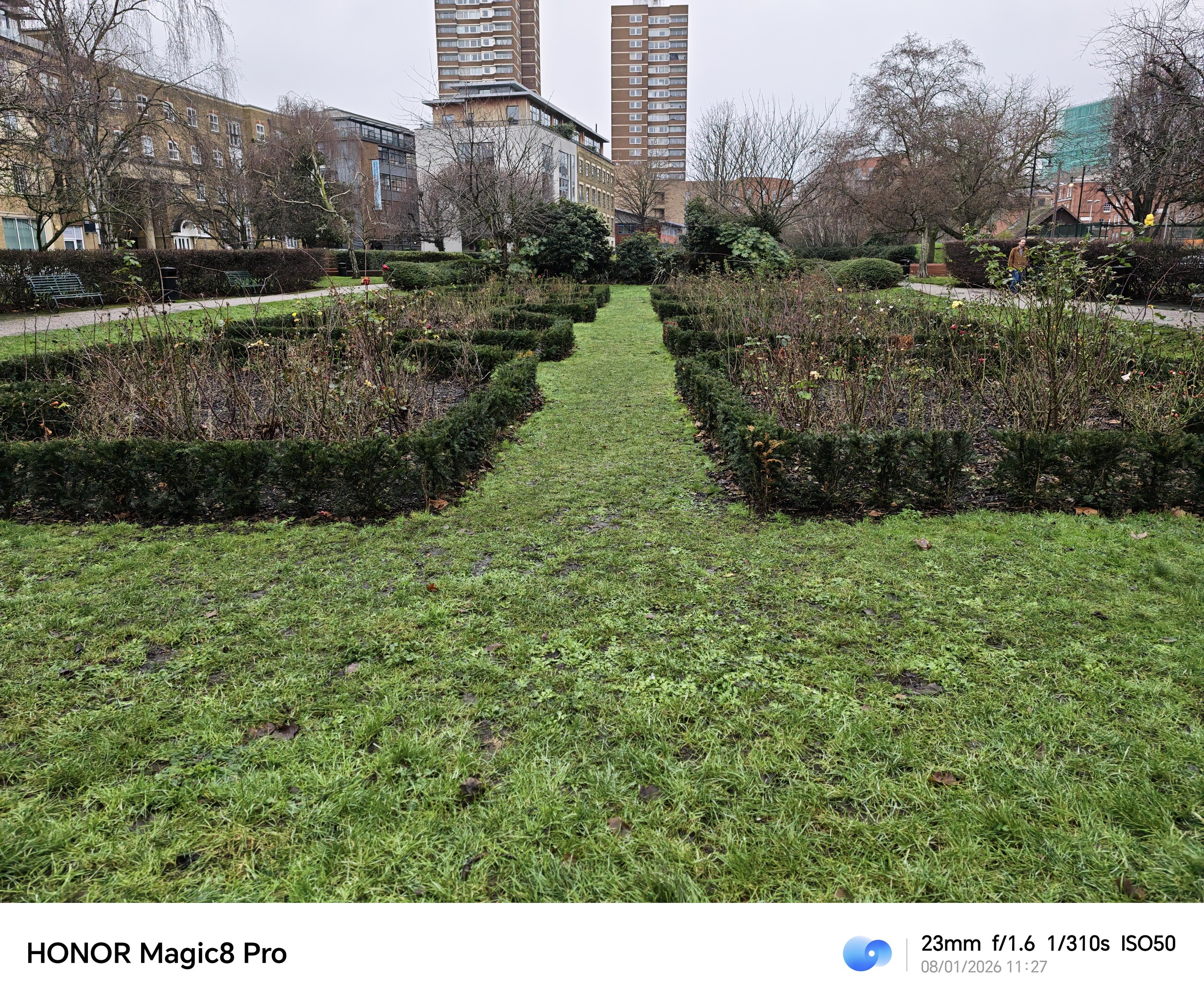
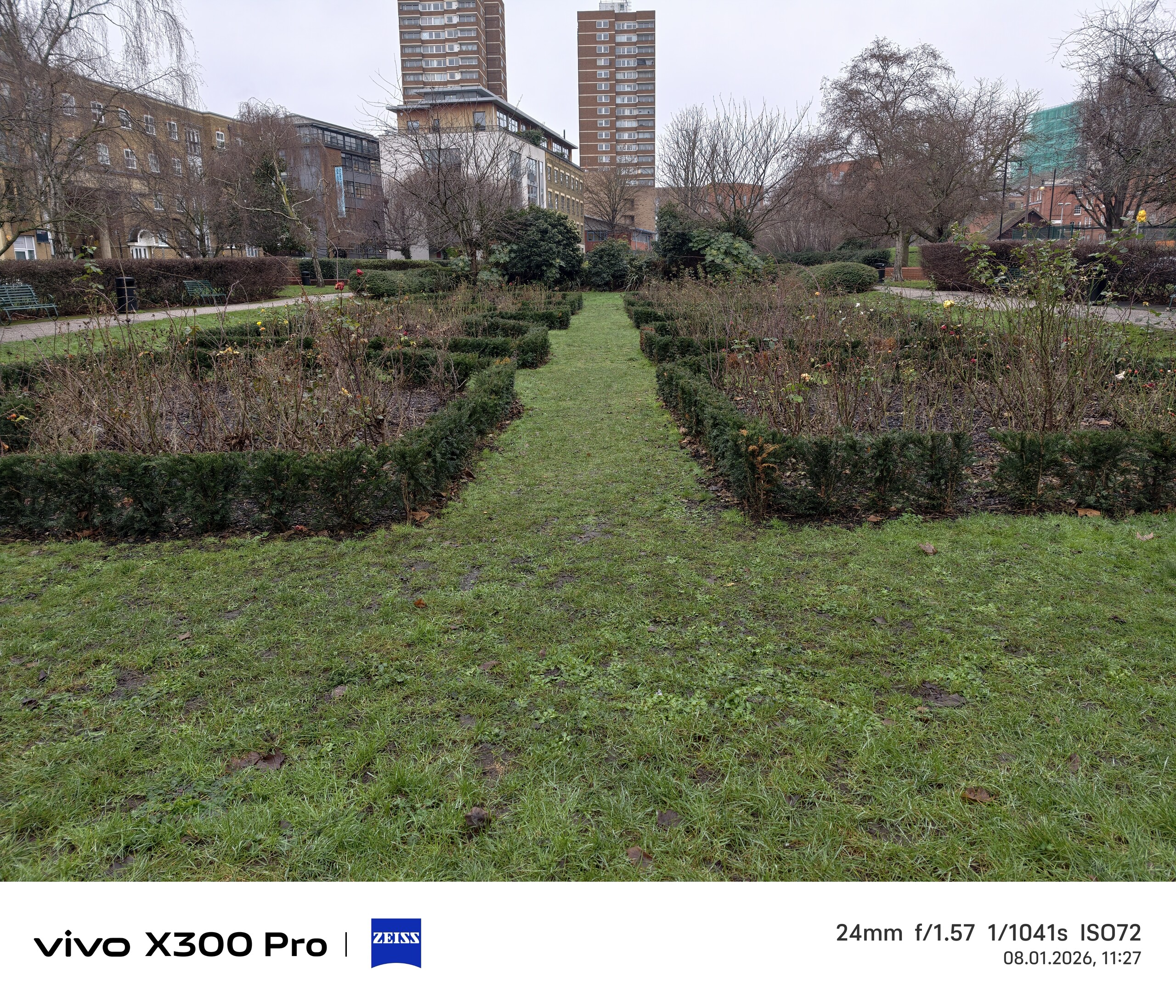
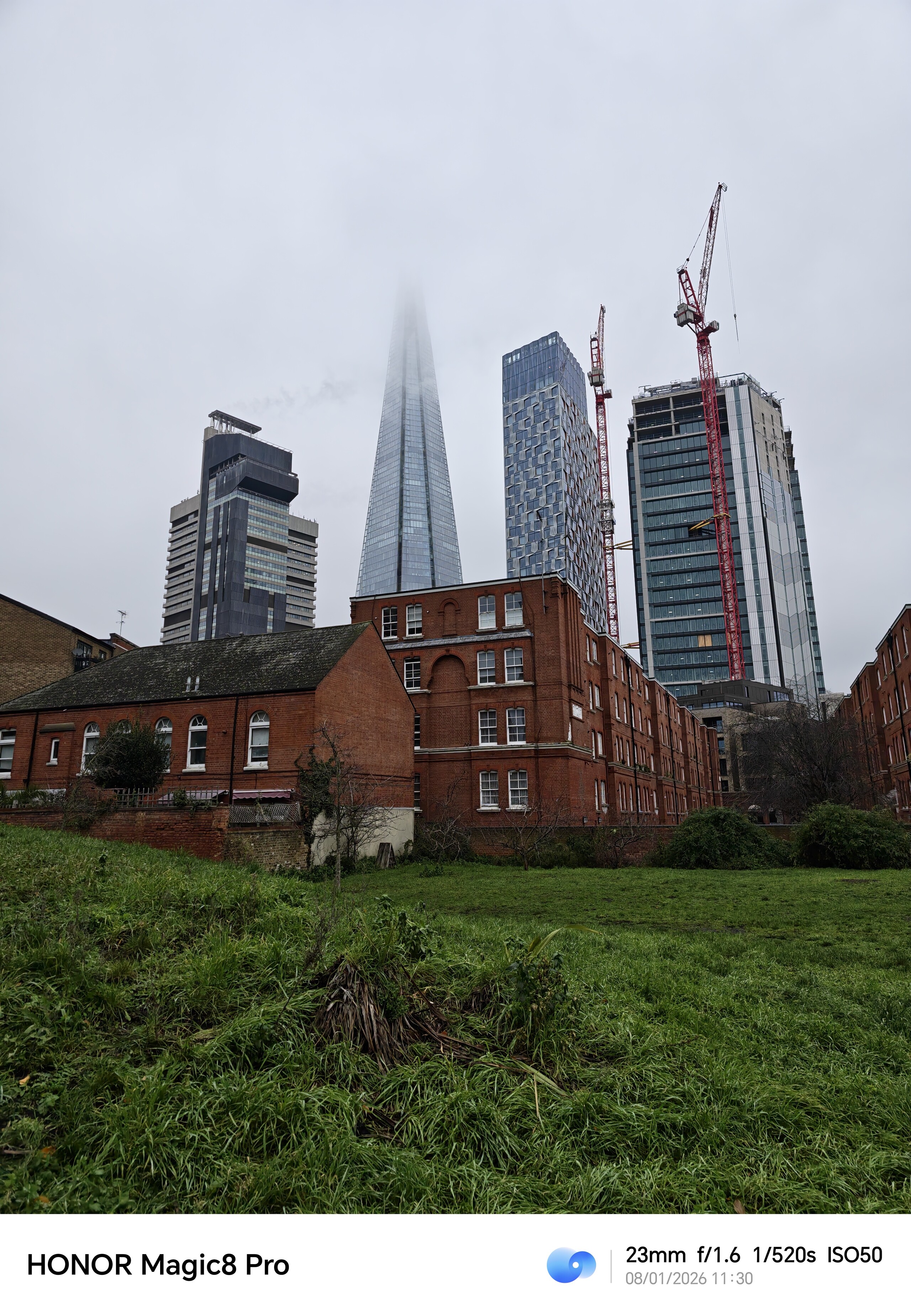
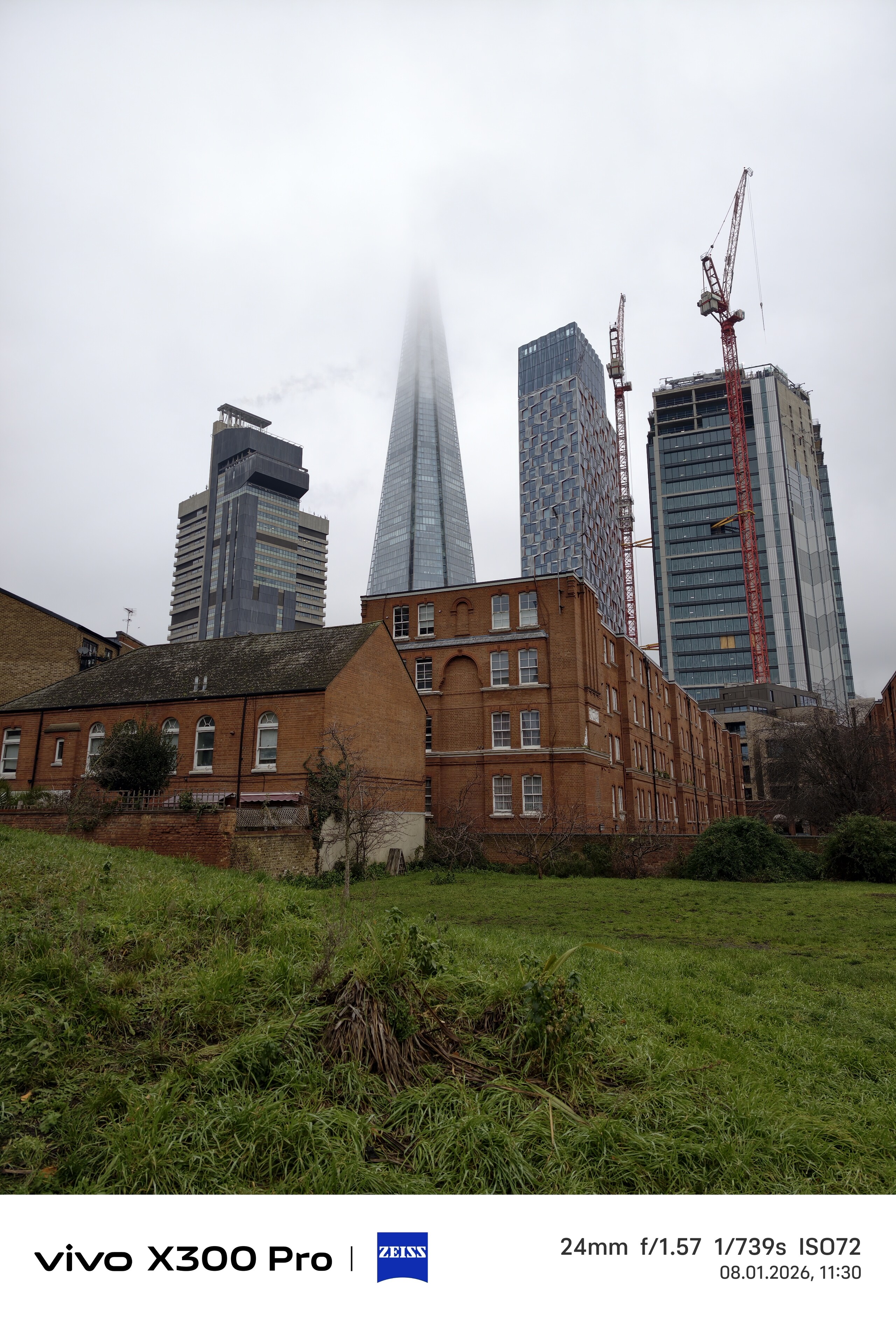
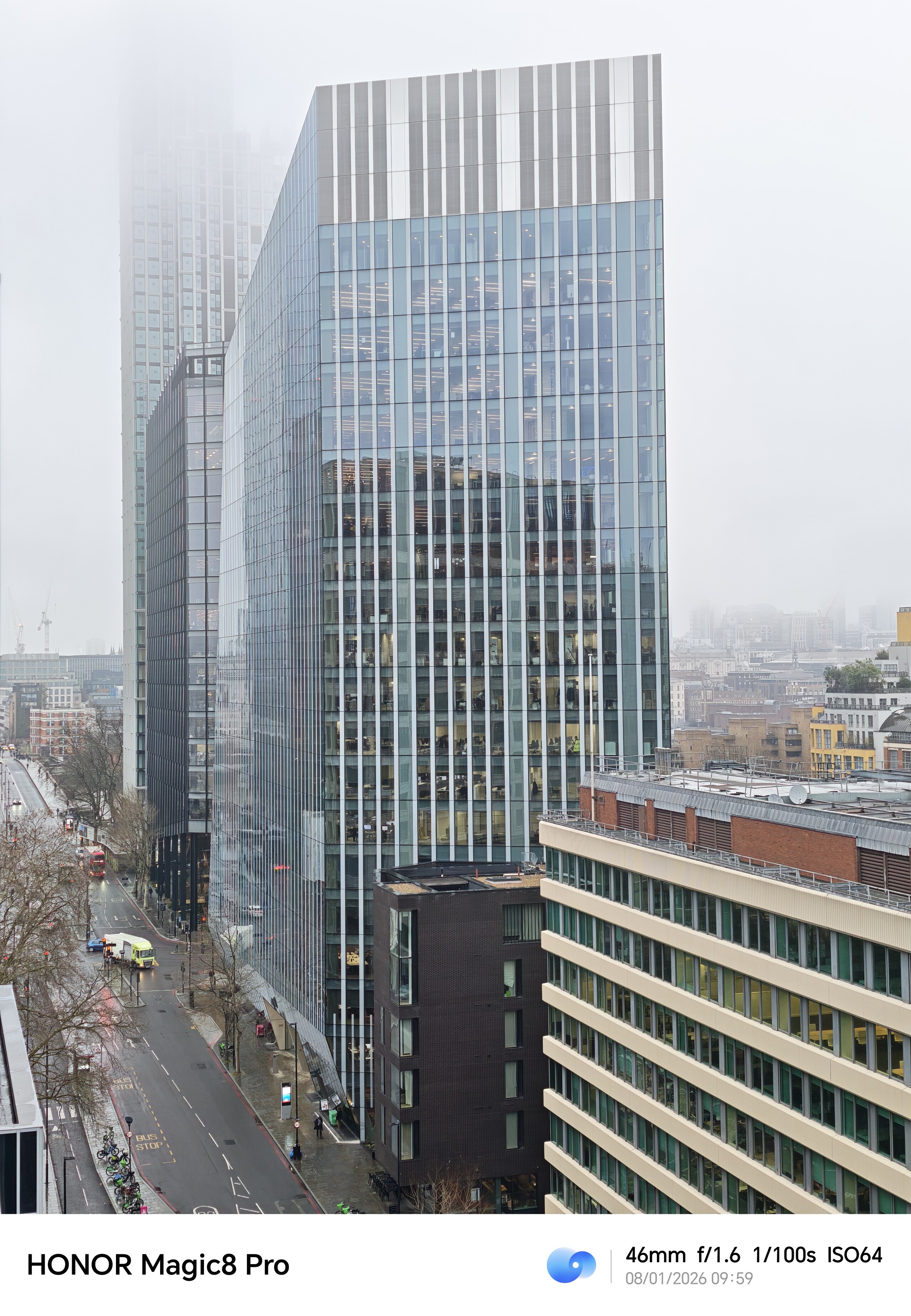
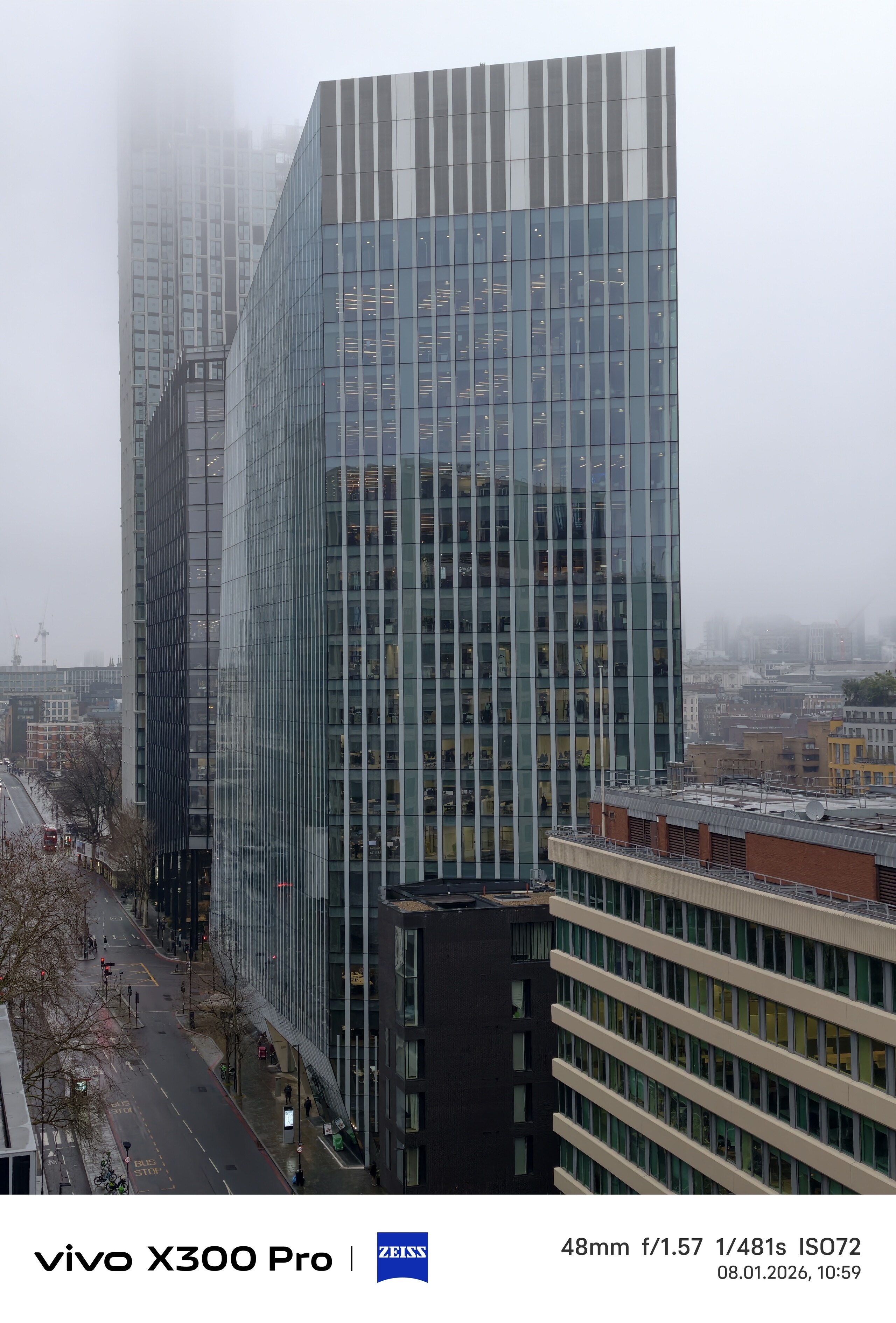
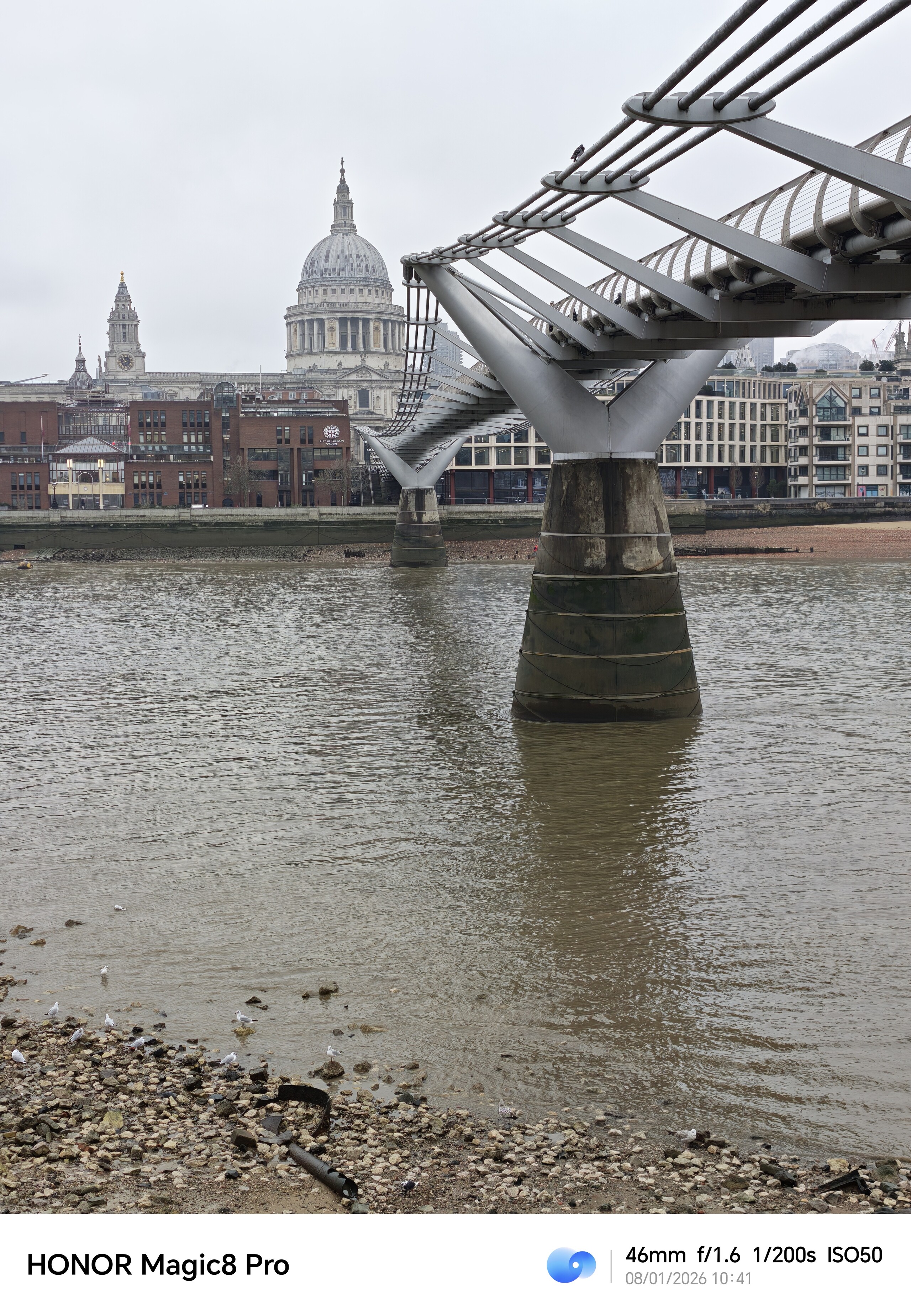
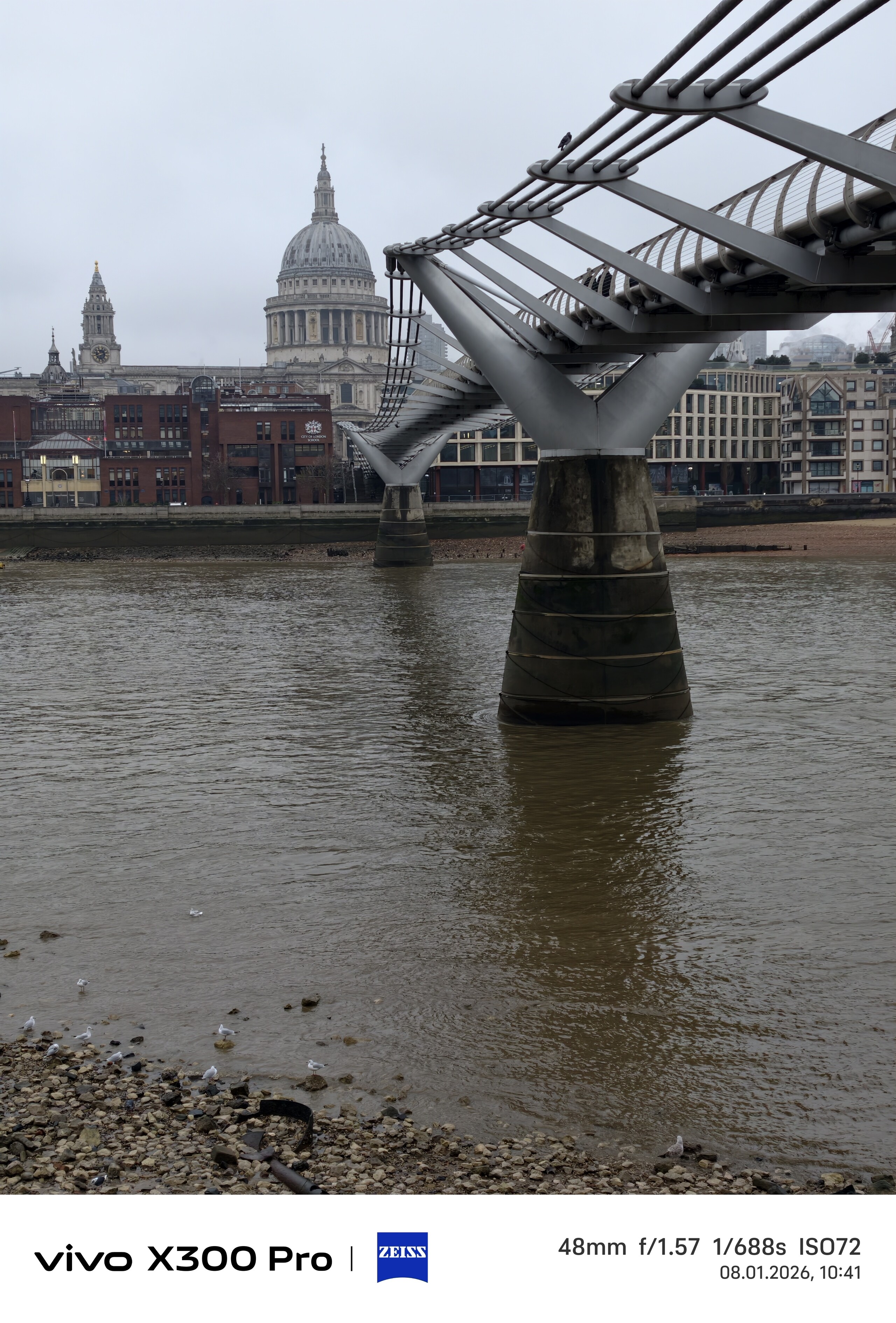
The Vivo X300 Pro has both a slightly larger sensor and a larger aperture, so it should be a little faster from a technical standpoint. With a focal length of 23 mm, the Magic8 Pro is a little more wide-angle. However, this can also be adjusted in the settings: 28 and 35 mm are also available. This is not possible with Vivo; instead, you can switch from 24 to 36 mm by tapping on the zoom level selection.
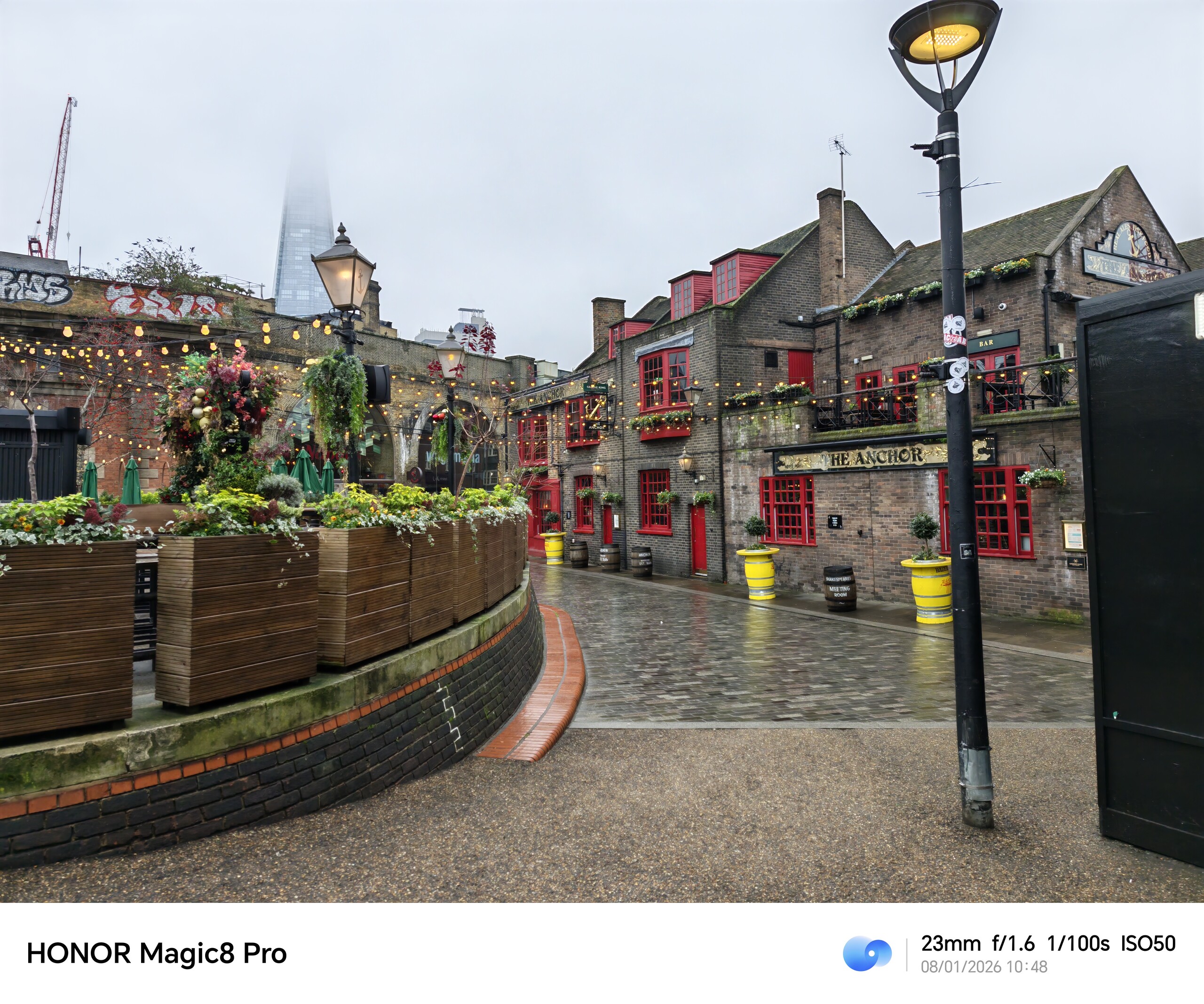
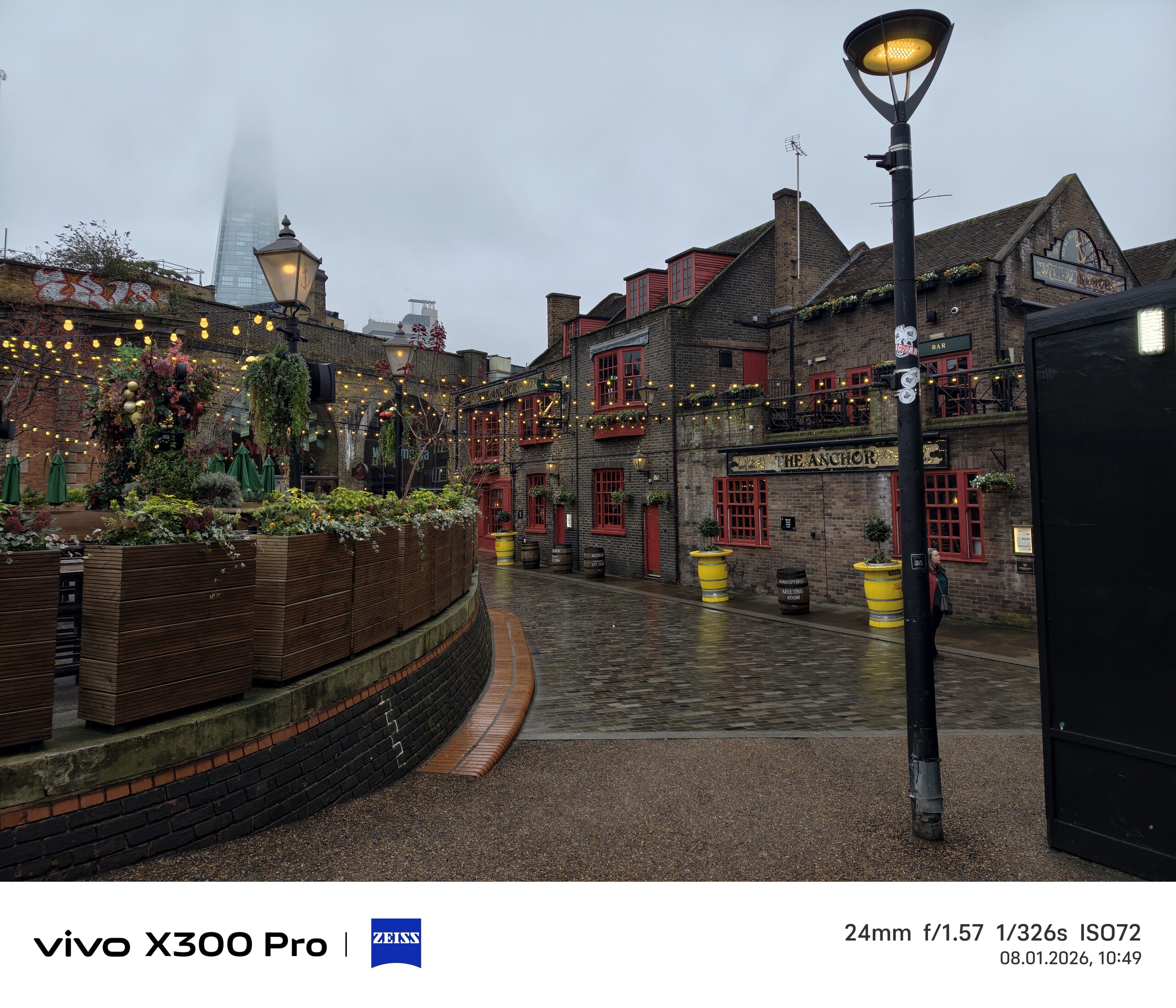
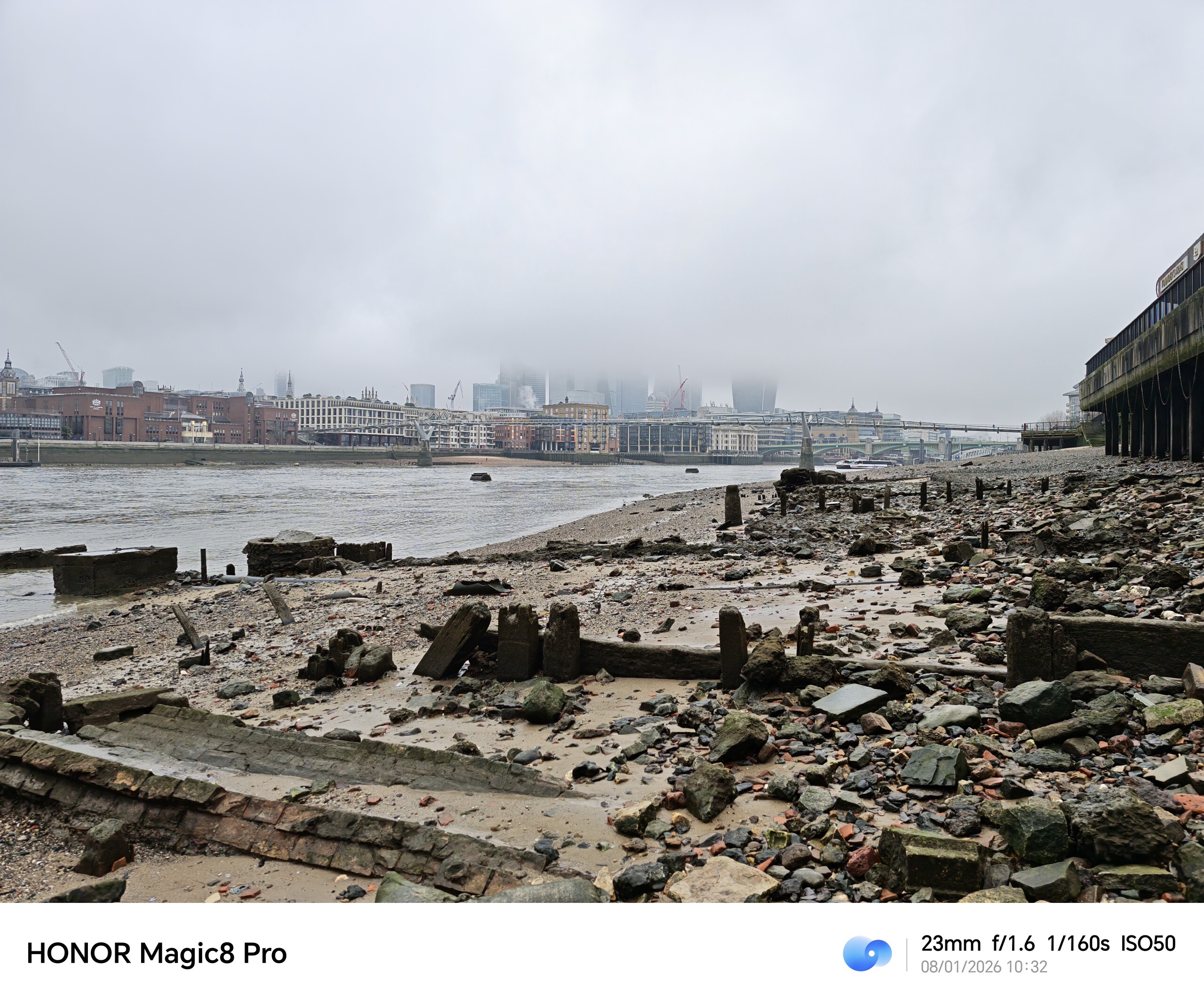
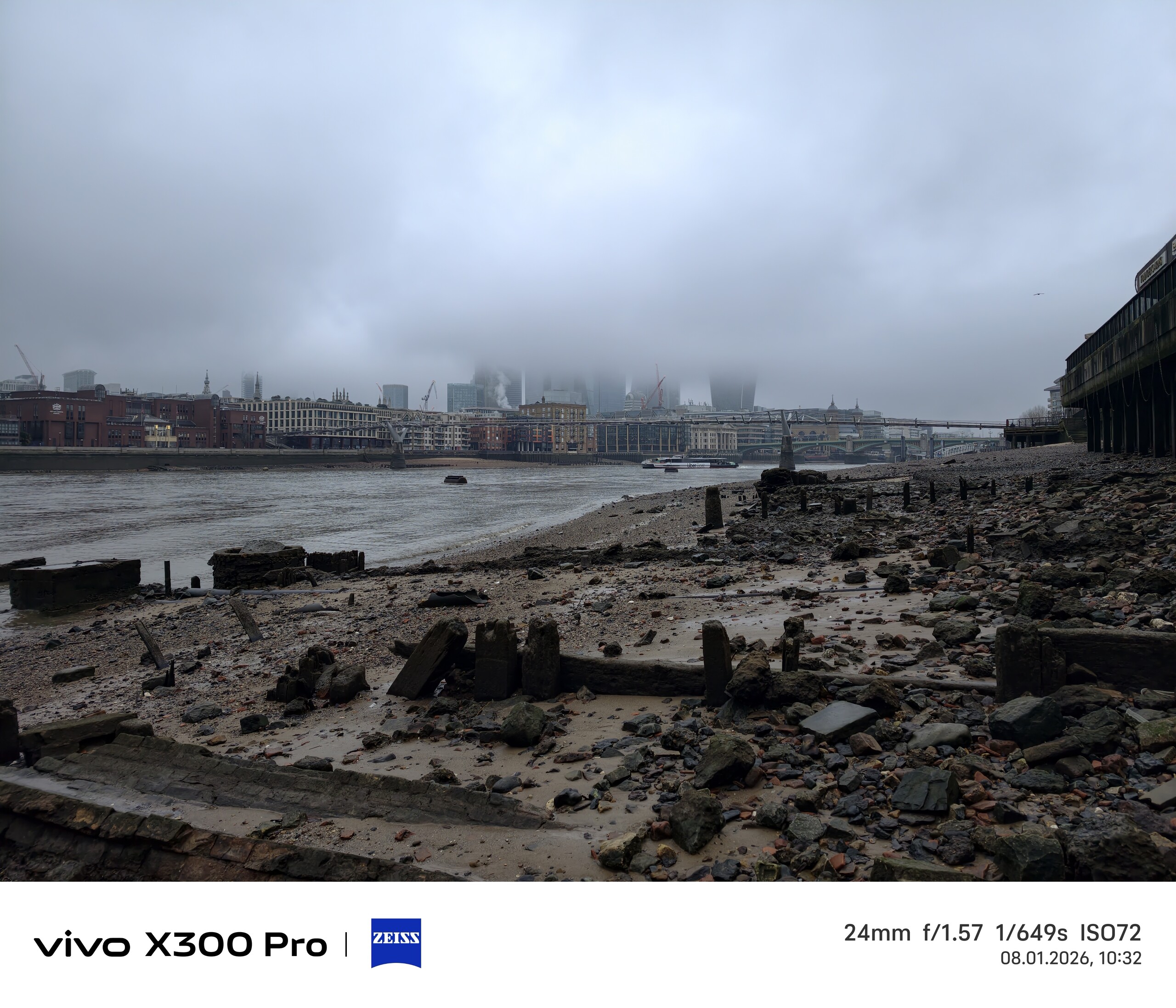
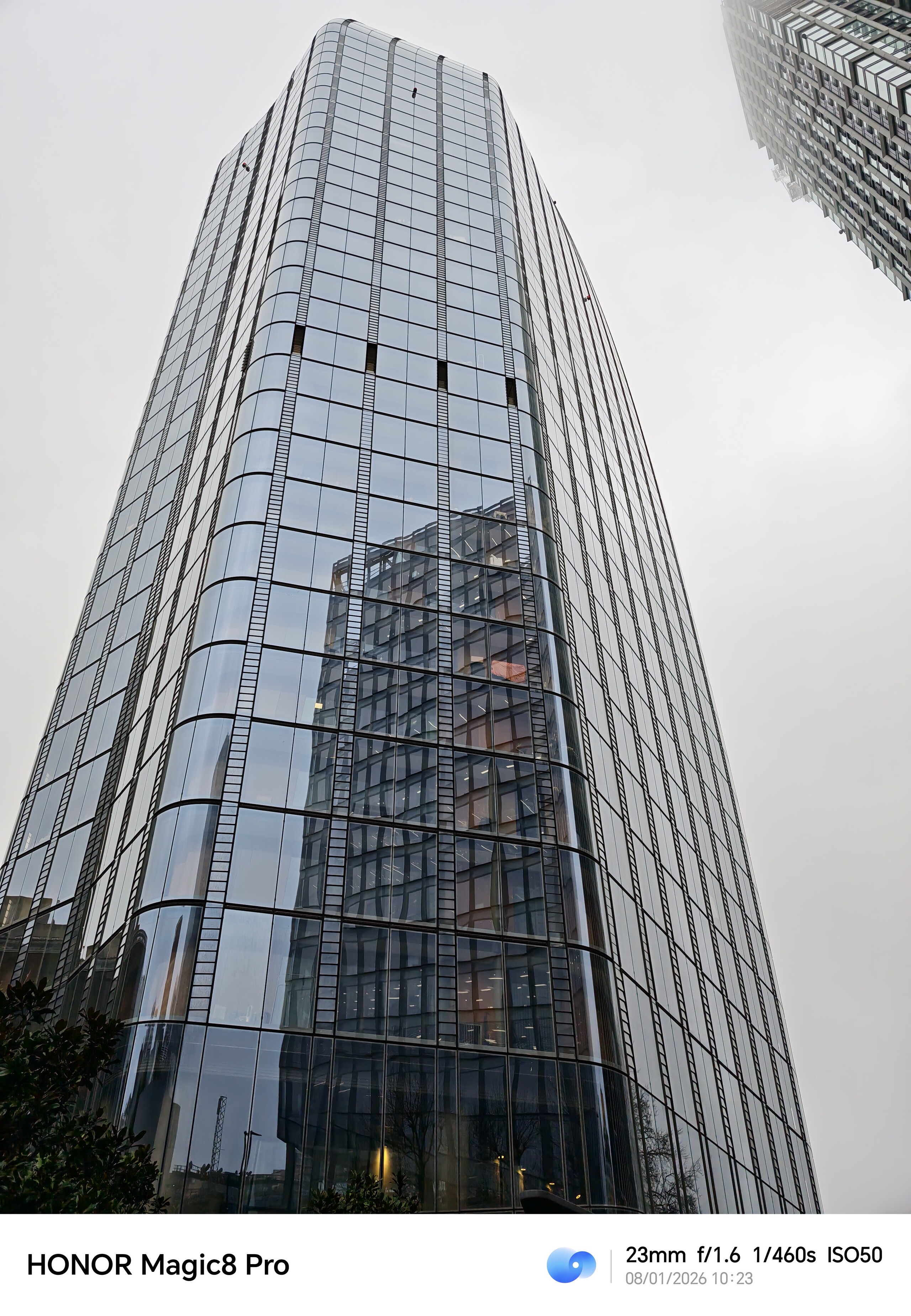
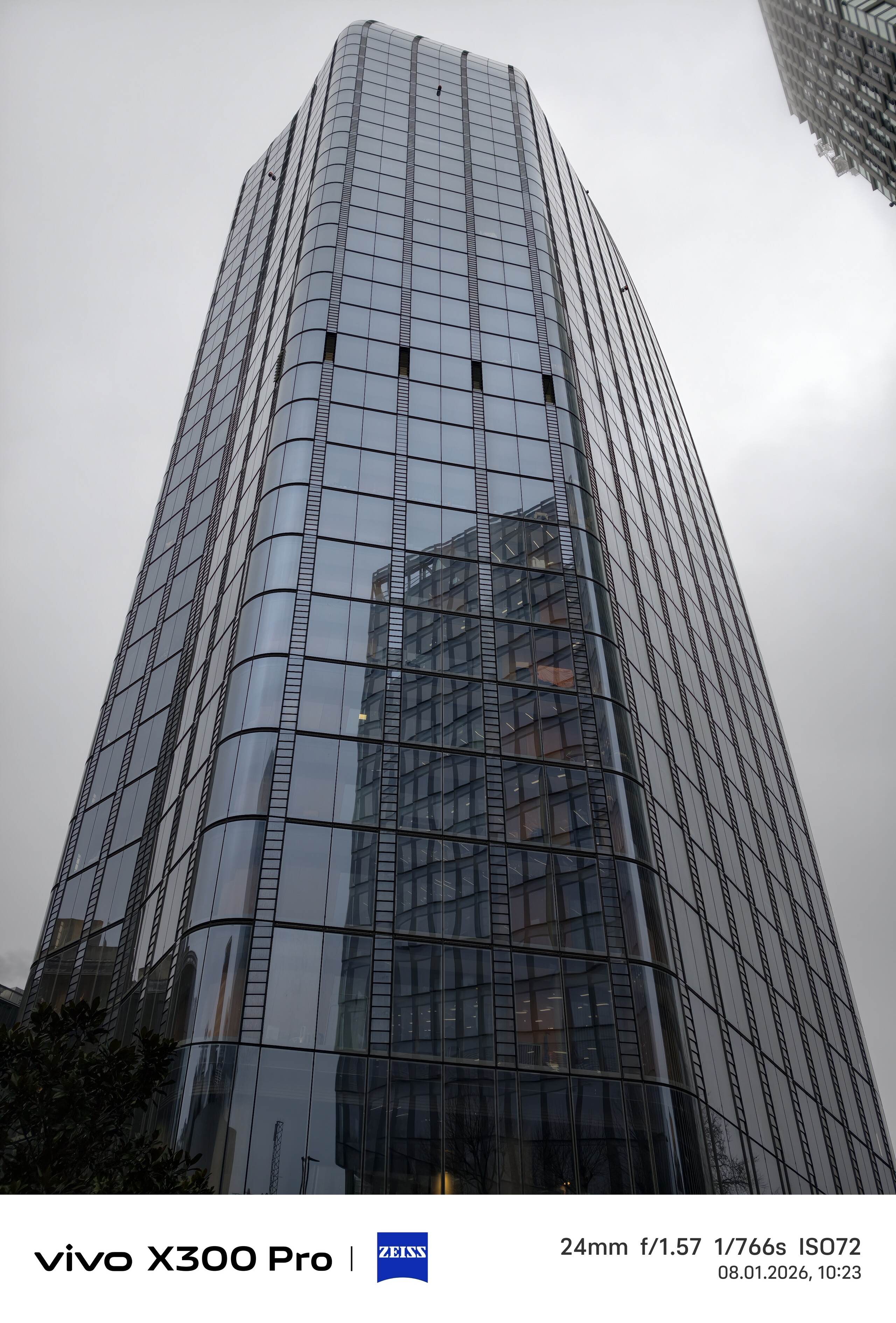
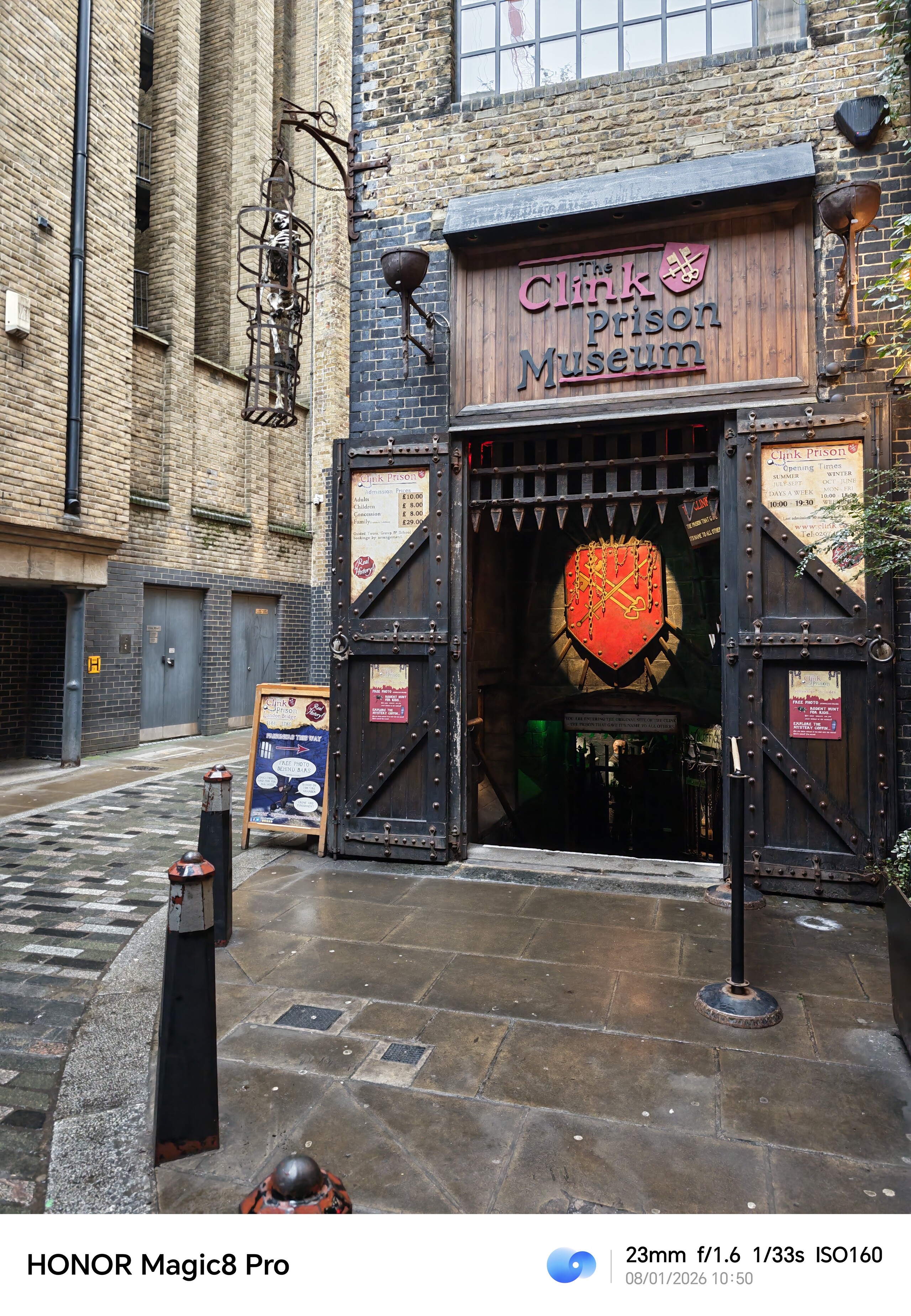
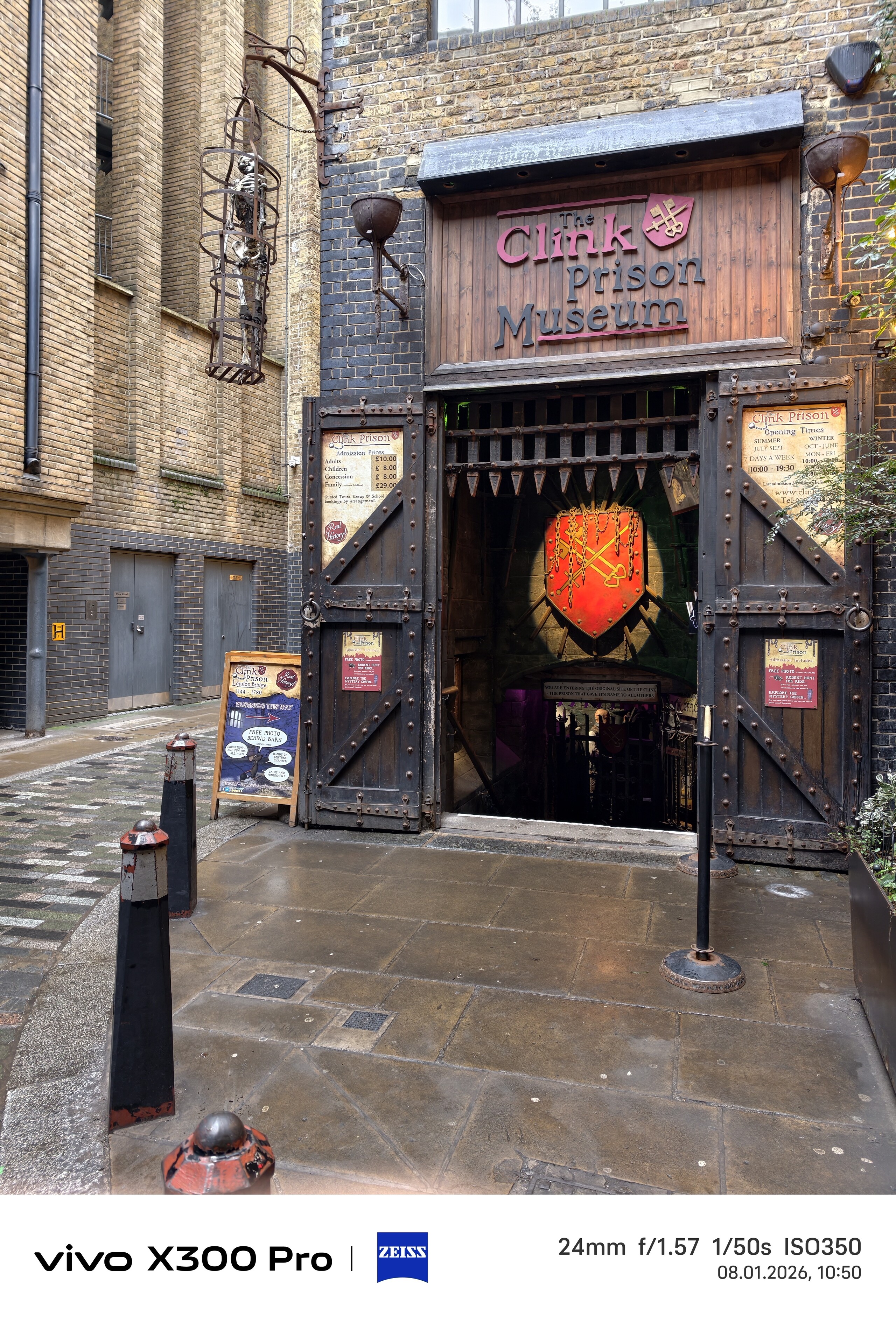
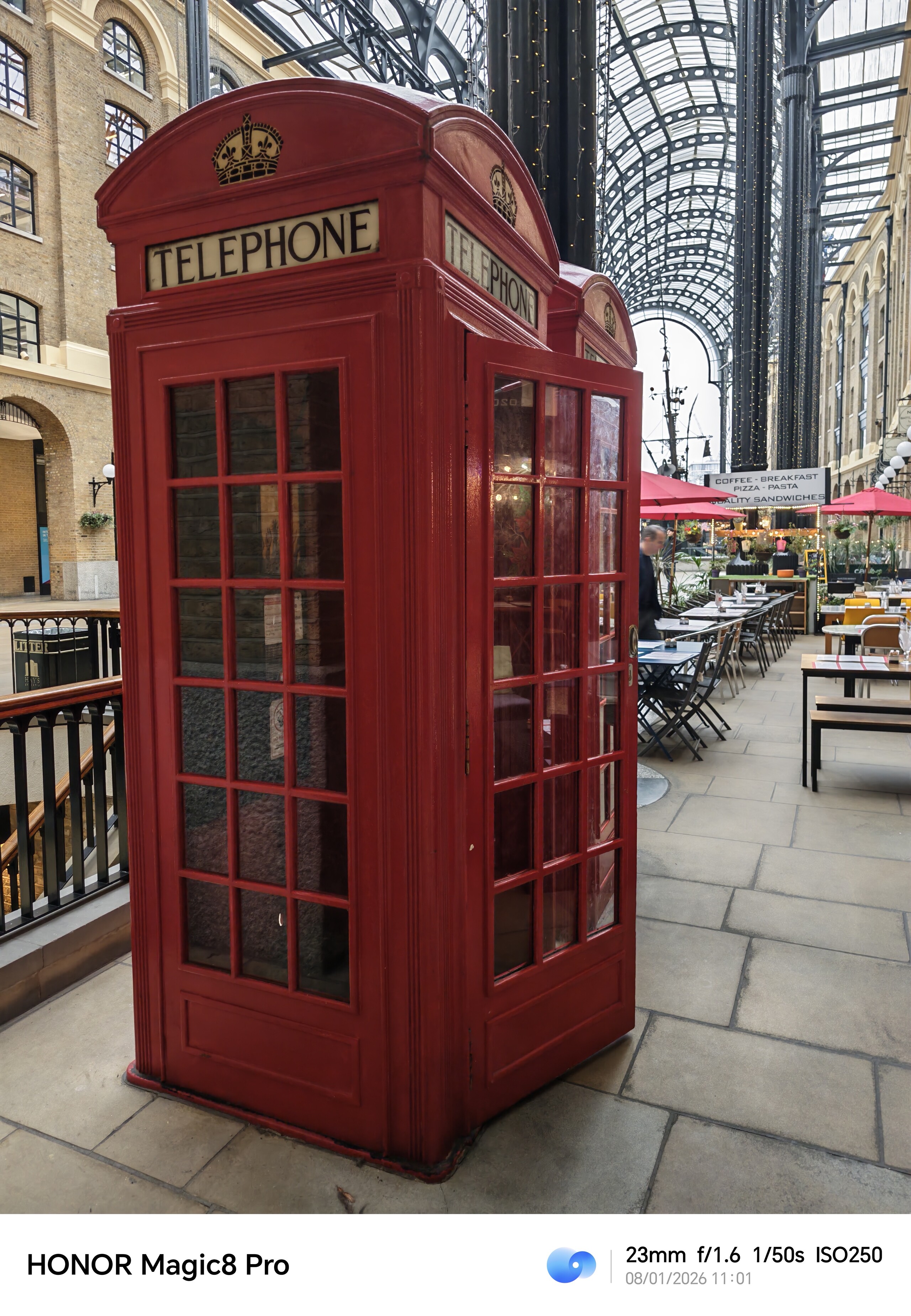
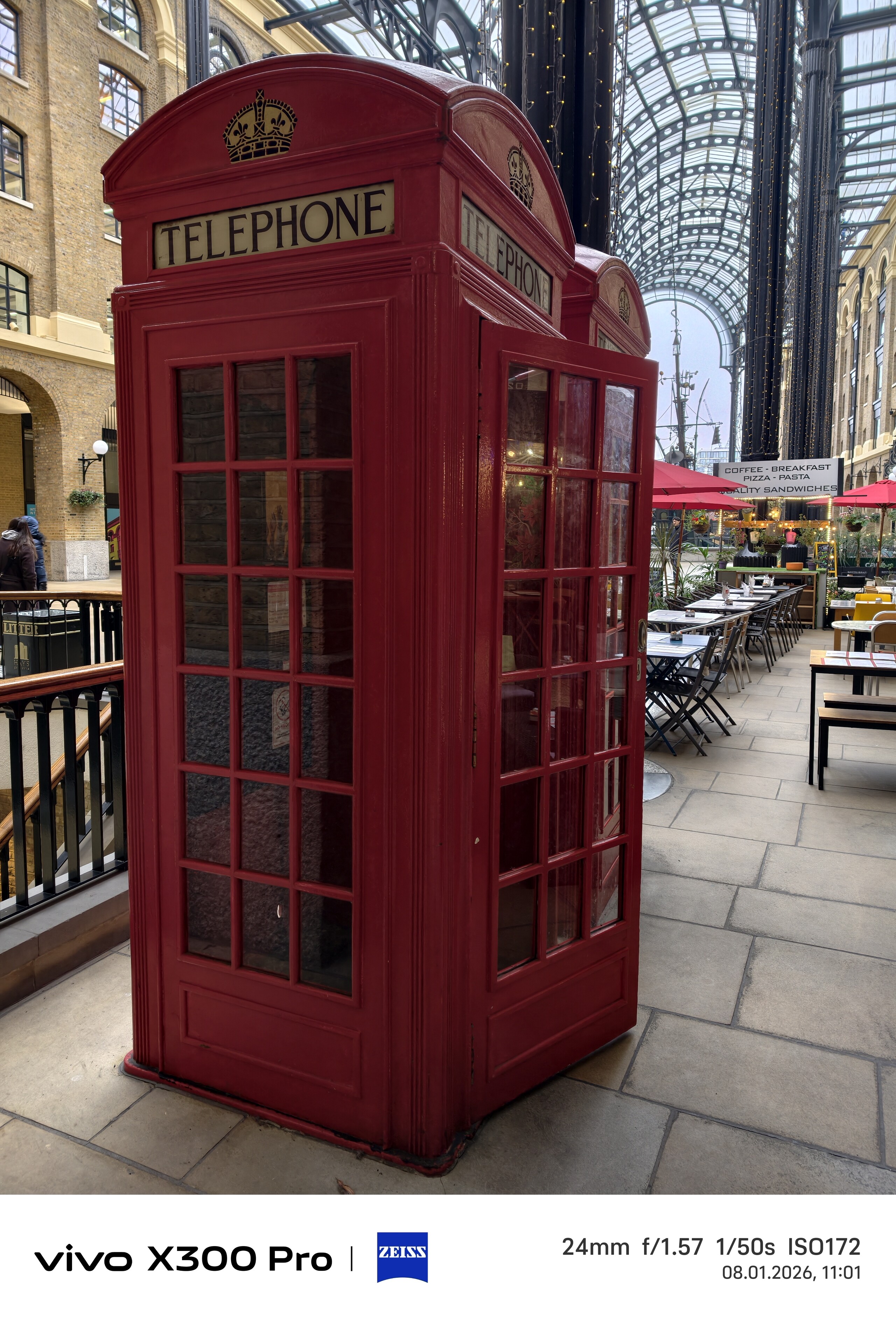
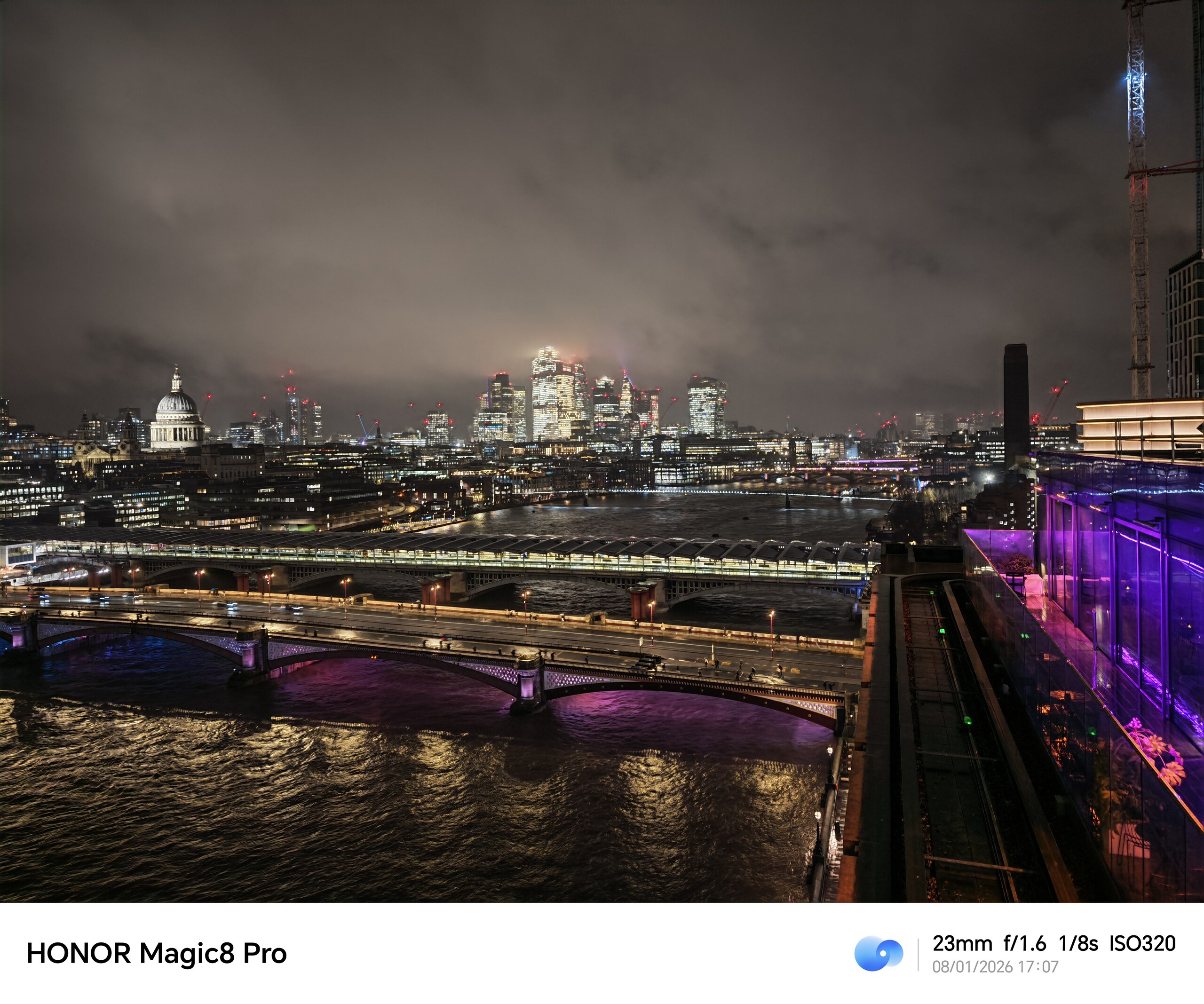
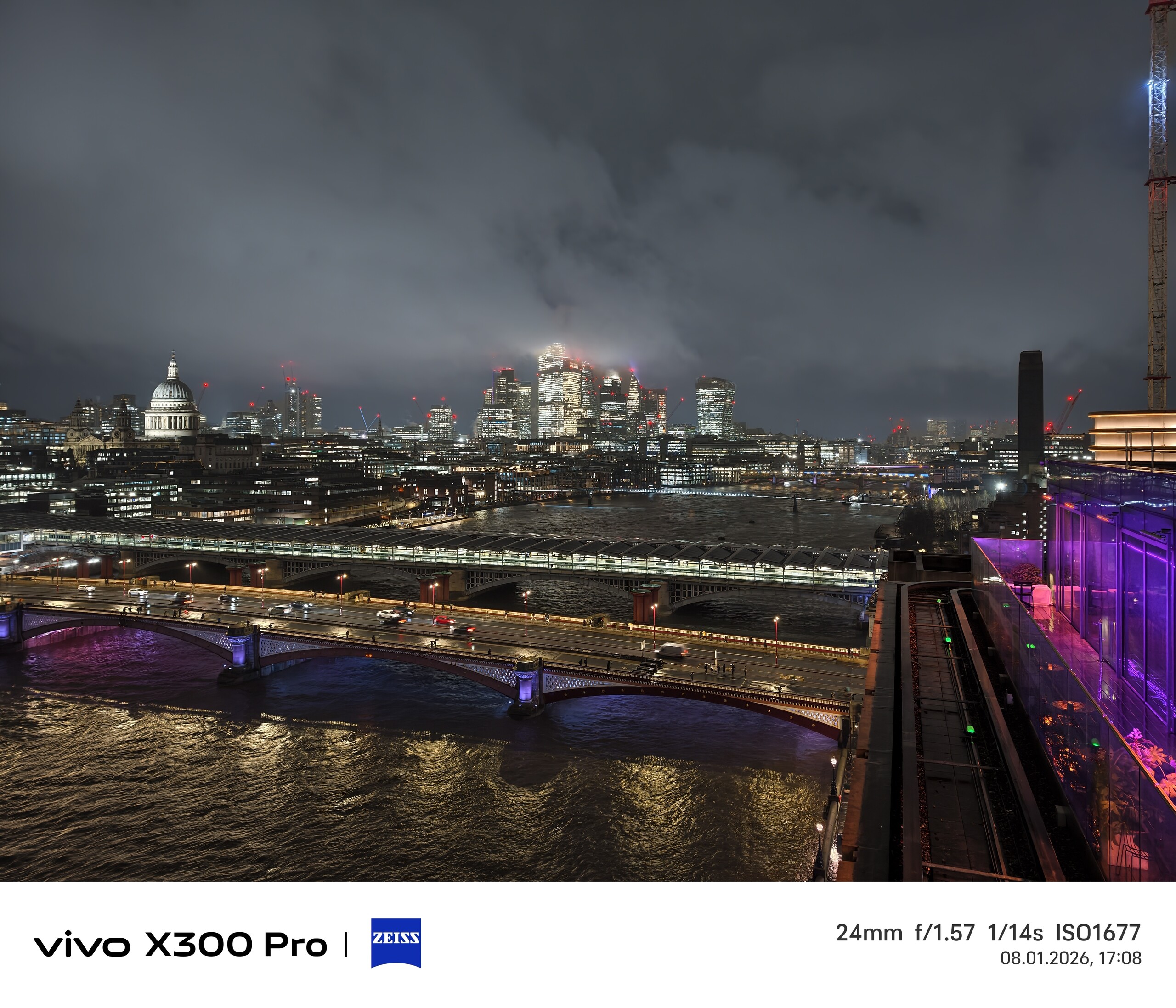
The weather in London was cloudy, which the X300 Pro captures slightly better, as the images are generally not brightened as much. However, we would have preferred it to be a shade brighter. Honor takes the opposite approach and brightens the image significantly throughout to suggest a greater dynamic range. Here, we would have preferred a slightly darker shot. Unfortunately, exposure compensation can only be adjusted in Pro mode on both smartphones, and even this is not permanently saved.
In general, we find the photos taken with the X300 Pro to be more authentic and natural. However, those taken with the Magic8 Pro are likely to be more suitable for social media. Due to the very different color and brightness balance, it remains a matter of taste, as the two competitors are otherwise very close.


Low light with the main camera
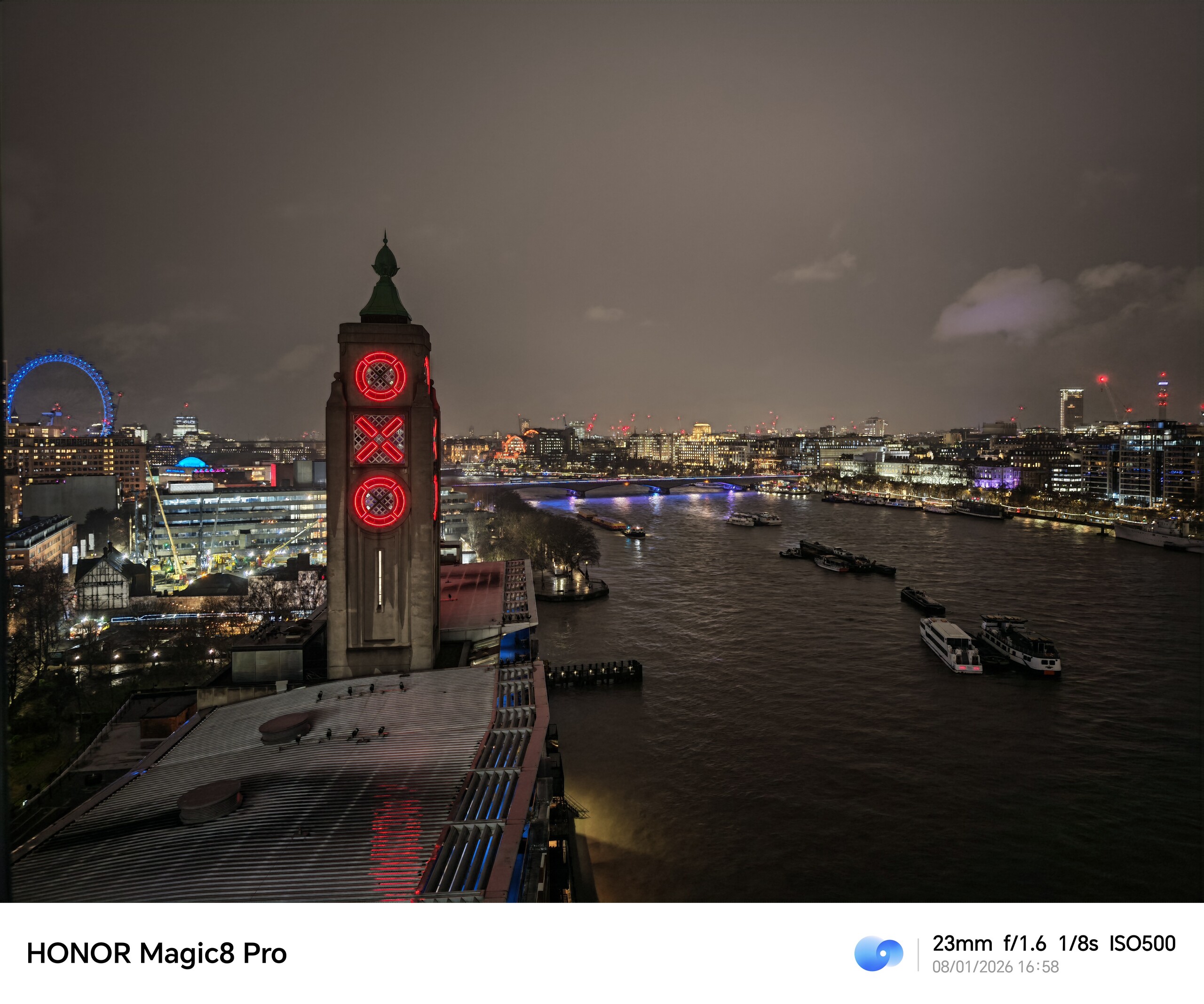
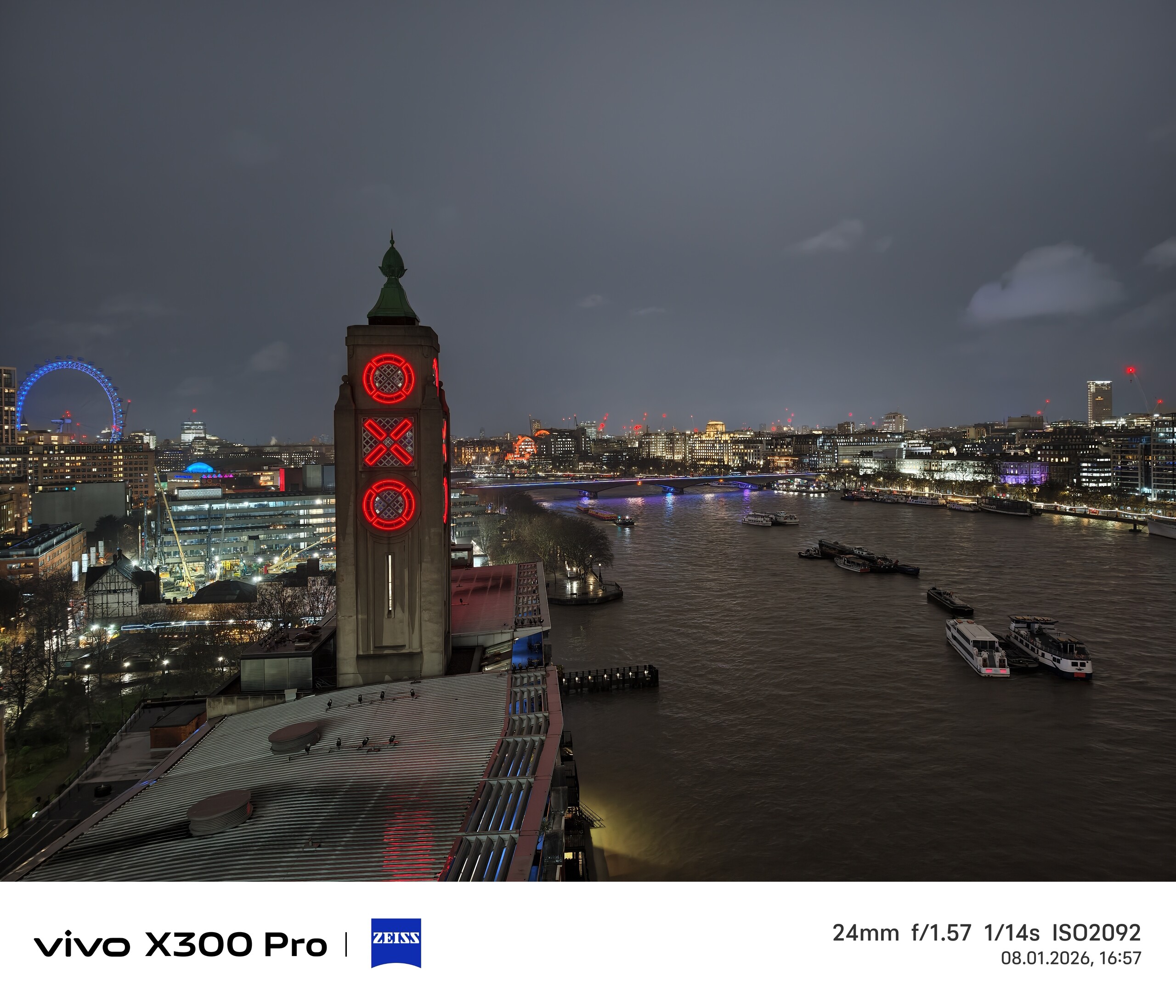
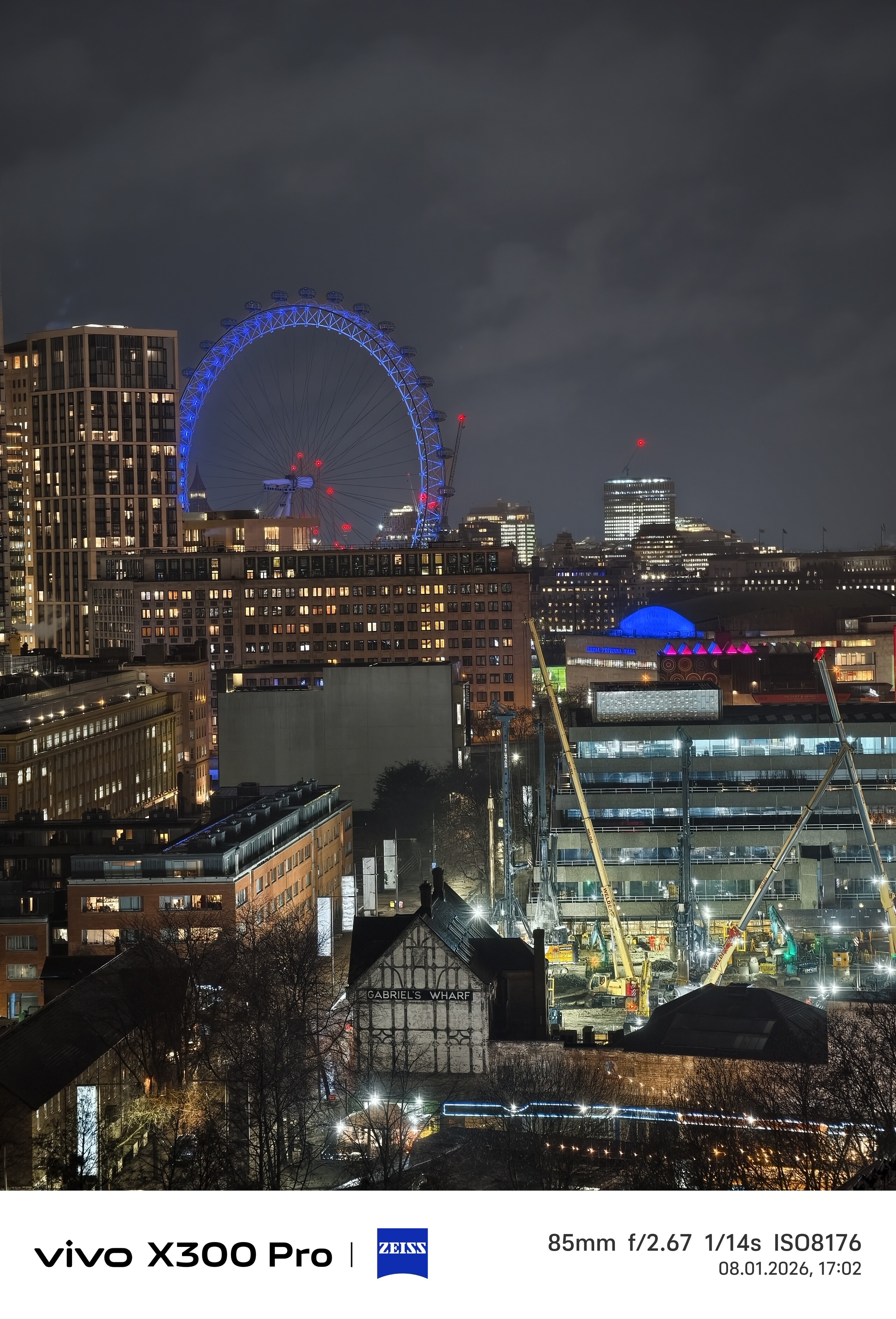
At night, the Vivo X300 Pro benefits from its more light-sensitive hardware and delivers better image quality, which is particularly evident in the fine details such as the trees on the shore (1st image) or the bridge railing (2nd image).
However, both capture the atmosphere well, with the Magic8 Pro offering a slightly warmer look.


Zooming - Periscope optics with large sensors
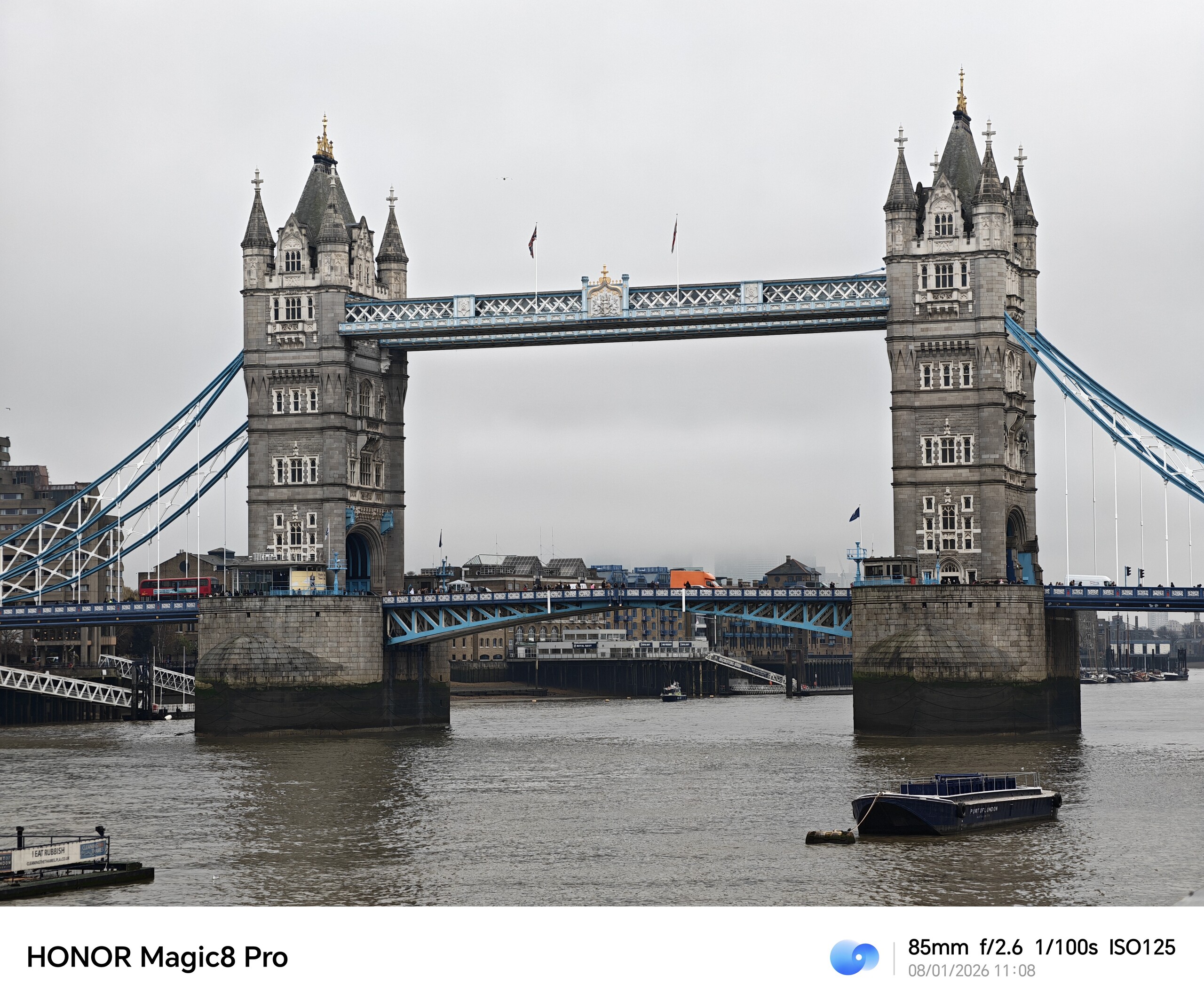
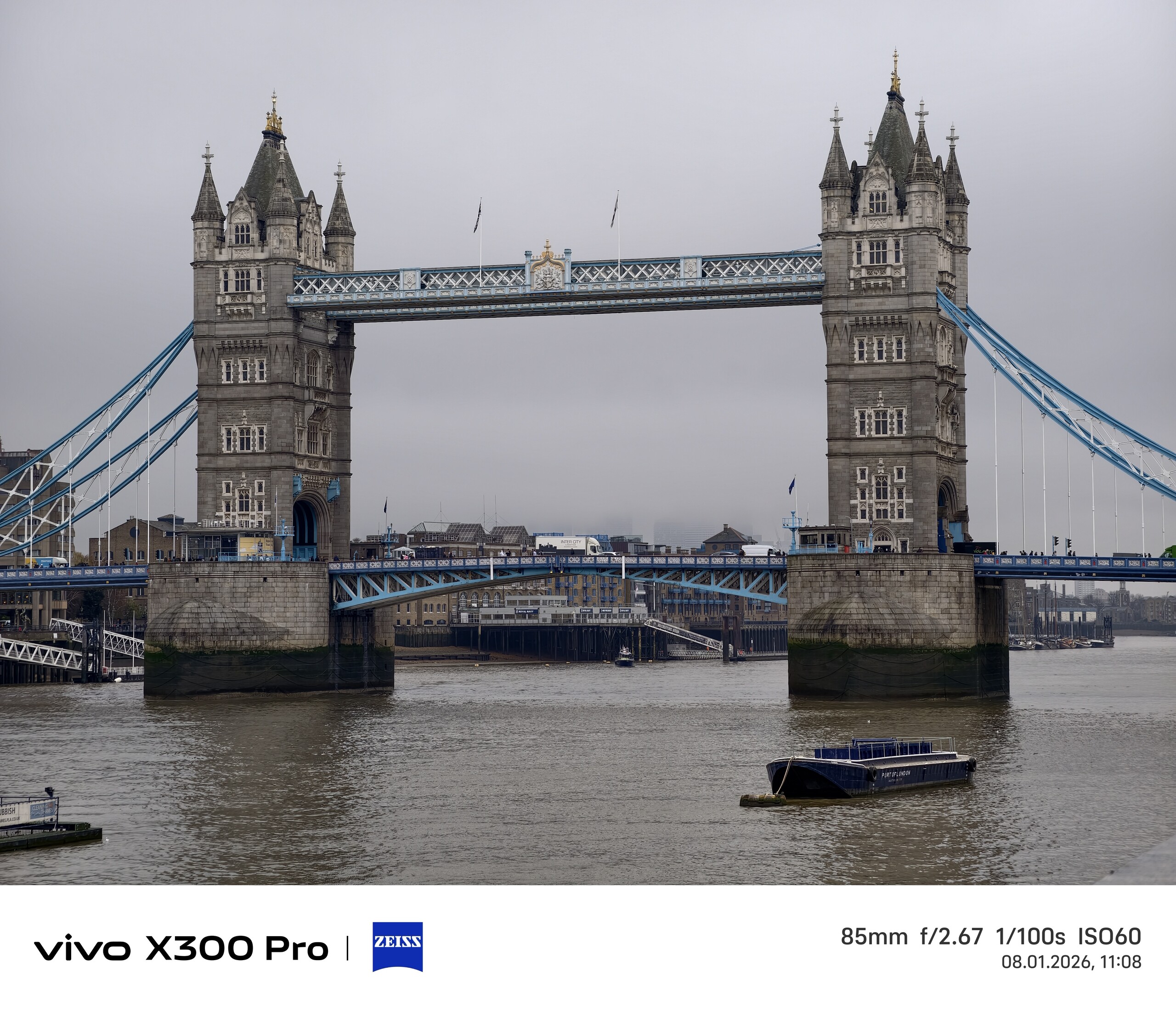
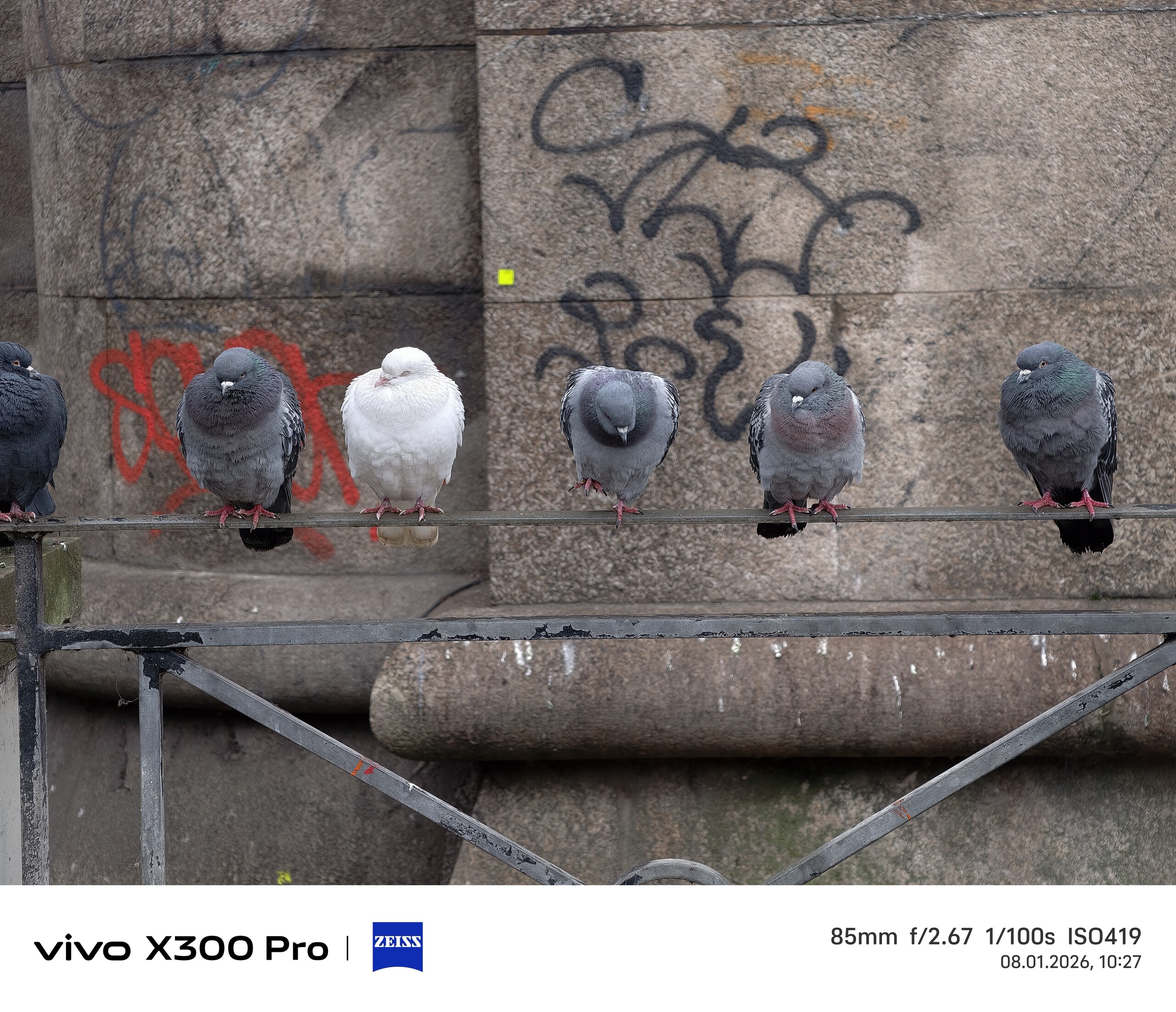
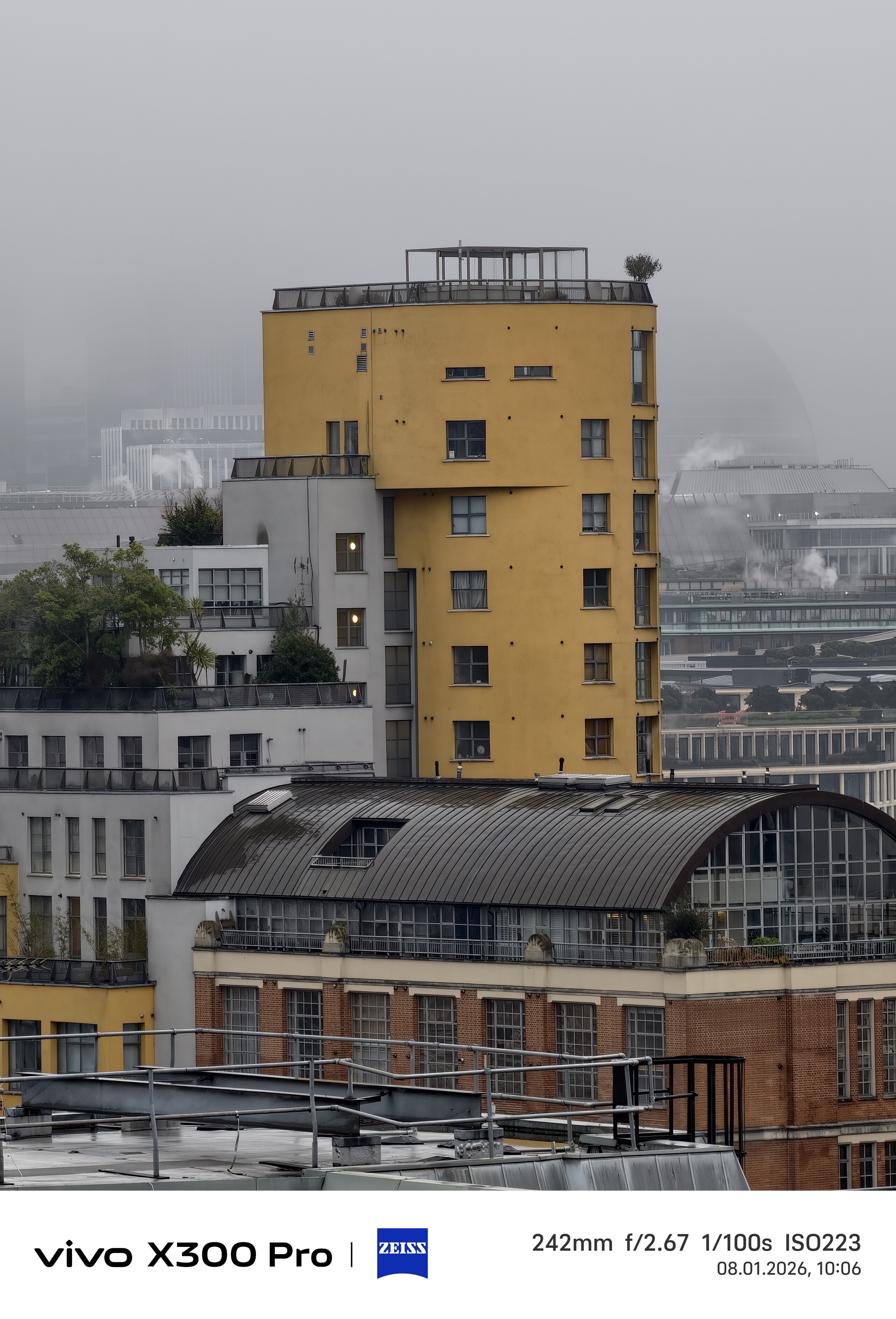
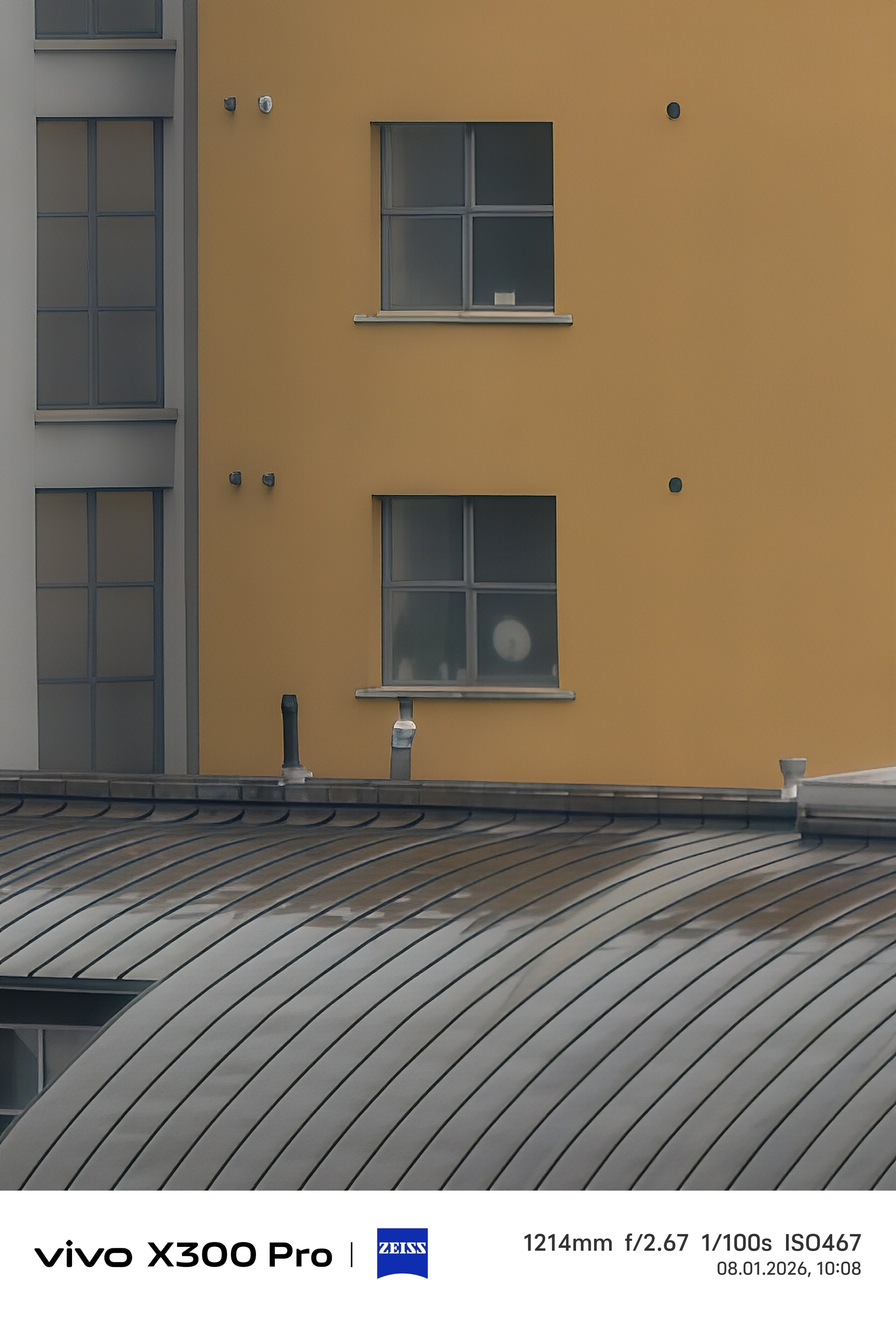
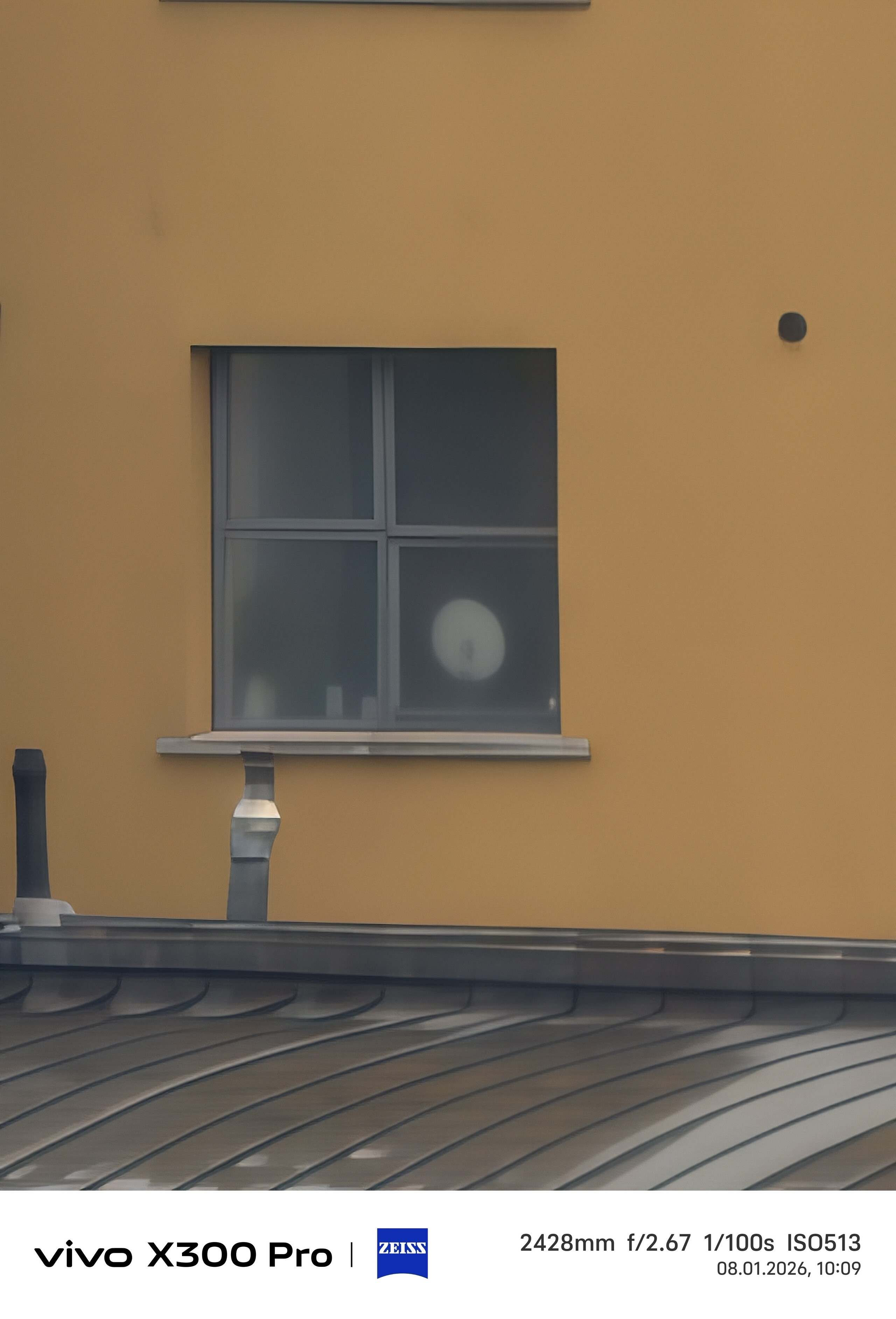
At first glance, the periscope zoom on both smartphones is very similar: both use an identical 200 MPix sensor with a focal length of 85 mm and optical image stabilization. Nominally, the Magic8 Pro is slightly faster with an f/2.6 aperture, while the X300 Pro has a macro function. Both offer a maximum magnification of 100x with optional AI support.
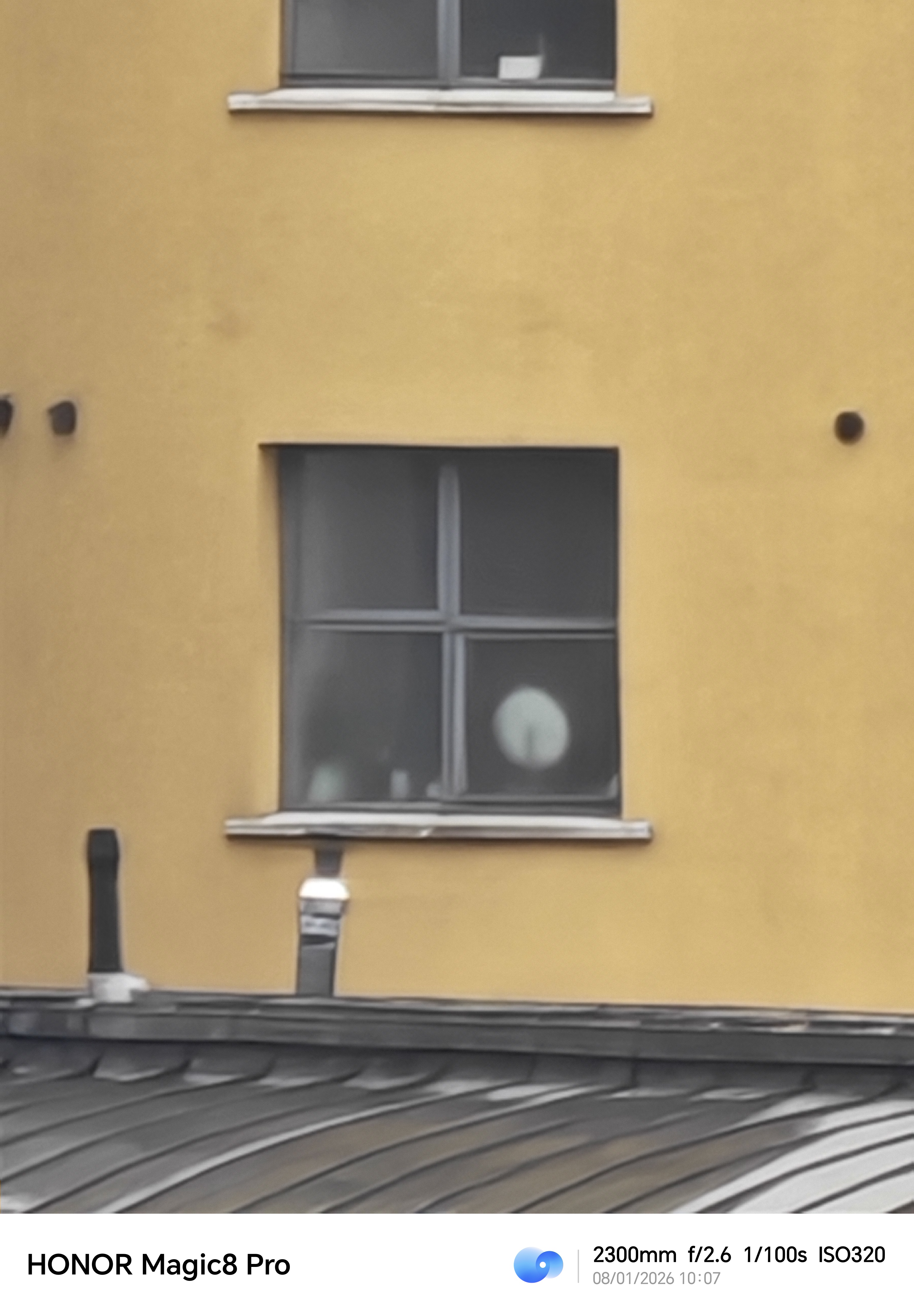
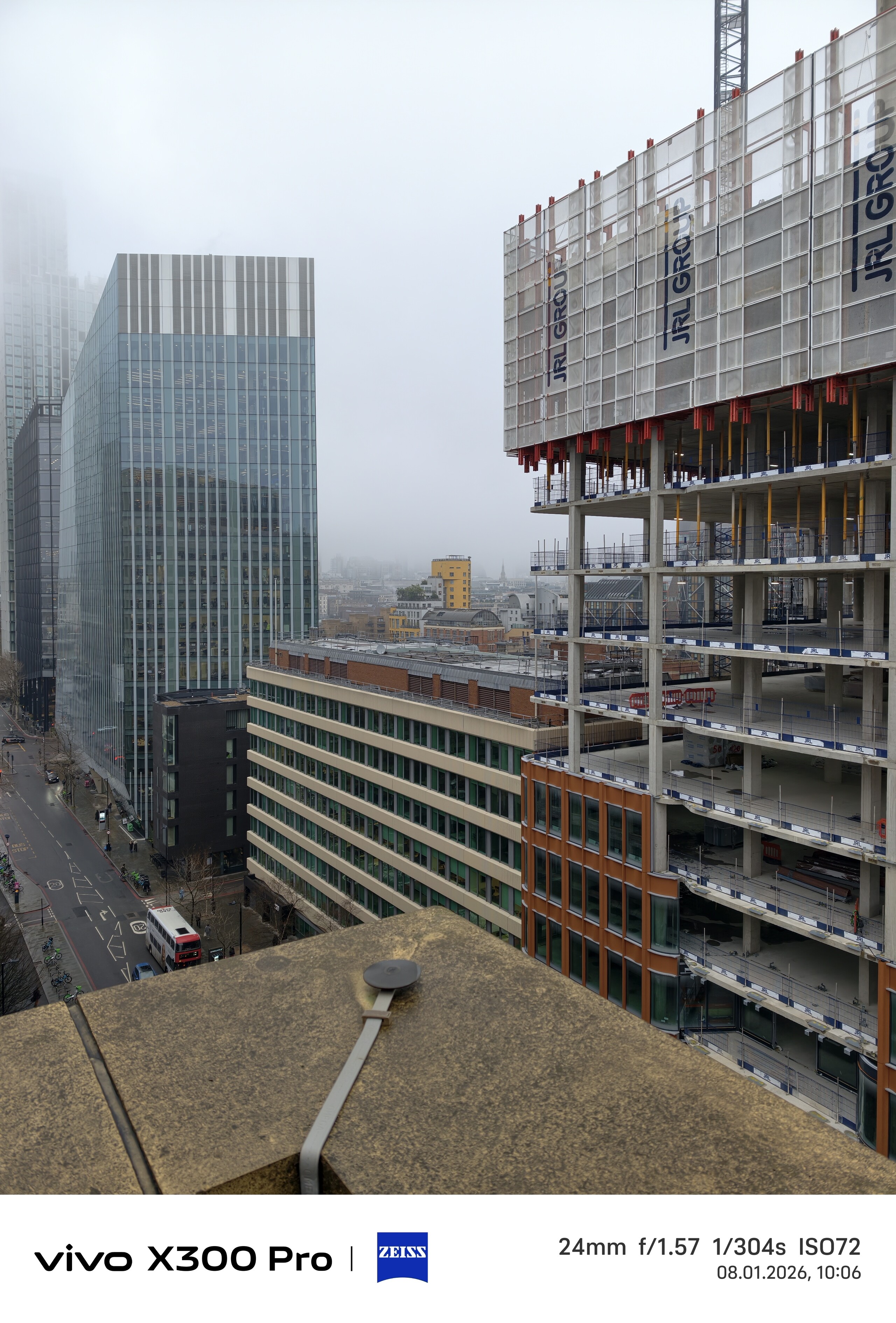
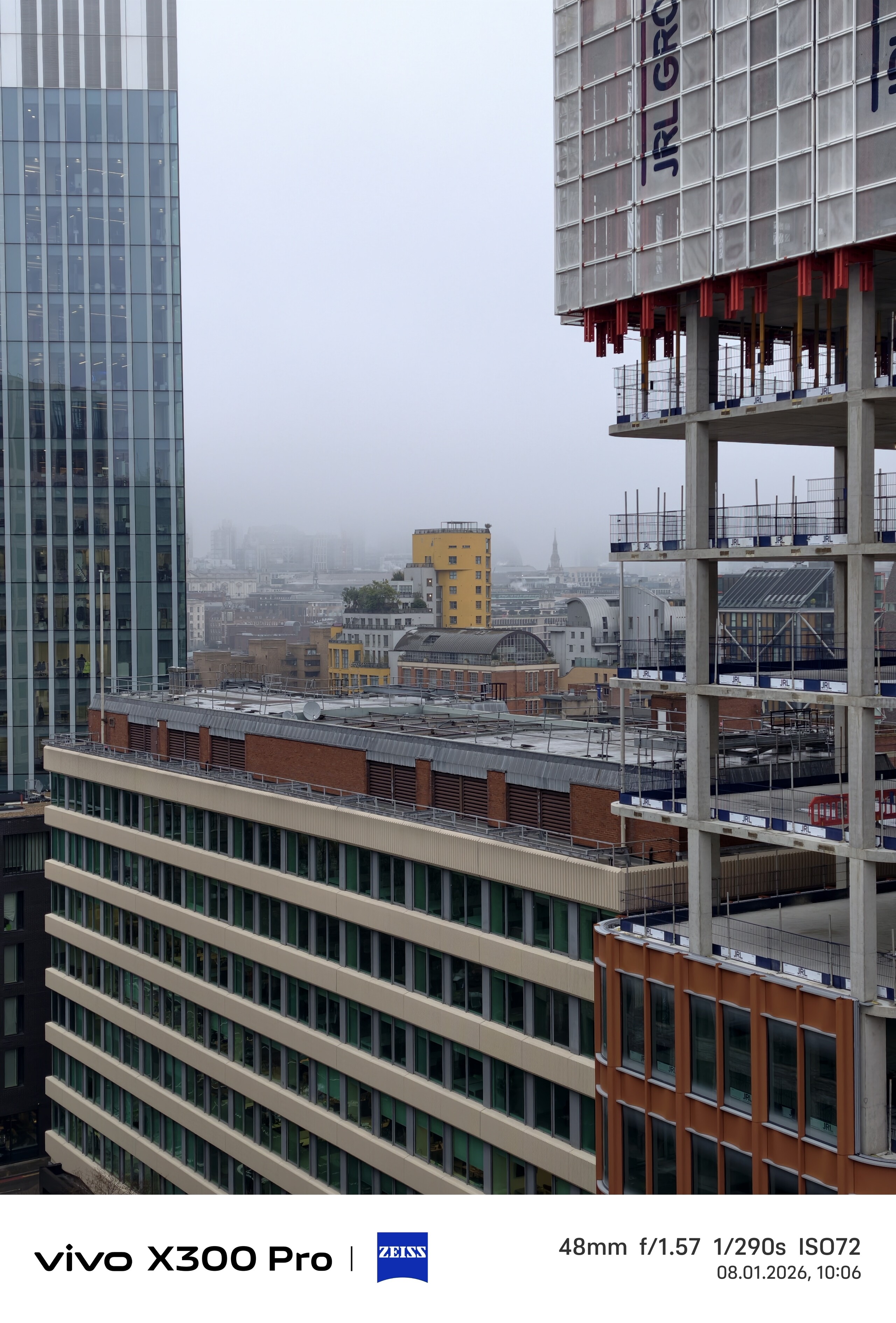
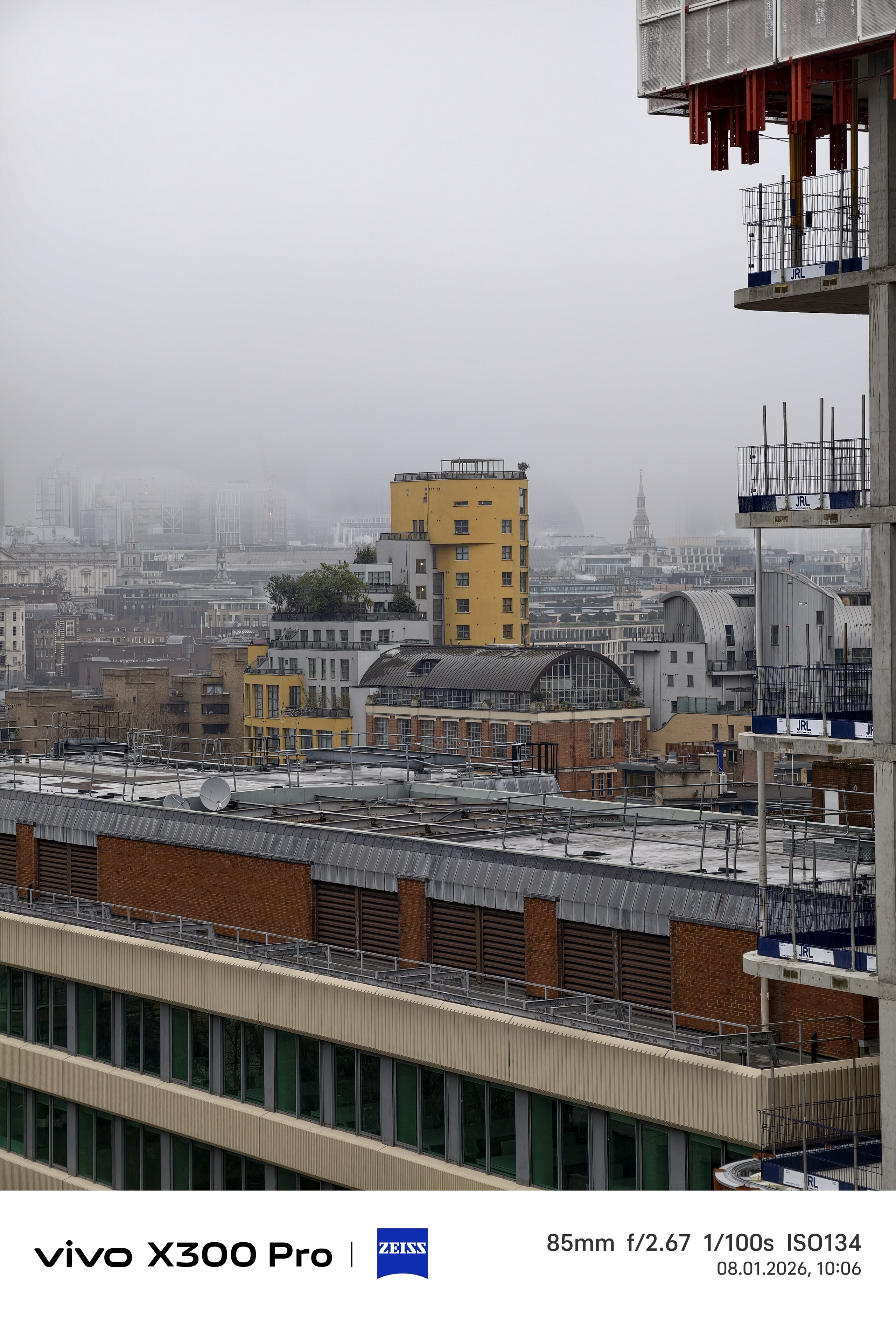
Both smartphones produce detailed images at a high level (for smartphones) and rely on a similar display as with the main lens. The Vivo is slightly more contrasty and darker, but also better at capturing details at long focal lengths. However, with the 2x digital zoom, which still uses the main sensor, the Magic8 Pro captures more details.


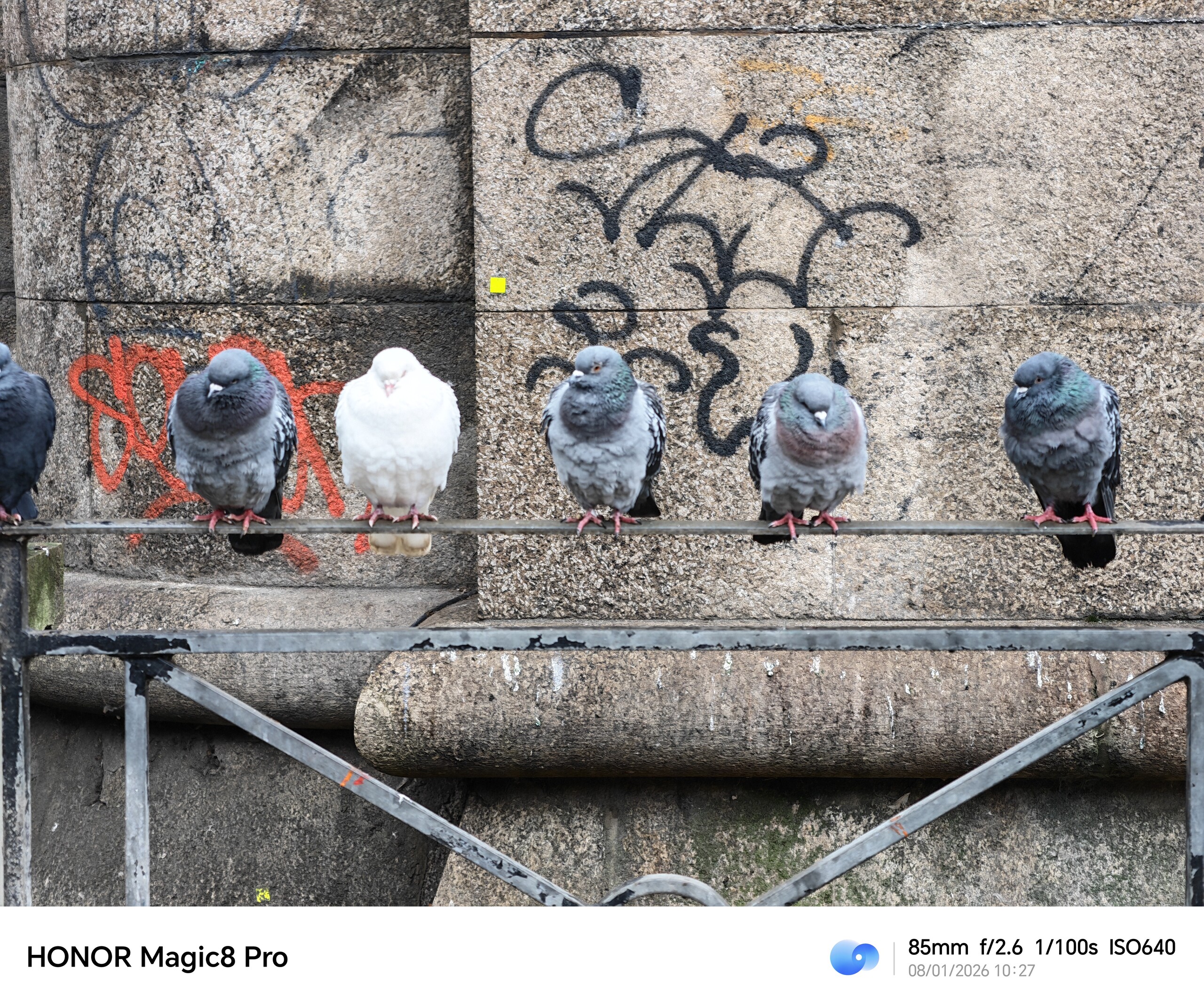
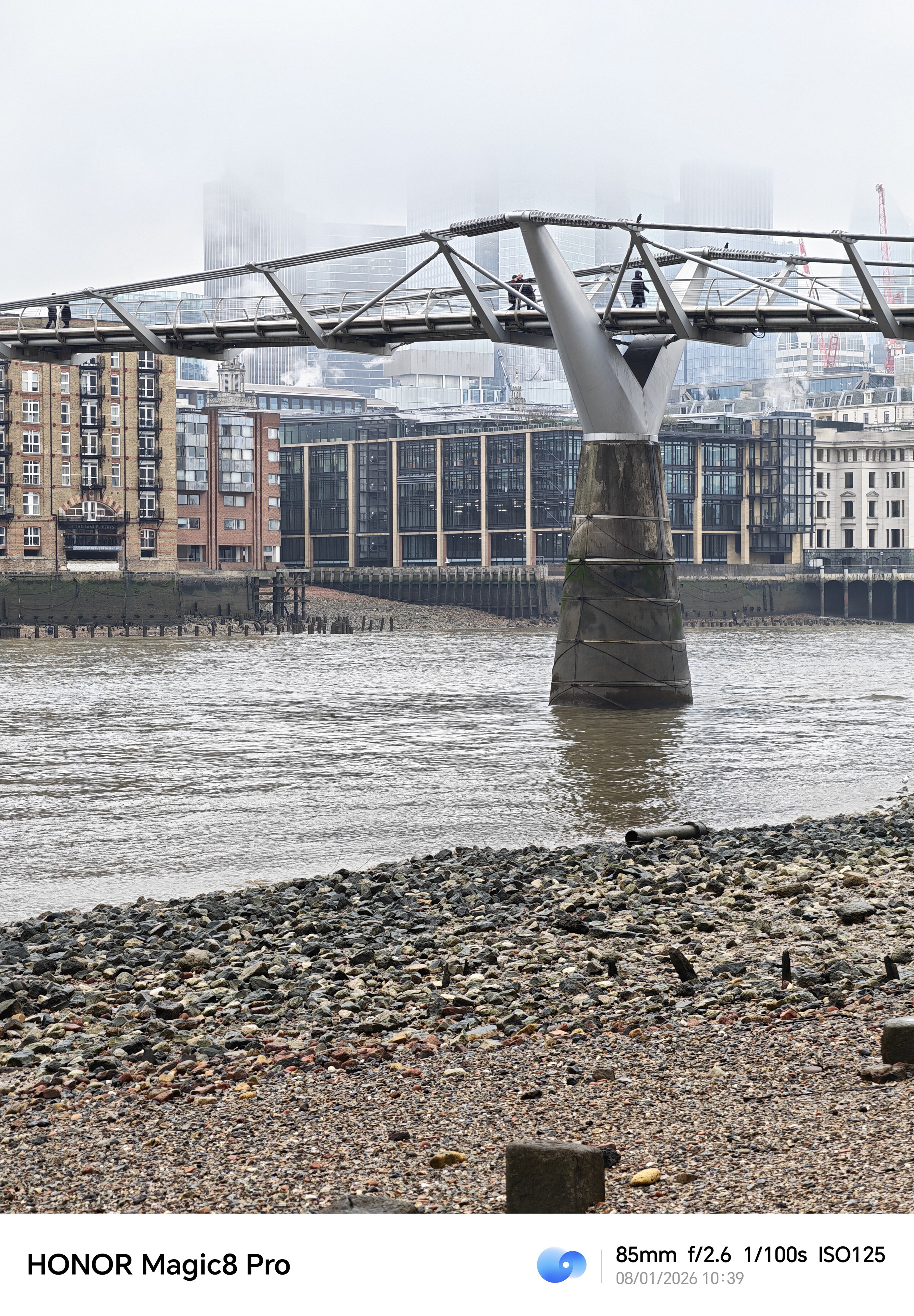
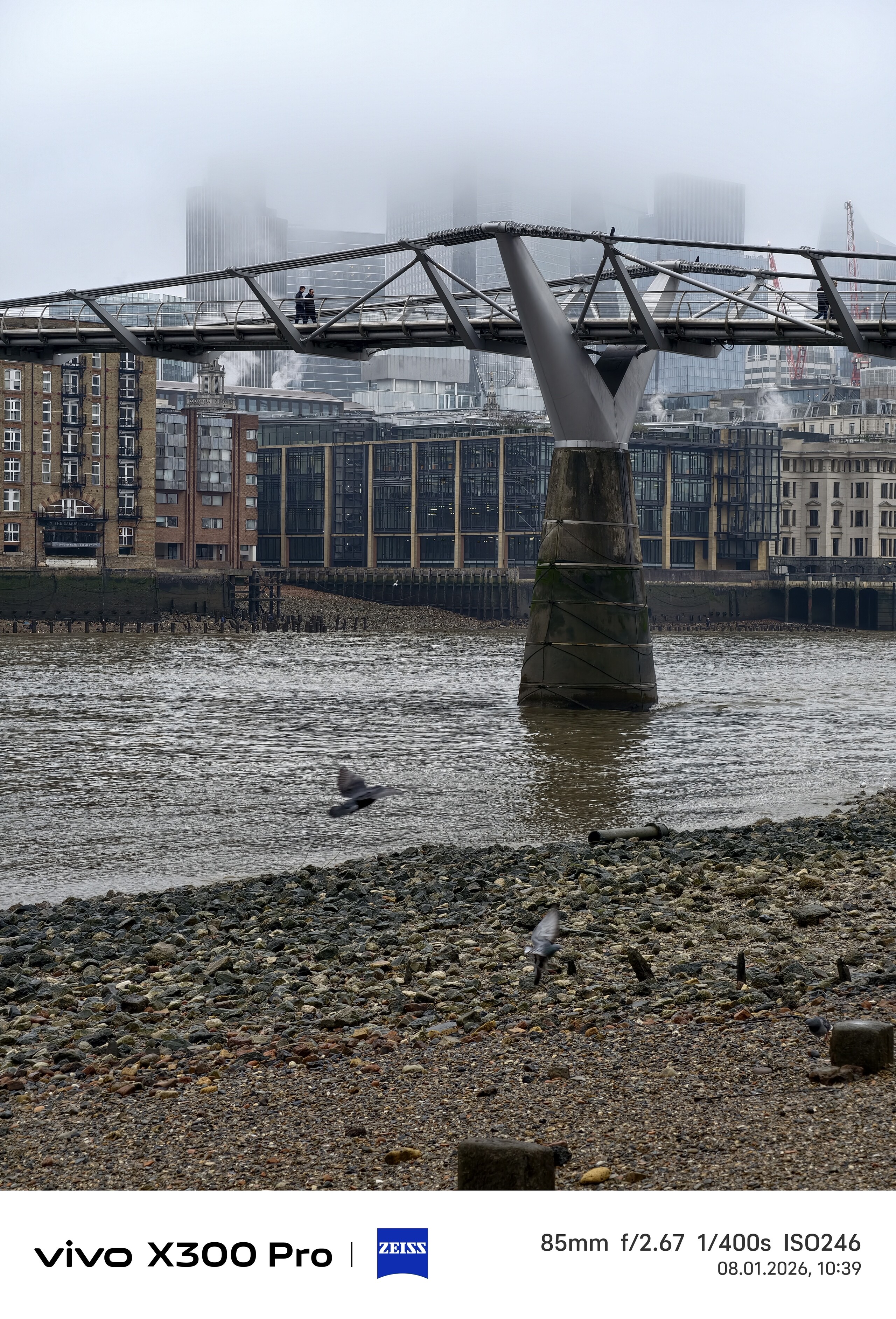
Zoom range Honor Magic8 Pro: 23 - 2300 mm

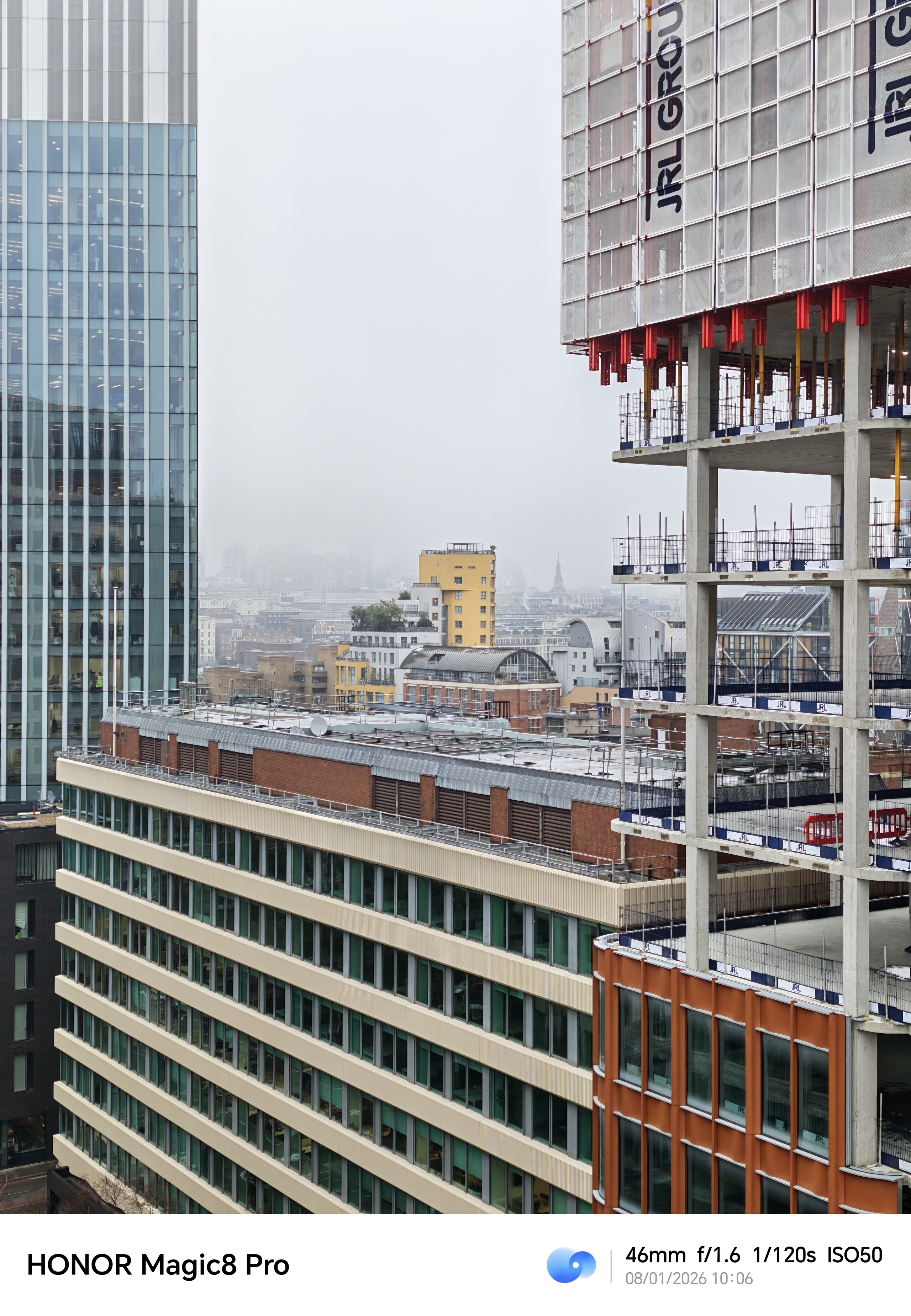
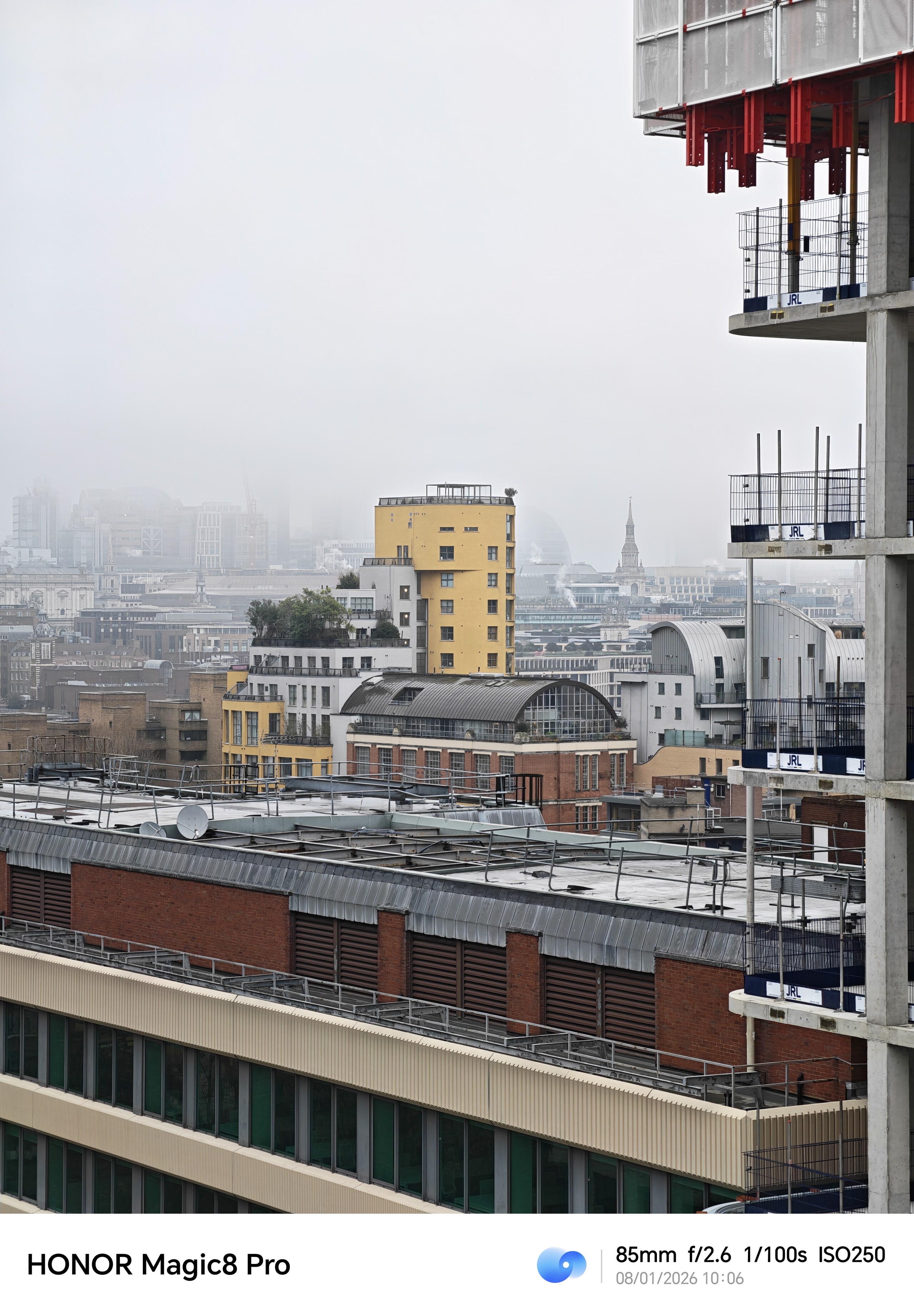
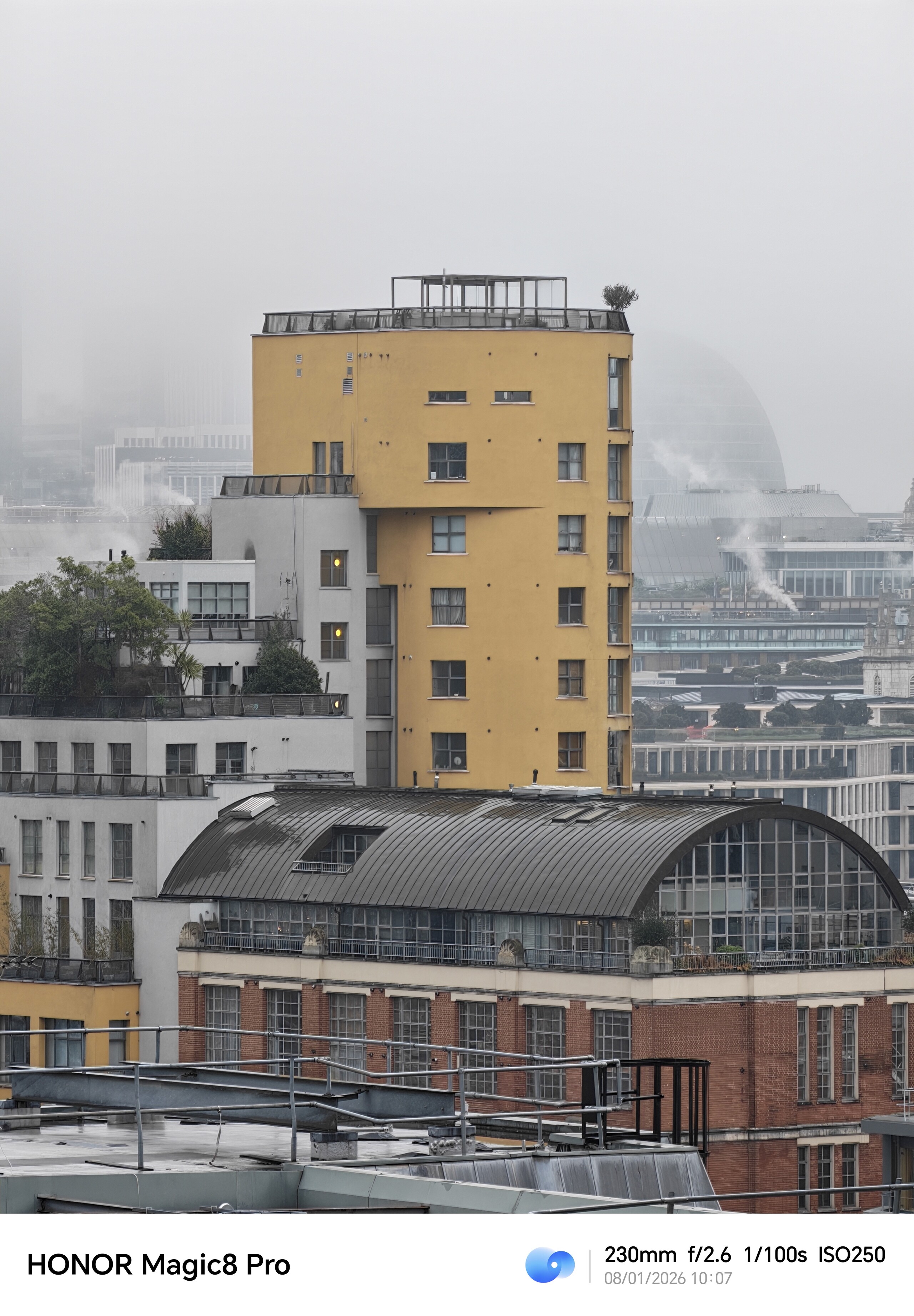
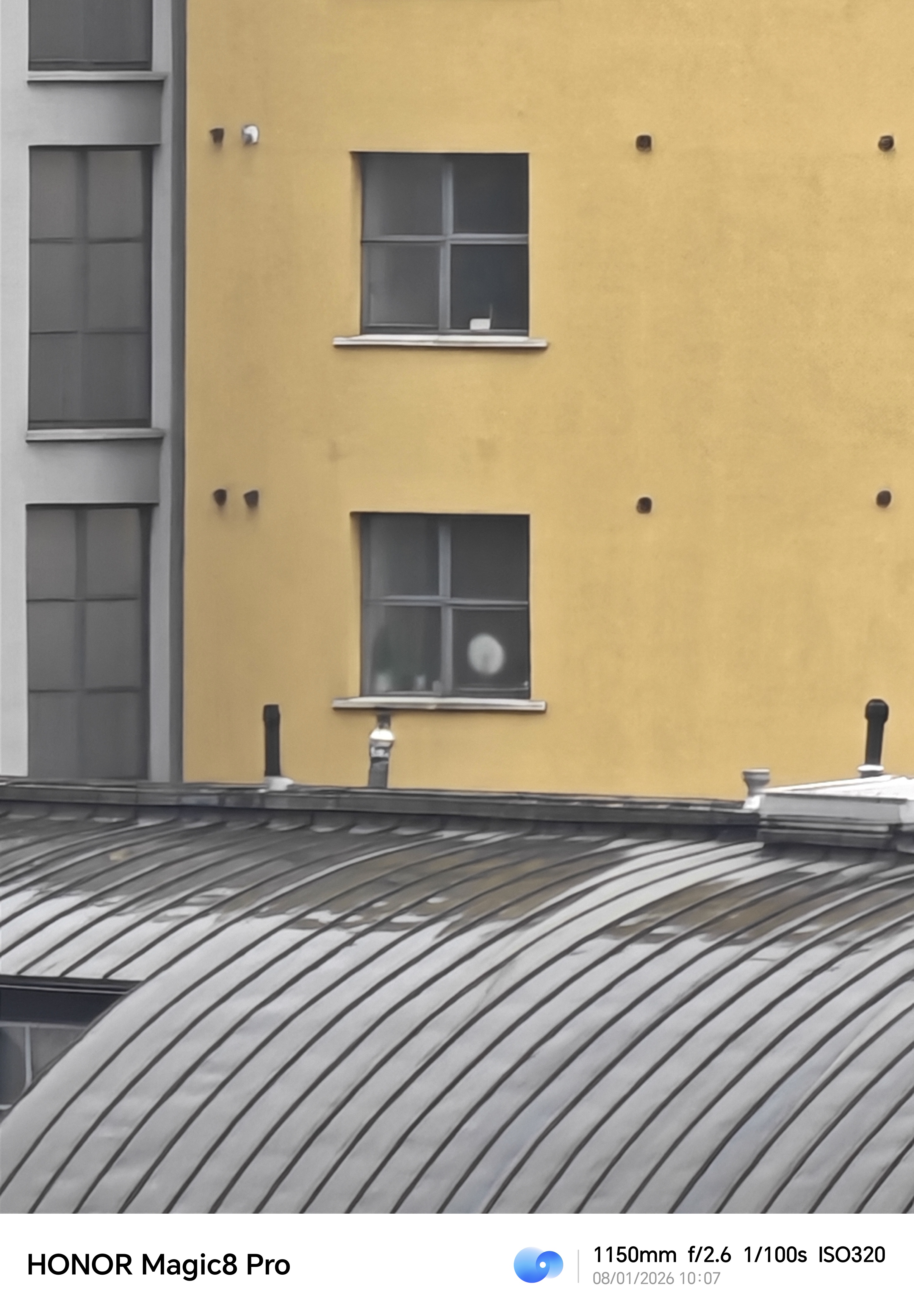
Zoom range Vivo X300 Pro: 24 - 2428 mm
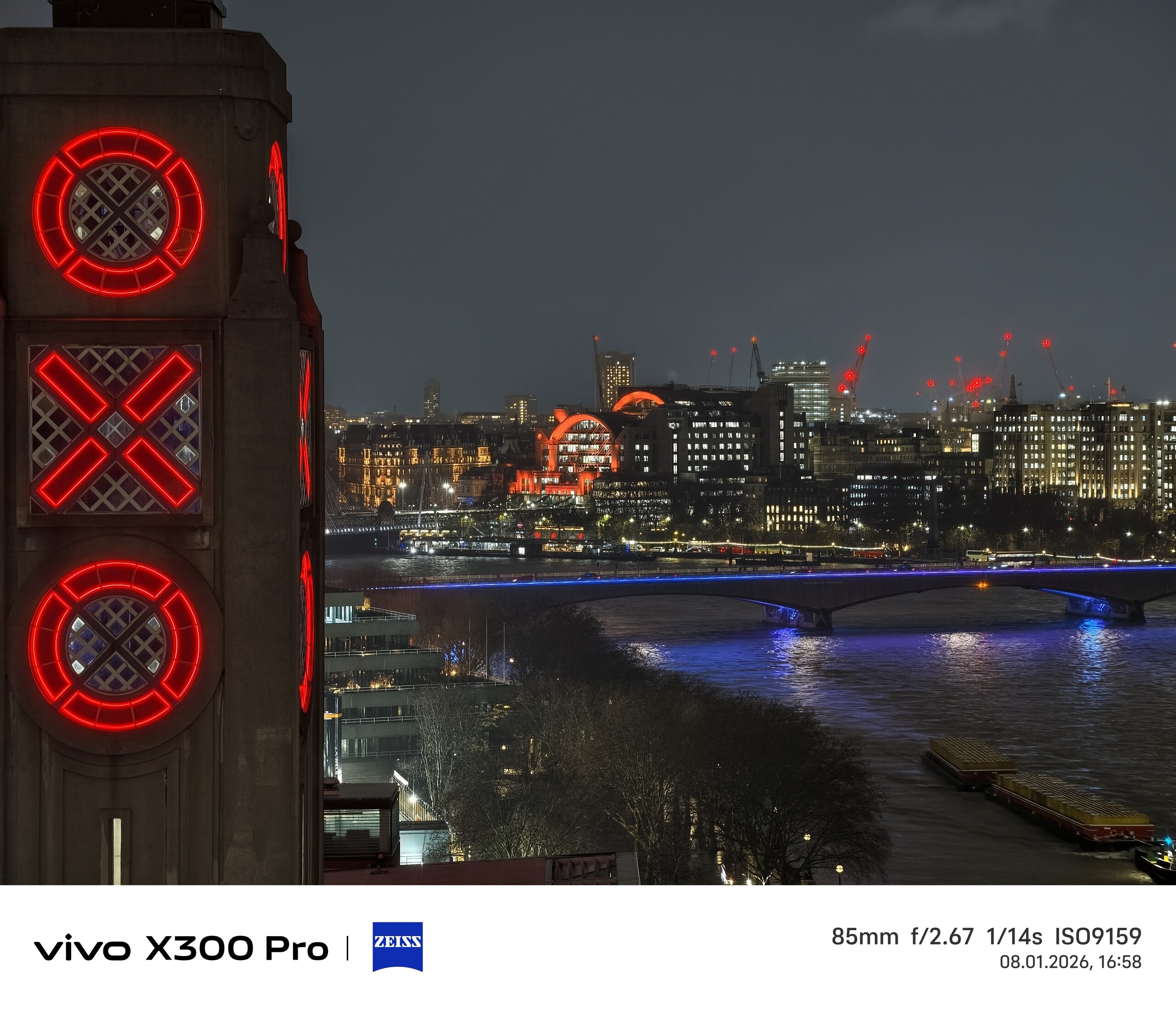
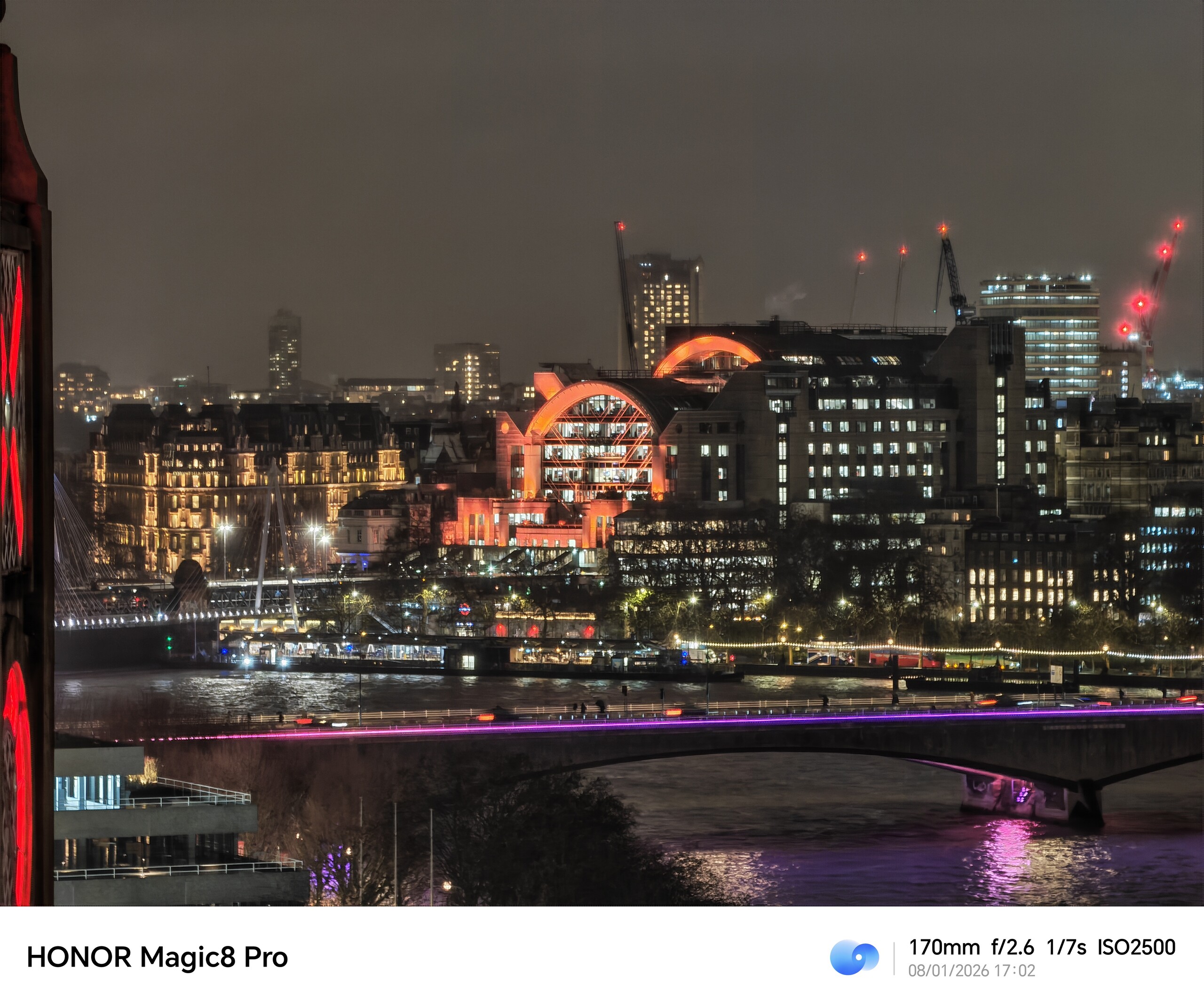
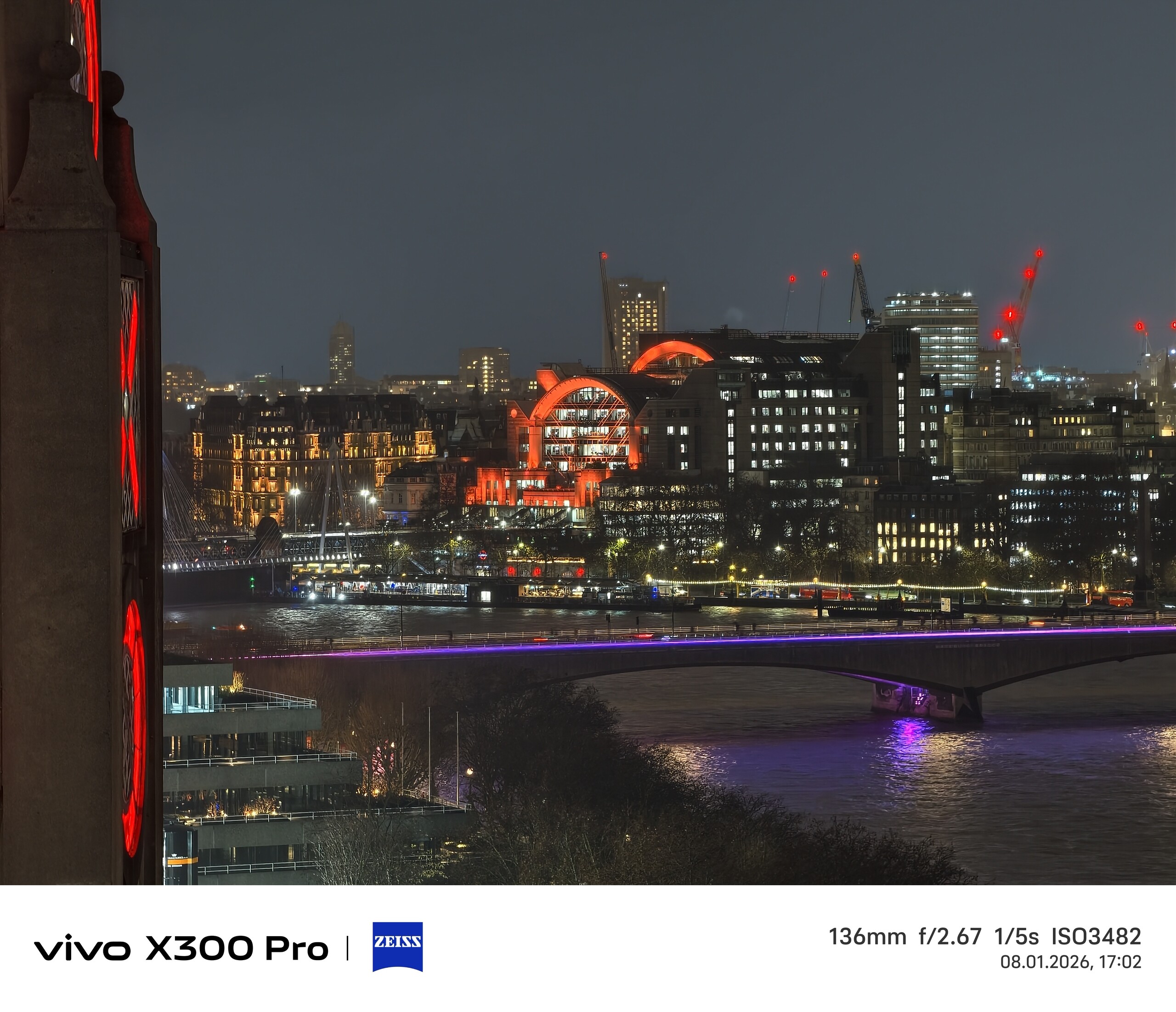
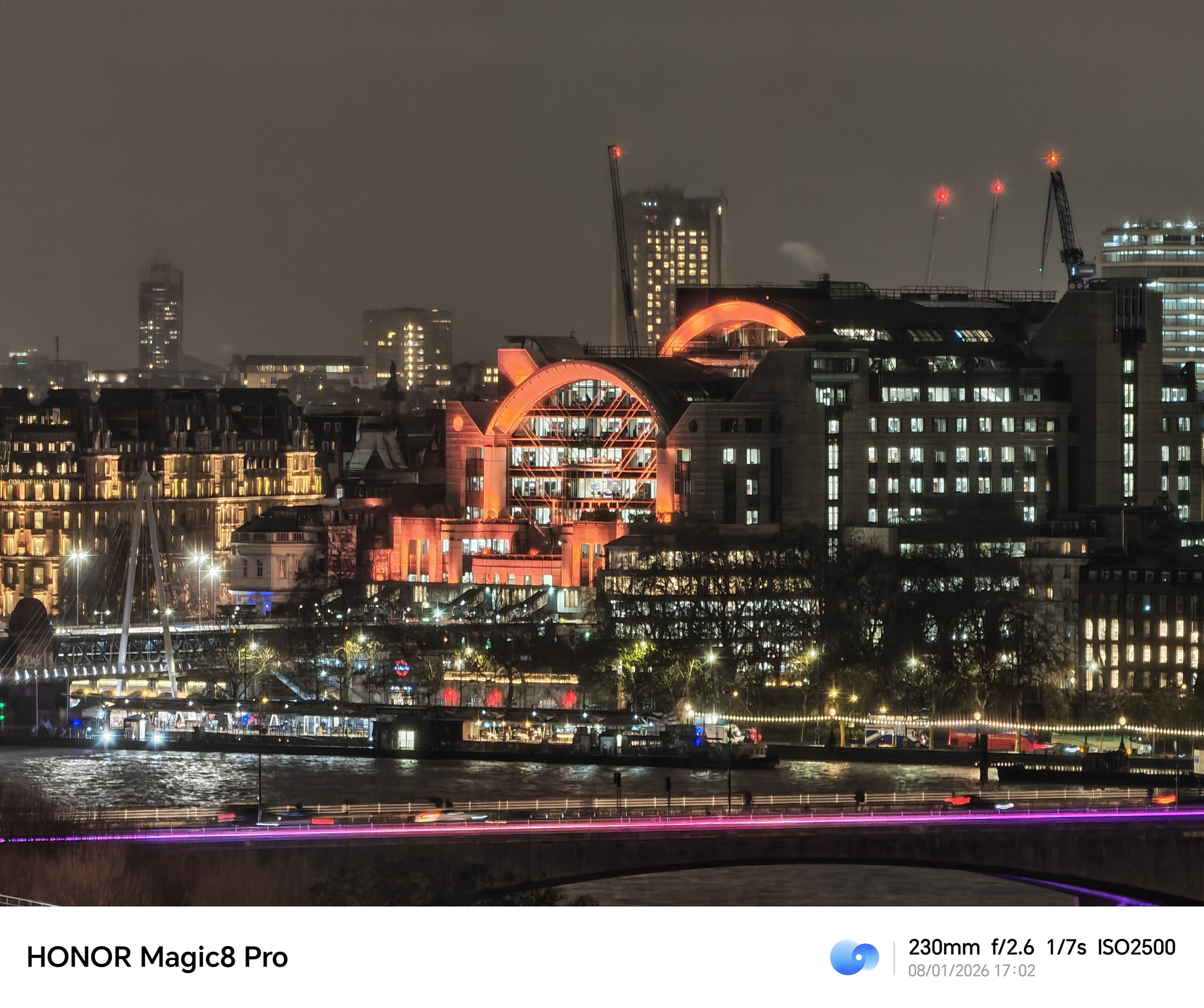
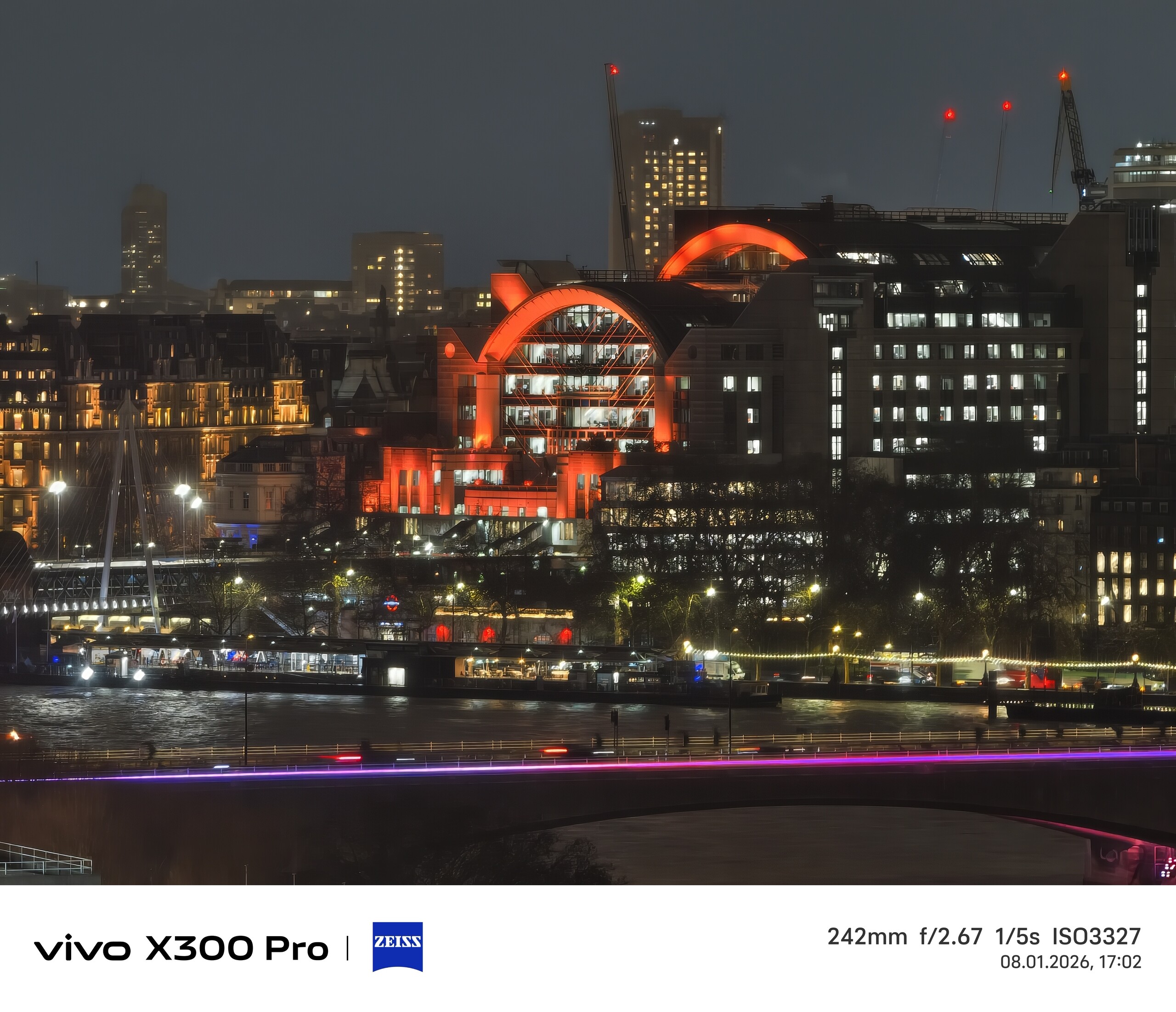
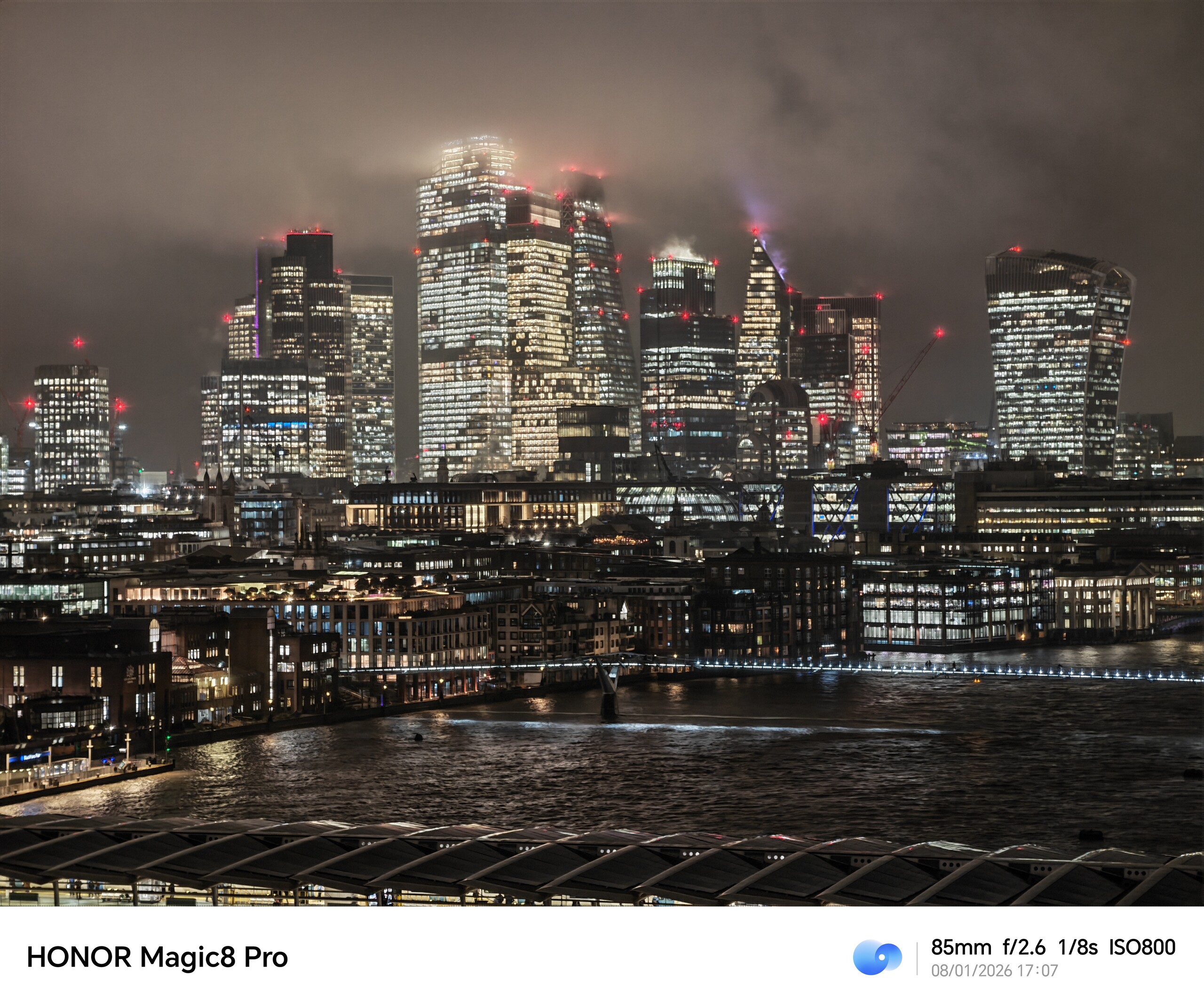
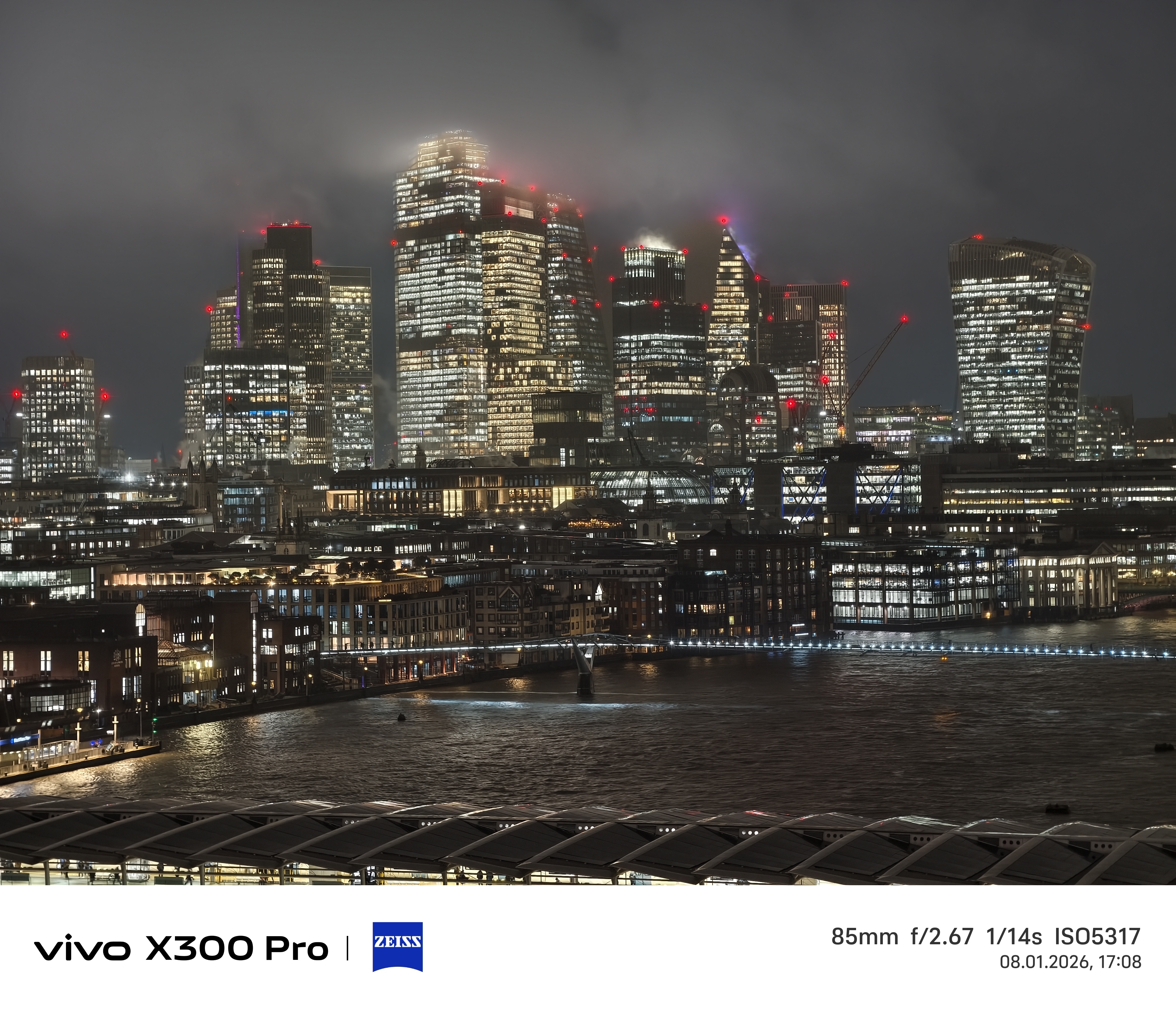
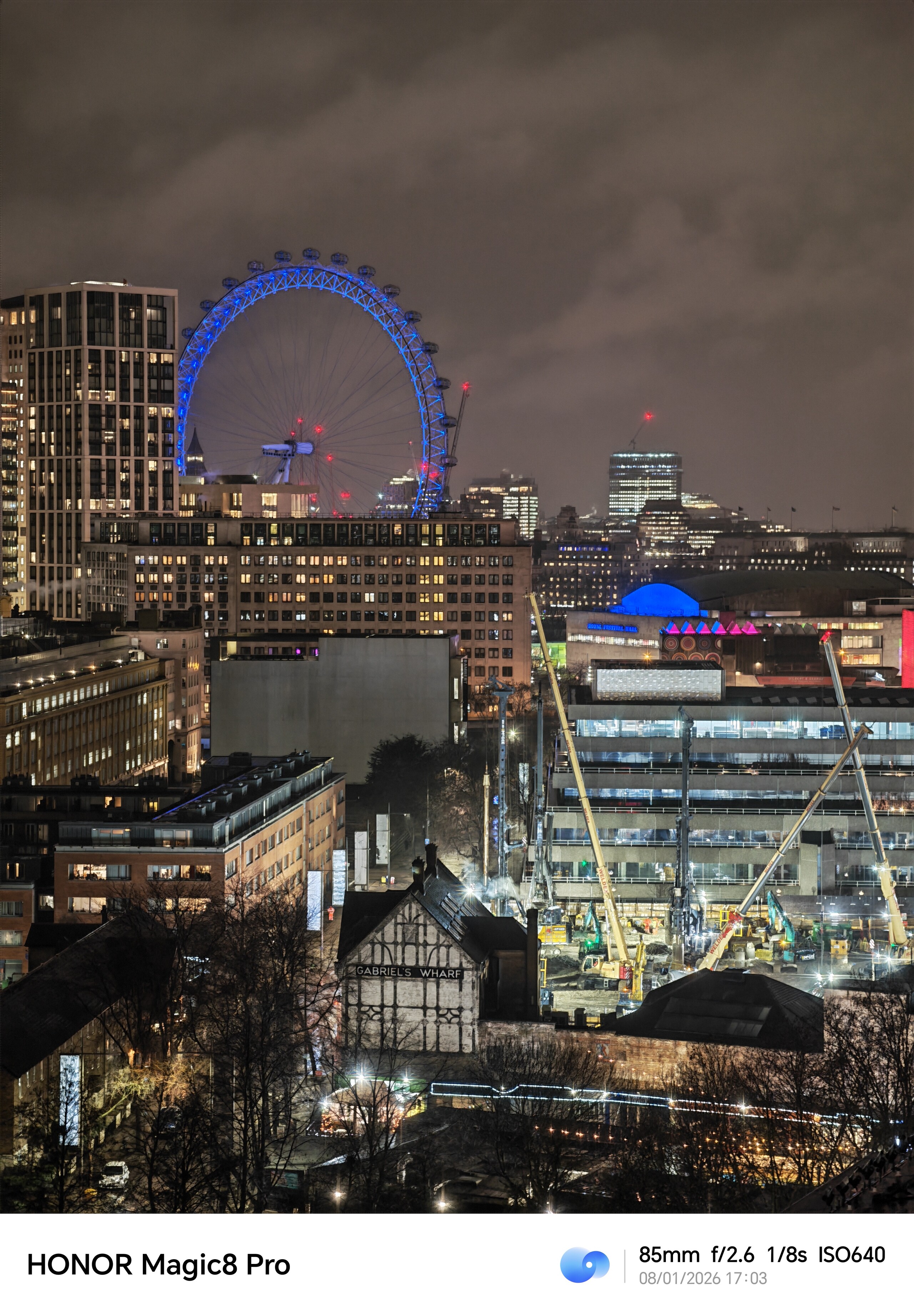
Zooming in the dark
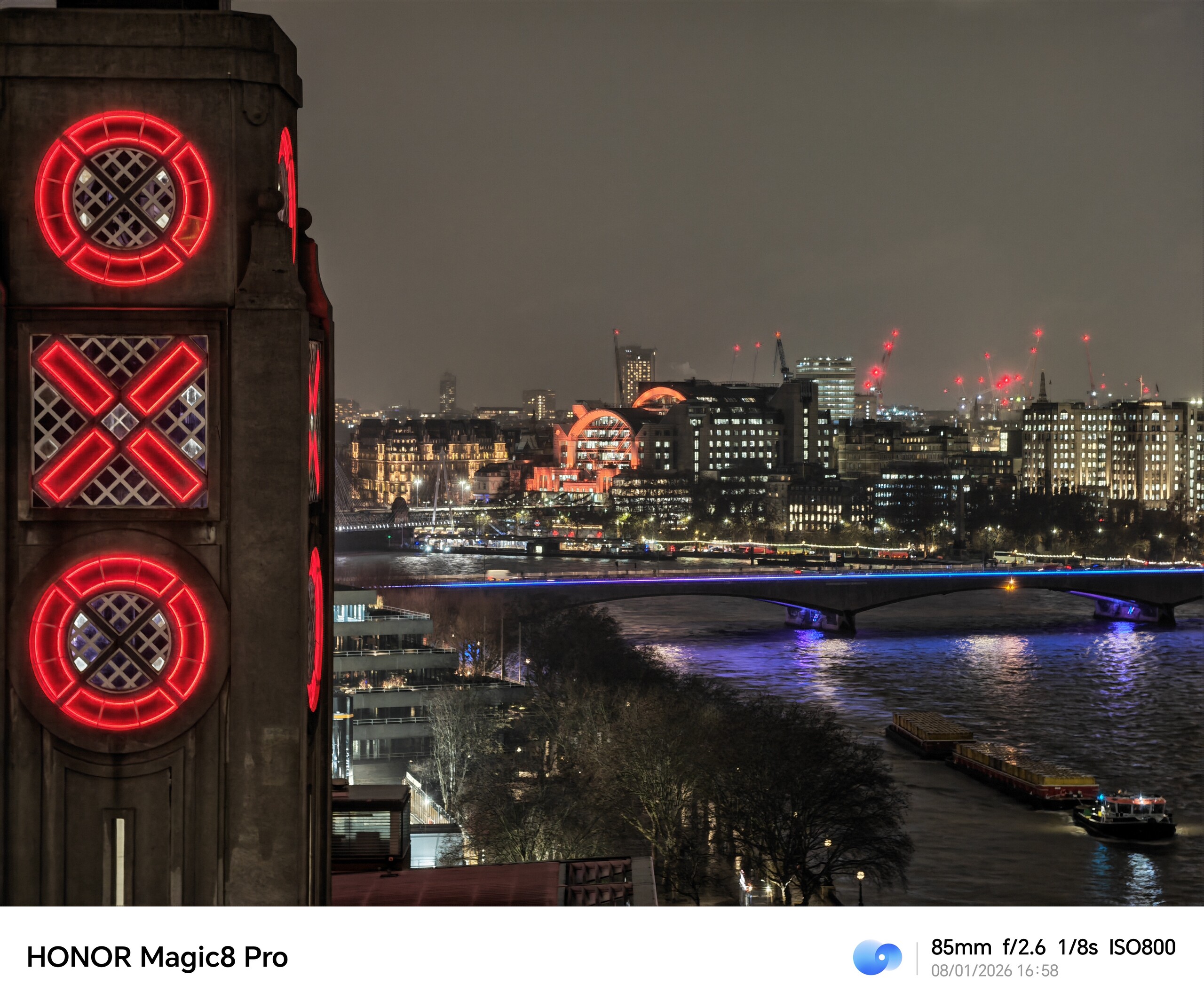
In the dark, the impression gained in daylight continues. The photos taken with the X300 Pro appear more natural and the lighting is more balanced than with the Magic8 Pro. The latter also uses stronger brightening and warmer imaging of the scene.


Ultra-wide angle and macro – Different concepts
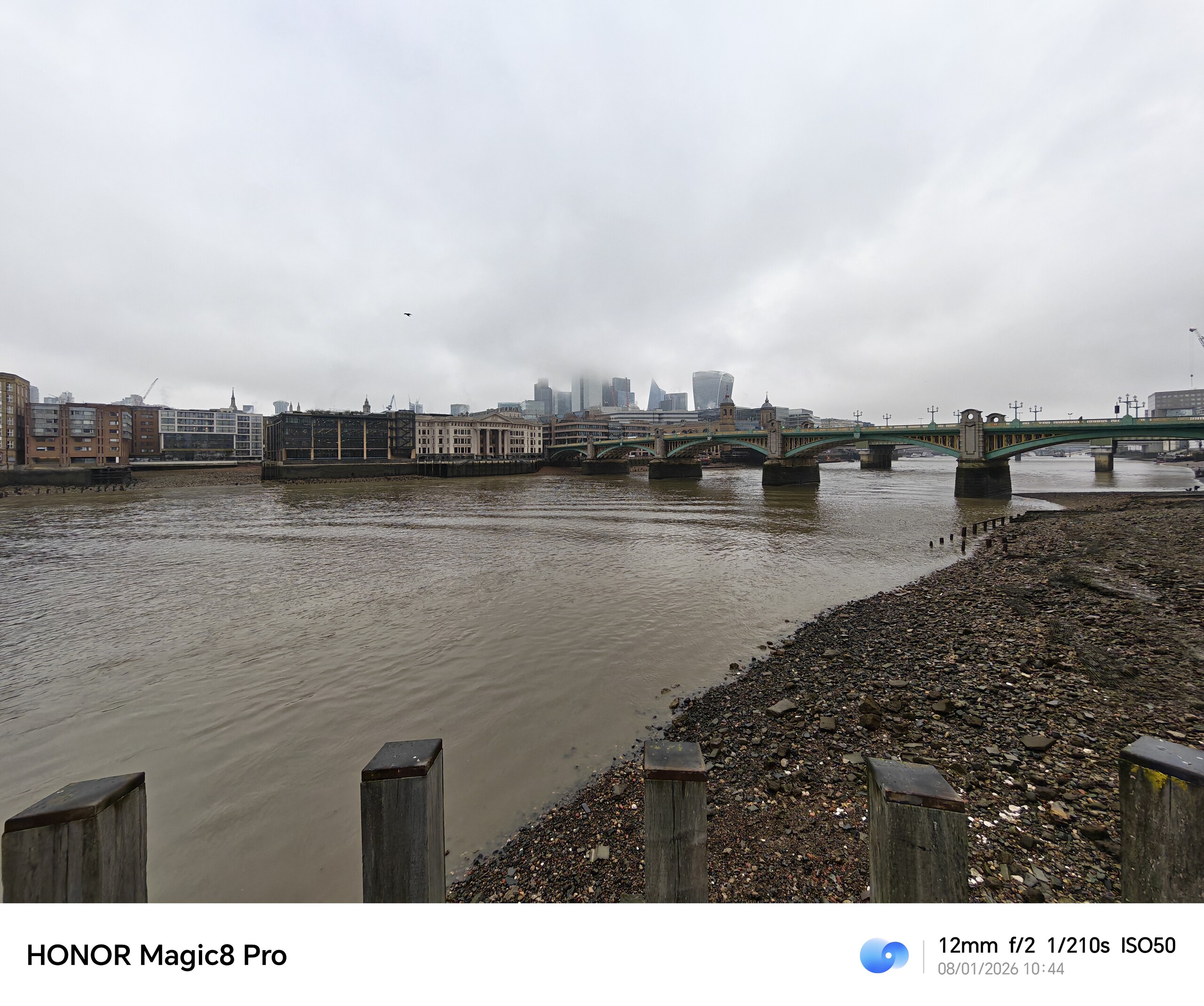
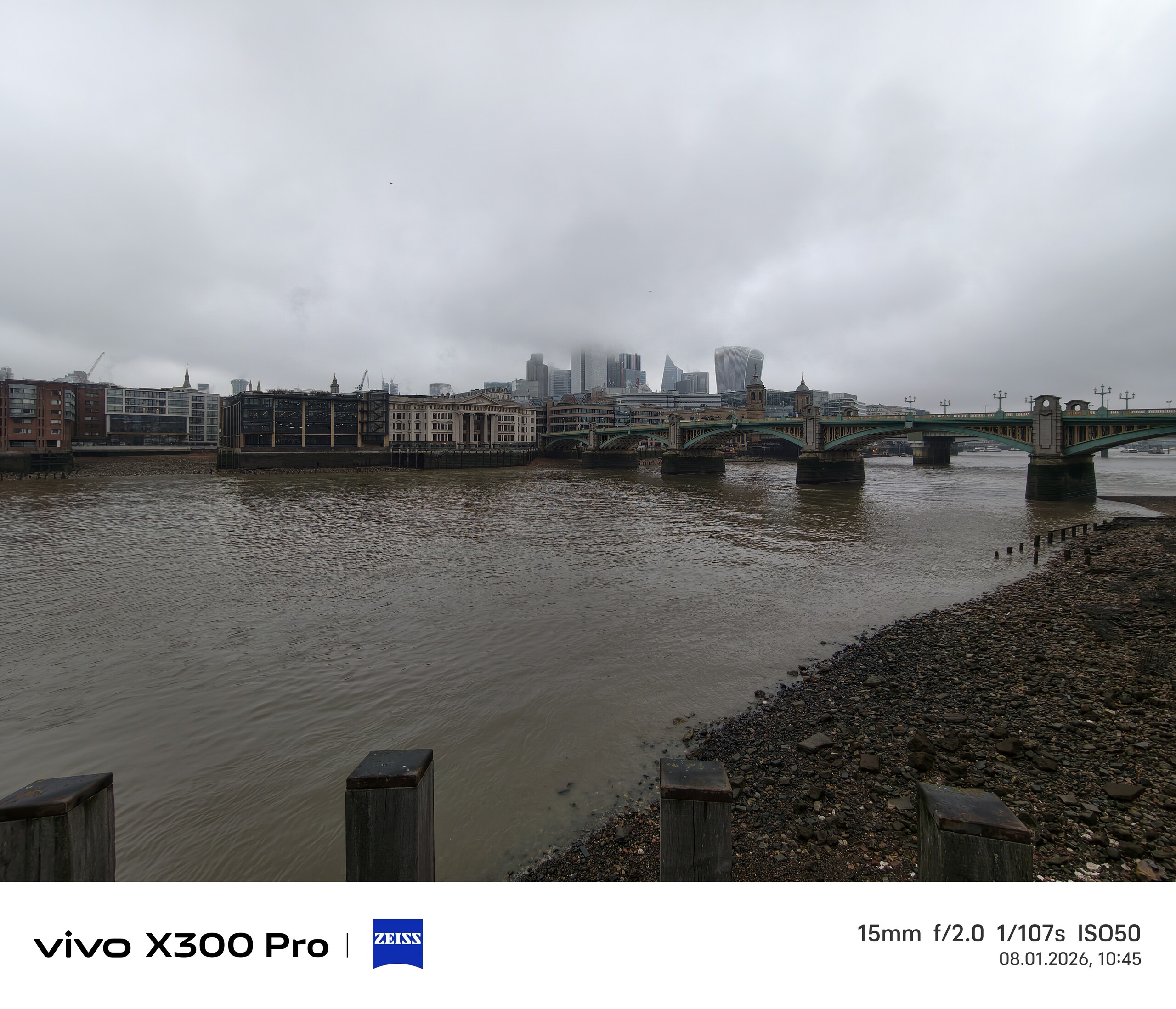
The Honor Magic8 Pro's ultra-wide-angle sensor also serves as a macro lens and, with its 12 mm focal length, can capture a larger section than the Vivo X300 Pro (15 mm, no macro).
The blurring towards the edges is slightly more pronounced on the Honor smartphone, but remains within normal limits. In terms of image quality, however, we once again see Vivo as having a slight advantage.


Macro
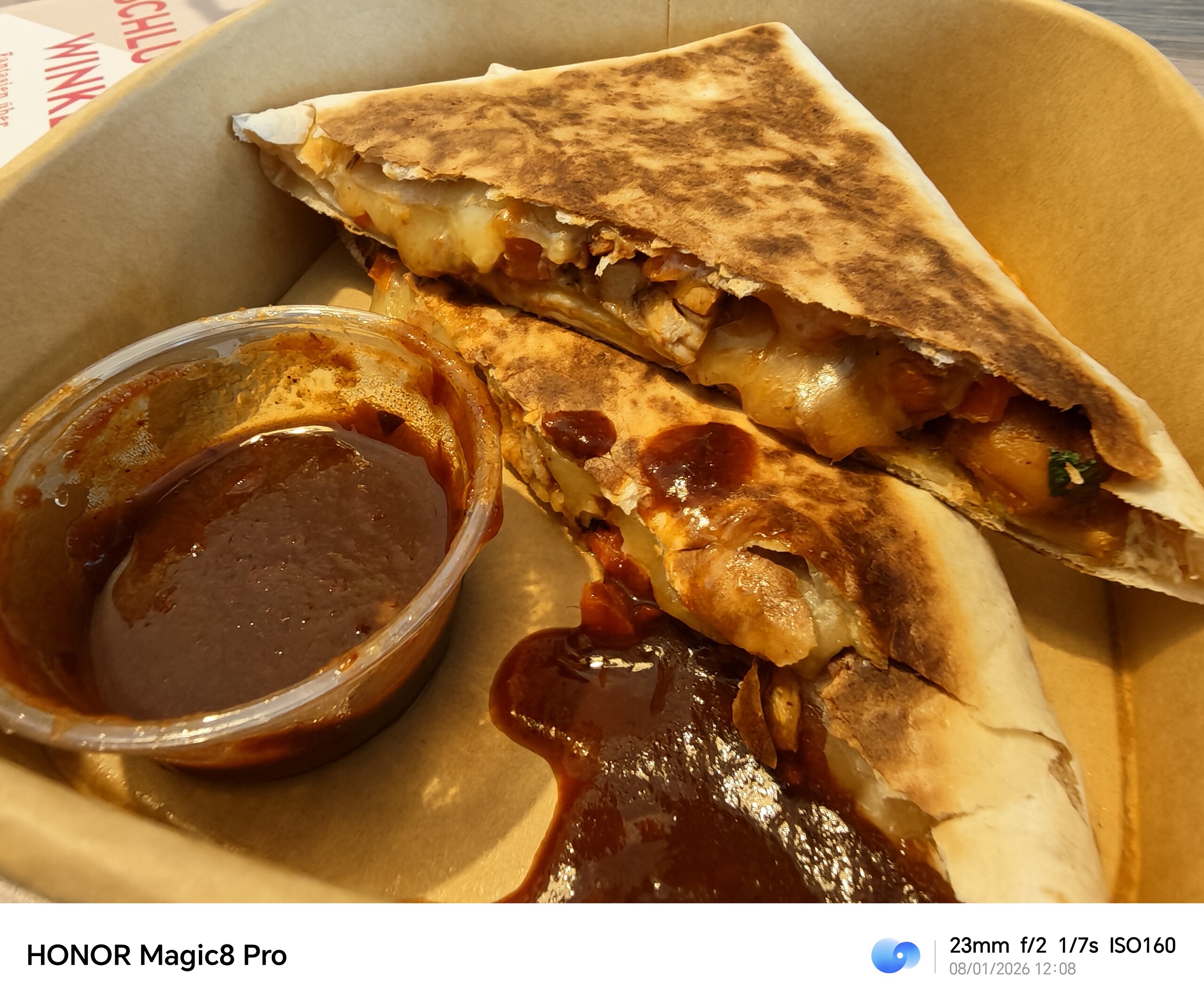
The macro functionality is regulated differently by the two manufacturers. While Honor uses ultra-wide angle, Vivo offers a macro telephoto lens. This offers different advantages and disadvantages in everyday use. The Magic8 Pro can get very close to its subject (2.5 cm), while the X300 Pro requires a greater minimum distance (approx. 20 cm), but can also capture subjects at a greater distance. It also offers manual focus and bokeh level adjustment.
The possibilities are therefore greater with Vivo, but the color and sharpness are better with the Magic8 Pro.


Front camera - X300 Pro offers autofocus
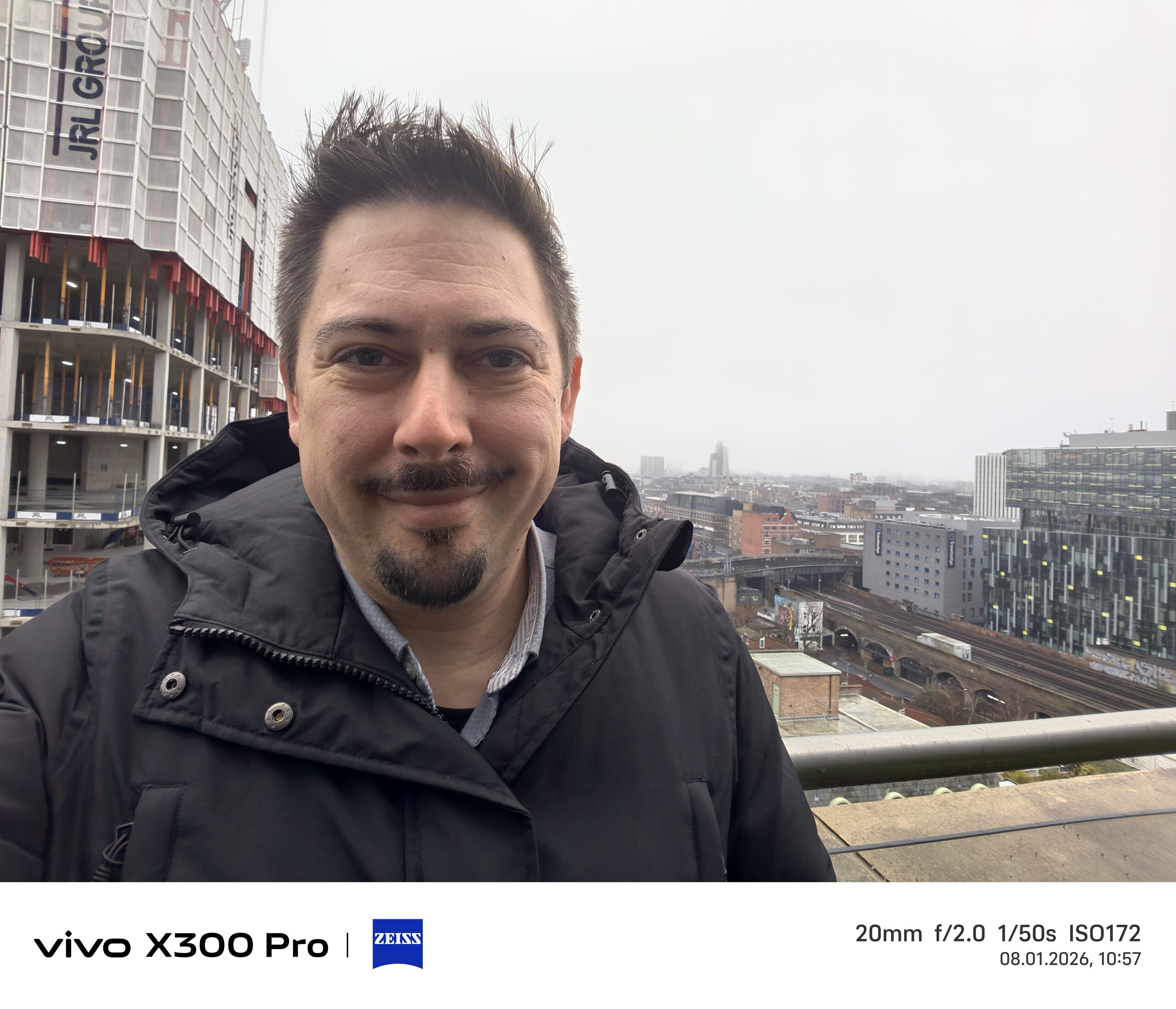
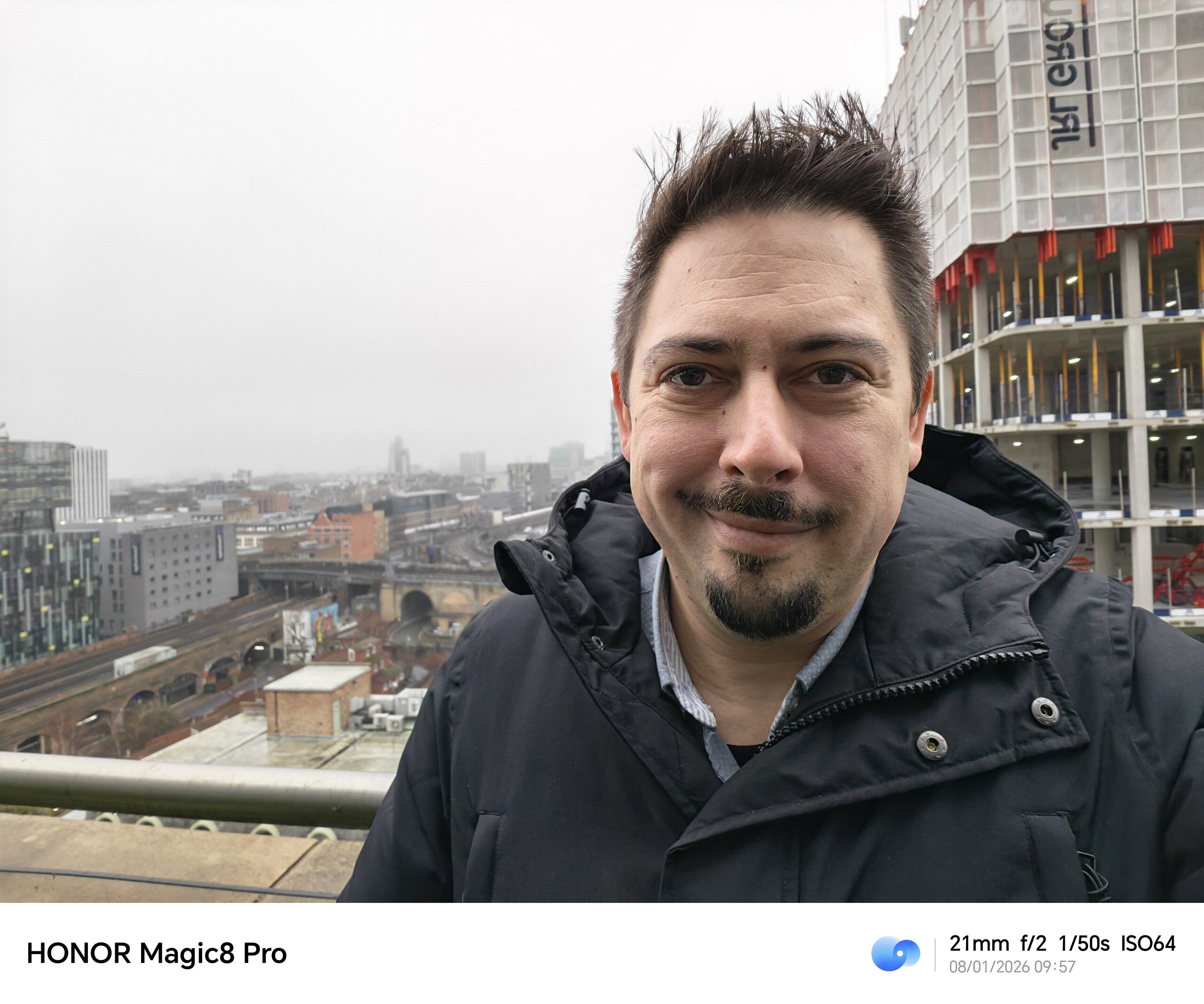
The front of both cameras also has a similar setup in many respects. The only differences are in the focal length and autofocus. While the X300 Pro has one, the Magic8 Pro uses its 3D depth sensor for this purpose, which prefers to focus on faces.
The Magic8 Pro has the advantage here, as the image is significantly clearer, while the X300 Pro lacks a little contrast.


 Add as a preferred source on Google


