




CheckMag | Best smartphone camera of 2026: These Galaxy S26 Ultra alternatives could make Samsung's life difficult
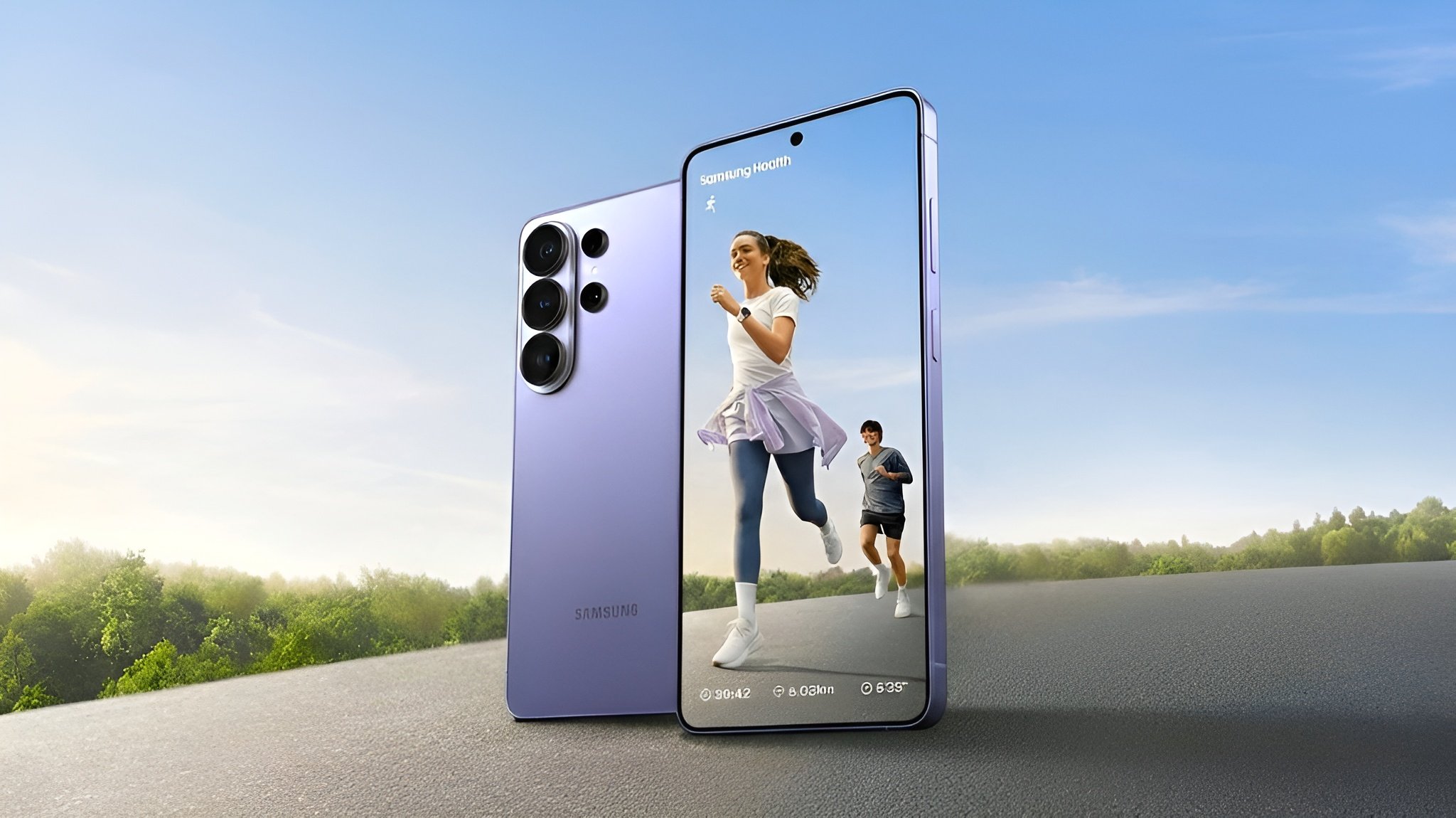
What used to be a small gap between each year’s Galaxy camera flagship and its Chinese rivals has effectively turned into a huge chasm when looking at the current and expected specs from competing Xiaomi, Oppo, and Vivo phones. All three are expected to go up against the successor to the Galaxy S25 Ultra. The Galaxy S26 Ultra launches this week on February 25, which marks the end of a long leak cycle that picked up more momentum last weekend ahead of the Galaxy Unpacked event, as details on exclusive Samsung colors and official marketing materials surfaced on Amazon.
Based on these official Samsung images, it seems fairly clear that Samsung may have a hard time defending its typically strong sales numbers against the Chinese competition. The Galaxy S26 Ultra is expected to be an excellent flagship smartphone and will likely appeal to many Android users thanks to the so-called Privacy Display and versatile Galaxy AI features. But users who want to own one of the best camera flagships in 2026 should contemplate whether Samsung’s minor camera upgrades are enough or if it’s time to look at some alternatives.
1st Galaxy S26 Ultra alternative: Xiaomi 17 Ultra
In light of the current teasers and leaks, three alternatives that are launching shortly are worth highlighting, each has a clear hardware edge when it comes to camera specs. Which one of the three is the better fit will likely come down to personal preference, since each phone seems to have different strengths and will not suit everyone. The first alternative is the Xiaomi 17 Ultra, whose global variant will be revealed at MWC 2026 in Barcelona just three days after the Samsung Galaxy S26 Ultra comes out.
Xiaomi’s latest teasers on X show one of the main priorities. With a 1-inch sensor that is rather unique in the smartphone space, the Xiaomi 17 Ultra is expected to have an advantage over the Samsung Galaxy S26 Ultra in low light, even though Samsung is also promoting the "brightest Galaxy camera ever" thanks to significantly improved apertures. The Xiaomi 17 Ultra also has other advantages. Instead of a tiny 1/3.94-inch 10MP 3x telephoto and a not exactly large 1/2.52-inch 50MP 5x telephoto, Xiaomi is expected to utilize a 200MP 1/1.4-inch zoom camera with variable focal lengths, at least in the 75mm to 100mm range.
Controversial Leica camera
The Leica camera, sometimes described by users as a bit inconsistent, is clearly not everyone’s cup of tea. It tends to prioritize a distinctive interpretation over a faithful rendering of reality. In our test of the Chinese Xiaomi 17 Ultra model, the camera’s color reproduction drew some criticism. Whether official camera samples can be taken at face value is a matter of opinion, but Xiaomi is currently showcasing genuinely impressive night shots ahead of the global Xiaomi 17 Ultra launch next weekend.
2nd Galaxy S26 Ultra alternative: Oppo Find X9 Ultra
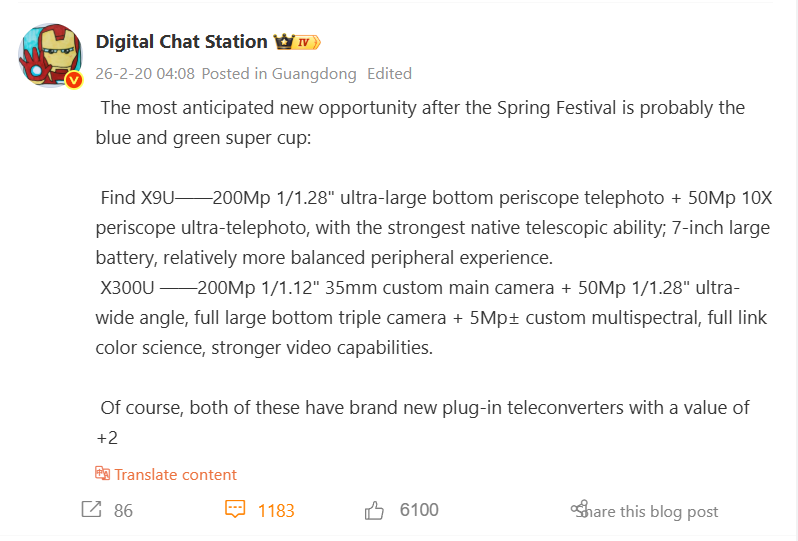
Oppo also brought in outside help to fine-tune its cameras and relies on the Swedish camera specialist Hasselblad. According to leaks, the Oppo Find X9 Ultra is expected to launch in Europe for the first time in 2026. The debut could be only a few weeks away, although there is still no official confirmation. For now, the well-regarded Chinese leaker Digital Chat Station has summarized the key camera specs and outlined his expectations of the phone’s Hasselblad camera setup.
The Oppo Find X9 Ultra should be particularly relevant for users who are looking for a replacement for a true 10x telephoto, which was last found on the Samsung Galaxy S23 Ultra. Oppo further appears to challenge Samsung with two 200MP sensors, which are said to be notably larger than Samsung’s. In addition to a 1/1.12-inch 200MP Sony main camera, a comparatively large 1/1.28-inch 200MP sensor is expected for the 3x telephoto. Battery capacity is also expected to clearly outpace Samsung, as the 7,000mAh battery could sport a dual-cell design in Europe.
3rd Galaxy S26 Ultra alternative: Vivo X300 Ultra
Last but not least, the Vivo X300 Ultra is also expected to make its way to Europe in 2026 and will be an alternative to Samsung for photographers and video creators who are looking for a high-end ultra-wide camera and a native 35mm lens. That approach may make the Vivo X300 Ultra less of a fit for the broader group of smartphone users than the Oppo Find X9 Ultra with its wider 23/24mm main camera, but the Zeiss quality known from the Vivo X300 Pro could win it plenty of new fans.
Vivo is also leaning on its two 200MP sensors. The 1/1.12-inch Sony LYT-901 is expected to power the 35mm main camera and deliver a new level of image quality, with the 50MP 1/1.28-inch ultra-wide and the likely returning 1/1.4-inch 200MP telephoto presumably not far behind. For the first time, a 5MP multispectral color sensor is also expected and could Vivo in direct competition with Oppo in terms of color accuracy. The leaker also points to improved video features. Both Oppo and Vivo are also expected to introduce new and improved teleconverter optics.
Verdict: Samsung Galaxy S26 Ultra competitors offer better hardware
It will likely come down to personal preference whether the choice falls on Xiaomi, Vivo or Oppo. Xiaomi will probably be the best pick for Leica fans. Hasselblad and Zeiss camera setups could trend closer to Samsung’s relatively restrained look, but with significantly upgraded camera specs they could make life difficult for the Galaxy S26 Ultra, at least in markets where these Chinese smartphones are available.
None of these contenders is likely to be cheap. Based on previous leaks, a starting price of about €1,469 is expected for the Samsung Galaxy S26 Ultra, but preorder offers could sweeten that deal for early adopters. The Xiaomi 17 Ultra is unlikely to get any cheaper, if not more expensive. Oppo and Vivo are also expected to charge a premium for their Ultra phones. If buyers are looking to spend around €1,500, the question is if Samsung’s mostly unchanged camera hardware is enough.
Source(s)
 Add as a preferred source on Google


