




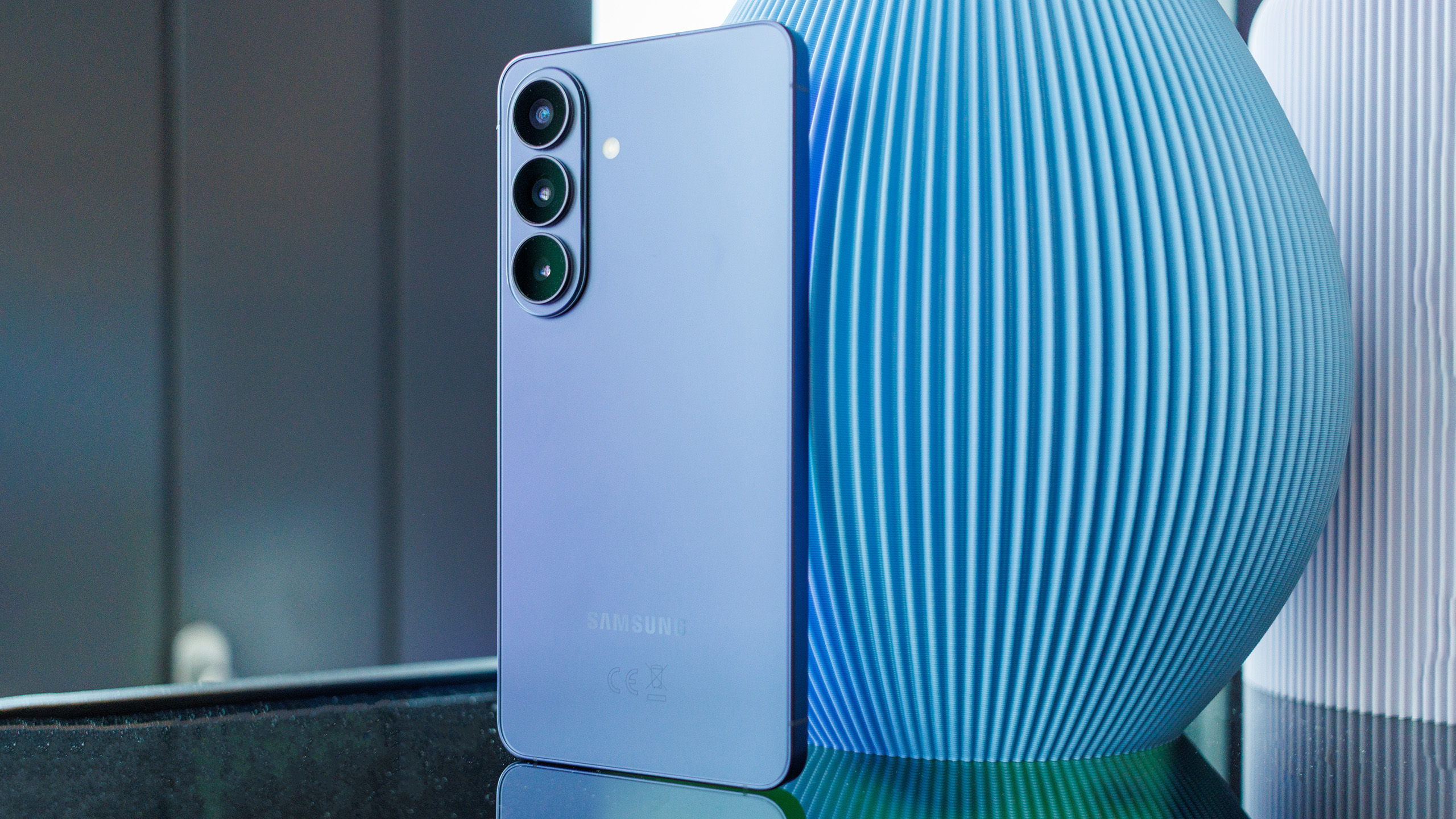
Verdict - Samsung Galaxy S26
The Galaxy S26 is Samsung's compact flagship packing the new Exynos 2600 processor, a larger 6.3-inch display, and a battery that has increased to 4,300 mAh. It remains very well-made and bright, offers powerful everyday performance, good Wi-Fi 7, and seven years of updates, but falls short in terms of charging speed, heat generation under load, and significant camera improvements. Overall, it's more of a careful fine-tuning than a major leap forward.
Upon closer examination, this is particularly evident in the areas of chip and battery life. The Exynos 2600 ensures the S26 remains fast and responsive in everyday use. However, under sustained load, the performance dips noticeably, and despite the larger battery, the battery life remains merely adequate rather than outstanding. One of its strengths is a display that is very bright, uniform, and color-accurate. Despite this, the PWM characteristic remains a potential point of criticism for users sensitive to such issues. The camera offers little change from its predecessor, which means the S26 delivers solid photos and videos, but nothing else.
Pros
Cons
Price and availability
The Galaxy S26 is available in every color and storage variant and can be purchased directly on Samsung's online store. However, it is often cheaper when bought from online retailers such as Amazon.
Table of Contents
- Verdict - Samsung Galaxy S26
- Specifications - Samsung Galaxy S26
- Case - The Galaxy S26 makes gains
- Features - An artificial Bluetooth downgrade
- Software - 7-year updates for the Galaxy S26
- Communication and GNSS - A compact smartphone with fast Wi-Fi 7
- Telephone functions and voice quality
- Cameras - As you were
- Accessories and warranty - The Galaxy S26 comes with optional Care+
- Input devices and operation - Fast ultrasonic fingerprints
- The Galaxy S26 has a finely tuned display
- Performance - Exynos 2600 instead of Snapdragon 8 Elite Gen 5
- Games - The Galaxy S26 does 120fps gaming
- Emissions - The S26 suffers significant performance dips under sustained load
- Battery runtime - The Samsung phone packs a 4,300 mAh battery
- Notebookcheck overall rating
- Possible alternatives compared
After using a Qualcomm SoC in the Galaxy S25, Samsung has now packed an Exynos 2600 into the Galaxy S26 and Galaxy S26+ - both of which are manufactured using a 2nm process. However, this isn't the only new feature to be found in Samsung's smallest flagship smartphone; the battery and communication modules have also been upgraded.
Specifications - Samsung Galaxy S26
Case - The Galaxy S26 makes gains
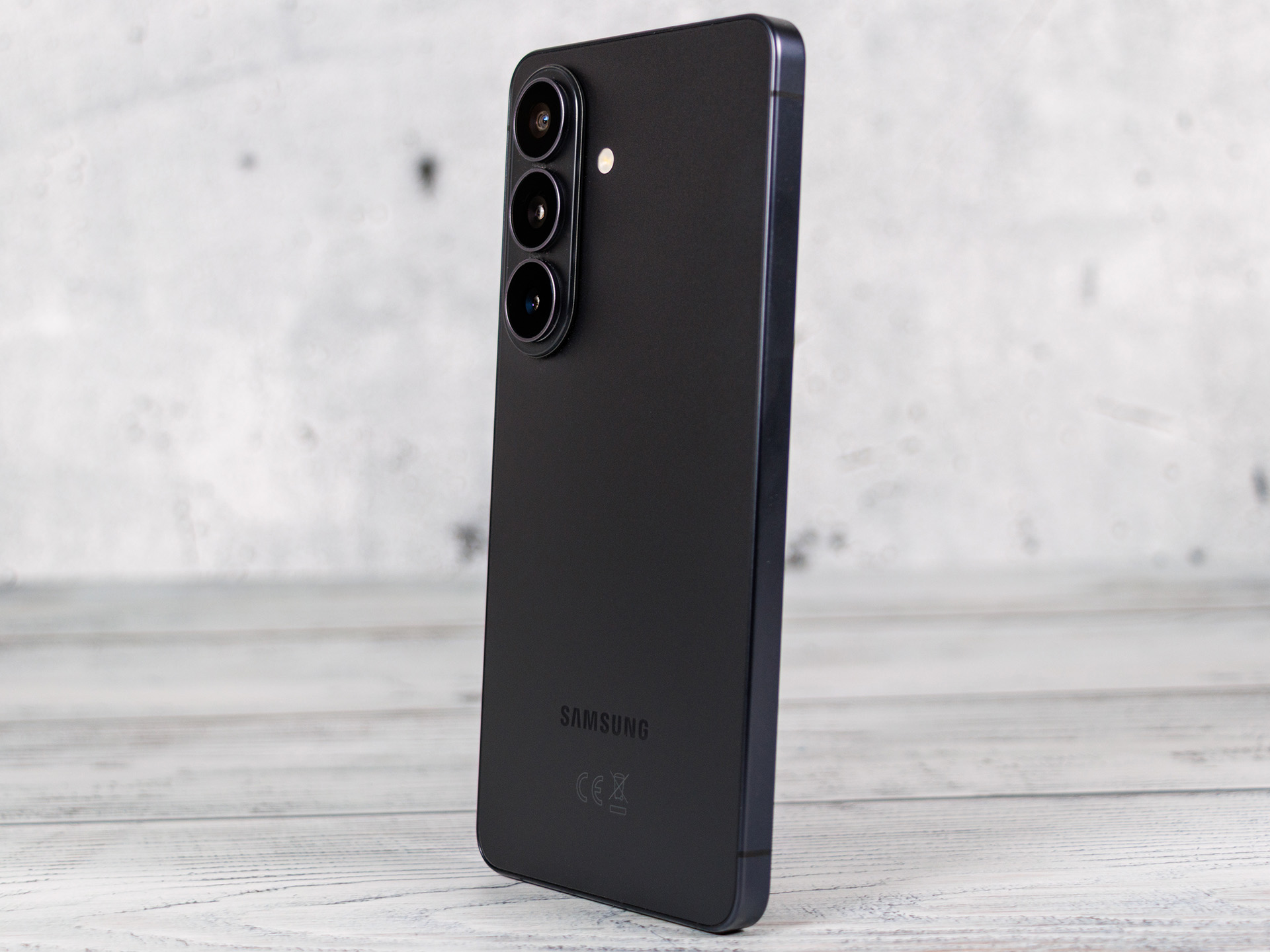
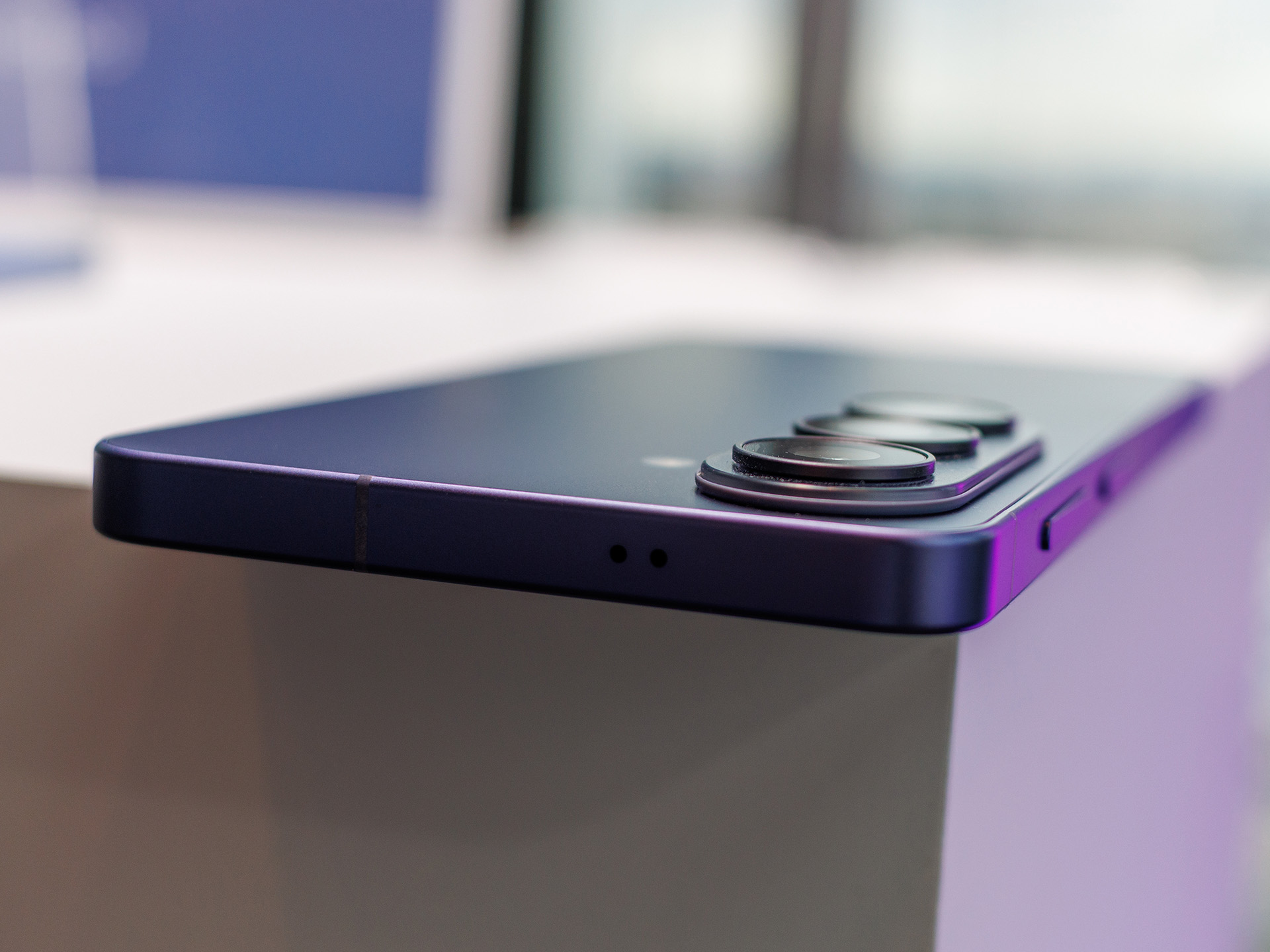
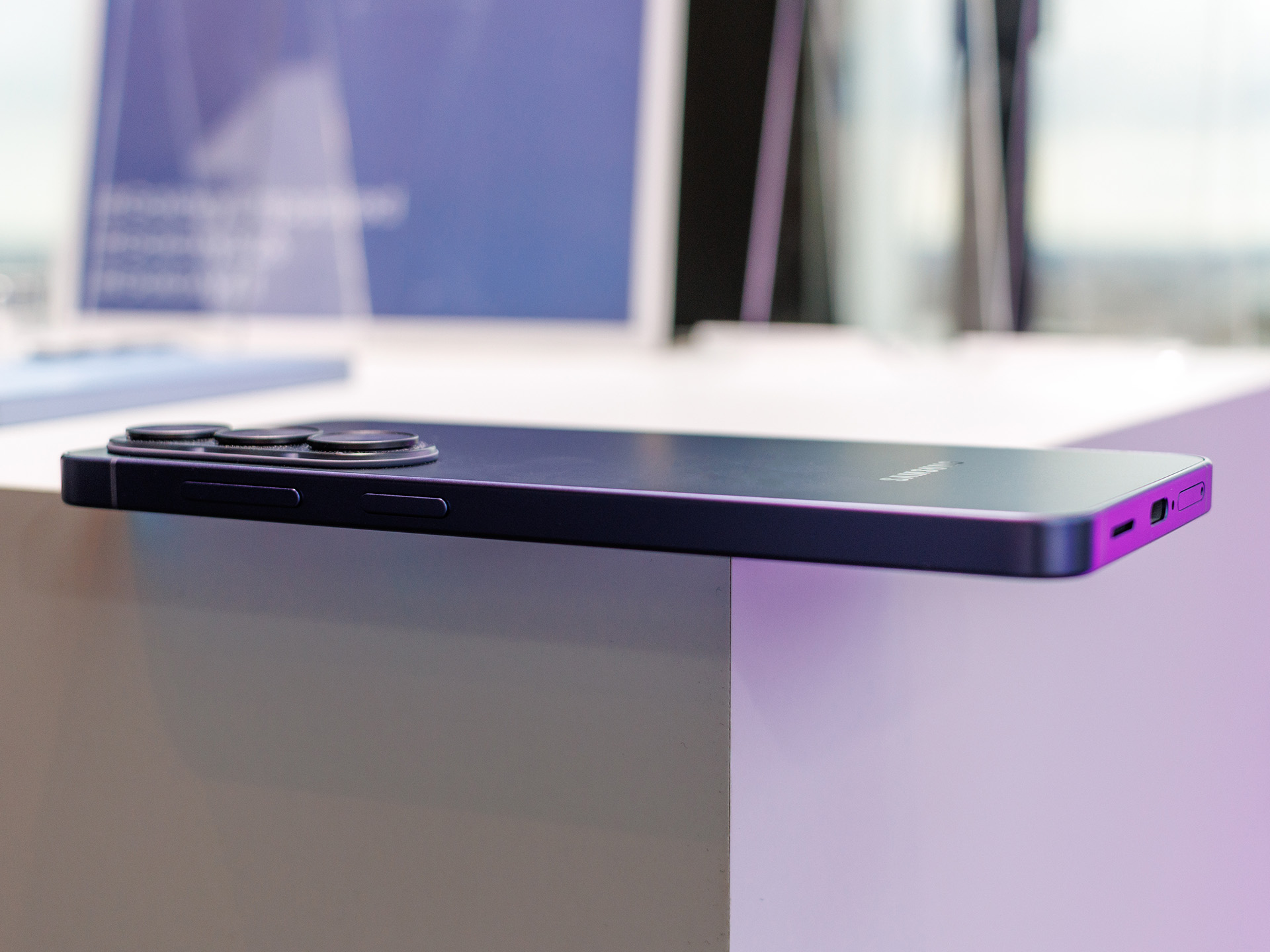
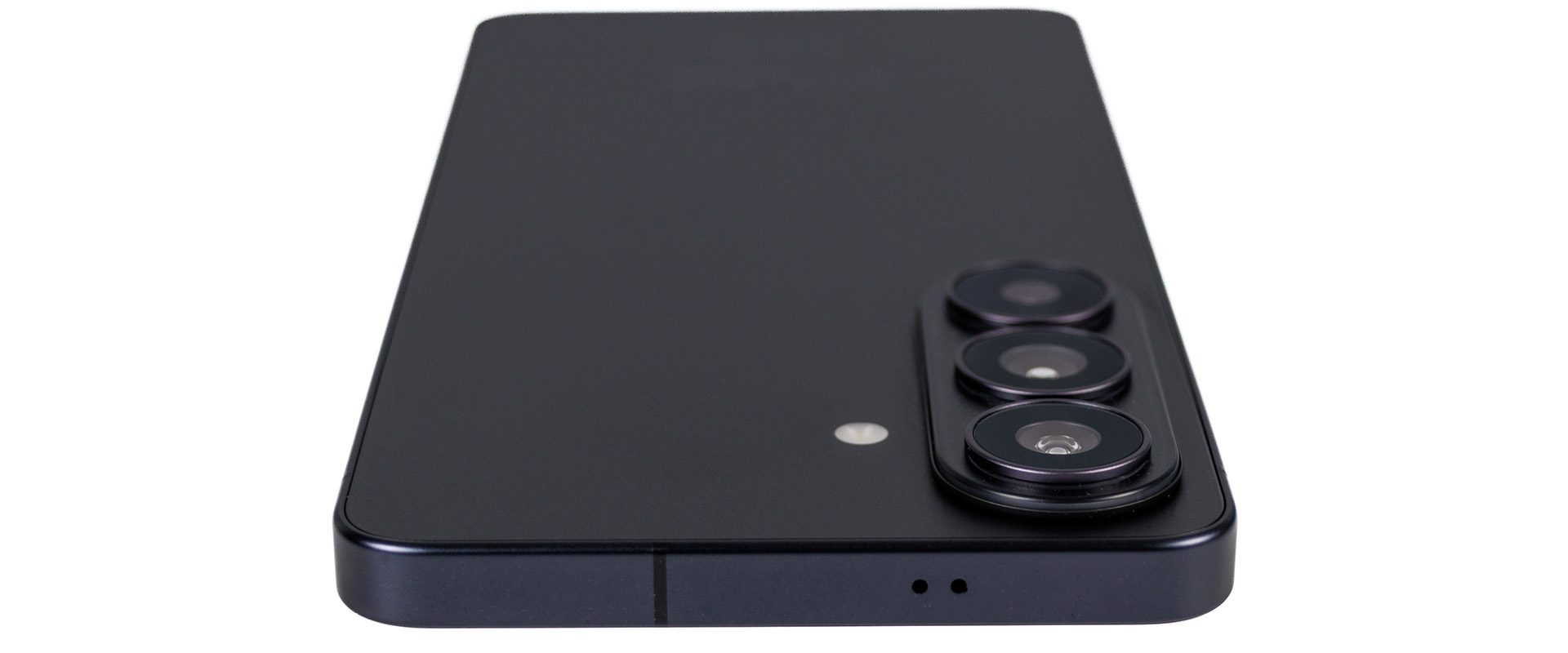
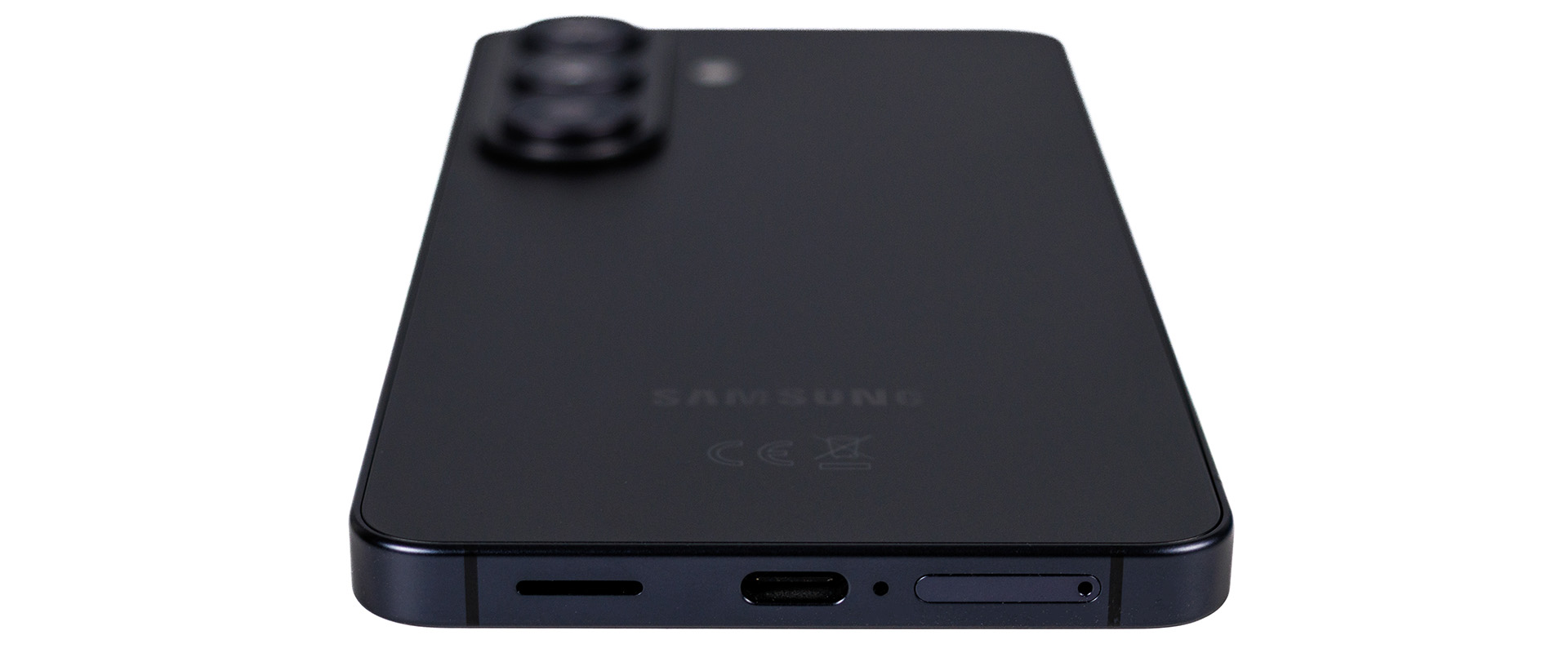
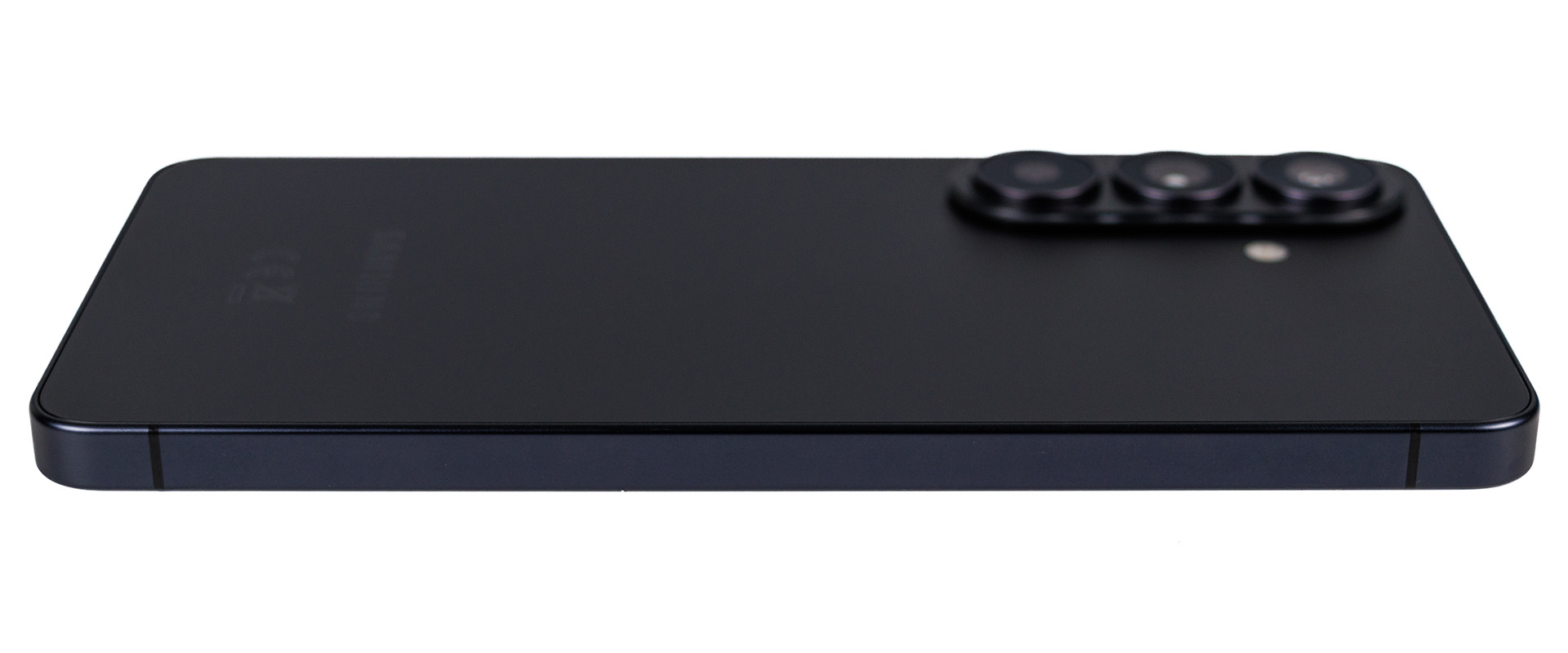
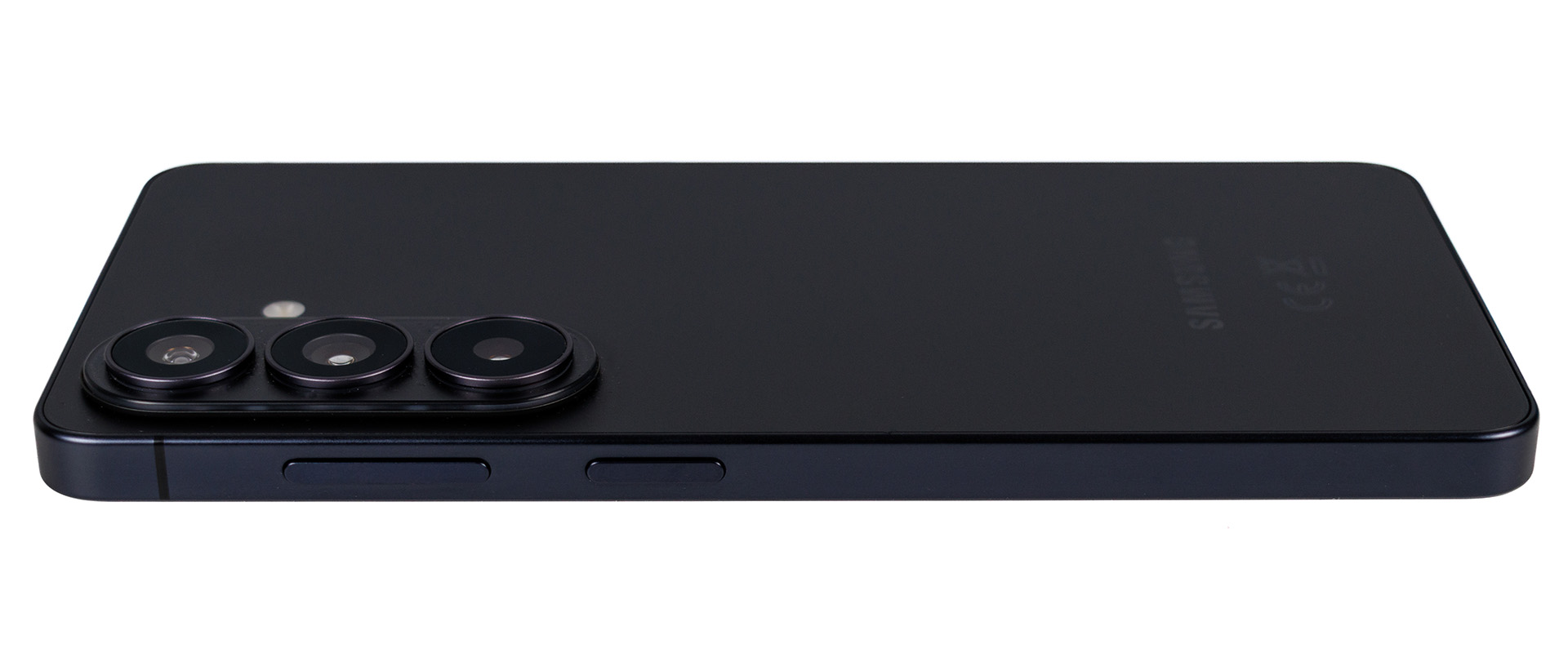
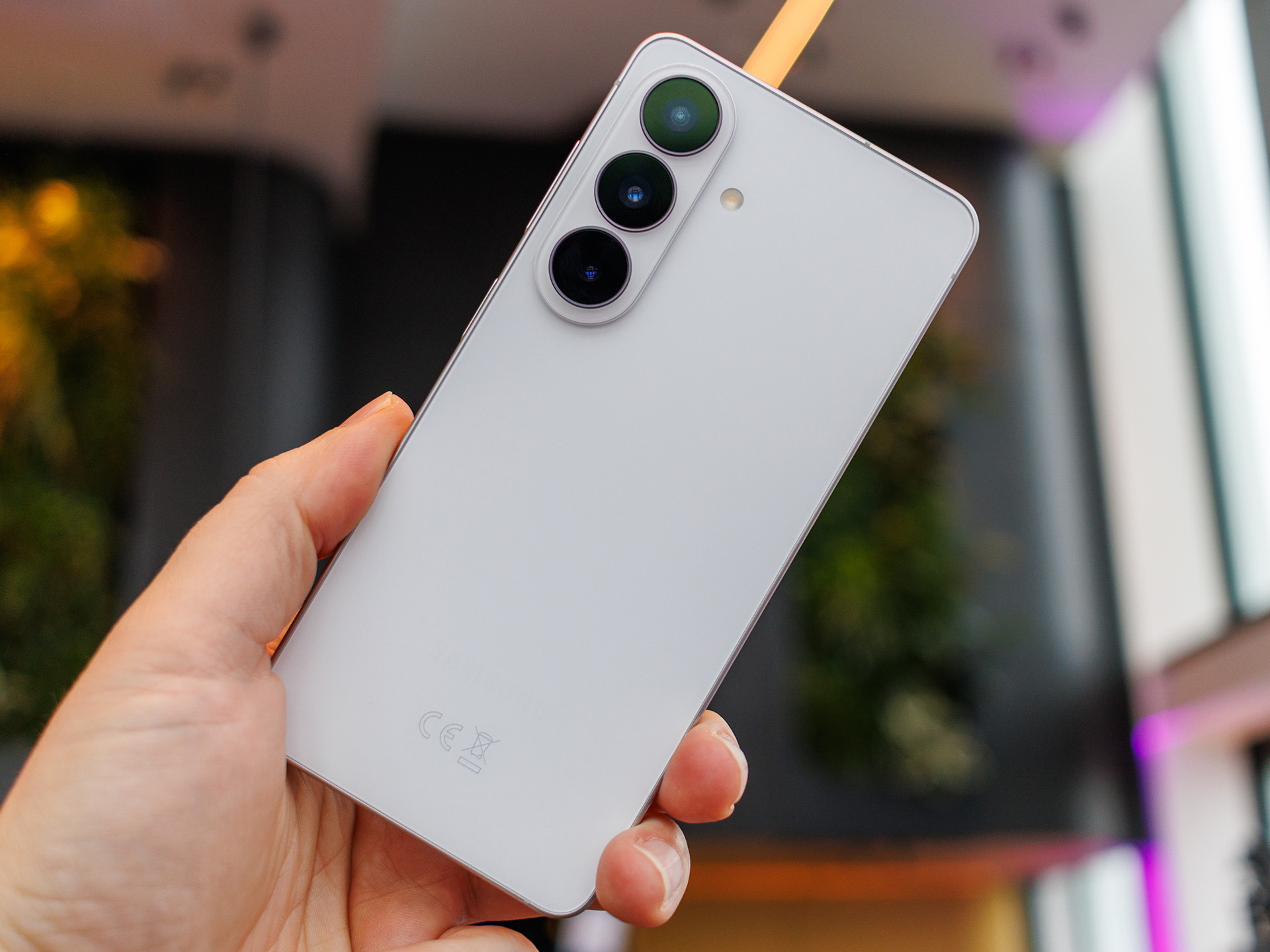
The Samsung Galaxy S26 is the same thickness as its predecessor, but slightly wider and longer. Once more, Samsung has specified a thickness of 7.2 mm – we measured 7.3 mm. With the cameras, this goes up to 10.35 mm, meaning the Samsung smartphone wobbles considerably when placed on a table.
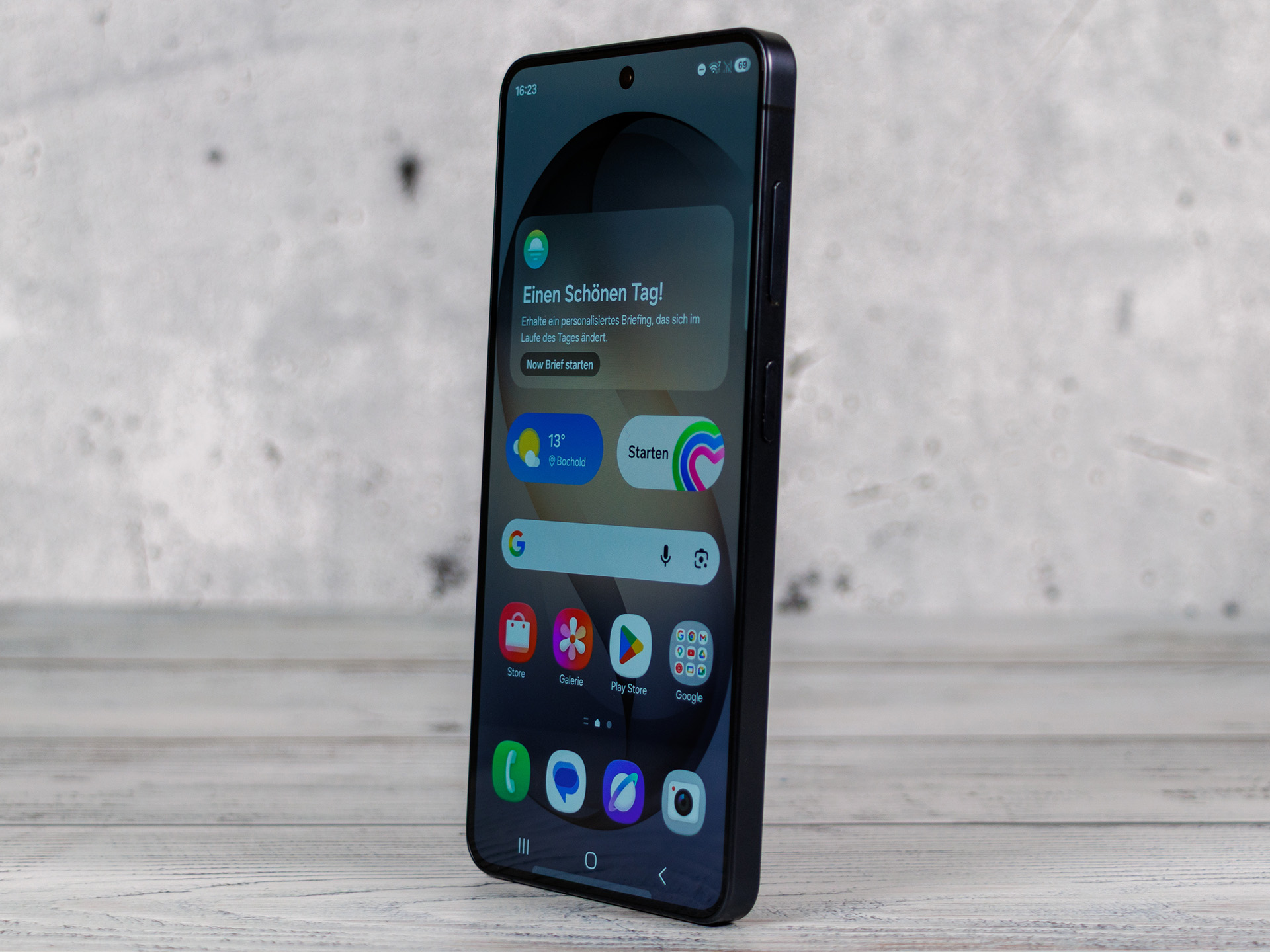
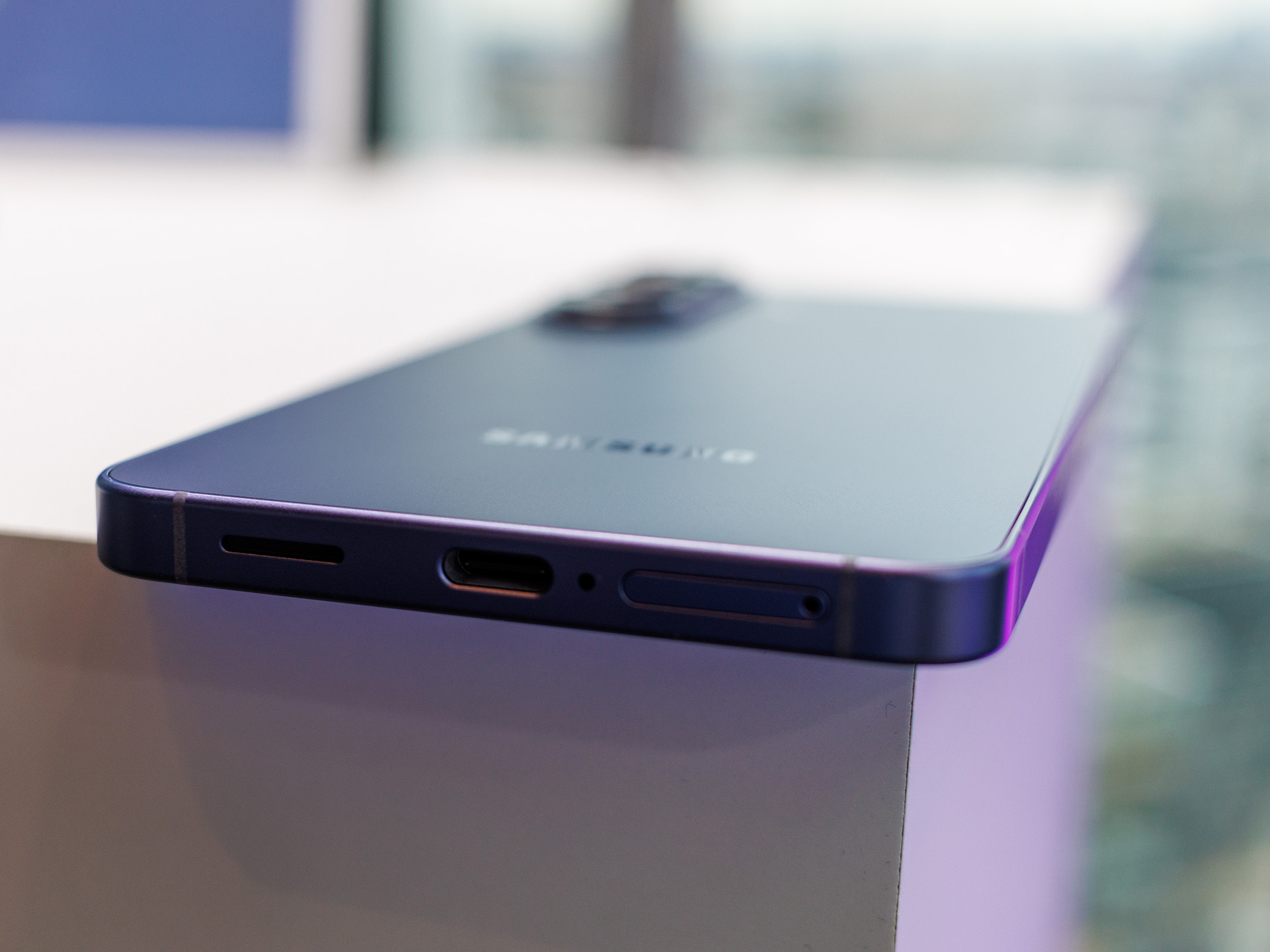
The build quality is excellent, and the gaps between the matte Armor Aluminum frame and the Gorilla Glass Victus 2 on the front and back are tight and even. Even when twisted, the S26 remains completely silent. In addition to this, it's also IP68 certified, which makes it both dustproof and waterproof.
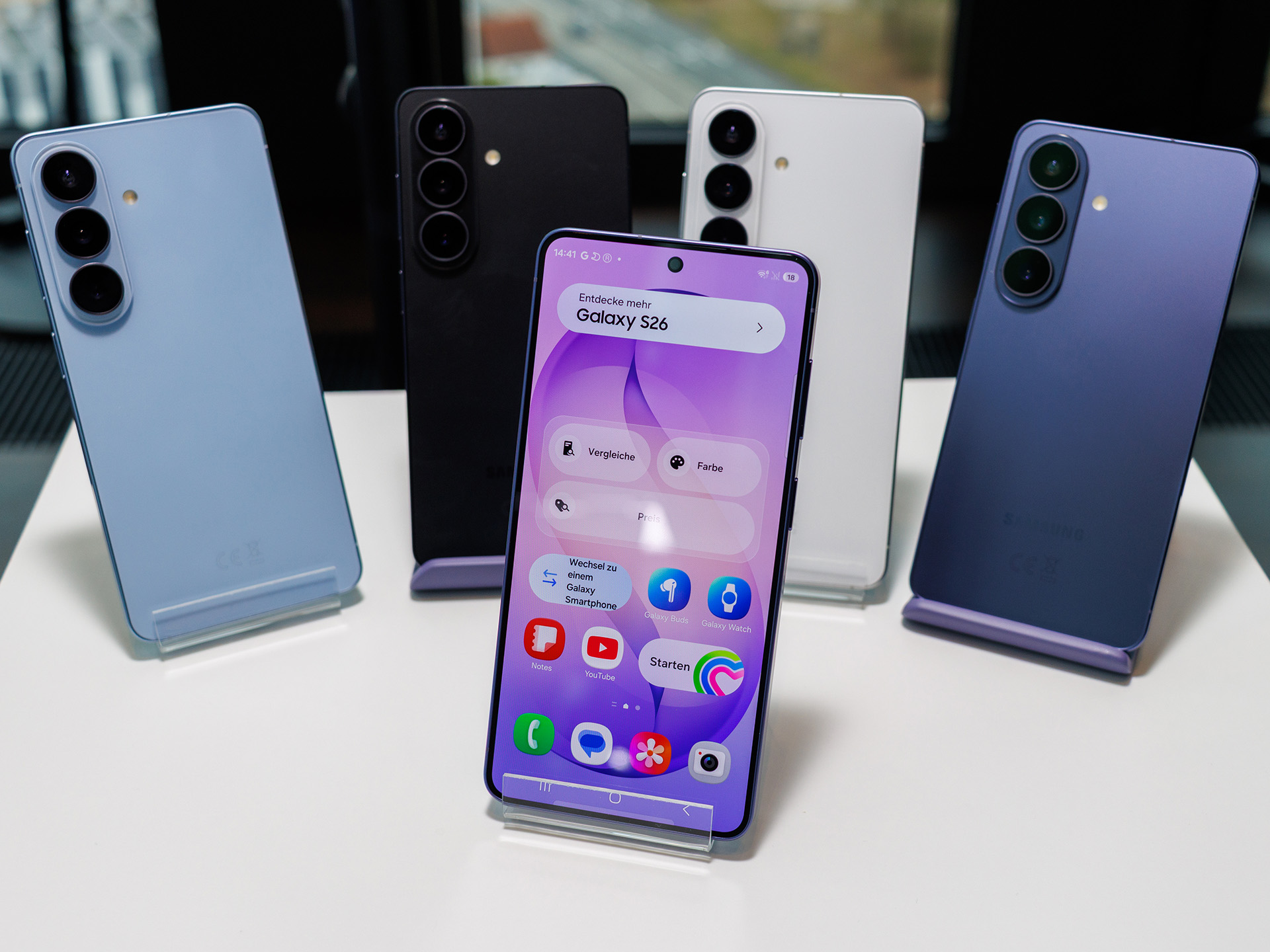
The smartphone is regularly available in Cobalt Violet, Black, Sky Blue, and White. Pink Gold and Silver Shadow are offered exclusively in the Samsung online store.
Features - An artificial Bluetooth downgrade
The Samsung Galaxy S26's short-range wireless capabilities are rather weak, since it lacks UWB and only uses the older Bluetooth 5.4. Despite that, the SoC is the same one found in the S26+, which supports Bluetooth 6.0.
With USB 3.2 (Gen. 1), the smartphone has a speedy interface that also supports wired video output. In a copy test using a Samsung Portable SSD T7, it achieved a high data throughput of over 380 MB/s.
Software - 7-year updates for the Galaxy S26
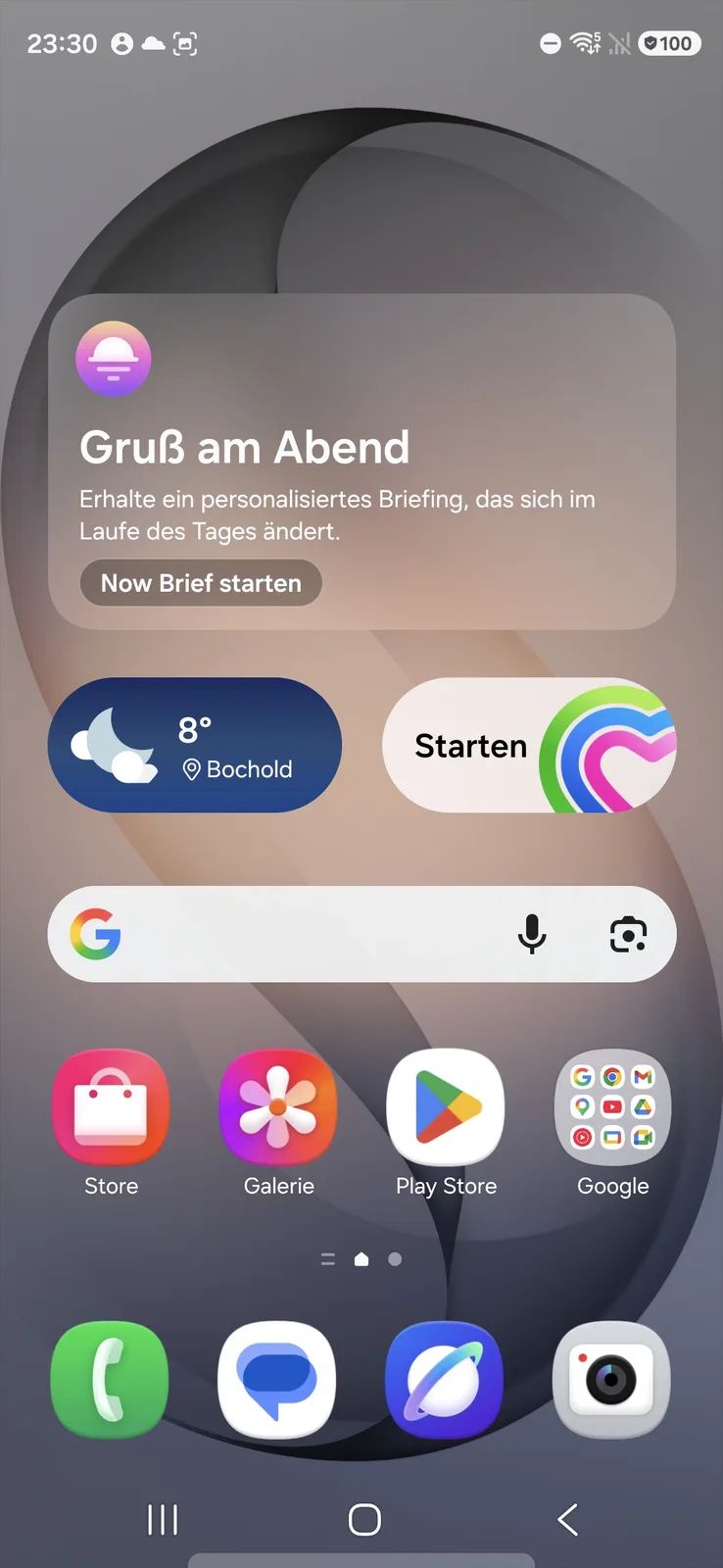
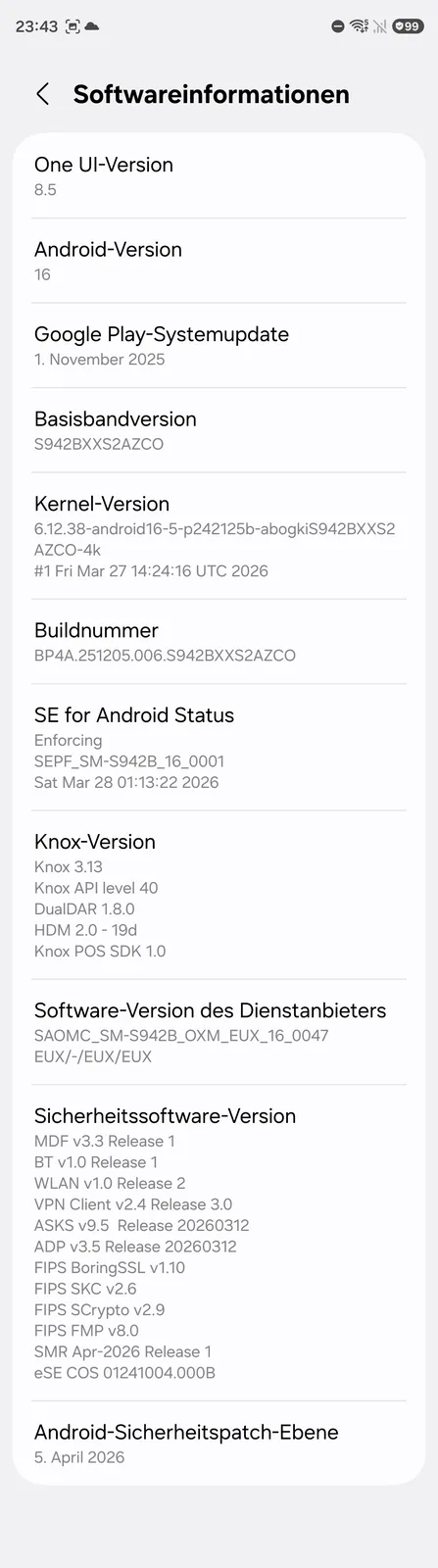
The Samsung Galaxy S26 comes pre-installed with Google Android 16 and Samsung's One UI 8.5 interface, with the manufacturer promising seven years of updates, specifically until February 28, 2033.
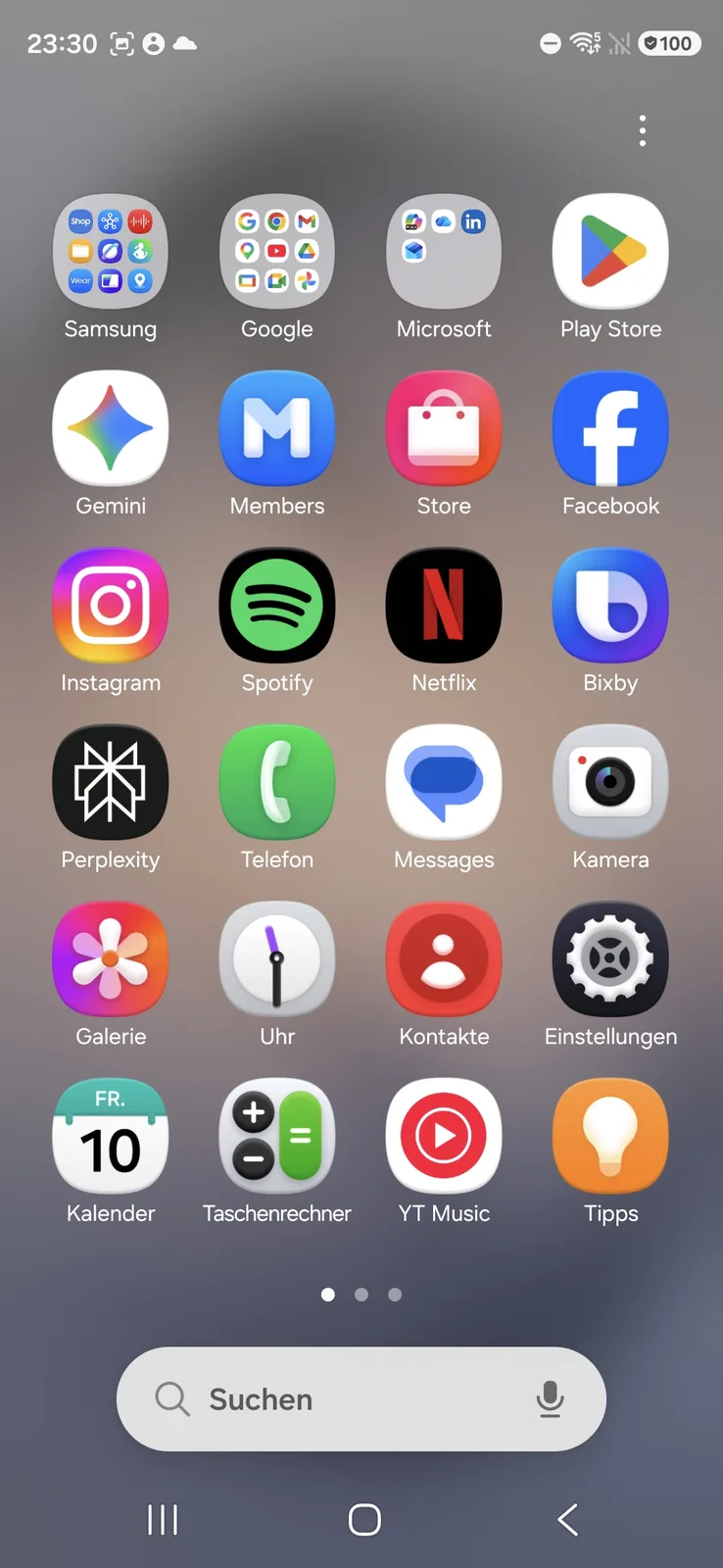
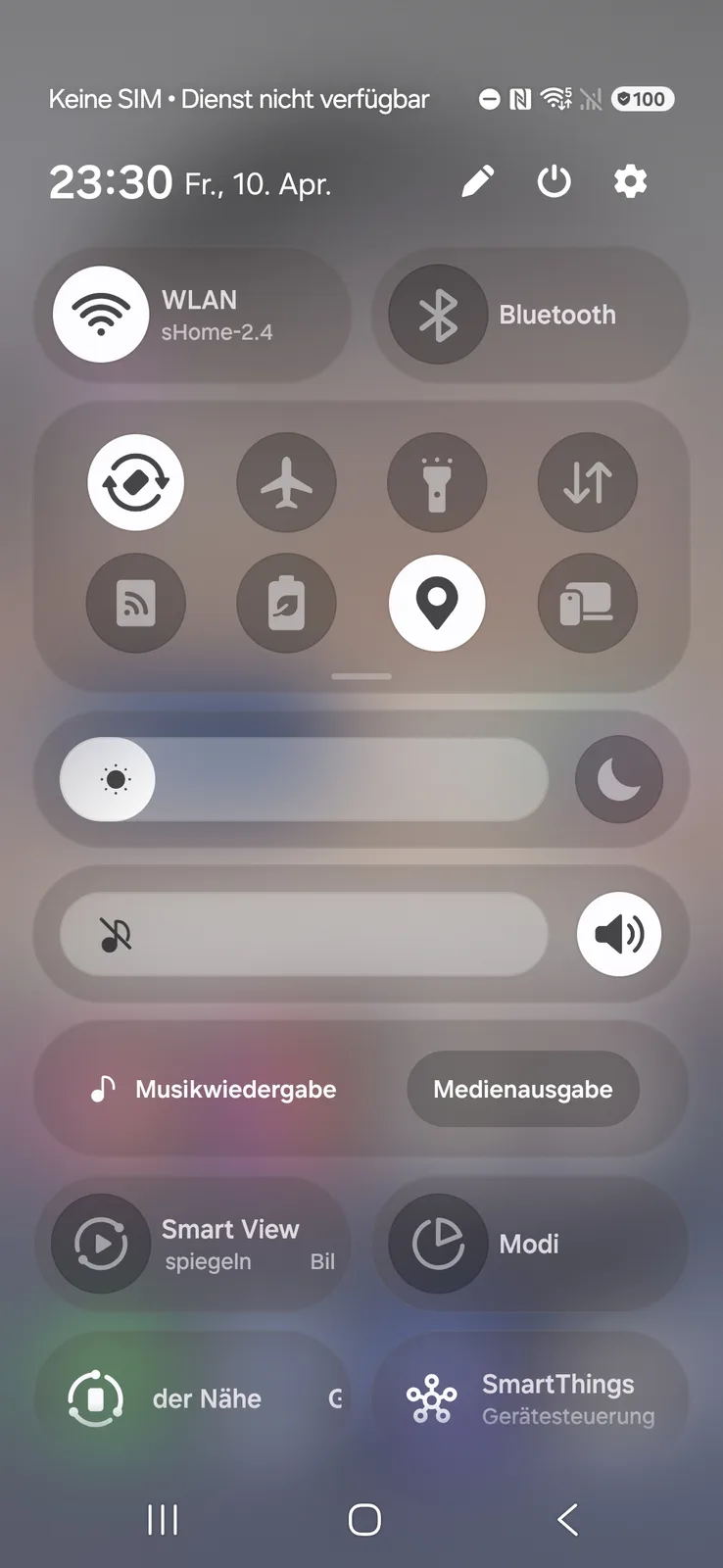
As in previous years, third-party apps such as Spotify, Netflix, Facebook, and Microsoft are pre-installed, but can be completely removed. Perplexity is a new addition, and Galaxy AI is also included, this time enhanced with new features such as "Now Nudge." One positive feature is the option to perform AI calculations exclusively and locally on the device. However, this may result in a reduction in speed and functionality.
Sustainability
In addition to its long-term update guarantee, Samsung also provides a repair program for its smartphones. Users receive detailed instructions, and suitable replacement parts can be obtained directly from the manufacturer. However, the EPREL database only rates the device's repairability as class C.
On the other hand, Samsung has been generous with its transparency regarding sustainability: Information concerning the CO₂e footprint and the use of recycled materials is comparatively comprehensive and can be viewed in the corresponding environmental report for the Galaxy S26.
Communication and GNSS - A compact smartphone with fast Wi-Fi 7
As expected, the Galaxy S26 supports Wi-Fi 7, which includes all three frequency bands. This ensured high and stable data speeds when paired with our reference router, the Asus ROG Rapture GT-AXE11000.
The Samsung smartphone is also exceptionally well-equipped when it comes to mobile connectivity. It supports every current standard, including 5G Sub6. Frequency coverage is broad, though not comprehensive, but this should mean reliable service is guaranteed in most countries.
| Networking | |
| Samsung Galaxy S26 | |
| iperf3 transmit AXE11000 | |
| iperf3 receive AXE11000 | |
| iperf3 transmit AXE11000 6GHz | |
| iperf3 receive AXE11000 6GHz | |
| Xiaomi 17 | |
| iperf3 transmit AXE11000 6GHz | |
| iperf3 receive AXE11000 6GHz | |
| Google Pixel 10 Pro | |
| iperf3 transmit AXE11000 | |
| iperf3 receive AXE11000 | |
| iperf3 transmit AXE11000 6GHz | |
| iperf3 receive AXE11000 6GHz | |
| Vivo X300 | |
| iperf3 transmit AXE11000 6GHz | |
| iperf3 receive AXE11000 6GHz | |
| Apple iPhone 17 | |
| iperf3 transmit AXE11000 | |
| iperf3 receive AXE11000 | |
| iperf3 transmit AXE11000 6GHz | |
| iperf3 receive AXE11000 6GHz | |
| Average 802.11 a/b/g/n/ac/ax/be | |
| iperf3 transmit AXE11000 | |
| iperf3 receive AXE11000 | |
| iperf3 transmit AXE11000 6GHz | |
| iperf3 receive AXE11000 6GHz | |
| Average of class Smartphone | |
| iperf3 transmit AXE11000 | |
| iperf3 receive AXE11000 | |
| iperf3 transmit AXE11000 6GHz | |
| iperf3 receive AXE11000 6GHz | |
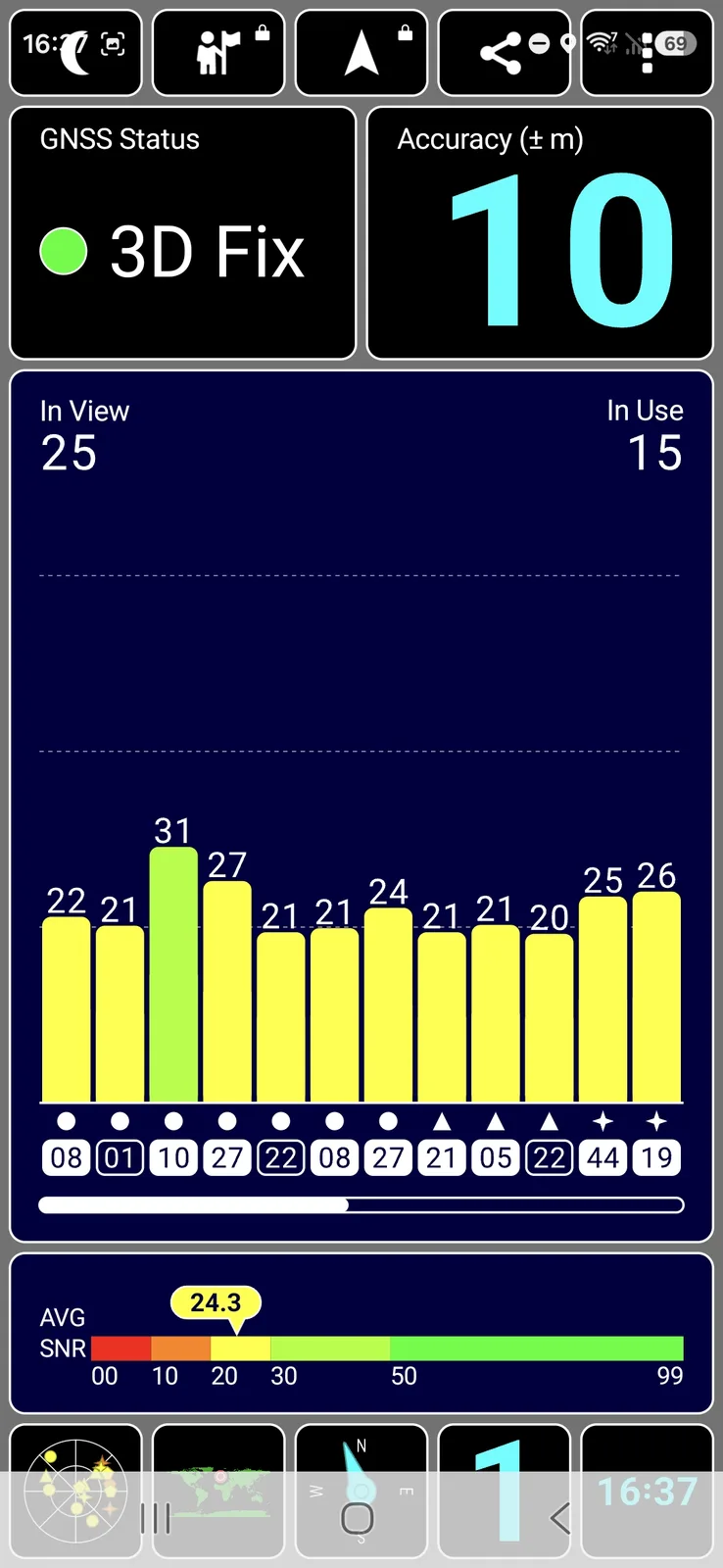
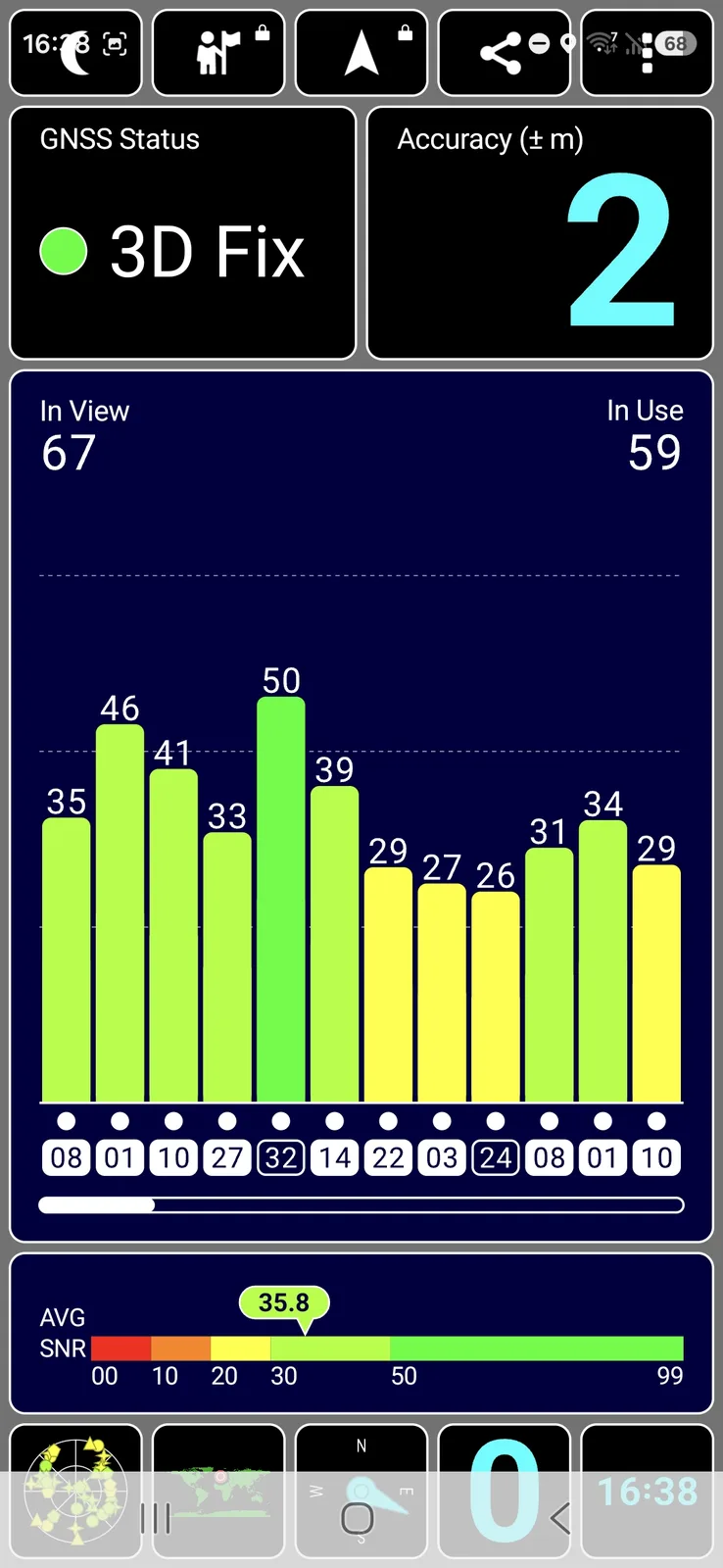
Even indoors, the Galaxy S26 achieves a fast and precise satellite fix and manages to support every global network, at least on dual-band.
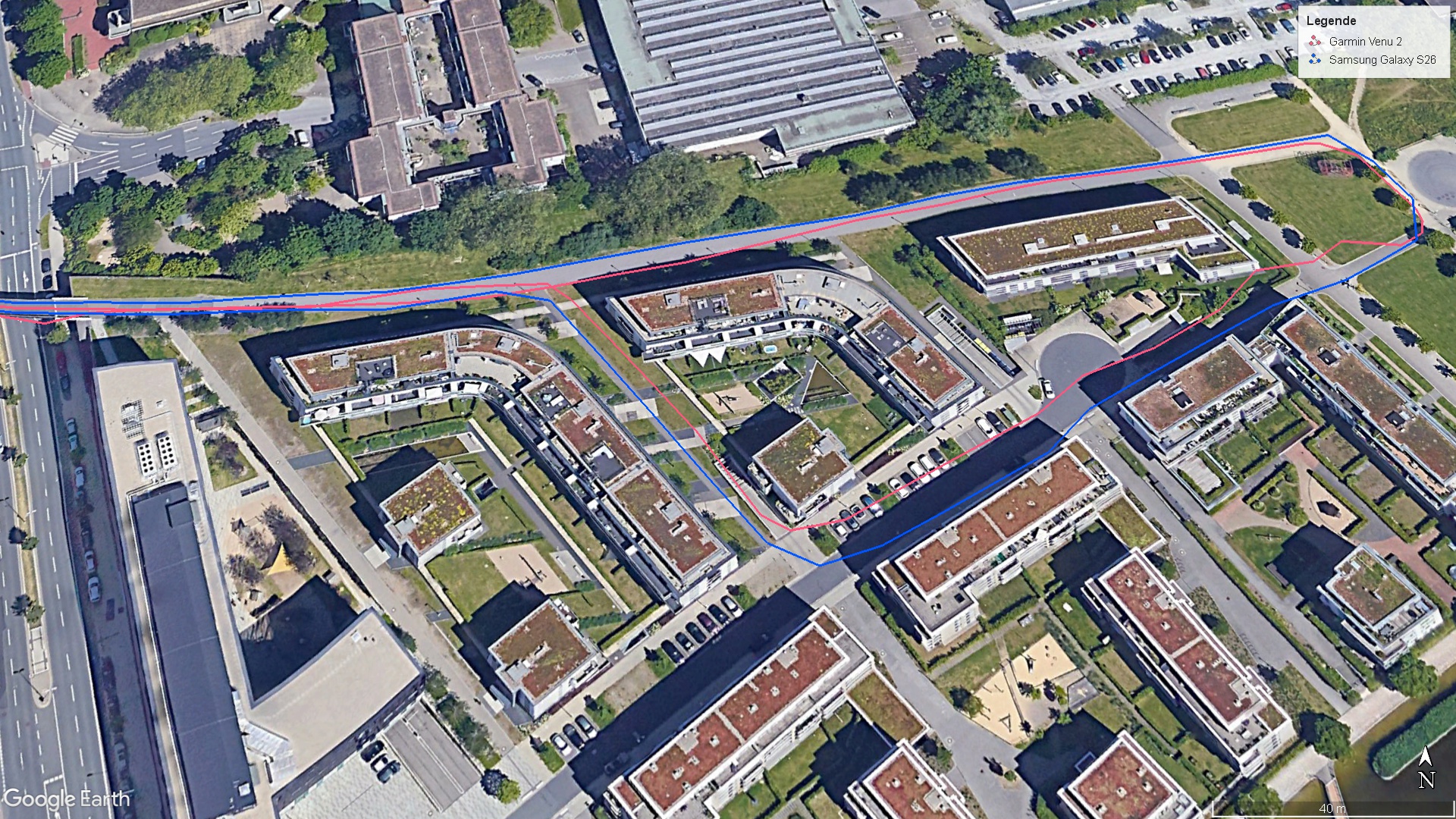
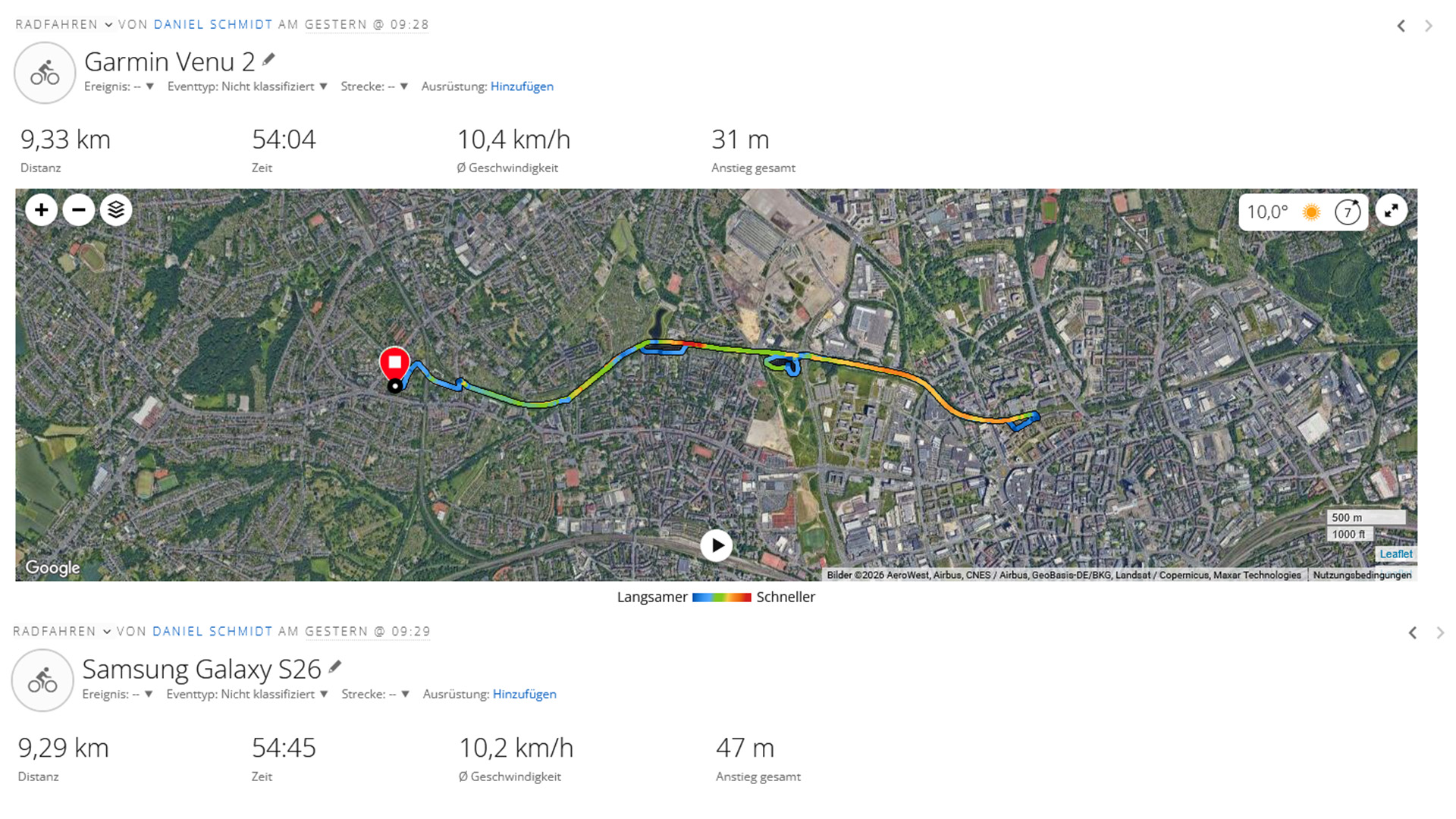
During a bike ride, we compared the Samsung smartphone to the Garmin Venu 2, and it proved to be similarly accurate as the Ultra model. Although it was somewhat less accurate than the smartwatch at the lake, the S26 demonstrated better reception characteristics between buildings.

Telephone functions and voice quality
The Samsung Galaxy S26 supports every modern standard, including VoIP 5G and Wi-Fi calling. It can house either two nano-SIM cards or two eSIMs, and a mixed-use setup is also possible.
Call quality is very good and benefits from effective noise cancellation, ensuring that Galaxy S26 users remain clearly audible even in noisy environments. The speakerphone quality can be described as solid, but there is a slight echo, making voices sound somewhat muffled.
In addition to the live AI translation of phone calls, a transcription function is also now on board.
Cameras - As you were

The Samsung Galaxy S26's camera setup is identical to that of the Galaxy S25. The newer image signal processor (ISP) offers slightly better results, but the differences are quite marginal.
The front camera still features autofocus, good color accuracy, and delivers pleasant results in daylight. At best, videos can be recorded in Ultra HD at 60fps.
The rear camera setup includes a 50-megapixel main sensor, an optical zoom, and an ultra-wide sensor, but lacks macro functionality. Lens flare can appear in images depending on the sunlight location, and there is either no anti-glare coating or it's not very effective. Nevertheless, it's possible to capture decent photos with balanced color reproduction, although the level of detail could be better. The zoom function delivers decent results, but compromises are to be found in the digital realm. We would have liked to see increased dynamic range and depth of field from the ultra-wide lens.
Videos can be recorded in 8K (at up to 30fps) or 4K (at up to 60fps). 120fps is only available in Full HD. The newly implemented APV codec used in the S26 Ultra cannot be used by the S26.
Image comparison
Choose a scene and navigate within the first image. One click changes the position on touchscreens. One click on the zoomed-in image opens the original in a new window. The first image shows the scaled photograph of the test device.
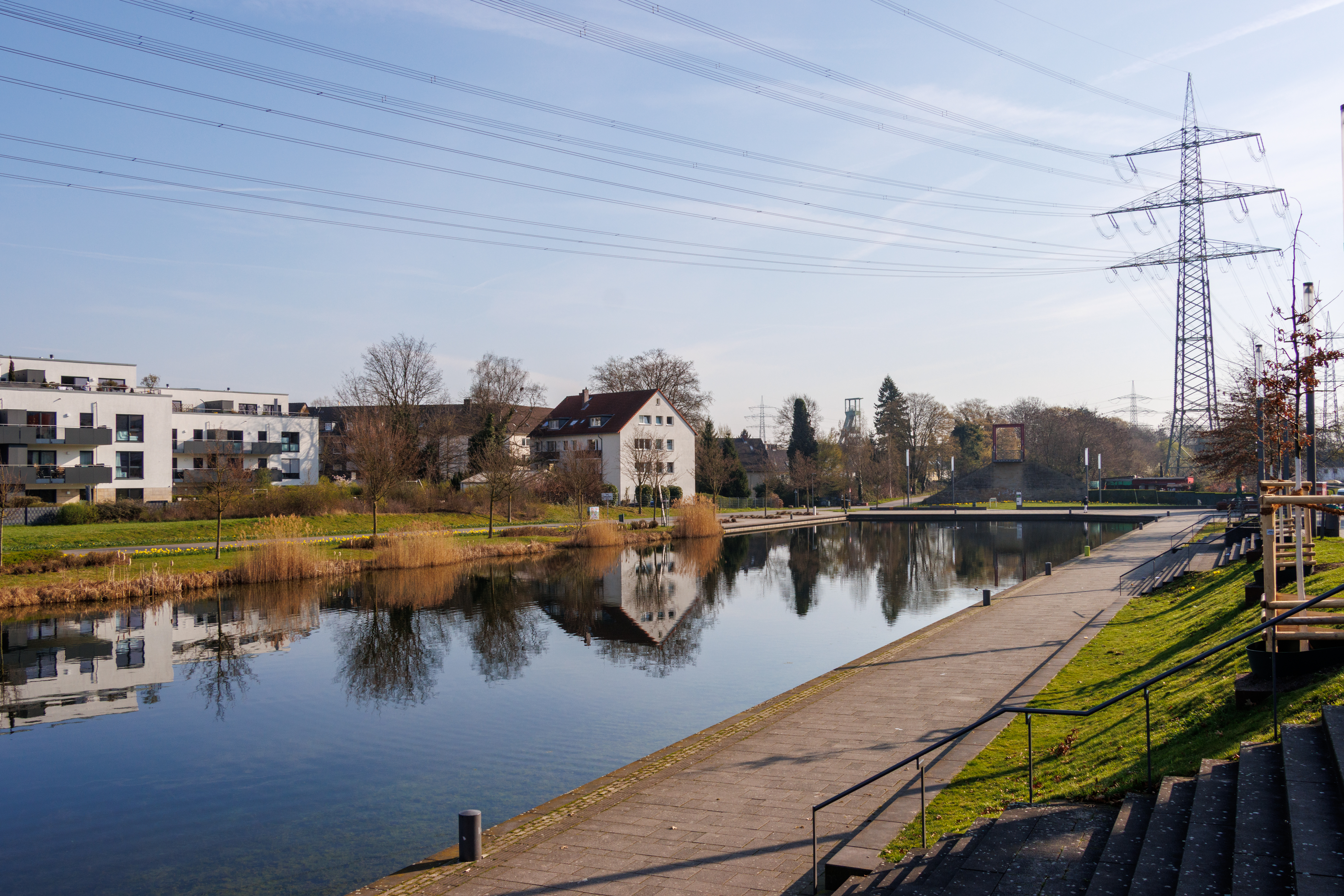
Main cameraMain cameraUltra-wide angle5x zoomLow light





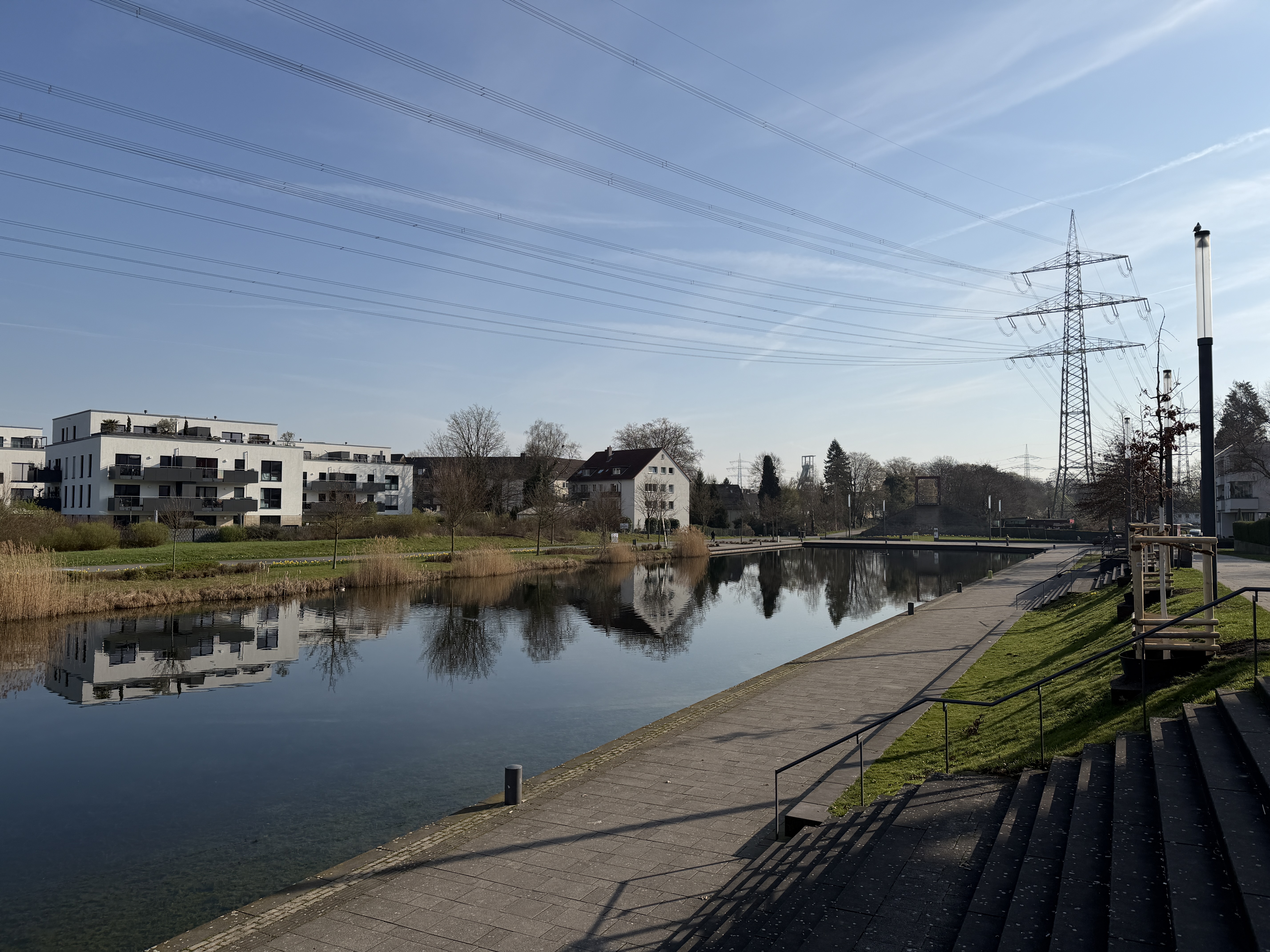













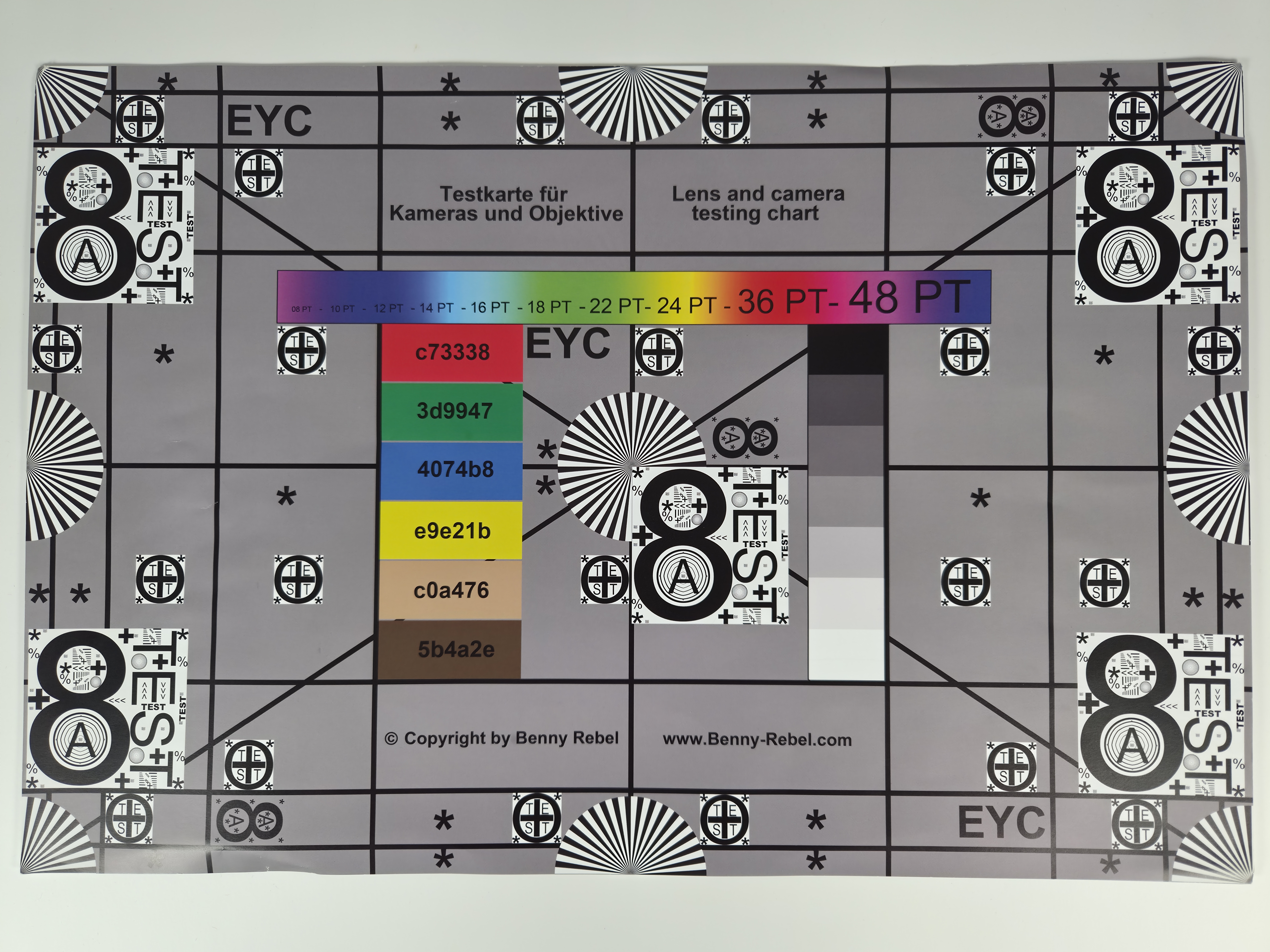
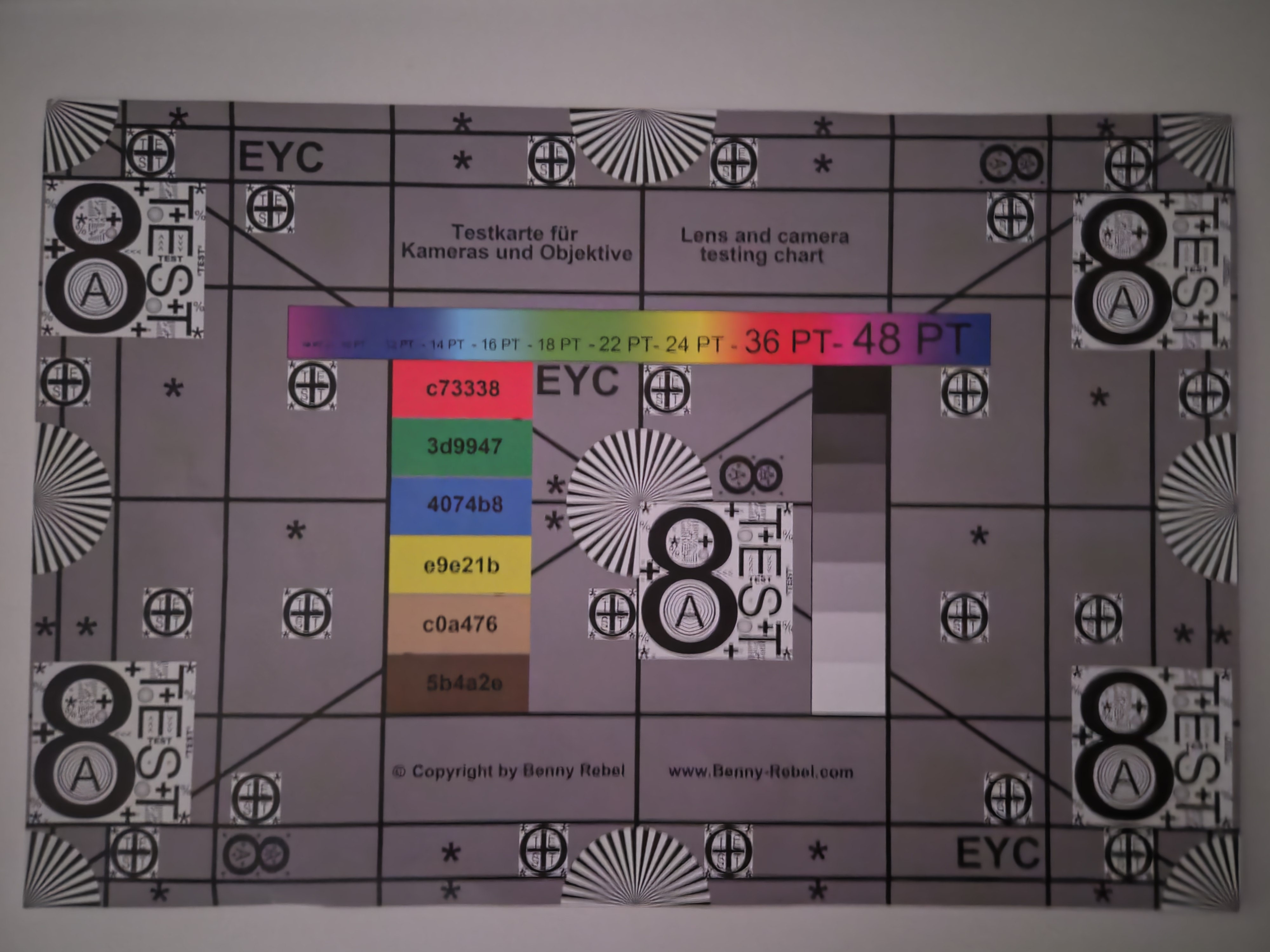
Under controlled lighting conditions, the Galaxy S26 manages to display sharp images, although the sharpening in the center is slightly overdone. Conversely, even at the edges, details are well preserved.
Color reproduction is very accurate, and there are no significantly noticeable color deviations.




Accessories and warranty - The Galaxy S26 comes with optional Care+
The Samsung Galaxy S26 comes with only a USB-C cable and a SIM card tool. Cases, power adapters, and other accessories can be purchased separately from Samsung but are also widely available from third-party retailers.
The warranty in Germany covers 24 months and can be extended with Samsung Care+. This insurance package can be purchased for a flat fee of around $160 or $210 (exchange rate at time of review) for two years or for approximately $8 or $9 per month, depending on whether theft coverage is included.
Input devices and operation - Fast ultrasonic fingerprints
The Samsung Galaxy S26's capacitive touchscreen doesn't necessitate a pre-installed screen protector and helps provide smooth swiping gestures. Input is registered quickly and precisely. An ultrasonic fingerprint sensor is integrated into the display, which quickly and reliably recognizes the registered fingerprint. A less secure facial recognition option is also available via the front camera.
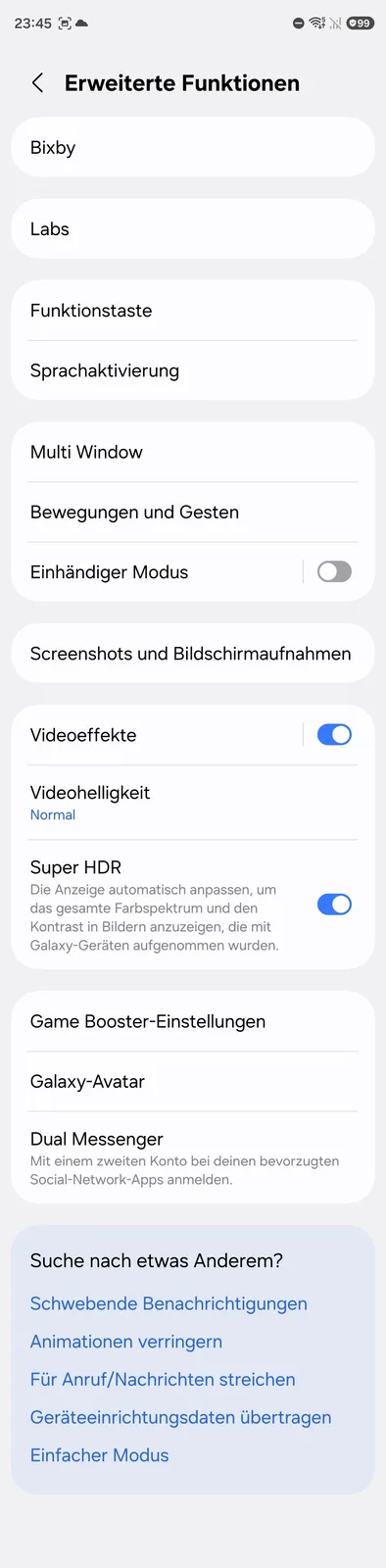
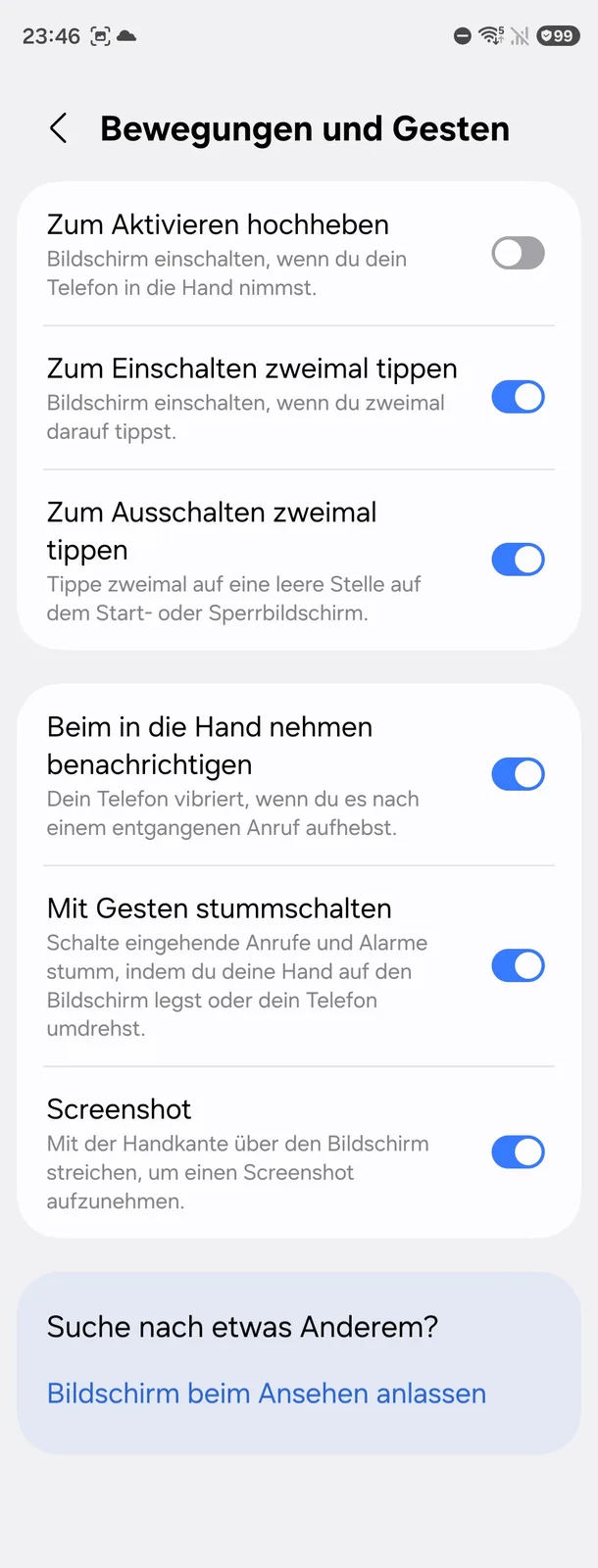
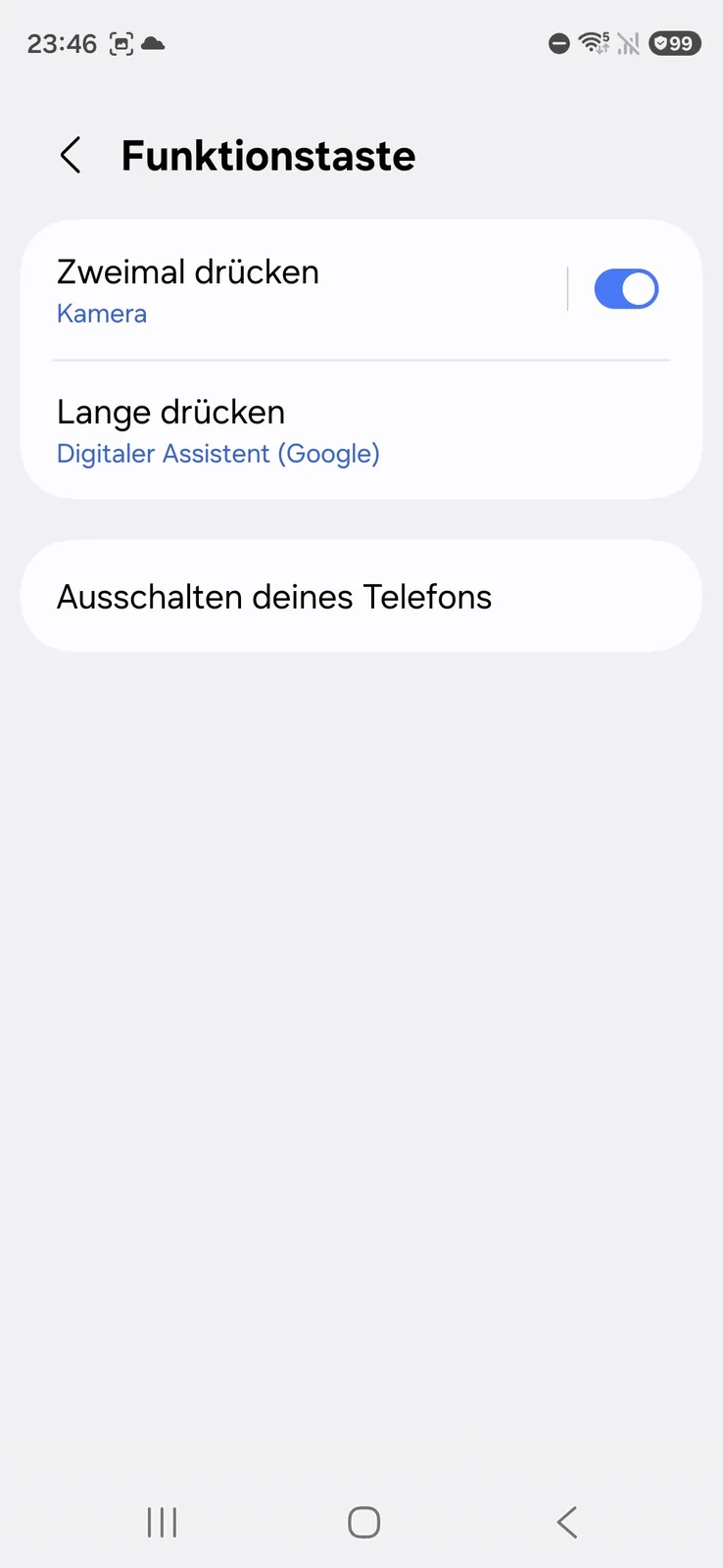
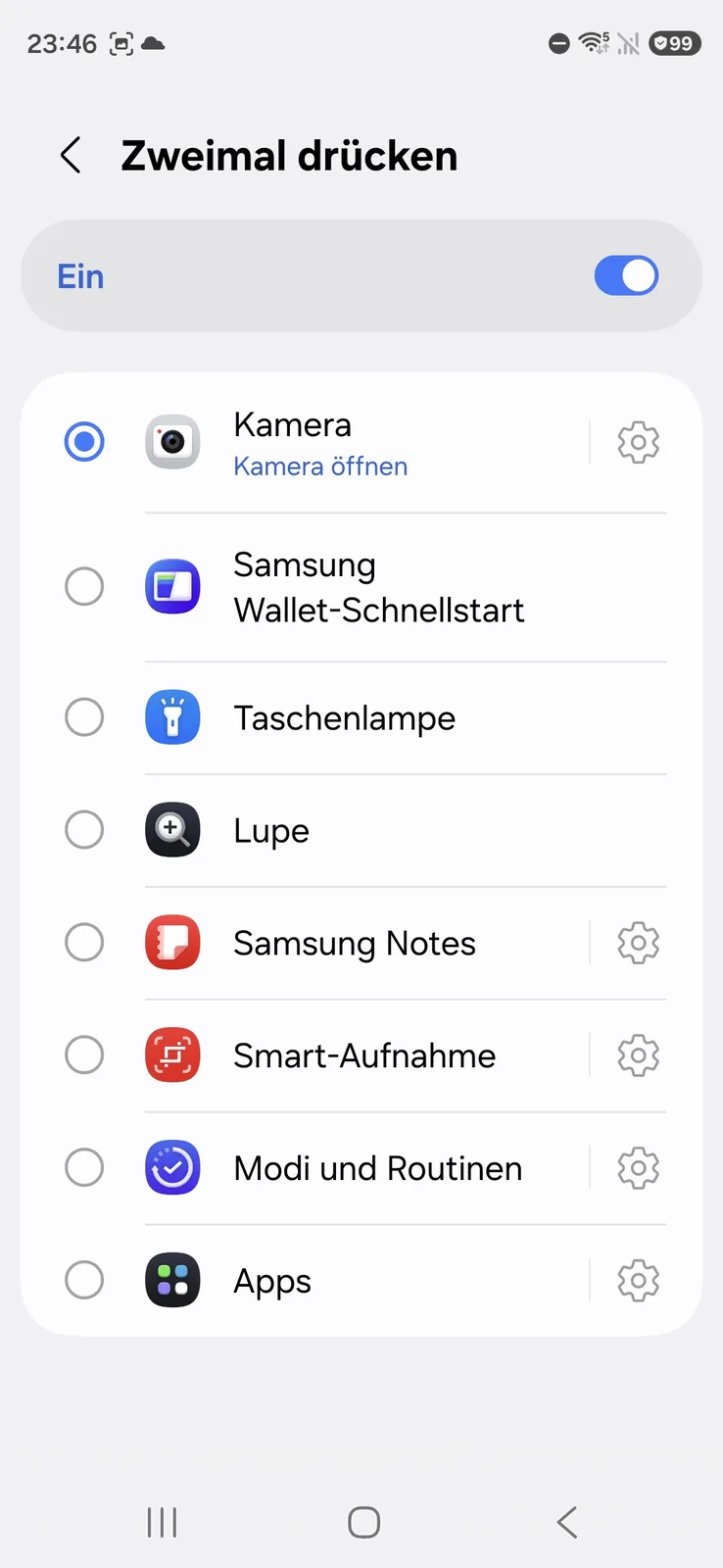
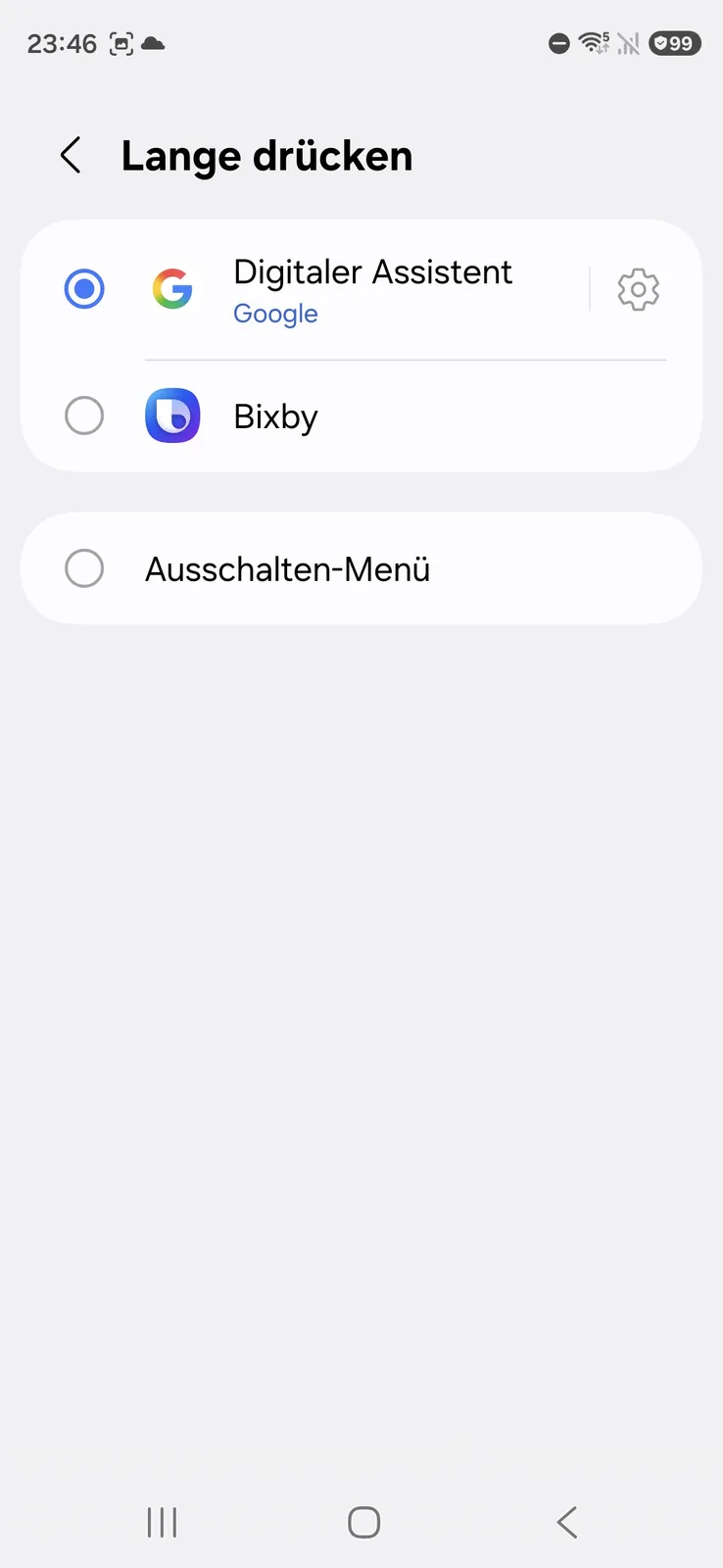
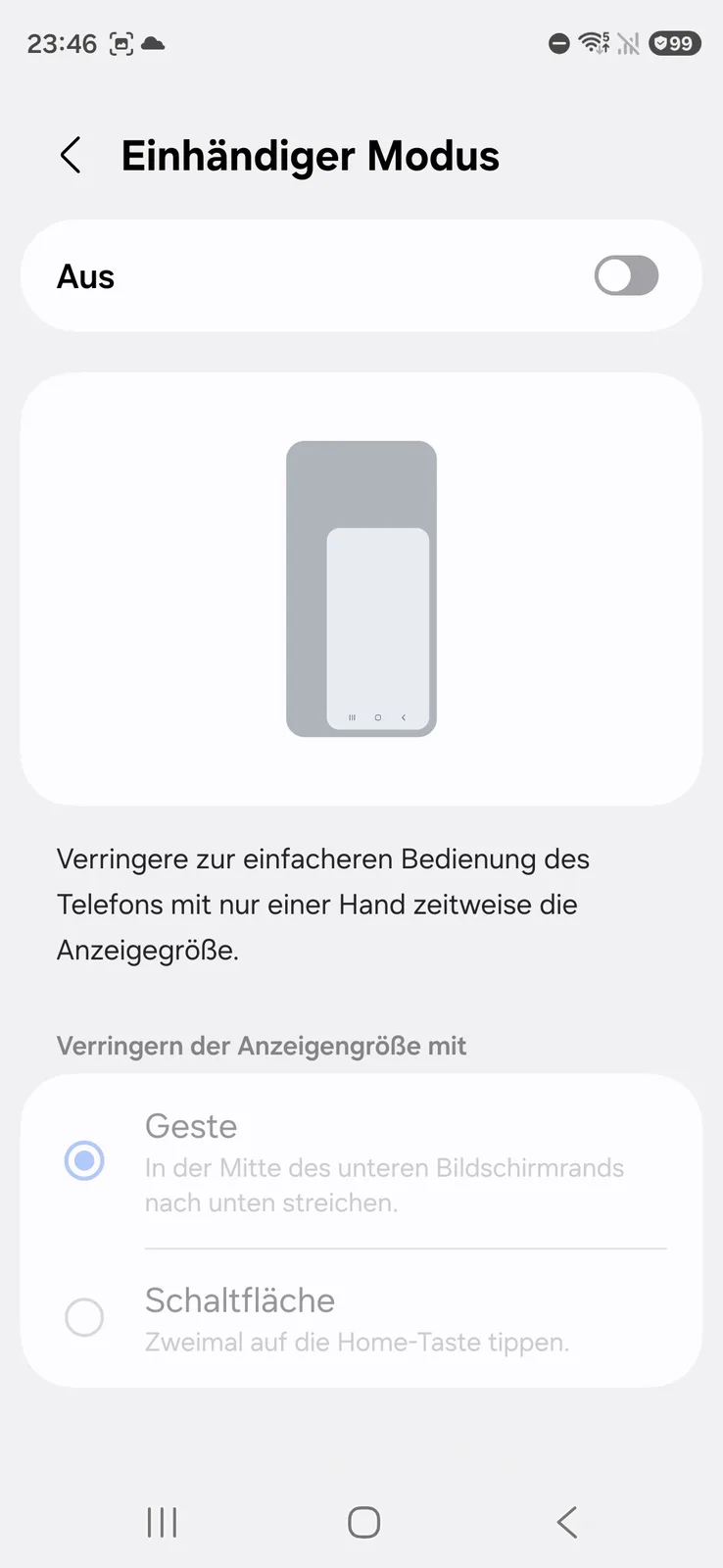
The power button is actually more of a function button that not only turns the smartphone off and on but can also directly launch the configured assistant or a specific app. A one-handed mode is also included.
The linear vibration motor can be very subtle and precise, but its intensity can be adjusted in the settings. However, if set to the strongest setting, it can feel somewhat mushy.


The Galaxy S26 has a finely tuned display

The Galaxy S26's display has grown slightly to 6.3 inches (16 cm), primarily due to its somewhat larger dimensions, and this gives the Samsung phone an impressive screen-to-body ratio of 91%. Despite this, were disappointed to find that Dolby Vision is not supported.
The S26's brightness is on par with the S25, and the panel's illumination is very uniform. It reaches around 1,338 cd/m² for a pure white display, and even manages 2,645 cd/m² for a smaller white area. Once again, Samsung uses pulse-width modulation for brightness control, with a relatively low frequency of 240 or 480 Hz. This may cause discomfort for users sensitive to such issues.
| |||||||||||||||||||||||||
Brightness Distribution: 96 %
Center on Battery: 1341 cd/m²
Contrast: ∞:1 (Black: 0 cd/m²)
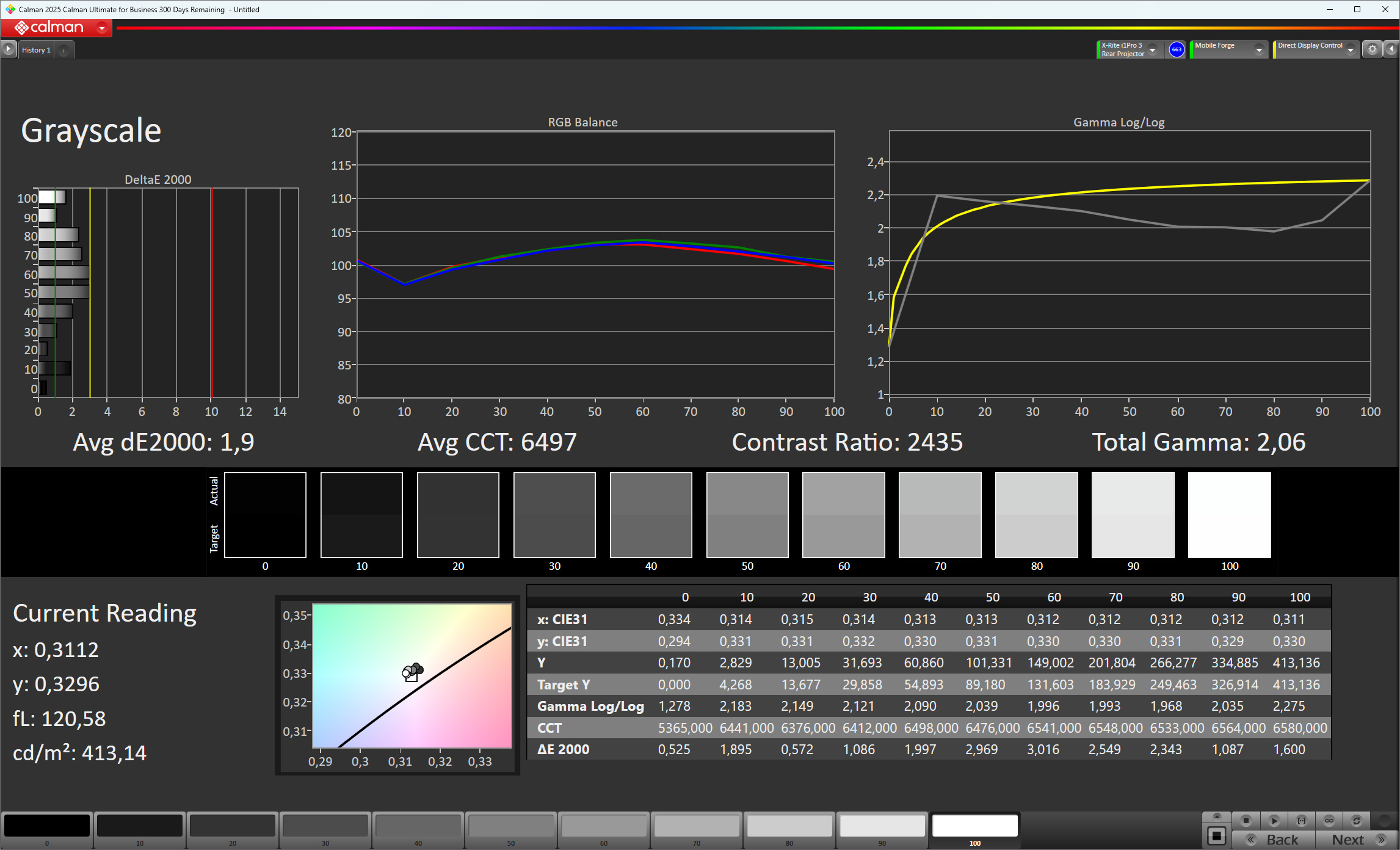
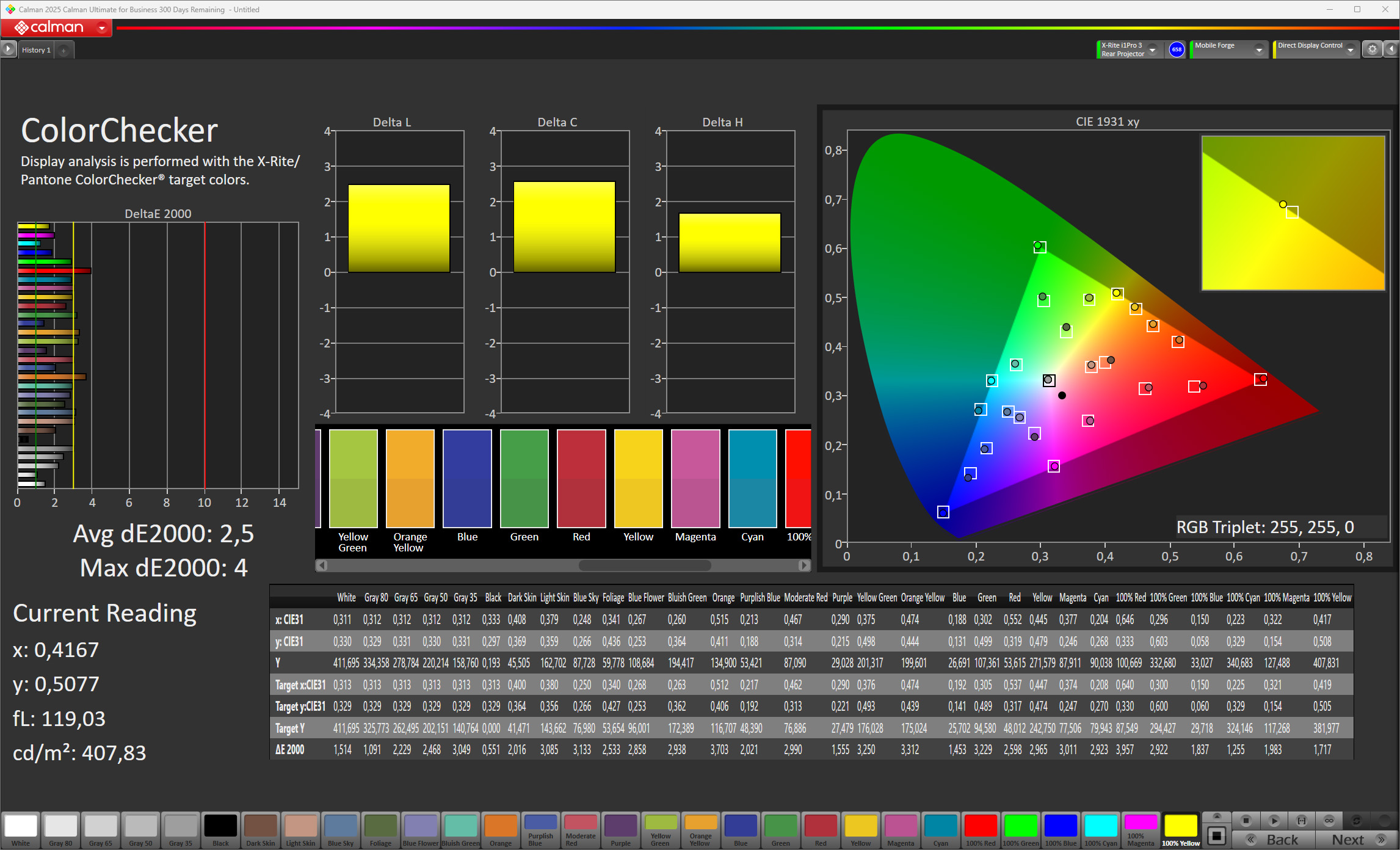
ΔE ColorChecker Calman: 2.4 | ∀{0.5-29.43 Ø4.68}
ΔE Greyscale Calman: 1.9 | ∀{0.09-98 Ø4.93}
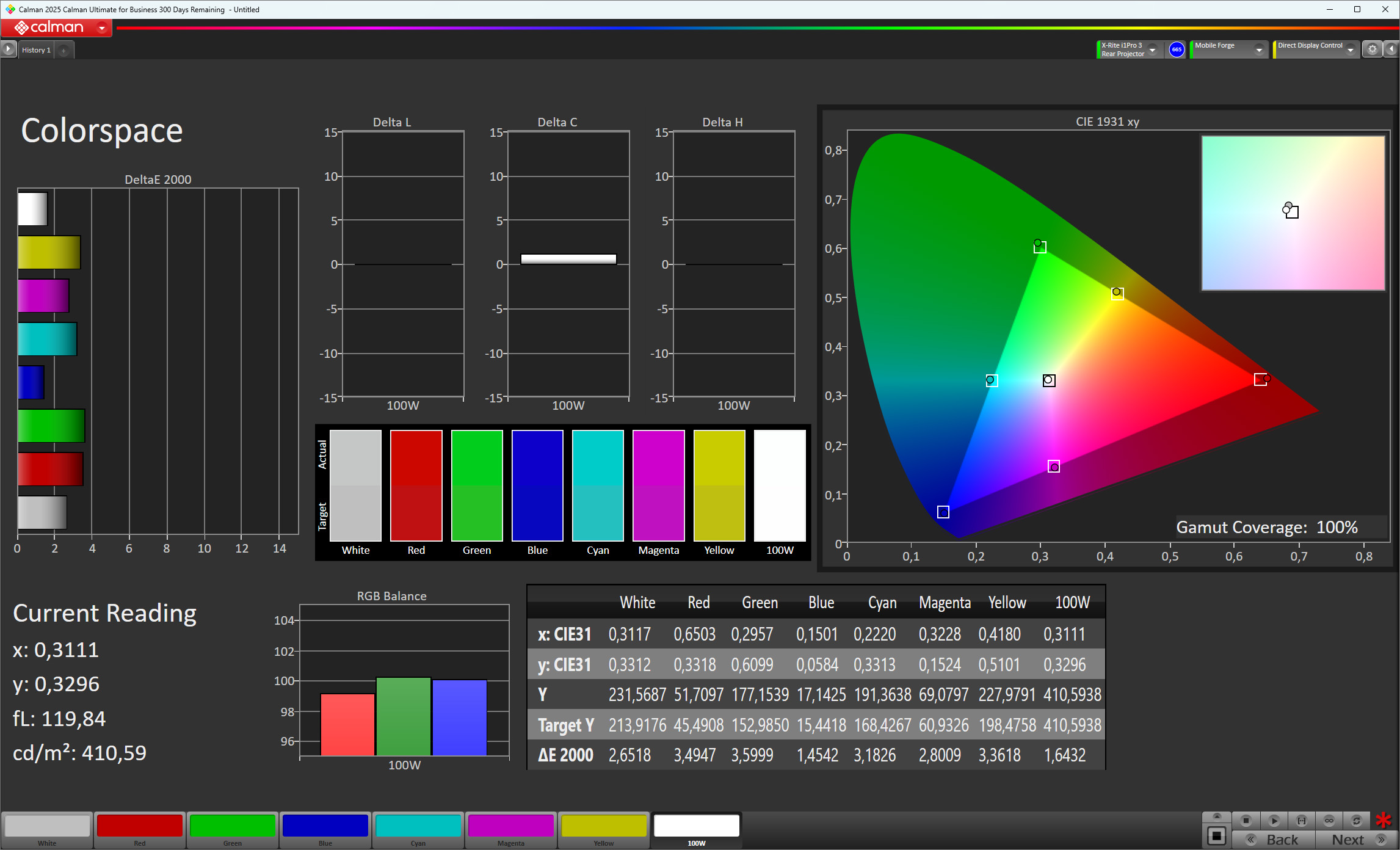
100% sRGB (Calman 2D)
Gamma: 2.06
CCT: 6497 K
| Samsung Galaxy S26 Dynamic AMOLED 2XDynamic AMOLED 2X, 8 Bit color depth, 2340x1080, 6.3" | Xiaomi 17 LTPO AMOLED , 2656x1220, 6.3" | Google Pixel 10 Pro OLED, 2856x1280, 6.3" | Vivo X300 AMOLED, 2640x1216, 6.3" | Samsung Galaxy S25 AMOLED, 2340x1080, 6.2" | Apple iPhone 17 OLED, 2622x1206, 6.3" | |
|---|---|---|---|---|---|---|
| Screen | -5% | 51% | 16% | -11% | 9% | |
| Brightness middle (cd/m²) | 1341 | 1030 -23% | 2161 61% | 1537 15% | 1301 -3% | 1138 -15% |
| Brightness (cd/m²) | 1337 | 1021 -24% | 2198 64% | 1523 14% | 1311 -2% | 1127 -16% |
| Brightness Distribution (%) | 96 | 98 2% | 94 -2% | 96 0% | 98 2% | 96 0% |
| Black Level * (cd/m²) | ||||||
| Colorchecker dE 2000 * | 2.4 | 1.44 40% | 0.7 71% | 1.4 42% | 3.1 -29% | 1.07 55% |
| Colorchecker dE 2000 max. * | 4 | 3.68 8% | 1.8 55% | 2.6 35% | 4.4 -10% | 2.99 25% |
| Greyscale dE 2000 * | 1.9 | 2.5 -32% | 0.8 58% | 2.1 -11% | 2.3 -21% | 1.8 5% |
| Gamma | 2.06 107% | 2.274 97% | 2.19 100% | 2.28 96% | 2.01 109% | 2.22 99% |
| CCT | 6497 100% | 6868 95% | 6646 98% | 6754 96% | 6454 101% | 6516 100% |
* ... smaller is better
| Display / APL18 Peak Brightness | |
| Google Pixel 10 Pro | |
| Samsung Galaxy S26 | |
| Samsung Galaxy S25 | |
| Vivo X300 | |
| Display / HDR Peak Brightness | |
| Vivo X300 | |
| Google Pixel 10 Pro | |
| Samsung Galaxy S25 | |
| Samsung Galaxy S26 | |
Screen Flickering / PWM (Pulse-Width Modulation)
| Screen flickering / PWM detected | 240 Hz Amplitude: 13.6 % Secondary Frequency: 480 Hz | 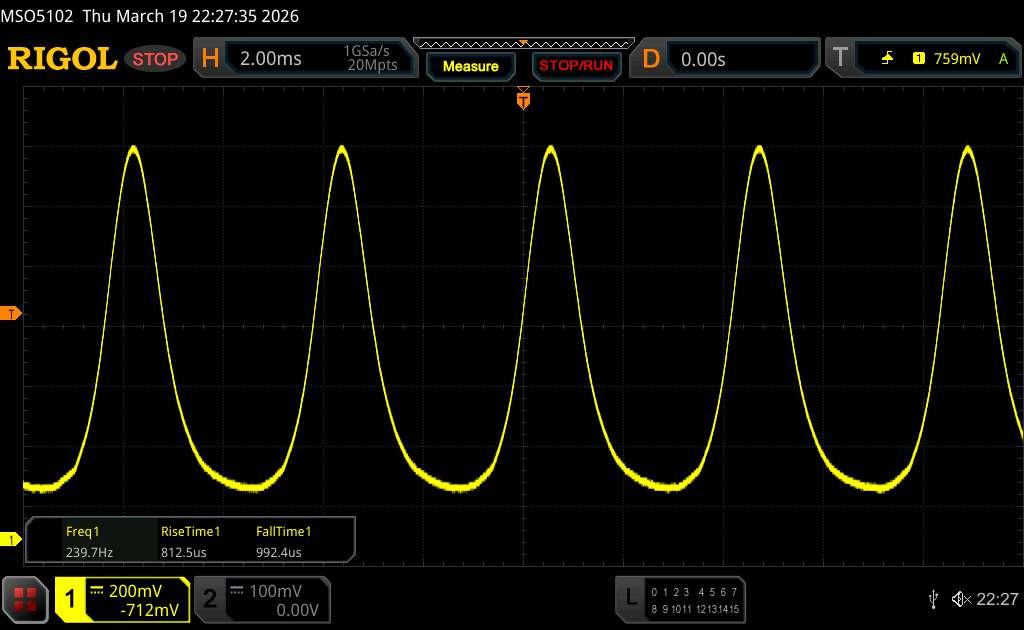 | |
The display backlight flickers at 240 Hz (worst case, e.g., utilizing PWM) . The frequency of 240 Hz is relatively low, so sensitive users will likely notice flickering and experience eyestrain at the stated brightness setting and below. In comparison: 52 % of all tested devices do not use PWM to dim the display. If PWM was detected, an average of 7572 (minimum: 5 - maximum: 343500) Hz was measured. | |||
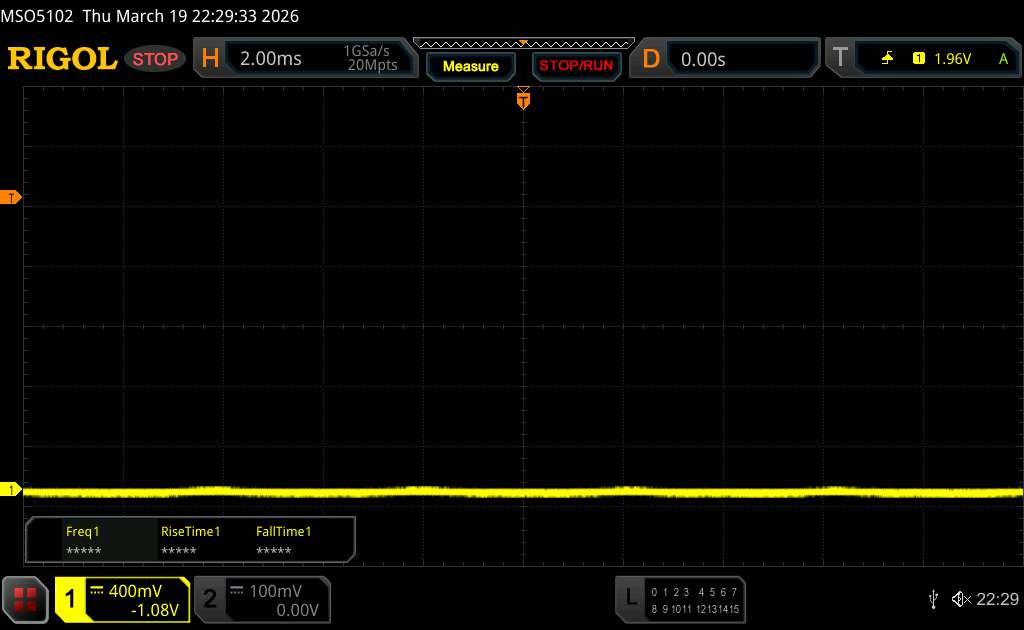
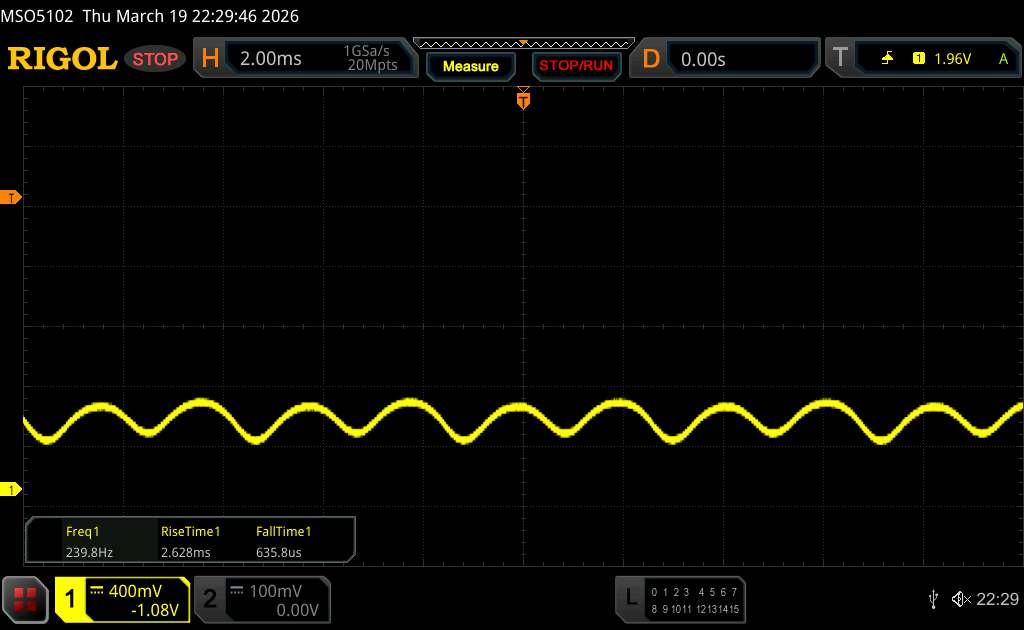
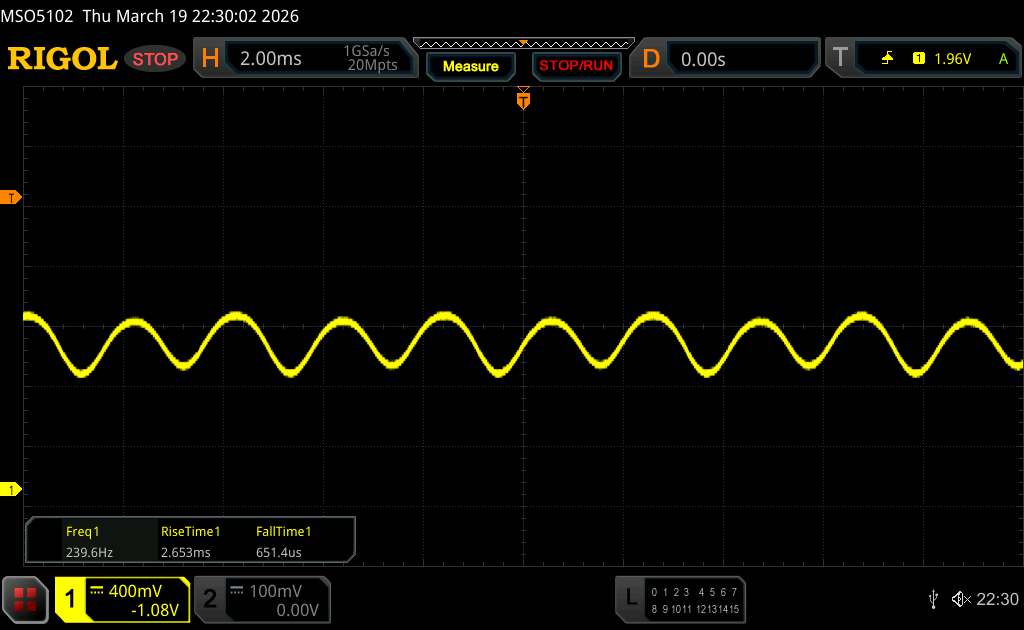
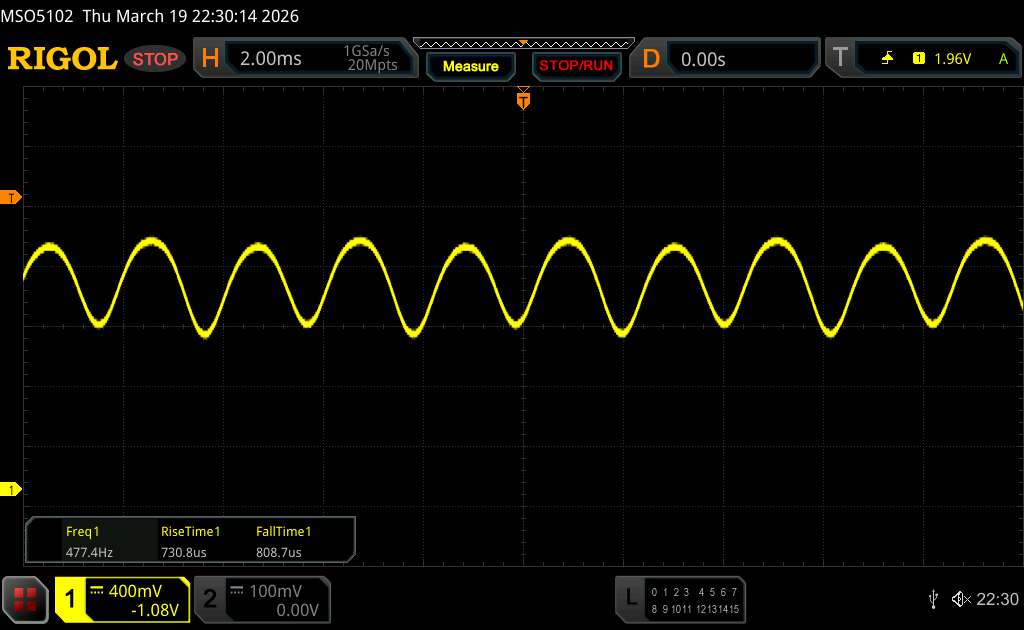
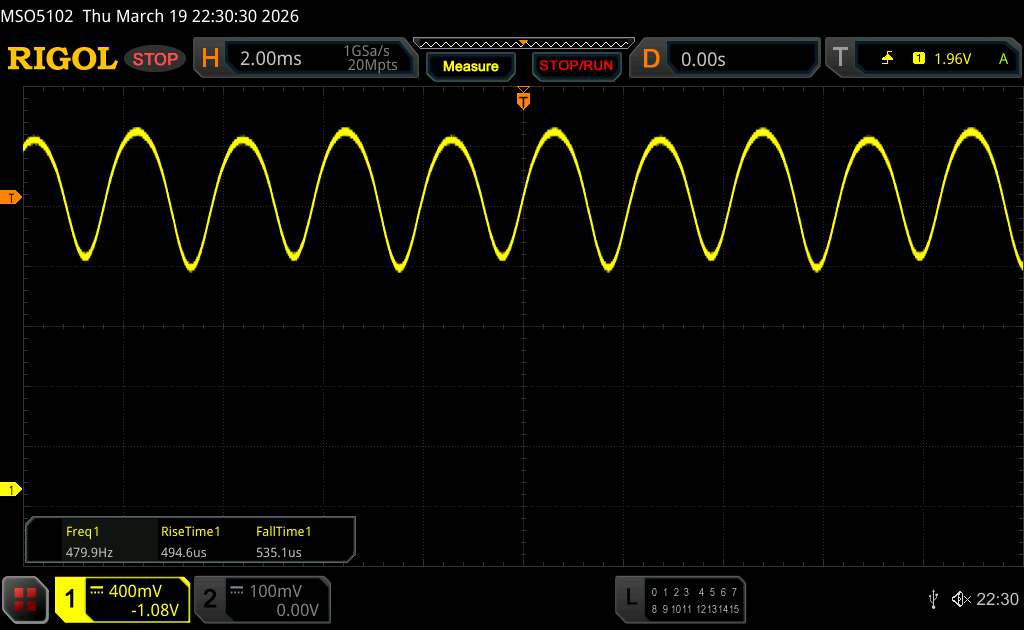
A series of measurements with a fixed zoom level and different brightness settings (The amplitude curve at minimum brightness appears flat, but this is due to the scaling. The enlarged version of the amplitude at minimum brightness can be seen in the info box.)
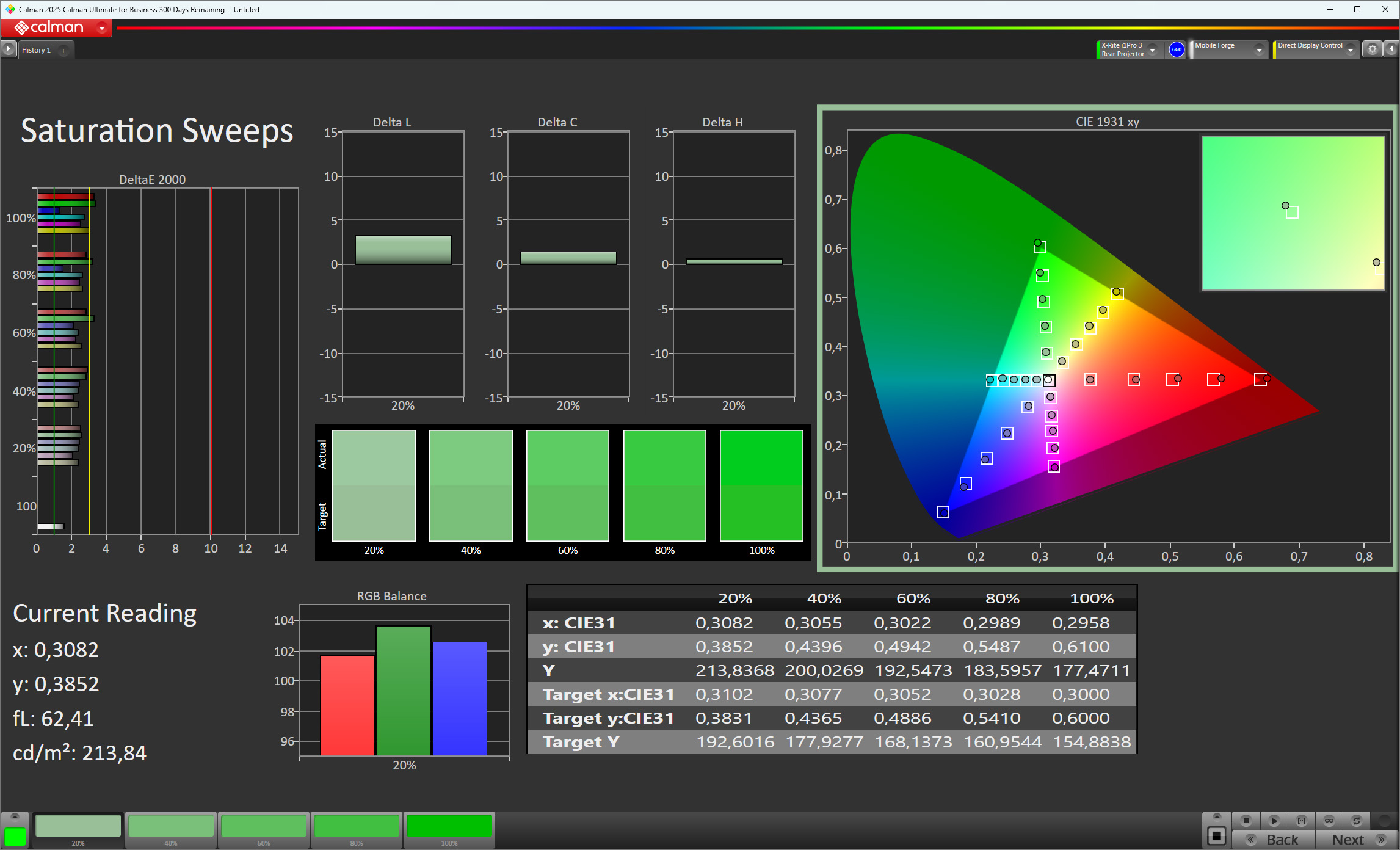
Compared to its predecessor, the Galaxy S26's display offers slightly improved color reproduction, reaching a very good level as long as you choose the "Natural" display mode in the settings. If that's not the case, the display appears noticeably cooler.
Display Response Times
| ↔ Response Time Black to White | ||
|---|---|---|
| 1.32 ms ... rise ↗ and fall ↘ combined | ↗ 0.6345 ms rise | 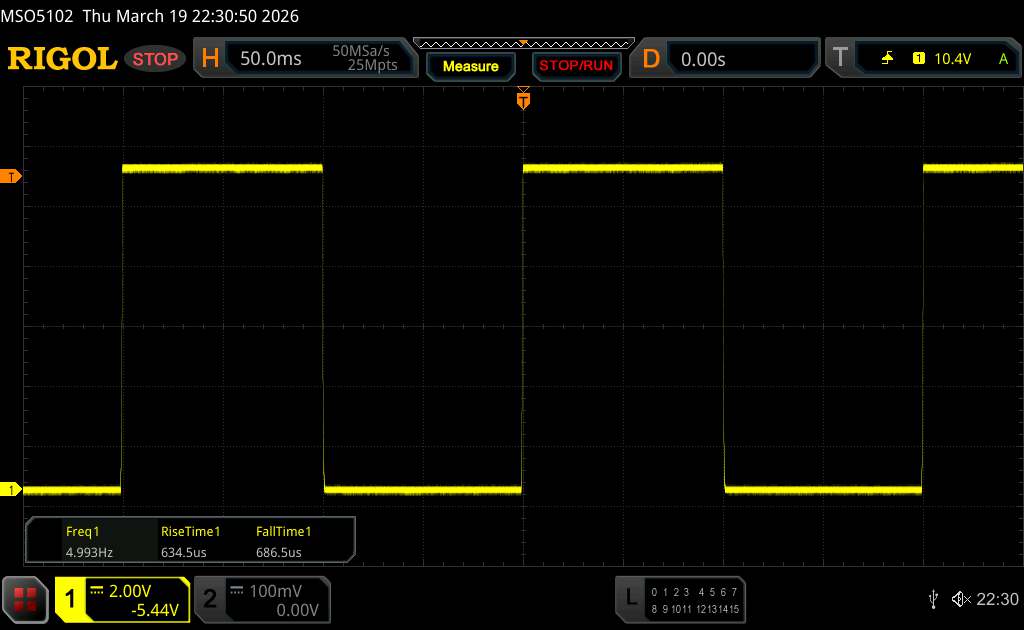 |
| ↘ 0.6865 ms fall | ||
| The screen shows very fast response rates in our tests and should be very well suited for fast-paced gaming. In comparison, all tested devices range from 0.1 (minimum) to 240 (maximum) ms. » 8 % of all devices are better. This means that the measured response time is better than the average of all tested devices (19.6 ms). | ||
| ↔ Response Time 50% Grey to 80% Grey | ||
| 0.62 ms ... rise ↗ and fall ↘ combined | ↗ 0.3275 ms rise | 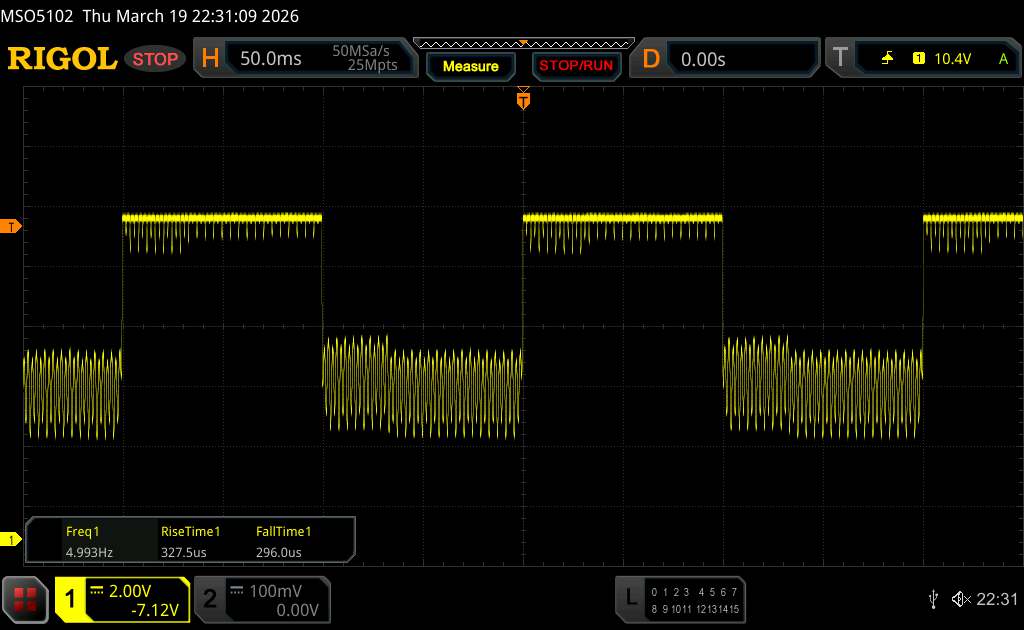 |
| ↘ 0.296 ms fall | ||
| The screen shows very fast response rates in our tests and should be very well suited for fast-paced gaming. In comparison, all tested devices range from 0.13 (minimum) to 636 (maximum) ms. » 2 % of all devices are better. This means that the measured response time is better than the average of all tested devices (30.7 ms). | ||
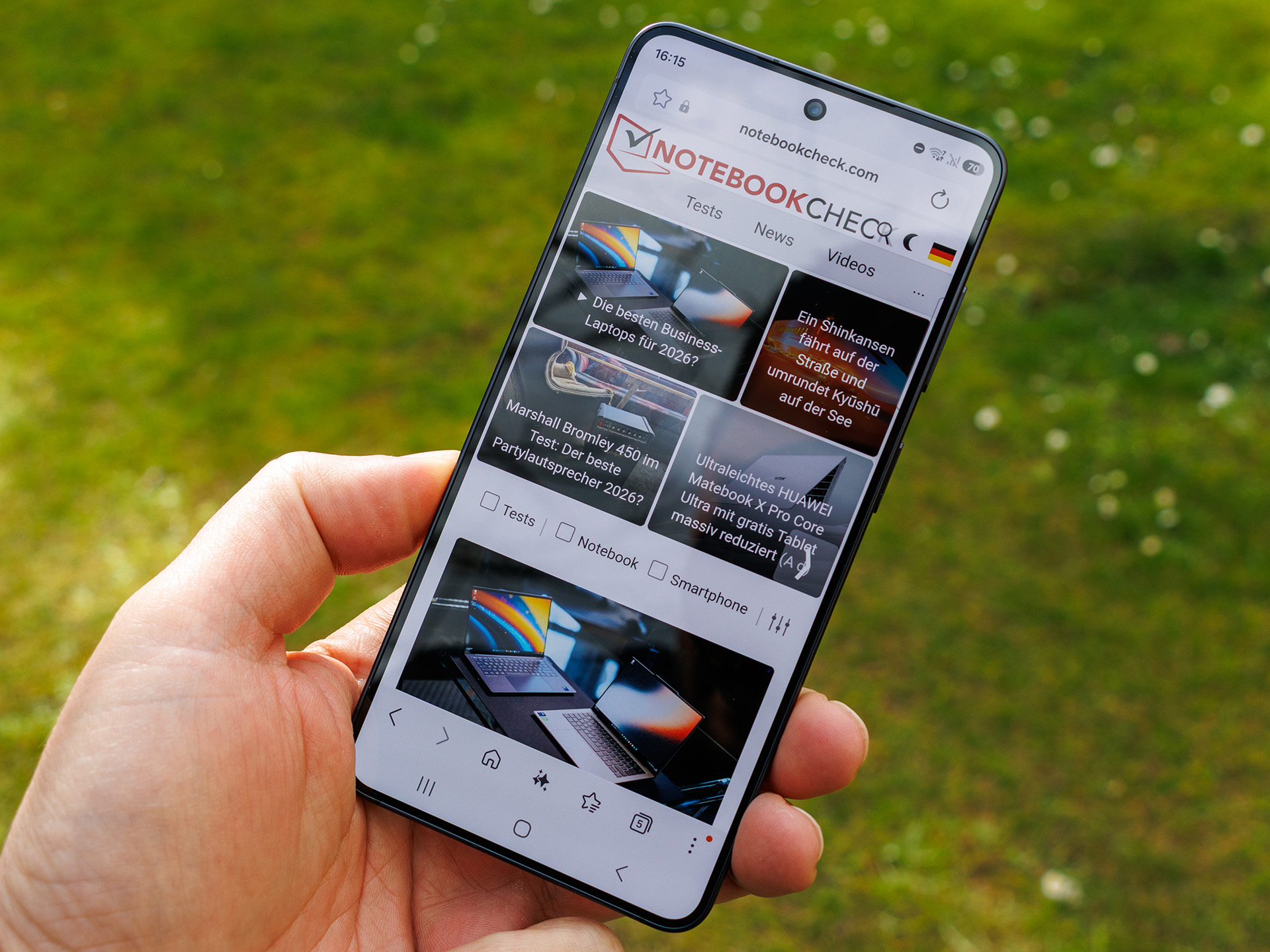
Outdoors, the Samsung Galaxy S26 was impressive and remained readable even in direct sunlight, as long as the ambient light sensor was allowed to operate automatically. Anyone adjusting the brightness manually will only have 422 cd/m² at their disposal, which can be increased to up to 709 cd/m² with the "Additional Brightness" option.
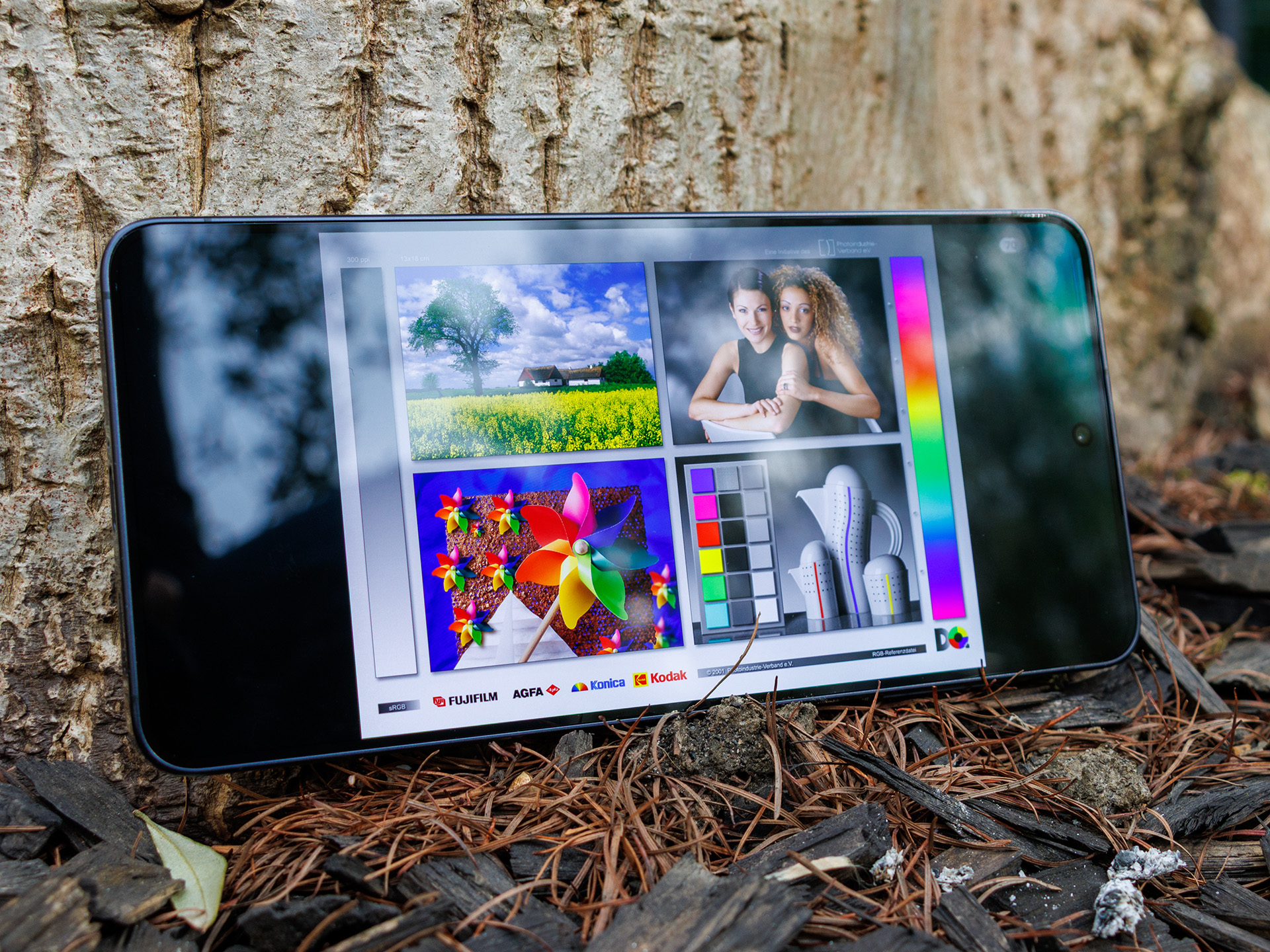
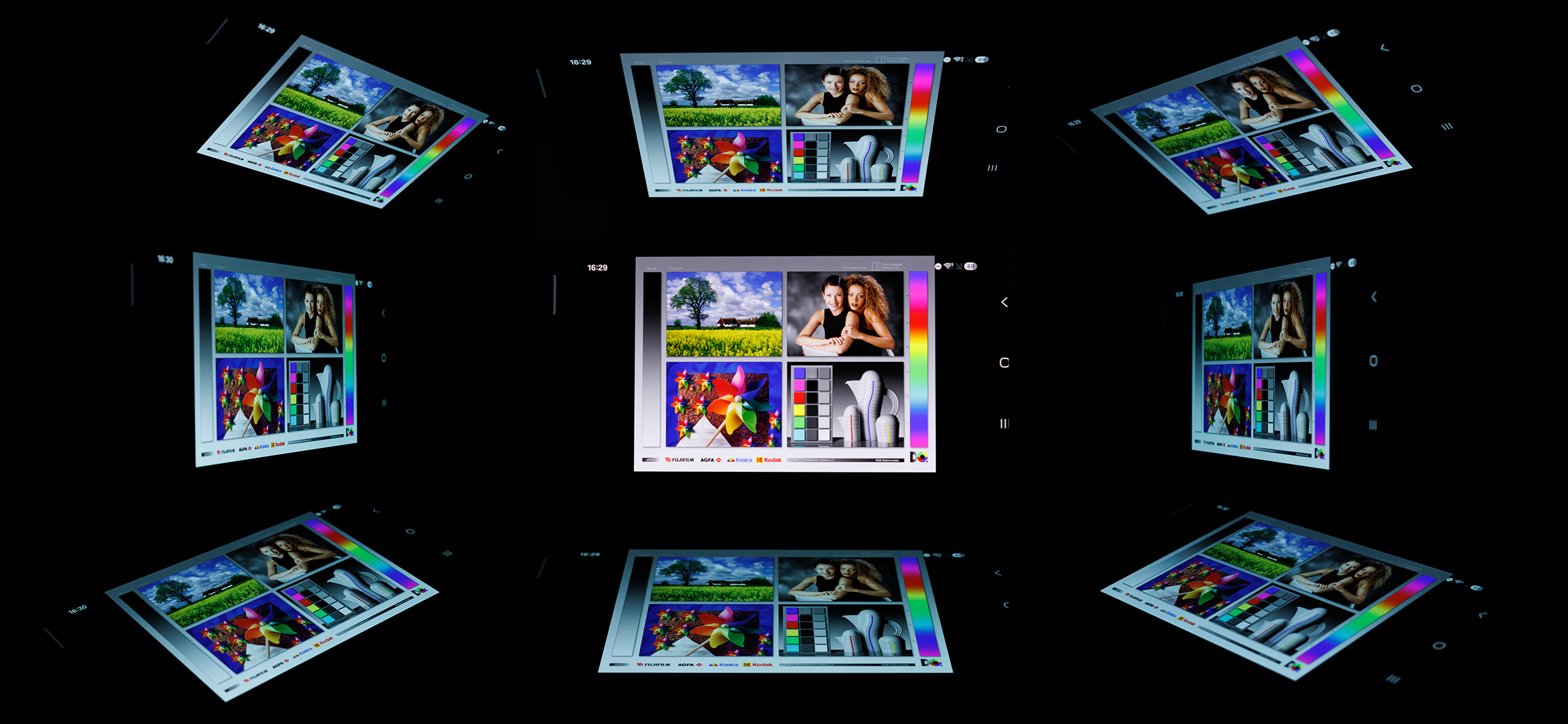
The S26's viewing angle stability is excellent. At wide viewing angles, the display simply becomes cooler and there is a slight loss of brightness.
Performance - Exynos 2600 instead of Snapdragon 8 Elite Gen 5
The Galaxy S26 has opted for Samsung's in-house SoC, the Exynos 2600, and has 12 GB of RAM at its disposal. The CPU's single-core performance is slightly lower than that of the Snapdragon 8 Elite Gen 5 found in the S26 Ultra. In the multi-core test, however, the difference is minimal.
The Exynos also delivers good results in terms of AI and system performance, which means you shouldn't experience noticeable speed differences in everyday use.
| Antutu v11 - Score | |
| Vivo X300 | |
| Samsung Galaxy S26 | |
| Average Samsung Exynos 2600 (3190793 - 3296169, n=2) | |
| Average of class Smartphone (519159 - 4450644, n=48, last 2 years) | |
| CrossMark - Overall | |
| Xiaomi 17 | |
| Samsung Galaxy S26 | |
| Average Samsung Exynos 2600 (1489 - 2257, n=3) | |
| Average of class Smartphone (376 - 2856, n=107, last 2 years) | |
| Samsung Galaxy S25 | |
| UL Procyon AI Inference for Android - Overall Score NNAPI | |
| Xiaomi 17 | |
| Samsung Galaxy S26 | |
| Average Samsung Exynos 2600 (22076 - 22393, n=2) | |
| Samsung Galaxy S25 | |
| Average of class Smartphone (2895 - 66164, n=99, last 2 years) | |
| Google Pixel 10 Pro | |
| AI Benchmark - Score V5 | |
| Google Pixel 10 Pro | |
| Average of class Smartphone (46.4 - 3334, n=17, last 2 years) | |
| Samsung Galaxy S26 | |
| Average Samsung Exynos 2600 (n=1) | |
The graphics calculations are handled by the Xclipse 960 GPU graphics processing unit implemented on the SoC. It's in this area that a difference is sometimes apparent compared to Qualcomm's current top-of-the-line SoC. However, the values in 3DMark are even better, with the Samsung SoC often coming out on top in GFXBench as well.
GFXBench (DX / GLBenchmark) 2.7: T-Rex Onscreen | 1920x1080 T-Rex Offscreen
GFXBench 3.0: on screen Manhattan Onscreen OGL | 1920x1080 1080p Manhattan Offscreen
GFXBench 3.1: on screen Manhattan ES 3.1 Onscreen | 1920x1080 Manhattan ES 3.1 Offscreen
GFXBench: on screen Car Chase Onscreen | 1920x1080 Car Chase Offscreen | on screen Aztec Ruins High Tier Onscreen | 2560x1440 Aztec Ruins High Tier Offscreen | on screen Aztec Ruins Normal Tier Onscreen | 1920x1080 Aztec Ruins Normal Tier Offscreen | 3840x2160 4K Aztec Ruins High Tier Offscreen
| 3DMark / Wild Life Extreme Unlimited | |
| Vivo X300 | |
| Samsung Galaxy S25 | |
| Samsung Galaxy S26 | |
| Xiaomi 17 | |
| Apple iPhone 17 | |
| Google Pixel 10 Pro | |
| 3DMark / Wild Life Extreme | |
| Samsung Galaxy S26 | |
| Vivo X300 | |
| Samsung Galaxy S25 | |
| Xiaomi 17 | |
| Apple iPhone 17 | |
| Google Pixel 10 Pro | |
| 3DMark / Wild Life Unlimited Score | |
| Samsung Galaxy S25 | |
| Samsung Galaxy S26 | |
| Vivo X300 | |
| Xiaomi 17 | |
| Apple iPhone 17 | |
| Google Pixel 10 Pro | |
| 3DMark / Solar Bay Score | |
| Samsung Galaxy S26 | |
| Xiaomi 17 | |
| Samsung Galaxy S25 | |
| Apple iPhone 17 | |
| 3DMark / Solar Bay Unlimited Score | |
| Samsung Galaxy S26 | |
| Xiaomi 17 | |
| Samsung Galaxy S25 | |
| Apple iPhone 17 | |
| 3DMark / Steel Nomad Light Unlimited Score | |
| Samsung Galaxy S26 | |
| Vivo X300 | |
| Xiaomi 17 | |
| Apple iPhone 17 | |
| Google Pixel 10 Pro | |
| 3DMark / Steel Nomad Light Score | |
| Samsung Galaxy S26 | |
| Vivo X300 | |
| Xiaomi 17 | |
| Apple iPhone 17 | |
| Google Pixel 10 Pro | |
| Samsung Galaxy S25 | |
| GFXBench (DX / GLBenchmark) 2.7 / T-Rex Onscreen | |
| Google Pixel 10 Pro | |
| Samsung Galaxy S25 | |
| Samsung Galaxy S26 | |
| Xiaomi 17 | |
| Vivo X300 | |
| Apple iPhone 17 | |
| GFXBench (DX / GLBenchmark) 2.7 / T-Rex Offscreen | |
| Vivo X300 | |
| Xiaomi 17 | |
| Samsung Galaxy S25 | |
| Samsung Galaxy S26 | |
| Apple iPhone 17 | |
| Google Pixel 10 Pro | |
| GFXBench 3.0 / Manhattan Onscreen OGL | |
| Google Pixel 10 Pro | |
| Samsung Galaxy S25 | |
| Samsung Galaxy S26 | |
| Xiaomi 17 | |
| Vivo X300 | |
| Apple iPhone 17 | |
| GFXBench 3.0 / 1080p Manhattan Offscreen | |
| Samsung Galaxy S25 | |
| Vivo X300 | |
| Samsung Galaxy S26 | |
| Xiaomi 17 | |
| Apple iPhone 17 | |
| Google Pixel 10 Pro | |
| GFXBench 3.1 / Manhattan ES 3.1 Onscreen | |
| Samsung Galaxy S25 | |
| Samsung Galaxy S26 | |
| Xiaomi 17 | |
| Vivo X300 | |
| Google Pixel 10 Pro | |
| Apple iPhone 17 | |
| GFXBench 3.1 / Manhattan ES 3.1 Offscreen | |
| Vivo X300 | |
| Xiaomi 17 | |
| Samsung Galaxy S26 | |
| Samsung Galaxy S25 | |
| Apple iPhone 17 | |
| Google Pixel 10 Pro | |
| GFXBench / Car Chase Onscreen | |
| Samsung Galaxy S25 | |
| Samsung Galaxy S26 | |
| Xiaomi 17 | |
| Vivo X300 | |
| Apple iPhone 17 | |
| Google Pixel 10 Pro | |
| GFXBench / Car Chase Offscreen | |
| Samsung Galaxy S25 | |
| Samsung Galaxy S26 | |
| Xiaomi 17 | |
| Vivo X300 | |
| Apple iPhone 17 | |
| Google Pixel 10 Pro | |
| GFXBench / Aztec Ruins High Tier Onscreen | |
| Samsung Galaxy S25 | |
| Samsung Galaxy S26 | |
| Xiaomi 17 | |
| Vivo X300 | |
| Google Pixel 10 Pro | |
| Apple iPhone 17 | |
| GFXBench / Aztec Ruins High Tier Offscreen | |
| Vivo X300 | |
| Samsung Galaxy S25 | |
| Samsung Galaxy S26 | |
| Xiaomi 17 | |
| Apple iPhone 17 | |
| Google Pixel 10 Pro | |
| GFXBench / Aztec Ruins Normal Tier Onscreen | |
| Samsung Galaxy S25 | |
| Samsung Galaxy S26 | |
| Xiaomi 17 | |
| Vivo X300 | |
| Google Pixel 10 Pro | |
| Apple iPhone 17 | |
| GFXBench / Aztec Ruins Normal Tier Offscreen | |
| Vivo X300 | |
| Xiaomi 17 | |
| Samsung Galaxy S25 | |
| Samsung Galaxy S26 | |
| Apple iPhone 17 | |
| Google Pixel 10 Pro | |
| GFXBench / 4K Aztec Ruins High Tier Offscreen | |
| Vivo X300 | |
| Samsung Galaxy S26 | |
| Samsung Galaxy S25 | |
| Xiaomi 17 | |
| Apple iPhone 17 | |
| Google Pixel 10 Pro | |
Surfing the internet is a smooth and easy experience with the Galaxy S26, and this is also reflected in impressive benchmark results.
| Jetstream 2 - 2.0 Total | |
| Apple iPhone 17 (Safari Mobile 26) | |
| Average Samsung Exynos 2600 (273 - 281, n=2) | |
| Samsung Galaxy S26 (Chrome 146) | |
| Google Pixel 10 Pro (Chrome 140) | |
| Average of class Smartphone (63.9 - 423, n=114, last 2 years) | |
| Speedometer 2.0 - Result 2.0 | |
| Apple iPhone 17 (Safari Mobile 26) | |
| Samsung Galaxy S26 (Chrome 146) | |
| Average Samsung Exynos 2600 (548 - 551, n=2) | |
| Google Pixel 10 Pro (Chrome 140) | |
| Average of class Smartphone (49.3 - 733, n=72, last 2 years) | |
| Speedometer 3 - Score 3.0 | |
| Apple iPhone 17 (Safari Mobile 26) | |
| Samsung Galaxy S26 (Chrome 146) | |
| Average Samsung Exynos 2600 (27.1 - 28.3, n=2) | |
| Xiaomi 17 (Chrome 141) | |
| Google Pixel 10 Pro (Chrome 140) | |
| Average of class Smartphone (3.06 - 56.5, n=80, last 2 years) | |
| WebXPRT 4 - Overall | |
| Apple iPhone 17 (Safari Mobile 26) | |
| Google Pixel 10 Pro (Chrome 140) | |
| Average of class Smartphone (56 - 278, n=89, last 2 years) | |
| Xiaomi 17 (Chrome 141) | |
| Octane V2 - Total Score | |
| Apple iPhone 17 (Safari Mobile 26) | |
| Samsung Galaxy S26 (Chrome 146) | |
| Average Samsung Exynos 2600 (85043 - 92374, n=2) | |
| Google Pixel 10 Pro (Chrome 140) | |
| Average of class Smartphone (6015 - 160221, n=129, last 2 years) | |
| Xiaomi 17 (Chrome 141) | |
| Mozilla Kraken 1.1 - Total | |
| Average of class Smartphone (216 - 2718, n=118, last 2 years) | |
| Vivo X300 (Chrome 143) | |
| Xiaomi 17 (Chrome 141) | |
| Google Pixel 10 Pro (Chrome 140) | |
| Average Samsung Exynos 2600 (374 - 388, n=3) | |
| Samsung Galaxy S26 (Chrome 146) | |
| Apple iPhone 17 (Safari Mobile 26) | |
* ... smaller is better
Although the Samsung Galaxy S26 doesn't yet use state-of-the-art UFS 4.1 storage, it still delivers good results in benchmark tests. Only the write speeds for small data blocks are somewhat poor.
| Samsung Galaxy S26 | Xiaomi 17 | Google Pixel 10 Pro | Vivo X300 | Average 256 GB UFS 4.0 Flash | Average of class Smartphone | |
|---|---|---|---|---|---|---|
| AndroBench 3-5 | 119% | 8% | 83% | 51% | 26% | |
| Sequential Read 256KB (MB/s) | 3923.49 | 3943.44 1% | 1492.74 -62% | 2056.87 -48% | 3618 ? -8% | 2279 ? -42% |
| Sequential Write 256KB (MB/s) | 2718.09 | 3784.97 39% | 1353.55 -50% | 1997.76 -27% | 2624 ? -3% | 1980 ? -27% |
| Random Read 4KB (MB/s) | 418.42 | 487.69 17% | 264.44 -37% | 332.61 -21% | 391 ? -7% | 319 ? -24% |
| Random Write 4KB (MB/s) | 124.05 | 643.31 419% | 347.84 180% | 654.09 427% | 400 ? 222% | 366 ? 195% |
Games - The Galaxy S26 does 120fps gaming
The Xclipse 960 not only delivers good benchmark results, but it also impresses in gaming, and this is something we were able to analyze in more detail using GameBench.
Simple games run smoothly at up to 120 frames per second, and these frame rates can also be achieved with reduced detail settings in more demanding titles.


Emissions - The S26 suffers significant performance dips under sustained load
Temperature
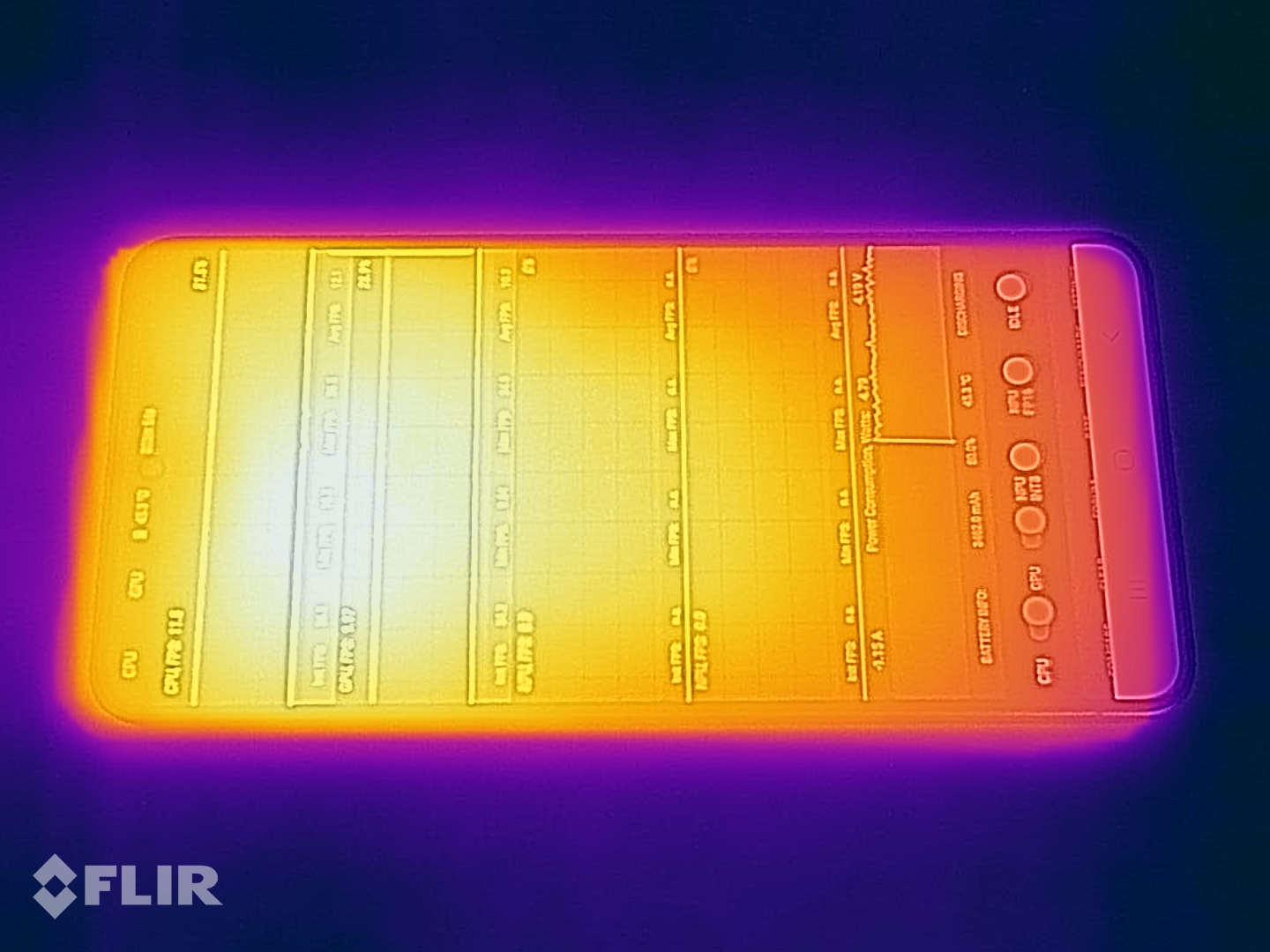
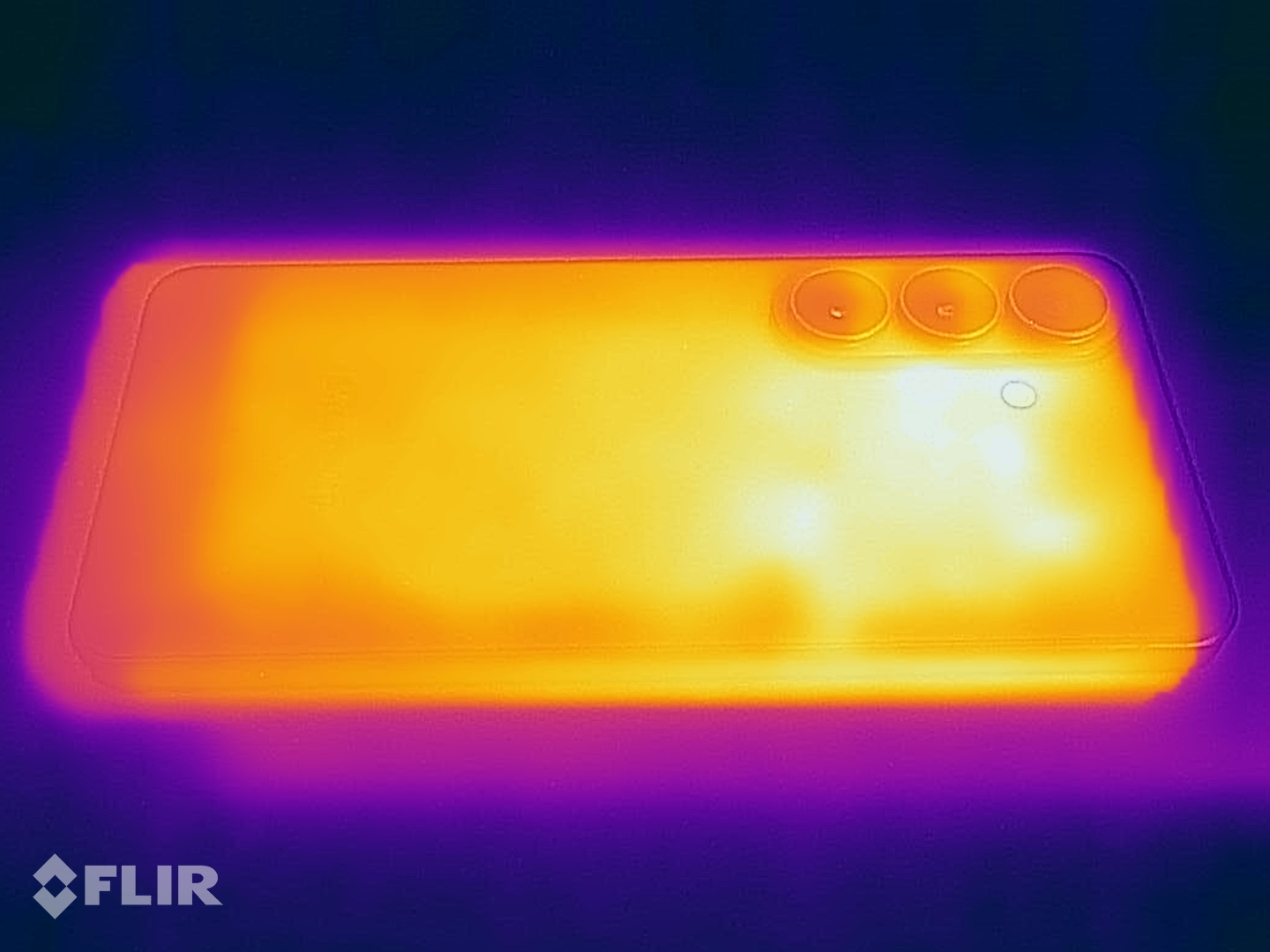
When idling, the Samsung Galaxy S26's surface temperatures are perfectly safe. However, under sustained load (something we simulated running the Burnout benchmark), these temperatures rose significantly, sometimes exceeding 45°C. While this is warm, it's not a cause for concern.
Internally, the heat was more of a problem for the Exynos processor, which lost around 50% of its original performance in the 3DMark stress test. The performance, however, remained very high, but the Xiaomi 17 demonstrates impressively that more is possible.
(-) The maximum temperature on the upper side is 45.5 °C / 114 F, compared to the average of 35.4 °C / 96 F, ranging from 21.9 to 247 °C for the class Smartphone.
(±) The bottom heats up to a maximum of 43.9 °C / 111 F, compared to the average of 34.1 °C / 93 F
(+) In idle usage, the average temperature for the upper side is 25 °C / 77 F, compared to the device average of 33 °C / 91 F.
3DMark Stress Tests
| 3DMark | |
| Wild Life Stress Test Stability | |
| Apple iPhone 17 | |
| Google Pixel 10 Pro | |
| Xiaomi 17 | |
| Vivo X300 | |
| Samsung Galaxy S25 | |
| Samsung Galaxy S26 | |
| Wild Life Extreme Stress Test | |
| Google Pixel 10 Pro | |
| Xiaomi 17 | |
| Apple iPhone 17 | |
| Samsung Galaxy S26 | |
| Samsung Galaxy S25 | |
| Vivo X300 | |
| Solar Bay Stress Test Stability | |
| Xiaomi 17 | |
| Apple iPhone 17 | |
| Samsung Galaxy S25 | |
| Samsung Galaxy S26 | |
| Steel Nomad Light Stress Test Stability | |
| Google Pixel 10 Pro | |
| Xiaomi 17 | |
| Apple iPhone 17 | |
| Vivo X300 | |
| Samsung Galaxy S26 | |
Speakers
The Galaxy S26's two speakers deliver decent sound, but as expected, they're a bit underwhelming in the bass range. This makes the sound somewhat unbalanced when the volume is turned up.
Alternatively, you can also output sound via USB or Bluetooth, although the latter doesn't offer broad codec support. Unlike the S26 Ultra, the small Samsung smartphone cannot launch an Auracast broadcast.
Samsung Galaxy S26 audio analysis
(+) | speakers can play relatively loud (92.4 dB)
Bass 100 - 315 Hz
(-) | nearly no bass - on average 20.1% lower than median
(+) | bass is linear (4.4% delta to prev. frequency)
Mids 400 - 2000 Hz
(±) | higher mids - on average 5.6% higher than median
(+) | mids are linear (4.8% delta to prev. frequency)
Highs 2 - 16 kHz
(+) | balanced highs - only 4.7% away from median
(+) | highs are linear (5.3% delta to prev. frequency)
Overall 100 - 16.000 Hz
(±) | linearity of overall sound is average (16.3% difference to median)
Compared to same class
» 7% of all tested devices in this class were better, 5% similar, 88% worse
» The best had a delta of 11%, average was 34%, worst was 136%
Compared to all devices tested
» 27% of all tested devices were better, 6% similar, 67% worse
» The best had a delta of 4%, average was 23%, worst was 136%
Apple iPhone 17 audio analysis
(±) | speaker loudness is average but good (81.3 dB)
Bass 100 - 315 Hz
(±) | reduced bass - on average 9.2% lower than median
(±) | linearity of bass is average (11.6% delta to prev. frequency)
Mids 400 - 2000 Hz
(+) | balanced mids - only 3.1% away from median
(+) | mids are linear (6% delta to prev. frequency)
Highs 2 - 16 kHz
(±) | higher highs - on average 5.1% higher than median
(±) | linearity of highs is average (7.7% delta to prev. frequency)
Overall 100 - 16.000 Hz
(+) | overall sound is linear (14.8% difference to median)
Compared to same class
» 2% of all tested devices in this class were better, 3% similar, 96% worse
» The best had a delta of 11%, average was 34%, worst was 136%
Compared to all devices tested
» 20% of all tested devices were better, 4% similar, 75% worse
» The best had a delta of 4%, average was 23%, worst was 136%
Battery runtime - The Samsung phone packs a 4,300 mAh battery
Power consumption
The Galaxy S26's power consumption is on the low side, but still slightly higher than the S25's. However, this changes somewhat with adjusted display brightness, with the S26 proving itself to be very energy-efficient in the GFXBench test.
The Samsung smartphone still only charges at 25 watts via cable, and a full charge took 79 minutes in our tests (50%: 26 min; 80%: 47 min). The S26 supports wireless and reverse charging.
| Off / Standby |   0.03 / 0.29 Watt 0.03 / 0.29 Watt |
| Idle |  0.45 / 0.75 / 0.93 Watt 0.45 / 0.75 / 0.93 Watt |
| Load |
12.4 / 16.75 Watt |
    
| |
Key:
min: ,
med: ,
max: Metrahit Energy | |
| Samsung Galaxy S26 4300 mAh | Xiaomi 17 7000 mAh | Google Pixel 10 Pro 4870 mAh | Vivo X300 5360 mAh | Samsung Galaxy S25 4000 mAh | Apple iPhone 17 3692 mAh | Average Samsung Exynos 2600 | Average of class Smartphone | |
|---|---|---|---|---|---|---|---|---|
| Power Consumption | -29% | -68% | -109% | -13% | -42% | -17% | -39% | |
| Idle Minimum * (Watt) | 0.45 | 0.7 -56% | 1.01 -124% | 0.6 -33% | 0.47 -4% | 1.1 -144% | 0.52 ? -16% | 0.903 ? -101% |
| Idle Average * (Watt) | 0.75 | 1.4 -87% | 1.65 -120% | 2.02 -169% | 1.04 -39% | 1.3 -73% | 1.067 ? -42% | 1.477 ? -97% |
| Idle Maximum * (Watt) | 0.93 | 1.7 -83% | 2.05 -120% | 2.08 -124% | 1.07 -15% | 1.5 -61% | 1.18 ? -27% | 1.679 ? -81% |
| Load Average * (Watt) | 12.4 | 5.9 52% | 7.25 42% | 13.33 -8% | 7.6 39% | 12.4 ? -0% | 6.64 ? 46% | |
| Load Maximum * (Watt) | 16.75 | 11.7 30% | 19.78 -18% | 16.38 2% | 12 28% | 16.8 ? -0% | 10.5 ? 37% |
* ... smaller is better
Power consumption: Geekbench (150 cd/m²)
Power consumption: GFXbench (150 cd/m²)
Battery life
Despite its 2nm chipset and larger battery, the Samsung Galaxy S26 failed to consistently translate this into longer battery life in our tests. Although the battery life is slightly higher compared to its predecessor, it proved somewhat weaker in real-world Wi-Fi testing.
| Samsung Galaxy S26 4300 mAh | Xiaomi 17 7000 mAh | Google Pixel 10 Pro 4870 mAh | Vivo X300 5360 mAh | Samsung Galaxy S25 4000 mAh | Apple iPhone 17 3692 mAh | |
|---|---|---|---|---|---|---|
| Battery runtime | 45% | -7% | 11% | -6% | 21% | |
| Reader / Idle (h) | 51 | 72.7 43% | 33.1 -35% | 45.2 -11% | 66.7 31% | |
| H.264 (h) | 28.7 | 36.1 26% | 24 -16% | 26.5 -8% | 29.4 2% | |
| WiFi v1.3 (h) | 17.7 | 30.9 75% | 21.1 19% | 19.6 11% | 18 2% | 20.1 14% |
| Load (h) | 3.2 | 4.3 34% | 3.3 3% | 3 -6% | 4.4 38% |
Notebookcheck overall rating
First and foremost, the Galaxy S26 is a careful update packing a new Exynos 2600 chip, larger battery and good display, but it falls short in the areas of camera, charging and long-term performance.
Samsung Galaxy S26
- 04/27/2026 v8
Daniel Schmidt
 Total Sustainability Score:
 Possible alternatives compared
Image | Model / Review | Price | Weight | Drive | Display |
|---|---|---|---|---|---|
1. 88.3%  | Samsung Galaxy S26 Samsung Exynos 2600 ⎘ Samsung Xclipse 960 ⎘ 12 GB Memory, 256 GB UFS 4.x | List Price: 999€ | 167 g | 256 GB UFS 4.0 Flash | 6.30" 2340x1080 409 PPI Dynamic AMOLED 2XDynamic AMOLED 2X, 8 Bit color depth |
2. 89.2%  | Xiaomi 17 Qualcomm Snapdragon 8 Elite Gen 5 ⎘ Qualcomm Adreno 840 ⎘ 12 GB Memory, 512 GB UFS 4.x | List Price: 650€ | 191 g | 512 GB UFS 4.1 Flash | 6.30" 2656x1220 464 PPI LTPO AMOLED |
3. 88.9%  | Google Pixel 10 Pro Google Tensor G5 ⎘ IMG DXT-48-1536 ⎘ 16 GB Memory, 256 GB UFS 4.x | List Price: 1199€ | 207 g | 256 GB UFS 4.0 Flash | 6.30" 2856x1280 497 PPI OLED |
4. 88%  | Vivo X300 MediaTek Dimensity 9500 ⎘ Arm Mali G1- Ultra MC12 ⎘ 12 GB Memory, 256 GB UFS 4.x | List Price: 1049€ | 190 g | 256 GB UFS 4.1 Flash | 6.31" 2640x1216 461 PPI AMOLED |
5. 87.9%  | Apple iPhone 17 Apple A19 ⎘ Apple A19 GPU ⎘ 8 GB Memory, 256 GB NVMe | List Price: 949 Euro | 177 g | 256 GB NVMe | 6.30" 2622x1206 460 PPI OLED |
Transparency
The selection of devices to be reviewed is made by our editorial team. The test sample was provided to the author as a loan by the manufacturer or retailer for the purpose of this review. The lender had no influence on this review, nor did the manufacturer receive a copy of this review before publication. There was no obligation to publish this review. As an independent media company, Notebookcheck is not subjected to the authority of manufacturers, retailers or publishers.
This is how Notebookcheck is testing
Every year, Notebookcheck independently reviews hundreds of laptops and smartphones using standardized procedures to ensure that all results are comparable. We have continuously developed our test methods for around 20 years and set industry standards in the process. In our test labs, high-quality measuring equipment is utilized by experienced technicians and editors. These tests involve a multi-stage validation process. Our complex rating system is based on hundreds of well-founded measurements and benchmarks, which maintains objectivity. Further information on our test methods can be found here.
 Add as a preferred source on Google


