




Exynos 2600 is a bright spot for Samsung’s premium smartphones
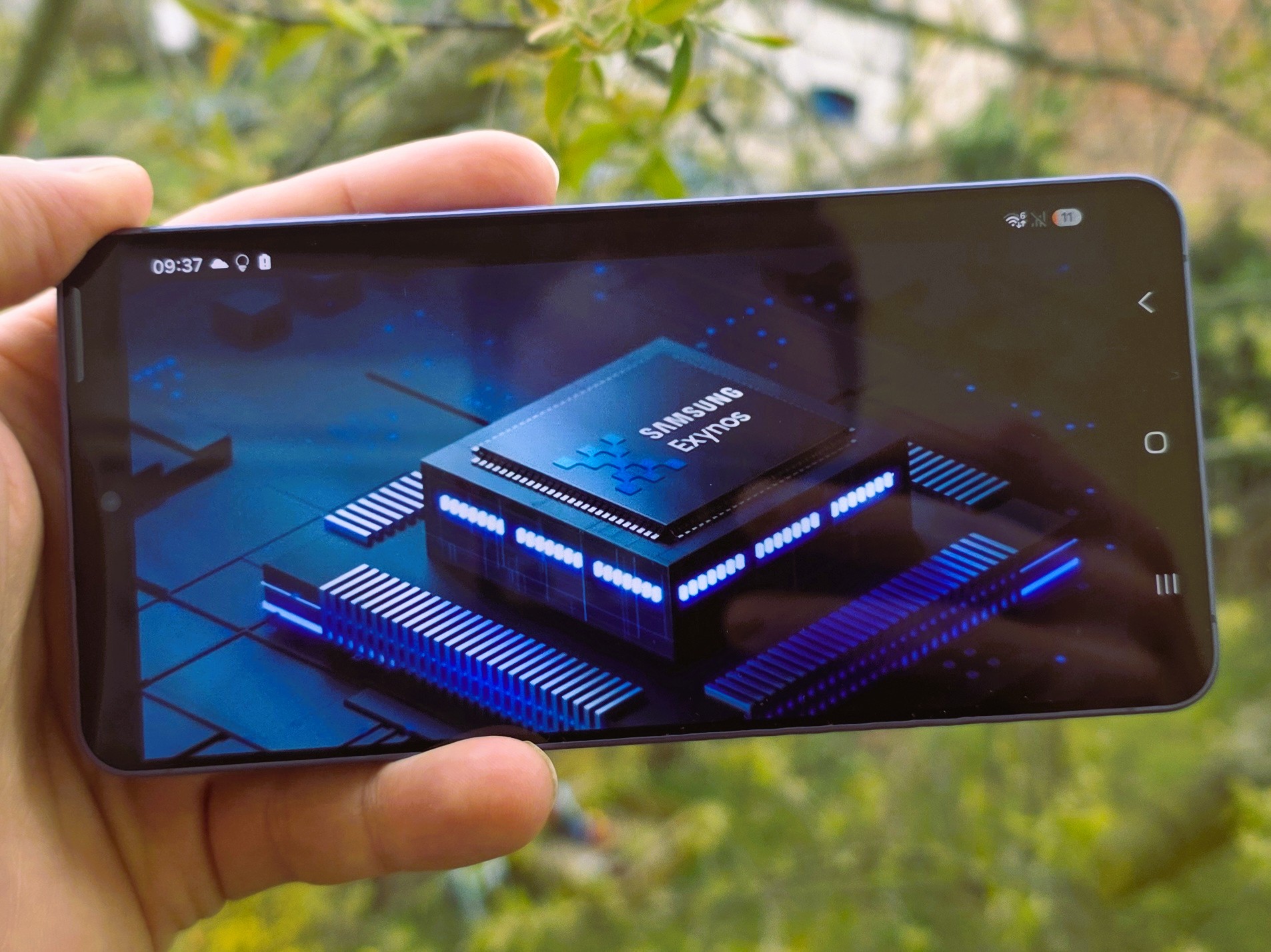
The need for powerful chipsets is growing, so expectations for Samsung's Exynos 2600 were anything but low ahead of its launch. The new high-end SoC from the South Korean company is manufactured using a new 2nm GAA process that is finally expected to provide a real alternative to TSMC's 3nm and 2nm processors. Wait times for the Taiwanese contract chipmaker's most advanced process nodes currently stretch into 2027 or even 2028. Therefore, the importance of a competitive Exynos 2600 extends beyond Samsung's own premium phones to the smartphone market as a whole.
Samsung's first 2nm chipset uses a total of 10 cores based on the ARM Lumex architecture, similar to MediaTek's Dimensity 9500. At the center of the SoC is one C1 Ultra prime core clocked at up to 3.8 GHz, while three C1 Pro cores run at up to 3.25 GHz and six C1 Pro cores reach up to 2.75 GHz. It also includes an Xclipse 960 GPU, which will have to prove itself in gaming tests as well.
New Samsung flagship SoC is on par with the competition
In our review of the Galaxy S26 Plus (available from $999 on Amazon), the Exynos 2600 lands a fair bit behind devices with the Snapdragon 8 Elite Gen 5 in Geekbench single-core performance. The Samsung SoC is still fast, but it only shows a meaningful advantage over the Snapdragon 8 Elite for Galaxy in the Galaxy S25 Plus in multi-core performance.
| Geekbench 5.5 | |
| Multi-Core | |
| Samsung Galaxy S26+ | |
| Samsung Galaxy S25+ | |
| Single-Core | |
| Samsung Galaxy S25+ | |
| Samsung Galaxy S26+ | |
| GFXBench | |
| 1920x1080 Aztec Ruins Normal Tier Offscreen | |
| Samsung Galaxy S26 Ultra | |
| Samsung Galaxy S26+ | |
| Samsung Galaxy S25+ | |
| 2560x1440 Aztec Ruins High Tier Offscreen | |
| Samsung Galaxy S26 Ultra | |
| Samsung Galaxy S26+ | |
| Samsung Galaxy S25+ | |
The efficiency of a modern SoC is almost as important as its peak performance. To measure it, we record the smartphones' power consumption at a standardized brightness level.
Samsung seems to have done a solid job with the GPU in particular, because in GFXBench the Galaxy S26 Plus uses less power than its predecessor despite delivering higher scores. Compared with the Snapdragon 8 Elite Gen 5, the Exynos 2600 appears to be slightly less efficient. The differences are not especially big, though.
That said, the Samsung SoC does run into a "problem" in everyday use when it comes to battery life.

 Add as a preferred source on Google


