




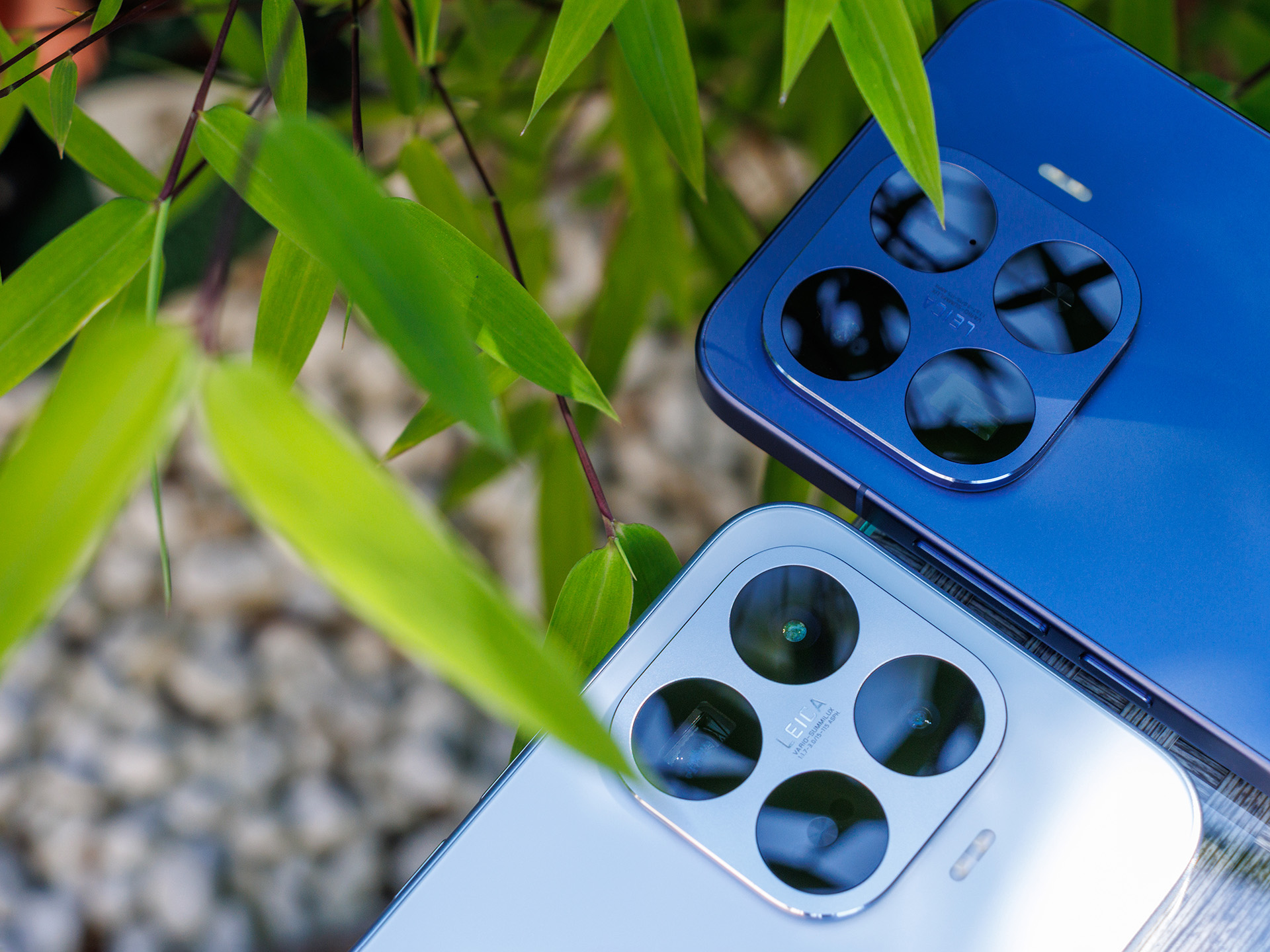
Verdict on the Xiaomi 17T Pro
|The Xiaomi 17T Pro is a logical upgrade that builds on the key strengths of its predecessor. The new Dimensity 9500 delivers plenty of power; the exceptionally bright and color-accurate AMOLED display remains one of the device’s major strengths; and the Leica camera system impresses with a powerful main lens and a well-designed 5x periscope zoom. The 7,000-mAh battery takes the smartphone’s battery life to a whole new level. Despite its high performance, heat buildup remains manageable in everyday use, though the device does throttle significantly under prolonged heavy use.
|The biggest weaknesses lie in areas where Xiaomi has failed to make consistent improvements over the years. The USB port still operates only at the slow USB 2.0 standard and does not support video output. The ultra-wide-angle camera falls significantly short compared with the other cameras; the speakers sound good only at moderate volumes, and voice quality suffers in significant ambient noise. Added to this are pre-installed third-party apps and ads within the system. The update guarantee is decent but doesn’t match that of leading competitors.
Pros
Cons
Price and Availability
The Xiaomi 17T Pro can be purchased directly from the Xiaomi Store, where it is available in the following storage configurations: 12 / 256 GB (MSRP: 900 euros), 12/512 GB (MSRP: 1,000 euros), and 12/1,024 GB (MSRP: 1,100 euros).
Alternatively, it’s available at a lower price at ComputerUniverse, or with a contract at Sparhandy.

- $779.50XIAOMI 17T PRO Ai 5G (Compatible with Tmobile Mint Tello & Global) (512GB + 12GB) NFC Global ROM Unlocked 50MP Triple Pro Leica Cam eSIM 6.83" 144Mhz Model 2506BPN68G Liberado (Deep Blue)
- $779.50XIAOMI 17T PRO Ai 5G (Compatible with Tmobile Mint Tello & Global) (512GB + 12GB) NFC Global ROM Unlocked 50MP Triple Pro Leica Cam eSIM 6.83" 144Mhz Model 2602EPTC0G Liberado (Black)
- $699.50XIAOMI 17T PRO Ai 5G (Compatible with Tmobile Mint Tello & Global) (256GB + 12GB) NFC Global ROM Unlocked 50MP Triple Pro Leica Cam eSIM 6.83" 144Mhz Model 2602EPTC0G Liberado (Deep Blue)
Table of Contents
- Verdict on the Xiaomi 17T Pro
- Specifications: Xiaomi 17T Pro
- Case - Xiaomi Phone Is IP68 Certified
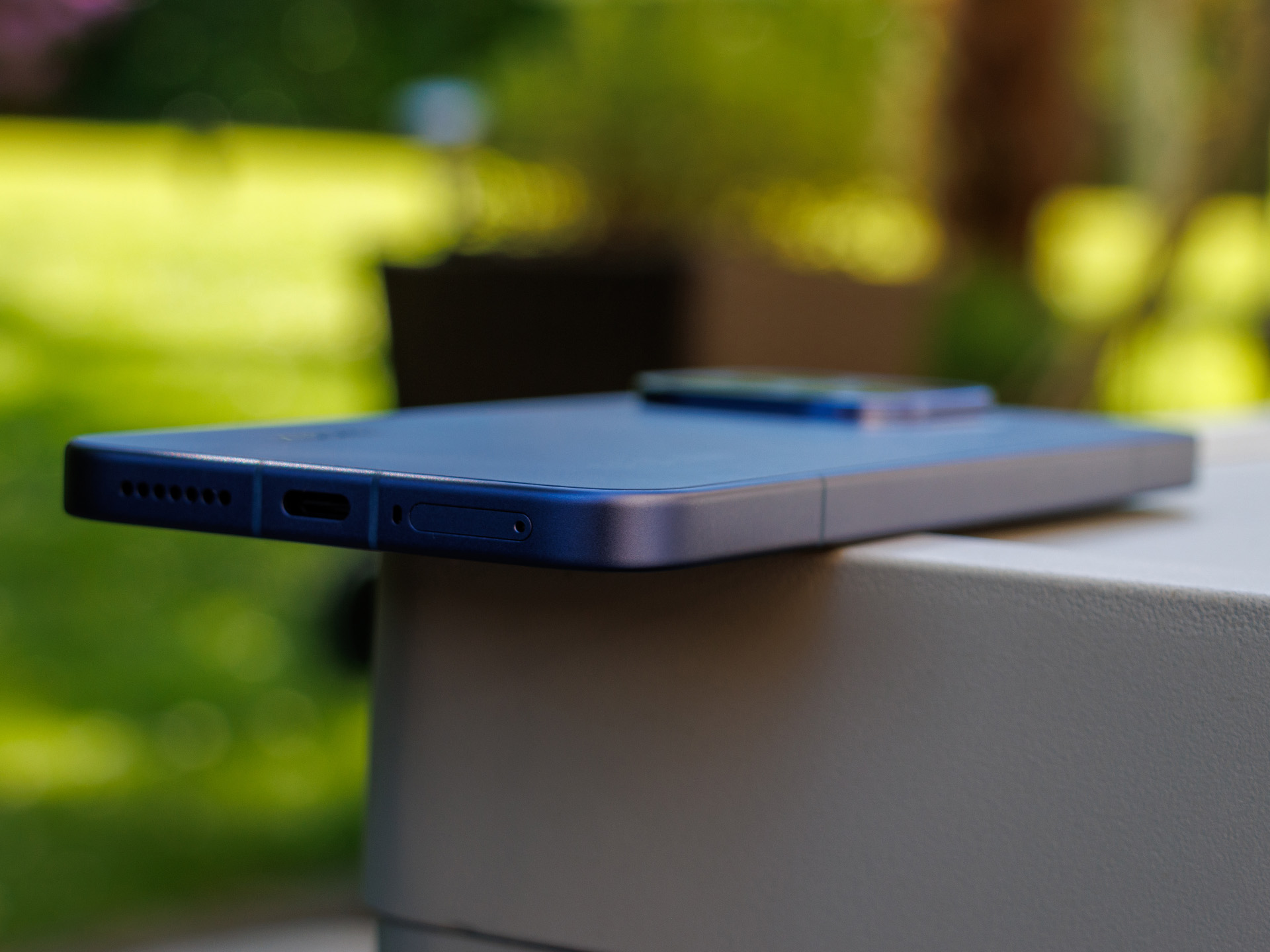
- Features - Xiaomi 17T Pro with USB 2.0 only
- Software - 17T Pro Will Also Receive Android 21
- Communication and GNSS - Smartphone with Incredible Wi-Fi 7
- Phone Features and Call Quality
- Cameras - A Powerful Leica Trio in the 17T Pro
- Accessories and Warranty - Does not include a power adapter, but does include a case
- Input Devices and Operation - 17T Pro Features an Optical Fingerprint Sensor
- Display - Bright and accurate AMOLED with DC dimming
- Performance - Dimensity 9500 in the Xiaomi 17T Pro
- Emissions - Slower than the Exynos under load
- Battery Life—Reaching Runtime Heaven with 7,000 mAh
- Notebookcheck Overall Rating
- Possible Alternatives Comparison
The Xiaomi 15T Pro set new standards in the upper mid-range segment last year, and now, the Xiaomi 17T Pro aims to raise the bar even higher. Instead of a cautious model refresh, Xiaomi is introducing noticeable changes, particularly under the hood: the new Dimensity 9500 chip replaces the Dimensity 9400+, the battery capacity increases from 5,500 to a whopping 7,000 mAh, and it supports faster charging at up to 100 watts. The Leica camera has also been further refined: the new main camera with Light Fusion 950 is designed to deliver better results, especially in challenging lighting conditions.
However, more power and a larger battery alone don’t make for a better smartphone. The key question is whether Xiaomi has specifically built on the strengths of the 15T Pro and addressed any potential weaknesses. Our review shows how the Xiaomi 17T Pro performs in everyday use and whether the upgrade is worth the extra cost.
Specifications: Xiaomi 17T Pro
Case - Xiaomi Phone Is IP68 Certified
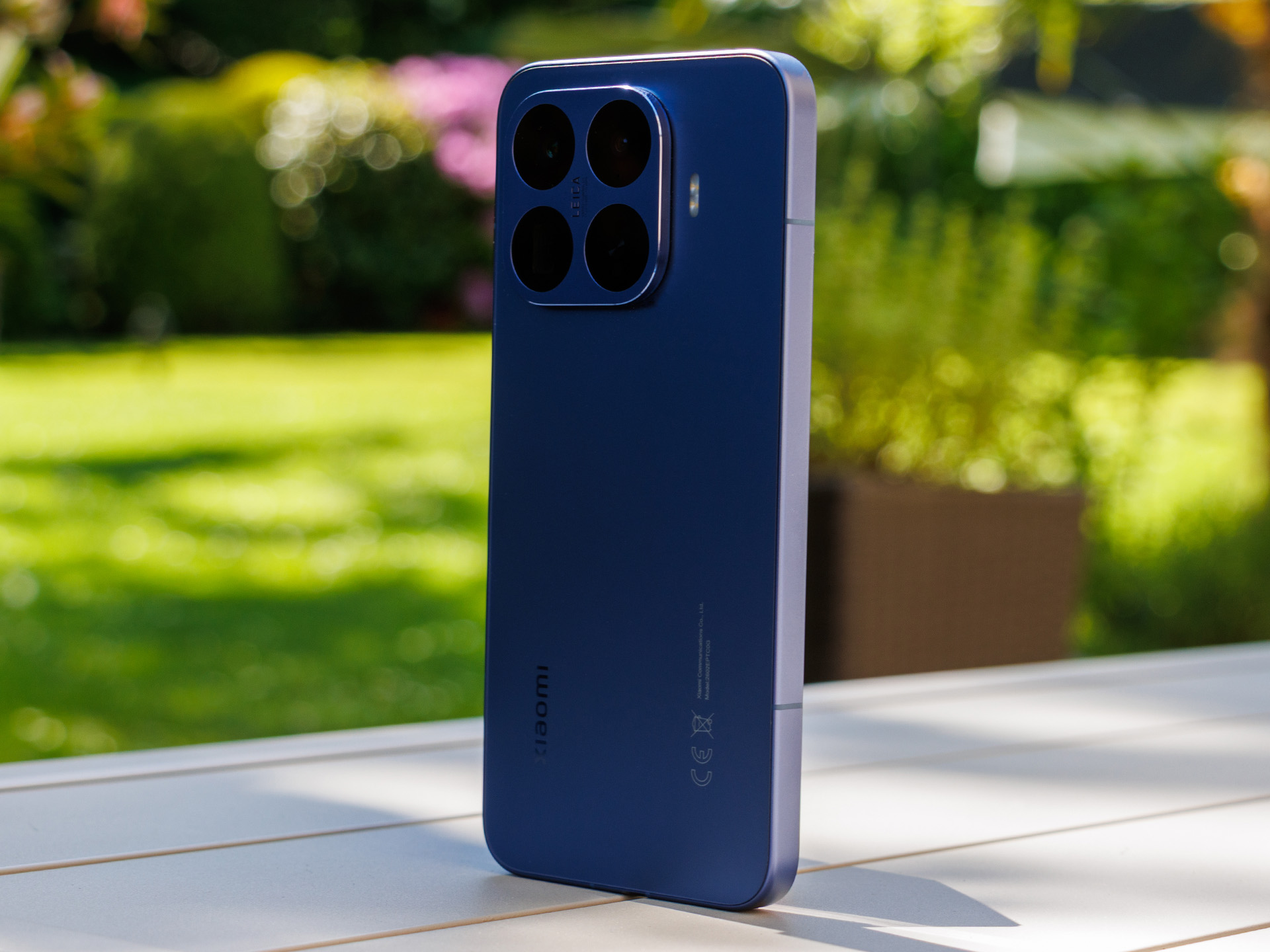
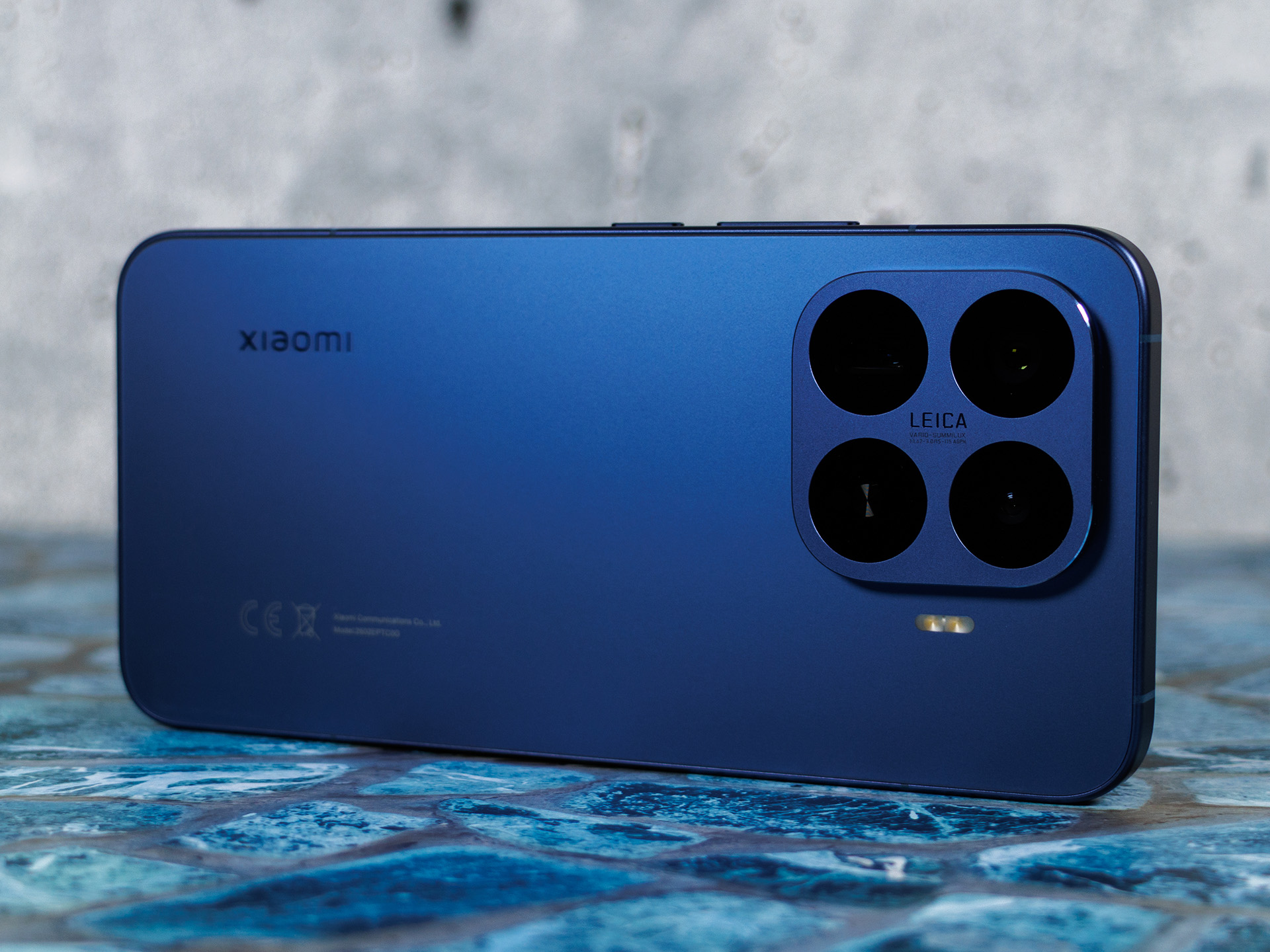
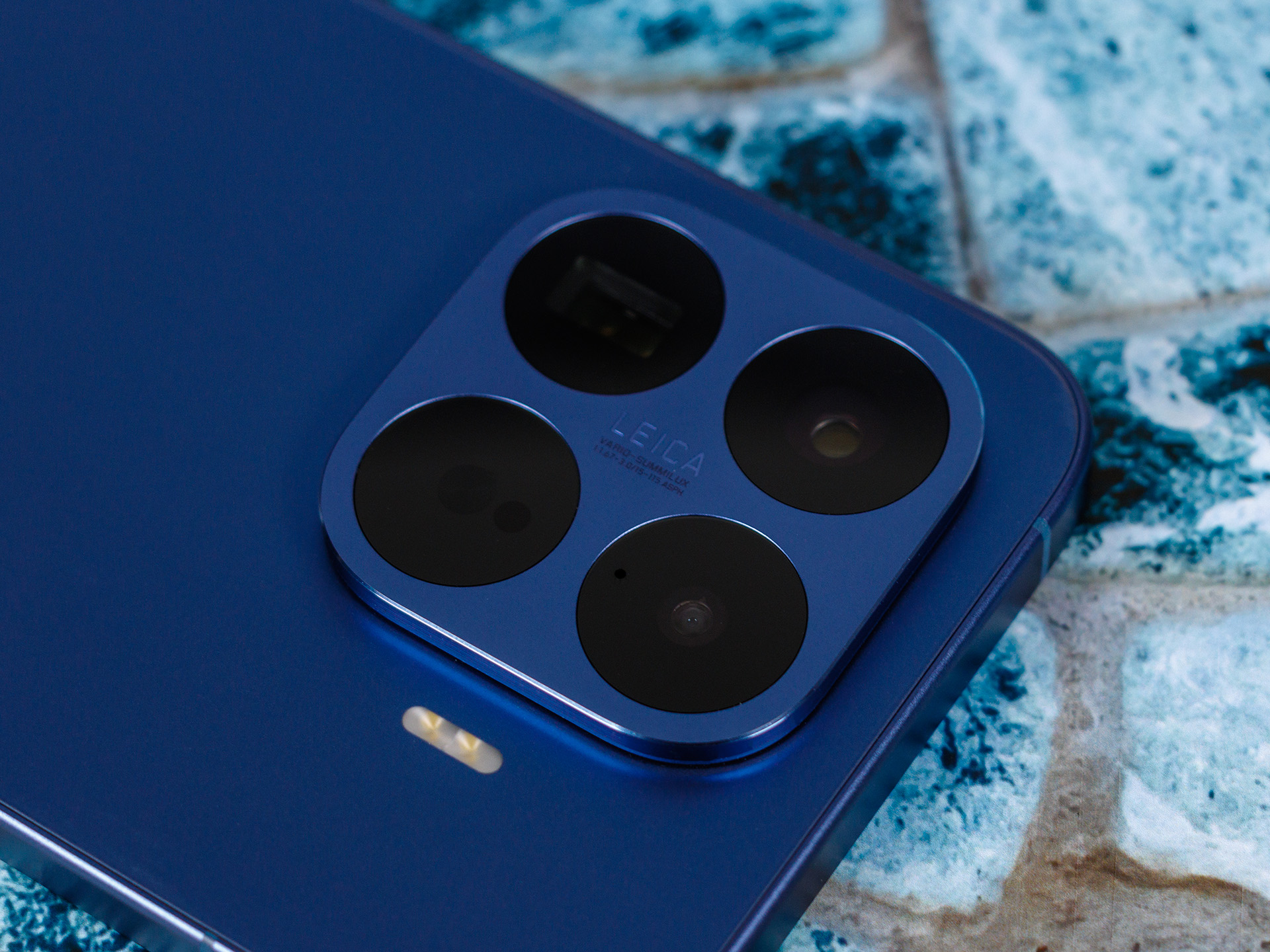
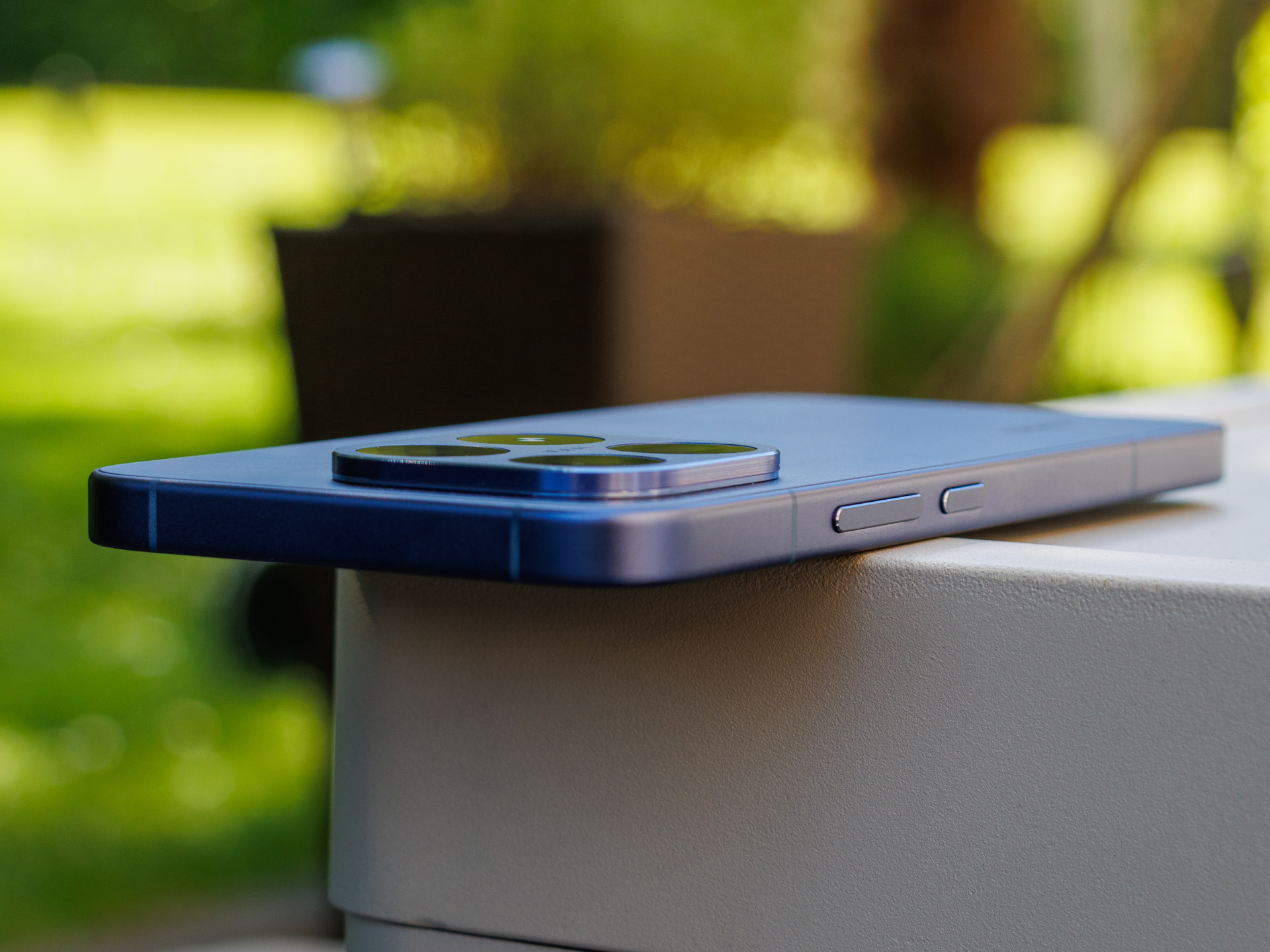
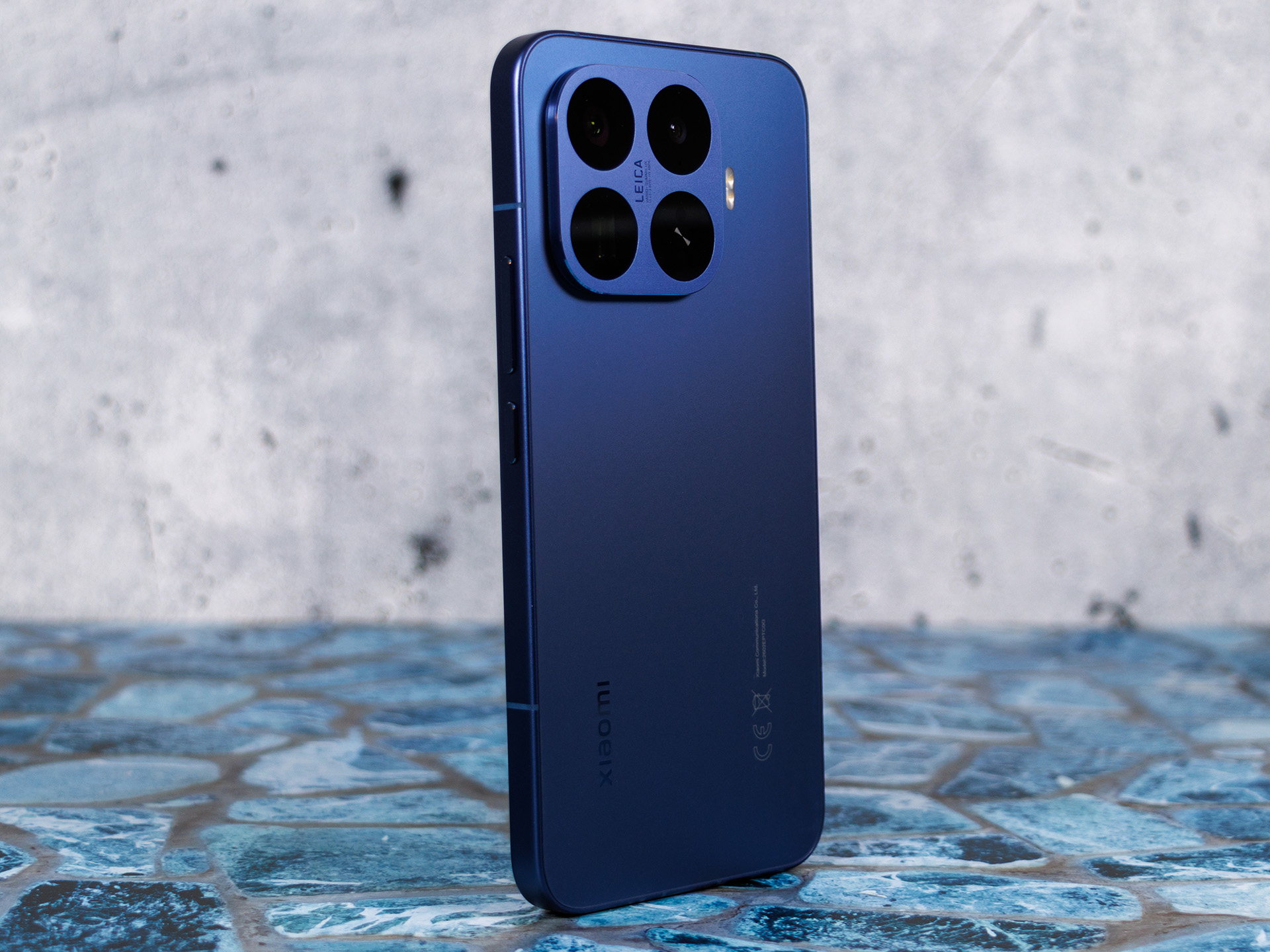
The Xiaomi 17T Pro has a nominal thickness of 8.25 mm, which our measurements confirm. With the camera module, it measures up to 11.7 mm. It is available in Deep Blue (our test unit), Black, and Deep Violet variants.
The build quality feels premium, thanks in large part to the matte aluminum frame. The front is protected by Corning Gorilla Glass 7i, while the back is made of fiberglass. The bezels are tight-fitting and uniform, but the device creaks noticeably under torsion.
The 17T Pro is IP68-certified, making it both dustproof and waterproof.
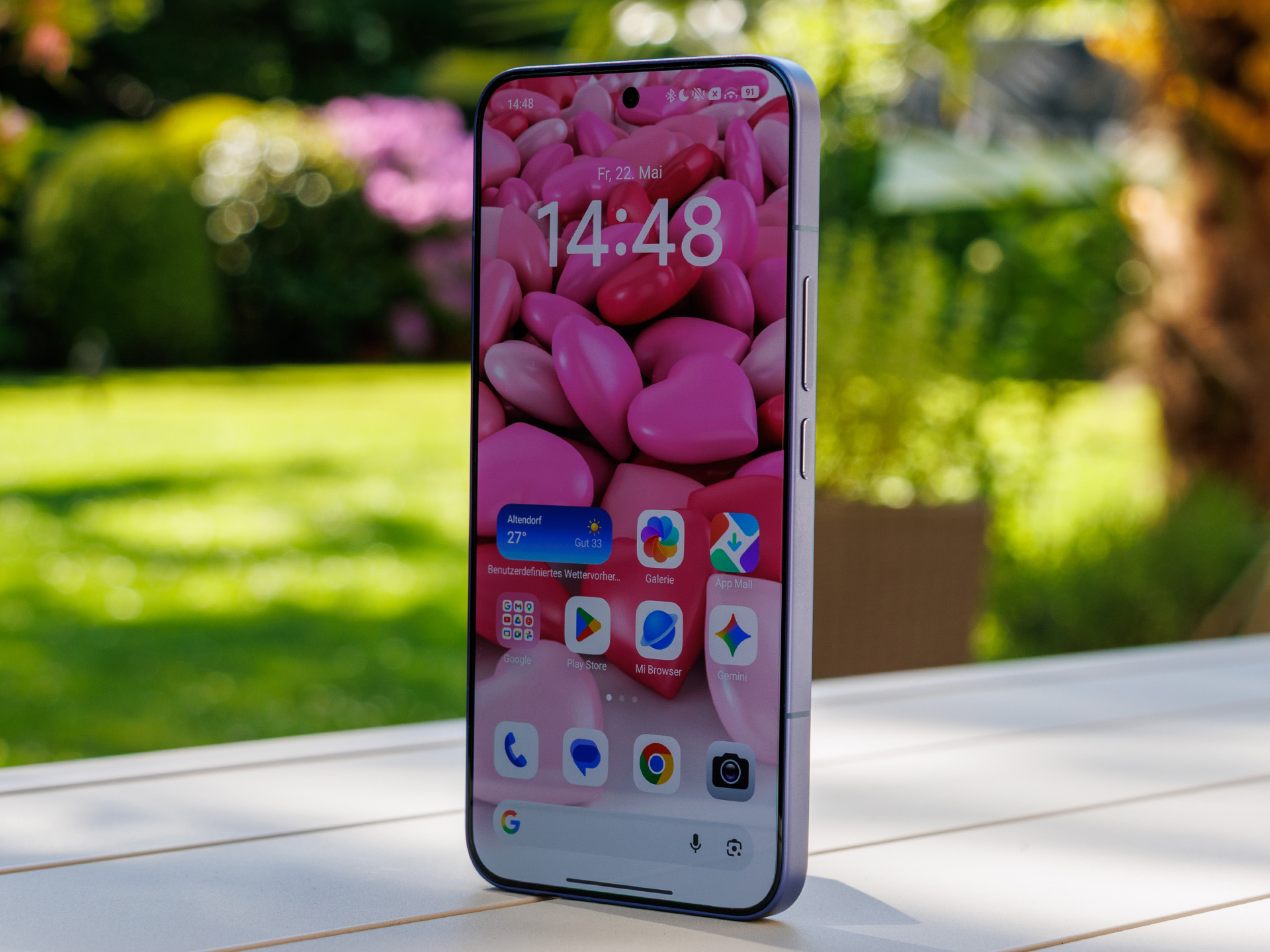
Features - Xiaomi 17T Pro with USB 2.0 only
The Xiaomi 17T Pro’s features are high-end in many areas, ranging from wireless connectivity and cameras to the battery and associated charging technology.
However, when it comes to the USB port, Xiaomi remains conservative and continues to rely on a full-size USB 2.0 port without video output.
Software - 17T Pro Will Also Receive Android 21
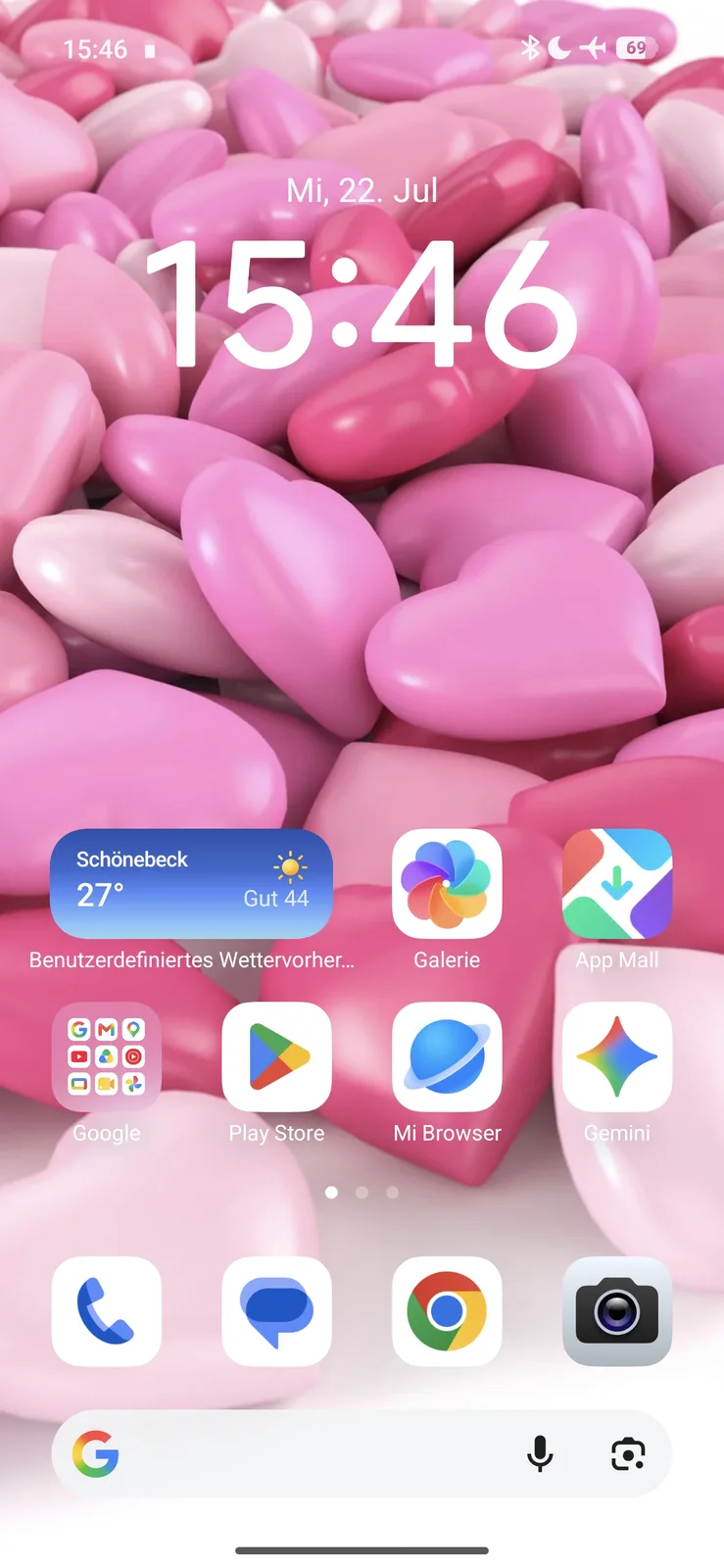
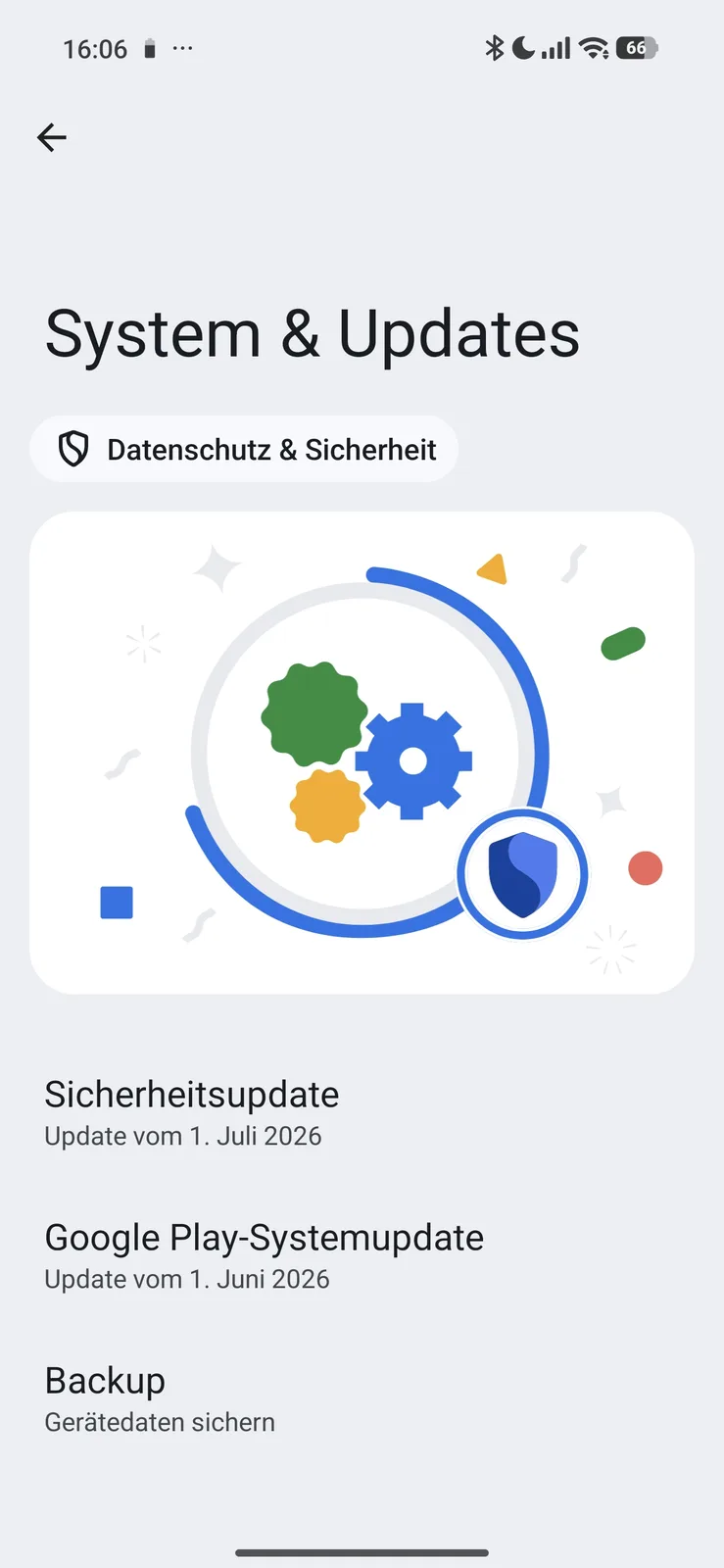
The Xiaomi 17T Pro ships with Android 16 and HyperOS 3.0 and is expected to receive five years of version updates and six years of security patches. These are long timeframes, but Samsung, Google, and Honor show that even more is possible.
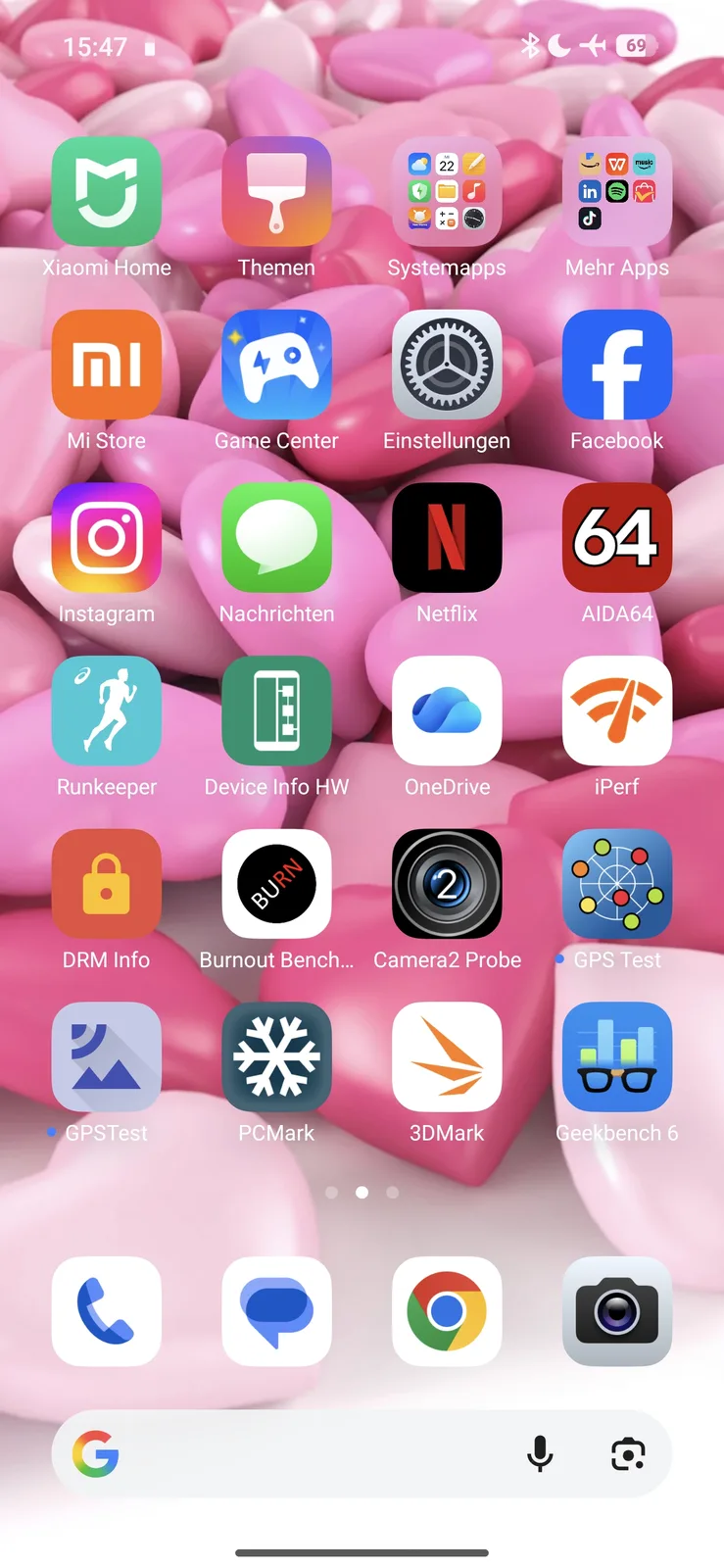
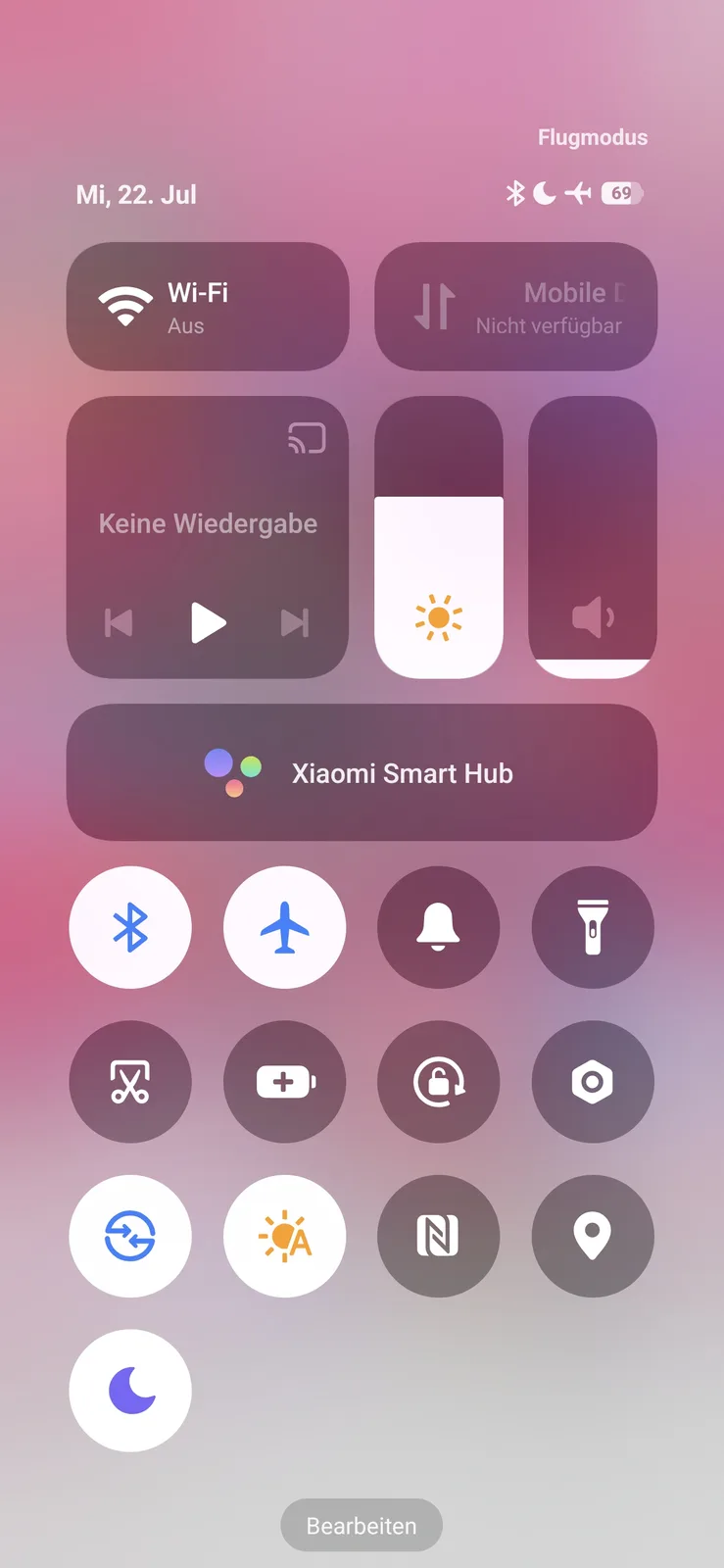
Advertising is also built into the 17T Pro’s system, though to a lesser extent than on budget devices. However, Xiaomi is by no means shy about third-party apps and preinstalls numerous ones, all of which can be uninstalled.
Sustainability
The Xiaomi 17T Pro comes in surprisingly thick packaging, which, however, contains no visible plastic components. Xiaomi does not provide any specific information regarding sustainability or the materials used.
Repair guides and replacement parts were not yet available from Xiaomi at the time of testing; however, since the Xiaomi 15T Pro was part of the self-repair program, it is likely that the 17T Pro will also be added to the program soon.
Communication and GNSS - Smartphone with Incredible Wi-Fi 7
The frequency bands supported for mobile communications are broad and have only a few gaps, which, however, have not been an issue in Europe so far. Reception is good in everyday use and gives no cause for criticism.
For Wi-Fi, the Xiaomi 17T Pro offers fast Wi-Fi 7 and, when paired with our reference router, the Asus RT-BE96U, delivers extremely high data transfer rates.
| Networking | |
| Xiaomi 17T Pro | |
| iperf3 transmit Wi-Fi6/7 RT-BE96U | |
| iperf3 receive Wi-Fi6/7 RT-BE96U | |
| Vivo X300 FE | |
| iperf3 transmit Wi-Fi6/7 RT-BE96U | |
| iperf3 receive Wi-Fi6/7 RT-BE96U | |
| Samsung Galaxy S26+ | |
| iperf3 transmit AXE11000 | |
| iperf3 receive AXE11000 | |
| iperf3 transmit AXE11000 6GHz | |
| iperf3 receive AXE11000 6GHz | |
| Xiaomi Poco F8 Ultra | |
| iperf3 transmit AXE11000 | |
| iperf3 receive AXE11000 | |
| Xiaomi 17 | |
| iperf3 transmit AXE11000 6GHz | |
| iperf3 receive AXE11000 6GHz | |
| Average 802.11 a/b/g/n/ac/ax/be | |
| iperf3 transmit AXE11000 | |
| iperf3 receive AXE11000 | |
| iperf3 transmit AXE11000 6GHz | |
| iperf3 receive AXE11000 6GHz | |
| iperf3 transmit Wi-Fi6/7 RT-BE96U | |
| iperf3 receive Wi-Fi6/7 RT-BE96U | |
| Average of class Smartphone | |
| iperf3 transmit AXE11000 | |
| iperf3 receive AXE11000 | |
| iperf3 transmit AXE11000 6GHz | |
| iperf3 receive AXE11000 6GHz | |
| iperf3 transmit Wi-Fi6/7 RT-BE96U | |
| iperf3 receive Wi-Fi6/7 RT-BE96U | |
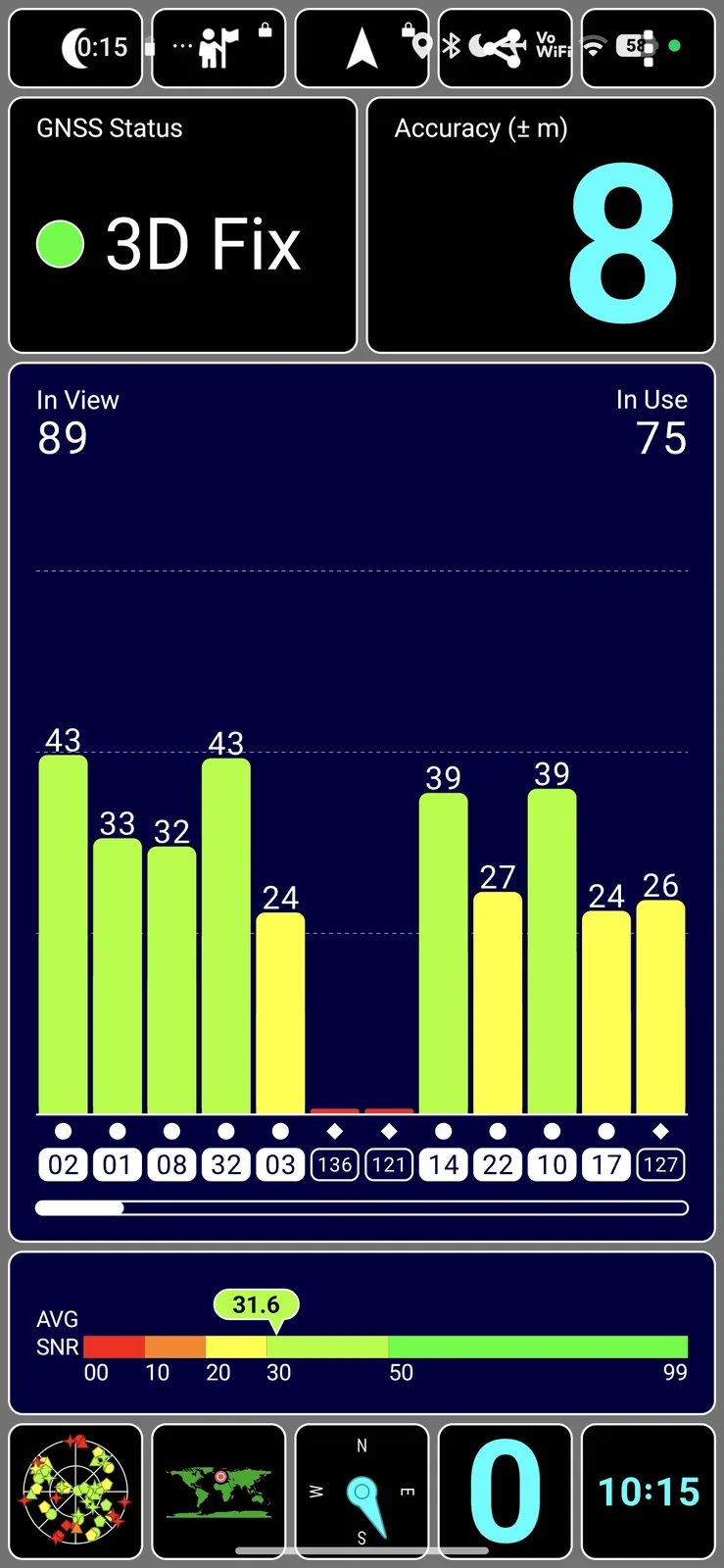
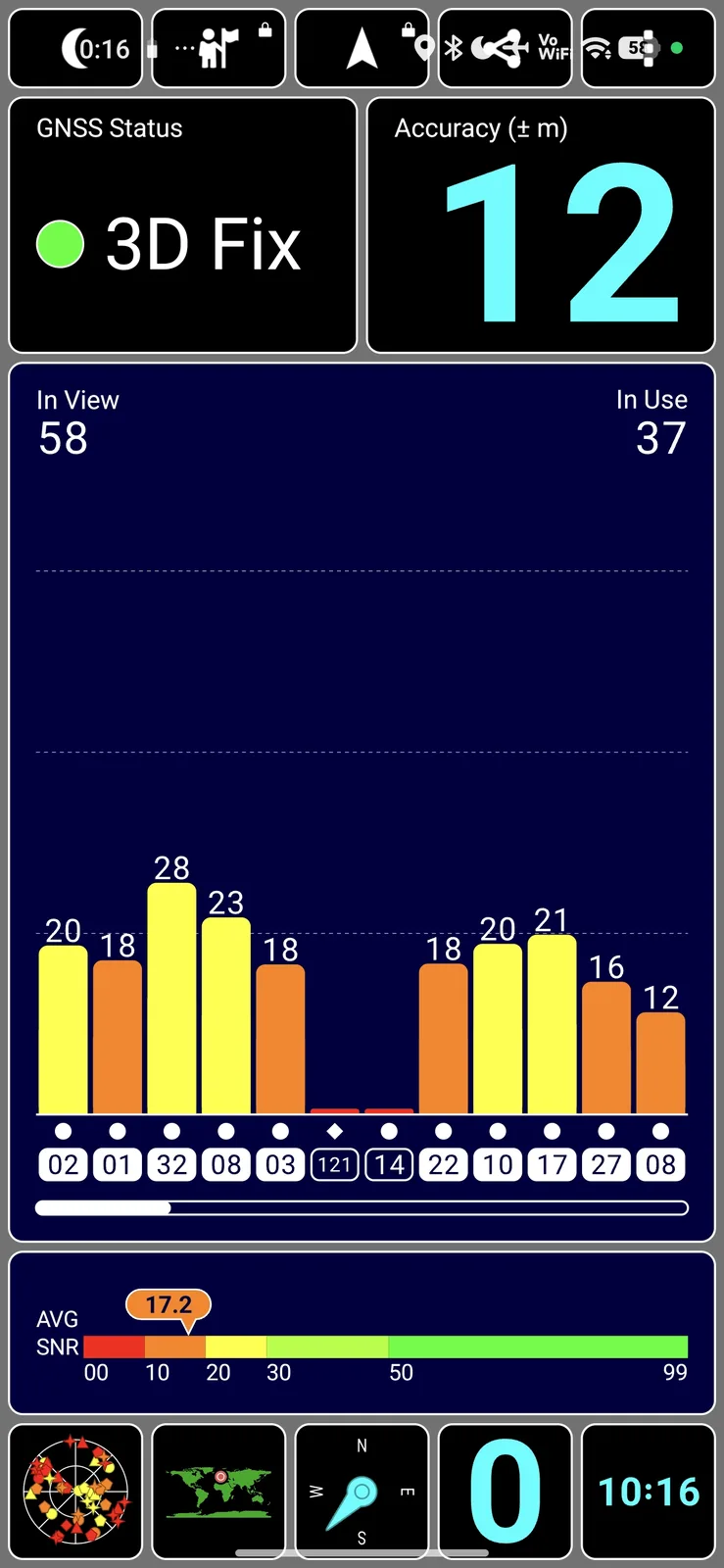
With tri-band GNSS, the Xiaomi phone has an excellent foundation for location tracking. It acquires a satellite signal fairly quickly even indoors, though it could be a bit more accurate outdoors.
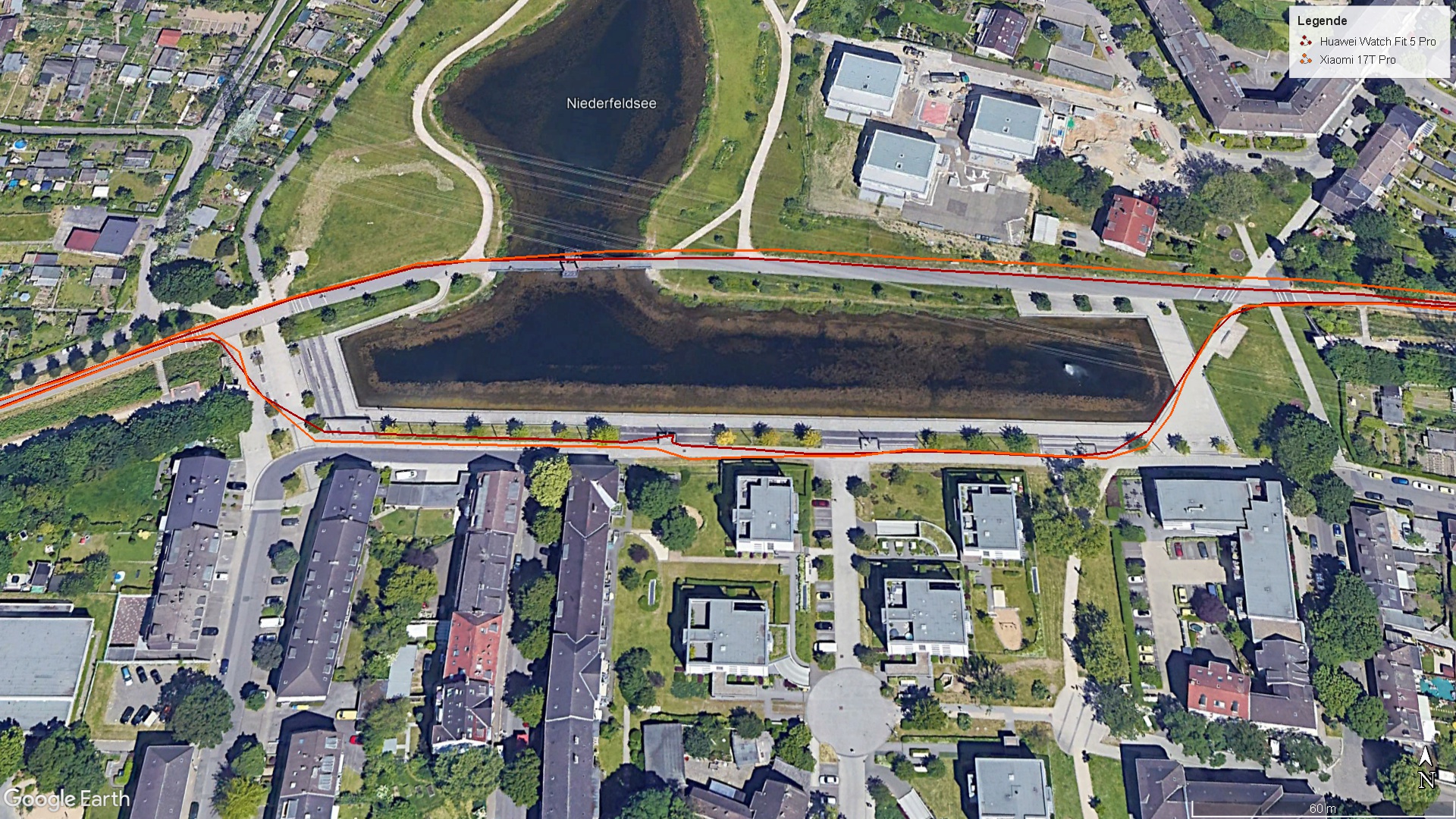
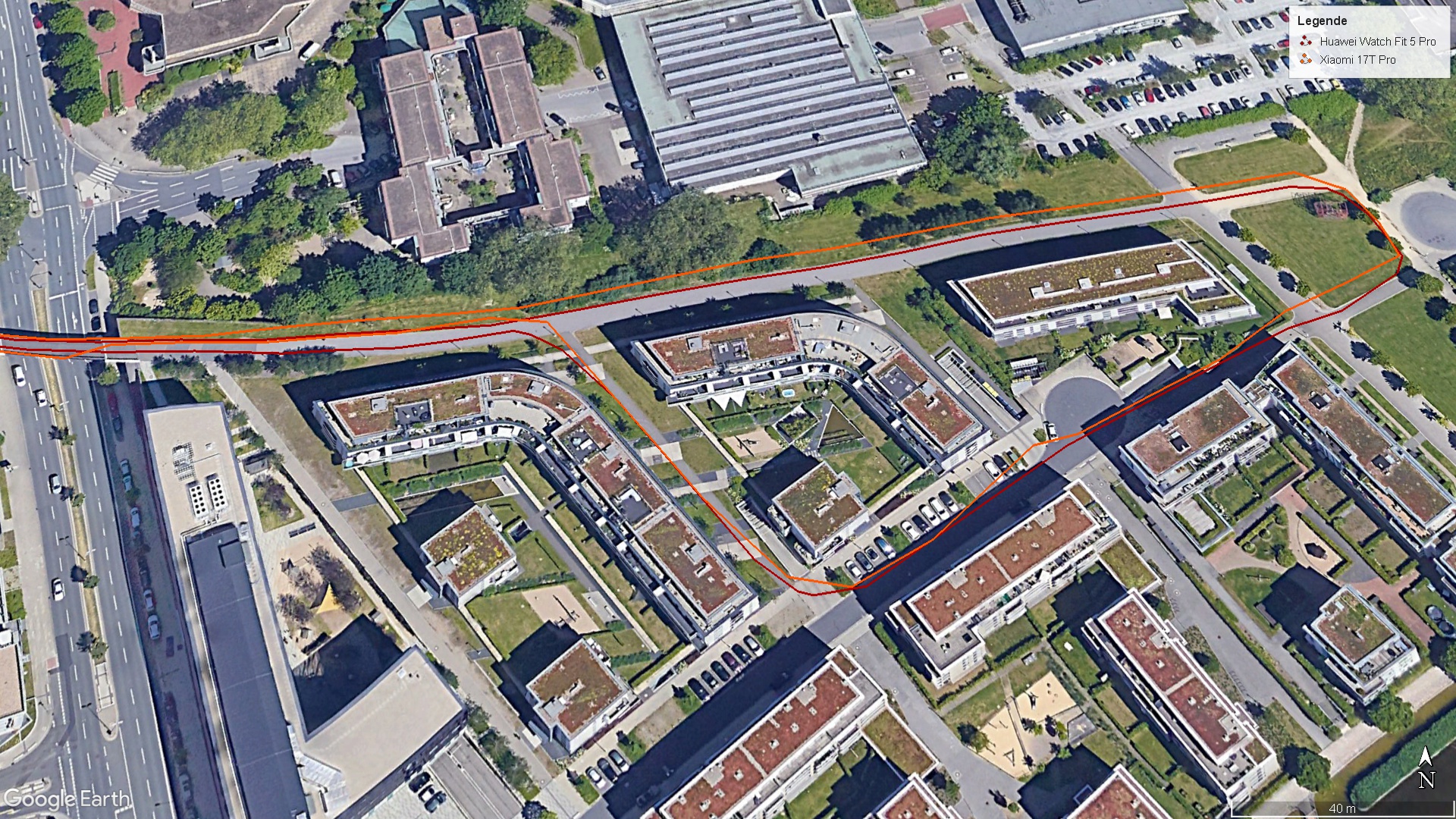
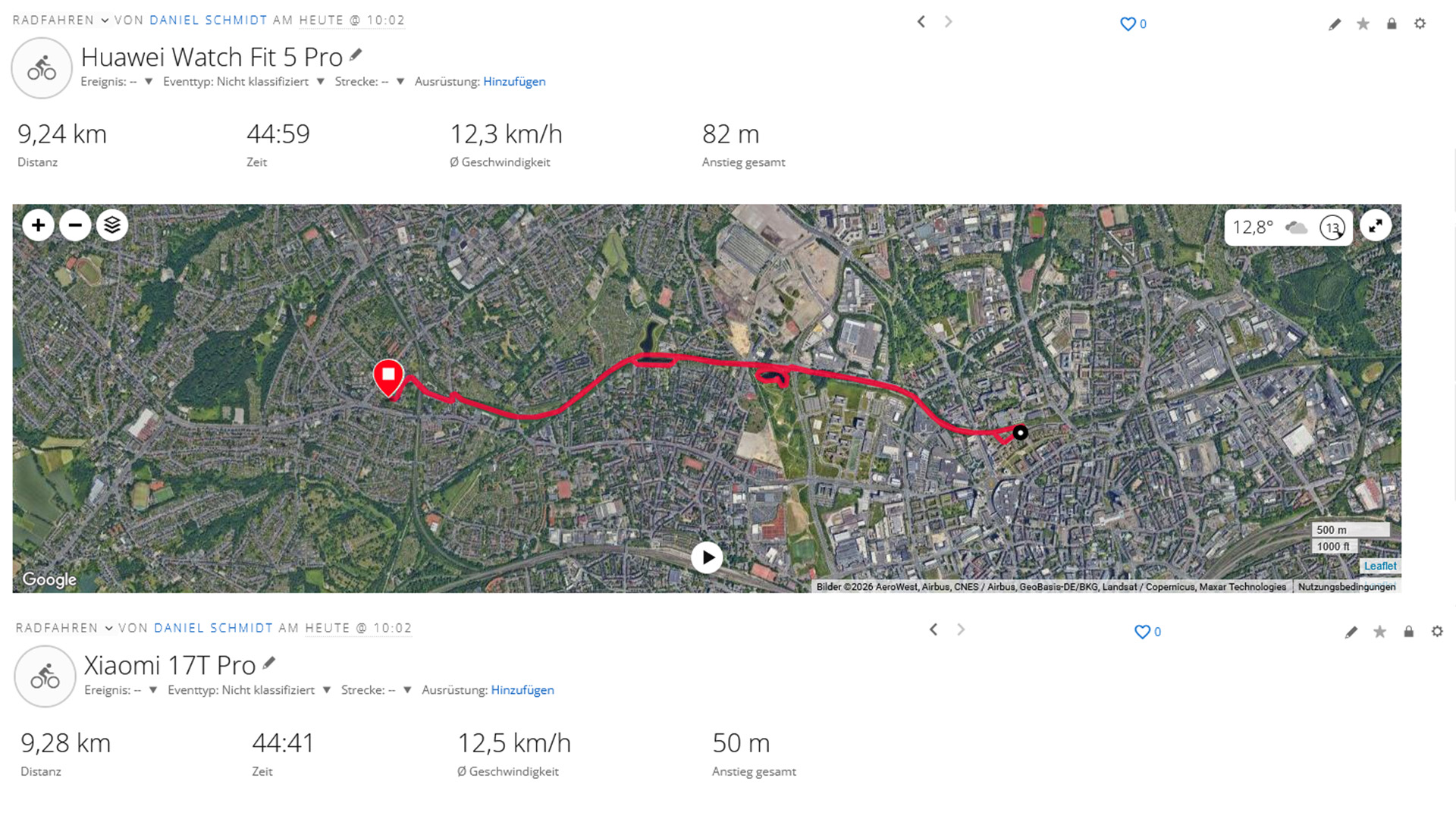
During a bike ride, we compared the 17T Pro with the Garmin Venu 2. The smartwatch was generally more accurate, even though the smartphone updated its location just as frequently. However, this doesn’t pose a problem for everyday navigation tasks.
Phone Features and Call Quality
The Xiaomi 17T Pro can use either two nano-SIM cards or two eSIMs; mixed use is also possible.
When held to the ear, the call quality is impressive, with natural voice transmission. However, background noise suppression is only satisfactory. Especially on main roads, noise frequently seeps through, and the user’s voice then sounds constricted and somewhat muffled.
Cameras - A Powerful Leica Trio in the 17T Pro

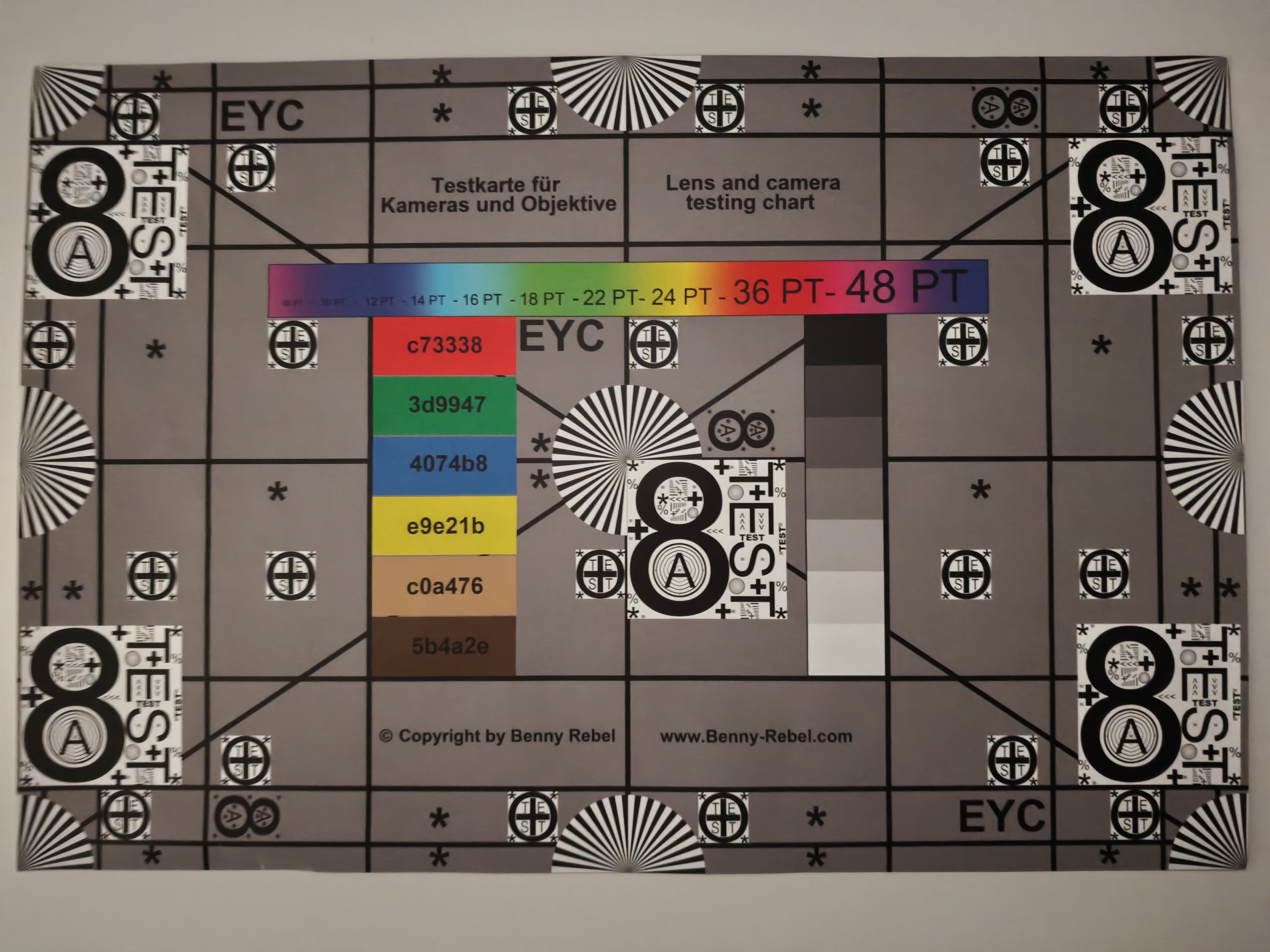
The Xiaomi 17T Pro’s front camera has a high resolution and does not use pixel binning. This results in quite impressive photos; even at higher ISO settings, the images remain clear—the algorithm does a good job here. Videos can be recorded in Ultra HD at 30 FPS.
The highlight is on the back: The new main sensor is an OmniVision Light Fusion 950, which, at 1/1.31 inches, is quite large and allows for good shots. The image has a warm tone and is significantly brightened, which makes details appear less pronounced. However, the depth of field is very pronounced.
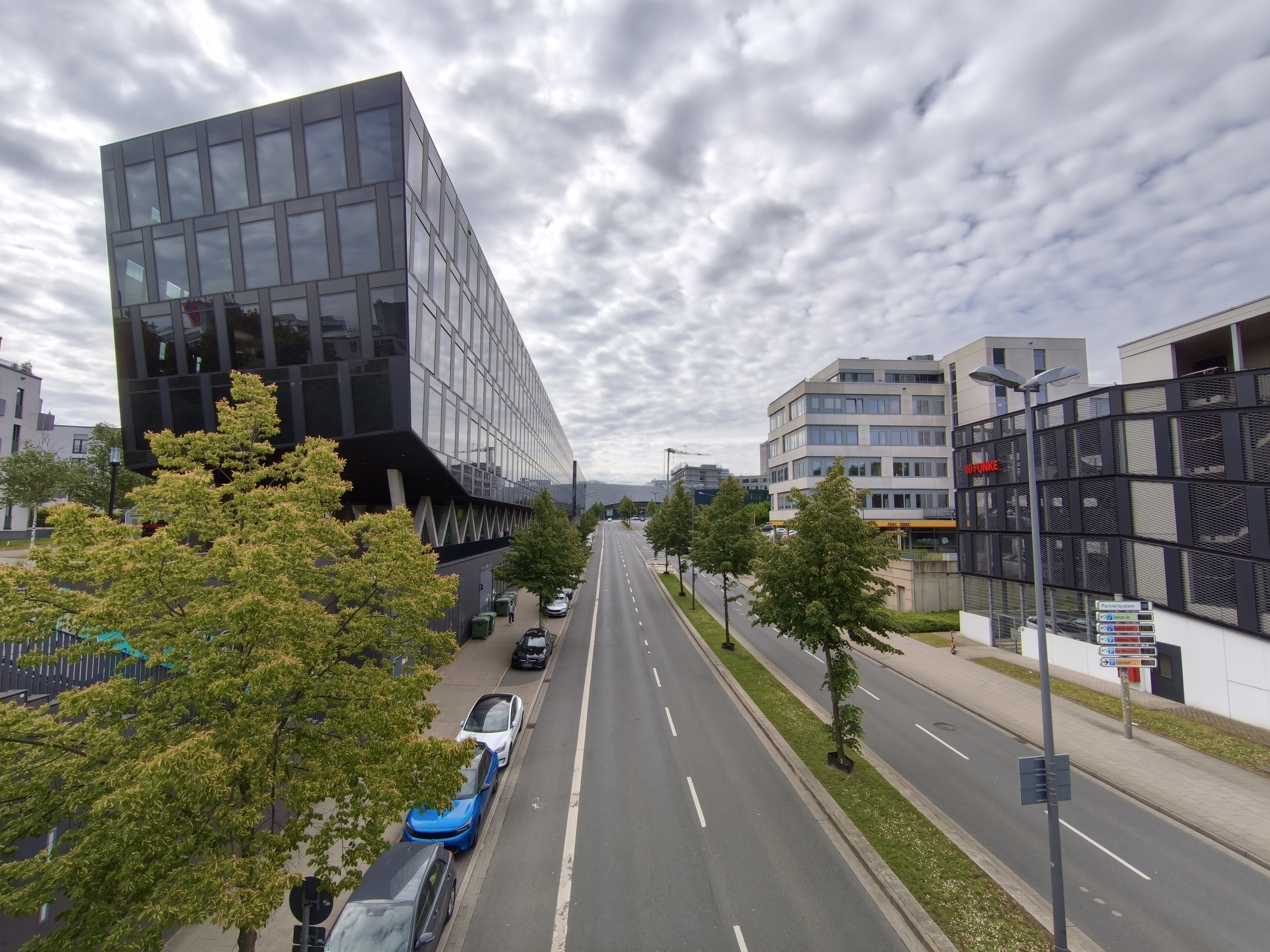
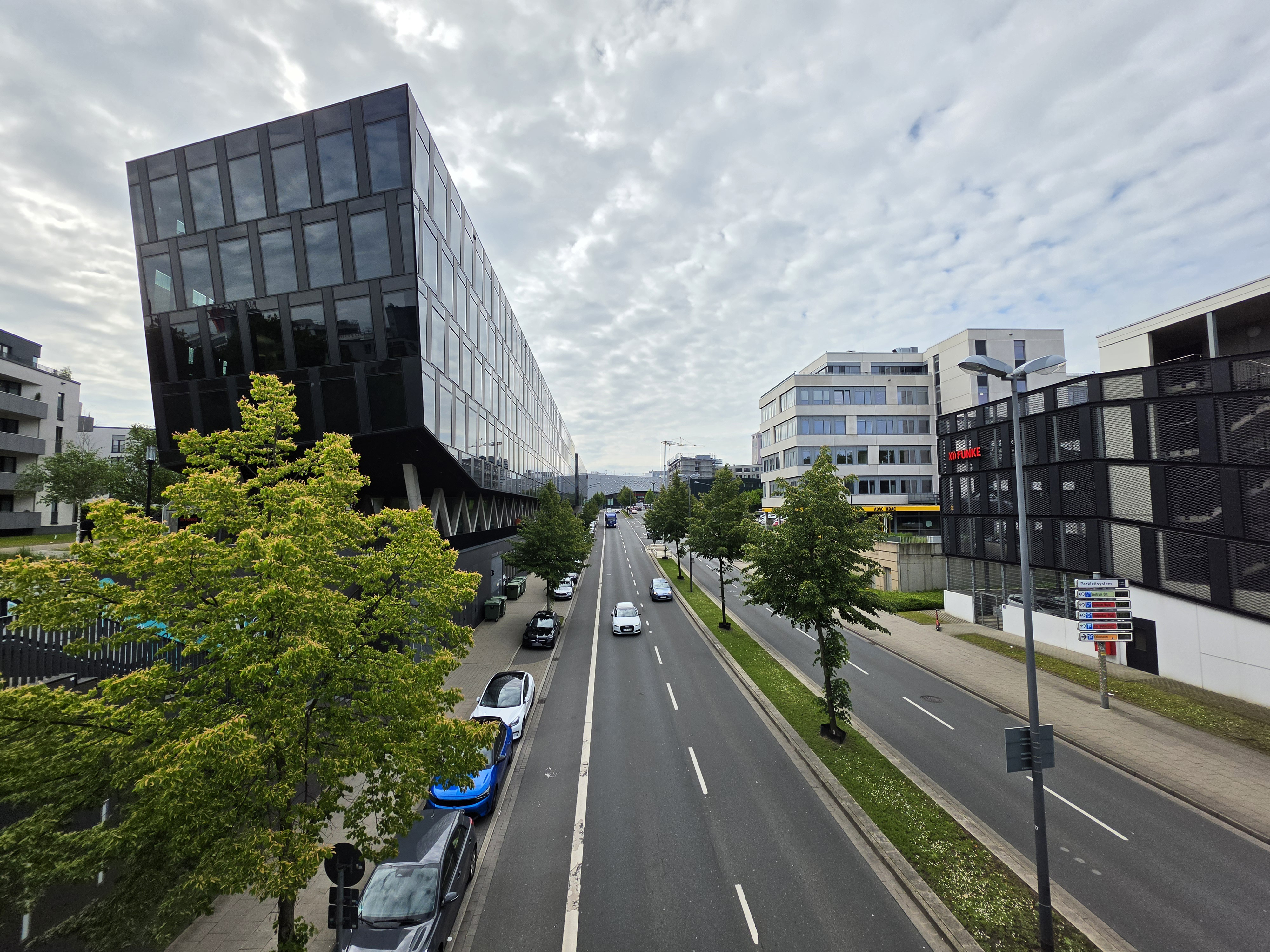
The ultra-wide-angle lens is the weakest link in the chain; it shows aberrations along edges in the peripheral areas, and details appear slightly washed out. Another highlight, however, is the 5x optical periscope zoom, which even allows for 120x magnification with AI support. Here, the image quality is very consistent, and even a 10x zoom still produces good shots.
Video recording is possible at up to 8K (30 FPS). Ultra HD is available at 120 FPS, but only with the main sensor; if you reduce the frame rate to 60 FPS, you can use all the lenses.
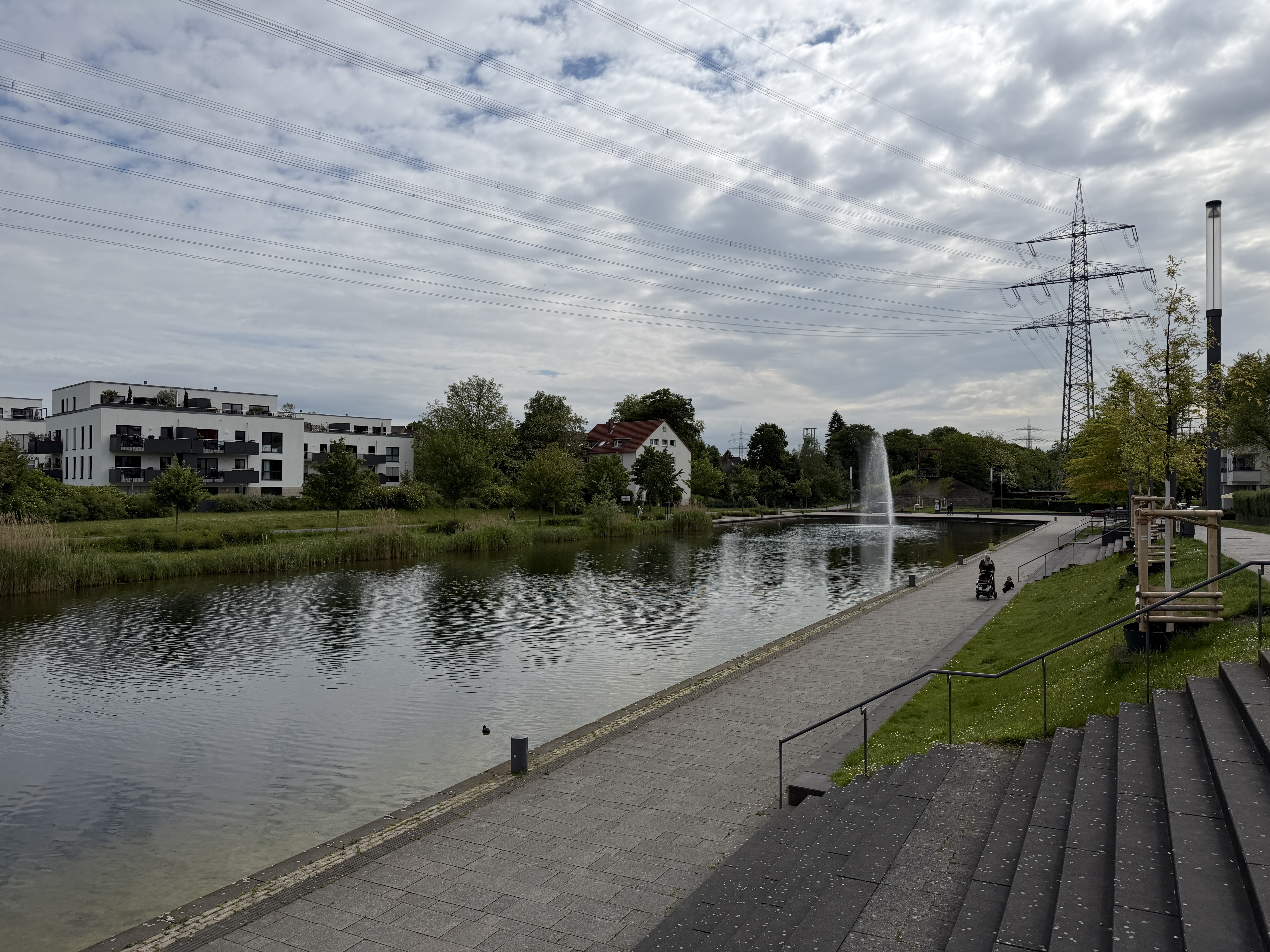
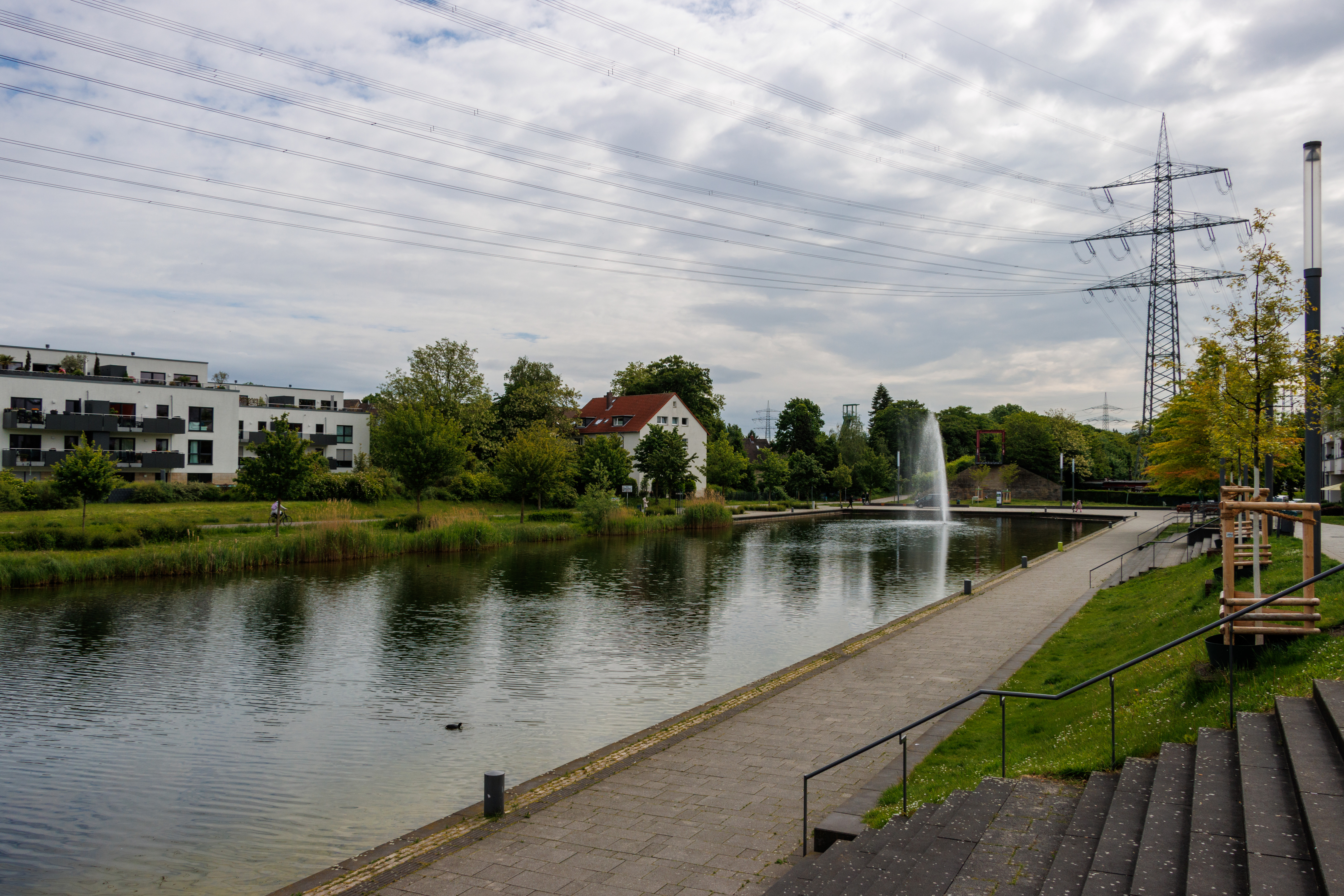
Image comparison
Choose a scene and navigate within the first image. One click changes the position on touchscreens. One click on the zoomed-in image opens the original in a new window. The first image shows the scaled photograph of the test device.
Main cameraMain cameraUltra wide-angle5-x ZoomLow-Light






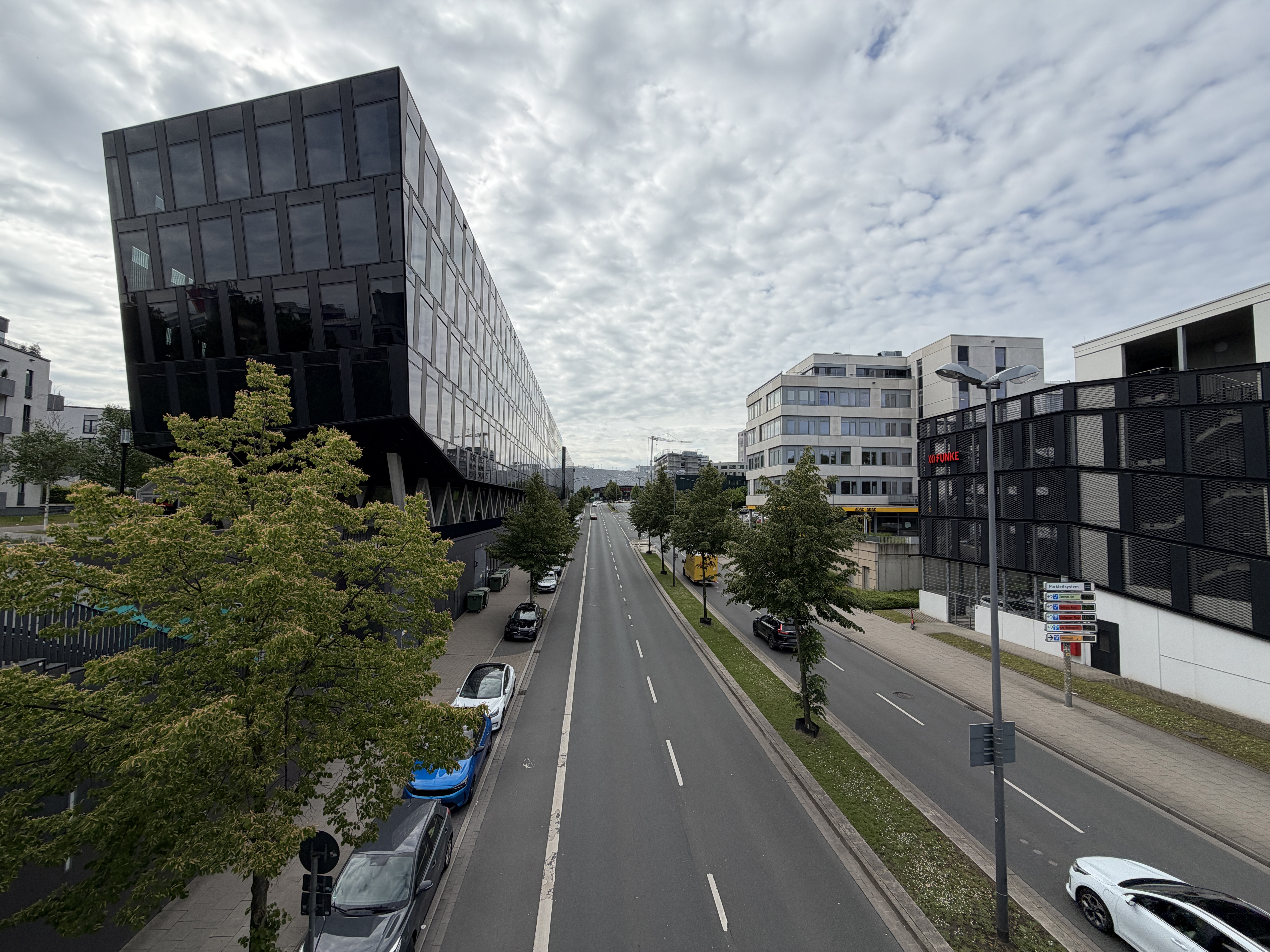







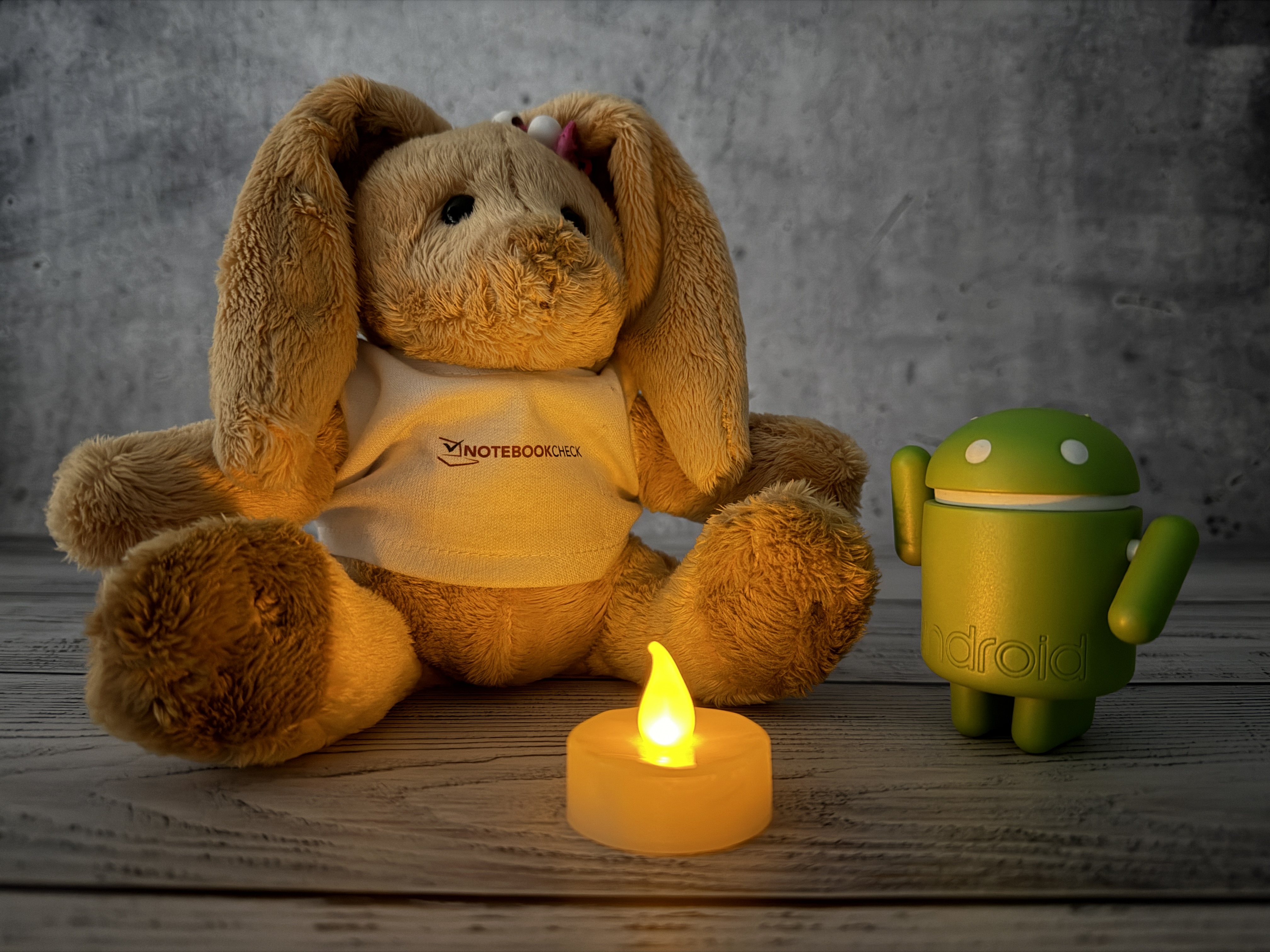
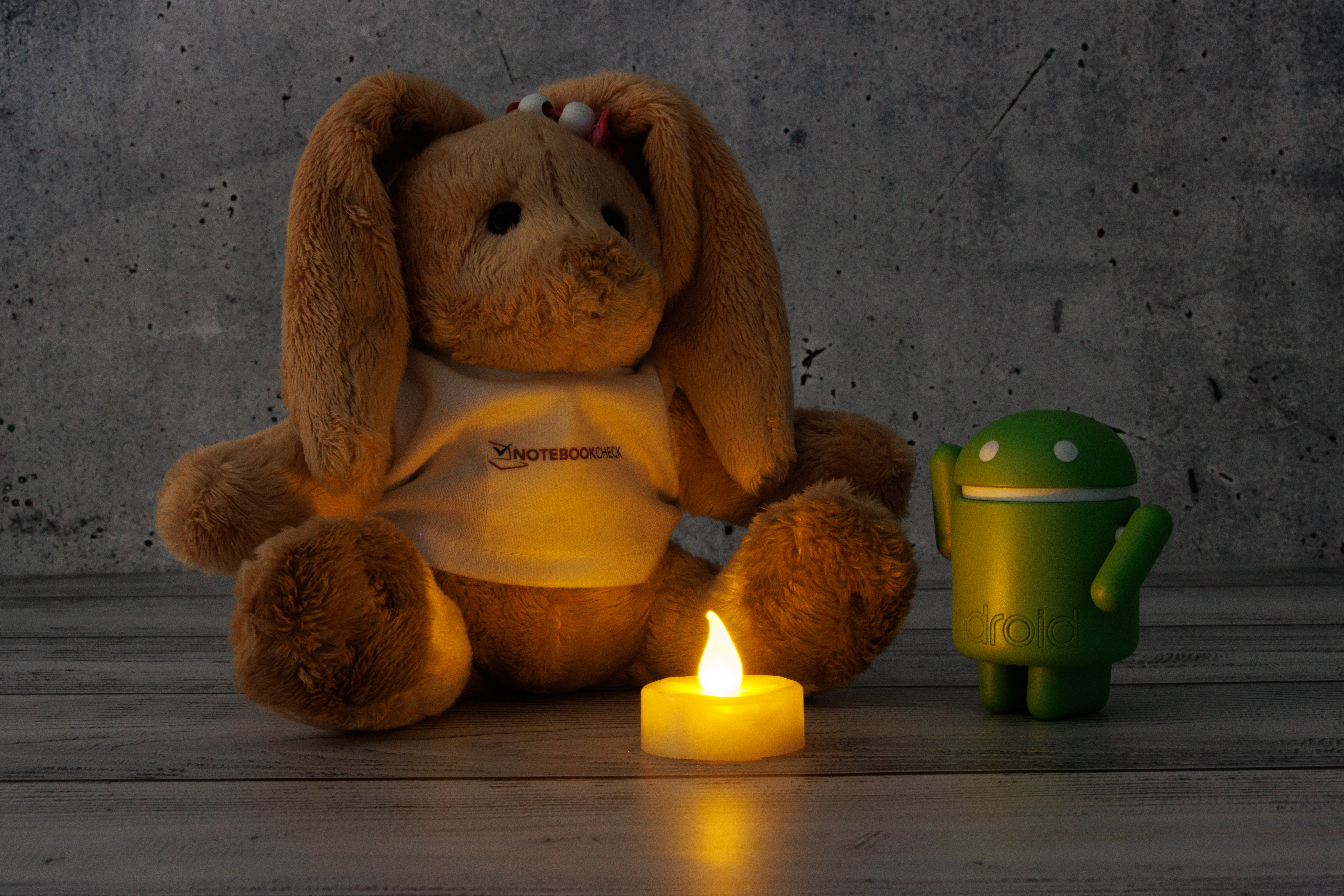


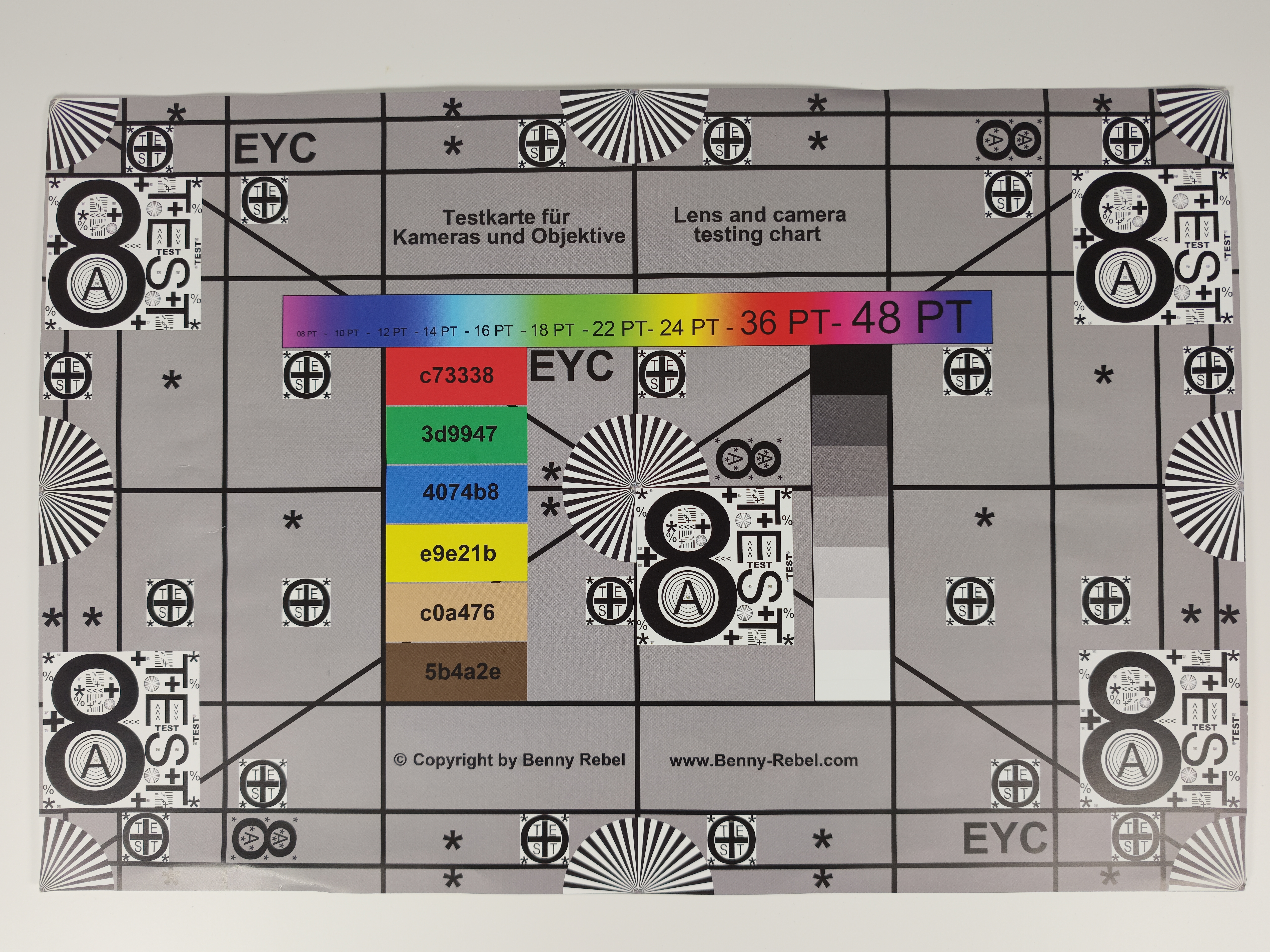


Accessories and Warranty - Does not include a power adapter, but does include a case
In addition to the smartphone, the package includes a USB-C cable, a SIM ejector tool, and a dark gray silicone protective case. A power adapter must be purchased separately in Europe.
The warranty in Germany is valid for twelve months and can be extended with the Xiaomi Care insurance package, which covers accidental damage for two years (70 euros) or, optionally, also includes theft coverage (99 euros).
Input Devices and Operation - 17T Pro Features an Optical Fingerprint Sensor
The Xiaomi 17T Pro’s capacitive touchscreen responds to input quickly and reliably. An optical fingerprint sensor is integrated into the bottom edge and reliably recognizes the registered finger, unlocking the device quickly. Additionally, a less secure facial recognition feature can be used via the front camera.
The linear vibration motor provides pleasant haptic feedback, though some users may find it a bit too strong.
The physical buttons are located on the right side and are fairly easy to reach. However, people with smaller hands will need to reposition their grip to reach the volume rocker.

Display - Bright and accurate AMOLED with DC dimming

The AMOLED display on the Xiaomi 17T Pro is quite similar to that of its predecessor, the 15T Pro, but is even brighter. When measuring a reduced white area (APL18), we recorded up to 3,507 cd/m². The pixel density also remains high, and the refresh rate reaches up to 144 Hz. Xiaomi doesn’t skimp on HDR standards either, supporting all common formats.
Xiaomi refers to “DC dimming” for the 17T Pro; at minimum brightness, we measured a base frequency of 120 Hz and another at 3,846 Hz, suggesting high-frequency PWM dimming. Even so, the display should still be relatively easy on the eyes. Complaints are unlikely here.
| |||||||||||||||||||||||||
Brightness Distribution: 97 %
Center on Battery: 1068 cd/m²
Contrast: ∞:1 (Black: 0 cd/m²)
ΔE ColorChecker Calman: 1.3 | ∀{0.5-29.43 Ø4.68}
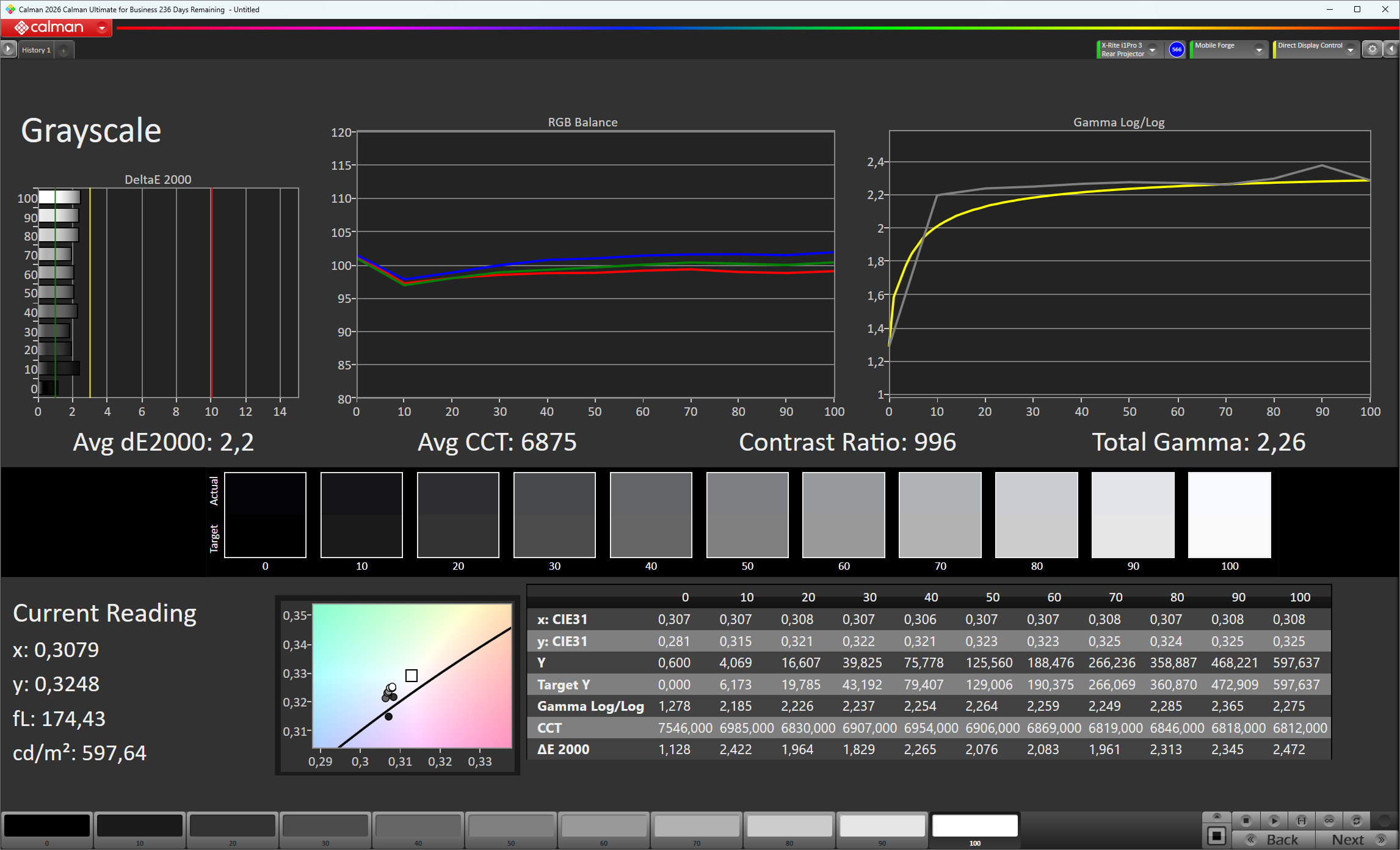
ΔE Greyscale Calman: 2.2 | ∀{0.09-98 Ø4.93}
99.7% sRGB (Calman 2D)
Gamma: 2.26
CCT: 6875 K
| Xiaomi 17T Pro AMOLED, 2772x1280, 6.8" | Vivo X300 FE AMOLED, 2640x1216, 6.3" | Samsung Galaxy S26+ LTPO-AMOLED, 3120x1440, 6.7" | Xiaomi Poco F8 Ultra AMOLED, 2608x1200, 6.9" | Xiaomi 17 LTPO AMOLED , 2656x1220, 6.3" | |
|---|---|---|---|---|---|
| Display | -39% | -18% | 3% | ||
| APL18 Peak Brightness (cd/m²) | 3507 | 2035 -42% | 2751 -22% | 3519 0% | |
| HDR Peak Brightness (cd/m²) | 3295 | 2100 -36% | 2875 -13% | 3458 5% | |
| Response Times | -9% | -84% | 16% | 30% | |
| Response Time Grey 50% / Grey 80% * (ms) | 1.13 ? | 1.3 ? -15% | 3.79 ? -235% | 0.86 ? 24% | 0.4 ? 65% |
| Response Time Black / White * (ms) | 1.01 ? | 1.1 ? -9% | 1.18 ? -17% | 0.87 ? 14% | 0.6 ? 41% |
| PWM Frequency (Hz) | 120 | 360.9 | 240 | 120 | 120 |
| PWM Amplitude * (%) | 15.46 | 16 -3% | 15.27 1% | 14.02 9% | 18 -16% |
| Screen | 24% | -23% | 21% | -13% | |
| Brightness middle (cd/m²) | 1068 | 1096 3% | 1384 30% | 1771 66% | 1030 -4% |
| Brightness (cd/m²) | 1060 | 1063 0% | 1379 30% | 1773 67% | 1021 -4% |
| Brightness Distribution (%) | 97 | 92 -5% | 95 -2% | 99 2% | 98 1% |
| Black Level * (cd/m²) | |||||
| Colorchecker dE 2000 * | 1.3 | 0.62 52% | 2.8 -115% | 1.3 -0% | 1.44 -11% |
| Colorchecker dE 2000 max. * | 2.5 | 1.53 39% | 4.5 -80% | 2.8 -12% | 3.68 -47% |
| Greyscale dE 2000 * | 2.2 | 1 55% | 2.2 -0% | 2.1 5% | 2.5 -14% |
| Gamma | 2.26 97% | 2.24 98% | 2.05 107% | 2.25 98% | 2.274 97% |
| CCT | 6875 95% | 6573 99% | 6514 100% | 6452 101% | 6868 95% |
| Total Average (Program / Settings) | -8% /
4% | -42% /
-38% | 13% /
16% | 9% /
1% |
* ... smaller is better
Screen Flickering / PWM (Pulse-Width Modulation)
| Screen flickering / PWM detected | 120 Hz Amplitude: 15.46 % Secondary Frequency: 3846 Hz | 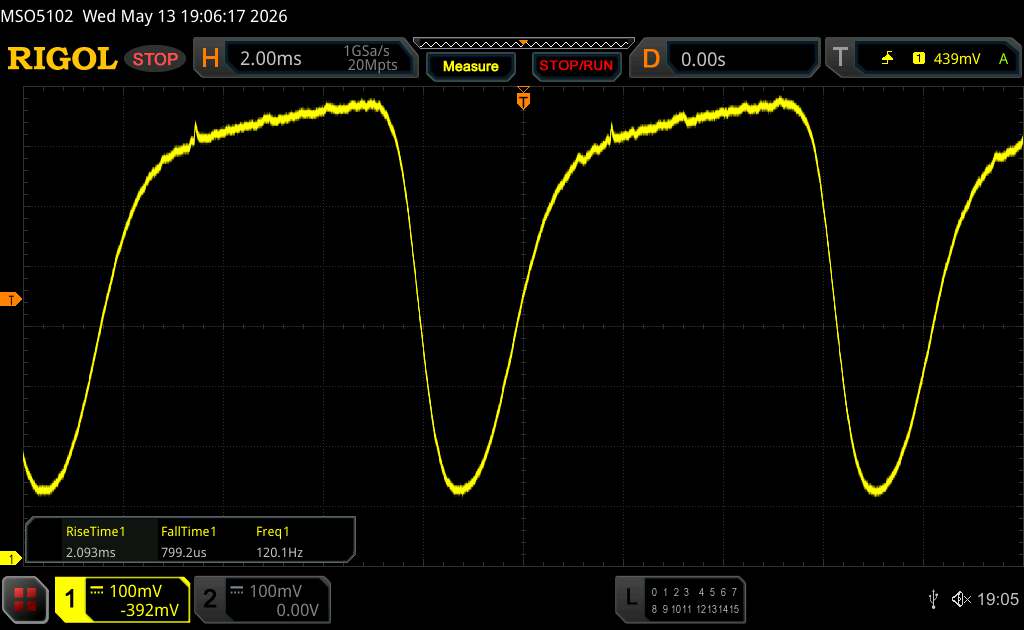 | |
The display backlight flickers at 120 Hz (worst case, e.g., utilizing PWM) . The frequency of 120 Hz is very low, so the flickering may cause eyestrain and headaches after extended use. In comparison: 52 % of all tested devices do not use PWM to dim the display. If PWM was detected, an average of 7572 (minimum: 5 - maximum: 343500) Hz was measured. | |||
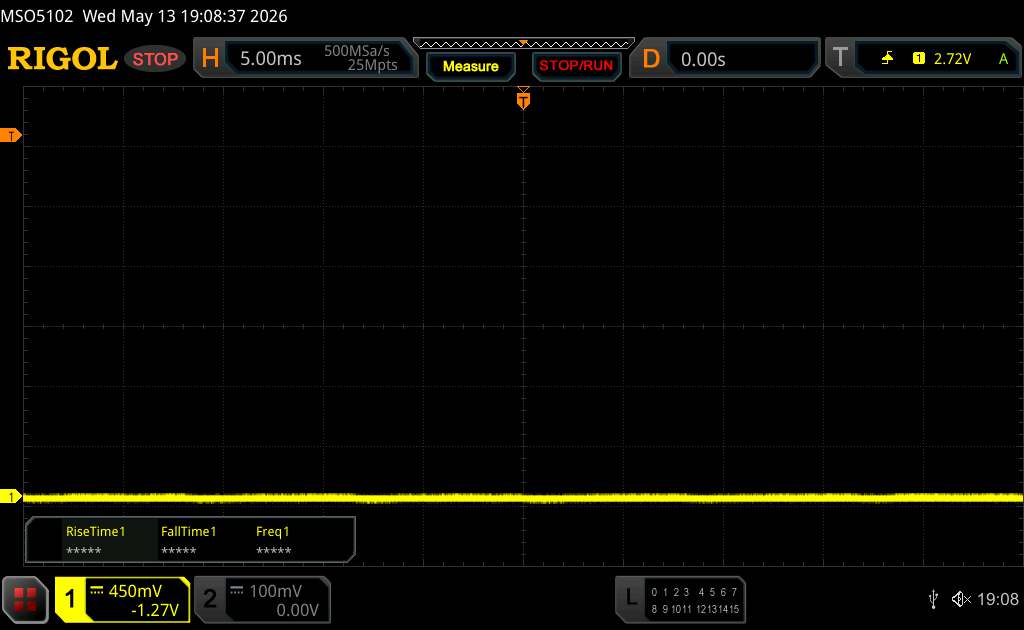
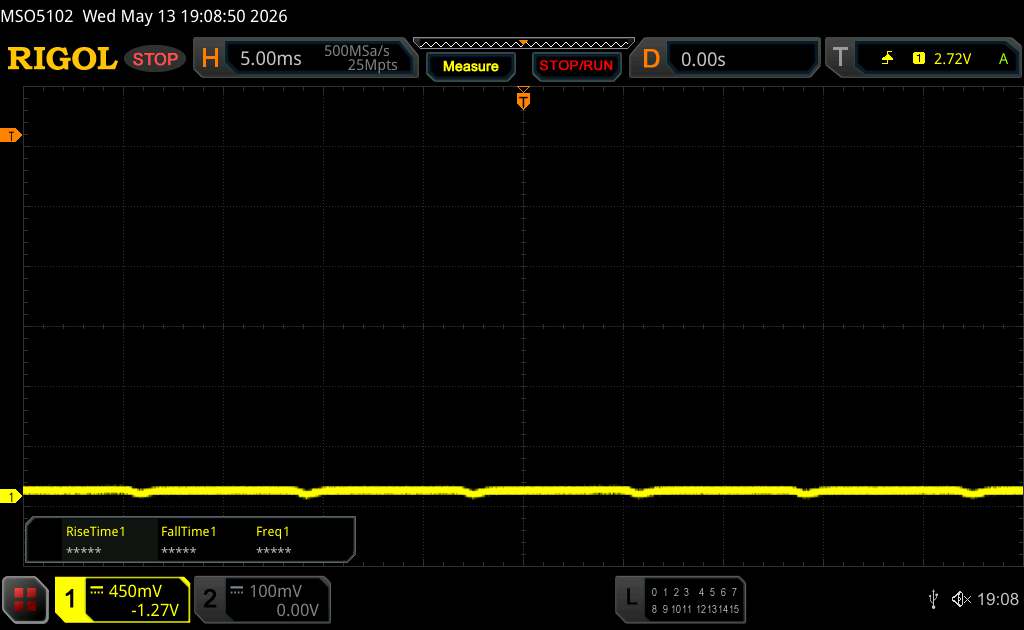
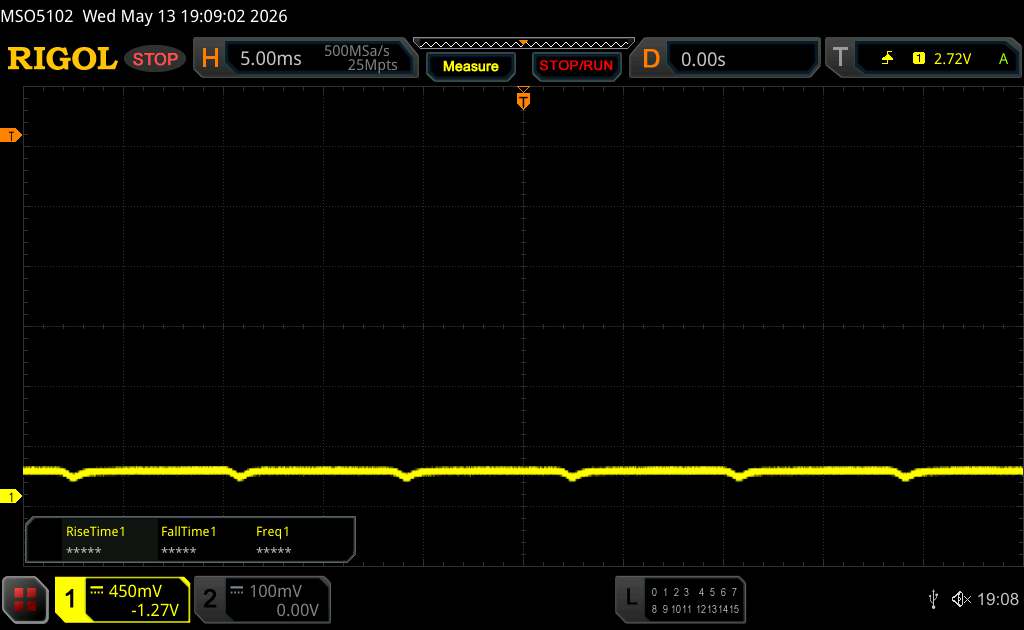
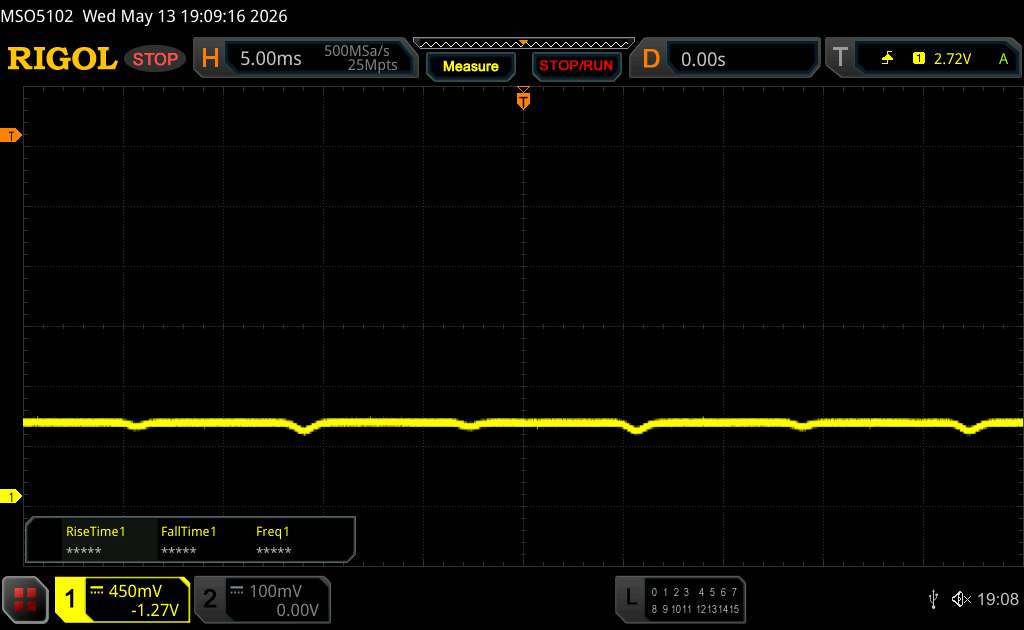
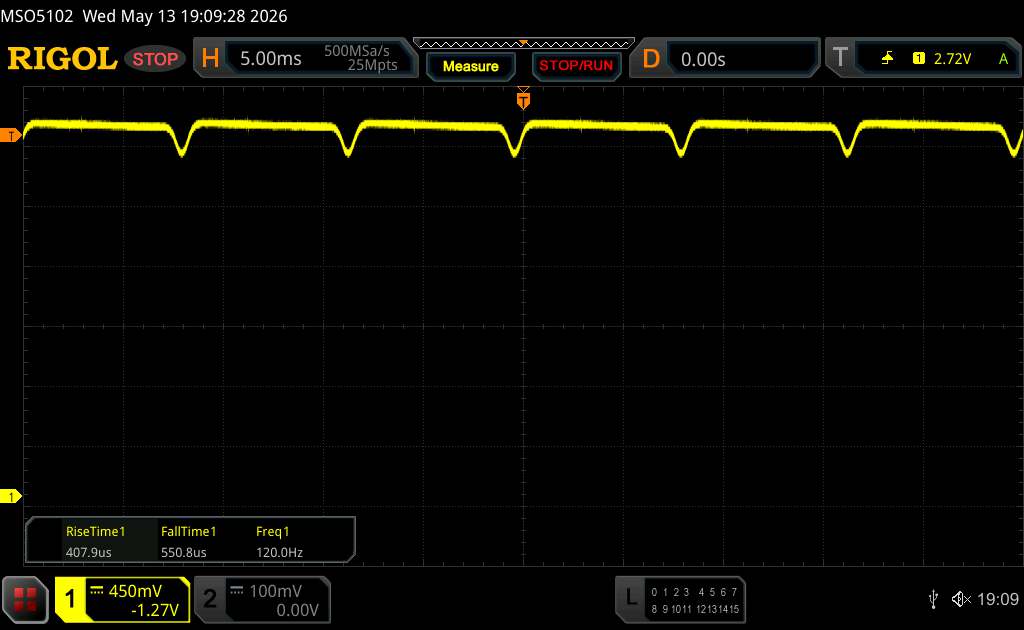
Series of measurements taken at a fixed zoom level and with different brightness settings (Although the amplitude curve at minimum brightness appears flat, this is due to the scaling. The info box shows a magnified version of the amplitude at minimum brightness.)
We use Calman to check the display’s color accuracy, using the default setting because it produces the most natural appearance. The measured values are very good; no color distortions are visible to the naked eye.


Display Response Times
| ↔ Response Time Black to White | ||
|---|---|---|
| 1.01 ms ... rise ↗ and fall ↘ combined | ↗ 0.4925 ms rise | 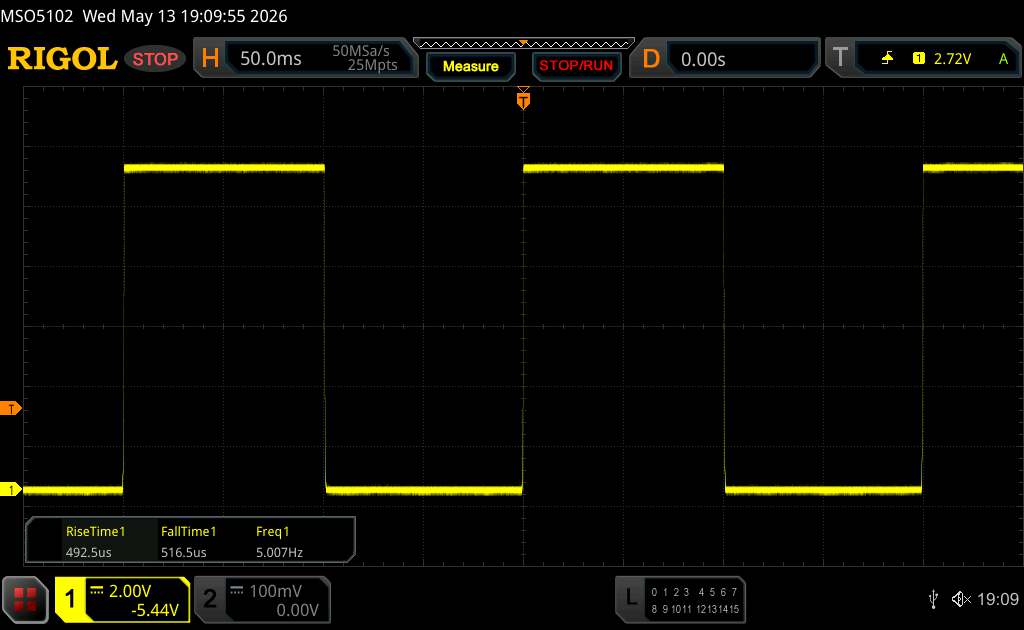 |
| ↘ 0.5165 ms fall | ||
| The screen shows very fast response rates in our tests and should be very well suited for fast-paced gaming. In comparison, all tested devices range from 0.1 (minimum) to 240 (maximum) ms. » 5 % of all devices are better. This means that the measured response time is better than the average of all tested devices (19.6 ms). | ||
| ↔ Response Time 50% Grey to 80% Grey | ||
| 1.13 ms ... rise ↗ and fall ↘ combined | ↗ 0.547 ms rise | 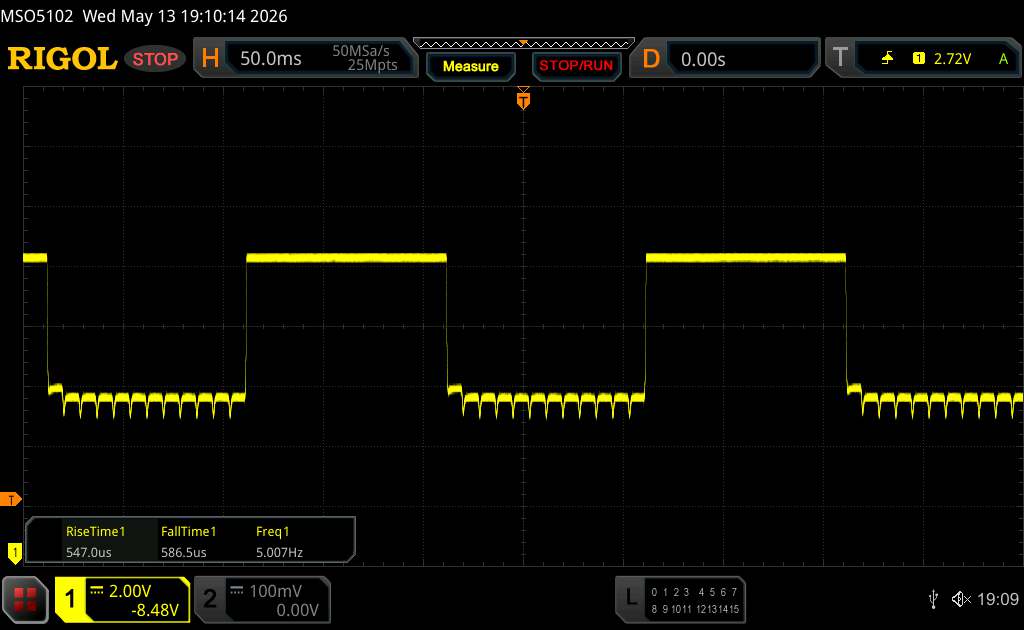 |
| ↘ 0.5865 ms fall | ||
| The screen shows very fast response rates in our tests and should be very well suited for fast-paced gaming. In comparison, all tested devices range from 0.13 (minimum) to 636 (maximum) ms. » 6 % of all devices are better. This means that the measured response time is better than the average of all tested devices (30.7 ms). | ||
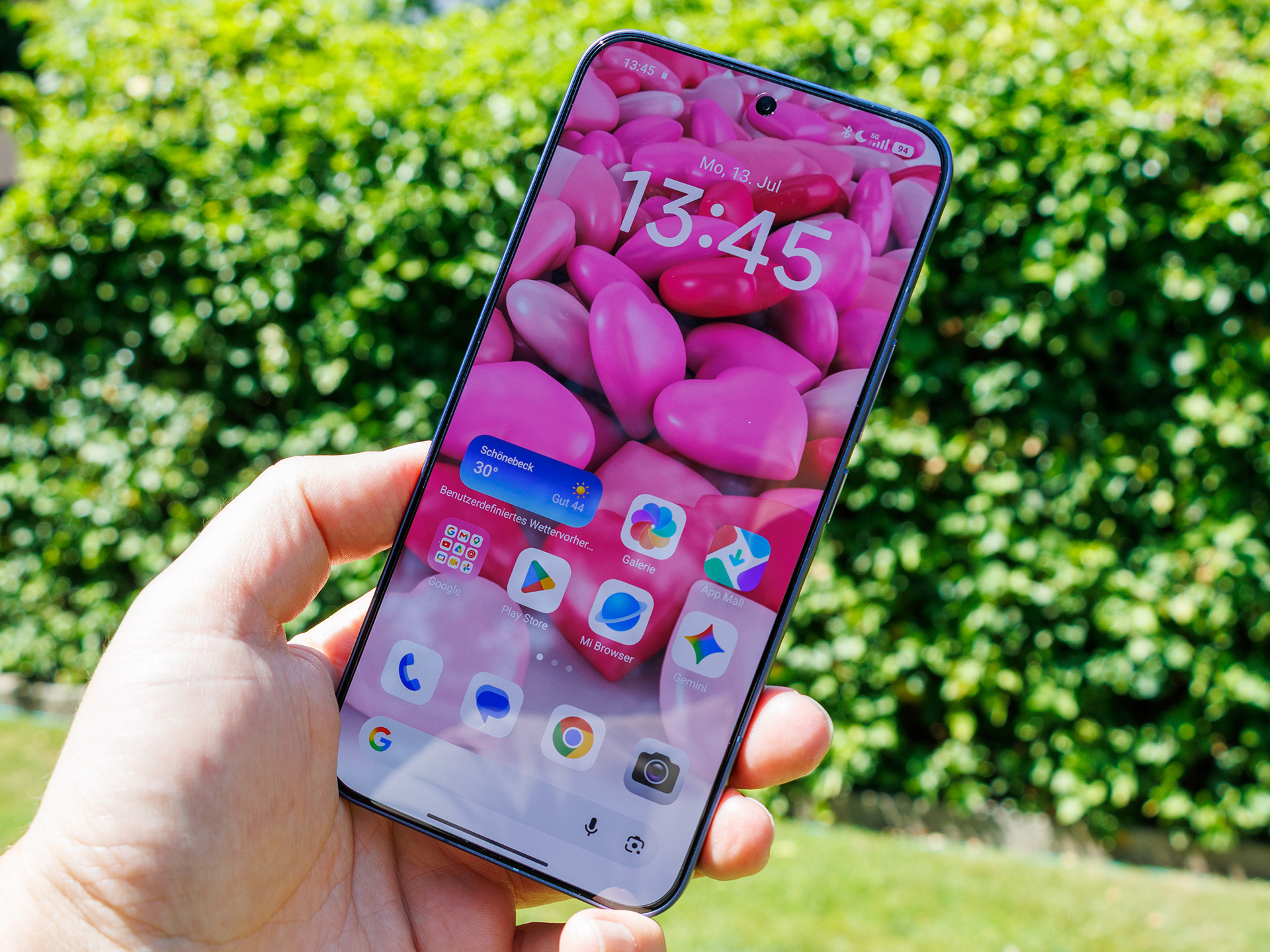
Outdoors, the Xiaomi 17T Pro is easy to read even on sunny days.
Viewing angle stability is also good; however, at wide viewing angles, the screen loses brightness and takes on a cooler tone.

Performance - Dimensity 9500 in the Xiaomi 17T Pro
The Xiaomi 17T Pro uses a MediaTek Dimensity 9500 SoC with 12 GB of RAM, which ensures high system speed and is also well-suited for gaming.
However, the AI benchmarks are lower than expected.
| UL Procyon AI Inference for Android - Overall Score NNAPI | |
| Xiaomi 17 | |
| Samsung Galaxy S26+ | |
| Xiaomi Poco F8 Ultra | |
| Average of class Smartphone (2895 - 66164, n=99, last 2 years) | |
| Average MediaTek Dimensity 9500 (2895 - 19373, n=5) | |
| Xiaomi 17T Pro | |
| AImark - Score v3.x | |
| Average of class Smartphone (293 - 307528, n=67, last 2 years) | |
| Samsung Galaxy S26+ | |
| Xiaomi 17 | |
| Average MediaTek Dimensity 9500 (n=1) | |
| AI Benchmark - Score V6 | |
| Xiaomi Poco F8 Ultra | |
| Average MediaTek Dimensity 9500 (765 - 21660, n=4) | |
| Average of class Smartphone (55.6 - 22780, n=78, last 2 years) | |
| Xiaomi 17 | |
| Samsung Galaxy S26+ | |
| Antutu v11 - Score | |
| Xiaomi Poco F8 Ultra | |
| Average MediaTek Dimensity 9500 (3258253 - 3692957, n=4) | |
| Xiaomi 17T Pro | |
| Samsung Galaxy S26+ | |
| Average of class Smartphone (519159 - 4450644, n=48, last 2 years) | |
The integrated ARM Mali-G1 Ultra graphics unit supports hardware-based ray tracing and delivers high performance that, in some cases, even surpasses that of the Adreno 840.
GFXBench (DX / GLBenchmark) 2.7: T-Rex Onscreen | 1920x1080 T-Rex Offscreen
GFXBench 3.0: on screen Manhattan Onscreen OGL | 1920x1080 1080p Manhattan Offscreen
GFXBench 3.1: on screen Manhattan ES 3.1 Onscreen | 1920x1080 Manhattan ES 3.1 Offscreen
GFXBench: on screen Car Chase Onscreen | 1920x1080 Car Chase Offscreen | on screen Aztec Ruins High Tier Onscreen | 2560x1440 Aztec Ruins High Tier Offscreen | on screen Aztec Ruins Normal Tier Onscreen | 1920x1080 Aztec Ruins Normal Tier Offscreen | 3840x2160 4K Aztec Ruins High Tier Offscreen
| 3DMark / Wild Life Extreme Unlimited | |
| Samsung Galaxy S26+ | |
| Xiaomi 17T Pro | |
| Xiaomi Poco F8 Ultra | |
| Xiaomi 17 | |
| Vivo X300 FE | |
| 3DMark / Wild Life Extreme | |
| Samsung Galaxy S26+ | |
| Xiaomi Poco F8 Ultra | |
| Xiaomi 17T Pro | |
| Xiaomi 17 | |
| Vivo X300 FE | |
| 3DMark / Wild Life Unlimited Score | |
| Xiaomi Poco F8 Ultra | |
| Samsung Galaxy S26+ | |
| Xiaomi 17 | |
| Vivo X300 FE | |
| Xiaomi 17T Pro | |
| 3DMark / Solar Bay Score | |
| Samsung Galaxy S26+ | |
| Xiaomi 17T Pro | |
| Xiaomi Poco F8 Ultra | |
| Xiaomi 17 | |
| 3DMark / Solar Bay Unlimited Score | |
| Xiaomi 17T Pro | |
| Samsung Galaxy S26+ | |
| Xiaomi Poco F8 Ultra | |
| Xiaomi 17 | |
| 3DMark / Steel Nomad Light Unlimited Score | |
| Samsung Galaxy S26+ | |
| Xiaomi 17T Pro | |
| Xiaomi Poco F8 Ultra | |
| Xiaomi 17 | |
| Vivo X300 FE | |
| 3DMark / Steel Nomad Light Score | |
| Samsung Galaxy S26+ | |
| Xiaomi Poco F8 Ultra | |
| Xiaomi 17 | |
| Xiaomi 17T Pro | |
| Vivo X300 FE | |
| GFXBench (DX / GLBenchmark) 2.7 / T-Rex Onscreen | |
| Samsung Galaxy S26+ | |
| Xiaomi 17 | |
| Xiaomi Poco F8 Ultra | |
| Xiaomi 17T Pro | |
| GFXBench (DX / GLBenchmark) 2.7 / T-Rex Offscreen | |
| Xiaomi 17T Pro | |
| Xiaomi 17 | |
| Samsung Galaxy S26+ | |
| Xiaomi Poco F8 Ultra | |
| GFXBench 3.0 / Manhattan Onscreen OGL | |
| Samsung Galaxy S26+ | |
| Xiaomi 17 | |
| Xiaomi Poco F8 Ultra | |
| Xiaomi 17T Pro | |
| GFXBench 3.0 / 1080p Manhattan Offscreen | |
| Samsung Galaxy S26+ | |
| Xiaomi 17T Pro | |
| Xiaomi 17 | |
| Xiaomi Poco F8 Ultra | |
| GFXBench 3.1 / Manhattan ES 3.1 Onscreen | |
| Samsung Galaxy S26+ | |
| Xiaomi 17 | |
| Xiaomi Poco F8 Ultra | |
| Xiaomi 17T Pro | |
| GFXBench 3.1 / Manhattan ES 3.1 Offscreen | |
| Samsung Galaxy S26+ | |
| Xiaomi Poco F8 Ultra | |
| Xiaomi 17T Pro | |
| Xiaomi 17 | |
| GFXBench / Car Chase Onscreen | |
| Samsung Galaxy S26+ | |
| Xiaomi 17 | |
| Xiaomi Poco F8 Ultra | |
| Xiaomi 17T Pro | |
| GFXBench / Car Chase Offscreen | |
| Samsung Galaxy S26+ | |
| Xiaomi Poco F8 Ultra | |
| Xiaomi 17 | |
| Xiaomi 17T Pro | |
| GFXBench / Aztec Ruins High Tier Onscreen | |
| Xiaomi 17 | |
| Xiaomi Poco F8 Ultra | |
| Xiaomi 17T Pro | |
| Samsung Galaxy S26+ | |
| Vivo X300 FE | |
| GFXBench / Aztec Ruins High Tier Offscreen | |
| Xiaomi 17T Pro | |
| Samsung Galaxy S26+ | |
| Xiaomi Poco F8 Ultra | |
| Xiaomi 17 | |
| Vivo X300 FE | |
| GFXBench / Aztec Ruins Normal Tier Onscreen | |
| Samsung Galaxy S26+ | |
| Xiaomi 17 | |
| Xiaomi Poco F8 Ultra | |
| Xiaomi 17T Pro | |
| Vivo X300 FE | |
| GFXBench / Aztec Ruins Normal Tier Offscreen | |
| Xiaomi 17T Pro | |
| Samsung Galaxy S26+ | |
| Xiaomi Poco F8 Ultra | |
| Xiaomi 17 | |
| Vivo X300 FE | |
| GFXBench / 4K Aztec Ruins High Tier Offscreen | |
| Xiaomi 17T Pro | |
| Samsung Galaxy S26+ | |
| Xiaomi Poco F8 Ultra | |
| Xiaomi 17 | |
| Vivo X300 FE | |
| Jetstream 2 - 2.2 Total | |
| Samsung Galaxy S26+ (Chrome 146) | |
| Average MediaTek Dimensity 9500 (108 - 362, n=8) | |
| Average of class Smartphone (2 - 480, n=105, last 2 years) | |
| Xiaomi 17T Pro (Edge 147) | |
| Xiaomi 17T Pro (Chrome 147) | |
| Xiaomi 17 (Chrome 141) | |
| Speedometer 2.0 - Result 2.0 | |
| Samsung Galaxy S26+ (Chrome 146) | |
| Average MediaTek Dimensity 9500 (164 - 500, n=2) | |
| Average of class Smartphone (49.3 - 733, n=72, last 2 years) | |
| Xiaomi 17T Pro (Chrome 150) | |
| Speedometer 3 - Score 3.0 | |
| Samsung Galaxy S26+ (Chrome 146) | |
| Xiaomi Poco F8 Ultra (Chrome 143) | |
| Average MediaTek Dimensity 9500 (17.9 - 27.6, n=2) | |
| Xiaomi 17 (Chrome 141) | |
| Average of class Smartphone (3.06 - 56.5, n=81, last 2 years) | |
| WebXPRT 4 - Overall | |
| Average MediaTek Dimensity 9500 (129 - 255, n=3) | |
| Average of class Smartphone (56 - 278, n=89, last 2 years) | |
| Xiaomi Poco F8 Ultra (Chrome 143) | |
| Xiaomi 17 (Chrome 141) | |
| Octane V2 - Total Score | |
| Samsung Galaxy S26+ (Chrome 146) | |
| Average MediaTek Dimensity 9500 (27638 - 96438, n=5) | |
| Xiaomi Poco F8 Ultra (Chrome 143) | |
| Average of class Smartphone (6015 - 160221, n=130, last 2 years) | |
| Xiaomi 17 (Chrome 141) | |
| Xiaomi 17T Pro (Chrome 150) | |
| Mozilla Kraken 1.1 - Total | |
| Xiaomi 17T Pro (Chrome 150) | |
| Average of class Smartphone (216 - 2718, n=119, last 2 years) | |
| Xiaomi 17 (Chrome 141) | |
| Average MediaTek Dimensity 9500 (372 - 1335, n=7) | |
| Xiaomi Poco F8 Ultra (Chrome 143) | |
| Samsung Galaxy S26+ (Chrome 146) | |
* ... smaller is better
| Xiaomi 17T Pro | Vivo X300 FE | Samsung Galaxy S26+ | Xiaomi Poco F8 Ultra | Xiaomi 17 | Average 512 GB UFS 4.1 Flash | Average of class Smartphone | |
|---|---|---|---|---|---|---|---|
| AndroBench 3-5 | 103% | 6% | 132% | 145% | 99% | 40% | |
| Sequential Read 256KB (MB/s) | 3021.51 | 3752.1 24% | 3574.74 18% | 4064.33 35% | 3943.44 31% | 3616 ? 20% | 2279 ? -25% |
| Sequential Write 256KB (MB/s) | 2770.02 | 3222.5 16% | 2543.31 -8% | 3987.65 44% | 3784.97 37% | 3225 ? 16% | 1980 ? -29% |
| Random Read 4KB (MB/s) | 414.44 | 421.6 2% | 419.84 1% | 575.86 39% | 487.69 18% | 414 ? 0% | 319 ? -23% |
| Random Write 4KB (MB/s) | 108.71 | 508.6 368% | 122.63 13% | 551.82 408% | 643.31 492% | 498 ? 358% | 366 ? 237% |
Emissions - Slower than the Exynos under load
Temperature
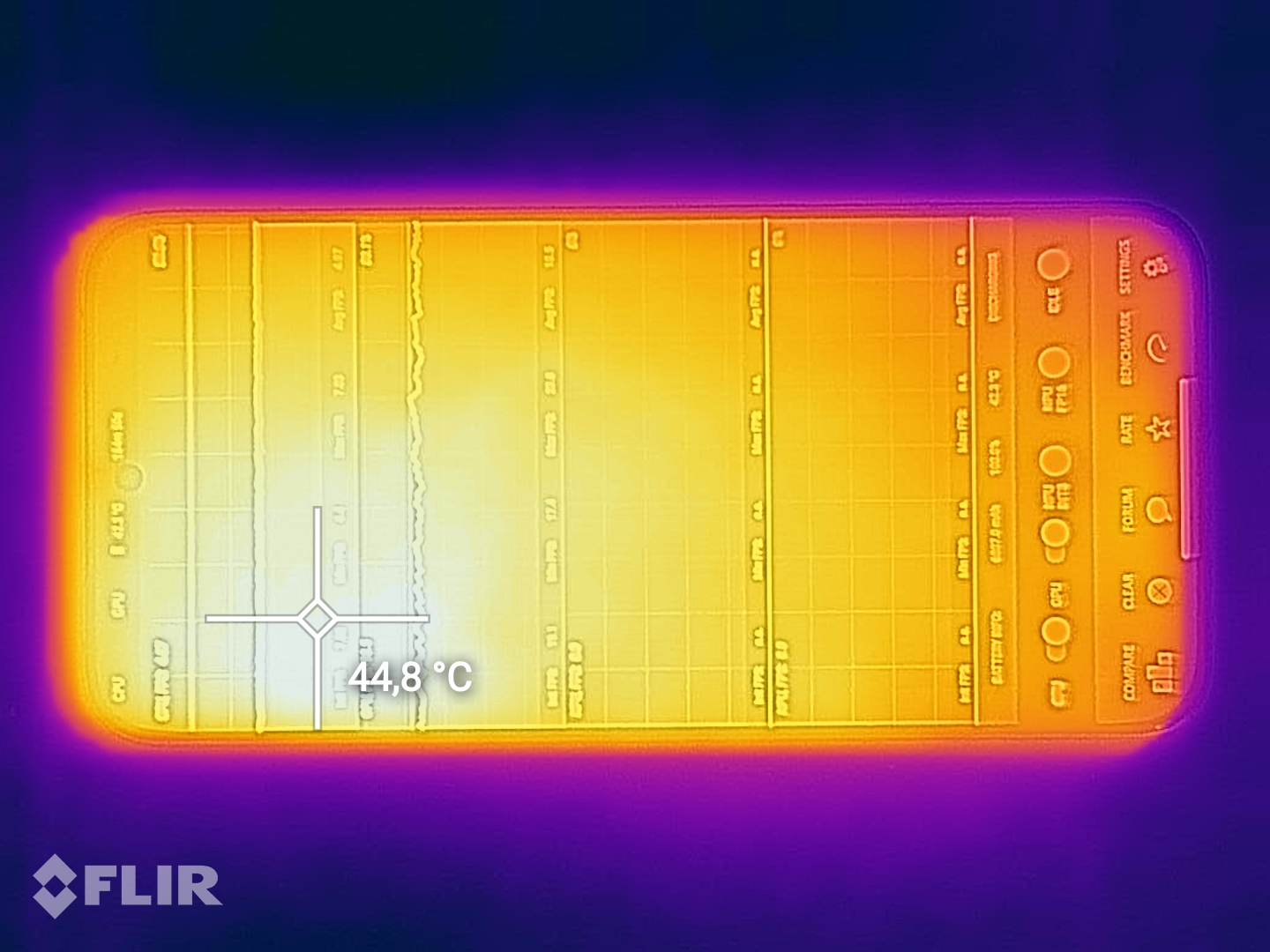
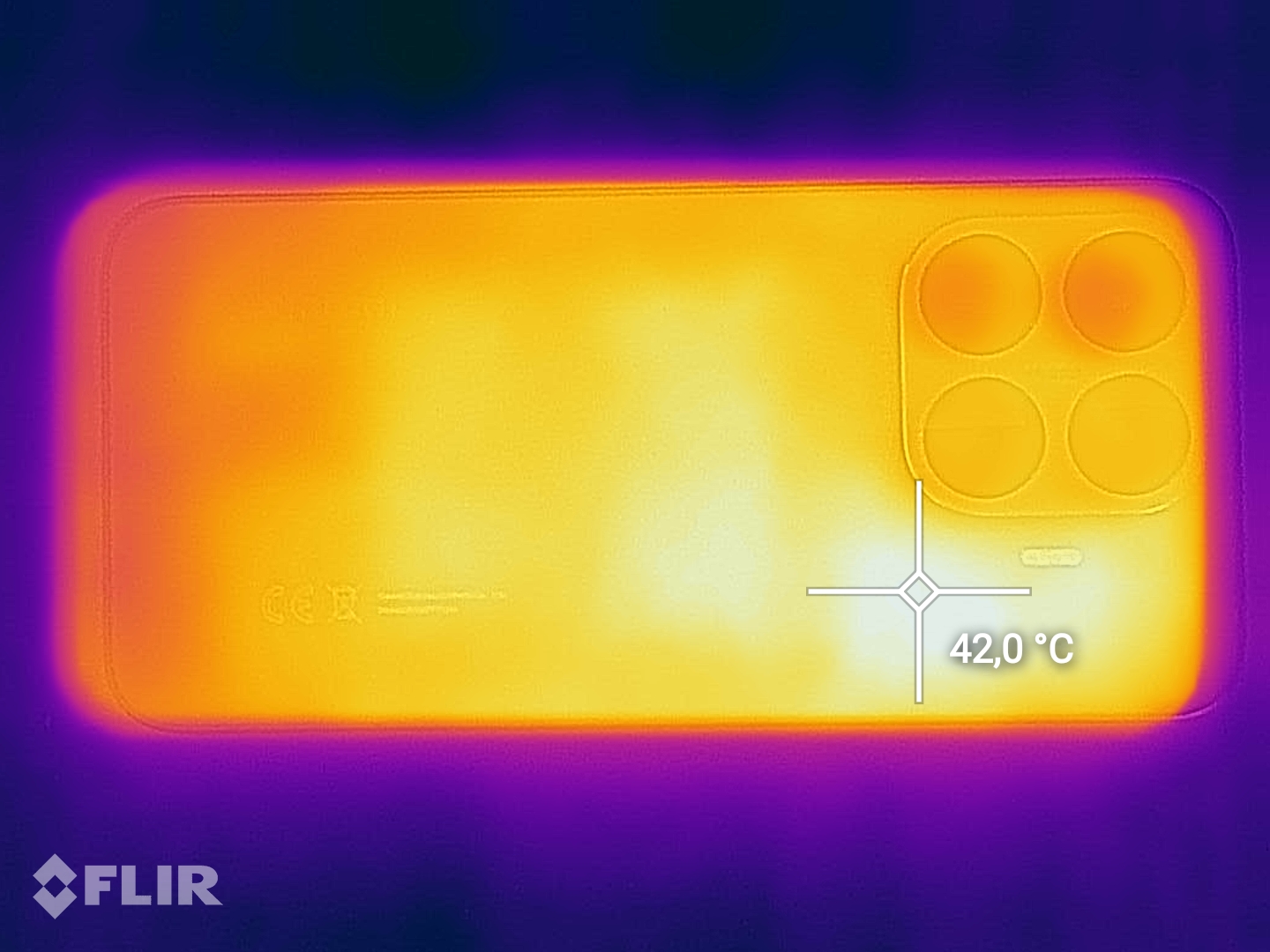
Under sustained load, the surface temperatures of the Xiaomi 17T Pro do rise noticeably, but they peak at a maximum of 42 °C, which is absolutely safe.
In 3DMark stress tests, however, this leads to significant throttling. Although the Galaxy S26+ throttles more heavily, it is generally faster.
(±) The maximum temperature on the upper side is 42 °C / 108 F, compared to the average of 35.4 °C / 96 F, ranging from 21.9 to 247 °C for the class Smartphone.
(±) The bottom heats up to a maximum of 40.3 °C / 105 F, compared to the average of 34.1 °C / 93 F
(+) In idle usage, the average temperature for the upper side is 29.2 °C / 85 F, compared to the device average of 33 °C / 91 F.
3DMark Stress Tests
| 3DMark | |
| Wild Life Stress Test Stability | |
| Xiaomi 17 | |
| Xiaomi 17T Pro | |
| Samsung Galaxy S26+ | |
| Wild Life Extreme Stress Test | |
| Vivo X300 FE | |
| Xiaomi 17 | |
| Xiaomi 17T Pro | |
| Samsung Galaxy S26+ | |
| Solar Bay Stress Test Stability | |
| Xiaomi 17 | |
| Vivo X300 FE | |
| Xiaomi 17T Pro | |
| Samsung Galaxy S26+ | |
| Steel Nomad Light Stress Test Stability | |
| Vivo X300 FE | |
| Xiaomi 17 | |
| Samsung Galaxy S26+ | |
| Xiaomi 17T Pro | |
Speaker
The two speakers on the Xiaomi 17T Pro sound quite pleasant at medium volume, but if you turn them up all the way, you’ll quickly notice that they run out of steam not only in terms of volume but also in terms of precision.
Xiaomi 17T Pro audio analysis
(+) | speakers can play relatively loud (83.6 dB)
Bass 100 - 315 Hz
(-) | nearly no bass - on average 17.5% lower than median
(±) | linearity of bass is average (12.1% delta to prev. frequency)
Mids 400 - 2000 Hz
(±) | reduced mids - on average 6.6% lower than median
(+) | mids are linear (6.2% delta to prev. frequency)
Highs 2 - 16 kHz
(±) | higher highs - on average 6.6% higher than median
(+) | highs are linear (4.7% delta to prev. frequency)
Overall 100 - 16.000 Hz
(±) | linearity of overall sound is average (18.9% difference to median)
Compared to same class
» 24% of all tested devices in this class were better, 10% similar, 66% worse
» The best had a delta of 11%, average was 34%, worst was 136%
Compared to all devices tested
» 45% of all tested devices were better, 8% similar, 48% worse
» The best had a delta of 4%, average was 23%, worst was 136%
Xiaomi Poco F8 Ultra audio analysis
(+) | speakers can play relatively loud (89.6 dB)
Bass 100 - 315 Hz
(±) | reduced bass - on average 14.3% lower than median
(+) | bass is linear (6.8% delta to prev. frequency)
Mids 400 - 2000 Hz
(+) | balanced mids - only 4% away from median
(+) | mids are linear (4.6% delta to prev. frequency)
Highs 2 - 16 kHz
(+) | balanced highs - only 3.3% away from median
(+) | highs are linear (2.6% delta to prev. frequency)
Overall 100 - 16.000 Hz
(+) | overall sound is linear (11.4% difference to median)
Compared to same class
» 0% of all tested devices in this class were better, 0% similar, 100% worse
» The best had a delta of 11%, average was 34%, worst was 136%
Compared to all devices tested
» 8% of all tested devices were better, 2% similar, 90% worse
» The best had a delta of 4%, average was 23%, worst was 136%
Battery Life—Reaching Runtime Heaven with 7,000 mAh
Power consumption
Power consumption is at a reasonable level, though it is slightly higher at full display brightness. Under load, however, it is very low.
The 17T Pro charges at up to 100 watts, allowing for a full charge within 45 minutes. Wireless charging supports up to 50 watts.
| Off / Standby |   0.05 / 0.38 Watt 0.05 / 0.38 Watt |
| Idle |  0.89 / 1.67 / 1.73 Watt 0.89 / 1.67 / 1.73 Watt |
| Load |
6.27 / 8.63 Watt |
    
| |
Key:
min: ,
med: ,
max: Metrahit Energy | |
| Xiaomi 17T Pro 7000 mAh | Samsung Galaxy S26+ 4900 mAh | Xiaomi Poco F8 Ultra 6500 mAh | Xiaomi 17 7000 mAh | Vivo X300 Pro 5440 mAh | Average MediaTek Dimensity 9500 | Average of class Smartphone | |
|---|---|---|---|---|---|---|---|
| Power Consumption | -22% | 0% | 2% | -48% | -21% | -3% | |
| Idle Minimum * (Watt) | 0.89 | 0.56 37% | 0.87 2% | 0.7 21% | 0.86 3% | 0.94 ? -6% | 0.903 ? -1% |
| Idle Average * (Watt) | 1.67 | 1.28 23% | 1.29 23% | 1.4 16% | 1.8 -8% | 1.717 ? -3% | 1.477 ? 12% |
| Idle Maximum * (Watt) | 1.73 | 1.31 24% | 1.33 23% | 1.7 2% | 1.86 -8% | 1.946 ? -12% | 1.679 ? 3% |
| Load Average * (Watt) | 6.27 | 12.38 -97% | 8.84 -41% | 5.9 6% | 10.63 -70% | 8 ? -28% | 6.64 ? -6% |
| Load Maximum * (Watt) | 8.63 | 16.9 -96% | 9.15 -6% | 11.7 -36% | 21.99 -155% | 13.3 ? -54% | 10.5 ? -22% |
* ... smaller is better
Power consumption: Geekbench (150 cd/m²)
Power consumption: GFXbench (150 cd/m²)
Battery life
Thanks to its 7,000 mAh battery, the Xiaomi 17T Pro lasted about 26 hours in our Wi-Fi test. That’s a very good result, but the Xiaomi 17 shows that even more is possible with an identical battery.
| Battery runtime - WiFi v1.3 | |
| Xiaomi 17T Pro | |
| Vivo X300 FE | |
| Samsung Galaxy S26+ | |
| Xiaomi Poco F8 Ultra | |
| Xiaomi 17 | |
Notebookcheck Overall Rating
The Xiaomi 17T Pro impresses above all with its enormous battery life, high performance, an outstanding display, and powerful cameras; however, it still has a few avoidable weaknesses, such as USB 2.0, the weak ultra-wide-angle camera, and performance throttling under heavy load.
Xiaomi 17T Pro
- 07/23/2026 v8
Daniel Schmidt
 Total Sustainability Score:
 Possible Alternatives Comparison
Image | Model / Review | Price | Weight | Drive | Display |
|---|---|---|---|---|---|
1. 85.7%  | Xiaomi 17T Pro MediaTek Dimensity 9500 ⎘ Arm Mali G1- Ultra MC12 ⎘ 12 GB Memory, 512 GB UFS 4.x | Amazon: $779.50 List Price: 1000€ | 219 g | 512 GB UFS 4.1 Flash | 6.83" 2772x1280 447 PPI AMOLED |
2. 86%  | Vivo X300 FE Qualcomm Snapdragon 8 Gen 5 ⎘ Qualcomm Adreno 829 ⎘ 12 GB Memory, 512 GB UFS 4.x | List Price: 899€ | 190.2 g | 512 GB UFS 4.1 Flash | 6.31" 2640x1216 461 PPI AMOLED |
3. 89%  | Samsung Galaxy S26+ Samsung Exynos 2600 ⎘ Samsung Xclipse 960 ⎘ 12 GB Memory, 256 GB UFS 4.x | List Price: 1249€ | 190 g | 256 GB UFS 4.0 Flash | 6.70" 3120x1440 513 PPI LTPO-AMOLED |
4. 88.2%  | Xiaomi Poco F8 Ultra Qualcomm Snapdragon 8 Elite Gen 5 ⎘ Qualcomm Adreno 840 ⎘ 16 GB Memory, 512 GB UFS 4.x | List Price: 900€ | 220 g | 512 GB UFS 4.1 Flash | 6.90" 2608x1200 416 PPI AMOLED |
5. 89.2%  | Xiaomi 17 Qualcomm Snapdragon 8 Elite Gen 5 ⎘ Qualcomm Adreno 840 ⎘ 12 GB Memory, 512 GB UFS 4.x | List Price: 650€ | 191 g | 512 GB UFS 4.1 Flash | 6.30" 2656x1220 464 PPI LTPO AMOLED |
Transparency
The selection of devices to be reviewed is made by our editorial team. The test sample was given to the author by the manufacturer free of charge for the purposes of review. There was no third-party influence on this review, nor did the manufacturer receive a copy of this review before publication. There was no obligation to publish this review. As an independent media company, Notebookcheck is not subjected to the authority of manufacturers, retailers or publishers.
This is how Notebookcheck is testing
Every year, Notebookcheck independently reviews hundreds of laptops and smartphones using standardized procedures to ensure that all results are comparable. We have continuously developed our test methods for around 20 years and set industry standards in the process. In our test labs, high-quality measuring equipment is utilized by experienced technicians and editors. These tests involve a multi-stage validation process. Our complex rating system is based on hundreds of well-founded measurements and benchmarks, which maintains objectivity. Further information on our test methods can be found here.
 Add as a preferred source on Google


