




The biggest gaming news from August 2026
 Gamescom
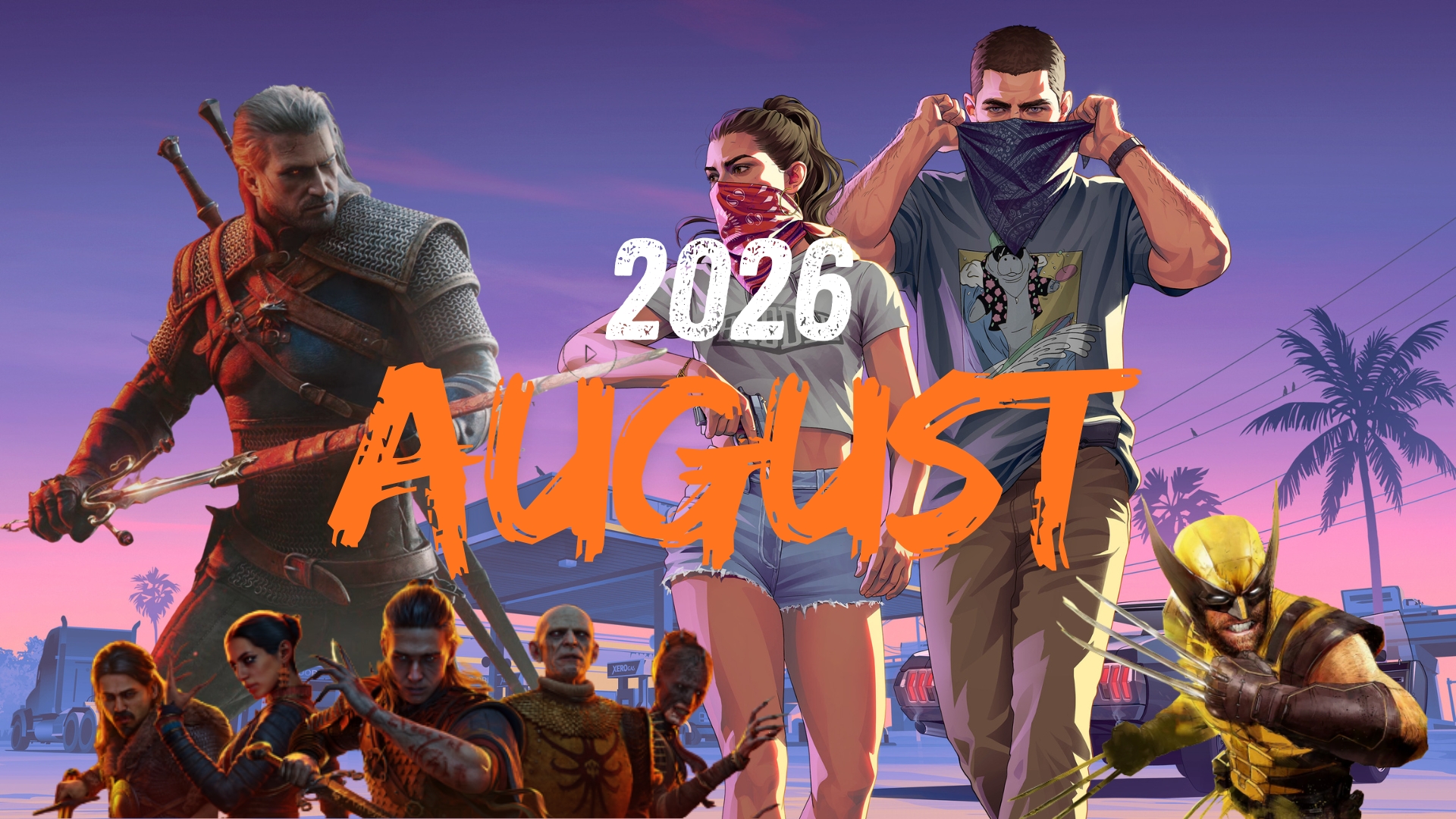
August 2026 turned out to be less about which games shipped and more about who owns the industry and how it treats the people paying for it. Electronic Arts went private in the largest leveraged buyout in history, Rockstar handed the year's most anticipated trailer to Netflix before its own fans could see it for free, and Sony and Xbox both took fresh swings at physical media in the same week. Insomniac spent the month defending Marvel's Wolverine against a backlash it did not expect, the FGC had one of their best and worst months in years, and VR and handheld hardware kept pushing forward even without much fanfare. Underneath all of that, Elden Ring finally landed on Switch 2, CD Projekt handed out two free Witcher 3 expansions, Gamescom crammed in fifty plus reveals and updates, and the industry's 2026 layoff count quietly passed all of 2025 combined. There's a lot to talk about, so let's dive right in with arguably the biggest gaming news of the month.
GTA VI'S EXTENDED LOOK, AND THE NETFLIX CONTROVERSY
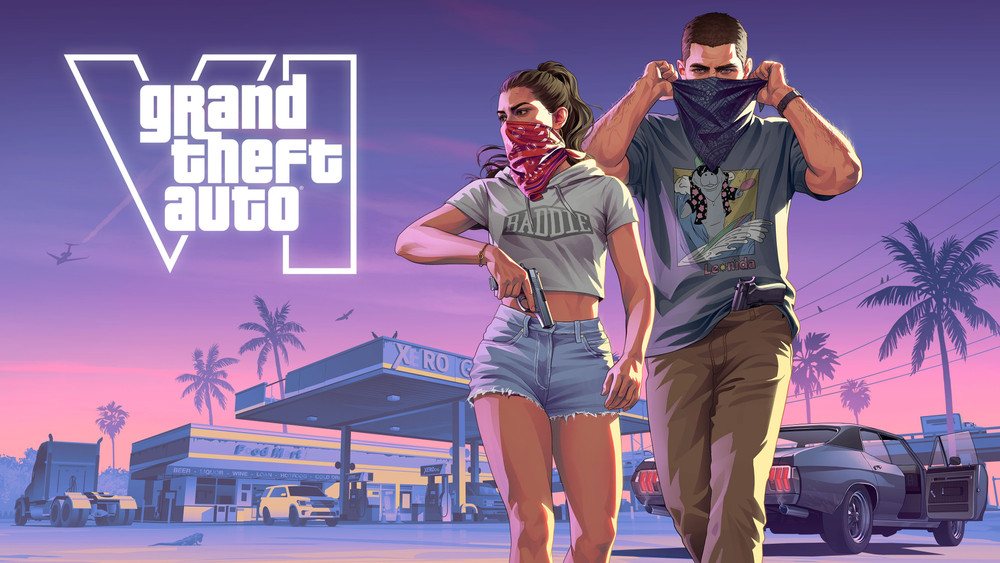
On August 27, Rockstar released Grand Theft Auto VI: An Extended Look, roughly 27 minutes of gameplay following dual protagonists Jason and Lucia through a montage of criminal jobs and open world moments, ahead of the game's confirmed November 19 release on PS5 and Xbox Series X|S. That alone would have been the month's biggest story. Instead the bigger story became where Rockstar chose to put it: the footage premiered exclusively on Netflix at 3pm ET, meaning anyone who wanted to watch it live needed an $8.99 USD subscription, with a six hour head start before it went free on YouTube and Rockstar's own site at 9pm ET.
The backlash was immediate and loud. Fans and outlets alike called the arrangement a paywall on one of gaming's most anticipated reveals. Whether or not six hours meaningfully locks anything behind a subscription, the optics did real damage: a studio that does not need Netflix's money chose a timed exclusive over its own audience for the biggest trailer of the year, and that reads as a concerning signal for how future reveals from any publisher might get handled. Despite the righteous rage however, the deal reportedly caused a massive surge in Netflix's traffic and use engagement, with GTA VI pre-order sales skyrocketing after the initial trailer drop. And as history has shown us, where the money flows, the trends will follow.
EA GOES PRIVATE IN THE LARGEST BUYOUT IN GAMING HISTORY
On August 4th, Electronic Arts stopped trading on the Nasdaq for the first time in over 36 years, as a consortium led by Saudi Arabia's Public Investment Fund, alongside Silver Lake and Jared Kushner's Affinity Partners, closed its $55 billion all-cash acquisition of the publisher. Shareholders were paid $210 per share, the PIF alone now controls 93.4 percent of the company, and the deal is the largest leveraged buyout in history, ahead of the previous record set by the 2007 TXU Energy buyout.
The reaction inside EA has been uneasy. Employees have told reporters they expect stricter, if unofficial, limits on the kinds of games EA makes going forward, particularly anything that visibly embraces diversity, and the deal has drawn political criticism over both Saudi and Kushner involvement in a publisher that owns franchises like The Sims, Battlefield, and EA Sports FC. On the business side, EA has reportedly told debt investors it plans to cut $700 million in annual costs, including $170 million in what it called organizational efficiencies, language that has historically preceded mass layoffs.
THE LAYOFF COUNT NOBODY WANTED TO HIT
On the topic of layoffs, by August 11th, confirmed layoffs for 2026 had already reached 10,140, surpassing the 9,175 recorded across the entirety of 2025, and trackers now project the full year could land close to 14,600, just short of 2024's peak. Microsoft's Xbox division remains the highest profile source of that pain; a July restructuring that cut roughly 4,800 jobs company wide, with Xbox absorbing a disproportionate share and several internal studios reportedly being spun off, kept generating fallout into August.
These layoffs and sweeping corporate changes directly affect the lives of thousands of the people who work hard to put our favorite titles and franchises in our hands, and this number of layoffs serves as a sobering counterweight to all of the exciting news surrounding their works of art. It's worth noting that a great month of announcements does not undo a bad year for the people making the games.
PHYSICAL MEDIA TAKES MORE HITS
The slow decline of the game disc picked up real momentum in August. Sony's July 1 announcement that it will stop producing physical PlayStation discs for new games starting January 2028 kept fueling discourse through the month. Sony's own quarterly filings put physical sales at only roughly 15% over the past year. At this point, Sony's direction is not in question, and it all but confirms the PS6 will likely be built as a digital-first, or digital-only, platform.
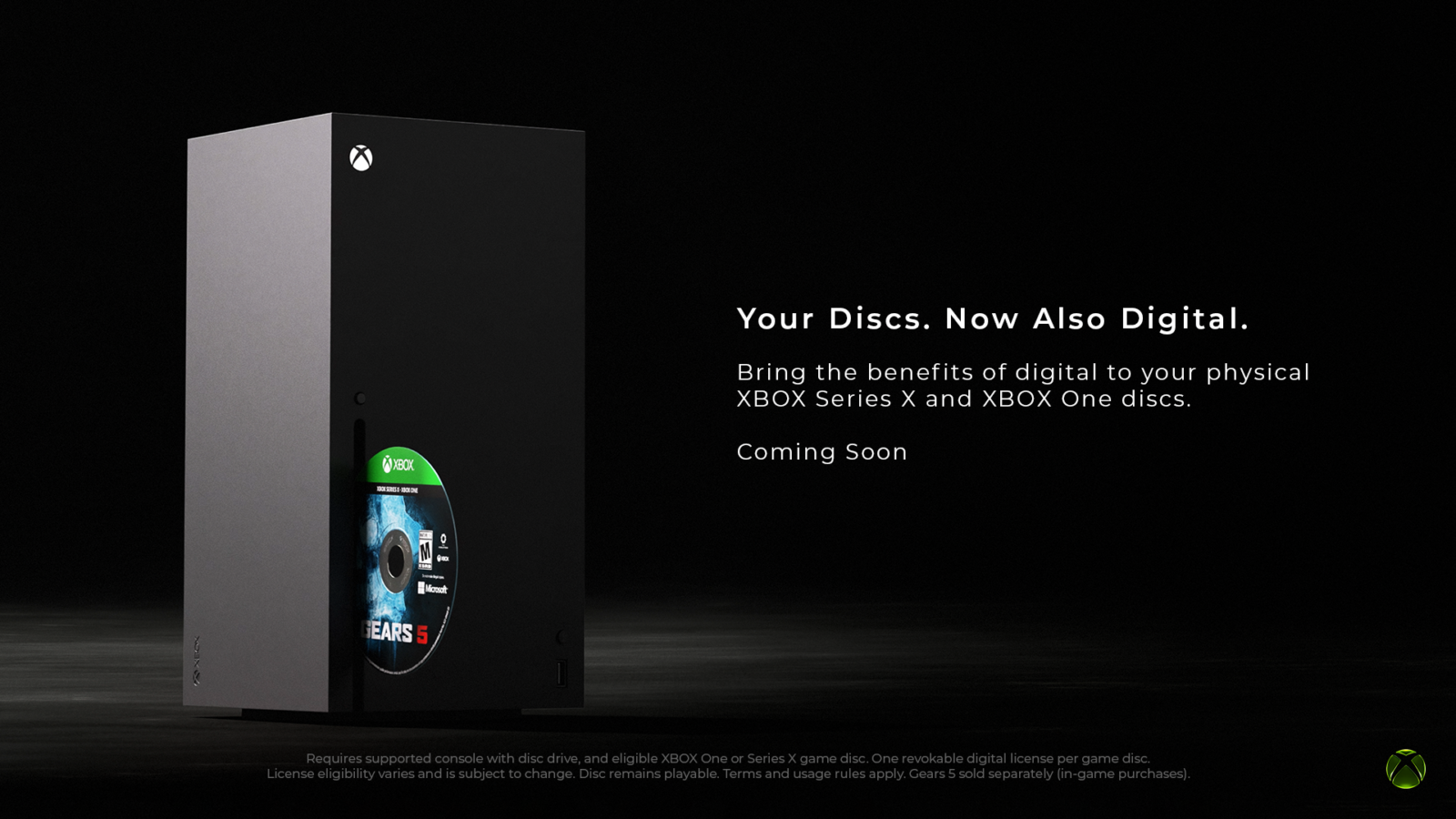
Xbox followed on with its own move, though it framed things very differently. Xbox's disc to digital program lets players insert a supported disc and claim a permanent digital entitlement alongside it, unlocking Xbox Play Anywhere and Cloud Gaming access. Xbox VP Jason Ronald called it a preservation effort, not a retreat from discs. That framing is a hard sell against the backdrop: Xbox's physical game sales have fallen to roughly 4 percent of the US market against PlayStation's 32 percent and Nintendo's 63 percent, and reports describe the optical disc drive supply chain itself as collapsing. Xbox may not be ending physical media on paper, but the writing on the wall does appear to be spelling something close to it. Still, its implementation has left a far less sour taste in the mouth compared to Sony's. Something developer Insomniac has had to stomach, as marketing for their upcoming Wolverine game ramped up throughout the month of August to mixed fanfare.
INSOMNIAC'S MARVEL'S WOLVERINE FIGHTING FOR ITS LIFE
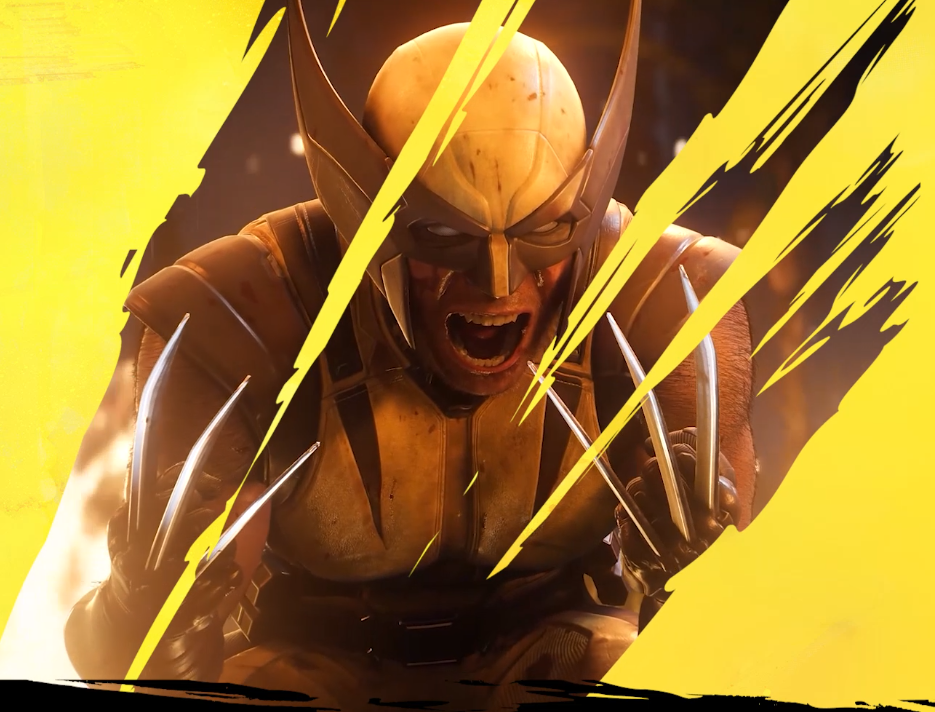
Insomniac spent much of August playing defense. Gameplay footage of preview versions of the game drew some ire from fans already incensed by Sony's decision surrounding physical media. A new Game Features trailer that arrived August 28th, narrated by Liam McIntyre and covering the game's Rage system, Adaptations, and New Game Plus options, was meant to settle the conversation down. It only partly worked. Insomniac communications director James Stevenson pushed back publicly, calling the negativity an "onslaught" amplified by platform algorithms rather than a fair read of wider sentiment.
My take? Both sides have a point. It's difficult to separate the art from the parent company's shenanigans. But some of the criticisms of what's been shown of gameplay footage does raise some eyebrows. It looks like the writing and presentation will be immaculate as ever, but there's just something missing in the gameplay proper that immediately hooks you when watching. Wolverine looks, feels and sounds deliciously brutal and aggressive, but I'm missing the hook that has kept me coming back to Insomniac's other titles when it comes to variety of gameplay and player expression, particularly in the combat, while doing that one thing that Wolverine does best. Hopefully that skepticism surrounding the combat gameplay is proven wrong when the game is in hand. Marvel's Wolverine releases September 15th on PS5 for $69.99 USD, so the verdict is only a few weeks away.
ELDEN RING FINALLY LANDS ON SWITCH 2, AND IT ACTUALLY WORKS
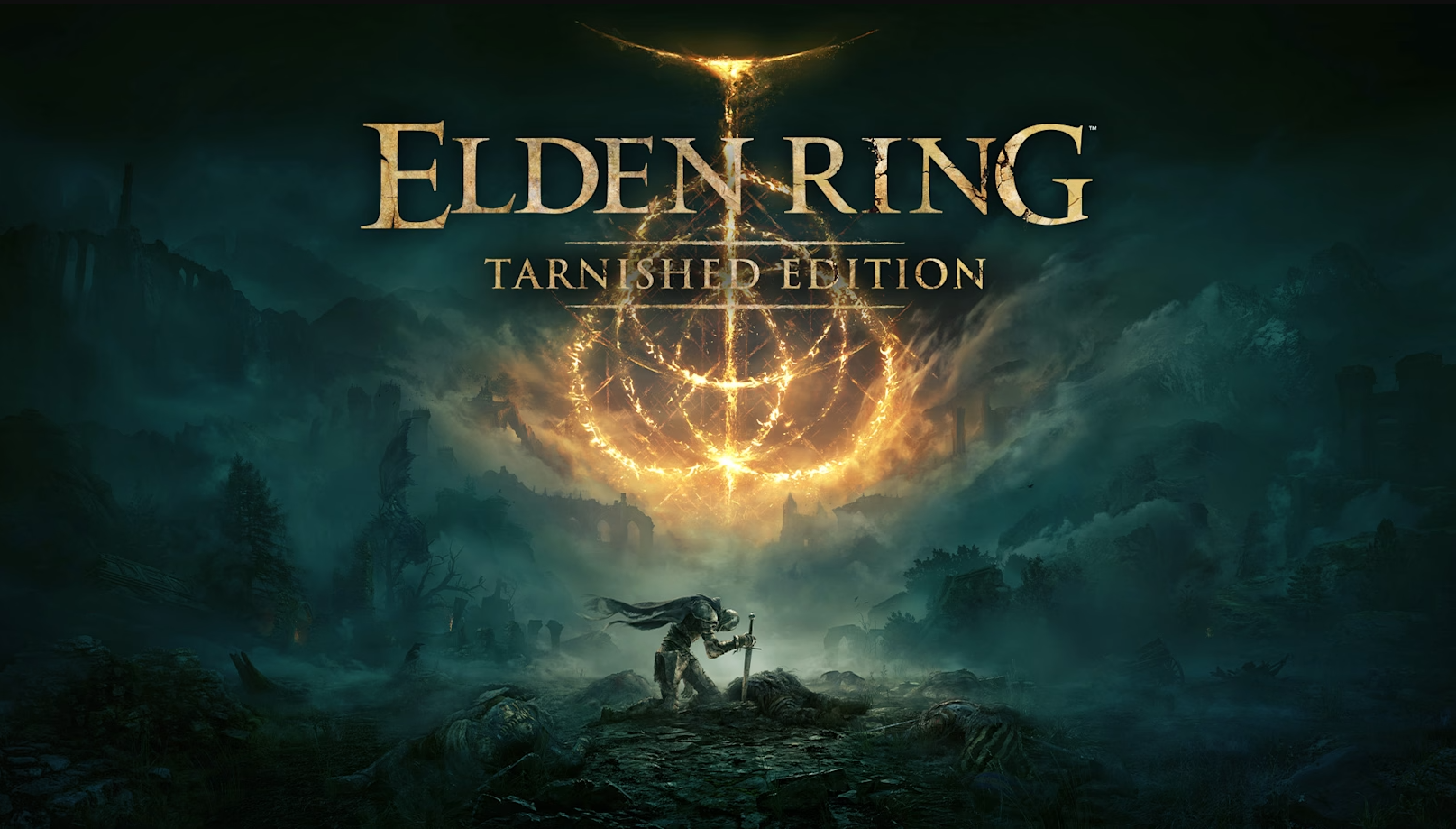
Elden Ring: Tarnished Edition launched on Nintendo Switch 2 on August 28 after a rocky road to get there. FromSoftware originally planned to ship the port alongside the console's 2025 launch window, but pulled it back after an early demo at Gamescom 2025 reportedly ran as low as 15 frames per second. A year of extra optimization later, hands-on coverage of the finished product describes a stable, close to 30fps experience in both docked and handheld modes, with only minor dips. Tarnished Edition bundles the base game with the Shadow of the Erdtree expansion for $79.99 USD, and includes two new classes, new armor sets, and new mount customizations.
CD PROJEKT RED GIVES THE WITCHER 3 ONE MORE CHAPTER
Amid all the paywalls and disc drama, CD Projekt Red used its Gamescom slot on August 25 to remind everyone what a goodwill gesture looks like. The Witcher 3: Wild Hunt Remastered launches September 29 on PC, PS5, and Xbox Series X|S, plus a native version on Switch 2 and Battle.net, and it is a free upgrade for anyone who already owns the game, not yet another re-purchase of a game you already own. CD Projekt is also unlocking the original two expansions, Hearts of Stone and Blood and Wine, at no cost for every existing owner on qualifying platforms.
The same reveal came with a first look at Songs of the Past, a brand new paid expansion co-developed with Fool's Theory. It sends Geralt to a previously unseen region called Letten, adds new combat abilities and a chain weapon class, and is wishlistable now ahead of a 2027 release. Coming over ten years after Blood and Wine, in a month otherwise defined by companies taking things away from players, CD Projekt handing out two free expansions and a free remaster on the lead up to the release of their new DLC is worth calling out on its own.
GAMESCOM'S OPENING NIGHT LIVE, BRIEFLY
Geoff Keighley hosted Gamescom 2026 in late August, and its Opening Night Live broadcast on August 25th delivered over fifty reveals and trailers in one sitting. Beyond the Witcher 3 news above, the biggest gets were Gears of War: E-Day, confirmed for October 6 as an Xbox console exclusive, and Metro 2039, which pushed out to a February 2027 window on PlayStation 5. Silent Hill Townfall and Control Resonant both got fresh looks, and Rainbow Six Tactics turned Siege's operator roster into a turn based, single player strategy spinoff. Most of it will not ship until 2027, but it set the table for an unusually franchise-heavy back half of 2026.
HANDHELDS AND VR HARDWARE, BRIEFLY

GPD's Win Max 3, a modular Windows handheld built around AMD's Ryzen AI Max+ chips with a 165Hz AMOLED screen and a swappable battery module, posted strong official gaming benchmarks this month, running Apex Legends above 190fps and Forza Horizon 5 above 98fps at its highest settings. It is a niche, premium device, but a good marker of how far the Windows handheld segment has moved past "can it run modern games at all" and into genuine performance competition.
That competition still has two clear poles. Asus's ROG Xbox Ally X remains at $999.99 against Valve's Steam Deck OLED at $789, and total Ally sales across every channel stayed under one million units from its October 2025 launch through July 2026, a sign that Valve's incumbent still owns the mainstream of the category even as Microsoft and Asus keep pushing a faster, pricier alternative at enthusiasts.
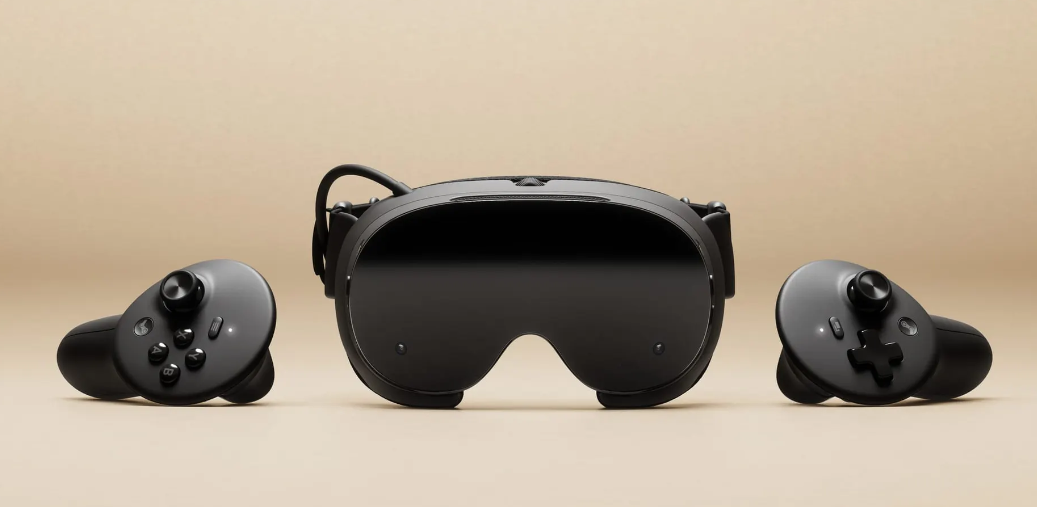
Valve's Steam Frame, its first standalone VR headset, spent August looking more real than ever without actually shipping. Review units are already out, and a reliable insider now points to a mid-September launch window, with consumer shipping expected around September 14 after preorders open the week before. Valve still had not announced an official price as of August 24, though estimates cluster between $899 USD and $1,199 USD, and the same insider expects the final number to land north of $1,000 USD. The headset cleared FCC certification for US sale on July 29, and its verified "Great on Frame" game catalog jumped from eight titles in mid-July to 89 by late August, helped along by an Android compatibility layer that can also run games from Meta's own Quest store.
Meta went the other way. The company shelved its 2026 Quest 4 prototypes entirely and pushed a true successor out to 2027 or later, choosing to rethink the headset's form factor and optics rather than ship an incremental update. It was not absent from VR news for the month, though: an August VR Games Showcase revealed a proper VR port of System Shock and a Quest-native take on High on Life, so the software pipeline for existing headsets kept moving even as Meta's next piece of hardware slipped. My body is ready for the Total Chaos VR port, coming to SteamVR as a free update to anyone who already owns the game, as well as Meta Quest as a standalone version.
DLSS 5 LEAKS OUT OF NBA 2K27, AND IT'S ROUGH, BUT ALSO KINDA GOOD?
On August 26, players digging through NBA 2K27's early access files found something Nvidia had not announced yet: a set of DLSS Neural Rendering DLL files, at 158MB dramatically larger than any previous DLSS release, pointing to DLSS 5. Modders pulled the files out within days and got the experimental build running in other games entirely, including Control, Skyrim, and Final Fantasy VII Rebirth, to mixed levels of success.
The early verdict was rough. The leaked build's neural rendering produced visibly uncanny results that plenty of players called "AI slop," and the performance hit was severe: framerates dropped by as much as 50 to 60 percent depending on the game and GPU, with one example showing Control falling from 86fps to 32fps on an RTX 5060.
Nvidia's response was to just confirm the real thing. DLSS 5 with neural rendering officially arrives September 3 for RTX 50 series cards and GeForce Now, the same week as NBA 2K27 itself, with support also planned for Star Wars Zero Company, Onimusha: Way of the Sword, and The Blood of Dawnwalker. Nvidia has not clarified support for RTX 20, 30, or 40 series cards, and confirmed the leak's performance concerns were not exaggerated: officially, DLSS 5 costs 50 to 60 percent of your framerate. While hardware hungry, in the right circumstances, DLSS5 seems to push realism in games with an appropriate art style to an impressive new level. Whether that trade is worth it is still a topic of discussion, but one thing's for sure, my 2,000+ Skyrim modlist has never looked so good, or performed so terribly.
SKYRIM MODDERS ARE STILL DOING THE MOST
Speaking of Skyrim, fourteen years after release, Skyrim remains the platform other people build entire games inside of. The standout this month is Vampire: The Masquerade Reawakened, a five-year volunteer project that uses Skyrim's engine as raw material for a full standalone RPG rather than a simple reskin. It reinterprets 2000's Vampire: The Masquerade Redemption, following crusader Christof Romuald from medieval Prague into 1999 London and New York, and replaces Bethesda's leveling and combat systems outright: experience goes directly into attributes, abilities, and vampiric Disciplines instead of skill-use grinding, and combat runs on a tight 100 health pool with no instant healing. The team showed an extensive gameplay demo at 2026's Mod Con, and the project has kept moving despite past legal pressure over the license.
Bethesda made room for exactly this kind of ambition the same month. An August Skyrim Special Edition update tripled the console mod storage cap from 5GB to 15GB, redesigned the Creations storefront, and fixed a run of Steam Deck and Creation Kit crashes , though it also broke a number of existing mods on arrival, a reminder that "Bethesda touched the base game" is still a mixed blessing for anyone running a big load order. Yours truly included.
FIGHTING GAMES HAD A HELL OF A MONTH, FOR BETTER AND WORSE
Fighting fans got two real releases and one gut punch in August. MARVEL Tokon: Fighting Souls, Arc System Works' new tag-team superhero fighter, launched August 6 on PS5 and PC with 20 fighters and a striking anime-style presentation, and reviews called it one of the genre's best comeback in years. The PC launch told a rougher story: the Steam release landed a "Mixed" rating with more than half of its early reviews negative over performance and optimization problems that did not show up on PS5, and reports out of Japan pointed to a soft opening week at retail. A great game on paper still has to survive contact with a port.
Street Fighter 6 kept building too. Yasmine, the roster's first Filipino fighter, joined on August 3 as the opening character of the Year 4 pass, fighting with a pair of karambit knives, ahead of Arjun, Tifa (yes, that Tifa, by way of the Final Fantasy VII Remake series), and Bosch later in the pass.
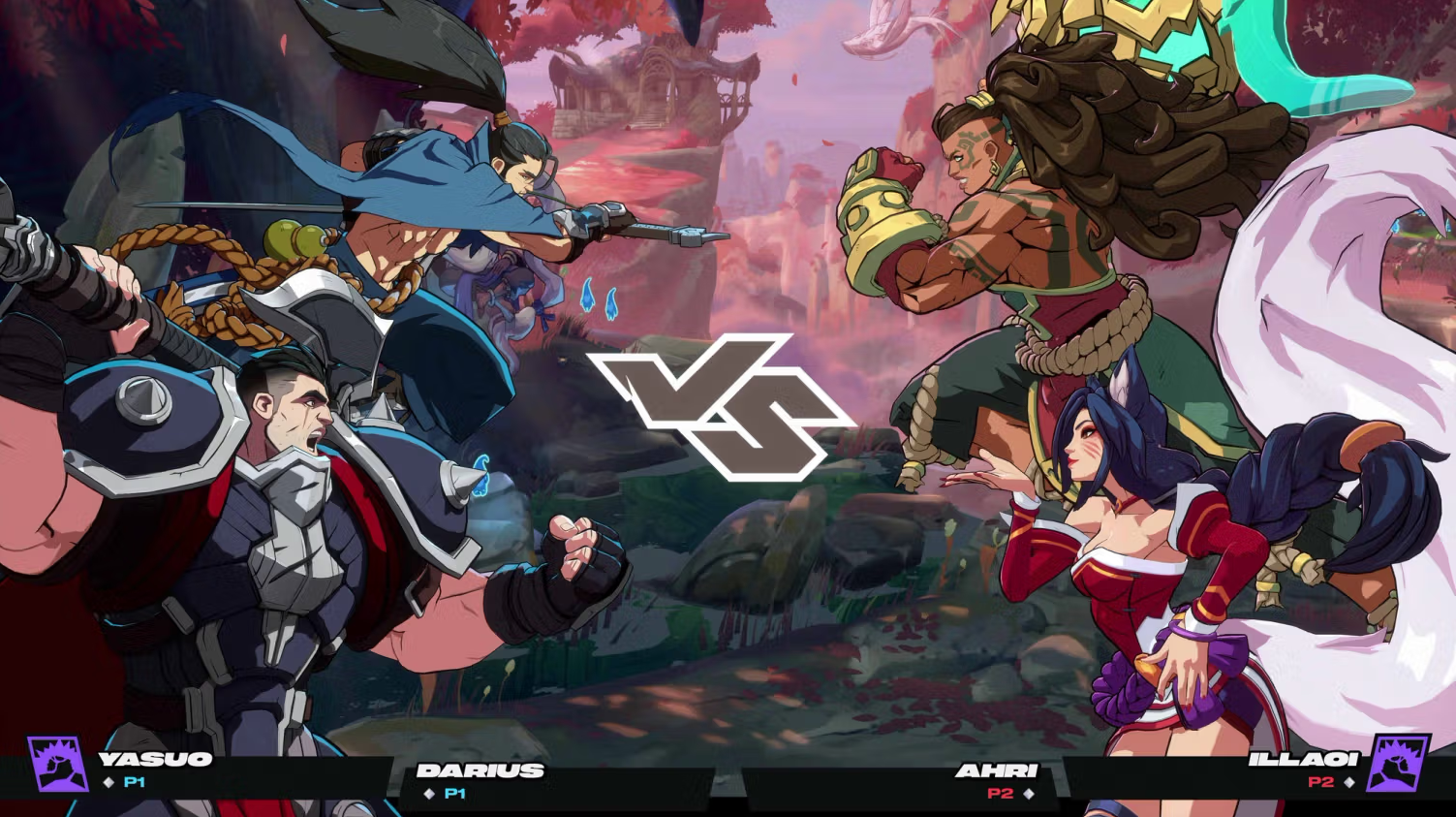
Then the bad news. Riot Games confirmed on August 20 that it is ending active development on 2XKO, its tag-team fighter, less than a year after launch, citing player retention that never reached a sustainable level. The game stays online and free-to-play, with two last fighters (Lux in September, Samira in October) before it settles into pure maintenance mode, and Riot is refunding every KO Points and Starter Edition purchase made before the announcement while unlocking the full roster for everyone.
A GENUINELY STACKED RELEASE WEEK
Buried under everything above was one of the busiest single weeks of the year for actual releases. Metal Gear Solid: Master Collection Vol. 2 launched August 27 across PC, PS5, Xbox Series X|S, Switch, and Switch 2, bundling Metal Gear Solid 4: Guns of the Patriots and Peace Walker with Ghost Babel as a bonus, for $49.99 USD. The same week brought Star Wars Zero Company, a turn based tactics game from former XCOM developers at Bit Reactor, and Resonance: A Plague Tale Legacy. Lies of P also got its Complete Edition treatment on Switch 2, folding the base game and its Overture DLC into one package. In a quieter month, any one of these would have been the headline. In August 2026, they almost felt more like a footnote.
TWO HIDDEN GEMS WORTH YOUR TIME
Away from all the noise above, a couple of smaller August launches deserve a second look before they get buried under September's lineup.
Doloc Town is a pixel art farming sim with a twist: it is set after the end of the world, and it plays out as a side scroller rather than the usual top-down grid. It swaps Stardew Valley's cozy optimism for something quieter and more melancholic without losing the genre's core loop of planting, building, and slowly making a place your own. It currently sits at a Very Positive on Steam, and is on sale as of the writing of this article at -30% for the Doloc Town Supporter Pack, sitting at $17.82 USD.
Agent64: Spies Never Die goes the opposite direction entirely, resurrecting the specific feel of Rare's GoldenEye 007 for players who grew up on split screen N64 shooters and have been waiting for someone to actually chase that feeling again instead of just referencing it. It won't be for everyone, but for the audience it's built for, it is close to exactly what they've asking for, complete with split screen co-op. It currently sits at Very Positive on Steam, and retails at $21.64 USD.
LOOKING AHEAD TO SEPTEMBER
August set up a busy fall, and September is where a lot of it starts landing, Marvel's Wolverine among them. Onimusha: Way of the Sword and NBA 2K27 round out September's headline names, alongside Mewgenics, a surprisingly tactical roguelike built around cat breeding that comes to Switch 2, PS5, and Xbox Series X|S on September 8.
Worth flagging early: The Blood of Dawnwalker, the vampire action RPG from Rebel Wolves, released September 3 on PC, PS5, and Xbox Series X|S. When Rebel Wolves first showed console footage, the game was capped at 40fps, with a Quality Mode targeting 30fps and a Balanced Mode targeting 40fps and nothing higher on offer. Players pushed back hard, and on August 24 the studio confirmed it had been quietly finishing a 60fps Performance Mode and would ship it as part of the day one patch on PS5, PS5 Pro, and Xbox Series X after all, which we all agreed was pretty cool of them to do. It seems like a small thing next to a Netflix paywall or a vanishing disc drive, but a developer actually changing course to listen to and satisfy their player base is exactly the kind of story that gets buried in a month this loaded, and it shouldn't be.
Apologies for the delay getting this one out the door. In my defense, August apparently mistook itself for an entire quarter's worth of news. Feel free to leave a comment letting us know what we missed, particularly any more hidden gem goodies that might have fallen under the radar. September looks like it's already doing its best to compete with August's pace, so shout out if the recap was helpful and you'd like to see more of these moving forward.
Source(s)
 Add as a preferred source on Google


