




Which is the better choice? Redmi Note 15 5G vs. Samsung Galaxy A36
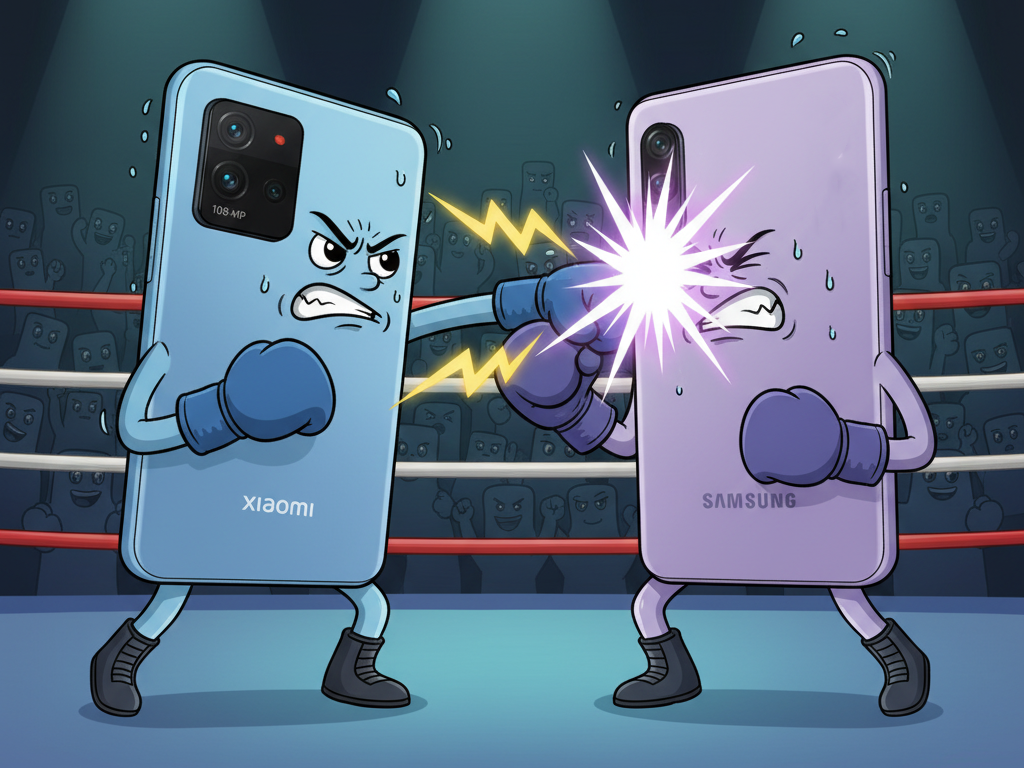
In the $200–$280 price range, the Xiaomi Redmi Note 15 5G and the Samsung Galaxy A36 5G are locked in a thrilling neck-and-neck race. Both share the Snapdragon 6 Gen 3, 120 Hz AMOLED displays, and 45-watt fast charging, but their priorities differ significantly: Xiaomi is chasing the price-performance record with battery power and flexibility, while Samsung is focusing on premium workmanship and all-around better multimedia features.
Xiaomi initially impresses with raw substance. The 6.77-inch AMOLED panel achieves peak brightness of up to 599 cd/m² (significantly higher on smaller areas), remains smooth at 120 Hz, and offers PWM dimming at 3,840 Hz for sensitive eyes. The 5,520 mAh battery dominates the runtime comparison and clearly outperforms the A36's 5,000 mAh battery, fully charging in 58 minutes. Practical features include a microSD slot (hybrid), IR blaster, and NFC, plus a slim 7.4 mm IP65 case with “Titan Tough” robustness that can withstand drops from 1.7 m without damage. It comes with HyperOS 2.0 based on Android 15, promises updates up to Android 19, and security patches until 2032.
Samsung counters with a noticeable premium feel. The 6.7-inch Super AMOLED shines with up to 1,900 nits, Gorilla Glass Victus+ and IP67 protection, and is also weatherproof, scratch-resistant and optimised for outdoor use. The camera (50+8+5 MPix with OIS) produces more natural colours, has a higher dynamic range and usable macro shots, while Xiaomi's 108 MPix main module oversharpen and the ultra-wide angle appears muddy. Samsung's stereo speakers sound fuller and more balanced than Redmi's thin Dolby Atmos setup. One UI 7 scores points with AI features (Circle to Search), eSIM, WiFi 6, Knox security and longer OS support up to Android 21 – a clear software advantage over HyperOS with bloatware and ads.
In terms of performance, both are on par: the Snapdragon 6 Gen 3 with Adreno 710 handles everyday use and casual gaming well. Xiaomi offers more RAM options (up to 8 GB) and expandable UFS 2.2 storage, while Samsung scores with more stable heat generation and cleaner system flow.
From a critical and analytical perspective, the Galaxy A36 (buy here on Amazon) narrowly wins the duel thanks to its superior camera and software quality and better software. It feels like a small premium device and is better suited for photo, video and long-term users. The Redmi Note 15 5G counters as the ultimate power user for battery fans and memory flexibility hunters, pushing Samsung into a corner in terms of price, but remaining secondary in terms of multimedia and workmanship. Those who save rationally choose Xiaomi; those who seek balance go for the Galaxy.
 Add as a preferred source on Google


