




Xiaomi Redmi Note 15 5G: Offers great value for money
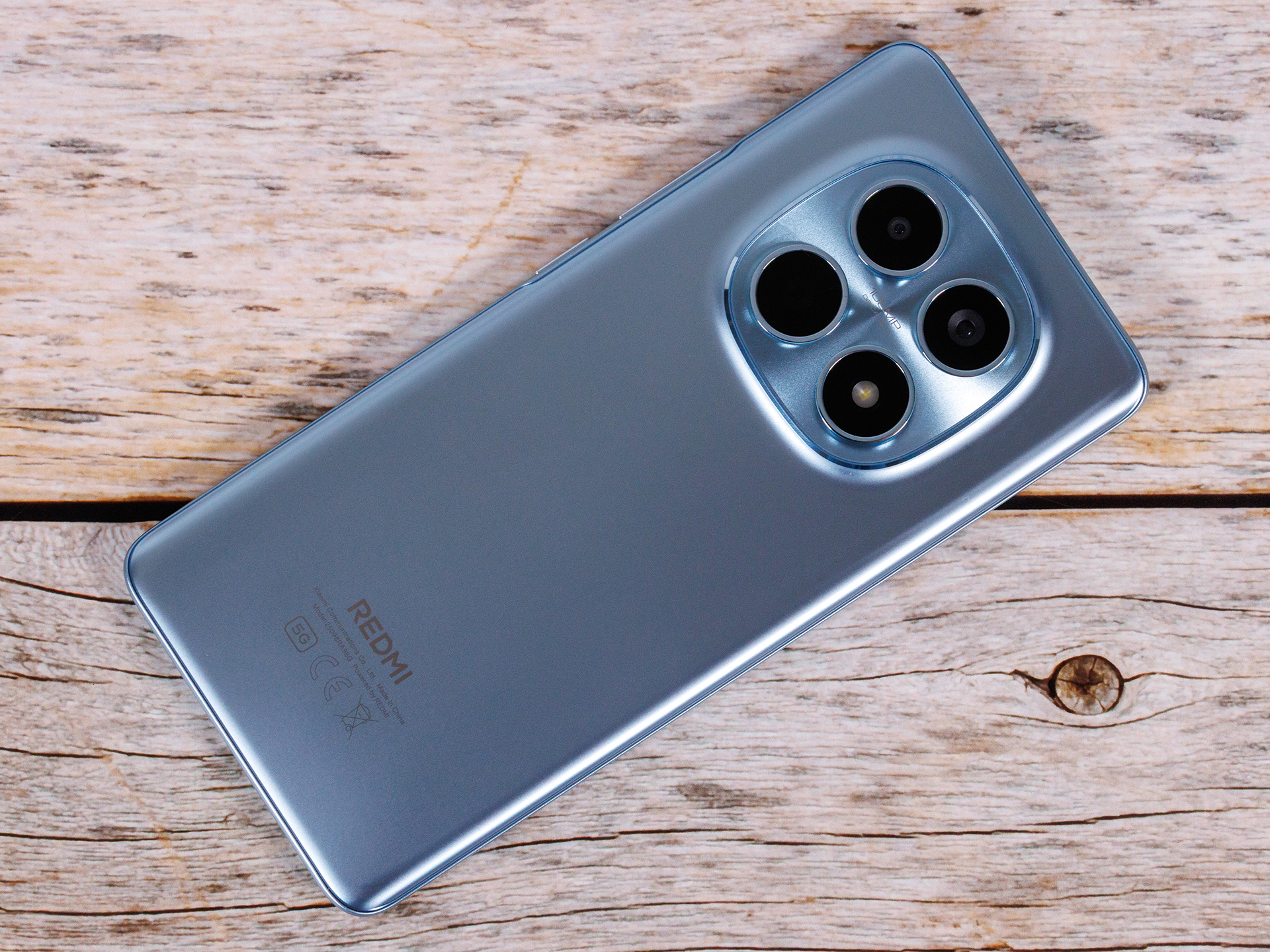
The Redmi Note 15 5G leaves a strong but by no means flawless overall impression in our test: Xiaomi combines a very bright 120 Hz AMOLED display, long battery life, and a robust case with an exemplary update policy, but it has weaknesses in camera fine-tuning, speakers, connectivity, and software experience, which clearly mark it as a budget device in the Xiaomi ecosystem.
Between price breakers and budget constraints
Xiaomi positions the Redmi Note 15 5G as a “sensible” all-round smartphone, not as a feature showcase: Snapdragon 6 Gen 3, UFS 2.2 memory, ac Wi-Fi, single-band GNSS, and an IP65 housing make for a coherent but deliberately limited package. At the same time, the manufacturer is making a statement in the entry-level and lower mid-range segment with up to Android 19 and six years of security updates. This is an area where even Samsung is coming under increasing pressure in a direct price comparison.
The AMOLED panel impresses with high pixel brightness, smooth 120 Hz and very good calibration options, but does without HDR and is rather average in terms of full-screen brightness – a noticeable compromise for streaming fans. The 5,520 mAh battery, together with the economical Snapdragon, ensures really good battery life and is at least on par with competitors such as the Galaxy A36 in everyday use, while 45-watt charging rounds off the features in a practical way.
Camera and multimedia: specs stronger than results
On paper, the 108 MPix OIS main camera sounds like a mid-range highlight, but in practice, aggressive sharpening, low dynamic range reserves, and a disappointingly soft ultra-wide angle visibly limit image quality. The video capabilities remain at the lower mid-range level with a maximum of 4K/30 fps or FHD/30, while the front camera quickly reaches its limits in low light. Together with comparatively pale speakers, the Note 15 5G is therefore not an insider tip for media or creator demands.
HyperOS 2.0, based on Android 15, brings a modern feature set and practical ecosystem functions, but is marred by advertising and a significant amount of bloatware. Especially in direct comparison to tidier systems such as Nothing OS, the user experience seems less consistent. On the positive side, microSD support, an IR blaster, and a fast optical in-display fingerprint sensor stand out, while the lack of eSIM, Vo5G, and a headphone jack clearly shows where Xiaomi has made cuts.
 Add as a preferred source on Google


