




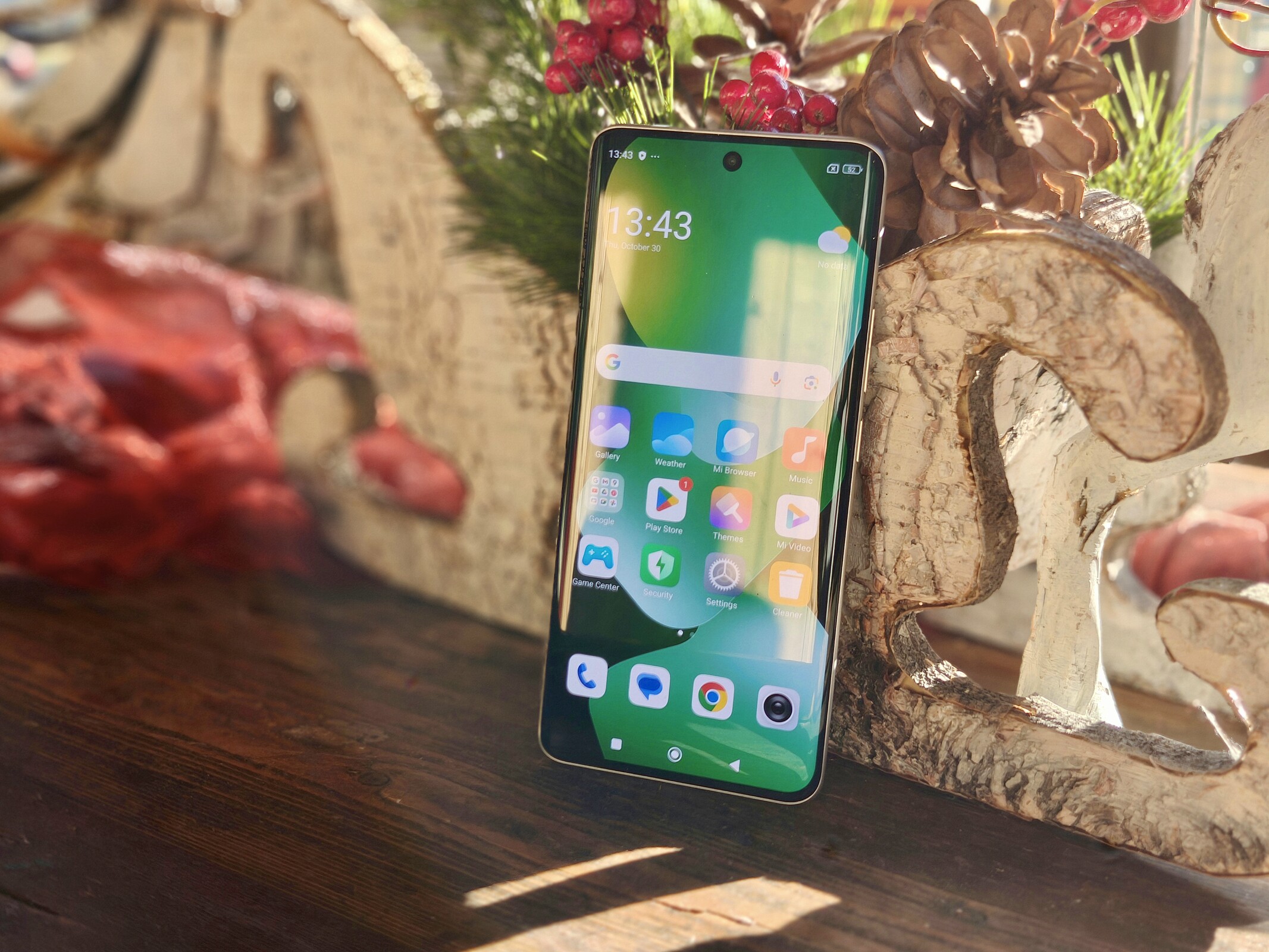
Verdict on the Xiaomi Redmi Note 15 4G
The Xiaomi Redmi Note 15 LTE has improvements over its predecessor: for example, significantly longer battery life thanks to the larger battery. Or an officially HDR-capable screen with more brightness and a substantially faster touchscreen sampling rate.
The variety of 4G frequencies has also been expanded so that the Redmi Note 15 can be used more flexibly when traveling.
Although the processor has a new name, it is only a slightly revised SoC. It offers no performance advantages over its predecessor, but it performs well overall for its price.
Some users may be upset that the 3.5 mm audio port has been removed. The screen glass that extends over the edges may also not appeal to all buyers.
Thanks to its long battery life, suitable performance, and bright screen, the Xiaomi Redmi Note 15 LTE is a very well-equipped mid-range phone.
Pros
Cons
Price and availability
The smallest storage version of the Xiaomi Redmi Note 15 4G is also available online for less than 200 euros.
For our test device with 8 GB RAM and 256 GB mass storage, you usually pay 220 euros (approx. US$235) at the time of testing, for example at amazon.de.

- $279.50XIAOMI Redmi Note 15 5G Ai (Compatible with Tmobile Mint Tello Global) (256GB + 8GB) 6.77" NFC 120Hz 108MP Triple Cam Unlocked Model 25098RA98G Dual Sim (Black)
- $198.50XIAOMI Redmi Note 15 4G LTE (Compatible with Tmobile Mint Tello & Global) (128GB + 6GB) 6.77" 120Hz 108MP AI Camera Global Version Dual Sim Model 2510DRA23L Liberado (Black)
- $199.50XIAOMI Redmi Note 15 4G LTE (Compatible with Tmobile Mint Tello & Global) (128GB + 6GB) 6.77" 120Hz 108MP AI Camera Global Version Dual Sim Model 2510DRA23L Liberado (Glacier Blue)
Table of Contents
- Verdict on the Xiaomi Redmi Note 15 4G
- Specifications
- Case and features - No more audio jack
- Communication and operation - Phone becomes more international
- Software and sustainability - Six years of updates
- Camera - Passable pictures
- Display - Extremely bright when required
- Performance, emissions and battery life - Easily lasts two days
- Notebookcheck overall rating
- Possible alternatives in comparison
Specifications
Case and features - No more audio jack
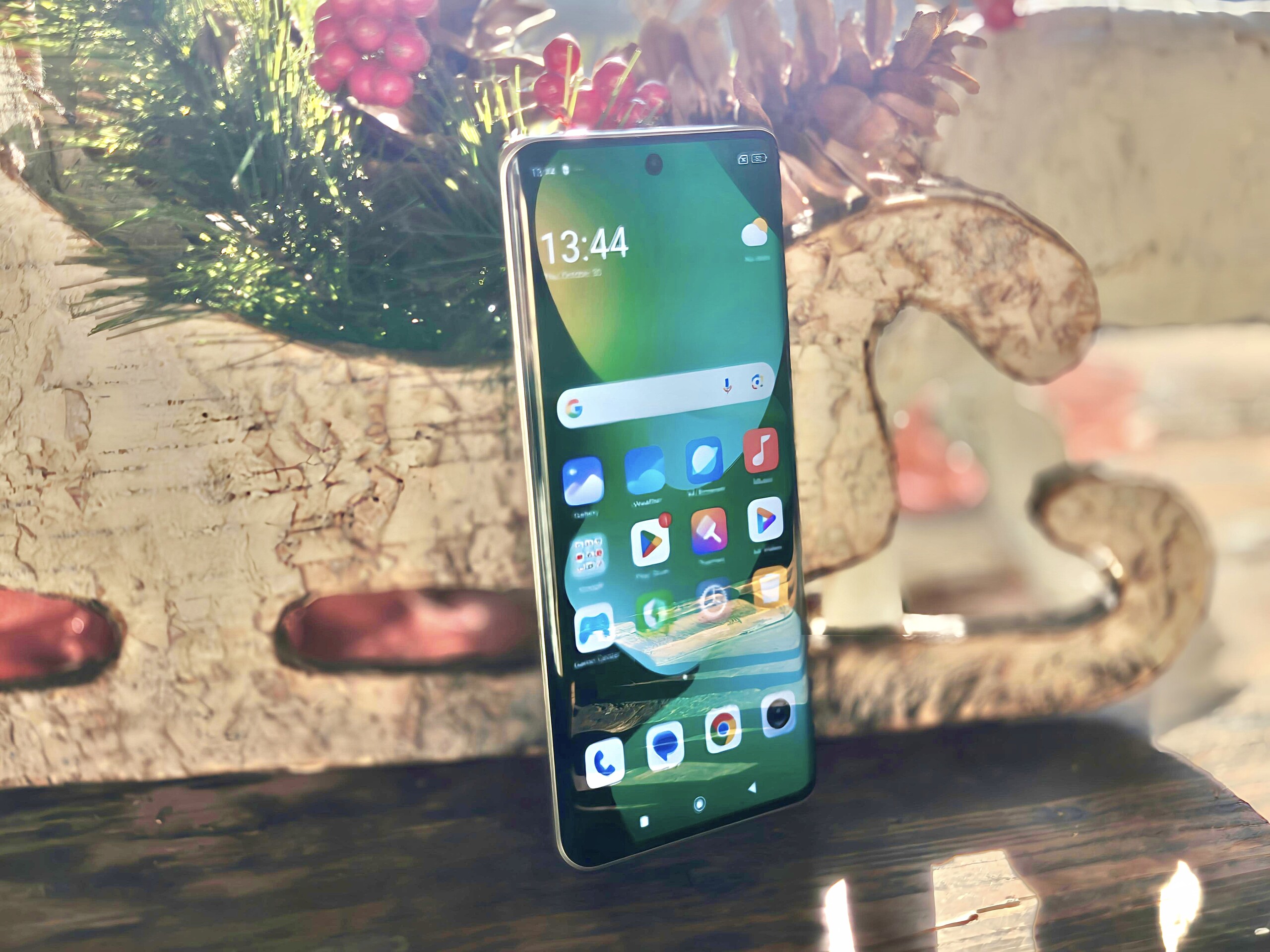
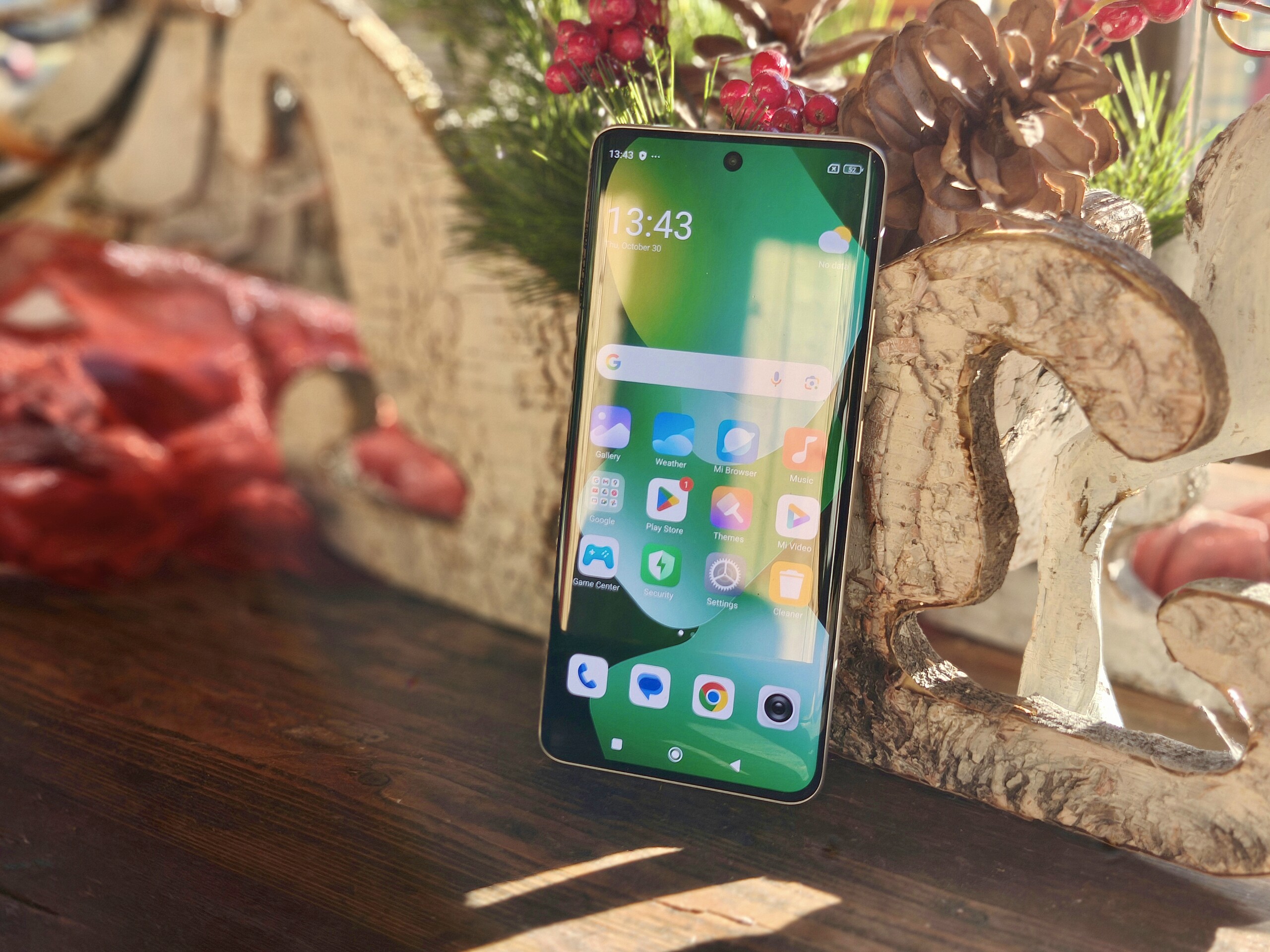
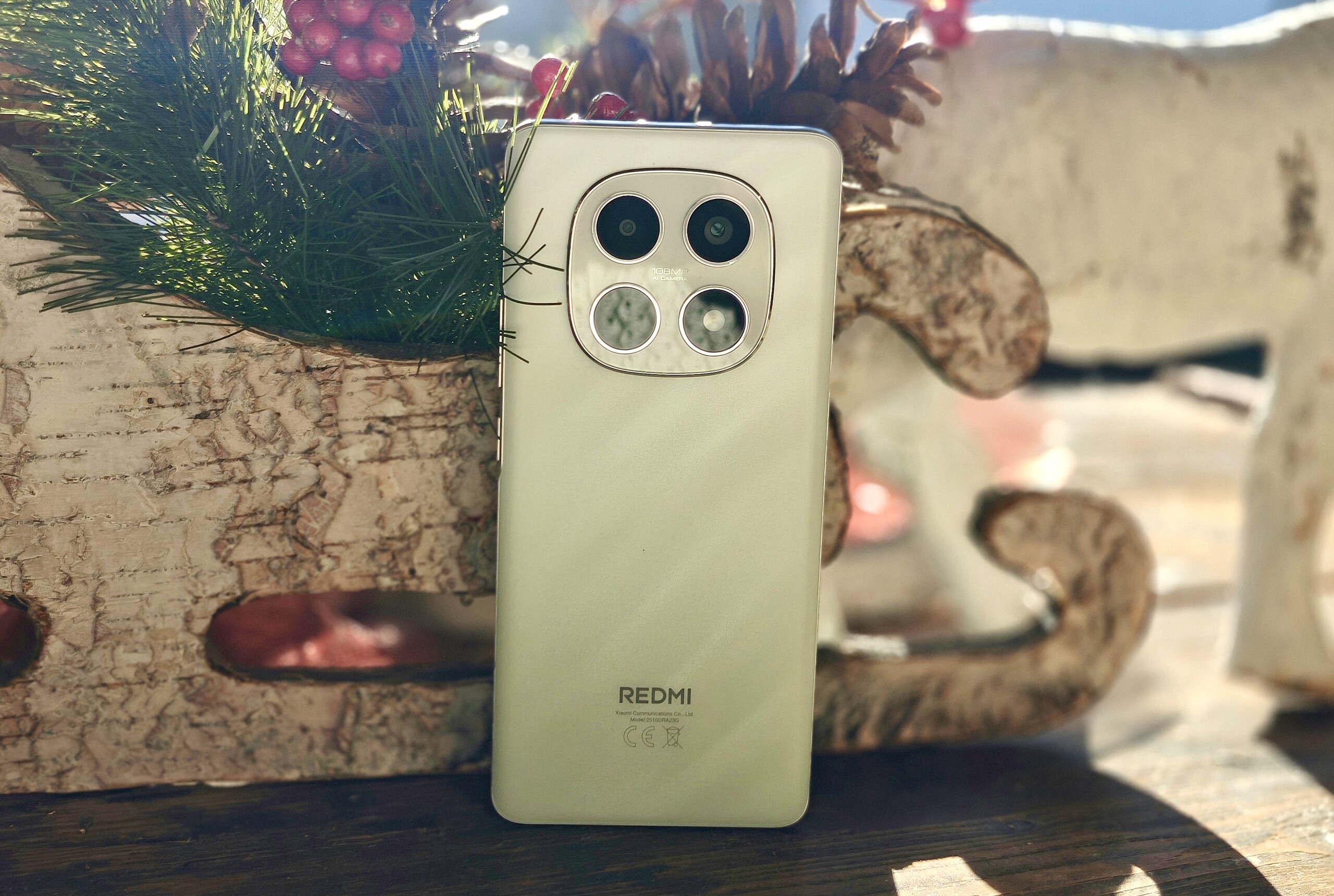
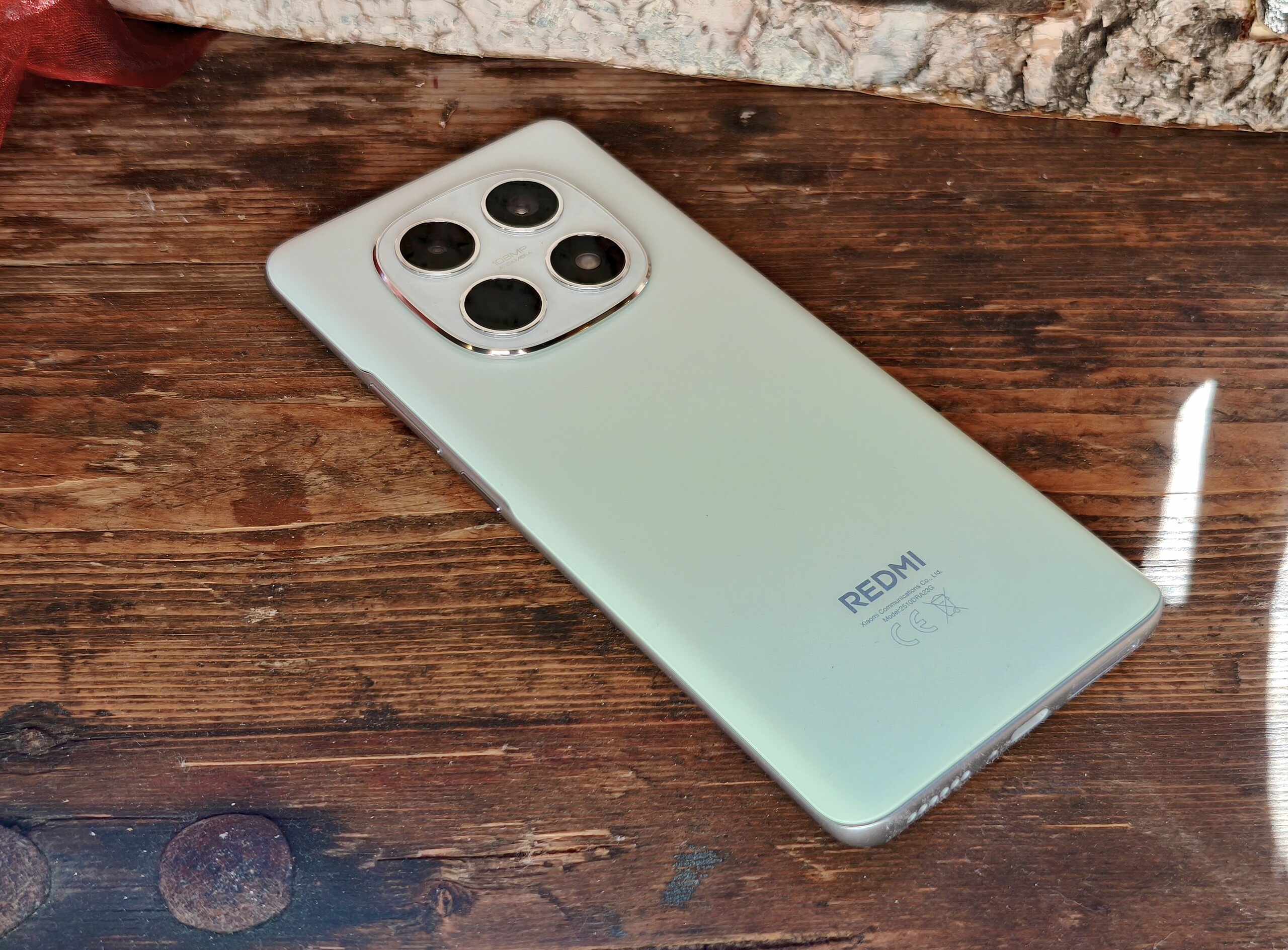
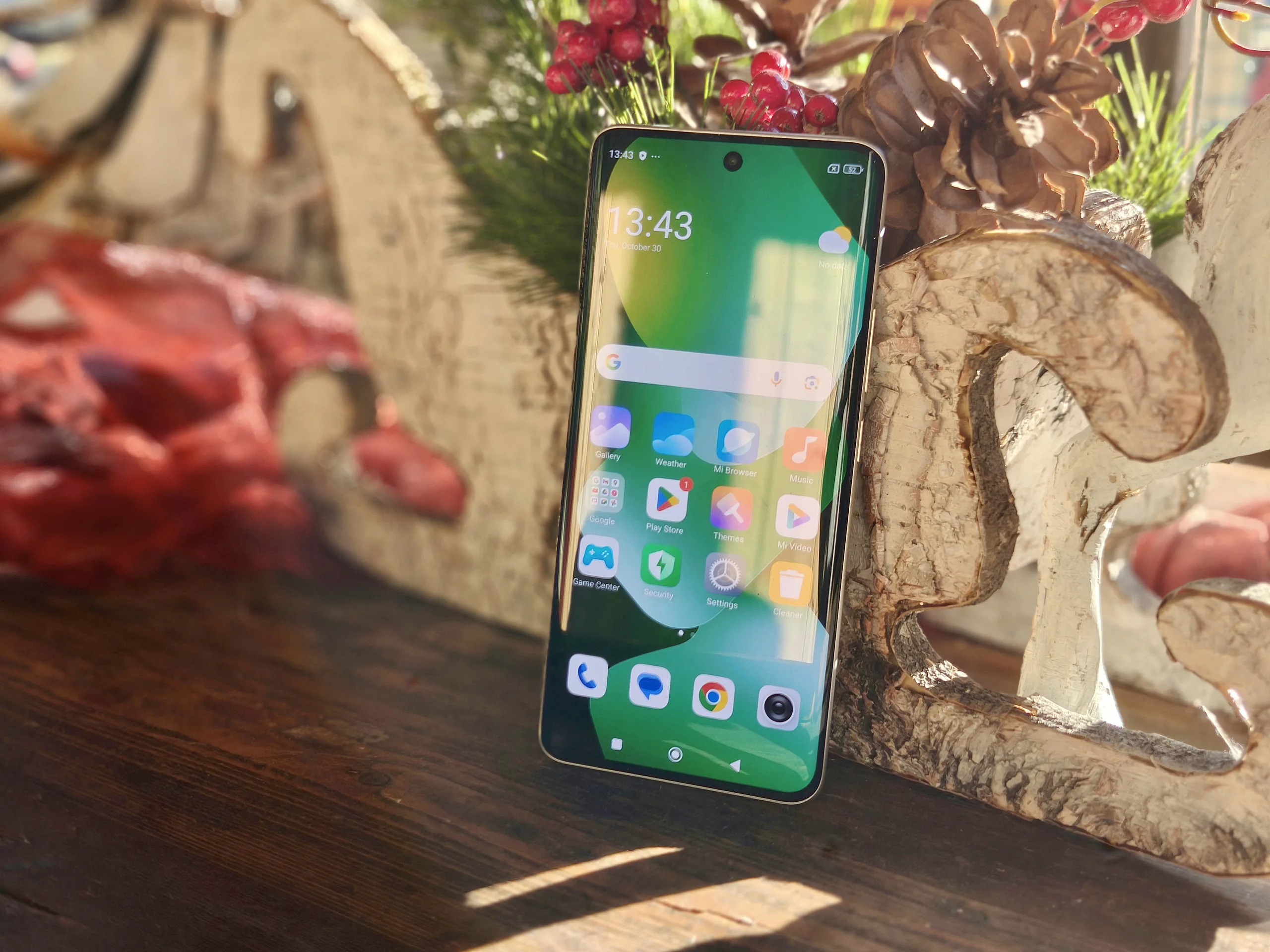
The design has changed compared to its predecessor, the Xiaomi Redmi Note 14, which had a more angular look; now, rounded edges dominate. Our test device is also slightly narrower and lighter than its predecessor.
The matte back is available in black, light blue or light green with a slight wave pattern under the smooth surface. The case is sturdy, nothing creaks or twists. The phone is IP64-protected, meaning it is resistant to dust and splash water.
There is a choice of three memory configurations:
- 6 GB RAM / 128 GB mass storage - 199 euros
- 8 GB RAM / 128 GB mass storage - 229 euros
- 8 GB RAM / 256 GB mass storage - 249 euros
A microSD reader can be used to add even more storage space. The card reader proved to be averagely fast in our test with the Angelbird V60 reference card.
While the predecessor still had a dedicated 3.5mm audio port, this has been removed from the Redmi Note 15 4G. However, there is still an infrared port and NFC.
| SD Card Reader - average JPG Copy Test (av. of 3 runs) | |
| Samsung Galaxy A17 4G | |
| Motorola Moto G56 (Angelbird V60) | |
| Xiaomi Redmi Note 15 (Angelbird V60) | |
| Average of class Smartphone (5.72 - 58.9, n=54, last 2 years) | |
| Xiaomi Redmi Note 14 LTE (Angelbird AV Pro V60) | |
| CMF Phone 2 Pro (Angelbird AV Pro V60) | |
Cross Platform Disk Test (CPDT)
Communication and operation - Phone becomes more international
The entry-level model of the Redmi series does not have 5G. Instead, you get support for many 4G frequencies, so international trips are possible with the Xiaomi Redmi Note 15 4G.
The reception quality was mostly reliable during our random tests, even in difficult situations.
WiFi 5 is the fastest WiFi standard on the Redmi Phone. The data rates in our test reached the usual values of between 250 and 350 MBit/s.
The touchscreen now responds much faster to touches when required and, together with the fast frame rate of the 120 Hz display, results in very smooth operation. Occasionally, there are stutters due to the not-quite-as-fast SoC.
| Networking | |
| Xiaomi Redmi Note 15 | |
| iperf3 transmit AXE11000 | |
| iperf3 receive AXE11000 | |
| Xiaomi Redmi Note 14 LTE | |
| iperf3 transmit AXE11000 | |
| iperf3 receive AXE11000 | |
| Samsung Galaxy A17 4G | |
| iperf3 transmit AXE11000 | |
| iperf3 receive AXE11000 | |
| Motorola Moto G56 | |
| iperf3 transmit AXE11000 | |
| iperf3 receive AXE11000 | |
| CMF Phone 2 Pro | |
| iperf3 transmit AXE11000 | |
| iperf3 receive AXE11000 | |
| Average 802.11 a/b/g/n/ac | |
| iperf3 transmit AXE11000 | |
| iperf3 receive AXE11000 | |
| Average of class Smartphone | |
| iperf3 transmit AXE11000 | |
| iperf3 receive AXE11000 | |
Software and sustainability - Six years of updates
Android 15 is pre-installed, Xiaomi overlays its HyperOS interface, which greatly customizes and expands the system.
The manufacturer guarantees 6 years of security updates, i.e., until the beginning of 2032.
Xiaomi still uses plastic film for its packaging, otherwise little is known about the sustainability of the product.
Camera - Passable pictures

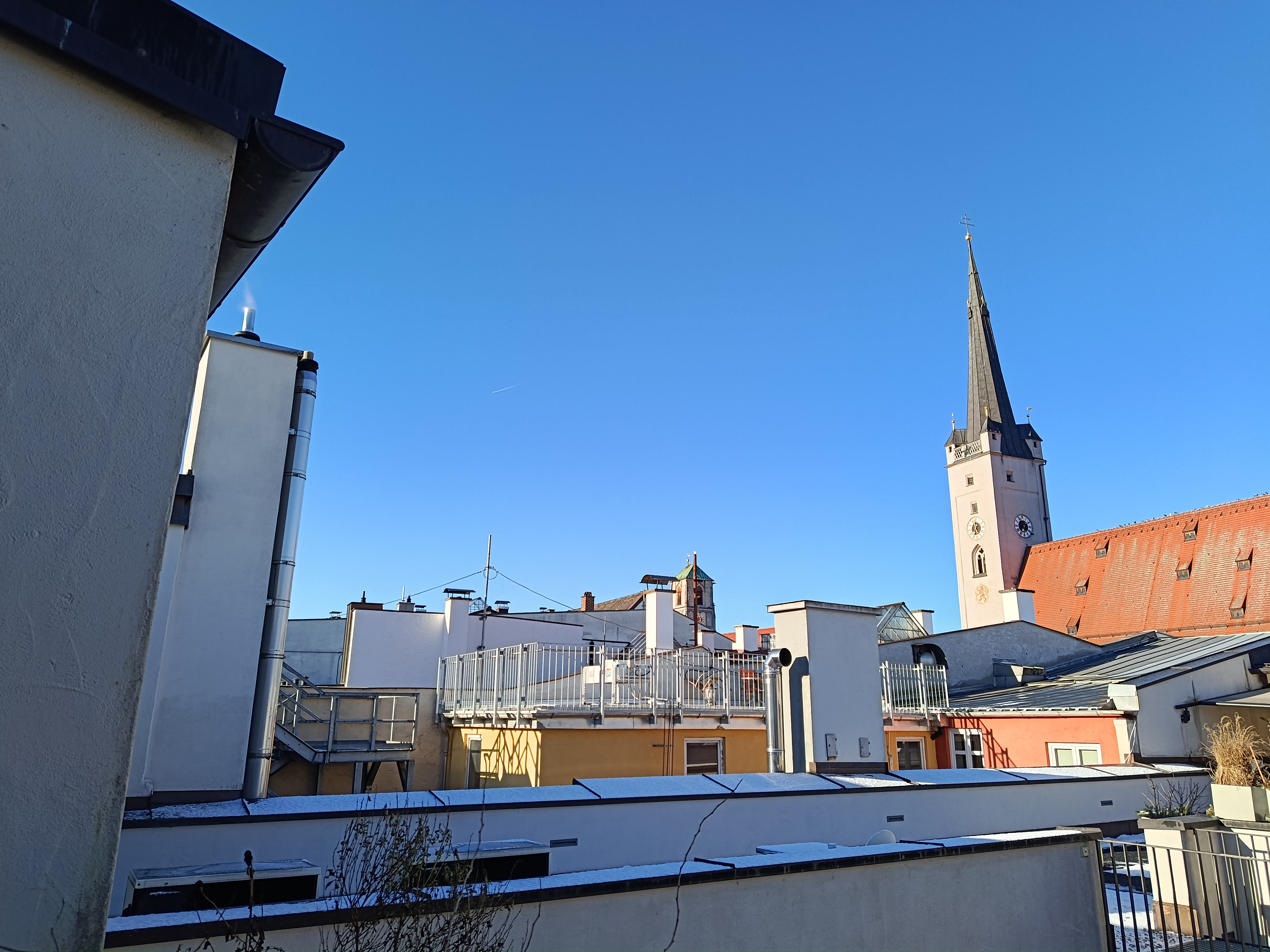
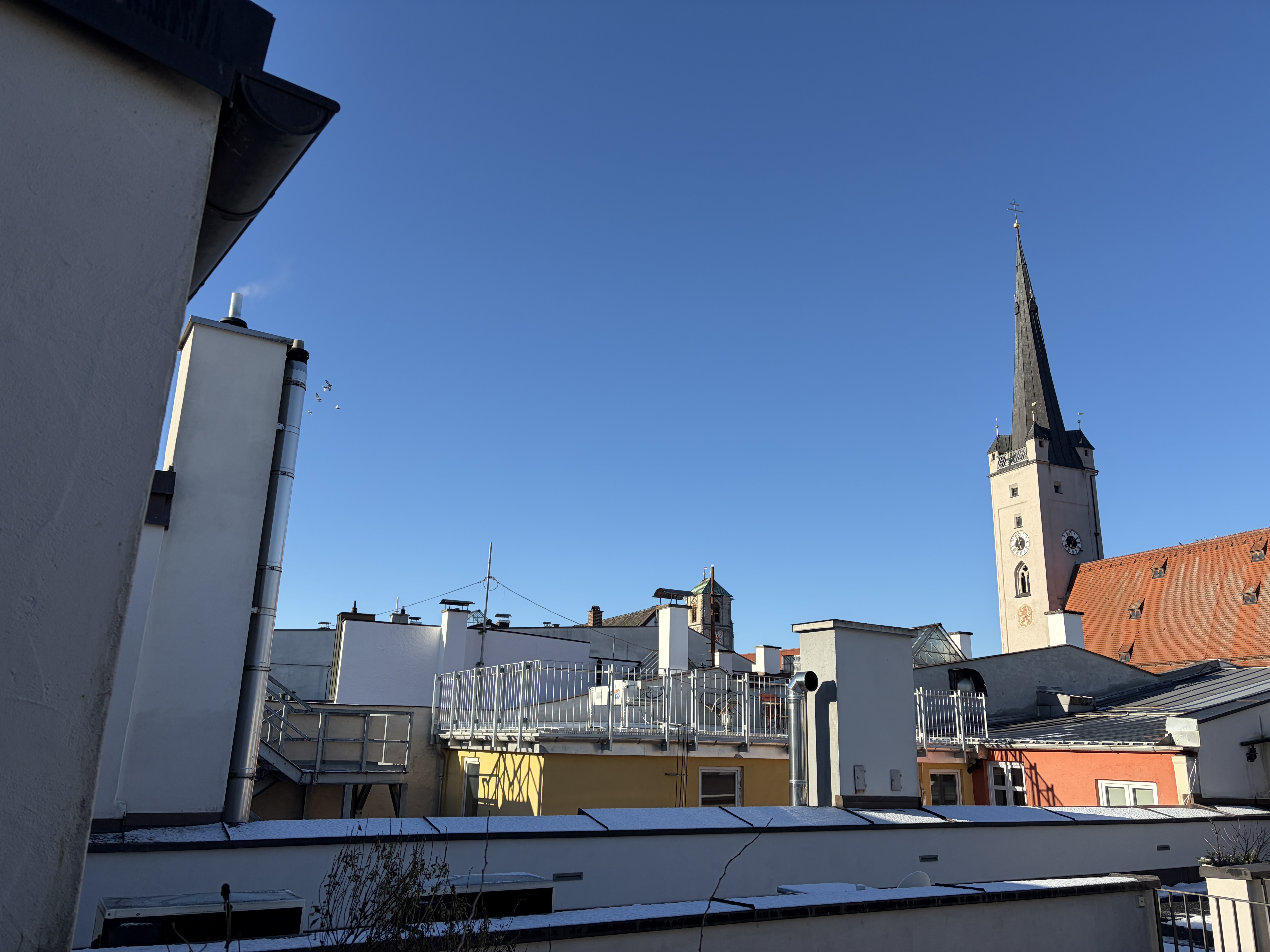
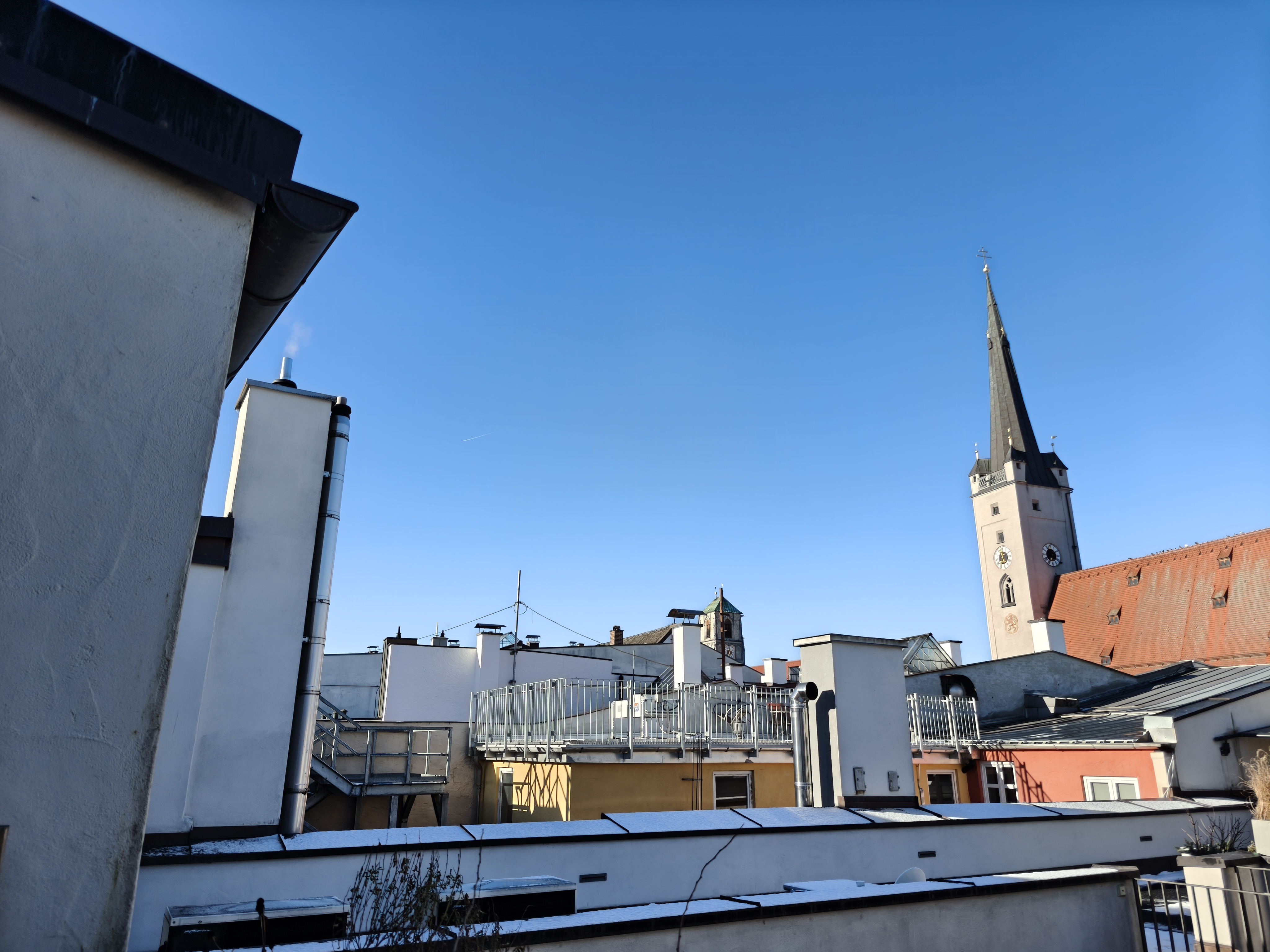
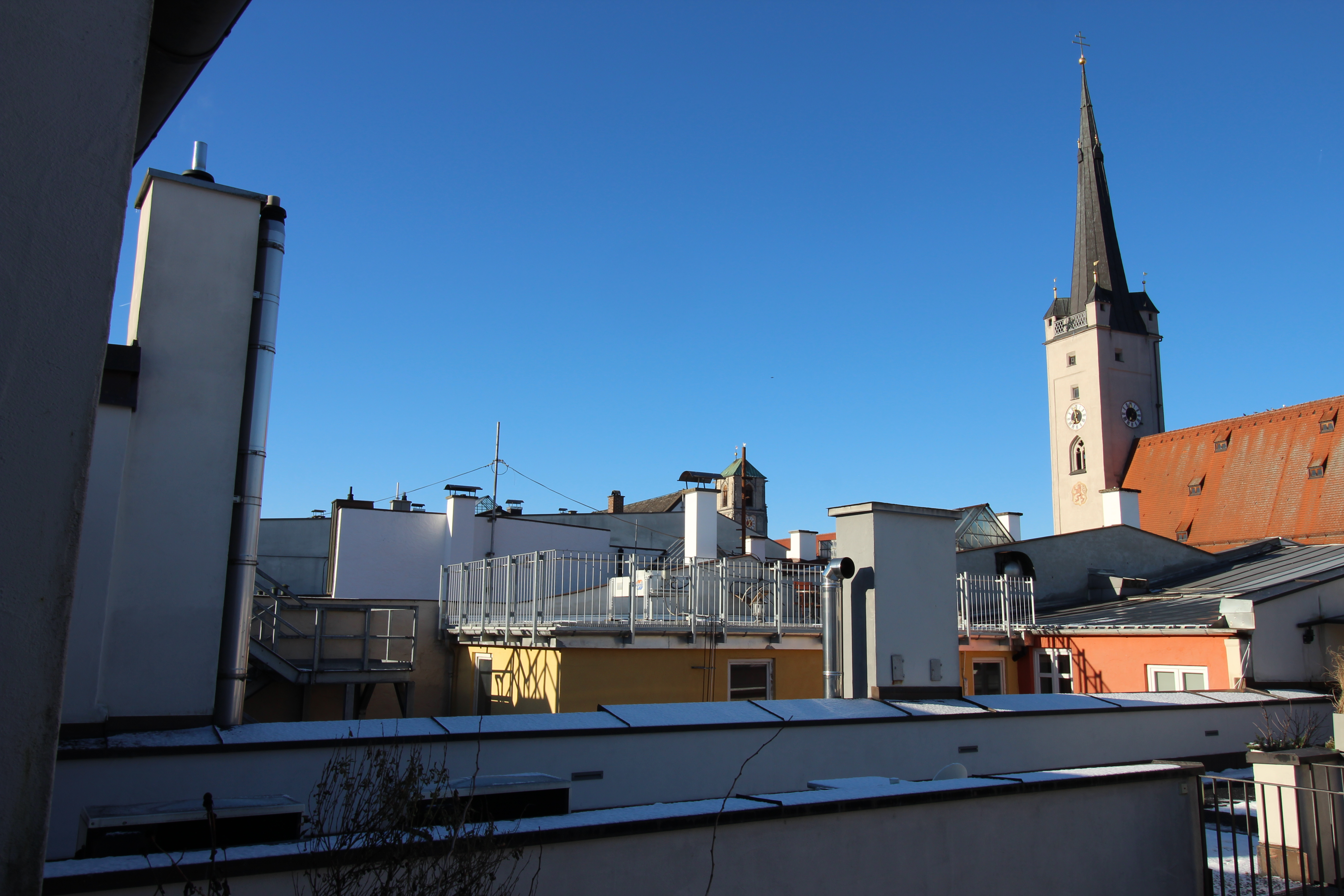
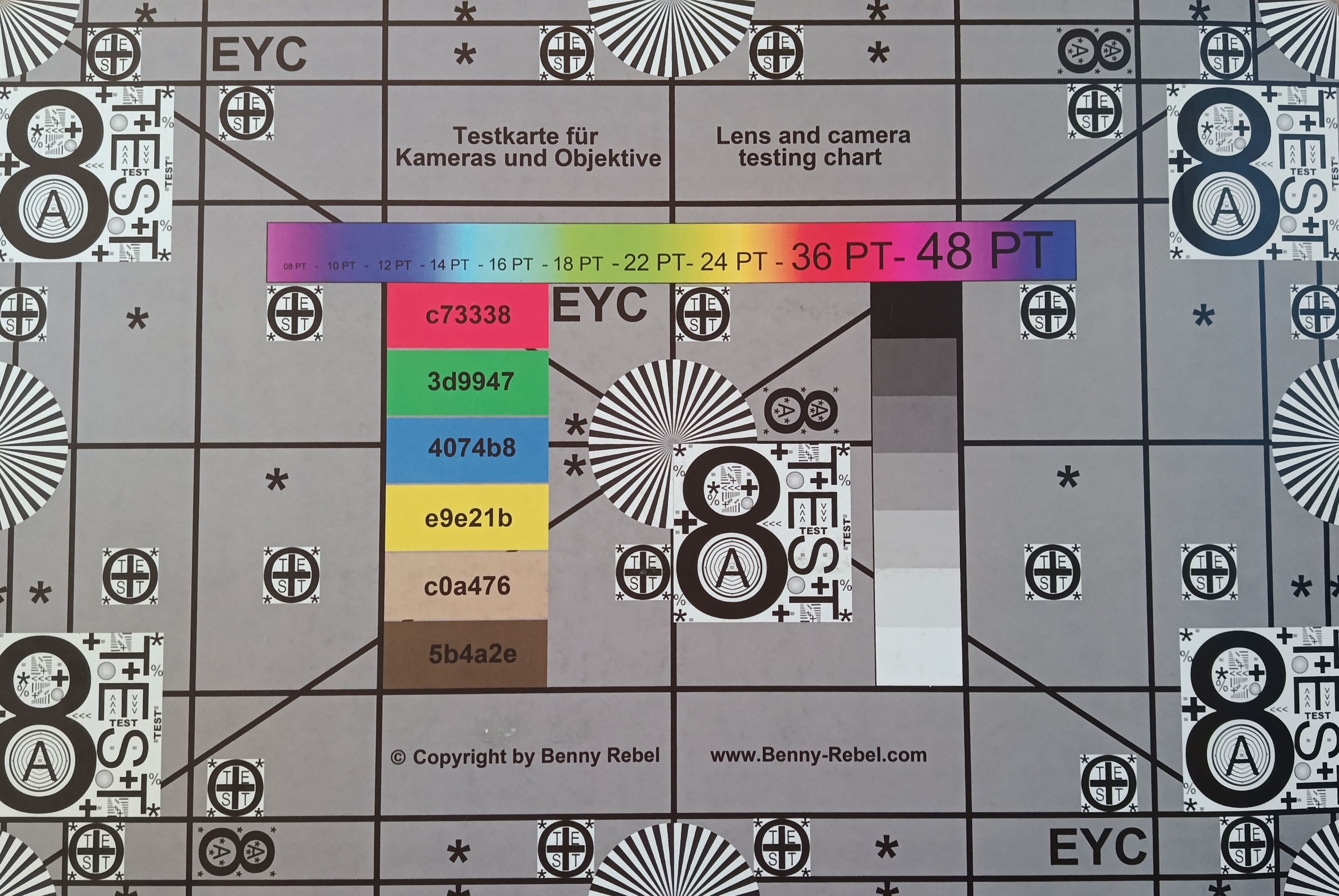
The Redmi Note 15 4G has a 108-megapixel camera and a small support sensor for blur effects.
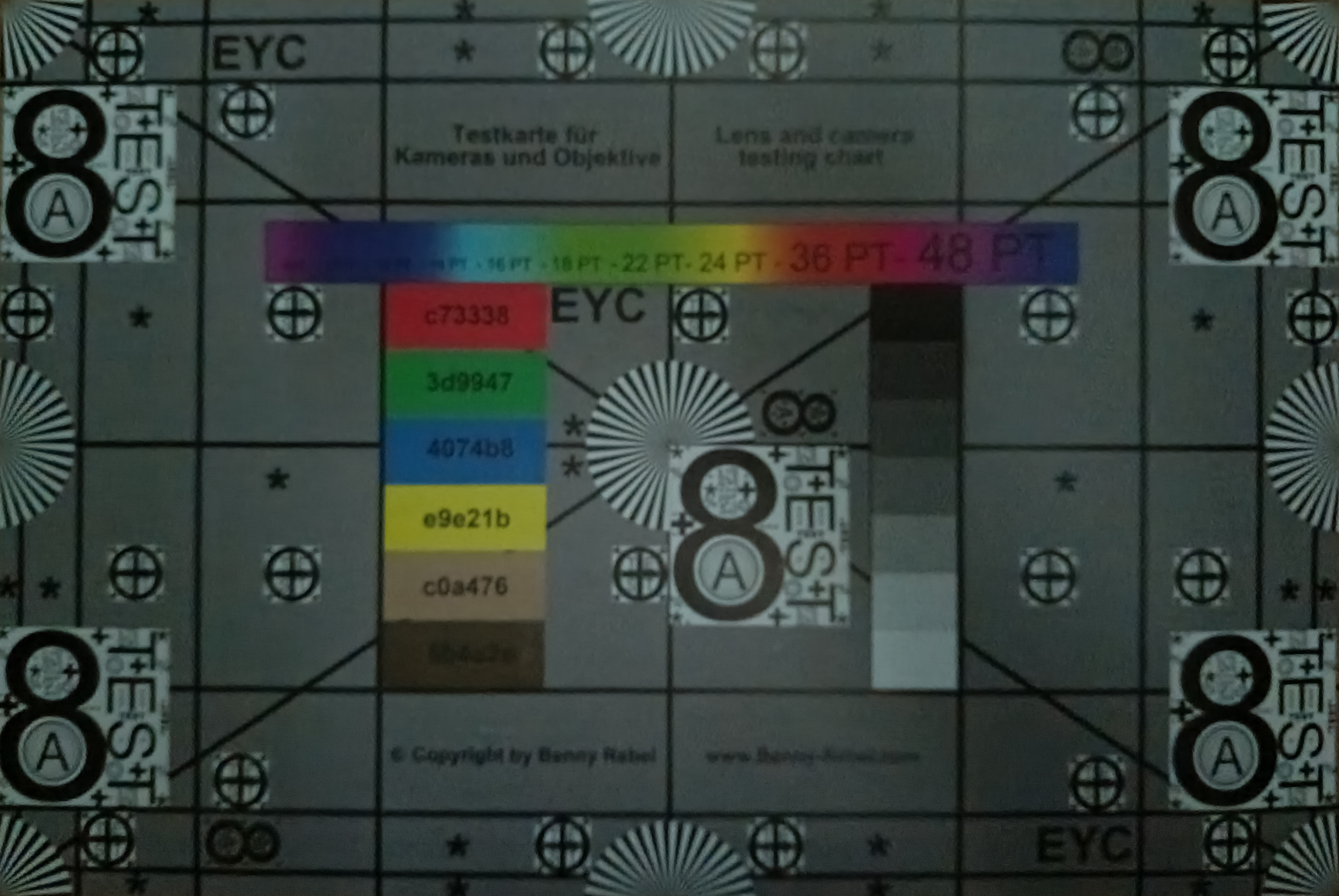
The main camera produces decent pictures, although they could have a little more contrast, show potential for improvement in terms of sharpness of detail, and occasionally over-illuminate very bright areas. In low light and high contrast, the image is also quite acceptable.
The front camera takes selfies with decent dynamics, but is often a little too coarse when it comes to detail.
Image comparison
Choose a scene and navigate within the first image. One click changes the position on touchscreens. One click on the zoomed-in image opens the original in a new window. The first image shows the scaled photograph of the test device.
Main cameraMain cameraLow Light












Display - Extremely bright when required
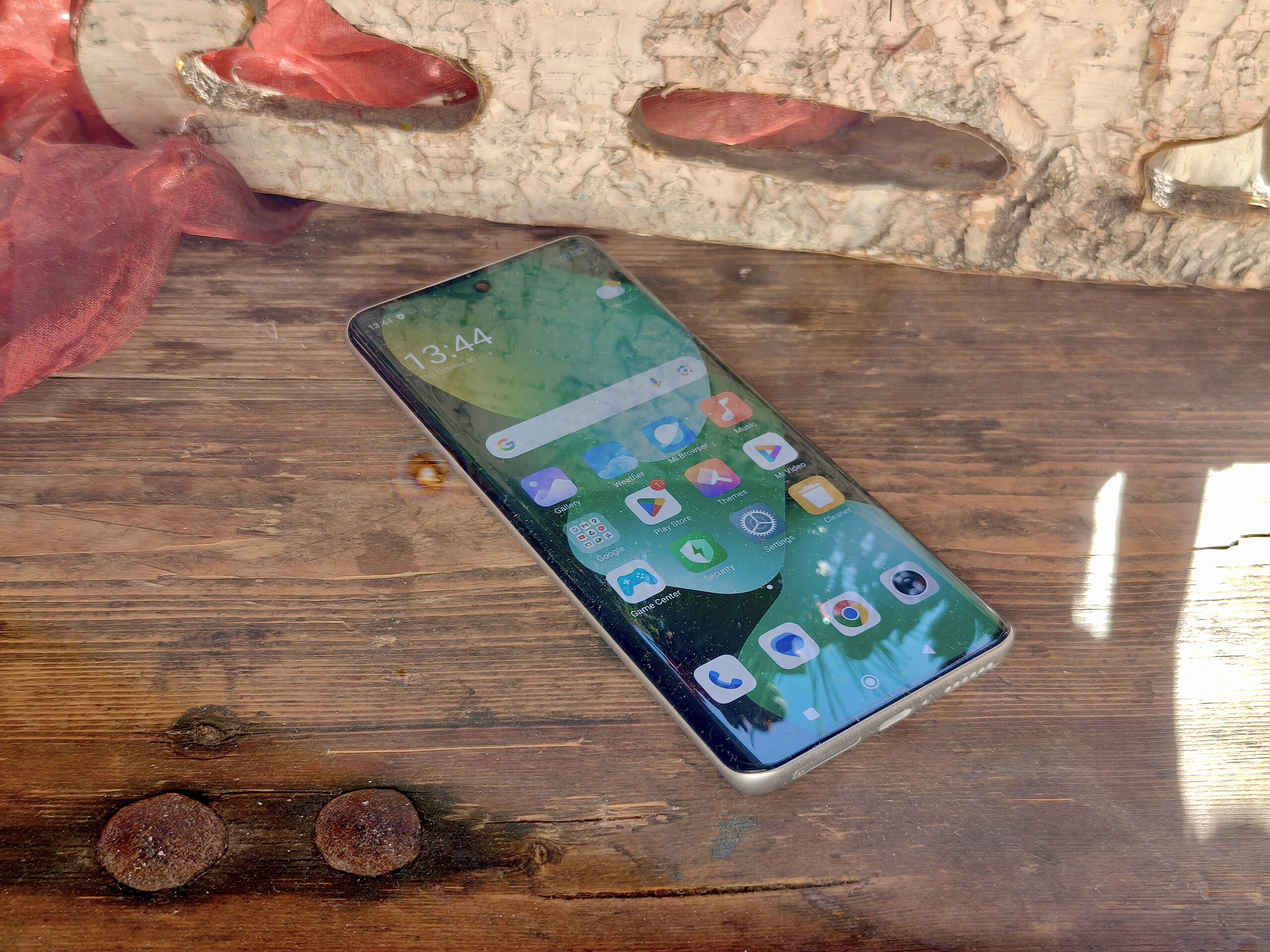
Xiaomi has improved the screen: an AMOLED is no longer rare even at this price; however, official HDR support and nearly 3,000 cd/m² are features that were previously exclusive to much more expensive smartphones.
PWM flickering at a frequency around the frame rate is to be expected at low brightness. Xiaomi states that up to 3,840 Hz is also possible if required.
| |||||||||||||||||||||||||
Brightness Distribution: 97 %
Center on Battery: 1161 cd/m²
Contrast: ∞:1 (Black: 0 cd/m²)
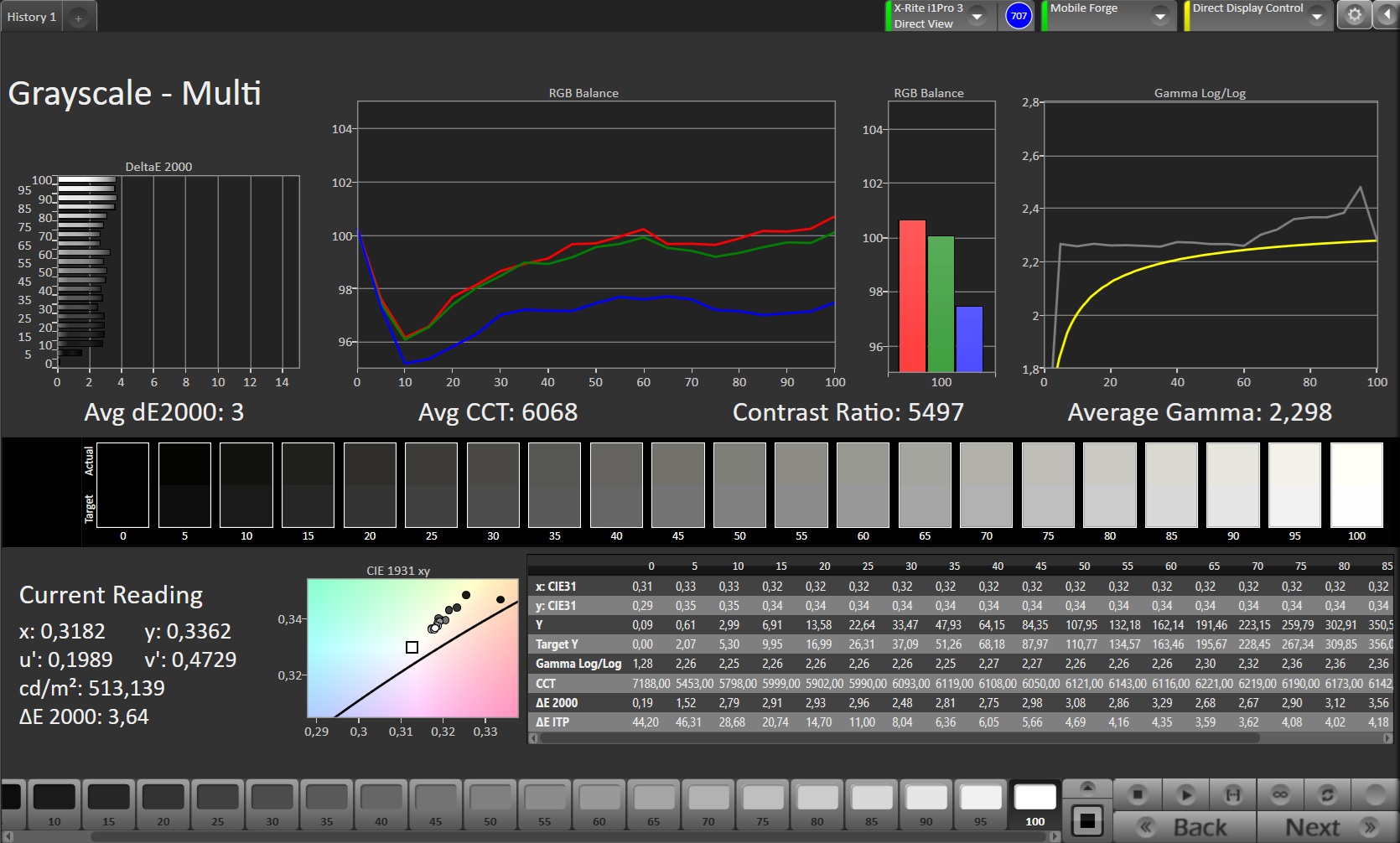
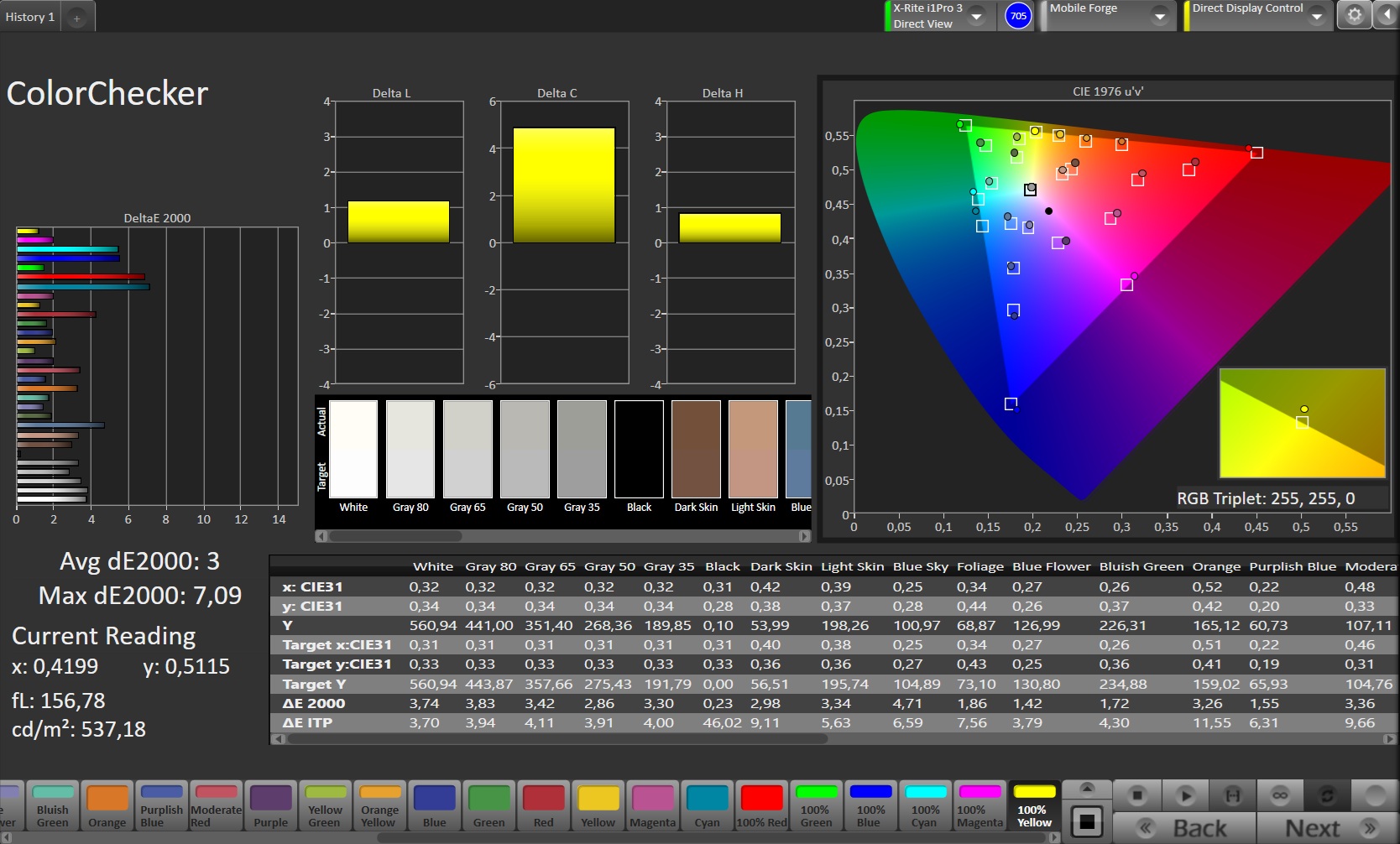
ΔE ColorChecker Calman: 3 | ∀{0.5-29.43 Ø4.69}
ΔE Greyscale Calman: 3 | ∀{0.09-98 Ø4.94}
99% sRGB (Calman 2D)
Gamma: 2.298
CCT: 6068 K
| Xiaomi Redmi Note 15 AMOLED, 2392x1080, 6.8" | Xiaomi Redmi Note 14 LTE AMOLED, 2400x1080, 6.7" | Samsung Galaxy A17 4G AMOLED, 2340x1080, 6.7" | Motorola Moto G56 IPS, 2400x1080, 6.7" | CMF Phone 2 Pro AMOLED, 2400x1080, 6.8" | |
|---|---|---|---|---|---|
| Screen | 31% | -17% | -17% | 26% | |
| Brightness middle (cd/m²) | 1161 | 1164 0% | 687 -41% | 853 -27% | 1280 10% |
| Brightness (cd/m²) | 1144 | 1169 2% | 666 -42% | 793 -31% | 1277 12% |
| Brightness Distribution (%) | 97 | 99 2% | 93 -4% | 89 -8% | 97 0% |
| Black Level * (cd/m²) | 0.54 | ||||
| Colorchecker dE 2000 * | 3 | 1.3 57% | 3.45 -15% | 4.21 -40% | 1.3 57% |
| Colorchecker dE 2000 max. * | 7.09 | 2.5 65% | 5.49 23% | 6.69 6% | 3.9 45% |
| Greyscale dE 2000 * | 3 | 1.3 57% | 3.6 -20% | 3 -0% | 2 33% |
| Gamma | 2.298 96% | 2.22 99% | 2.026 109% | 2.175 101% | 2.14 103% |
| CCT | 6068 107% | 6531 100% | 6192 105% | 6750 96% | 6776 96% |
| Contrast (:1) | 1580 |
* ... smaller is better
| Display / APL18 Peak Brightness | |
| Xiaomi Redmi Note 15 | |
| Xiaomi Redmi Note 14 LTE | |
| CMF Phone 2 Pro | |
| Display / HDR Peak Brightness | |
| Xiaomi Redmi Note 15 | |
| Xiaomi Redmi Note 14 LTE | |
| CMF Phone 2 Pro | |
Screen Flickering / PWM (Pulse-Width Modulation)
| Screen flickering / PWM detected | 119 Hz Amplitude: 16 % | 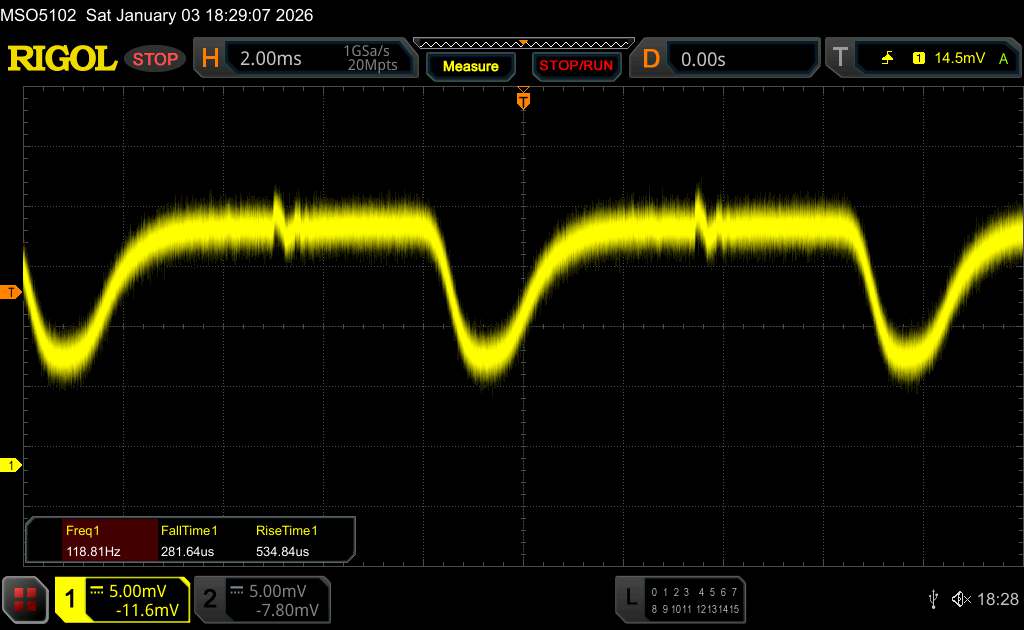 | |
The display backlight flickers at 119 Hz (worst case, e.g., utilizing PWM) . The frequency of 119 Hz is very low, so the flickering may cause eyestrain and headaches after extended use. In comparison: 52 % of all tested devices do not use PWM to dim the display. If PWM was detected, an average of 7588 (minimum: 5 - maximum: 343500) Hz was measured. | |||
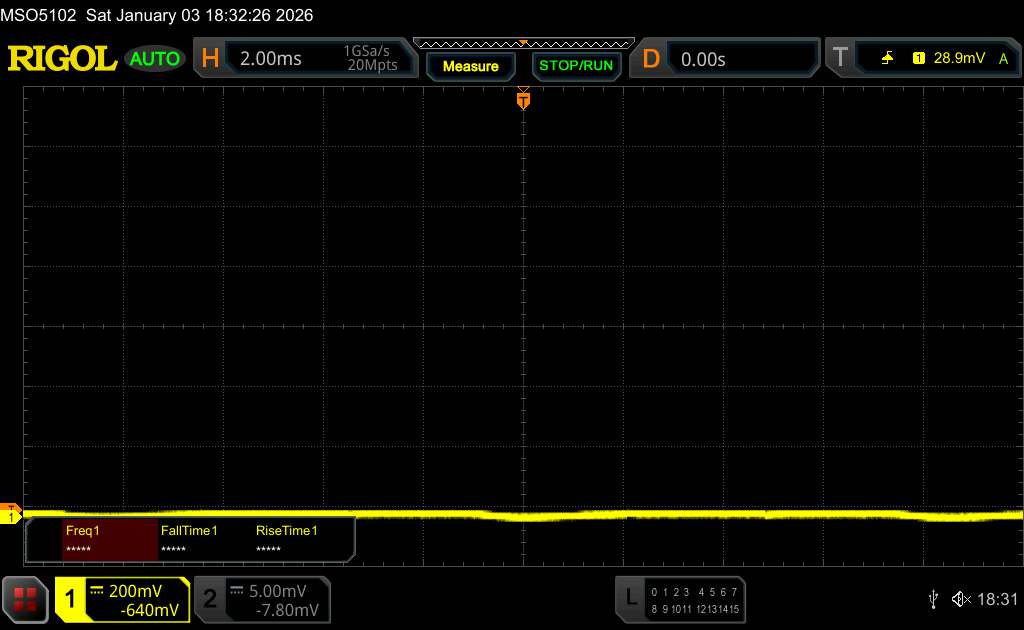
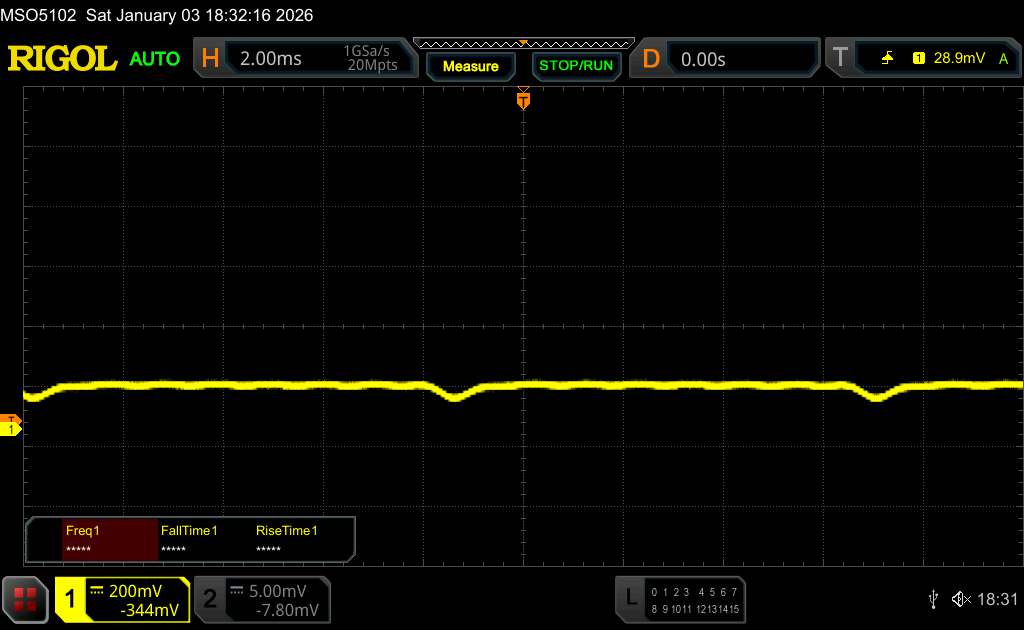
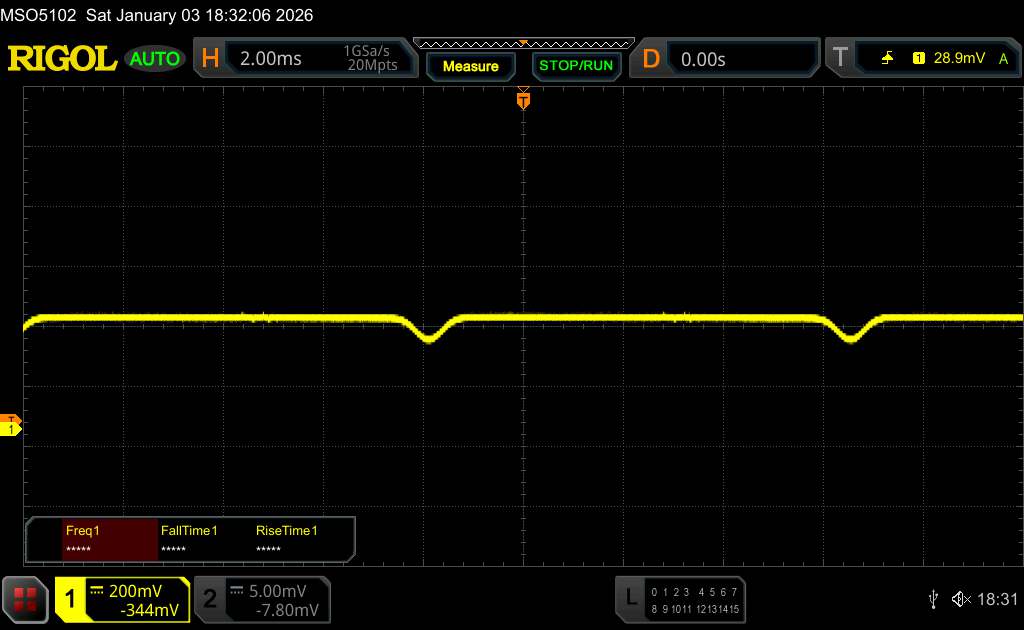
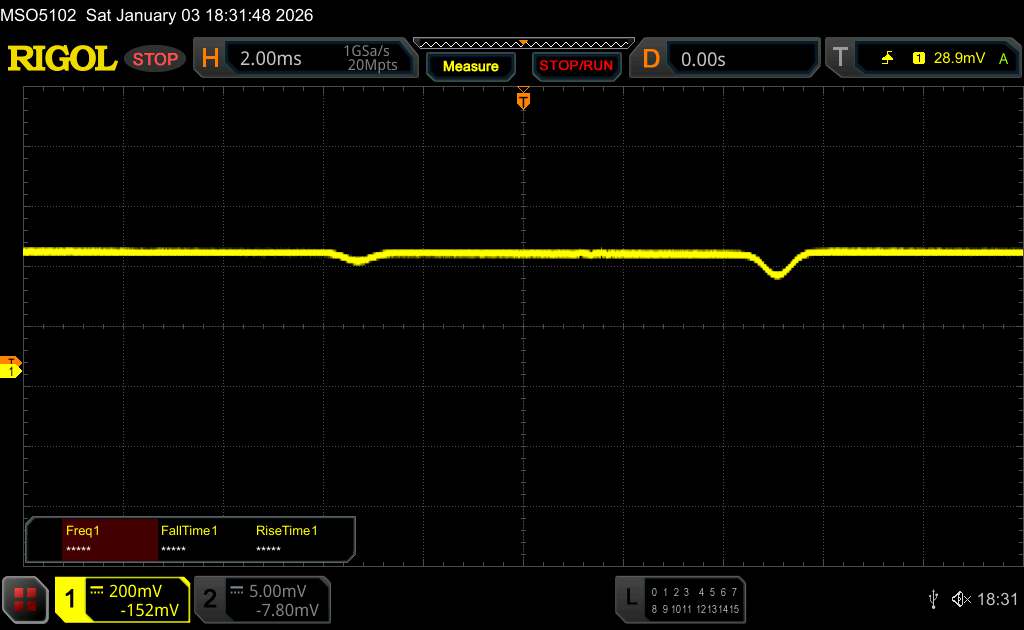
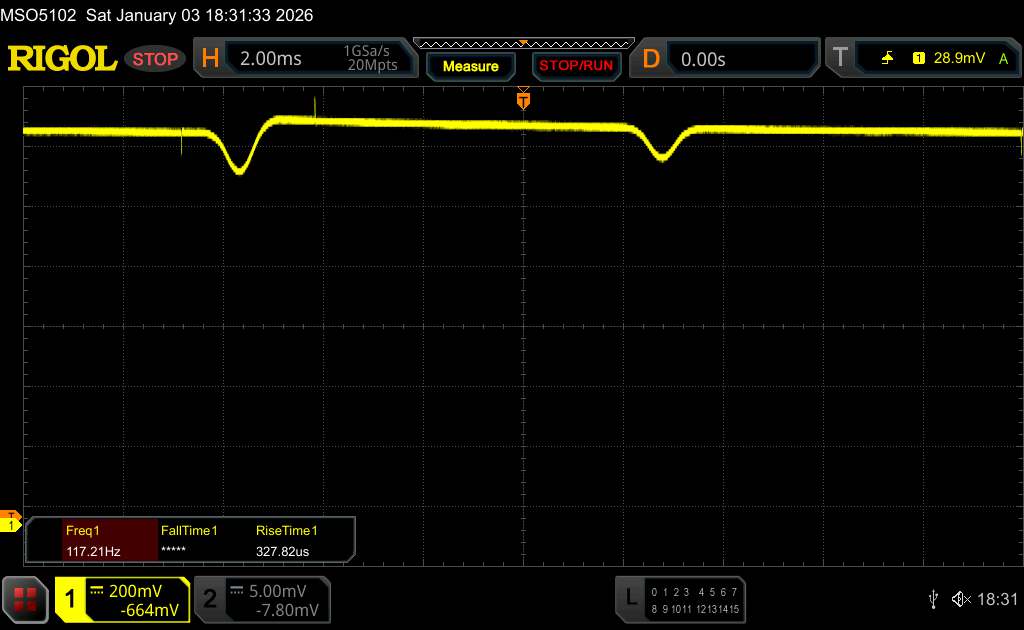
Measurement series with fixed zoom level and different brightness settings (The amplitude curve at minimum brightness looks flat, but this is due to the scaling. The info box shows the enlarged version of the amplitude at minimum brightness)
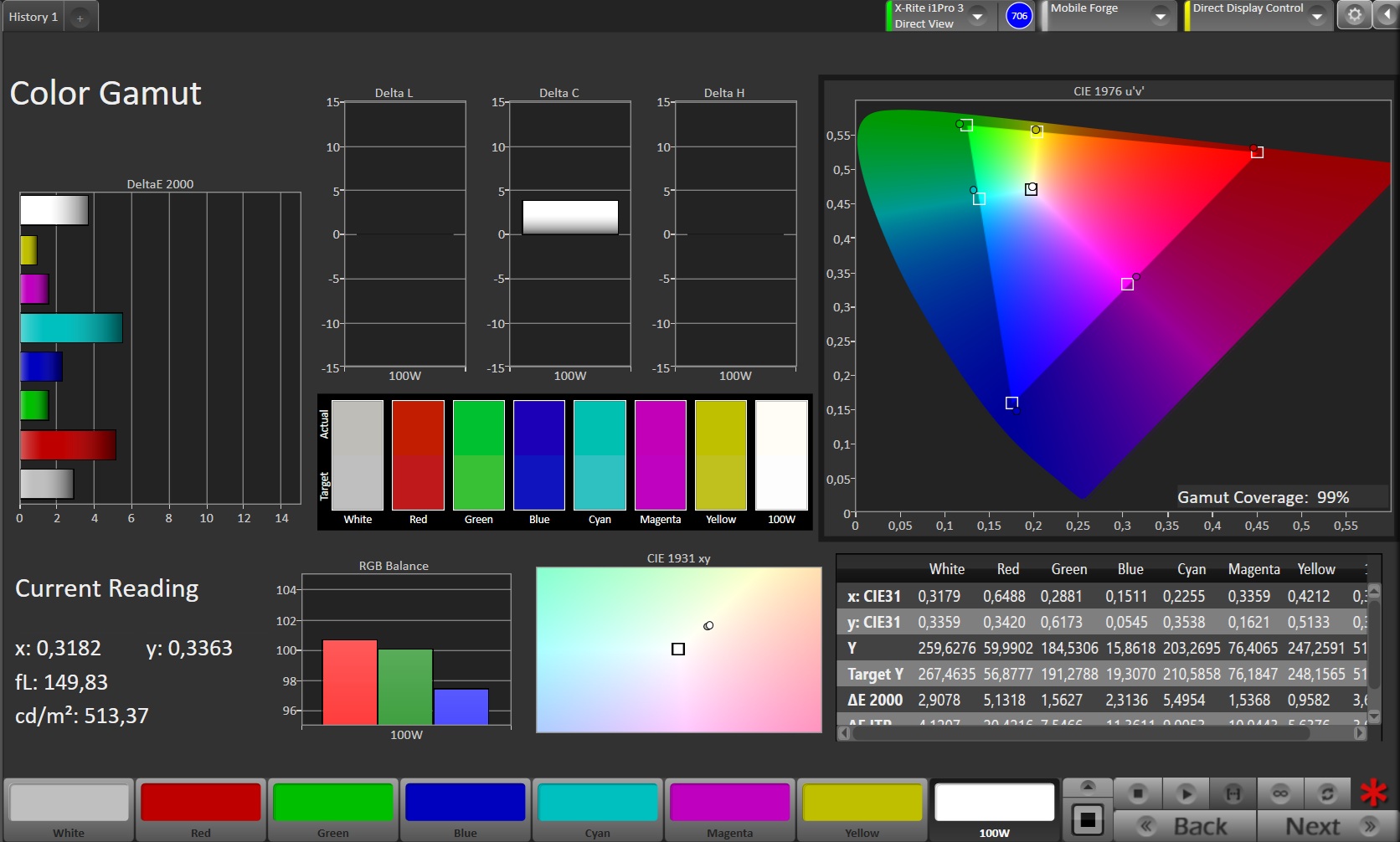
In Original Color Pro mode, colors are displayed quite accurately, with only slight deviations in some blue and red tones.
Display Response Times
| ↔ Response Time Black to White | ||
|---|---|---|
| 1.2 ms ... rise ↗ and fall ↘ combined | ↗ 0.6 ms rise | 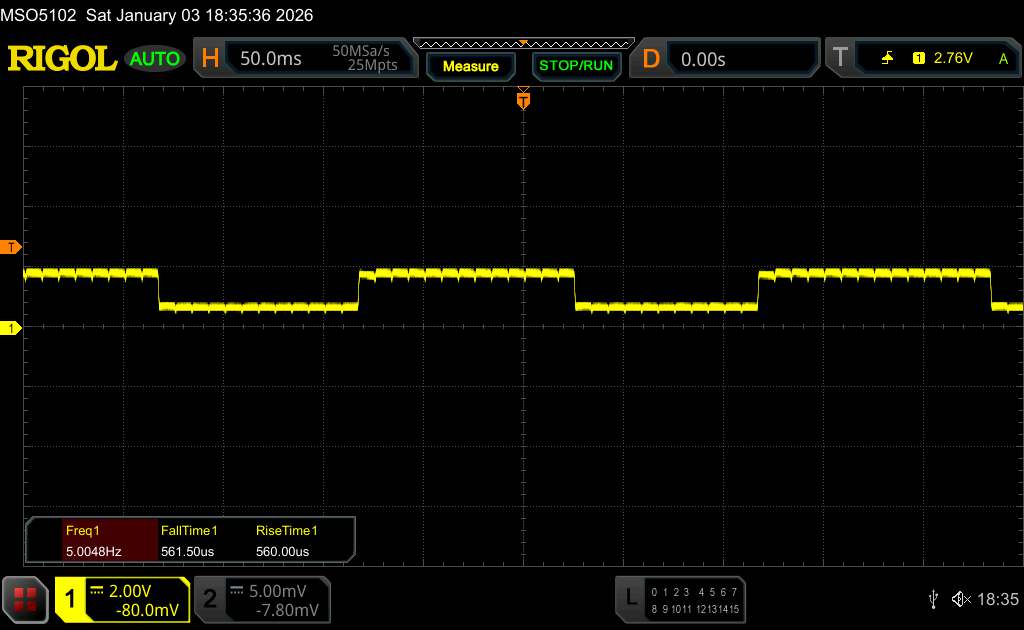 |
| ↘ 0.6 ms fall | ||
| The screen shows very fast response rates in our tests and should be very well suited for fast-paced gaming. In comparison, all tested devices range from 0.1 (minimum) to 240 (maximum) ms. » 7 % of all devices are better. This means that the measured response time is better than the average of all tested devices (19.6 ms). | ||
| ↔ Response Time 50% Grey to 80% Grey | ||
| 1.4 ms ... rise ↗ and fall ↘ combined | ↗ 0.6 ms rise | 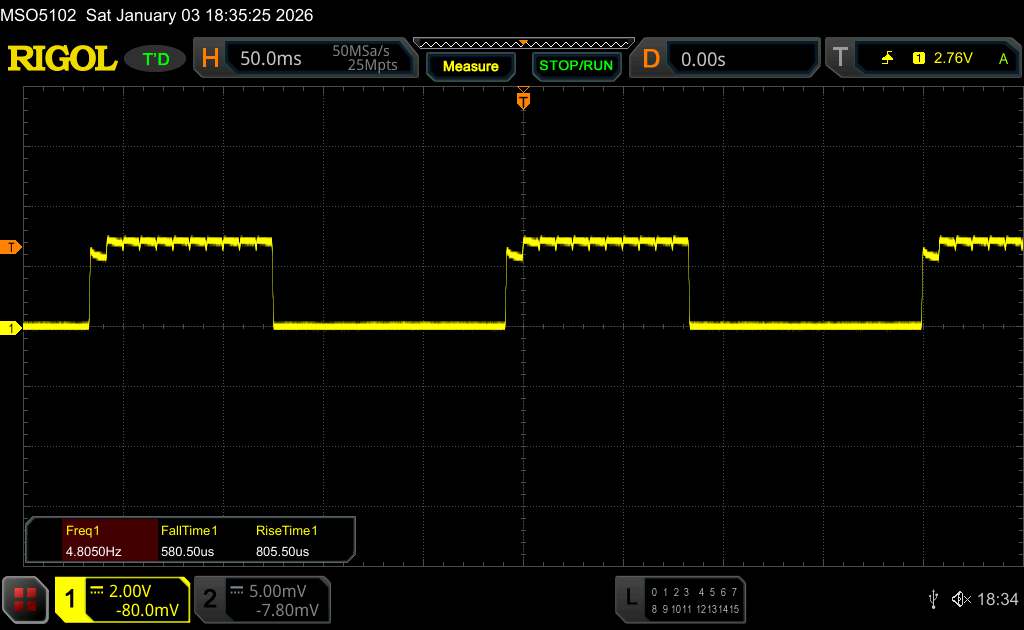 |
| ↘ 0.8 ms fall | ||
| The screen shows very fast response rates in our tests and should be very well suited for fast-paced gaming. In comparison, all tested devices range from 0.13 (minimum) to 636 (maximum) ms. » 7 % of all devices are better. This means that the measured response time is better than the average of all tested devices (30.7 ms). | ||
Performance, emissions and battery life - Easily lasts two days
The MediaTek Helio G100 is the same SoC as the Helio G99 in the predecessor, apart from minor improvements. Nothing has changed in terms of performance; the values here are very similar. Stuttering is also possible in menus, but it usually occurs only during more demanding tasks.
The heat build-up on the case remains moderate, and the 3DMark stress tests also show hardly any loss of performance after prolonged load.
The phone uses the earpiece as a second speaker, so that slight stereo effects are possible. The speaker's maximum volume is average; bass and low mids are only very weak. This results in a treble-heavy sound, which can also be unpleasant at high volumes.
The Redmi Note 15 can be charged with up to 33 watts. Wired reverse charging with up to 18 watts is also possible.
The large 6,000 mAh battery enables long runtimes: in our WLAN test, the model came close to 20 hours. This means that two days of operation without charging should not be a problem.
| Xiaomi Redmi Note 15 | Xiaomi Redmi Note 14 LTE | Samsung Galaxy A17 4G | Motorola Moto G56 | CMF Phone 2 Pro | Average 256 GB UFS 2.2 Flash | Average of class Smartphone | |
|---|---|---|---|---|---|---|---|
| AndroBench 3-5 | -1% | -58% | 6% | 22% | 2% | 98% | |
| Sequential Read 256KB (MB/s) | 985.2 | 980.55 0% | 518.6 -47% | 1013.35 3% | 986.43 0% | 905 ? -8% | 2264 ? 130% |
| Sequential Write 256KB (MB/s) | 832.1 | 835.49 0% | 172.6 -79% | 859.11 3% | 524.58 -37% | 738 ? -11% | 1966 ? 136% |
| Random Read 4KB (MB/s) | 218.5 | 202.22 -7% | 141.1 -35% | 230.68 6% | 294.62 35% | 224 ? 3% | 316 ? 45% |
| Random Write 4KB (MB/s) | 202.3 | 213.23 5% | 55.9 -72% | 226.19 12% | 385.68 91% | 248 ? 23% | 362 ? 79% |
(±) The maximum temperature on the upper side is 40.1 °C / 104 F, compared to the average of 35.4 °C / 96 F, ranging from 21.9 to 247 °C for the class Smartphone.
(+) The bottom heats up to a maximum of 35.9 °C / 97 F, compared to the average of 34.1 °C / 93 F
(+) In idle usage, the average temperature for the upper side is 25.3 °C / 78 F, compared to the device average of 33 °C / 91 F.
3DMark Stress Tests
| 3DMark | |
| Wild Life Stress Test Stability | |
| Xiaomi Redmi Note 15 | |
| Xiaomi Redmi Note 14 LTE | |
| Samsung Galaxy A17 4G | |
| CMF Phone 2 Pro | |
| Motorola Moto G56 | |
| Wild Life Extreme Stress Test | |
| Xiaomi Redmi Note 15 | |
| Samsung Galaxy A17 4G | |
| Xiaomi Redmi Note 14 LTE | |
| Motorola Moto G56 | |
| Steel Nomad Light Stress Test Stability | |
| Xiaomi Redmi Note 15 | |
| Xiaomi Redmi Note 14 LTE | |
| Motorola Moto G56 | |
Xiaomi Redmi Note 15 audio analysis
(+) | speakers can play relatively loud (84 dB)
Bass 100 - 315 Hz
(-) | nearly no bass - on average 22.5% lower than median
(±) | linearity of bass is average (7.3% delta to prev. frequency)
Mids 400 - 2000 Hz
(±) | higher mids - on average 7.2% higher than median
(+) | mids are linear (5.7% delta to prev. frequency)
Highs 2 - 16 kHz
(±) | higher highs - on average 5.2% higher than median
(+) | highs are linear (5.2% delta to prev. frequency)
Overall 100 - 16.000 Hz
(±) | linearity of overall sound is average (19.3% difference to median)
Compared to same class
» 27% of all tested devices in this class were better, 9% similar, 64% worse
» The best had a delta of 11%, average was 34%, worst was 136%
Compared to all devices tested
» 47% of all tested devices were better, 8% similar, 45% worse
» The best had a delta of 4%, average was 23%, worst was 136%
Samsung Galaxy A17 4G audio analysis
(+) | speakers can play relatively loud (89 dB)
Bass 100 - 315 Hz
(-) | nearly no bass - on average 24% lower than median
(±) | linearity of bass is average (12.9% delta to prev. frequency)
Mids 400 - 2000 Hz
(±) | higher mids - on average 6.1% higher than median
(+) | mids are linear (5.3% delta to prev. frequency)
Highs 2 - 16 kHz
(±) | higher highs - on average 6.5% higher than median
(±) | linearity of highs is average (9% delta to prev. frequency)
Overall 100 - 16.000 Hz
(±) | linearity of overall sound is average (21.9% difference to median)
Compared to same class
» 46% of all tested devices in this class were better, 8% similar, 47% worse
» The best had a delta of 11%, average was 34%, worst was 136%
Compared to all devices tested
» 63% of all tested devices were better, 6% similar, 30% worse
» The best had a delta of 4%, average was 23%, worst was 136%
| Xiaomi Redmi Note 15 6000 mAh | Xiaomi Redmi Note 14 LTE 5500 mAh | Samsung Galaxy A17 4G 5000 mAh | Motorola Moto G56 5200 mAh | CMF Phone 2 Pro 5000 mAh | |
|---|---|---|---|---|---|
| Battery runtime | -11% | -34% | -6% | -7% | |
| WiFi v1.3 (h) | 19.7 | 17.6 -11% | 13 -34% | 18.5 -6% | 18.3 -7% |
| Load (h) | 4.2 |
Notebookcheck overall rating
The Xiaomi Redmi Note 15 4G costs less than 200 euros in some cases. It is not particularly fast, but offers a lot and lasts a long time.
Cheap mid-range phones will have to compete with it this year in terms of features.
Xiaomi Redmi Note 15
- 01/18/2026 v8
Florian Schmitt
 Total Sustainability Score:
 Possible alternatives in comparison
Image | Model / Review | Price | Weight | Drive | Display |
|---|---|---|---|---|---|
1. 73.8%  | Xiaomi Redmi Note 15 Mediatek Helio G100 ⎘ ARM Mali-G57 MP2 ⎘ 8 GB Memory, 256 GB UFS 2.2 | Amazon: List Price: 249€ | 184 g | 256 GB UFS 2.2 Flash | 6.77" 2392x1080 388 PPI AMOLED |
2. 73.4%  | Xiaomi Redmi Note 14 LTE Mediatek Helio G99 ⎘ ARM Mali-G57 MP2 ⎘ 8 GB Memory, 256 GB UFS 2.2 | Amazon: $224.49 List Price: 250€ | 196 g | 256 GB UFS 2.2 Flash | 6.67" 2400x1080 395 PPI AMOLED |
3. 72%  | Samsung Galaxy A17 4G Mediatek Helio G99 ⎘ ARM Mali-G57 MP2 ⎘ 4 GB Memory, 128 GB eMMC | List Price: 185€ | 190 g | 128 GB eMMC Flash | 6.70" 2340x1080 385 PPI AMOLED |
4. 74.9%  | Motorola Moto G56 MediaTek Dimensity 7060 ⎘ IMG BXM-8-256 ⎘ 8 GB Memory, 256 GB UFS 2.2 | List Price: 250 Euro | 200 g | 256 GB UFS 2.2 Flash | 6.72" 2400x1080 391 PPI IPS |
5. 76.9%  | CMF Phone 2 Pro MediaTek Dimensity 7300 ⎘ ARM Mali-G615 MP2 ⎘ 8 GB Memory, 256 GB UFS 2.2 | List Price: 279€ | 185 g | 256 GB UFS 2.2 Flash | 6.77" 2400x1080 389 PPI AMOLED |
Transparency
The selection of devices to be reviewed is made by our editorial team. The test sample was provided to the author as a loan by the manufacturer or retailer for the purpose of this review. The lender had no influence on this review, nor did the manufacturer receive a copy of this review before publication. There was no obligation to publish this review. As an independent media company, Notebookcheck is not subjected to the authority of manufacturers, retailers or publishers.
This is how Notebookcheck is testing
Every year, Notebookcheck independently reviews hundreds of laptops and smartphones using standardized procedures to ensure that all results are comparable. We have continuously developed our test methods for around 20 years and set industry standards in the process. In our test labs, high-quality measuring equipment is utilized by experienced technicians and editors. These tests involve a multi-stage validation process. Our complex rating system is based on hundreds of well-founded measurements and benchmarks, which maintains objectivity. Further information on our test methods can be found here.
 Add as a preferred source on Google


