Notebookcheck Logo
Xiaomi Redmi Note 15 Pro
ⓘ Notebookcheck

Xiaomi Redmi Note 15 Pro smartphone review: Pro even without 5G?

A deliberate omission in mobile connectivity.

The Xiaomi Redmi Note 15 Pro does not support 5G, yet it is still a solid smartphone overall. Compared with its predecessor, it offers significantly longer battery life, a much brighter display, and now a minimum of 256 GB of storage. Even so, our review shows that the Xiaomi handset faces strong competition in the budget mid-range segment.
Manuel Masiero, 👁 Daniel Schmidt, Louise Burke (translated by DeepL / Ninh Duy) Published 🇩🇪
Android Smartphone Touchscreen

Verdict: Xiaomi Redmi Note 15 Pro

The Xiaomi Redmi Note 15 Pro offers a bright AMOLED display, very good battery life, a slim and sturdy case, and long software support. The camera, however, is only average. There is no 5G or eSIM support, and HyperOS 2.0 includes intrusive advertising.

Xiaomi makes things difficult for itself. At the same price, the Redmi Note 15 5G is already available and offers 5G connectivity as well as a slightly better camera. Users who take a lot of photos will generally be better served by Samsung's Galaxy A series.

Pros

+ bright 120 Hz AMOLED display
+ sturdy and slim case
+ smooth everyday performance
+ update support through 2032/Android 19
+ long battery life

Cons

- only WiFi 5
- limited performance reserves
- no HDR support
- no eSIM support
- no headphone jack

Price and availability

With 256 GB of storage, the Redmi Note 15 Pro costs 350 euros at Xiaomi. However, the street price has already dropped well below 300 euros, for example at Amazon.

As always, prices, storage variants, and availability can differ by region. Depending on the market, certain configurations may not be offered at all, and local taxes or import charges can influence the final retail price.

Amazon Logo
  • $403.74
    XIAOMI Redmi Note 15 Pro 5G Ai (Compatible with Tmobile Mint Tello & Global) (512GB + 8GB) NFC 6.83" 120Hz 200MP Pro AI Camera Model 25080RABDG Unlocked Dual Sim Liberado (Titanium Color)
  • $375.00
    XIAOMI Redmi Note 15 Pro 5G Ai (Compatible with Tmobile Mint Tello & Global) (256GB + 8GB) NFC 6.83" 120Hz 200MP Pro AI Camera Model 25080RABDG Unlocked Dual Sim Liberado (Black)
  • $505.00
    XIAOMI Redmi Note 15 Pro+ Plus 5G Ai (Compatible with Tmobile Mint Tello & Global) (512GB + 12GB) NFC 6.83" 120Hz 200MP Ultra Camera Model 2510ERA8BG Unlocked Dual Sim Liberado (Black)

Xiaomi has given its Redmi Note 15 series a wide line-up. In total, five budget mid-range smartphones are competing for buyers' attention. The Redmi Note 15 Pro sits right in the middle of the price range and has an official starting price of 350 euros.

Specifications

Xiaomi Redmi Note 15 Pro (Redmi Note 15 Series)
Processor
Mediatek Helio G200 8c/8t, 2 x 2.2 GHz ARM Cortex-A76, 6 x 2.0 GHz ARM Cortex-A55, Cortex-A76 / A55
Graphics adapter
Memory
8 GB 
, LPDDR4X
Display
6.77 inch 19.9:9, 2392 x 1080 pixel 388 PPI, capacitive touchscreen, AMOLED, 3200 nits peak brightness, 800 nits typical brightness, Touch sampling 240 Hz, 3840 Hz PWM dimming, 12 Bit color depth, glossy: yes, 120 Hz
Storage
256 GB UFS 2.2 Flash, 256 GB 
, 215 GB free
Connections
1 USB 2.0, USB-C Power Delivery (PD), 1 Infrared, Audio Connections: USB-C, Card Reader: microSD cards up to 2TB (FAT, FAT32, exFAT), 1 Fingerprint Reader, NFC, Brightness Sensor, Sensors: Proximity sensor, Accelerometer, Electronic compass, IR blaster, Gyroscope, Z-axis linear vibration motor, DRM Widevine L1, Camera2 API Level 3, Wi-Fi Direct, USB-OTG
Networking
802.11 a/b/g/n/ac (a/b/g/n = Wi-Fi 4/ac = Wi-Fi 5/), Bluetooth 5.3, 2G (850/900/1800/1900 MHz), 3G (Band 1/2/4/5/8/6/19), 4G (Band 1/2/3/4/5/7/8/12/13/17/18/19/20/26/28/38/40/41/66), Dual SIM, LTE, GPS
Size
height x width x depth (in mm): 7.96 x 163.22 x 76.29 ( = 0.31 x 6.43 x 3 in)
Battery
6500 mAh Lithium-Ion, 45W TurboCharge, up to 18W reverse charging, Silicon-Carbon-Anode
Charging
fast charging / Quickcharge
Operating System
Android 15
Camera
Primary Camera: 200 MPix (f/1,7, 1/1,4" sensor size, 16-in-1-Binning, 2,24μm pixel size, OIS) + 8MP ultrawide (f/2.2), video recording up to 1080p@60fps
Secondary Camera: 32 MPix f/2.2, 1/3,6" sensor size, video recording up to 1080p@30fps
Additional features
Speakers: stereo speakers (Dolby Atmos & Hi-Res Audio support), Keyboard: virtual, USB-C cable, Protective case, SIM tool, Quick start guide, Warranty Card, HyperOS 2.0, 12 Months Warranty, Gorilla Glass Victus 2 (display), plastic back side; linear vibration motor; IP65 certified; USB-C port with exFAT support; GPS: GPS (L1), Glonass (L1), BeiDou (B1I), Galileo (E1), QZSS (L1); Connectivity: Hybrid Nano SIM, VoLTE/WiFI calling, no eSIM support; Bluetooth codecs: SBC, AAC, aptX, aptX HD, aptX Adaptive, aptX TWS+, LDAC, LHDC V1-V5; no HDR support; update policy: 4 OS upgrades, 6 years of security updates (EOL 01/2032); Head SAR 0.974 W/kg, Body SAR 0.963 W/kg, fanless
Released
01/01/2026
Weight
195 g ( = 6.88 oz / 0.43 pounds) ( = 0 oz / 0 pounds)
Price
350 Euro
Note: The manufacturer may use components from different suppliers including display panels, drives or memory sticks with similar specifications.


Case and features: waterproofing and at least 256 GB of storage

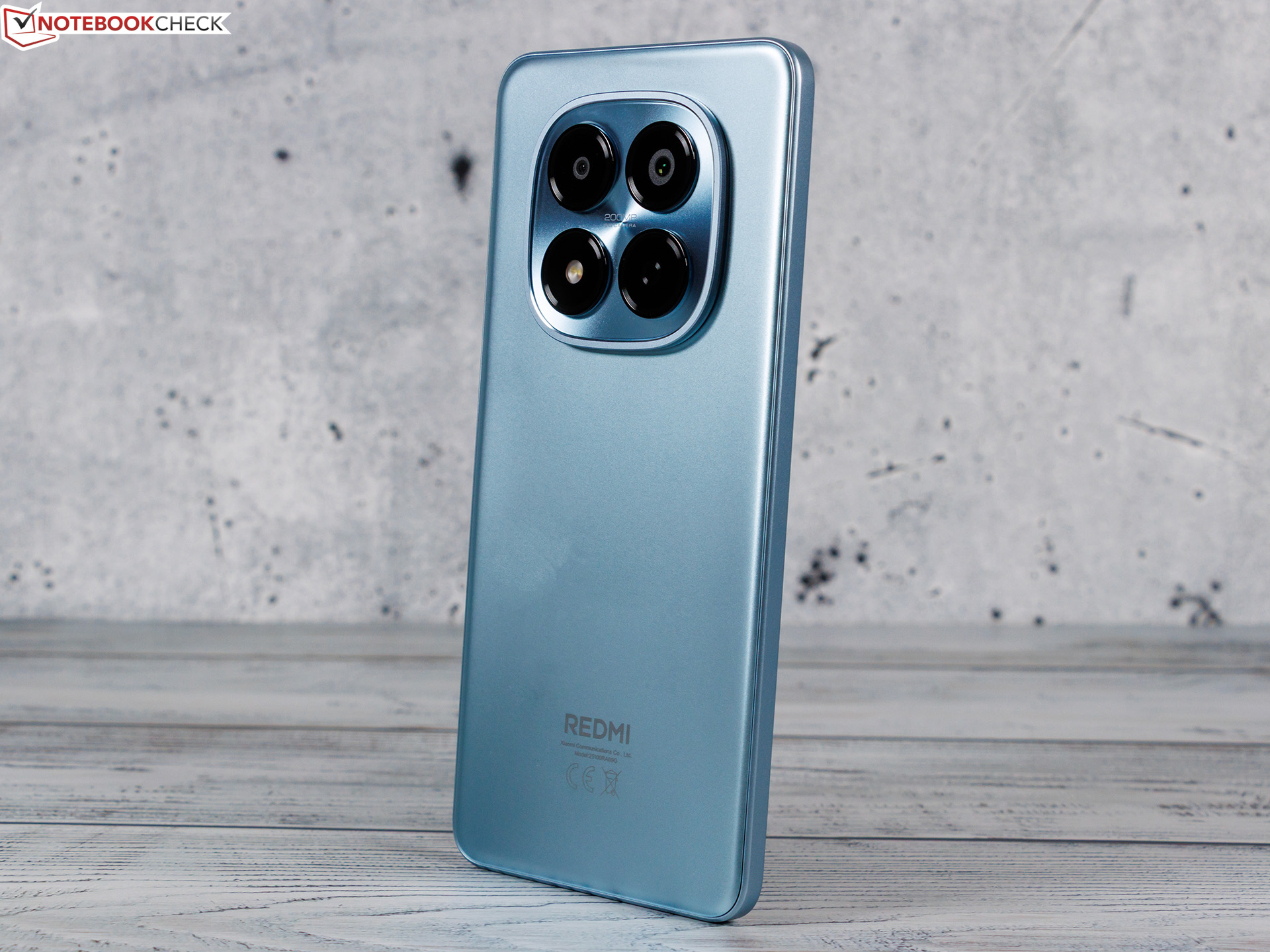
The eight-millimetre-thin Redmi Note 15 Pro sits comfortably in the hand, and its slightly rounded corners and edges give it a slim appearance. At the tallest point of the camera module we measure 11.7 millimetres. Overall build quality is convincing, with tight and uniform gaps.

According to Xiaomi, the Redmi Note 15 Pro uses an internal titanium structure that is intended to improve resistance to drops. The phone is also well protected against physical stress thanks to its IP65 certification and a display covered by Gorilla Glass Victus 2. The back panel, however, is made entirely of plastic.

The hybrid SIM slot supports a microSD card of up to 2 TB. In our copy test with the Angelbird AV Pro V60 reference card, the card reader reaches an average transfer rate of 36.3 MB/s, which is a good result.

Size comparison

163.6 mm / 6.44 in 76 mm / 2.99 in 8.2 mm / 0.3228 in 199 g0.4387 lbs164 mm / 6.46 in 75.42 mm / 2.97 in 7.35 mm / 0.2894 in 178 g0.3924 lbs163.22 mm / 6.43 in 76.29 mm / 3 in 7.96 mm / 0.3134 in 195 g0.4299 lbs162.16 mm / 6.38 in 74.92 mm / 2.95 in 8.24 mm / 0.3244 in 180 g0.3968 lbs162.9 mm / 6.41 in 78.2 mm / 3.08 in 7.4 mm / 0.2913 in 195 g0.4299 lbs154.1 mm / 6.07 in 71.2 mm / 2.8 in 8.1 mm / 0.3189 in 175 g0.3858 lbs148 mm / 5.83 in 105 mm / 4.13 in 1 mm / 0.03937 in 1.5 g0.00331 lbs
SD Card Reader - average JPG Copy Test (av. of 3 runs)
OnePlus Nord CE 5
MediaTek Dimensity 8350 (Angelbird V60)
37.6 MB/s +4%
Xiaomi Redmi Note 15 Pro
Mediatek Helio G200 (Angelbird AV Pro V60)
36.25 MB/s
Average of class Smartphone
  (5.72 - 58.9, n=71, last 2 years)
32.6 MB/s -10%
Xiaomi Poco M8 5G
Qualcomm Snapdragon 6 Gen 3 (Angelbird AV Pro V60)
32.31 MB/s -11%
Xiaomi Redmi Note 14 Pro LTE
Mediatek Helio G100 (Angelbird AV Pro V60)
25.51 MB/s -30%

Cross Platform Disk Test (CPDT)

051015202530354045505560657075Tooltip
OnePlus Nord CE 5 Mali-G615 MP6, Dimensity 8350, 128 GB UFS 3.1 Flash; SDCard Sequential Write 0.5 GB; Angelbird V60: Ø30.1 (9.09-41.3)
Xiaomi Redmi Note 14 Pro LTE Mali-G57 MP2, Helio G100, 256 GB UFS 2.2 Flash; SDCard Sequential Write 0.5 GB; Angelbird AV Pro V60: Ø27.3 (19.5-31.2)
OnePlus Nord CE 5 Mali-G615 MP6, Dimensity 8350, 128 GB UFS 3.1 Flash; SDCard Sequential Read 0.5 GB; Angelbird V60: Ø64.9 (40.5-76)
Xiaomi Redmi Note 14 Pro LTE Mali-G57 MP2, Helio G100, 256 GB UFS 2.2 Flash; SDCard Sequential Read 0.5 GB; Angelbird AV Pro V60: Ø40.3 (26.8-45.5)

Connectivity and operation: WiFi 5, 4G and no eSIM support

The Redmi Note 15 Pro relies on WiFi 5 as its fastest WLAN standard, which is now rather weak even for the budget mid-range. At our reference router, the Asus ROG Rapture GT-AXE11000, transfer rates remain stable but reach only up to 380 Mbit/s.

The device supports neither 5G nor eSIMs but offers good 4G frequency coverage. The hybrid SIM slot accommodates either two nano-SIMs or one SIM and one microSD card. Call quality is good, although the device does not always suppress loud ambient noise reliably. In quiet environments, including when using the speakerphone, there are no issues with mutual intelligibility.

The capacitive touchscreen responds quickly and registers inputs without delay. The same applies to the fingerprint sensor positioned beneath the display. Unlocking via 2D facial recognition is also supported. The linear vibration motor is another positive point, as it operates quietly and its intensity can be adjusted continuously.

Networking
Xiaomi Redmi Note 15 Pro
802.11 a/b/g/n/ac
iperf3 transmit AXE11000
371 (min: 185) MBit/s ∼43%
iperf3 receive AXE11000
380 (min: 187) MBit/s ∼32%
Motorola Edge 60 Neo
802.11 a/b/g/n/ac/ax
iperf3 transmit AXE11000 6GHz
763 (min: 678) MBit/s ∼60%
iperf3 receive AXE11000 6GHz
964 (min: 828) MBit/s ∼70%
OnePlus Nord CE 5
802.11 a/b/g/n/ac/ax
iperf3 transmit AXE11000
536 (min: 421) MBit/s ∼62%
iperf3 receive AXE11000
1191 (min: 961) MBit/s ∼100%
Samsung Galaxy A36 5G
802.11 a/b/g/n/ac/ax
iperf3 transmit AXE11000
860 (min: 440) MBit/s ∼100%
iperf3 receive AXE11000
752 (min: 713) MBit/s ∼63%
Xiaomi Poco M8 5G
802.11 a/b/g/n/ac
iperf3 transmit AXE11000
369 (min: 184) MBit/s ∼43%
iperf3 receive AXE11000
353 (min: 309) MBit/s ∼30%
Xiaomi Redmi Note 14 Pro LTE
802.11 a/b/g/n/ac
iperf3 transmit AXE11000
368 (min: 360) MBit/s ∼43%
iperf3 receive AXE11000
377 (min: 336) MBit/s ∼32%
Average 802.11 a/b/g/n/ac
 
iperf3 transmit AXE11000
338 (min: 10.5) MBit/s ∼39%
iperf3 receive AXE11000
330 (min: 20.1) MBit/s ∼28%
iperf3 transmit AXE11000 6GHz
330 (min: 330) MBit/s ∼26%
iperf3 receive AXE11000 6GHz
291 (min: 291) MBit/s ∼21%
Average of class Smartphone
 
iperf3 transmit AXE11000
683 (min: 49.8) MBit/s ∼79%
iperf3 receive AXE11000
720 (min: 52) MBit/s ∼60%
iperf3 transmit AXE11000 6GHz
1267 (min: 508) MBit/s ∼100%
iperf3 receive AXE11000 6GHz
1376 (min: 451) MBit/s ∼100%
050100150200250300350400450500550600650700750800850900Tooltip
Xiaomi Redmi Note 15 Pro 802.11 a/b/g/n/ac; iperf3 transmit AXE11000; iperf 3.1.3: Ø365 (185-377)
Samsung Galaxy A36 5G 802.11 a/b/g/n/ac/ax; iperf3 transmit AXE11000; iperf 3.1.3: Ø845 (440-918)
Xiaomi Redmi Note 15 Pro 802.11 a/b/g/n/ac; iperf3 receive AXE11000; iperf 3.1.3: Ø369 (187-386)
Samsung Galaxy A36 5G 802.11 a/b/g/n/ac/ax; iperf3 receive AXE11000; iperf 3.1.3: Ø750 (713-779)

Software and sustainability: support up to Android 19

The Redmi Note 15 Pro runs HyperOS 2.0 based on Android 15 and does not shy away from displaying advertising in many of its own system apps. Compared with its predecessor, Xiaomi’s update policy has improved noticeably. Instead of four years of updates, the phone now receives six years, and the company guarantees four OS upgrades up to and including Android 19.

The packaging, which is sealed in plastic, is made from recycled paper. Xiaomi does not disclose which recycled materials are used inside the smartphone itself. The manufacturer does, however, offer spare parts and repair tools for its devices.

Cameras: 200 MP with OIS, but video limited to 1080p

Recording with the front-facing camera
ⓘ Notebookcheck
Recording with the front-facing camera

The camera setup of the Redmi Note 15 Pro is nearly identical to that of the Redmi Note 14 Pro LTE. The selfie camera still offers a resolution of 32 MP and continues to produce sharp images.

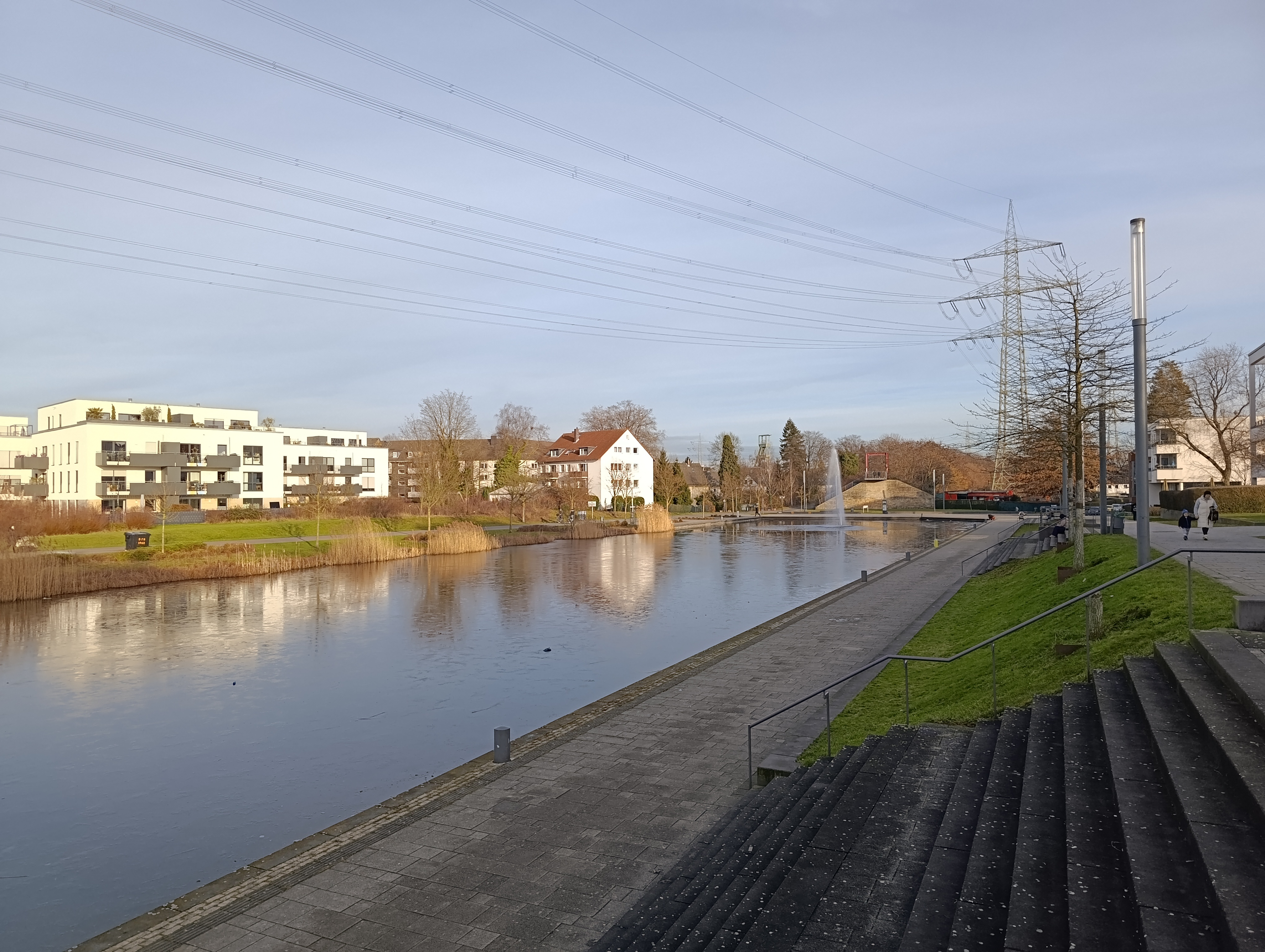
The phone no longer includes the predecessor's 2 MP macro camera. Instead, it relies on the same combination of a 200 MP main camera and an 8 MP ultrawide camera. In daylight, the main camera produces decent photos, although fine details are somewhat lacking and colours appear slightly muted.

In low light, the camera struggles noticeably. Digital zoom remains usable up to 5x, and it is also possible to take photos at the full 200 MP resolution. The ultrawide camera performs noticeably worse than the main sensor. Its images are rather grainy and show softness and smearing at the edges.

Thanks to optical image stabilisation, the main camera can record video with good overall quality. Both the main and the selfie camera, however, are limited to a maximum of 1080p at 30 frames per second.

Image comparison

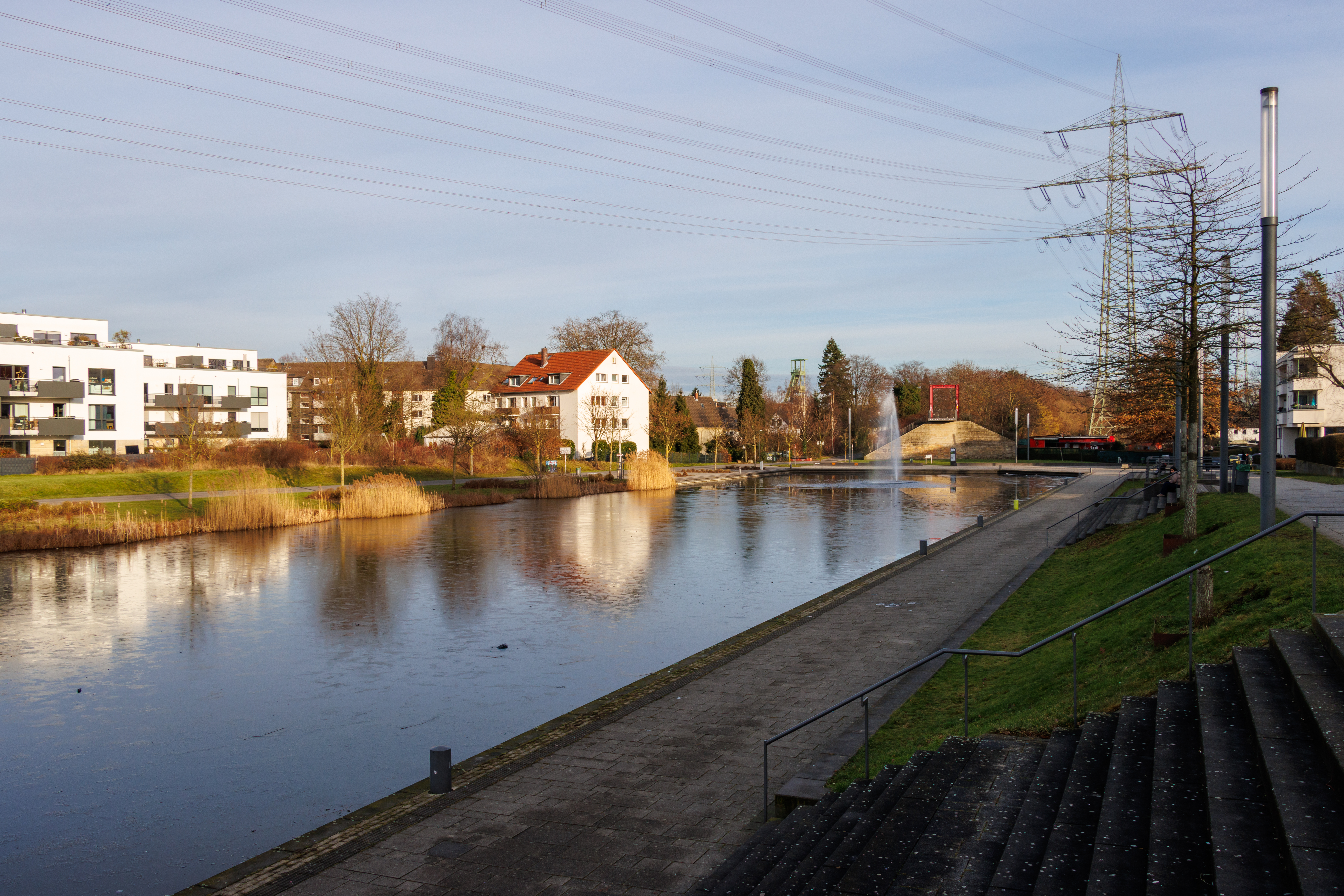
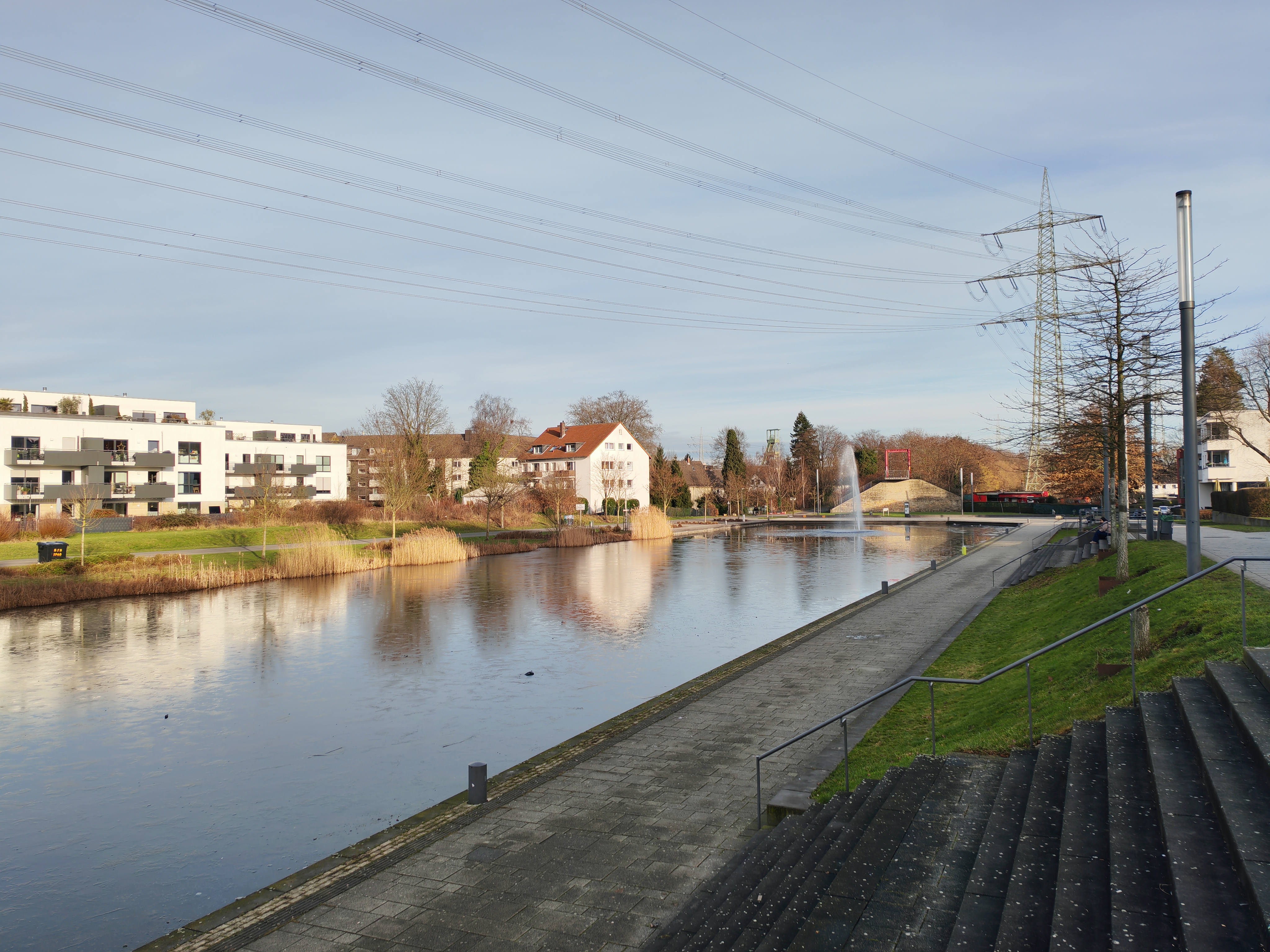
Choose a scene and navigate within the first image. One click changes the position on touchscreens. One click on the zoomed-in image opens the original in a new window. The first image shows the scaled photograph of the test device.

Tageslicht-AufnahmeTageslicht-AufnahmeUltraweitwinkel5-facher ZoomLowlight-Aufnahme

ColorChecker
7.4 ∆E
4.9 ∆E
2.3 ∆E
12.8 ∆E
1.7 ∆E
3 ∆E
8.2 ∆E
3.1 ∆E
8.9 ∆E
6.2 ∆E
5.1 ∆E
7.9 ∆E
4 ∆E
7.6 ∆E
4.7 ∆E
8.7 ∆E
5.2 ∆E
5.2 ∆E
8.5 ∆E
4.7 ∆E
4.4 ∆E
8.3 ∆E
9.4 ∆E
7.7 ∆E
ColorChecker Xiaomi Redmi Note 15 Pro: 6.25 ∆E min: 1.73 - max: 12.8 ∆E
ColorChecker
29.6 ∆E
55.1 ∆E
39.4 ∆E
34.4 ∆E
45.2 ∆E
62 ∆E
53.7 ∆E
36.1 ∆E
44.3 ∆E
29.4 ∆E
64.7 ∆E
63.9 ∆E
29.4 ∆E
47.4 ∆E
37.8 ∆E
76.6 ∆E
44.6 ∆E
41.9 ∆E
93 ∆E
71 ∆E
52.5 ∆E
37 ∆E
23.9 ∆E
13.3 ∆E
ColorChecker Xiaomi Redmi Note 15 Pro: 46.92 ∆E min: 13.35 - max: 92.97 ∆E

Display: brighter than expected and high-frequency PWM dimming

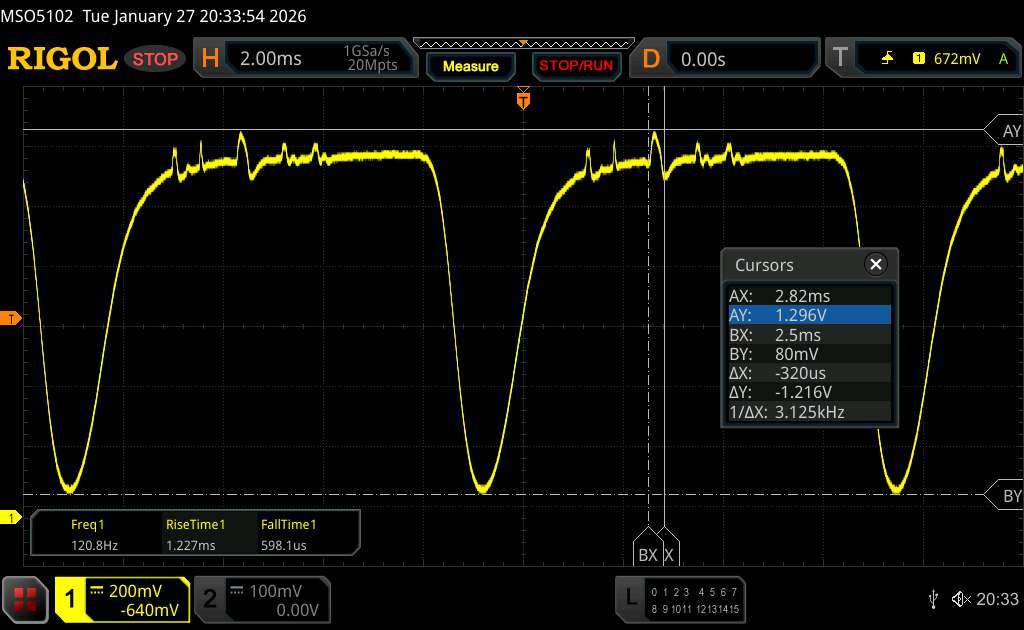
In small image segments (APL18 measurement 3666 cd/m²) and in HDR (4115 cd/m²), the AMOLED display clearly exceeds the manufacturer’s stated 3200-nit peak value. With the brightness sensor disabled, the panel reaches a maximum of 620 cd/m², or 822 cd/m² in sunlight mode. Users sensitive to flicker will appreciate the high PWM dimming frequency. We measure 3125 Hz, while Xiaomi lists 3840 Hz.

Thanks to its high brightness reserves, the Redmi Note 15 Pro remains easy to use outdoors. Screen content remains easy to read in nearly any lighting situation.

1006
cd/m²
1009
cd/m²
1063
cd/m²
998
cd/m²
1023
cd/m²
1064
cd/m²
985
cd/m²
995
cd/m²
1044
cd/m²
Distribution of brightness
tested with X-Rite i1Pro 3
Maximum: 1064 cd/m² (Nits) Average: 1020.8 cd/m² Minimum: 2.74 cd/m²
Brightness Distribution: 93 %
Center on Battery: 1023 cd/m²
Contrast: ∞:1 (Black: 0 cd/m²)
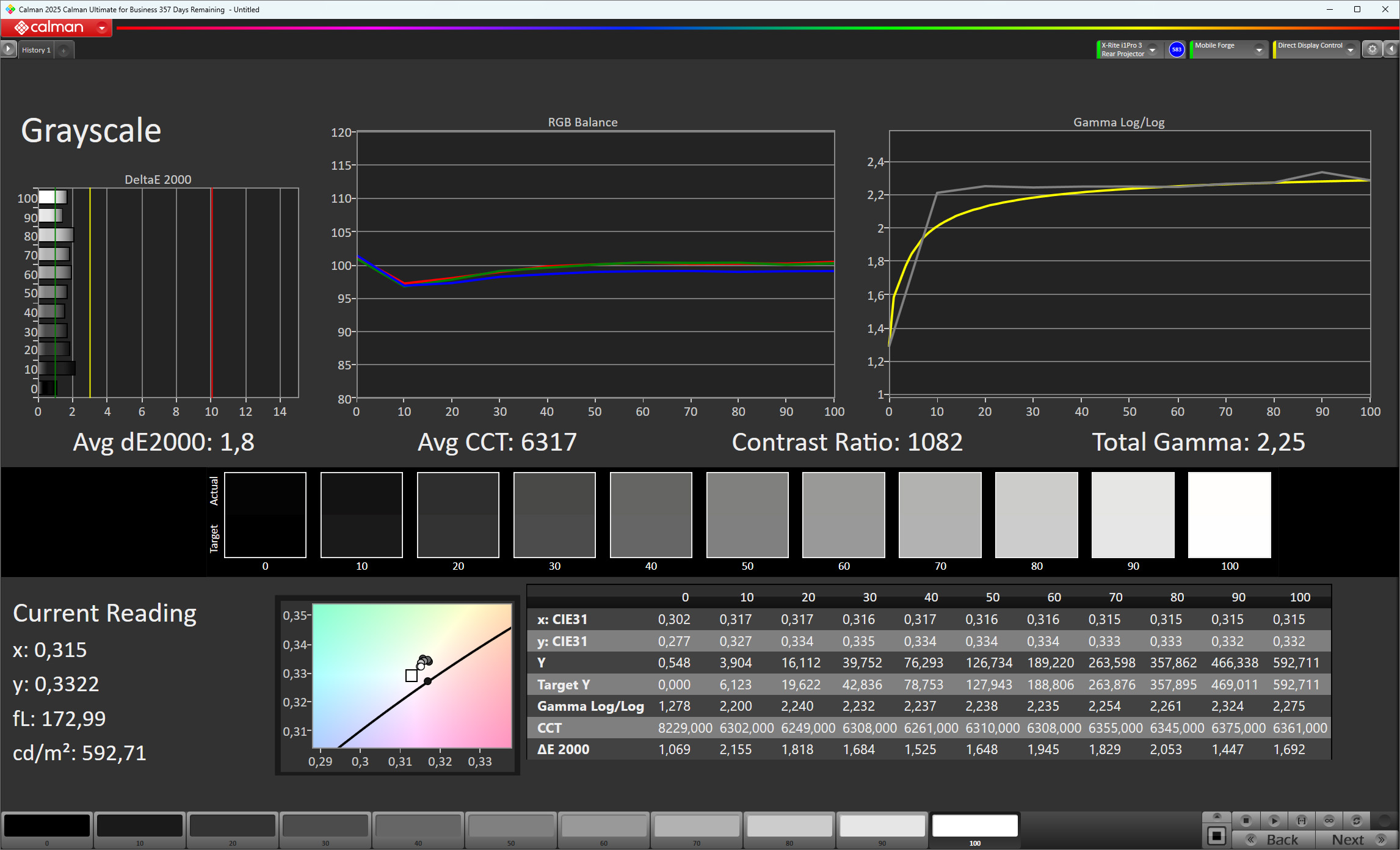
ΔE ColorChecker Calman: 1.7 | ∀{0.5-29.43 Ø4.76}
ΔE Greyscale Calman: 1.8 | ∀{0.09-98 Ø5}
98.2% sRGB (Calman 2D)
Gamma: 2.25
CCT: 6317 K
Xiaomi Redmi Note 15 Pro
AMOLED, 2392x1080, 6.8"
Motorola Edge 60 Neo
pOLED, 2670x1200, 6.4"
OnePlus Nord CE 5
AMOLED, 2392x1080, 6.8"
Samsung Galaxy A36 5G
Super AMOLED, 2340x1080, 6.7"
Xiaomi Poco M8 5G
AMOLED, 2392x1080, 6.8"
Xiaomi Redmi Note 14 Pro LTE
AMOLED, 2400x1080, 6.7"
Screen
16%
22%
9%
18%
5%
Brightness middle (cd/m²)
1023
1132
11%
1315
29%
1127
10%
953
-7%
1298
27%
Brightness (cd/m²)
1021
1114
9%
1300
27%
1137
11%
954
-7%
1303
28%
Brightness Distribution (%)
93
98
5%
97
4%
98
5%
95
2%
93
0%
Black Level * (cd/m²)
Colorchecker dE 2000 *
1.7
1.55
9%
1.22
28%
1.8
-6%
1
41%
1.8
-6%
Colorchecker dE 2000 max. *
6
3.28
45%
2.7
55%
2.8
53%
2.3
62%
5.5
8%
Greyscale dE 2000 *
1.8
1.5
17%
2
-11%
2.1
-17%
1.5
17%
2.3
-28%
Gamma
2.25 98%
2.107 104%
2.258 97%
2.11 104%
2.22 99%
2.28 96%
CCT
6317 103%
6473 100%
6503 100%
6466 101%
6694 97%
6104 106%

* ... smaller is better

Display / APL18 Peak Brightness
Xiaomi Redmi Note 15 Pro
Mali-G57 MP2, Helio G200, 256 GB UFS 2.2 Flash
3666 cd/m²
Samsung Galaxy A36 5G
Adreno 710, SD 6 Gen 1, 256 GB UFS 3.1 Flash
1877 cd/m² -49%
Xiaomi Redmi Note 14 Pro LTE
Mali-G57 MP2, Helio G100, 256 GB UFS 2.2 Flash
1654 cd/m² -55%
Display / HDR Peak Brightness
Xiaomi Redmi Note 15 Pro
Mali-G57 MP2, Helio G200, 256 GB UFS 2.2 Flash
4115 cd/m²
Samsung Galaxy A36 5G
Adreno 710, SD 6 Gen 1, 256 GB UFS 3.1 Flash
2012 cd/m² -51%
Xiaomi Redmi Note 14 Pro LTE
Mali-G57 MP2, Helio G100, 256 GB UFS 2.2 Flash
1715 cd/m² -58%

Screen Flickering / PWM (Pulse-Width Modulation)

To dim the screen, some notebooks will simply cycle the backlight on and off in rapid succession - a method called Pulse Width Modulation (PWM) . This cycling frequency should ideally be undetectable to the human eye. If said frequency is too low, users with sensitive eyes may experience strain or headaches or even notice the flickering altogether.
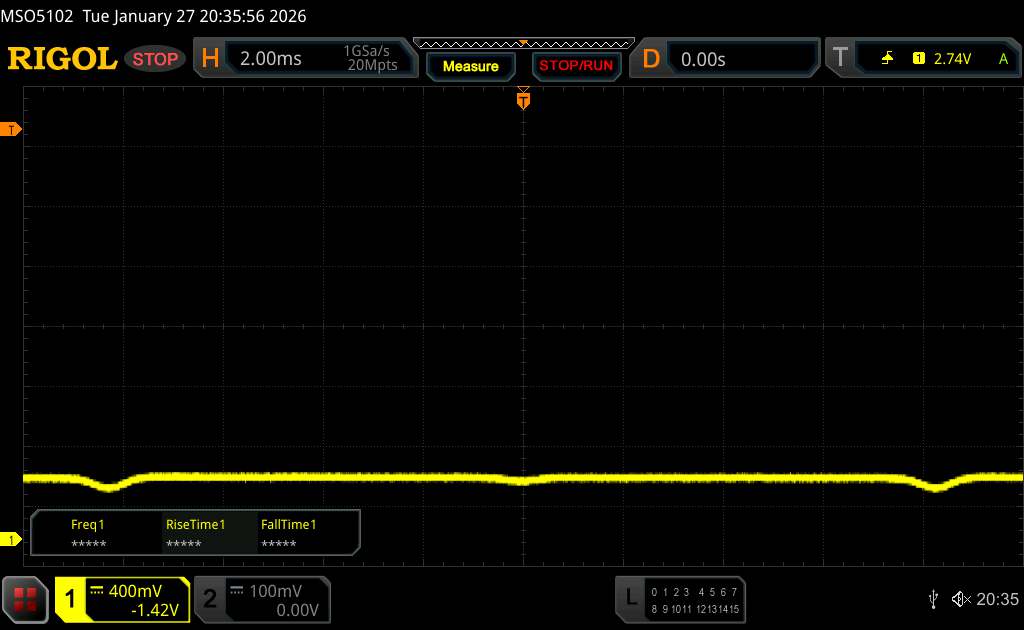
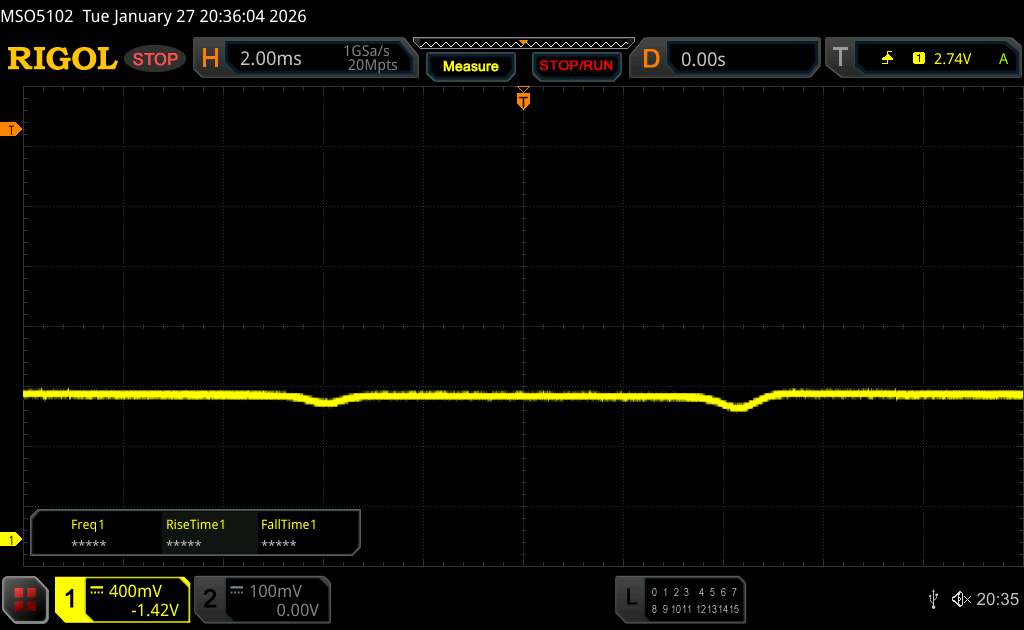
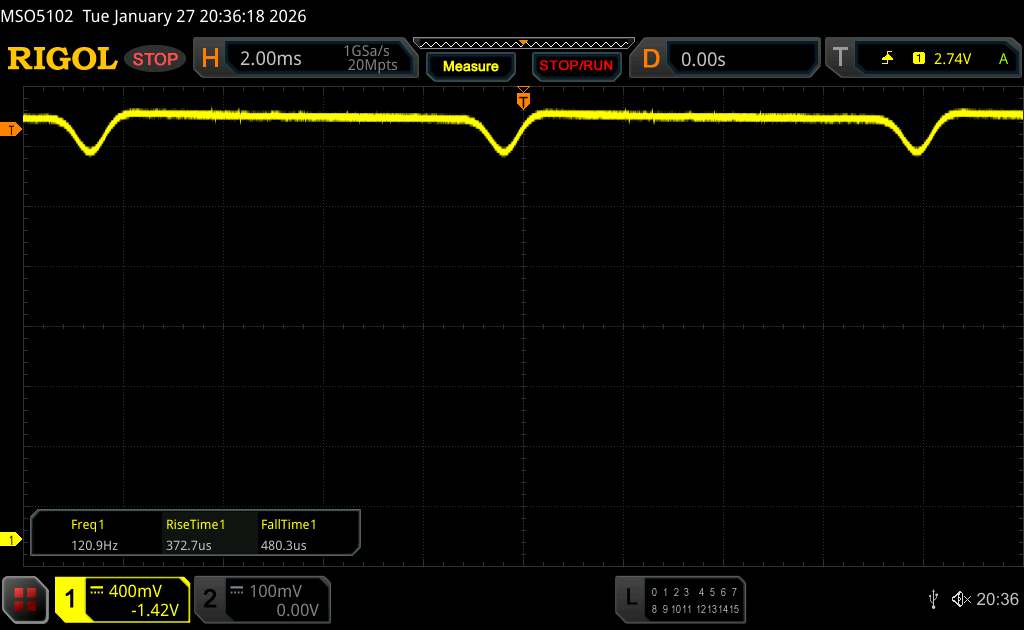
Screen flickering / PWM detected 120 Hz
Amplitude: 13.7 %
Secondary Frequency: 3125 Hz

The display backlight flickers at 120 Hz (worst case, e.g., utilizing PWM) .

The frequency of 120 Hz is very low, so the flickering may cause eyestrain and headaches after extended use.

In comparison: 53 % of all tested devices do not use PWM to dim the display. If PWM was detected, an average of 7996 (minimum: 5 - maximum: 343500) Hz was measured.

minimum display brightness
min.
25% display brightness
25%
50% display brightness
50%
75% display brightness
75%
maximum manual display brightness
100%

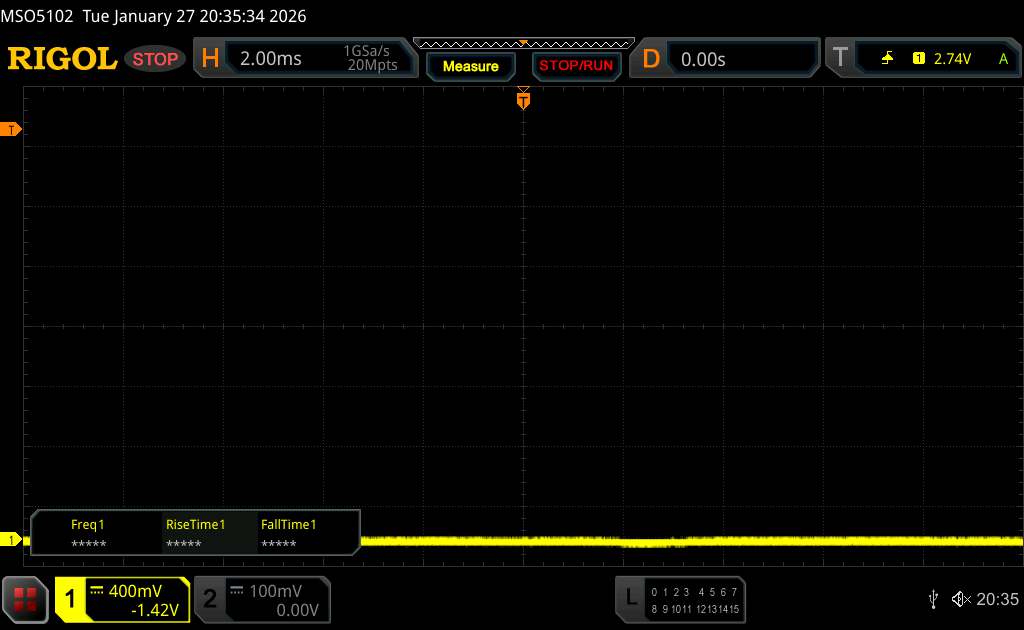
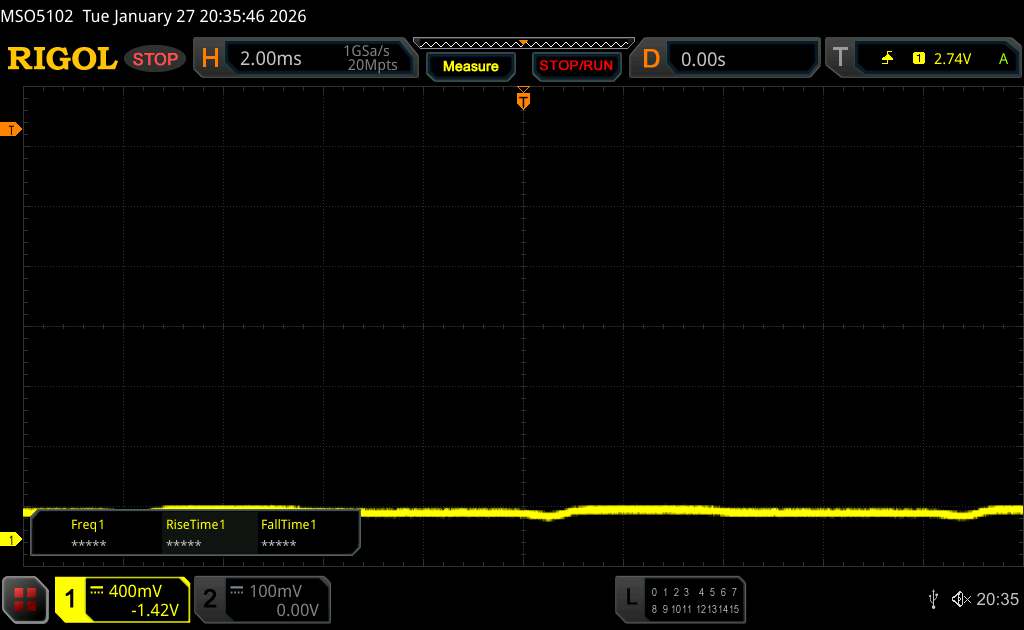
Measurement series with fixed zoom level and different brightness settings (The amplitude curve at minimum brightness looks flat, but this is due to the scaling. The info box shows the enlarged version of the amplitude at minimum brightness)

Color fidelity (color scheme and color temperature: standard, target color space sRGB)
ⓘ Notebookcheck
Color fidelity (color scheme and color temperature: standard, target color space sRGB)
Grayscale (color scheme and color temperature: standard, target color space sRGB)
ⓘ Notebookcheck
Grayscale (color scheme and color temperature: standard, target color space sRGB)
Color space (color scheme and color temperature: standard, target color space sRGB)
ⓘ Notebookcheck
Color space (color scheme and color temperature: standard, target color space sRGB)

Display Response Times

Display response times show how fast the screen is able to change from one color to the next. Slow response times can lead to afterimages and can cause moving objects to appear blurry (ghosting). Gamers of fast-paced 3D titles should pay special attention to fast response times.
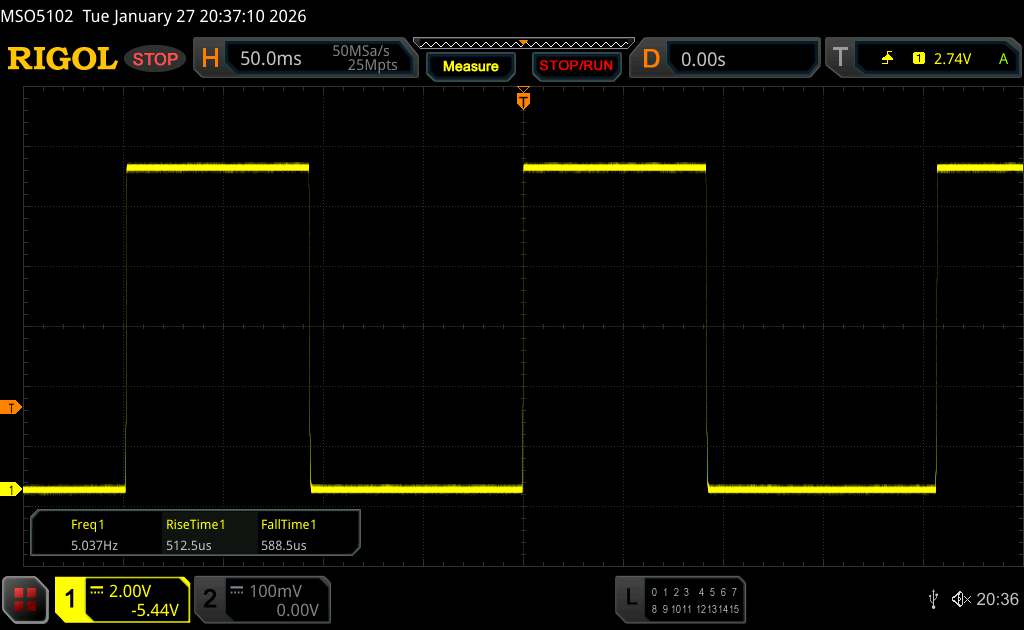
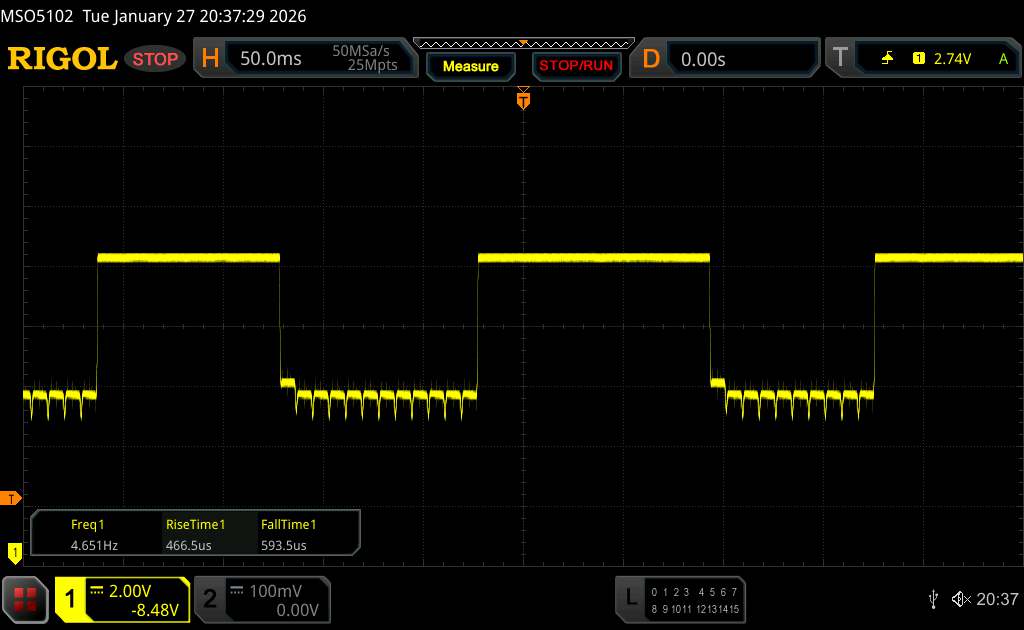
       Response Time Black to White
1.1 ms ... rise ↗ and fall ↘ combined↗ 0.5125 ms rise
↘ 0.5885 ms fall
The screen shows very fast response rates in our tests and should be very well suited for fast-paced gaming.
In comparison, all tested devices range from 0.1 (minimum) to 240 (maximum) ms. » 4 % of all devices are better.
This means that the measured response time is better than the average of all tested devices (20.1 ms).
       Response Time 50% Grey to 80% Grey
1.06 ms ... rise ↗ and fall ↘ combined↗ 0.4665 ms rise
↘ 0.5935 ms fall
The screen shows very fast response rates in our tests and should be very well suited for fast-paced gaming.
In comparison, all tested devices range from 0.165 (minimum) to 636 (maximum) ms. » 4 % of all devices are better.
This means that the measured response time is better than the average of all tested devices (31.4 ms).
Outdoor use
Viewing angles

Performance, emissions and battery life: gaming-capable and long-lasting

On paper, the MediaTek Helio G200 is slightly faster than the MediaTek Helio G100 used in the predecessor, but in practice the difference is not noticeable. The performance is sufficient for everyday apps, and even graphics-heavy titles such as Genshin Impact can run smoothly when the detail level is reduced. Some competitors, however, offer significantly higher performance.

The Redmi Note 15 Pro features stereo speakers, although they sound rather treble-heavy even at moderate volumes. Voices, on the other hand, are reproduced very clearly. External audio output is available via USB-C and Bluetooth.

A 6500 mAh lithium battery with a silicon-carbon anode gives the Redmi Note 15 Pro above-average battery life, outperforming strong competitors such as the Samsung Galaxy A36 5G. The device charges at up to 45 watts and completes a full charge cycle in 1 hour and 20 minutes in our test.

Geekbench 6.5
Single-Core
Average of class Smartphone
  (196 - 3883, n=210, last 2 years)
1719 Points +151%
OnePlus Nord CE 5
MediaTek Dimensity 8350, Mali-G615 MP6, 8192
1325 Points +94%
Motorola Edge 60 Neo
MediaTek Dimensity 7400X, Mali-G615 MP2, 8192
1099 Points +61%
Samsung Galaxy A36 5G
Qualcomm Snapdragon 6 Gen 3, Adreno 710, 6144
1033 Points +51%
Xiaomi Poco M8 5G
Qualcomm Snapdragon 6 Gen 3, Adreno 710, 8192
1024 Points +50%
Xiaomi Redmi Note 14 Pro LTE
Mediatek Helio G100, Mali-G57 MP2, 8192
725 Points +6%
Xiaomi Redmi Note 15 Pro
Mediatek Helio G200, Mali-G57 MP2, 8192
684 Points
Average Mediatek Helio G200
  (n=1)
684 Points 0%
Multi-Core
Average of class Smartphone
  (830 - 11634, n=210, last 2 years)
5071 Points +165%
OnePlus Nord CE 5
MediaTek Dimensity 8350, Mali-G615 MP6, 8192
4201 Points +120%
Motorola Edge 60 Neo
MediaTek Dimensity 7400X, Mali-G615 MP2, 8192
3087 Points +62%
Xiaomi Poco M8 5G
Qualcomm Snapdragon 6 Gen 3, Adreno 710, 8192
2960 Points +55%
Samsung Galaxy A36 5G
Qualcomm Snapdragon 6 Gen 3, Adreno 710, 6144
2955 Points +55%
Xiaomi Redmi Note 14 Pro LTE
Mediatek Helio G100, Mali-G57 MP2, 8192
1922 Points +1%
Xiaomi Redmi Note 15 Pro
Mediatek Helio G200, Mali-G57 MP2, 8192
1911 Points
Average Mediatek Helio G200
  (n=1)
1911 Points 0%
3DMark
Wild Life Score
Motorola Edge 60 Neo
MediaTek Dimensity 7400X, Mali-G615 MP2, 8192
3698 Points +174%
Samsung Galaxy A36 5G
Qualcomm Snapdragon 6 Gen 3, Adreno 710, 6144
3484 Points +158%
Xiaomi Poco M8 5G
Qualcomm Snapdragon 6 Gen 3, Adreno 710, 8192
3266 Points +142%
Average of class Smartphone
  (270 - 13896, n=104, last 2 years)
2904 Points +115%
Xiaomi Redmi Note 15 Pro
Mediatek Helio G200, Mali-G57 MP2, 8192
1351 Points
Average Mediatek Helio G200
  (n=1)
1351 Points 0%
Xiaomi Redmi Note 14 Pro LTE
Mediatek Helio G100, Mali-G57 MP2, 8192
1237 Points -8%
Wild Life Unlimited Score
Average of class Smartphone
  (271 - 30621, n=193, last 2 years)
11063 Points +729%
OnePlus Nord CE 5
MediaTek Dimensity 8350, Mali-G615 MP6, 8192
9956 Points +646%
Motorola Edge 60 Neo
MediaTek Dimensity 7400X, Mali-G615 MP2, 8192
3708 Points +178%
Samsung Galaxy A36 5G
Qualcomm Snapdragon 6 Gen 3, Adreno 710, 6144
3502 Points +162%
Xiaomi Poco M8 5G
Qualcomm Snapdragon 6 Gen 3, Adreno 710, 8192
3288 Points +146%
Xiaomi Redmi Note 15 Pro
Mediatek Helio G200, Mali-G57 MP2, 8192
1335 Points
Average Mediatek Helio G200
  (n=1)
1335 Points 0%
Xiaomi Redmi Note 14 Pro LTE
Mediatek Helio G100, Mali-G57 MP2, 8192
1225 Points -8%
Wild Life Extreme
Average of class Smartphone
  (61 - 8140, n=195, last 2 years)
2913 Points +685%
OnePlus Nord CE 5
MediaTek Dimensity 8350, Mali-G615 MP6, 8192
2774 Points +648%
Motorola Edge 60 Neo
MediaTek Dimensity 7400X, Mali-G615 MP2, 8192
1054 Points +184%
Samsung Galaxy A36 5G
Qualcomm Snapdragon 6 Gen 3, Adreno 710, 6144
907 Points +144%
Xiaomi Poco M8 5G
Qualcomm Snapdragon 6 Gen 3, Adreno 710, 8192
863 Points +133%
Xiaomi Redmi Note 15 Pro
Mediatek Helio G200, Mali-G57 MP2, 8192
371 Points
Average Mediatek Helio G200
  (n=1)
371 Points 0%
Xiaomi Redmi Note 14 Pro LTE
Mediatek Helio G100, Mali-G57 MP2, 8192
344 Points -7%
Wild Life Extreme Unlimited
Average of class Smartphone
  (62 - 8102, n=194, last 2 years)
2899 Points +694%
OnePlus Nord CE 5
MediaTek Dimensity 8350, Mali-G615 MP6, 8192
2795 Points +666%
Motorola Edge 60 Neo
MediaTek Dimensity 7400X, Mali-G615 MP2, 8192
1033 Points +183%
Samsung Galaxy A36 5G
Qualcomm Snapdragon 6 Gen 3, Adreno 710, 6144
901 Points +147%
Xiaomi Poco M8 5G
Qualcomm Snapdragon 6 Gen 3, Adreno 710, 8192
852 Points +133%
Xiaomi Redmi Note 15 Pro
Mediatek Helio G200, Mali-G57 MP2, 8192
365 Points
Average Mediatek Helio G200
  (n=1)
365 Points 0%
Xiaomi Redmi Note 14 Pro LTE
Mediatek Helio G100, Mali-G57 MP2, 8192
334 Points -8%
GFXBench
on screen Aztec Ruins Normal Tier Onscreen
OnePlus Nord CE 5
MediaTek Dimensity 8350, Mali-G615 MP6, 8192
69 fps +360%
Average of class Smartphone
  (6.2 - 166, n=207, last 2 years)
58.4 fps +289%
Samsung Galaxy A36 5G
Qualcomm Snapdragon 6 Gen 3, Adreno 710, 6144
39 fps +160%
Motorola Edge 60 Neo
MediaTek Dimensity 7400X, Mali-G615 MP2, 8192
32 fps +113%
Xiaomi Poco M8 5G
Qualcomm Snapdragon 6 Gen 3, Adreno 710, 8192
31 fps +107%
Xiaomi Redmi Note 15 Pro
Mediatek Helio G200, Mali-G57 MP2, 8192
15 fps
Average Mediatek Helio G200
  (n=1)
15 fps 0%
Xiaomi Redmi Note 14 Pro LTE
Mediatek Helio G100, Mali-G57 MP2, 8192
12 fps -20%
1920x1080 Aztec Ruins Normal Tier Offscreen
OnePlus Nord CE 5
MediaTek Dimensity 8350, Mali-G615 MP6, 8192
118 fps +556%
Average of class Smartphone
  (3.4 - 367, n=207, last 2 years)
116.3 fps +546%
Motorola Edge 60 Neo
MediaTek Dimensity 7400X, Mali-G615 MP2, 8192
45 fps +150%
Samsung Galaxy A36 5G
Qualcomm Snapdragon 6 Gen 3, Adreno 710, 6144
44 fps +144%
Xiaomi Poco M8 5G
Qualcomm Snapdragon 6 Gen 3, Adreno 710, 8192
42 fps +133%
Xiaomi Redmi Note 15 Pro
Mediatek Helio G200, Mali-G57 MP2, 8192
18 fps
Average Mediatek Helio G200
  (n=1)
18 fps 0%
Xiaomi Redmi Note 14 Pro LTE
Mediatek Helio G100, Mali-G57 MP2, 8192
14 fps -22%
on screen Aztec Ruins High Tier Onscreen
OnePlus Nord CE 5
MediaTek Dimensity 8350, Mali-G615 MP6, 8192
47 fps +380%
Average of class Smartphone
  (0.85 - 144, n=208, last 2 years)
46.7 fps +377%
Samsung Galaxy A36 5G
Qualcomm Snapdragon 6 Gen 3, Adreno 710, 6144
23 fps +135%
Xiaomi Poco M8 5G
Qualcomm Snapdragon 6 Gen 3, Adreno 710, 8192
21 fps +114%
Motorola Edge 60 Neo
MediaTek Dimensity 7400X, Mali-G615 MP2, 8192
19 fps +94%
Xiaomi Redmi Note 15 Pro
Mediatek Helio G200, Mali-G57 MP2, 8192
9.8 fps
Average Mediatek Helio G200
  (n=1)
9.8 fps 0%
Xiaomi Redmi Note 14 Pro LTE
Mediatek Helio G100, Mali-G57 MP2, 8192
8.3 fps -15%
2560x1440 Aztec Ruins High Tier Offscreen
OnePlus Nord CE 5
MediaTek Dimensity 8350, Mali-G615 MP6, 8192
49 fps +654%
Average of class Smartphone
  (1.2 - 146, n=207, last 2 years)
44.8 fps +589%
Motorola Edge 60 Neo
MediaTek Dimensity 7400X, Mali-G615 MP2, 8192
17 fps +162%
Samsung Galaxy A36 5G
Qualcomm Snapdragon 6 Gen 3, Adreno 710, 6144
16 fps +146%
Xiaomi Poco M8 5G
Qualcomm Snapdragon 6 Gen 3, Adreno 710, 8192
15 fps +131%
Xiaomi Redmi Note 15 Pro
Mediatek Helio G200, Mali-G57 MP2, 8192
6.5 fps
Average Mediatek Helio G200
  (n=1)
6.5 fps 0%
Xiaomi Redmi Note 14 Pro LTE
Mediatek Helio G100, Mali-G57 MP2, 8192
5.5 fps -15%
3840x2160 4K Aztec Ruins High Tier Offscreen
OnePlus Nord CE 5
MediaTek Dimensity 8350, Mali-G615 MP6, 8192
21 fps +650%
Average of class Smartphone
  (0.54 - 62, n=208, last 2 years)
20.7 fps +639%
Motorola Edge 60 Neo
MediaTek Dimensity 7400X, Mali-G615 MP2, 8192
7.7 fps +175%
Samsung Galaxy A36 5G
Qualcomm Snapdragon 6 Gen 3, Adreno 710, 6144
7.1 fps +154%
Xiaomi Poco M8 5G
Qualcomm Snapdragon 6 Gen 3, Adreno 710, 8192
6.6 fps +136%
Xiaomi Redmi Note 15 Pro
Mediatek Helio G200, Mali-G57 MP2, 8192
2.8 fps
Average Mediatek Helio G200
  (n=1)
2.8 fps 0%
Xiaomi Redmi Note 14 Pro LTE
Mediatek Helio G100, Mali-G57 MP2, 8192
2.4 fps -14%
UL Procyon AI Inference for Android - Overall Score NNAPI
Motorola Edge 60 Neo
MediaTek Dimensity 7400X, Mali-G615 MP2, 8192
27865 Points +194%
Average of class Smartphone
  (3769 - 81594, n=130, last 2 years)
18890 Points +99%
Xiaomi Redmi Note 15 Pro
Mediatek Helio G200, Mali-G57 MP2, 8192
9481 Points
Average Mediatek Helio G200
  (n=1)
9481 Points 0%
Xiaomi Redmi Note 14 Pro LTE
Mediatek Helio G100, Mali-G57 MP2, 8192
8882 Points -6%
Samsung Galaxy A36 5G
Qualcomm Snapdragon 6 Gen 3, Adreno 710, 6144
8253 Points -13%
CrossMark
Overall
Average of class Smartphone
  (187 - 2856, n=117, last 2 years)
1140 Points +142%
Samsung Galaxy A36 5G
Qualcomm Snapdragon 6 Gen 3, Adreno 710, 6144
877 Points +86%
Xiaomi Poco M8 5G
Qualcomm Snapdragon 6 Gen 3, Adreno 710, 8192
796 Points +69%
Xiaomi Redmi Note 14 Pro LTE
Mediatek Helio G100, Mali-G57 MP2, 8192
581 Points +23%
Xiaomi Redmi Note 15 Pro
Mediatek Helio G200, Mali-G57 MP2, 8192
471 Points
Average Mediatek Helio G200
  (n=1)
471 Points 0%
Productivity
Average of class Smartphone
  (198 - 2366, n=117, last 2 years)
1057 Points +102%
Samsung Galaxy A36 5G
Qualcomm Snapdragon 6 Gen 3, Adreno 710, 6144
717 Points +37%
Xiaomi Poco M8 5G
Qualcomm Snapdragon 6 Gen 3, Adreno 710, 8192
654 Points +25%
Xiaomi Redmi Note 14 Pro LTE
Mediatek Helio G100, Mali-G57 MP2, 8192
642 Points +23%
Xiaomi Redmi Note 15 Pro
Mediatek Helio G200, Mali-G57 MP2, 8192
523 Points
Average Mediatek Helio G200
  (n=1)
523 Points 0%
Creativity
Average of class Smartphone
  (163 - 2123, n=117, last 2 years)
952 Points +125%
Samsung Galaxy A36 5G
Qualcomm Snapdragon 6 Gen 3, Adreno 710, 6144
606 Points +43%
Xiaomi Poco M8 5G
Qualcomm Snapdragon 6 Gen 3, Adreno 710, 8192
579 Points +37%
Xiaomi Redmi Note 14 Pro LTE
Mediatek Helio G100, Mali-G57 MP2, 8192
493 Points +17%
Xiaomi Redmi Note 15 Pro
Mediatek Helio G200, Mali-G57 MP2, 8192
423 Points
Average Mediatek Helio G200
  (n=1)
423 Points 0%
Responsiveness
Samsung Galaxy A36 5G
Qualcomm Snapdragon 6 Gen 3, Adreno 710, 6144
4856 Points +924%
Xiaomi Poco M8 5G
Qualcomm Snapdragon 6 Gen 3, Adreno 710, 8192
3728 Points +686%
Average of class Smartphone
  (239 - 13042, n=117, last 2 years)
3098 Points +554%
Xiaomi Redmi Note 14 Pro LTE
Mediatek Helio G100, Mali-G57 MP2, 8192
703 Points +48%
Xiaomi Redmi Note 15 Pro
Mediatek Helio G200, Mali-G57 MP2, 8192
474 Points
Average Mediatek Helio G200
  (n=1)
474 Points 0%
Jetstream 2 - 2.0 Total Score
Average of class Smartphone
  (23.8 - 358, n=141, last 2 years)
150.6 Points +60%
Samsung Galaxy A36 5G
Qualcomm Snapdragon 6 Gen 3, Adreno 710, 6144
131.654 Points +40%
OnePlus Nord CE 5
MediaTek Dimensity 8350, Mali-G615 MP6, 8192
122.3 Points +30%
Xiaomi Poco M8 5G
Qualcomm Snapdragon 6 Gen 3, Adreno 710, 8192
116.992 Points +24%
Xiaomi Redmi Note 15 Pro
Mediatek Helio G200, Mali-G57 MP2, 8192
94.206 Points
Average Mediatek Helio G200
  (n=1)
94.2 Points 0%
Xiaomi Redmi Note 14 Pro LTE
Mediatek Helio G100, Mali-G57 MP2, 8192
77.2 Points -18%
Xiaomi Redmi Note 15 ProOnePlus Nord CE 5Samsung Galaxy A36 5GXiaomi Poco M8 5GXiaomi Redmi Note 14 Pro LTEAverage 256 GB UFS 2.2 FlashAverage of class Smartphone
AndroBench 3-5
12%
-36%
0%
-5%
-3%
80%
Sequential Read 256KB (MB/s)
963.93
1235
28%
968.34
0%
1042.73
8%
933
-3%
Sequential Write 256KB (MB/s)
837.79
795
-5%
166.77
-80%
893.75
7%
798
-5%
739 ?(369 - 998, n=61)
-12%
Random Read 4KB (MB/s)
204.48
222
9%
233.98
14%
146.5
-28%
218
7%
Random Write 4KB (MB/s)
259.84
302
16%
62.58
-76%
294.99
14%
215
-17%
051015202530354045505560Tooltip
Xiaomi Redmi Note 15 Pro; Asphalt 9: Legends; 49.1.2a (High Quality): Ø58.2 (42-61)
Xiaomi Redmi Note 15 Pro; Genshin Impact; lowest 120 fps; 6.3.0_41350619_41366669: Ø40.3 (31-54)
Xiaomi Redmi Note 15 Pro; Genshin Impact; highest 120 fps; 6.3.0_41350619_41366669: Ø28.9 (21-42)
Xiaomi Redmi Note 15 Pro; PUBG Mobile; 4.2.0 (HD): Ø39.7 (36-41)
Max. Load
 38.1 °C
101 F
37.4 °C
99 F
34 °C
93 F
 
 37.9 °C
100 F
36.2 °C
97 F
33 °C
91 F
 
 36.9 °C
98 F
34 °C
93 F
32.5 °C
91 F
 
Maximum: 38.1 °C = 101 F
Average: 35.6 °C = 96 F
33.4 °C
92 F
35.9 °C
97 F
37.4 °C
99 F
32 °C
90 F
35 °C
95 F
35.7 °C
96 F
32.7 °C
91 F
34.8 °C
95 F
35.1 °C
95 F
Maximum: 37.4 °C = 99 F
Average: 34.7 °C = 94 F
Room Temperature 21.8 °C = 71 F | Fluke t3000FC (calibrated) & Voltcraft IR-260
(±) The average temperature for the upper side under maximal load is 35.6 °C / 96 F, compared to the average of 32.9 °C / 91 F for the devices in the class Smartphone.
(+) The maximum temperature on the upper side is 38.1 °C / 101 F, compared to the average of 35.2 °C / 95 F, ranging from 21.9 to 247 °C for the class Smartphone.
(+) The bottom heats up to a maximum of 37.4 °C / 99 F, compared to the average of 34 °C / 93 F
(+) In idle usage, the average temperature for the upper side is 25.4 °C / 78 F, compared to the device average of 32.9 °C / 91 F.

3DMark Stress Tests

3DMark
Wild Life Stress Test Stability
Xiaomi Redmi Note 14 Pro LTE
Mali-G57 MP2, Helio G100, 256 GB UFS 2.2 Flash
99.5 % 0%
Xiaomi Redmi Note 15 Pro
Mali-G57 MP2, Helio G200, 256 GB UFS 2.2 Flash
99.5 %
Samsung Galaxy A36 5G
Adreno 710, SD 6 Gen 1, 256 GB UFS 3.1 Flash
99.4 % 0%
Motorola Edge 60 Neo
Mali-G615 MP2, Dimensity 7400X, 256 GB UFS 3.1 Flash
99.3 % 0%
Xiaomi Poco M8 5G
Adreno 710, SD 6 Gen 1, 512 GB UFS 2.2 Flash
99 % -1%
Wild Life Extreme Stress Test
Xiaomi Redmi Note 15 Pro
Mali-G57 MP2, Helio G200, 256 GB UFS 2.2 Flash
99.5 %
Motorola Edge 60 Neo
Mali-G615 MP2, Dimensity 7400X, 256 GB UFS 3.1 Flash
99.4 % 0%
Xiaomi Poco M8 5G
Adreno 710, SD 6 Gen 1, 512 GB UFS 2.2 Flash
99.2 % 0%
Xiaomi Redmi Note 14 Pro LTE
Mali-G57 MP2, Helio G100, 256 GB UFS 2.2 Flash
99 % -1%
Samsung Galaxy A36 5G
Adreno 710, SD 6 Gen 1, 256 GB UFS 3.1 Flash
99 % -1%
OnePlus Nord CE 5
Mali-G615 MP6, Dimensity 8350, 128 GB UFS 3.1 Flash
97.1 % -2%
Steel Nomad Light Stress Test Stability
Motorola Edge 60 Neo
Mali-G615 MP2, Dimensity 7400X, 256 GB UFS 3.1 Flash
99.1 % +1%
Xiaomi Poco M8 5G
Adreno 710, SD 6 Gen 1, 512 GB UFS 2.2 Flash
99.1 % +1%
Xiaomi Redmi Note 15 Pro
Mali-G57 MP2, Helio G200, 256 GB UFS 2.2 Flash
98 %
05101520Tooltip
Xiaomi Redmi Note 15 Pro Mali-G57 MP2, Helio G200, 256 GB UFS 2.2 Flash; Wild Life Extreme Stress Test; 1.1.14.3: Ø2.26 (2.25-2.27)
Motorola Edge 60 Neo Mali-G615 MP2, Dimensity 7400X, 256 GB UFS 3.1 Flash; Wild Life Extreme Stress Test; 1.1.14.3: Ø6.15 (6.13-6.16)
OnePlus Nord CE 5 Mali-G615 MP6, Dimensity 8350, 128 GB UFS 3.1 Flash; Wild Life Extreme Stress Test; 1.1.14.1: Ø18.1 (17.7-18.2)
Samsung Galaxy A36 5G Adreno 710, SD 6 Gen 1, 256 GB UFS 3.1 Flash; Wild Life Extreme Stress Test; 1.1.4.1: Ø5.42 (5.38-5.44)
Xiaomi Poco M8 5G Adreno 710, SD 6 Gen 1, 512 GB UFS 2.2 Flash; Wild Life Extreme Stress Test; 1.1.14.3: Ø5.17 (5.15-5.19)
Xiaomi Redmi Note 14 Pro LTE Mali-G57 MP2, Helio G100, 256 GB UFS 2.2 Flash; Wild Life Extreme Stress Test; 1.1.4.1: Ø2.08 (2.07-2.09)
Xiaomi Redmi Note 15 Pro Mali-G57 MP2, Helio G200, 256 GB UFS 2.2 Flash; Wild Life Stress Test Stability; 0.0.0.0: Ø8.1 (8.07-8.11)
Motorola Edge 60 Neo Mali-G615 MP2, Dimensity 7400X, 256 GB UFS 3.1 Flash; Wild Life Stress Test Stability; 0.0.0.0: Ø22 (22-22.1)
Samsung Galaxy A36 5G Adreno 710, SD 6 Gen 1, 256 GB UFS 3.1 Flash; Wild Life Stress Test Stability; 0.0.0.0: Ø20.7 (20.6-20.8)
Xiaomi Poco M8 5G Adreno 710, SD 6 Gen 1, 512 GB UFS 2.2 Flash; Wild Life Stress Test Stability; 0.0.0.0: Ø19.5 (19.3-19.5)
Xiaomi Redmi Note 14 Pro LTE Mali-G57 MP2, Helio G100, 256 GB UFS 2.2 Flash; Wild Life Stress Test Stability; 0.0.0.0: Ø7.44 (7.42-7.45)
Xiaomi Redmi Note 15 Pro Mali-G57 MP2, Helio G200, 256 GB UFS 2.2 Flash; Wild Life Unlimited Stress Test Stability; 0.0.0.0: Ø7.99 (7.98-7.99)
Samsung Galaxy A36 5G Adreno 710, SD 6 Gen 1, 256 GB UFS 3.1 Flash; Wild Life Unlimited Stress Test Stability; 0.0.0.0: Ø20.8 (20.7-20.9)
Xiaomi Poco M8 5G Adreno 710, SD 6 Gen 1, 512 GB UFS 2.2 Flash; Wild Life Unlimited Stress Test Stability; 0.0.0.0: Ø19.7 (19.6-19.7)
Xiaomi Redmi Note 14 Pro LTE Mali-G57 MP2, Helio G100, 256 GB UFS 2.2 Flash; Wild Life Unlimited Stress Test Stability; 0.0.0.0: Ø7.33 (7.31-7.34)
Xiaomi Redmi Note 15 Pro Mali-G57 MP2, Helio G200, 256 GB UFS 2.2 Flash; Steel Nomad Light Stress Test Stability; 1.0.6.2: Ø1.078 (1.068-1.09)
Motorola Edge 60 Neo Mali-G615 MP2, Dimensity 7400X, 256 GB UFS 3.1 Flash; Steel Nomad Light Stress Test Stability; 1.0.6.2: Ø3.06 (3.05-3.08)
Xiaomi Poco M8 5G Adreno 710, SD 6 Gen 1, 512 GB UFS 2.2 Flash; Steel Nomad Light Stress Test Stability; 1.0.6.2: Ø2.26 (2.26-2.28)
dB(A) 0102030405060708090Deep BassMiddle BassHigh BassLower RangeMidsHigher MidsLower HighsMid HighsUpper HighsSuper Highs2036.636.12526.227.43120.228.54034.337.25039.238.5632434.3801434.710013.735.312514.439.81601844.420014.54525014.749.831513.253.440012.352.450010.957.163011.561.680011.371.3100011.471.7125011.674.5160011.676.9200011.781.4250012.182315012.382.2400012.785.1500013.179.8630013.17580001370.41000013.1691250013.164.5160001363.1SPL24.591.3N0.676.8median 13median 70.4Delta1.312.637.839.528.134.724.429.720.53029.53518.930.917.734.815.836.213.439.613.953.611.251.910.453.711.759.110.163.28.865.88.965.49.271.79.876.610.378.510.879.611.880.211.380.212811381.912.677.512.877.412.975.513.375.413.559.513.656.523.890.50.582.1median 11.8median 75.41.510.6hearing rangehide median Pink NoiseXiaomi Redmi Note 15 ProSamsung Galaxy A36 5G
Frequency diagram (checkboxes can be checked and unchecked to compare devices)
Xiaomi Redmi Note 15 Pro audio analysis

(+) | speakers can play relatively loud (91.3 dB)
Bass 100 - 315 Hz
(-) | nearly no bass - on average 25.8% lower than median
(+) | bass is linear (5.4% delta to prev. frequency)
Mids 400 - 2000 Hz
(±) | reduced mids - on average 8% lower than median
(+) | mids are linear (6.5% delta to prev. frequency)
Highs 2 - 16 kHz
(±) | higher highs - on average 7.6% higher than median
(+) | highs are linear (4.9% delta to prev. frequency)
Overall 100 - 16.000 Hz
(±) | linearity of overall sound is average (21.7% difference to median)
Compared to same class
» 43% of all tested devices in this class were better, 8% similar, 48% worse
» The best had a delta of 11%, average was 35%, worst was 134%
Compared to all devices tested
» 61% of all tested devices were better, 7% similar, 32% worse
» The best had a delta of 4%, average was 24%, worst was 134%

Samsung Galaxy A36 5G audio analysis

(+) | speakers can play relatively loud (90.5 dB)
Bass 100 - 315 Hz
(-) | nearly no bass - on average 26.4% lower than median
(±) | linearity of bass is average (7.3% delta to prev. frequency)
Mids 400 - 2000 Hz
(±) | reduced mids - on average 6.1% lower than median
(+) | mids are linear (4.3% delta to prev. frequency)
Highs 2 - 16 kHz
(+) | balanced highs - only 3% away from median
(+) | highs are linear (1.8% delta to prev. frequency)
Overall 100 - 16.000 Hz
(±) | linearity of overall sound is average (17.9% difference to median)
Compared to same class
» 15% of all tested devices in this class were better, 8% similar, 76% worse
» The best had a delta of 11%, average was 35%, worst was 134%
Compared to all devices tested
» 36% of all tested devices were better, 8% similar, 56% worse
» The best had a delta of 4%, average was 24%, worst was 134%

Battery Runtime
WiFi Websurfing (Chrome 145)
20h 19min
Battery runtime - WiFi v1.3
Xiaomi Redmi Note 15 Pro
6500 mAh
20.3 h
Motorola Edge 60 Neo
5000 mAh
24.4 h
OnePlus Nord CE 5
5200 mAh
16.9 h
Samsung Galaxy A36 5G
5000 mAh
14.8 h
Xiaomi Poco M8 5G
5520 mAh
19.3 h
Xiaomi Redmi Note 14 Pro LTE
5500 mAh
17 h

Notebookcheck overall rating

The Xiaomi Redmi Note 15 Pro offers good value with its bright display, robust build, long battery life and update support through Android 19. On the downside, it provides neither 5G nor eSIM support and is limited to WiFi 5 as its fastest WLAN option.

Xiaomi Redmi Note 15 Pro - 03/04/2026 v8
Manuel Masiero

Chassis
87%
Keyboard
67 / 75 → 89%
Pointing Device
91%
Connectivity
45 / 69 → 65%
Weight
89%
Battery
92%
Display
88%
Games Performance
6 / 55 → 11%
Application Performance
55 / 85 → 65%
AI Performance
4%
Temperature
92%
Noise
100%
Audio
72 / 90 → 80%
Camera
64%
Average
62%
75%
Smartphone - Weighted Average
CO2 Emissions
No Data
Materials
0%
Packaging
50%
Power Use
95.9%
Repairability
60%
Software Updates
89%
Recycle Logo Total Sustainability Score: 49.2%

Possible alternatives in comparison

Image
Model / Review
Price
Weight
Drive
Display
1.
75%
Xiaomi Redmi Note 15 Pro
Mediatek Helio G200 ⎘
ARM Mali-G57 MP2 ⎘
8 GB Memory, 256 GB UFS 2.1
Amazon: $342.99
List Price: 350 Euro
195 g256 GB UFS 2.2 Flash6.77"
2392x1080
388 PPI
AMOLED
2.
79.5%
Motorola Edge 60 Neo
MediaTek Dimensity 7400X ⎘
ARM Mali-G615 MP2 ⎘
8 GB Memory, 256 GB 
Amazon:
1. $419.50
Motorola Moto Edge 60 Pro 5G...
2. $444.99
Motorola Moto Edge 60 Pro 5G...
3. $88.39
Motorola Edge | 2021 | 2-Day...
List Price: 399€
175 g256 GB UFS 3.1 Flash6.36"
2670x1200
460 PPI
pOLED
3.
80.8%
OnePlus Nord CE 5
OnePlus Nord CE 5
MediaTek Dimensity 8350 ⎘
ARM Mali-G615 MP6 ⎘
8 GB Memory, 128 GB 
List Price: 349€199 g128 GB UFS 3.1 Flash6.77"
2392x1080
388 PPI
AMOLED
4.
78%
Samsung Galaxy A36 5G
Qualcomm Snapdragon 6 Gen 3 ⎘
Qualcomm Adreno 710 ⎘
6 GB Memory, 256 GB 
List Price: 379€195 g256 GB UFS 3.1 Flash6.70"
2340x1080
385 PPI
Super AMOLED
5.
76.3%
Xiaomi Poco M8 5G
Xiaomi Poco M8 5G
Qualcomm Snapdragon 6 Gen 3 ⎘
Qualcomm Adreno 710 ⎘
8 GB Memory, 512 GB UFS 2.1
List Price: 300€178 g512 GB UFS 2.2 Flash6.77"
2392x1080
388 PPI
AMOLED
6.
75.3%
Xiaomi Redmi Note 14 Pro LTE
Mediatek Helio G100 ⎘
ARM Mali-G57 MP2 ⎘
8 GB Memory, 256 GB UFS 2.1
List Price: 350€180 g256 GB UFS 2.2 Flash6.67"
2400x1080
395 PPI
AMOLED

Transparency

The selection of devices to be reviewed is made by our editorial team. The test sample was provided to the author as a loan by the manufacturer or retailer for the purpose of this review. The lender had no influence on this review, nor did the manufacturer receive a copy of this review before publication. There was no obligation to publish this review. As an independent media company, Notebookcheck is not subjected to the authority of manufacturers, retailers or publishers.

This is how Notebookcheck is testing

Every year, Notebookcheck independently reviews hundreds of laptops and smartphones using standardized procedures to ensure that all results are comparable. We have continuously developed our test methods for around 20 years and set industry standards in the process. In our test labs, high-quality measuring equipment is utilized by experienced technicians and editors. These tests involve a multi-stage validation process. Our complex rating system is based on hundreds of well-founded measurements and benchmarks, which maintains objectivity. Further information on our test methods can be found here.

Please share our article, every link counts!
Mail Logo
Google Logo Add as a preferred
source on Google

No comments for this article

Got questions or something to add to our article? Even without registering you can post in the comments!
No comments for this article / reply

static version load dynamic
Loading Comments
Comment on this article
> Expert Reviews and News on Laptops, Smartphones and Tech Innovations > Reviews > Xiaomi Redmi Note 15 Pro smartphone review: Pro even without 5G?
Manuel Masiero, 2026-03- 7 (Update: 2026-03- 7)