




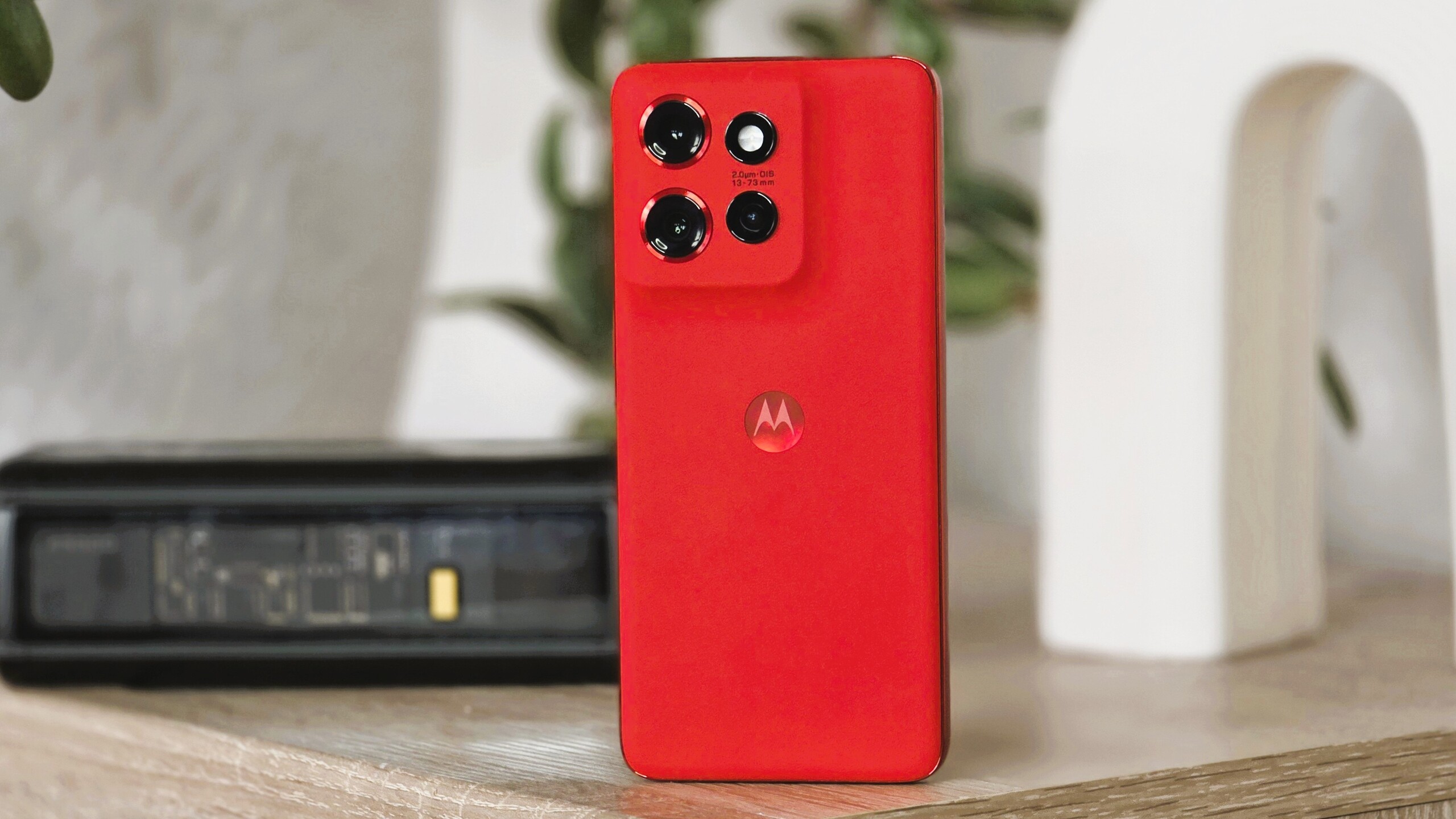
Verdict
With the Edge 60 Neo, Motorola has created an exciting smartphone in the mid-range segment. It is aimed at price-conscious users with a focus on design and functionality, rather than performance enthusiasts. The Dimensity 7400 is not particularly powerful for the mid-range and often seems a little overwhelmed in everyday use - but the MediaTek SoC is not a deal-breaker in our opinion.
In return, buyers of an Edge 60 Neo get interesting features for the price range below 400 Euros (~$466), such as eSIM support, wireless charging, a waterproof housing, a bright OLED panel with LTPO technology and a very appealing look. The extremely good battery life for a compact and lightweight phone is the icing on the cake of the Motorola phone.
With better availability and a resulting price drop, the Edge 60 Neo offers an exciting strength/weakness profile in the affordable mid-range.
Pros
Cons
Price and availability of the Motorola Edge 60 Neo
The Motorola Edge 60 Neo is available directly from the manufacturer for a recommended retail price starting at 399.99 Euros (~$466). Otherwise, availability during the test period is (still) somewhat limited and the mid-range phone is only listed at a few online retailers.

- $347.99Motorola Edge 60 16.9 Cm (6.67) Dual Sim Android 15 5G USB Type-C, W129185163 (Sim Android 15 5G USB Type-C 12 Gb 512 Gb 5200 Mah Blue)
- $655.00Motorola Edge 60 Neo Dual-SIM 256GB ROM + 8GB RAM (GSM Only | No CDMA) Factory Unlocked 5G Smartphone (Pantone Grisaille) - International Version
- $626.00Motorola Edge 60 Neo Dual-SIM 256GB ROM + 8GB RAM (GSM Only | No CDMA) Factory Unlocked 5G Smartphone (Pantone Poinciana) - International Version
Table of Contents
- Verdict
- Specifications of the Motorola Edge 60 Neo
- Case - Inexpensive phone with IP68
- Features - Android cell phone with USB 2.0
- Software - Inexpensive smartphone with long updates
- Communication and GNSS - Android-Phone without WiFi 7
- Phone functions and voice quality - Motorola relies on nano-SIM and eSIM
- Cameras - Android-Phone with OIS
- Accessories and warranty - Affordable smartphone with protective cover
- Input devices and operation - fingerprint sensor and face unlock on board
- Display - Motorola cell phone with OLED
- Performance - Motorola cell phone relies on Mediatek
- Emissions - Motorola cell phone with moderate heat dissipation
- Battery life - Inexpensive smartphone with wireless charging
- Notebookcheck overall rating
- Possible alternatives in comparison
With a screen diagonal of 6.36 inches, the Motorola Edge 60 Neo is the most compact smartphone in the Edge 60 series and similarly handy as its predecessor. The inexpensive mid-range cell phone is based on the MediaTek Dimensity 7400 and a number of premium features, such as wireless charging and eSIM support.
Specifications of the Motorola Edge 60 Neo
Case - Inexpensive phone with IP68
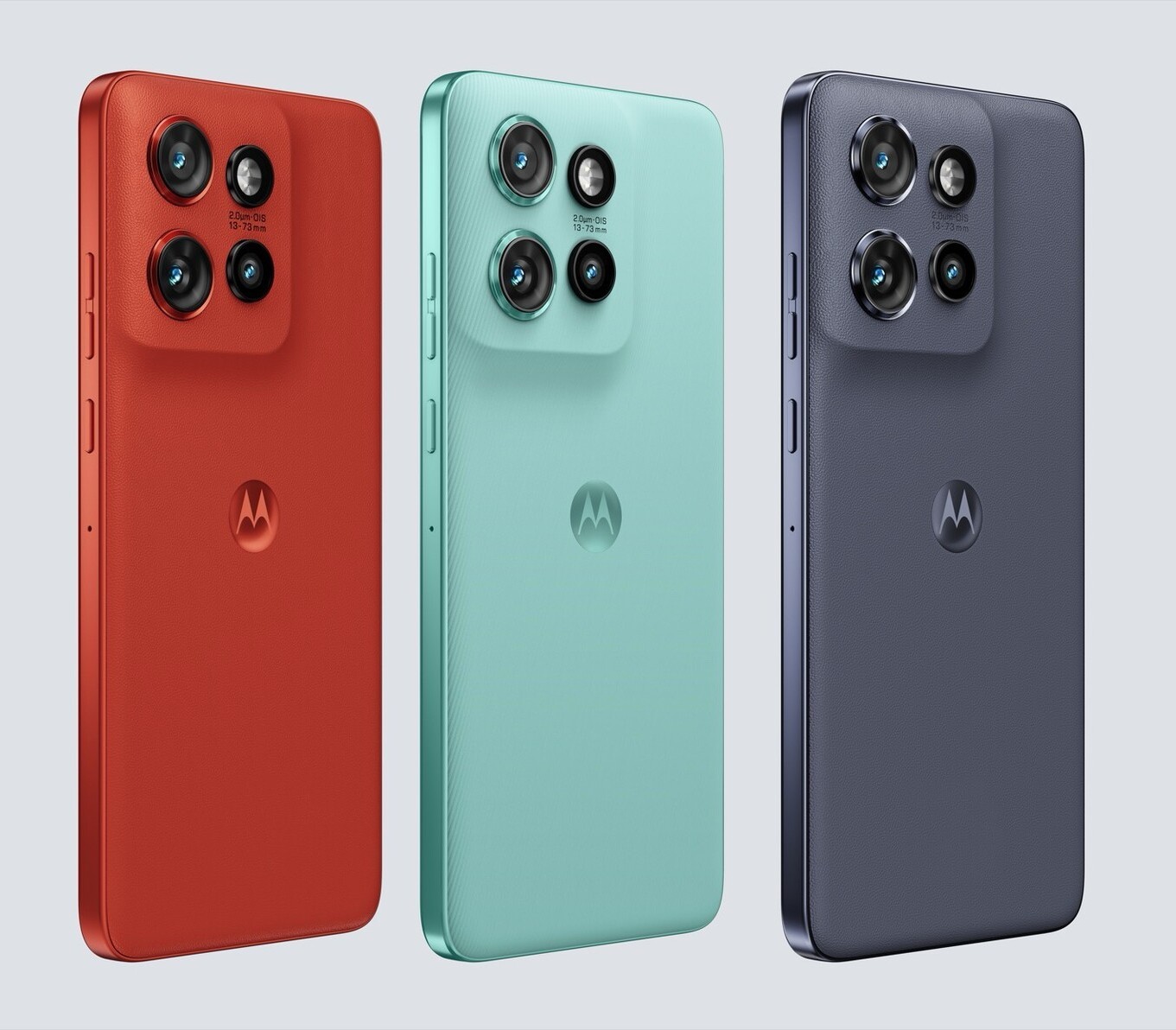
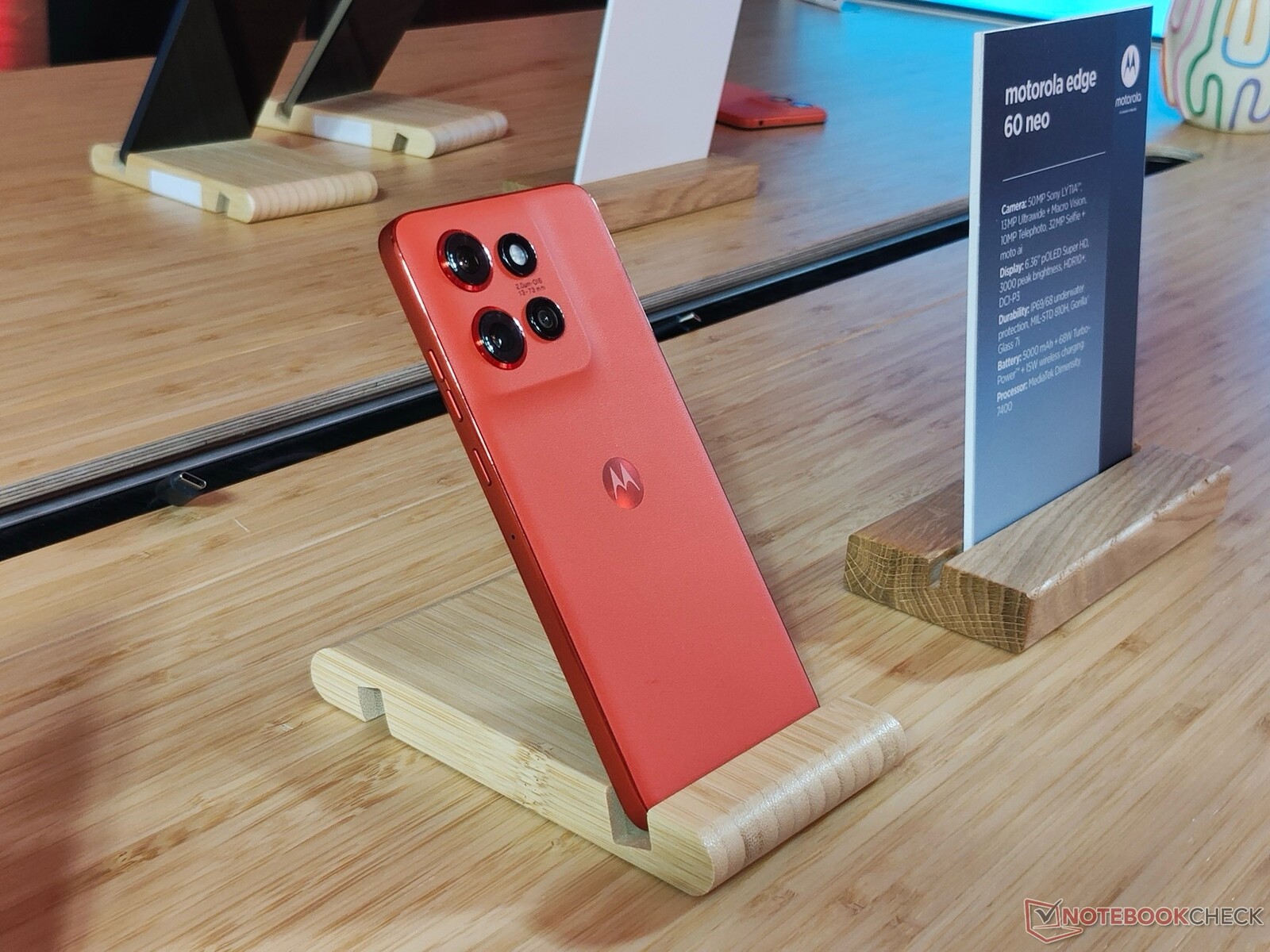
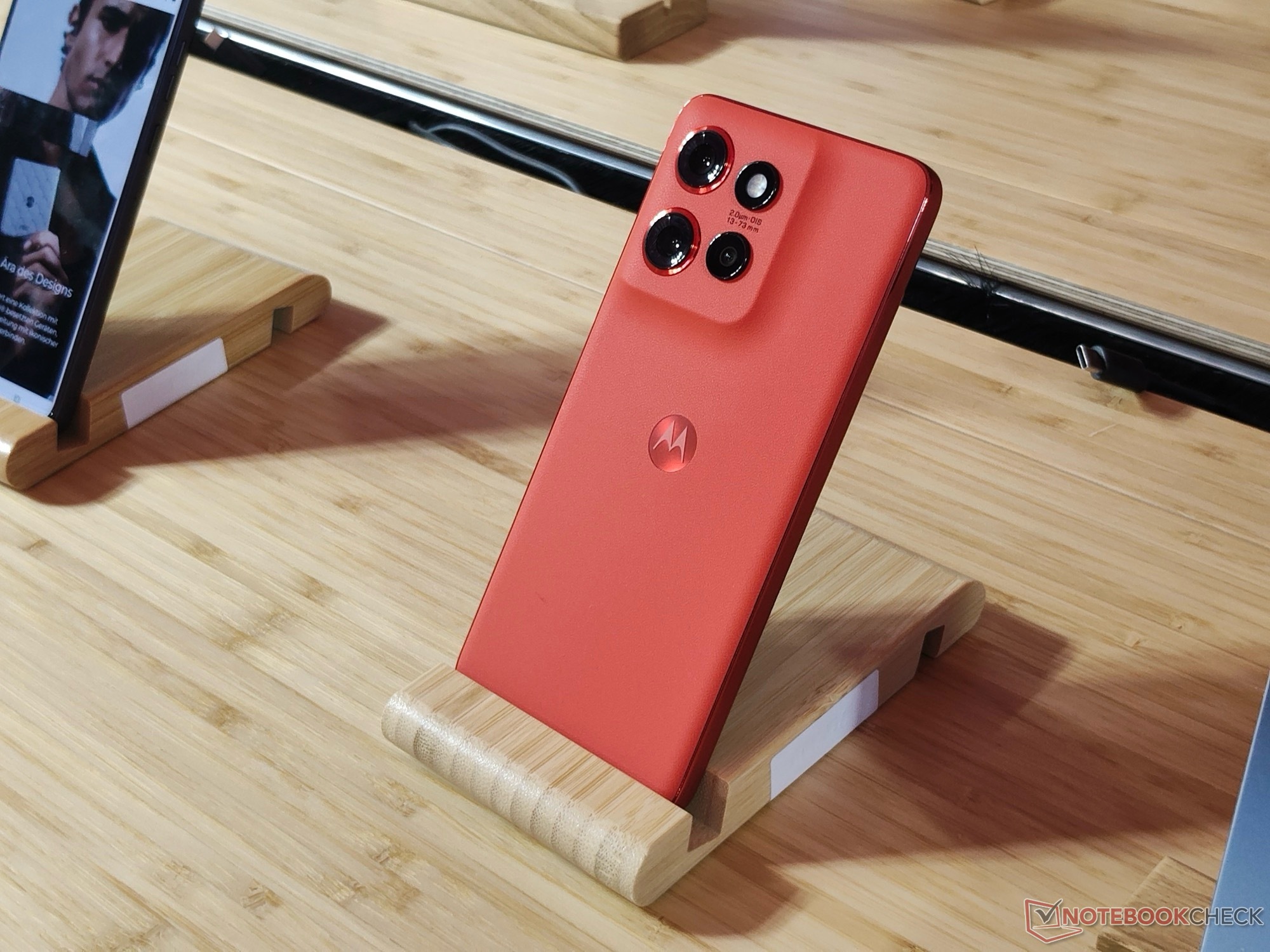
The Edge 60 Neo impresses with a well-made and handy casing that is pleasantly light in the hand. The frame is made of plastic, while the back has a silicone finish inspired by twill fabric. Thanks to Pantone colors, this not only looks chic, but also provides a non-slip feel thanks to the rubber coating. Fingerprints remain practically invisible on the back.
The Motorola smartphone is certified to IP69/IP68 and MIL-STD 810H standards, making the housing particularly resistant to water, dust and mechanical stress. The front is protected by Gorilla Glass 7i and impresses with a high screen-to-body ratio of almost 89%. Thanks to the thin edges, the mid-range phone is efficiently built and looks modern.

Features - Android cell phone with USB 2.0
In terms of features, the Edge 60 Neo offers Miracast for wireless image transmission as well as Bluetooth 5.4 and NFC. With the USB-C connection, however, the USB 2.0 standard means you have to accept compromises in terms of data transfer speed and fading image output.
Software - Inexpensive smartphone with long updates
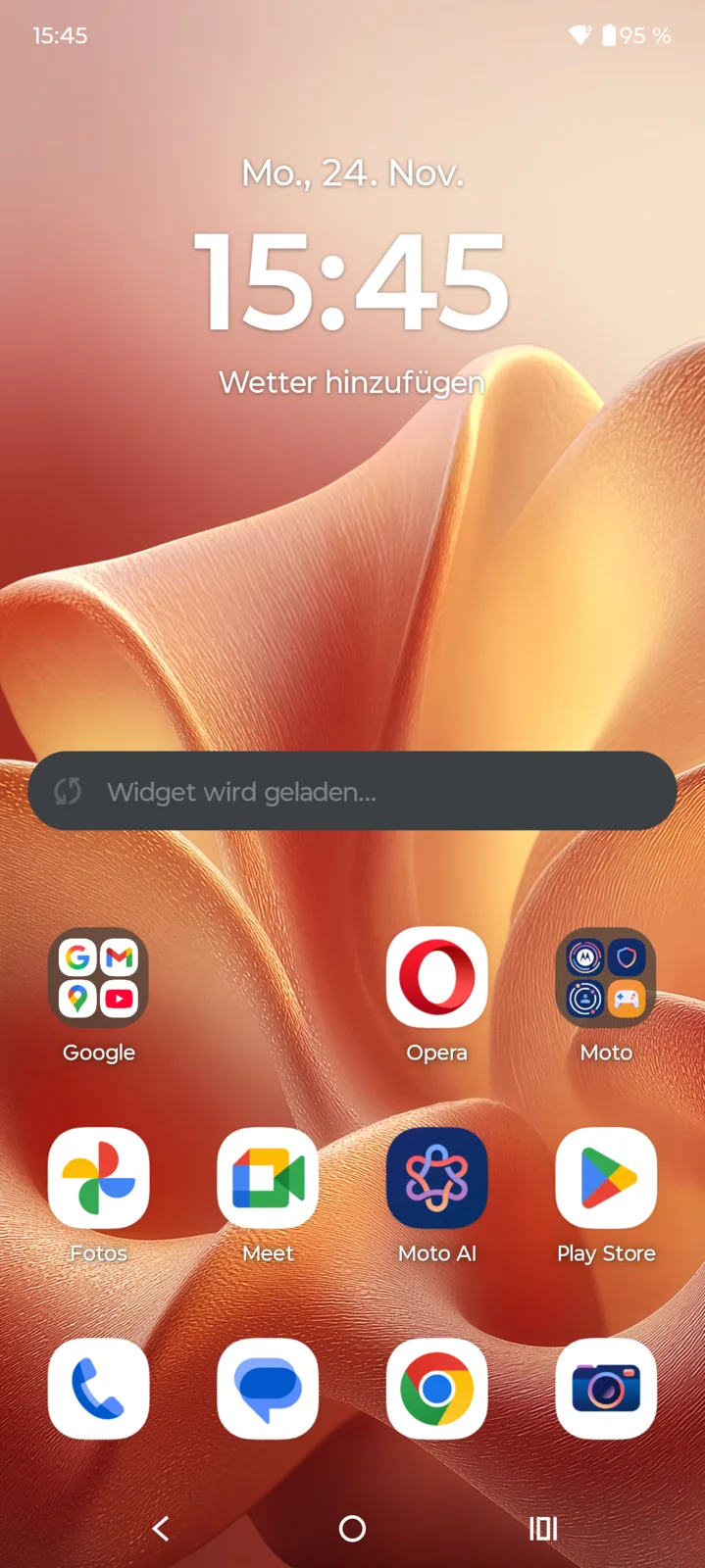
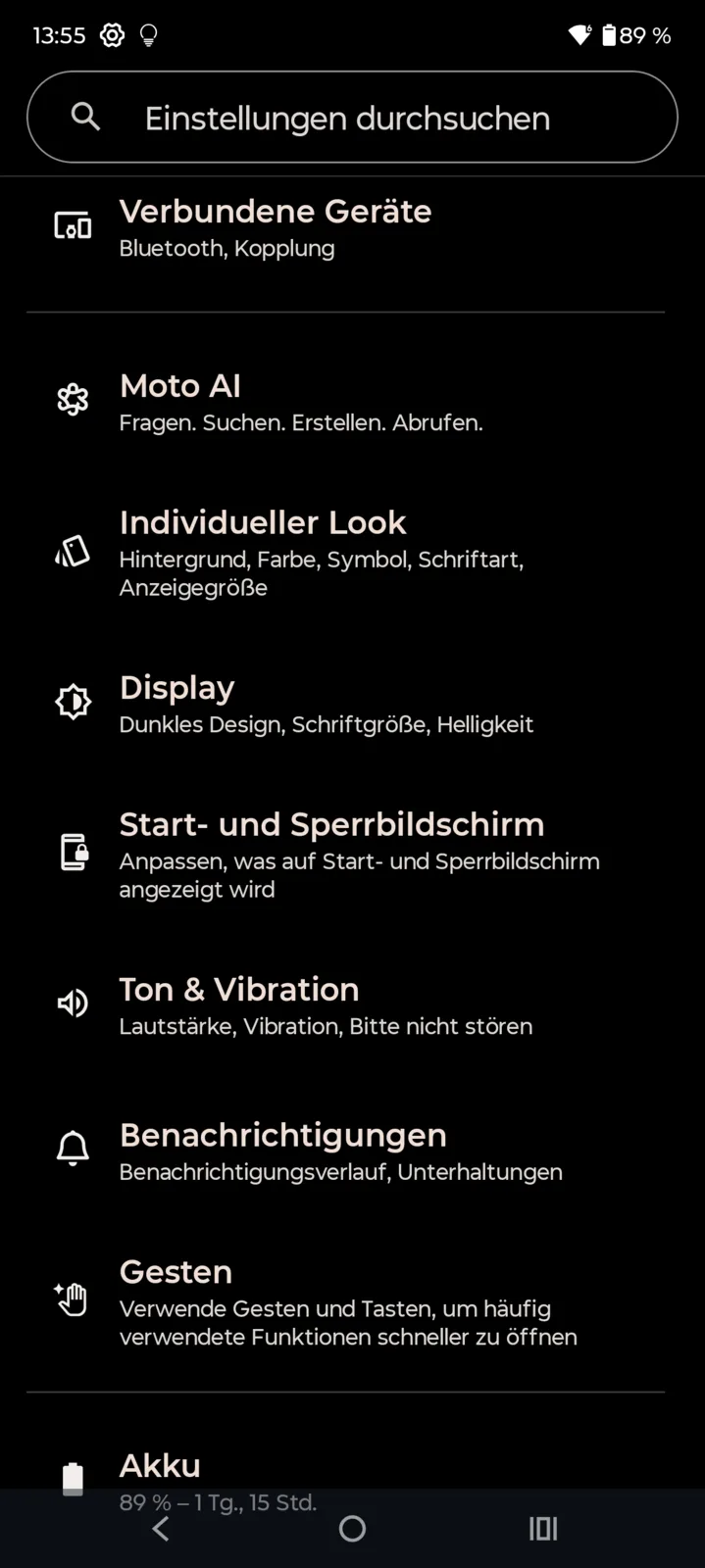
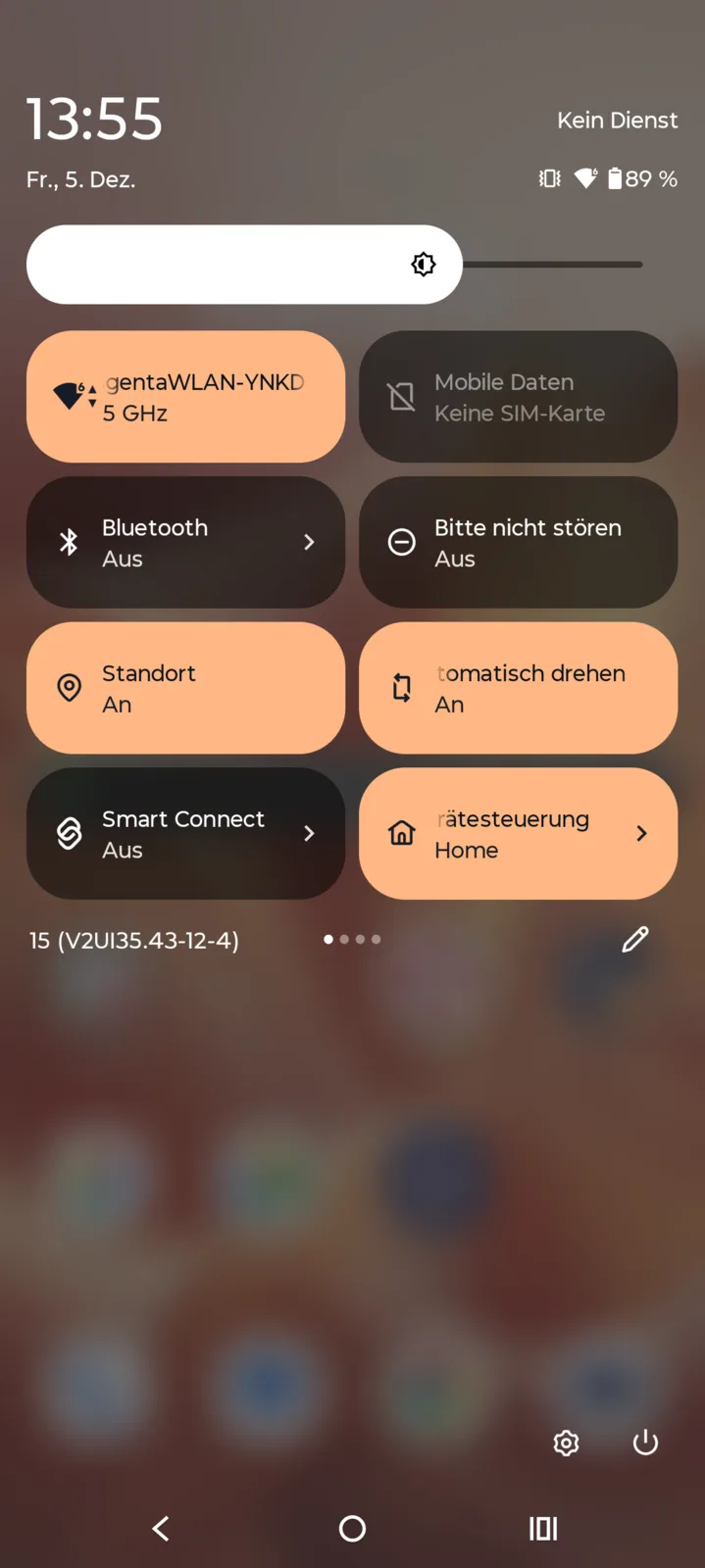
With four years of operating system upgrades, the Motorola phone will receive updates until Android 19. The mid-range phone will also receive security patches until June 2031. This puts the Edge 60 Neo in a good position, even if Samsung updates a little longer.
During the test, the security patches from September 2025 are no longer completely up to date.
Sustainability
The packaging is plastic-free, but there is no information on the CO2 footprint or the materials used for the Edge 60 Neo. The index in the EPREL database certifies good repairability for the Motorola cell phone with the top grade A. The availability of spare parts for seven years is also (theoretically) covered.
Communication and GNSS - Android-Phone without WiFi 7
The Edge 60 Neo's built-in cellular modem offers a wide range of frequencies for both LTE and 5G connections.
Although Motorola's mid-range phone does not use WiFi 7, it does use WiFi 6 including the 6 GHz band, which means that the transfer rates with our Asus reference router are quite fast and mostly stable.
| Networking | |
| Motorola Edge 60 Neo | |
| iperf3 transmit AXE11000 6GHz | |
| iperf3 receive AXE11000 6GHz | |
| OnePlus Nord CE 5 | |
| iperf3 transmit AXE11000 | |
| iperf3 receive AXE11000 | |
| Samsung Galaxy A36 5G | |
| iperf3 transmit AXE11000 | |
| iperf3 receive AXE11000 | |
| Xiaomi Poco F7 | |
| iperf3 transmit AXE11000 | |
| iperf3 receive AXE11000 | |
| Motorola Edge 50 Neo | |
| iperf3 transmit AXE11000 | |
| iperf3 receive AXE11000 | |
| Average 802.11 a/b/g/n/ac/ax | |
| iperf3 transmit AXE11000 | |
| iperf3 receive AXE11000 | |
| iperf3 transmit AXE11000 6GHz | |
| iperf3 receive AXE11000 6GHz | |
| Average of class Smartphone | |
| iperf3 transmit AXE11000 | |
| iperf3 receive AXE11000 | |
| iperf3 transmit AXE11000 6GHz | |
| iperf3 receive AXE11000 6GHz | |
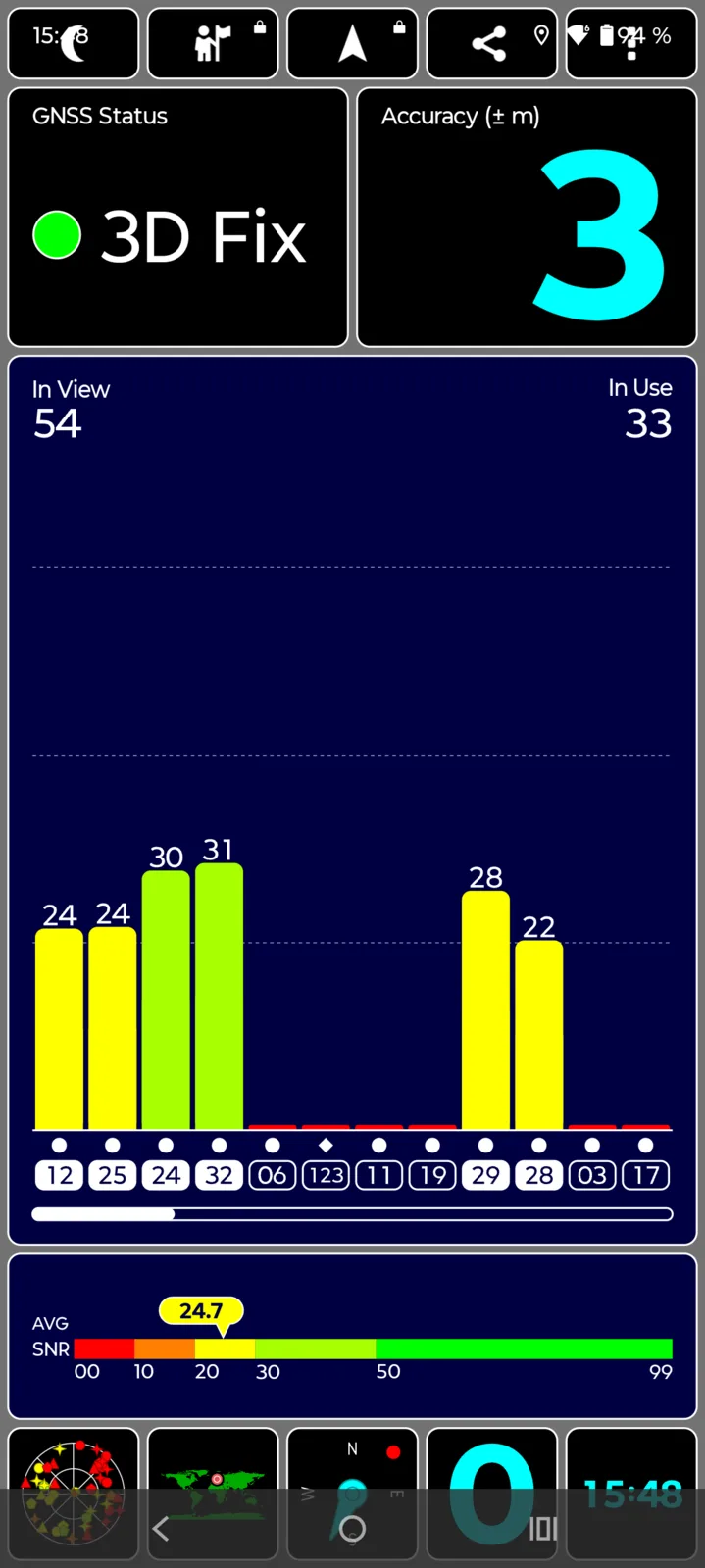
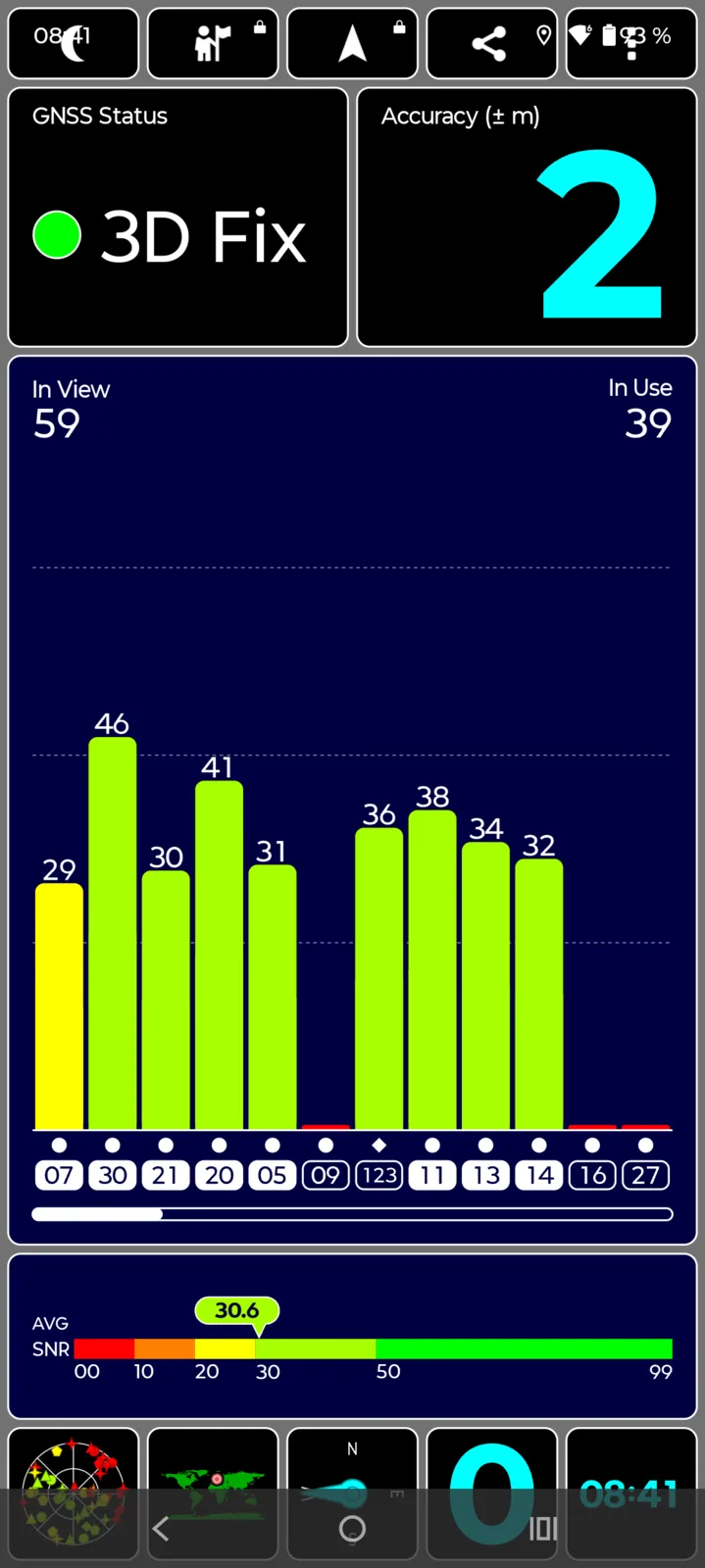
Outdoors, the mid-range phone quickly finds the satellite signal and locates the position with an accuracy of 2 meters (~6.5 feet). The major global satellite networks are available for positioning, even in dual band.
Phone functions and voice quality - Motorola relies on nano-SIM and eSIM
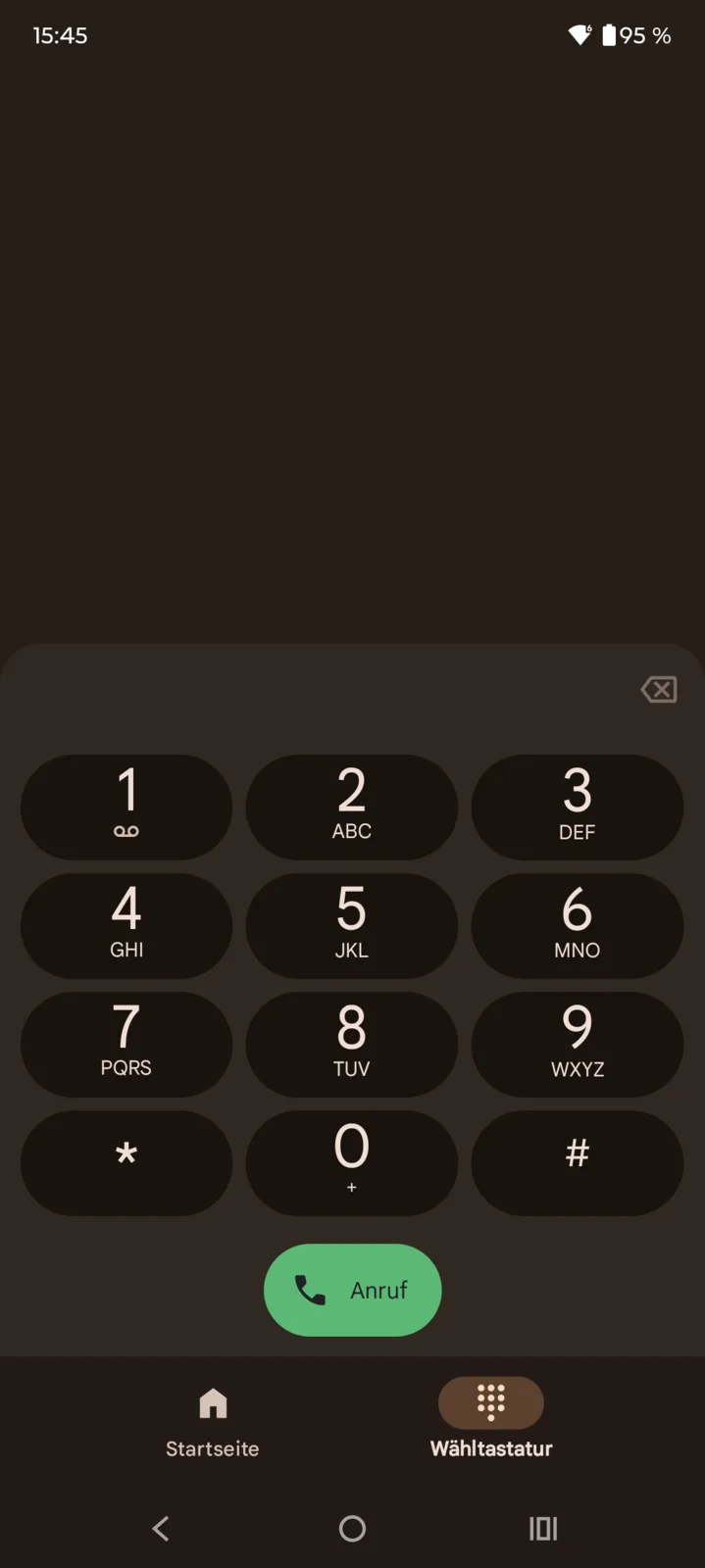
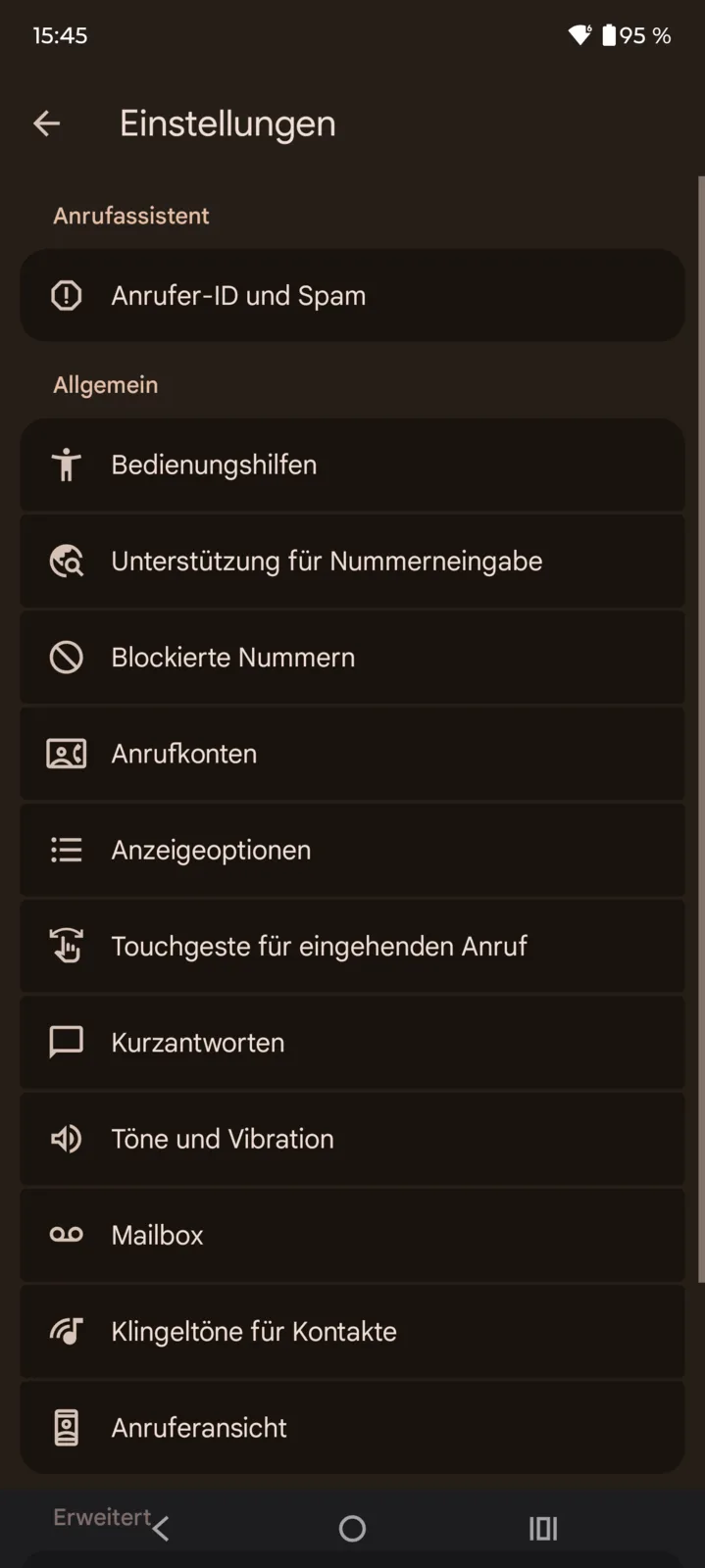
Voice transmission is natural and background noise is filtered out effectively. The Edge 60 Neo supports common functions such as VoLTE/VoNR and VoWiFi as well as dual SIM. However, the latter is only possible if an eSIM is also integrated into the system.
Cameras - Android-Phone with OIS

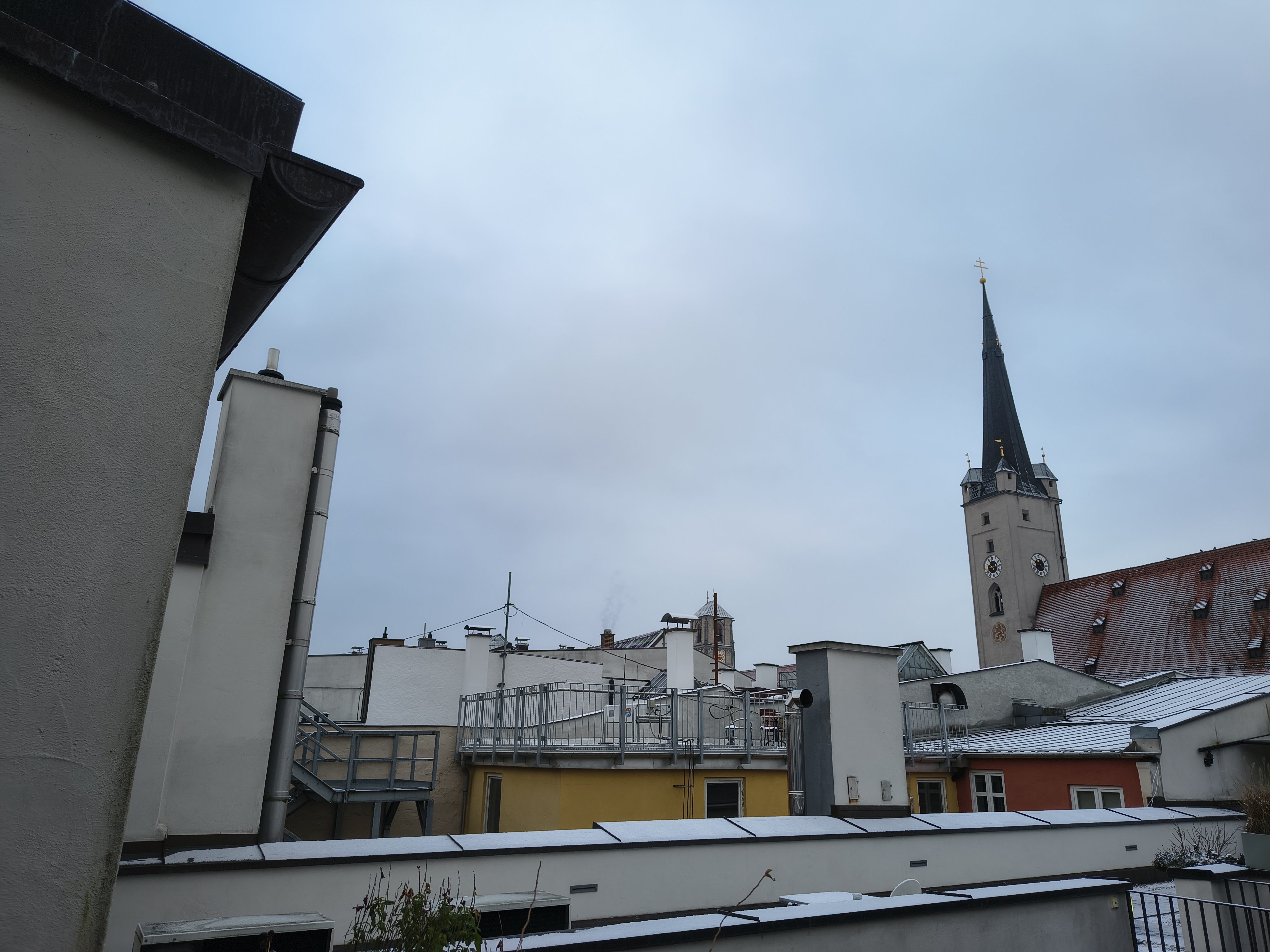
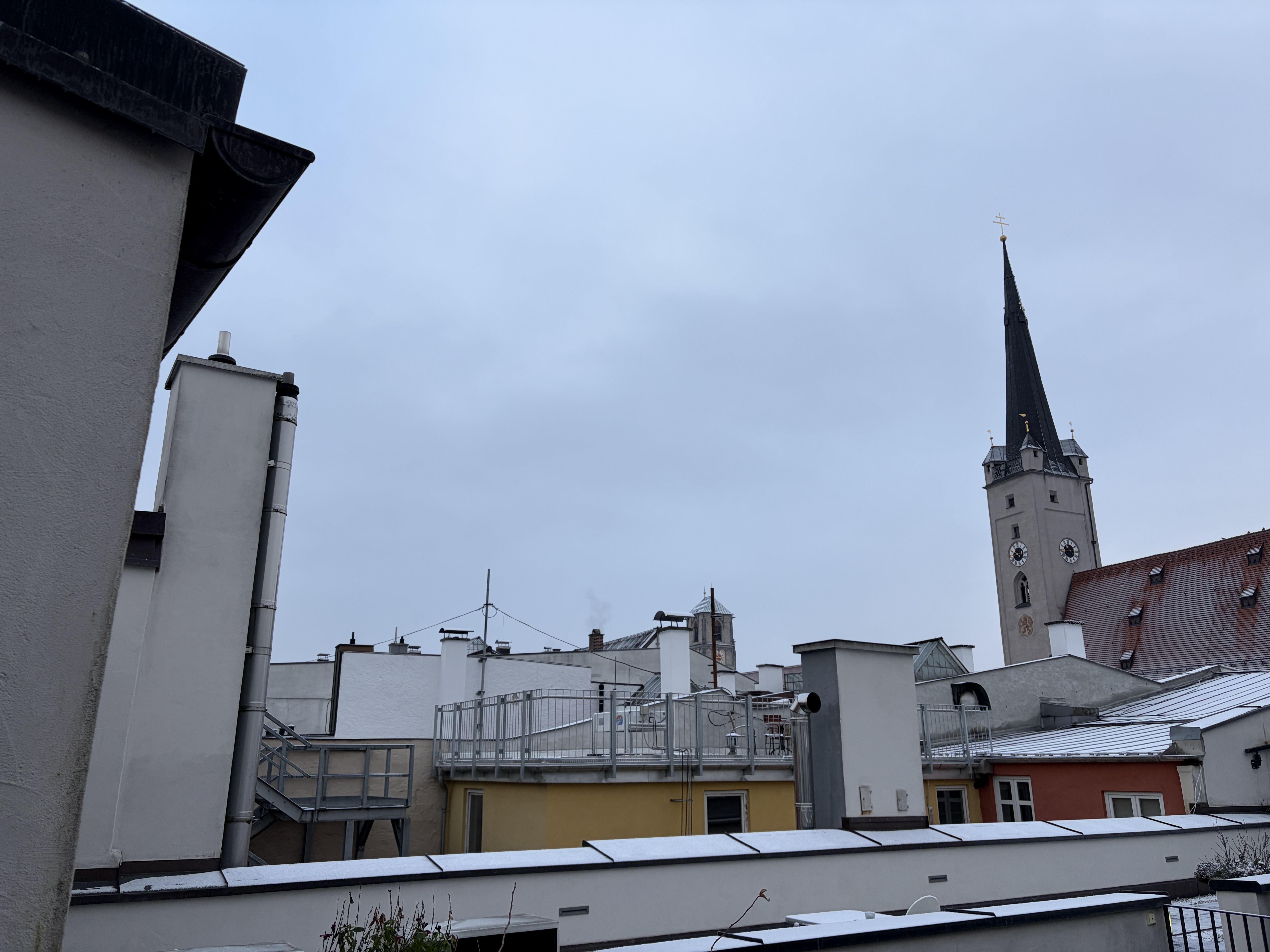
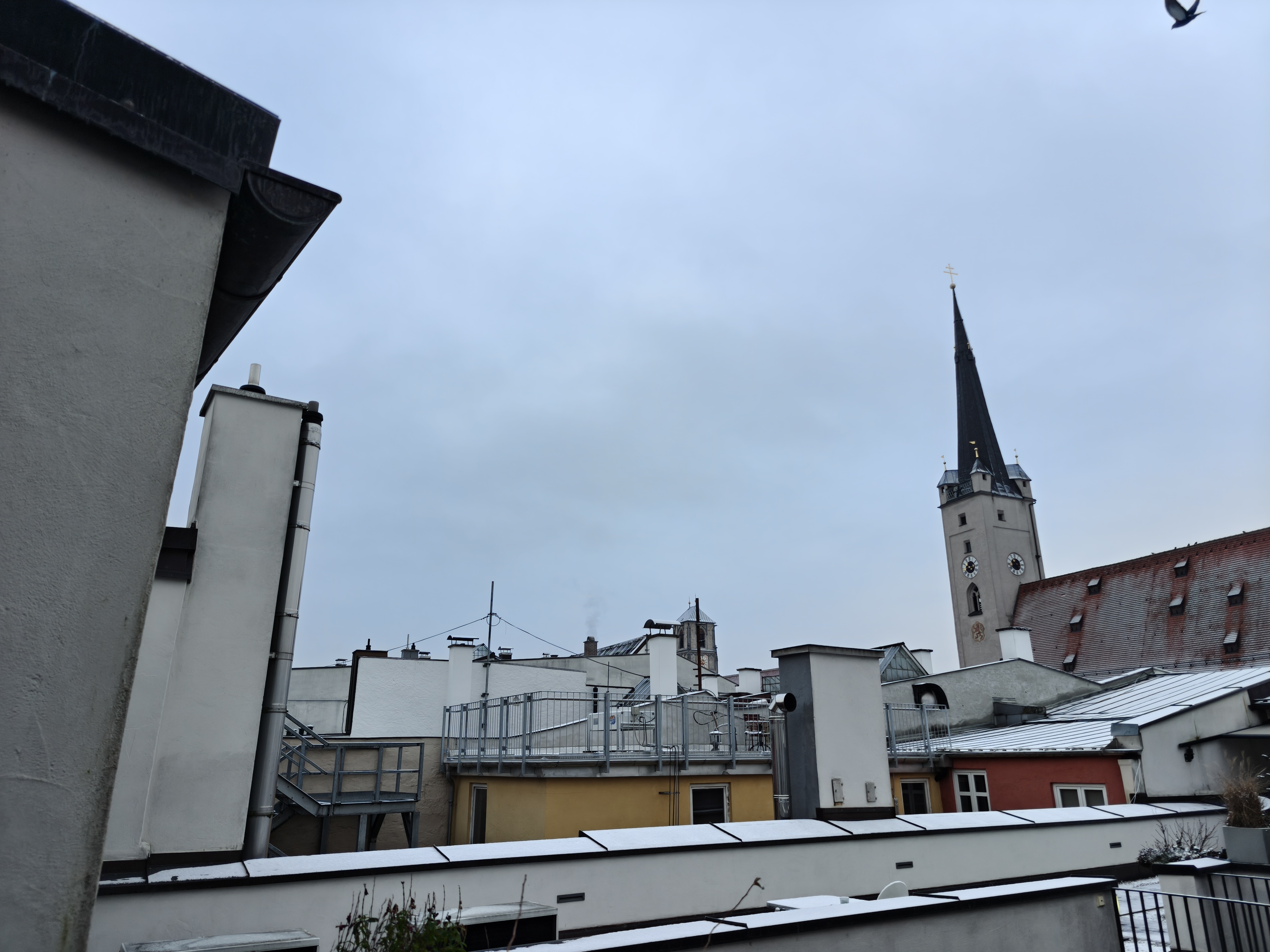
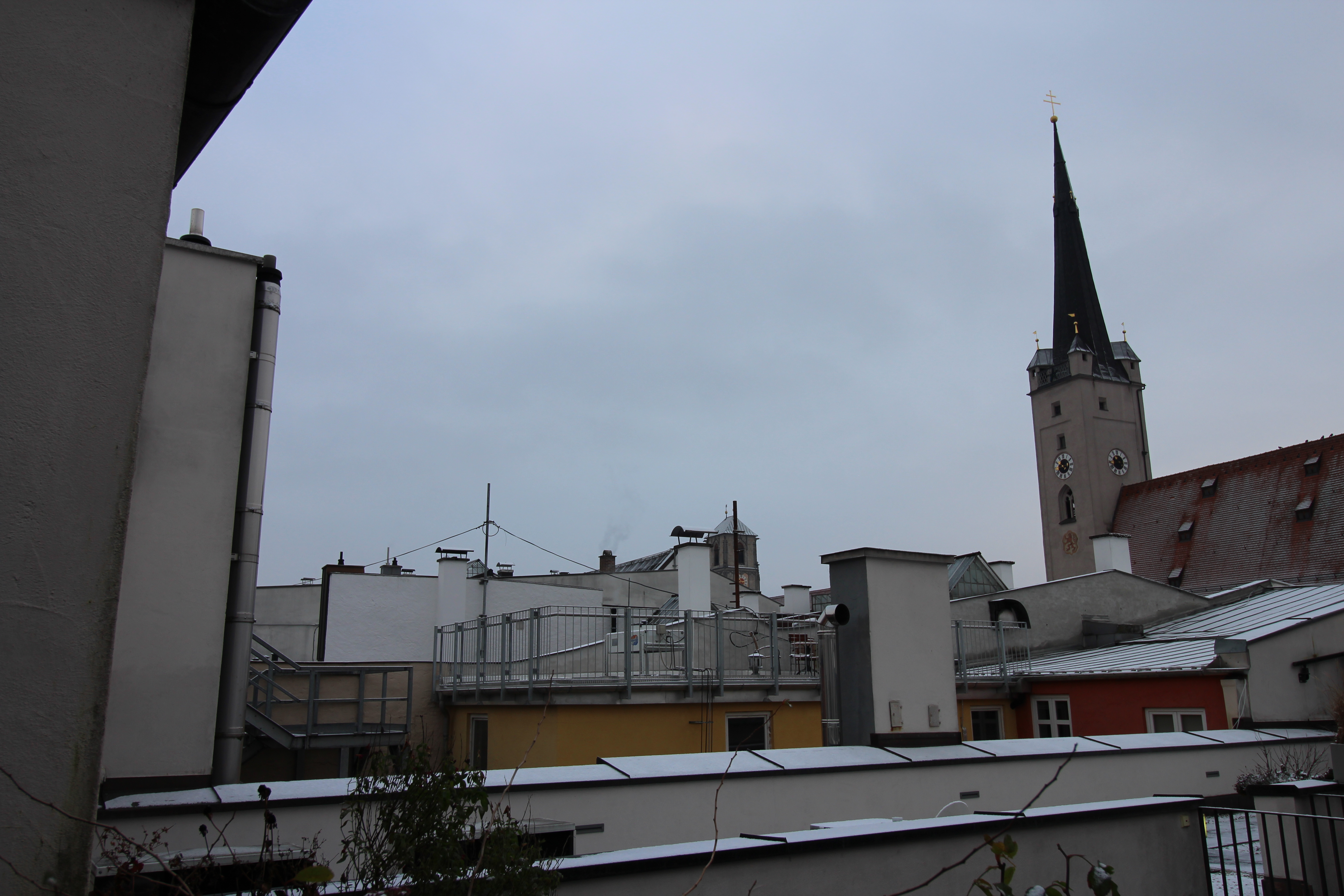
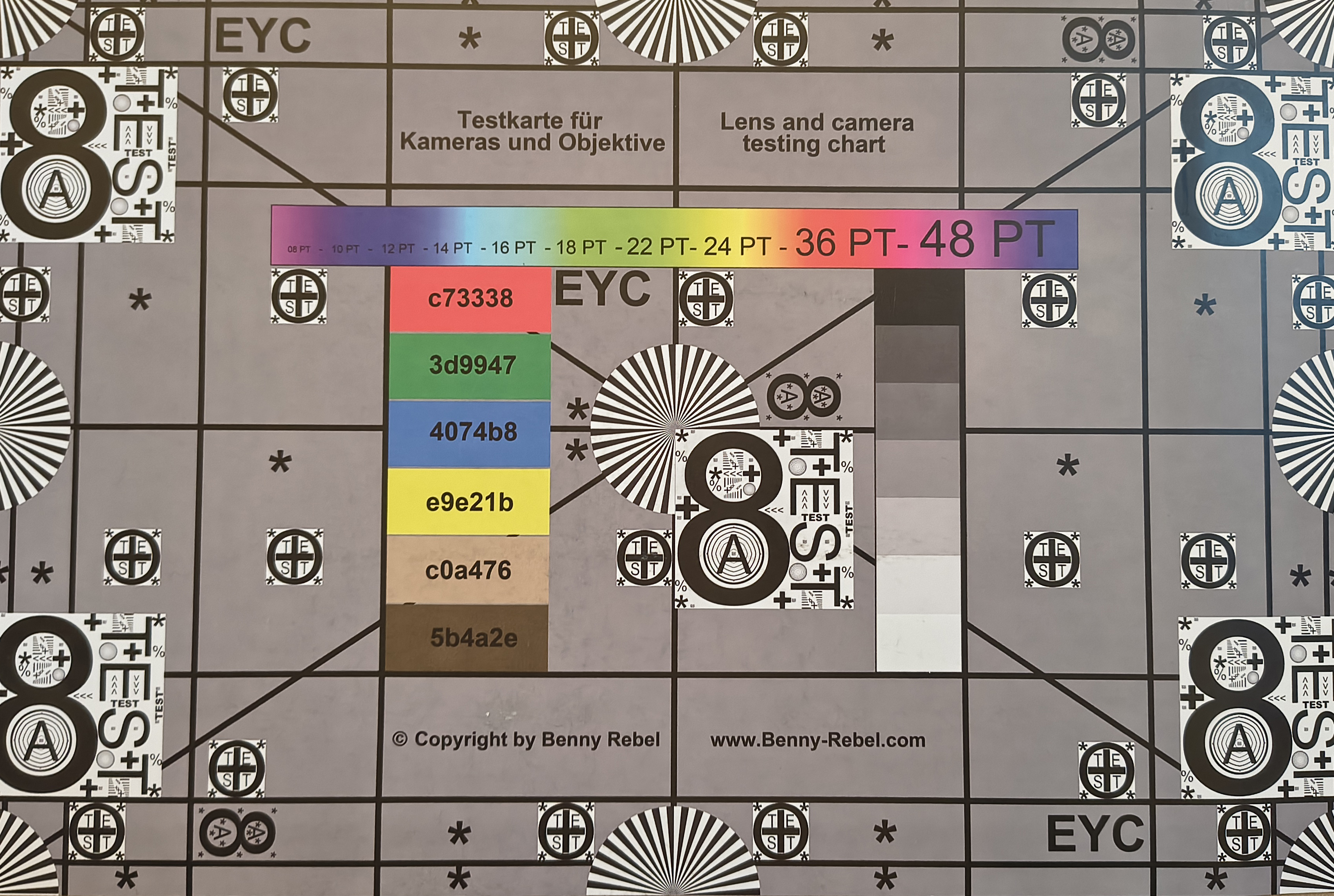
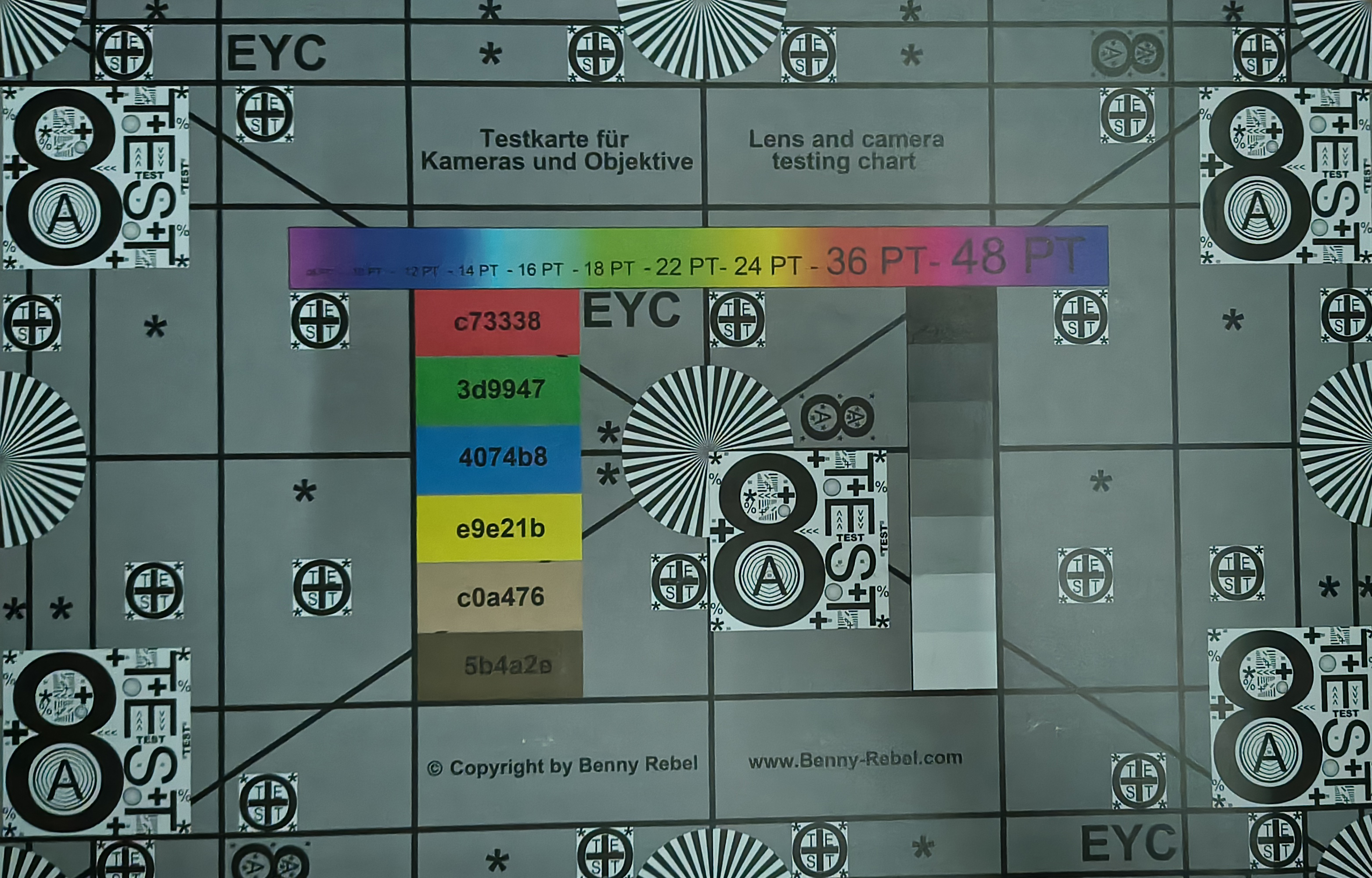
Motorola's mid-range phone has a 50 MPix main camera in 1/1.56-inch format based on the Sony LYTIA 700, which has optical image stabilization. In daylight, the Edge 60 Neo delivers good imaging performance with a nice sharpness. The low-light qualities and color reproduction are also appealing considering the price level of the Motorola phone. A look at our comparison photos of the Apple iPhone 17 speak more in favor of the inexpensive Edge 60 Neo.
However, the wide-angle lens is visibly under pressure to save money, as the 13 MPix images are neither particularly sharp nor do they show much detail. There are also many artifacts. Zoom photos are very good thanks to the dedicated telephoto camera including OIS and triple optical magnification. However, more than a 5x zoom is not recommended with the Edge 60 Neo.
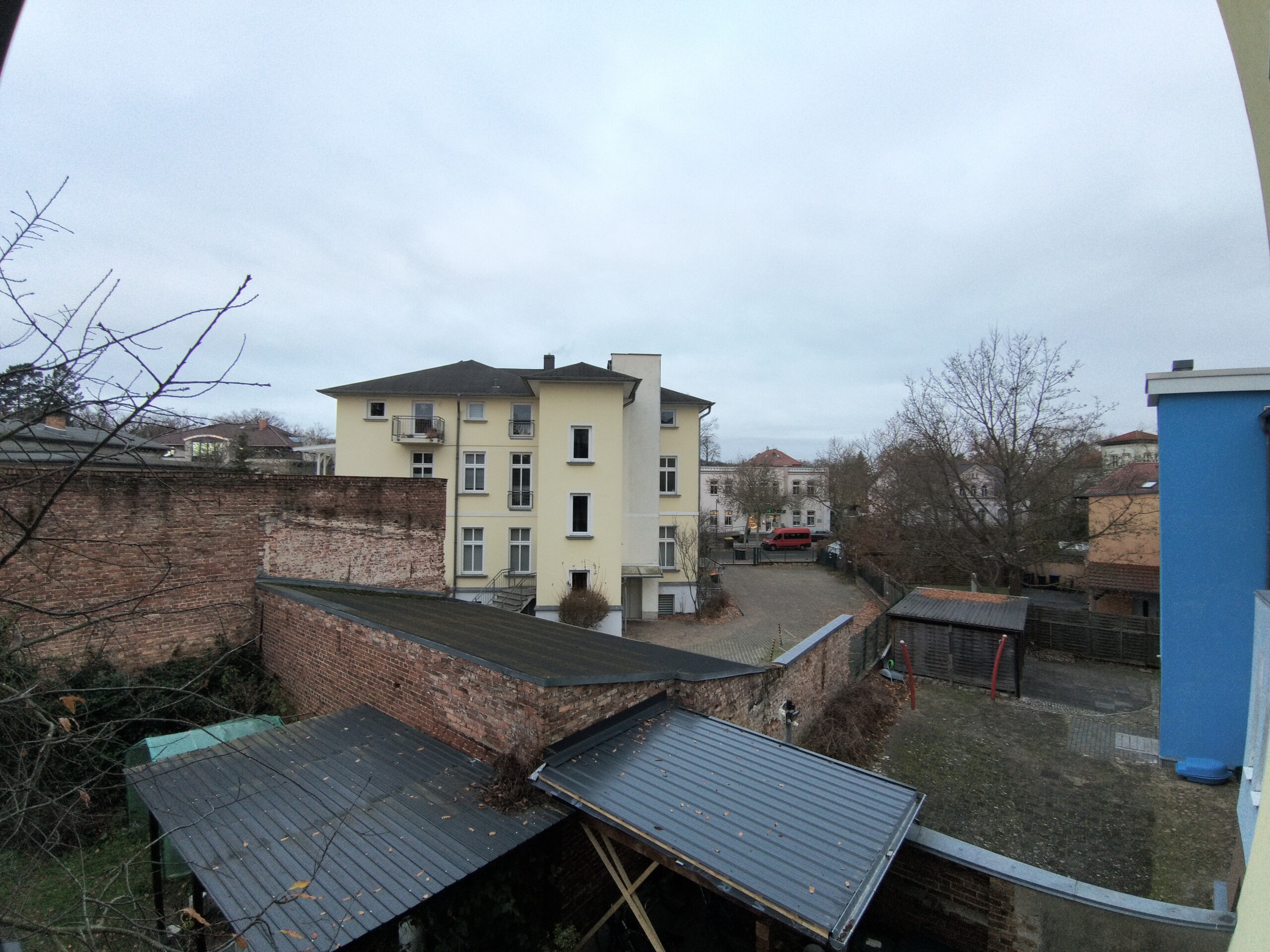
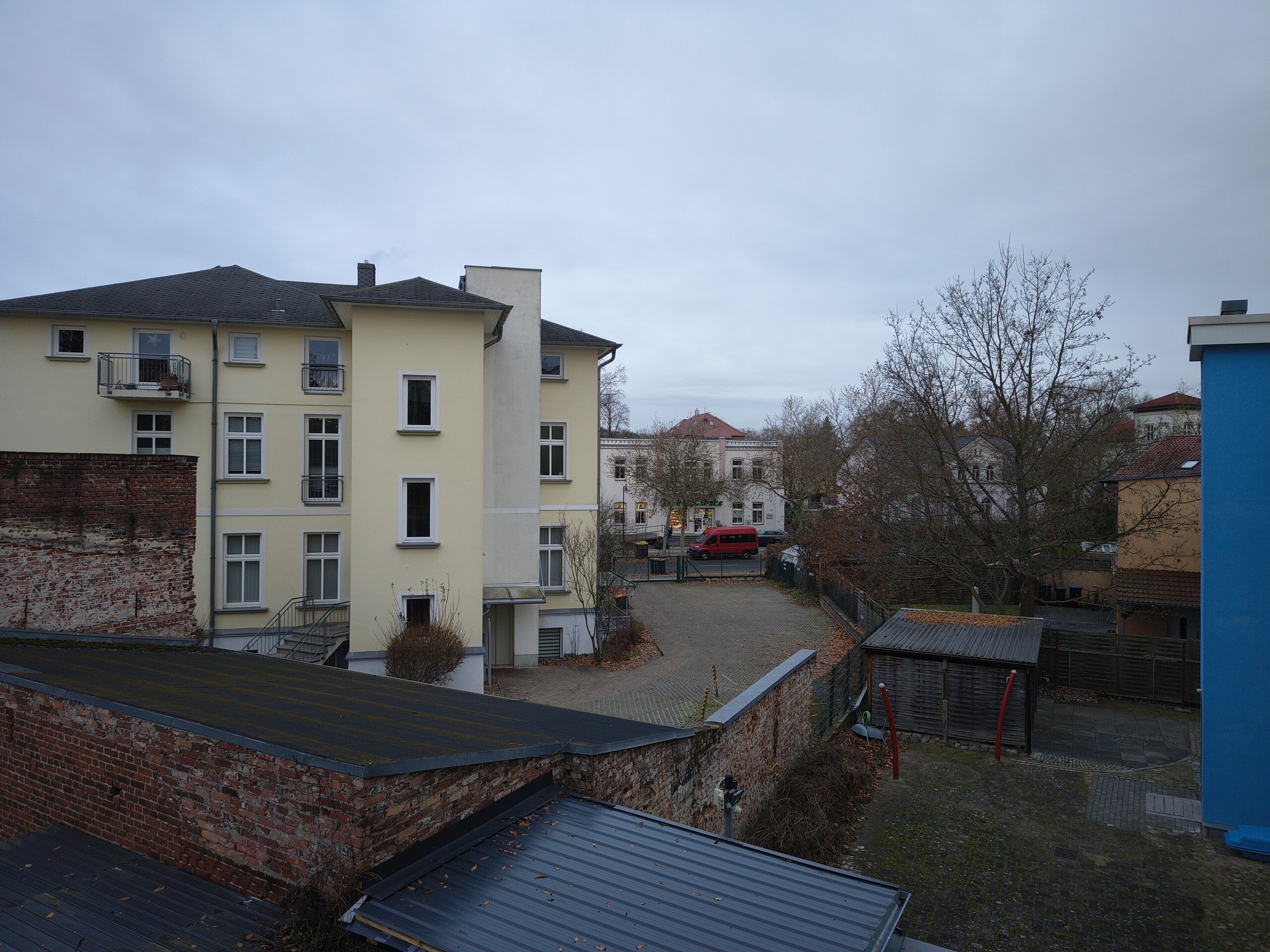
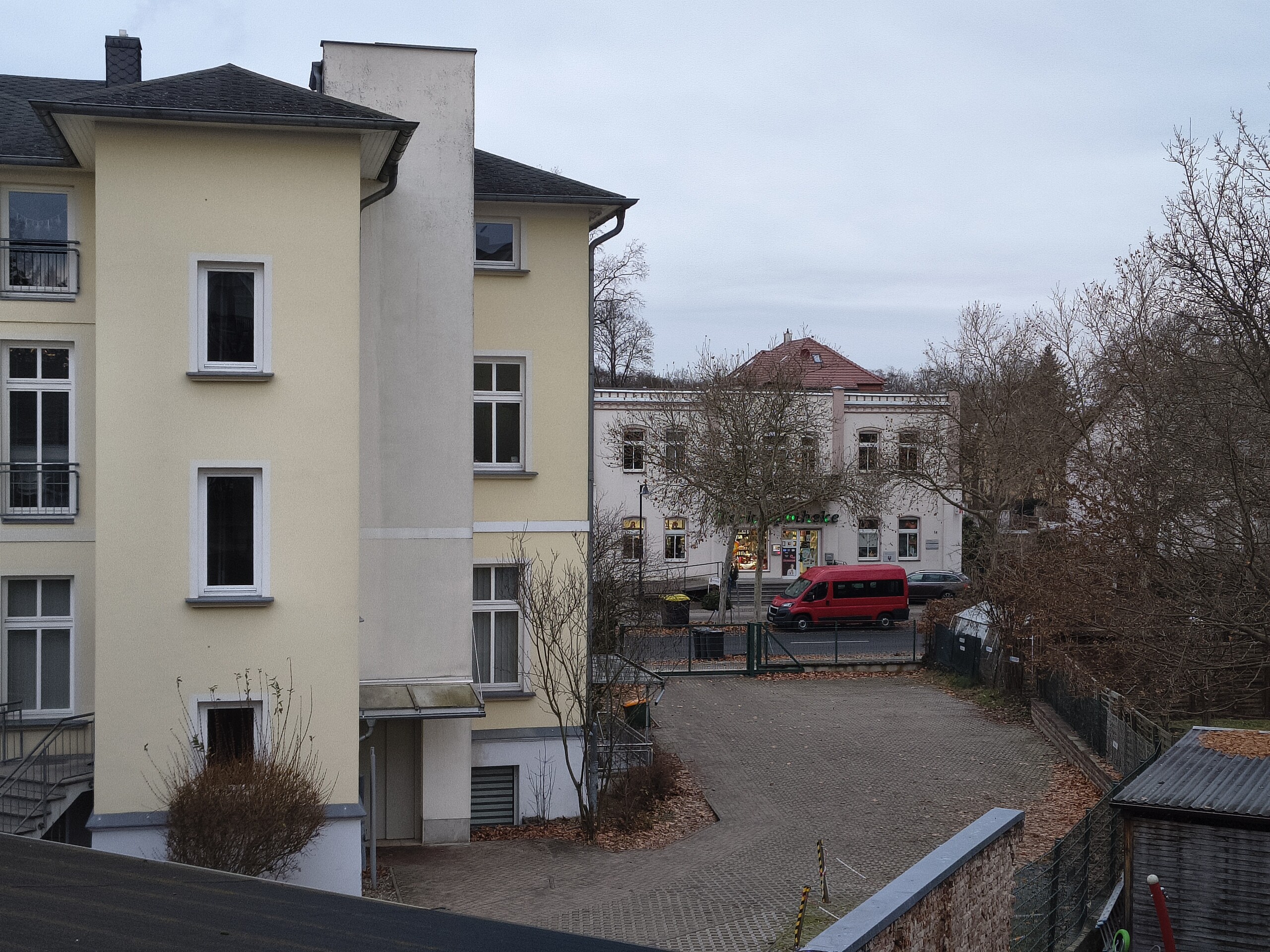
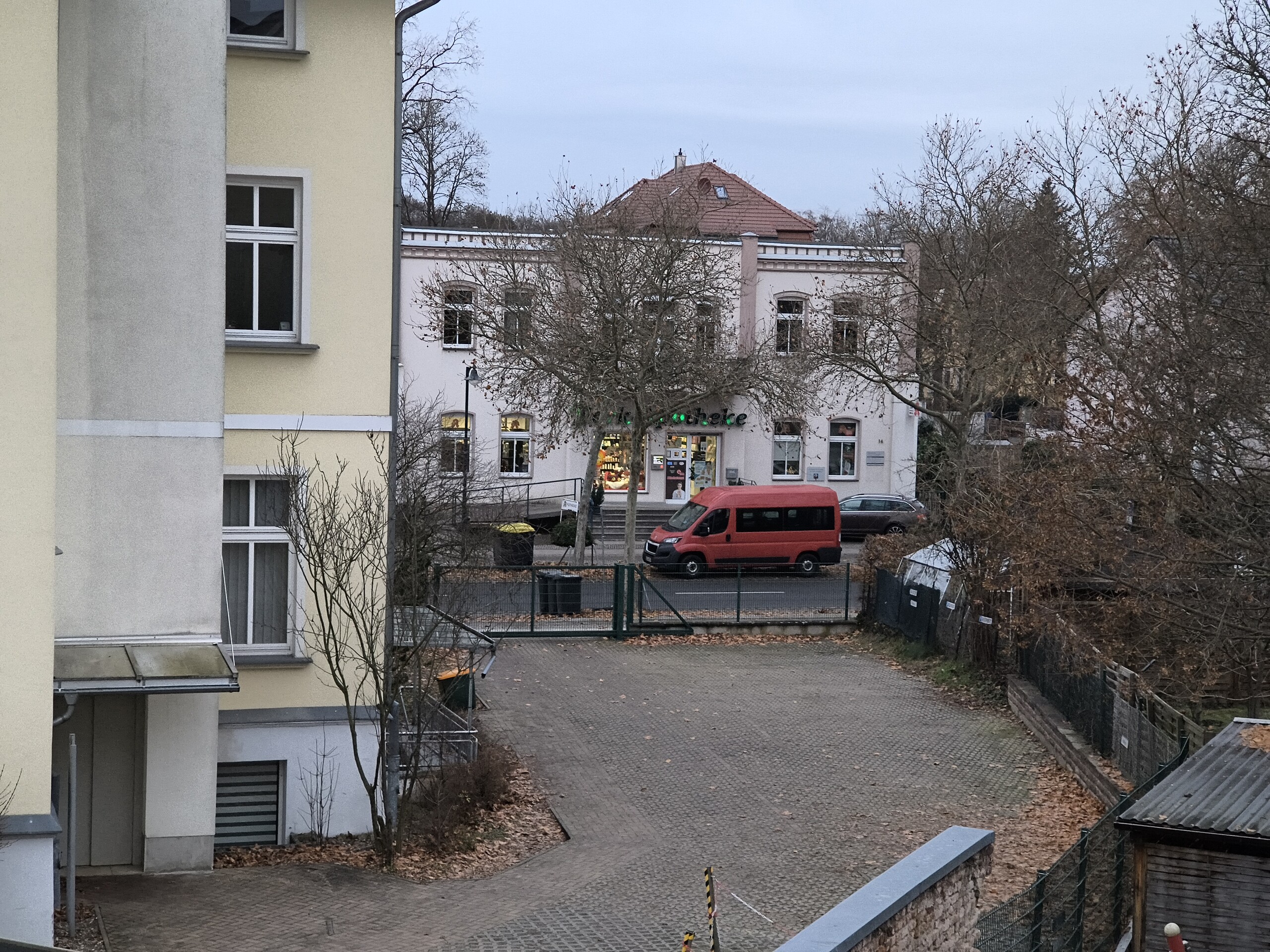
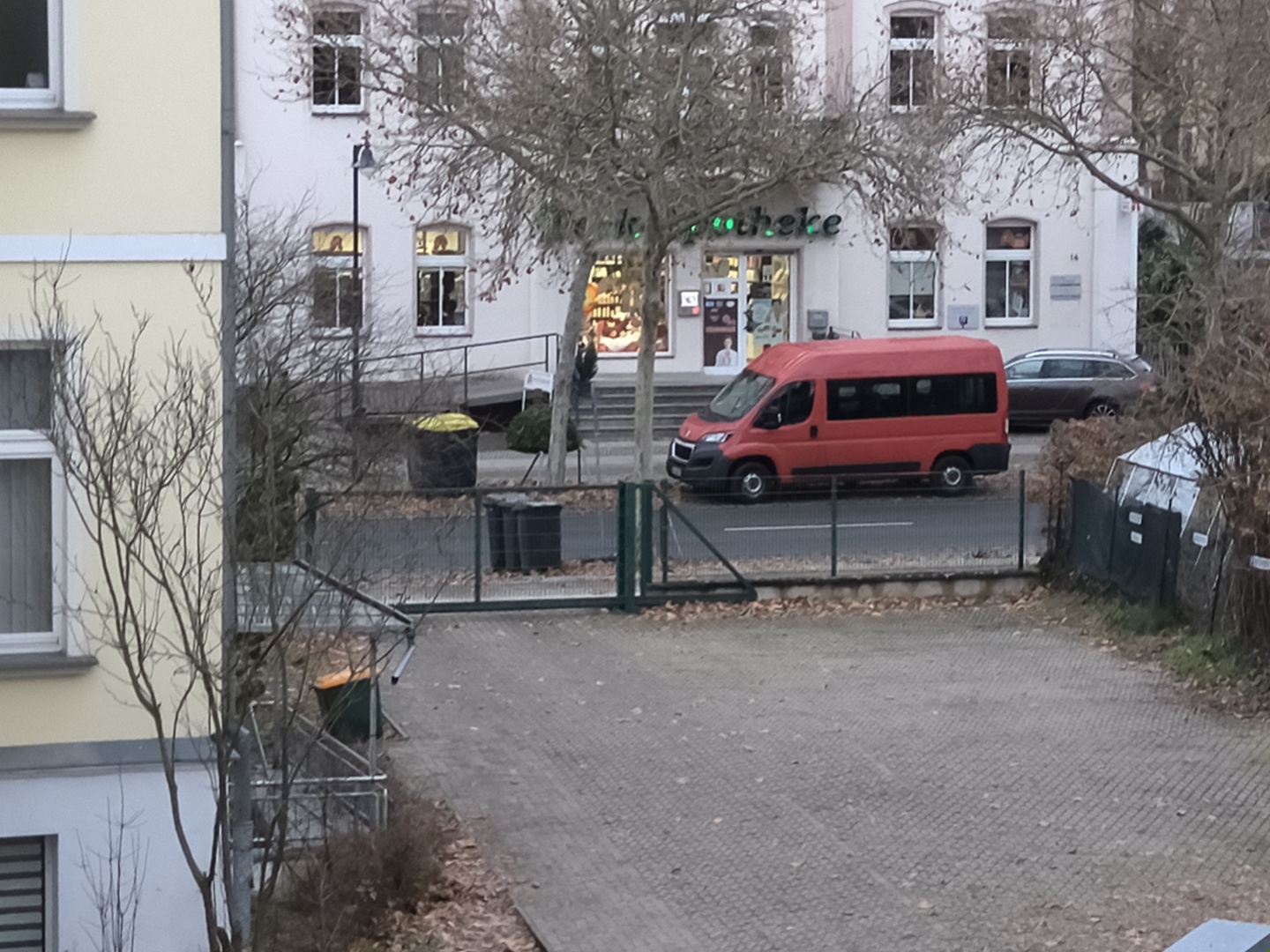


Image comparison
Choose a scene and navigate within the first image. One click changes the position on touchscreens. One click on the zoomed-in image opens the original in a new window. The first image shows the scaled photograph of the test device.
Main camera Main camera Wide angleLow Light
















Accessories and warranty - Affordable smartphone with protective cover
The package does not include a power supply unit, but a stylish hard case in the color of the casing, a data or charging cable (USB-C to USB-C) and a SIM tool. No protective film is applied ex works.
The Edge 60 Neo has a warranty of 24 months in Germany.
Input devices and operation - fingerprint sensor and face unlock on board
Thanks to the high refresh rate of up to 120 Hz and a sampling rate of up to 300 Hz, the Motorola phone is easy to use - but the Edge 60 Neo doesn't feel really fast. The vibration motor also does not convey a feeling of value and could be more precise and powerful for our taste.
The optical fingerprint sensor under the OLED panel reacts quickly and reliably. A relatively insecure 2D FaceUnlock function is also on board.



Display - Motorola cell phone with OLED
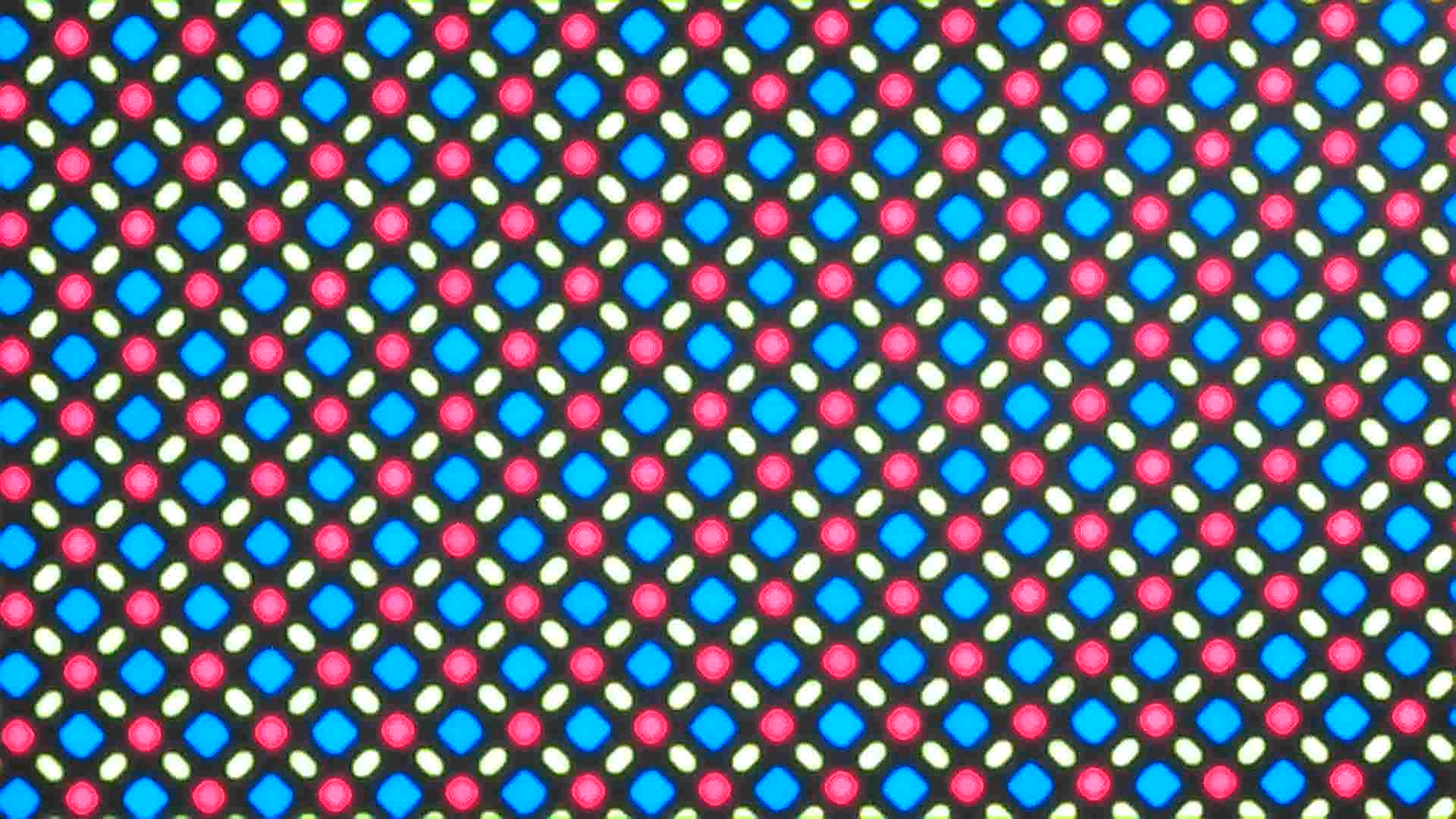
The Edge 60 Neo's pOLED display uses a refresh rate of up to 120 Hz, which can be adaptively adjusted thanks to LTPO technology. We were shown a minimum frequency of 1 Hz during the test. The 6.36-inch 1,240p panel achieves a maximum luminance of 1,942 cd/m² in our measurement in the realistic APL18 test (Average Picture Level). HDR video content with a high dynamic range is therefore displayed perfectly.
To control the luminance, the mid-range smartphone uses OLED-typical PWM with a basic flicker of around 240 Hz. Motorola does not provide any information on eye-friendly high-frequency PWM dimming.
| |||||||||||||||||||||||||
Brightness Distribution: 98 %
Center on Battery: 1132 cd/m²
Contrast: ∞:1 (Black: 0 cd/m²)
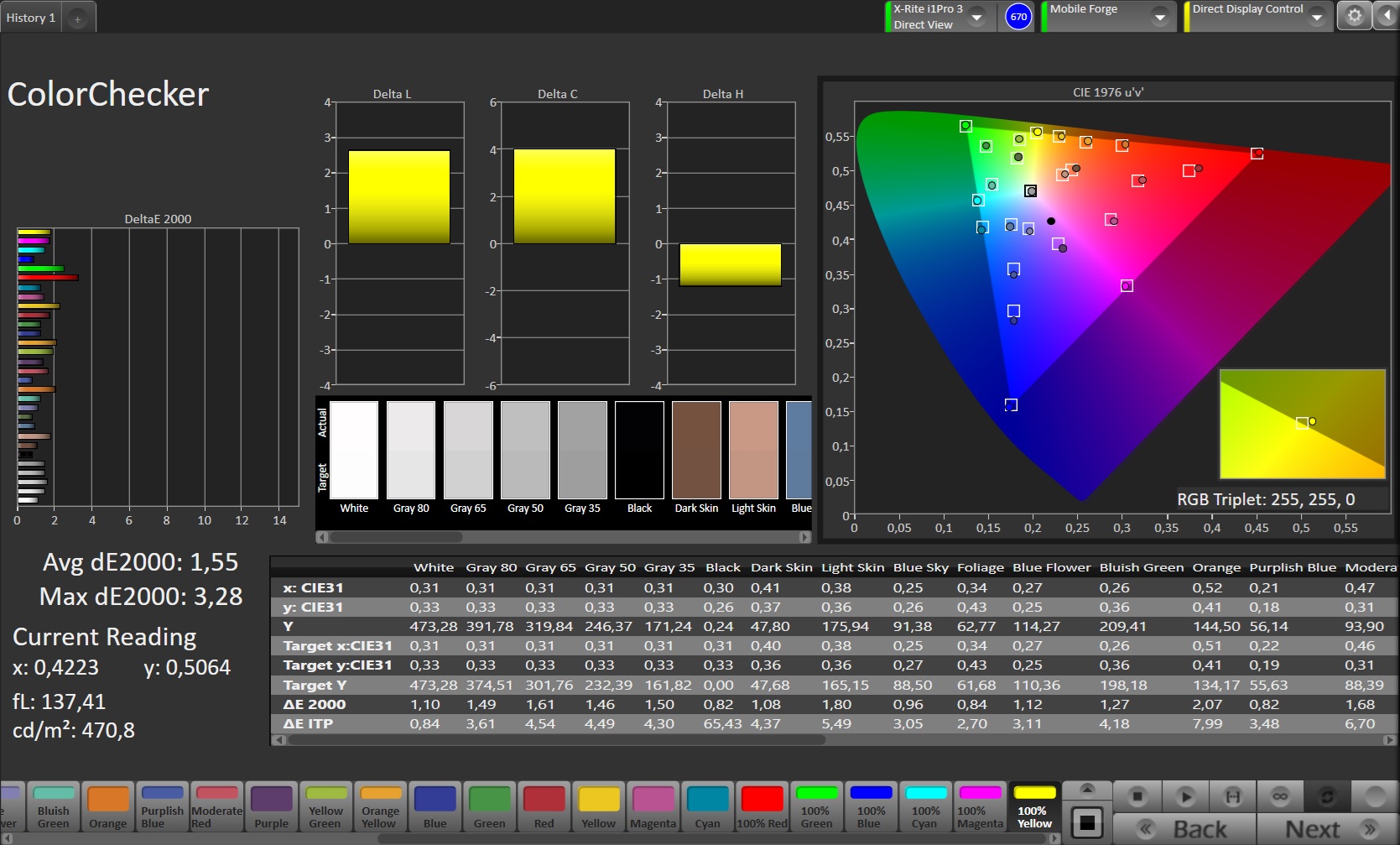
ΔE ColorChecker Calman: 1.55 | ∀{0.5-29.43 Ø4.69}
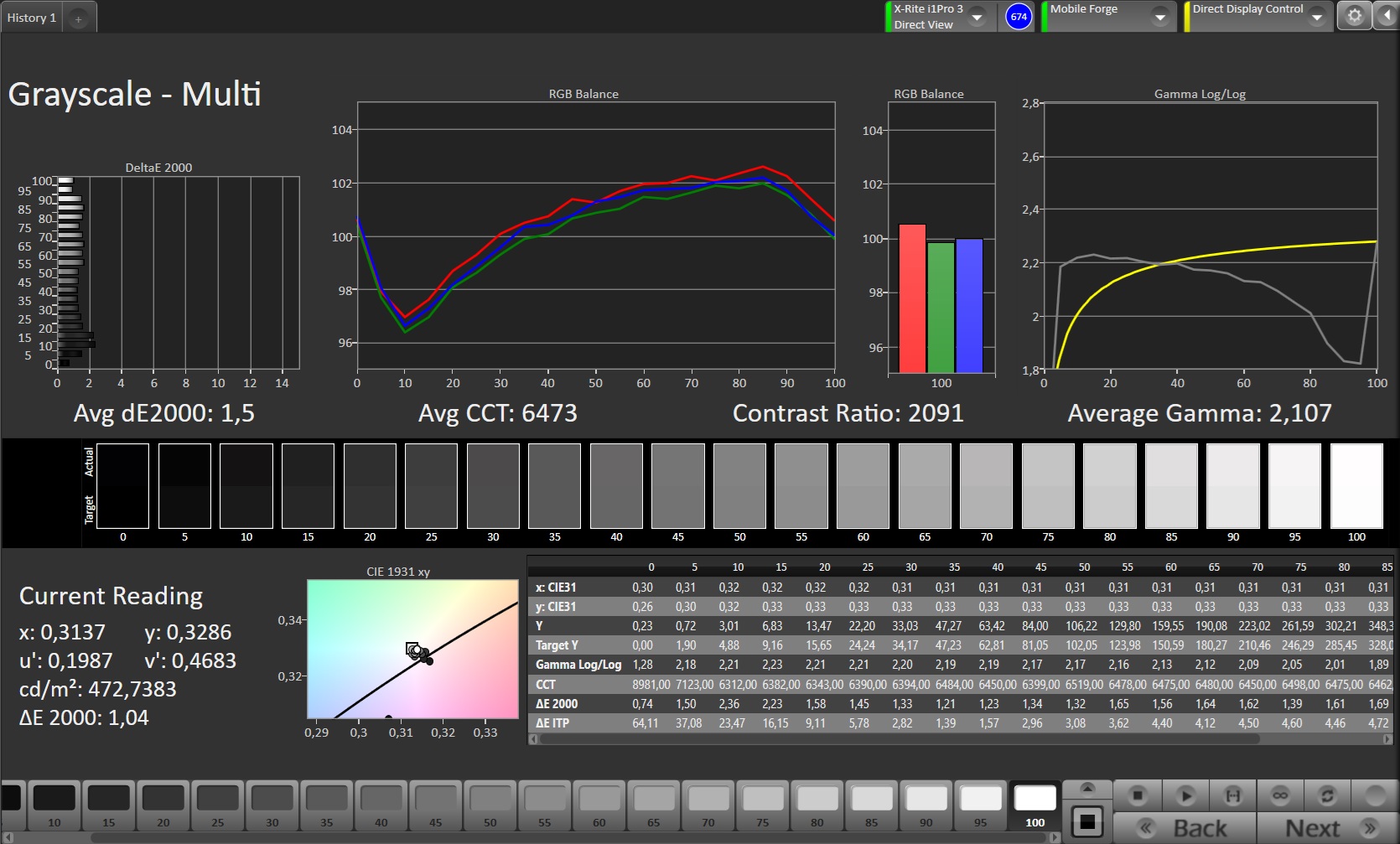
ΔE Greyscale Calman: 1.5 | ∀{0.09-98 Ø4.94}
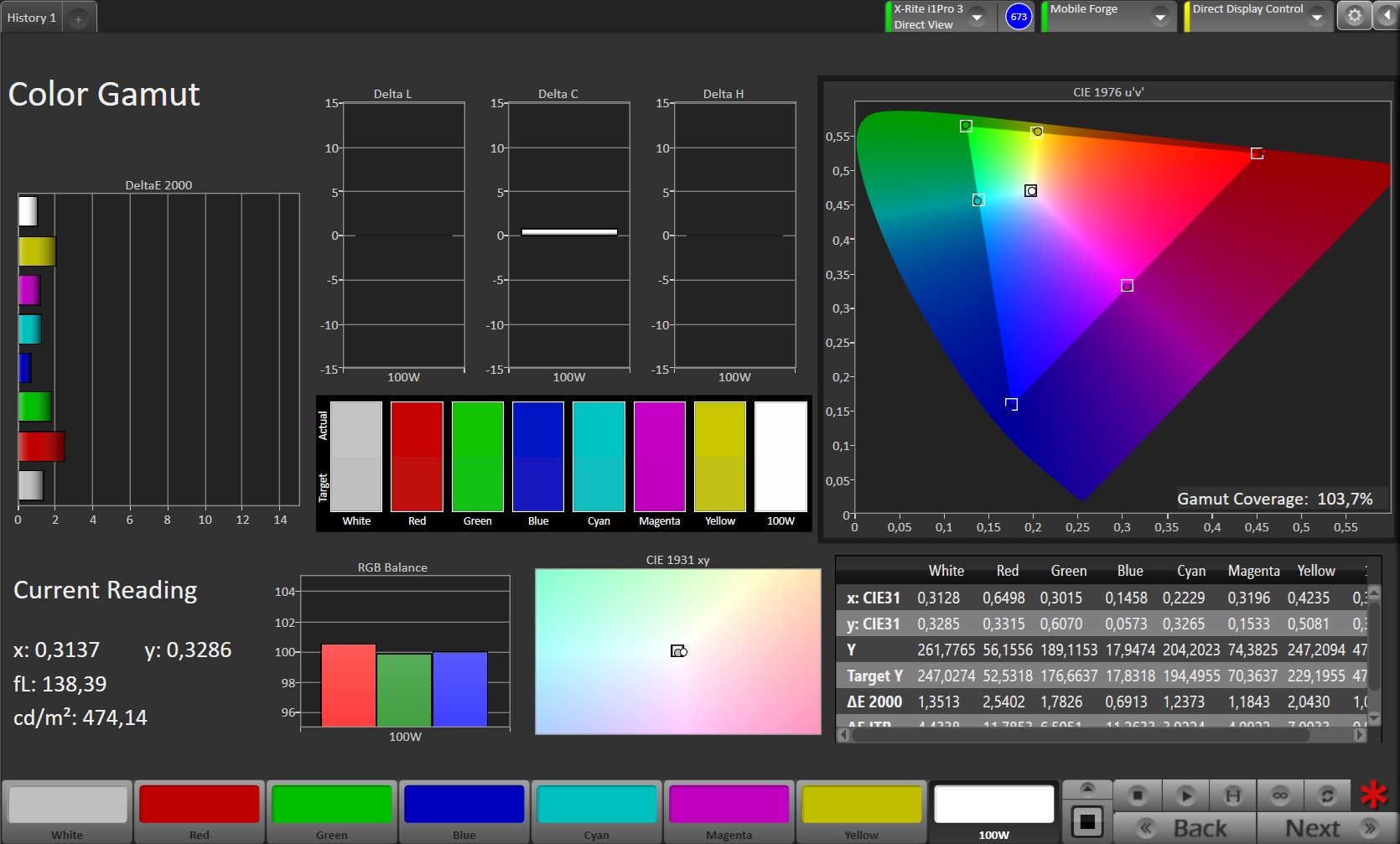
103.7% sRGB (Calman 2D)
Gamma: 2.107
CCT: 6473 K
| Motorola Edge 60 Neo pOLED, 2670x1200, 6.4" | OnePlus Nord CE 5 AMOLED, 2392x1080, 6.8" | Samsung Galaxy A36 5G Super AMOLED, 2340x1080, 6.7" | Xiaomi Poco F7 AMOLED, 2772x1280, 6.8" | Motorola Edge 50 Neo P-OLED, 2670x1220, 6.4" | |
|---|---|---|---|---|---|
| Screen | 6% | -7% | 14% | -11% | |
| Brightness middle (cd/m²) | 1132 | 1315 16% | 1127 0% | 1616 43% | 1246 10% |
| Brightness (cd/m²) | 1114 | 1300 17% | 1137 2% | 1637 47% | 1235 11% |
| Brightness Distribution (%) | 98 | 97 -1% | 98 0% | 95 -3% | 98 0% |
| Black Level * (cd/m²) | |||||
| Colorchecker dE 2000 * | 1.55 | 1.22 21% | 1.8 -16% | 1.1 29% | 1.8 -16% |
| Colorchecker dE 2000 max. * | 3.28 | 2.7 18% | 2.8 15% | 2.8 15% | 3.81 -16% |
| Greyscale dE 2000 * | 1.5 | 2 -33% | 2.1 -40% | 2.2 -47% | 2.3 -53% |
| Gamma | 2.107 104% | 2.258 97% | 2.11 104% | 2.24 98% | 2.191 100% |
| CCT | 6473 100% | 6503 100% | 6466 101% | 6639 98% | 6488 100% |
* ... smaller is better
Screen Flickering / PWM (Pulse-Width Modulation)
| Screen flickering / PWM detected | 242 Hz Amplitude: 10 % | 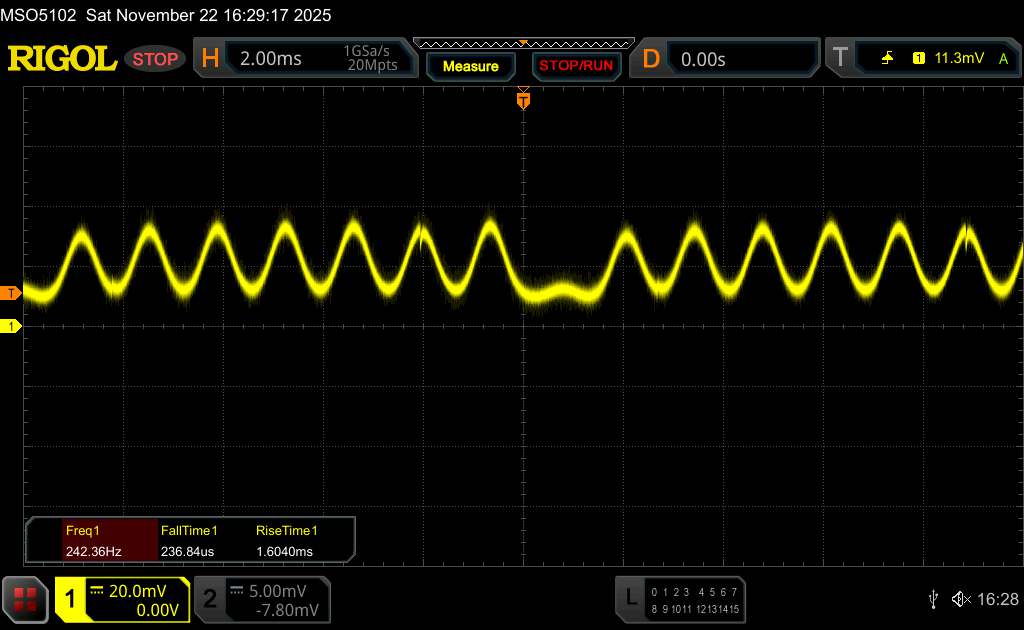 | |
The display backlight flickers at 242 Hz (worst case, e.g., utilizing PWM) . The frequency of 242 Hz is relatively low, so sensitive users will likely notice flickering and experience eyestrain at the stated brightness setting and below. In comparison: 52 % of all tested devices do not use PWM to dim the display. If PWM was detected, an average of 7585 (minimum: 5 - maximum: 343500) Hz was measured. | |||
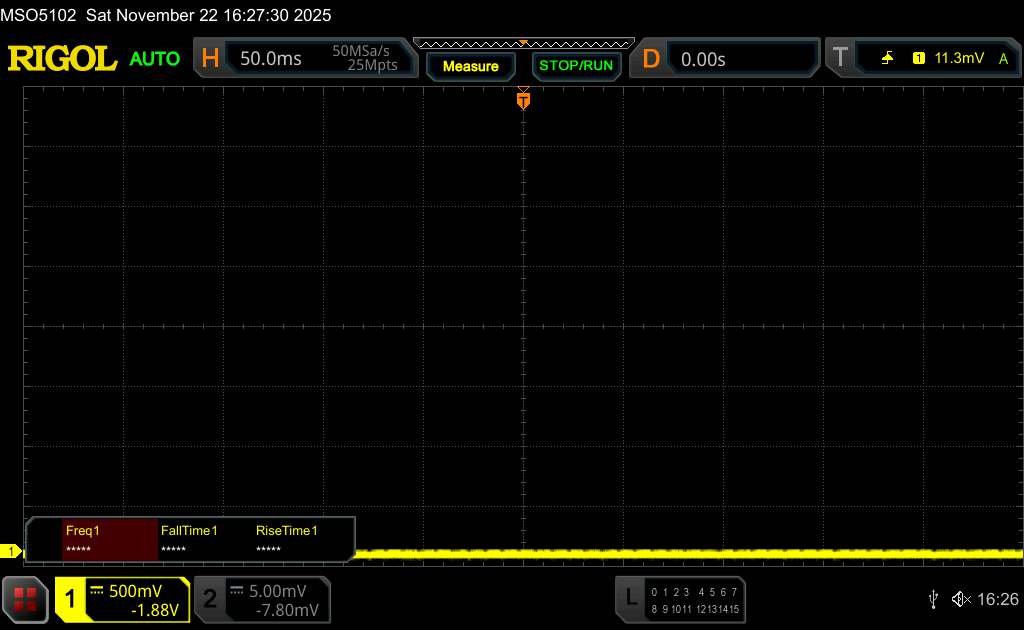
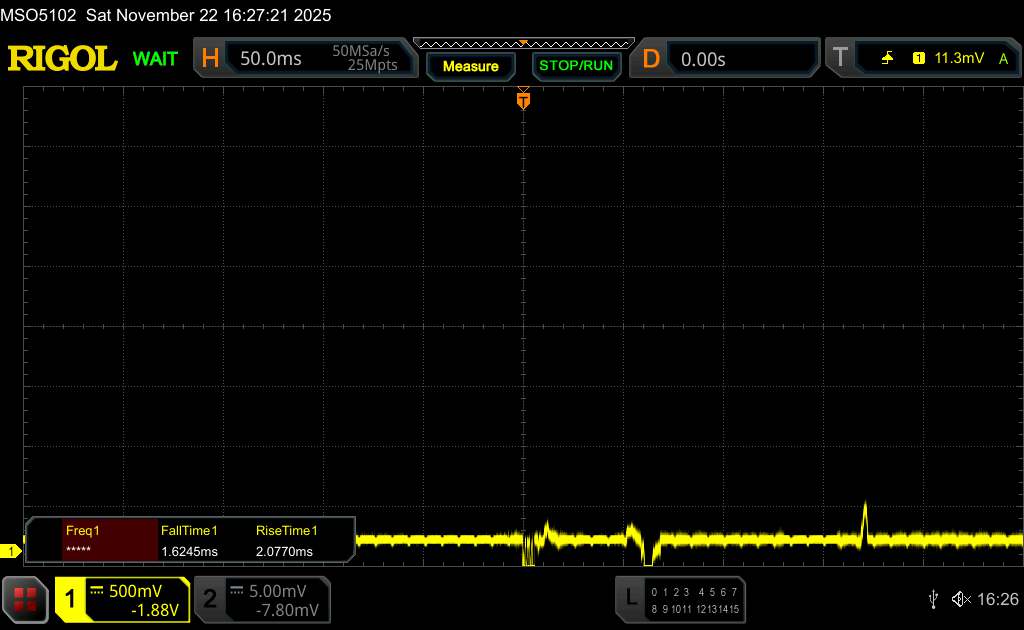
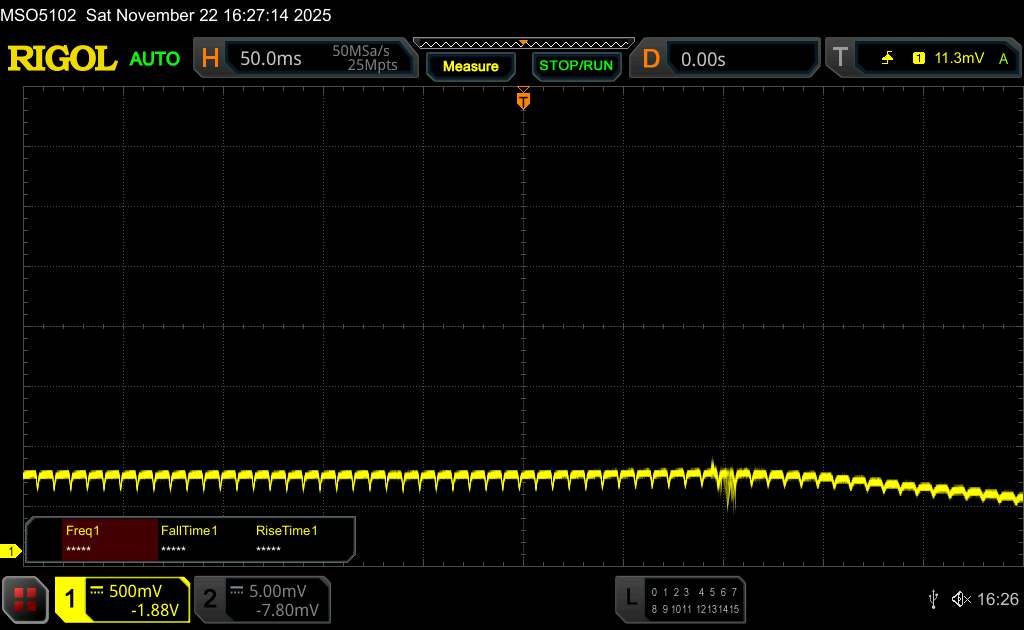
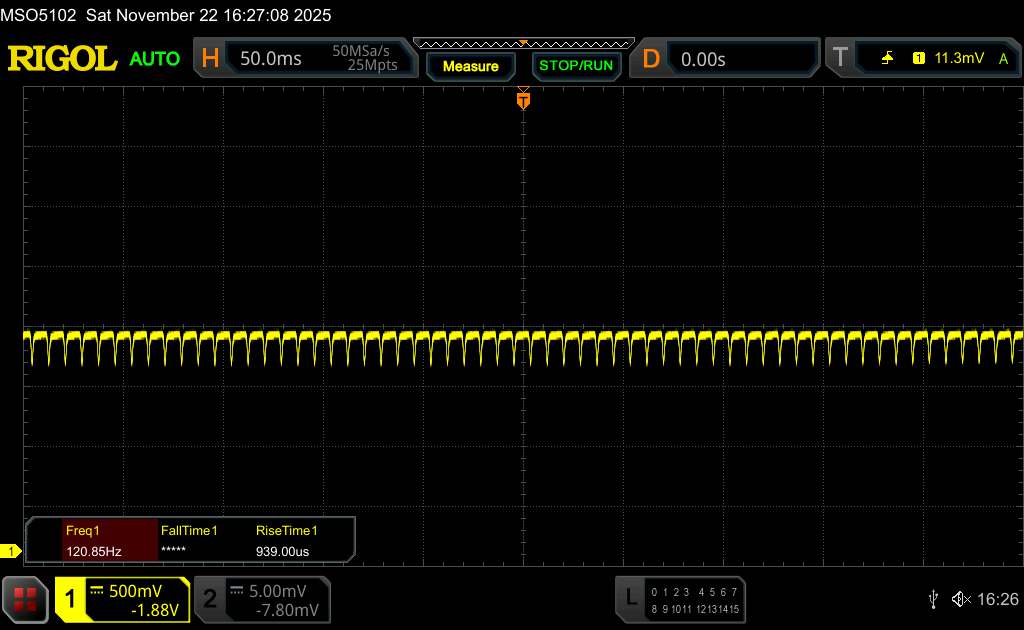
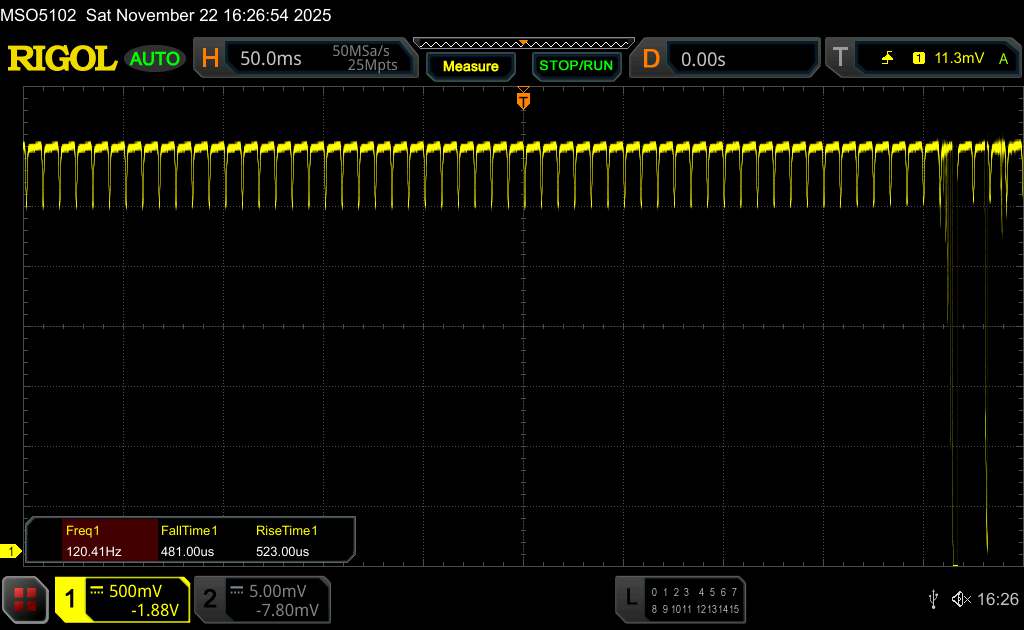
Measurement series with fixed zoom level and different brightness settings (The amplitude curve at minimum brightness looks flat, but this is due to the scaling. The info box shows the enlarged version of the amplitude at minimum brightness)
Our analysis with the photo spectrometer and CalMan software results in very low average Delta-E deviations in the sRGB color space. In addition to three color profiles, the white balance can also be individually adjusted in the settings menus.
Display Response Times
| ↔ Response Time Black to White | ||
|---|---|---|
| 2.2 ms ... rise ↗ and fall ↘ combined | ↗ 1.2 ms rise | 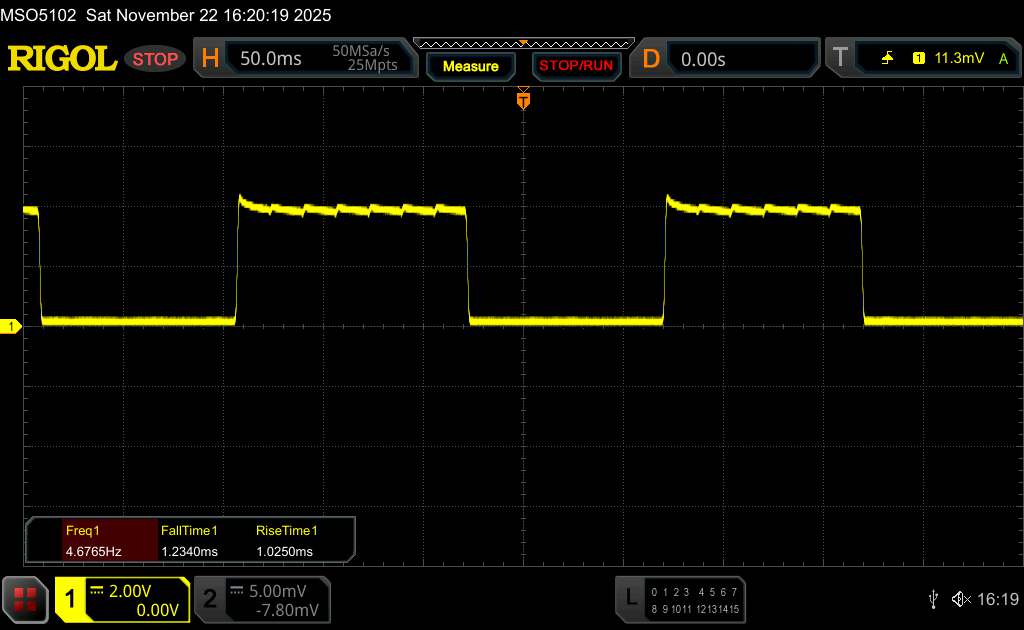 |
| ↘ 1 ms fall | ||
| The screen shows very fast response rates in our tests and should be very well suited for fast-paced gaming. In comparison, all tested devices range from 0.1 (minimum) to 240 (maximum) ms. » 13 % of all devices are better. This means that the measured response time is better than the average of all tested devices (19.6 ms). | ||
| ↔ Response Time 50% Grey to 80% Grey | ||
| 3.3 ms ... rise ↗ and fall ↘ combined | ↗ 1.3 ms rise | 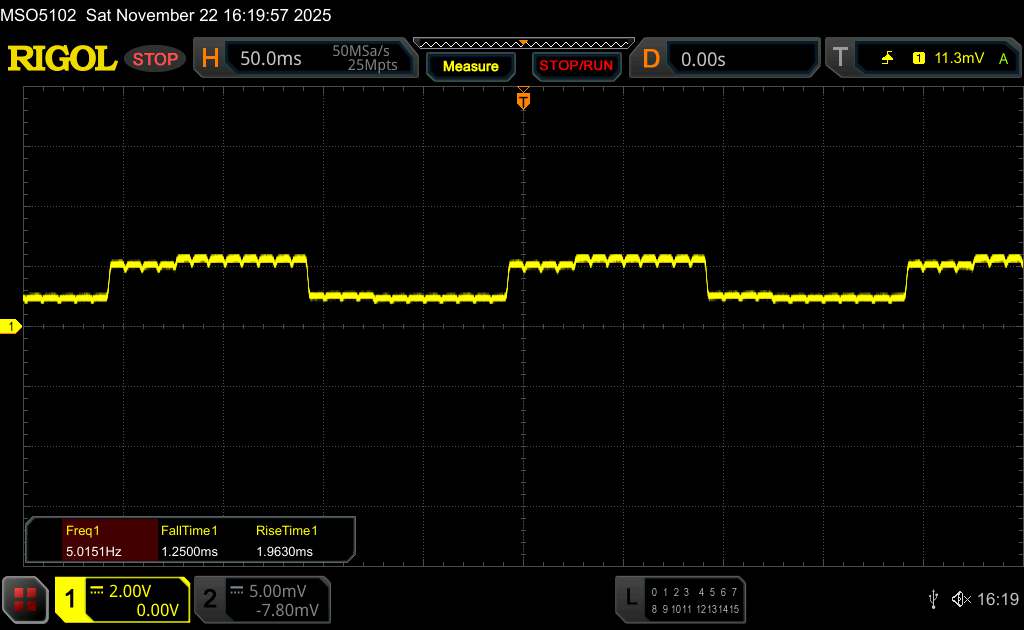 |
| ↘ 2 ms fall | ||
| The screen shows very fast response rates in our tests and should be very well suited for fast-paced gaming. In comparison, all tested devices range from 0.13 (minimum) to 636 (maximum) ms. » 15 % of all devices are better. This means that the measured response time is better than the average of all tested devices (30.7 ms). | ||
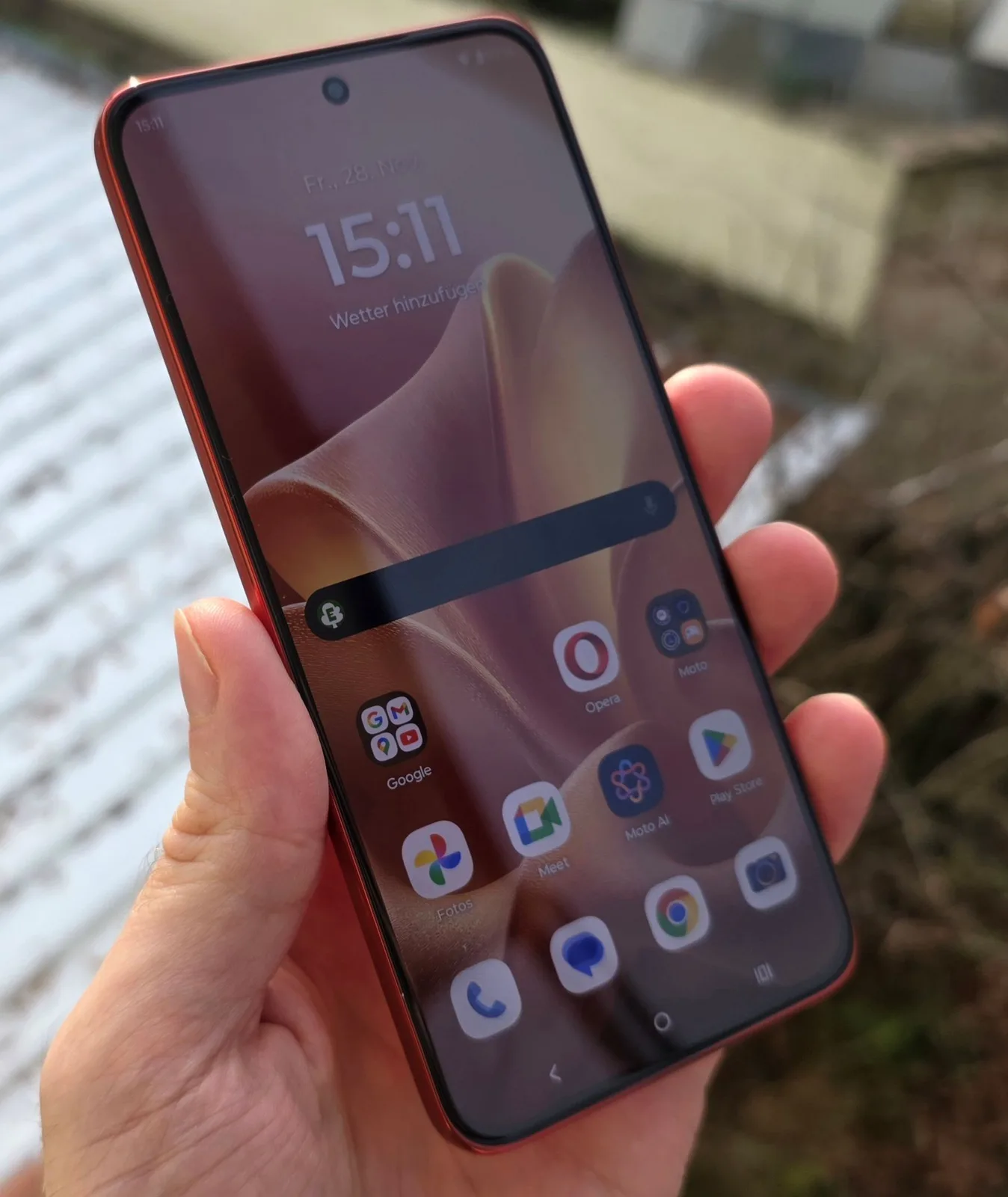
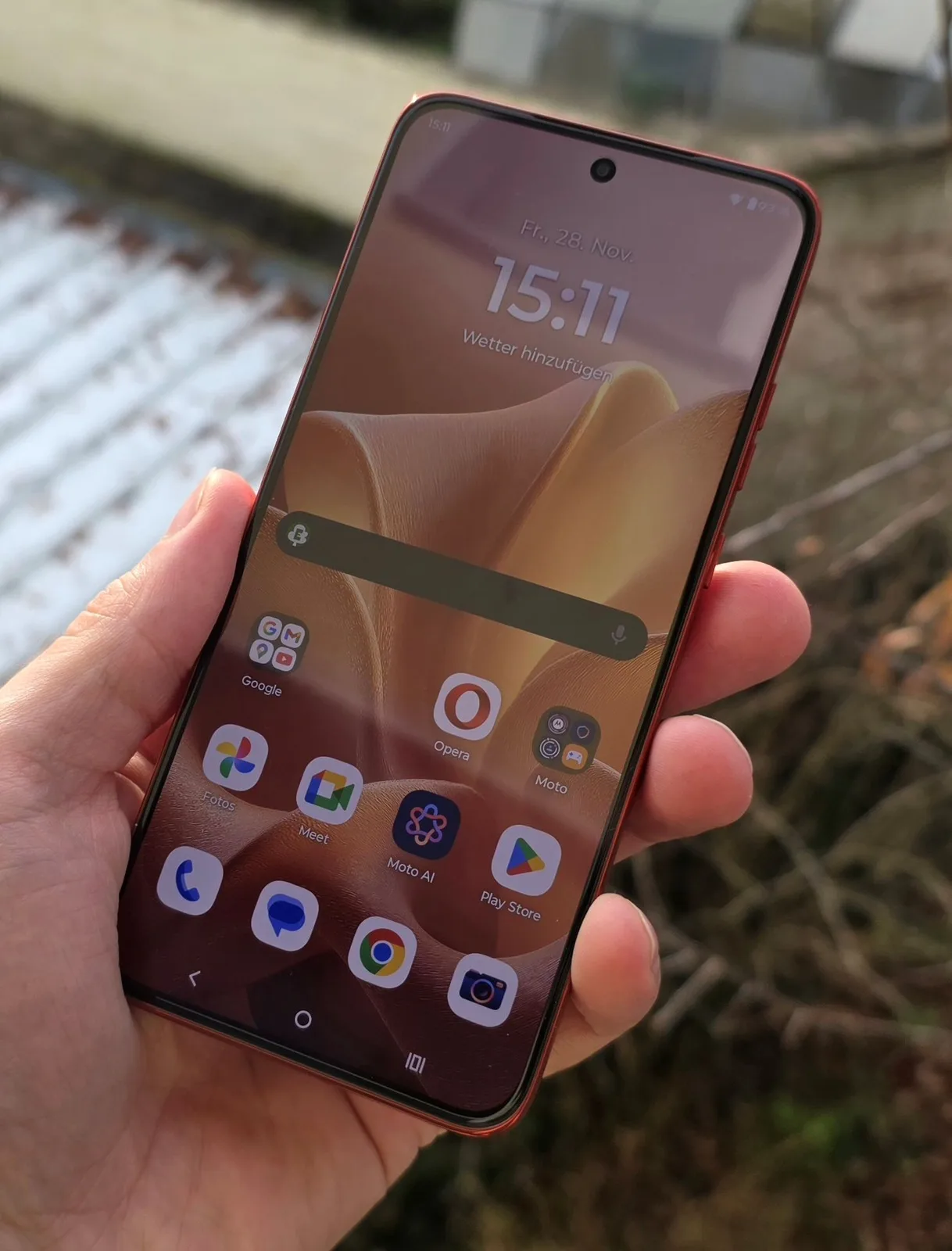
The Edge 60 Neo leaves a good impression outdoors, although don't expect the brightness reserves of a Flagship phone. The viewing angles of the OLED panel remain stable even when viewed from shallow angles.


Performance - Motorola cell phone relies on Mediatek
The SoC installed in the Edge 60 Neo and its system speed are not a strength of the mid-range phone. Compared to a Xiaomi Poco F7 or even OnePlus Nord CE 5 the performance deficit of the MediaTek Dimensity 7400 is evident in both the single-core and multi-core benchmarks.
The Edge 60 Neo does not really feel confident in everyday use and the Hello UI interface is often noticeably jerky.
| UL Procyon AI Inference for Android - Overall Score NNAPI | |
| Motorola Edge 60 Neo | |
| Average MediaTek Dimensity 7400X (27580 - 27865, n=2) | |
| Average of class Smartphone (2895 - 66164, n=96, last 2 years) | |
| Xiaomi Poco F7 | |
| Samsung Galaxy A36 5G | |
| AImark - Score v3.x | |
| Average of class Smartphone (293 - 307528, n=64, last 2 years) | |
| Motorola Edge 60 Neo | |
| Average MediaTek Dimensity 7400X (n=1) | |
| Xiaomi Poco F7 | |
| Samsung Galaxy A36 5G | |
The performance differences in the graphics unit are even greater than in the CPU benchmarks. The Mali-G615 MP2 of the Motorola phone only manages 8 fps in the 4K test of the GFXBench, while the competition achieves three to five times higher values.
GFXBench (DX / GLBenchmark) 2.7: T-Rex Onscreen | 1920x1080 T-Rex Offscreen
GFXBench 3.0: on screen Manhattan Onscreen OGL | 1920x1080 1080p Manhattan Offscreen
GFXBench 3.1: on screen Manhattan ES 3.1 Onscreen | 1920x1080 Manhattan ES 3.1 Offscreen
GFXBench: on screen Car Chase Onscreen | 1920x1080 Car Chase Offscreen | on screen Aztec Ruins High Tier Onscreen | 2560x1440 Aztec Ruins High Tier Offscreen | on screen Aztec Ruins Normal Tier Onscreen | 1920x1080 Aztec Ruins Normal Tier Offscreen | 3840x2160 4K Aztec Ruins High Tier Offscreen
| 3DMark / Wild Life Extreme Unlimited | |
| Xiaomi Poco F7 | |
| OnePlus Nord CE 5 | |
| Motorola Edge 60 Neo | |
| Samsung Galaxy A36 5G | |
| Motorola Edge 50 Neo | |
| 3DMark / Wild Life Extreme | |
| Xiaomi Poco F7 | |
| OnePlus Nord CE 5 | |
| Motorola Edge 60 Neo | |
| Samsung Galaxy A36 5G | |
| Motorola Edge 50 Neo | |
| 3DMark / Wild Life Unlimited Score | |
| Xiaomi Poco F7 | |
| OnePlus Nord CE 5 | |
| Motorola Edge 60 Neo | |
| Samsung Galaxy A36 5G | |
| Motorola Edge 50 Neo | |
| 3DMark / Steel Nomad Light Unlimited Score | |
| Xiaomi Poco F7 | |
| Motorola Edge 60 Neo | |
| Motorola Edge 50 Neo | |
| 3DMark / Steel Nomad Light Score | |
| Xiaomi Poco F7 | |
| Motorola Edge 60 Neo | |
| Motorola Edge 50 Neo | |
| GFXBench (DX / GLBenchmark) 2.7 / T-Rex Onscreen | |
| Xiaomi Poco F7 | |
| Samsung Galaxy A36 5G | |
| Motorola Edge 60 Neo | |
| GFXBench (DX / GLBenchmark) 2.7 / T-Rex Offscreen | |
| Xiaomi Poco F7 | |
| Motorola Edge 60 Neo | |
| Samsung Galaxy A36 5G | |
| GFXBench 3.0 / Manhattan Onscreen OGL | |
| Xiaomi Poco F7 | |
| Motorola Edge 60 Neo | |
| Samsung Galaxy A36 5G | |
| GFXBench 3.0 / 1080p Manhattan Offscreen | |
| Xiaomi Poco F7 | |
| Motorola Edge 60 Neo | |
| Samsung Galaxy A36 5G | |
| GFXBench 3.1 / Manhattan ES 3.1 Onscreen | |
| Xiaomi Poco F7 | |
| Samsung Galaxy A36 5G | |
| Motorola Edge 60 Neo | |
| GFXBench 3.1 / Manhattan ES 3.1 Offscreen | |
| Xiaomi Poco F7 | |
| Motorola Edge 60 Neo | |
| Samsung Galaxy A36 5G | |
| GFXBench / Car Chase Onscreen | |
| Xiaomi Poco F7 | |
| Samsung Galaxy A36 5G | |
| Motorola Edge 60 Neo | |
| GFXBench / Car Chase Offscreen | |
| Xiaomi Poco F7 | |
| Motorola Edge 60 Neo | |
| Samsung Galaxy A36 5G | |
| GFXBench / Aztec Ruins High Tier Onscreen | |
| Xiaomi Poco F7 | |
| OnePlus Nord CE 5 | |
| Samsung Galaxy A36 5G | |
| Motorola Edge 60 Neo | |
| Motorola Edge 50 Neo | |
| GFXBench / Aztec Ruins High Tier Offscreen | |
| Xiaomi Poco F7 | |
| OnePlus Nord CE 5 | |
| Motorola Edge 60 Neo | |
| Samsung Galaxy A36 5G | |
| Motorola Edge 50 Neo | |
| GFXBench / Aztec Ruins Normal Tier Onscreen | |
| Xiaomi Poco F7 | |
| OnePlus Nord CE 5 | |
| Samsung Galaxy A36 5G | |
| Motorola Edge 60 Neo | |
| Motorola Edge 50 Neo | |
| GFXBench / Aztec Ruins Normal Tier Offscreen | |
| Xiaomi Poco F7 | |
| OnePlus Nord CE 5 | |
| Motorola Edge 60 Neo | |
| Samsung Galaxy A36 5G | |
| Motorola Edge 50 Neo | |
| GFXBench / 4K Aztec Ruins High Tier Offscreen | |
| Xiaomi Poco F7 | |
| OnePlus Nord CE 5 | |
| Motorola Edge 60 Neo | |
| Samsung Galaxy A36 5G | |
| Motorola Edge 50 Neo | |
| Jetstream 2 - 2.2 Total | |
| Xiaomi Poco F7 (Chrome 138.0.7204.168) | |
| Average of class Smartphone (2 - 480, n=104, last 2 years) | |
| Samsung Galaxy A36 5G (Chrome 135) | |
| Motorola Edge 60 Neo (Chrome 141) | |
| Average MediaTek Dimensity 7400X (125.7 - 146.1, n=3) | |
| WebXPRT 4 - Overall | |
| Xiaomi Poco F7 (Chrome 138.0.7204.168) | |
| Average of class Smartphone (56 - 278, n=87, last 2 years) | |
| Samsung Galaxy A36 5G (Chrome 135) | |
| Average MediaTek Dimensity 7400X (118 - 128, n=3) | |
| Motorola Edge 60 Neo (Chrome 141) | |
| Octane V2 - Total Score | |
| Xiaomi Poco F7 (Chrome 138.0.7204.168) | |
| Average of class Smartphone (6015 - 160221, n=131, last 2 years) | |
| Average MediaTek Dimensity 7400X (35354 - 41357, n=2) | |
| Samsung Galaxy A36 5G (Chrome 135) | |
| Motorola Edge 60 Neo (Chrome 141) | |
| Motorola Edge 50 Neo | |
| Mozilla Kraken 1.1 - Total | |
| Samsung Galaxy A36 5G (Chrome 135) | |
| Average MediaTek Dimensity 7400X (1022 - 1038, n=2) | |
| Motorola Edge 60 Neo (Chrome 141) | |
| Average of class Smartphone (216 - 2718, n=118, last 2 years) | |
| Xiaomi Poco F7 (Chrome 138.0.7204.168) | |
* ... smaller is better
| Motorola Edge 60 Neo | Samsung Galaxy A36 5G | Xiaomi Poco F7 | Motorola Edge 50 Neo | Average 256 GB UFS 3.1 Flash | Average of class Smartphone | |
|---|---|---|---|---|---|---|
| PCMark for Android | -12% | 180% | -2% | 7% | 49% | |
| Storage 2.0 seq. read int. (MB/s) | 864 ? | 845 ? -2% | 3242 ? 275% | 874 ? 1% | 1383 ? 60% | 1575 ? 82% |
| Storage 2.0 seq. write int. (MB/s) | 843 ? | 480 ? -43% | 3377 ? 301% | 835 ? -1% | 1109 ? 32% | 1497 ? 78% |
| Storage 2.0 random read int. (MB/s) | 51.1 ? | 33.9 ? -34% | 49.1 ? -4% | 51.2 ? 0% | 38 ? -26% | 43.4 ? -15% |
| Storage 2.0 random write int. (MB/s) | 82.5 ? | 39 ? -53% | 62 ? -25% | 77.9 ? -6% | 59.2 ? -28% | 71.1 ? -14% |
| Storage 2.0 (Points) | 32735 ? | 55507 ? 70% | 148268 ? 353% | 31677 ? -3% | 31934 ? -2% | 70612 ? 116% |
Emissions - Motorola cell phone with moderate heat dissipation
Temperature
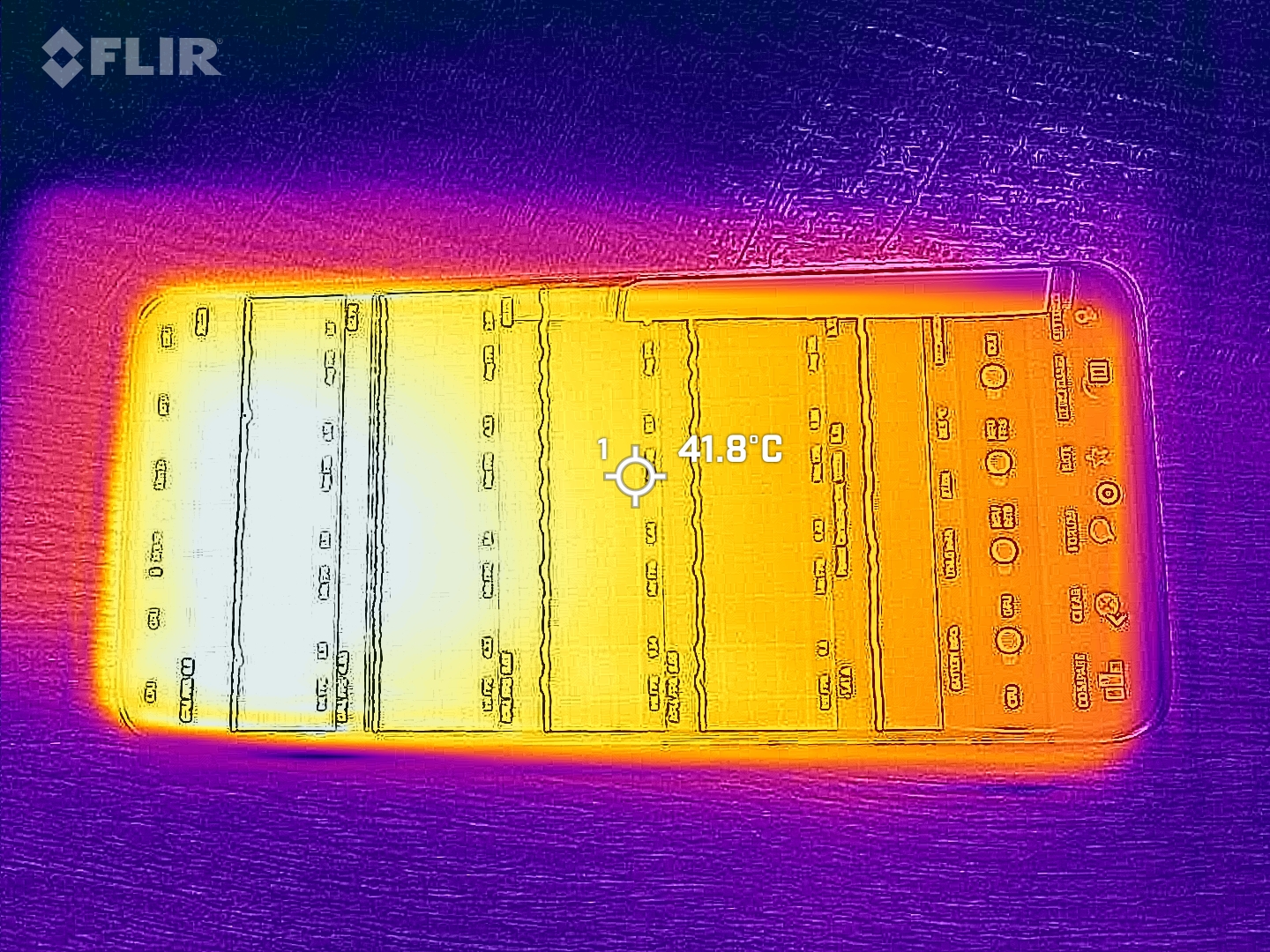
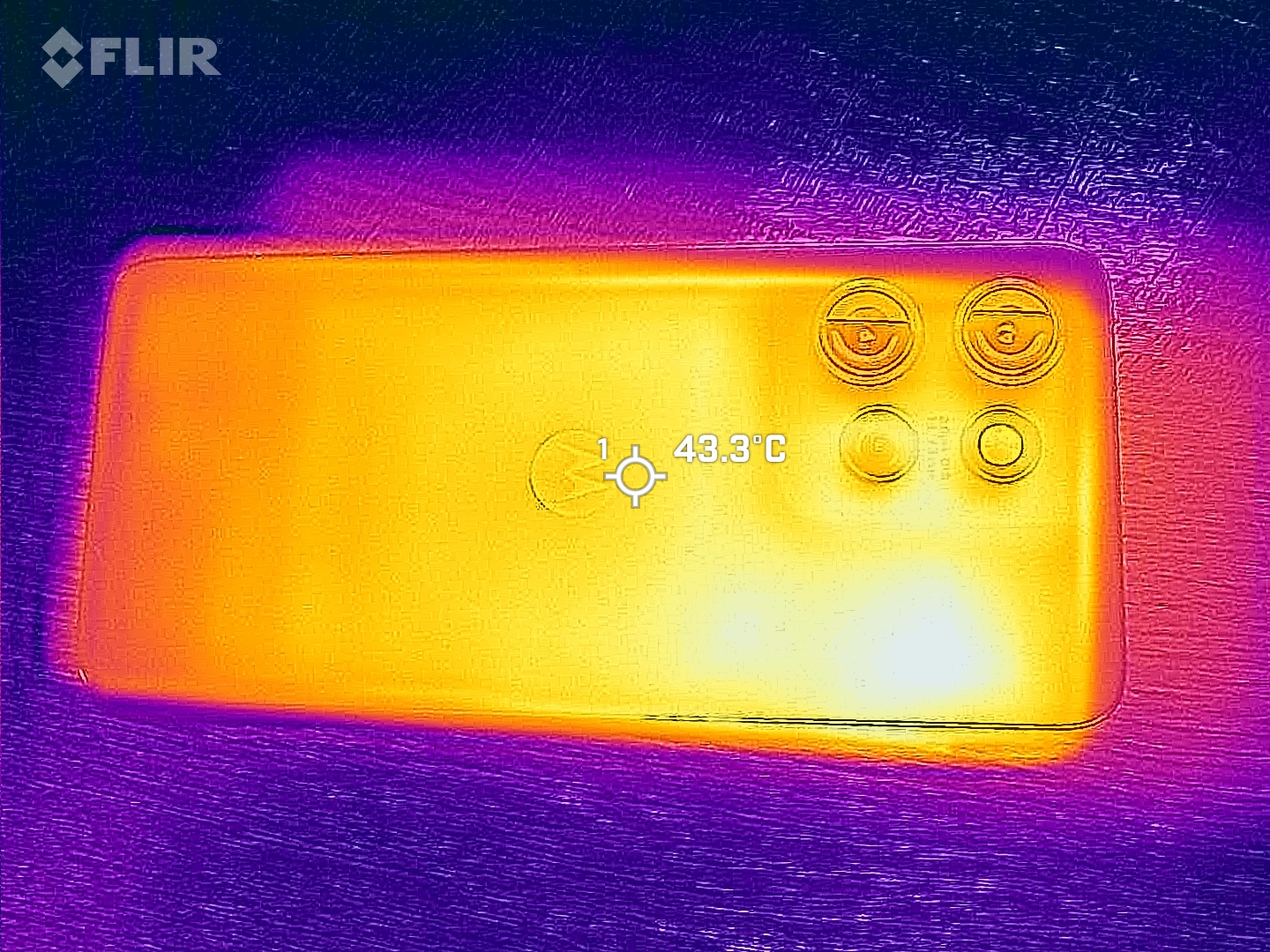
The surface temperatures are pronounced under constant load, but not noticeably high. Especially since the waste heat of the Edge 60 Neo is not negatively noticeable in the 3DMark stress tests. The Motorola smartphone only throttles very slightly or not at all.
(-) The maximum temperature on the upper side is 46.8 °C / 116 F, compared to the average of 35.4 °C / 96 F, ranging from 21.9 to 247 °C for the class Smartphone.
(-) The bottom heats up to a maximum of 45.3 °C / 114 F, compared to the average of 34.1 °C / 93 F
(+) In idle usage, the average temperature for the upper side is 24.8 °C / 77 F, compared to the device average of 33 °C / 91 F.
3DMark Stress Tests
| 3DMark | |
| Wild Life Stress Test Stability | |
| Motorola Edge 50 Neo | |
| Samsung Galaxy A36 5G | |
| Motorola Edge 60 Neo | |
| Xiaomi Poco F7 | |
| Wild Life Extreme Stress Test | |
| Motorola Edge 50 Neo | |
| Motorola Edge 60 Neo | |
| Samsung Galaxy A36 5G | |
| OnePlus Nord CE 5 | |
| Xiaomi Poco F7 | |
| Solar Bay Stress Test Stability | |
| Xiaomi Poco F7 | |
| Steel Nomad Light Stress Test Stability | |
| Motorola Edge 60 Neo | |
| Motorola Edge 50 Neo | |
| Xiaomi Poco F7 | |
Speaker
The stereo speakers offer an almost bass-free sound, but are basically okay for the price range. The Pink Noise shows rising mids, but also fairly even highs. Alternatively, headphones can be connected via a USB port or wirelessly via Bluetooth 5.4. There is a wide range of audio codecs to choose from.
Motorola Edge 60 Neo audio analysis
(+) | speakers can play relatively loud (82.1 dB)
Bass 100 - 315 Hz
(-) | nearly no bass - on average 23.3% lower than median
(±) | linearity of bass is average (10.7% delta to prev. frequency)
Mids 400 - 2000 Hz
(±) | reduced mids - on average 5.4% lower than median
(+) | mids are linear (4.5% delta to prev. frequency)
Highs 2 - 16 kHz
(+) | balanced highs - only 4.5% away from median
(±) | linearity of highs is average (7.1% delta to prev. frequency)
Overall 100 - 16.000 Hz
(±) | linearity of overall sound is average (17.9% difference to median)
Compared to same class
» 16% of all tested devices in this class were better, 8% similar, 75% worse
» The best had a delta of 11%, average was 34%, worst was 136%
Compared to all devices tested
» 38% of all tested devices were better, 8% similar, 55% worse
» The best had a delta of 4%, average was 23%, worst was 136%
Motorola Edge 50 Neo audio analysis
(+) | speakers can play relatively loud (88 dB)
Bass 100 - 315 Hz
(-) | nearly no bass - on average 25.3% lower than median
(±) | linearity of bass is average (10.4% delta to prev. frequency)
Mids 400 - 2000 Hz
(±) | reduced mids - on average 6% lower than median
(+) | mids are linear (4.8% delta to prev. frequency)
Highs 2 - 16 kHz
(+) | balanced highs - only 4.3% away from median
(+) | highs are linear (5.3% delta to prev. frequency)
Overall 100 - 16.000 Hz
(±) | linearity of overall sound is average (18.8% difference to median)
Compared to same class
» 23% of all tested devices in this class were better, 10% similar, 67% worse
» The best had a delta of 11%, average was 34%, worst was 136%
Compared to all devices tested
» 44% of all tested devices were better, 8% similar, 48% worse
» The best had a delta of 4%, average was 23%, worst was 136%
Battery life - Inexpensive smartphone with wireless charging
Energy consumption
The Edge 60 Neo has a 5,000 mAh battery, which can be charged either via USB-C with up to 68 watts or wirelessly with 15 watts. In the power consumption tests, the mid-range phone, equipped with the Dimensity 7400, proved to be quite economical and the overall energy consumption is not particularly high.
| Off / Standby |   0.1 / 0.2 Watt 0.1 / 0.2 Watt |
| Idle |  0.8 / 1.2 / 1.7 Watt 0.8 / 1.2 / 1.7 Watt |
| Load |
5.4 / 10.1 Watt |
    
| |
Key:
min: ,
med: ,
max: Metrahit Energy | |
| Motorola Edge 60 Neo 5000 mAh | Samsung Galaxy A36 5G 5000 mAh | Xiaomi Poco F7 6500 mAh | Average MediaTek Dimensity 7400X | Average of class Smartphone | |
|---|---|---|---|---|---|
| Power Consumption | -13% | -17% | -3% | -13% | |
| Idle Minimum * (Watt) | 0.8 | 0.86 -8% | 1.18 -48% | 0.77 ? 4% | 0.906 ? -13% |
| Idle Average * (Watt) | 1.2 | 1.75 -46% | 1.44 -20% | 1.405 ? -17% | 1.483 ? -24% |
| Idle Maximum * (Watt) | 1.7 | 1.82 -7% | 1.48 13% | 1.71 ? -1% | 1.683 ? 1% |
| Load Average * (Watt) | 5.4 | 5.31 2% | 7.62 -41% | 5.4 ? -0% | 6.64 ? -23% |
| Load Maximum * (Watt) | 10.1 | 10.95 -8% | 8.92 12% | 10.1 ? -0% | 10.6 ? -5% |
* ... smaller is better
Power consumption: Geekbench (150 cd/m²)
Power consumption: GFXbench (150 cd/m²)
Battery life
Under real-world conditions, the Edge 60 Neo demonstrates excellent battery life for a compact cell phone in our WLAN test. Compared to the Edge 50 Neo the mid-range cell phone is significantly more enduring with over 24 hours.
| Motorola Edge 60 Neo 5000 mAh | OnePlus Nord CE 5 5200 mAh | Samsung Galaxy A36 5G 5000 mAh | Xiaomi Poco F7 6500 mAh | Motorola Edge 50 Neo 4310 mAh | |
|---|---|---|---|---|---|
| Battery runtime | |||||
| WiFi v1.3 (h) | 24.4 | 16.9 -31% | 14.8 -39% | 22.7 -7% | 13.7 -44% |
Notebookcheck overall rating
The Motorola Edge 60 Neo not only looks modern and stylish, but also offers a high level of durability. The super-long battery life and premium features offered make the compact Android phone an interesting choice for price-conscious buyers.

Motorola Edge 60 Neo
- 12/03/2025 v8
Marcus Herbrich
 Total Sustainability Score:
 Possible alternatives in comparison
Image | Model / Review | Price | Weight | Drive | Display |
|---|---|---|---|---|---|
1. 79.5%  | Motorola Edge 60 Neo MediaTek Dimensity 7400X ⎘ ARM Mali-G615 MP2 ⎘ 8 GB Memory, 256 GB UFS 3.1 | Amazon: 1. $347.99 Motorola Edge 60 16.9 Cm (6.... 2. $655.00 Motorola Edge 60 Neo Dual-SI... 3. $626.00 Motorola Edge 60 Neo Dual-SI... List Price: 399€ | 175 g | 256 GB UFS 3.1 Flash | 6.36" 2670x1200 460 PPI pOLED |
2. 80.8%  | OnePlus Nord CE 5 MediaTek Dimensity 8350 ⎘ ARM Mali-G615 MP6 ⎘ 8 GB Memory, 128 GB UFS 3.1 | List Price: 349€ | 199 g | 128 GB UFS 3.1 Flash | 6.77" 2392x1080 388 PPI AMOLED |
3. 78%  | Samsung Galaxy A36 5G Qualcomm Snapdragon 6 Gen 3 ⎘ Qualcomm Adreno 710 ⎘ 6 GB Memory, 256 GB UFS 3.1 | List Price: 379€ | 195 g | 256 GB UFS 3.1 Flash | 6.70" 2340x1080 385 PPI Super AMOLED |
4. 85.2%  | Xiaomi Poco F7 Qualcomm Snapdragon 8s Gen 4 SM8735 ⎘ Qualcomm Adreno 825 ⎘ 12 GB Memory, 512 GB UFS 4.x | 215.7 g | 512 GB UFS 4.1 Flash | 6.83" 2772x1280 447 PPI AMOLED | |
5. 77.3%  | Motorola Edge 50 Neo MediaTek Dimensity 7300 ⎘ ARM Mali-G615 MP2 ⎘ 12 GB Memory, 512 GB UFS 3.1 | List Price: 499€ | 171 g | 512 GB UFS 3.1 Flash | 6.40" 2670x1220 459 PPI P-OLED |
Transparency
The selection of devices to be reviewed is made by our editorial team. The test sample was provided to the author as a loan by the manufacturer or retailer for the purpose of this review. The lender had no influence on this review, nor did the manufacturer receive a copy of this review before publication. There was no obligation to publish this review. As an independent media company, Notebookcheck is not subjected to the authority of manufacturers, retailers or publishers.
This is how Notebookcheck is testing
Every year, Notebookcheck independently reviews hundreds of laptops and smartphones using standardized procedures to ensure that all results are comparable. We have continuously developed our test methods for around 20 years and set industry standards in the process. In our test labs, high-quality measuring equipment is utilized by experienced technicians and editors. These tests involve a multi-stage validation process. Our complex rating system is based on hundreds of well-founded measurements and benchmarks, which maintains objectivity. Further information on our test methods can be found here.
 Add as a preferred source on Google


