




Why smartphone shoppers are suddenly buying iPhone 17 and Galaxy S26
Premium smartphones are becoming increasingly important. According to Counterpoint Research, devices with a wholesale price of at least $600 reached a record share of the market in the first half of 2026. Meanwhile, lower-priced segments are becoming less attractive as rising memory and component costs have a greater impact on mid-range devices.
Demand for expensive smartphones remained stable despite challenging market conditions, according to Counterpoint analysts. Premium smartphone sales increased by 5% compared with the first half of 2025, while the segment's market share rose from 25% to 29%. For comparison, premium devices accounted for just 20% of the market in 2022.
One factor behind this trend is the narrowing price gap between mid-range models and older or discounted flagship smartphones. While higher component costs are making budget and mid-range Android devices more expensive, premium smartphone manufacturers are better able to absorb these increases through higher margins and fewer discounts.
Counterpoint says Apple and Samsung are the main beneficiaries. Together, the two smartphone manufacturers hold 84% of the premium segment, with Apple accounting for 65% and Samsung for 19%. Apple grew by 9% in the first half of 2026, driven primarily by the iPhone 17 series. The base model of the latest iPhone generation is reportedly responsible for much of the strong demand.
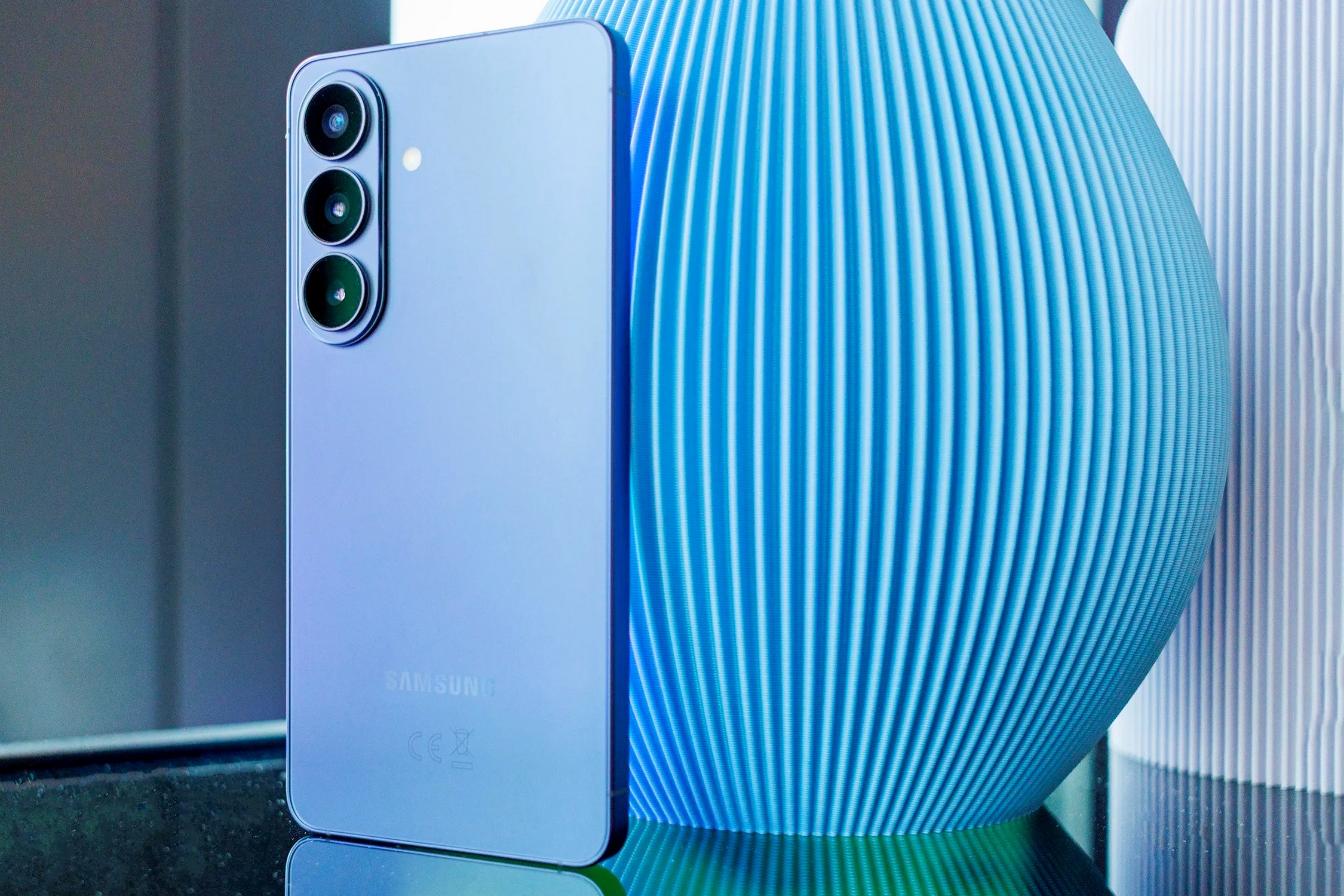
Samsung's premium smartphone sales increased by 3% despite the Galaxy S26 series launching later than usual. The Galaxy S26 Ultra has played a particularly important role, accounting for more than half of all Galaxy S26 series sales, according to Counterpoint. The market research firm highlights the new Privacy Display as a key feature.

However, Apple and Samsung are facing growing competition, particularly in China, where domestic brands such as Huawei, Xiaomi, Oppo, and Vivo are gaining market share with their own premium smartphones. Apple's share of the premium segment fell from 74% in the first half of 2022 to 65% in the first half of 2026.
Oppo recorded particularly strong growth, with the Chinese smartphone maker increasing its premium sales by 69% in the first half of 2026. Counterpoint identifies the Find X9 series as the main driver. Vivo also achieved 20% growth with the X300 series.
Counterpoint expects the shift toward more expensive smartphones to continue. Manufacturers are increasingly using trade-in programs, financing options, and buyback schemes to make premium devices more accessible. At the same time, analysts say many consumers are more willing to invest in higher-quality devices because they keep their smartphones for longer.
Source(s)
 Add as a preferred source on Google


