




Samsung Galaxy S26 trails Apple iPhone 16 and Google Pixel 8 in DxOMark camera analysis
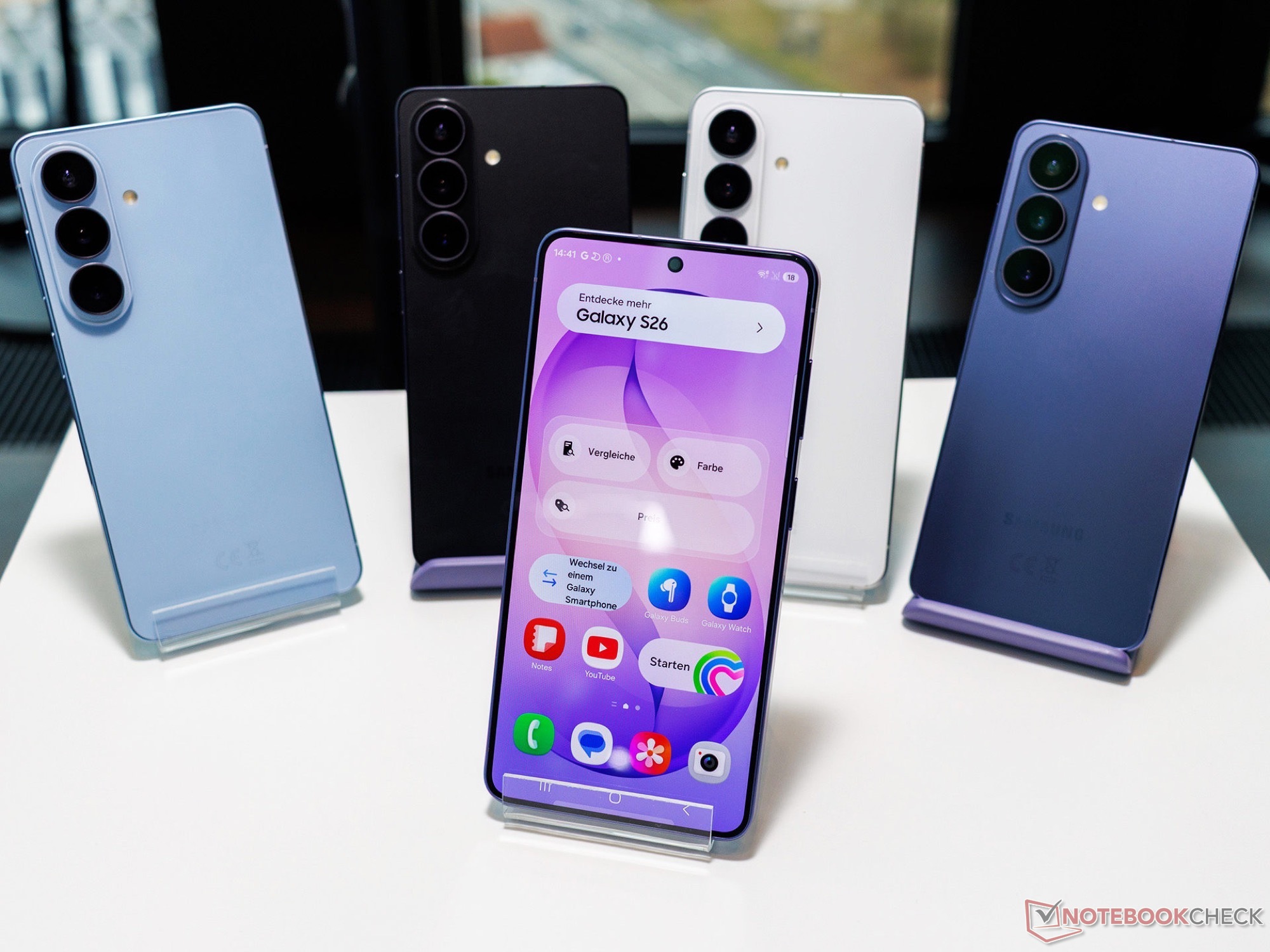
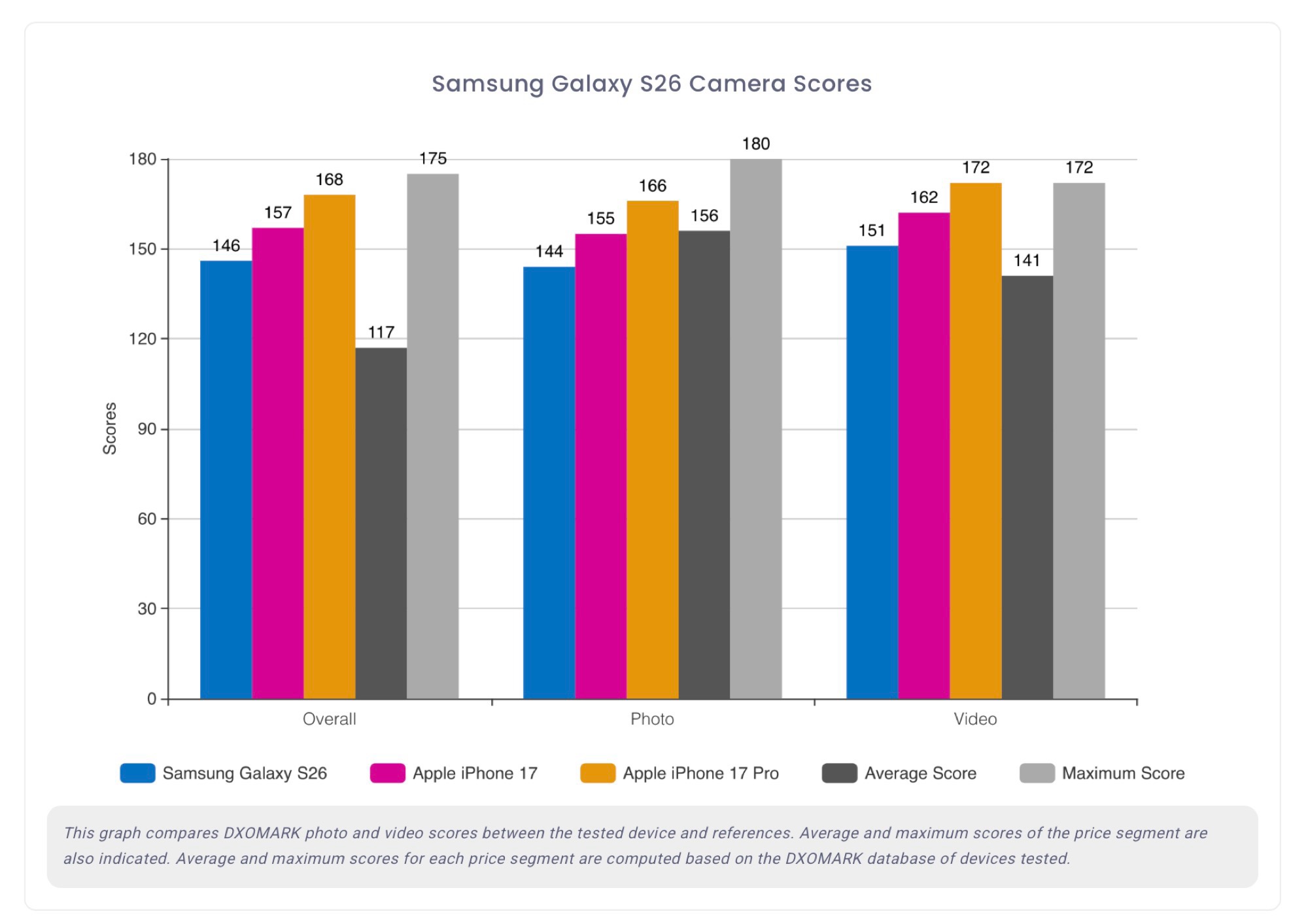
Since the Samsung Galaxy S26 Ultra failed to impress in the DxOMark camera analysis, the same holds true for the more affordable, smaller Samsung Galaxy S26 ($889 on Amazon). In DxOMark’s camera analysis, the smartphone scored only 146 points, placing it at number 44 on the leaderboard.
This puts the Galaxy S26 on par with the four-year-old Apple iPhone 14 Pro, and behind the Apple iPhone 16, the Google Pixel 8, and the Xiaomi 15. This is not surprising given its camera specifications, as the Samsung Galaxy S26 features a 50-megapixel f/1.8 main camera with a 1/1.56-inch sensor, a 12 MP f/2.2 ultra-wide-angle camera with a 1/2.55-inch sensor, and a 10 MP f/2.4 telephoto camera with 3x zoom and a tiny 1/3.94-inch sensor.

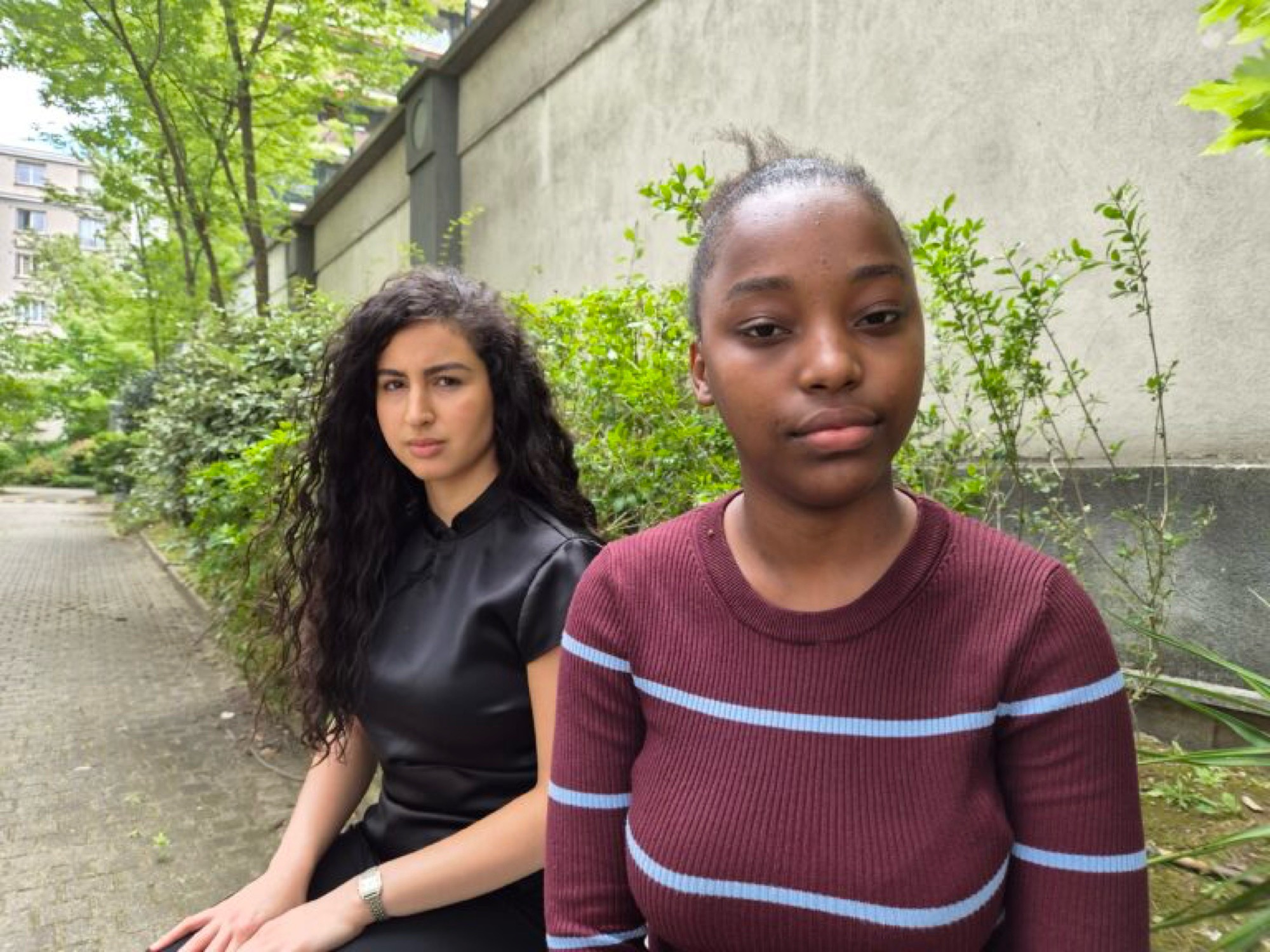
The Samsung Galaxy S26 scores points for its good color reproduction, relatively wide dynamic range, acceptable image noise, and effective image stabilization. However, the comparatively small sensors cause problems, especially in low light, ranging from visible image noise and color shifts to mediocre noise reduction, which results in the loss of details.
Even in daylight, the telephoto camera delivers fewer details than many competitors. The main camera cannot always capture background objects in sharp focus due to the lack of a variable aperture, but the comparatively large depth of field is often sufficient for group portraits – at least one advantage of the smaller sensor. All in all, the Galaxy S26’s camera system is passable for everyday situations, but the device is far from flagship-level performance.
Source(s)
 Add as a preferred source on Google


