




Steam Machine performance benchmark shows 20% loss without dual-channel memory spec
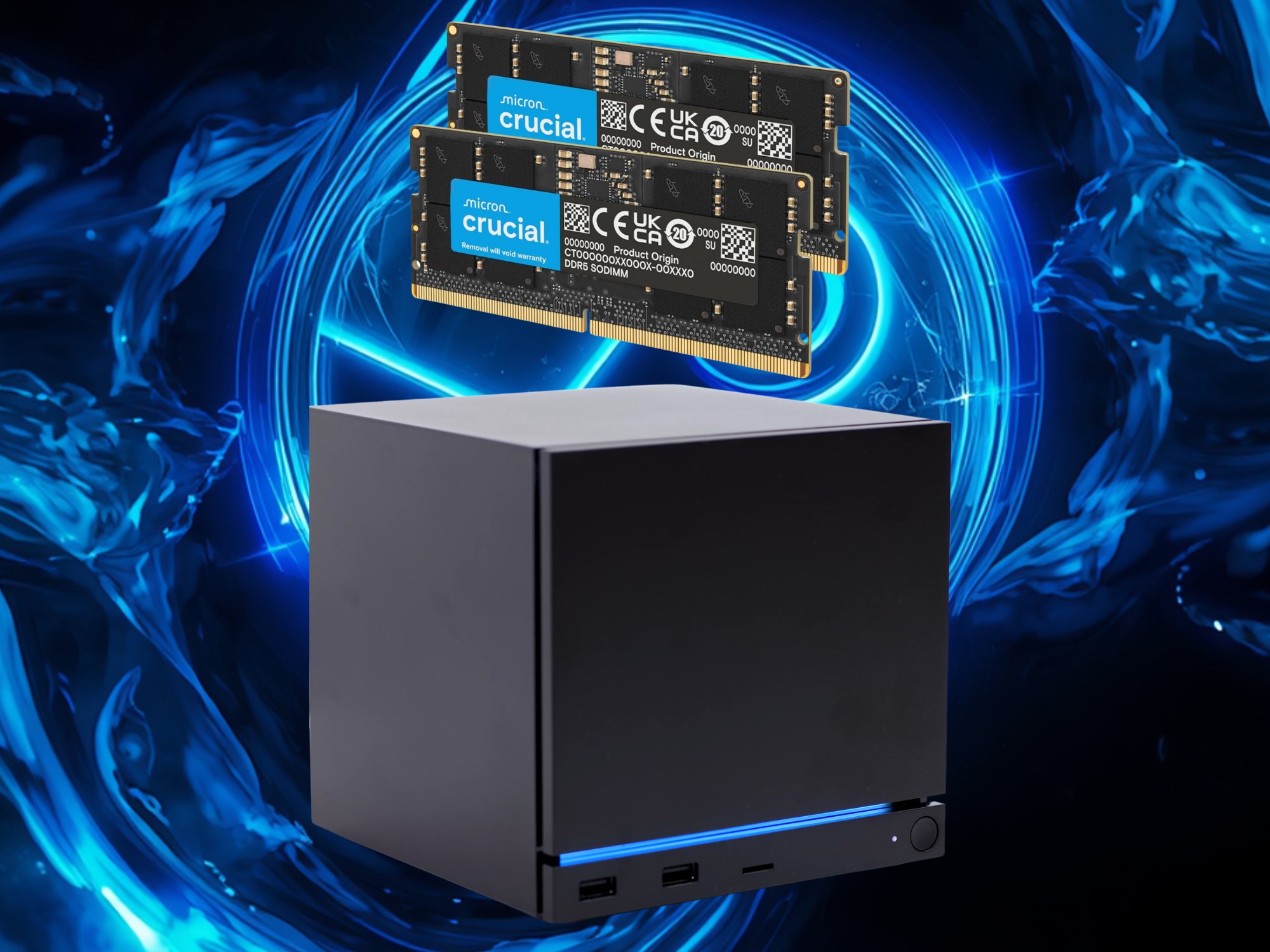
Valve surprised buyers by shipping its new living room mini PC with one stick of 16 GB DDR5 RAM. That decision ruled out a stock dual-channel memory configuration. Unable to affordably source two 8 GB modules, the company claimed Steam Machine performance losses would be minimal. However, a Gamers Nexus benchmark highlights noticeable differences in applications and games.
Unfortunately, the testers were unable to get the system to boot with two 8 GB sticks. The Steam Machine behaved as expected after installing another identical 16 GB module instead. To ensure accurate results, GPU and CPU-focused tests would not benefit from higher-capacity RAM.
Productivity and gaming tests
The most dramatic finding was with the 7-Zip Compression Steam Machine benchmark. In the CPU-intensive test, the dual-channel memory configuration yielded a 19% higher score than the single-channel alternative. Valve engineers had admitted that workstation tasks would be more impacted by the choice of specs.
As it turns out, some popular Steam games also suffer due to the compromise forced by high memory prices. Baldur’s Gate 3 is the clearest example, where at 1080p, average frame rates dropped by around 15%. The Outer Worlds 2 saw a similar result, with performance throttled by 14.7%.
Other tests confirm that the added memory bandwidth is not as advantageous when graphics cards bear more of the burden. Nevertheless, Baldur's Gate 3 still produced 8.7% higher frame rates with two DDR5 RAM modules.
Disappointing benchmarks
Steam Machine performance in many games, like Black Myth: Wukong and Starfield, was less affected. Even so, Gamers Nexus concluded that Valve “substantially hamstrung” its CPU by sacrificing the benefits of dual-channel memory.
Valve told the YouTubers that if memory prices become more reasonable, it will use two 8 GB sticks in the future. Buyers would also know before ordering when the mini PC’s specs change. Based on comments from Micron’s CEO, the component shortage may not ease before 2030.
 Add as a preferred source on Google


