




"Stim Machine": Steam Machine rival packs more performance for the same price
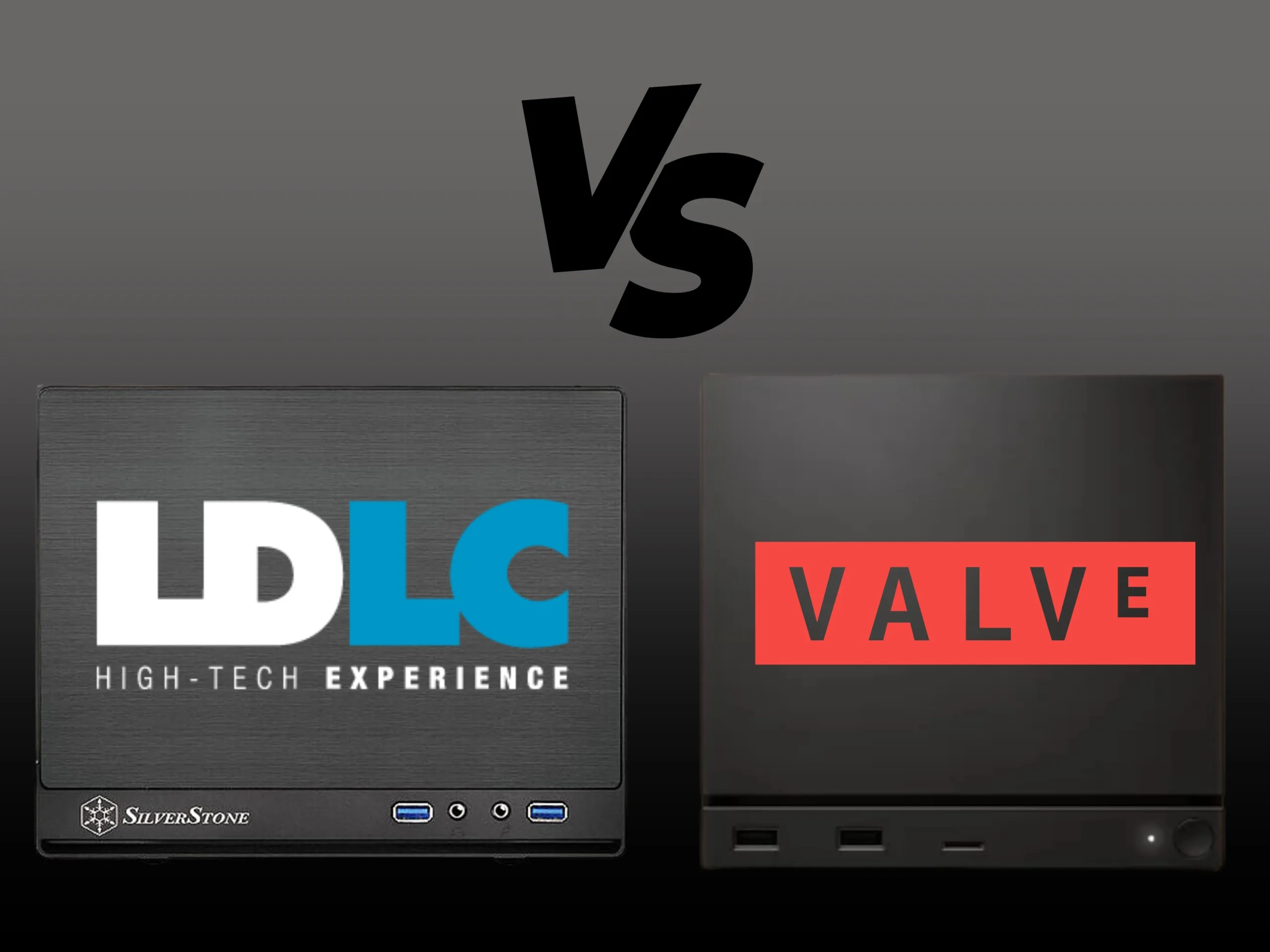
After months of eager anticipation, the official Steam Machine reveal was rather sobering for many fans. Valve’s living-room PC is more expensive than expected and barely matches the performance of the PS5. Other manufacturers are likely to see this as an opportunity to position themselves around the Steam Machine hype – including French hardware retailer LDLC, which makes no secret of offering a direct rival to Valve’s device. In a not-so-subtle pun, the company calls it the “Stim Machine.”
This Steam Machine alternative can currently be ordered from French retailer LDLC, at least as an unassembled kit. It costs €999.99 ($1,134) and, according to the official product page, has an estimated delivery time of around seven days. A fully assembled version priced at €1,039.99 ($1,179) is not currently publicly listed on LDLC’s website, but is mentioned in an article by Frandroid. That would put the pre-assembled Stim Machine at exactly the same price as Valve’s Steam Machine. However, it remains unclear whether the system will also ship to other countries. So far, the mini-PC is only listed on LDLC’s French website. An international listing is currently missing.
More performance for the same price, but no SteamOS
The biggest technical difference lies in the GPU. While Valve uses a semi-custom RDNA 3 chip with 28 compute units, LDLC installs a Radeon RX 9060 XT based on RDNA 4. According to the company, this GPU is significantly faster in Full HD than a Radeon RX 7600, while Valve’s graphics chip is said to sit slightly below that level. At least on paper, the Stim Machine should therefore offer more graphics performance.
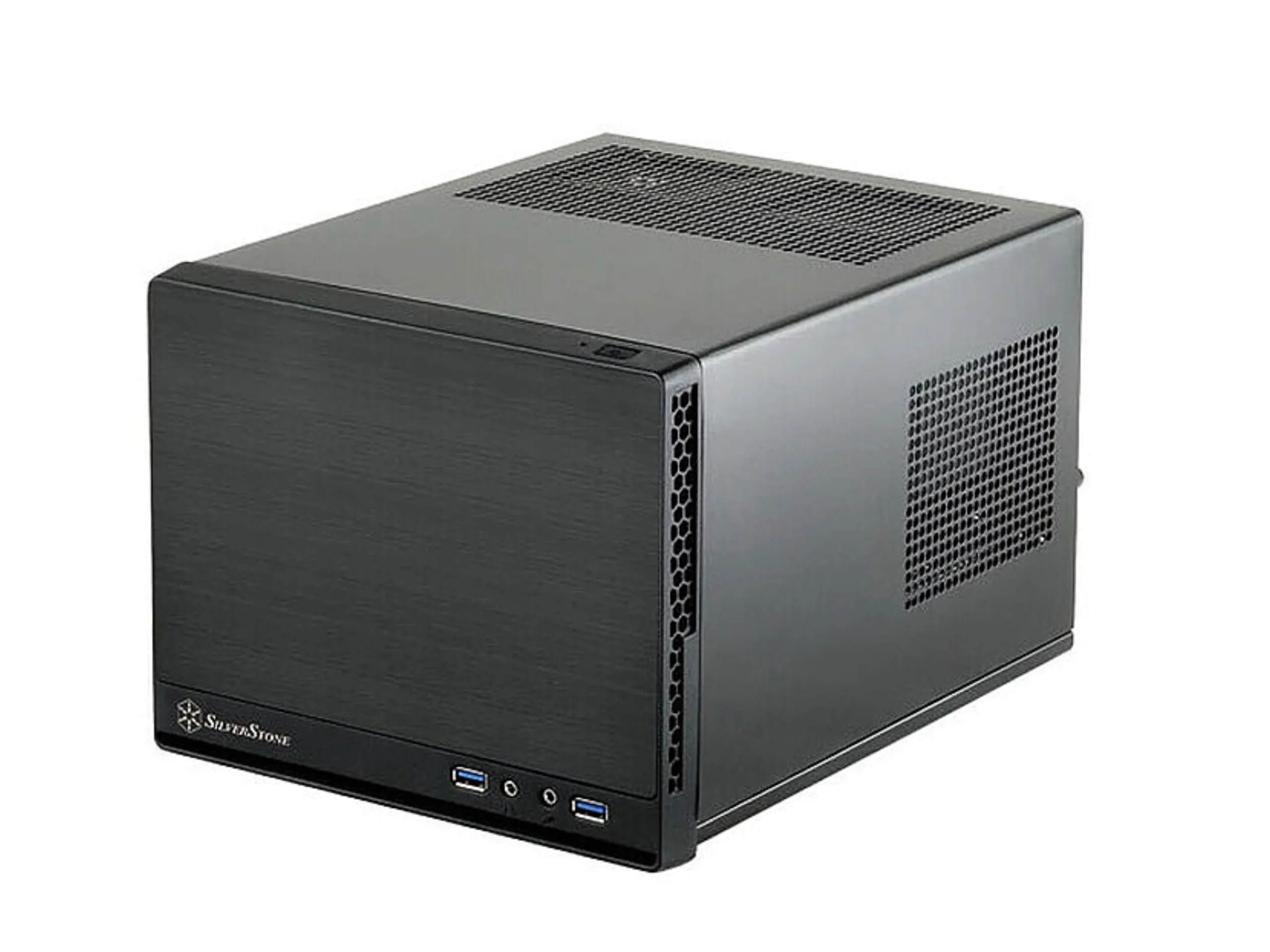
There are also differences in the rest of the hardware, although these only become apparent at second glance. LDLC uses a Ryzen 5 8400F, 16 GB of DDR5-5600 RAM and a 500 GB NVMe SSD. Since the Stim Machine is based on standard Mini-ITX hardware, the RAM, graphics card and storage can be upgraded or replaced relatively easily later on. The Steam Machine, on the other hand, relies on a specially designed case with semi-custom hardware, which limits future upgrade options.
One clear advantage of the Steam Machine is its much smaller footprint. Valve’s living-room PC measures roughly 156 × 152 × 162 mm, while the Stim Machine in its SilverStone case measures 222 × 181 × 285 mm.
Community divided
In the Reddit community, the Stim Machine is polarizing. Many see LDLC’s alternative as the more attractive deal. Others point out that Valve’s Steam Machine is not meant to be a traditional mini-PC, but rather a console-like all-in-one package. Pre-installed SteamOS, optimized drivers and easy setup are apparently worth the price to some users.
“Valves ploy is already working, they want people using steam OS more than they want to sell steam machines.”
Source(s)
 Add as a preferred source on Google


