




Steam Machine drops dual-channel memory to lower price, but specs limit performance
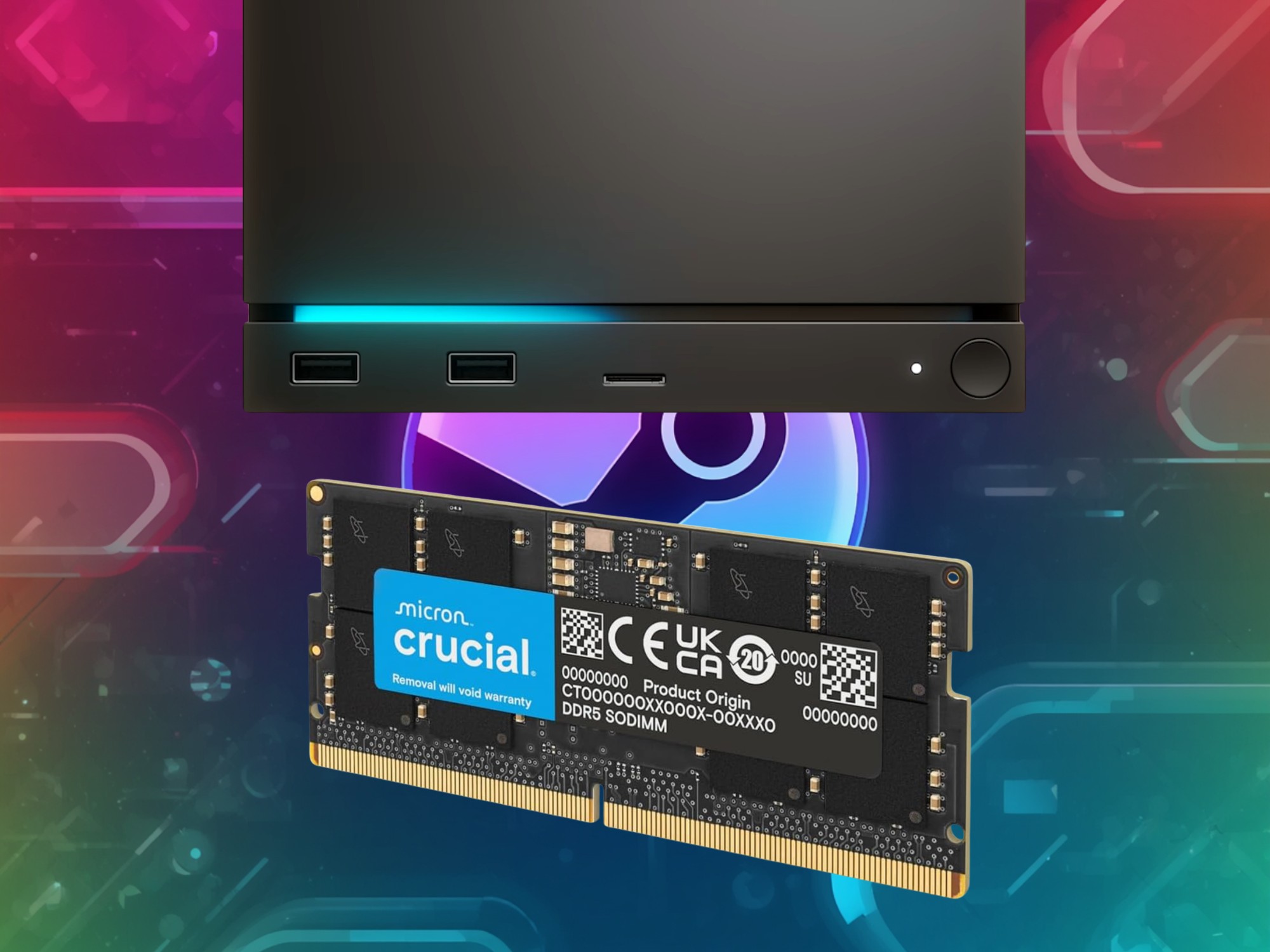
Reviews of Valve’s console challenger reveal how inflated memory prices forced the manufacturer to make compromises. Instead of all systems shipping with two 8GB DDR5 RAM sticks, many will arrive with one 16GB module. The single-channel configuration may throttle Steam Machine performance in CPU-heavy games.
Why did Valve make the swap?
In a Gamers Nexus interview, Valve engineers explained that the AI-driven component shortage made 8GB sticks rare. To prevent the Steam Machine price from rising even higher, the company opted for a slightly more attainable single 16GB module. The company argues that its benchmarks showed similar scores with both options.
It appears that some buyers can still order a mini PC with a dual-channel configuration. The parts included in a particular unit depend on the supply at the time of assembly. However, frustrating fans, there is no way to know in advance what DDR5 RAM a buyer will receive.
Gaming PC owners prefer dual-channel builds because CPUs can access multiple lanes simultaneously. The added bandwidth boosts frame rates in games that tax processors, like Crimson Desert and Baldur's Gate 3. The impact is likely modest, but most Steam Machine reviews haven’t compared the performance of the contrasting specs.
Single-channel memory blues
Valve notes a perk of having a lone 16GB module. Since the mini PC offers two DDR5 RAM SO-DIMM slots, gamers can install another stick of identical capacity. Then, they would see dual-channel benefits. Unfortunately, considering the astronomical memory prices, that’s not an appealing short-term solution.
Gamers Nexus also highlighted how Gabe Newell’s company was ill-prepared for the component shortage. Lacking long-term contracts with DRAM giants like Samsung or SK Hynix, it was in the same position as smaller vendors or consumers.
According to the Valve engineers, the only alternative was to hike the already high Steam Machine price. Or, it wouldn’t be able to build enough gaming systems to satisfy demand. Nevertheless, given that it has no performance advantage over the $599 PS5 console, that reasoning won’t sit well among critics.
Source(s)
 Add as a preferred source on Google


