




Xbox CEO to lower Project Helix price, even as consoles suffer from memory shortage
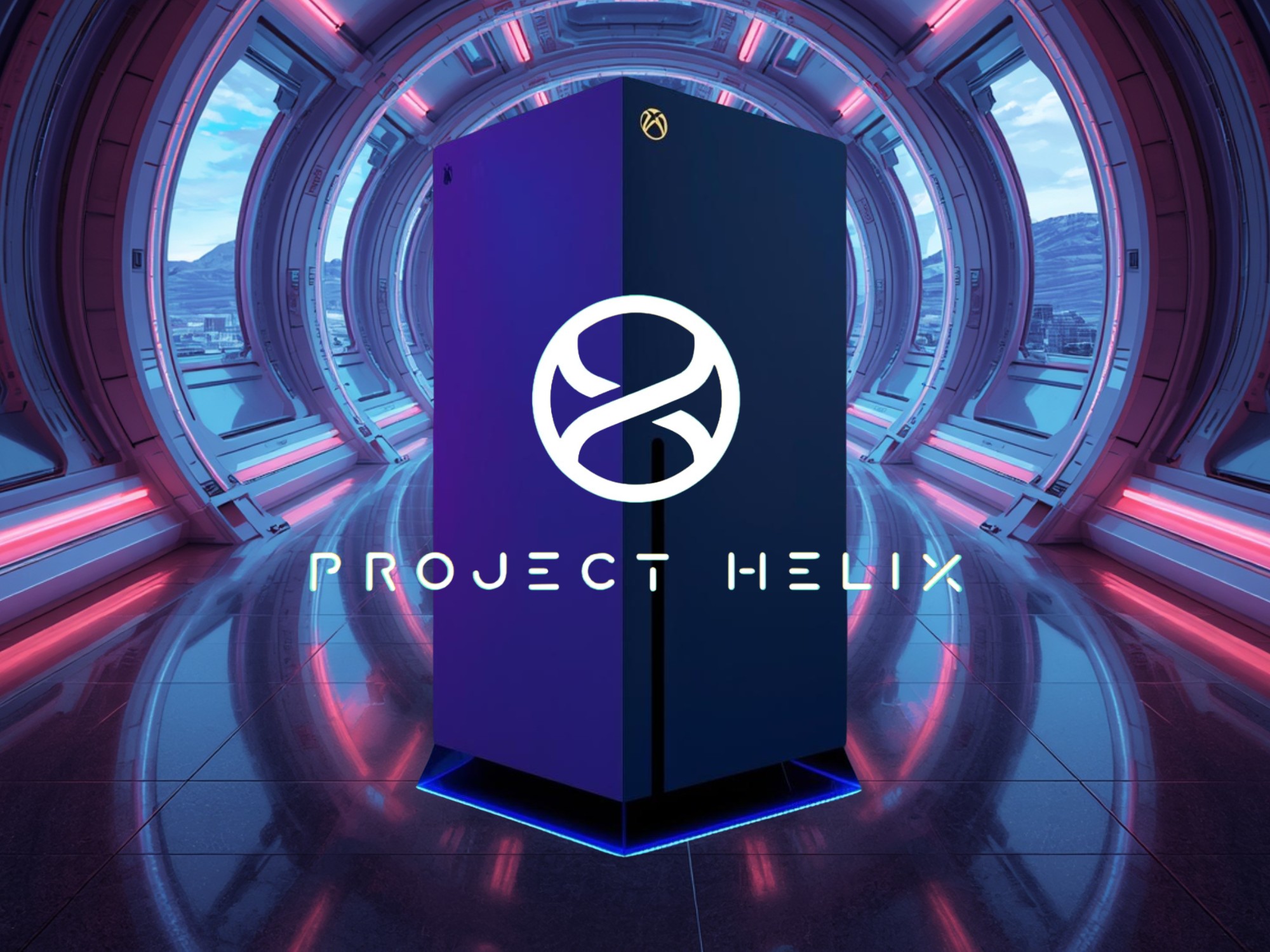
With the ongoing memory shortage, Xbox CEO Asha Sharma may struggle to keep first-party hardware affordable. That includes a new Xbox console, which could see a release date as early as 2027. During a Bloomberg Tech interview, Sharma explained that innovation could address concerns over the Project Helix price.
Does innovating mean crippling performance?
The Microsoft executive was asked whether gamers would recognize enough value in Project Helix to upgrade. Sharma argued that it would be expensive only “if we do not innovate.” She continued, “I don't think you can raise prices through the hardware crisis that we're seeing.”
Sharma noted how, in her first 100 days as Xbox CEO, memory and storage costs have risen dramatically. She also doesn’t expect demand from AI data centers to drop in the near term. Even so, over the next 100 days, the focus will be on keeping products affordable.
Gamers were horrified when the PS5 recently suffered another price hike. More relevant to Microsoft’s hybrid PC/console, the Steam Machine could sell for well over $1,000. There are fears that with superior specs, the Helix will stretch budgets even further.
Unfortunately, Sharma isn’t specific about what type of innovation would lower the Project Helix price. One option may be a streamlined version of the new Xbox console, as buyers saw with the Series S. Otherwise, leaks suggest that the standard configuration will include at least 36GB of unified GDDR7 memory. The inflated costs of SSDs will also make it difficult to achieve a reasonable MSRP.
Other Helix pricing concerns
Microsoft could lean heavily on the next generation of RDNA 5 upscaling. The rumored AMD FSR Diamond would harness AI and neural rendering to maximize a GPU’s capabilities. Nevertheless, it’s unclear how much memory or other specs developers could reduce before throttling performance.
Another issue is whether the company can subsidize the cost of the Helix as it did with past releases. An open ecosystem with competing storefronts makes that prospect challenging. As with Xbox exclusive games, the CEO may need to reevaluate those decisions or risk it becoming a niche product.
Source(s)
 Add as a preferred source on Google


