




Xbox creator criticizes Project Helix, while praising Steam and Nintendo consoles
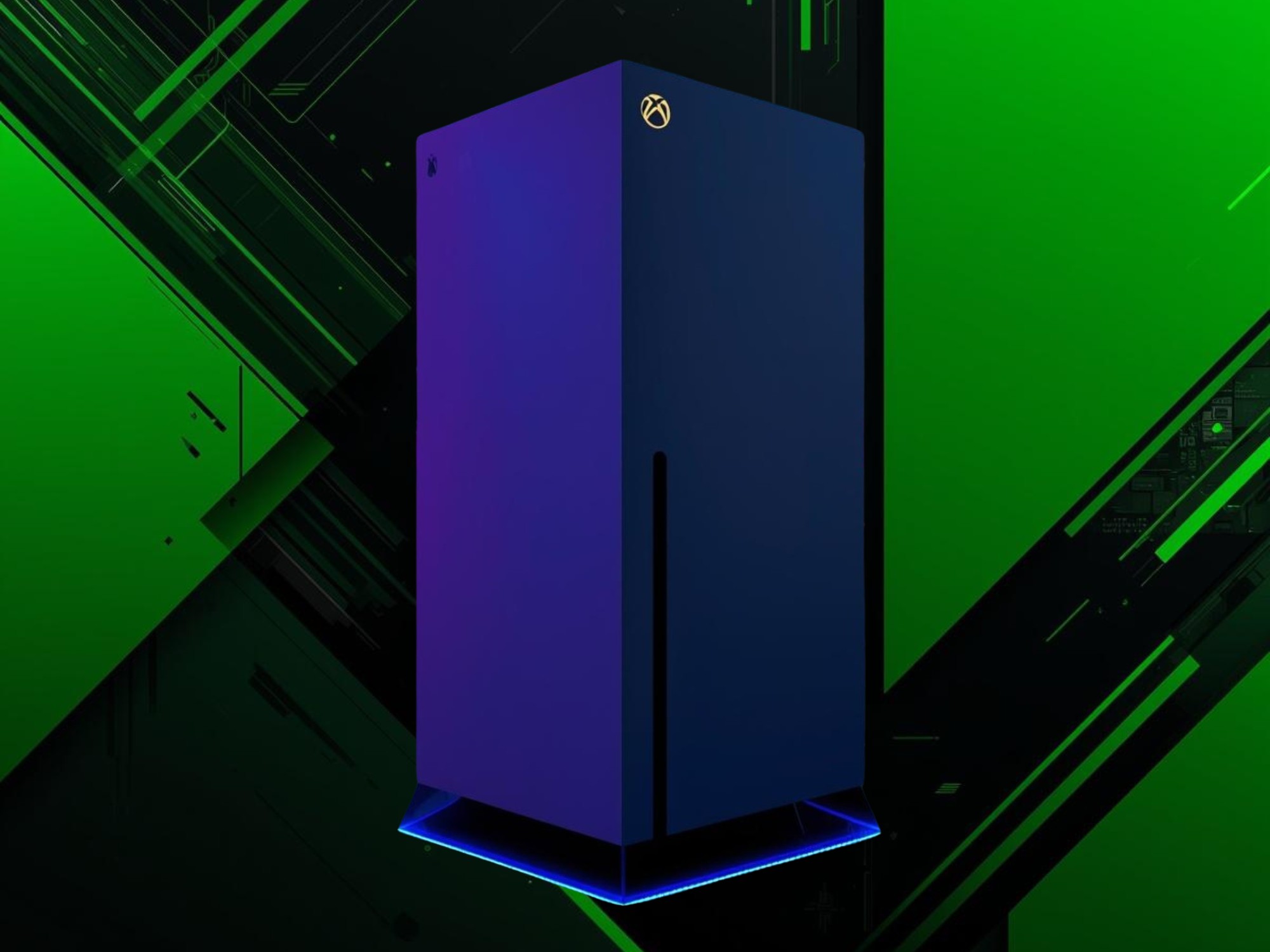
A mastermind of the original Xbox doesn’t have a high opinion of Project Helix. On an Expansion Pass podcast, Seamus Blackley explained why he is more enthusiastic about Microsoft’s rivals. Blackley admires Steam for being “relentlessly focused on cool games.” He also believes Nintendo hardware boasts the innovation missing from the new Xbox console.
During the conversation, Blackley addressed why Project Helix may not appeal to studios or gamers:
I don't know as a developer what I'm excited about, and I don't know as a gamer what I'm excited about. I am vastly more excited about Steam than about Helix as a gamer from a content standpoint, as I think everybody would be, or you know what Switch 3 is going to be.
The video game designer praises Valve, which has fostered a thriving gaming community. He admits that the company has taken risks that haven’t always paid off. The Steam Machine predecessor struggled, and the upcoming mini PC could meet the same fate. Nevertheless, its priority remains games and helping projects from small studios find audiences.
Blackley has kind words for another gaming giant, Nintendo. Its talent for developing original first-party games is undeniable. However, he thinks that Microsoft should learn from its approach to console design. Even systems that didn’t see mass adoption, like the Wii U, were “interesting and cool”.
Project Helix may struggle to find its niche
The original Xbox creator questions why buyers would be attracted to Project Helix. A podcast co-host noted that, unlike other alternatives, it promises compatibility with PC games. Still, Blackley labels that selling point a “hobbyist pitch” and says it wouldn’t entice gamers without a large library of titles.
While the new Xbox console can boast the versatility of a hybrid, the concept may confuse consumers. Blackley also argues that the hardware needs unique qualities to stand out from the competition. Exclusive games that take advantage of those features should be paramount. Yet, Microsoft appears more concerned with supporting software available on other platforms.
Not everyone involved with Microsoft’s first gaming system is as pessimistic about the Helix. In a recent interview, fellow creator Ed Fries noted that a console running Windows was a goal even in the late 1990s.
Source(s)
 Add as a preferred source on Google


