




Framework says DDR5 memory costs 'remain fairly stable' as it raises prices again
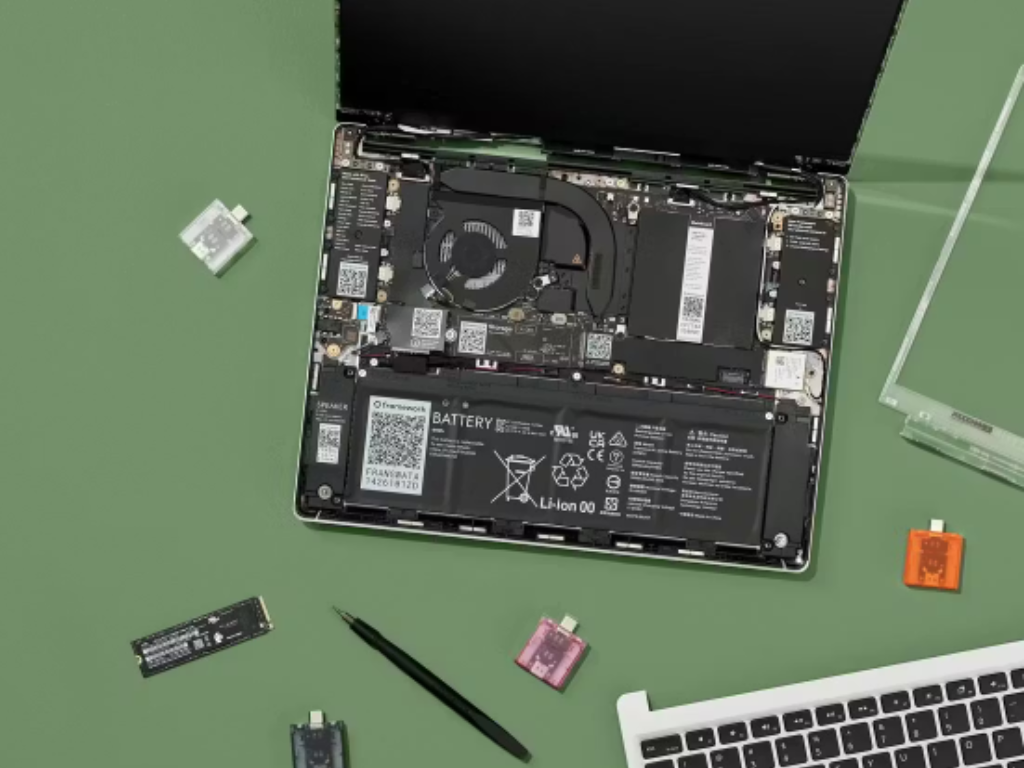
Framework, a brand known for its customization-friendly, upgradeable laptops and desktops designed for hardware longevity, has just taken one step forward and two steps back with its latest check-in update on component costs in today’s volatile tech industry.
The company shared some good news: DDR5 memory prices have held steady over the past few months. However, the bad news is that its cheaper SSD inventory from 2025 has dried up, and newer stock is coming in at much higher prices, which means that new customers are going to feel a pinch when upgrading storage or buying a new Framework Laptop 12, Framework Laptop 13 Pro, or Framework Laptop 16.
Framework justifies DDR5 memory price adjustments amid stable supplier costs and ongoing component shortages
On May 12, Framework laid out the "good news" first in its regular blog update, stating:
“We’ve seen memory costs from DDR5 suppliers remain fairly stable over the last few months. We consumed the inventory of 8GB memory that we had bought earlier at a lower cost and have had to adjust pricing upwards to reflect the costs of newly sourced modules. As we have gone through this memory crunch, we are only adjusting pricing as much as needed to cover increases in cost. For the other memory capacities, we’ve been able to hold prices at the same level as last month.”
SSD prices could surge again as NVMe inventory dries up
However, the price of SSDs, such as M.2 NVMe drives rated at PCIe Gen 4 and Gen 5 speeds, isn’t looking so great, as their prices have surged to triple or even quadruple their previous retail levels. Framework is now feeling the pressure as its storage inventory dries up, as the company explained in its blog post:
“For SSDs, the pricing story is unfortunately not as positive. Over the last few months, we’ve been able to keep our storage prices substantially below market by selling modules we had in inventory from 2025. We’ve now consumed much of that inventory across a number of different module capacities and are starting to bring in new inventory at costs that are multiple times higher.”
Framework continued:
“For this month, some of the prices are a weighted average of the cost of new and old inventory, and we expect that by next month, we will have depleted the older inventory for most capacities and will need to reprice fully to reflect the new costs.”
This isn’t surprising, given the volatile shifts in PC hardware trends. Nirav Patel previously said, “The price is what it is, unfortunately,” underscoring that smaller companies have little choice but to pass on rising supplier costs to consumers.
Framework has historically used Western Digital (now SanDisk) SSDs across its laptop and pre-built lineup, including the WD Black SN770 and WD Black SN850X.
To give a rough estimate of how storage prices have changed over the past 2 years, a 1 TB SN770 NVMe retailed for $100–$129, while a 1 TB SN850X (without a heatsink) retailed for $160.
Fast-forward to 2026, and the storage landscape has changed drastically. A used WD Black SN770 1 TB costs $200, while the high-performance SN850X 1TB currently hovers around $250 on Amazon.
 Add as a preferred source on Google


