




Framework warns of further laptop price increases as DDR5 RAM costs surge while announcing a 'further price adjustment' a week after its last hike
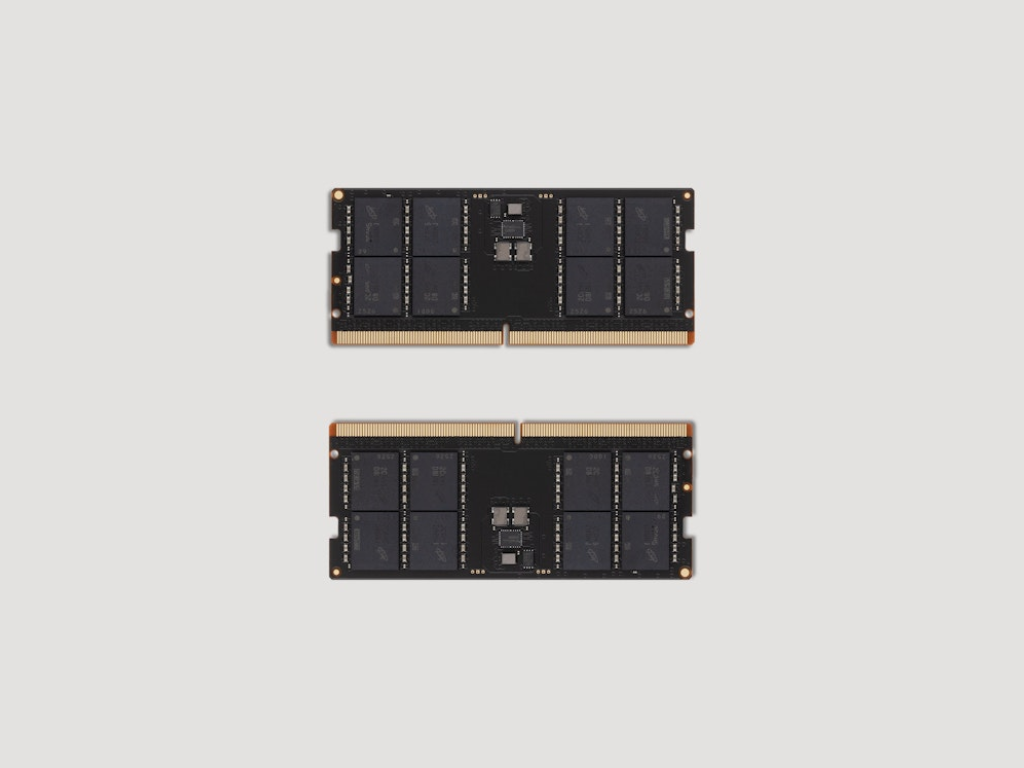
The surging cost of memory and RAM in the tech industry is buckling not only customers but also laptop manufacturers. Recently, Framework, the laptop company renowned for its highly modular and repairable laptops, announced another price 'adjustment' on DDR5 memory modules. This is the third price revision in a fortnight, with the last one being reported just a week ago. The company has gone so far as to advise customers to opt for their own DDR5 memory modules or check online for better deals or discounts.
In its latest update (Dec 24th) on the Framework Blog, Framework is increasing the cost of its laptops to reflect weighted-average supplier cost increases.
Rates are subject to a $10-per-gigabyte fee for 8GB, 16GB, and 32GB modules, with a slightly higher rate for 48GB memory sticks. This follows a 50% increase in memory prices in early December, when the company stopped selling individual memory modules to curb scalping.
To help customers, Framework is urging customers to buy their DIY Edition laptops and bring their own memory modules if they can find better deals elsewhere. The company is even planning to overhaul its online configurators to include a direct link to PCPartPicker. To avoid any incompatibility issues, the company also listed a knowledge base of tested memory modules.
To put things into perspective, that is still cheaper than what consumers typically pay at retail. The company has reiterated this, stating it is only passing on what’s essential from its suppliers and distributors, without accounting for any profits for itself.
Framework’s price bump announcement comes amid ongoing global RAM shortages, supply chain disruptions, and increased enterprise-level demand for servers and AI data centers, which consume vast amounts of high-capacity memory.
This move is affecting companies like Framework, which has been transparent about the whole crisis and is advising customers to shop for their own RAM and score better deals if they can.
Framework warns that further price hikes are possible and could occur as early as January. Storage prices have also surged sharply and are expected to follow the same pattern as memory modules.
All in all, Framework trying to “frame” itself as the good guy in the laptop world by being transparent about the worrisome RAM and memory crisis could earn it a lot of goodwill with cash-strapped consumers, even as it promises customers it will drop prices as soon as supplier costs ease.
Source(s)
 Add as a preferred source on Google


