




Intel Core i3-1115G4 vs Intel Processor N200 vs Intel Core i5-1145G7
Intel Core i3-1115G4
► remove from comparison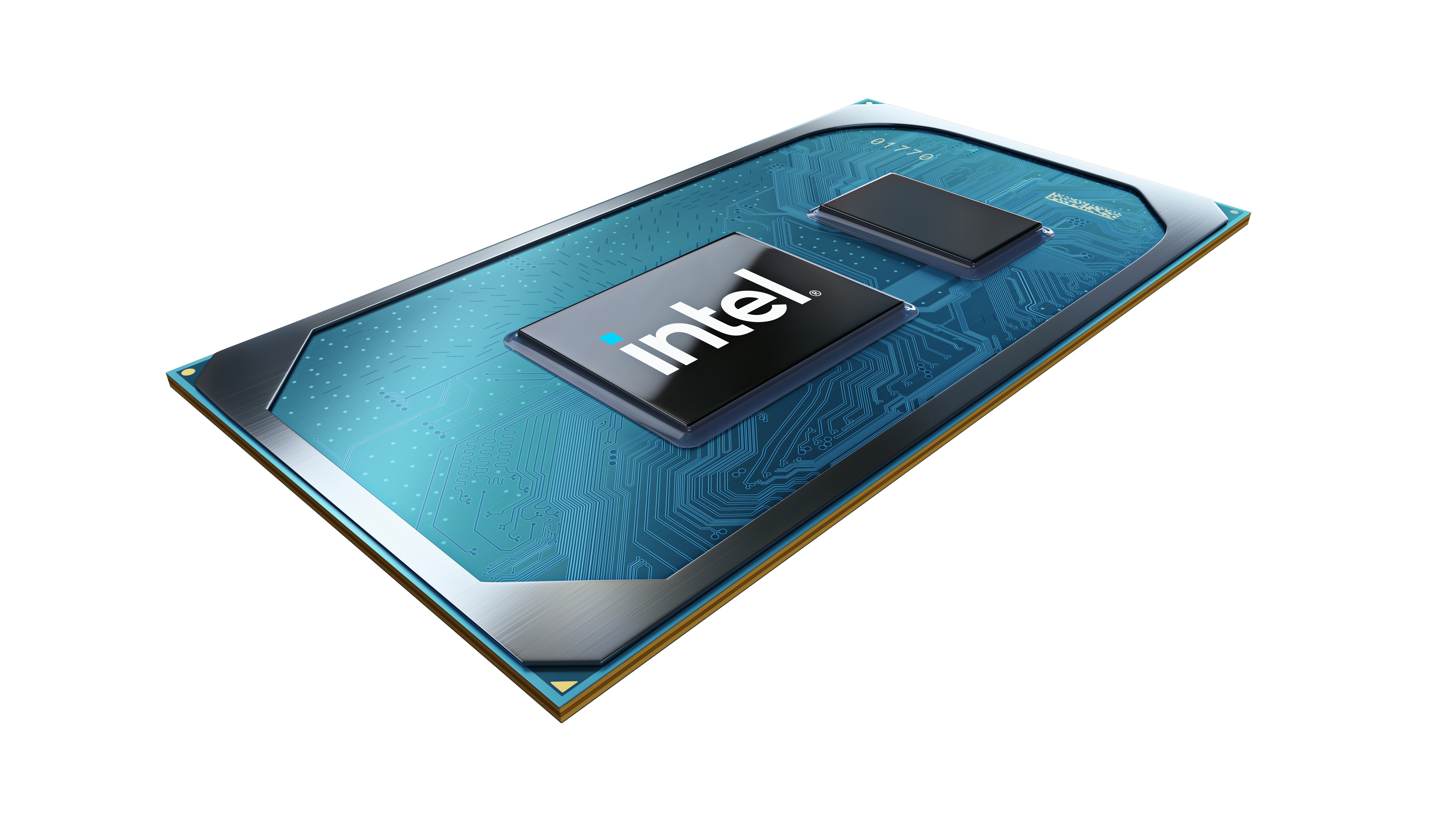
The Intel Core i3-1115G4 is a dual-core SoC for laptops and Ultrabooks based on the Tiger Lake-U generation (UP3) that was launched in September 2020. It integrates two Willow Cove processor cores (4 threads thanks to HyperThreading). Each core can clock from 3 GHz (base speed) to 4.1 GHz (single- and dual-core boost). The faster Core i5 and i7 models offer more cores and are therefore significantly faster.
Another novelty is the integrated Xe graphics card based on the completely new Gen 12 architecture. In the i3-1115G4 Intel is naming the GPU UHD Graphics and offers only 48 of the 96 EUs clocked at 400 - 1250 MHz. GPU and CPU can together use the 6 MB of L3 cache.
Furthermore, Tiger Lake SoCs add PCIe 4 support (four lanes), AI hardware acceleration, and the partial integration of Thunderbolt 4 / USB 4 and WiFi 6 in the chip.
The chip is produced on the second-gen 10 nm Intel SuperFin process that should be comparable to the 7 nm TSMC process (e.g. Ryzen 4000 series).
Performance
Multi-thread peformance is most comparable to what the Intel Core i5-8250U and the AMD Ryzen 5 3450U deliver. This makes the i3 a more than decent option for day-to-day tasks; that said, any workload of the more taxing kind (such as exporting a high-bitrate, hour long UHD video) will be enough to bring the i3 to its knees.
Thanks to its decent cooling solution and a long-term CPU power limit of 25 W, the ThinkPad L15 G2-20X4S0KU00 is one of the fastest laptops powered by the 1115G4 we know of. It can be more than 20% faster in CPU-bound workloads than the slowest system featuring the same chip in our database, as of August 2023.
Power consumption
This Core i3 series chip has a default TDP of 12 W to 28 W, the expectation being that laptop makers will go for a higher value in exchange for higher performance. Either way, that's a tad too high to allow for passively cooled laptops, tablets, mini-PCs.
The Core i3-1115G4 is built with Intel's third-gen 10 nm process marketed as SuperFin for decent, as of mid 2022, energy efficiency.
Intel Processor N200
► remove from comparison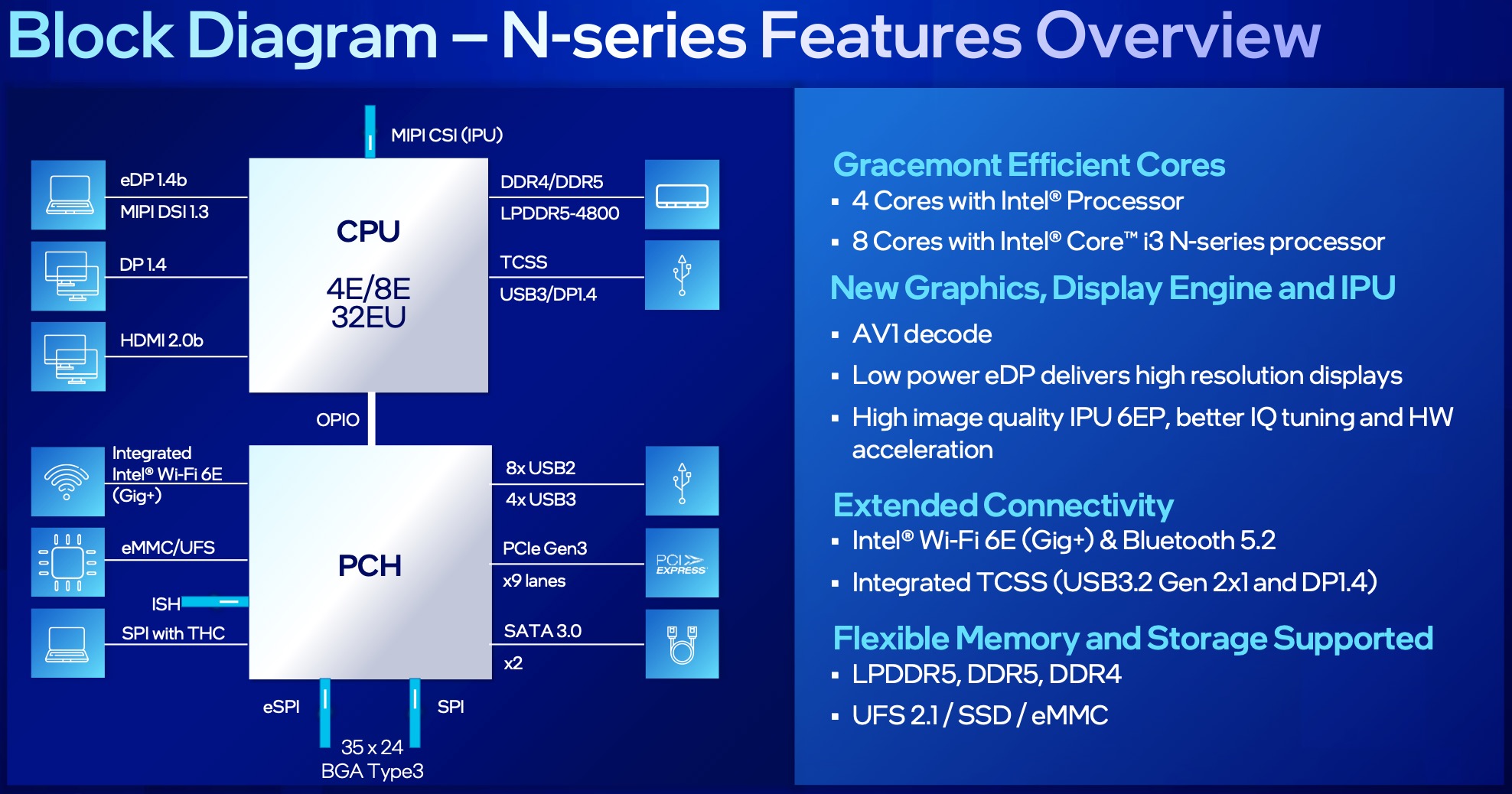
The Intel Processor N200 is an entry-level mobile CPU for thin and light laptops from the Alder Lake-N series. It was announced in early 2023 and offers no performance cores and 4 of the 8 efficient cores (E-cores, Gracemont architecture). The chip does not support HyperThreading and clocks with up to 3.7 GHz. The performance of the E-cores should be similar to old Skylake cores (compare to the Core i7-6700HQ). All cores can use up to 6 MB L3-cache.
Performance
The performance is clearly lower than the Core i3-N300 and N305 due to the reduced core count. Compared to older processors, the N200 should be similar to a Core i5-8250U (4 cores with HyperThreading, 3.4 GHz, 15W) when the power limit is not restricting performance.
Features
The Alder Lake-N chips only support single channel memory with up to DDR5-4800, DDR4-3200 or LPDDR5-4800. The chip also supports Quick Sync and AV1 decoding (most likely same engine as in Alder Lake). Furthermore, Wi-Fi 6E and Bluetooth 5.2 are partly integrated (but no Thunderbolt). External chips can be connected via PCIe Gen3 x9 (via the PCH).
The integrated graphics adapter is based on the Xe-architecture and offersall 32 EUs (Execution Units) operating at only 450 - 750 MHz. Due to the single channel memory, low clock speeds and low shader count, the gaming performance of the iGPU is very limited.
Power consumption
The N200 has a base power consumption of only 6 W and is therefore suited for fanless cooling. The CPU is built with a further improved 10nm SuperFin process at Intel (called Intel 7).
Intel Core i5-1145G7
► remove from comparisonThe Intel Core i5-1145G7 is a power efficient quad-core SoC for laptops and Ultrabooks based on the Tiger Lake-U generation that was announced early 2021. It integrates four Willow Cove processor cores (8 threads thanks to HyperThreading). The base clock speed depends on the TDP settings and ranges from 1.1 GHz (12 Watt TDP) up to 2.6 GHz (28 Watt). The Boost is always specified at 4.4 GHz (one or two cores).
Another novelty is the integrated Xe graphics card with 80 EUs based on the completely new Gen 12 architecture. It offers a significantly higher performance compared to the older Iris Plus G7 (Ice Lake).
Furthermore, Tiger Lake SoCs add PCIe 4 support (4 lanes), AI hardware acceleration, and the partial integration of Thunderbolt 4 / USB 4 and Wifi 6 in the chip. In addition to this, the i5 supports vPro for easy remote management.
The chip is produced on the improved 10nm SuperFin process at Intel that should be comparable to the 7nm process at TSMC (e.g. Ryzen 4000 series).
All articles on Tiger Lake can be found on our Tiger Lake architecture hub.
| Model | Intel Core i3-1115G4 | Intel Processor N200 | Intel Core i5-1145G7 | ||||||||||||||||||||||||||||||||||||||||||||||||||||||||||||||||||||||||||||||||||||||||||||
| Codename | Tiger Lake-UP3 | Alder Lake-N | Tiger Lake-UP3 | ||||||||||||||||||||||||||||||||||||||||||||||||||||||||||||||||||||||||||||||||||||||||||||
| Series | Intel Tiger Lake | Intel Alder Lake-N | Intel Tiger Lake | ||||||||||||||||||||||||||||||||||||||||||||||||||||||||||||||||||||||||||||||||||||||||||||
| Series: Tiger Lake Tiger Lake-UP3 |
|
|
| ||||||||||||||||||||||||||||||||||||||||||||||||||||||||||||||||||||||||||||||||||||||||||||
| Clock | 3000 - 4100 MHz | 1000 - 3700 MHz | 2600 - 4400 MHz | ||||||||||||||||||||||||||||||||||||||||||||||||||||||||||||||||||||||||||||||||||||||||||||
| L1 Cache | 160 KB | 320 KB | |||||||||||||||||||||||||||||||||||||||||||||||||||||||||||||||||||||||||||||||||||||||||||||
| L2 Cache | 2.5 MB | 5 MB | |||||||||||||||||||||||||||||||||||||||||||||||||||||||||||||||||||||||||||||||||||||||||||||
| L3 Cache | 6 MB | 6 MB | 8 MB | ||||||||||||||||||||||||||||||||||||||||||||||||||||||||||||||||||||||||||||||||||||||||||||
| Cores / Threads | 2 / 4 | 4 / 4 4 x 3.7 GHz Intel Crestmont E-Core | 4 / 8 | ||||||||||||||||||||||||||||||||||||||||||||||||||||||||||||||||||||||||||||||||||||||||||||
| TDP | 28 Watt | 6 Watt | 28 Watt | ||||||||||||||||||||||||||||||||||||||||||||||||||||||||||||||||||||||||||||||||||||||||||||
| Technology | 10 nm | 10 nm | 10 nm | ||||||||||||||||||||||||||||||||||||||||||||||||||||||||||||||||||||||||||||||||||||||||||||
| max. Temp. | 100 °C | 105 °C | 100 °C | ||||||||||||||||||||||||||||||||||||||||||||||||||||||||||||||||||||||||||||||||||||||||||||
| Socket | BGA1449 | BGA1449 | |||||||||||||||||||||||||||||||||||||||||||||||||||||||||||||||||||||||||||||||||||||||||||||
| Features | DDR4-3200/LPDDR4x-3733 RAM, PCIe 4, 4 GT/s bus, DL Boost, GNA, MMX, SSE, SSE2, SSE3, SSSE3, SSE4.1, SSE4.2, AVX, AVX2, AVX-512, BMI2, ABM, FMA, ADX, VMX, SMEP, SMAP, EIST, TM1, TM2, HT, Turbo, SST, AES-NI, RDRAND, RDSEED, SHA | DDR4-3200/LPDDR4x-4266 RAM, PCIe 4, 4 GT/s bus, DL Boost, GNA, vPro, MMX, SSE, SSE2, SSE3, SSSE3, SSE4.1, SSE4.2, AVX, AVX2, AVX-512, BMI2, ABM, FMA, ADX, VMX, SMX, SMEP, SMAP, EIST, TM1, TM2, HT, Turbo, SST, AES-NI, RDRAND, RDSEED, SHA, TME | |||||||||||||||||||||||||||||||||||||||||||||||||||||||||||||||||||||||||||||||||||||||||||||
| iGPU | Intel UHD Graphics Xe G4 48EUs (400 - 1250 MHz) | Intel UHD Graphics Xe 750 32EUs (Rocket Lake) (450 - 750 MHz) | Intel Iris Xe Graphics G7 80EUs (400 - 1300 MHz) | ||||||||||||||||||||||||||||||||||||||||||||||||||||||||||||||||||||||||||||||||||||||||||||
| Architecture | x86 | x86 | x86 | ||||||||||||||||||||||||||||||||||||||||||||||||||||||||||||||||||||||||||||||||||||||||||||
| Announced | |||||||||||||||||||||||||||||||||||||||||||||||||||||||||||||||||||||||||||||||||||||||||||||||
| Manufacturer | ark.intel.com | ark.intel.com | ark.intel.com |
Benchmarks

Average Benchmarks Intel Core i3-1115G4 → 100% n=44
Average Benchmarks Intel Processor N200 → 61% n=44
Average Benchmarks Intel Core i5-1145G7 → 146% n=44
 - Average benchmark values for this graphics card
* Smaller numbers mean a higher performance
1 This benchmark is not used for the average calculation


 Add as a preferred