




Zelda: Ocarina of Time remake is 1080p/60 fps, but no DLSS hurts performance, says analysis
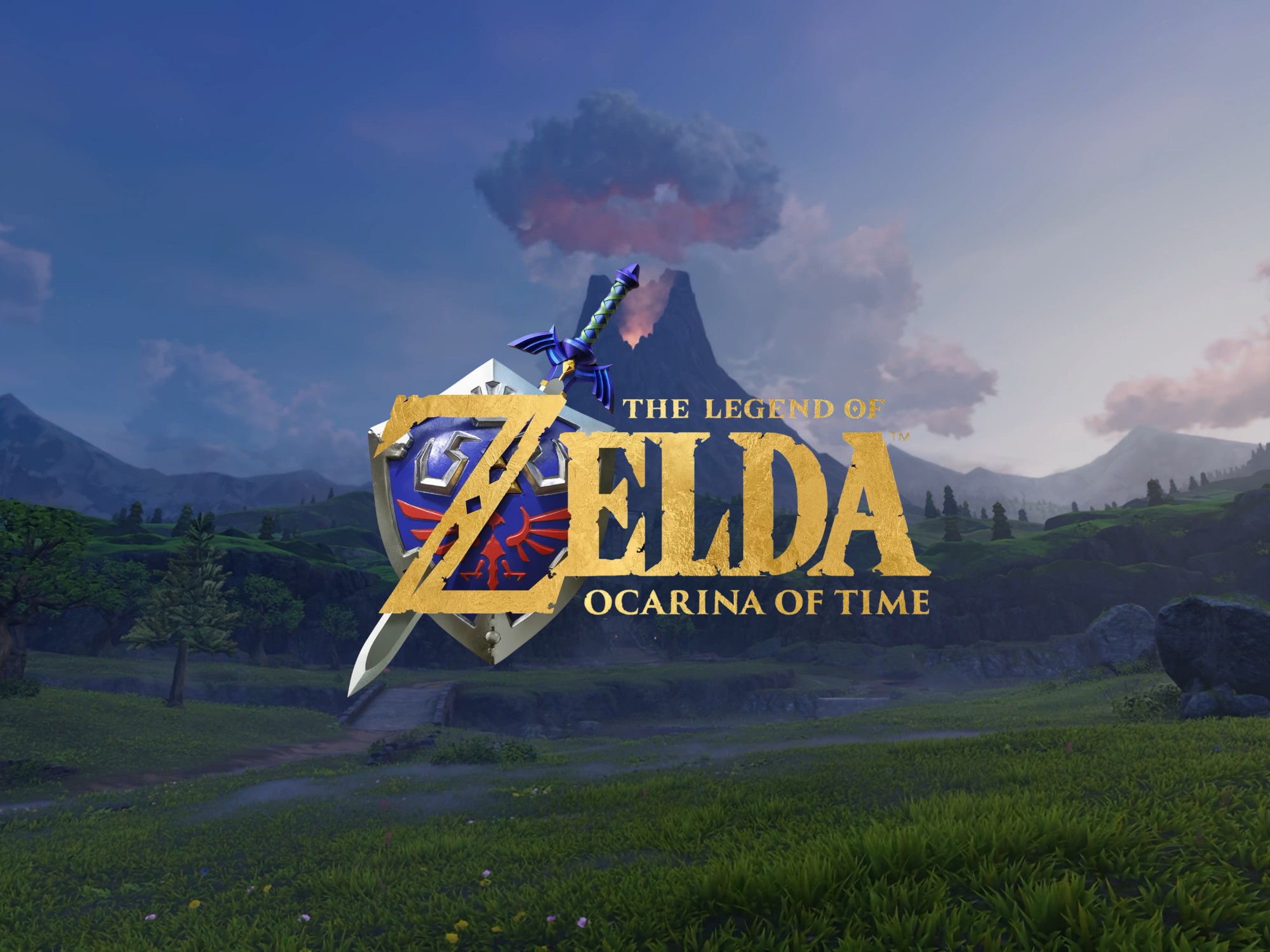
Following the Nintendo Direct, Digital Foundry has shared impressions of the Zelda: Ocarina of Time remake performance. The YouTube analysis finds that during gameplay, visuals run at 1080p and 60 fps. While impressed with the Switch 2 game, the site believes DLSS upscaling would have improved image quality.
Who is helping Nintendo?
After recognizing signs of Unreal Engine 5, some viewers speculated that Nintendo had embraced the technology. However, Oliver Mackenzie attributes the graphics to an in-house solution or a partner’s engine. Monolith Soft, which assisted the company with Zelda games like Tears of the Kingdom, is a likely candidate.
Digital Foundry previewed the performance players can expect on the Ocarina of Time remake release date. If the Nintendo Direct trailer is any indication, docked and possibly handheld modes will max out at a native 1080p. The exception is with menus, where the site found the presentation rendered at 1440p.
Evidence suggests fans can anticipate fluid 60 fps visuals as they explore Hyrule. This target may have been realistic because of better optimization than Unreal Engine 5 offers. The higher frame rate represents the biggest leap over previous Zelda games. Breath of the Wild and Tears of the Kingdom both rendered at 30 fps on the original handheld.
No DLSS is a miss
On the other hand, Digital Foundry again laments the lack of DLSS in first-party Switch 2 games. Nvidia’s upscaling could have addressed image-quality issues that detract from Ocarina of Time performance. The graphics often look oversharpened, especially at a lower 1080p resolution.
Mackenzie’s co-caster John Linneman agrees that, especially in close-ups, Link appears overly shiny. The open-world areas are also plagued by shimmering foliage that a basic DLSS implementation would have minimized.
Despite some drawbacks, the YouTubers are anxious to see more footage before the November 5th Ocarina of Time remake release date. It’s unclear whether the Switch 2’s handheld mode will affect otherwise steady frame rates.
 Add as a preferred source on Google


