




Saros PS5 Pro performance revealed, but upgrades for enhanced game may disappoint
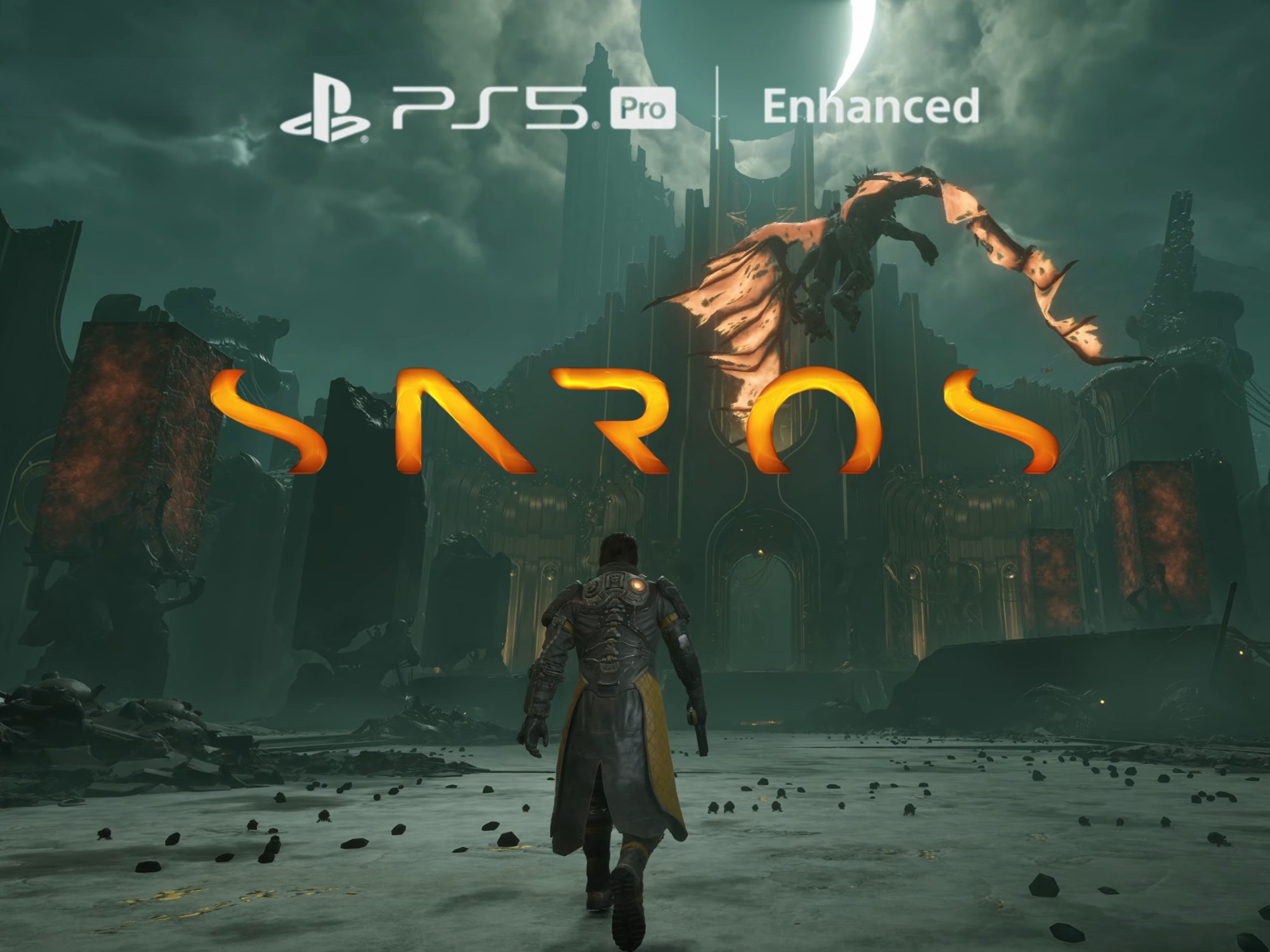
Improved PSSR upscaling has bolstered the most powerful PlayStation console. Housemarque’s upcoming sci-fi action title will also take advantage of the feature on its April 30th release date. However, other Saros PS5 Pro upgrades may fall short of expectations.
Resolution takes priority over frame rate
On the PlayStation Blog, fans learned more about the performance of the enhanced game. While short on specifics, the developers have boosted the base resolution on the PS5 Pro. Once the revamped PSSR takes effect, they promise graphics with near-native 4K quality.
The good news is that in the Saros PS5 Pro version, exploration and battles should run at a steady 60 fps. Unfortunately, cinematics are at half that target frame rate. According to the studio, they are aiming for “quality over quantity” and to “render the high quality characters, lighting and postprocessing at peak resolution.”
Early opinions are split on how impactful the drop to 30 fps will be. On one subreddit, Mariusdotdev called the decision “BS”, claiming that “no one wants 30 fps in cinematics.” During fast-paced gameplay, the transition can seem jarring. Still, other posters argue that it will help preserve the film-like nature of the cutscenes.
No 120Hz mode for the Saros PS5 Pro release?
Like Returnal, the latest Housemarque project unleashes blistering, bullet-hell-inspired shooting action. Timing is crucial, which is why some players were hoping for a higher refresh rate mode. Sadly, the PlayStation Blog makes no mention of a 120Hz option, even with reduced image clarity.
Recent PS5 Pro enhanced games like Crimson Desert and Starfield let players prioritize frame rate, visual fidelity, or ray tracing. At least on the Saros release date, players may not have the same flexibility to tweak performance.
Since the price increase, the console may need to justify its high cost with clever optimization. Saros should benefit from its capabilities, but shares many features with the less expensive system. The article also focuses on how 3D audio and DualSense advanced haptics add immersion.
Source(s)
 Add as a preferred source on Google


