




AMD Ryzen 7 4980U vs Intel Core i7-1185G7
AMD Ryzen 7 4980U
► remove from comparison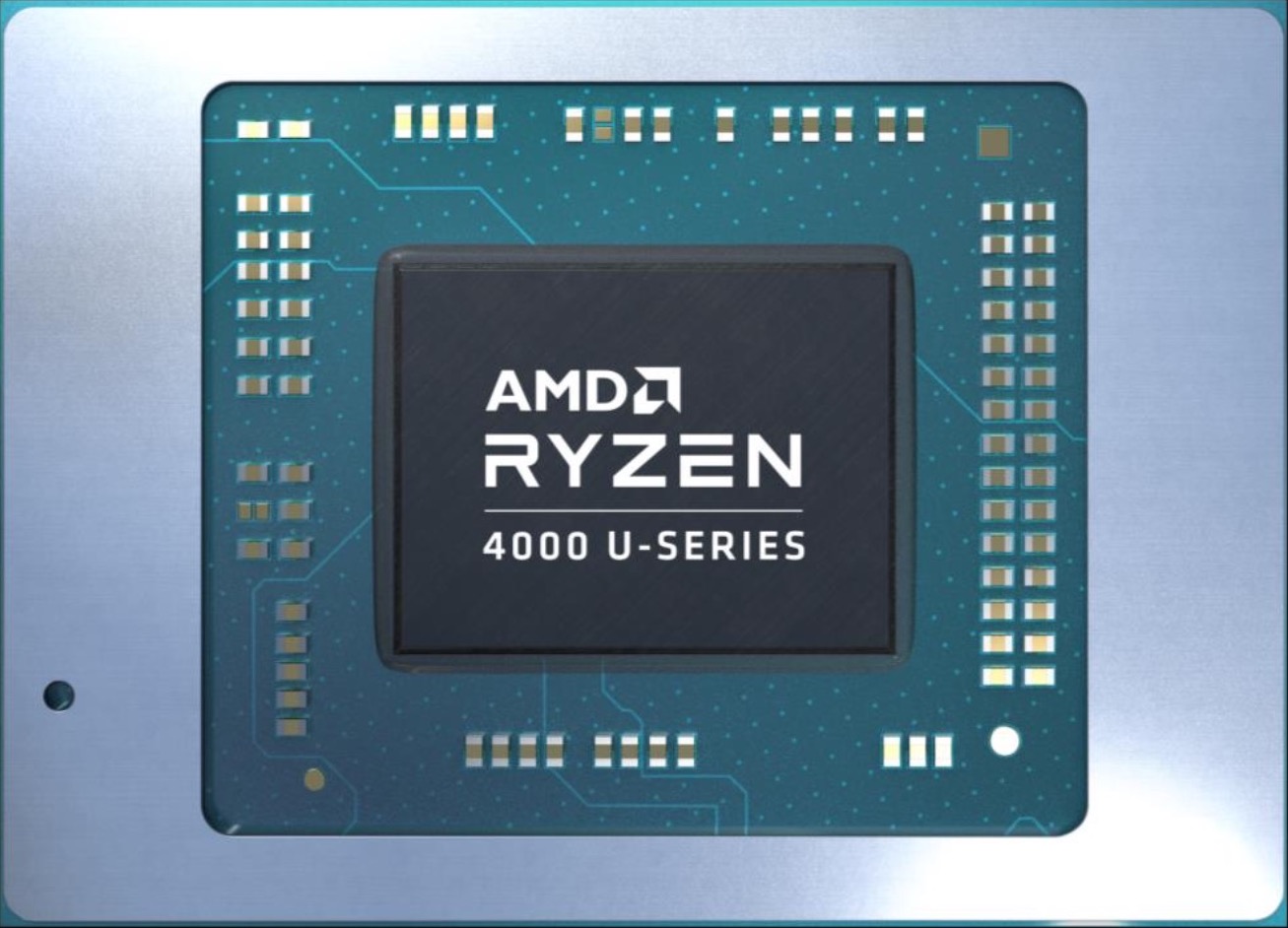
The AMD Ryzen 7 4980U is a Renoir family processor designed for certain Microsoft Surface systems. 4980U has eight Zen 2 cores clocked at 2.0 GHz (base clock speed) to 4.4 GHz (Boost) with thread-doubling SMT tech enabled for a total of 16 threads. The chip is manufactured on the modern 7 nm TSMC process and partly thanks to that AMD promises a 2x improvement in performance-per-Watt over Ryzen 3000 series mobile CPUs.
Architecture
The Zen 2 microarchitecture has brought a sizeable per-thread performance boost compared to the outgoing Zen+ parts. Renoir product family is also the first to introduce 8-core ULV processors to laptop market, keeping power consumption within reasonable limits. This AMD processor family is very impressive from most perspectives. One of the disatvantages to keep in mind is the lack of PCI-Express 4 support, meaning these blazing-fast NVMe SSDs will be limited to 3.9 GB/s tops.
Ryzen 7 4980U is designed to work with quad-channel LPDDR4 memory at up to 4,267 MHz. 8 MB of Level 3 are present in this chip. The Ryzen 7 gets soldered straight to the motherboard (FP6 socket) and is thus not user-replaceable. Please go to our Renoir hub page for more information on the product family.
Performance
The 4980U is the fastest U-class Ryzen 4000 series chip. As such, its clock speeds are 200 MHz higher (both the base one and Boost one) than what the Ryzen 7 4800U has.
It is thus hardly surprising that the average 4980U in our database is in the same league as the Ryzen 7 5800U and also the Core i7-1260P, as far as multi-thread benchmark scores are concerned.
Graphics
In addition to its eight CPU cores, the Ryzen 7 also features the Radeon RX Vega 8 graphics adapter with 8 CUs (= 512 shaders) at up to 1,950 MHz. This iGPU is compatible with FreeSync and DirectX 12 and is able to HW-decode AVC, HEVC, VP9-encoded videos (no AV1 support here). Vega 8 is capable of outputting UHD 2160p60 video signal to several monitors and, similar to Intel's Iris Xe (80 EUs), is good enough for a bit of light gaming on the go, provided one is content with sub-1080p resolutions and low/medium quailty presets.
Power consumption
The APU has a default TDP, also known as the long-term power limit, of 15 W; much like it is with other U-class Ryzen 4000 chips, AMD is fine with laptop makers (Microsoft, in this case) changing that value to anything between 10 W and 25 W.
The 7 nm TSMC process this Ryzen 7 is built with makes for above average, as of mid 2022, energy efficiency.
Intel Core i7-1185G7
► remove from comparison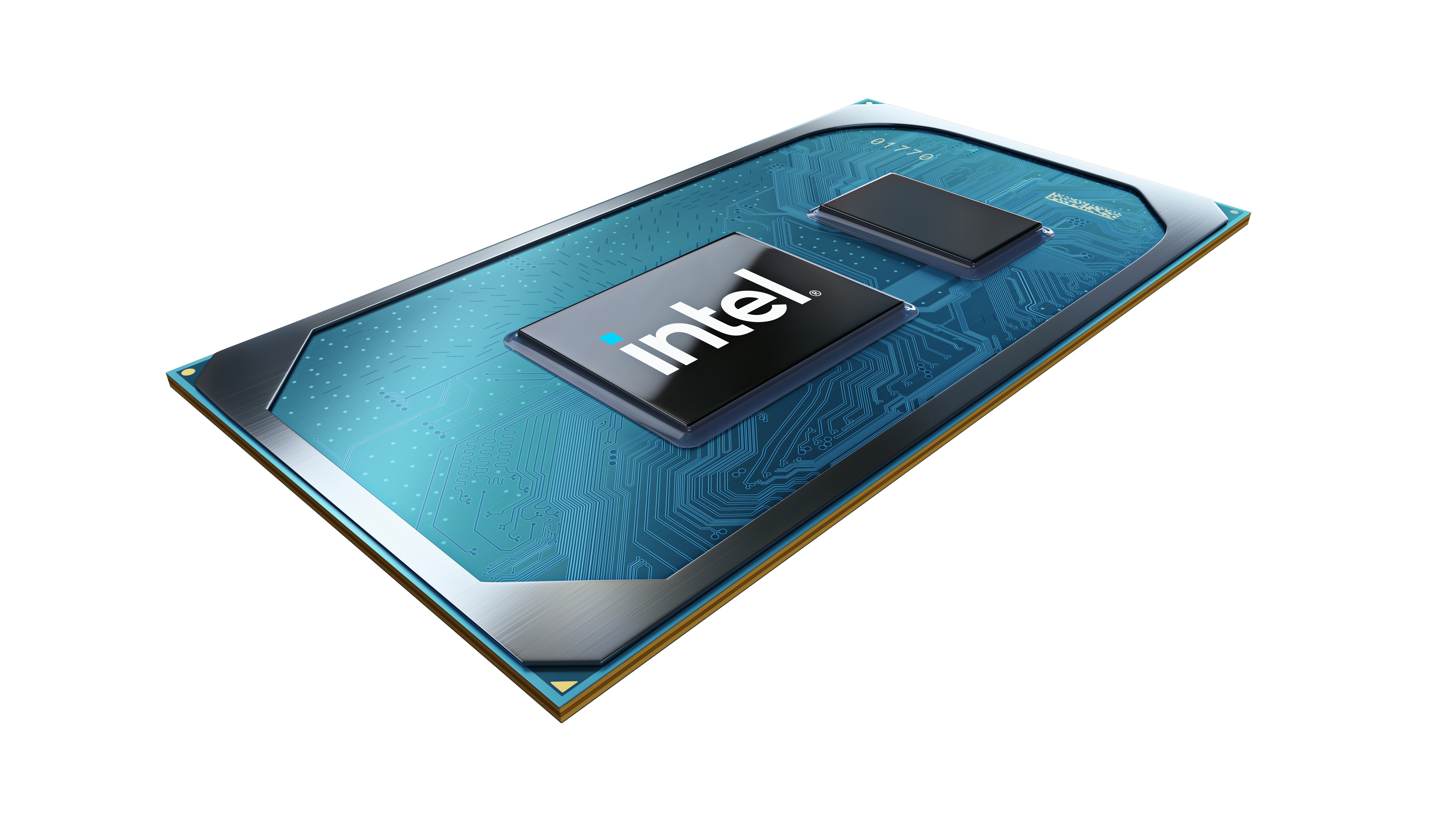
The Intel Core i7-1185G7 is a power-efficient quad-core SoC for laptops and Ultrabooks based on the Tiger Lake-U generation (UP3) that was introduced September 2020. It integrates four Willow Cove processor cores (8 threads thanks to Hyper-Threading). Each core can clock from 1.2 GHz (12 W base clock speed), 3 GHz (28 W base clock speed) to 4.8 GHz (single-core boost). All cores at once can clock at up to 4.3 GHz. At the time of announcement, the i7-1185G7 is the fastest model of the line-up. Since early 2021, the i7-1185G7 supports management features like vPro.
Another novelty is the integrated Iris Xe iGPU based on the completely new Gen 12 architecture. It should offer a significantly higher performance compared to the older Iris Plus G7 (Ice Lake). In the i7-1185G7 it uses 96 EUs and clocks between 400 - 1,350 MHz. The GPU and CPU can together use the 12 MB of L3 cache.
Furthermore, Tiger Lake SoCs add PCIe 4 support (four lanes), AI hardware acceleration, and the partial integration of Thunderbolt 4/USB 4 and Wi-Fi 6 in the chip.
Performance
The average 1185G7 in our database is just as fast as AMD's hexa-core Ryzen 5 4500U, as far as multi-thread benchmark scores are concerned. While the i7 is not the fastest Tiger Lake chip by any stretch of imagination, it's more than usable for your productivity and creative apps, with a bit of gaming possible as well.
Thanks to its decent cooling solution and a long-term CPU power limit of 55 W, the Stealth 15M A11SEK is among the fastest laptops powered by the 1185G7 that we know of. It can be almost twice as fast in CPU-bound workloads as the slowest system featuring the same chip in our database, as of August 2023.
Power consumption
This little Core i7 here has a default TDP of 12 W to 28 W, the expectation being that laptop manufacturers will go for a higher value in exchange for higher performance. Either way, that's a tad too high to allow for passively cooled designs.
The chip is manufactured on Intel's third-gen 10 nm process marketed as SuperFin for average, as of late 2022, energy efficiency.
| Model | AMD Ryzen 7 4980U | Intel Core i7-1185G7 | ||||||||||||||||||||||||||||||||||||||||||||||||||||||||||||
| Codename | Renoir-U (Zen 2) | Tiger Lake-UP3 | ||||||||||||||||||||||||||||||||||||||||||||||||||||||||||||
| Series | AMD Renoir (Ryzen 4000 APU) | Intel Tiger Lake | ||||||||||||||||||||||||||||||||||||||||||||||||||||||||||||
| Series: Tiger Lake Tiger Lake-UP3 |
|
| ||||||||||||||||||||||||||||||||||||||||||||||||||||||||||||
| Clock | 2000 - 4400 MHz | 3000 - 4800 MHz | ||||||||||||||||||||||||||||||||||||||||||||||||||||||||||||
| L1 Cache | 512 KB | 320 KB | ||||||||||||||||||||||||||||||||||||||||||||||||||||||||||||
| L2 Cache | 4 MB | 5 MB | ||||||||||||||||||||||||||||||||||||||||||||||||||||||||||||
| L3 Cache | 8 MB | 12 MB | ||||||||||||||||||||||||||||||||||||||||||||||||||||||||||||
| Cores / Threads | 8 / 16 | 4 / 8 | ||||||||||||||||||||||||||||||||||||||||||||||||||||||||||||
| TDP | 15 Watt | 28 Watt | ||||||||||||||||||||||||||||||||||||||||||||||||||||||||||||
| Technology | 7 nm | 10 nm | ||||||||||||||||||||||||||||||||||||||||||||||||||||||||||||
| max. Temp. | 105 °C | 100 °C | ||||||||||||||||||||||||||||||||||||||||||||||||||||||||||||
| Socket | FP6 | BGA1449 | ||||||||||||||||||||||||||||||||||||||||||||||||||||||||||||
| Features | LPDDR4-4266 RAM, PCIe 3, MMX, SSE, SSE2, SSE3, SSSE3, SSE4A, SSE4.1, SSE4.2, AVX, AVX2, BMI2, ABM, FMA, ADX, SMEP, SMAP, SMT, CPB, AES-NI, RDRAND, RDSEED, SHA | DDR4-3200/LPDDR4x-4266 RAM, PCIe 4, 4 GT/s bus, DL Boost, GNA, MMX, SSE, SSE2, SSE3, SSSE3, SSE4.1, SSE4.2, AVX, AVX2, AVX-512, BMI2, ABM, FMA, ADX, VMX, SMX, SMEP, SMAP, EIST, TM1, TM2, HT, Turbo, SST, AES-NI, RDRAND, RDSEED, SHA, TME | ||||||||||||||||||||||||||||||||||||||||||||||||||||||||||||
| iGPU | AMD Radeon RX Vega 8 (Ryzen 4000/5000) ( - 1950 MHz) | Intel Iris Xe Graphics G7 96EUs (400 - 1350 MHz) | ||||||||||||||||||||||||||||||||||||||||||||||||||||||||||||
| Architecture | x86 | x86 | ||||||||||||||||||||||||||||||||||||||||||||||||||||||||||||
| Announced | ||||||||||||||||||||||||||||||||||||||||||||||||||||||||||||||
| Manufacturer | www.amd.com | ark.intel.com |
Benchmarks

Average Benchmarks AMD Ryzen 7 4980U → 100% n=26
Average Benchmarks Intel Core i7-1185G7 → 101% n=26
 - Average benchmark values for this graphics card
* Smaller numbers mean a higher performance
1 This benchmark is not used for the average calculation


 Add as a preferred