




From Crosshair to the Ally: Asus ROG posts an impressive growth story in India following 20 years of innovations
Twenty years, sharper numbers.
Asus ROG’s 20th anniversary at Computex 2026 marked two decades of gaming innovation across motherboards, laptops, graphics cards, handhelds, and high-refresh-rate displays. The company also detailed its rapid expansion in India, where broader retail reach, community engagement, local production, and simultaneous global launches have helped lift its share among the country's gaming audience.Vaidyanathan Subramaniam Published
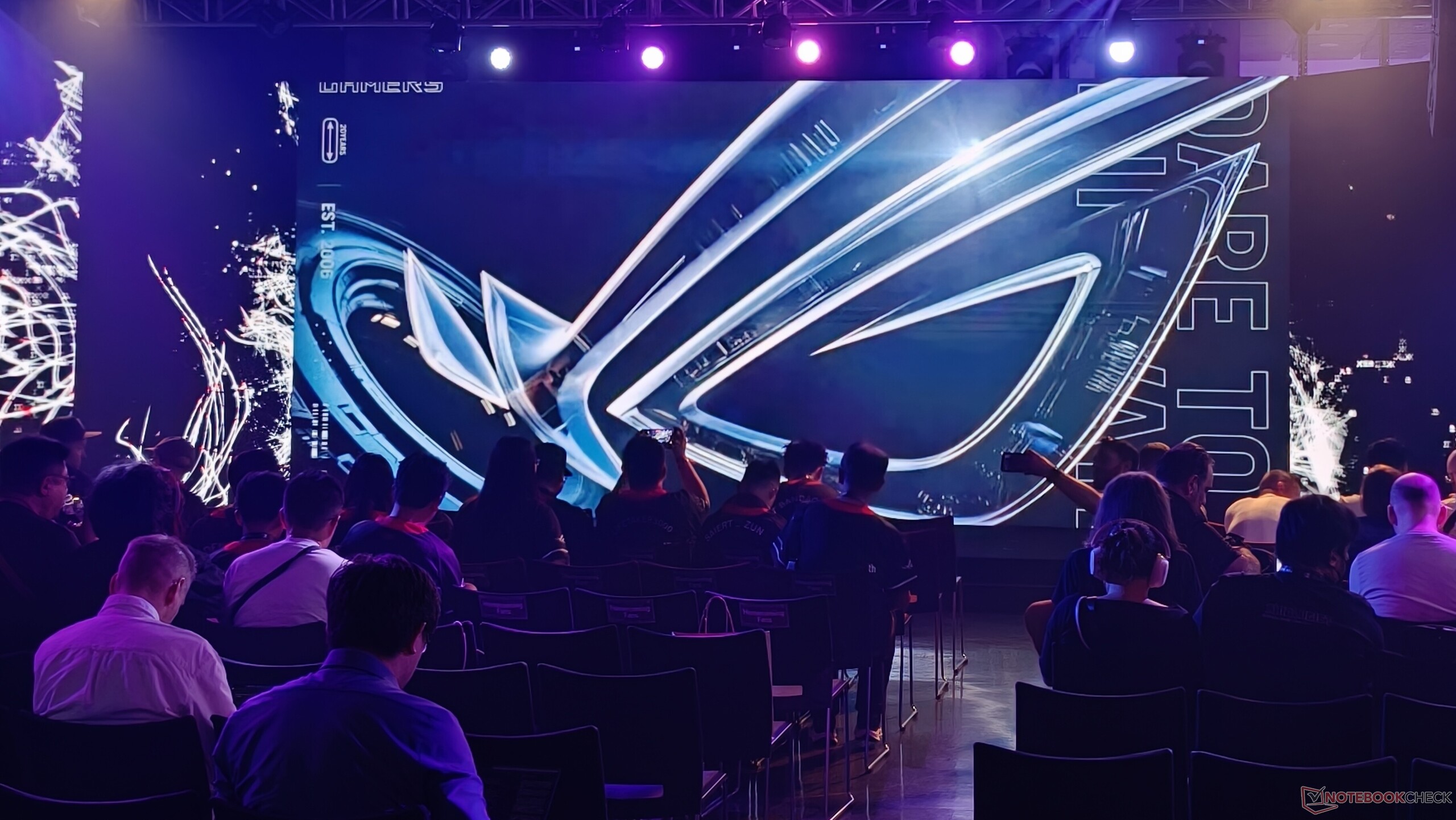
Asus commemorated the 20th anniversary of its Republic of Gamers (ROG) division at Computex 2026. The company showcased ROG Edition 20 peripherals and PCs that reflected many of its innovations over the past two decades.
Interestingly, ROG has gained a significant foothold in the Indian market since the launch of the ROG Zephyrus GX501 gaming laptop in 2018.
Asus recently shared with us what this 20-year milestone means for ROG, particularly in the context of its growth in India.
Evolution from Project G to Republic of Gamers
As with many skunkworks projects that became mainstream, the ROG division grew from the efforts of a few passionate gamers and overclockers within Asus's R&D department.
It all started off as Project G in 2006, resulting in the first motherboard, named Pluto designed for AMD's then-popular Athlon 64 processor that used Socket AM2.
Unlike modern ROG products that carry the iconic "Fearless Eye" logo, Pluto had a cubic "G" insignia.
Project G would go on to become the Republic of Gamers, while Pluto evolved into the ROG Crosshair.
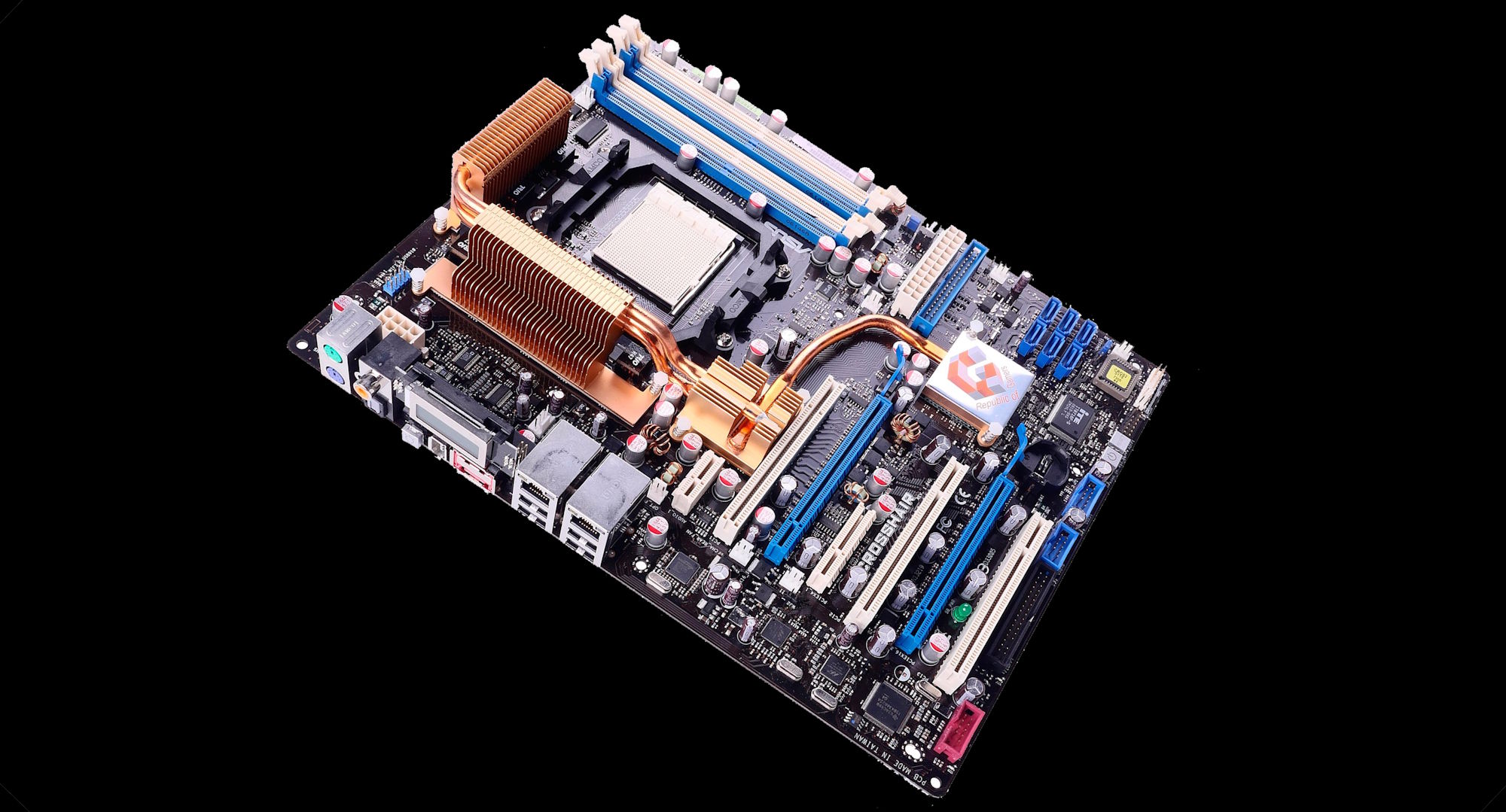
Pluto set the standard for subsequent ROG Crosshair motherboards. It exposed deep, expert-level BIOS tweaking options while keeping the interface approachable for casual users.
Pluto introduced some nifty features for its time: a separate audio daughterboard that isolated sound circuitry from electrical noise, an LCD that translated cryptic POST error codes into plain language, and onboard power and reset buttons.
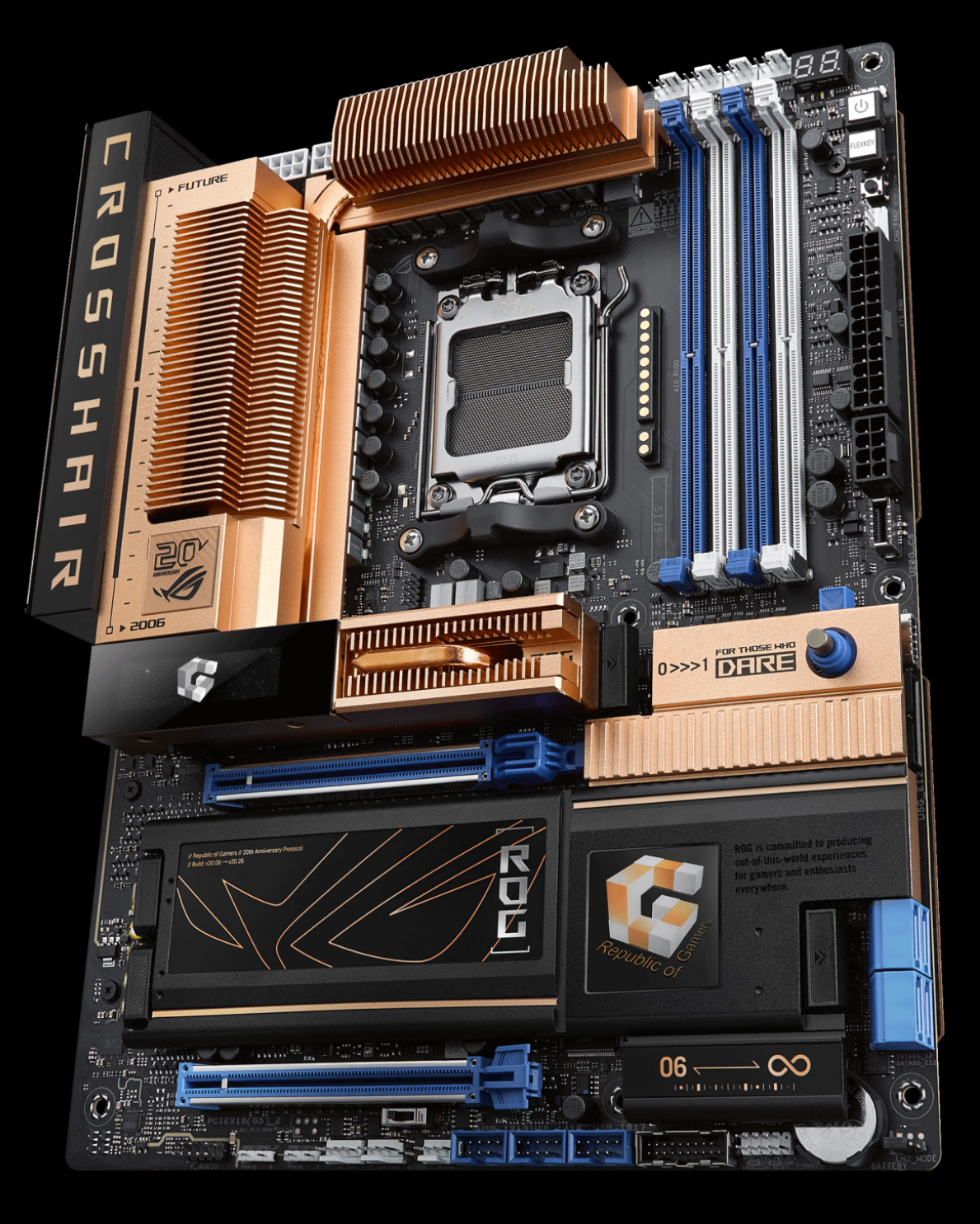
Fast-forward to 2026, and we now have the ROG Crosshair 2006 X870E motherboard, which pays tribute to the original Pluto design while supporting modern AMD Socket AM5 CPUs such as the Ryzen 9000 series.
From ultra-slim gaming laptops to handheld gaming powerhouses
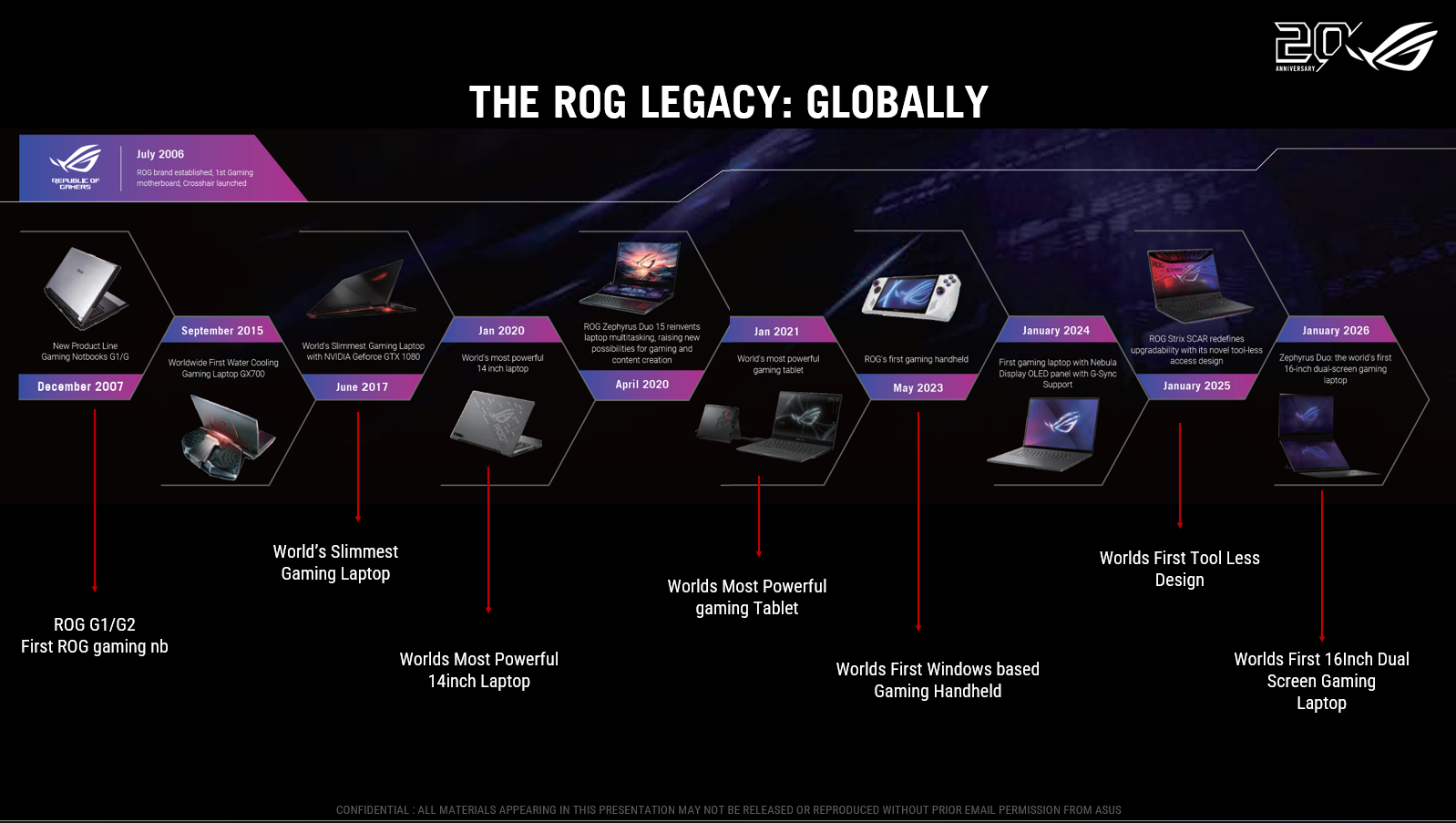
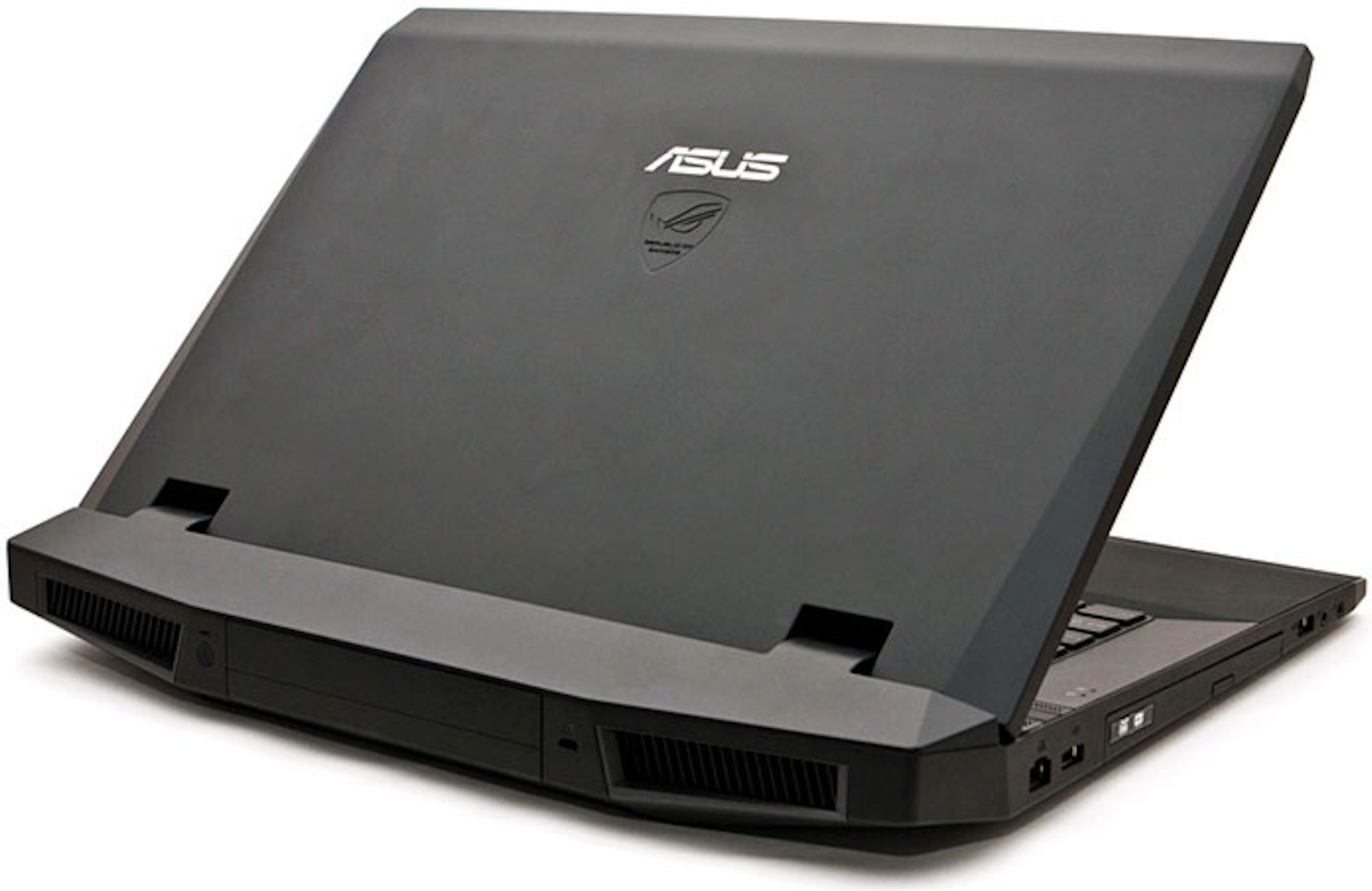
The laptop chapter traces a line from the 2008 ROG G70 — the first laptop to sport an aggressive gamer aesthetic and the "Fearless Eye" logo — through the F-117 stealth fighter-inspired ROG G73.
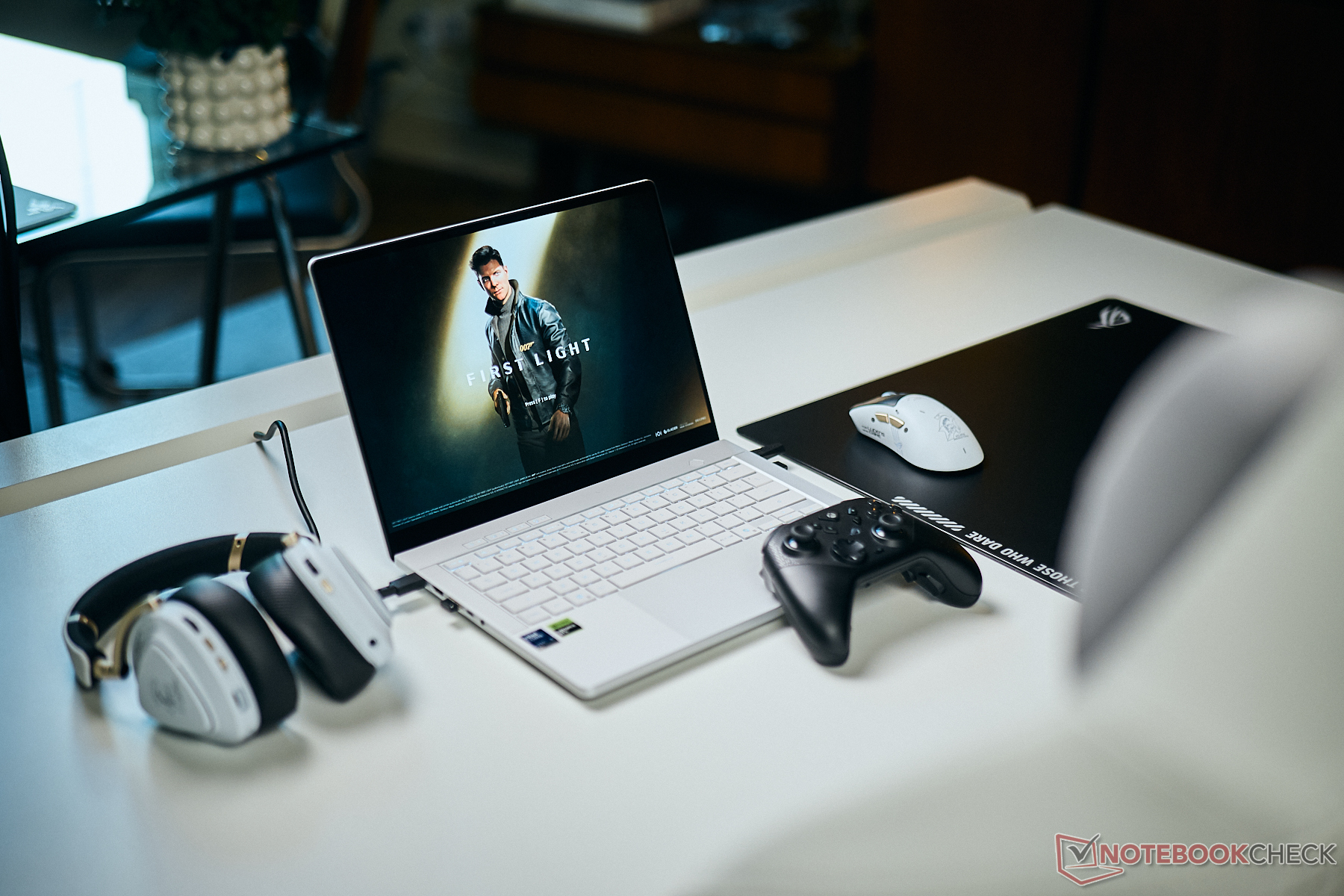
The 2023 ROG Ally, powered by AMD Ryzen Z1 Extreme smarts, brought modern AAA gaming to a handheld form factor — a lineage that continues with the ROG Xbox Ally X.
The ROG Zephyrus G14 made its mark in 2020 as a compact 14-inch gaming powerhouse, pairing an efficient AMD Ryzen Zen 2 chip and RTX 2060 Max-Q Laptop GPU with a customizable AniMe Vision lid display.
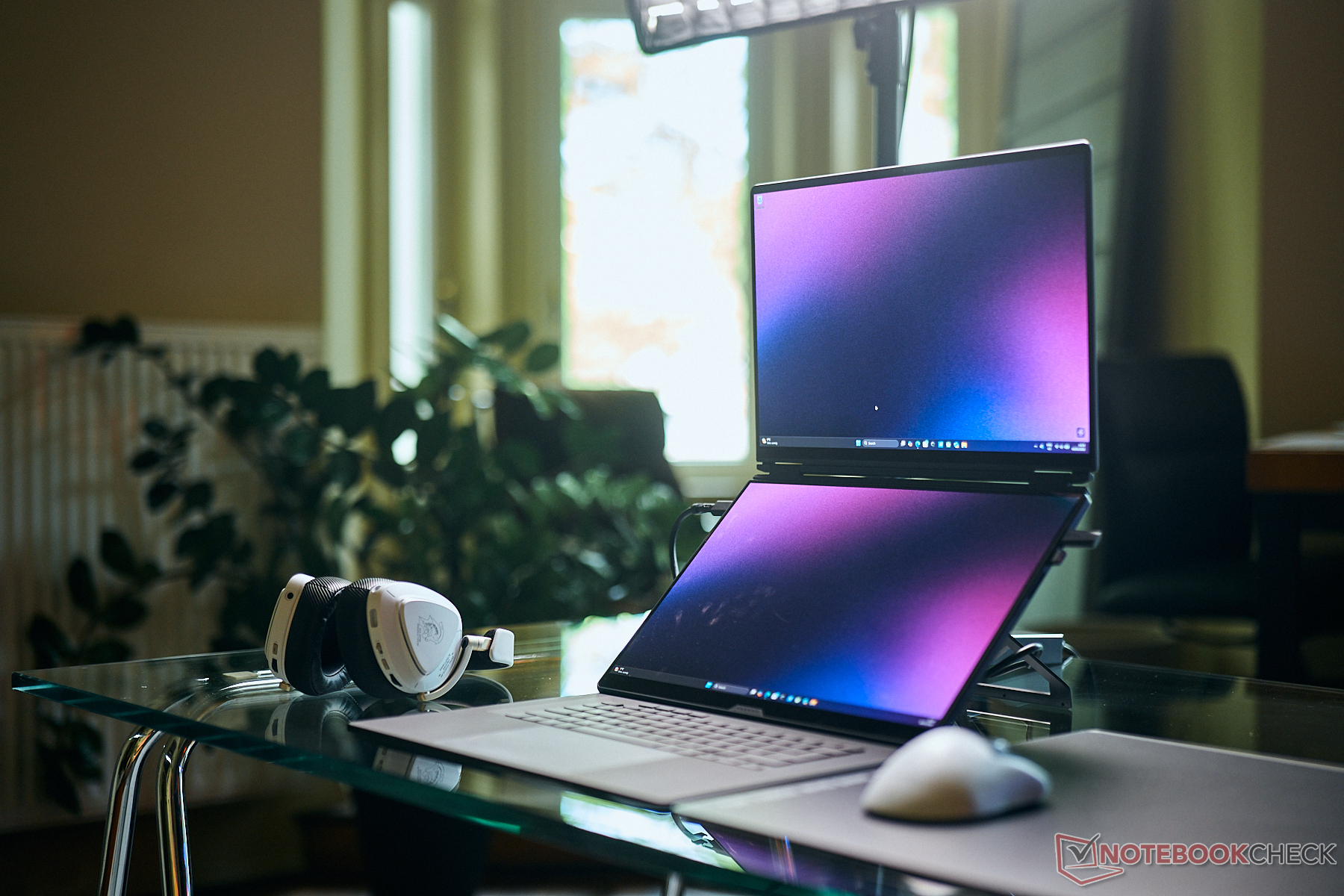
Asus, meanwhile, began toying with dual-display laptops with the ROG Zephyrus Duo 15 that bolted on a second screen above the keyboard, while the 2026 Zephyrus Duo carries two full-size 16-inch screens.

Monstrous GPUs with each passing generation
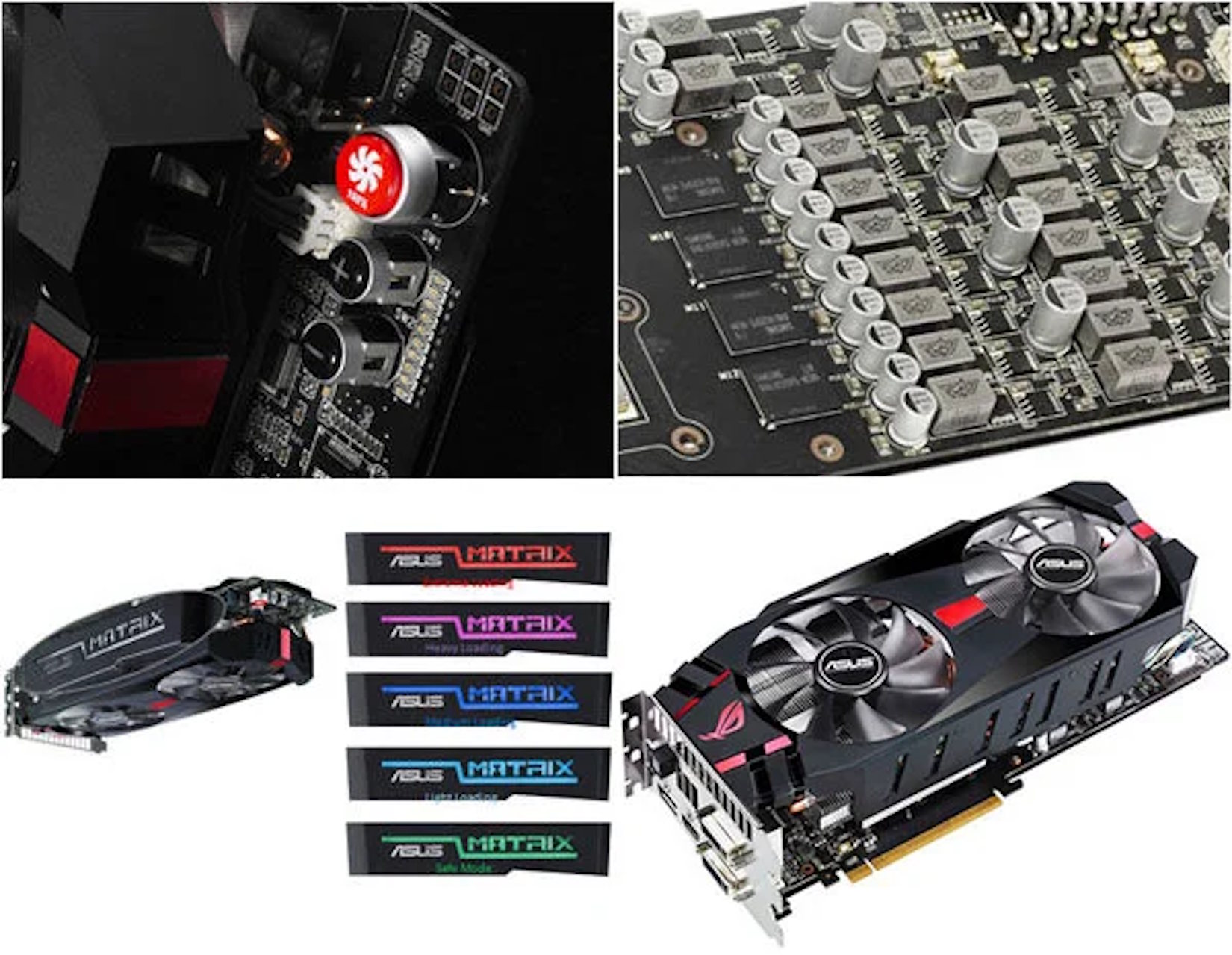
ROG's graphics card lineup began with the Matrix EN9600GT/EN9800GT in 2008 and grew progressively weirder and more extreme with the introduction of the dual-GPU Mars card (limited to 1,000 numbered units), the hybrid liquid-and-air-cooled Poseidon, and a full lineup of AMD-focused Ares cards.
A lot of what seems standard fare today such as proactive cooling algorithms, 0 dB silent operation at idle, and safe-mode recovery switches for failed overclocks, debuted on these early boards.
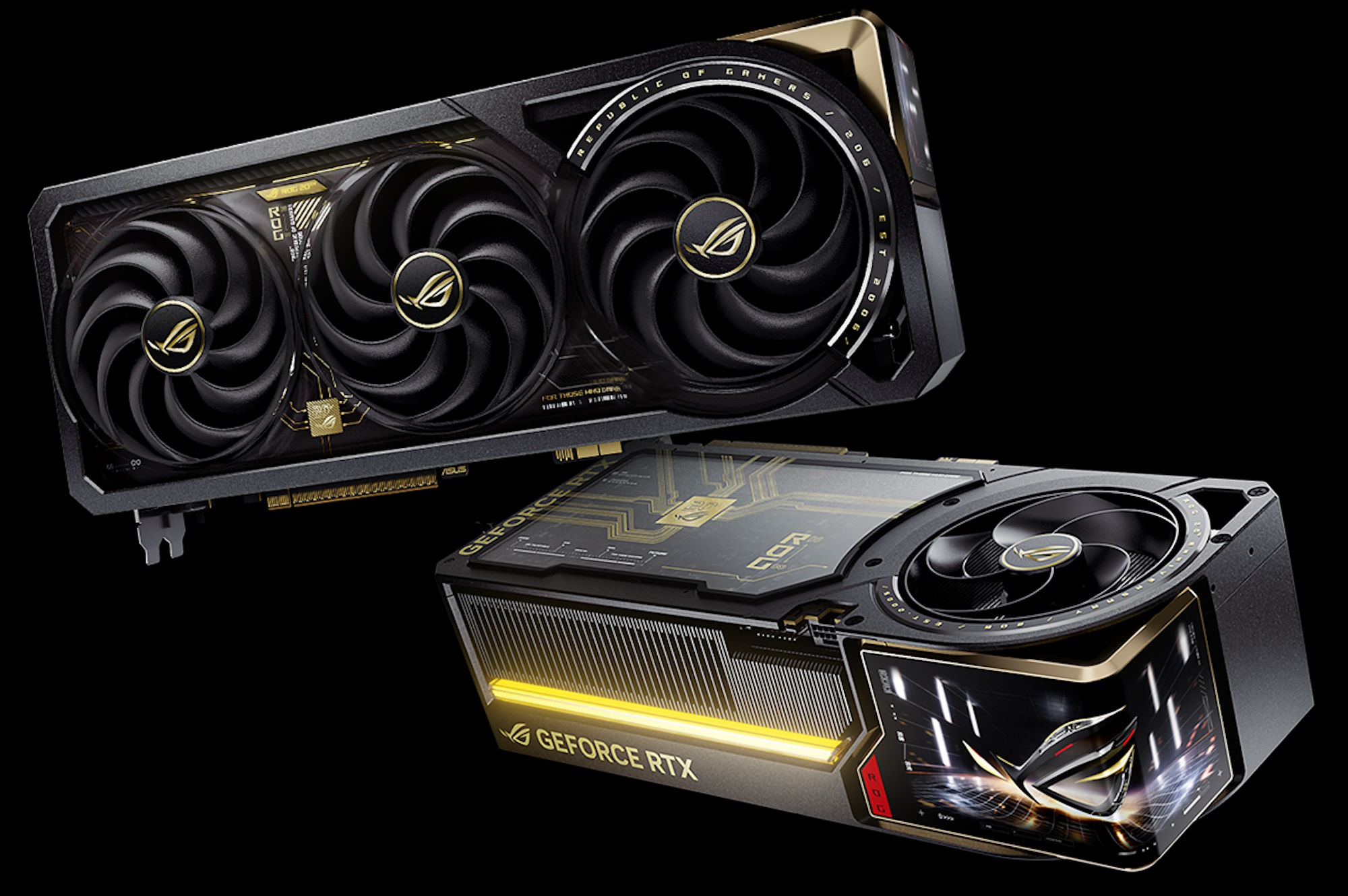
Today, we have outrageous cards like the ROG Astral GeForce RTX 5080 OC and the ROG Astral GeForce RTX 5090 Edition 20, featuring curved AMOLED screens, beefy heatsinks with quad fans, and transparent backplates.

Pushing beyond 60 Hz to blazing fast 720 Hz visuals
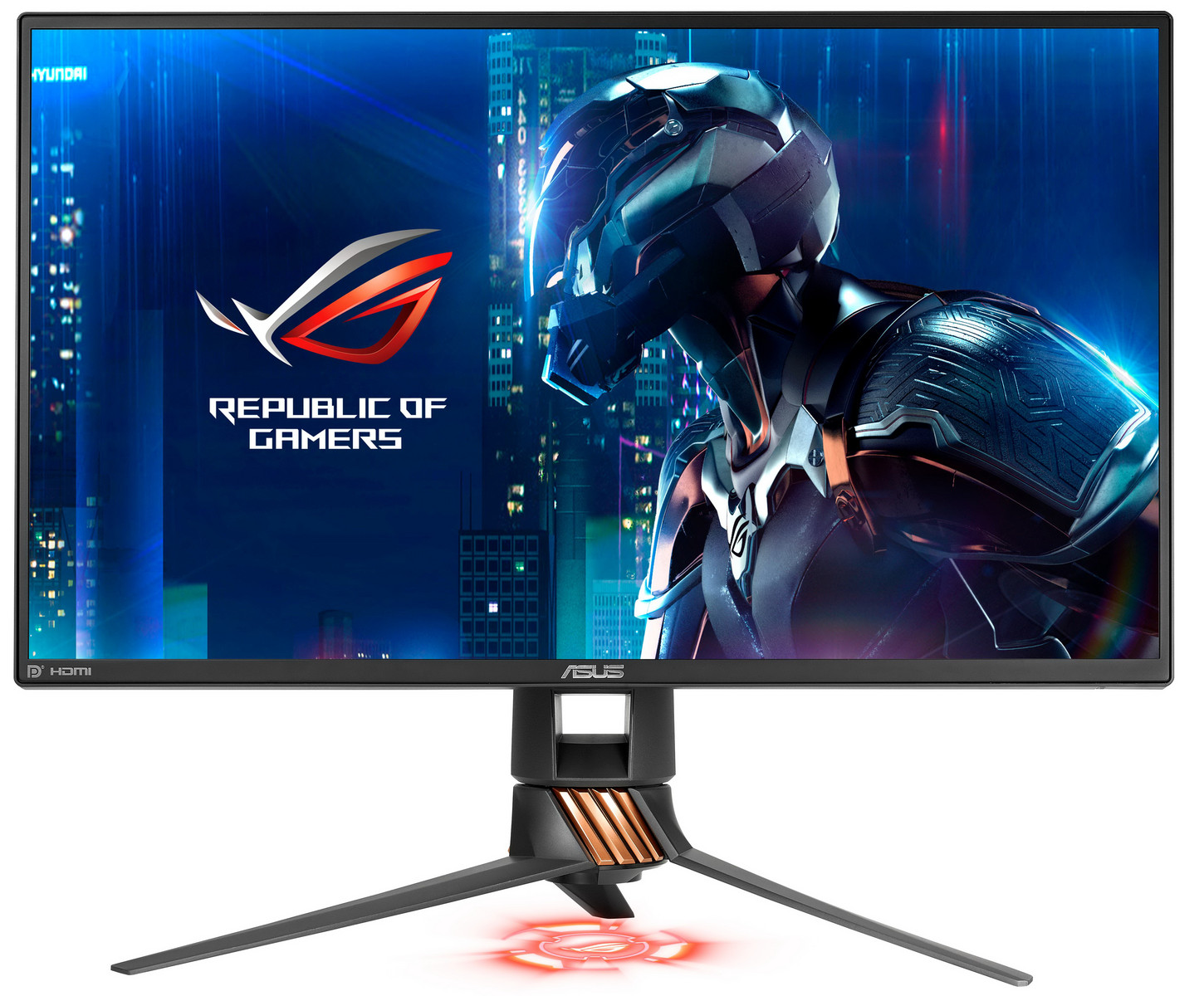
The first ROG-branded monitor was the 2014 27-inch ROG Swift PG278Q with native Nvidia G-Sync and 1440p 144 Hz visuals, but the initial seeds were sown in 2012 with the Asus VG248QE — the world's first 144 Hz monitor.
From then on, the story becomes a relentless chase for higher refresh rates. The ROG Swift PG258Q hit 240 Hz in 2017, timed almost perfectly with the explosion of battle royale games like PUBG and Fortnite.
The 2018 ROG Swift PG27UQ combined 4K, 144 Hz, HDR, and G-Sync in one panel at a time when 4K HDR displays were built almost exclusively for content creators.
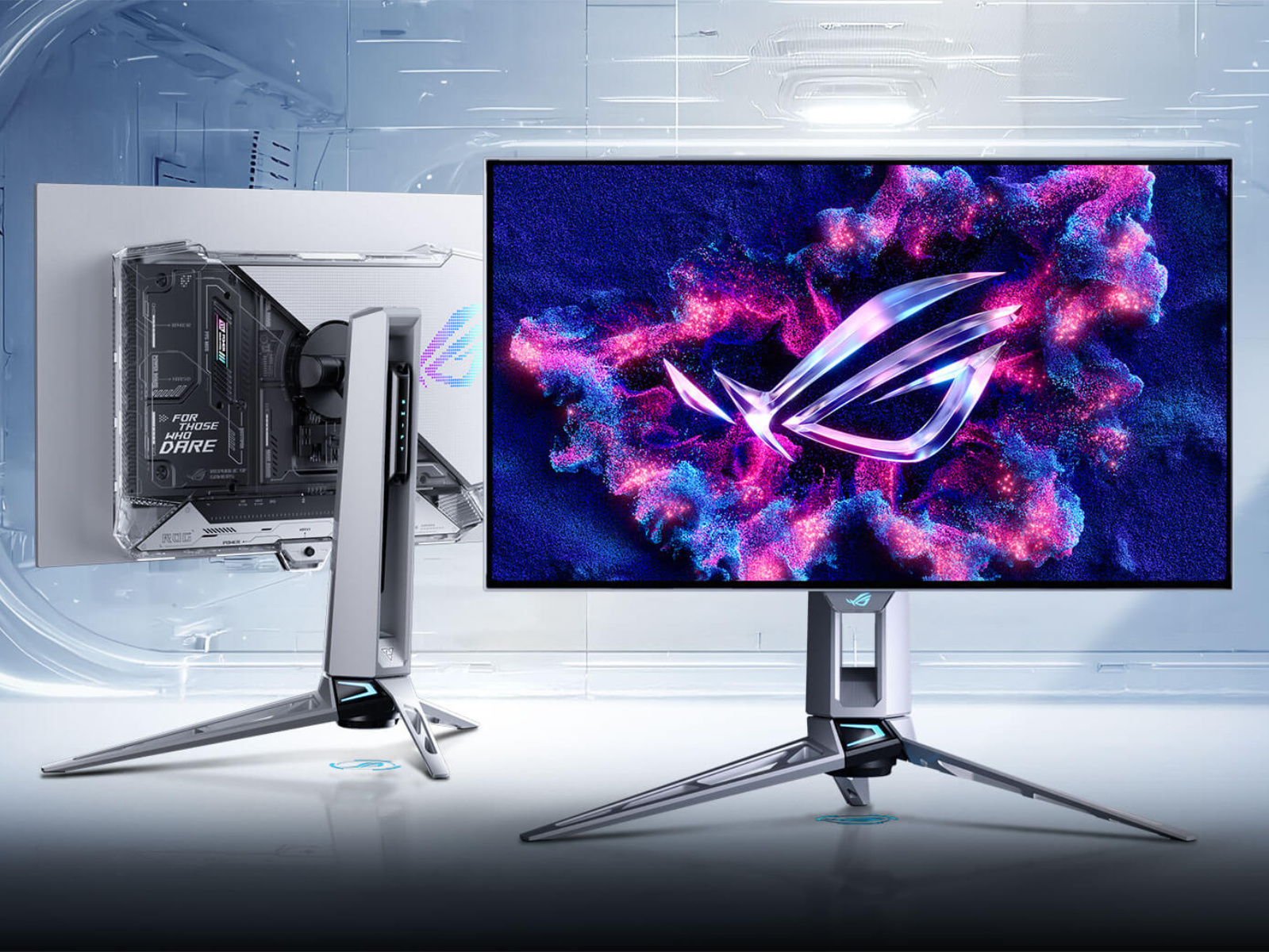
Today's fastest ROG display, the ROG Swift OLED PG27AQWP-W, runs at 1440p and 540 Hz by default or can switch to 720p and 720 Hz when raw speed matters more than resolution. Similarly, the ROG Swift OLED PG32UCDP can switch between 4K at 240 Hz and 1080p at 480 Hz.
ROG also worked with Nvidia to develop G-Sync Pulsar, a technology that dynamically times the backlight strobe to match a constantly shifting frame rate. It debuted on the ROG Strix Pulsar XG27AQNGV.
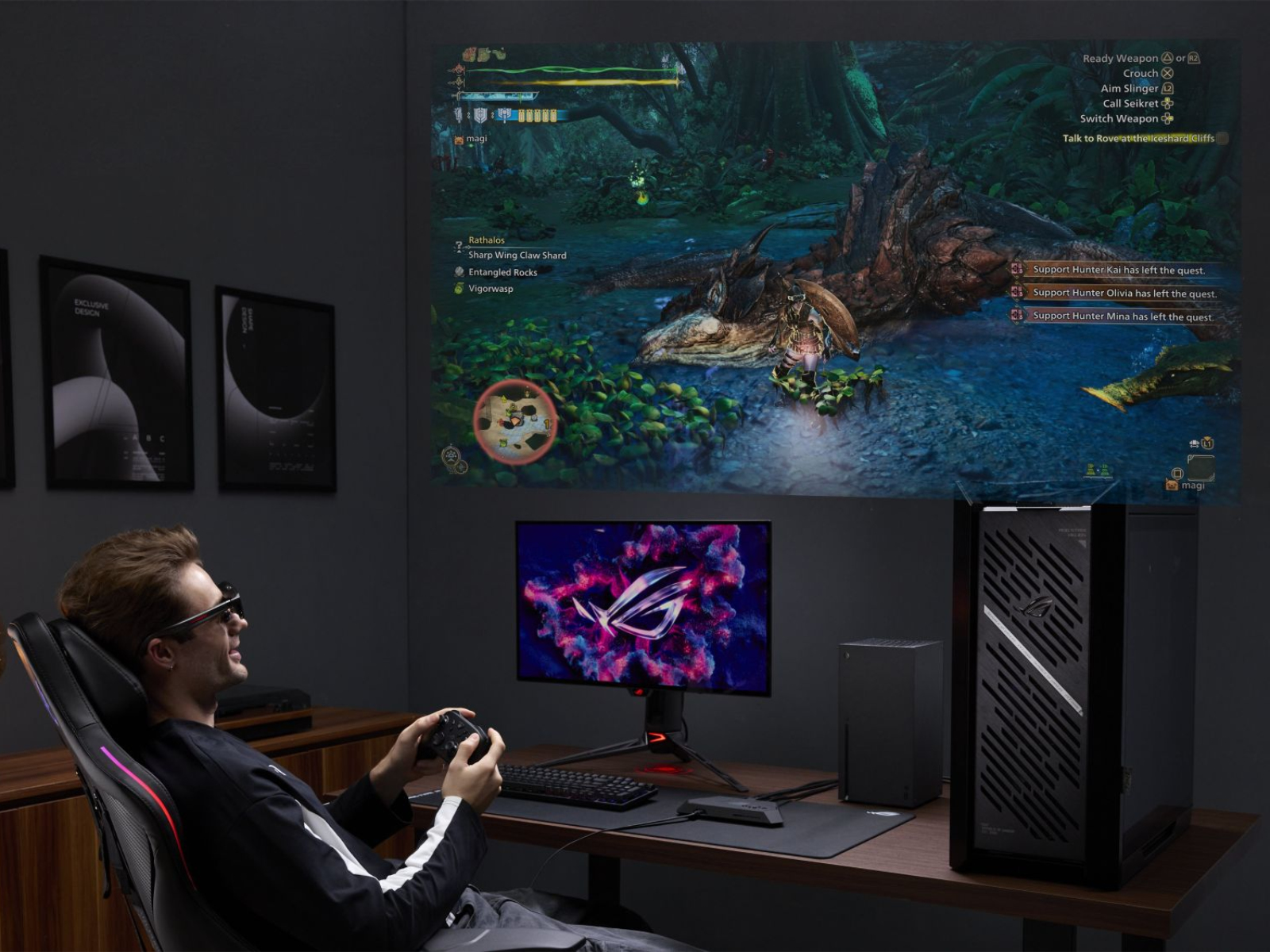
An interesting new entrant this year is not a conventional monitor but the 2026 ROG Xreal R1 gaming glasses—a private, wearable display that simulates sitting a few meters from a 171-inch, 240 Hz screen.
The India story: Fostering gaming ecosystems that spiral growth
Lately, Asus has been quite bullish about the Indian market. Along with its latest offerings across the Vivobook, Zenbook, and ROG lineups, Asus has emphasized its retail presence by opening flagship experience stores and dedicated service centers across the country.
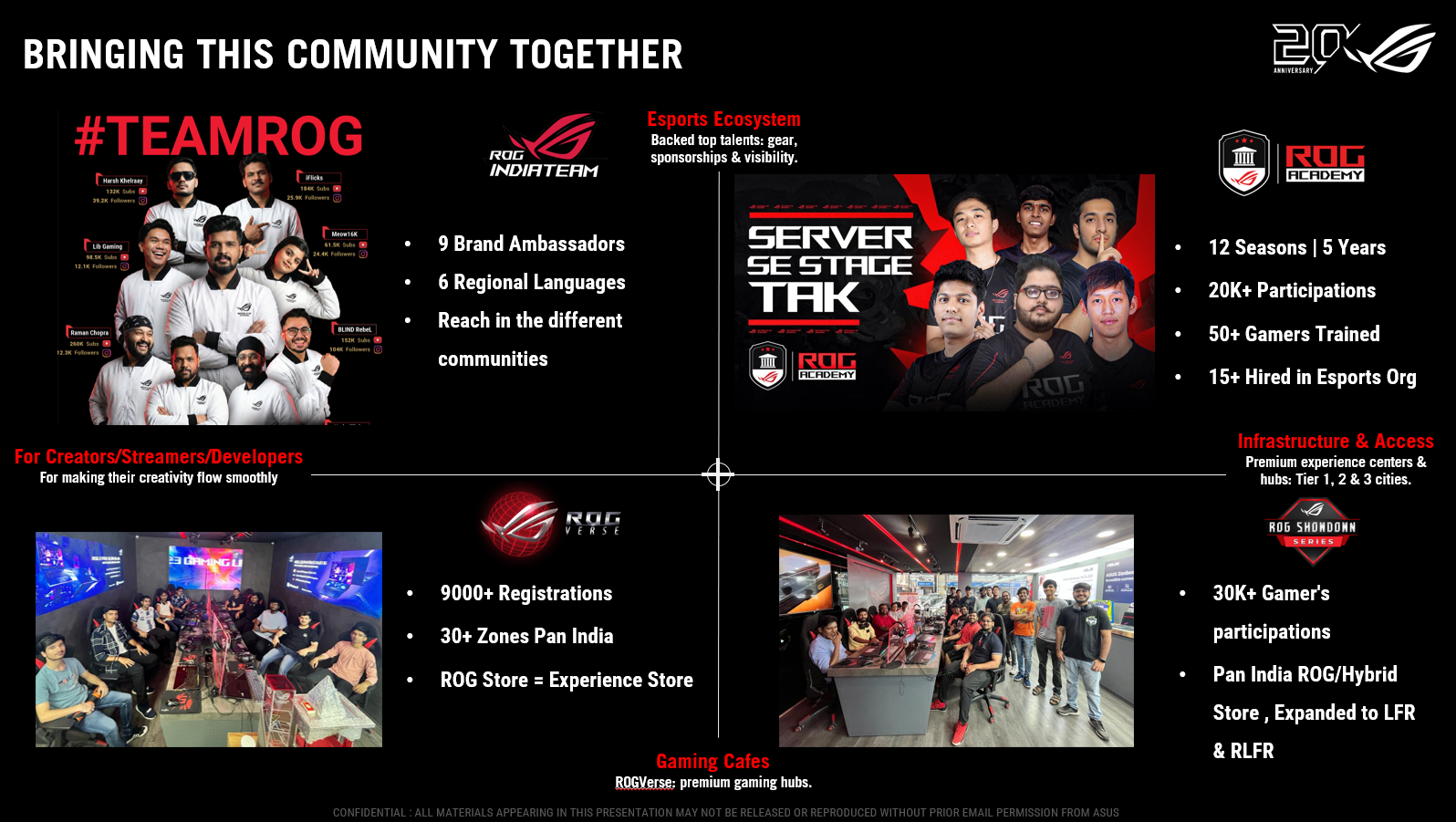
According to Asus, ROG has been successful in building an ecosystem and establishing itself as a gaming culture brand in India. Activities such as gaming tournaments, mentorship programs, and engagement with streamers and competitive players have been instrumental in driving the adoption of ROG products in the country.
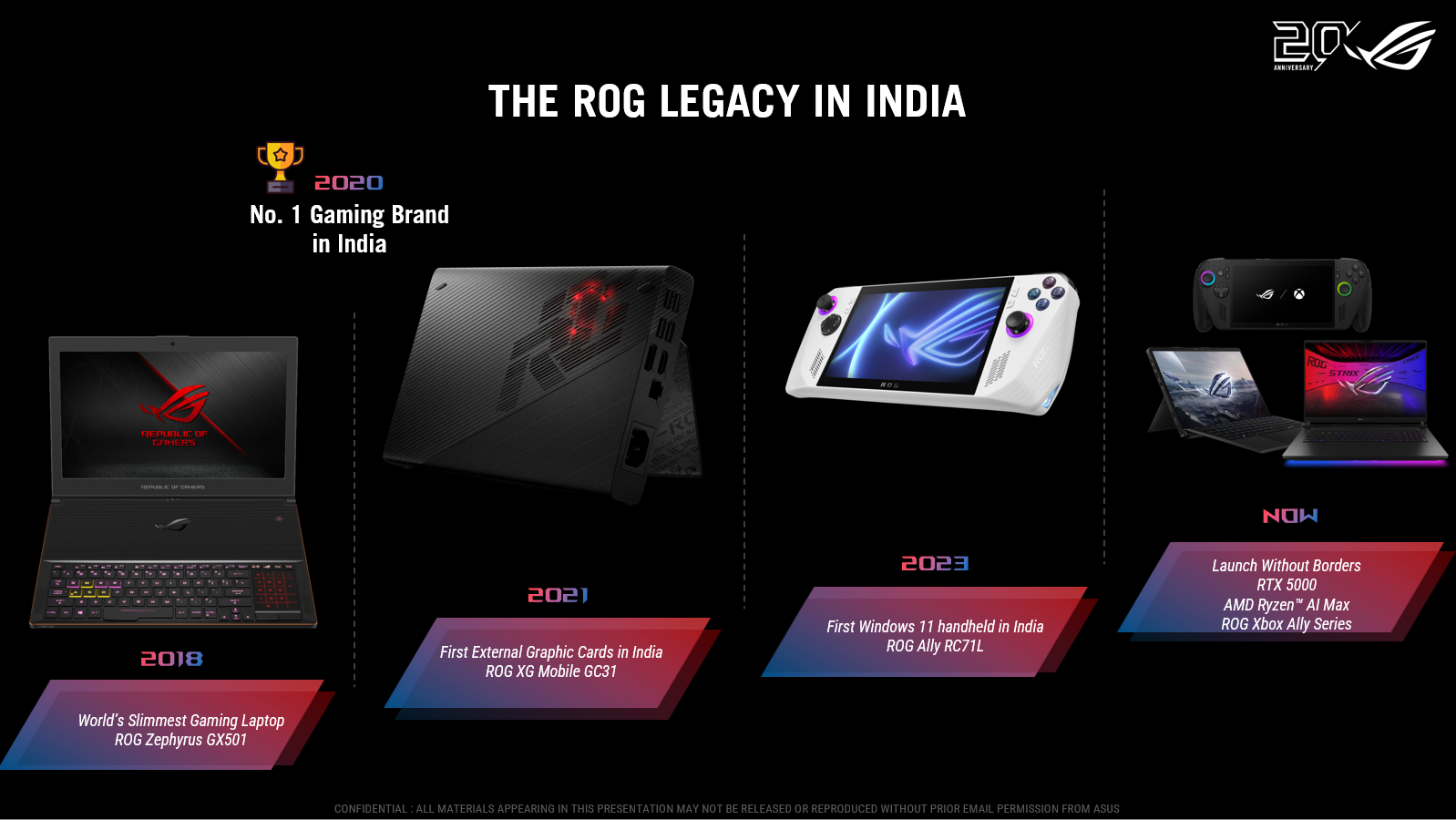
The 2018 Zephyrus GX501 was the first to put ROG on the map in India. It was followed by the 2021 launch of India's first external GPU, the ROG XG Mobile GC31, and the 2023 arrival of the ROG Ally as India's first Windows 11 gaming handheld.
Today, Asus boasts what it calls "launch without borders" — a simultaneous rollout of RTX 5000-series laptops, AMD's Ryzen AI Max platform, and the ROG Xbox Ally series in India alongside their global debuts.
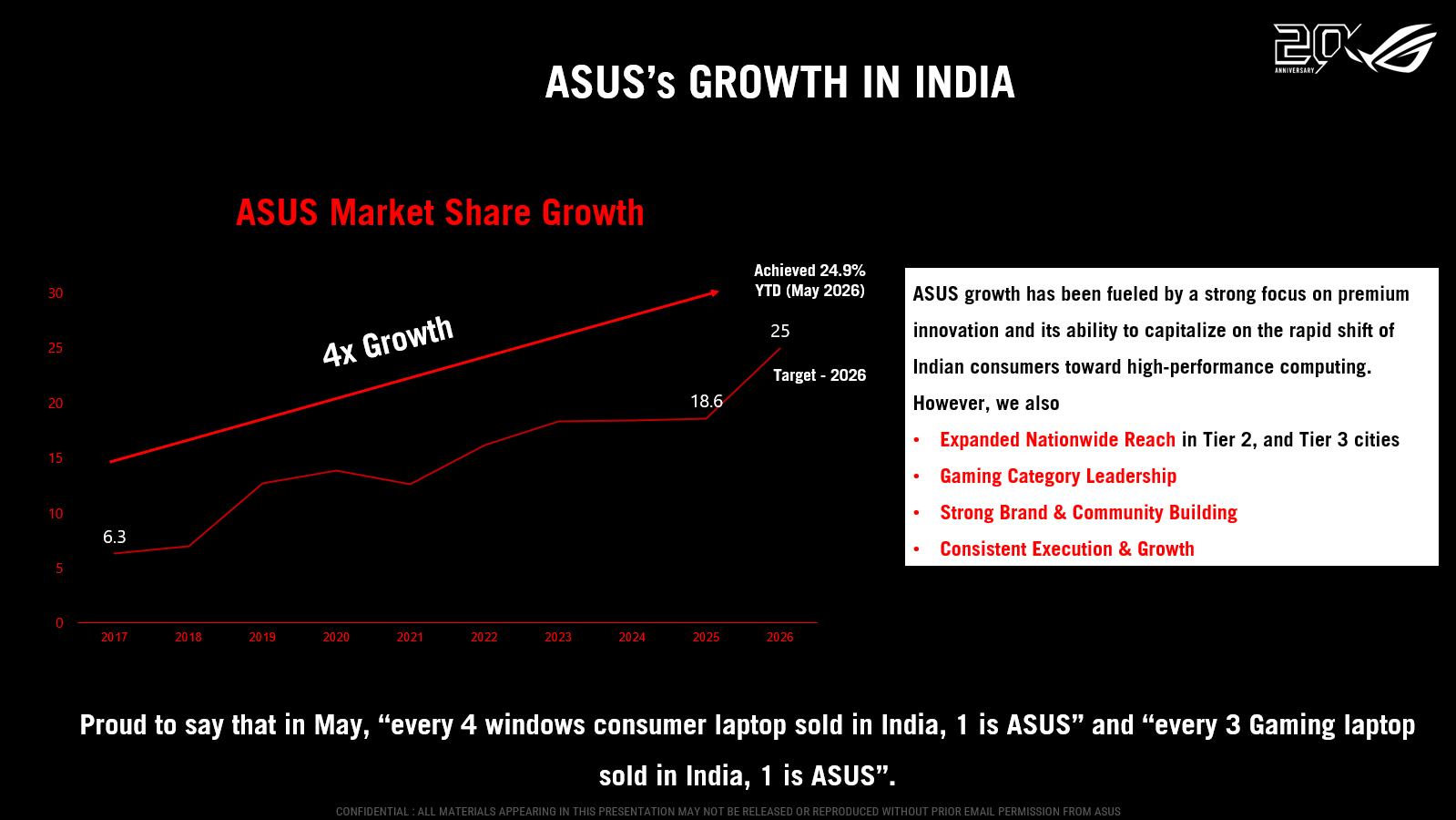
Asus tells us that it has seen significant positive momentum in the country, reaching a 24.9% year-to-date market share through May 2026, up from 6.3% in 2017 — a roughly four-fold increase in under a decade with a formal internal target of 25% by end 2026.
The company claims that one in four Windows consumer laptops and one in three gaming laptops sold in India in May was an Asus model.
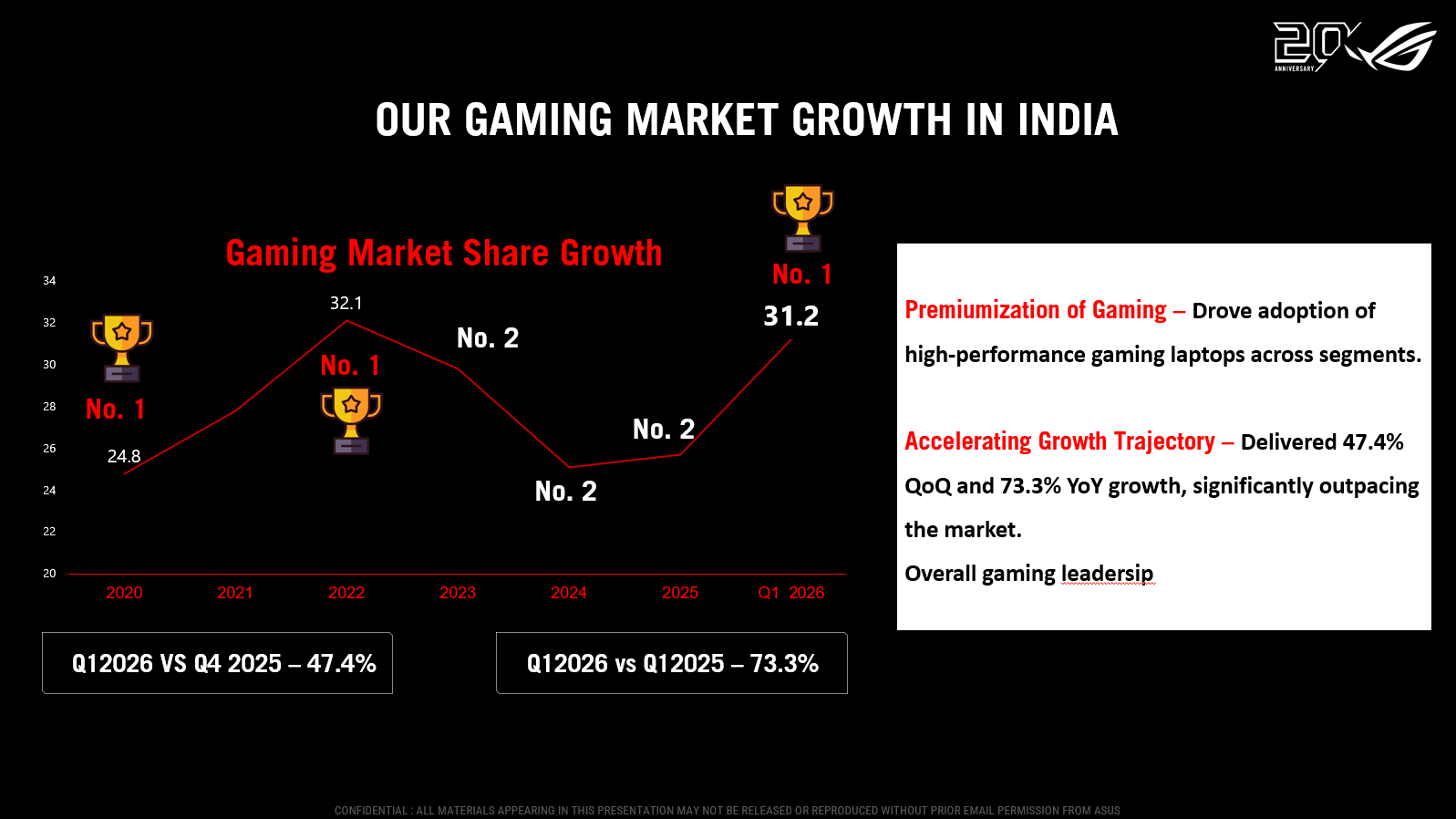
In gaming specifically, Asus's numbers show oscillating trends for the ROG division. The ROG market share rose from 24.8% in 2020 to a peak of 32.1% in 2022, dipped through 2023–24, and recovered sharply to 31.2% in Q1 2026 — a 47.4% increase quarter-on-quarter and 73.3% growth year-on-year that Asus frames as accelerating momentum.
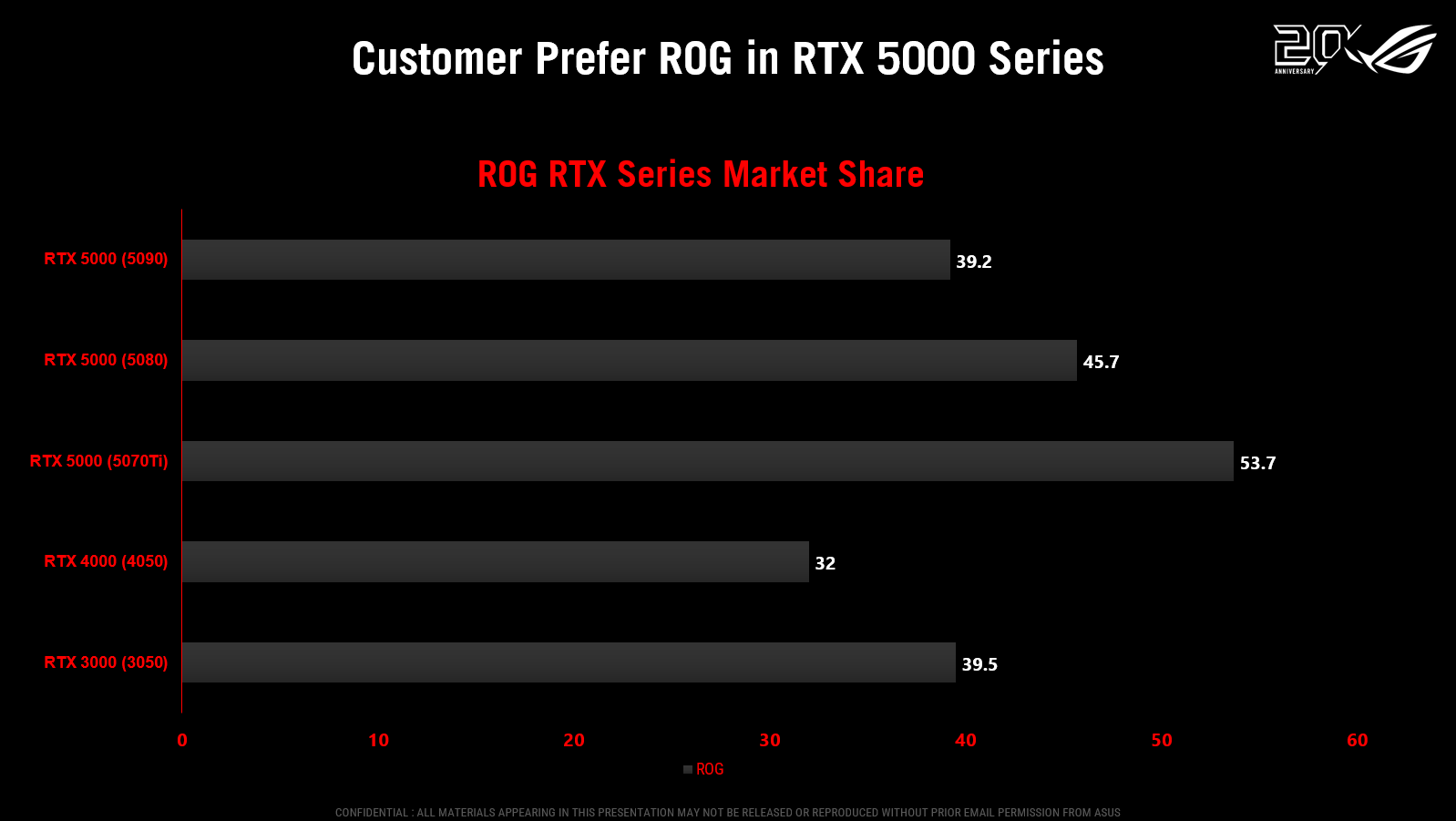
With respect to adoption of latest silicon, ROG's figures put its share of the RTX 5070 Ti tier at 53.7%, ahead of the RTX 5080 at 45.7% and the flagship RTX 5090 at 39.2%, suggesting growing sales volume at the upper-mid price point. It is unclear how these figures are divided between desktop and laptop versions of the GPUs.
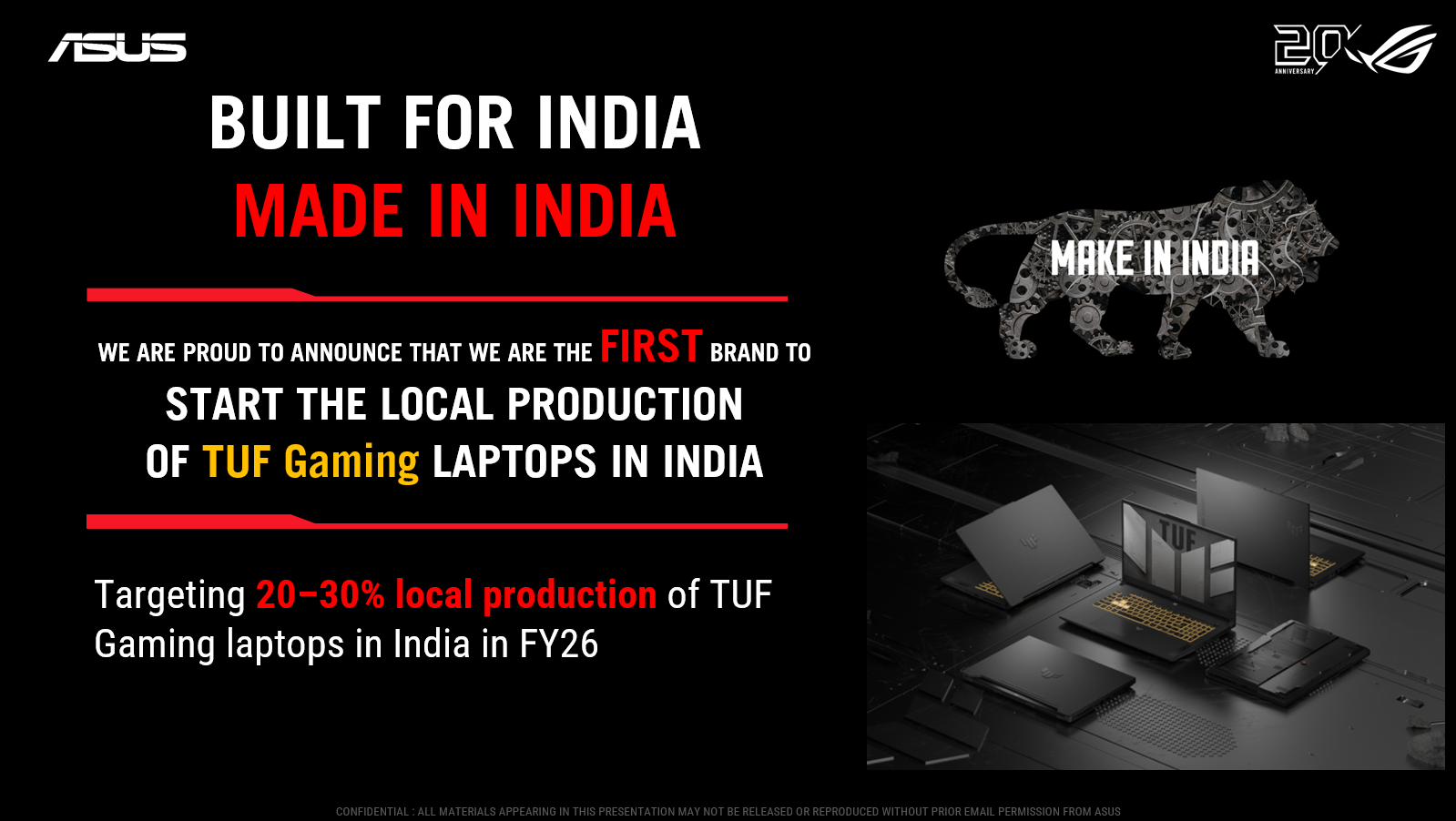
Asus also said it is the first brand to produce TUF Gaming laptops locally in India, targeting 20–30% local production in FY26.
With an extensive distribution network spanning 675 districts and 2,000+ administrative subdivisions, along with 3,200-plus retail demo touchpoints, 10,000-plus channel partners, and a presence across 6,500-plus active multi-brand outlets, Asus aims to achieve the widest reach and market penetration for gaming products in the country.
 Add as a preferred source on Google


