




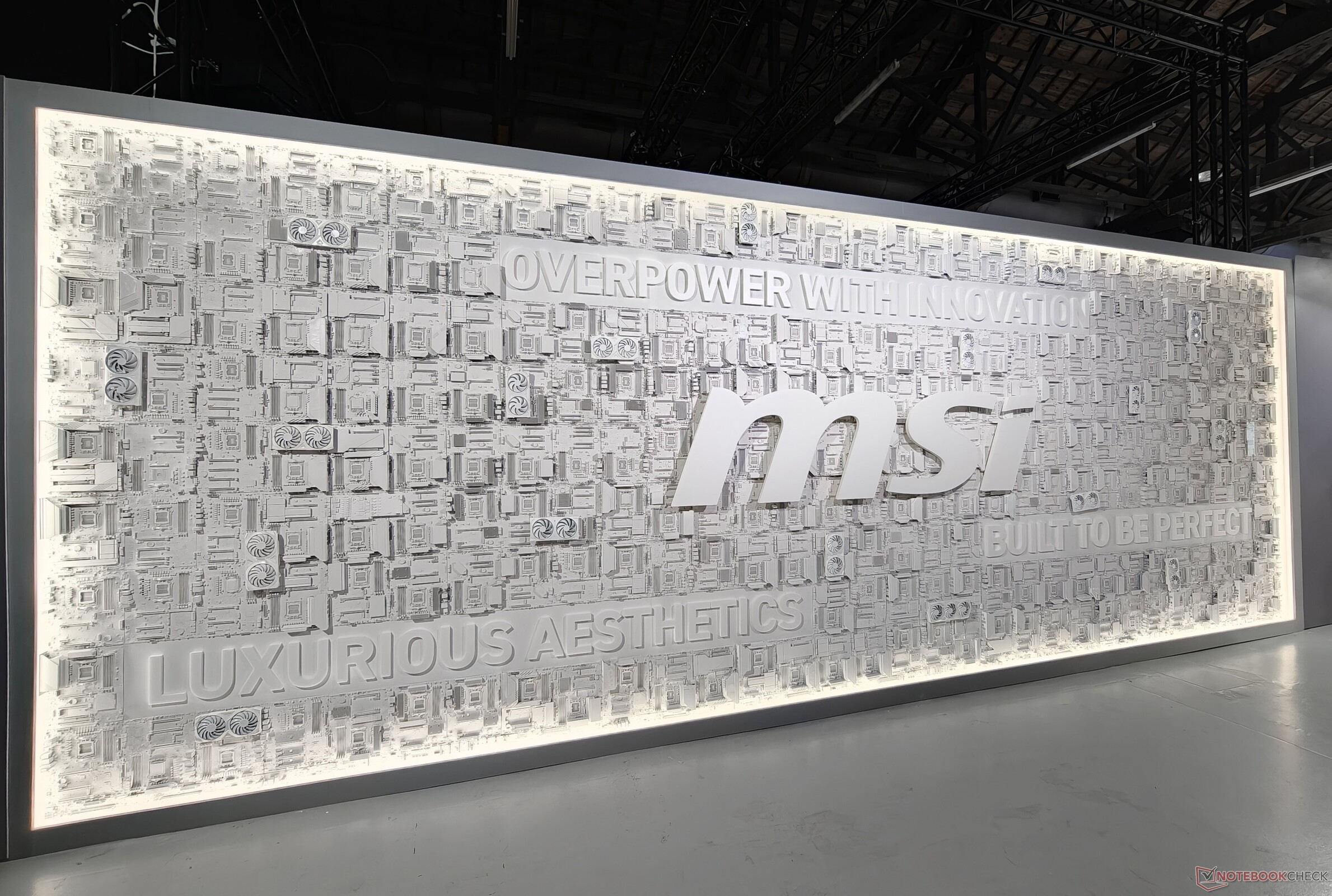
MSI at 40: A journey through tech history from early 286 and K7 motherboards to X870E Godlike, Titan 18 HX AI, and Claw 8 EX AI+
Nostalgia to next gen.
On the sidelines of Computex 2026, MSI marked its 40th anniversary with a retrospective exhibit tracing its rise from early Intel 286 and AMD K7 motherboards to modern flagship gaming and AI platforms. Walking through the exhibit not only demonstrated how far we've come across the tech landscape but also gave a glimpse on the future ahead of us.Vaidyanathan Subramaniam Published 🇪🇸 🇵🇹 ...
 Computex MSI AI Gaming Desktop GPU Laptop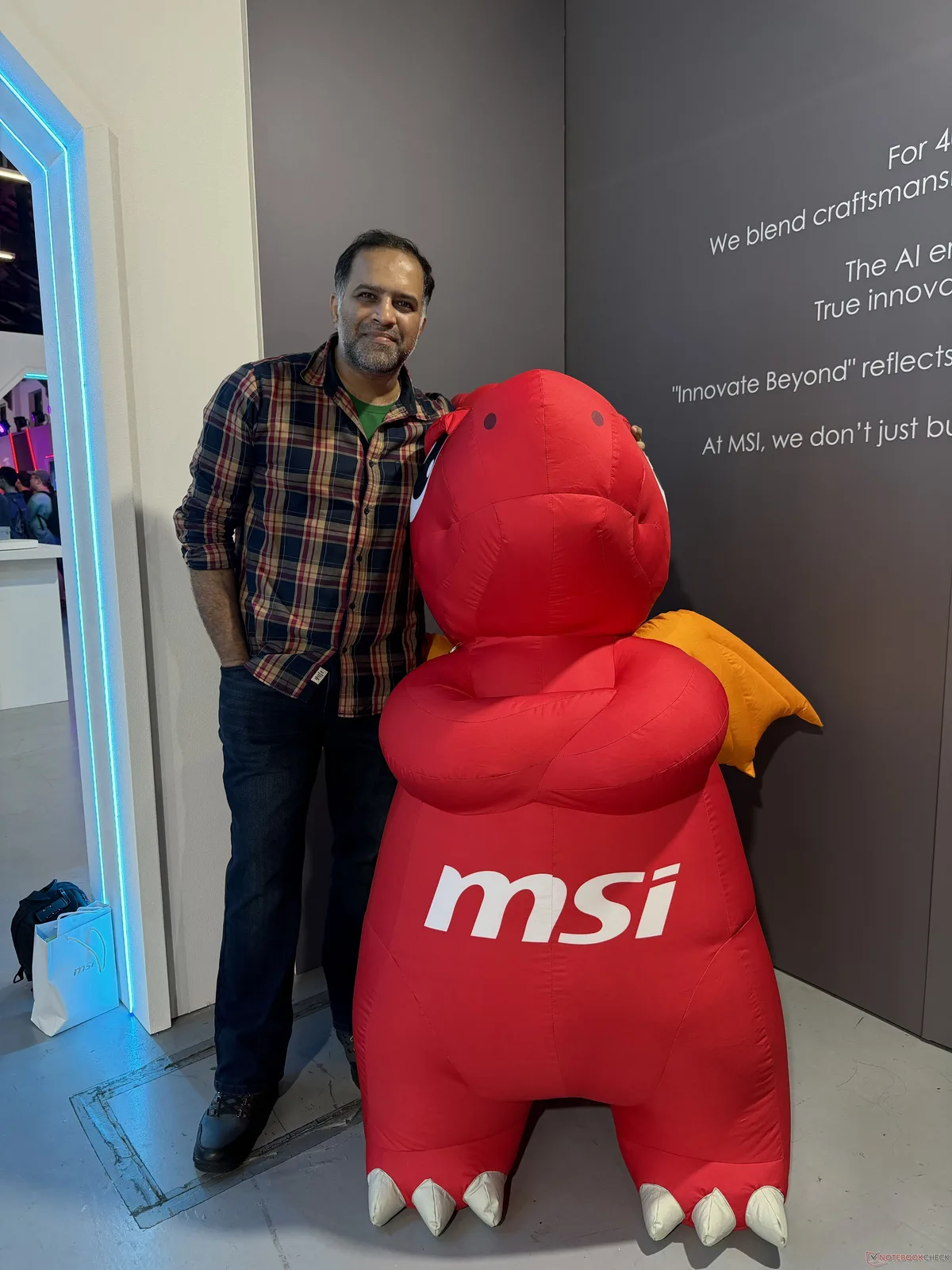
Computex 2026 was not only a showcase of what's to come but also a reminder of how technology has evolved over the past decades.
Micro-Star International, better known as MSI, celebrated its 40th anniversary at Computex, and the company invited me to see how its products have shaped personal computing over the last four decades.
As someone whose first MSI product was the RS480M2-IL micro-ATX motherboard with an ATI Radeon Xpress 200 chipset back in the good old AMD Athlon 64 days 20 years ago, I couldn't have been happier to take a trip down memory lane.

MSI organized this event at Warehouse 5 in Taipei's Songshan Cultural and Creative Park on the sidelines of Computex 2026.
The exhibit was designed as a walk-through spanning various themes, including Data Legacy, Origin Core, Synergy Nexus, Business Domain, Esports Arena, and AI Lab, culminating in the 40th anniversary area, where visitors could redeem goodies and shop for merch.
Here are some exhibits that stood out to me.
Table of Contents
- Motherboard evolution: From the Athlon K7 to the latest X870E and Z890 offerings
- History of GPUs: From Texas Instruments-based cards to RTX Blackwell monsters
- Laptop innovations: From Intel Centrino to Arrow Lake-S gaming powerhouses of today
- Processes that prioritize quality and durability
- Going beyond traditional PC hardware into the AI era
- To the next 40 years and beyond!
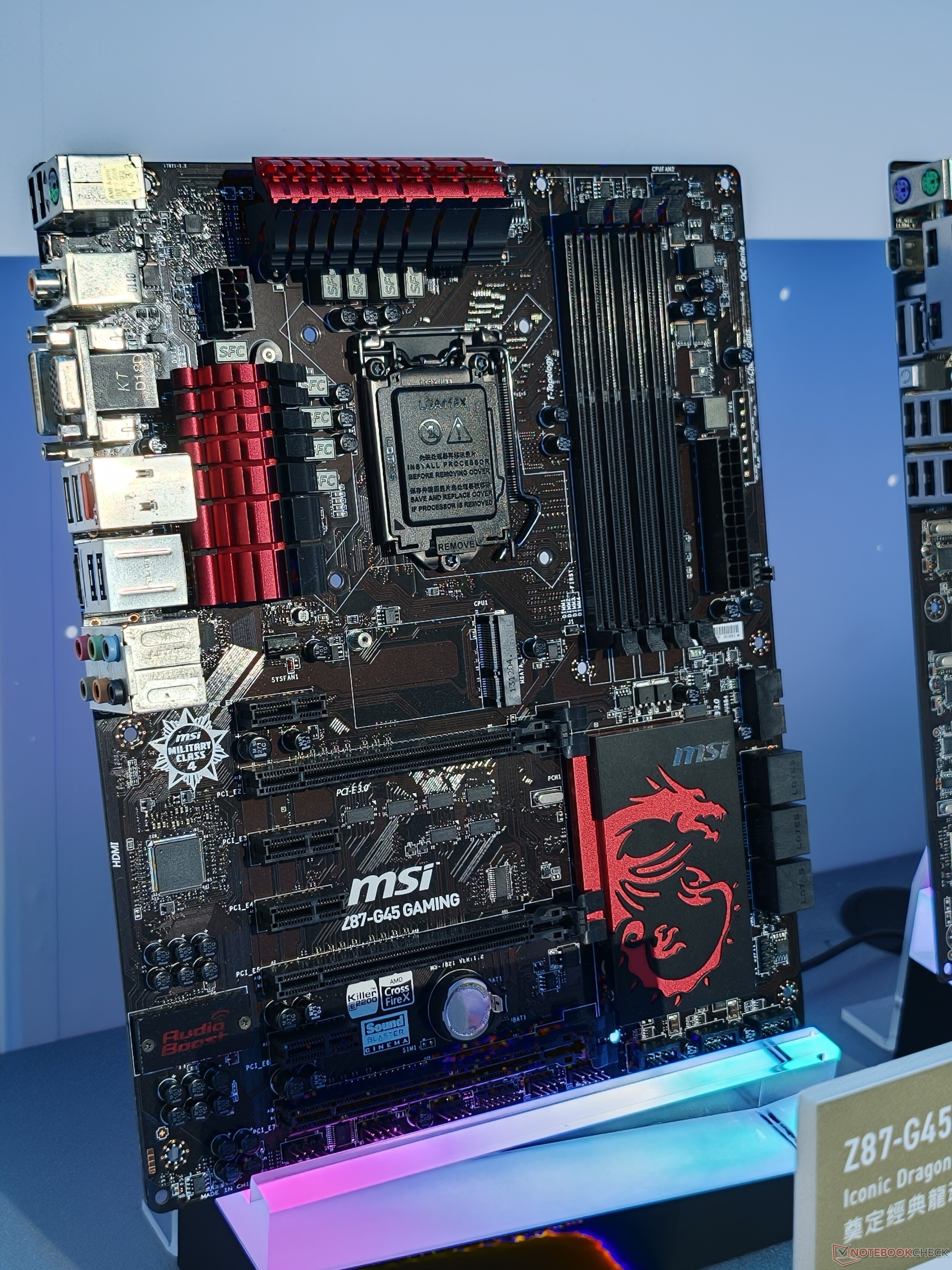
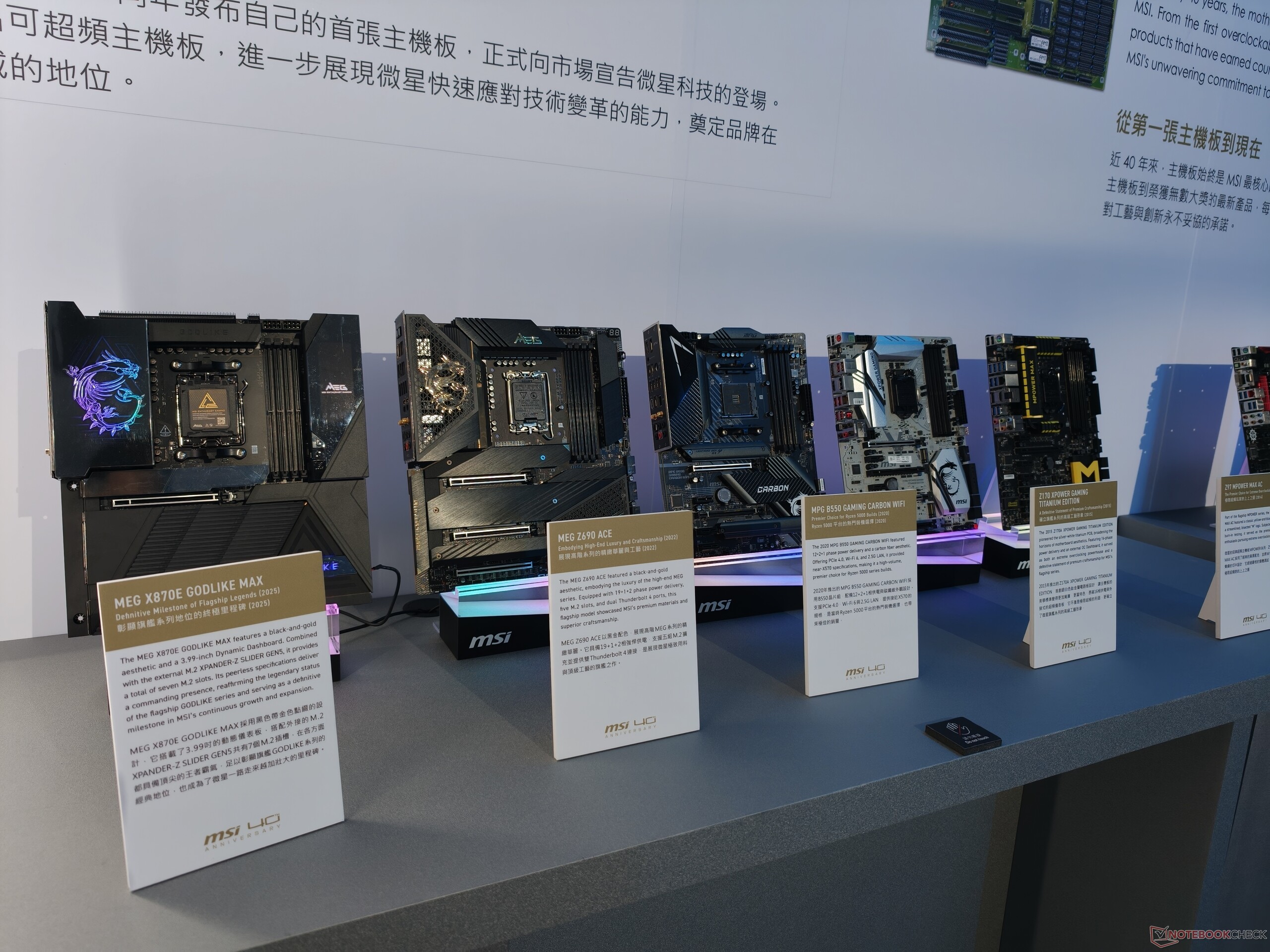
Motherboard evolution: From the Athlon K7 to the latest X870E and Z890 offerings
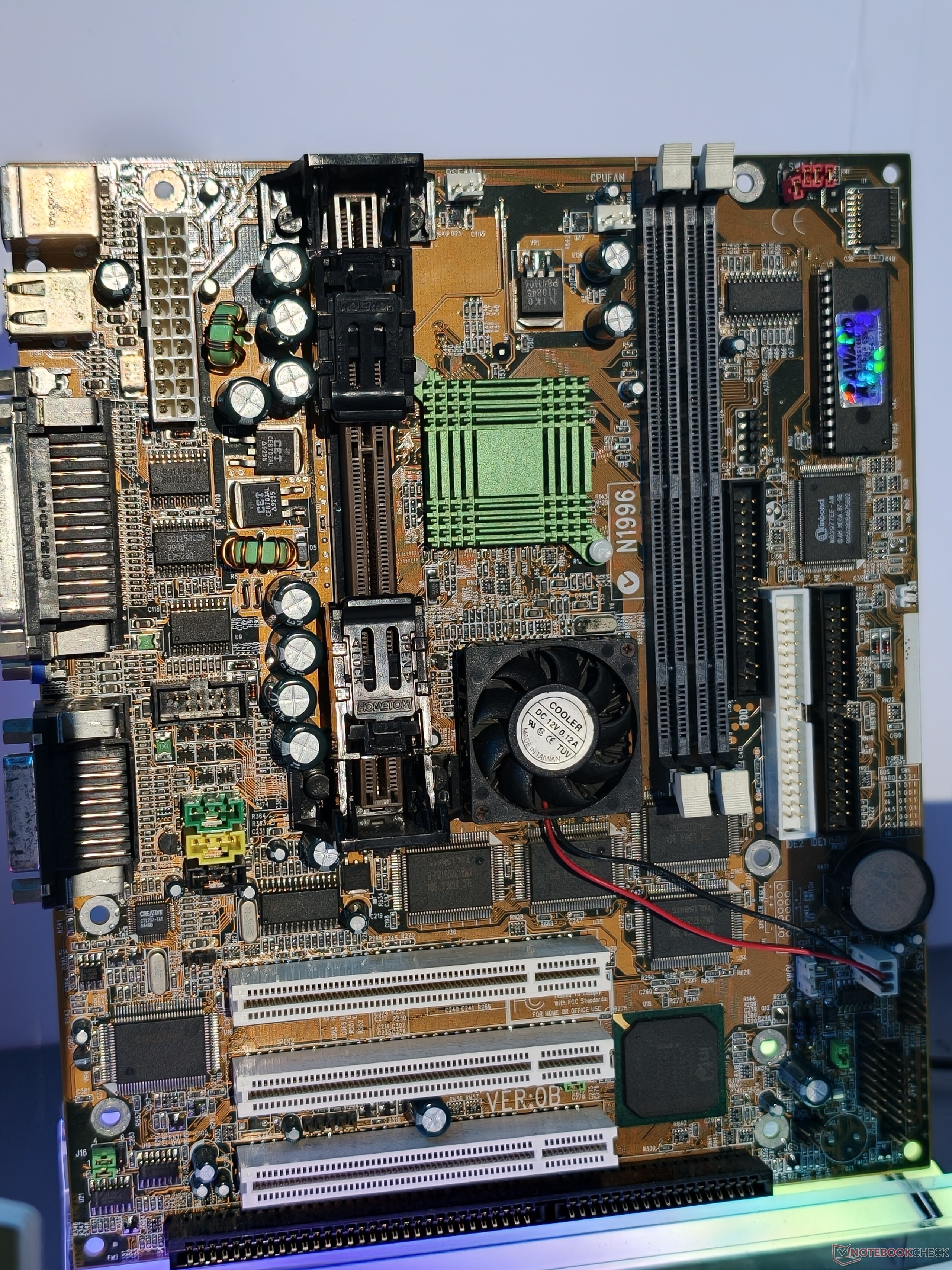
MSI started as a motherboard OEM in 1986 with the MS-3121, the first 286 motherboard that allowed overclocking the Intel 80286 CPU from 12 MHz to a sweet 16 MHz.
However, it was the 1999 K7 Pro, which supported the AMD K7 "Pluto" processor on the AMD 750 chipset, that helped MSI gain mainstream acceptance.
That same year, MSI debuted the MS-6168 motherboard based on the Intel 440ZX chipset for Intel Pentium II "Klamath" and "Deschutes" processors.
Geeks of the time will fondly remember how CPUs came in Intel Slot 1 or AMD Slot A cartridges.
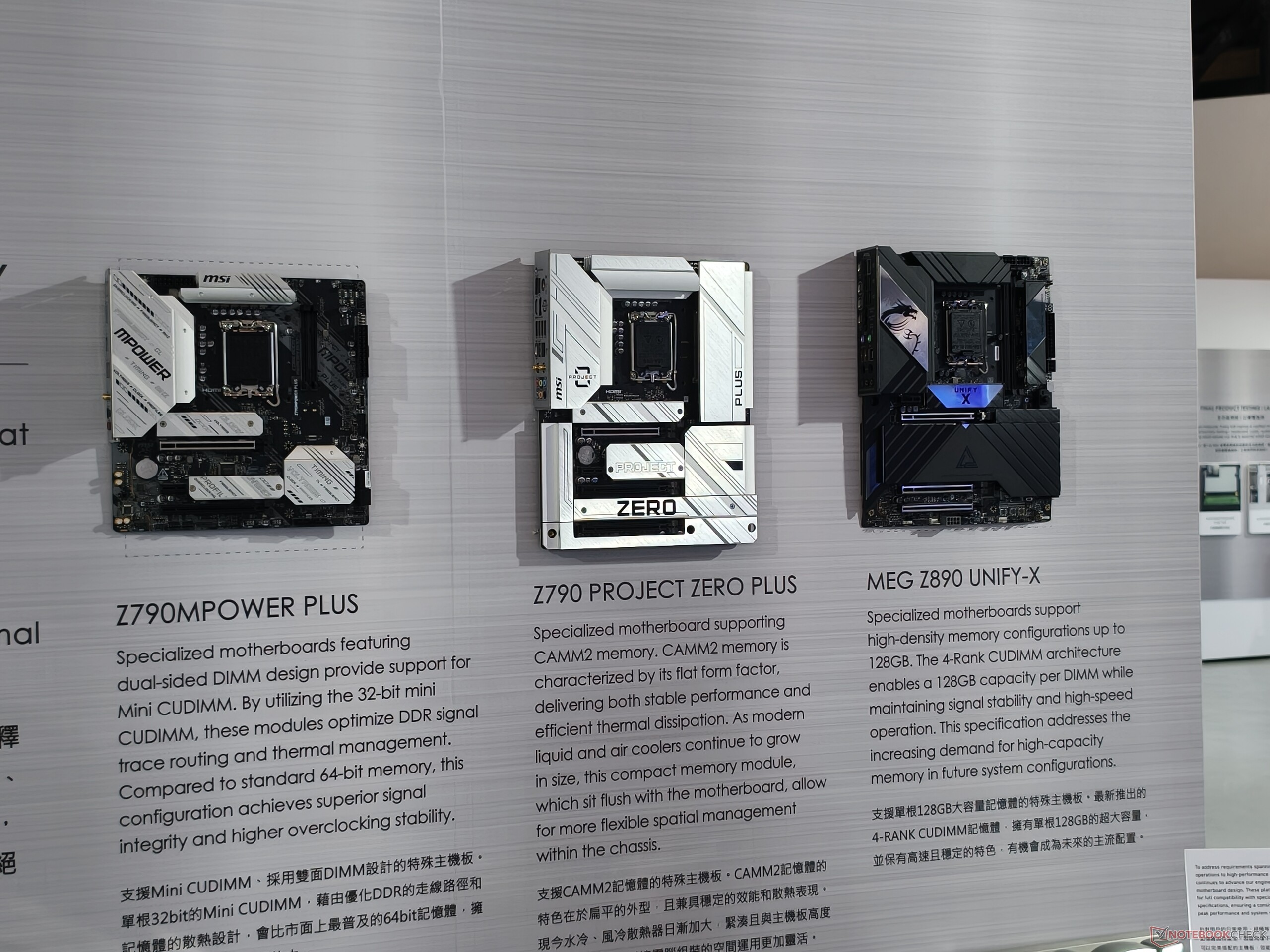
Since the days of the single-core K7 Pro, we have come a long way to high-performance AMD X870E and Intel Z890 chipsets that support 16C/32T Ryzen 9 and 24C/24T Core Ultra 9 behemoths, respectively.
That's approximately a 30,000x increase in real-world performance with all 32 threads engaged!

History of GPUs: From Texas Instruments-based cards to RTX Blackwell monsters
When we think of desktop GPUs today, chunky cards that often gobble up two or more motherboard slots and guzzle power like Gatorade while costing an arm and a leg come to mind.
However, things weren't this way nearly three decades ago.
MSI's very first GPU was the MS-4412, launched in 1997, which featured a Texas Instruments Permedia GPU with 8 MB SGRAM. Unfortunately, a physical MS-4412 card wasn't showcased at the event.
In 1999, Nvidia CEO Jensen Huang and MSI joined forces to deliver the MS-8802 3D AGPhantom, based on the Riva TNT2 GPU. Those were the days of 16 MB RAM and AGP interfaces. The TNT2 was capable of running desktop applications at a native 1,600 x 1,200 resolution in full 32-bit color.
The MS-8802 was succeeded by several new Nvidia chipsets of that generation, including the GeForce2 GTS with 32 MB RAM (2000), the GeForce4 MX-based G4MX440-8X (2002), and the GeForce FX 5600-based FX5600 (2003).
By then, we had entered the era of programmable vertex and pixel shaders, and DirectX 9.

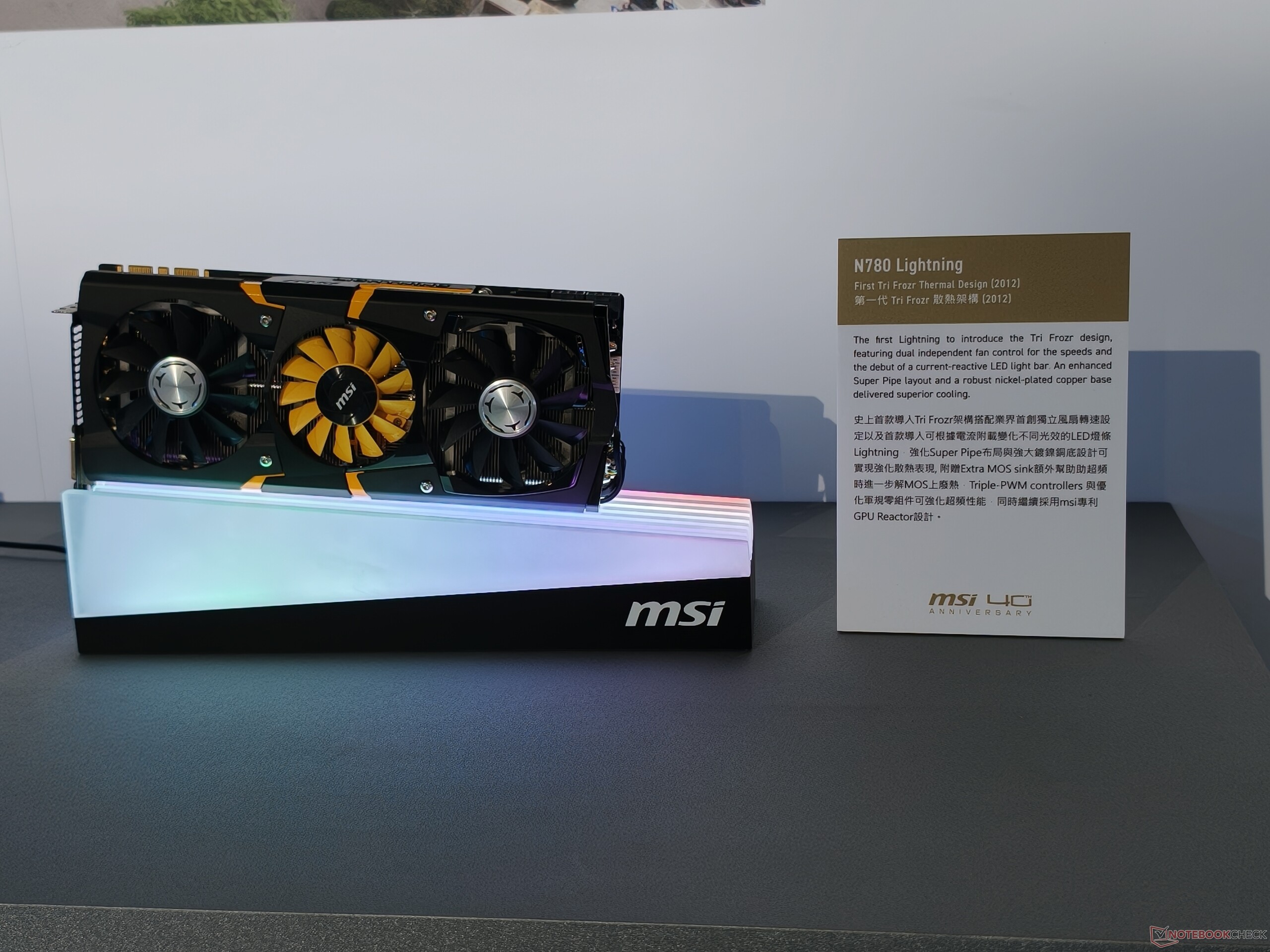
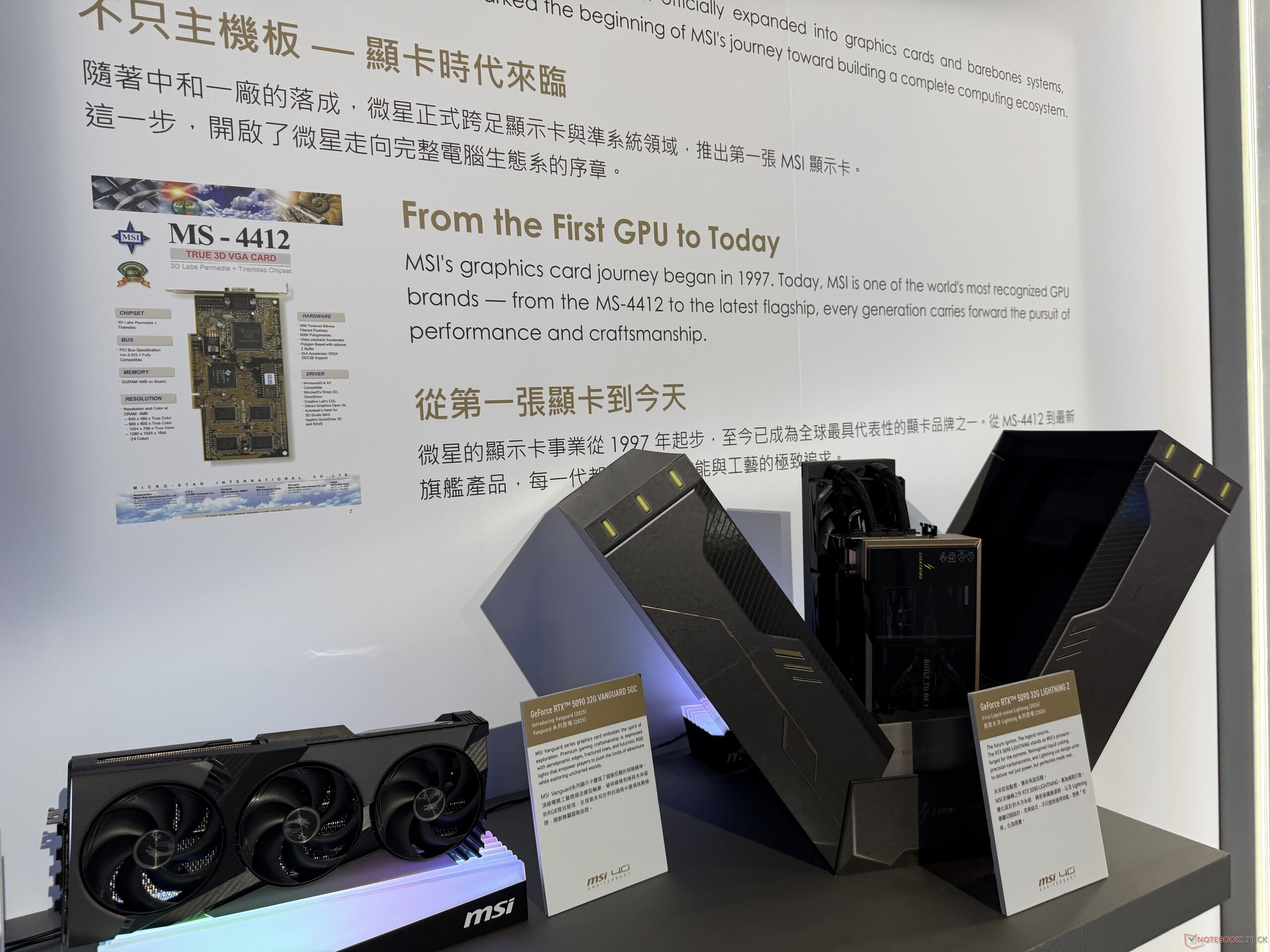
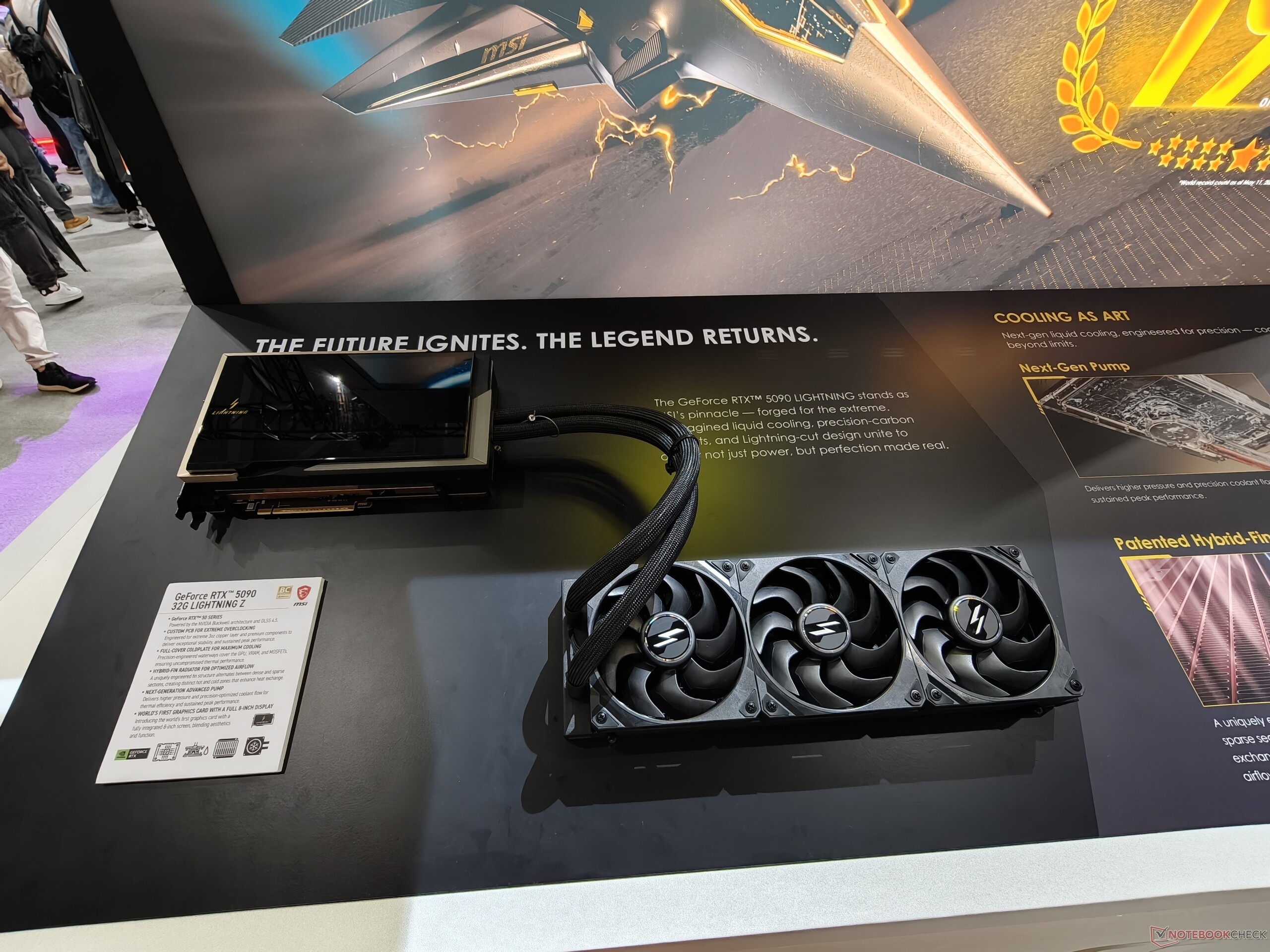
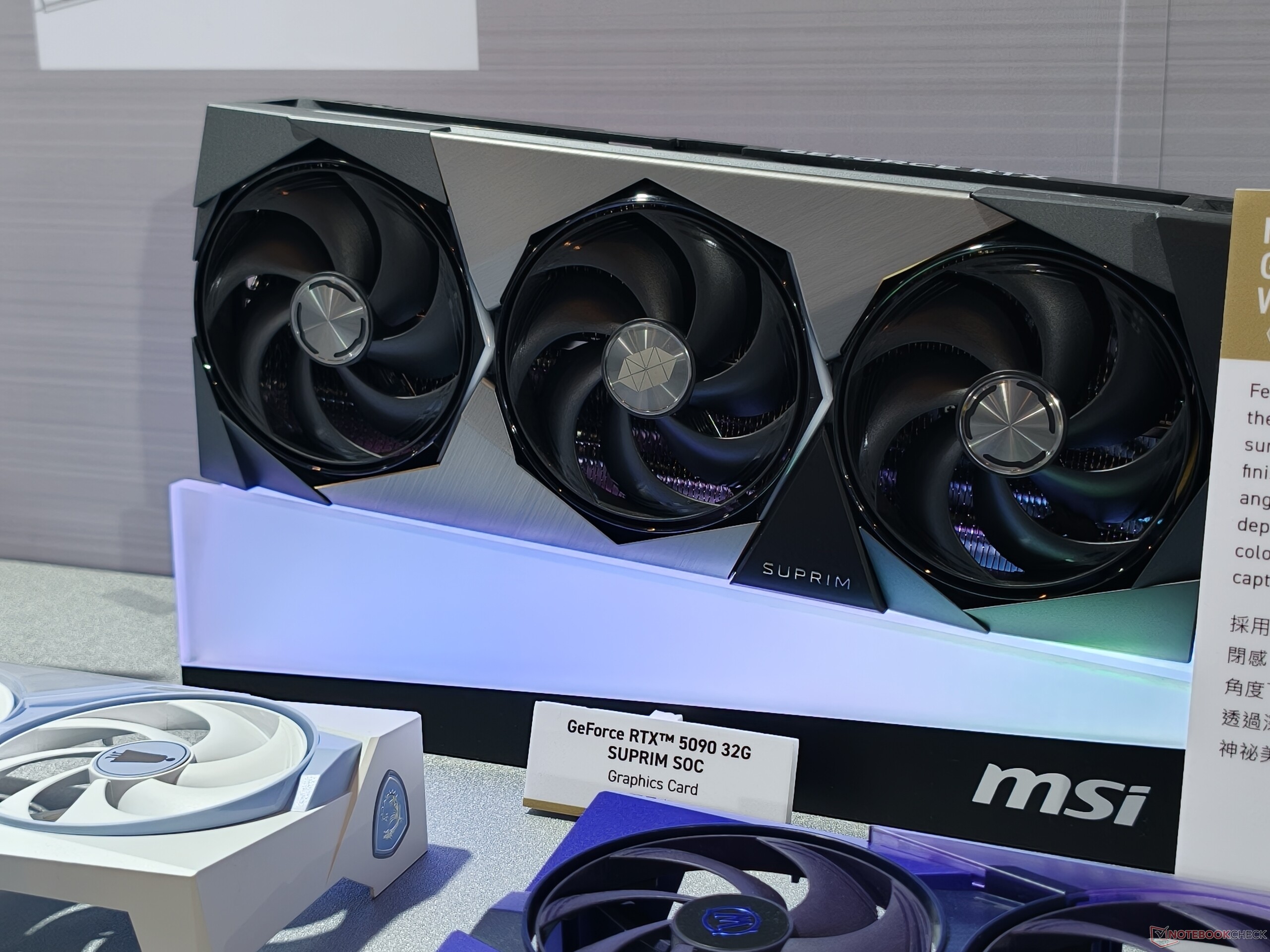
Next came the MSI NBox N5900 Ultra based on the GeForce FX 5900 (2003), with an assortment of gaming accessories and game CD-ROMs that let gamers fully test the swanky new GPU.
MSI introduced its cooling innovations with Hybrid Frozr tech — the precursor to today's Zero Frozr — on the MSI N9600GT in 2008. The GeForce 9600 GT, with its 64 stream processors (later called CUDA cores), marked Nvidia's complete shift from programmable pixel and vertex shaders to the unified shader model supported by DirectX 10, which is still in vogue today.
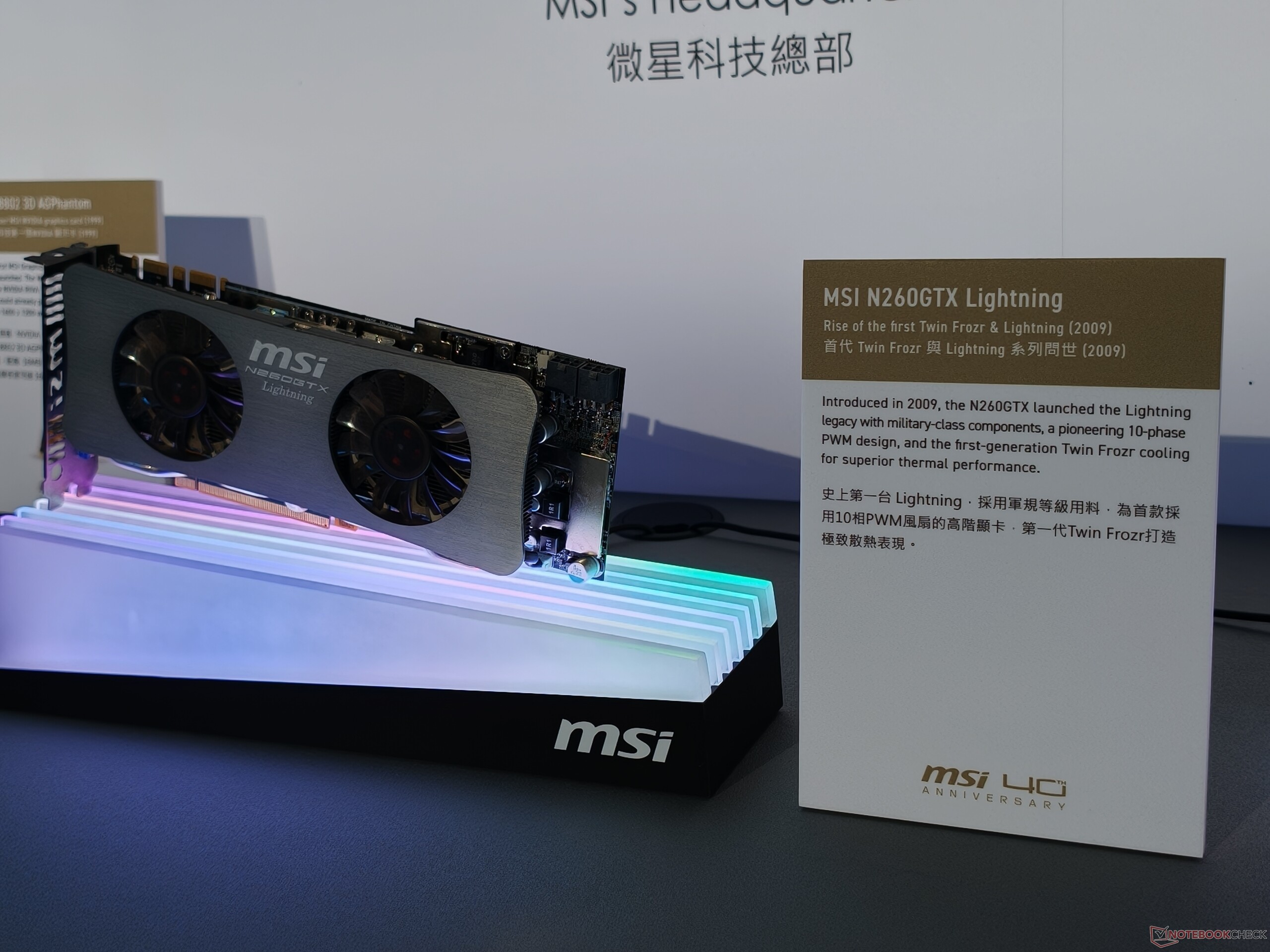
Later, the N260GTX Lightning, based on the GeForce GTX 260 (2009), used Twin Frozr dual fans, while the GTX 780-based N780 Lightning (2012) implemented a Tri Frozr design.
Today's GPUs are more than fancy 3D rendering systems. They are at the forefront of the modern AI revolution.
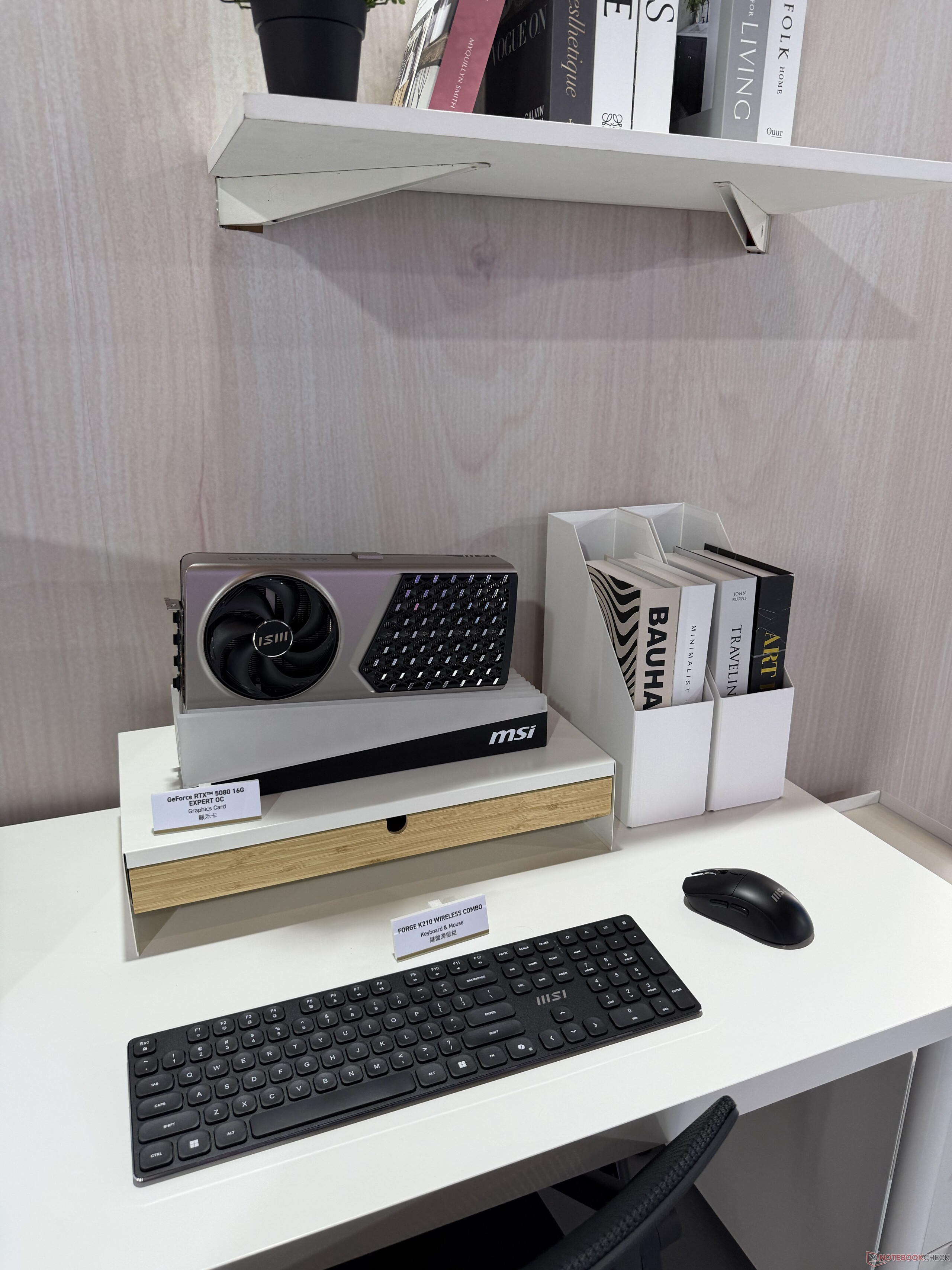
Imagine: an RTX 5090 today is about 111,000 times more powerful than the Riva TNT2 in sheer matrix multiplication alone!
Laptop innovations: From Intel Centrino to Arrow Lake-S gaming powerhouses of today
While desktop innovations have followed a natural progression, laptops present an interesting paradigm. They must balance component miniaturization with software and hardware features that enhance the mobile experience while delivering enough battery life for work and play.
MSI entered the laptop market with the M510C in 2004, based on the Pentium M series of CPUs. This was the era of the Intel Centrino platform (the precursor to modern-day Project Athena/Intel Evo), ATI Mobility Radeon, XGA resolution displays, and the famous "Designed for Windows XP" sticker that incidentally was seen even on some new generation laptops.
Eventually, MSI began making high-end gaming and creator notebooks. The Megabook GX600 (2007) was the world's first overclockable gaming laptop. It was based on the Intel Core 2 Duo T7300/T8300/T9300 CPU and the Nvidia GeForce 8600M GT GPU with 512 MB VRAM. The model showcased at the event, however, seemed to feature an AMD Turion 64 CPU and ATI Radeon graphics.
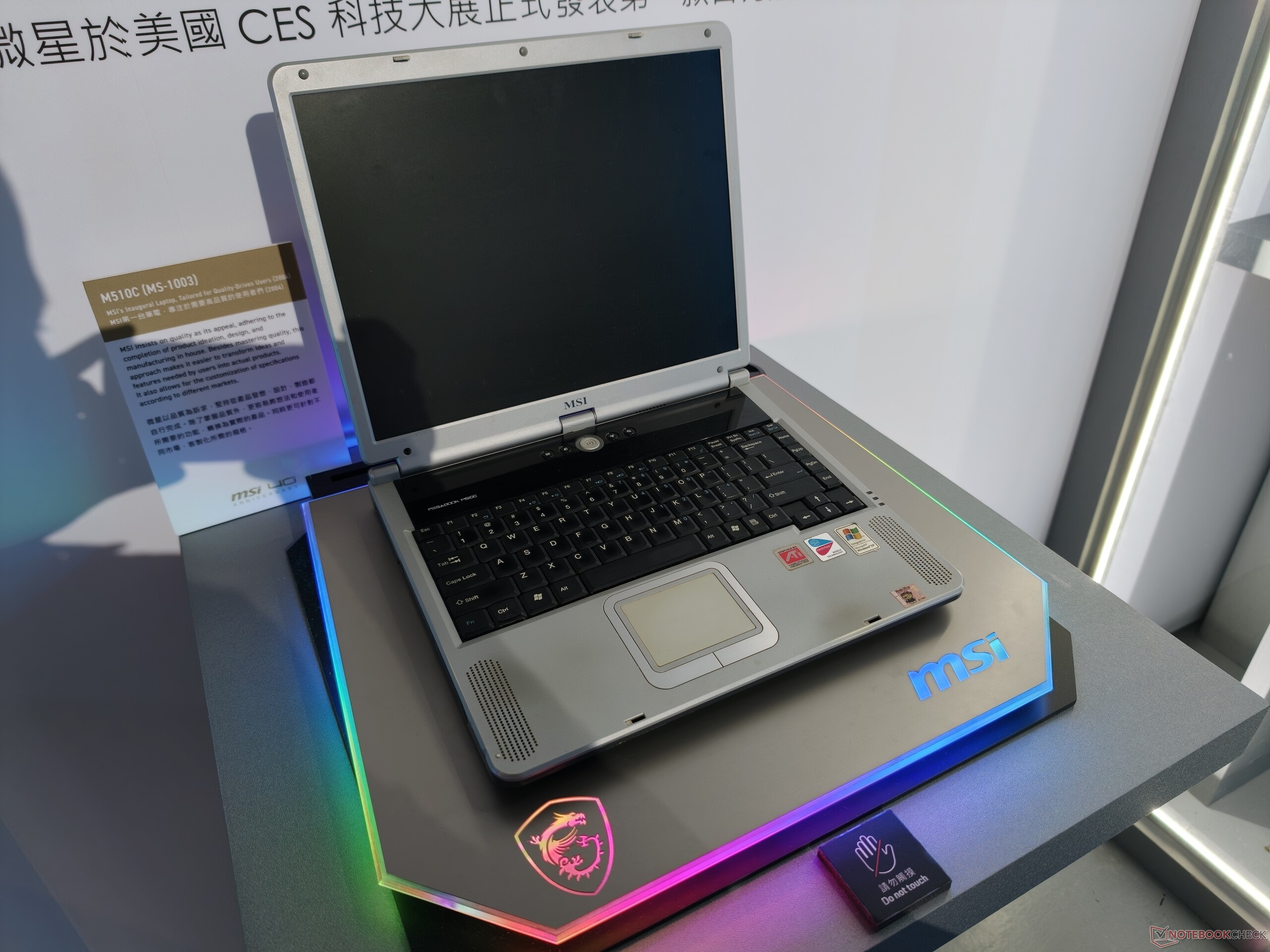
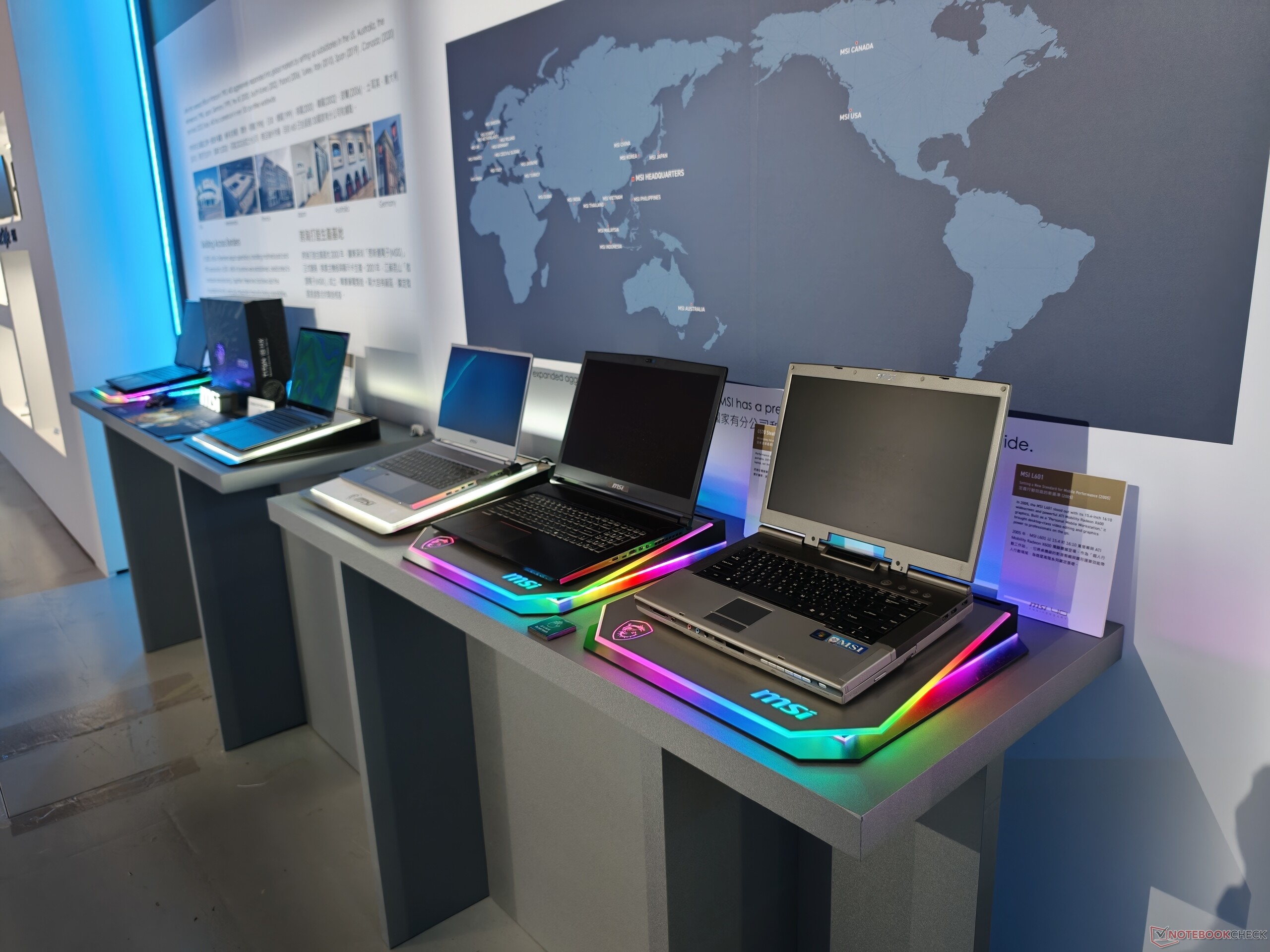
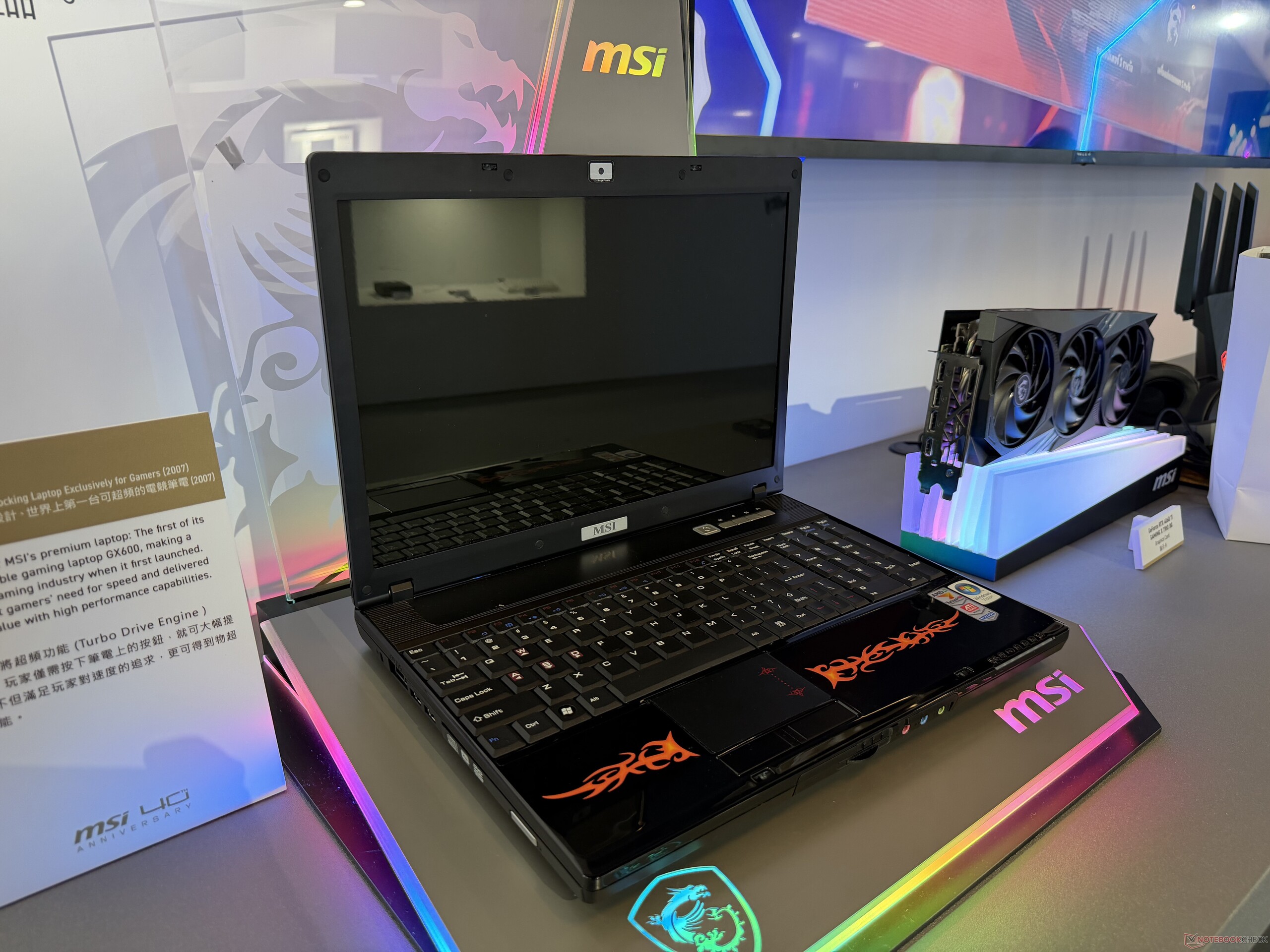
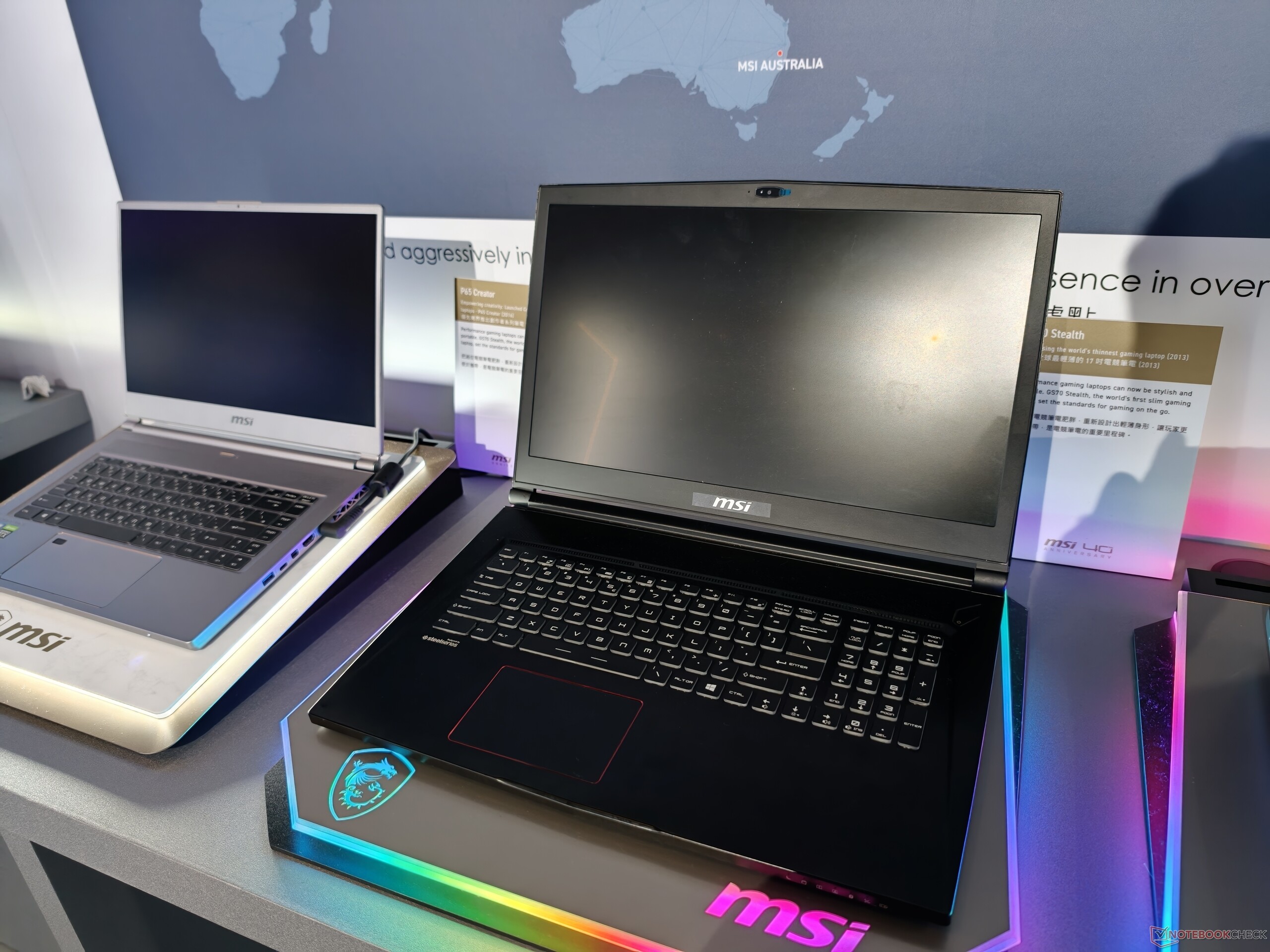

Another category-defining laptop was the GS70 Stealth (2013) — the world's first slim gaming laptop to feature an Intel Haswell Core i7-4700HQ CPU, 16 GB DDR3 RAM, and an Nvidia GeForce GTX 765M GPU with 2 GB VRAM. The GS70 Stealth also offered a gamer-focused SteelSeries keyboard, but its keys weren't mechanical.
That changed with the arrival of the GT80 Titan SLI (2015), which featured a full-size SteelSeries mechanical keyboard with CherryMX Brown switches. Unlike MSI's modern flagship laptops, the GT80 had mechanical keys throughout, including the function row and numpad. The GT80 Titan SLI was also a spec behemoth, sporting an Intel Skylake Core i7-6820HK CPU, 32 GB DDR4 RAM, and swappable MXM-based Nvidia GeForce GTX 980 Laptop in SLI.
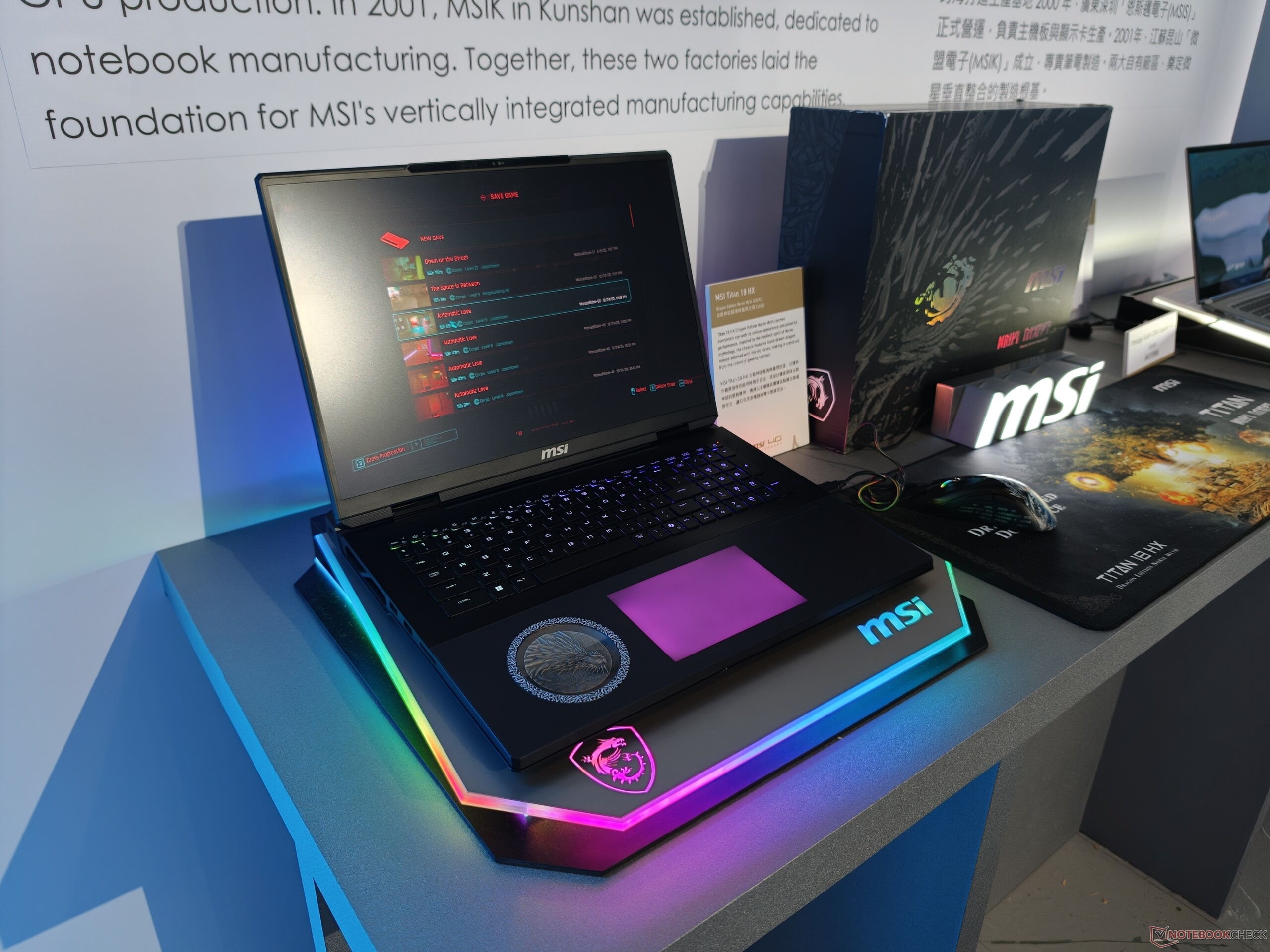
Contrast that with the latest MSI Titan 18 HX (2026), which is arguably much slimmer than the GT80 Titan but offers nearly 10 times the graphics compute with its single Nvidia GeForce RTX 5090 Laptop GPU.
Processes that prioritize quality and durability
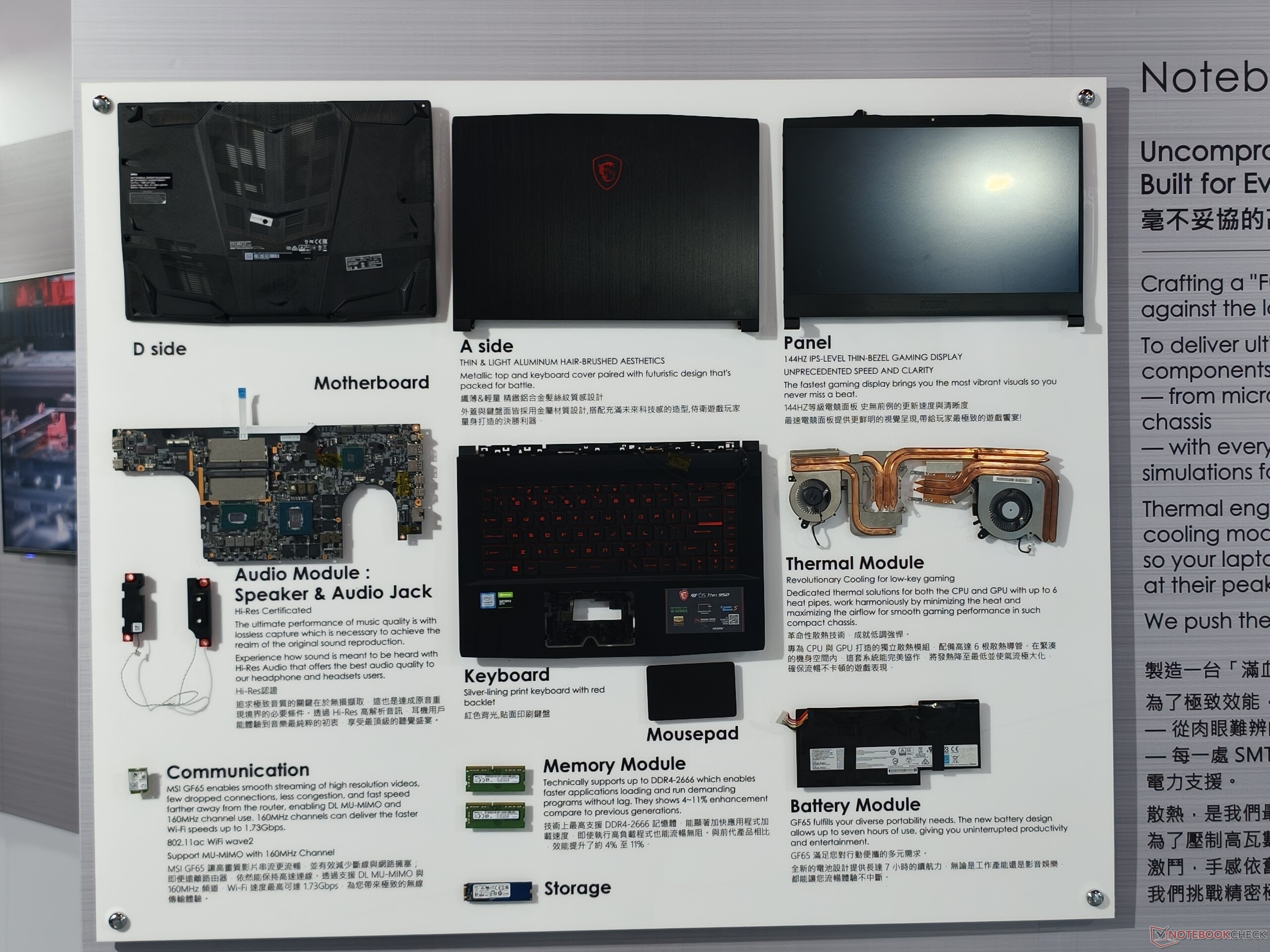
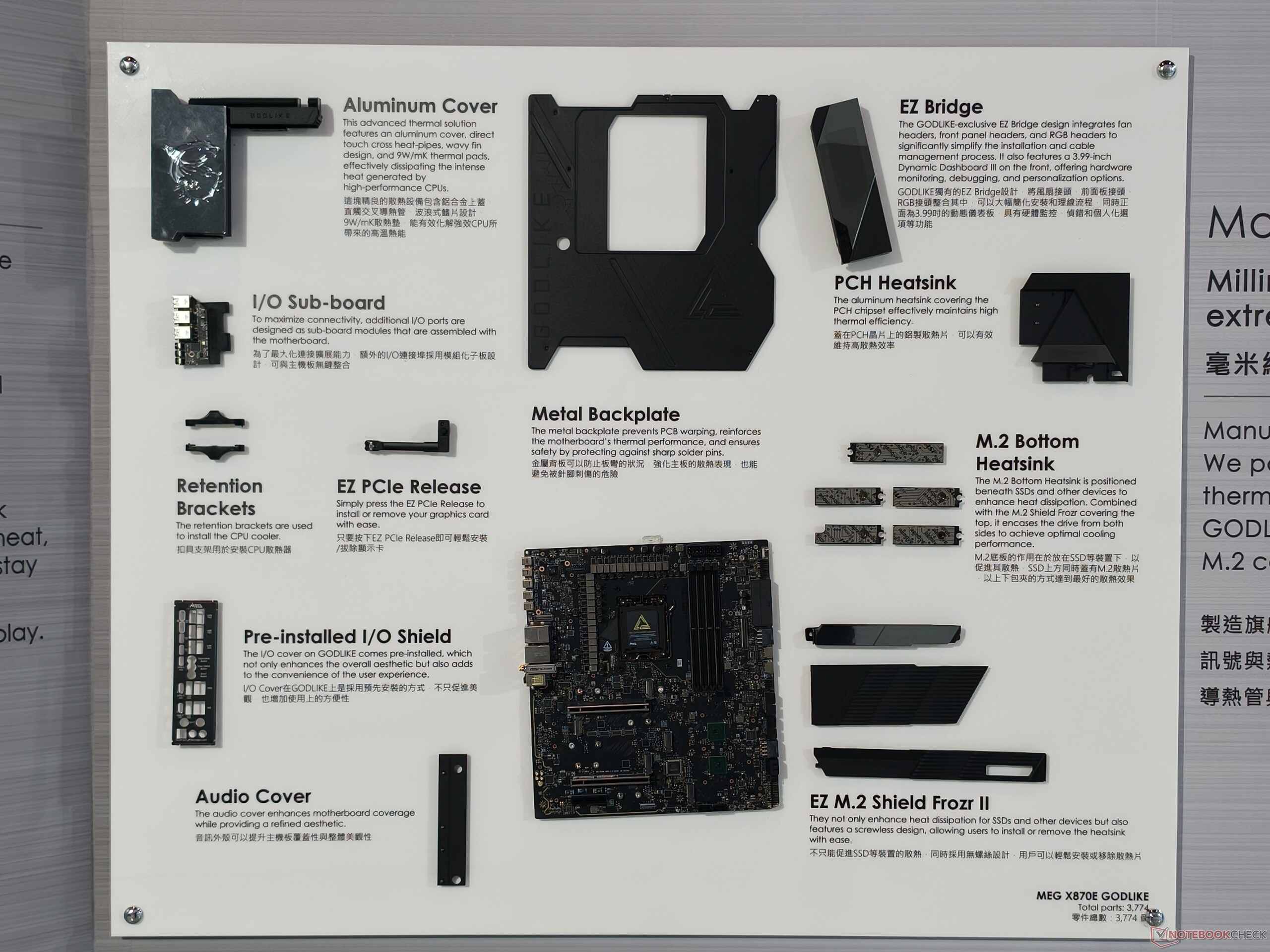
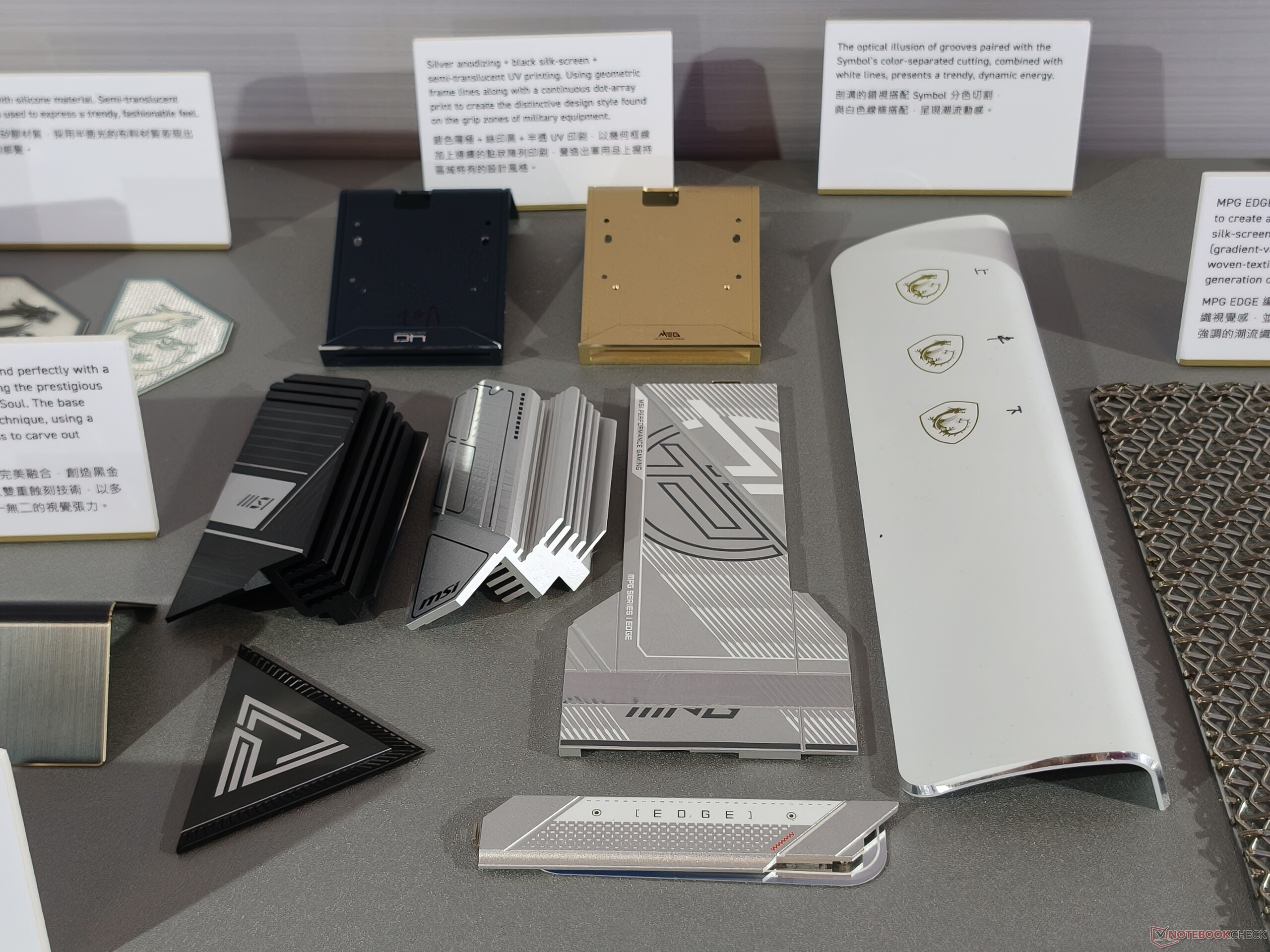
It goes without saying that design plays a pivotal role in ensuring high-end components perform at their best. MSI showed off some of the design choices that go into making products like the GF65 Thin gaming laptop and the MEG X870E Godlike motherboard.
We have also covered some of these aspects in our Laptops 101 series of articles, so be sure to check them out.
Going beyond traditional PC hardware into the AI era
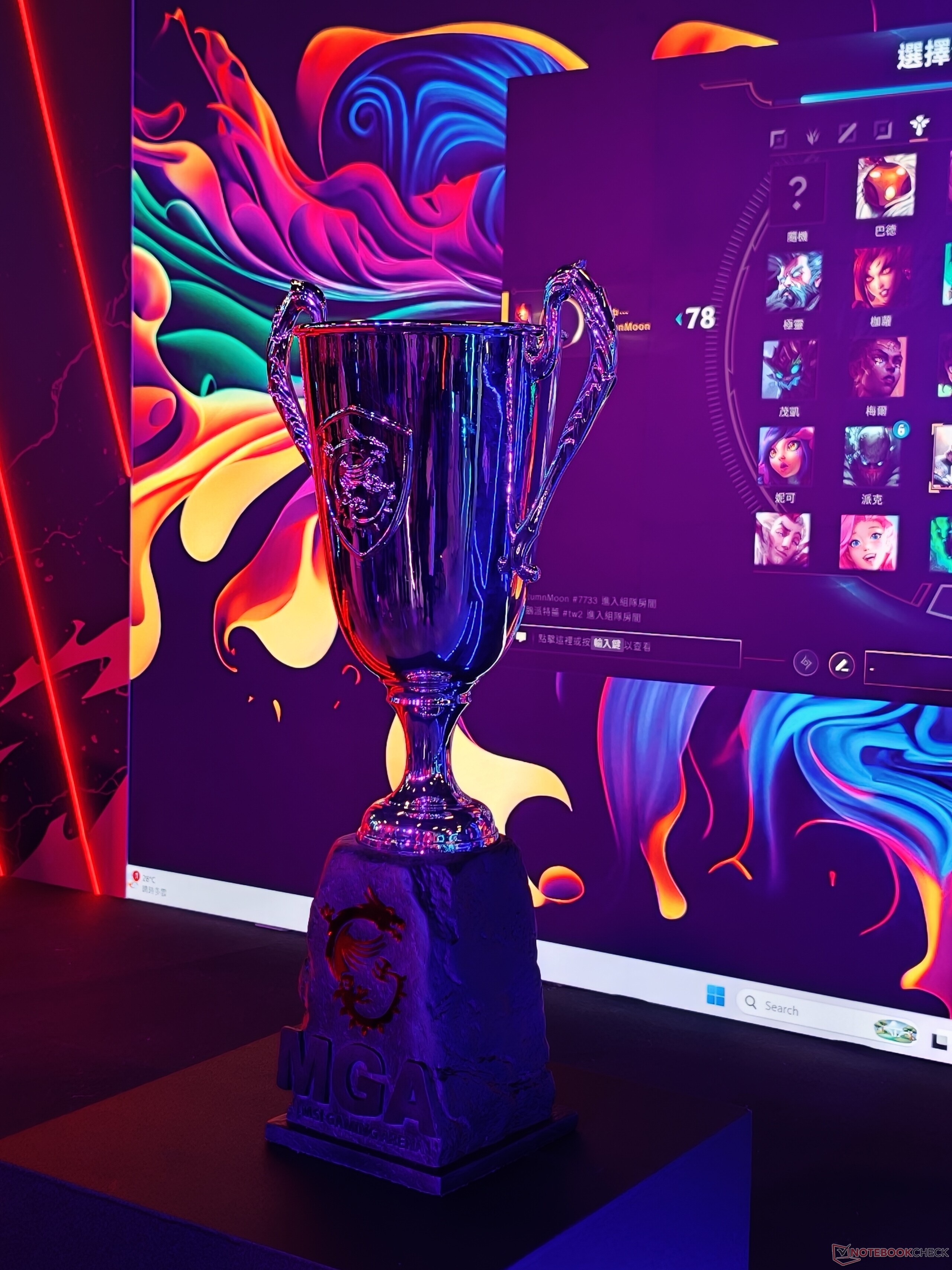
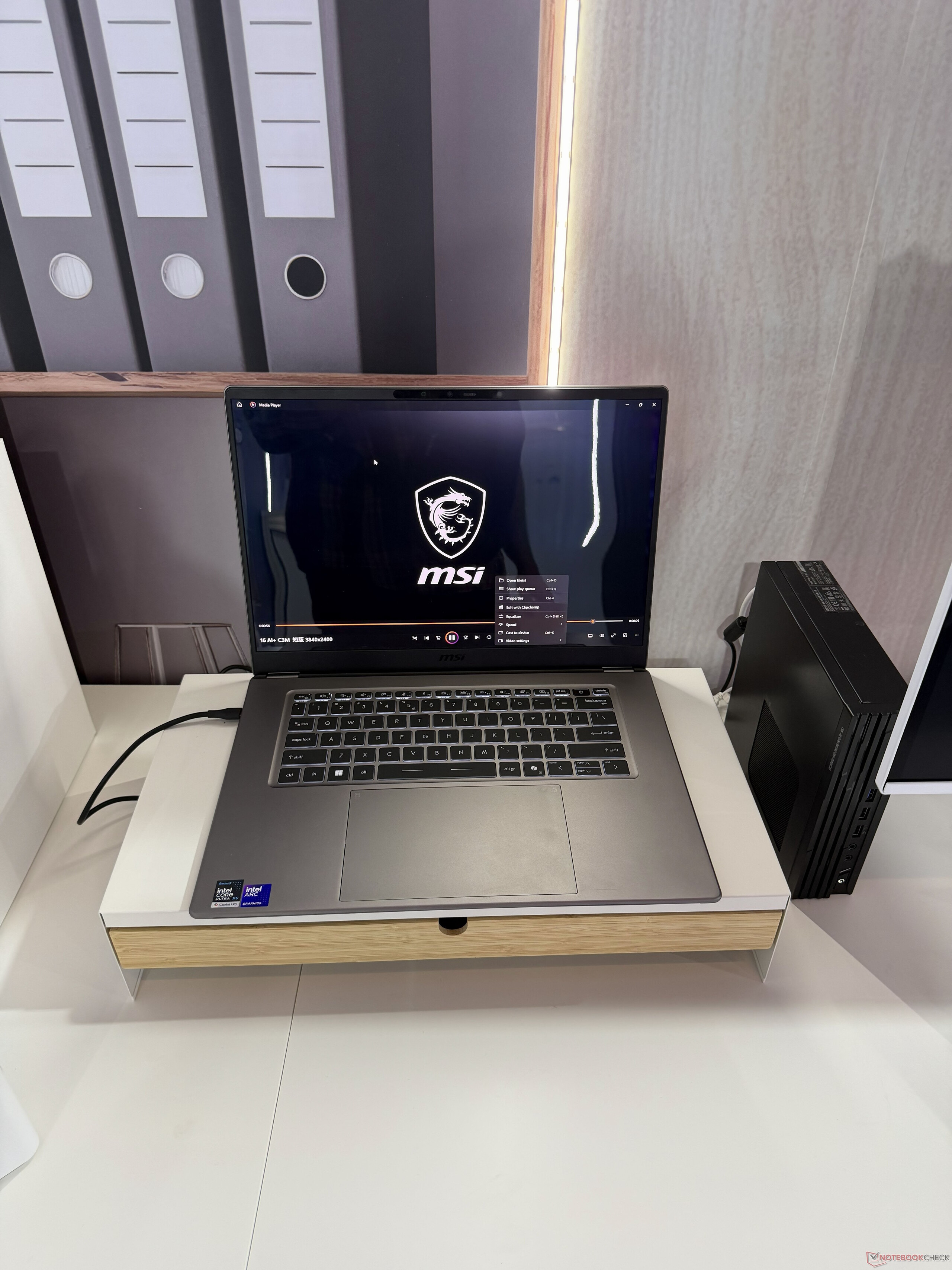
The event also showcased several of MSI's collaborative design efforts, including the MSI-Mercedes AMG Motorsport special-edition laptops like the Stealth A16 AI+ and Prestige 16 AI+, and World of Warcraft: Midnight-themed GPU mods. A live WoW esports tournament was also underway.
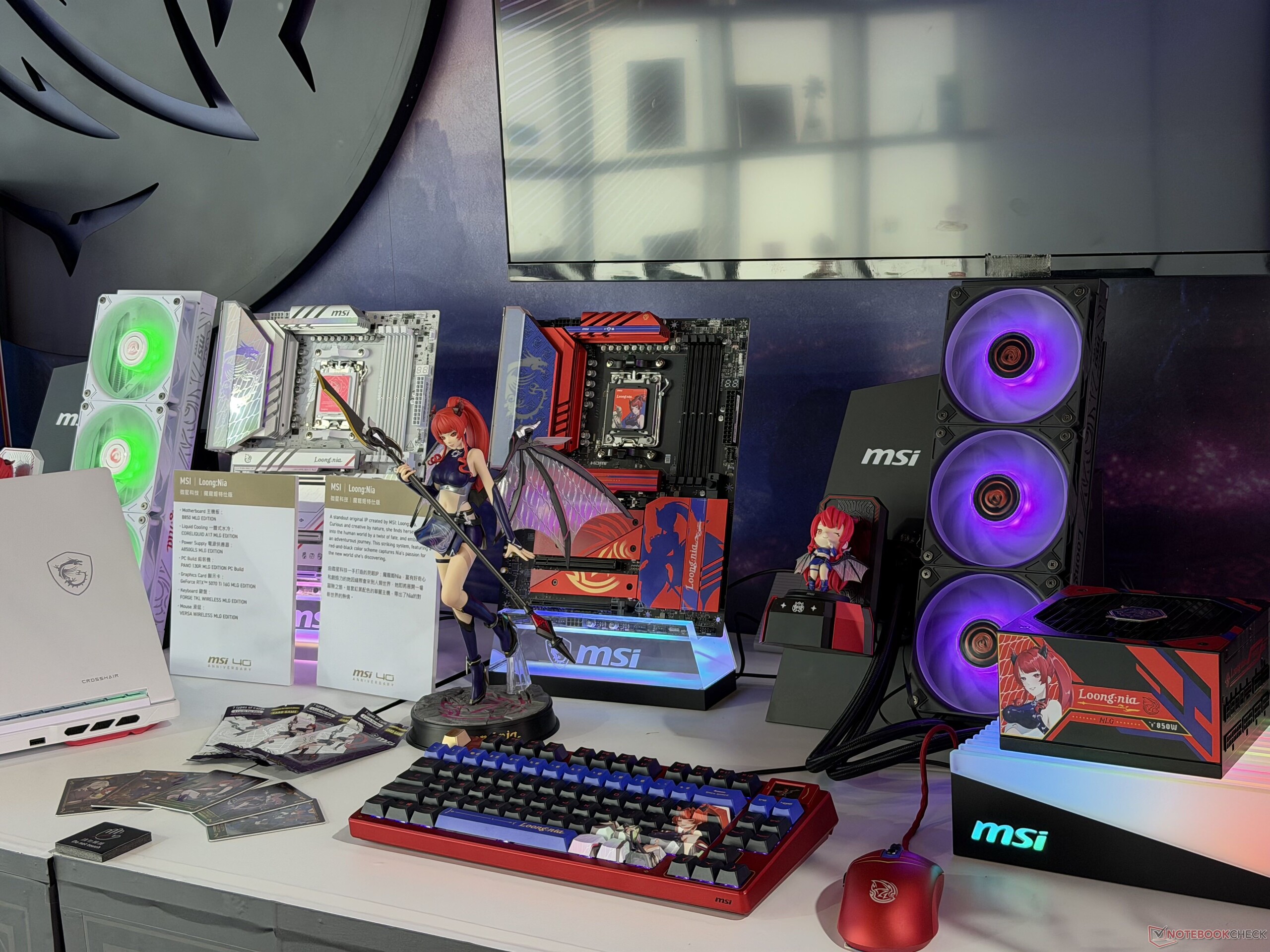
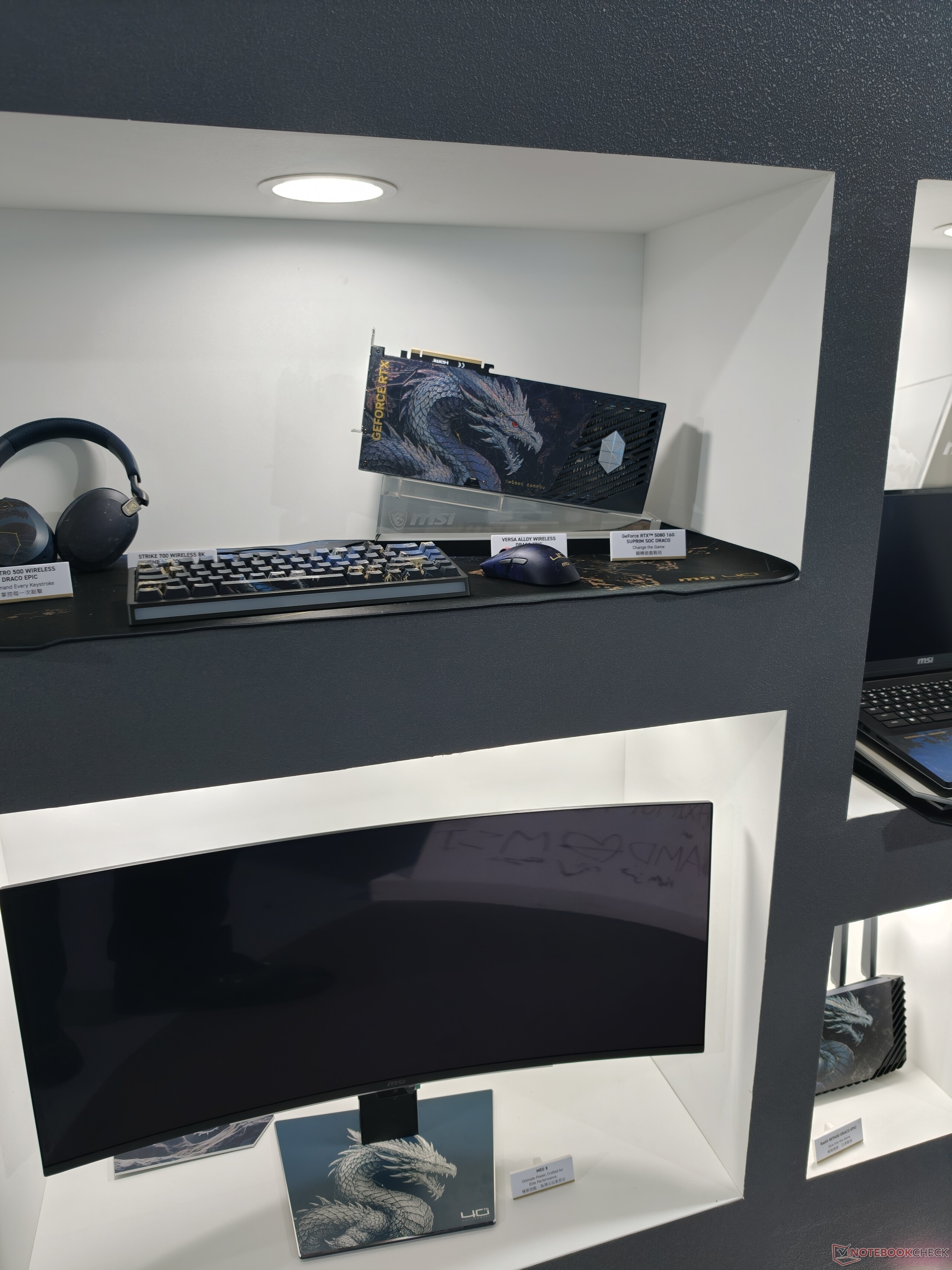
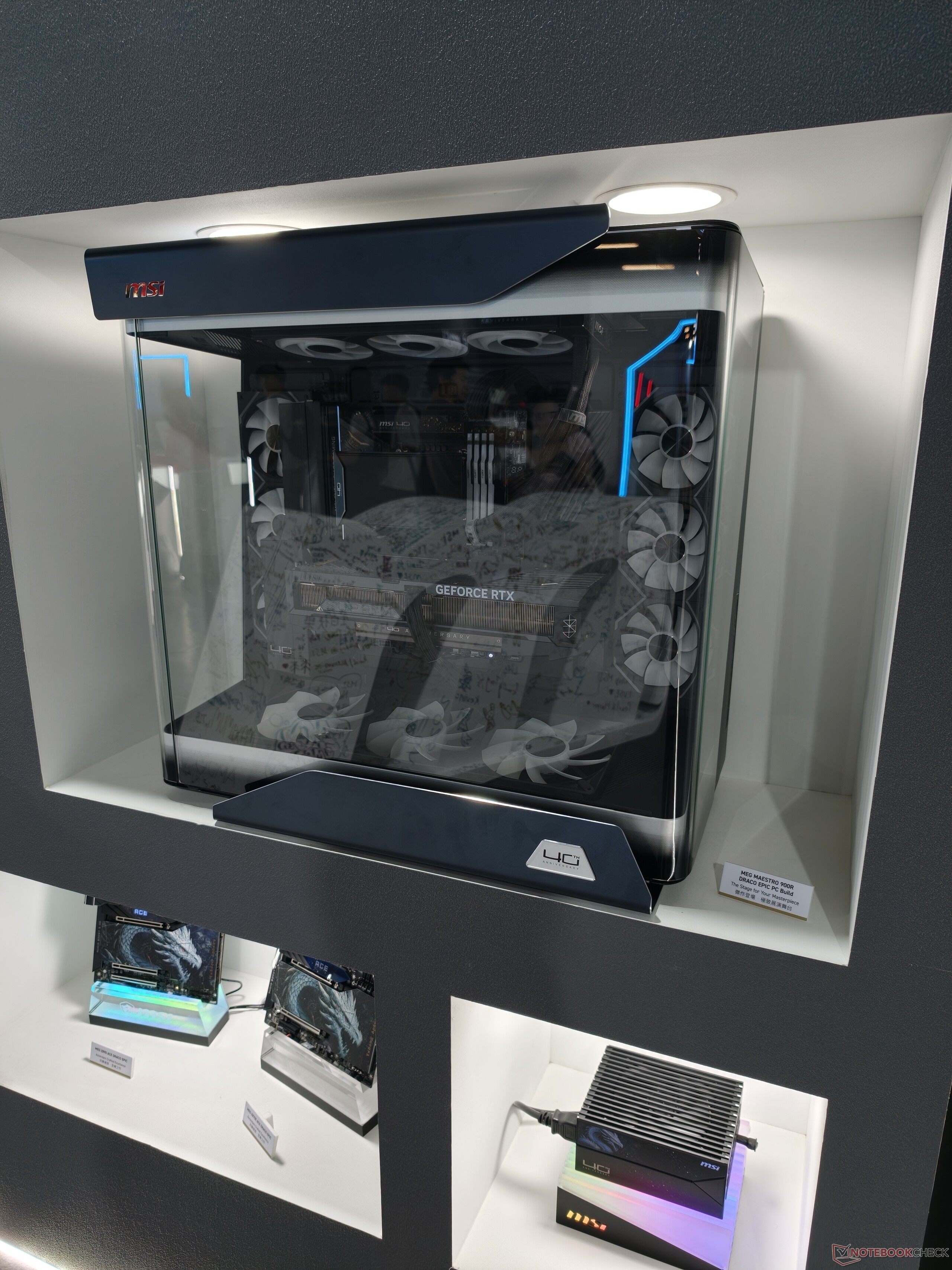
Also on display were Loong:nia-themed motherboards, PSUs, laptops, and AIOs, along with Draco-themed PC builds and peripherals.
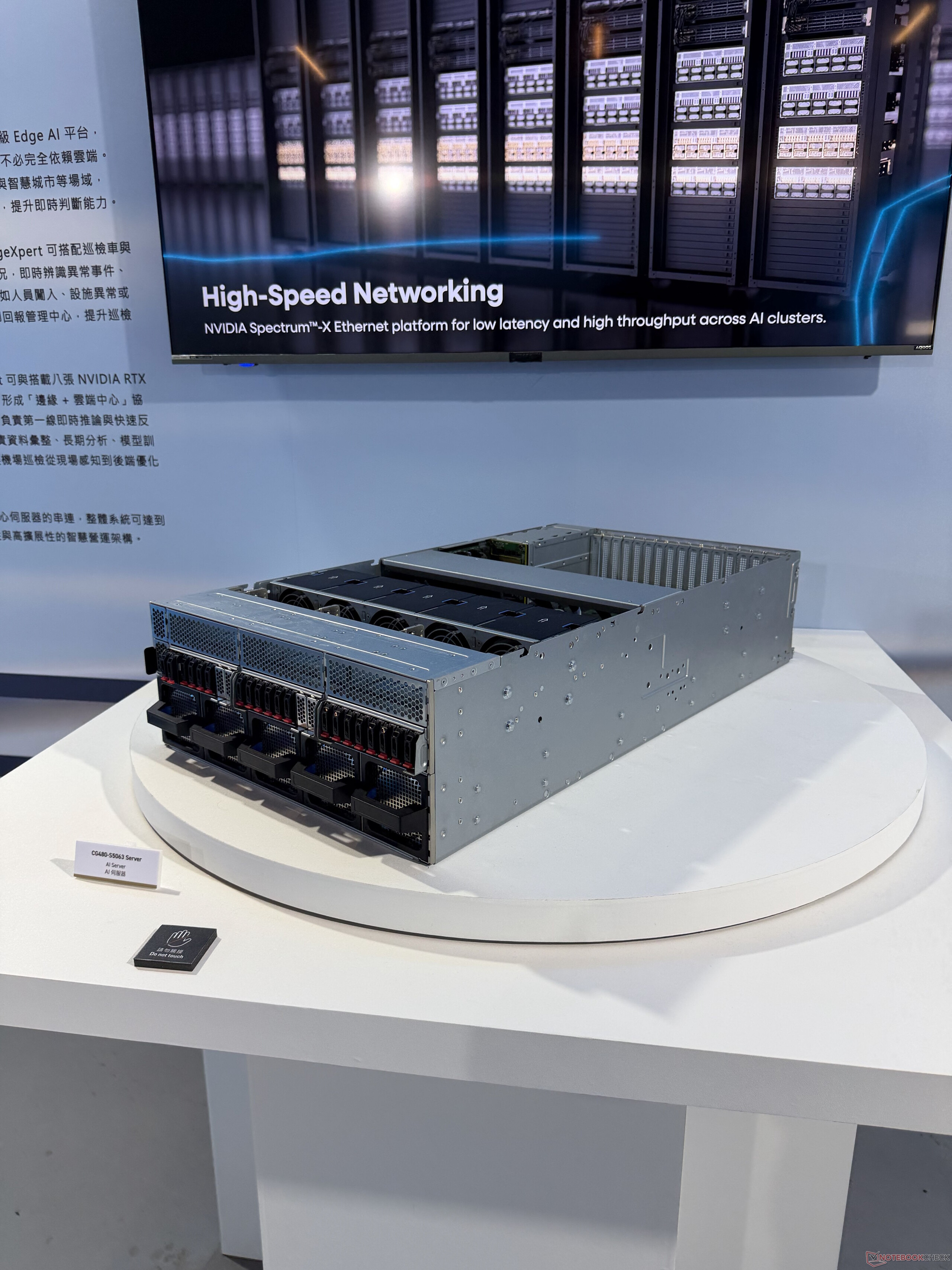
AI is increasingly ubiquitous, changing how we interact with our computers. OEMs have been investing heavily in AI servers and rebranding many mainstream offerings as AI-capable.
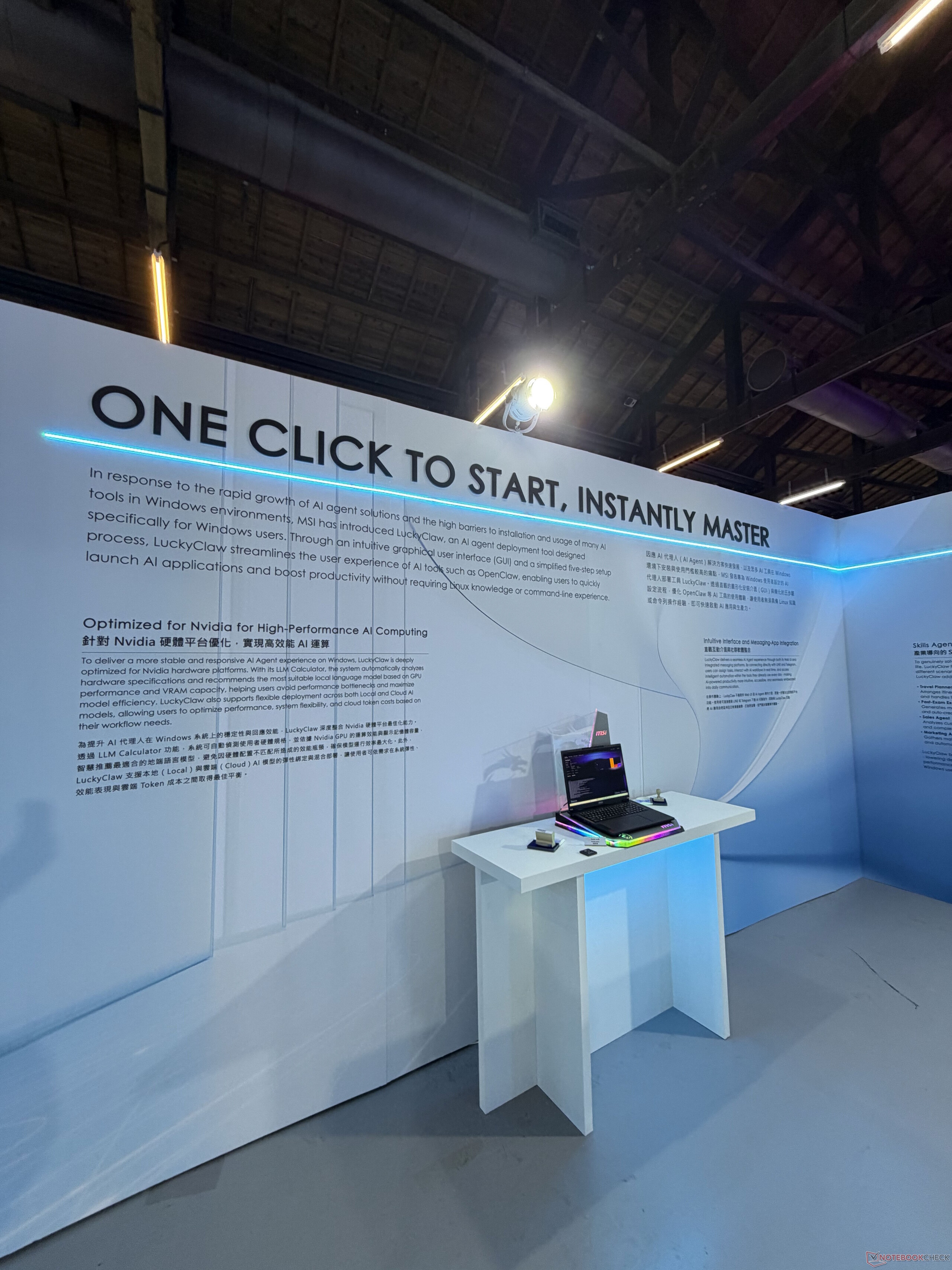
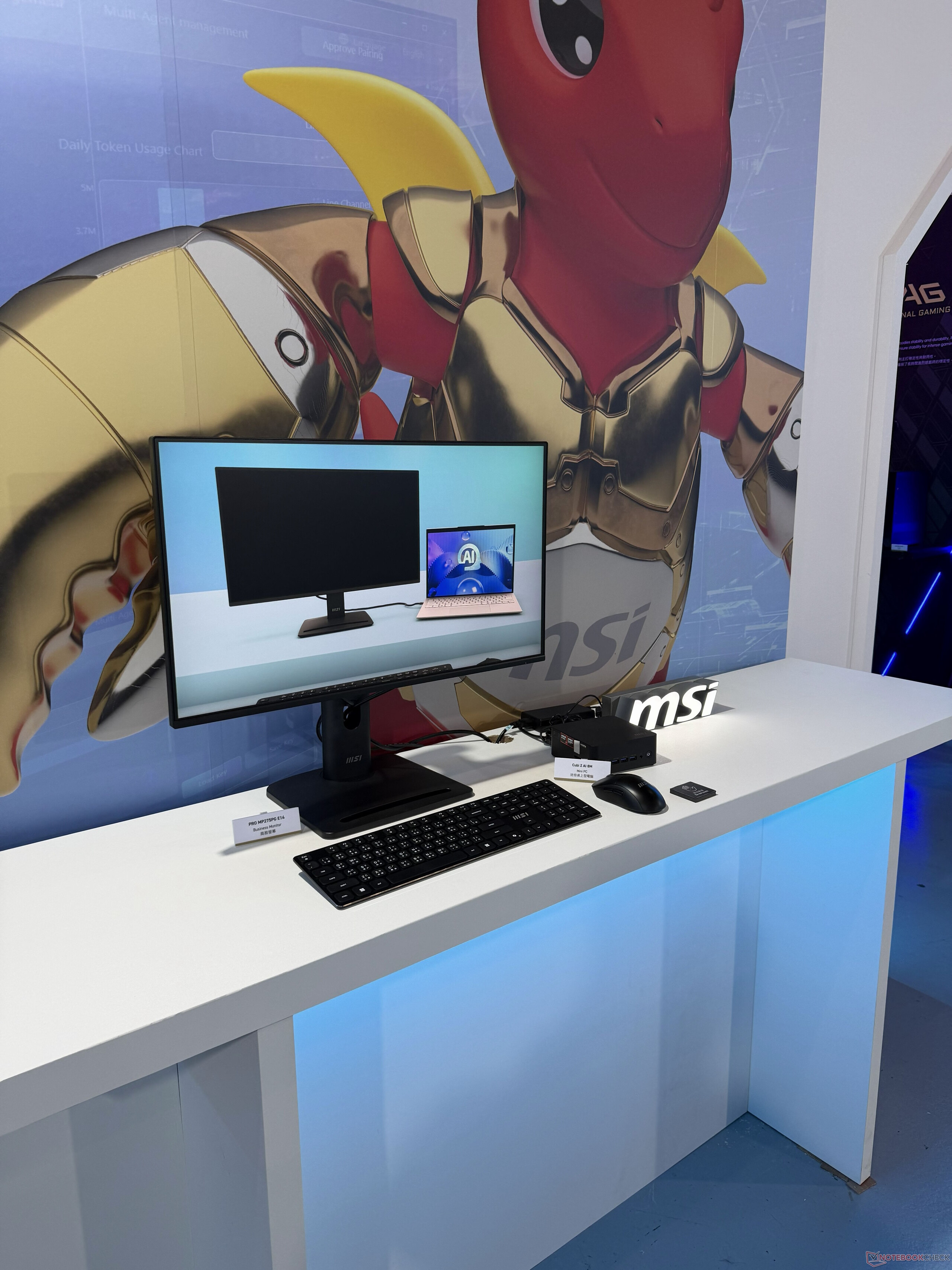
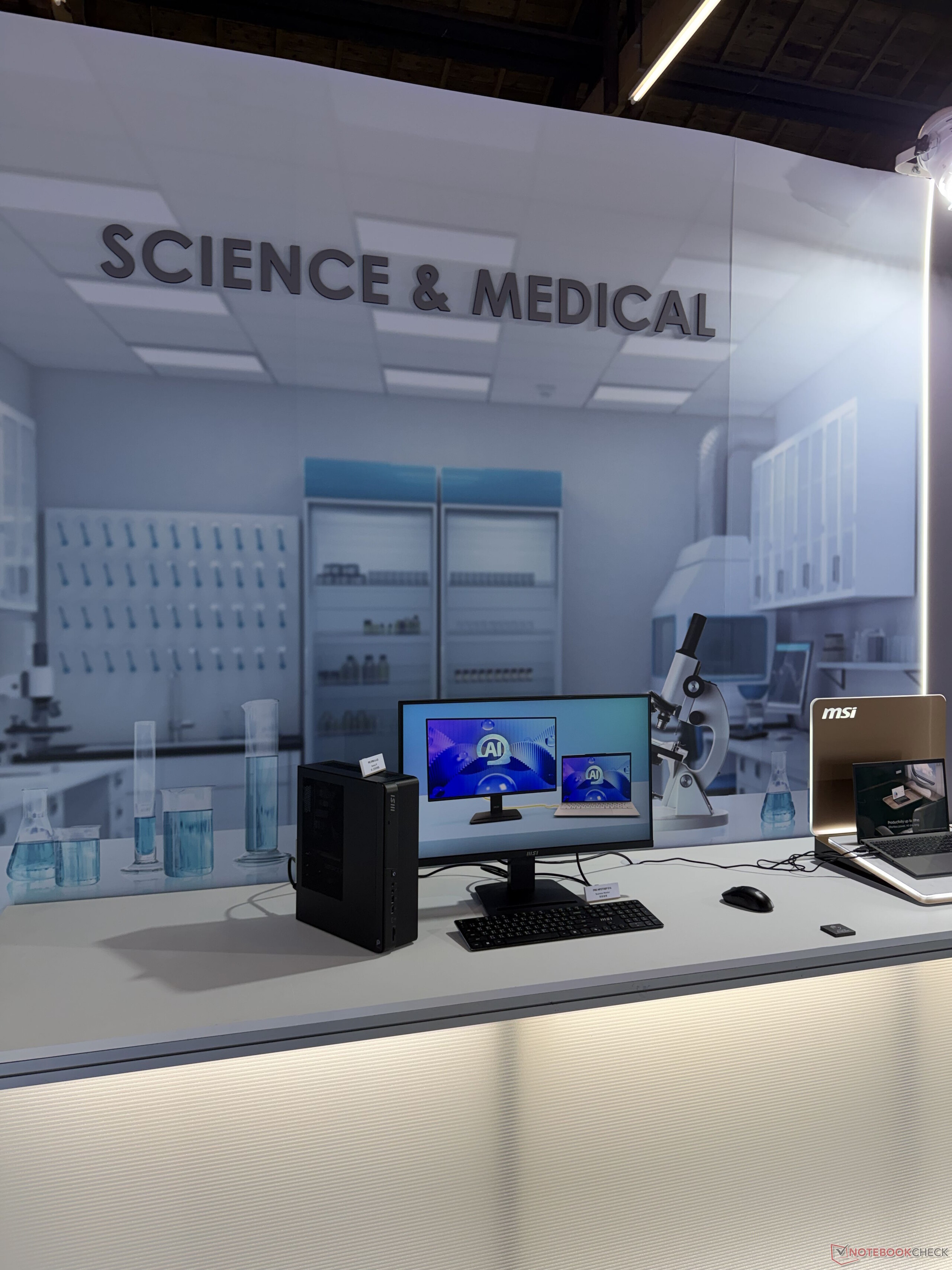
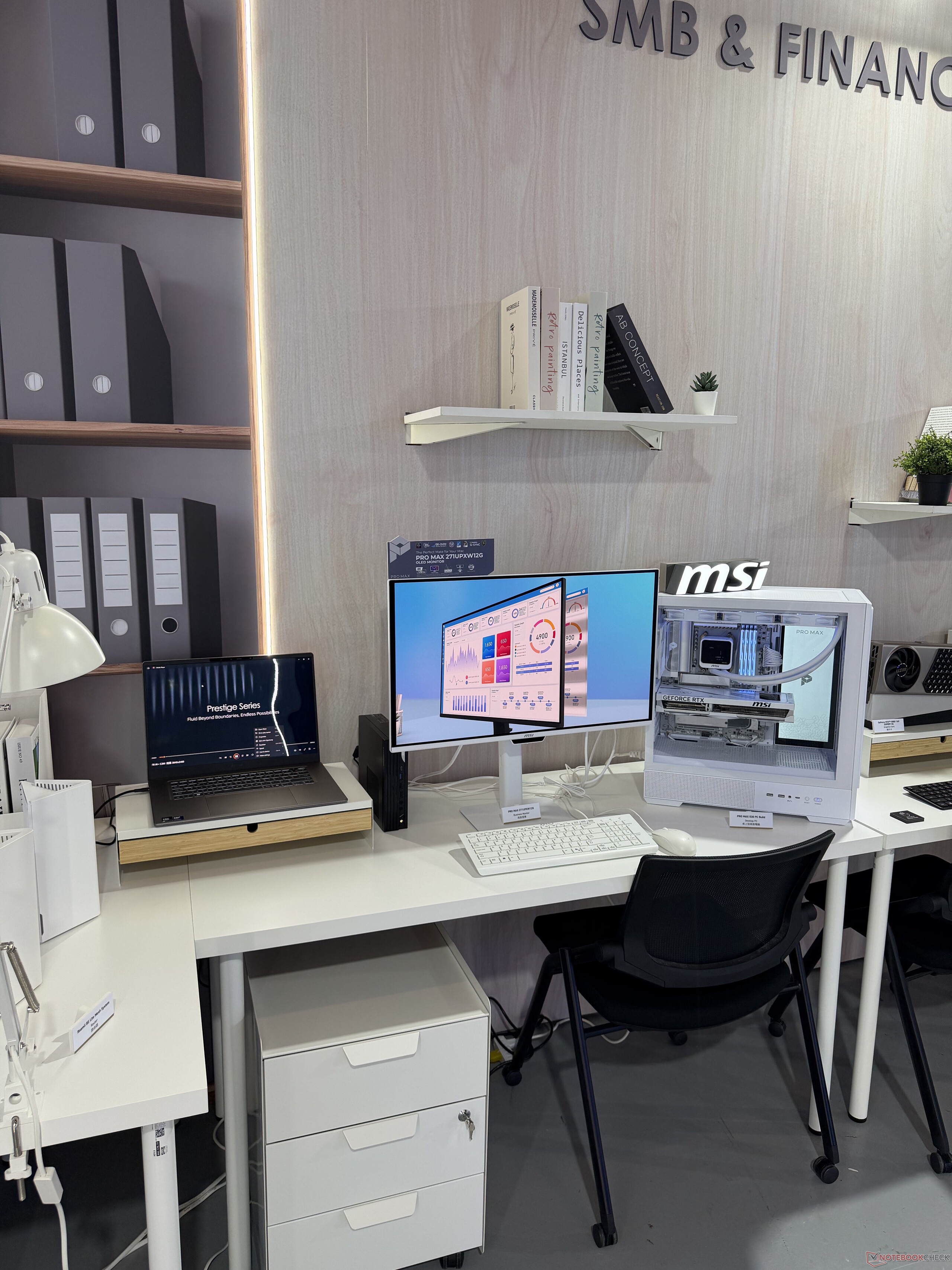
MSI too has joined this bandwagon. With all the talk about agents lately, MSI is even offering LuckyClaw — an easy-to-use agentic platform for Windows users optimized for Nvidia hardware.



To the next 40 years and beyond!

When even half a year feels epochal at the pace of modern technological progress, 40 years is an eternity.
Walking through MSI's 40th anniversary exhibition felt less like a corporate timeline and more like a reflection of the R&D, engineering, and human capital that brought these experiences to life.
It stirred a genuine nostalgia for how tech discourse has evolved, reminding us of the drool-worthy gadgets of yesteryear and the games and programs that defined each era of computing.
In all likelihood, the founders couldn't have imagined back when they built that first 286 motherboard that MSI would one day engineer an X870E Godlike, a Titan 18 HX AI, or a Claw 8 EX AI+.
Yet, while our fundamental reasons for using computers remain largely unchanged, how we use them has transformed entirely. A lot can be debated about the current hype cycle, but AI is clearly here to stay — at least judging by the massive investments major OEMs are pouring into everything from consumer hardware to data centers and HPC platforms.
While there have undoubtedly been a few misses along the way, there's little question that MSI has played a pivotal role in providing the scaffolding for modern computing, facilitating rapid progress from the edge to the cloud and back.
Here's hoping the next 40 years are just as eventful.
Disclosure: MSI sponsored accommodation for the author's participation in the event.
 Add as a preferred source on Google


