




Just 4.7 millimeters thin: How much more can a tablet get?
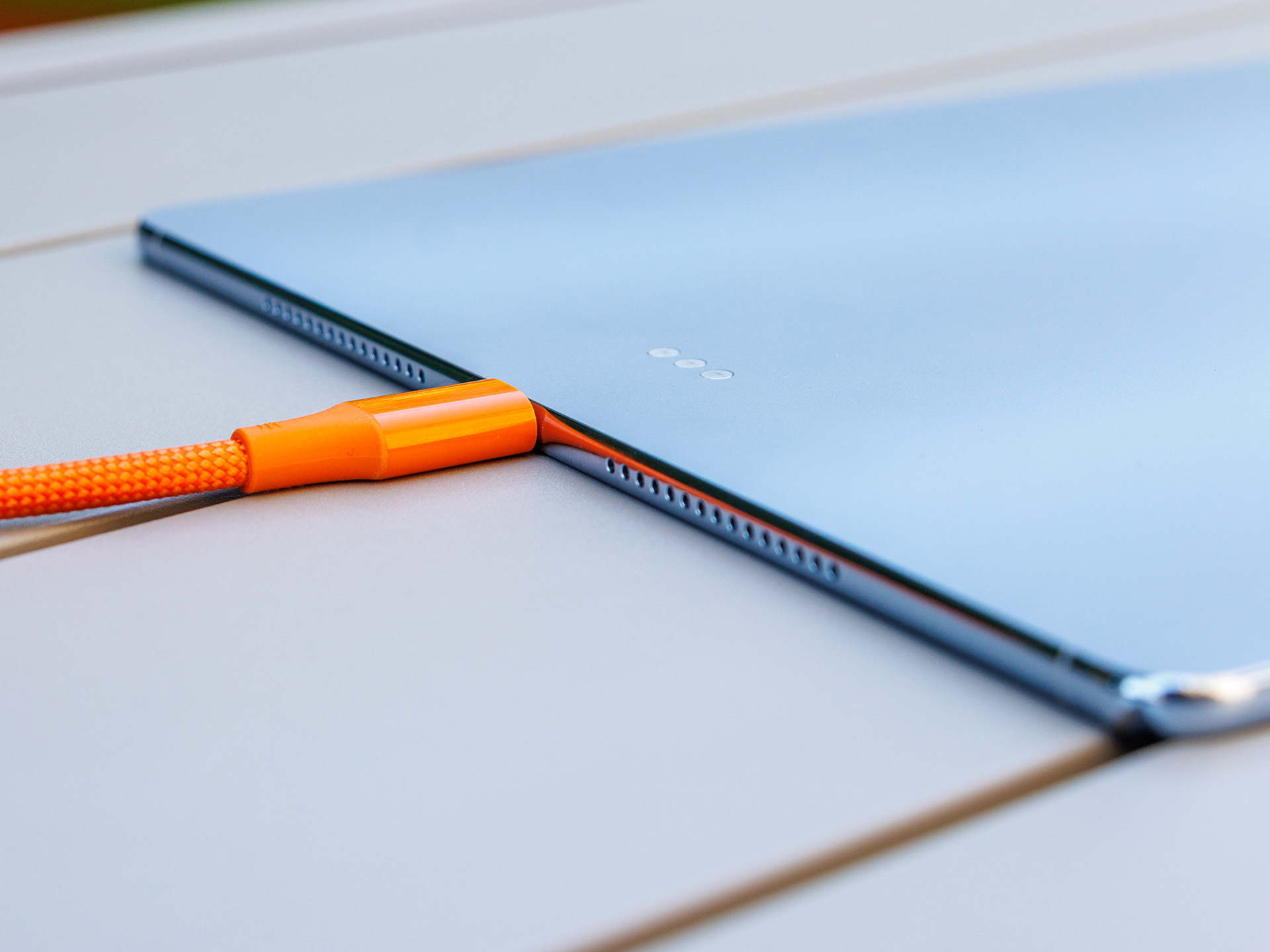
Thinner, lighter, more elegant: When it comes to tablets, thickness has long been a key selling point. Huawei takes this to the extreme with the MatePad Pro Max. The tablet is said to be just 4.7 millimeters thin, making it one of the slimmest devices in its size class. On paper, that sounds impressive. In everyday use, however, it remains to be seen whether this technical feat translates into a practical advantage. Our measuring device shows a flat 5 millimeters at the center of the case. Around the cameras, the thickness increases to up to 7.85 millimeters. Given the huge display and the built-in technology, that’s still remarkably slim. At the same time, the tablet’s aluminum frame gives it a pleasantly premium feel, and it fits comfortably in the hand despite its size.
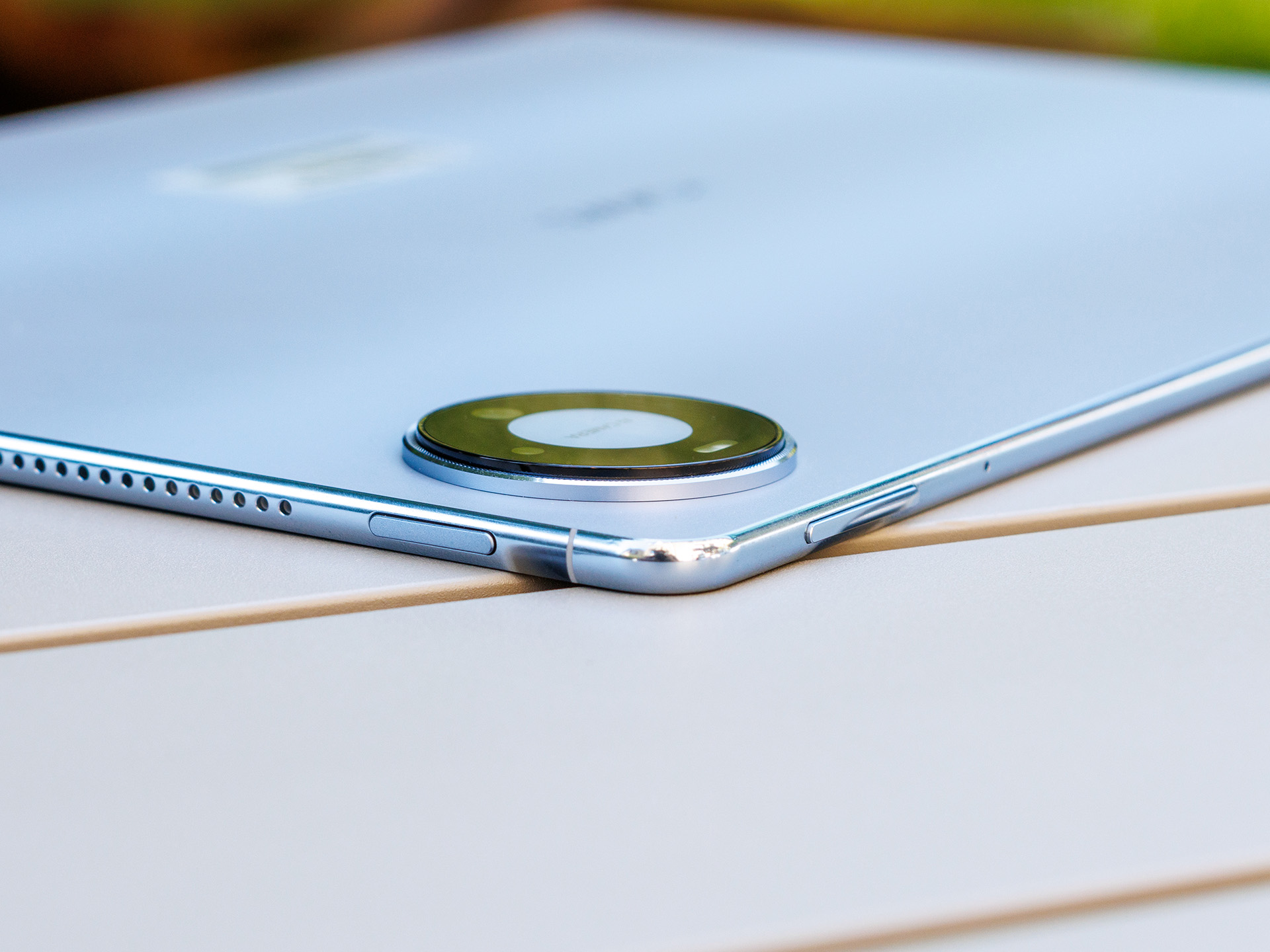
However, this ultra-slim design isn’t entirely without compromises. While the case is torsionally rigid and the gaps are clean, applying pressure can cause a slight creaking sound. On a flat surface, the camera bump also creates a slight elevation. The resulting wobble, however, is minimal. What’s more interesting is the question of what Huawei was able to pack into the device despite its slim profile. After all, a large OLED display, six speakers, a powerful processor, and a sufficiently large battery don’t come for free. The fact that the MatePad Pro Max doesn’t get excessively warm and actually ranks among the best tablets in terms of sound quality makes it all the more remarkable.
The race for the thinnest tablet is therefore more than just a numbers game. It shows just how far modern hardware can be miniaturized. The MatePad Pro Max impressively proves that being extremely thin doesn’t automatically mean it’s fragile or impractical. Whether those last few tenths of a millimeter really make a difference, however, is something every user can decide for themselves.
 Add as a preferred source on Google


