




PaperMatte put to the tough test: Why matte displays are so good
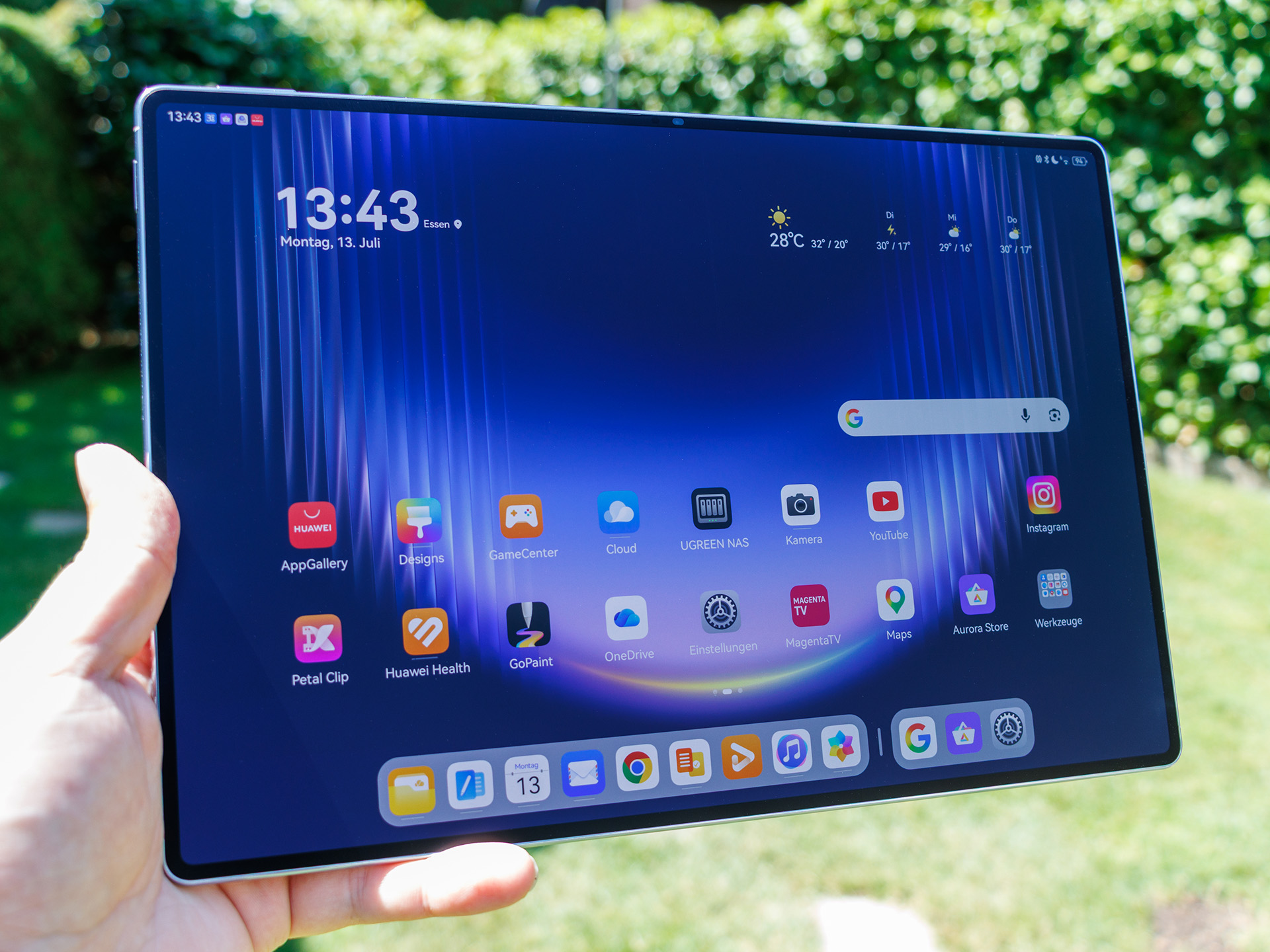
A display should be as brilliant, high-contrast, and vibrant as possible. At the same time, it should be easy to read in any setting. This is precisely where a classic dilemma arises: Glossy surfaces make images look particularly crisp, but quickly turn into a mirror when light hits them at the wrong angle. Huawei is attempting to resolve this conflict with its PaperMatte technology. On the MatePad Pro Max, the matte surface sits directly over the OLED panel. It reduces distracting reflections and makes a noticeable difference, especially outdoors. While a traditional glass display quickly reflects the surroundings, the MatePad’s screen remains surprisingly easy to see even in direct sunlight. This isn’t just a minor improvement in comfort; it’s what makes using a large tablet outdoors enjoyable in the first place.
At the same time, you don’t have to sacrifice the benefits of a modern OLED. The panel offers a high refresh rate of up to 144 Hz, vibrant colors, and excellent contrast. While the color calibration could be a bit more neutral, overall Huawei delivers a high-quality display. PaperMatte is also interesting for the optional M-Pencil Pro. The surface feels less smooth than traditional display glass when writing. As a result, the pen glides more smoothly across the panel and actually provides a slightly more paper-like feel. This is particularly noticeable when taking longer notes or drawing.
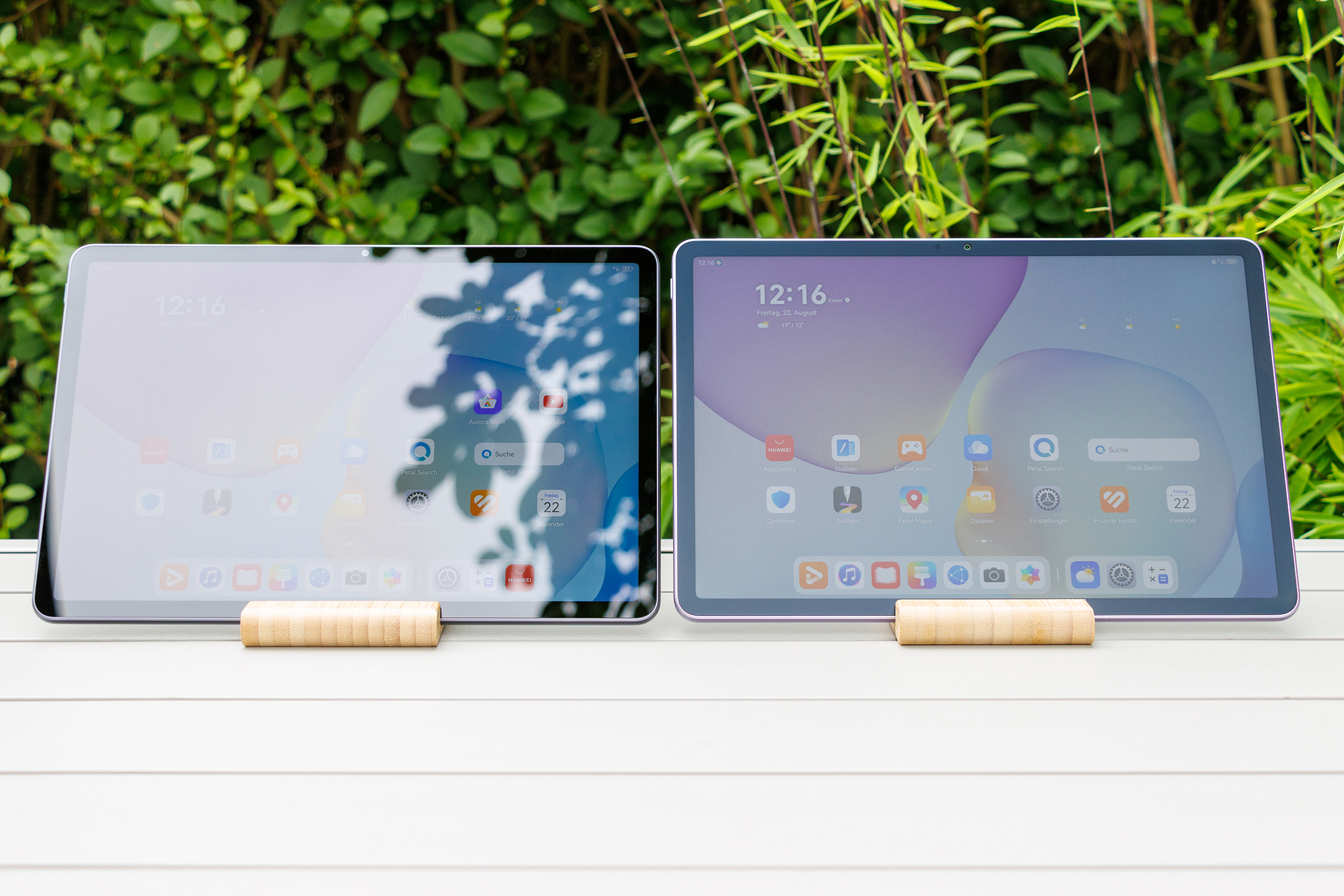
Of course, the matte coating also has a downside. Those who prefer maximum brilliance and the clearest, most reflective image possible might find a traditional glossy panel more appealing. For mobile use, however, the advantages of the MatePad Pro Max outweigh the disadvantages. PaperMatte is thus one of the strongest selling points for the Huawei tablet. Not because the technology looks spectacular, but because it solves an everyday problem: the display remains clearly readable in situations where other tablets start to reflect light. A good comparison is the Huawei MatePad 11.5 (2025), which was released in both a glossy and a PaperMatte version:
 Add as a preferred source on Google


No comments for this article
