




Intel Celeron N4100 vs Intel Core i3-8109U vs Intel Core i5-8257U
Intel Celeron N4100
► remove from comparison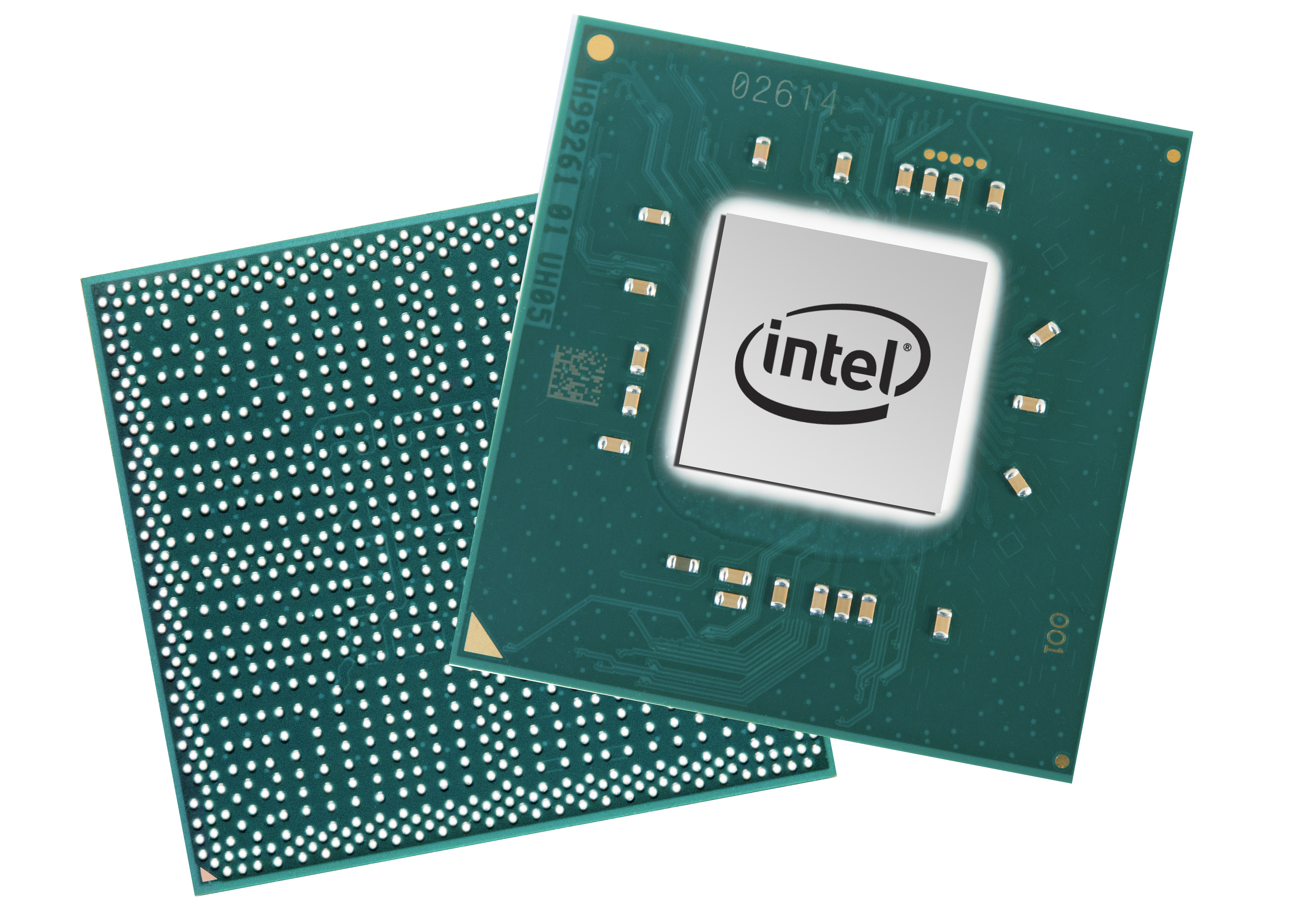
The Intel Celeron N4100 is a quad-core SoC primarily for inexpensive notebooks and was announced late 2017. It runs at 1.1-2.4 GHz (Single Core Burst, Multi Core Burst max 2.3 GHz) and is based on the Gemini Lake platform. Similar to the Apollo Lake predecessor, the chip is manufactured on a 14 nm process with FinFETs but offers slightly improved processor cores, double the amount of L2 cache, a smaller package, a new generation of monitor outputs (Gen 10) and a partly integrated WiFi chip. Besides four CPU cores, the chip also includes a DirectX 12 capable GPU as well as a DDR4/LPDDR4 memory controller (dual-channel, up to 2400 MHz). The SoC is not replaceable as it is permanently soldered to the mainboard.
Architecture
The processor architecture was slightly reworked and is now called Goldmont Plus. It features an increased Level 2 cache (to 4 MB). That means the per-clock-performance should be a bit better, but not near the Core CPUs like Kaby Lake Y.
Performance
The average N4100 in our database directly competes with AMD's 3020e and 3050e, as far as multi-thread benchmark scores are concerned. The Intel Core m3-8100Y and the Celeron 6305 are close nearby as well. Routinely described as "entry-level" in 2019 and 2020, the Celeron N4100 is a slow processor that is good for the most basic tasks only such as Web browsing with no more than two or three tabs open at a time.
The LapBook Pro is among the fastest systems built around the N4100 that we know of. It can be around 50% faster in CPU-bound workloads than the slowest system featuring the same chip in our database, as of August 2023.
Graphics
The UHD Graphics 600 (Gemini Lake) is based on Intel's Gen9 architecture, which supports DirectX 12 and is also used for the Kaby Lake / Skylake / Apollo Lake graphics adapters (like HD Graphics 520). Equipped with 12 EUs and a clock of up to 700 MHz, the performance should be roughly on par with the older HD Graphics 500 (Apollo Lake).
The chip also includes an advanced video engine with hardware support for the playback of VP9 and H.265 material (8-bit color-depth).
Power Consumption
Celeron N4100 has a default TDP of 6 W (also known as PL1), making it a great option for passively cooled setups.
The fairly old 14 nm process this Celeron is built with makes for so-so, as of mid-2022, energy efficiency.
Intel Core i3-8109U
► remove from comparisonThe Intel Core i3-8109U is a dual-core SoC for notebooks based on the Coffee Lake architecture and was announced in April 2018. Compared to its predecessor Core i3-7167U, the CPU now supports Turbo boost with up to 3.6 GHz. Thanks to Hyperthreading the CPU can execute up to 4 threads simultaneously. It is also equipped with an Intel Iris Plus Graphics 655 GPU with 128 MB eDRAM (but with 300 - 1050 MHz it is the slowest Iris Plus), a dual-channel memory controller (DDR4) as well as VP9 and H.265 video decoding as well as encoding. The chip is still manufactured in a 14nm++ process (3rd generation) with FinFET transistors.
Architecture
Intel basically uses the same micro architecture compared to Kaby Lake, so the per-MHz performance does not differ. The manufacturer only reworked the Speed Shift technology for faster dynamic adjustments of voltages and clocks, and the improved 14nm process allows much higher frequencies combined with better efficiency than before.
Performance
Thanks to the Turbo Boost, the processor performance should be a bit above the old Core i7-7500U (max. 3.5 GHz, 15 Watt). Therefore the Core i3-8109U should be fine for most applications. Some games however already need four real cores for optimal performance (paired with a dedicated GPU e.g.).
Graphics
The integrated Intel Iris Plus 655 Graphics is the GT3e model of the Kaby Lake GPU (Intel Gen. 9.5). It has 48 Execution Units running at 300-1050 MHz and the performance is comparable to a GeForce 930M or 940MX thanks to fast eDRAM cache. However, there aren't any significant improvements compared to the old Iris Plus 650, so modern games can often not be played smoothly or only at the lowest or medium settings, respectively.
Contrary to Skylake, Kaby lake now also supports H.265/HEVC Main 10 with a 10-bit color depth as well as Google's VP9 codec. The dual-core Kaby Lake processors announced in January should also support HDCP 2.2.
Power Consumption
The chip is manufactured in an improved 14nm process (14nm++, 3rd generation of 14nm) with FinFET transistors, which improves the efficiency even further. Intel specifies the TDP with 28 Watts, which can be reduced to 23 Watts (cTDP Down) depending on the usage scenario. The TDP is pretty high compared to the common 15-Watt TDP for quad-core processors, but allows a better utilization of CPU and GPU Turbo.
Intel Core i5-8257U
► remove from comparisonThe Intel Core i5-8257U is a quad-core SoC for notebooks based on the Coffee Lake architecture that was announced in the new entry level MacBook Pro 13 in mid 2019. Compared to its predecessor, the CPU is now a quad-core with Hyperthreading support for the execution of up to 8 threads simultaneously. The base frequency is only 1.4 GHz, but the Turbo goes all the way up to 3.9 GHz. It is also equipped with an Intel Iris Plus Graphics 645 GPU with 128 MB eDRAM, a dual-channel memory controller (DDR4) as well as VP9 and H.265 video decoding as well as encoding. The chip is still manufactured in a 14nm process with FinFET transistors.
Compared to faster Core i7-8557U model with eDRAM and 15 Watts, the i5-8257U only features 6 MB smart cache and the slowest clock of the Iris Plus GPU.
Architecture
Intel basically uses the same micro architecture compared to Kaby Lake, so the per-MHz performance does not differ. The manufacturer only reworked the Speed Shift technology for faster dynamic adjustments of voltages and clocks, and the improved 14nm process allows much higher frequencies combined with better efficiency than before.
Performance
Thanks to the relative high Turbo Boost clock, the single thread performance should be very good, but still behind the faster i7 model. The short burst all core performance is clearly better compared to the old dual core predecessors thanks to the additional cores. In sustained workloads, the performance is usually limited by the TDP and cooling. In these workloads the difference to the Core i7 should be also smaller.
Graphics
The integrated Intel Iris Plus 645 Graphics is the GT3e model of the Coffee Lake GPU (Intel Gen. 9.5). It has 48 Execution Units running at 300-1050 MHz and the performance is comparable to a GeForce 930M or 940MX thanks to fast eDRAM cache. However, there aren't any significant improvements compared to the old Iris Plus 650, so modern games can often not be played smoothly or only at the lowest or medium settings, respectively.
Contrary to Skylake, Kaby lake now also supports H.265/HEVC Main 10 with a 10-bit color depth as well as Google's VP9 codec. The dual-core Kaby Lake processors announced in January should also support HDCP 2.2.
Power Consumption
The chip is manufactured in an improved 14nm++ process with FinFET transistors, which improves the efficiency even further. Intel specifies the TDP with 15 Watts and therefore suited for thin and light laptops.
| Model | Intel Celeron N4100 | Intel Core i3-8109U | Intel Core i5-8257U | ||||||||||||||||||||||||||||||||||||||||||||||||||||||||||||||||||||||||||||||||||||
| Codename | Gemini Lake | Coffee Lake-U | Coffee Lake-U | ||||||||||||||||||||||||||||||||||||||||||||||||||||||||||||||||||||||||||||||||||||
| Series | Intel Gemini Lake | Intel Coffee Lake | Intel Coffee Lake | ||||||||||||||||||||||||||||||||||||||||||||||||||||||||||||||||||||||||||||||||||||
| Series: Coffee Lake Coffee Lake-U |
|
|
| ||||||||||||||||||||||||||||||||||||||||||||||||||||||||||||||||||||||||||||||||||||
| Clock | 1100 - 2400 MHz | 3000 - 3600 MHz | 1400 - 3900 MHz | ||||||||||||||||||||||||||||||||||||||||||||||||||||||||||||||||||||||||||||||||||||
| L2 Cache | 4 MB | 512 KB | 1 MB | ||||||||||||||||||||||||||||||||||||||||||||||||||||||||||||||||||||||||||||||||||||
| Cores / Threads | 4 / 4 | 2 / 4 | 4 / 8 | ||||||||||||||||||||||||||||||||||||||||||||||||||||||||||||||||||||||||||||||||||||
| TDP | 6 Watt | 28 Watt | 15 Watt | ||||||||||||||||||||||||||||||||||||||||||||||||||||||||||||||||||||||||||||||||||||
| Technology | 14 nm | 14 nm | 14 nm | ||||||||||||||||||||||||||||||||||||||||||||||||||||||||||||||||||||||||||||||||||||
| max. Temp. | 105 °C | 100 °C | 100 °C | ||||||||||||||||||||||||||||||||||||||||||||||||||||||||||||||||||||||||||||||||||||
| Socket | BGA1090 | FCBGA1528 | FCBGA1528 | ||||||||||||||||||||||||||||||||||||||||||||||||||||||||||||||||||||||||||||||||||||
| Features | DDR4-2400/LPDDR4-2400 RAM, PCIe 2, MMX, SSE, SSE2, SSE3, SSSE3, SSE4.1, SSE4.2, VMX, SMEP, SMAP, MPX, EIST, TM1, TM2, Turbo, AES-NI, RDRAND, RDSEED, SHA, SGX | Dual-Channel DDR4 Memory Controller, HyperThreading, AVX, AVX2, Quick Sync, Virtualization, AES-NI, Intel SSE4.1, Intel SSE 4.2 | Dual-Channel DDR4 Memory Controller, HyperThreading, AVX, AVX2, Quick Sync, Virtualization, AES-NI, Intel SSE4.1, Intel SSE 4.2 | ||||||||||||||||||||||||||||||||||||||||||||||||||||||||||||||||||||||||||||||||||||
| iGPU | Intel UHD Graphics 600 (200 - 700 MHz) | Intel Iris Plus Graphics 655 (300 - 1050 MHz) | Intel Iris Plus Graphics 645 (300 - 1050 MHz) | ||||||||||||||||||||||||||||||||||||||||||||||||||||||||||||||||||||||||||||||||||||
| Architecture | x86 | x86 | x86 | ||||||||||||||||||||||||||||||||||||||||||||||||||||||||||||||||||||||||||||||||||||
| $107 U.S. | |||||||||||||||||||||||||||||||||||||||||||||||||||||||||||||||||||||||||||||||||||||||
| Announced | |||||||||||||||||||||||||||||||||||||||||||||||||||||||||||||||||||||||||||||||||||||||
| Manufacturer | ark.intel.com | ark.intel.com | ark.intel.com | ||||||||||||||||||||||||||||||||||||||||||||||||||||||||||||||||||||||||||||||||||||
| L1 Cache | 128 KB | 256 KB | |||||||||||||||||||||||||||||||||||||||||||||||||||||||||||||||||||||||||||||||||||||
| L3 Cache | 4 MB | 6 MB |

Benchmarks

Average Benchmarks Intel Celeron N4100 → 100% n=19
Average Benchmarks Intel Core i3-8109U → 210% n=19
Average Benchmarks Intel Core i5-8257U → 318% n=19
 - Average benchmark values for this graphics card
* Smaller numbers mean a higher performance
1 This benchmark is not used for the average calculation


